Blog published in Relocation
Share
Property platforms that explain local culture and lifestyle
Learn what a good neighborhood guide includes and how to compare platforms that pair listings with real local context for smarter international buying.

Most property websites are good at telling you what a house has: bedrooms, square footage, lot size, asking price. They're much less helpful at telling you what it's like to live there. Is the village still lively in February? Will you find a pharmacy within a ten-minute drive? Do neighbors expect you to join the local festival committee, or will they leave you in peace?
For anyone buying a second home or retirement home in another country, those questions often matter more than the floor plan. This article explains what separates a platform that explains local culture and lifestyle alongside its listings from one that simply displays inventory, what a good neighborhood guide should contain, and how to use that information to make a calmer, better-informed decision.
Why listings alone leave international buyers guessing
A listing is a snapshot of a building. A neighborhood guide is a snapshot of a life. When you're buying in your home country, you fill that gap with years of background knowledge: you know which suburbs flood, which towns empty out in winter, and what a fair price looks like. Buying abroad removes that background, and no filter for "3 bedrooms, garden" can put it back.
Ownership norms add another layer. According to Eurostat's "Living conditions in Europe - housing" statistics, 68.4% of people in the EU lived in owner-occupied dwellings in 2024, while 31.6% lived in rented accommodation. That's an EU-wide average, and Eurostat's country breakdowns show it varies widely between member states. In practice, this means the local property market you're entering may have a very different shape from the one you know: different attitudes toward owning versus renting, different housing stock, different expectations of what a "normal" home includes.
Buyers who skip the lifestyle research tend to run into the same few surprises: a charming rural home that's an hour from the nearest hospital, a coastal apartment that's lively in August and shuttered in November, or an older house whose heating system is costly to run through a long winter. None of these show up in the photo gallery.
What "lifestyle alongside listings" should actually include
The phrase gets used loosely, so it helps to define it. A platform that genuinely explains local culture and lifestyle next to its property listings should cover most of the following, and it should do so in more than a sentence or two per place.
Culture and community feel
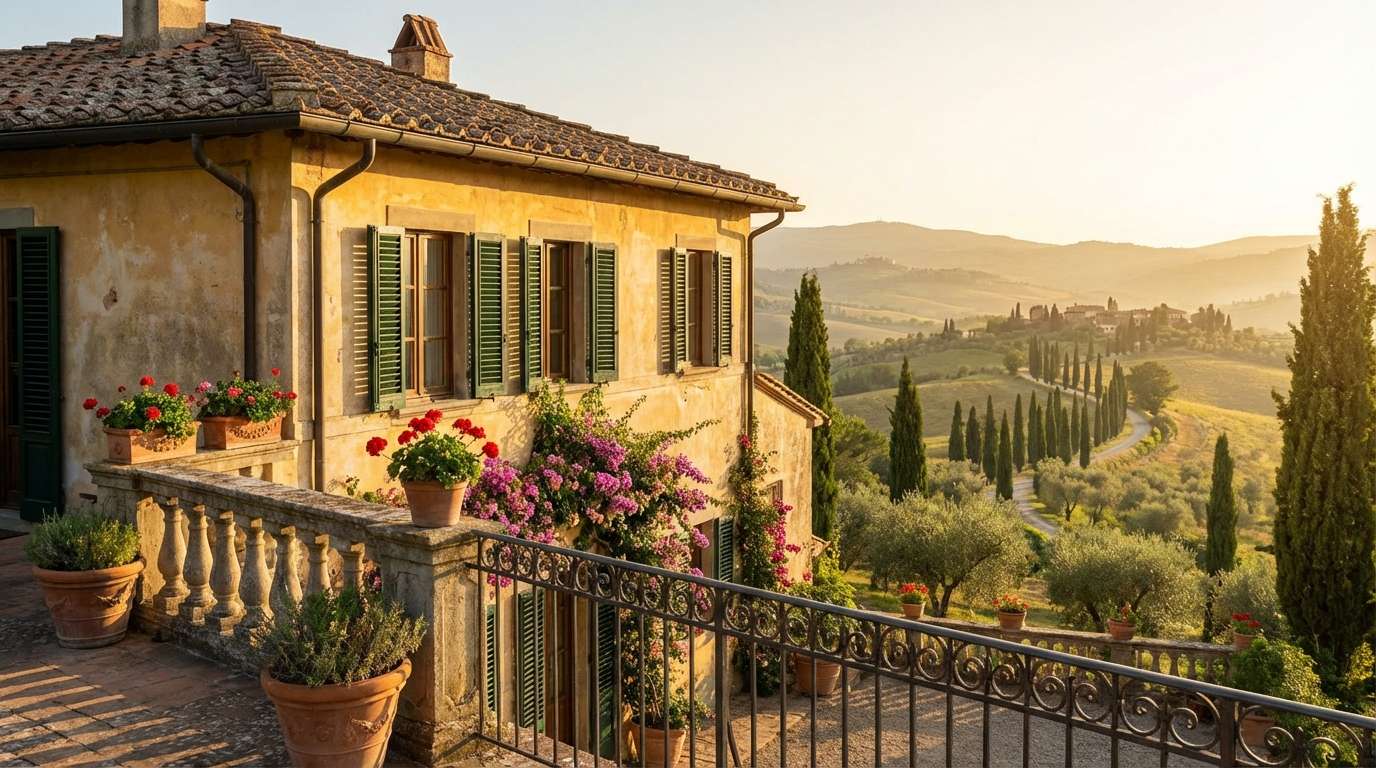
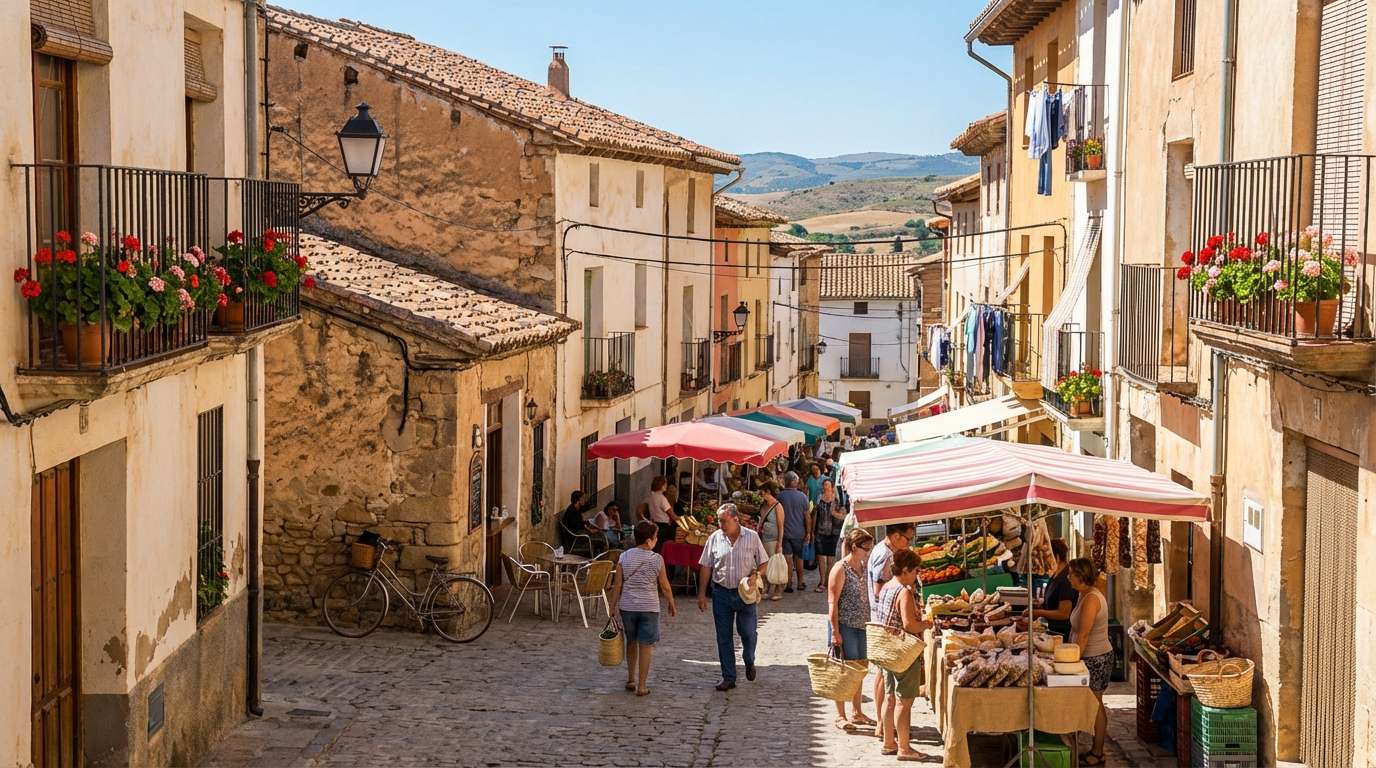
This is the everyday texture of a place: the language you'll hear at the bakery, how much English is spoken, whether the social calendar revolves around markets, churches, village associations, or cafés. A good guide describes how newcomers typically integrate. In many small European towns, showing up to a local market or seasonal festival does more for your social life than any formal introduction.
"What it feels like" comparisons are particularly useful. Slow versus fast, village versus town, tourist-oriented versus year-round residential. These help you shortlist before you ever book a flight.
Housing stock in plain language
You should be told what you'll realistically find: farmhouses, townhouses, apartments in older buildings, new-build villas, coastal cottages. Equally important is what each type means for upkeep. A 150-year-old stone farmhouse has a different maintenance rhythm from a 2015 apartment with a shared roof and a building manager.
Practical daily life
Transport, healthcare, schools, groceries, pharmacies, internet reliability and emergency access. For retirees and part-year residents, the healthcare question deserves particular attention: how you access a GP, where the nearest hospital sits, and how far an ambulance has to travel. For remote workers, internet quality is the deciding factor.
Costs and seasons
Purchase price is only the opening figure. A useful guide looks at utilities, heating or cooling, insurance, and the seasonal tasks that come with owning in that climate: snow clearing, septic or well checks, storm preparation, or closing a house down for winter.
Neighborhood-level tradeoffs
"Living in [region]" is too broad to be useful on its own. Two villages twenty minutes apart can offer completely different daily lives. The best guides break regions into neighborhood profiles and are candid about what you give up in each.
Food, events and leisure
Signature dishes, market days, festivals, trails, beaches, and what a typical weekend looks like. This is the part that makes people fall for a place, and it's also the part that tells you whether you'll still enjoy it in your third year of ownership.
How to compare neighborhoods: five questions for every profile
When a guide offers several neighborhoods or areas, you'll get more from it by asking the same five questions of each. They're also a good template if you're researching independently.
- What's the lifestyle vibe? (Quiet, social, touristy, residential, artsy, agricultural.)
- Who typically buys here? (Retirees, holiday-home owners, families, remote workers, investors.)
- What's within reach? (Walkable services, drive times to groceries, healthcare and transport hubs.)
- What changes by season? (Closures, crowds, weather, road access, maintenance load.)
- Which housing types are available, and in what condition?
Here's how those answers typically play out across common neighborhood types in Europe. These are patterns, not a ranking of specific places.
| Neighborhood type | Vibe | Typically suits | Access | Seasonal watch-outs | Common housing |
|---|---|---|---|---|---|
| Walkable historic town center | Social, café culture, noise at night | Retirees who want to give up the car, apartment buyers | Shops, pharmacy and transit on foot | Summer crowds, parking, older building upkeep | Apartments, townhouses |
| Coastal village | Relaxed in summer, quiet off-season | Holiday-home owners, seasonal residents | Seafood and beaches nearby, hospital often farther | Many businesses close in winter, storm exposure | Cottages, villas, apartments |
| Inland village | Close-knit, slow, strong local institutions | Retirees seeking community and lower density | Basic services nearby, larger amenities a short drive away | Cold or hot extremes, narrow roads | Stone or timber houses, village homes |
| Rural countryside | Remote, private, outdoor-focused | Buyers wanting space and nature | Car essential, long distances to services | Snow, mud-season access, well and septic upkeep | Farmhouses, cottages with land |
| Suburban edge of a regional city | Convenient, less atmospheric | Families, remote workers | Schools, shops and healthcare within a short drive | Fewer, usually lighter | Detached homes, newer builds |
Notice that none of these is "best." A walkable town center is a gift if you want to stop driving, and a frustration if you want silence. A good guide helps you work out which tradeoffs you'll happily live with.
How the major platform types handle local context
Property portals tend to fall into a few camps, and knowing which camp you're in tells you how much of the homework is left for you.
National portals such as Rightmove in the UK, Idealista in Spain and Portugal, or ImmobilienScout24 in Germany have deep local inventory and strong market data. They're excellent for volume inside one country, but they're usually written for domestic buyers, often in the local language, and they assume you already know the area. Our comparison of European property portals walks through what each does well.
Large data-led portals, particularly in the US, tend to pair home-value trends and listing carousels with brief neighborhood blurbs. In our review, region pages on sites like Zillow and Redfin often reduce a place to a sentence or two, with little on culture, daily logistics, or cost of living beyond housing. That works for a buyer who already lives nearby. It's thin for someone relocating.
Cross-border platforms exist to close that gap. They let you browse several countries in one place, in English, and (at their best) attach context to the listings. If you're an American buyer in particular, our roundup of real estate websites for Americans buying in Europe compares the options.
Where Homestra fits
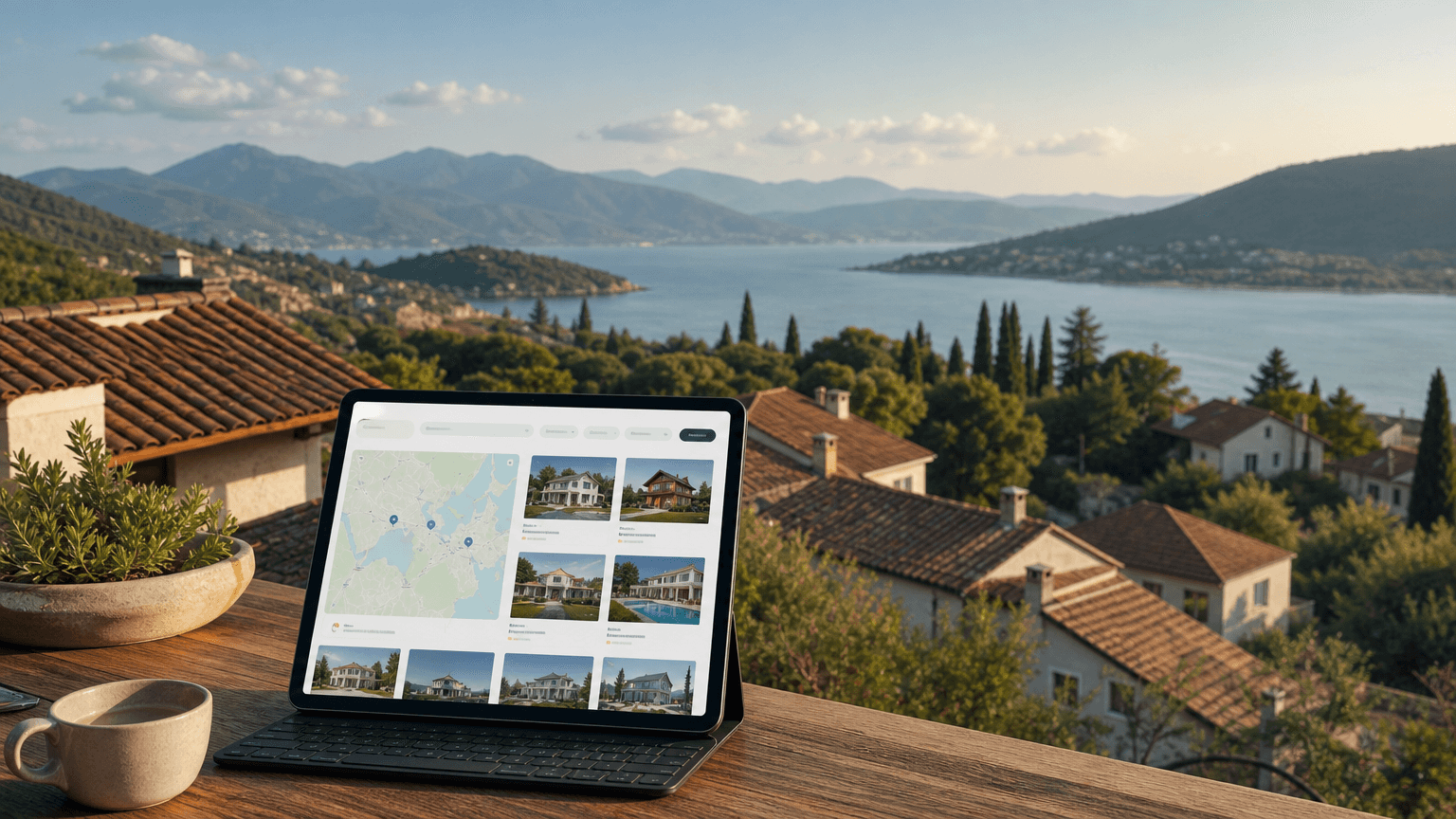
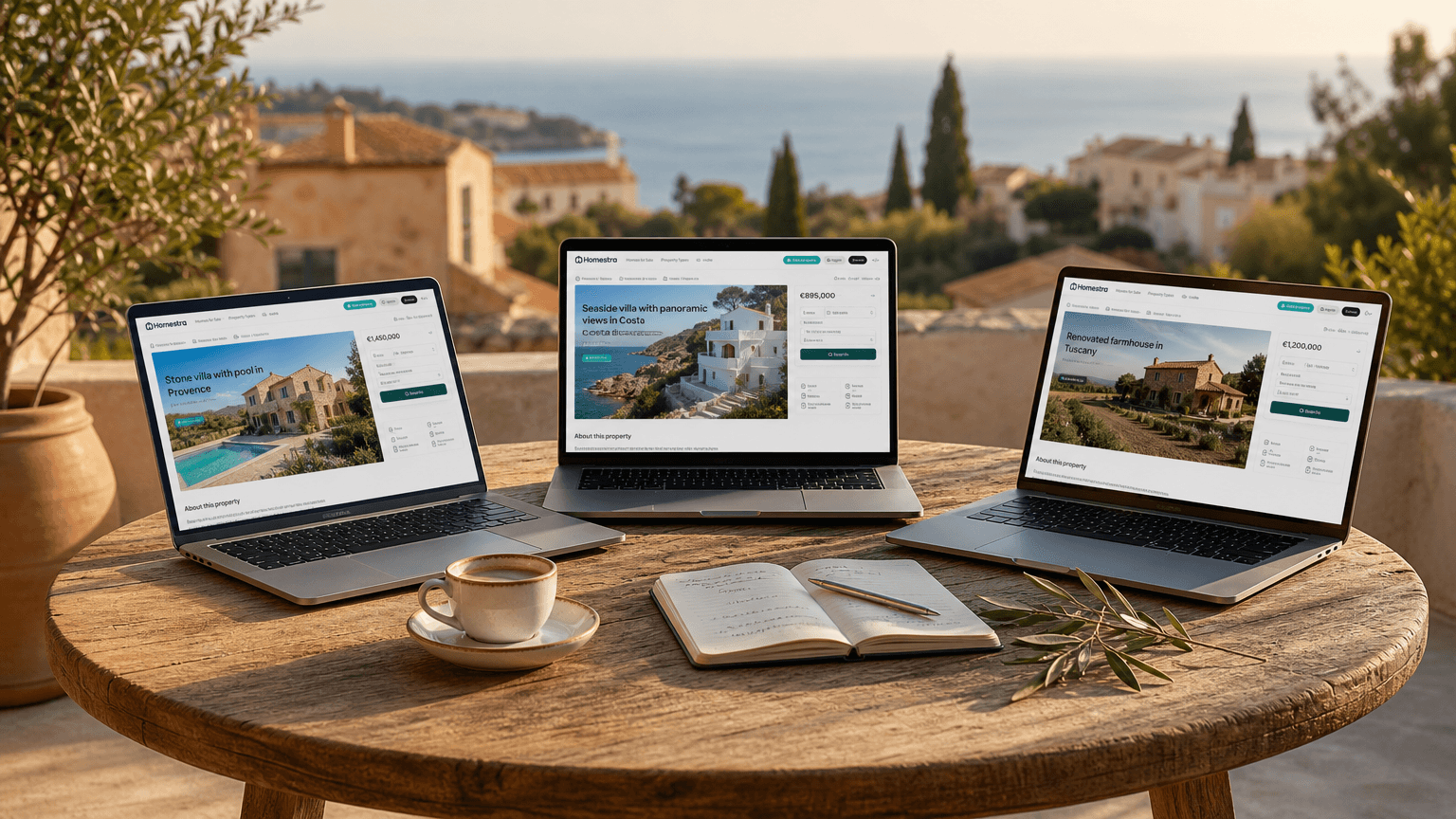
Homestra is a Europe-focused second-home platform built for expats and international buyers, with more than 200,000 properties across the continent. Its search filters let you narrow by property type and price range from anywhere, and listing descriptions are written to highlight local culture and lifestyle, so a farmhouse or coastal apartment comes with a sense of the place around it. The platform also draws on local market insights and historical property data, which helps you judge whether an asking price is reasonable rather than taking it on faith.
The practical advantage is the pairing. You can find a property, read about the area it sits in, and then read a country-specific buying guide for the process that follows, without bouncing between a listings site, a travel blog, and a law firm's FAQ page. If you want a sense of how the single-country and cross-border tools differ, our comparison with other property databases is candid about where local portals still do better, particularly for hyper-local listings in the local language.
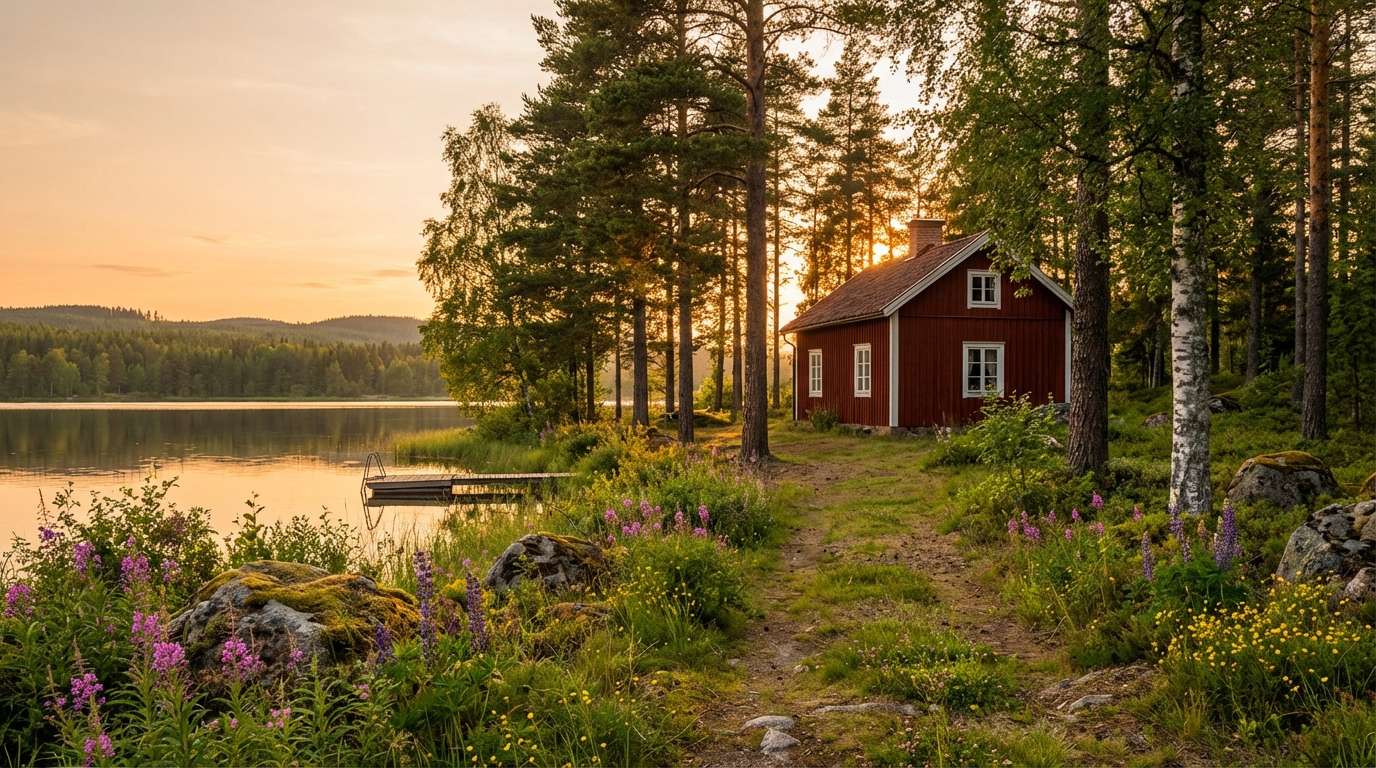
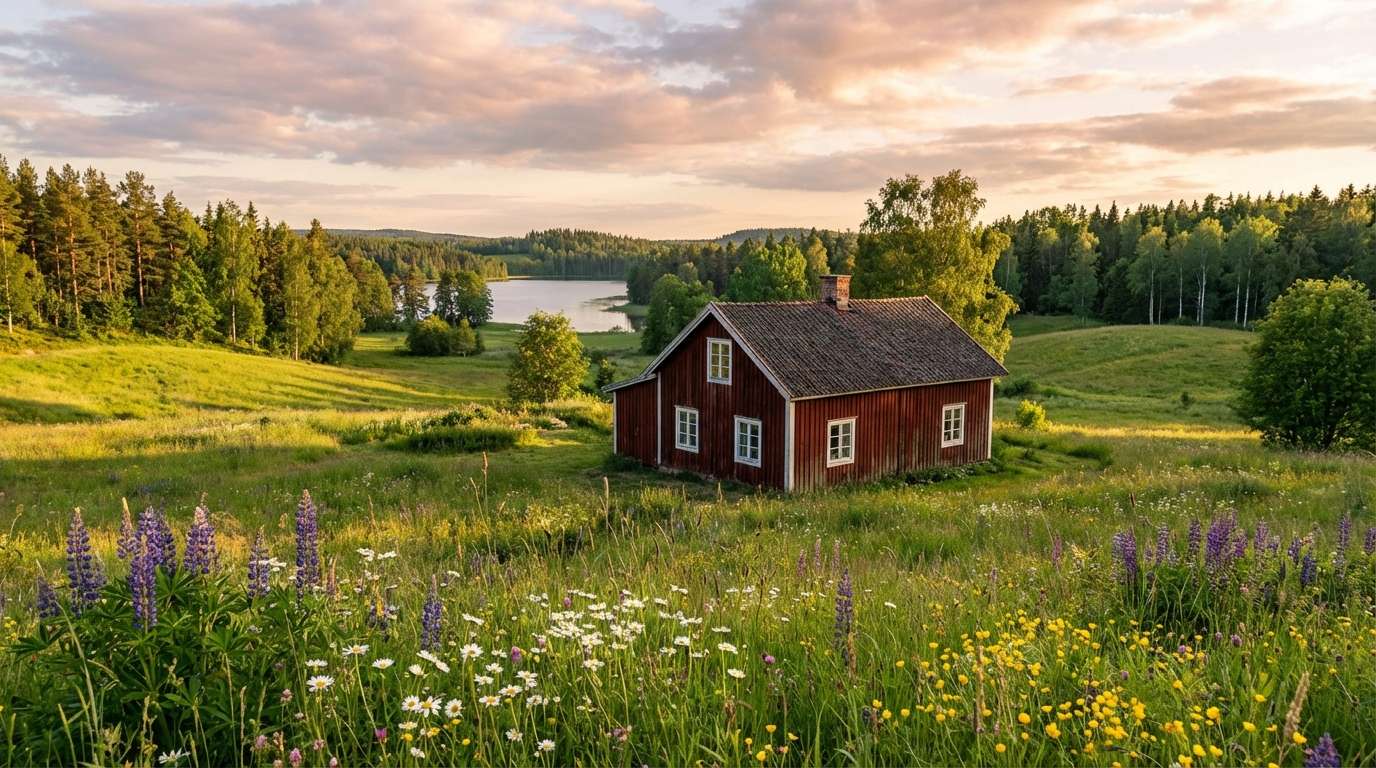
A worked example: buying in rural Sweden as an international buyer
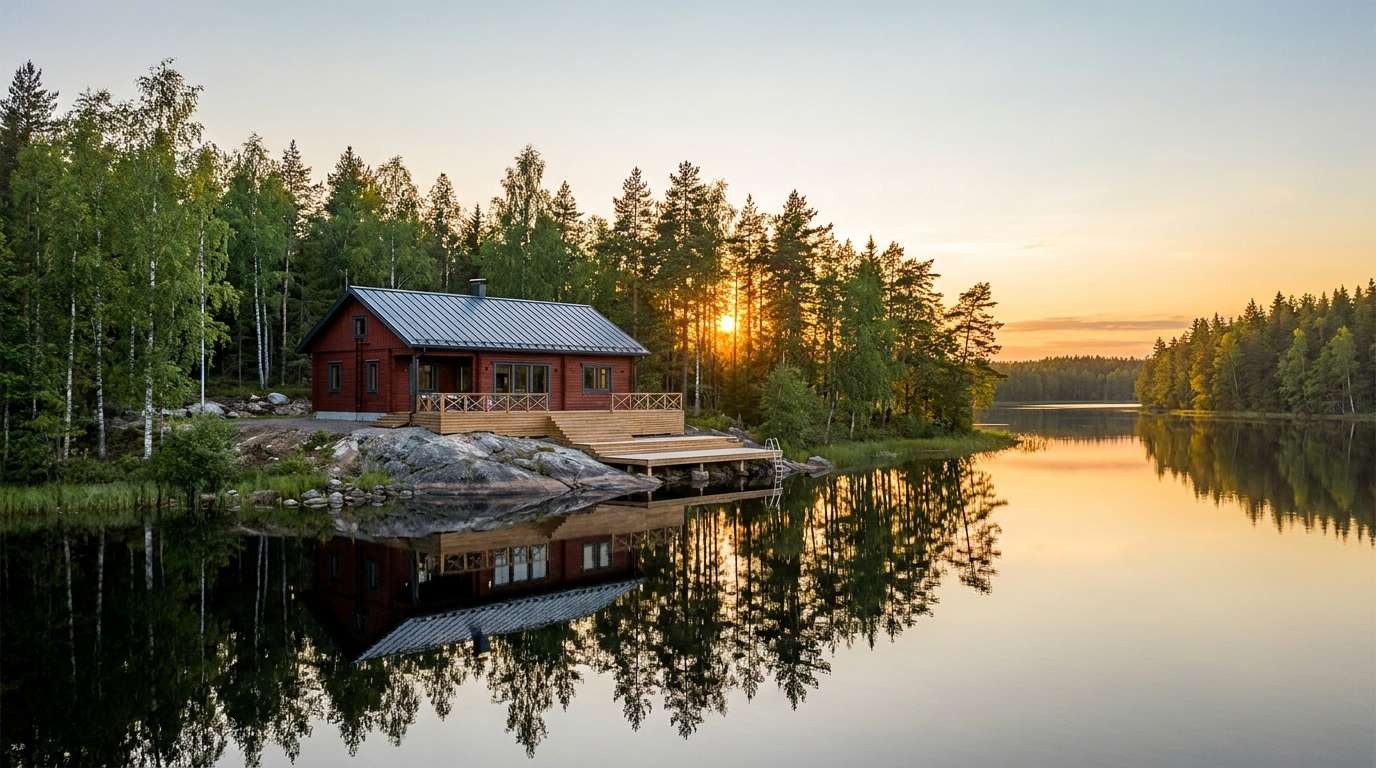
Lifestyle research tells you where you'd like to live. The buying process tells you whether you can actually get there without stress. Rural Sweden is a good example, because a few unfamiliar terms and rural-specific checks can trip up first-time buyers. Here's the structure Homestra's Sweden guidance follows, and it's a good model for any country.
Start with the legal basics
Foreign ownership of property in Sweden has no restrictions, so international buyers can purchase on the same terms as residents. Owning a home doesn't, however, give you the right to live in Sweden permanently. Ownership and residency are separate questions, and it's worth checking your residency position independently before you plan around long stays.
Know the key steps and terms
- The purchase agreement is the köpekontrakt. Once signed, a deposit of around 10% is typical.
- Title is registered through lagfart. This involves stamp duty of 1.5% of the purchase price plus a fixed registration fee of 825 SEK (Swedish kronor).
- Beyond the one-time costs, budget for the annual property charge, home insurance, and ongoing maintenance.
Confirm current rates with a Swedish legal or tax professional before you sign. Fees and rules change, and your own tax situation (including inheritance and tax treatment in your home country) depends on where you're resident.
Take the inspection seriously
In Sweden, the buyer has a duty to investigate the property, known as besiktning. The law places much of the responsibility for spotting defects on you rather than the seller, which makes a professional inspection particularly valuable for older rural homes.
For distance buyers, the rural-specific points matter most:
- Water source and quality, especially for private wells
- Septic or private sewage systems (enskilt avlopp) and when they were last inspected
- Heating type, running costs, and winter readiness
- Signs of moisture or mold, particularly in properties left empty for part of the year
- Road access, easements, and who maintains the access road in winter
- Internet and mobile coverage if you plan to work remotely
Plan for ownership from a distance
Think through who will check on the house when you're away, how snow will be cleared, and whether the heating can be kept at a safe minimum. A local caretaker or property manager is often the difference between an enjoyable second home and a worrying one.
How to judge a platform's local guides before you trust them
When you're researching, a handful of tests quickly show whether a platform's cultural and lifestyle content is substantive or decorative.
- Does it name specific things? Real markets, real festivals, real dishes, real distances. Vague phrases like "charming local atmosphere" tell you nothing.
- Does it admit downsides? A guide with no tradeoffs is marketing. Look for honest notes on winter closures, car dependency, or noise.
- Does it cover costs beyond the price tag? Utilities, insurance, taxes, and seasonal maintenance should appear.
- Does it explain the buying process for that country? Local terms, deposits, registration fees, and inspection duties.
- Is the information dated and sourced? Fees and market figures change. Good content tells you when it was last checked.
- Can you move from guide to listings in a click? The best experience connects what you've read to properties you can actually view.
It's also worth cross-checking any single source. Read resident forums, talk to a local agent, and, if you can, visit in the off-season. A place that still feels right in the quietest month is a place you'll enjoy.
Putting it together
A good second-home search runs in a particular order. Start with the lifestyle: what daily life do you want, and in which kind of place does it happen? Narrow to two or three neighborhood types using the five questions above. Then look at listings, checking each one against practical access, seasonal rhythm, and upkeep. Finally, learn the buying process for that specific country before you make an offer, not after.
None of this has to feel overwhelming, and it's perfectly normal to spend months on it. Many buyers do. Platforms that explain local culture and lifestyle alongside their listings make that research easier because the context sits right next to the homes. If you're ready to start, browse Homestra's European listings, read the relevant location guidance, and use our buying property abroad resources to work through financing, legal steps, and diligence at your own pace.
Share