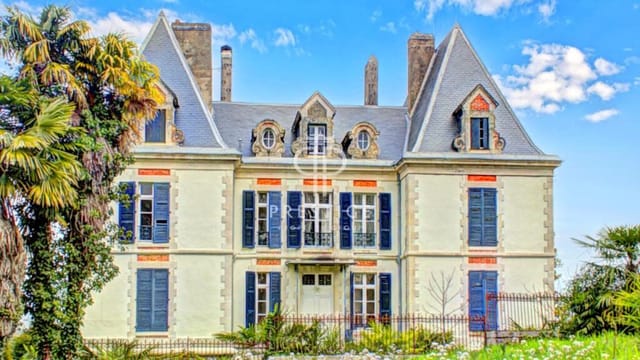
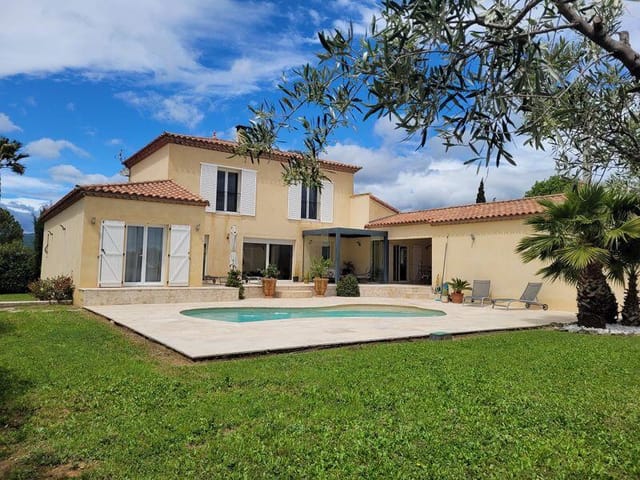
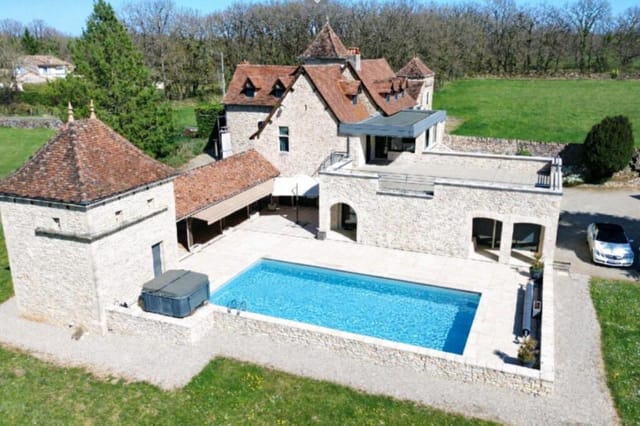
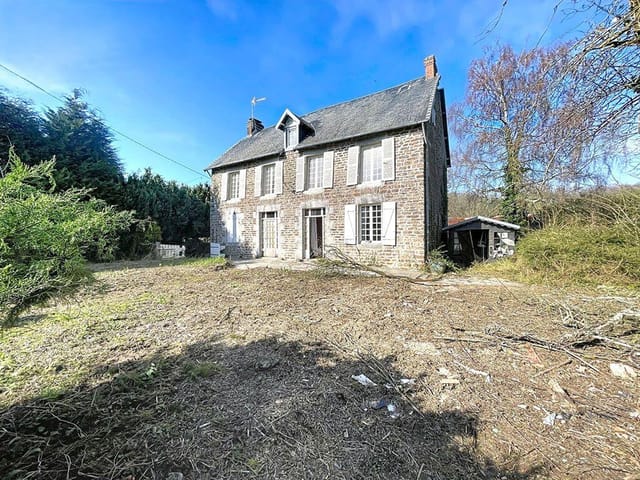
Houses For Sale In France

Houses for sale in france - homestra offers the largest amount of european real estate with over 200,000+ properties, find any type of property within your budget from villas to country homes. buy or rent your perfect home in europe.

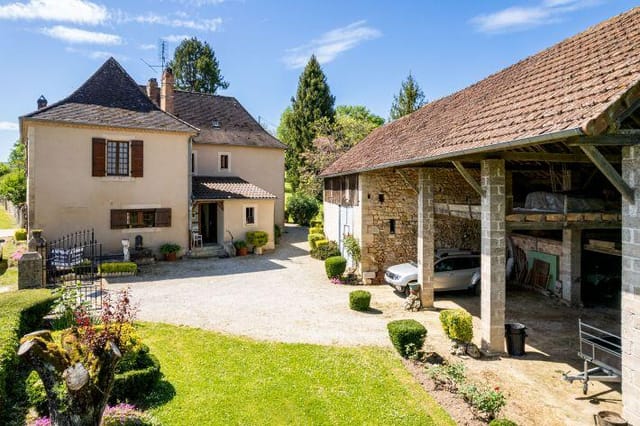
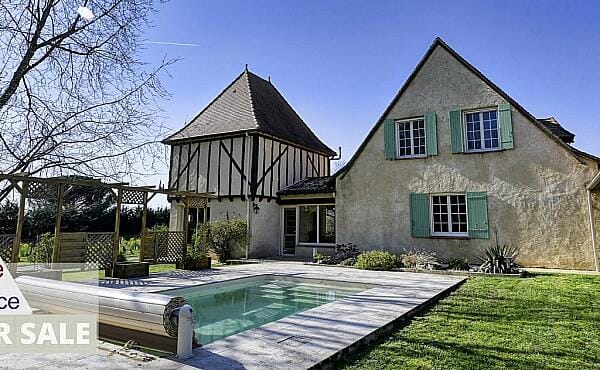
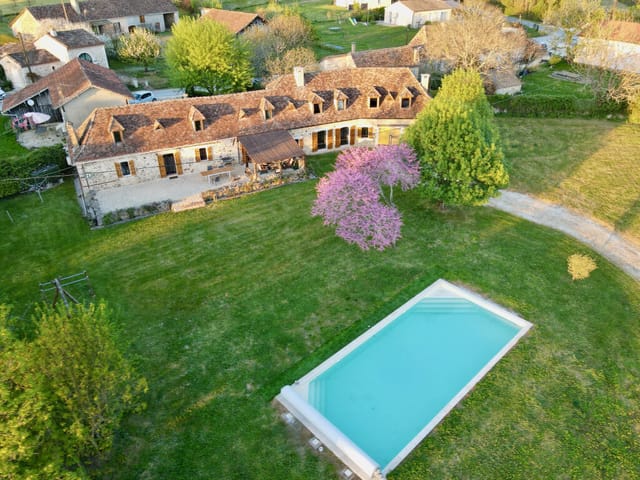
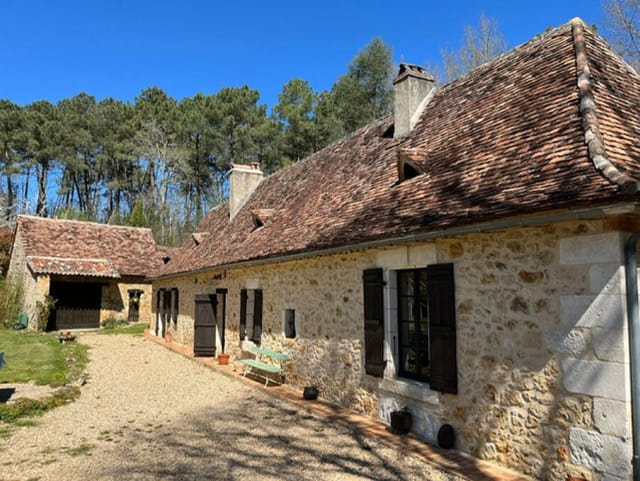
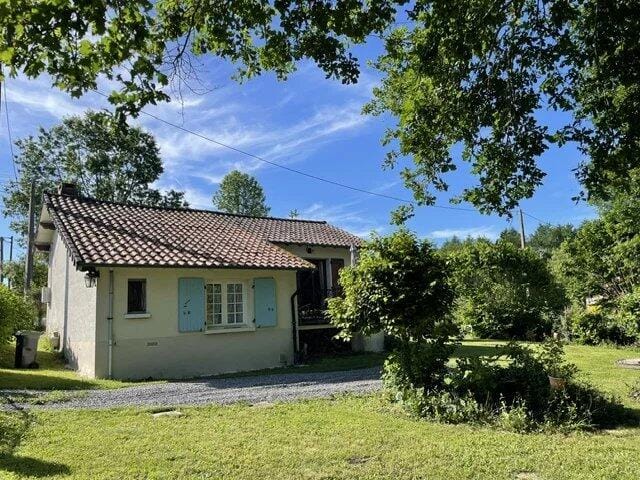
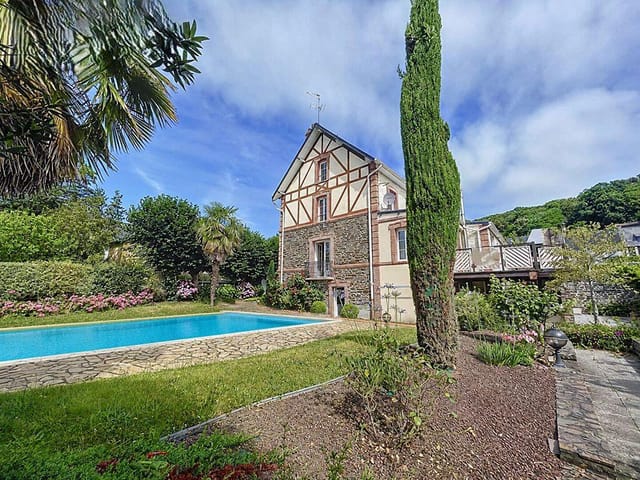
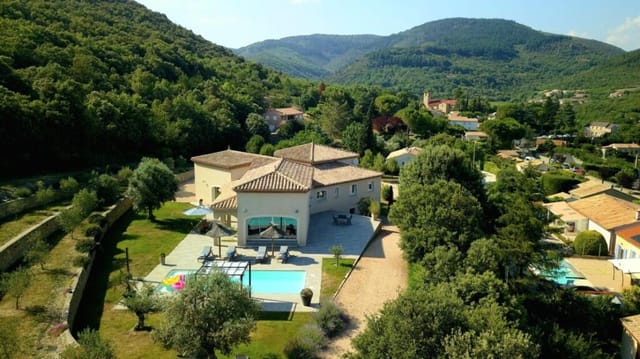
This house for sale in Hautefort, Dordogne, offers eight bedrooms, a 70 m² reception room and a large barn on 3,890 m² for €259,000. The price has come down from €284,000 and the house is back on the market. It sits in Saint-Agnan, a village within the commune of Hautefort, close to everyday amenities. Few Dordogne properties at this price give you this much room to work with, whether you want a big family home, a second home in France or a guest-house project. ### The House: 309 m² with Eight Bedrooms The house is built in two parts. An older section keeps its original character, and a more recent part has been added alongside it. Together they give 309 m² of living space, eight bedrooms and two bathrooms. The condition is listed as good, so this is not a ruin waiting for a roof. The main reception room measures more than 70 m². That is the room where a large family gathers for a long Sunday lunch, or where guests would sit down together after a day out in the valley. With eight bedrooms and two bathrooms, anyone planning to host regularly will want to think about adding a bathroom. The layout gives you space to do that. ### Barn, Bread Oven and Garden Outside, there is a large barn with an open section, which gives you plenty of options for later development. A bread oven in perfect condition stands on the property, a feature most buyers only see in restoration projects. The agent also reports a well that never runs dry. The garden is planted with trees, and part of it is buildable. The data for this property lists a swimming pool and a waterfront setting, while the agent's text talks about the possibility of creating a pool. Please ask us to confirm both points before you plan a trip. The size and the barn als ... click here to read more

Picture 1

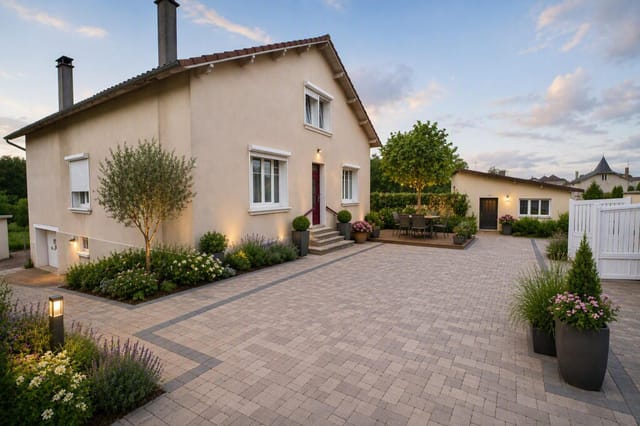
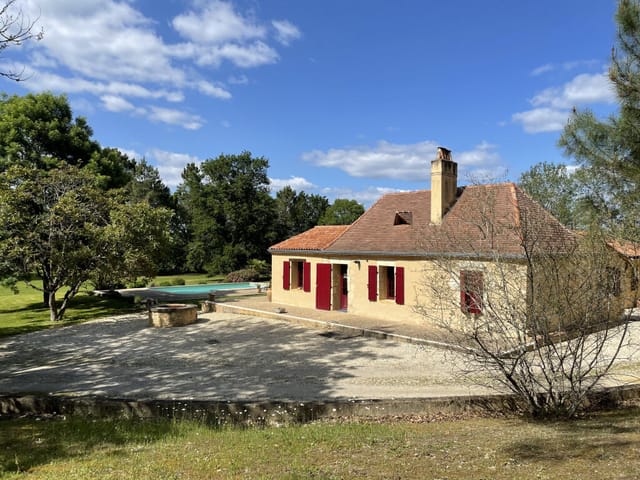
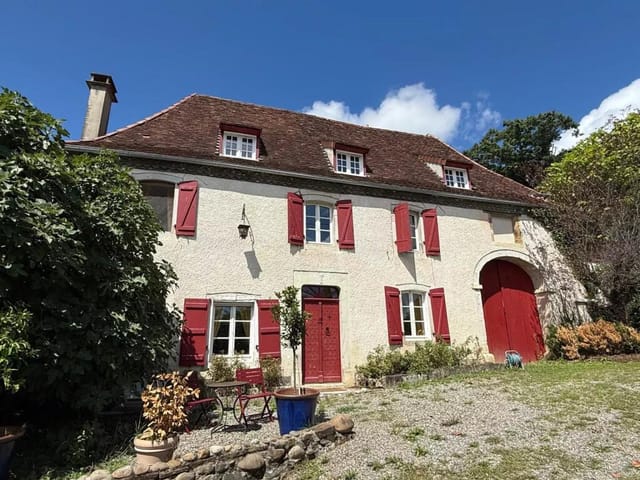
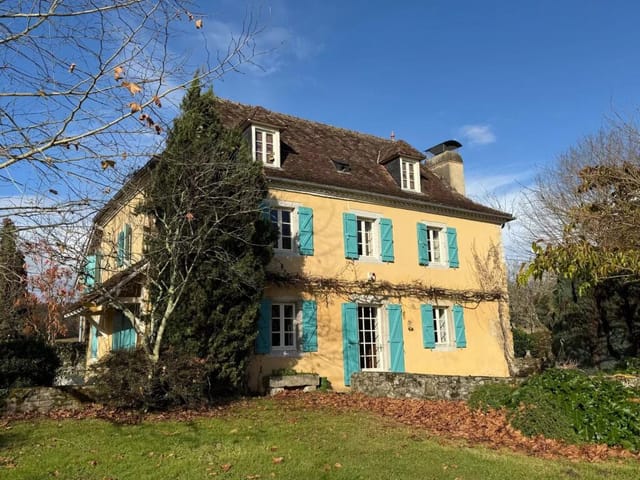
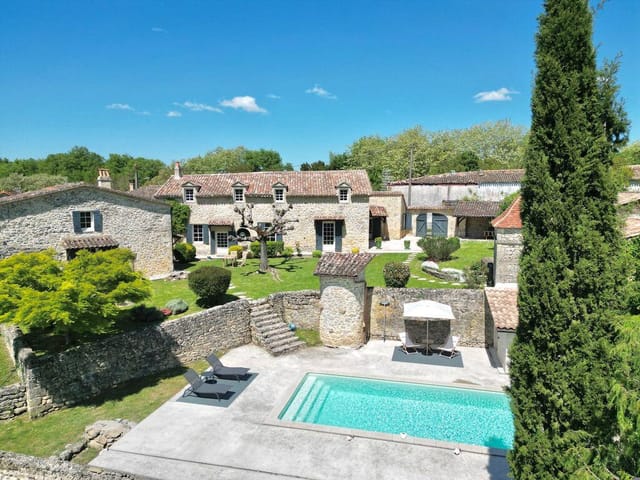
This 5-bedroom house for sale in Haute-Vienne sits in Saint-Mathieu, with 163 m² of living space, an 80 m² basement and a double garage. At €179,500 it works out at roughly €1,100 per m², and the plot is a fenced 1,297 m². The house is in good condition, with a recent pellet boiler and double glazing, so the real question is how you will use all the space. ### The House: Five Bedrooms on Two Floors You come in through the entrance on the first floor. The fitted and equipped kitchen is right there, with one door straight outside and another down to the basement, which is handy when you are carrying shopping or firewood. Next to it is a double living room with a working fireplace, where the family will end up on a January evening. Three bright bedrooms share the first floor with a bathroom (bath and shower) and a separate WC. Upstairs, two more bedrooms add flexibility. One has a dressing area that still needs fitting out, and the other has its own washbasin with bidet and sink. There is also a shower room with a double vanity and storage units, plus a second separate WC. The large landing is wide enough to become a playroom, a reading corner or a desk for remote work. Five bedrooms makes this a house for a big family, or for two families sharing a summer. ### Basement, Garage and Garden The full basement covers 80 m² and does real work. The electrics were recently redone, there is a water point and sink for a washing machine, and the boiler room holds the pellet boiler, its silo and a thermodynamic water heater. Because the silo stores the fuel on site, you are not handling it bag by bag. Outside, the plot is enclosed and fenced, laid out with a courtyard and a lawn. A detached double garage stands at street level ... click here to read more

Picture 1

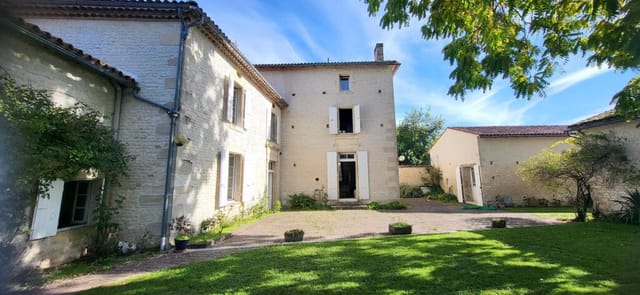
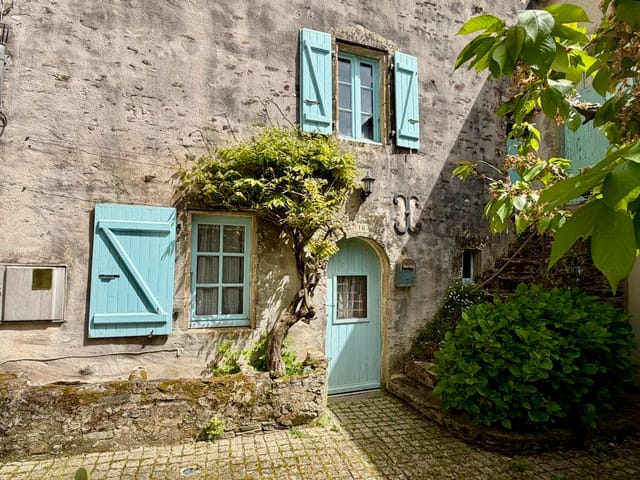
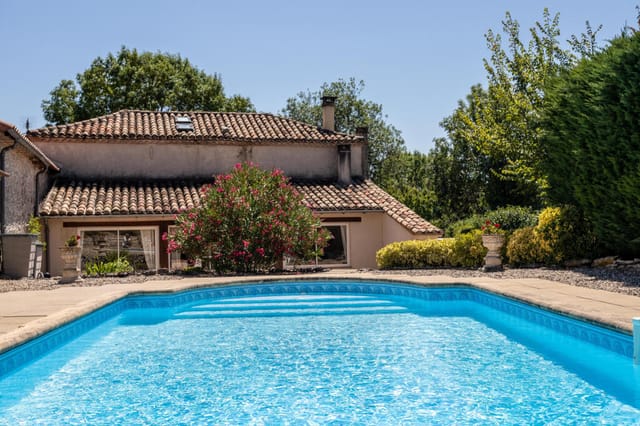
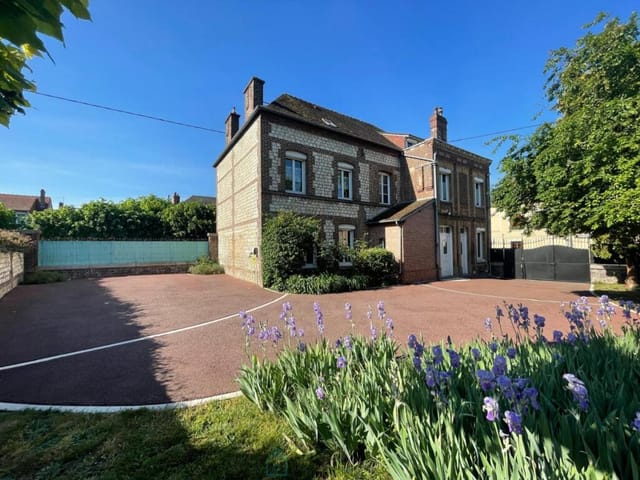
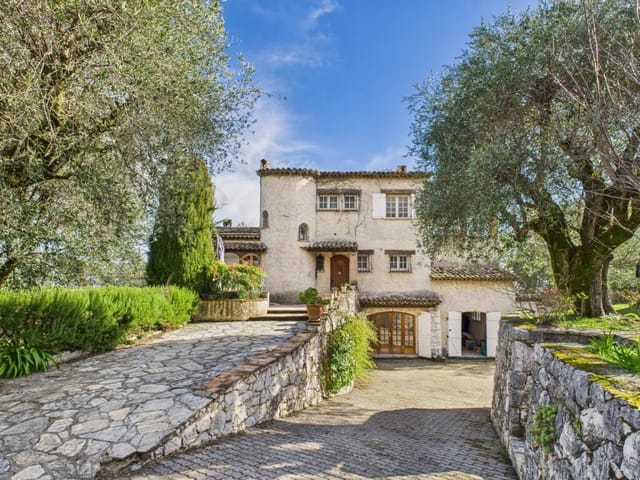
This 1840 house for sale in Charente-Maritime stands in Matha, with 481 m² of living space, a guest house and a walled garden of about 2,500 m². It is a big house, and it was built to be used. Seven bedrooms, four bathrooms and twelve rooms in all give a large family space to spread out, or a sound base for a small guest-accommodation business. The renovation is done and the condition is good, so you would be moving in rather than starting a building project. Wooden floors, fireplaces and old doors from the nineteenth century are still in place. ### The House and Its Walled Garden The main house has 481 m² on its floors. The reception room is accessible for people with reduced mobility, which matters if parents or grandparents will be staying. There is also a games room, a useful place for teenagers or a wet afternoon. The outbuildings add storage and workshop space, and a carport shelters cars and a motorhome. Outside, the enclosed grounds cover about 2,500 m² (2,507 m² on the plot data). A wall surrounds the landscaped garden, so children and dogs have room to play without you worrying about the road. A separate guest house stands in the grounds. Visiting friends get a door of their own, and you could also use it for a gîte or a self-contained apartment for a relative. ### Living in Matha, Between Cognac and Saintes Matha is a working small town in the Charente-Maritime department, in the Poitou-Charentes area. The house is within walking distance of shops and schools, which is uncommon for a property with this much land. You can fetch bread and the paper on foot and still sit in a garden that feels private. The town sits roughly in a triangle with Saintes and Cognac. Saintes has Roman remains and a pleasant riv ... click here to read more

Picture 1

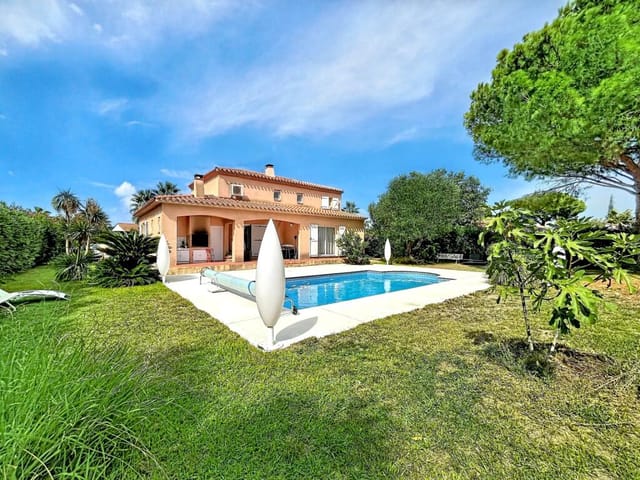
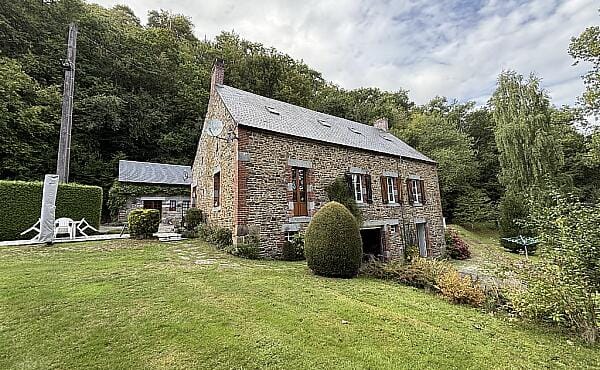
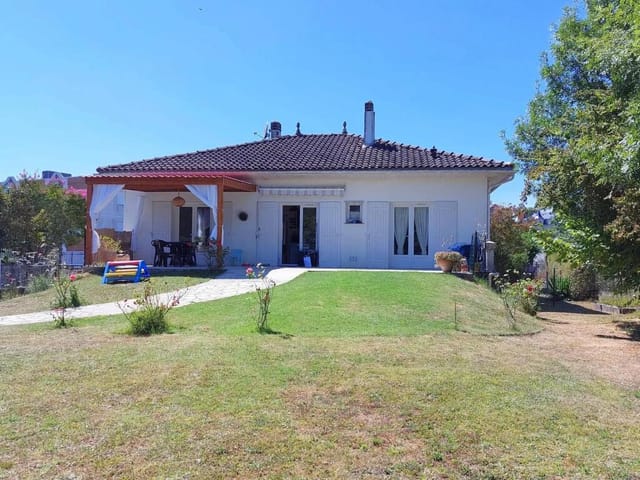
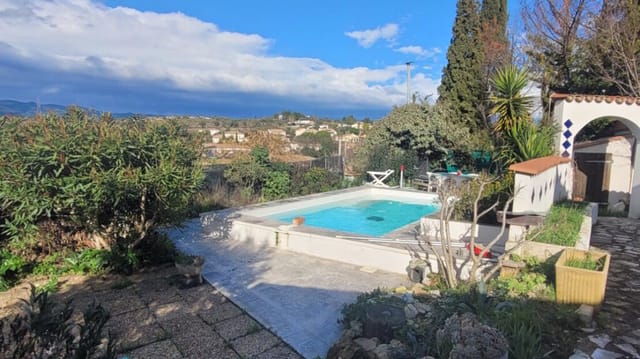
On a clear morning in Baho, with the Canigou still dusted white above the plain and the air already warming before nine o'clock, you understand exactly why people move to Roussillon and never quite manage to leave. The swifts cut low over the pool. The scent of rosemary drifts up from the garden beds. Inside, the light pours through the wide south-facing windows and lands in long rectangles across a living room that's genuinely made for living in. This four-bedroom detached villa sits in one of the most quietly desirable residential pockets just outside Perpignan — Baho, a village that feels a world apart from the city yet sits only fifteen minutes from the centre by car. Four kilometres from the TGV station at Perpignan, nine from the airport, seventeen from the beaches of Canet-en-Roussillon. The geography here is almost unfairly good: mountains to the west, sea to the east, Spain thirty minutes south, and the medieval city of Perpignan spread across the plain below. Built in 1994 on a plot of 1,500 square metres, the villa covers around 166 square metres of interior space across two levels. The current owners have spent years quietly improving the outdoor areas — the terraces around the pool have been extended and refinished, the tarmac driveway gives the whole approach a clean, well-kept feel — and it shows. This is a house in good condition that someone has looked after properly, not one that's been left to coast. The ground floor revolves around a 50-square-metre living and dining space — genuinely generous by any standard — anchored by a fireplace on one wall and wide openings on the other that fold the garden and pool into the room almost completely. On a warm October evening, with the terrace lights on and th ... click here to read more

Picture 1

Early on a Tuesday morning in late September, the village of Soulignac is still quiet. Mist sits low across the Monbazillac vineyards just below the ridge line, and through the east-facing kitchen window, the light comes in long and golden. The coffee is on. The pool is still. And there's nowhere you need to be. That's the pace of life this six-bedroom house in the heart of Périgord offers. It's a substantial family property — roomy, grounded, and genuinely well kept — sitting on nearly 3,000 square metres of land in one of Southwest France's most sought-after pockets, minutes from Bergerac and the rolling appellations of Monbazillac wine country. The house was originally built in 1975 and extended in 1997, and it shows the kind of evolution that happens when a family actually lives in a place and adapts it thoughtfully. The bones are solid. The interior condition is excellent. At 133 square metres of listed living space, with a total footprint of 208 square metres, there's room here for extended family gatherings, long summers with friends rotating in and out, or a future chambres d'hôtes project — the six bedrooms make that last possibility genuinely viable without a major renovation effort. The 32-square-metre living room anchors the ground floor, centred on a fireplace insert that takes the edge off cool autumn evenings when you're not quite ready to leave after the August rush. The kitchen is fully fitted and independent — a proper working kitchen, not a galley squeezed into a corner — and there's a dedicated office, utility room, and laundry-boiler room that make this work as a real residence rather than just a holiday bolt-hole. Two shower rooms, two bathrooms, three WCs. An attic and a cellar. It's a house tha ... click here to read more

Picture 1

Saturday morning in Issigeac. You push open the tall wooden shutters and the air hits you — warm, faintly earthy, carrying the smell of bread baking somewhere down the lane. The weekly market is already humming three minutes away in the medieval bastide, where local farmers spread out their walnuts, foie gras, and strawberries on trestle tables under stone arcades that have stood since the 13th century. This is your kitchen view. This is your Saturday. Set on the quiet edge of one of the Dordogne's most characterful bastide villages, this single-level house of 210 square metres sits on just over a hectare of private land — roughly 11,439 square metres of lawn, mature trees, and absolute silence. No neighbours visible. No road noise. Just you, a sun-warmed pool, and the rolling Périgord hills in every direction. The layout is genuinely clever. A 67-square-metre living room is the kind of space that earns its size — high enough to feel airy, wide enough to seat a crowd, and oriented to pull the garden right into the room through large glazed openings. It flows directly into a kitchen and dining area of 45 square metres, which is not a galley afterthought but a real room where you can cook a cassoulet and have four people around the island at the same time. The two bedrooms and two bathrooms — one full bathroom, one shower room — are arranged to give guests genuine privacy. There is also an independent studio on the property, which is the kind of bonus that makes all the difference: a teenager's retreat, a home office, or a self-contained space for the friends who always stay a week longer than planned. The 55-square-metre garage adjoins a barn, which sits at the edge of the plot near the village boundary. It is practica ... click here to read more

Picture 1

Sunday morning in Vouvant starts with a sound you won't forget. Church bells roll out across the old stone rooftops, the weekly market is already humming two streets over, and from your terrace at the back of the house, the smell of someone's boulangerie order drifts past on the warm Atlantic air. This is not a fantasy. This is just Tuesday in June, or Saturday in September, or any morning you choose to be here. Vouvant is one of those French villages that doesn't try too hard. It doesn't need to. The medieval ramparts still stand. The keep — the Tour Mélusine, named for the legendary half-woman, half-serpent said to have built it overnight — rises above the treeline at the edge of the village. The River Mère loops below, lazy and green, and the stone streets in between are lined with proper shops: a butcher who actually knows your name by the third visit, a bakery that runs out of millefeuille before 9am, a wine merchant stocking bottles from Fiefs Vendéens, the local appellation that most tourists never discover. The house itself sits right inside this world. Two bedrooms, 95 square metres of well-used, well-loved space, and the kind of layout that makes daily life feel unhurried. The ground floor opens into a 20.5m² living room anchored by a wood-burning stove — genuinely useful from October through March, and the sort of feature that makes a wet February evening feel like a deliberate choice rather than an inconvenience. Behind it, a separate 23m² kitchen that's large enough to cook for a crowd, do the shopping spread properly, and still have room for a table if you want breakfast inside. There's a modern shower room on this level too, which matters more than people realise when you're arriving late from a long dri ... click here to read more

Photo 1

Saturday morning. You roll the kitchen window open and the air that comes in is warm already, carrying a faint salt edge from the Mediterranean just a few kilometers south. The church bell in Elne's old town—perched up on its hill the way it has been for centuries—marks eight o'clock. You've got nowhere to be. That's the point. This three-bedroom country home sits in one of the Pyrénées-Orientales' quiet pockets between Saint-Cyprien and Elne, two names that mean very different things to people who know this corner of southern France. Saint-Cyprien means the beach—specifically the long, wide stretch of Plage de Saint-Cyprien, where the water runs an almost impossible shade of turquoise against the pink-grey backdrop of the Albères hills. Elne means the medieval. The cathedral up on the hill, the Roman ruins just beneath the surface, the Tuesday market where local growers bring peaches so ripe they don't survive the drive home. Both are five minutes away. This house sits right between them. At 112 square meters, it's the kind of space that doesn't feel too big to manage from abroad and doesn't feel cramped when you've got guests. The ground floor makes sense immediately—a living room that gets good southern light, a bedroom, and a second room that currently works as a study but would serve equally well as a guest room for the friends who'll inevitably want to visit once they hear you have a place here. There's a bathroom and a separate WC on this level too, which matters when you've got a mix of adults and kids moving through the space. Upstairs, a second bedroom and a small mezzanine reading nook that's genuinely useful—a hammock chair, a stack of novels, the kind of corner that earns its square footage in a way that a ... click here to read more

Picture 1

Stand on that south-facing terrace on a July morning — coffee in hand, the Périgord hills rolling out ahead of you in every direction, a light mist still clinging to the valley — and you'll understand immediately why people who move to Bergerac rarely leave. This four-bedroom Périgourdine stone house, sitting in an elevated hamlet just minutes from the town itself, gives you that view every single day. The house is the real thing. Thick limestone walls, original oak beams, terracotta floors that have absorbed two centuries of Dordogne summers. Not a pastiche of the style — the genuine article, with a 2016 extension that added modern volume without disturbing the bones of the building. At 213 square metres of living space, it never feels cramped, but it also never tips into the cold grandeur of a château. It's a home first, a showpiece second. Ground floor living centres around a generous open-plan kitchen and sitting room, which is exactly where you want life to happen when the evenings cool and dinner stretches past 10pm. The kitchen is large enough to actually cook in — not just stage photos in — and the terrace just beyond the glass doors makes the transition between inside and outside feel effortless. Four bedrooms and two bathrooms handle family or friends with ease. There's also a dedicated office, which matters increasingly for buyers who want to work remotely from somewhere with genuine soul. Upstairs, a large games room — currently configured as flexible space — could comfortably be converted into three additional bedrooms if you ever needed them. Outside, the 4,566 square metre plot gives you room to breathe. The terrace runs to 100 square metres facing due south, meaning it catches sun from mid-morning unti ... click here to read more

Picture 1

Step out of the front door on a Tuesday morning and within twenty minutes you're wandering through Bergerac's old quarter, coffee in hand, past honey-stone façades and half-timbered houses that line the Place du Docteur Cayla. Then you drive back through rolling woodland, turn down a lane into a hamlet of old stone properties, and the world goes completely quiet. That contrast — town life and deep countryside, thirty seconds apart — is what makes this 16th-century farmhouse one of the more unusual finds in the Dordogne right now. The property sits on 29 acres of private woodland. Not a garden. Woodland. You're not buying a patch of grass with some trees at the edge — you're buying the trees themselves, a proper sweep of Périgord forest that wraps around the house on all sides and gives the kind of silence most people have to drive four hours to find. The hamlet it belongs to is made entirely of stone — no modern infill, no holiday parc next door — and the farmhouse reads as the centrepiece of it: renovated carefully, retaining the character of the original 16th-century construction while being entirely liveable today. Inside, 217 square metres unfolds across three reception rooms, each anchored by either an open fireplace or a wood-burning stove. In November, when the Dordogne mist sits low over the valley and the forest outside turns amber and rust, those fireplaces earn their place. The ground floor has a separate kitchen — properly separate, not open-plan — and a full bedroom suite with its own bathroom, which works brilliantly if you have elderly guests or want to avoid stairs entirely. Upstairs, two large bedrooms and a study spread across the upper floor, served by two shower rooms. It's a layout that suits famil ... click here to read more

Picture 1

Early on a Tuesday morning in Saint-Cernin-de-Labarde, the only sounds are wood pigeons in the oak trees and the faint clang of the Issigeac market setting up four kilometres down the road. You could be drinking coffee on your terrace, looking out over 14,195 square metres of your own land, watching the mist burn off the Périgord hills. That is not a fantasy. That is an ordinary Tuesday when you own this house. Built in 2013, this timber-frame property sits at the quiet edge of a small village, positioned almost exactly between Issigeac and Villeréal—two of the most historically rich towns in the Dordogne. The house is not old and crumbling and romantic in the way that requires a decade of renovation money. It is well-constructed, energy-efficient, and genuinely move-in ready. That matters more than people admit until they've spent a summer watching contractors not show up. The ground floor has a proper layout for real life. A living room that gets afternoon light, a kitchen set up for people who actually cook—not a show kitchen, but a professional-style space with the counter room and equipment to handle a big family lunch or a dinner party of eight. There is a bedroom and shower room at ground level, which means guests or elderly family members never have to deal with stairs. The large reception room is separate enough to feel like its own world—good for a home office, a studio, a music room, or simply a space where teenagers can disappear and leave the adults in peace. Upstairs, four rooms including two bedrooms and an attic give you the flexibility to configure the space around however your life actually runs. The basement deserves a mention because in this part of France, a good basement is genuinely useful. Car ... click here to read more

Picture 1

Sunday morning in the Pays des Bastides and the only sound is a woodpigeon calling from the oak tree at the edge of the field. You're standing in 4,000 square metres of your own land, coffee in hand, looking at a barn that's still waiting to become exactly the house you've always had in your head. That's the thing about this property near Boisse — it doesn't hand you someone else's vision. It hands you a blank canvas with real bones. The barn itself covers approximately 200 square metres on the ground floor, with structural capacity for a second floor of over 140 square metres — more than 340 square metres of living space in total once you build upward. A separate hangar of 300 square metres sits alongside, useful for a workshop, a gîte conversion, storage for a boat or two canoes, or simply the kind of breathing room you never get in the city. Outline planning consent is already in place, which is a significant step forward in France and removes one of the most time-consuming hurdles international buyers typically face when purchasing rural property here. The setting is the Dordogne département, specifically the Pays des Bastides — a stretch of rolling agricultural land in southern Périgord that most tourists miss entirely because it doesn't sit on the main Dordogne River tourist corridor. That's precisely what makes it special. The roads here are quiet. The hamlets are working ones. Saint-Léon-d'Issigeac is just down the lane, and Issigeac itself — a genuinely intact medieval bastide village with its Thursday morning market — is close enough to cycle to on a flat day. The market there is the real thing: local farmers selling walnuts, black truffles in season (December through February, and they are extraordinary), du ... click here to read more

Picture 1

Stand on the upper landing on a clear October morning and the Pyrenees are right there — not a distant suggestion, but a full wall of snow-dusted peaks running the entire width of the horizon. That view alone stops people mid-sentence. Add a hectare of land, a pool, a barn with real potential, and a five-minute walk to one of the friendliest village squares in the Pyrénées-Atlantiques, and you start to understand why properties like this one in Laàs don't sit on the market for long. Laàs itself is quietly special. It sits in the heart of Béarn, a region that most people outside France haven't quite discovered yet — which is exactly the point. The village has a genuine rhythm to it. On Sunday mornings, the smell of coffee and warm bread drifts out from the boulangerie before eight o'clock. The château de Laàs, a 17th-century manor house with formal French gardens, stands just up the road and opens to visitors through the warmer months. The restaurant near the village centre — and yes, there's one worth going to, not just one that exists — draws locals from across the valley for long Friday lunches that tip over into the early evening without anyone checking their watch. The house itself is spread across 190 square metres and laid out in a way that actually works for family living. Downstairs, the kitchen connects through to a dining room which opens into the living room — the kind of fluid ground floor arrangement that means nobody's stuck in the kitchen alone while everyone else is gathered around the fire. There's also a separate snug, the sort of small room that ends up becoming everyone's favourite: the right size for a book and a glass of Jurançon wine on a winter evening when the mountains turn purple at dusk. Up ... click here to read more

Picture 1

Saturday morning in Laroque-des-Albères starts with a sound: swallows cutting sharp arcs over the rooftops, the distant clang of the church bell on the main square, and somewhere close by, someone firing up a wood-fired grill. You open the south-facing terrace door, coffee in hand, and the entire ridgeline of the Albères massif sits right there in front of you — no cranes, no apartment blocks, just the ancient limestone spine of the Pyrenees catching the early Catalan sun. That's the daily reality of this fully renovated single-storey house in one of the Pyrénées-Orientales' most sought-after villages. Two bedrooms, a brand-new kitchen, landscaped terraces, a 350m² garden plot, and energy costs running between €810 and €1,160 per year. At €330,000, it represents serious value for a turn-key second home in French Catalonia. Laroque-des-Albères sits at the precise point where the Pyrenees give way to the coastal plain, tucked just above the valley floor on the road that threads between the French and Spanish Catalan worlds. The village itself has kept its shape — stone houses tight along narrow lanes, a café terrace where old men still play pétanque on weekday afternoons, a weekly market that spills across the square with vendors selling local honey, Roussillon wines, and anchovies from Collioure. It's not a tourist fabrication. People actually live here year-round, which gives the place a grounded, unhurried rhythm that resort towns simply can't manufacture. The house sits in a cul-de-sac less than two minutes' walk from the village centre. That proximity matters more than it might sound on paper. You can leave the car in the garage and forget about it for days. Bread from the boulangerie, a cold rosé at the bar, dinne ... click here to read more

Picture 1

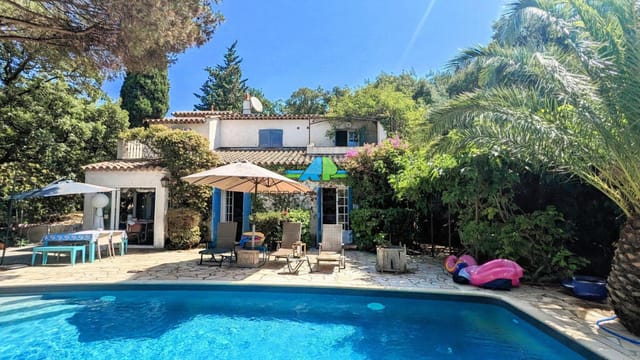
Stand on the terrace some evening in late June, glass of chilled rosé in hand, and watch the light turn the Gulf of Saint-Tropez into hammered copper. The water sits maybe three kilometers away as the crow flies, close enough that you can hear the faintest hum of boats in summer, far enough that Les Issambres stays wonderfully quiet after the day-trippers head back along the D559. This is that property — the one you stop scrolling for. Set on landscaped grounds planted with umbrella pines, old olive trees, and lavender that buzzes with bees from May through September, this six-bedroom Provençal villa sits on a southwest-facing plot that catches afternoon sun across every terrace. The orientation isn't an accident. Whoever built this house understood that in Var, the direction your windows face determines your entire quality of life from October through April, and they got it right. Even in mid-February, you can eat lunch outside in a fleece and feel genuinely warm. The villa runs to 124 square metres of internal living space, which sounds modest until you understand that this household was designed around outdoor living. There are multiple terraces and covered loggias at different elevations — one off the main living area, others accessible from the upper bedrooms — and each gives you a slightly different angle on the gulf. The main swimming pool measures 9 by 4 metres, surrounded by wide stone decking that dries fast in the Mistral wind. Six bedrooms across the house means this works equally well as a large family retreat or as a property with serious short-term rental potential, especially given that Les Issambres and nearby Sainte-Maxime draw visitors from June through September with almost no vacancy in peak weeks. ... click here to read more

Picture 1

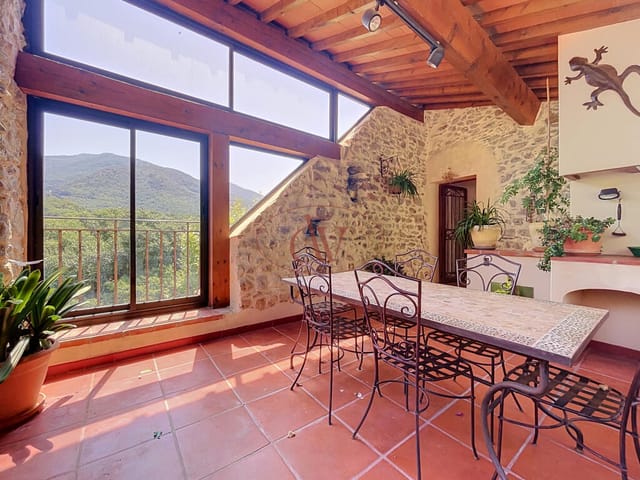
Stand on the covered terrace on a clear October morning and you can see two countries at once. To the south, the Pyrenees roll toward Spain. To the northwest, the snow-dusted summit of Pic du Canigou catches the first light. Down in the alley below, someone is already pulling open the shutters at the boulangerie, and the smell of bread drifting up through the stone lanes is enough to make you forget you were ever anywhere else. This is Laroque-des-Albères — small, real, and just far enough from the tourist trail to still feel like it belongs to the people who actually live here. This four-bedroom village villa sits at the heart of that village, spread across three levels and open on three sides, which means light moves through it all day. Built in 1960 with a south-facing orientation, the house has the kind of bone structure that doesn't go out of style — thick walls, generous room volumes, high ceilings that keep things cool through the long Roussillon summers without the need to reach for the air conditioning remote. The double glazing throughout helps lock in warmth when the tramontane wind picks up in winter, which it will, and which is actually one of the reasons the air up here stays so remarkably clean. The ground floor sets the tone. A large living room opens onto an equipped kitchen, and from there you step out onto a generous covered terrace fitted with a barbecue — the kind of space that becomes the gravitational center of every weekend here. Long lunches happen here. Evening apéros stretch past dark. The terrace connects to a continuous balcony that runs the length of the house and frames that Canigou view in a way that genuinely stops people mid-sentence the first time they see it. Head upstairs and you f ... click here to read more

Picture 1

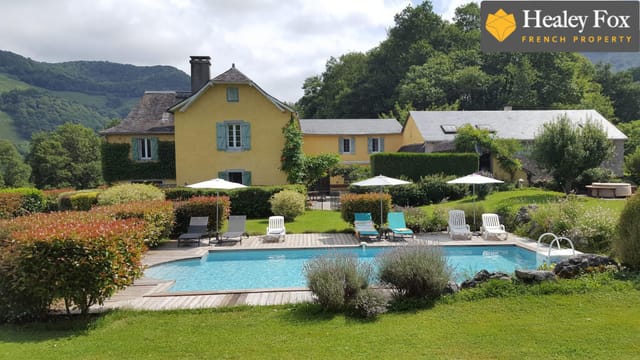
Step outside on a Saturday morning in October and the air already carries that particular Pyrenean sharpness—wood smoke from somewhere down the lane, dew still on the stone courtyard, the peaks catching the first light above the Vallée de Barétous. This is Issor. And this 1801 farmhouse complex is the kind of property that doesn't come up twice in a lifetime. At 437 square metres spread across a beautifully restored Béarnaise farmhouse, a guest house converted from a former sheepfold, and a massive traditional stone-and-pebble barn, the estate sits on roughly 1.8 hectares—gardens, mature plantings, a swimming pool, a jacuzzi, and over a hectare of adjoining pasture that rolls toward the foothills. The whole thing is arranged around a central courtyard, exactly as Béarnaise farmsteads have been built for centuries. That courtyard changes everything about how you inhabit the place. Morning coffee out there, in the shadow of stone walls that have stood since Napoleon was still a general. It's grounding in a way that no new-build terrace ever quite manages. The main house runs to 237 square metres across two floors. Downstairs, the living room opens onto views that stretch uninterrupted across the garden and out to the Pyrenean ridgeline—no road, no pylons, just countryside. The kitchen is the heart of things, anchored by an original fireplace fitted with a wood-burning stove and large enough to actually cook in rather than perform in. A separate sitting room pushes directly onto the terrace, which is where you'll find yourself most evenings from May through September. On cold December nights, that wood-burner in the living room earns its keep fast. Upstairs, four bedrooms all face the mountains, one with its own en-suite ... click here to read more

Picture 1

On a Sunday morning in early October, you step out through the veranda doors into cool Dordogne air and the countryside rolls out in front of you — gold, amber, russet — all the way to the tree line. Not another rooftop in sight. No road noise. Just the faint cluck of distant farmland and the particular stillness that this corner of southwest France does better than almost anywhere in Europe. That's the daily reality of owning this five-bedroom Perigourdine house on its 1.2-hectare private plot just outside Bergerac. This is a proper French country house — the kind that has real architectural bones. The thick stone walls, the pitched roof with dormer windows punching through the upper floor, the way the building sits low and confident in its landscape like it's been there for centuries. It has. But inside, a thoughtful renovation carried out in 2017 means you get all of that character without any of the headaches. The plumbing works. The kitchen is genuinely modern. You're not buying a renovation project — you're buying a house that's already done. The ground floor is more generous than most. A 78-square-metre open-plan living space anchors the home — kitchen flowing into a dining area flowing into a sitting room, with a glazed veranda tacked on the end that catches the afternoon light. In the cooler months, that veranda becomes the best room in the house: warm, bright, watching the mist lift off the fields while you drink your second coffee. There are two bedrooms on this level as well, along with a shower room and WC, making the ground floor entirely self-sufficient if you want to host guests or eventually manage your mobility differently. A laundry room keeps the mess out of the main living spaces. Upstairs, three ... click here to read more

Picture 1

Picture this: it's a Tuesday morning in July, the mimosa outside the south-facing terrace has already caught the first light, and the only sound competing with the cicadas is the distant clink of rigging from the sailboats in the Sainte-Maxime marina. You've walked back from the boulangerie on Avenue Charles de Gaulle with a paper bag of still-warm croissants, and the house—your house—sits quietly behind its gates on a two-thousand-square-metre plot while the rest of the Var coast is only just waking up. That is the kind of morning this property was built for. Set within a private and secure estate close to the town centre of Sainte-Maxime, this five-bedroom villa occupies one of those rare plots that feel genuinely spacious by Côte d'Azur standards. Two thousand square metres of landscaped grounds give you room to breathe—something increasingly hard to find at this price point along the Gulf of Saint-Tropez. The south-facing orientation means the sun tracks across the garden from early morning until it drops behind the Maures hills in the evening, and in a region that logs over three hundred days of sunshine a year, that detail matters more than almost anything else. The villa currently runs as two separate apartments—a configuration that suits buyers who want rental flexibility from day one, or families who appreciate having genuinely independent spaces under one roof. Grandparents in one half, teenagers in the other. Guests who actually get privacy. It works. But the walls between the two units come down without drama, and the footprint of 180 square metres is more than workable as a single flowing home. A few targeted renovations would bring everything up to the standard you'd expect, nothing structural—think fini ... click here to read more

Picture 1

Stand on the upper terrace on a Tuesday morning in late June, coffee in hand, and the Estérel massif turns the color of raw copper in the early light. Below, through a corridor of umbrella pines, you catch a silver flash of the Mediterranean. The infinity pool seems to spill right into it. This is not a postcard — this is what the week looks like when you own a home in Les Issambres. Roquebrune-sur-Argens sits in that rare pocket of the Var where the coast hasn't been completely swallowed by development. Les Issambres is its seaside quarter — a low-key, genuinely residential stretch between Saint-Aygulf and Sainte-Maxime that regular Côte d'Azur visitors tend to guard like a secret. The coves here, particularly Calanque des Anglais and the rocky inlets flanking the Corniche d'Or, are reachable on foot. Not "a short drive" on foot. Actually on foot, through fragrant maquis scrub that smells of wild thyme and warm rock. The villa itself is built in the Provençal Mas tradition — thick walls, tiled rooflines, terracotta details — but the interior has been fully brought into the contemporary era. At 289 square metres of living space, it breathes. The main salon runs to 70 square metres, which means a large family or a group of friends genuinely spreads out rather than stacking on top of each other. Five bedrooms, each with its own private bathroom and private terrace. That last detail matters more than you'd think: summer mornings where every guest can take their espresso outside without negotiating space are worth paying for. A dedicated office — large enough to function equally well as a games room or a teenager's retreat — gives the property a flexibility that pure holiday rentals rarely have. This works as a serious se ... click here to read more

Picture 1

There's a particular kind of quiet you only find in this corner of France. Standing on the private terrace on a Sunday morning, coffee in hand, you hear nothing but birdsong and the faint rustle of leaves from the garden's edge. No traffic. No sirens. Just the deep, unhurried exhale of rural Limousin. That's what this two-bedroom house in Rochechouart offers — and once you've felt it, you'll understand why people come here and never quite want to leave. Rochechouart sits in the Haute-Vienne department, about as authentically French as a town can get without being on a tourist poster. It's built on the rim of a 200-million-year-old meteorite impact crater — yes, an actual crater — and the local Musée de la Préhistoire documents this remarkable geological history in ways that'll have even skeptical visitors lingering longer than planned. The medieval château dominates the hilltop, and on market days the square below it fills with vendors selling Limousin beef, local walnuts, and cheeses that have no business being as good as they are. This isn't the manicured, postcard-perfect Dordogne that gets all the magazine coverage. It's better. It's real. The house itself is a compact, single-story bungalow — 56 square metres of well-proportioned living that gets the essentials exactly right. Two bedrooms, one bathroom, and four rooms total, arranged in a way that feels practical rather than cramped. The kitchen-diner is the heart of the home: a proper gathering space with a fireplace where the whole point is to sit around it on October evenings with a bottle of local wine and absolutely nowhere to be. The living room opens to views across the private garden, and the terrace catches the afternoon light in a way that makes you reth ... click here to read more

Picture 1

Sunday morning in Espiute. The church bell in the village square chimes eight, carrying clean across the valley. You're standing on the terrace with a coffee, watching mist lift off the Pyrenees in slow rolls, the light turning the foothills amber and gold. The gîte behind you is empty until Thursday, when your next guests arrive — another booking, another week of income. Life here has a rhythm you won't find anywhere else in France. Espiute sits in the Pyrénées-Atlantiques, a département that most international buyers haven't discovered yet, which is precisely the point. This is Basque Country and Béarn country simultaneously — two of the most quietly compelling cultural identities in all of France, packed into one corner of Aquitaine. The village itself is small and unfussy. What surrounds it is the draw: proper mountain terrain to the south, the Atlantic coast to the west, and the kind of French market town culture — Oloron-Sainte-Marie, Pau, Navarrenx — that hasn't been packaged for tourists yet. The property is a two-dwelling estate on 6,500 square metres of land. Total habitable space runs to 218m², split between the main house at around 147m² and a fully independent gîte at 71m². That separation matters. It means you can have family or friends in the gîte without anyone living in each other's pockets. It also means you have a ready-made income stream from day one. Walk into the main house and the living room hits you first — 30m², anchored by a wood-burning stove that earns its place every winter from November through March. The dining room has its own open fireplace, which transforms evening meals in the cold months into something genuinely atmospheric. Pyrénées winters aren't brutal, but they're real, and the ... click here to read more

Picture 1

Picture this: it's a Tuesday morning in July, and the only sound reaching you through the open kitchen window is birdsong and the faint rustle of wind through the oak trees bordering your garden. No road noise. No neighbors. Just 140 square meters of 1800s Quercy stone, your swimming pool catching the early light, and absolutely nowhere you need to be. That's the daily reality at this four-bedroom farmhouse on the elevated plateau above Montaigu-de-Quercy — and once you've spent a morning here, the idea of going back to city life gets harder to justify. The house itself has been through a careful restoration that didn't sand away its soul. The original stone staircase is still there, worn smooth by two centuries of footsteps. Exposed oak beams cross the ceilings the way they were intended to — not as a design affectation, but because they're structural, honest, and genuinely beautiful in the way that only old things can be. The stone walls, thick enough to keep the interior cool through August without air conditioning, bear the marks of the craftsmen who laid them. This is a building with a geological patience to it. On the first floor, two generous double bedrooms look out across open countryside toward the rolling Tarn-et-Garonne patchwork of sunflower fields and walnut orchards — the view changes colour almost month by month. Downstairs, the country kitchen with its traditional terracotta-tiled floor is the kind of room that makes you want to cook slowly. A built-in wood-burning stove anchors the living room — and from November through March, when the Quercy plateau gets cold and clear and the stars over the garden are ridiculous, that stove becomes the centre of everything. The practical side has been handled pro ... click here to read more

Picture 1

Stand at the back of this house on a quiet Tuesday morning in October and watch the Orne River catch the light through the tree line. The mist lifts slowly off the water. A heron lands on the far bank without a sound. That's the pace of life here, and once you've felt it, a weekend in the city starts to feel like a poor trade. Noron-l'Abbaye sits within the Suisse Normande — a stretch of Normandy that surprises people. They come expecting flat wheat fields and leave talking about the gorges, the river bends, and the ridgeline walks above Clécy. The nickname "Swiss Normande" wasn't given ironically. The Orne carves through ancient rock here, creating cliffs and forests that feel genuinely wild, just a couple of hours from Paris on the A13. This four-bedroom character house occupies a 2,425 square metre plot directly on the banks of the Orne. The setting alone would justify a detour. But what you're actually getting is a property with serious bones — a living room anchored by an original stone fireplace, a fully fitted and equipped kitchen, a dedicated office space, two bathrooms, and a 105-square-metre attic that's ready for conversion. That attic is worth thinking about carefully. Opened up properly, it could become the kind of master suite or open studio that you'd never find in a new-build, all with exposed timber and river views. The plot comes with a secondary house in need of renovation, plus a collection of outbuildings: cellar, garage, workshop, and carport. For buyers who've been burned by properties with no storage or no room to grow, this is the kind of compound that rewards forward planning. Convert the secondary house as a rental unit or a guest cottage for family visits, and suddenly you've got a self-sup ... click here to read more

Picture 1

Walk out the front gate on a July morning and within ten minutes your feet are on the sand at Saint-Jean-le-Thomas, the Atlantic stretching west toward the Channel Islands, Mont Saint-Michel rising from the tidal flats less than twenty kilometres to the south. That's not a marketing line—that's the literal Tuesday morning reality of living in this five-bedroom house on the Normandy coast of the Manche. Built in the early 1900s and sitting on a generous plot of just under a quarter of an acre, the property carries the solidity you'd expect from that era—thick walls, high ceilings, a real sense of permanence—while the interior has been kept in good condition and is ready to use from day one. At 220 square metres of habitable space across three floors plus a full garden-level basement, there is room here for a large family, a rotating cast of guests, or a combination of both. Five double bedrooms. Two bathrooms. A heated swimming pool. A large garage. A mezzanine with its own shower off the sitting room, which opens up all kinds of possibilities for sleeping arrangements without anyone feeling like they've drawn the short straw. The ground floor sets the tone. The sitting room runs to just over thirty square metres, big enough to hold a crowd on a rainy October afternoon without anyone feeling hemmed in. The mezzanine above adds a quieter perch—somewhere to read while the noise of dinner prep drifts up from the kitchen. That kitchen opens onto an elevated terrace with a built-in BBQ, and from there, external steps descend to the garden below. On a warm evening, that terrace becomes the centre of everything: the smell of something grilling, a glass of Normandy cider on the railing, the light going golden over the garden as ... click here to read more

Photo 2

On a clear morning in Laàs, you can stand at the edge of the garden with a coffee and watch the snow-capped peaks of the Pyrenees catch the first light — no crowds, no noise, just the faint sound of a church bell drifting over the rooftops from the village center five minutes down the lane. That view alone stops people in their tracks. The fact that it comes with a four-bedroom village villa, a large barn, a swimming pool, and nearly a hectare of parkland makes it genuinely hard to walk away from. Laàs sits in the heart of Béarn, one of those corners of southwest France that visitors stumble into by accident and then spend years trying to get back to. It's not Dordogne-famous. It hasn't been overrun. The village has kept its soul — a proper weekly market culture in the wider area, real neighbors who've lived here for generations, and a restaurant that people drive twenty minutes to eat at. The Château de Laàs, with its formal French gardens and museum-quality decorative arts collection, is literally within walking distance. Not many village properties can say their local landmark is a 17th-century château. The villa itself sits in what can only be described as a genuinely peaceful setting. Not "quiet because there's nothing going on" quiet — more like the deep, settled calm of a place that knows what it is. The grounds run to around 10,000 square meters, giving you real space: room to let children disappear into the garden for hours, space to plant a kitchen garden, or simply to keep the world at a comfortable distance. The swimming pool looks out toward the mountains. On summer evenings, when the light goes amber and the Pyrenees turn pink, that pool terrace becomes the only place you want to be. Inside, the ground f ... click here to read more

Picture 1

Sunday morning in Saint-Aubin-lès-Elbeuf starts with a smell you can't manufacture: woodsmoke drifting from the fireplace insert downstairs, coffee brewing in the fitted kitchen, and the faint sound of the Seine moving somewhere beyond the garden wall. It's the kind of slow-morning feeling that people spend years chasing and rarely find this close to a motorway junction. This is a five-bedroom Norman manor house in good condition, spread across 235 square metres, sitting in fully enclosed landscaped grounds with a south-facing terrace, a jacuzzi, two garages, an outbuilding, a workshop, and a paved parking area complete with an electric vehicle charging point. On paper, it sounds like a checklist. In person, it reads like a life upgrade. Let's talk about the house itself first. The ground floor opens with a generous entrance hall — proper proportions, not the awkward squeeze you find in newer builds — with a large closet and a separate WC. The kitchen runs to about 25 square metres, fully fitted and equipped, with enough room to cook for a family gathering without anyone getting in anyone else's way. A utility room with a sink connects directly to the garden, which makes returning from a muddy riverbank walk entirely civilised. The living room has a fireplace insert; the adjacent sitting room has its own fireplace. Two rooms with fires. That is not a small thing in a Norman winter. Up on the first floor, three well-sized bedrooms include a master suite with a dressing room and sink — a practical luxury that transforms the morning routine. There's a large bathroom, a laundry room, another dressing room, and a separate WC. The layout gives a family room to spread out without living on top of each other. The second floor ... click here to read more

Picture 1

On a warm Tuesday morning in Jonzac, you open the terrace doors off the sitting room and the air smells faintly of mineral water and cut grass. Below you, the garden runs downhill in long, generous sweeps — through a canopy of trees, past a woodland patch that filters the light into something almost theatrical — until it reaches the quiet banks of the River Seugne. A heron stands perfectly still at the water's edge. You can hear the church bells from the old town center, just five minutes away on foot. That's the daily reality of owning this five-bedroom geothermically heated house in the heart of one of Charente-Maritime's most quietly compelling spa towns. The property sits less than 500 meters from Jonzac's center, which puts you close to everything without sacrificing the sense of space that defines life here. The upper floor holds three well-proportioned bedrooms, a bathroom with a separate WC, and a triple-aspect living and dining room that catches light from three directions. That room connects directly to the south-facing terrace — the kind of terrace you end up living on from April through October, drinking Pineau des Charentes in the early evenings while the swallows dart over the garden. The kitchen is bright and practical, also opening onto the terrace, so cooking here in summer means constant movement between inside and out. What makes this house genuinely unusual is the lower floor. Two independent guest accommodations sit completely self-contained on that level, each with private access. For a family wanting multi-generational space — grandparents, adult children, close friends who visit for weeks at a time — this layout is hard to find at this price point in France. For a buyer thinking about income gen ... click here to read more

Picture 1

Picture this: it's a Tuesday morning in July, the kind that only happens in the Béarn. You've pushed open the tall shutters of the first-floor landing, and the garden below is already alive — bees working the lavender, the pool catching the early light, the Pyrenean foothills just visible through a soft summer haze on the horizon. Downstairs, someone has put a baguette on the kitchen table. The nearest boulangerie is five minutes away, and by now you know exactly which one to use. This is what owning a château actually feels like, and this particular one — a three-storey, 468m² stone manor built in 1898, set on 4.16 hectares of its own grounds in a tiny hilltop hamlet near Salies-de-Béarn — makes that morning feel entirely possible. The château sits at the end of a winding country lane, approached by a private drive that curves around to a small parking area in front of the house. Stone steps rise to the front door and open into an entrance hall that stops first-time visitors mid-sentence. The double staircase that dominates the hall — symmetrical, unhurried, built for making an impression — sets the tone for everything that follows. A matching pair of stone exterior steps at the rear mirror the interior staircase and lead straight down to the grounds, the 12m x 4m pool, and the tennis court beyond. The ground floor arranges itself logically around that central hall: a sitting room of 30m², a dining room of equal size with an open fireplace that earns its keep through autumn and into the Pyrenean winter, a library-study-office of 23m², and a kitchen. The spaces are generous without being cavernous, which matters more than people expect when a property like this becomes a real family base rather than a weekend curiosity ... click here to read more

Picture 1

On a clear morning in Laurens, you open the bedroom shutters—electric, silent—and the air that comes in smells like sun-warmed garrigue and something faintly floral from the vines on the hillside. The village below is just waking up. A motorbike passes the café. That's about as busy as it gets. This is life in the Hérault heartland, and if you've been looking for a second home that delivers genuine southern French countryside without the tourist-trap prices of Provence, this four-bedroom villa might be the answer you didn't know you were this close to finding. Built in 2010 on the edge of Laurens—a compact stone village in the Faugères wine appellation—the property sits on a generous plot with uninterrupted views across the vines and rolling hills that define this stretch of Languedoc-Roussillon. It's not ancient, and that matters. The bones are solid, the design is contemporary bastide: clean lines, generous proportions, Mediterranean palette, none of the maintenance headaches that come with centuries-old stone. In good condition throughout, it's the kind of place you can unlock on a Friday evening in July and be swimming before dark. Inside, the ground floor is organized around a large lounge and dining room with an open fireplace—the kind you'll actually use from October through April, when the Hérault evenings cool fast and the smell of woodsmoke drifts through the valley. The fitted kitchen comes equipped with the full complement: oven, induction hob, extractor, integrated dishwasher, even a built-in fryer for when you've come back from the Béziers market with a bag of local potatoes and some merguez. French doors open directly onto a wide terrace. Marble and travertine finishes throughout give the interiors a pol ... click here to read more

Photo 1

On a still morning in Aveyron, you step out onto the upper terrace and the land just rolls away from you — four hectares of meadow catching the early light, no road noise, no neighbor's roof in sight, just the faint ring of cowbells somewhere in the valley below and the smell of cut grass warming up. That's the daily reality of this property outside Villeneuve, and it hits differently than any brochure photo can prepare you for. This is a genuine Quercy farmhouse that's been taken apart and put back together with real conviction. The bones are original — thick limestone walls quarried locally, timber beams that have been in place for well over a century — but the living spaces read as thoroughly modern. Not in a cold, minimalist way. In the way that good renovation always works: high ceilings kept tall, stone floors kept bare, and new elements like aluminum double-glazed frames and remote-controlled electric curtains added without apology. The old and the new don't fight each other here. They just coexist. The 250 square metres of living space is spread across three levels and ten rooms, which gives the house a generosity you feel immediately. The original billiard room, now used as the main dining room, has a ceiling high enough to fit a mezzanine above it — a genuinely rare feature that changes the atmosphere of an evening meal in a way that's hard to explain until you've sat under it with a bottle of Marcillac wine and candles going. The study overlooks the full extent of the property and opens directly onto the large terrace-roof above the ground-floor extension; on a clear day you can see the limestone causse in the middle distance and the wooded ridgelines beyond. It's the kind of room that makes you want to actu ... click here to read more

Picture 1

Stand at the kitchen window on a October morning and you'll hear it — the wind cutting across open bocage fields, leaves skittering along the stone path to the barn, and somewhere in the distance the faint toll of the church bell from the village of Hudimesnil. This is Normandy at its most honest. No tourist gloss, no weekend crowds. Just raw countryside, salt-threaded air, and the kind of quiet that most people have to drive three hours from Paris to find — except from here, Paris is less than four hours by road and the Normandy coast is a ten-minute drive. The property sits in the commune of Le Loreur, tucked into the Manche department — an area that most international buyers haven't yet discovered, which is precisely why the prices still make sense. At 107,000 euros for nearly two acres of land, a three-bedroom country house, a semi-attached barn, and a convertible loft of 50 square metres, you're buying raw potential at a price point that frankly doesn't exist anymore in the better-known corners of France. Let's be straightforward about what this is. The house needs a full renovation — the energy rating is G, there's single glazing throughout, and the heating relies on electric radiators and two open fireplaces. This isn't a lock-up-and-enjoy situation. It's a project. But for the right buyer, that's the whole point. The bones are good: thick stone walls, proper room proportions, an entrance hall, a generous kitchen and dining room with an open fireplace, a rear kitchen, and a sitting room that measures over 29 square metres — a room that, once restored, will be the kind of space you spend entire winter evenings in, fire going, local Calvados on the table, not wanting to be anywhere else. Upstairs, two double bedr ... click here to read more

Photo 1

Step outside on a Sunday morning and the air already smells like lavender and warm stone. Twenty-five olive trees line your view. The pool, south-facing and still, catches the first light above the Hérault hills. This is the kind of place where you forget what day it is — and mean it. Set in a small hamlet just five minutes outside Hérépian and ten from the thermal spa town of Lamalou-les-Bains, this four-bedroom villa sits on 5,500 square metres of landscaped grounds in the heart of the Parc Naturel Régional du Haut-Languedoc. Built in the early 2000s to a high specification and kept in genuinely good condition, the property brings together a 200 m² main house and a fully independent 40 m² guest cottage — each with their own character, their own rhythm. Walk through the entrance and the main living space hits you immediately. The cathedral ceiling climbs over five metres, flooding the room with the kind of open-air feeling you don't usually find inside four walls. French windows run the length of the ground floor, framing the pool and olive grove like a living canvas. In summer, you leave them open all day. The lounge, dining area, and fully equipped kitchen flow into one another — a central island, an American-style fridge-freezer, induction hob, coffee machine — all the kit you'd want when cooking a proper dinner after a day at Lac du Salagou, which is less than forty minutes away. There's also a pantry and laundry room off the kitchen, a practical detail that makes all the difference when this becomes your actual home, not just a holiday. The master suite occupies its own wing on the ground floor — 35 m² in total, with an 18 m² bedroom, a walk-in dressing room, and a fully tiled en-suite bathroom complete with a d ... click here to read more
Picture 1

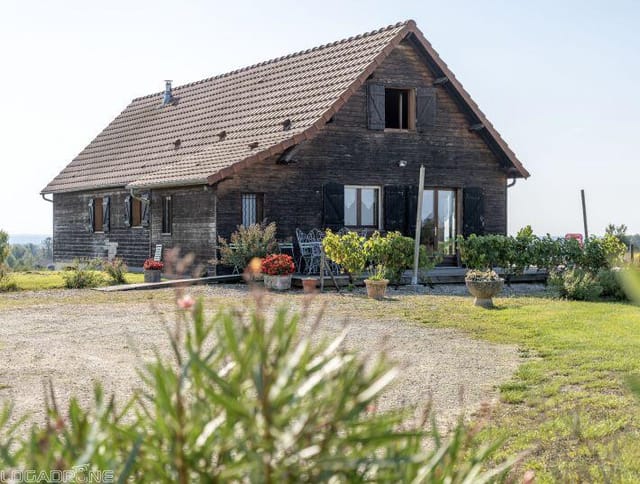
On a still Tuesday morning in late September, you open the tall wooden shutters of the main bedroom and catch the smell of damp stone and cut grass drifting up from the courtyard below. The vineyards start just beyond the garden wall. A church bell counts eight strikes somewhere in the direction of Rauzan. The coffee is already on, and you have nowhere to be. This is the rhythm of life at this remarkable 17th-century Girondine farmhouse in the heart of Entre-Deux-Mers — and once you've experienced it, a week's holiday simply won't feel like enough. The property sits in a peaceful hamlet less than five minutes from the village of Rauzan, where Saturday morning means the street market on the main square, two boulangeries competing for the title of best pain au levain, and an espresso at the café before the day properly starts. It's not a tourist village — it's a real working French community where you'll recognise faces within weeks of arriving. That's a rarer find than you'd think in Gironde. The farmhouse itself dates to the 1600s and carries all the architectural honesty of that era: stone walls thick enough to keep August heat at bay, original exposed beams, and proportions that modern builds simply can't replicate. But it's been lived in and cared for over the decades rather than left to crumble romantically. The result is a home that's genuinely comfortable and move-in ready, without the clinical overhaul that strips character out of old houses. The main house spreads across a very generous footprint. Downstairs, a 42m² sitting room opens through to a formal dining room of 53m² — big enough for the kind of long lunches this part of France was basically invented for. The kitchen at 26m² is well-equipped and practic ... click here to read more
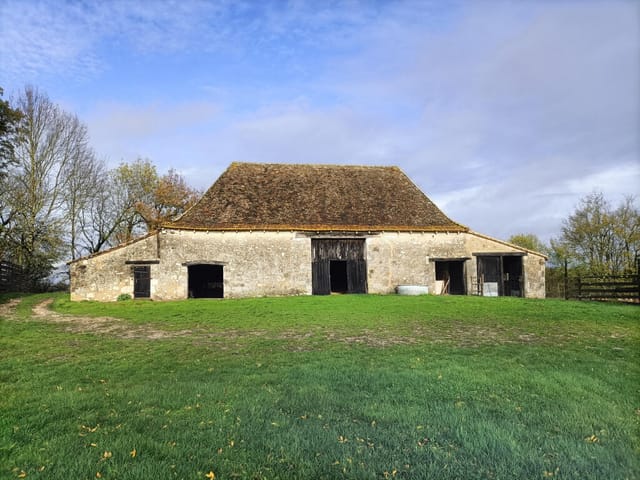
Photo 1

Picture yourself sipping morning coffee on a sun-drenched terrace overlooking 2,130 square metres of Mediterranean garden, the scent of lavender drifting on warm Provençal breezes while the French Riviera sparkles just 20 minutes down the hillside. This is the daily reality awaiting at this 186-square-metre villa in La Gaude, where authentic southern French living meets practical vacation home ownership in one of Europe's most coveted holiday destinations. Within a five-minute drive of village amenities yet cocooned in tranquil countryside, this five-bedroom residence offers the perfect balance international buyers seek when investing in a second home on the Côte d'Azur. La Gaude occupies a privileged position in the Alpes-Maritimes department, perched on hillsides between Nice and the medieval village of Saint-Paul-de-Vence. This location delivers the quintessential Provençal experience while maintaining exceptional connectivity to Mediterranean beaches, Nice Côte d'Azur Airport just 25 minutes away, and the cultural richness of the French Riviera. The property sits in peaceful countryside setting where olive groves and cypress trees define the landscape, yet village shops, bakeries serving warm croissants, and traditional Provençal markets remain within five minutes. This accessibility makes the villa ideal for vacation home owners who value both seclusion and convenience, whether visiting for summer holidays or extended winter escapes. The villa's 186 square metres spread across seven thoughtfully designed rooms, accommodating family gatherings and guest visits with ease. The ground floor welcomes you through an 11-square-metre entrance hall leading to a generous 32-square-metre living room where a traditional firepla ... click here to read more
Picture 1

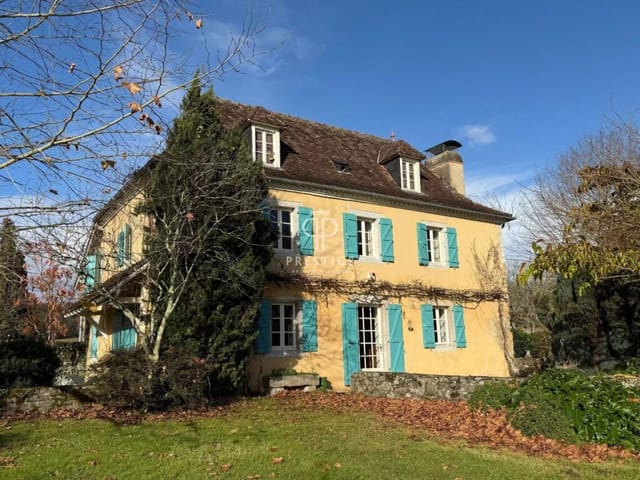
Picture yourself sipping morning coffee on a sun-drenched terrace, surrounded by fragrant lavender and rosemary, gazing across rolling vineyards toward distant Mediterranean horizons. This is the daily reality awaiting at this authentic stone farmhouse in Autignac, where centuries-old Languedoc charm meets the rhythm of southern French village life. Just ten minutes from the vibrant city of Béziers and twenty-five minutes from golden beaches, this property offers the perfect balance between tranquil countryside retreat and convenient access to everything that makes this corner of France so irresistible to vacation home owners. Originally a working barn that served local vintners, this 165-square-meter stone house underwent thoughtful renovation while preserving its rustic character and traditional architecture. The thick stone walls keep interiors naturally cool during summer months, while the south-facing orientation floods rooms with natural light throughout the year. Set on the peaceful edge of Autignac, a working village where locals still gather at the weekly market and neighborhood boulangerie, the property enjoys complete privacy on nearly 1,000 square meters of landscaped grounds. Unobstructed views sweep across neighboring vineyards to distant hills, creating a sense of space and connection to the landscape that defines this renowned wine-producing region. Autignac sits at the heart of the Languedoc-Roussillon wine country, surrounded by prestigious appellations including Faugères and Saint-Chinian. This is authentic France, where village life continues as it has for generations, yet modern amenities and international connections remain easily accessible. The village itself provides essential services includin ... click here to read more
Picture 1

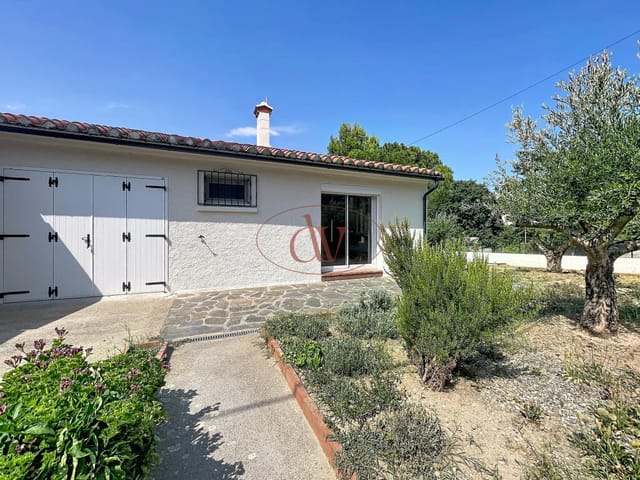
Picture yourself on a sun-drenched terrace in South Vendée, watching the sunset paint the western sky in shades of amber and rose as it reflects off your private pond. The covered pool dome glistens in the evening light, while the aroma of fresh seafood sizzles on the outdoor barbecue. This is the rhythm of life at this 180-square-meter villa in Saint-Michel-en-l'Herm, where the Atlantic coast meets rural French tranquility just 15 minutes from golden beaches. This four-bedroom property occupies a privileged position in the heart of Vendée, a region that has become one of France's most sought-after vacation destinations for international buyers. Saint-Michel-en-l'Herm offers the rare combination of coastal proximity and village authenticity, positioned perfectly between the marshlands and the sea. The location provides year-round appeal: summer brings beach days at La Tranche-sur-Mer, while spring and autumn reveal the region's cycling routes, oyster farms, and medieval heritage sites. Winter finds you in the covered pool, watching storms roll across the Atlantic from the comfort of your heated sanctuary. The villa's design centers on fluid indoor-outdoor living, a feature that transforms the Vendée experience across all seasons. Floor-to-ceiling bay windows connect the open-plan living area to the landscaped garden, creating a seamless flow between the high-end kitchen and the outdoor entertaining spaces. This architectural choice captures the region's exceptional light quality, something local artists have celebrated for generations. The main living space features a contemporary kitchen with premium appliances, ideal for preparing regional specialties like mogettes beans, préfou garlic bread, and fresh Atlantic fish ... click here to read more
Picture 1

Picture yourself wandering through your own Provençal farmhouse at golden hour, where centuries-old stone walls glow warm in the Mediterranean sun, and the scent of wild herbs drifts across 2.5 acres of countryside. This is Saint-Paul-en-Forêt, where authentic rural France meets the sophistication of the French Riviera, and where this substantial 199-square-meter property offers not just a vacation home, but a genuine income-generating opportunity in one of Provence's most sought-after regions. The moment you pass through the gates onto this generous plot, you enter a world where time moves differently. This traditional farmhouse complex tells the story of generations of Provençal life, with its collection of stone buildings scattered across the land like scenes from a pastoral painting. The property currently comprises two spacious 70-square-meter apartments that generate year-round rental income, an additional 80-square-meter apartment awaiting your personal vision, an authentic 80-square-meter sheepfold ready for transformation, a substantial barn, and a 120-square-meter garage offering endless possibilities. Each structure speaks to the agricultural heritage of this region while presenting a canvas for contemporary comfort. Living here means waking to mornings where mist settles in the valleys between the hills of Pays de Fayence, and evenings spent on your terrace watching the sky turn shades of rose and lavender that inspired countless artists. The property's two water wells connect you to the land's natural rhythms, while the potential to add a swimming pool means you can create your own private oasis for those long, hot Provençal summers when temperatures hover around 28-30°C and the Mediterranean lifestyle reach ... click here to read more
Picture 1

Picture yourself awakening to the gentle murmur of river water flowing past your bedroom window, sunlight filtering through centuries-old stone walls as the scent of fresh bread wafts from your working stone oven. This is daily life at this meticulously restored 17th century water mill, where three hectares of private parkland along a pristine river create your personal sanctuary in one of France's most captivating medieval regions. Your morning coffee on the expansive terrace reveals sweeping views across orchards and pastures, while the clifftop village of Cordes-sur-Ciel rises majestically in the distance, its Gothic spires catching the early light. This 286-square-meter estate represents more than a vacation home in Midi-Pyrénées—it's a gateway to the authentic rhythm of southwestern French living, where history whispers through every stone and modern comfort meets timeless character. The main residence, lovingly transformed from its industrial heritage into a 220-square-meter family haven, immediately captivates with its harmonious blend of original architectural features and contemporary amenities. The grand reception hall opens onto a light-filled 40-square-meter living and dining space where a traditional fireplace fitted with an efficient polyflam stove becomes the heart of winter gatherings. Exposed beams overhead and centuries-old stone underfoot create an ambiance that no new construction could replicate. The expansive fitted kitchen accommodates everything from intimate family meals to hosting elaborate dinner parties featuring local Tarn produce. On the ground floor, flexibility reigns with a versatile space serving as television lounge or additional bedroom, complemented by a shower room and practical sto ... click here to read more
Picture 1

Picture yourself standing at the stone threshold of your Normandy farmhouse as morning mist lifts across seven acres of emerald paddocks, the distant sound of horses whinnying greeting the sunrise, while wood smoke curls from chimneys into crisp country air. This is the rhythm of life at this exceptional equestrian property in Landelles-et-Coupigny, where centuries-old stone walls meet contemporary comfort and the equestrian dream becomes daily reality across the rolling Calvados countryside. This 143-square-meter stone farmhouse represents a rare opportunity for horse enthusiasts seeking a vacation home in Normandy that combines professional equestrian facilities with authentic French country living. The property sits in a peaceful rural setting where ancient orchards meet purpose-built paddocks, and where weekend escapes transform into immersive experiences in one of France's most celebrated equestrian regions. Here, your second home in France becomes a sanctuary for both family and horses, a place where generations gather and riding passions flourish. The farmhouse interior unfolds across two thoughtfully renovated levels, blending traditional Norman architecture with modern functionality. Ground floor living centers around a generous 32-square-meter open-plan kitchen and dining area anchored by a Falcon range and efficient wood stove, where family meals become celebrations of local produce from nearby Normandy markets. The adjacent 47-square-meter sitting room features an authentic Normandy fireplace and additional wood stove, creating a cozy gathering space throughout autumn and winter months when rain patters against stone walls and fires crackle invitingly. Upstairs, four bedrooms provide flexible accommodation ... click here to read more
Photo 1