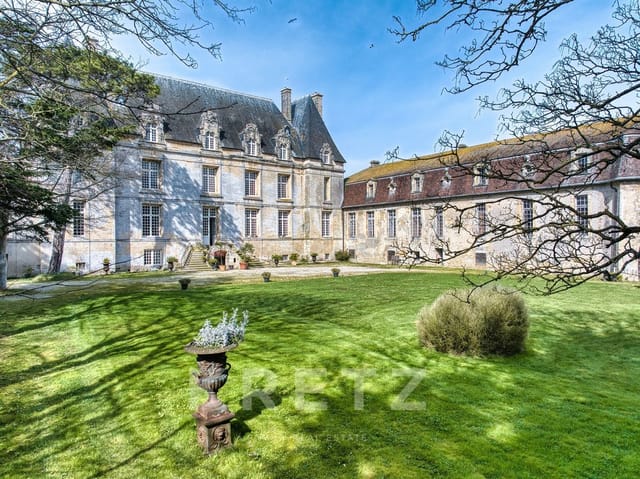
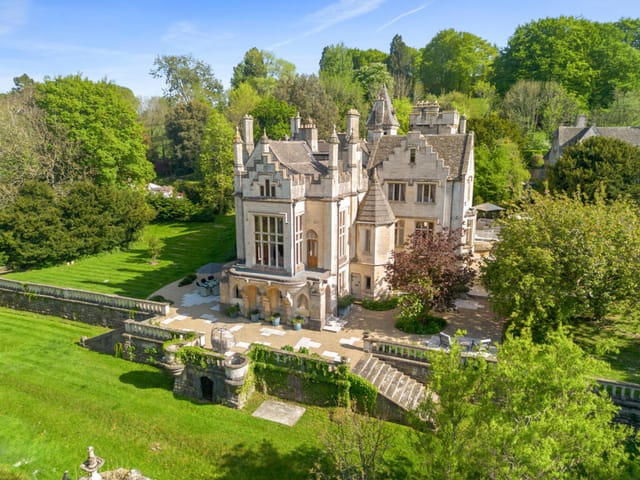
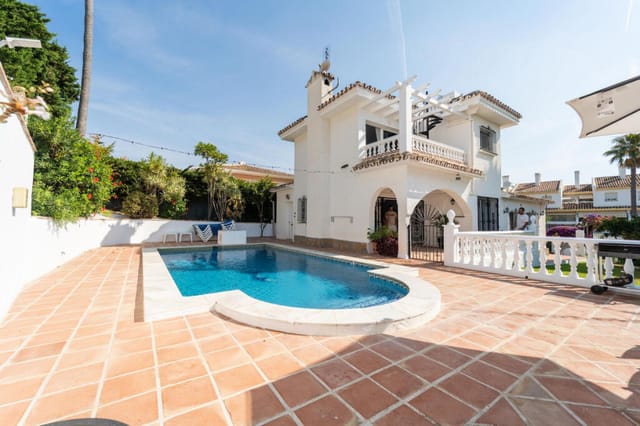
Houses For Sale In Europe Starting From €1,000,000

Houses for sale in europe - homestra offers the largest amount of european real estate with over 200,000+ properties, find any type of property within your budget from villas to country homes. buy or rent your perfect home in europe.

Saturday morning in Loenhout moves at its own pace. The bakery on the village square opens early, and by nine o'clock the smell of fresh bread drifts down Sint Annastraat. You walk back through the gate of number 52 with a paper bag still warm in your hands, into a southwest-facing garden already catching the first strong light of the day. The pond catches it too. This is what life feels like here — unhurried, grounded, genuinely good. Built in 2007 on a plot of nearly 2,000 square meters, this four-bedroom villa in the heart of Loenhout is one of those rare properties where scale and soul arrive together. At 562 square meters of interior space, it has room for a large family, long-staying guests, a home office, a wine cellar, a cinema room — and still doesn't feel like it's showing off. The architecture is confident without being cold. Stone staircases, high-quality finishes throughout, and a layout that flows from room to room with the kind of logic that only becomes obvious after you've lived somewhere for a while. Step through the entrance hall and the proportions immediately do their work. The living area is generous and genuinely light-filled — the adjoining veranda runs along the garden-facing side of the house, its oversized windows pulling in afternoon sun from the southwest all year round. In summer, the doors open wide and the boundary between inside and garden dissolves completely. In winter, you're watching frost on the pond from a warm room with underfloor heating underfoot. Both versions are equally good. The kitchen is built around a Boretti gas stove, and if you know, you know. These Italian-made ranges are the kind of thing serious home cooks seek out specifically. The kitchen functions as a proper g ... click here to read more

Front view of Sint Annastraat 52

Step out of the boathouse on a July morning, coffee in hand, and the Mefjorden is already glittering. Two piers jut into calm water, a small wooden rowboat knocking gently against the dock. The sandflies haven't woken up yet. This is what you came for. Øyaveien 30 sits at the quiet end of a lane on Østerøya, one of Sandefjord's most established coastal retreats, and it delivers something increasingly rare along the Norwegian Vestfold coast: a full estate — main cabin, annex, boathouse — on a flat 2,009-square-meter plot that runs all the way down to its own sandy beach. South-facing, sun-drenched from mid-morning until the sky turns pink, the property looks out over a scattered panorama of islets and skerries that changes mood with every weather system rolling in from the fjord. The main cabin has the bones of a place that's been genuinely loved. Pine floors, painted wooden doors, traditional wooden interiors — nothing here is trying to be a Scandinavian showroom. The living room is divided into natural zones: a long dining table on one side, a deep sofa arrangement around a fireplace insert on the other. On a cool September evening with the fire lit and the windows fogged from dinner, it feels exactly right. The kitchen is properly functional — solid wood countertops, serious storage, freshly painted walls and ceiling in 2022 that give the space a lighter, more current feel without erasing its character. Access to a crawl-space hatch in the floor adds practical storage for the kind of gear that accumulates when you live a life on the water. Four bedrooms across the main cabin and annex handle a full family or a rotating cast of guests without anyone feeling squeezed. A ground-floor bedroom in the main cabin sits next ... click here to read more
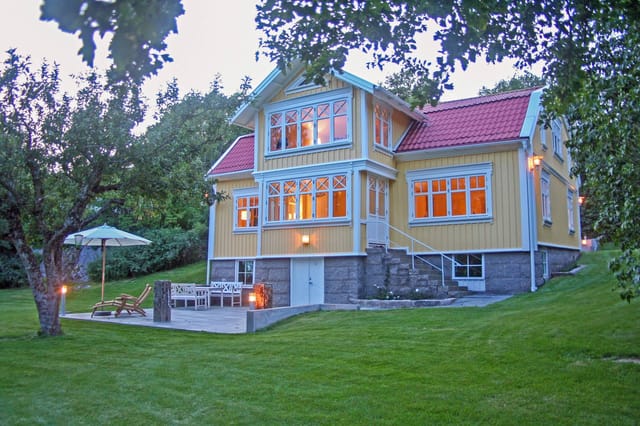
Welcome to Øyaveien 30! Photo: Mille Gran

Step outside on a September morning and the River Tay is right there — maybe 75 meters from the front door — running fast and silver after overnight rain, with a heron standing absolutely still in the shallows. That's the kind of thing you wake up to at Riverbank House. Not occasionally. Every day. Built in 2009 and sitting on 1.4 acres in the Highland Perthshire village of Grandtully, this five-bedroom, four-bathroom detached home spans 385 square metres of thoughtfully designed space. It's in genuinely good condition — not the kind of "good condition" that means you'll be living around builders for six months. Move-in ready, with underfloor heating on the ground floor, oil-fired central heating throughout, and interiors that have been maintained with real care. The architecture makes a statement without shouting. Timber front doors lead into a double-height entrance hall where a split staircase rises on both sides to a galleried landing, and a large arched window throws light across the whole space on even the greyest Perthshire afternoon. Which, honestly, there will be some of. That's part of it. The drama of the light changing over the Tay — from pearl-white midwinter mornings to those long amber summer evenings when it barely gets dark until 10pm — is something that gets under your skin. The drawing room is where people tend to stop and just stand for a moment. An open fireplace on one wall, and on the other, a run of windows culminating in a semi-circular bay that frames the river and the garden like a painting you've chosen to live inside. Sliding internal doors connect it to the dining room, making the whole ground floor expandable for a big family Christmas or contractable for a quiet Tuesday evening. The kit ... click here to read more
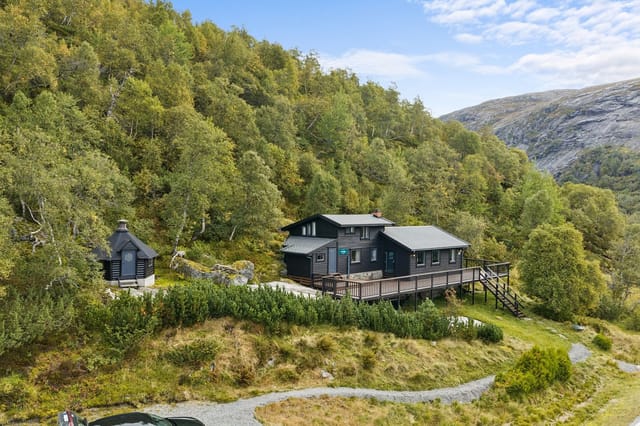
Front

On a quiet Sunday morning in Rekem, you open the veranda doors and the garden comes alive — the shimmer of your private pond through the trees, the faint splash of the heated pool, a wood pigeon calling from somewhere in the old-growth hedge line. This is 6,802 square metres of Belgian countryside doing exactly what it's supposed to do: nothing hurried, nothing crowded, just space and light and the particular kind of quiet that money genuinely can buy. Vijversdreef 3 sits in Rekem, a protected village that Belgium's heritage authorities have actually recognised as one of the country's most architecturally intact historic settlements. The cobbled heart of the village is ten minutes on foot. The Dutch city of Maastricht — with its Vrijthof square, its Burgundian food culture, and its weekend markets spilling out along the Maas — is a fifteen-minute drive across the border. And the Hoge Kempen National Park, Belgium's only national park, starts almost at the garden's edge, with its heathland trails, cycling routes, and pine forests stretching out toward the German border. The villa itself is a 623 m² traditional build, solid and well-proportioned, with a character that holds up across seasons. Come January, when frost settles on the tennis court and the pond catches the low winter light, the house earns its keep differently than it does in July — and it earns it in July too, when the covered, heated pool means guests are in the water regardless of what the Belgian sky decides to do. The interiors reward attention. The entrance hall sets a confident tone immediately; the living spaces are generously scaled without tipping into cavernous, and the country-style kitchen — induction cooktop, steam oven, oven, microwave, dishwa ... click here to read more
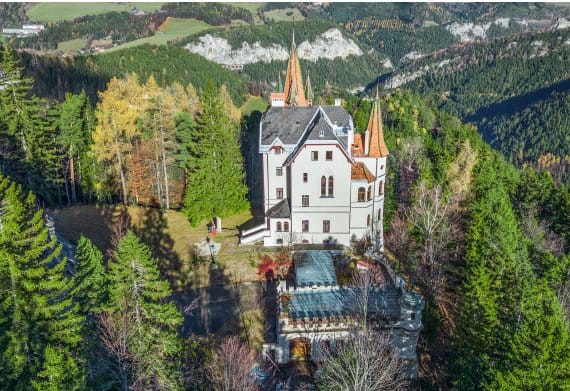
Front view of Vijversdreef 3, Lanaken

Saturday morning, 8am. The automatic gate swings open, gravel crunches underfoot, and the smell of damp grass drifts in from six thousand square metres of park garden still catching the early light. Inside, the pellet stove is ticking down from the night before, the kitchen island is set for breakfast, and somewhere upstairs a guest is running a bath in the Chanel suite. This is the daily reality of Hubesheide 1 — a 412 m² villa in Opitter, just outside Bree in Belgian Limburg, that operates as a fully functioning Bed & Breakfast and could just as easily become the most extraordinary private residence you've ever called your own. Built in 2005 and thoroughly renovated in 2024, the property is in genuinely excellent condition — not "estate agent good" where you mentally deduct 30% for what you'll actually find on viewing. The bones are solid, the finishes are current, and the energy performance label sits at B (EPC: 157 kWh/m²), which in Belgium's increasingly regulated property market is a meaningful advantage, not a footnote. Five bedrooms. Five bathrooms. Two indoor garages. Four outdoor parking spaces. An illuminated driveway with an automated entrance gate that gives arrivals — whether yours or your guests' — a genuine sense of occasion. The numbers are compelling, but the experience is what stays with you. The ground floor tells you immediately that someone thought carefully about how people actually move through a space. The entrance hall leads to a kitchen that takes its job seriously: island unit, induction hob, combi oven, ample cabinetry, the kind of setup where you can cook a proper Sunday lunch without the kitchen fighting back. The dining and lounge area opens off it with that pellet-and-wood stove anchor ... click here to read more
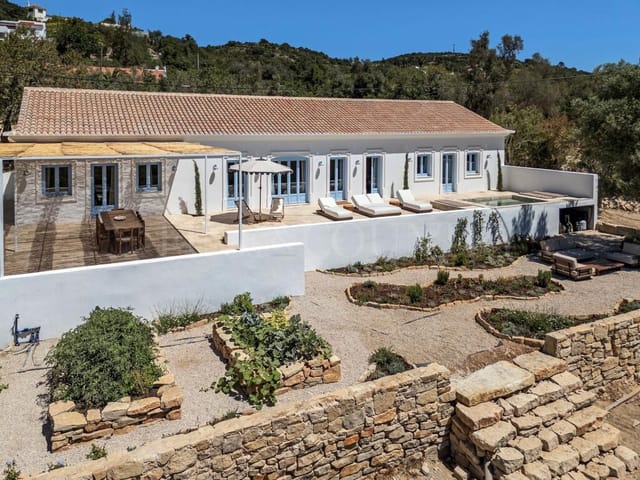
Front view of Hubesheide 1, Bree

The first thing you notice, stepping onto the terrace at Håøya 156, is the silence. Not the absence of sound — the sea is never truly quiet — but a particular quality of stillness you only get when the nearest neighbor is a boat ride away and the horizon is nothing but open water and scattered islands. It's the kind of quiet that slows your breathing within minutes. You pour a coffee, sit in the early morning sun, and watch a small wooden boat cut across the sound toward Langesund. This is what you came for. Håøya is a small island in the Langesund archipelago, tucked into the southwestern corner of Telemark county where the Norwegian coastline fractures into a thousand rocky skerries, inlets, and pine-covered outcrops. It's a place that serious Norwegian summer people have quietly kept to themselves for generations. The town of Helgeroa sits nearby on the mainland — a proper working coastal village with a harbor, a boat repair yard, and a bakery that opens early enough to catch the morning ferry crowd. From this property, you reach it by water. This five-bedroom chalet sits on close to 3,000 square meters at the upper end of the island, positioned so that almost every window frames a view of the water and the chain of islands stretching south toward the open Skagerrak. The plot drops gently toward the shore, where the property's private dock sits solid and spacious — well-built timber construction with room for a small motorboat alongside sun loungers and a crab line hung over the edge. On a still July afternoon, the water here is warm enough to swim in. Not Baltic cold. Actually warm. The 110 square meter cabin itself was built in stages, with a sympathetic extension added in 1990 that gave the living room its gener ... click here to read more
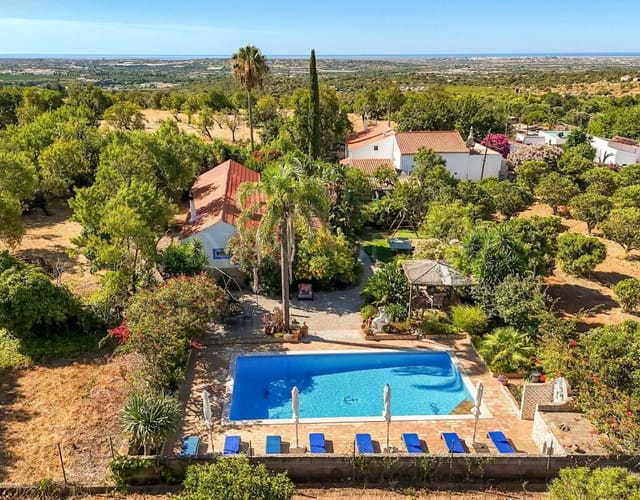
Exclusive and substantially upgraded leisure property in private surroundings.

Early on a July morning, before the rest of Sandefjord has had its first coffee, you can walk straight off the deck of this cabin and into the Oslofjord. No crowds, no queued-up beach towels, no paying for parking. Just 75 metres of your own shoreline, a private dock with wooden decking still cool under your feet, and a sea so glassy it mirrors the sky back at itself. This is what waterfront ownership on the Norwegian coast actually feels like — and this 1930s chalet at Hagaløkka 122 on the northeast shore of Østerøya puts it within reach. The property sits on a freehold plot of approximately 2,016 square metres, which is a genuinely rare thing on this stretch of coast. Plots here rarely change hands, and when one does, it tends to go fast. The shoreline includes a sandy beach — proper sand, not the rocky slabs you find a few hundred metres in either direction — plus a concrete-and-timber dock with steps leading down to the water. From midsummer through late August, the Oslofjord warms to temperatures that make daily swimming not just possible but genuinely irresistible. The main cabin dates to 1933, extended in 1960 to add a second bedroom, with the roof updated in 2008. It's honest, unpretentious architecture — a functional Norwegian coastal style that fits its surroundings the way a good pair of sea boots does. Inside, you get 67 square metres of well-organised space: a living room with large windows framing that uninterrupted sea view, an open fireplace that earns its keep through the long shoulder seasons of spring and autumn, two bedrooms both oriented toward the water, and a separate kitchen with custom-built fittings. The dining area opens off the living room through an arched opening with a built-in bench alon ... click here to read more
Welcome to Hagaløkka 122! Illustrative plot boundary. Photo: Karl Filip Kronstad

Saturday morning. You wake up to the sound of absolute nothing — no traffic, no sirens, just birdsong drifting in through bedroom windows that face a south-oriented garden still glistening from overnight dew. By the time you've made coffee in the Miele-fitted kitchen, sunlight is already cutting across the parquet floors, freshly sanded and refinished in 2023, and the heated indoor pool is sitting at exactly the temperature you set it to last night from your phone. That's not a fantasy. That's just a regular morning at Jachtlaan 23. Balen doesn't get the press that Brussels or Bruges attract, and honestly, that's a feature rather than a flaw. This is the Kempen region — a quietly confident corner of northern Belgium where pine forests stretch for kilometres, the Beverlo Canal cuts a calm silver line through the landscape, and the De Most nature reserve sits close enough to reach on foot or bike before lunch. Locals cycle the Kempense Meren route, a 50-kilometre trail threading past heathland, sand dunes, and the glittering Mol lakes, and they do it on a Tuesday afternoon without elbowing through crowds. Life here moves at a pace that feels almost conspicuously sane. The villa itself sits on 2,536 square metres of fully landscaped grounds on Jachtlaan, one of Balen's most composed residential streets — wide, tree-lined, unhurried. Step through the front door and the entrance hall immediately communicates something: this is not a house that tries too hard. The proportions are generous without being theatrical. Natural light floods in through oversized windows that frame the garden like living paintings, and the Crestron home automation system hums quietly in the background, waiting for input via iPad or built-in screen. ... click here to read more
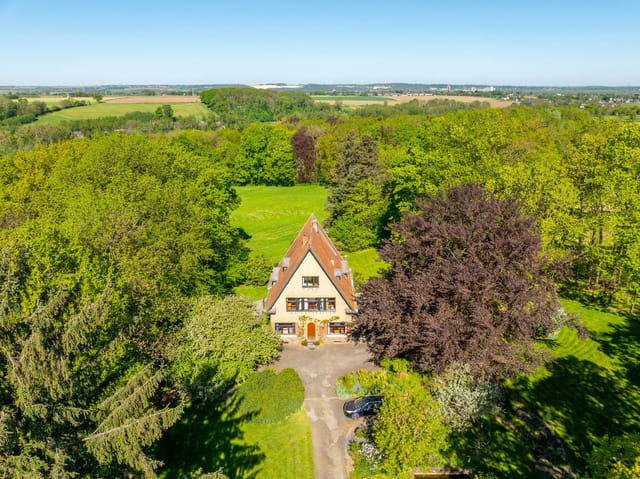
Photo 1 of Jachtlaan 23

On a quiet morning in Fernelmont, the only sounds reaching you through the stone-framed windows are birdsong, the low creak of centuries-old oak branches, and the distant church bell drifting over the Hesbaye countryside from the village of Marchovelette. Pull back the wooden shutters and the courtyard below sits still in the early light, its blue stone paving worn smooth by three hundred years of footsteps. This is not a weekend cottage. This is a place that changes how you think about what a home can be. Built in 1714 and substantially extended in 1848, this extraordinary castle farmhouse at Rue des Ardennes 16 occupies a quietly commanding position on the edge of the Belgian countryside, roughly 15 kilometres from Namur and less than an hour from Maastricht. A private driveway draws you off the road and into a world that feels genuinely removed from everything ordinary — yet the motorway, the TGV station in Namur, and Brussels Airport are all within practical reach. That combination of seclusion and connectivity is genuinely rare in Belgium. The numbers are striking: 825 square metres of living space, 61 rooms in total, 16 bedrooms, 7 bathrooms, and an additional 436 square metres of barns and outbuildings, all sitting on approximately 9,900 square metres of park-like grounds. But numbers don't capture what it feels like to walk through the entrance hall into the formal dining room where light angles through deep-set windows onto original wide-plank flooring. They don't tell you what it's like to light the open fireplace in the living room on a November evening while rain taps against glass that is older than the Belgian nation itself. Since the current owners purchased the estate in 2019, the renovation has been c ... click here to read more
Front view of Rue des Ardennes 16

On a clear morning in Bad Bentheim, the mist sits low over the Münsterland plain while you stand on the upper terrace of Am Berghang 70 with a coffee in hand. The view stretches for miles — church steeples, farmland, forest — and not a single rooftop breaks the horizon below you. This is what you bought the hillside for. Built in 2009 on a generous 1,055 m² plot along the slopes of the Bentheimer Berge, this four-bedroom Bauhaus-inspired villa is one of those rare properties that makes you understand why architects fell in love with glass and steel and honest materials. The ebony timber framing against floor-to-ceiling glazing isn't a design flourish — it's the whole philosophy. Light comes in from every angle. The Münsterland countryside becomes part of the interior. In late afternoon, when the sun drops behind the Bentheimer Wald and throws long amber light across the oak floors, the living room feels almost cinematic. At 224 m² across three levels, the house is large without feeling excessive. The ground floor revolves around an open-plan living space anchored by a fireplace and a soaring gallery that connects visually to the floor above. Two terraces push the living space outward — one for morning coffee in the east-facing sun, one for long summer evenings facing west. A concealed pantry keeps the kitchen uncluttered. A ground-floor office with its own natural light makes remote working genuinely possible, not just technically feasible. The guest toilet is tucked discreetly away. Everything has been thought through. The staircase — solid wood with a frameless glass balustrade — is the kind of thing you notice every single day. It leads to a first floor where the gallery is bathed in shifting light throughout the s ... click here to read more
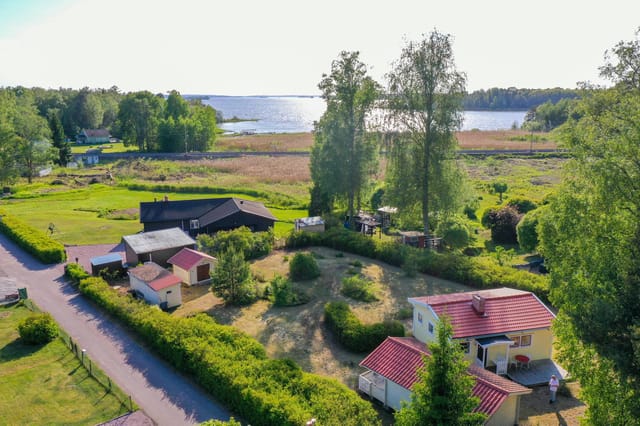
Photo 1 of Am Berghang 70

Stand on the 46-square-metre terrace at Panoramaveien 10 on a July morning and the Kragerø fjord spreads out below you like hammered silver. The water catches the early light. Somewhere down the hill, a boat engine turns over. The smell of pine and salt drifts up together. This is a place that gets under your skin fast. Stabbestad sits quietly on the southern tip of Telemark county, tucked into the island-scattered coastline that Norwegians have been sailing, fishing, and arguing passionately about for centuries. Kragerø—the nearest town, just a short drive away—was famously a magnet for Edvard Munch, who painted the sea light here repeatedly and called it one of the most beautiful archipelagos in the world. The light really is something. Long summer evenings where the sun barely dips below the horizon. The kind of golden hour that seems to stretch on for two. Panoramaveien 10 was built in 2005 and sits in the elevated Panoramafeltet area above Stabbestranda, giving it what the address literally promises: a free-standing, high position with unbroken views across the fjord. No building in front of you. No compromises. The sun tracks across this plot from morning to well into the evening, which in a Norwegian coastal summer means you're sitting outside until ten o'clock with a cold Ringnes and no good reason to go in. The chalet runs across two floors and measures 140 square metres of thoughtfully arranged living space. Walk in and the entrance hall does what a good entrance hall in a leisure property should do—it handles the chaos of wet wetsuits, muddy hiking boots, and golf bags without drama. The main living room on the ground floor is generous enough to hold a proper sofa arrangement and a dining table without feel ... click here to read more
Welcome to Panoramaveien 10!

Step outside on a Saturday morning in early October and you'll hear it before you see it — the soft rustle of beech and pine that lines Woudweg, a few leaves already turning amber, the air carrying that particular freshness you only get in the Kempen countryside. Pelt sits at the edge of the Grote Heide, one of the largest heathland nature reserves in Belgium, and from this property's southwest-facing terrace you feel that proximity in a very immediate way. Not through a distant view, but through birdsong, through the texture of light through a tree line, through the simple fact that the nearest neighbor is far enough away that you can eat breakfast outside in actual quiet. Built to completion in 2025 and finished to a standard that very few new-builds in this part of Limburg can match, this single-storey villa on Woudweg 11-A spans 387 square meters across a generous 1,917-square-meter plot. Single-storey living tends to get undersold. No stairs. Every room on one level. For families with young children, for aging parents visiting for the summer, for anyone who's ever carried a sleeping child up three flights — it's a genuinely different way of living, and this house is designed around it. Walk through the front door and you enter a wide central hallway that sets the tone immediately. Pale, clean lines. Nothing cluttered. The kind of entrance hall that makes you exhale. From here, the floor-to-ceiling windows of the open living space draw the eye straight through to the garden, and on a clear day the light floods the entire ground floor in a way that makes the space feel considerably larger than even the generous square footage suggests. The kitchen is the kind that gets used. Miele throughout — two combination ovens ... click here to read more
Front view of Woudweg 11 - A

Stand at the south-facing bay window on a clear October morning and the view does something to you. The Cheviot Hills roll across the horizon, Hume Castle sits grey and ancient on its hill, and the paddocks below catch the low autumn light in a way that makes the whole scene feel painted rather than real. This is Goshielaw — a substantial modern country house on the outskirts of Kelso, set within approximately 11 acres of grounds that include woodland, paddocks, a productive kitchen garden, and one of the most complete equestrian setups you'll find in the Scottish Borders at this price point. The house itself is imposing without being cold. You come up a sweeping driveway through a pillared entrance and the sense of arrival is immediate — not performed grandeur, but the kind of quiet confidence that a well-proportioned house earns honestly. Step inside and you're in a proper reception hall, cloakroom off to the side, oak flooring underfoot in the dining hall ahead, a bay window framing that view towards Hume Castle. On Sunday evenings in summer, when the light lingers until nearly ten o'clock this far north, eating in that room with the garden stretching out behind the glass is a genuinely different experience from anything a city apartment can offer. The formal drawing room runs south, oak and stone throughout, with a woodburning stove set into a feature fireplace and cornicing that adds a hint of period character to what is otherwise a thoroughly contemporary interior. A garden room opens off it through double doors — glass on three sides, the kind of space you end up spending more time in than you planned, watching the seasons change across the grounds. The kitchen is big and practical: central island, breakfasting ... click here to read more
Front view of Goshielaw country house

Saturday morning at Sagåsen 59 starts with the smell of coffee and pine. You slide open the terrace door, step out onto the sun-warmed timber decking, and Lake Mjermen stretches out below you—glassy, still, catching the early light. The only sound is a woodpecker somewhere deep in the birch forest behind the cabin. This is what you drove an hour and fifteen minutes from Oslo for. And it never gets old. This three-bedroom chalet sits on a 1,439-square-metre plot in Hemnes, Østfold, with a south-facing aspect that means the sun tracks across the wraparound terrace from mid-morning well into the long Nordic evening. At 73 square metres, that terrace isn't a token gesture—it's an outdoor room. Part of it is covered, so a summer rain shower doesn't cancel the barbecue. The rest is open to the sky, and in July that sky stays light until nearly midnight. The main cabin was built in 2014 to a warm, traditional Norwegian standard—horizontal timber cladding, solid wood floors lacquered to a honey tone, and a woodburning stove that becomes the undisputed heart of the room come October. Large windows on three sides mean the living space never feels closed in, even on grey November days when the lake goes silver and the forest goes rust-coloured. The kitchen flows directly from the living area, fitted with integrated appliances—dishwasher, fridge, oven, ceramic hob—and enough counter space to actually cook properly, not just reheat things. Up the kitchen staircase is the loft space. Timber walls, a sloping white ceiling, a large skylight that frames the stars on clear nights. Children claim it immediately and with complete authority. It works beautifully as sleeping quarters or a reading retreat when the adults want the main floor ... click here to read more
Aktiv Bjørkelangen v/Kenneth Sverre presents Sagåsen 59

Stand at the twin-leaf gates on a September morning, frost still on the gravel, and listen. The River Ruel runs somewhere below the treeline. Wood pigeons shift in the semi-ancient oak canopy overhead. Somewhere across the courtyard, a log burner has already been lit, and the faint smell of woodsmoke drifts across the stone walls. This is Glendaruel — one of the quietest, most genuinely unspoiled glens in the whole of Argyll — and Home Farm Cottages sits at its heart like it always belonged there. Because, in a sense, it did. This was a working dairy farm until 1984, when the land finally stopped producing milk and started producing something harder to quantify: a sense of place. The original family didn't sell up and walk away. They stayed. They converted. They spent years meticulously transforming the old stone byres, cart sheds, stables, and coach house into nine self-catering cottages, each one earning four or five stars from Visit Scotland and the Scottish Tourist Board. The care shows. Oak floors. Marble worktops. Falcon range cookers. Original cart shed arches turned into floor-to-ceiling windows that frame the glen like paintings. This isn't a developer's flip — it's a restoration carried out by people who actually loved the place. What you're buying is nine distinct, fully furnished cottages ranging across a range of layouts and characters. Glendaruel Lodge has a high vaulted ceiling sitting room and an open-plan kitchen with enough worktop space to feed a wedding party. Highland Cottage keeps things more intimate, with an open fire and the kind of low-ceilinged sitting room that makes you want to stay put. The Coach House is the show-stopper for architecture enthusiasts: exposed natural stone wall, marble-top ... click here to read more
Picture No. 06

Step outside on a Tuesday morning in late June and the Oslofjord is already catching the light. The water is maybe a hundred meters away — you can hear it before you see it, a low, rhythmic push against the shoreline — and the air smells of pine resin and salt. This is Volloddveien 4, a two-bedroom chalet at Høvikvollen in Båtstø, and it is the kind of place that makes you rethink how often you actually need to be in the city. Høvikvollen sits in a quietly coveted pocket of Asker municipality, tucked between the hamlets of Båtstø and Ramton. This stretch of the western Oslofjord coast doesn't tend to make it onto tourist itineraries, which is precisely why the people who own here protect it so fiercely. The coastal path — Oslofjordstien — runs right through the area, connecting cove to cove and giving walkers and cyclists direct access to some of Akershus county's most dramatic shoreline. In summer, the swimming spots along this corridor are packed with local families by 10am. In winter, those same paths go quiet and you can walk for an hour without seeing another soul. The chalet itself dates to 1958, but don't let that fool you into expecting drafty winters and a creaking water pump. Since 2010, the property has been methodically brought up to the standard of a comfortable year-round home. It is connected to public water and sewage — still a distinguishing feature in this part of Asker, where many older cabins run on private systems that demand constant attention. The infrastructure is sorted. You show up, you light the wood-burning stove set into the original fireplace, and you stay as long as you want. Sixty-six square meters of living space sounds modest until you're standing in it. The layout is compact and genu ... click here to read more
Welcome to Volloddveien 4! Photo: Digit Media AS

Stand on the balcony at Skolvägen 13 on a clear July morning and you can watch the fishing boats slide out past the harbor entrance toward Väderöarna, the scatter of islands that turns the Bohuslän horizon into something you'd think was painted. The salt air comes in off the Kosterfjord and the church bell on the hill marks eight o'clock. Coffee is already brewing in the kitchen one floor below. This is what owning a piece of the Swedish west coast actually feels like — and this house, sitting barely 350 meters from the water in the very center of Grebbestad, delivers that feeling every single day you're here. The house itself has a story worth knowing. Built in 1891 and physically relocated from Bullaren — a feat of craftsmanship in its own right — it sits on a solid granite foundation that speaks to how seriously the Swedes took their building stock in that era. The renovation that followed was so meticulous, so respectful of every original detail, that the Prince's Fund awarded it recognition for exemplary restoration work. That's not a marketing badge; it's a genuine acknowledgment from Sweden's foremost heritage institution that whoever took on this project cared deeply about getting it right. Wide original floorboards, the weight of old pine doors, the proportions of rooms that feel generous without being cavernous — these are the things you notice when you walk in. The ground floor opens into a kitchen and dining area that has real warmth to it. Not the curated warmth of a showroom, but the kind that comes from a well-considered layout and the right amount of natural light. A veranda runs off this space — the spot where, in practice, most mornings and most evenings end up happening. Comfortable chairs, the sound ... click here to read more
Front view of the house

Step out of the double garage doors on a Saturday morning in June and the garden is already warm. The pool is catching light from the south-west, the automated sprinklers have just finished their cycle on the lawn, and from the open kitchen window drifts the smell of coffee brewing on the Miele. This is Elzendreef 36 — a thatched villa of nearly 500 square metres on a 2,643 m² plot in Essen-Heikant, the quiet green flank of a Belgian border town that most international buyers haven't discovered yet. At €1,400,000, it won't stay undiscovered for long. Essen itself sits right at the Dutch-Belgian border in the Antwerp province, a position that gives it an oddly privileged geography. You're 45 minutes from Antwerp's city centre by car, roughly an hour from Brussels, and crossing into the Netherlands at Roosendaal takes about fifteen minutes. For a buyer who wants a serious second home with genuine countryside around it — but doesn't want to be stranded — this location is close to ideal. Rotterdam's airport is under an hour away; Antwerp Airport even less. The A1 motorway corridor keeps everything connected without the traffic chaos of living closer to either city. The village itself is genuinely pleasant without being precious about it. There's a local bakery on Stationsstraat that sells Vlaamse boterkoeken on weekend mornings, a handful of brown-café bars where locals drink Duvel on tap, and a weekly market that stocks regional cheeses and seasonal produce from the Kempen interior. Children will find riding schools and cycling paths before they find any reason to complain. The broader Kempen region — flat, forested, crossed by slow cycling routes and bordered by heathland nature reserves — is one of the most underrated l ... click here to read more
Front view of Elzendreef 36

Stand at the kitchen window on a September morning, steam rising from your coffee cup, and watch the mist lift slowly off the Värmland fields. Fifty meters away, through a line of birch trees, is Mårbacka — the estate where Selma Lagerlöf wrote the stories that earned her the Nobel Prize in 1909. That's not a marketing line. That's just Tuesday here. Mårbacka 34, known locally as Mårbacka Där Ner, sits on roughly 18,000 square meters of Värmland countryside just outside Sunne in west-central Sweden. The main house dates in spirit to the 18th century — its proportions, its symmetry, the way the windows frame the meadows beyond — but it was fully rebuilt in 1998 after a fire, using materials and methods that honored the original architecture rather than replacing it. The result is a house that feels genuinely old without demanding constant maintenance. Solid wood floors, about four centimeters thick and running the full length of each room, have the kind of depth and warmth you simply don't find in new construction. Every room has its own fireplace or stove — some are classic Swedish kakelugnar (tiled stoves), some are open hearths, others are vedspis wood-burning stoves — and every single one has its own individual flue in the chimney. That detail alone tells you something about how this house was rebuilt: with patience, with intention, without shortcuts. The ground floor sets a particular mood. The kitchen is genuinely the center of gravity — a large cooking island, a wood stove, an induction hob, an electric AGA cooker, multiple ovens, and a wine climate cabinet. This is a kitchen designed for people who actually cook, not for photographs. After a day out on Lake Fryken — the long, narrow lake that stretches through t ... click here to read more
Front view of Mårbacka 34

Stand at the kitchen window on a October morning and watch low mist roll through the Teviot Valley while the Aga ticks quietly behind you. The kettle's on. Outside, six acres of your own land stretch toward the Frostlie Burn, where brown trout hold position in the current. This is The Old Manse at Teviothead—and mornings here have a particular quality that's hard to explain until you've had one. The property sits about nine miles south of Hawick, deep in the Scottish Borders hill country, where the landscape feels genuinely untouched. This isn't a gentrified rural retreat dressed up for weekenders. It's a working countryside estate in miniature—a former manse with stone gate piers, a sweeping gravel drive, real flagstone floors, and the kind of quiet that you can actually hear. The surrounding hills belong to the Buccleuch Estate, one of Scotland's largest private landholdings, which means the views aren't going anywhere. Walking through the main entrance, you pass through a traditional vestibule into a reception hall that immediately signals the scale of the house. Ceilings are generous. Proportions feel right. The drawing room at the front catches morning light through large windows and works equally well for a fire-lit evening with guests or a Saturday afternoon with the papers. The sitting room next door is less formal—the kind of room where a family actually lives, with a terrace door that opens directly onto the garden. That connection between inside and outside matters enormously in a house like this. The dining room links these reception spaces naturally, and the whole ground floor flows in a way that makes it feel larger than 389 square meters might suggest on paper. At the center of daily life here is the ki ... click here to read more
Front exterior of The Old Manse

There's a particular kind of quiet you notice on your first morning at Ladängsstigen 4. Not silence exactly, but the soft, layered stillness of birch trees filtering the early light, the occasional splash from Lake Mälaren just down the road, and the smell of damp Swedish earth warming up in the sun. By the time you've made coffee and stepped out onto the wooden deck, you understand immediately why people who find this corner of Lybeck/Frösåker rarely want to leave. This is a proper year-round holiday home — 47 square meters of well-used, freshly finished living space sitting on a freehold plot of 2,096 square meters — in one of the most quietly sought-after pockets outside Västerås. The address is Ladängsstigen 4, and it sits in that rare sweet spot between genuine countryside and real accessibility. You're not roughing it. You're not trading convenience for scenery. You get both. Step inside and the vaulted ceiling does something unexpected to the space. For a 47-square-meter house, it feels generous, open, almost roomy. The open-plan layout puts the kitchen and living area in easy conversation with each other, which matters when you're cooking Swedish meatballs on a Friday evening while family settles in around the fireplace. That fireplace earns its keep from October through April — this is central Sweden, and the winters are real, crystalline, and honestly quite wonderful when you're watching snow settle across the garden from a warm interior. Large windows pull the outside in throughout every season, and in July, when the garden goes full green and the lake shimmers at the end of the road, you'll understand why Swedes have been making pilgrimages to places exactly like this for generations. The two bedrooms are ... click here to read more
Front view of the house and garden

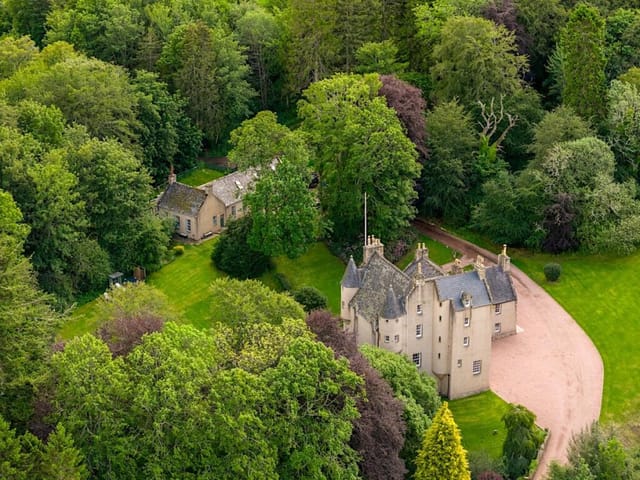
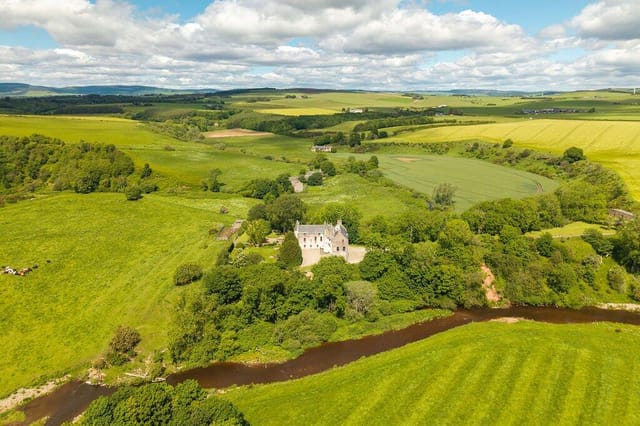
Stand at the drawing room window on a still October morning and the loch is so glassy you can't tell where the water ends and the reflection of Ben Cruachan begins. That's the view from Ardanaiseig House. Not a postcard version of Scotland — the real thing, unfiltered, on your doorstep every single day. Built in 1834 by William Burn — the architect behind some of Scotland's most significant country houses — Ardanaiseig was commissioned by Colonel James Campbell and designed in the Scottish Baronial style, all turrets, dressed stone, and deep-set windows that frame the landscape like paintings. It has been under single ownership since 1995, and the restoration work carried out over those decades has been both thorough and thoughtful. Nothing here screams renovation project. The house is in good condition and ready to inhabit, whether your intention is private occupation, continued use as a hospitality venue, or some combination of the two. Sixteen individually designed ensuite bedrooms spread across the principal house, each one distinct in character — different ceiling heights, different outlooks, different details in the plasterwork and joinery. The three grand reception rooms are the kind of spaces that change the way you move through a day: high ceilings that make even a crowded gathering feel airy, open fireplaces that earn their keep from October through April, and views across Loch Awe that you genuinely never stop noticing. The kitchen is currently fitted out as a commercial facility, which tells you something about the scale of entertaining this house was built for. It could stay exactly as it is, or it could be reimagined as a proper family kitchen — the bones are there for either. Then there's the land. One ... click here to read more
Aerial View

The sun doesn't set here so much as it melts. Stand on the rocky outcrop at Tangenodden 17 on a July evening and watch the light turn the Sandefjord fjord into hammered copper while the last kayakers of the day drift past your private shoreline. That's roughly forty metres of it — actual sandy beach, flanked by smooth polished rocks worn down by centuries of tides. You won't find this combination easily anywhere along the Vestfold coast, let alone attached to a freehold plot of over 1,100 square metres. This is a 1928 cabin — a proper one, with the kind of bones that builders stopped using when they started building faster and cheaper. Four bedrooms spread across two floors, one bathroom, a kitchen and living room that face directly west toward the fjord. The orientation isn't incidental. Every afternoon, light pours through the windows with the conviction of something that has nothing to obstruct it. No neighbouring rooflines. No dense tree cover blocking the horizon. Just open water and sky going all the way to Korsvika and beyond. Sandefjord itself is a city that rewards people who actually slow down in it. Former whaling capital of Norway, yes, but today it's better known among Norwegians for its waterfront promenade, the Haugar Vestfold Art Museum, and the kind of seafood you eat at a harbour-side table with a cold Ringnes in hand. The twice-weekly market at Torget square sells smoked salmon, local honey, and early-season strawberries that taste nothing like the supermarket variety. It's a fifteen-minute drive from Tangenodden — enough distance to feel like you've properly escaped, close enough that you're never stranded. The neighbourhood of Vesterøya is what happens when a peninsula decides to keep things civil ... click here to read more
Welcome to Tangenodden 17! Photo by Karl Filip Kronstad

On a still Sunday morning, the smell of fresh stroopwafels drifts from the bakery two blocks down Lindendreef, and through the double garden doors of this villa's dining room, you can hear the faint chime of the Sint-Katharinakerk bell tower marking the hour. That's the rhythm of life here — unhurried, rooted, and genuinely good. Lindendreef 78 sits on one of Hoogstraten's most coveted residential streets, and it's not hard to see why. The tree-lined avenue has a sense of permanence to it, the kind of address where neighbors wave, kids ride bikes after school, and summer evenings stretch out on stone terraces until the light finally gives up around ten. The property itself was thoroughly renovated in 2021 — not a cosmetic refresh, but a considered, top-to-bottom overhaul with serious attention paid to how a family actually uses a home day to day. Step through the front door and the entrance hall sets the tone immediately: generous proportions, warm oak parquet underfoot, and a staircase that draws your eye upward. The ground floor has been laid out so that everything flows. The TV room at the front gives way to a central sitting room anchored by a gas fireplace — the kind you actually light in November and sit beside with a glass of Belgian abbey ale rather than just a decorative feature. From there, the space opens fully into the dining area and a kitchen that connects through to the orangery. Big windows on the garden side flood the whole rear of the house with afternoon light, and when the weather cooperates — which in the Kempen region it does more than people expect from Belgium — you swing both sets of double garden doors wide and the terrace becomes a seamless extension of the living space. That terrace is some ... click here to read more
Photo 1 of Lindendreef 78

On a Sunday morning in Gemmenich, before the rest of the household stirs, you step out onto the southwest-facing stone terrace with a cup of coffee and watch the light crawl slowly across the rear meadows. No traffic. No neighbors in sight. Just rolling green hills, the distant silhouette of the Ardennes, and 26,776 square meters of land that is entirely yours. This is the everyday reality of life at Rue de Terstraeten 39—a substantial country estate in the Plombières municipality of the Belgian-Dutch-German border triangle, where the pace of life genuinely slows down and a property of this scale still makes financial sense. The estate sits in what locals half-jokingly call the Tuscany of Belgium. It's a fair comparison. The hills around Gemmenich are softer and greener than true Tuscany, but the spirit is similar—unhurried villages, agricultural landscapes, and a genuine sense of being removed from the urban grind without being stranded. Plombières itself is a commune of forested ridges and open valleys, home to some of the most quietly coveted countryside in the country. Properties here rarely come to market at this scale. When they do, they go fast. The main house—currently operating as a vacation rental sleeping up to 14 guests—is 490 square meters of practical, well-finished living space spread across three active floors plus a basement. Walk through the front door and the entrance hall immediately signals the property's character: an authentic original staircase, wide proportions, and a sense of solidity that newer builds simply can't fake. The ground floor revolves around a generous dining room with an open kitchen fitted with stone countertops, a Whirlpool four-burner stove, an induction hob, and a BEKO dishwas ... click here to read more
Front view of Rue de Terstraeten 39

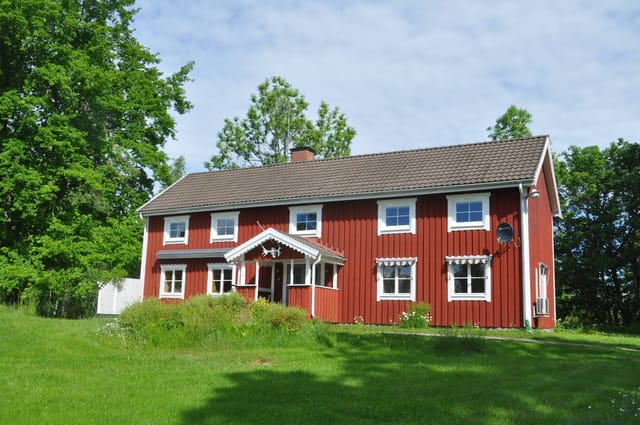
Stand in the garden on a Tuesday morning in early June and the only sounds are the wind moving through the tall birches at the edge of the lot and, faintly, a tractor somewhere out past the rye fields. That's the rhythm of life at Löneboställsvägen 10 & 12 in Östra Herrestad — unhurried, grounded, and genuinely quiet in a way that most people don't find until they've driven well off the motorway. This is a proper Swedish country home, built in 1941 on a 2,150-square-meter plot in the soft, rolling farmland of Simrishamn municipality, in the southeastern corner of Skåne. Sixty-four square meters of living space, two bedrooms, one bathroom, and enough outdoor room to do basically whatever you want with it. The house has good bones — solid construction from an era when things were built to last — and the interior is practical and light-filled, with windows sized generously for the latitude, pulling in the long Nordic summer light until nine or ten at night. The kitchen faces the garden, which matters more than you might think. Morning coffee while the grass is still wet. Dinner prep with the back door open. There's a reason Swedes are obsessive about the connection between indoors and out, and this house gets it right. The living area is comfortable without being fussy, and the two bedrooms are the kind of sizes that actually sleep people well — not the architectural illusion of a bedroom that's really a glorified corridor. Outside is where this property earns its asking price. The lot is substantial — 2,150 square meters gives you mature trees for shade, open lawn for whatever you need it to be, and genuine room to breathe. There's realistic potential here to subdivide (subject to municipal approval), add outbuildings, ... click here to read more
Front view of the country home and garden

Picture this: it's seven in the morning, the Norwegian sun is already cutting low across Midt-Gumøykilen, and you're standing on your private slate terrace with a coffee in hand, watching a small wooden boat drift past the end of your pier. The water is so still it mirrors the pine-covered shoreline on the opposite bank. This is what a Tuesday looks like at Vestre Gumøyveien 7. Sitting on a 1,102 square metre freehold plot on Gumøy Island, deep in the Kragerø archipelago, this architect-designed chalet is one of the genuinely rare properties along this stretch of the Norwegian coast. Not rare in the way estate agents tend to throw that word around — rare in the sense that the combination of a 110-metre private shoreline, two working piers, a boathouse with sleeping quarters, a sandy beach the kids will actually want to use, and a considered, liveable interior all exist on the same plot. That doesn't happen often out here. The chalet itself was built in 1950 and has been looked after with real care. At 138 square metres of indoor living space spread across two floors, it doesn't try to be something it isn't — this is a Norwegian coastal home, and it wears that identity with confidence. The architect who shaped it clearly understood that in a place like this, the building should frame the view rather than compete with it. Large windows throughout the ground floor put the sea in every room. On overcast September afternoons, when the sky goes pewter and the light turns dramatic, those same windows make the living room feel like the front row of something cinematic. Two living rooms, each with its own built-in fireplace. That detail matters more than it might first appear. The Kragerø archipelago isn't just a summer destin ... click here to read more
Welcome to Vestre Gumøyveien 7!

Step outside on a Saturday morning in Wuustwezel and the air carries something you simply don't find in the city — a mix of damp grass, pine, and absolute quiet. The nearest neighbor is far enough away that you hear birds before traffic. This is what 289 square meters of private villa life on the Belgian-Dutch border actually feels like. Built in 2012 to high specifications, this five-bedroom detached villa on Moleneind sits on a 2,545 m² plot that wraps around the property with a landscaped garden, a serene pond, and open green space being freshly leveled and seeded as part of an ongoing upgrade. The bones of this home are exceptional — an A energy label, full underfloor heating via heat pump, roof-to-floor insulation, and double glazing throughout. Your energy bills will surprise you. In the best way. Walk through the front door and the entrance hall sets the tone immediately. It's generous, with a guest toilet tucked away and a staircase rising to the floors above. Double doors pull open into the main living space — a wide, open-plan area where the dining room flows into the kitchen without any awkward transitions. There's a practical storage room off the kitchen and a separate utility space that handles the behind-the-scenes business of daily life so the main rooms stay uncluttered. Late Sunday afternoons in this kitchen, with the garden visible through the rear windows and something slow-cooking on the hob, genuinely feel like a different pace of life. The first floor is where the master suite earns its name. A proper dressing room connects to a bathroom that comes with a freestanding bathtub, walk-in shower, and double washbasin — not a compromise version, but the real thing. There's also a laundry room on this ... click here to read more

Photo 1 of Moleneind 9

Stand in the courtyard at seven in the morning, coffee in hand, and listen. A wood pigeon calls from the old walnut tree. Water trickles from the decorative pond. Somewhere beyond the stone walls, the Loire Valley is waking up. This is the kind of quiet that city people spend years chasing — and here, it's yours before breakfast. At 1585 Route de Pierrefitte, this former abbey farm sits on a fully fenced 5,435 m² plot in Vézelin-sur-Loire, a small commune perched in the rolling hills above Saint-Étienne, roughly equidistant between Lyon and the volcanic highlands of Auvergne. The estate has spent the last twenty-five years operating as a sabbatical and retreat center — a place where executives, academics, and creatives came to think clearly and leave restored. That history has shaped every room. The proportions are generous, the finishes are honest, and the whole place carries the unhurried confidence of a building that has seen several lifetimes and survived them all. The main building runs to approximately 450 m² across two floors. Ground level holds a sitting room anchored by a working insert fireplace — the kind you actually use in October, not just admire — plus a formal dining room with an original alcove that seats a long table comfortably. There's a separate office or secondary lounge, a ground-floor bedroom with its own en-suite bathroom, and a professional restaurant kitchen fitted with commercial-grade equipment. Spend a Sunday afternoon in that kitchen producing a pot-au-feu with vegetables from Roanne market and you'll understand exactly why the retreat guests never wanted to leave. Upstairs, approximately ten guest rooms spread across the floor alongside a shared lounge that has doubled as a conference ro ... click here to read more

Front view of the estate

The bay goes completely still around six in the morning. Standing at the kitchen window of Söderbacken, coffee in hand, you watch a pair of swans cut across the glassy surface of Björköfjärden while the light shifts from grey to pale gold. That silence isn't emptiness — it's the specific, earned quiet of a southwest-facing shoreline on Björkö where the water is fifty metres from your door and nobody is building anything nearby anytime soon. This is a property with a past that you can feel underfoot. The main house was built in 1909 and has been held by the same family across generations — that kind of continuity leaves something behind in the walls, in the old woodwork, in the way the floorplan seems to have grown organically from the land rather than been imposed on it. Recent modernisation has brought the 120-square-metre interior fully into the present: a kitchen with quality appliances, updated bathrooms, insulation and heating systems serious enough for Swedish winters, and large windows in the main living room that pull the treeline and the water directly into your field of vision. Original wooden floors have been kept. There's a fireplace. In January, when the archipelago is quiet and the snow sits on the birch branches, that fireplace is worth more than almost any other feature on the spec sheet. The property is considerably more than a house. Two separate guest houses sit on the grounds — self-contained, private, genuinely useful. They handle visiting family without the compression of a full house; they work as studios, home offices, or places for older children who want their own door. A large barn with an attached garage stores kayaks, a boat, bikes, and all the physical equipment that Swedish outdoor life a ... click here to read more

Main house and shoreline

Step outside on a Saturday morning and within minutes you're on horseback, following a private path that opens straight onto the Turnhout nature reserve — no roads to cross, no trailers to load, just open countryside rolling ahead of you. That's the daily reality this 330 m² farmhouse on more than nine hectares makes possible. It's a rare setup, and in this part of the Belgian Campine, it's the kind of property that doesn't come to market twice in a generation. Built around 1935 and thoroughly overhauled in 2005, the farmhouse has that particular quality old Belgian rural homes develop when someone has genuinely cared for them over decades: solid, warm, full of character without being precious about it. The beamed ceiling in the living room still carries the weight of the original structure, and the open fireplace — used, not decorative — turns January evenings into something you actually look forward to. A ground-floor master bedroom with its own dressing room and en-suite bathroom means guests or elderly family members never have to tackle the stairs, which matters more than you'd think on a working estate. The country kitchen at the back of the house is where this place really shows its hand. Big windows, a central island, direct access to the inner courtyard — it's designed for the kind of cooking that takes all afternoon. Think Belgian stoofvlees slow-simmering while the kids come in muddy from the paddocks, or a long Sunday lunch spilling out into the courtyard when the Campine summer finally arrives in June. Upstairs, two further rooms flex easily between bedrooms, a home office, or hobby space, depending on what phase of life you're in. A second bathroom and generous built-in storage complete the upper floor wi ... click here to read more

Front view of Steenweg op Baarle-Hertog 65

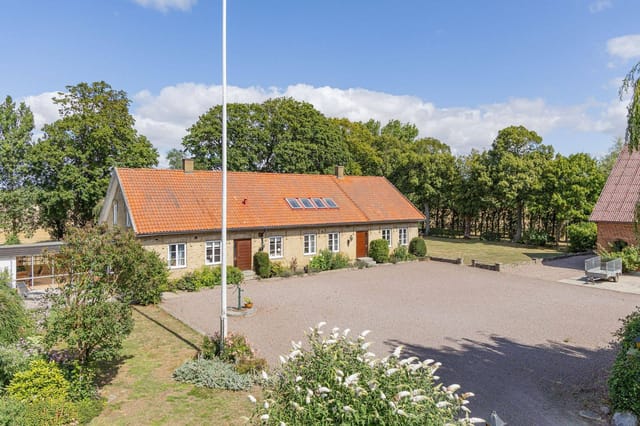
Early on a September morning in South Stevns, the mist sits low across the fields of Boestofte and the only sound is the soft thud of hooves on damp grass. That's what this place does to you. It slows everything down. Møllehøjvej 5 — known locally as Fedtehuset — is a red half-timbered farmstead built in 1880 that still carries the unhurried rhythm of the Danish countryside in every beam and brick, but with enough space, comfort, and practical infrastructure to make it genuinely liveable today. The main house spans 190 square metres across five rooms, and the first thing that hits you stepping inside is the warmth — not just from the central heating system, but from the materials themselves. Exposed timber framing, thick walls that keep the summer cool and the winter out, and a thatched roof that muffles the world in a way no modern building quite manages. Three bedrooms sit comfortably within the layout, along with a bright living room and a kitchen equipped with its own drainage system — a detail that matters far more once you've actually tried running a working rural property without one. The bathroom is fully fitted with shower and WC. Practical, honest, functional. Nothing here is for show. Then there's the annex. Renovated in 2018, it adds another 85 square metres in the same half-timbered style, now under a tile roof. Use it for visiting family from Copenhagen or abroad, as a home studio, a remote work setup, or just as a guest wing with genuine separation. That kind of flexibility is rare at this price point. The grounds are where this property really opens up. Nearly two hectares — 19,366 square metres to be exact — of land that wraps the buildings in lawn, mature trees, flower beds, and wide open grazing spa ... click here to read more

Two red half-timbered houses with thatched and tiled roofs stand in a garden with paved paths and lawn. Furniture and plants are seen in front of the buildings under a clear blue sky.

Picture a Saturday morning in early June. You open the kitchen window and the air carries salt from the Øresund, maybe a trace of coffee from the bakery two streets over on Gl. Strandvej. It's quiet enough to hear a bicycle tick past on Ejlersvej. This is what daily life feels like in Humlebæk — unhurried, sharp with coastal air, and just forty minutes from Copenhagen by train. Built in 2018, this three-bedroom brick villa at Ejlersvej 8 is the kind of property that does its job so well you stop noticing the design and just start living in it. That's actually a compliment. The floor plan moves with you rather than against you — open living and dining areas that shift naturally into the garden, bedrooms with generous windows that pull in the northern light, a kitchen arranged around a central island so a Sunday morgen brød session doesn't feel cramped. The black steep-pitch roof against pale exterior brick gives the house a clean, grounded silhouette that reads unmistakably Danish without feeling like a showroom. The kitchen deserves its own moment. Light wood cabinetry, a tiled backsplash, a large window angled toward the garden — it's set up for actual cooking, not just photography. The island has a sink, which matters more than people realize until they're prepping a pile of fresh langoustines from the Helsingør fish stalls and need a second water source. Modern appliances throughout, nothing gimmicky, everything functional. Both bathrooms are finished with contemporary fixtures, walk-in showers, and quality tiling. Two separate toilets mean weekend guests and school-morning chaos don't collide. The master bedroom opens directly onto the garden — on warm evenings, that sliding connection between inside and outside i ... click here to read more

A brick villa with a black roof stands in a garden with a lawn and bushes. A fence surrounds the property, and some potted plants are on the terrace.

Step outside on a quiet Tuesday morning in October and the only sounds you'll catch are the wind moving through the old oak trees and, faintly, the call of migrating birds crossing the flat South Jutland sky on their way to the Wadden Sea. That's your view from Horskjærvej 1. Not a neighbour's fence, not a busy road — just open countryside rolling toward one of Europe's great UNESCO landscapes, and a house behind you that's been standing since 1920 and has every reason to keep standing for another hundred years. This is rural Denmark the way it actually feels from the inside. Øster Gasse sits just east of the market town of Skærbæk, which means you get the silence of the countryside without the disconnectedness that sometimes comes with it. A ten-minute drive gets you to the shops, the school, the bakery on Storegade where locals pick up freshly baked rundstykker on Saturday mornings. The Wadden Sea National Park, Denmark's only UNESCO World Heritage site, is close enough to visit on a whim — an evening cycle down the flat bike paths, binoculars around your neck, timing your arrival with the late-afternoon tide. This is the kind of life people move to South Jutland to find. The house itself tells a story of practical care rather than quick flips. Originally built in 1920, it's been extended and renovated thoughtfully over the decades, and today it sits at 284 square meters of living space spread across two sections and two floors. That division is one of its most interesting features. The main section — 167 square meters — holds the core of daily life: a well-fitted kitchen with a dishwasher, an open dining area, a comfortable living room, and a master bedroom with built-in wardrobes. The bathroom here has underfloor h ... click here to read more

A farm consisting of several buildings arranged in a U-shape, surrounded by fields and trees in a rural area.

Step through the gate on Chaamseweg on a Saturday morning in late spring, and the first thing you notice is the silence. Not the silence of isolation — the silence of land. Twenty thousand square metres of it, rolling out in every direction in shades of green that shift with the light. Somewhere near the animal meadow, a donkey ambles along the fence. The smell of cut grass drifts through the open kitchen window. This is Meerle, and it gets under your skin fast. Set in the Flemish Kempen countryside just a stone's throw from the Dutch border, this four-bedroom detached villa on Chaamseweg 79 is the kind of property that makes you reconsider what a second home can actually be. At 536 square metres of living space — and with a substantial 380m² multifunctional outbuilding that locals know affectionately as 't Schuurke — this isn't a weekend bolt-hole. It's a proper estate, the sort of place you buy and never quite want to leave. The approach alone sets the tone. A long, sweeping driveway frames the house before you even reach the front door, flanked by mature hedgerows that deliver genuine privacy from the road. Inside the main villa, the entrance hall has that grounded, unhurried quality you find in houses built with care: original brick floor tiles underfoot, sleek plastered walls, and a cloakroom niche tucked neatly to one side. It tells you immediately that the people who kept this house took pride in it. The living room — roughly 38 square metres — has a bay window looking out over the rear garden and an open fireplace that makes winter weekends here feel genuinely restorative. This flows naturally into a study with windows on three sides, the kind of room where you could actually get work done or lose an afternoon ... click here to read more

Front view of Chaamseweg 79

Step outside on a Tuesday morning, coffee in hand, and the only sounds reaching you are wood pigeons in the old oaks and the faint rustle of wind crossing open fields toward the Dutch border. That's Schuivenoord 2. It's the kind of quiet that city dwellers spend years chasing, and here it's simply the default setting. Meerle sits in the northern tip of the Belgian province of Antwerp, tucked into the Noorderkempen — a region of heathland, river valleys, and working farms that feels genuinely unhurried. The village itself is small enough to know the baker's name but connected enough to reach Breda's Grote Markt or Antwerp's Meir shopping street in under an hour. For buyers seeking a substantial second home in Belgium that genuinely delivers on both space and serenity, this is about as good as it gets. The villa was built in 1971 but underwent a full renovation in 2016, and it shows. The bones are solid — think generous ceiling heights, exposed timber beams in the main living area, and a floor plan that spreads across 546 square metres without feeling labyrinthine. The renovation brought everything up to contemporary spec: energy label B, central heating with partial underfloor heating, and fittings chosen for longevity rather than trend. Walk through the front gate — electric, with plenty of room for several cars along the private driveway — and the house announces itself through its garden rather than its facade. Five thousand, seven hundred and twenty-five square metres of it. Mature trees frame long views across the lawn, espalier fruit trees line one wall, and multiple terraces give you options depending on where the afternoon sun lands. There's a covered seating area for the kind of Belgian summer evenings that st ... click here to read more

Front view of Schuivenoord 2

Early on a Saturday morning, the only sound you'll hear from the master suite is water. The Ems moves slowly past the 19th-century lock below, and if the kitchen window is open, the smell of damp grass and lime trees drifts in before you've even put the kettle on. This is Listruper Wehr 5 — a former river shipping house turned private estate, sitting on 15,451 square meters of park-like grounds just a few minutes from the Dutch border. It's the kind of place that takes most people about thirty seconds to fall completely silent in. The property's origins are written into its bones. Built as a working shipping house to serve the lock on the Ems, the villa carries a quiet authority — classic green-and-white shuttered facades, proportions that feel deliberate and unhurried, and a setting that hasn't changed much since the 19th century. The dam immediately downstream still creates that low, constant percussion of moving water. On a still evening, you can hear it from the garden terrace. Some owners find it meditative. Nobody finds it unwelcome. In 2010, a complete interior renovation was carried out under the direction of a noted interior architect, and it shows — but not in a way that shouts. The focus was on proportion, natural light, and materials that earn their place: stone, solid timber, hand-finished surfaces. The bespoke kitchen, made by Landlord-Living, is centered around a Lacanche range — the kind of French stove that professional cooks scheme about owning. There's a walk-in refrigerator, custom cabinetry, and enough counter space to actually cook rather than just perform cooking. The dining area in the heart of the ground floor connects the main lounge and a fireplace sitting room, both of which open directly on ... click here to read more

Front view of Listruper Wehr 5

There's a particular kind of silence at the top of Grosetlie on a January morning — the kind you feel in your chest before the day starts. Snow is still falling softly on the terrace, the wood-burning fireplace from the night before has left an amber warmth in the air, and through the floor-to-ceiling windows, the whole of Grøndalen opens up below you like it belongs to no one else. This is what you bought. Not just a cabin. This moment. Built in 2024, this five-bedroom mountain chalet sits at the highest point of Grosetlie 167, in one of Hemsedal's most established and genuinely sought-after cabin areas. At 176 square metres, it holds its own — spacious enough for a full extended-family gathering, designed well enough that nobody's tripping over each other by day three. Wide oak floors run through the main living spaces, picking up light from the oversized windows and giving the interior that particular warmth that no amount of design software can quite replicate until you're standing in it. The heart of the cabin is the open-plan kitchen and living room, where ceilings climb high and a built-in fireplace anchors the social space. The kitchen is an Expo Nova fit-out — properly equipped, with integrated appliances and enough counter and storage space to actually cook a real dinner for eight people, not just survive on pasta. Saturday night fondue, a slow-cooked lamb stew on a stormy Sunday afternoon — this kitchen was made for both. Underfloor heating runs throughout, which matters more than most buyers realise until their first February stay, when getting up at 6am to watch the light change on the mountains is no longer something you dread. Five bedrooms means real flexibility. The master suite has an en-suite bathro ... click here to read more

Welcome to Grosetlie 167 – Cabin with fantastic location high above Grøndalen with amazing views and excellent sun exposure

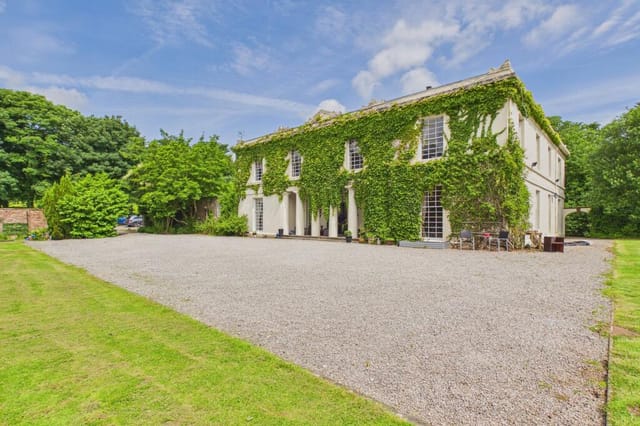
Picture yourself descending the oak staircase on a crisp autumn morning, the scent of coffee drifting from the Aga in your country kitchen, while mist still clings to the 10 acres of woodland and paddocks that surround your 17th-century stone barn. This is the reality awaiting at Low Gale Barn in Cowan Bridge, where history, modern comfort, and the English countryside converge to create an exceptional vacation home just minutes from the Lake District National Park. Imagine waking to blackbirds singing in the beech hedges, stepping onto your private balcony with morning tea, then planning your day between a swim in your heated indoor pool, tennis on your private court, or exploring the dramatic fells and valleys that have inspired poets and artists for centuries. This is countryside living at its finest, offering international buyers a rare opportunity to own a substantial English estate with the convenience of Manchester Airport just 90 minutes away. Low Gale Barn represents more than a vacation property; it is a gateway to the outdoor adventures, cultural richness, and restorative tranquility that define Northern England's most celebrated landscapes. The conversion of this historic barn has created 660 square meters of versatile living space where original stone walls and slate roofing blend seamlessly with contemporary extensions and modern amenities. Six bedrooms accommodate extended family gatherings, while five bathrooms ensure everyone enjoys privacy and comfort during holiday stays. The property's layout flows naturally from formal entertaining spaces to cozy family zones, outdoor leisure areas to productive gardens, creating distinct experiences throughout your stay. Whether you seek a base for Lake District hiki ... click here to read more

Front elevation

Picture yourself waking to morning mist rising from Fållnäsviken bay, the gentle lap of water against your private kilometer-long shoreline the only sound breaking the silence. Coffee in hand, you step onto the veranda of your Swedish manor house, surveying 17 hectares of meadows, orchards, and forest that stretch to meet 21 hectares of sheltered water. This is your escape, just 50 minutes from Stockholm's vibrant pulse, yet worlds away in tranquility. This exceptional country estate on Lisö island offers international buyers an increasingly rare opportunity: authentic Swedish countryside living combined with genuine waterfront access, all within commuting distance of a world-class capital city. The Stockholm archipelago region represents one of Northern Europe's most compelling vacation home markets, where pristine nature meets sophisticated urban culture, and where properties of this scale and character almost never reach the open market. The main residence, a thoughtfully renovated 1949 manor house spanning 140 square meters, immediately feels like home. Eight rooms flow across two levels, their generous windows framing ever-changing views of water, woodland, and sky. The bright Scandinavian interiors balance period charm with modern comfort, while the expansive basement adds three additional rooms and technical space, perfect for wine storage, a home cinema, or hobby workshops. Unlike many older Swedish properties, this home has been meticulously maintained and upgraded, offering move-in ready condition that international buyers particularly value. But the main house tells only part of this property's story. A newly constructed 47-square-meter guest house provides self-contained accommodation with full kitchen and ti ... click here to read more

Main house and waterfront