Villas For Sale In Europe

Villas for sale in europe - homestra offers the largest amount of european real estate with over 200,000+ properties, find any type of property within your budget from villas to country homes. buy or rent your perfect home in europe.

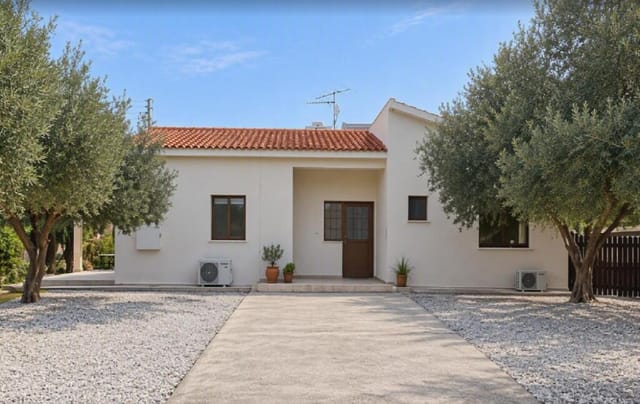
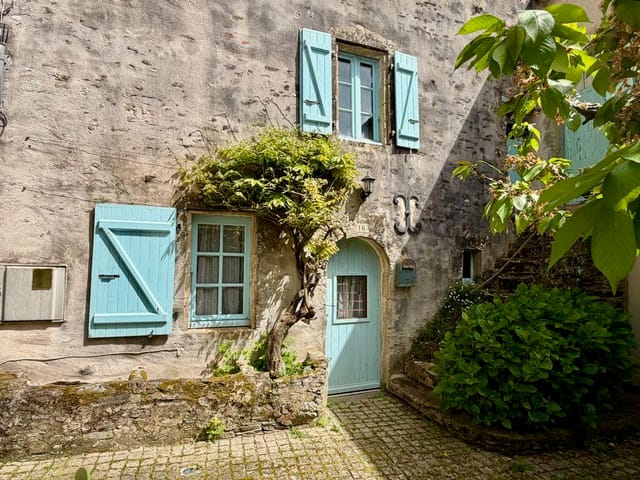
On a quiet Saturday morning in Locmalo, the smell of butter and buckwheat drifts up from the crêperie two streets over, and church bells ring out across the slate rooftops of Guémené-sur-Scorff. You've just had coffee in your small stone courtyard, the kind of private little outdoor space that Breton houses guard jealously, and the only decision facing you is whether to walk the 400 meters into the historic town center now or after a second cup. This is what owning a holiday home in Morbihan actually feels like. The house itself is old in the best possible way. The stone walls are thick and cool in summer, and when November rolls in off the Atlantic and the fireplace in the lounge starts earning its keep, the whole ground floor turns into exactly the kind of refuge you'd imagine when you first started dreaming about a second home in France. The open-plan kitchen, dining area, and sitting room share roughly 30 square meters of ground floor space — tight by some standards, but deeply livable, especially when you consider how much Breton life happens outdoors and in the streets rather than indoors. The spiral stone staircase is a detail you won't find in a modern apartment build; it winds upward with genuine architectural character, connecting the rooms in a way that feels genuinely old-world rather than staged. That courtyard deserves its own moment. About 30 square meters, private, enclosed, catching afternoon sun. At 70 square meters total, space inside is modest, so this little outdoor pocket becomes a genuine extension of the living area through spring, summer, and the long mild Breton autumn. A small table, two chairs, a carafe of Muscadet — that's the entire setup you need. Simple, but that's the point. Up the sta ... click here to read more
Picture 1

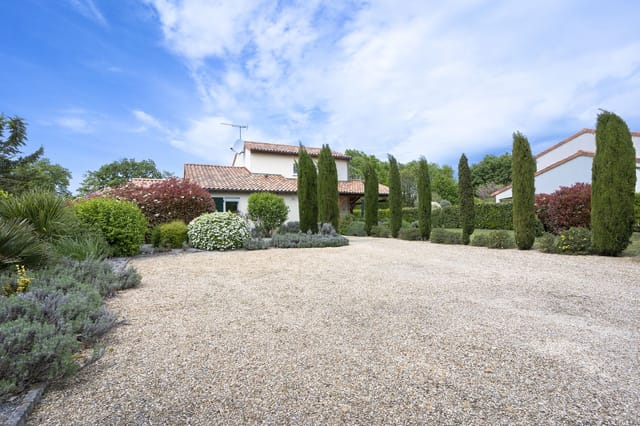
Picture this: a Saturday morning in late June, the air already warm by nine o'clock, the Pyrenees doing that thing they do where the peaks turn pink before the valley below even wakes up. You're sitting on your own terrace with a coffee, somewhere between Toulouse and the mountains, and you genuinely don't have a plan for the day. That's Daumazan-sur-Arize. That's Villa 133. This fully renovated, detached three-bedroom villa sits inside the established Château Cazalères holiday park on the edge of this quietly compelling village in the Ariège — a département that most of France still hasn't fully discovered, which is precisely the point. At 100 square metres on a 400 m² private plot, the property was stripped back and rebuilt to a high spec, and it shows. This isn't a cosmetic refresh. The bathrooms have underfloor heating and walk-in showers, the kitchen is fitted with modern appliances and enough workspace that someone who actually cooks will be happy, and the whole downstairs flows out to the garden through wide glass doors. Two additional separate WCs mean six guests can share the space without the morning shuffle. The living room catches the southern light from mid-morning onwards. In winter — and the Ariège gets real winters, which is part of its character — that warmth through the glass is something you'll appreciate. In summer, the garden terrace takes over. It's south-facing, properly private, and sized for a long lunch that drifts into aperitifs. There's a dedicated barbecue space, and the surrounding park greenery keeps it sheltered without hemming it in. Château Cazalères has been running long enough to have ironed out the things that matter. The pool complex is large — multiple pools, including a dedicate ... click here to read more
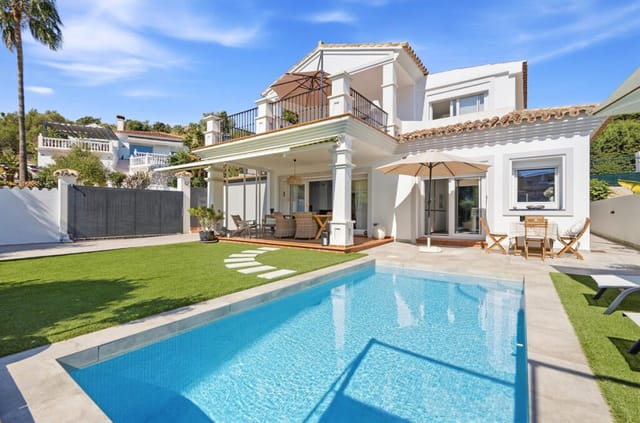
Front view of Villa 133 at Chateau Cazalères

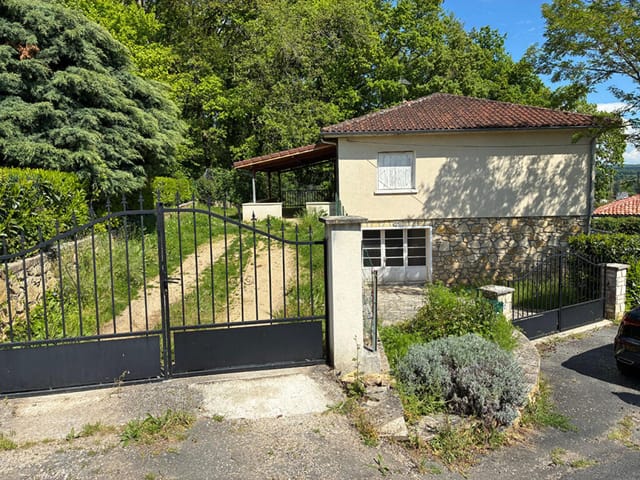
Step outside the kitchen door on a September morning and the view hits you before the coffee does. Rolling causse plateau, oak woodland dissolving into mist, and not a single rooftop visible in any direction. This is Sénaillac-Lauzès — a quiet corner of the Lot department that most people drive through on the way somewhere else, which is precisely why it's worth stopping. The villa at 630 Route de la Tuilerie sits on 10 full hectares of mixed land — meadow, mature woodland, and manicured garden — at the end of a private lane about 35 kilometres north of Cahors. Four bedrooms, two bathrooms, a separate furnished guest house, a 10 x 5.5 metre pool, a barn, outbuildings, and panoramic views that on a clear day seem to reach the next département. At €379,500, it's the kind of property that makes buyers from Paris, London, or Amsterdam do a double take and then immediately book a viewing. The main house runs to 210 square metres across two floors. Ground level is where daily life happens. The living room has underfloor heating fed by a heat pump installed in 2023 and a wood-burning stove added the same year — so the room is genuinely warm, not just theoretically warm. There's a real difference between a house with a stove for atmosphere and a house with a stove that actually works. This is the latter. The kitchen clocks in at 30 square metres, which means two people can cook at the same time without negotiating territory. It's fully fitted: five-burner gas hob, oven, microwave, dishwasher, built-in fridge, water softener, and air conditioning for the height of summer. The terrace opens directly off the kitchen — eat outside from April through October without a second thought. Three bedrooms sit on the ground floor, measuri ... click here to read more
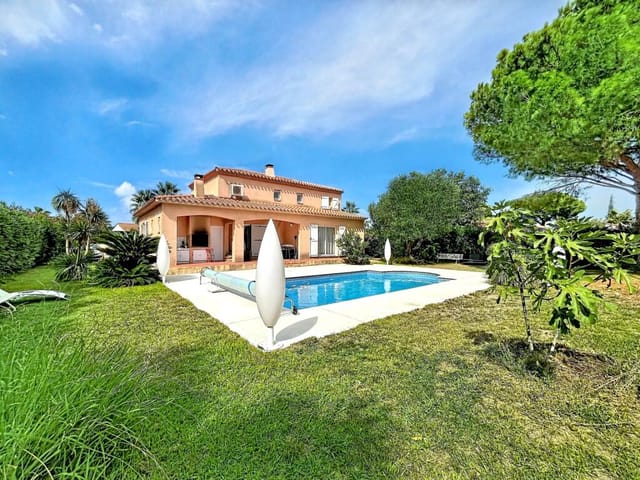
Front view of the house and grounds

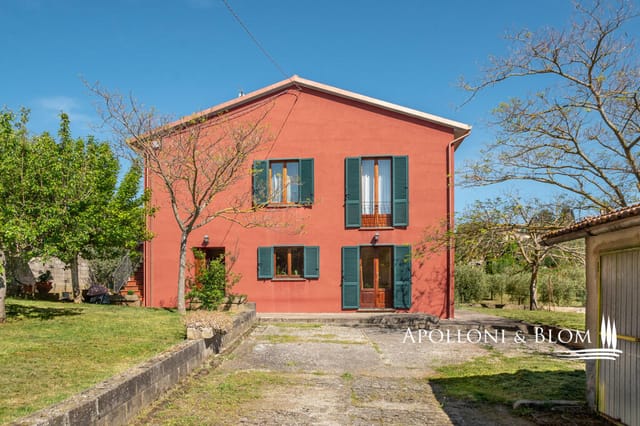
On a clear morning in Laurens, you open the bedroom shutters—electric, silent—and the air that comes in smells like sun-warmed garrigue and something faintly floral from the vines on the hillside. The village below is just waking up. A motorbike passes the café. That's about as busy as it gets. This is life in the Hérault heartland, and if you've been looking for a second home that delivers genuine southern French countryside without the tourist-trap prices of Provence, this four-bedroom villa might be the answer you didn't know you were this close to finding. Built in 2010 on the edge of Laurens—a compact stone village in the Faugères wine appellation—the property sits on a generous plot with uninterrupted views across the vines and rolling hills that define this stretch of Languedoc-Roussillon. It's not ancient, and that matters. The bones are solid, the design is contemporary bastide: clean lines, generous proportions, Mediterranean palette, none of the maintenance headaches that come with centuries-old stone. In good condition throughout, it's the kind of place you can unlock on a Friday evening in July and be swimming before dark. Inside, the ground floor is organized around a large lounge and dining room with an open fireplace—the kind you'll actually use from October through April, when the Hérault evenings cool fast and the smell of woodsmoke drifts through the valley. The fitted kitchen comes equipped with the full complement: oven, induction hob, extractor, integrated dishwasher, even a built-in fryer for when you've come back from the Béziers market with a bag of local potatoes and some merguez. French doors open directly onto a wide terrace. Marble and travertine finishes throughout give the interiors a pol ... click here to read more
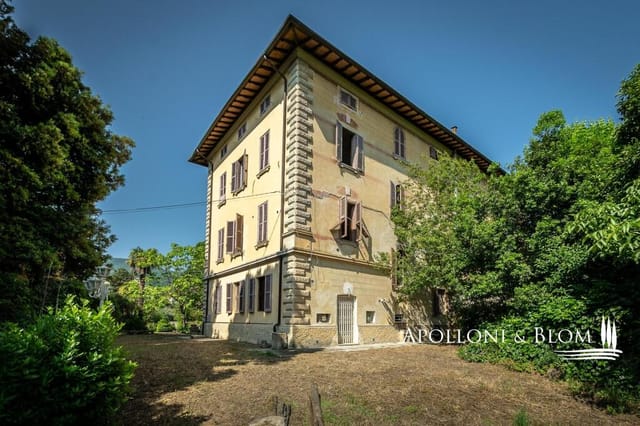
Photo 1

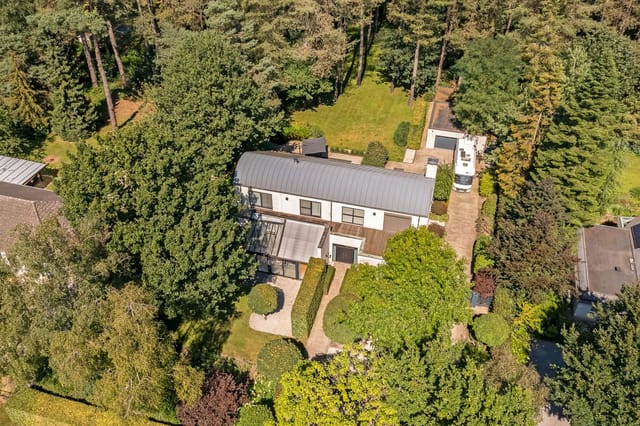
On a warm June evening in Hamont-Achel, you slide open the doors from the extension into the garden, the pool deck already rolled back, kids splashing in the heated water while the poolhouse gas stove keeps the evening chill at bay. The smell of pine drifts in from the Bosstraat treeline. The solar panels have been quietly charging everything all day — the car, the heat pump, the house — and your energy bill is, for the third month in a row, essentially nothing. This is not a fantasy. This is Tuesday at Bosstraat 62. Belgium's Limburg province doesn't get the international press that the Ardennes or Brussels do, but locals know exactly what they have. Hamont-Achel sits right at the northern tip of Belgian Limburg, pressed against the Dutch border near Valkenswaard and a short drive from Eindhoven. The landscape here is flat, forested heathland — the Kempen region — criss-crossed by hundreds of kilometres of dedicated cycling paths that weave through nature reserves like the Averbode Abbey woods and the Hoge Kempen National Park. On weekends, the Bosstraat neighbourhood is quiet enough to hear woodpeckers. On weekday mornings, you're on the E314 motorway within fifteen minutes, which puts Hasselt in forty and Brussels in ninety. The town itself punches well above its size. The Achel Trappist Brewery, one of the last authentic Trappist producers in the world, is just a few kilometres down the road — you can pick up their distinctive amber ales directly at the source. The Saturday market on the Marktplein fills up with local cheese, fresh-cut flowers, and Limburg vlaai (the regional custard tart that every Belgian will insist is better here than anywhere else). There are solid neighbourhood restaurants doing Belgian class ... click here to read more
Front view of Bosstraat 62

Step out onto the master bedroom balcony on a Saturday morning in October, coffee in hand, and watch the mist lift slowly off the meadows that run all the way to the treeline. That view — unbroken, unhurried, nothing but green — is the quiet headline of this property. Everything else is detail. Set on Leeuweriklaan in the prestigious villa district of Aarleheide in Poppel, this 300 m² four-bedroom villa sits on a generous 1,800 m² plot in one of Belgian Kempen's most coveted corners. Ravels municipality has long attracted those who want real countryside without sacrificing proximity to cities — Brussels is under two hours, Antwerp just 60 kilometres south, and the Dutch city of Tilburg is a 20-minute drive across the border. For international buyers looking for a second home in Belgium that genuinely delivers on the "escape" promise, this part of north Antwerp province delivers in ways that the more advertised coastal towns simply can't. The neighbourhood itself sets the tone the moment you turn into the street. Wide plots, mature trees, long driveways. No terrace houses, no apartment blocks. An electric entrance gate opens onto a broad driveway flanked by clipped hedging, and the scale of the property becomes clear immediately. A double garage with newly fitted electric doors and a double carport sit to one side, with a detached shed handling overflow storage — bikes, kayaks, garden tools, whatever life accumulates. Inside, the entrance hall is proper rather than perfunctory: a cloakroom, a guest toilet, and an adjacent flexible room that the current owners use as a home office but could just as easily become a playroom, treatment room, or study depending on who moves in next. The villa has that adaptability built in ... click here to read more
Front view of Leeuweriklaan 10

Step outside on a Saturday morning in late September, coffee in hand, and the only sound you'll hear is wind moving through the tall beech hedges that ring the garden. The terraces are still catching dew. Pelt is already awake — cyclists heading toward the Lommelse Sahara, dog walkers cutting through the heathland — but back here on Mereldreef, time moves at your pace. That's the real selling point of this property. Not just the six bedrooms or the 418 square metres of living space, but the particular quality of quiet you find in the Grote Heide villa district, where roads are wide, plots are generous, and neighbours respect the distance between them. The villa itself was built in 1980 using materials that were built to last — and it shows. The bones are solid, the spaces are genuinely large, and everything you'd expect in a well-maintained home of this calibre is present: double-glazed windows, air conditioning, a fireplace in the living room that earns its place from October through March, and an EPC energy rating of B, which matters practically when you're heating 418m² of Belgian villa through a proper winter. The current owners have expanded and renovated carefully over the years, and the result feels coherent rather than patchwork. There are no awkward additions, no compromises that make you scratch your head. It functions. Walk through the entrance hall — properly grand, with the kind of ceiling height that makes you straighten up instinctively — and the ground floor opens up around you. There's a spacious living room, a formal dining area, a kitchen that works for actual cooking rather than just looking good in photographs, a dedicated home office, a utility room, a laundry room, and two separate toilets. That ... click here to read more
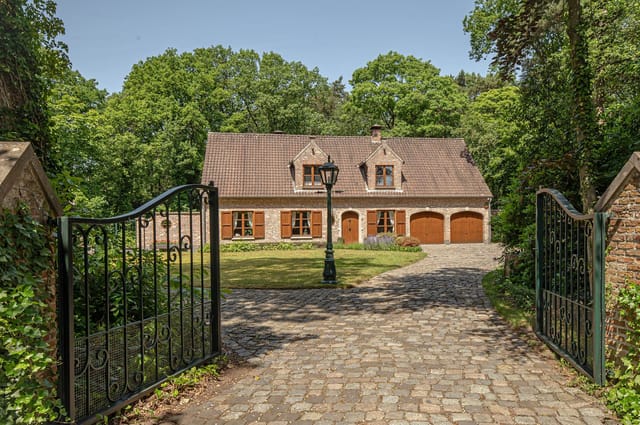
Photo 1 of Mereldreef 10

On a still Sunday morning, the smell of fresh stroopwafels drifts from the bakery two blocks down Lindendreef, and through the double garden doors of this villa's dining room, you can hear the faint chime of the Sint-Katharinakerk bell tower marking the hour. That's the rhythm of life here — unhurried, rooted, and genuinely good. Lindendreef 78 sits on one of Hoogstraten's most coveted residential streets, and it's not hard to see why. The tree-lined avenue has a sense of permanence to it, the kind of address where neighbors wave, kids ride bikes after school, and summer evenings stretch out on stone terraces until the light finally gives up around ten. The property itself was thoroughly renovated in 2021 — not a cosmetic refresh, but a considered, top-to-bottom overhaul with serious attention paid to how a family actually uses a home day to day. Step through the front door and the entrance hall sets the tone immediately: generous proportions, warm oak parquet underfoot, and a staircase that draws your eye upward. The ground floor has been laid out so that everything flows. The TV room at the front gives way to a central sitting room anchored by a gas fireplace — the kind you actually light in November and sit beside with a glass of Belgian abbey ale rather than just a decorative feature. From there, the space opens fully into the dining area and a kitchen that connects through to the orangery. Big windows on the garden side flood the whole rear of the house with afternoon light, and when the weather cooperates — which in the Kempen region it does more than people expect from Belgium — you swing both sets of double garden doors wide and the terrace becomes a seamless extension of the living space. That terrace is some ... click here to read more
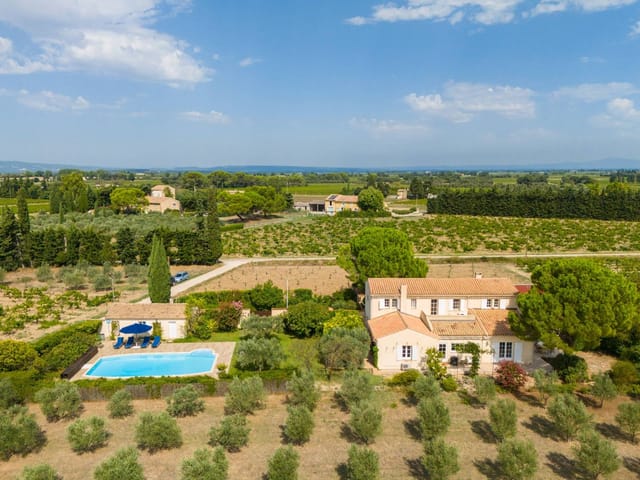
Photo 1 of Lindendreef 78

Stand on the west-facing terrace at dusk and watch the Lot River catch the last light of a summer evening. The water goes gold, then copper. Swallows cut low over the surface. Somewhere across the valley, a church bell counts out eight o'clock from a village you can't quite see. This is Anglars-Juillac, a quiet corner of the Lot department that most visitors to France never find — which is precisely why those who do find it tend to stay. Set along Chemin du Saulou, this four-bedroom villa sits on roughly 7,000 square metres of grounds that run directly down to the riverbank. That's not marketing language for a strip of grass near water — the property genuinely touches the Lot, giving you private access for morning swims, a canoe launch, or simply sitting on the bank with a glass of Cahors Malbec as the light fades. The saltwater pool, measuring around 12 by 4 metres and fitted with night lighting, makes that choice a genuine dilemma on warm evenings. The garden itself deserves its own mention. Walnut trees, cherry, plum, apple, pear — it's the kind of productive, shaded landscape that takes decades to establish and can't be replicated by any developer. A large pond sits within the grounds, drawing herons and kingfishers with reliable regularity. The mature canopy keeps the terraces cool through July and August when the temperatures in the Lot Valley push reliably into the high twenties and low thirties. The villa spans approximately 200 square metres across three levels, built in the pre-1906 era of solid stone and thick walls that keep interiors naturally cool in summer and hold warmth in winter. The ground floor opens into a flexible space that currently works as a studio or office — big, light-filled, and independe ... click here to read more
Front view of the villa and garden

Saturday morning, and the only sound is birdsong threading through the open bedroom window. No traffic hum, no city noise — just the low rustle of a southwest breeze moving through the garden hedgerow and the distant clang of a church bell from the old Sint-Petrus church in Ravels village. You came here for exactly this. And somehow, it's even quieter than you imagined. De Buskens 13 sits in one of the most sought-after residential pockets of Ravels-Eel, a corner of the Belgian Campine region that manages to feel genuinely off the beaten track while staying remarkably well-connected. The Dutch border is barely five minutes by car. Antwerp is about an hour. Eindhoven — with its international airport — sits comfortably within reach for European weekenders flying in. Yet when you're standing in this garden on a Tuesday afternoon, the rest of the world feels optional. Built in 2010, the villa covers 347 square metres across three well-considered floors, and the thing that strikes you on a first walk-through is how thoughtfully it all flows. Nothing feels squeezed or tacked on. The entrance hall sets a composed, unhurried tone — there's a guest toilet immediately off it, a detail that sounds minor until the tenth dinner party when you're grateful for it. The main living space opens generously off the hall, anchored by a wood-burning fireplace that becomes the undisputed centrepiece from October through March. Pull the chairs close, light it, and the room transforms completely. In summer, the same room breathes outward toward the dining area and into the garden beyond, the southwest orientation meaning light pours through well into the evening. The kitchen is fully fitted with modern built-in appliances and includes a break ... click here to read more
Front view of De Buskens 13

Stand on the south-facing terrace on a clear winter morning and you can pick out the switchbacks of the Coll de Rates snaking up into the mountain behind a patchwork of orange groves and old almond terraces. The air has that particular inland Costa Blanca quality — dry, warm even in January, carrying the faint sweetness of citrus blossom. This is not the Spain of beach bars and high-rises. This is the Jalon Valley, and once you've spent a week here, the coast starts to feel like a commute rather than a destination. The villa at Calle Benarrosa 1 sits on a generous corner plot of roughly 976 square metres on the edge of Alcalalí village. Corner plots in this valley are genuinely hard to come by — the extra breathing room means you get open sightlines in two directions and the light that comes with it. The total built area runs to around 227 square metres across two fully independent levels, which is what makes this property so versatile compared to a typical single-dwelling purchase. The upper level is the main residence. The L-shaped living room is large enough that the sitting area and the dining table don't compete for space — something you appreciate the moment you're hosting eight people for Sunday lunch and nobody feels squeezed. The kitchen has a utility room off it, useful for the kind of practical storage that always gets overlooked in holiday property searches. A covered terrace runs along the south face of this floor, catching the afternoon sun deep into October, sheltered enough to eat outside in a light jacket well past the point when the coast has gone grey. Below, the guest apartment is fully self-contained. Its own entrance, its own living room with kitchen, two bedrooms, a bathroom, and a private terra ... click here to read more
Main exterior view of Calle Benarrosa 1

Stand at the kitchen window on a Saturday morning and watch two herons circle the garden pond while coffee brews on the granite countertop. The automatic gate is closed, the mature trees are doing their job blocking out the world, and the only sound is birdsong filtering through the pines at the back of the plot. This is Essensteenweg 53 — a 360-square-meter villa on 4,255 square meters of land in Brasschaat, one of the most coveted green addresses in the entire Belgian province of Antwerp. Brasschaat sits roughly twelve kilometers north of Antwerp's cathedral spires and diamond quarter, close enough to catch a weeknight concert at the deSingel arts campus or a Sunday morning stroll through the Vrijdagmarkt antique market, yet far enough that the streets here are lined with century-old oaks rather than tram cables. The municipality has a reputation — fiercely protected by the people who live here — for wide forested avenues, exceptional international schools like the Antwerp International School on Dref, and the kind of quiet that money genuinely can't buy in the city itself. Families relocating from London, Amsterdam, or Paris who want a proper garden and room to breathe without sacrificing urban access tend to discover Brasschaat and stay for decades. The villa itself sits behind an automatic gate with a videophone system, and the driveway alone tells you something about the scale of the property — there's room for multiple cars before you even reach the double integrated garage with its separate automatic doors. Inside, the entrance hall opens up generously, with a guest toilet tucked away and the main living space spreading out in front of you across three distinct zones. The formal sitting room has an open firepla ... click here to read more
Front view of Essensteenweg 53

Step outside on a Saturday morning in Wuustwezel and the air carries something you simply don't find in the city — a mix of damp grass, pine, and absolute quiet. The nearest neighbor is far enough away that you hear birds before traffic. This is what 289 square meters of private villa life on the Belgian-Dutch border actually feels like. Built in 2012 to high specifications, this five-bedroom detached villa on Moleneind sits on a 2,545 m² plot that wraps around the property with a landscaped garden, a serene pond, and open green space being freshly leveled and seeded as part of an ongoing upgrade. The bones of this home are exceptional — an A energy label, full underfloor heating via heat pump, roof-to-floor insulation, and double glazing throughout. Your energy bills will surprise you. In the best way. Walk through the front door and the entrance hall sets the tone immediately. It's generous, with a guest toilet tucked away and a staircase rising to the floors above. Double doors pull open into the main living space — a wide, open-plan area where the dining room flows into the kitchen without any awkward transitions. There's a practical storage room off the kitchen and a separate utility space that handles the behind-the-scenes business of daily life so the main rooms stay uncluttered. Late Sunday afternoons in this kitchen, with the garden visible through the rear windows and something slow-cooking on the hob, genuinely feel like a different pace of life. The first floor is where the master suite earns its name. A proper dressing room connects to a bathroom that comes with a freestanding bathtub, walk-in shower, and double washbasin — not a compromise version, but the real thing. There's also a laundry room on this ... click here to read more
Photo 1 of Moleneind 9

Stand in the courtyard at seven in the morning, coffee in hand, and listen. A wood pigeon calls from the old walnut tree. Water trickles from the decorative pond. Somewhere beyond the stone walls, the Loire Valley is waking up. This is the kind of quiet that city people spend years chasing — and here, it's yours before breakfast. At 1585 Route de Pierrefitte, this former abbey farm sits on a fully fenced 5,435 m² plot in Vézelin-sur-Loire, a small commune perched in the rolling hills above Saint-Étienne, roughly equidistant between Lyon and the volcanic highlands of Auvergne. The estate has spent the last twenty-five years operating as a sabbatical and retreat center — a place where executives, academics, and creatives came to think clearly and leave restored. That history has shaped every room. The proportions are generous, the finishes are honest, and the whole place carries the unhurried confidence of a building that has seen several lifetimes and survived them all. The main building runs to approximately 450 m² across two floors. Ground level holds a sitting room anchored by a working insert fireplace — the kind you actually use in October, not just admire — plus a formal dining room with an original alcove that seats a long table comfortably. There's a separate office or secondary lounge, a ground-floor bedroom with its own en-suite bathroom, and a professional restaurant kitchen fitted with commercial-grade equipment. Spend a Sunday afternoon in that kitchen producing a pot-au-feu with vegetables from Roanne market and you'll understand exactly why the retreat guests never wanted to leave. Upstairs, approximately ten guest rooms spread across the floor alongside a shared lounge that has doubled as a conference ro ... click here to read more
Front view of the estate

Early morning, the bay of Jávea looks like hammered silver from the top terrace. The sun hasn't cleared the Montgó massif yet, coffee cup warm in both hands, and you can already trace the full arc of coastline from the old port all the way out to the limestone headland of Cap de Sant Antoni. Nobody else is awake. This is yours. That particular moment — quiet, private, genuinely extraordinary — is what sets this five-bedroom villa on Carrer del Roget apart from anything else at this price point on the Costa Blanca. It isn't just that the views are good. It's that almost every room in the house catches them, and the architecture keeps getting out of the way to let them in. The villa reads Ibiza — whitewashed render, clean geometric lines, deep-set terraces that create shade without blocking sightlines — but it sits on an elevated 1,090 square metre plot in Jávea's hillside residential belt, which means what you actually get is the quieter, more rooted version of that aesthetic. No seasonal circus. No party boats audible from the garden. Just the cicadas and the occasional church bell drifting up from town. Spread across three floors and roughly 250 square metres of interior space, the layout has been thought through for how people actually use a property like this — not for a brochure floor plan. The uppermost level is almost entirely given over to the master suite, which has its own private terrace cantilevered toward the sea view. Sleep with the doors open and you'll hear nothing but wind through the rosemary hedges on the slope below. Come down to the middle floor and the house opens up: a living room anchored by a wood-burning fireplace (more useful than you'd think — Jávea winters are mild but real), an open kitche ... click here to read more
Main view of the villa with sea panorama

On a Sunday morning in Rijkevorsel, the light comes in sideways through the kitchen's wide garden-facing windows. Coffee is already brewing — the built-in machine handles that — and outside, dew is still sitting on the grass of the fully fenced rear garden. No neighbors in the sightline. Just open Flemish countryside rolling out behind the terrace. This is the pace this villa runs at, and once you've spent a weekend here, it's hard to argue with it. Sint-Lenaartsesteenweg 80 sits on a 1,389 square meter plot in the heart of the Kempen region, one of Belgium's most underrated pockets of calm. The house itself is 267 square meters — a substantial four-bedroom villa that has been thoroughly renovated without losing the bones that gave it character in the first place. The wrought-iron interior door that separates the entrance hall from the main living area? That stayed. The oak parquet floors throughout the ground floor? Those stayed too. What changed is everything you don't see at first: the insulation, the systems, the kitchen, the bathrooms — all brought squarely into the present. The living room revolves around a gas fireplace that earns its keep from October through March, when the Kempen afternoons turn grey and the garden takes on that particular Belgian stillness. The room is generous enough for a proper sofa arrangement without feeling cavernous, and it flows directly into the kitchen — the real centerpiece of this house. The island is the kind you actually gather around. Appliances include a cooktop with an integrated extractor, a steam oven alongside a conventional oven, a built-in coffee machine, a warming drawer, a vacuum drawer, and a dishwasher. Everything is built in, everything is considered. Whoever desig ... click here to read more
Front view of Sint-Lenaartsesteenweg 80

Early on a weekday morning, the only sound you'll catch from the kitchen at Jagersdreef 7 is birdsong. Not the vague, generic kind — woodpeckers working the oaks at the edge of the garden, the occasional rustle of a deer moving through the reserve that begins literally where the grass ends. There are no through roads here, no delivery trucks, no neighbours' engines warming up. Just a 325-square-metre villa sitting on 3,302 square metres of private land in one of Flemish Brabant's most quietly coveted pockets, where the Lichtaart heathlands fade into the residential fringe of Herentals. This is the kind of property that takes a while to fully understand. It doesn't announce itself loudly. Pull up the private driveway — long enough to park several cars well off the road — and what you notice first is the sense of proportion. The gabled roofline, the mature trees framing the facade, the way the building sits back from the lane as if it has nothing to prove. The 2023 renovation was thorough without being aggressive: original exposed beams were kept, the fireplace in the living room still draws the eye when you walk in, but the kitchen is fully modern, the bathroom is genuinely spa-quality with both a bathtub and a walk-in shower, and solar panels on the roof mean running costs stay honest. Inside, the layout flows logically rather than fashionably. The entrance hall has a proper cloakroom — something that disappears in properties with more focus on staging than living — plus a guest toilet before you've even reached the main rooms. The kitchen is set up for people who actually cook: good storage, modern appliances, a layout that keeps the chef in the conversation rather than buried in a corner. It opens onto the living roo ... click here to read more
Front view of Jagersdreef 7

Saturday morning in Grote Heide sounds like this: a wood pigeon calling from somewhere deep in the oak canopy, the faint crackle of a wood-burning fire coming back to life, and absolutely nothing else. No traffic. No sirens. Just the kind of quiet that reminds you why you wanted a second home in the Belgian countryside in the first place. Vinkendreef 4 sits in one of Pelt's most coveted villa districts — a wooded pocket of north-east Belgium where the plots are generous, the neighbours invisible behind mature hedgerows, and the pace of life runs at a completely different frequency from Brussels or Amsterdam or wherever you're escaping from. This is a proper house. 280 square metres of it, on a landscaped plot of 3,551 m² — more than a third of a hectare — with a south-facing garden that gets the sun from breakfast until the last glass of evening wine. Walk through the entrance hall and the first thing you notice is how much light there is. Large windows pull the garden inside, and the living room feels less like a room and more like a viewing platform onto all that green. The wood-burning fireplace anchors the space on cooler evenings — and in the Belgian Kempen, autumn comes early and beautifully, the birch trees outside turning gold while the fire does its work. The kitchen is practical and well-equipped, with direct access to a laundry room and storage area. No awkward layouts, no carrying shopping halfway across the house. It just works. The ground floor gives you two bedrooms — one currently configured as a dressing room, one with an ensuite bathroom that also opens to the hallway — plus a separate office that converts easily to a fifth bedroom if you need it. This kind of flexibility matters. It means multi-gene ... click here to read more
Front view of Vinkendreef 4

On a quiet Sunday morning in Lommel, with the window above the kitchen breakfast nook cracked open, you catch the faint rustle of pine trees from the Sahara nature reserve a short bike ride away. The smell of fresh coffee fills a kitchen big enough to actually cook in. That's the kind of morning this house was built for. Standing on Pieter Paul Rubensdreef — a tree-lined avenue in one of Lommel's most established villa parks — this five-bedroom home sits on a 1,588-square-metre plot and covers 423 square metres of interior space across two floors, plus a full basement and attic. Built in 1977 with an emphasis on durability over trends, it has aged well. The bones are solid, the materials were chosen to last, and the layout still makes sense for how families actually live. Walk through the front door and the entrance hall does something most modern homes forget to do: it makes you pause. The marble floor catches the light in the afternoon. There's a cloakroom to your right, a guest toilet tucked neatly away, and a dedicated home office just off the hall — genuinely separate from the living areas, which matters more than people expect until they're two years into working from home. The living room and dining room flow naturally from here, both laid with warm parquet that's far easier to love on a grey November day than polished concrete. The open fireplace in the lounge isn't decorative — it's the room's centrepiece, the thing that makes the space feel lived-in and real rather than staged. Five bedrooms give a family real breathing room. Each one has parquet flooring, and there's genuine flexibility here: one space could become a sixth bedroom with minimal effort. The two bathrooms are generously fitted — double sinks, ... click here to read more
Front view of Pieter Paul Rubensdreef 2

The bay goes completely still around six in the morning. Standing at the kitchen window of Söderbacken, coffee in hand, you watch a pair of swans cut across the glassy surface of Björköfjärden while the light shifts from grey to pale gold. That silence isn't emptiness — it's the specific, earned quiet of a southwest-facing shoreline on Björkö where the water is fifty metres from your door and nobody is building anything nearby anytime soon. This is a property with a past that you can feel underfoot. The main house was built in 1909 and has been held by the same family across generations — that kind of continuity leaves something behind in the walls, in the old woodwork, in the way the floorplan seems to have grown organically from the land rather than been imposed on it. Recent modernisation has brought the 120-square-metre interior fully into the present: a kitchen with quality appliances, updated bathrooms, insulation and heating systems serious enough for Swedish winters, and large windows in the main living room that pull the treeline and the water directly into your field of vision. Original wooden floors have been kept. There's a fireplace. In January, when the archipelago is quiet and the snow sits on the birch branches, that fireplace is worth more than almost any other feature on the spec sheet. The property is considerably more than a house. Two separate guest houses sit on the grounds — self-contained, private, genuinely useful. They handle visiting family without the compression of a full house; they work as studios, home offices, or places for older children who want their own door. A large barn with an attached garage stores kayaks, a boat, bikes, and all the physical equipment that Swedish outdoor life a ... click here to read more
Main house and shoreline

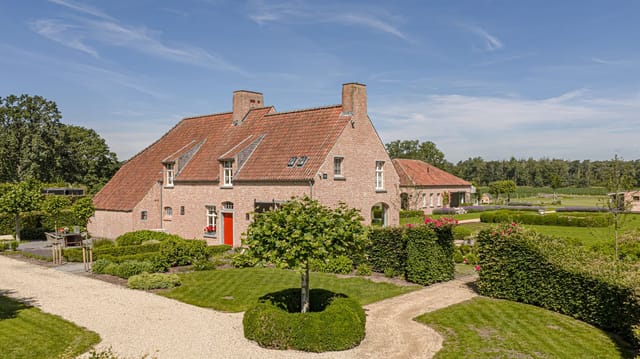
On a quiet Sunday morning in Neerharen, the only sounds coming through the upstairs bedroom window are birdsong and the distant church bells drifting over from Maastricht. The garden below is already dappled with light, and the coffee is on. That's the kind of morning this address delivers — and it does it with almost unfair regularity. Reistraat 74 sits in the Goudkust residential area, one of those neighbourhoods that locals quietly keep to themselves. Tree-lined, unhurried, and genuinely green in a way that most suburban developments promise but rarely deliver. The 708-square-metre plot wraps around the villa with mature lawns, established trees, and a full perimeter fence secured by an electric gate. Children can play outside without supervision anxiety. Adults can eat dinner on the terrace without a neighbour's window staring back at them. Both things matter more than most property descriptions acknowledge. The villa itself is 251 square metres spread over three floors — twelve rooms in total, including three generous bedrooms. A fourth is achievable without significant structural work, which opens up real flexibility for a home office, a guest suite, or a room that changes purpose as the years go by. The renovation that's been carried out here isn't cosmetic. Roof, electrical systems, drainage, windows, doors, both bathrooms, the kitchen, utility room, air conditioning, and central heating have all been replaced or substantially upgraded. The Vaillant eco tec 30kW gas boiler was installed in 2023. Triple glazing and floor-to-ceiling roof insulation give the property an energy label C — solid performance for a home of this scale and era. The building is also certified asbestos-free, which matters to buyers who've ... click here to read more
Front view of Reistraat 74, Lanaken Neerharen

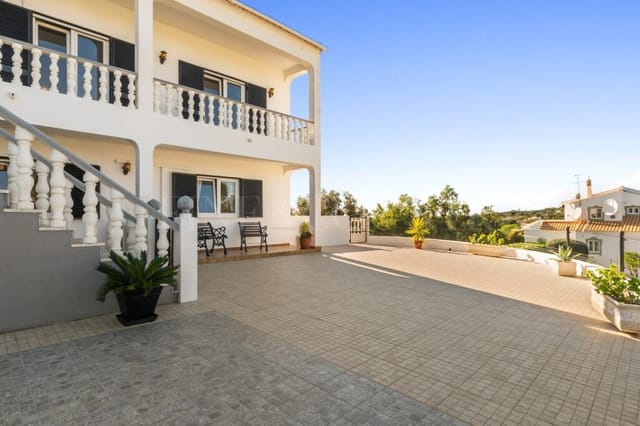
The first thing you notice on a summer morning here is the silence — or rather, the particular quality of it. Not the absence of sound, but the specific Algarvian soundtrack: cicadas in the carob trees, the distant bark of a neighbor's dog somewhere over the next hill, and the soft hiss of the irrigation system moving through the orange grove before the heat of the day settles in. Stand at the edge of the infinity pool with a coffee at seven in the morning, looking out over the rolling hills toward Silves, and you'll understand immediately what makes this property different from the resort hotels and whitewashed condos crowding the coast. This is 21,100 square meters of private land in the Sito do Figueiral, a quiet rural pocket just four minutes by car from one of the most historically rich towns in the entire Algarve. The 210-square-meter villa sits on the elevated part of the plot, giving the pool terrace and south-facing terrace those unobstructed views over the Arade valley countryside that no building regulation will ever take away from you. It's a four-bedroom, four-bathroom home with enough room for two families to coexist comfortably without ever getting in each other's way — the kind of space that turns holiday homes into genuine gathering places for extended families and close friends year after year. The villa itself dates to 1951, but what you're buying today is the result of a thorough renovation that has dragged the bones of that original structure firmly into contemporary living. Every room has air conditioning. The bathrooms — four of them — are finished with proper care: two full bathtubs for the long evenings when you don't want to rush, three showers, and vanity units that don't feel like afterthoug ... click here to read more
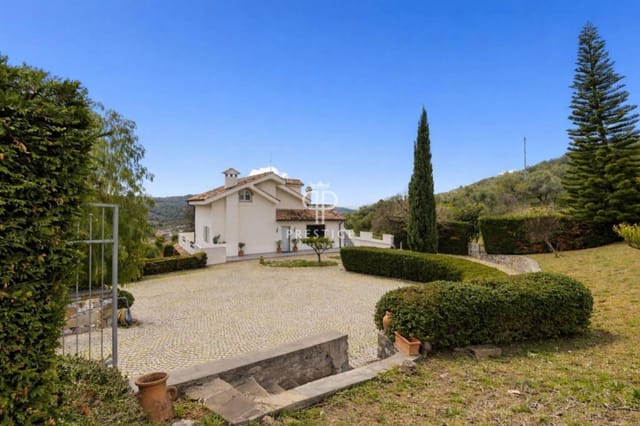
Main view of Sito do Figueiral villa

Stand at the kitchen window on a Tuesday morning and you can count the fields all the way to Randers Fjord. No rooftops blocking the line. No traffic noise. Just the low whistle of a North Jutland wind moving through the old trees at the edge of the plot, and the particular stillness that only comes from 4,403 square metres of your own land. Trehøje 14 sits on a gentle ridge just outside Øster Tørslev, a small community roughly 15 kilometres from the market town of Mariager and about 30 from Randers. The address puts you deep inside a part of Denmark that most visitors never reach — not because there's nothing here, but because what's here doesn't advertise itself. Rolling farmland, stone churches, cycle routes that cut through beech forests to the fjord's edge. The locals know. You'll figure it out fast. The house itself has a history that shows in the bones. Originally raised in 1880, it was rebuilt substantially in 1980, leaving it with the solidity of old construction and the practical layout of a home designed to actually be lived in. At 172 square metres across two floors, nothing feels cramped and nothing feels wasteful. The first floor holds a central living room — the kind of room where a wood fire makes the whole space feel smaller in the best possible way on a February evening. Downstairs, the kitchen-diner and a separate dining room both open directly to the terrace and garden. That matters more than it sounds. In summer, dinner migrates outside without ceremony; in autumn, you leave the terrace door cracked while you cook and the smell of wet grass drifts in. Five bedrooms give this property a flexibility that smaller Danish country homes simply can't match. A couple with children has obvious options: thr ... click here to read more
Front view of Trehøje 14

Early morning in Santa Bárbara de Nexe, the light does something particular. It comes in slow and golden over the hills east of Faro, catching the white walls of the house at Caminho do Telheiro before the rest of the village is even stirring. You pour a coffee, step onto the wraparound terrace, and the entire Algarve countryside lays itself out in front of you — no neighbors in the sightline, no road noise, just the faint sound of birds in the old carob trees and the smell of warm stone baking in the morning sun. That is the daily reality of living in this three-bedroom villa, and it's the kind of thing that's genuinely difficult to leave behind. Santa Bárbara de Nexe sits on a ridge in the hills above Faro, roughly ten minutes inland from the coast. It's not a tourist village — it's a working Portuguese community with a proper café on the square, a small church whose bells you can hear from the garden on Sunday mornings, and a weekly market where the same families have been selling their almonds and citrus for generations. The contrast with the packed beaches of Vilamoura or Albufeira, just 25–30 minutes west on the A22, is striking. Up here, you get the real Algarve — the one that exists when the package holidaymakers have gone home. The property itself sits on 4,890 square metres of land. That's the first thing that registers when you arrive: the sheer scale of the plot relative to the house. The villa's living area runs to 110 square metres across a single level — three bedrooms, two bathrooms, an open kitchen and living space — but the total built footprint, including the garage beneath the pool, reaches 200 square metres. The garden wraps around all sides, dense with possibility. Old fig trees, a stretch of scru ... click here to read more
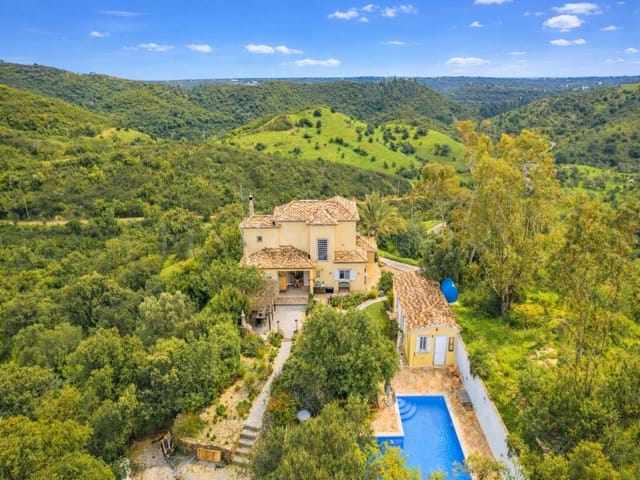
Main view of Caminho do Telheiro, 3

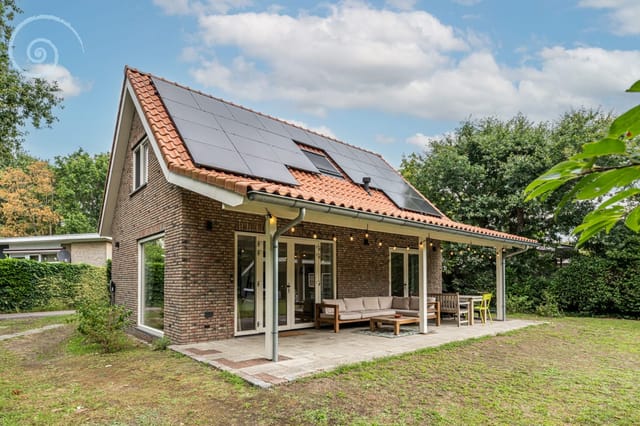
Step outside on a Tuesday morning in late September and the air smells like pine resin and cold lake water. The trees along Skovvænget are already turning — amber and rust bleeding through the canopy overhead — and the only sound is a woodpecker working somewhere deep in the forest behind the garden. This is Ry. And if you've never considered Denmark's Lake District as a place to plant roots, you're about to change your mind. Skovvænget 18 sits on a 1,275 square meter plot in one of Ry's most sought-after residential pockets — a low-traffic street with a genuine woodland character that isn't just a marketing description. The name literally translates to "Forest Lane," and the street earns it. Mature trees frame the property on all sides, and the garden has been cultivated over decades into something genuinely private: dense perimeter plantings, a broad lawn with room to breathe, and a south-facing terrace where afternoon sun lingers well into the evening. In summer, the garden becomes the entire living room. The villa itself was built in 1997 — classic Danish parcelhus construction, red brick, black-tiled roof — and at 196 square meters of interior living space, it's a properly sized home, not a weekend squeeze. Four bedrooms, two bathrooms, six rooms in total spread across a single well-organised floor. The layout is generous without being wasteful. Large windows pull the garden into the main living area visually, so even on rainy November days when you're indoors watching the birches drip, the connection to the outside world never really goes away. The kitchen is fully equipped, practical, well-maintained. Both bathrooms are contemporary and in good order. A utility room handles the practicalities. An entrance hall t ... click here to read more
The house with red bricks and black tiled roof surrounded by a lush garden with green lawn and dense planting. Sunlight shines through the treetops onto the terrace.

Stand on the terrace at eight in the morning, coffee in hand, and watch the mist lift off the Sierra de Grazalema. The fairways below are already catching the first proper light of the day, that sharp Andalusian gold that makes everything look slightly unreal. Behind you, the kitchen hums quietly — the Siematic cabinetry, the marble floors still cool underfoot, the smell of yesterday's olive wood still faintly in the air from the fireplace. This is what a morning looks like on Calle Olivo 10, inside a five-bedroom villa at Arcos Gardens Golf Club, and it's the kind of morning that makes you cancel the flight home. Arcos de la Frontera sits about five kilometres up the road, perched on a dramatic limestone ridge above the Guadalete River. It's one of the true pueblos blancos — the white villages of Cadiz province — and unlike some of the more tourist-worn towns in the region, Arcos still belongs to the people who live there. On Sunday mornings, the Plaza del Cabildo fills with locals drinking manzanilla and arguing about football. During Semana Santa, the brotherhoods carry their floats through streets barely wide enough to pass, incense drifting over the crowd. The September feria fills the lower town with flamenco, horses, and the particular chaos of a party that has been happening in the same way for centuries. This is the cultural heartbeat just down the road from your front gate. The villa itself was built in 2008 and sits on a 2,360 square metre plot that gives it a sense of breathing room rare in gated communities. Four hundred square metres of living space across two floors, designed with a clarity of purpose that holds up fifteen years on. The layout is generous without being wasteful — the open-plan kitchen an ... click here to read more
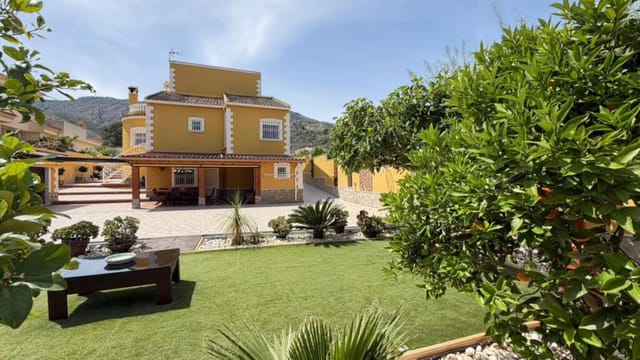
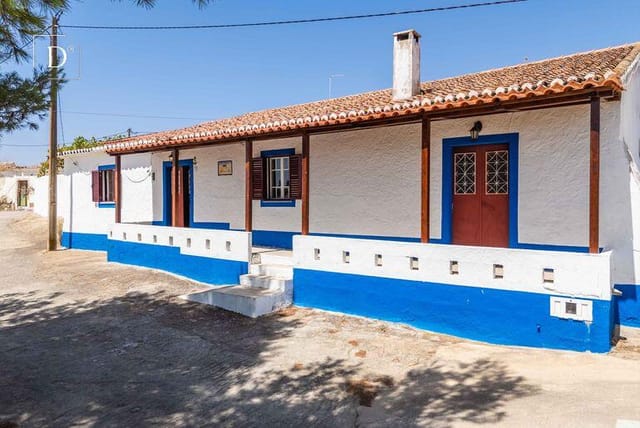
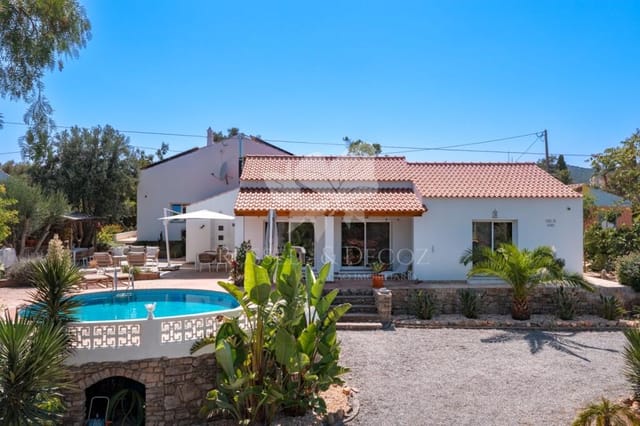
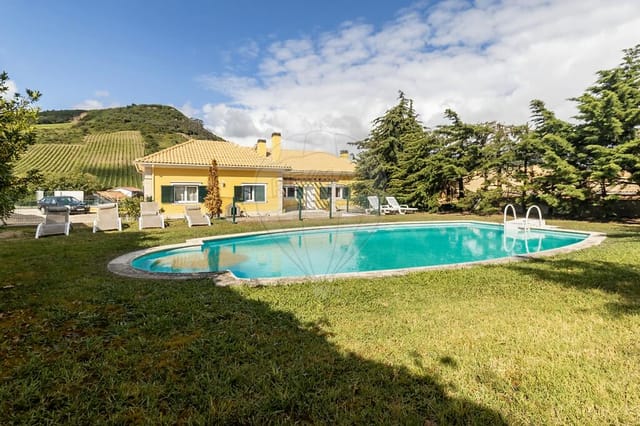
Main view of Calle Olivo 10 villa

Picture a Saturday morning in early June. You open the kitchen window and the air carries salt from the Øresund, maybe a trace of coffee from the bakery two streets over on Gl. Strandvej. It's quiet enough to hear a bicycle tick past on Ejlersvej. This is what daily life feels like in Humlebæk — unhurried, sharp with coastal air, and just forty minutes from Copenhagen by train. Built in 2018, this three-bedroom brick villa at Ejlersvej 8 is the kind of property that does its job so well you stop noticing the design and just start living in it. That's actually a compliment. The floor plan moves with you rather than against you — open living and dining areas that shift naturally into the garden, bedrooms with generous windows that pull in the northern light, a kitchen arranged around a central island so a Sunday morgen brød session doesn't feel cramped. The black steep-pitch roof against pale exterior brick gives the house a clean, grounded silhouette that reads unmistakably Danish without feeling like a showroom. The kitchen deserves its own moment. Light wood cabinetry, a tiled backsplash, a large window angled toward the garden — it's set up for actual cooking, not just photography. The island has a sink, which matters more than people realize until they're prepping a pile of fresh langoustines from the Helsingør fish stalls and need a second water source. Modern appliances throughout, nothing gimmicky, everything functional. Both bathrooms are finished with contemporary fixtures, walk-in showers, and quality tiling. Two separate toilets mean weekend guests and school-morning chaos don't collide. The master bedroom opens directly onto the garden — on warm evenings, that sliding connection between inside and outside i ... click here to read more

A brick villa with a black roof stands in a garden with a lawn and bushes. A fence surrounds the property, and some potted plants are on the terrace.

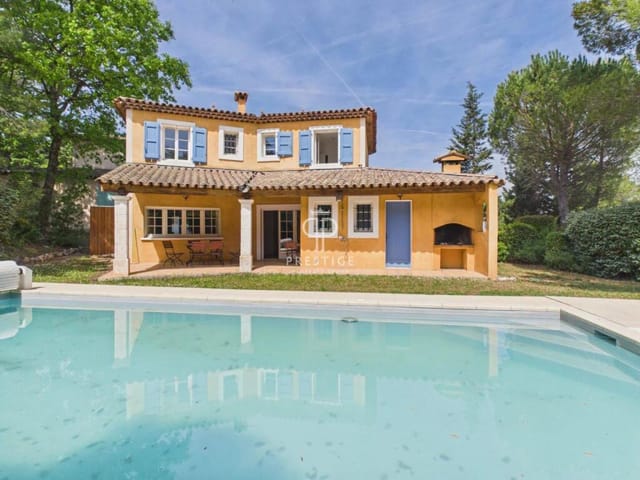
Step onto the panoramic terrace at dawn, coffee in hand, and watch the light pull itself up over the Esterel mountains while the Côte d'Azur glitters somewhere far below. This is Mons — one of Provence's most quietly extraordinary hilltop villages — and mornings here have a particular quality that people who've experienced them tend not to forget. Sitting on nearly 3,000 square metres of land just a five-minute walk from the village square, this 260m² villa is a serious proposition. Six bedrooms, three bathrooms, a Diffazur swimming pool surrounded by olive trees and holm oaks, a vegetable garden, and views that stretch from the Var hills all the way to the Mediterranean on a clear day. Built in 1965 and maintained in good condition, the property has genuine bones — the kind of generous proportions and solid construction that newer builds rarely replicate — and plenty of room to update and personalise it into something truly exceptional. The ground floor opens with an entrance hall that leads into a large, light-filled living room with an open fireplace. On a January evening, with logs crackling and cold air pressing against the double-glazed windows outside, this room earns its keep. The dining room has a view — the sort you instinctively turn toward mid-conversation. The semi-open kitchen connects directly to the terrace, which means summer dinners happen outside almost automatically, plates passing through the kitchen window, the smell of Provençal herbs drifting up from the garden below. There's also a ground-floor office, useful for anyone who needs to work remotely without sacrificing the lifestyle that drew them here in the first place. Upstairs, six bedrooms spread out across the floor, two of them served by f ... click here to read more

Picture 1

Step through the gate on Chaamseweg on a Saturday morning in late spring, and the first thing you notice is the silence. Not the silence of isolation — the silence of land. Twenty thousand square metres of it, rolling out in every direction in shades of green that shift with the light. Somewhere near the animal meadow, a donkey ambles along the fence. The smell of cut grass drifts through the open kitchen window. This is Meerle, and it gets under your skin fast. Set in the Flemish Kempen countryside just a stone's throw from the Dutch border, this four-bedroom detached villa on Chaamseweg 79 is the kind of property that makes you reconsider what a second home can actually be. At 536 square metres of living space — and with a substantial 380m² multifunctional outbuilding that locals know affectionately as 't Schuurke — this isn't a weekend bolt-hole. It's a proper estate, the sort of place you buy and never quite want to leave. The approach alone sets the tone. A long, sweeping driveway frames the house before you even reach the front door, flanked by mature hedgerows that deliver genuine privacy from the road. Inside the main villa, the entrance hall has that grounded, unhurried quality you find in houses built with care: original brick floor tiles underfoot, sleek plastered walls, and a cloakroom niche tucked neatly to one side. It tells you immediately that the people who kept this house took pride in it. The living room — roughly 38 square metres — has a bay window looking out over the rear garden and an open fireplace that makes winter weekends here feel genuinely restorative. This flows naturally into a study with windows on three sides, the kind of room where you could actually get work done or lose an afternoon ... click here to read more

Front view of Chaamseweg 79

Saturday morning in Daumazan-sur-Arize. The Pyrenees are right there on the horizon, close enough that you can pick out the snowline on the highest peaks, and the air coming through the tilt-and-turn kitchen window smells of cut grass and something faintly pine-scented drifting down from the hills. Coffee on the terrace, sunshade already tilted against the early light, and absolutely nowhere you need to be. That's the rhythm this place sets. And once you've felt it, it's hard to shake. Château Cazalères is a well-run holiday park set in the green folds of the Ariège valley, about 50 kilometres south of Toulouse. The Ariège is the kind of French department that doesn't feature on many postcard racks, which is precisely what makes it worth paying attention to. It's genuine, unspoiled, and quietly extraordinary. The village of Daumazan-sur-Arize sits along the Arize river, a slow-moving, trout-filled river that feeds into the wider landscape of the Plantaurel hills. On weekday mornings, you'll hear more birdsong than traffic. Villa 12 is a fully detached three-bedroom property on its own flat plot of 400 square metres. It's compact but intelligently laid out — 75 square metres of interior space that doesn't feel squeezed, thanks to a bright living room, a proper dining area big enough for six, and a kitchen that was fitted new in 2021 with a four-burner gas hob, dishwasher, refrigerator, and microwave. The previous owners didn't cut corners when they renovated. The bathroom is fully modernised with a walk-in shower and a towel radiator. The drainage system was replaced. New blackout curtains hang in both ground-floor bedrooms. Underfloor heating covers the ground floor, a radiator handles the upper level, and the central ... click here to read more

Front view of Residence Chateau Cazaleres 12

Picture this: a Saturday morning in late June, the Ariège valley still cool from the night before, swallows cutting low over the garden as you carry your first coffee out to the rear terrace. The Pyrenees are right there — not as a distant postcard, but close enough that you can read the ridgelines. That's morning life at this detached three-bedroom villa inside the gated Château Cazalères park, and it takes about forty-eight hours before the pace of Daumazan-sur-Arize starts to feel like the only reasonable way to live. This part of the Ariège department sits in one of France's most quietly compelling corners. Not the overtouristed lavender-and-rosé Provence of Instagram, and not the ski-resort bustle of the higher Alps. This is the authentic south — working villages, medieval bastides, rivers cold enough to make you gasp in August, and a cultural calendar that rewards those who show up curious. Foix, just 25 kilometres east along the N20, has a proper three-towered château rising straight from a rocky outcrop above the town centre — the kind of thing that makes you do a double take the first time you round the bend and see it. The Saturday market under those towers sells everything from raw-milk Tomme de Brebis to Ariège honey and fat garlic braids. Toulouse is about an hour by car, which means Michelin-starred restaurants, the Capitole opera house, and flights back to Amsterdam, London, or Brussels are all genuinely convenient rather than merely technically possible. The village of Daumazan-sur-Arize itself is small, honest, and friendly to outsiders in the unsentimental way that rural French villages tend to be. Boulangerie in the morning, a bar-tabac for a pastis in the evening, a cycle route that follows the Ariz ... click here to read more

Front view of Residence Chateau Cazaleres 109

Step outside on a Tuesday morning, coffee in hand, and the only sounds reaching you are wood pigeons in the old oaks and the faint rustle of wind crossing open fields toward the Dutch border. That's Schuivenoord 2. It's the kind of quiet that city dwellers spend years chasing, and here it's simply the default setting. Meerle sits in the northern tip of the Belgian province of Antwerp, tucked into the Noorderkempen — a region of heathland, river valleys, and working farms that feels genuinely unhurried. The village itself is small enough to know the baker's name but connected enough to reach Breda's Grote Markt or Antwerp's Meir shopping street in under an hour. For buyers seeking a substantial second home in Belgium that genuinely delivers on both space and serenity, this is about as good as it gets. The villa was built in 1971 but underwent a full renovation in 2016, and it shows. The bones are solid — think generous ceiling heights, exposed timber beams in the main living area, and a floor plan that spreads across 546 square metres without feeling labyrinthine. The renovation brought everything up to contemporary spec: energy label B, central heating with partial underfloor heating, and fittings chosen for longevity rather than trend. Walk through the front gate — electric, with plenty of room for several cars along the private driveway — and the house announces itself through its garden rather than its facade. Five thousand, seven hundred and twenty-five square metres of it. Mature trees frame long views across the lawn, espalier fruit trees line one wall, and multiple terraces give you options depending on where the afternoon sun lands. There's a covered seating area for the kind of Belgian summer evenings that st ... click here to read more

Front view of Schuivenoord 2

Early on a Saturday morning, the only sound you'll hear from the master suite is water. The Ems moves slowly past the 19th-century lock below, and if the kitchen window is open, the smell of damp grass and lime trees drifts in before you've even put the kettle on. This is Listruper Wehr 5 — a former river shipping house turned private estate, sitting on 15,451 square meters of park-like grounds just a few minutes from the Dutch border. It's the kind of place that takes most people about thirty seconds to fall completely silent in. The property's origins are written into its bones. Built as a working shipping house to serve the lock on the Ems, the villa carries a quiet authority — classic green-and-white shuttered facades, proportions that feel deliberate and unhurried, and a setting that hasn't changed much since the 19th century. The dam immediately downstream still creates that low, constant percussion of moving water. On a still evening, you can hear it from the garden terrace. Some owners find it meditative. Nobody finds it unwelcome. In 2010, a complete interior renovation was carried out under the direction of a noted interior architect, and it shows — but not in a way that shouts. The focus was on proportion, natural light, and materials that earn their place: stone, solid timber, hand-finished surfaces. The bespoke kitchen, made by Landlord-Living, is centered around a Lacanche range — the kind of French stove that professional cooks scheme about owning. There's a walk-in refrigerator, custom cabinetry, and enough counter space to actually cook rather than just perform cooking. The dining area in the heart of the ground floor connects the main lounge and a fireplace sitting room, both of which open directly on ... click here to read more

Front view of Listruper Wehr 5

Stand on the east-facing terrace at eight in the morning with a café au lait going cold in your hand, and you'll understand immediately why someone built this house right here. The Pyrenees sit on the horizon like a painted backdrop — sharp and white in February, hazy blue-grey by August — and the fields between you and them roll in long, unhurried waves. No road noise. No neighbors pressing close. Just the occasional clatter of a woodpecker somewhere in the orchard across the lane. This is Sariac-Magnoac, a scatter of farmsteads and country houses in the Hautes-Pyrénées department of southwest France, tucked between Castelnau-Magnoac to the north and Boulogne-sur-Gesse to the south. It's not a postcard village with a café-tabac on the square and tourists photographing the fountain. It's quieter and more genuine than that — the kind of place where the weekly market at Castelnau on a Friday morning still feels like an actual event, where the boulangerie runs out of croissants by nine, and where your neighbours wave from their tractors. The villa itself was built in the spirit of Basque chalet architecture — warm, solid, unapologetically rural. Exposed wooden beams run through nearly every room, visible in the ceilings of the basement workshop, framing the sleeping quarters upstairs, and arching above the 36-square-metre living room on the main floor. The combination of concrete and timber gives the structure a reassuring permanence, and those chunky original window frames with their particular closing mechanisms are the sort of detail you either find endearing immediately or don't — if you've made it this far into the description, you probably do. Spread across three levels, the house totals around 180 square metres of ... click here to read more

Front view of the villa and garden

On a clear morning in September, you slide open the terrace doors and the air hits you — cool from the Pyrenees, carrying the faint resin of pine and something faintly herby from the meadows beyond the hedge. The mountains are right there, enormous and unhurried, framing the garden like they've always been waiting to be noticed. This is Daumazan-sur-Arize, and once you've had a week here, the idea of not owning a piece of it starts to feel genuinely unreasonable. Situated within the well-established Château Cazalères holiday park in the Ariège département of southern France, this three-bedroom villa sits on its own 460 m² plot and offers a genuinely comfortable base for exploring one of the most underrated corners of the French countryside. Not a renovation project. Not a weekend fixer-upper. A fully furnished, move-in ready property at a price — €179,500 — that would barely buy you a studio in Toulouse, just 70 kilometres north up the A66. The villa runs to 100 m² across two floors and has been furnished with the kind of practical thought that actually serves a holiday home well. Ground floor living centres on a bright sitting room with a proper sofa, a pair of armchairs, and large sliding doors that dissolve the boundary between inside and garden. The dining table seats six comfortably — important when the extended family descends in August. The kitchen is fully equipped with a four-burner gas hob, electric oven, dishwasher, and a tall fridge-freezer. No hunting around for a corkscrew on arrival. Everything is here. The master bedroom sits on the ground floor, which matters more than people think — no stairs to navigate after a long day's hiking. Upstairs, two more double bedrooms each have their own storage, and on ... click here to read more

Photo 1 of Residence Chateau Cazaleres 121

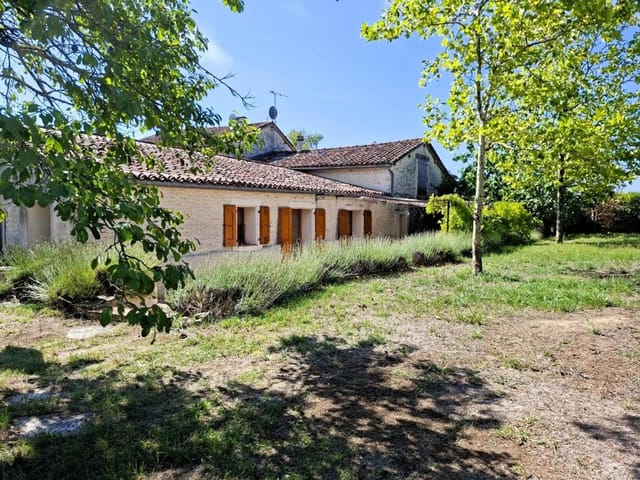
Saturday morning. You pull open the kitchen door and the air smells of damp grass and woodsmoke drifting over from a neighbor's chimney somewhere beyond the tree line. Three acres stretch out in front of you—yours, uninterrupted, not a rooftop or a road in sight. The coffee is on. Somewhere down the lane, a baker in the village of Rives is already pulling baguettes from the oven. Life here moves at a pace that most people only read about. This four-bedroom villa sits on a quiet, private plot just 1.5 kilometers from that village bakery and six kilometers from the medieval bastide town of Castillonnès—one of Lot-et-Garonne's best-kept secrets. Built in 2004 and thoughtfully extended in 2014, the house is in good condition throughout, with no major renovation headaches waiting for a new owner. At 142 square meters of interior living space, it's genuinely roomy without tipping into the kind of scale that becomes a maintenance burden when you're splitting your time between countries. The layout works for real life. A fully equipped kitchen opens directly into the living room, so whoever's cooking doesn't miss the conversation. The dining room gets its own space—important when Sunday lunches stretch into the late afternoon, which in this part of France they invariably do. Three ground-floor bedrooms each come with built-in wardrobes, and a mezzanine bedroom upstairs adds both character and flexibility: teenager retreat, home office, overflow for guests who always seem to stay longer than planned. A shower room and a separate toilet serve the ground floor well. The large garage doubles as a summer kitchen—roughly 50 square meters—which changes how you think about entertaining. Set it up with a long table, hang some lights, ... click here to read more

Picture 1

Picture this: it's a Tuesday morning in July, the market stalls on the square in Caromb are just setting up, and the smell of lavender and warm bread is drifting down the alley outside your front door. You're two minutes on foot from everything — the boulangerie, the café where locals argue about pétanque, the centuries-old church whose bells you'll learn to tell time by. This is not a fantasy weekend in Provence. This is what owning a six-bedroom village house in Caromb actually looks like. At 265,000 euros for 145 square metres of interior space, a 740-square-metre plot with mature trees, and a swimming pool already in place, this is the kind of property that serious buyers recognise immediately. It needs renovation work — that's not a secret, and it's exactly why the price makes sense. The bones are good. The setting is exceptional. The potential, if you have the vision and the will to bring it to life, is considerable. Let's talk about Caromb itself, because this village often surprises people who only know Provence through its more famous neighbours. Perched at the foot of the Dentelles de Montmirail — that extraordinary jagged limestone ridge that catches the afternoon light in a way that photographs never quite capture — Caromb sits between Carpentras and Malaucène, about 20 kilometres northeast of Orange. It's not a tourist village in the sense that Gordes or Les Baux are. People live here. The tabac opens early, the school fills up at half eight, and the Friday morning market at Carpentras, one of the oldest in the Vaucluse, draws the entire region for its truffle trade in winter and its extraordinary summer produce through July and August. Life here has a rhythm to it, and that rhythm is deeply, specifically ... click here to read more

Picture 1

On a clear winter morning, you step out through the pool house doors with a coffee and the entire Pyrenees range is right there — snow-capped ridges stretching across the horizon like something from a painting you'd never expect to be real. That view doesn't get old. Not after a weekend, not after a decade. This four-bedroom villa sits on just over 1.2 hectares of private land on the outskirts of Gimont, one of the quieter, less-discovered bastide towns in the Gers department of Midi-Pyrénées. The property itself spans 226 square metres across two levels, with an open layout that makes the most of its south-facing aspect. The cathedral-ceiling living room — 58 square metres with full-height glazing — pulls in so much natural light that you genuinely don't think about switching lamps on until well after dinner. The mezzanine level floats above the main living space and works equally well as a home office or a fifth sleeping area if you've got a full house. Below, a separate 32-square-metre playroom doubles as a second sitting room, with direct sightlines to the pool — useful when you're inside and the kids are out. Four proper bedrooms, a bathroom with a walk-in shower, a separate shower room, two WCs, and a double garage complete the picture. The fitted, open-plan kitchen connects directly to the main living area, keeping whoever's cooking involved in the conversation rather than isolated behind a wall. Outside, the heated pool runs on a solar thermal system, meaning it's genuinely usable from April through October without watching the energy meter. A pool house provides covered shade and houses the barbecue setup. Beyond the immediate terrace, the land opens into a mix of meadow and mature woodland — exactly the kind ... click here to read more

Picture 1

Sunday morning in Querença sounds like this: the church bell on the main square strikes nine, a neighbor's dog barks twice then gives up, and somewhere below your roof terrace a coffee machine hisses to life in one of the village cafés you can practically reach in your slippers. This is not a resort. It's a real Algarvian village, inland from the tourist strip, and that distinction changes everything about what daily life here actually feels like. Querença sits in the hills of the Loulé municipality, about 18 kilometers north of Faro and a 25-minute drive from the beaches at Quarteira and Vilamoura. It's the kind of place that most visitors to the Algarve never find—which is precisely the point. The village has its own rhythm. The Festa de Nossa Senhora de Querença draws the whole region in January, with the traditional sausage fair (Feira da Linguiça) filling the square with smoke, music, and the kind of unhurried communal eating that's genuinely hard to find anywhere near the coast in high summer. The surrounding countryside, crossed by trails through the Rocha da Pena nature reserve, draws hikers and trail runners year-round. The Fonte da Benémola, a protected riparian landscape just a few kilometers away, is one of those places locals keep quiet about—a shaded river walk where kingfishers move like blue sparks through the willows. The villa itself was built in 1992 and sits within easy walking distance of the village center. It's a detached house on two floors with 187 square meters of internal space, a private garden, and a roof terrace that opens up views across the surrounding hills. The property is in good, move-in ready condition—solid bones, no urgent work required—while leaving real scope for a buyer who wan ... click here to read more

Picture 1

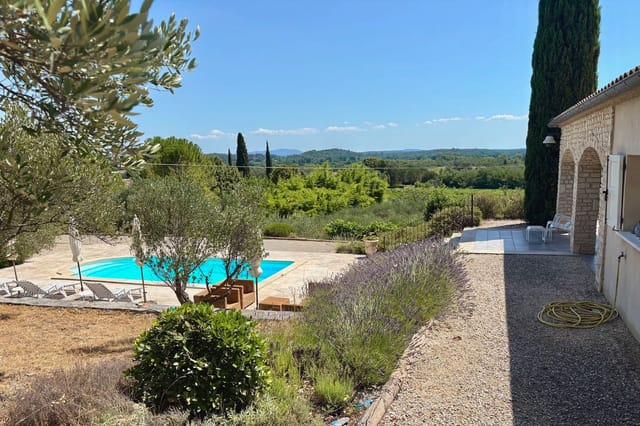
Step outside on a Sunday morning and the air already smells like lavender and warm stone. Twenty-five olive trees line your view. The pool, south-facing and still, catches the first light above the Hérault hills. This is the kind of place where you forget what day it is — and mean it. Set in a small hamlet just five minutes outside Hérépian and ten from the thermal spa town of Lamalou-les-Bains, this four-bedroom villa sits on 5,500 square metres of landscaped grounds in the heart of the Parc Naturel Régional du Haut-Languedoc. Built in the early 2000s to a high specification and kept in genuinely good condition, the property brings together a 200 m² main house and a fully independent 40 m² guest cottage — each with their own character, their own rhythm. Walk through the entrance and the main living space hits you immediately. The cathedral ceiling climbs over five metres, flooding the room with the kind of open-air feeling you don't usually find inside four walls. French windows run the length of the ground floor, framing the pool and olive grove like a living canvas. In summer, you leave them open all day. The lounge, dining area, and fully equipped kitchen flow into one another — a central island, an American-style fridge-freezer, induction hob, coffee machine — all the kit you'd want when cooking a proper dinner after a day at Lac du Salagou, which is less than forty minutes away. There's also a pantry and laundry room off the kitchen, a practical detail that makes all the difference when this becomes your actual home, not just a holiday. The master suite occupies its own wing on the ground floor — 35 m² in total, with an 18 m² bedroom, a walk-in dressing room, and a fully tiled en-suite bathroom complete with a d ... click here to read more

Picture 1