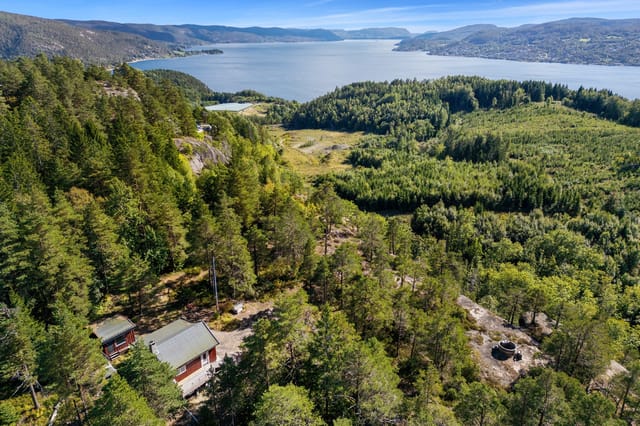
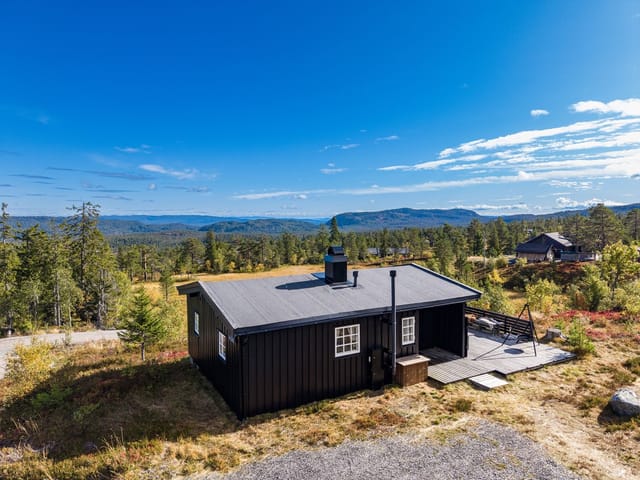
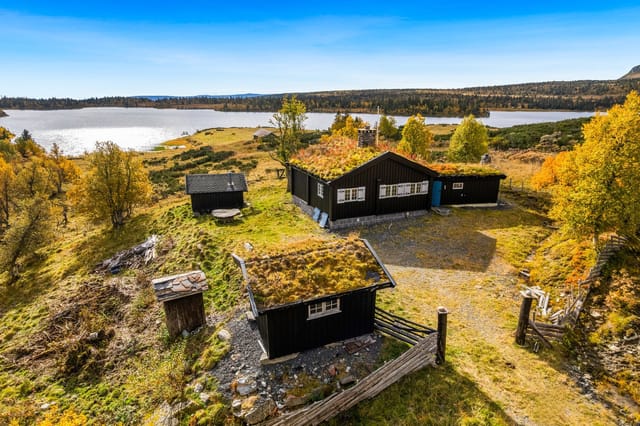
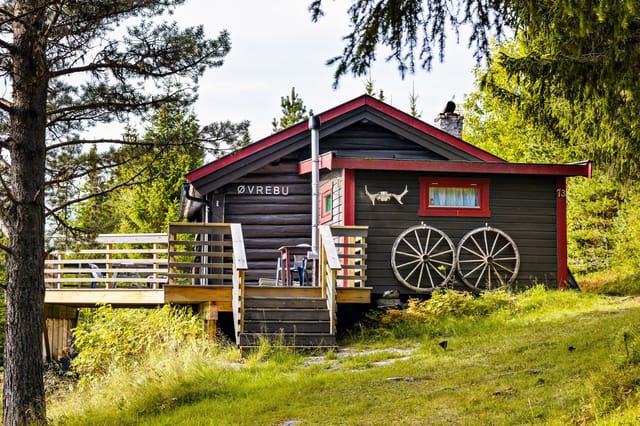
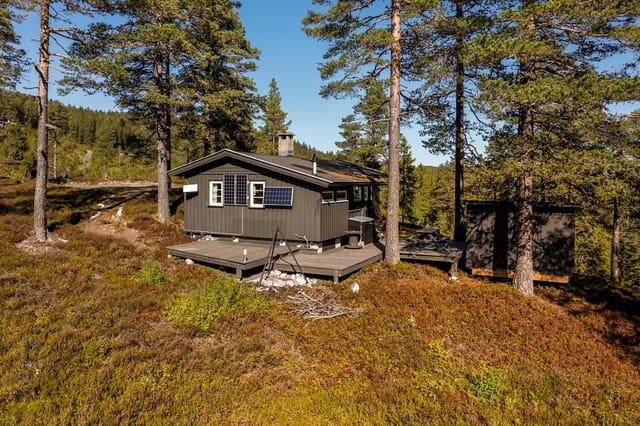
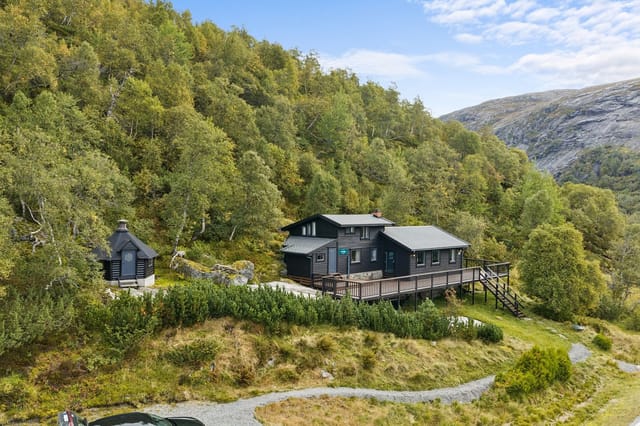
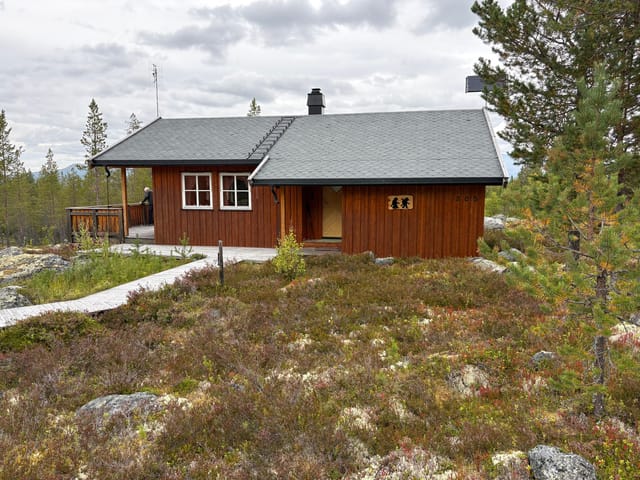
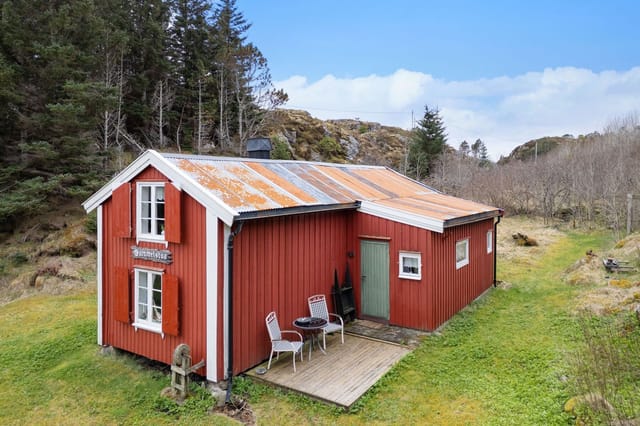
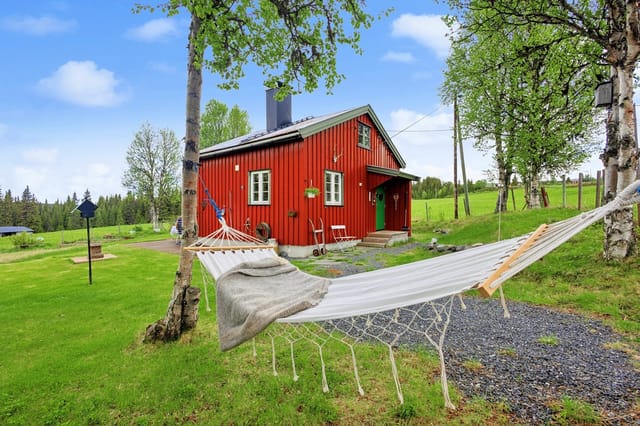
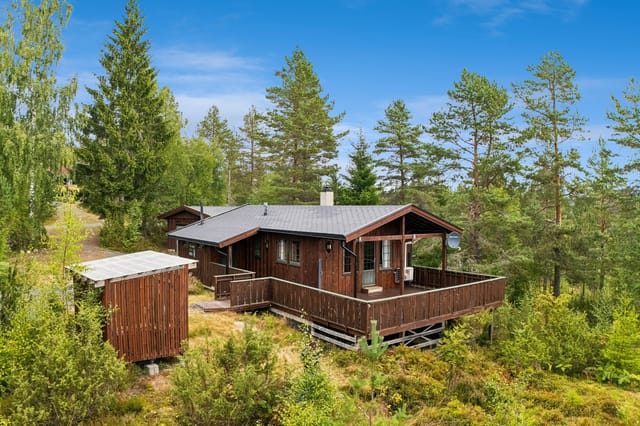
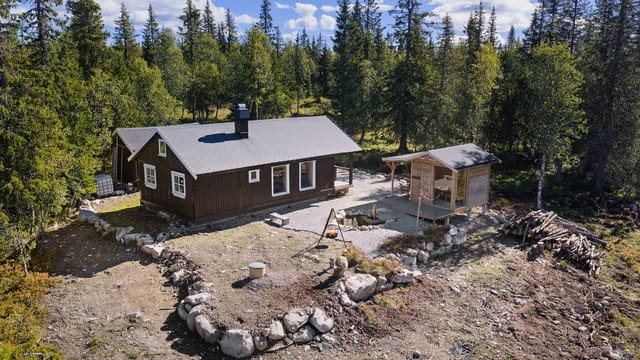
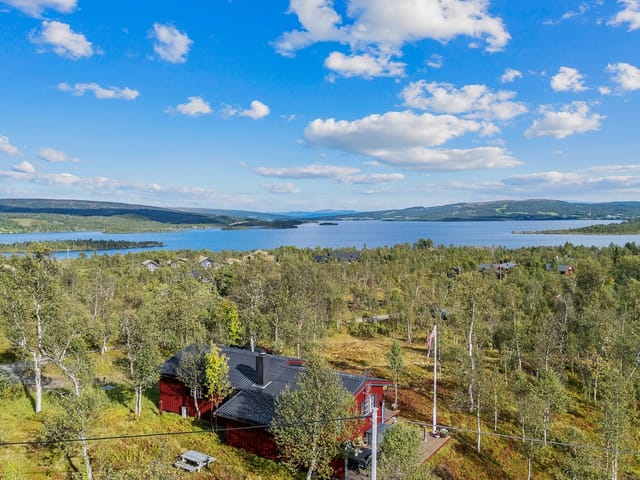
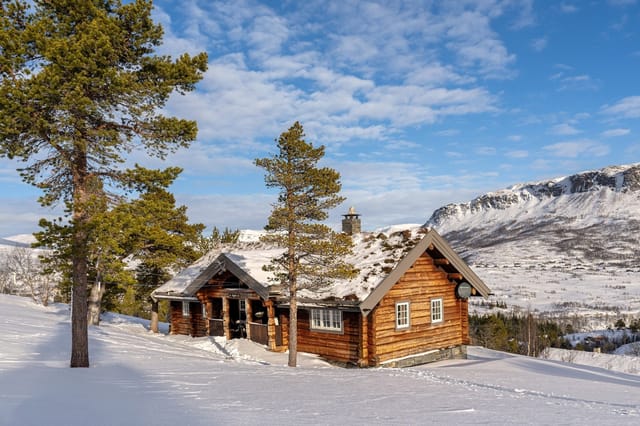
Chalets For Sale In Europe

Chalets for sale in europe - homestra offers the largest amount of european real estate with over 200,000+ properties, find any type of property within your budget from villas to country homes. buy or rent your perfect home in europe.

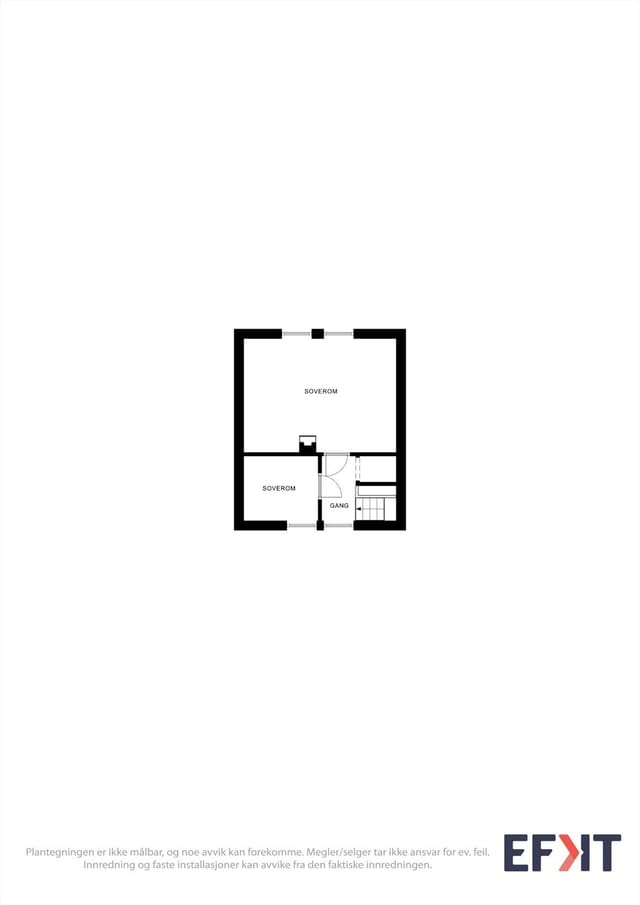
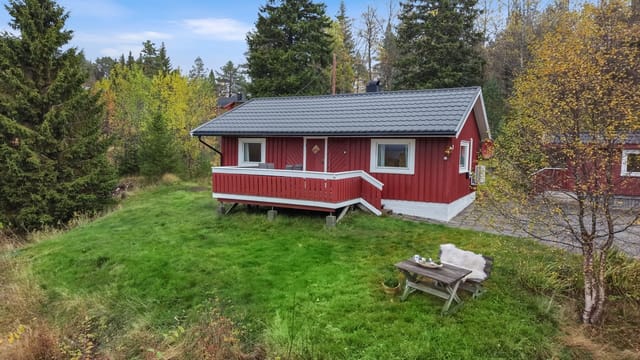
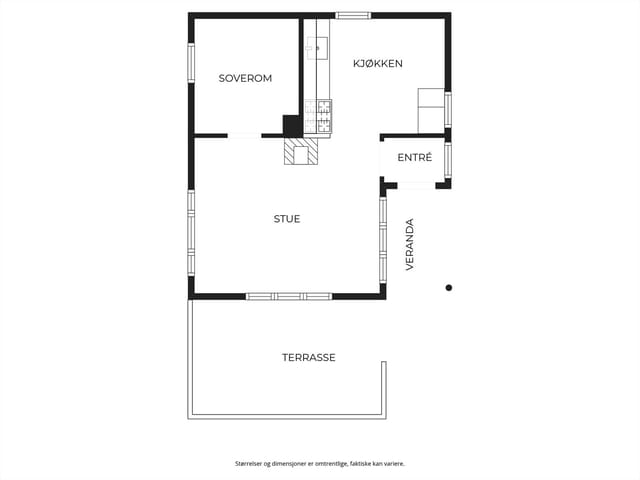
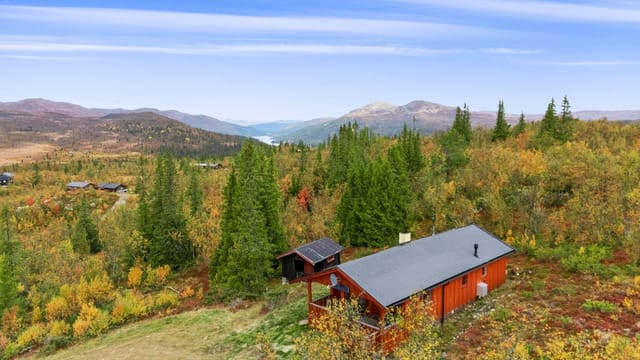
Step outside on a January morning at Trollsetlie 28 and the cold hits your face before you've even pulled on your gloves. The groomed cross-country track starts literally a hundred meters from the front door — you can hear the hiss of skis on packed snow from the kitchen window while the coffee brews. That's not a marketing line. That's Tuesday morning at Nesfjellet, 904 meters above sea level in the Norwegian highlands, where life operates on a different, slower, better clock. Built in 2018, this two-bedroom chalet with a substantial loft sits on a 1,614 sqm freehold plot in one of Norway's most consistently popular mountain cabin areas. At 82 sqm on the main floor — plus 41 sqm of usable loft space above — the layout punches well above its size. This is not a cramped weekend box. It's a proper mountain home, designed to sleep a group comfortably and still feel spacious when it's just two of you. Walking through the entrance hall, the underfloor heating is the first thing you notice underfoot — a small luxury that earns its weight every single time you stomp back in from a full day on the trails. The entrance is tiled, wide enough to hang dripping ski jackets without chaos, and fitted with proper closet storage. From there, the open living and kitchen area opens up with large windows framing the treeline outside. Late afternoon in winter, the low Nordic light turns everything golden through those windows. The fireplace — actual, functional, not decorative — does the work of heating the space and setting the mood simultaneously. There's something about eating pasta at a pine table with a fire going and snow falling outside that makes even a regular weeknight feel like an occasion. The kitchen is practical in the best ... click here to read more

Privatmegleren Hallingdal v/ Thea Viko Eidsgård presents Trollsetlie 28! Photo: Per Andre Andresen
New

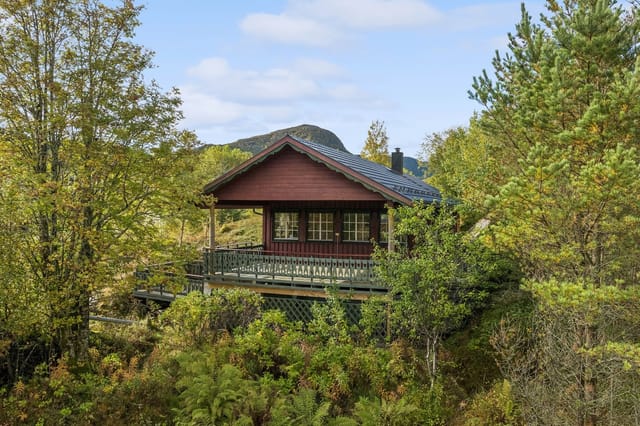
Step outside on a February morning, clip into your cross-country skis right at the edge of the property, and push off into a white plateau that stretches further than you can see. No shuttle bus. No queue. Just you, the track, and the particular hush that only falls on a Norwegian mountain when fresh snow has settled overnight. That's the daily reality at Nørdre Einarsetlie 9 — a well-kept mountain chalet on Golsfjellet that has been quietly doing its job for decades, and doing it well. Gol sits in Hallingdal, a valley that Norwegians have been escaping to for generations. It's not a secret, exactly, but it's far enough from Oslo's orbit — about two and a half hours by car along the E16 — that it retains the unhurried rhythm that makes a proper mountain retreat worth having. The Golsfjellet plateau above the town is where the cabin culture thrives, and Nørdre Einarsetlie is one of its most established addresses. Neighbouring cabins are spread apart generously. You hear wind and birds, not neighbours. The chalet itself was originally built in 1973. Fifty-plus years is a long life for a mountain building, and this one has earned it — updated progressively over the years rather than left to quietly deteriorate. The result is a structure that feels honest and lived-in rather than a showroom renovation. Thick walls, a fireplace, a wood-burning stove that you'll want lit by late afternoon even in September. When the stove is going and the large living-area windows have gone dark with evening, there's a particular quality of warmth in here that newer builds tend to miss. The layout across the 72 square metres is practical without feeling cramped. An entrance hall handles the wet gear — boots, skis, poles, all of it — before ... click here to read more

Privatmegleren Hallingdal v/ Thea Viko Eidsgård presents Nørdre Einarsetlie 9!

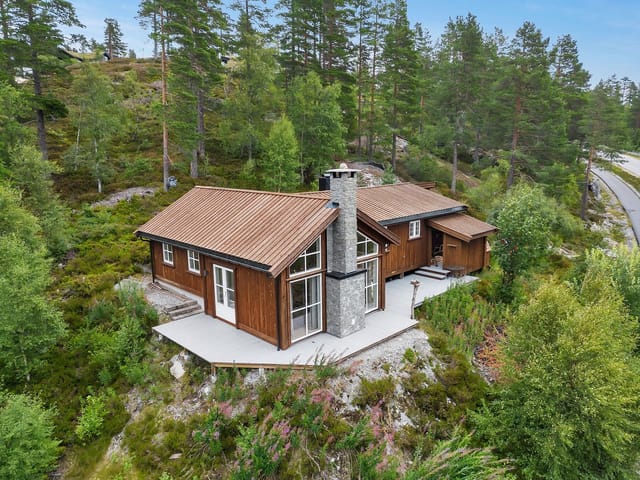
Sometime around six in the morning in late September, you step onto the deck at Nekkåbjørga 276 and the valley below is wrapped in low mist. The birch trees have gone gold overnight. Somewhere across the ridge, a dog barks once, then silence. That's it. That's the whole morning. This is what you came for. Flaknan sits in the Selbu municipality of Trøndelag, a part of central Norway that doesn't make it onto the tourist posters but absolutely should. The landscape here is the kind that makes you put your phone down — rolling forested ridges, open cultural heathland worn smooth by centuries of summer grazing, and a sky that in winter turns shades of violet and orange you genuinely cannot photograph accurately. At roughly 459 meters above sea level, the air has a sharpness to it that city lungs take a day or two to adjust to. After that, you won't want to breathe anything else. The chalet itself dates to 1975, built the way Norwegian mountain cabins were built back then — pine floors, tongue-and-groove paneling on the walls and ceilings, everything in wood, everything warm. There's a wood-burning stove in the living room that's not decorative. Come November, it does real work. The room is large enough for two seating groups, which matters when you've got family spread across the sofas on a rainy afternoon and someone's working a jigsaw puzzle at the table by the window. Speaking of that window — the view out of it does most of the decorating. You don't need much on the walls when you've got the Trøndelag ridgeline outside. The kitchen is original and entirely functional, running on gas rather than grid electricity. Preparing a simple meal of slow-cooked reinsdyrgryte — Norwegian reindeer stew — while the window frames a ... click here to read more

Front view of the property

The first thing you notice on a crisp October morning at Bjørkestubben 24 is the silence. Not the uncomfortable kind — the rare, earned kind that only arrives when you're sitting at 920 metres above sea level, wrapped in a wool blanket, watching mist lift off the Hallingdal valley below while a birch log crackles in the stove behind you. That's the daily reality of this place. Not a simulation of Norwegian mountain life, but the genuine article. This is a Hallingstue — a traditional timber log structure rooted in the architecture of the Hallingdal region — built in 1913 and originally part of the fabric of Robru before being carefully relocated to Sjauset in the early 1970s. The annex arrived later, moved piece by piece from Vestre Gausdal in 2000, itself a former retirement home with its own quiet history. Two buildings, two stories, one remarkable property sitting on 1,000 square metres of freehold mountain land just outside Gol in the heart of Numedal and Hallingdal's most celebrated outdoor country. The logs are dark with age in the best possible way. Inside the main cabin, the walls tell you immediately that this is not a flat-pack weekend house. Exposed timber, low beams, and a fireplace that dominates the living room create a warmth that central heating simply can't replicate. Upstairs via a narrow wooden staircase, a loft opens into sleeping spaces that feel tucked away from the world — perfect for children or guests who want their own corner of the mountain. The main bedroom is proper-sized, grounded, comfortable. The kitchen is one of those rooms you want to cook in: solid wood cabinetry painted in a deep, slightly weathered blue, a chunky wood countertop, a freestanding induction hob, and a wood-burning stov ... click here to read more

EIE Fjellmegleren presents Bjørkestubben 24!

Step outside on a September morning and the whole valley is yours. Cloudberries glowing orange in the low sun, the outline of Gaustatoppen sharp against a pale sky, the smell of birch and cold air coming off the plateau. That's the daily reality at this timber chalet on Kultanvegen, sitting at 681 meters above sea level in Tuddal — one of Telemark's most quietly rewarding mountain communities, and still a genuine secret compared to the more trafficked Norwegian ski resorts further north. Built in 2009 by Norsk Fjellhus, a builder with a long reputation for getting the Norwegian mountain cabin right, this 98-square-meter property wears its credentials lightly. Turf roof. Solid timber walls that take on a deeper warmth as the years go by. The kind of construction that isn't trying to look like a traditional Norwegian hytte — it simply is one, without the affectation. Pull open the front door and the main living space opens up immediately. The kitchen and living area share one connected room, framed by exposed ceiling beams and warmed by a two-way fireplace you can watch from the sofa or the dining table. After the kitchen was extended in 2021, there's now real counter space — induction cooktop, oven, dishwasher, fridge-freezer all integrated — without the cramped, make-do feel of so many mountain kitchens. The large windows above the dining area frame Gaustatoppen, Gaustaknea, and Bonsnos like a painting that changes with every season. In January, those peaks are white and severe. In July, they turn green-grey under long evening light that barely fades. Everything in the chalet sits on a single level, which makes it genuinely practical for families. No stairs to navigate after a 20-kilometer ski loop or a long day picki ... click here to read more

EiendomsMegler1 v/Halvor Østerli presents Kultanvegen 286

Step outside on a July morning and the air smells of pine resin and cold water. The trees are close — proper Dalarna forest, not a manicured park — and through a gap in the birches you can already see the silver glint of Rällsjön Lake sitting no more than a two-minute walk down the path. That's your commute for a morning swim before breakfast. Norra Rällsjön 11 is a compact, single-bedroom timber chalet sitting on a genuinely substantial piece of Swedish countryside: 1.1 hectares of forest land in Bjursås, tucked into Leksands municipality in Dalarna. Thirty-seven square metres inside. Eleven thousand outside. The arithmetic of that ratio is exactly the point. The cabin was built in 1980 and it's in good condition — solid, well-kept, and honest about what it is. There's no pretense here. The kitchen and small dining area face the woods, and in autumn the view through the window shifts daily as the birches go gold and then bare. The living room gets real light through generous windows that open onto the veranda, where a cup of coffee at dusk in late August has a particular quality that people who've experienced it tend to describe very badly to people who haven't. A wood-burning stove handles the heating, and given that Dalarna winters are proper affairs — cold, white, quiet — that stove becomes the social centre of the cabin from November through March. Sanitation is via an outdoor privy, keeping the footprint simple and the running costs minimal. For a property at this price point in this region, it's exactly what the market expects, and it keeps the door wide open for a buyer to invest incrementally in upgrades on their own terms. The lot deserves special attention. Over a hectare of your own Swedish forest is not a ... click here to read more

Exterior view of the cabin

Stand on the stone-paved terrace on a late June evening, the sky still pale gold at ten o'clock, a low fire crackling in the outdoor fireplace, and the smell of salt air drifting up from Dreggavik marina just down the path. That's the rhythm of life at this cabin on Dreggjavikveien 12. Not a fantasy — a Tuesday. Sandnes sits on the edge of the Gandsfjord in Rogaland, a county that Norwegians have quietly kept to themselves for decades while the rest of Europe chased Lofoten headlines. The Bersagel shoreline here is the kind of place where families have been launching rowboats and lighting grill fires for generations. The cabin itself carries that same unhurried quality — pine-planked floors worn just enough to feel honest, wood-paneled walls that hold warmth the way only timber does, a wood-burning stove that becomes the gravitational center of the room the moment October arrives. The living space is more generous than you'd expect for 69 square meters. Large windows pull in southern light for most of the day, and the open arrangement means the kitchen, dining nook, and sitting area all flow together rather than feeling chopped up. There's a proper spot by the window to eat breakfast while watching the birch trees move in the morning breeze — one of those small domestic pleasures that ends up mattering more than any feature list ever could. The kitchen has profiled cabinet fronts and enough counter space to actually cook, not just reheat. The main bedroom fits a double bed comfortably and shares that same close-grained timber cladding that runs through the rest of the interior. Off it, a practical alcove provides sleeping space for two more — grandkids, friends, whoever shows up for the July crab season. The bathroom ... click here to read more

Welcome to Dreggjavikveien 12!

The first thing you notice on a summer morning at Kvernhusmyra 1 is the light. It hits the water just west of Juvågen before seven o'clock, throwing long reflections across the terrace boards while the fjord sits glassy and still. You pour coffee in the open kitchen, slide back the glass door, and step outside before anyone else in the neighborhood is awake. That quiet — just the lap of water and the occasional gull — is what this place is really about. Built in 2013 and designed by an architect who clearly had opinions about how a holiday home should feel, this chalet on the western edge of Skodje municipality occupies a 1,172-square-metre plot roughly 100 metres from the shoreline. It's not a rustic cabin. It's not a cookie-cutter box either. The split-wing layout — east and west loft sections each with their own staircase — gives the interior an almost village-like quality, where different corners of the house take on their own personalities over the course of a day. Kids claim the loft bedrooms. Adults settle into the ground-floor living room. Everyone ends up on the terrace. The main living area is genuinely airy, thanks to extra-high ceilings and a bank of large windows that track the sun from mid-morning into the long Norwegian evenings. In July, the sky doesn't fully darken until well past ten. In the three-level layout, 107 square metres of floor space feels considerably more generous than that figure suggests, because the vertical scale keeps the rooms from ever feeling closed in. The kitchen runs a clean, practical line of veneered fronts and laminate worktops — enough counter space to actually cook a proper meal rather than just reheat things — and it opens partway into the living room so whoever is cooking ... click here to read more

Welcome to Kvernhusmyra 1! Photo: JC Foto (John Colbensen)

Step outside on a February morning and the world is completely white and completely quiet. The cross-country trail runs just 120 meters from the front door — you can hear the sound of your own skis cutting through fresh snow before the rest of the valley is even awake. This is Fetlia, a small cluster of cabins sitting at 395 meters above sea level in the Sunnmøre Alps, and this particular chalet has been holding its own here for years with a kind of unpretentious confidence that's hard to fake. The setting hits you first. Large windows across the main living space look straight out at Nysætervatnet, the lake below shifting color through the day — silver in the morning light, deep blue-green by afternoon, then a flat pewter grey as the peaks catch the last of the sun. The vaulted ceiling climbs nearly five meters overhead, which sounds like a detail on a spec sheet until you're actually standing in it and realize how rarely Norwegian mountain cabins feel this open. There's no sense of compression, no low beams making you duck. Just space, light, and a fireplace in the corner that does exactly what a fireplace should: takes the edge off a cold evening and gives everyone a reason to sit still. The kitchen is the work of Mørekjøkken — a local craftsman workshop out of the region — built in a classic L-shape from solid wood that has aged into itself rather than against itself. Integrated oven, cooktop, provisions for a washing machine. It's not a showpiece kitchen designed to be photographed; it's one designed to be used, and there's a meaningful difference. The dining area sits right alongside it, open to the living room so conversation carries easily from the stove to the sofa. Up to twelve people can sleep comfortably he ... click here to read more

Welcome to Fetlia – a beautiful cabin in scenic, peaceful surroundings near the Fjellsætra ski resort!

Picture this: it's a Saturday morning in February, the thermometer outside reads minus eight, and you're standing at the kitchen window in thick wool socks watching fresh snow pile up on the spruce branches while the coffee brews. The Balmielva river is frozen solid just down the slope, and the ski trail to Fjellandsbyen cuts right below the cabin, maybe forty metres away. You can hear nothing. That particular, almost physical silence that only exists at altitude, in winter, in Norway. That is what Naustbuktveien 3 actually feels like. Sulitjelma sits at roughly 498 metres above sea level in the mountains of Nordland, about 75 kilometres east of Fauske and the E6 highway. It's not a place most international buyers stumble across — and that's precisely its value. The village grew out of one of Norway's most significant copper mining operations, and the legacy of that industrial past gives the place a grittier, more authentic character than the polished ski resorts further south. The Sulitjelma Mining Museum up the road documents the whole story, from 19th-century tunnels to the early-20th-century boom years, and it's genuinely worth an afternoon. But most people come here for the landscape, and the landscape does not disappoint. The chalet itself is compact at 46 square metres — two bedrooms, a living room, and a functional kitchen — but the layout makes clever use of every square metre. The entrance hall keeps the cold at the door. The living room catches the afternoon sun, and the views across the open terrain are the kind that make you put your book down. The property is sold fully furnished: sofa, dining table, refrigerator with freezer, TV. You could drive up on a Friday evening and be entirely comfortable by the t ... click here to read more
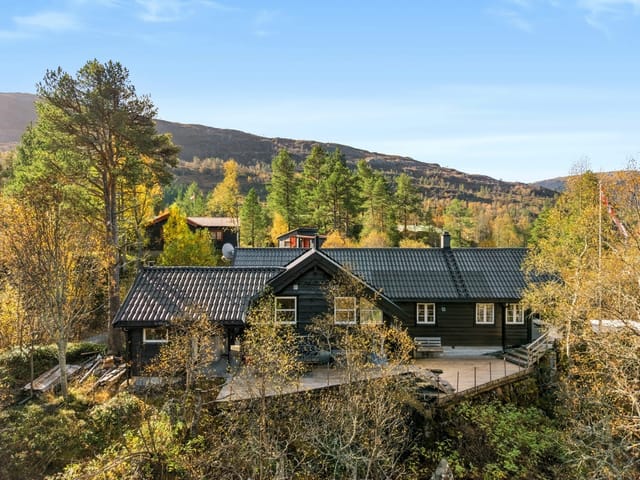
Welcome to Naustbuktveien 3

Step outside on a July morning and within ninety seconds your feet are on warm sand. That's the reality at Rognstranda 4. The Norwegian sun, which in midsummer barely dips below the horizon, has already been baking the south-facing terrace for hours by the time you pour your first coffee. This is not a compromise cabin hidden behind trees with a distant water view — it sits on a generous corner lot where sunlight tracks across the property from sunrise to well past nine at night. The chalet itself was built in 1958, and there's an honesty to that era of construction — solid wood floors, panelled walls, a wood-burning stove that means you can crack the place open in late March or keep it running into October without shivering through dinner. At 66 square metres split between a main cabin and a detached annex, the layout is compact but genuinely functional. Two proper bedrooms sit on the ground floor, plus two sleeping alcoves for when the kids bring friends or the cousins arrive unannounced in August. The living room catches afternoon light through wide windows that frame the surrounding coastal landscape — birch, granite, salt air — and the wood stove anchors the room without overwhelming it. The kitchen is straightforward and practical, with custom-built cabinetry and a back door that opens directly onto the yard. That detail matters more than it sounds: you're carrying groceries in from the car, setting up the outdoor kitchen on the patio, moving between inside and outside constantly the way you do when you're actually on holiday. The bathroom is a decent size — toilet, mirror vanity, shower cabin, and plumbing already in place for a washing machine. Solid and well-maintained. Nothing to fix before your first stay. ... click here to read more
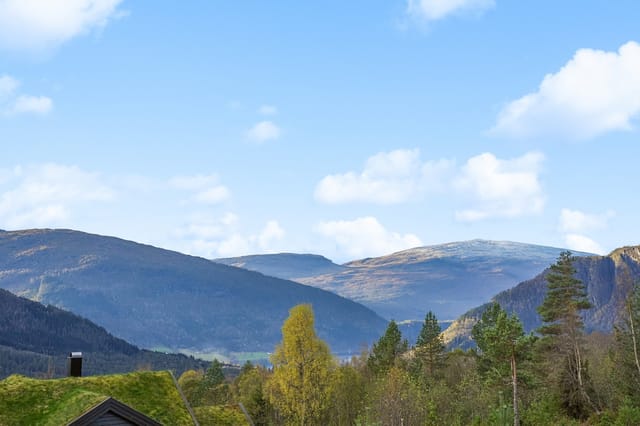
Rognstranda 4

Picture this: it's a Saturday morning in late June, the sun hasn't really set since Thursday, and the light coming off Pevatnet Lake turns the pine walls of your living room a deep amber. You can hear absolutely nothing except water. That's what owning this cabin actually feels like. Sitting on a private knoll about 200 meters back from the lake's edge, this traditional Norwegian log chalet near Harstad has been a mountain retreat since 1971 — and it wears its age well. The roof was replaced in 2023. The bones are solid. It's not a project; it's a place you can start using the weekend you collect the keys. The chalet sits at roughly 310 meters above sea level on a plot of 2,700 square meters, giving you a generous sweep of private land — enough for a firepit, a vegetable patch, space for kids to disappear into the trees for hours. Northern Norway doesn't do manicured gardens; the land around Pevatnet has its own rhythm, and this plot is part of it. Birch and pine right up to the edge of your lot. Berry bushes everywhere in August. The kind of quiet that city people drive hours to find. Inside, the 44-square-meter footprint is compact but honest. Three bedrooms sleep five comfortably — two original rooms from the 1971 build and a third added in 1991. The pine floorboards creak in exactly the right way. Timber-paneled walls, a wood-burning fireplace in the living room, a kitchen laid out for real cooking after a day on the trails rather than for showing off. Everything comes furnished, as seen in the photos, which means no sourcing Scandinavian cabin furniture from scratch — it's already here, already right. The fireplace isn't decorative. In October, when the birches go yellow and the first snow dusts the ridge above ... click here to read more
Entrance area

Step outside on a February morning and the only sound is the creak of fresh snow under your boots. The trail from Åsveien 499 pushes straight into the Meråker hills, and by the time the sun clears the ridge to the southeast, it's pouring onto a south-west facing terrace that stays warm well into the afternoon. This is what 581 meters above sea level actually feels like — not a postcard, but a cold nose and hot coffee and nowhere you'd rather be. The chalet sits on Åsveien in one of Trøndelag's most accessible yet genuinely quiet mountain areas. Meråker is the kind of place that Norwegians know well but international buyers are only just discovering — an hour by road from Trondheim Airport (Værnes), with a train station just 17 minutes from the door. You're not trading convenience for wilderness here. You're getting both. The main cabin was built in 1968 and thoroughly rebuilt and extended in 2013. That renovation did something important: it preserved the cabin's honest, timber-framed character while adding the things that make a property actually liveable — proper insulation, modern electrics, running water, and a bathroom with underfloor heating. Too many mountain properties of this era still have one foot in the past. This one made the full crossing. Inside, the open-plan living room and kitchen runs to 39 square meters, which sounds like a number until you're standing under the high ceiling watching late-afternoon light slide across the mountains through windows that take up most of the south-facing wall. The fireplace anchors the living area — a wood-burner, not decorative — and on a November evening it earns its place. The kitchen is fitted with white cabinetry, a solid wood worktop, and integrated appliances. No ... click here to read more
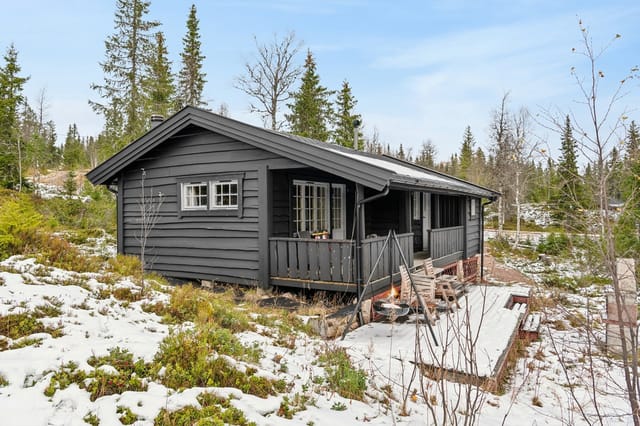
Front view of the property

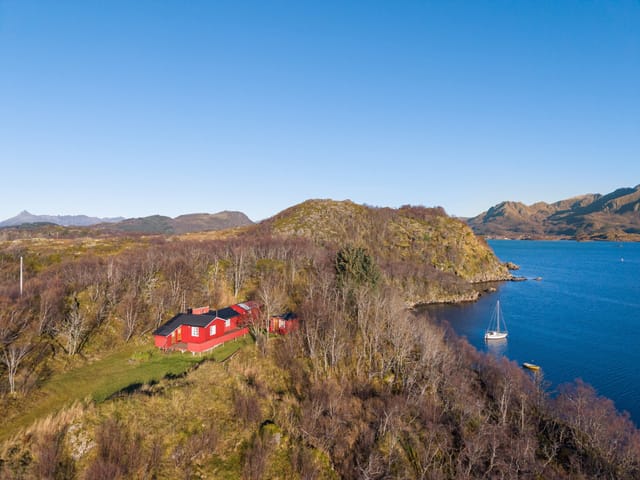
Step out onto the terrace at Holmavegen 30 on a clear July morning. The fjord is flat and silver, the archipelago spreads out in front of you like a handful of green islands dropped into the water, and the only sound is the rope on the dock tapping against the boathouse wall. Coffee in hand, you realize the boat is right there, ten steps down the rock, and Bergen is forty minutes away by car. This is what Norwegian coastal life actually feels like. Hauglandshella sits on Askøy island, connected to Bergen by the Askøy Bridge — one of the longest suspension bridges in Norway — which makes the commute into the city effortless while the setting feels completely remote. This stretch of the island's eastern shoreline is quiet, unpretentious, and genuinely beautiful in a way that photographs never quite capture. The light in late spring, when the sun barely sets and the rocks stay warm until midnight, is something else entirely. The chalet itself was built in 1981 and sits on a generous 4,792 square meter plot that rolls down to its own private shoreline. Ninety square meters of interior living space sounds modest until you're standing under the 3.5-meter ceiling in the living room, looking through the large windows at an unobstructed stretch of open water. That ceiling height changes everything. The stone fireplace anchors the room — and come October, when the Norwegian autumn arrives in earnest, you'll be glad it's there. The open kitchen sits alongside the dining and living areas, and whoever's cooking has a direct sightline to the sea. That's a design decision you only appreciate once you've done the dishes while watching a boat drift past in the dusk. Two bedrooms on the main floor handle the basics comfortably, each wi ... click here to read more
Welcome to Holmavegen 30 - a rare leisure property with its own shoreline and boathouse.

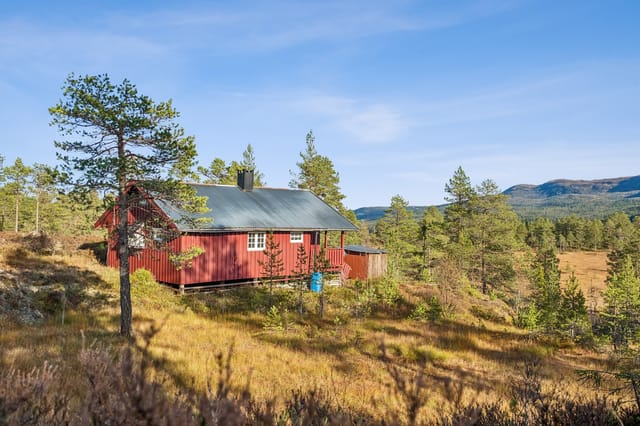
Picture this: you wake up on a Saturday morning in late June, slide open the terrace door, and the Oslofjord is right there — silver-grey turning gold as the sun climbs over the Østfold islands. The air smells of pine resin and salt. Somewhere down on Torødveien a neighbor is heading to the beach with a kayak on a trailer. This is what mornings look like at Torødveien 78. Torød sits on the western side of the Oslofjord, tucked into the coastal municipality of Færder and Tønsberg — a stretch of shoreline that Norwegians have quietly treasured for generations. It's not a tourist hotspot in the showy sense. It's the kind of place where the same families have been coming every summer since the 1960s, where kids still fish off the rocks, and where the pace of life drops about three gears the moment you turn off the main road. If you've been searching for a genuine Norwegian hytte experience — not a glossy ski resort package, but the real thing — this is where you find it. The cabin itself dates from the late 1960s and wears its age honestly and well. Solid wood floors, panelled walls, exposed ceiling beams — these aren't decorative choices made by a designer, they're original details that have simply lasted because they were built to last. A new kitchen went in during 2012 and it's practical and bright without trying too hard, with enough counter space to actually cook a proper meal rather than just reheat something. The living room is genuinely spacious for a cabin of this scale — room for a sofa, a dining table, and a woodburning fireplace that earns its keep during those crisp October weekends when the light goes low and amber and you don't want to leave. Three bedrooms in total, spread thoughtfully across the main cabi ... click here to read more
Welcome to Torødveien 78

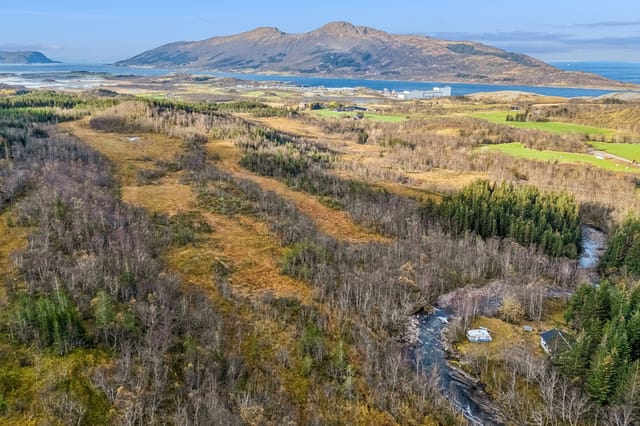
Step outside on a July morning in Luftjok and the air hits differently — cool, clean, faintly carrying the smell of river water and pine resin. The Tana River glints through the treeline a short walk away, and the sun, which barely sets this time of year, has already been up for hours. That's the daily reality of owning a chalet at Austertanaveien 626. Not a fantasy. The actual morning. This three-bedroom chalet sits on a generous 2,329 square metre plot just 7 kilometres from Tana bru in the heart of Finnmark, Norway's vast northernmost county. Built in 2000 and kept in genuinely good condition, the 98-square-metre main cabin is compact enough to heat and manage easily, but spacious enough that a family of five doesn't get on each other's nerves after three rainy days in a row. That's a real consideration up here, and the layout handles it well. The ground floor opens through a practical entrance hall — somewhere to shed muddy boots and waders after a morning on the river — into an open-plan living room and kitchen that forms the social core of the house. Large windows pull in the light, and in Finnmark's endless summer, there's a lot of it. A fireplace anchors the sitting area; come October when the birch forests go gold and the temperatures start to bite, you'll be glad it's there. Two bedrooms and a combined bathroom and laundry room round out the ground level. Upstairs, a loft lounge gives you a quieter retreat — a reading nook, a place to put the kids, a spot to sit with a coffee and watch the light change over the wilderness outside. The third bedroom sits up here too, giving the property a natural separation between sleeping areas. What sets this property apart from a typical cabin offering is the infrastructu ... click here to read more
Picture 1

The snowmobile cuts the engine and suddenly it's just silence. Real silence — the kind you forget exists until you're standing at 454 metres above sea level in Tømmerdalen, with spruce trees holding their snow and the valley spread out below you like something from a Theodor Kittelsen painting. That's the arrival experience in winter at this 1950s cabin on Tømmerdalsvegen. In summer, the last 100 metres is a short walk from the road through birch and heather. Either way, you earn the quiet. This is not a polished mountain resort apartment. It's a proper Norwegian hytte — two bedrooms, 45 square metres of wood-panelled interior, a cast-iron wood burner that heats the whole place within the hour, and a south-facing terrace where you can sit with coffee at eight in the morning and watch the light come across the hillside. The parquet floors creak slightly in the cold. The ceiling is clad in pine. It smells the way Norwegian cabins are supposed to smell. The kitchen is set apart from the living area, which in a small cabin makes a surprising difference — you can actually cook without everyone watching. Gas stove, gas refrigerator, fully off-grid. The solar panel system handles the basic electrical needs, making this place genuinely self-sufficient. No power bills, no grid connection fees, no landlord. The freehold plot of 1,008 square metres is yours outright, with annual municipal fees of just 150 NOK — essentially nothing. Two outbuildings from 2003 sit on the plot and handle what small cabins always need more of: storage. Firewood, fishing gear, snowshoes, a spare canoe paddle — there's room for all of it without cluttering the main space. One outbuilding includes an outdoor toilet, standard for this type of off-grid p ... click here to read more
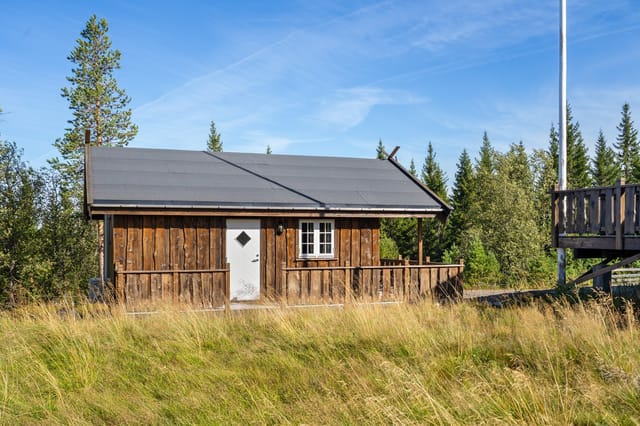
Front view of the cabin

Picture this: it's 7am on a February morning, the kind where the cold outside is almost theatrical. You pull on your ski boots at the front door, step onto the snow-packed path, and within four minutes you're on a groomed cross-country trail that cuts through pine forest so quiet the only sound is the hiss of your skis and your own breathing. That's not a fantasy. That's a Tuesday at Trysilfjell Hytteområde 537. Trysil is Norway's largest ski resort, and this chalet sits inside the Trysilfjellet cabin area at roughly 643 meters above sea level — high enough that the snow arrives early in November and sticks around well into April. The alpine slopes of Trysil Alpinsenter are just 300 meters from the front door. The ski bus stops directly outside, which means you can send the kids off to ski school independently, or pile onto it yourself after a long morning on the mountain without ever worrying about parking. Cross-country trails? Less than 100 meters away, freshly groomed most mornings throughout the winter season. After a full day outdoors — whether that's carving runs on Heistoppen, taking the long Nordic loop through Søndre Trysil, or simply building a snow fort with children — you come home to a fireplace insert that throws serious heat into the open-plan living and kitchen space. The layout here is genuinely social. No awkward wall separating whoever's cooking from the rest of the group. The kitchen has wooden-front cabinetry, laminated worktops, and a proper extraction hood over the stove — functional without being clinical. Someone fries reindeer sausages while others peel off their base layers and argue about who had the better fall on the black run. This is exactly the kind of room that holds those memories. ... click here to read more
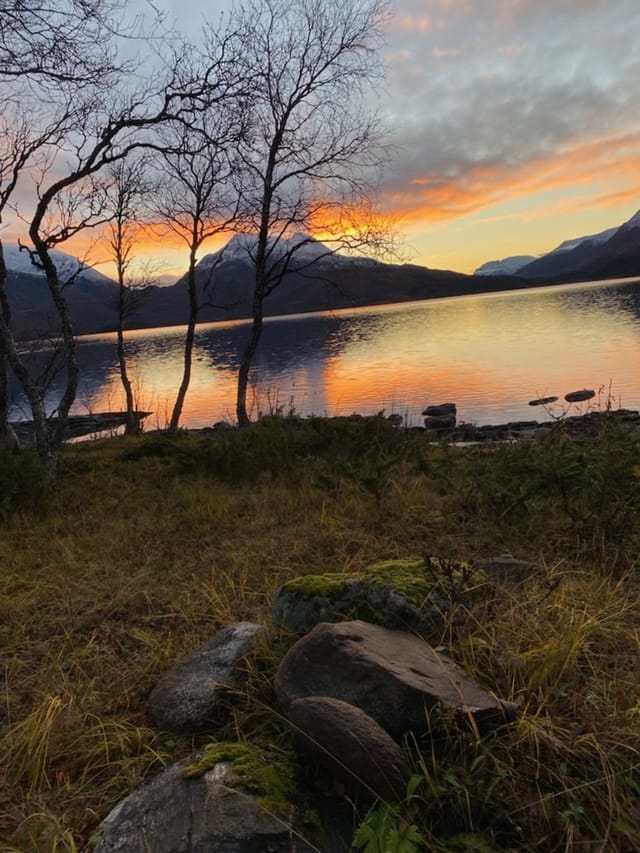
Welcome to Trysilfjell Hytteområde 537! Photo by Efkt/Johan Anderson.

Stand on the south-facing terrace at Risvikstien 6 on a July evening and you'll understand immediately why people come to this stretch of the Trøndelag coast and never quite manage to leave. The light at that hour is extraordinary — low, golden, pulling long shadows across the water — and from up here, with the Fosen peninsula spread out below you, the noise of the world feels very far away. That terrace, built in 2020 and generously proportioned at 66 square meters, is honestly the heart of this property. You'll eat breakfast out there. You'll lose track of time out there. That's the point. This is a two-bedroom holiday chalet at Risvikstien 6 in Oksvoll, a quiet coastal settlement in the municipality of Ørland, Trøndelag. The main cabin covers 44 square meters — compact, yes, but thoughtfully laid out with a living room, kitchen, bathroom, and two bedrooms that sleep up to six comfortably. An 11-square-meter annex sits separately on the 715-square-meter plot, which gives the whole place a flexibility that a single structure never could. Guests get their own space. Kids get their hideaway. You get the cabin to yourselves. The sea is 200 meters away. Not a figure of speech. Two hundred meters down the lane and you're at the water's edge. Oksvoll sits on the southern tip of Fosen, a broad peninsula that juts into the Trondheim Fjord between the open sea and sheltered inner waters. This geography matters enormously for how you'll actually use the place. The coastline here is a mix of smooth rock shelves worn flat by millennia of tide and small sandy inlets that warm up quickly in June. Local families have been swimming off these rocks since before anyone can remember. You'll find yourself doing the same within about for ... click here to read more

Picture 1

Pull on your boots at the door and ski straight into 100 kilometers of groomed trails. That's the reality of mornings at this three-bedroom Norwegian mountain chalet in Veggli — a proper, no-fuss cabin sitting 850 meters above sea level at the end of a quiet cul-de-sac on Søre Vorsetkroken, where the only sound after snowfall is the creak of pine trees and, if you're lucky, the distant knock of a woodpecker working through the bark. This is Søre Vegglifjell. Not a resort, not a development — an established, authentic Norwegian cabin community where families have been coming for generations. The nearest trailhead is 350 meters from your front door. The nearest neighbor is far enough away that you won't hear them. And the road stays clear all year, which matters more than people realize until the first time they try to reach a Norwegian mountain cabin in November with a car full of kids and gear. Inside, the 76-square-meter layout does what good cabin architecture is supposed to do: it makes every meter count. Walk in and the wood-burning stove in the living room immediately does the emotional heavy lifting. It's that kind of room — windows framing the mountains to the west and northwest, the light changing through the afternoon from sharp and white in winter to long and golden in July, when the Norwegian summer stays bright until almost midnight. The open plan means the kitchen, dining area, and living space all flow together, which is exactly what you want when eight people are coming in from a ski day simultaneously, wet jackets piling up, something warm on the stove. The kitchen is sensible and complete — stove, fridge, microwave, all included. A bar counter separates it from the dining space, which opens directly o ... click here to read more

Welcome to Søre Vorsetkroken 42! Cabin with a beautiful location in an established cabin area at Vegglifjell.

Step outside on a January morning, and the only sound is the creak of snow settling on the roof. The Lifjell ridge glows pale orange in the early light, and the cross-country ski trail — just 350 meters down the track — is freshly groomed. Coffee in hand, you're already planning the first run before breakfast. This is Toppenvegen 57. Perched at around 780 meters above sea level in the Hjartdal municipality of Telemark, this three-bedroom mountain chalet occupies one of those rare spots where you feel genuinely above the noise of ordinary life. Mælefjell and Lifjell dominate the view from the south-facing terrace, and depending on the light — midday sun in July, pink alpenglow in February — they look completely different every single day. The 34-square-meter terrace isn't an afterthought here. It's where you eat dinner in summer, dry your ski socks in winter, and spend long September evenings watching the valley below disappear into mist. Built in 2000 and kept in good condition throughout, the chalet has the kind of straightforward, honest design that Norwegians do so well. Nothing pretentious. High ceilings with exposed timber beams give the living room a sense of space that the 58-square-meter footprint might not suggest. The wood-burning stove with its glass door and decorative stone surround is the heart of the room — on cold nights, the fire does more work than the ceiling lights, and that's exactly how it should feel. Large windows pull the mountain panorama inside, framing Mælefjell like a painting that changes with every weather system rolling in from the west. The kitchen is practical and compact, with a laminate countertop, downlighting, and dedicated space for freestanding appliances. A small dining nook si ... click here to read more

EiendomsMegler1 v/Halvor Østerli presents Toppenvegen 57

You wake up to silence. Not the city kind of silence that's really just a lower hum of traffic and neighbor noise — actual silence, broken only by wind moving through spruce trees and the distant creak of a ski lift warming up for the day. That's a Saturday morning in Haugsdalen, and once you've had a few of them, it becomes very hard to go back. This single-level chalet sits on a 998-square-meter freehold plot in Rissa, a corner of Trøndelag county that most international buyers haven't discovered yet — which is precisely the point. The Indre Fosen peninsula has been drawing Norwegian families to its forests and fjord edges for generations, and this five-bedroom cabin, built in 1985 and kept in genuinely good condition, is the kind of property that doesn't come to market often. Five bedrooms. Thirteen sleeping places. One level. No stairs to navigate after a long day on the slopes. The ski lift is literally one minute from the front door. Walk out, boots already on, and you're there. That detail alone changes the calculus on a winter holiday home — no shuttles, no parking queues, no rushing. In January and February, when the snow settles deep across the Fosen hills, you'll understand why this matters. The elevation sits at around 276 meters above sea level, high enough to hold good snow through the heart of winter, low enough that the approach roads stay manageable. Come March, the light starts returning in long golden stretches across the hillside, the kind that turns the snow surface into something almost liquid at dusk. But this property earns its keep across every season. Summer in Rissa is genuinely underrated. The Trondheim Fjord — Trondheimsfjorden — is within reach, and the inland lakes and streams around Hau ... click here to read more

Picture 1

Step outside on a September morning at Smørhølvegen 11 and the air hits differently — sharp, clean, faintly resinous from the surrounding pine forest. Below the terrace, a river runs through the valley. No traffic. No neighbours cutting grass. Just water over rock and the occasional crack of a wood pigeon taking flight from the treeline. This is what 688 metres above sea level in Valdres feels like, and it's the kind of quiet that people drive hours to find. Bagn is a small village in the Valdres region of Innlandet county, the kind of place that doesn't try to impress you — it just does. The landscape does all the heavy lifting. The Begna river valley carves through rolling highland terrain, and the trails that begin almost literally at the edge of this property fan out into a trail network that keeps hikers busy for entire summers without repeating a route. Locals head up to Veståsen on long June evenings when the light barely fades, making it to the high ridgelines above 900 metres where the views stretch all the way across to Jotunheimen on clear days. The chalet itself was built in 1981 and carries the honest, unfussy character of that era's Norwegian cabin-building tradition. Solid timber construction. Exposed beams in the living room ceiling. A proper fireplace for the evenings when the temperature drops, which it does reliably from September onwards. Big windows face out over the hillside so the living room fills with afternoon light, and the sense of looking out into forest and sky rather than a garden fence or another building is something you simply can't manufacture. The open-plan kitchen connects directly to the main living area — the wood-burning stove in the kitchen corner pulls double duty as a heat sou ... click here to read more

Welcome to Smørhølvegen 11 at Bagn Vestås. Photo: Christine Stokkebryn

The first thing you notice on a July morning at Sirkelvatnet is the silence. Not the absence of sound, but a particular quality of quiet that you only find above the treeline in Arctic Norway — the soft slap of water against a wooden rowboat, a single bird call bouncing off the far shore, the creak of the terrace boards under your feet as you step out with coffee in hand. The lake sits below you, absolutely still, reflecting the birch-covered hillsides in a mirror that doesn't break until you toss a line in. That's what Sirkelvatnet 57 actually delivers. Not a brochure fantasy — a real cabin life, the kind Norwegians have been quietly enjoying for generations while the rest of Europe didn't quite catch on. Sitting at roughly 300 metres above sea level outside Narvik, this single-bedroom mountain chalet was built in 1997 and covers 41 square metres of total usable space — 29 square metres in the main cabin, plus a 12-square-metre annex that contains a separate WC. Compact, yes. But smartly laid out, with every metre doing real work. The wood stove anchors the living area and becomes the social centre of the cabin from September through May, throwing heat and light while the snow builds up outside. Big windows face the water. You arranged your mornings around that view before you even unpacked. The leasehold plot stretches across 994 square metres, giving you genuine breathing room — a proper garden area, space to park, room to move. And then there's the boathouse. The sale includes a 50% share in a naust sitting close to the parking area, which comes with a rowboat. That boat changes the character of the property entirely. Cross to the far bank in twenty minutes. Drop a fishing line for Arctic char and trout in a lake ... click here to read more

Welcome to Sirkelvatnet 57! - Photo: Hanna Linnea Kristensen

Picture this: it's a Saturday morning in February, the kind where the snow is still falling in fat, lazy flakes outside the window. You're wrapped in a blanket on the sofa, the wood-burning stove crackling in the corner, a mug of coffee warming your hands, and through the glass you can see the white outline of Trysilfjellet's slopes in the distance. Nobody has to be anywhere until they want to be. That is the daily reality of owning this two-bedroom chalet with a fully independent annex at Bjønnåsen Hyttegrend 102 in Trysil — and it doesn't get old. Set at 606 metres above sea level in the well-established Bjønnåsen cabin community, this 153-square-metre property sits on a generous 1,062-square-metre plot. It's a proper mountain chalet — warm timber panelling, underfloor heating underfoot, a layout that actually makes sense for family life. Not a weekend box. A place you'll find yourself driving to on a Thursday evening just to get an extra day in. Trysil is Norway's largest alpine ski resort, and that matters more than people realise when they're shopping for a Norwegian mountain holiday home. The ski season here runs reliably from late November through to April, with 68 slopes and 31 lifts spread across Trysilfjellet. The groomed cross-country trail network starts just 250 metres from your front door — a five-minute walk in ski boots — and links into hundreds of kilometres of prepared tracks threading through the birch forests above the valley. Ski hire, ski school for the kids, slope-side restaurants serving reindeer stew and warm cloudberry desserts: it's all within a short drive or a ski run away. In winter, the resort buzzes. Weekends bring Norwegian families from Oslo, Stockholm and beyond, yet Bjønnåsen itself ... click here to read more

Welcome to Bjønnåsen Hyttegrend 102!

Picture this: early morning at Trevatn, the lake so still it mirrors the pine forest on the opposite bank. You step out onto the terrace in wool socks, coffee in hand, and the only sound is the occasional knock of a woodpecker somewhere deep in the trees behind the cabin. This is what you bought. Not a postcard. The real thing. Built in 2023 and sitting on a private 1,664 square metre plot along Ringstadvegen in the small community of Fall, Søndre Land, this compact log cabin is one of the more honest things you can own in Norway. No grand claims, no fluff — just good timber construction, a wood-burning stove that heats the place in under twenty minutes, and a boat place on the water that gets used from ice-out in late April right through to the first frost. At 167,000 EUR, it's among the most accessible entry points into genuine Norwegian lake cabin ownership you'll find on the market today. The main structure covers 23 square metres of efficiently arranged interior. Open-plan by necessity and by design, the living area doubles as a dining and gathering space, with large windows framing the lake and the ridgeline beyond. Late afternoon light in July slants through those windows at an angle that makes the whole room glow amber. The wood stove sits at the heart of it — a cast-iron Jøtul, the kind you find in every serious Norwegian hytte — and in October, when the birch leaves turn and the air has that particular sharpness, you'll understand exactly why this culture has always been built around fire and water. The separate annex is where this property earns its character. It houses a proper sauna — not a decorative one, but the kind you heat up for an hour before you go in, the kind where the löyly (that hit of steam w ... click here to read more

Picture 1

Step out onto the south-facing terrace at seven in the morning, coffee in hand, and the Spind peninsula spreads out in front of you — still water, pine-covered islands, and a sky that turns pink and gold over the Lista flatlands before the rest of Norway wakes up. This is what 100 meters from the sea actually feels like. Not a marketing line. A daily reality. Bjørnevågsveien 268 sits in Spind, one of the quieter corners of Farsund municipality on Norway's southwest coast — an area locals call Sørlandet, the sun coast. And the name earns it. This stretch of coastline logs more sunshine hours than almost anywhere else in the country, and the chalet's orientation captures nearly all of them. The 115 square meters of wraparound terrace isn't a design afterthought; it's the main event from May through September, when you're eating grilled mackerel outside at nine in the evening under a sky that refuses to go dark. Built in 1986 and kept in genuinely good condition, the chalet covers 69 square meters across a smart, practical layout. Three bedrooms sleep the family or a group of friends without anyone feeling like they drew the short straw. The living room is anchored by a wood-burning stove that earns its keep the moment October arrives — there's something about the smell of birch smoke drifting through an open window on a grey autumn afternoon that makes you understand why Norwegians refuse to give up their hytter even as the temperature drops. Large windows pull the landscape inside, framing the water and the green hills beyond. Electric heating backs up the stove through the shoulder months, so this isn't a place you abandon after the summer crowds thin out. The kitchen is open to the living and dining area, which matte ... click here to read more

Welcome to Bjørnevågsveien 268!

At six in the morning, the lake is perfectly still. You pull open the cabin door and the smell hits you first — pine resin, cold water, something faintly mossy and alive. Lake Øyangen sits maybe thirty meters below you, catching the early light in that particular way Norwegian lakes do in summer, like hammered silver. There are no cars. No notifications. Just the low knock of a woodpecker somewhere in the treeline and the sound of your coffee starting to bubble on the gas stove inside. This is Øyangen 24. A four-bedroom mountain chalet sitting at roughly 580 meters above sea level in the Nordmarka highlands outside Hønefoss, about an hour's drive northwest of Oslo. It's the kind of place Norwegian families have fought over for generations, and it's rare to see one like this come available. The chalet was built in 1962 and it wears its age well. Sixty-plus years of Nordic winters and summers have given it the kind of settled, solid character you don't find in new builds. The bones are good — well maintained, structurally sound, the sort of condition where you can walk in on a Friday evening and actually relax rather than make a list of everything that needs fixing. The 80 square meters of interior space is used efficiently: four proper bedrooms, a generous living room with a vaulted ceiling that gives the whole main area a lifted, open feel, and a kitchen fitted with painted pine cabinetry that looks exactly right in a cabin like this. That vaulted ceiling in the living room is one of those details that changes how a space feels. It pulls your eyes upward. It makes the room breathe. Pair it with the wood-burning stove — which throws out serious heat on a January evening when the temperature outside drops to minus fifte ... click here to read more

Front view of the cabin at Øyangen 24

Step out onto a 29-square-metre terrace on a crisp October morning, coffee in hand, and watch the mist lift off Lorttjønna lake while the birch trees burn amber on the hillside. That's the kind of morning this place delivers. Regularly. This 58-square-metre chalet in the Bollo area of Tverrelvdalen, Northern Norway, is a properly functional wilderness retreat — not a weekend novelty, but a place you'll return to every season and mean it. The cabin was built in 1995 and has been kept in good condition throughout. Stained timber walls, a wood-burning stove, and large windows that pull the landscape inside — the interior has a settled, honest quality to it. Nothing feels forced or over-styled. The living room is generously proportioned for a one-bedroom cabin, with enough space to sink into a sofa after a long day on the trails without anyone tripping over each other. When the stove is going and snow is building up on the terrace railing outside, the room earns its keep in a way that no underfloor heating ever quite matches. The kitchen opens toward the living area rather than closing itself off, so whoever is cooking doesn't miss the conversation or the view. Painted cabinetry, a solid wood countertop, stove, and refrigerator — it's equipped for real meals, not just instant noodles. A dining table fits naturally between the two spaces, and with the lake visible through the glass, dinner here has a way of stretching into the evening without anyone noticing. One proper bedroom sits on the main floor. Above it, a loft divided into two rooms gives the cabin real flexibility — this is where children or extra guests go, and it works. For a couple with kids or two families sharing the property across different weekends, the sl ... click here to read more

Welcome to Lorttjønna 43!

Step out onto the south-facing terrace at Kvamskogen 671 on a clear February morning and count the peaks. The air bites clean and cold, Måvotsvatnet shimmers somewhere below the treeline, and from up here at 496 metres above sea level, the whole Vestland valley feels like it's been arranged just for you. This is what you drove four hours from Bergen for. Or flew into Flesland for. The quiet is total except for the occasional creak of birch branches and the distant hiss of skis on packed snow. This two-bedroom chalet sits between Kleiva and Jonshøgdi on the sun-catching south slope of Kvamskogen — a detail that matters enormously in Norway, where orientation determines whether your terrace gets three hours of winter sun or eight. Here, it's eight. The 1,433-square-metre natural plot keeps neighbours at a respectful distance, the birch trees do their thing, and the open views toward the mountains stay unobstructed. It's a 38-square-metre cabin, yes — but it earns every one of those square metres. Since 2019, the property has been upgraded with real intention: new exterior cladding, a replaced roof, modernised water and sewage connections feeding into the public network. These aren't cosmetic touch-ups. They're the foundation-level improvements that separate a cabin you can actually enjoy from one that quietly drains your weekends and your wallet. The kitchen has new upper and lower cabinets, fresh countertops, and a proper fridge-freezer. The bathroom has been fully renovated — bathtub, toilet, vanity with storage, new plumbing throughout. You arrive, you unpack, you're done. No project list waiting on the kitchen table. Inside, the wood-burning stove is the room's true anchor. Light it around four o'clock on a Saturday ... click here to read more

Front view of the upgraded cabin at Kvamskogen 671

Step outside on a February morning, skis already on your feet, and glide straight into 20 kilometres of groomed cross-country trails from your own front door. The air is sharp and clean—pine and cold stone—and the only sound is the hiss of your skis and a wind moving through the spruce tops. This is what daily life looks like at Vesseseterveien 557. Built in 2022, this two-bedroom chalet sits in the Vessesetra cabin area just outside Kyrksæterøra in Trøndelag, one of Norway's most quietly celebrated recreational regions. It hasn't been lived in. Everything is fresh—the cabinetry, the floors, the bathroom fittings—and it's ready to walk into without a single project on your to-do list. The main floor covers 66 square metres and does the work of a much larger space. Large windows pull the surrounding terrain right into the living room, so the view of the hillside becomes part of the interior. A centrally placed wood-burning stove anchors the room—the kind that earns its keep on October evenings when the temperature drops fast and you've just come off the trails. The layout is open enough that conversation flows easily between the kitchen and the sofa, which matters when you've got friends or family visiting for a long weekend. The kitchen carries Fossline cabinetry, and every integrated appliance comes with the sale. No sourcing, no fitting, no waiting. It's a proper working kitchen, not an afterthought, with enough counter space to actually cook in. The Norwegian tradition of cabin food is its own thing—slow-braised elk stew, freshly baked flatbread, lefse on a Sunday—and a kitchen like this is built for exactly that kind of unhurried cooking. Both bedrooms are on the main floor, well-proportioned and quiet. The bathr ... click here to read more

Newly built cabin with a beautiful location in Vessesetra, Kyrksæterøra.

Step outside on a February morning and the world is completely silent except for the creak of fresh snow under your boots and the faint hiss of a wood stove doing its job inside. The ski tracks are 450 meters down the road. The coffee is still hot. This is Nipetovegen 19 — a solid three-bedroom cabin in the Nipeto area of Blefjell, sitting at 656 meters above sea level on a private freehold plot in the Numedal highlands of Kongsberg municipality, Norway. Built in 1981 and kept in genuinely good condition through consistent maintenance, this is not a fixer-upper. It's a place you can walk into on a Friday evening and feel at home by Friday night. The 64 square meters work hard — a proper living room with a fireplace, a kitchen that actually has counter space, three bedrooms, and a bathroom with underfloor heating that feels like a small luxury after a day on the trails. The 25-square-meter south-facing veranda is where you'll end up spending most of your waking hours between June and September, watching the light change over the spruce and birch that ring the property. The interior has that honest Norwegian mountain cabin feel — pine floors, wood-paneled walls, painted boards on the ceilings — but it's been updated where it matters. The balcony door and most of the windows were replaced in 2019, so you're not fighting drafts. The kitchen has deep green profiled cabinet fronts that somehow look exactly right against the forest backdrop visible through the window above the sink. There's running water, mains electricity, and a private graywater system already in place, which removes a significant hurdle for anyone who's looked at more remote Norwegian cabins and felt the headache of off-grid infrastructure. The plot is 1, ... click here to read more

Welcome to Nipetovegen 19! Photo: Arild Brun Kjeldaas

Step outside on a January morning, clip into your cross-country skis, and you're already on the trail. That's not an exaggeration — the groomed tracks of Budor's beloved network are literally 200 meters from the front door. The snow sits heavy on the spruce trees, the air tastes clean in a way city air never quite does, and the only sound is the hiss of your skis and the occasional wood pigeon. That's the daily reality of owning this 1940s log chalet at Budorvegen 1165 in Løten, one of Innlandet's most quietly sought-after recreational areas. Løten sits in the inland heart of Norway, about 100 kilometers north of Oslo — close enough for a Friday afternoon escape from the capital, far enough that the weekday world feels genuinely distant. The Gryllingseter area, where this chalet sits at 496 meters above sea level, has a different rhythm from the coast. Winters here are reliably snowy, reliably cold, and thoroughly Nordic in the best sense. Summers bring a softness — wildflowers along the hiking paths, long light evenings, the smell of pine warming up in June sun. The cabin itself started life around 1940 as a hunting lodge. You can still read that history in the bones of the building — the low-ceilinged basement was once used to hang and dry game, and the traditional Norwegian log construction (laftet tømmer) gives the walls a solidity and thermal mass that modern frame builds simply can't replicate. In 2009, a thoughtful extension broadened the floor plan to 41 square meters of interior living space, and suddenly what was purely a hunting shelter became a genuinely comfortable two-bedroom holiday home. The roof was replaced in both 2003 and 2009, and the exterior received a fresh stain coat in 2020 — so the structural ... click here to read more

Picture 1

Step outside at seven in the morning, coffee in hand, and the only sound is wind threading through the spruce trees and the faint scrape of early-riser skiers setting off down a prepared trail 150 metres from your front door. That's the morning rhythm at Fjellverden Øst 133 — a solid, well-kept mountain chalet sitting at roughly 640 metres above sea level in Jordet, Innlandet, where Norway's outdoor life doesn't pause for seasons. Built in 1991 and maintained in good condition throughout, the chalet covers 66 square metres of genuinely livable space. Nothing wasted, nothing overdone. Three bedrooms sleep eight in total — a master with two singles and a built-in wardrobe, a second room with two bunk beds that kids will immediately claim as their territory, and a third with a single bunk for overflow guests or a solo traveller who wants their own corner. It's the kind of layout that handles a full family weekend without anyone tripping over each other, which is harder to find than you'd think at this price point. The living room is the real soul of the place. Solid wood floors, timber-panelled walls and ceiling, and a fireplace insert that throws serious heat on a February evening when temperatures outside have dropped well below zero. Large windows pull in the southern light — this is a notably sunny plot — and frame a view of forested hillside that changes from deep green in July to snow-loaded white branches by December. The kitchen sits partially open to this main room, practical rather than showy, with room for a full-size stove, fridge, and dishwasher. The dining area fits a proper family table without feeling cramped. The bathroom was refreshed in 2023 — new water heater, new toilet, and electric underfloor heati ... click here to read more

Welcome to Trysil-Knuts Fjellverden and Fjellverden Øst 133! Photo: Bernat Tubau.

Step out onto the 27-square-metre terrace at Skjettendalsveien 19 on a clear July morning and the world goes quiet — just the rustle of birch trees, a distant woodpecker somewhere in the forest below, and a view that rolls across the Trøndelag landscape all the way to the shimmer of the Trondheimsfjord. At 253 metres above sea level, the air up here has a quality you don't find in cities. Sharp. Clean. A little piney. It wakes you up better than coffee. This is Leksvik — a corner of Norway that most international buyers haven't discovered yet, which is exactly what makes it interesting right now. The chalet itself is a classic Norwegian hytte, built in 1947 and sitting on a generous private plot of 1,009 square metres on a quiet hillside with scattered neighbouring cabins. At 44 square metres of indoor living space across the main floor and a loft, it's compact in the way that Scandinavian cabins are supposed to be: everything you actually need, nothing you don't. The layout runs from a small entrance hall through two living areas and a kitchen, into a bedroom and bathroom, with the loft above offering a natural sleeping nook or reading space depending on your mood. The 18-square-metre external storage area handles the practical side of cabin life — skis, fishing rods, firewood. Speaking of firewood: there's a wood stove, and on an October evening when the temperature drops and the trees turn copper-red across the hillside, that stove becomes the centre of the whole property. Electricity and water are already connected, so this isn't a project starting from scratch. The bones are solid. What it needs is someone with a vision — updated insulation, a refreshed kitchen, a bathroom renovation — and the result is a fully p ... click here to read more

Picture 1

Wake up to silence. Not the polished, manicured quiet of a resort hotel, but the deep, almost physical stillness of the Norwegian highlands — snow pressing against the windows, a wood-burning stove ticking as it warms the cabin, the faint creak of log walls settling into the cold morning air. This is the kind of quiet people spend years trying to find. Sitting at Vestre Maursetlia 68 in Vøringsfoss, this Raulandshytte of the classic "Olav" type is a genuinely well-built, well-loved mountain chalet positioned on a sun-facing plot of 1,062 square meters with ski-in access to the alpine slopes literally on your doorstep. Built in 1993, it's had two serious rounds of renovation — a full interior overhaul in 2020 and a new bathroom in 2024 — so the bones are traditional Norwegian craftsmanship, but the living is comfortably modern. At 55 square metres, it's compact enough to feel cosy without making you feel like you're camping. The open-plan kitchen and living room is the heart of the place. The wood-burning stove sits at the center of it all, and on a January afternoon when the temperature outside has dropped past minus ten, you'll understand immediately why it was chosen as the primary heat source. There's electric heating too, but you probably won't need it much. The kitchen was fully fitted out in 2020 — cooktop, oven with extractor, dishwasher, fridge-freezer — everything you'd want for a proper week's stay rather than a quick weekend break. Solid wood floors run through most of the cabin. The walls are a mix of original log and stained panel, and the whole effect is that specific warmth you only get in timber buildings that have been lived in for decades. Two bedrooms sleep up to six people, each room fitted with a ... click here to read more

Picture 1

At seven in the morning, when the fjord is still and the light hits the water at that low Nordic angle that turns everything copper and silver, you can stand on the 130-square-metre terrace at Bærøyknausene 19 and feel like the whole of Kragerøskjærgården belongs to you. The town itself sits just across the water, its white wooden houses stacked up the hillside like something from a Knut Hamsun novel. Five minutes by boat. A world away in feeling. This is Bærø island. And if you know the Kragerø archipelago at all, you know that properties like this — south-facing, sun-drenched from first light to last, with their own boat slip and boathouse already in place — almost never come to market. The chalet was built in 2007 and sits on a freehold 677-square-metre plot. Seventeen years in, it's still in genuinely good condition: not the kind of "good condition" that means you're about to spend your first summer replumbing a bathroom, but the kind that means you arrive, unpack your bags, and walk straight down to the water. The previous owners clearly understood that a coastal cabin either earns its keep or becomes a liability, so maintenance has been consistent and the property is move-in ready for the season ahead. Inside, the cabin runs to 96 square metres across a layout that makes smart use of every corner. The combined kitchen and living room is the heart of the place — open plan, flooded with daylight through large windows that frame the sea view and the silhouette of Kragerø beyond. The wood-burning stove against one wall isn't decorative. On September evenings, when the temperature drops and you're not quite ready to close up for winter, it's what keeps you there another three weeks. The kitchen itself is modern and f ... click here to read more

Welcome to Bærøyknausene 19!

You arrive by boat. There's no other way. You cut the engine, drift into the mooring at Osvågen, and for a moment all you hear is water lapping against the hull and a single bird somewhere deep in the spruce trees. Then you shoulder your bag and follow the footpath — about 800 meters of soft forest floor, birch and pine on either side — until the treeline opens and the cabin appears on the rise above you, its balcony framing a wide blue sweep of the fjord. That's the moment you stop thinking about your inbox. This is what genuine off-grid living looks like in Helgeland, one of Norway's most quietly extraordinary coastal regions. The chalet at Hestnesosen sits on a 2,081-square-meter elevated plot above Osvågen, fully detached from the road network and reachable only by water. For buyers who've spent years talking about "disconnecting," this isn't a metaphor. It's the actual situation — and it's exactly what makes this property so rare. At 131 square meters of indoor living space, the three-bedroom cabin is far more generous than the average Norwegian hytte. Two separate living rooms give you real breathing room: one for rainy afternoons with a board game and a wood-burning stove sending heat into the walls, another where guests can settle in without stepping on each other. The retro interior furnishings — included in the sale — give the place a particular character that would take years to curate elsewhere. Nothing feels staged. It feels lived in, in the best possible sense. The kitchen is practical and well-considered. Laminated cabinetry, a tiled splashback, a brand-new refrigerator, and a proper oven. The built-in dining nook beside it — a custom-made sofa bench and chairs around a fixed table — is the kind of arra ... click here to read more

Charming, spacious cabin in Hestnesosen with views over Osvågen.

Step outside on a January morning and the cross-country ski trails are literally less than 100 meters from the front door. No driving, no gear-shuffling through a car park — just click into your bindings, push off, and within minutes you're gliding through silent spruce forest with frost still hanging in the air. That's the daily reality at Jervbekkhåmmåren 80, a solid four-bedroom mountain chalet sitting at 834 meters above sea level in Brekkebygd, one of the quietest and most underrated corners of the Norwegian highlands. Brekkebygd sits just across the Swedish border in the Røros region, and while its neighbor Funäsdalen gets most of the ski resort headlines, this side of the valley is where people who actually know the area choose to plant roots. No through traffic on the private road. No weekend crowds. Just the kind of hush that makes you aware of your own breathing — and the occasional creak of snow settling on the roof. The chalet itself covers 80 square meters of internal living space on a single level, set on a leased 1,000-square-meter plot that gives you genuine breathing room. The layout is practical in the way that good mountain architecture always is: everything has a purpose, nothing is wasted. You come through the entrance hall, drop your ski boots and wet jackets in the hallway, and then the living room opens up ahead of you — wooden floors, heavy ceiling beams, paneled walls that have absorbed years of wood smoke and warmth. The closed fireplace and wood stove sit at the center of this room like the whole cabin was designed around them, which honestly, it probably was. After a day on the trails, you want fire, warmth, and a flat surface for your coffee mug. This room delivers all three. The kitchen ... click here to read more

Welcome to Jervbekkhåmmåren 80 and this beautiful cabin property! Photo: Interior photo by June Haukdal

Step outside on a January morning and the world is completely white and completely silent, except for the low rush of snowmelt somewhere under the ice. The air at 698 meters above sea level has a sharpness to it that wakes you up faster than any coffee. Then you remember: the sauna is already warm, the fireplace is set, and the ski trails are four minutes from the front door. This is Fosslivegen 35. Built in 2004 and sitting on over 1,000 square meters of mountain terrain in Vøringsfoss, Eidfjord municipality, this three-bedroom Norwegian chalet is one of those properties that earns its keep in every season. The turf roof — not decorative, genuinely functional — keeps the interior cool in July and insulated through February. The stained wilderness panel cladding weathers beautifully, and the lacquered wooden front door announces exactly what you're getting before you cross the threshold: a proper Norwegian fjell hytte with real bones to it. Inside, the living room anchors everything. The fireplace here isn't a feature you mention in passing — it's the gravitational centre of the entire cabin. Wide, wood-burning, and radiating the kind of heat that gets into your clothes and stays there, it turns ordinary evenings into the kind of nights people talk about on the drive home. High ceilings push the space upward, and the open plan between the kitchen and living area means whoever is cooking never gets left out of the conversation. The kitchen is fitted with solid wood fronts, tiled splashbacks, and a full set of integrated appliances — oven, cooktop, dishwasher, refrigerator — so you're not roughing it. There's real counter space here for actual meal preparation, which matters when you've got six people in from a day on th ... click here to read more

Welcome to Fosslivegen 35 - Presented by Arild Lothe and Svein Olav Holdhus at Eiendomsmegler Norge.