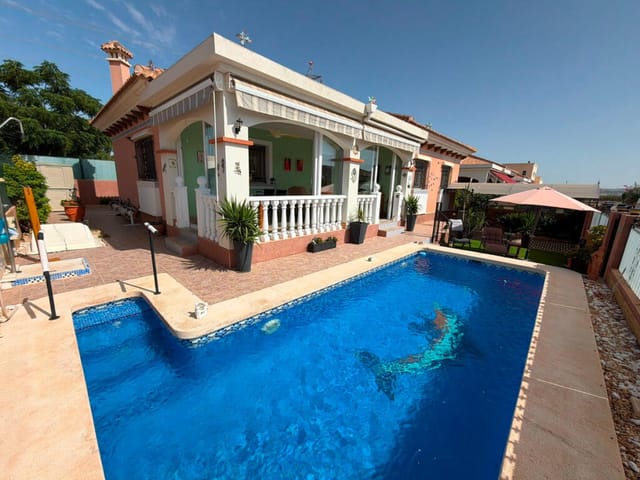
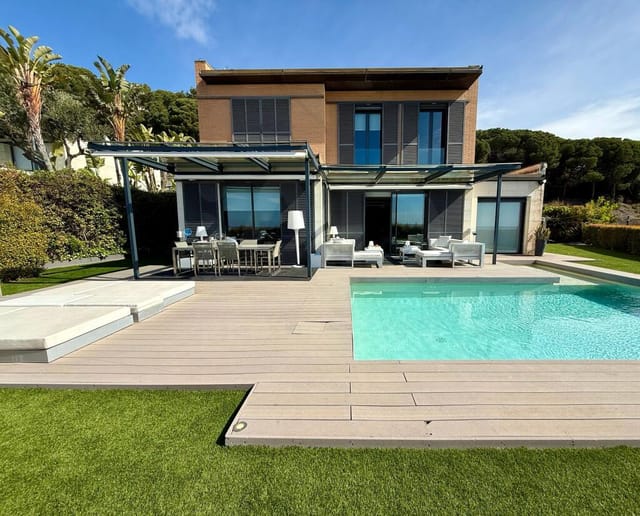
Houses For Sale In Europe

Houses for sale in europe - homestra offers the largest amount of european real estate with over 200,000+ properties, find any type of property within your budget from villas to country homes. buy or rent your perfect home in europe.

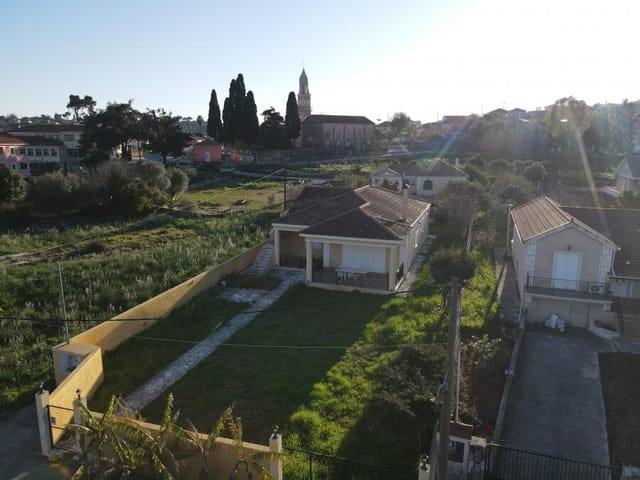
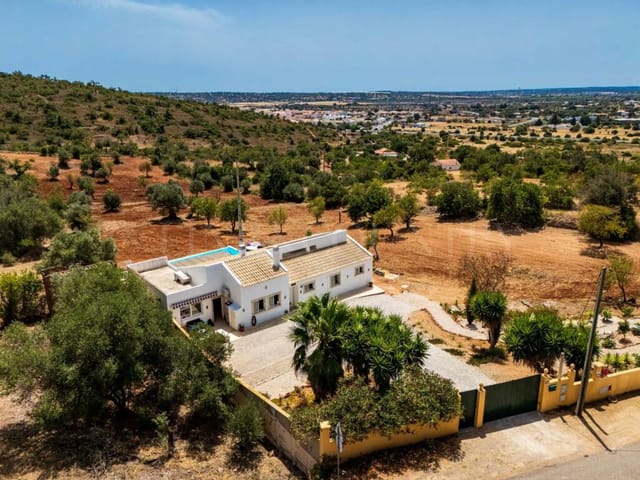
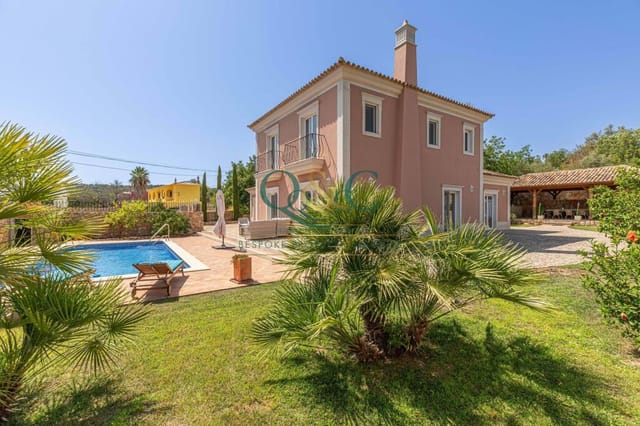
Saturday morning. You swing open the French doors off the kitchen and the Ribatejo countryside spills in — the faint smell of pine, a rooster somewhere far off, and absolute quiet except for the wind moving through the fields. This is the kind of morning that makes you realize you've been living your life in the wrong gear. Set in the small village of Areias, in the green rolling interior of central Portugal, this fully rebuilt three-bedroom house on a 1,120 m² plot is the kind of find that serious buyers tend to move on quickly. At 365,000 euros for a property this thoughtfully redone — A-rated energy efficiency, solar panels, double garage, 219 m² of living space — it's priced honestly for what it delivers. Let's start with that living room. The original exterior walls were kept during the rebuild, but everything inside was stripped back and done properly. The centrepiece is a floor-to-ceiling glazed window reaching close to four metres high. Stand in front of it on a January afternoon when the light drops low across the Ribatejo plain and it's genuinely arresting. Pine wood flooring runs throughout the living areas and bedrooms — real warmth underfoot, not laminate. High ceilings prevent any sense of compression. The whole ground floor breathes. The open-plan kitchen and dining area sits directly ahead as you come in, practical in layout and social in feel. Two sets of French doors push the space outward into the rear garden — that outdoor area is unfinished in the best possible sense. It's a blank canvas on a private plot: lay down a terrace, plant a kitchen garden, put in a pool someday. The 1,120 m² gives you room to think big without the maintenance burden of a sprawling rural quinta. Two double bedrooms sit o ... click here to read more

Picture 1

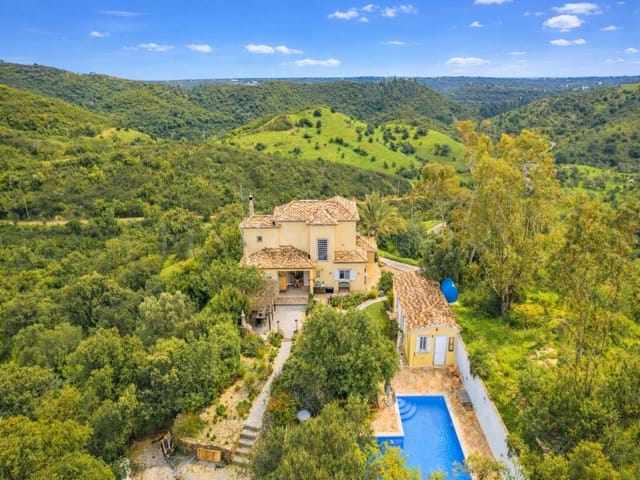
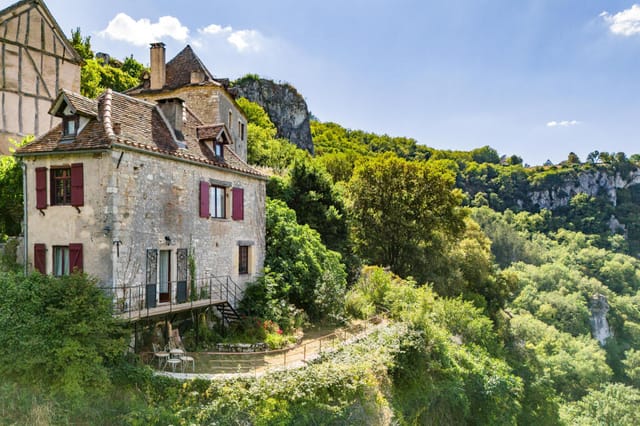
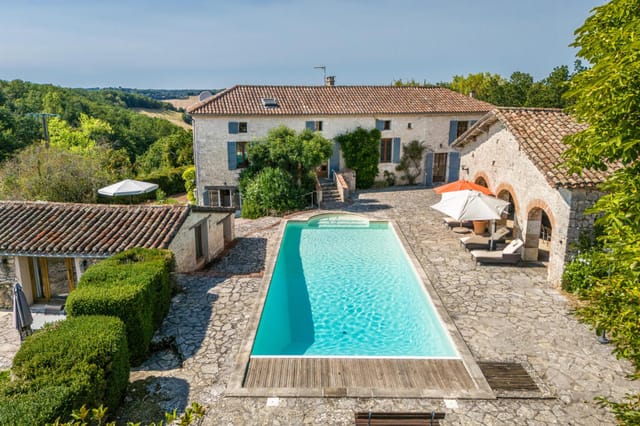
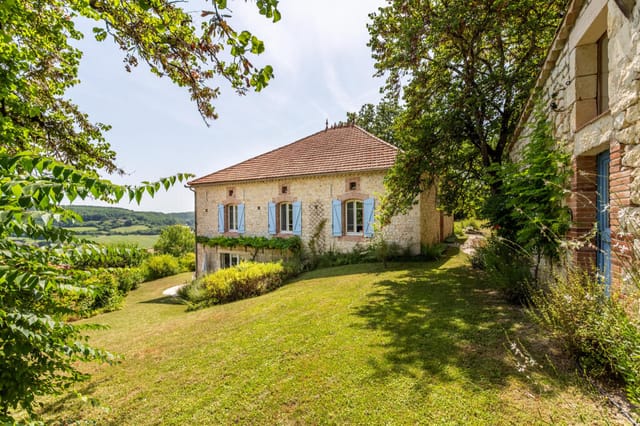
The first thing you notice on a clear morning is the silence. Not the absence of sound, but the particular hush of the Aubrac plateau — wind moving through high pastures, cowbells somewhere in the distance, and the faint smell of wild thyme warming up in the sun. This is what you wake up to when you own this eight-bedroom stone estate outside Laguiole, one of the most quietly compelling corners of southern France. This is not a weekend renovation project. The property was fully restored in the 2010s with a level of care you rarely see — lauze stone roofing, underfloor heating powered by a solar heat pump, mountain-grade double-glazed windows, and Rockwool and wood fiber insulation that keeps the house cool in July and genuinely warm in January. The DPE rating is C, which in a stone building of this age and scale is a real achievement. Move-in condition is not a marketing phrase here. It's the reality. The main residence alone spans over 270 square metres, converted from the original barn and stables with an open, light-filled layout that surprises people who expect old Aveyronnais farmhouses to feel dark and cramped. The ground floor kitchen was designed by someone who actually cooks — multiple openings, professional-grade finishes, and a setup that flows naturally into the vast living and dining area. There's a ground-floor bedroom with its own shower room, a pantry, and a separate toilet. Upstairs, the mezzanine leads to a master suite with a proper bathroom, a home office, a children's bedroom, and a fourth bedroom that can be connected either to the main house or to one of the adjoining rental units, depending on what you need it to be on any given day. That flexibility is one of the most valuable things about thi ... click here to read more

Picture 1

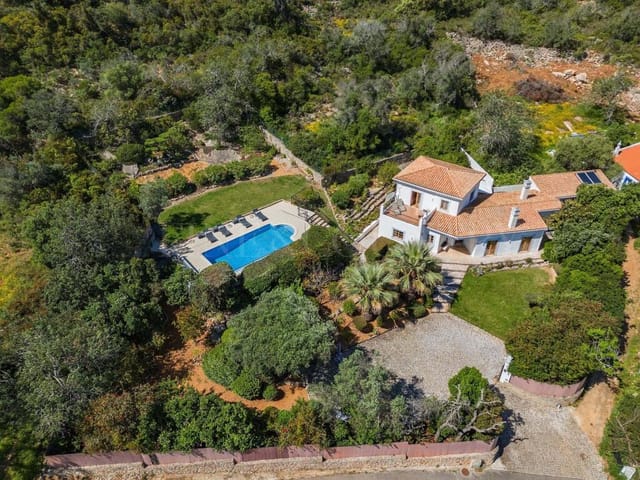
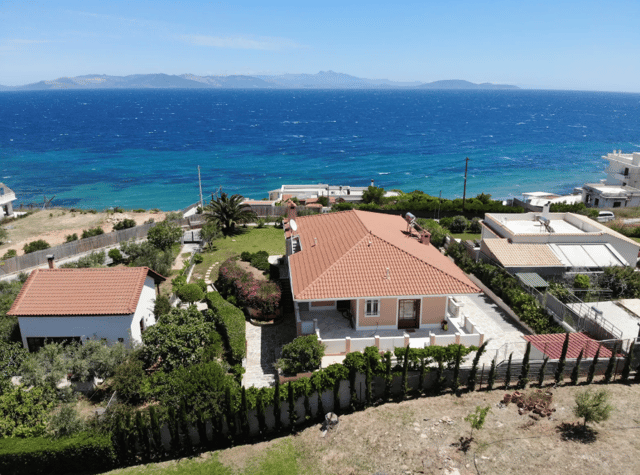
Stand on the terrace at seven in the morning, coffee in hand, and count the colors of the Cretan Sea as the sun clears the ridge above Kato Episkopi. The water starts navy, shifts to cobalt, then that particular electric blue that makes Eastern Crete feel like a different planet from the crowded resorts of the north coast. The olive groves below catch the light and go silver. Not a rooftop in sight. Just valley, mountains, sea, and sky — sweeping a full 300 degrees around you. This is what owning this hillside villa outside Sitia actually feels like. Built amphitheatrically into the slope above the village of Kato Episkopi, the property sits entirely alone on its 1,991 square metre plot. No neighbours visible in any direction. The closest town, Sitia, is a short drive down the valley — close enough that you can be sitting at a harbourfront table at Zorbas eating fresh octopus with a carafe of raki within fifteen minutes, far enough that the silence up here is absolute. The 95-square-metre interior moves around an open-plan living and dining space anchored by oversized windows that frame the panorama like a living painting. The kitchen is properly equipped — induction hob, full refrigeration, everything you need to cook the ingredients you've picked up at Sitia's Saturday farmers' market: Cretan cheeses, Toplou olive oil, tomatoes that actually taste of summer. Italian-imported furniture throughout, chosen for weight and quality rather than showroom flash. The light inside shifts dramatically through the day as the sun tracks south to west, so the same room that feels bright and energising at noon becomes warm and amber-toned by evening. Both bedrooms open directly onto the outdoor terraces. The bathrooms are finished ... click here to read more

Picture 1

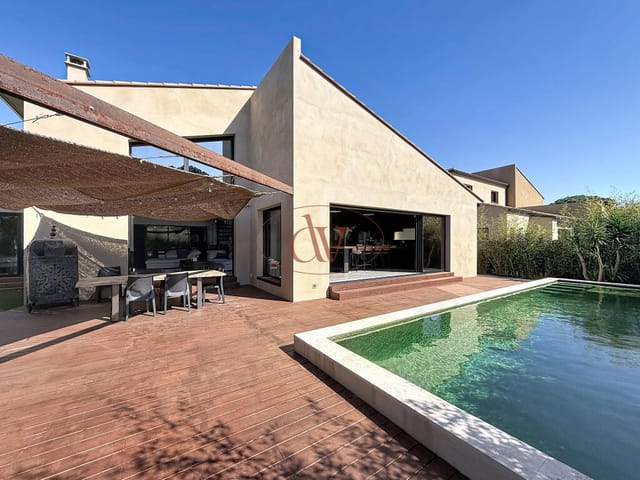
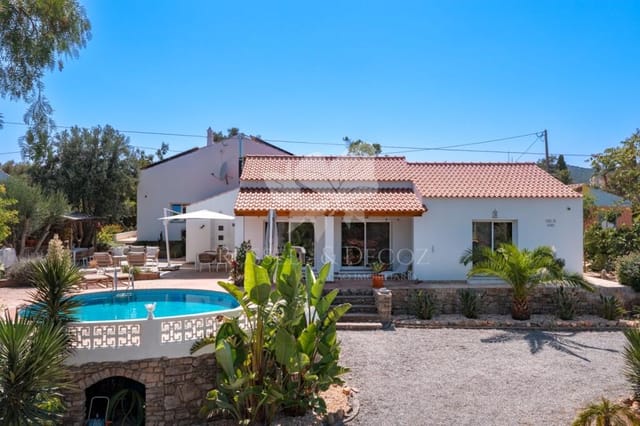
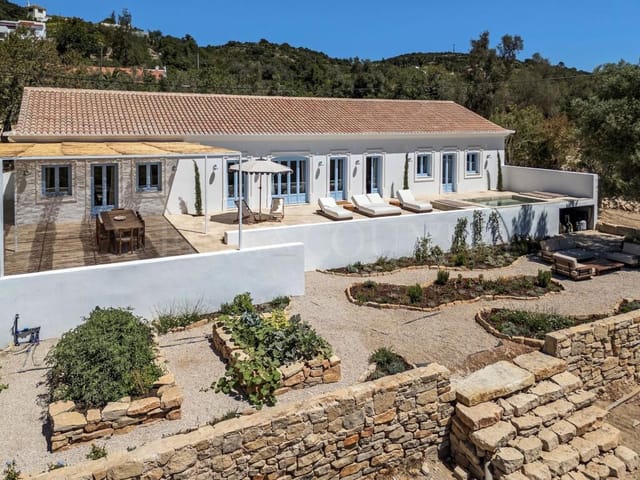
Picture this: it's eight in the morning, the sun has just cleared the ridge behind the olive groves, and you're sitting on your stone-paved terrace with a coffee, watching the light shift across the Cretan Sea below. No traffic noise. Just the occasional bleat of a goat somewhere up the hill and the sound of a neighbor's radio drifting over the garden wall. This is Loutra, a village most tourists never find — and that's precisely the point. This two-bedroom ground-floor villa sits on a 500 m² plot in a genuinely quiet corner of northern Crete, about ten kilometers east of Rethymno along the old coast road. Built in 2006 and kept in good condition, the property covers 79 m² of interior space — not sprawling, but thoughtfully laid out so nothing feels wasted. The open-plan living area connects the kitchen, dining space, and lounge in one easy flow, with large windows pulling in daylight from the garden side. Tiled floors run throughout, keeping things cool underfoot during August, and aluminum window frames mean low upkeep for owners who aren't here year-round. The private pool is the real anchor of outdoor life here. Stone-paved terracing wraps around it with enough room for a proper arrangement of sun loungers and a shaded corner for afternoon reading. A covered veranda opens directly from the living area — this is where dinners actually happen in summer, stretched late into the evening with grilled fish from the harbor at Panormos or a slow-cooked stifado from the taverna in Perama, reheated and eaten at your own pace. The landscaped garden fills in the perimeter with Mediterranean planting: lavender, rosemary, bougainvillea spilling over stone walls. It looks after itself more than you'd expect. Practical notes wort ... click here to read more
Picture 1

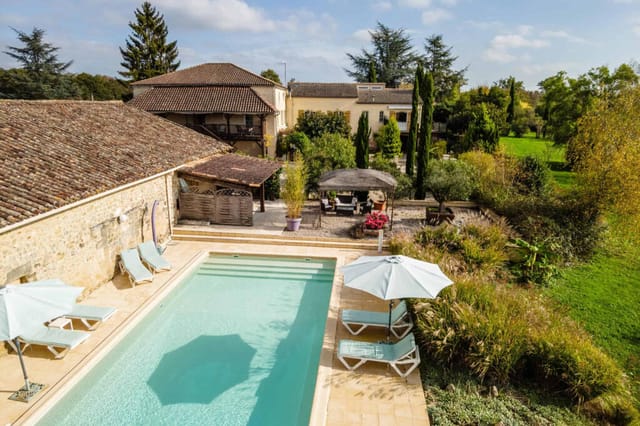
On a still Sunday morning in Madiran, the only sounds are birdsong and the faint clinking of bottles from the cooperative down the lane. You push open the kitchen's stable door, coffee in hand, and step into the front garden where the dew is still burning off the lawn. The wrought-iron gates at the end of the gravel drive frame a view of organic vineyard rows stretching toward the foothills. This is your house. It has been for two hours, and already it feels like it's been yours for twenty years. That sense of instant belonging is hard to manufacture — it comes from a place that has been genuinely lived in, loved, and brought carefully into the present without losing what made it worth loving in the first place. This five-bedroom Maison de Maître dates to the 18th century, and the current owners acquired it as a second home before it quietly became something they couldn't leave. After years of thoughtful restoration, they've handed over a property that's fully move-in ready: no compromise projects, no skeleton-in-the-wall surprises, just a grand French country house that works as well as it looks. The proportions alone would stop you in your tracks. An entrance hall at 18 square metres sets the tone — black oak staircase rising ahead of you, original tiled floors underfoot, beamed ceiling overhead. To the right, what the owners use as a study is actually a generous 25.5-square-metre room with a wood burner and double-aspect windows; put a bed back in it and you have a ground-floor guest suite in seconds. The lounge at the same square footage flows naturally into a 23.5-square-metre kitchen with fitted units, an island, plumbing for a dishwasher and washing machine, and that stable door that you'll leave open from April ... click here to read more

Picture 1

Sunday morning in Lunigiana has a particular quality of stillness. You're standing on the panoramic terrace with a coffee, watching the morning mist lift off the valley below, and the only sound is the occasional clink of the wind chime near the pergola. This is the unhurried version of Tuscany that most visitors never find — not the tour-bus Tuscany of Siena and San Gimignano, but the raw, green, slightly medieval Lunigiana, where the Magra and Aulella rivers cut through chestnut forests and the villages still celebrate the Festa della Lumaca every summer like it's the most important event on the calendar. Because here, it is. This three-bedroom detached villa sits on a private hillside just outside Aulla, a small town in the northernmost tip of Tuscany where the region bumps into Liguria and Emilia-Romagna. The position is everything. Around 2,000 square metres of private grounds wrap the house, and the views over the valley are the kind that stop you mid-sentence when you step outside. Private, elevated, genuinely quiet — yet Aulla itself is a five-minute drive, the A15 autostrada puts La Spezia on the coast within 45 minutes, and Pisa's international airport is roughly 90 minutes south on the A12. The Cinque Terre? An hour by car, or take the train from Aulla's station directly to Monterosso and skip the motorway entirely. The house is arranged across two floors, and at 120 square metres it's the right size — generous enough for a family or a group of friends, compact enough that it doesn't become a maintenance project. Ground floor living revolves around a proper sitting room with a fireplace, the kind that earns its keep between October and March when Lunigiana gets cold and moody in the best possible way. The ki ... click here to read more

Picture 1

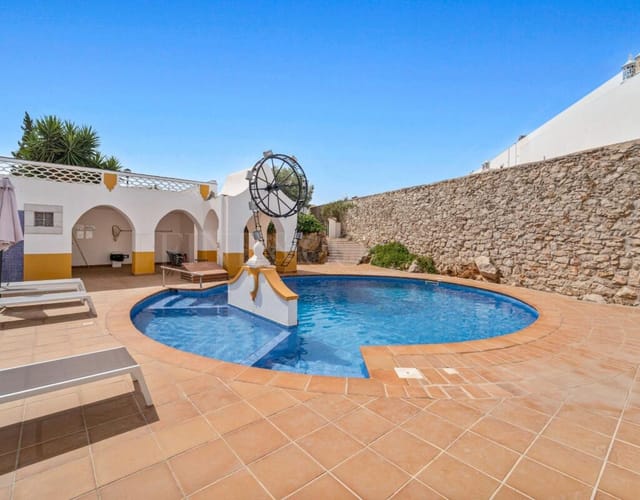
Step outside on a January morning and the air is already warm enough to take your coffee on the terrace without a jacket. The mountains behind Estepona are still catching the low winter light, the sea is a flat silver line on the horizon, and the automatic awnings are rolled back to let every bit of it in. This is what it actually feels like to own a ground-floor corner apartment at Los Flamingos Golf Resort — not a weekend escape, but a second life running in parallel with your real one, ready whenever you are. The apartment sits within the gated Four Seasons community at Los Flamingos, one of the most consistently sought-after addresses on the Costa del Sol. Corner position matters here. It means the private garden wraps around more of the property than a standard unit, the south-facing terrace catches sunlight from mid-morning until sunset, and there are no immediate neighbours crowding in from two sides. The views from that terrace — a layered panorama of the Sierra Bermeja foothills sweeping down toward the Mediterranean — are not the kind that appear in every listing on this stretch of coast. They earned their own paragraph. Inside, 162 square metres have been laid out with a logic that rewards daily living rather than impressing on a show day. The entrance hall is practical without wasting space — fitted wardrobes, a dedicated storage room — before opening into the living and dining area where a fireplace makes the room feel genuinely habitable in winter. Direct terrace access from the living room dissolves the line between inside and out in the warmer months. The kitchen runs along the front of the apartment with its own breakfast corner: not a token stool at an island, but a proper little nook where someone ca ... click here to read more

Picture 1

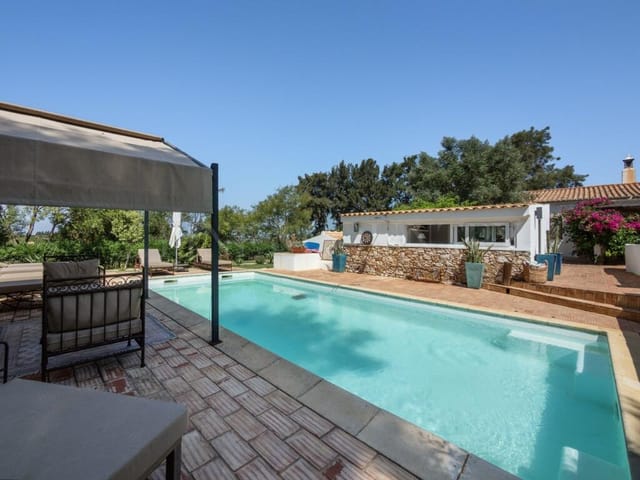
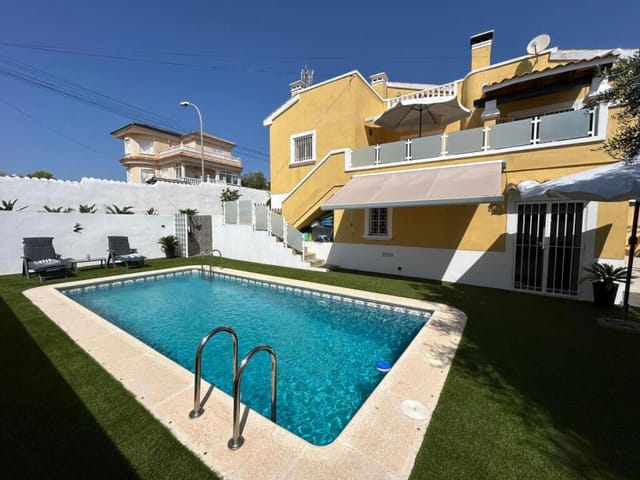
Step out onto the terrace at eight in the morning, coffee in hand, and the Mediterranean is already glittering in front of you. That's not a postcard. That's a Tuesday at this south-facing ground floor apartment in Torrevieja, one of the Costa Blanca's most liveable towns and a place that gets more than 320 days of sunshine a year. At 85 square metres inside, plus a terrace generous enough to fit a proper outdoor dining setup and a full outdoor kitchen with barbecue, this two-bedroom apartment punches well above its footprint. The layout is practical without being cramped—an independent kitchen that actually functions as a kitchen rather than a corridor afterthought, air conditioning throughout, fitted wardrobes in both bedrooms, a storage room, and the whole place handed over furnished and ready to use from day one. You won't spend your first weekend hauling flat-pack furniture from a car park. The communal area here is genuinely one of the best in the area. A large main swimming pool, a separate children's pool, a jacuzzi, manicured gardens, and broad shaded zones for lounging—this is not the tired, cracked-tile common area you find in many resorts. Residents actually use it. On summer evenings, there's usually the quiet murmur of a dozen conversations happening across the water, with the smell of sunscreen still hanging in the warm air. The south orientation means light floods every corner of the apartment from morning until the last of the evening sun. Sea views, open surroundings—no wall of concrete blocking the horizon—and the kind of quiet that only comes from a well-run private residential complex in a residential rather than tourist pocket of the city. Torrevieja itself is worth knowing better than its reput ... click here to read more
Picture 1

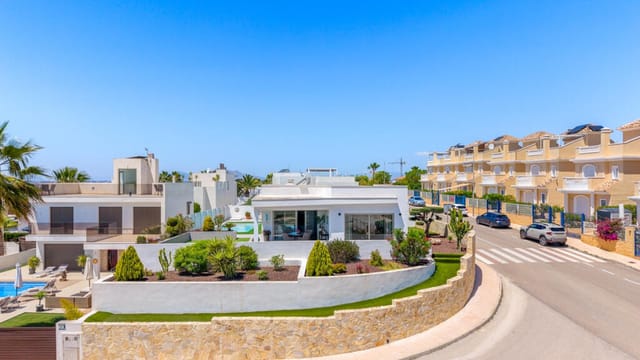
Step outside on a Saturday morning in late September, coffee in hand, and the beach is already there — Molinell Beach, just a three-minute walk from your front door, its wide sandy stretch almost entirely yours at that hour. The summer crowds have thinned, the light off the Mediterranean is golden and low, and from your rear terrace you can already smell the salt air mixing with whatever the neighbors are grilling. That's Oliva. Quieter than Dénia, less discovered than Valencia's city coastline, and in the view of anyone who's spent real time along this stretch of the Costa del Azahar, still one of the best-kept secrets on Spain's eastern shore. This three-bedroom chalet sits on a 217 square metre plot in one of Oliva's most coveted pockets — the low-density beach zone between the Molinell River and the Deveses Beach road. The house itself covers 78 square metres of interior space, a layout that's honest and liveable rather than overcrowded with rooms that nobody uses. Three bedrooms, each with fitted wardrobes. One full bathroom. An open-plan kitchen that flows into a living and dining area anchored by a wood-burning fireplace — which matters more than you'd think. Even on the Costa Valenciana, January evenings get genuinely cool, and there's something about eating beside a real fire with the winter quiet outside that makes a holiday home feel like an actual home. The two covered terraces — one at the front of the house, one at the rear — do a lot of the living for you here. The front terrace faces the street and catches the morning light. The back one is where you'll spend most evenings: the barbecue is there, the shade arrives early in the afternoon, and when the jasmine blooms in May and June, the whole corner of t ... click here to read more
Picture 1

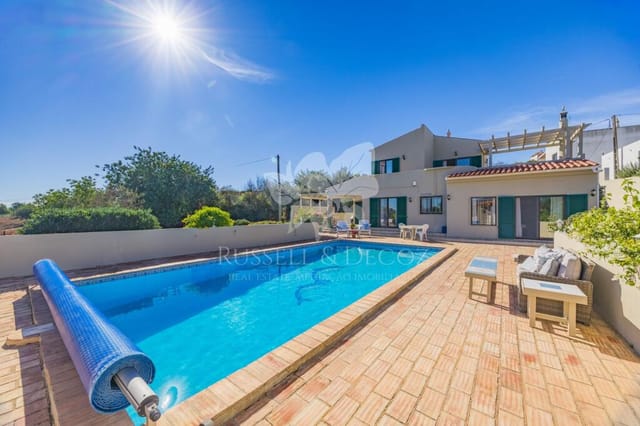
The first thing you notice on a Tuesday morning in Messines is the quiet. Not the absence of sound, but the right kind of sound — a rooster somewhere beyond the fig trees, the distant hum of a tractor on the next hillside, the faint smell of wood smoke drifting from a neighbor's chimney. You pour coffee, step out onto the terrace, and the Algarve countryside stretches out in front of you in shades of ochre and green. This is the version of Portugal that most tourists never find, tucked inland from the coastal circus, unhurried and completely, unapologetically itself. This four-bedroom villa sits on a generous plot just two kilometers from the center of São Bartolomeu de Messines, a proper working town where locals actually live year-round. No gift shops selling ceramic roosters. Instead, you get a covered municipal market hall where older women sell their homemade chouriço on Friday mornings, a cinema that still runs films in Portuguese, and at least three restaurants where a lunch of cataplana de marisco and a half-carafe of Alentejo red will leave you wondering why you ever lived anywhere else. The villa itself — 191 square meters of well-built, considered living space — is in genuinely good condition. Move in, settle down, start your Portuguese life. The layout works for a family: four bedrooms with the master suite occupying its own comfortable corner of the house, complete with en-suite bathroom and the quiet luxury of underfloor heating underfoot on cool winter mornings. The Algarve interior does get cold between December and February, and whoever designed this house knew it. The pellet burner in the living area handles the chill with a particular kind of warmth that electric heating simply can't replicate — that ... click here to read more
Picture 1

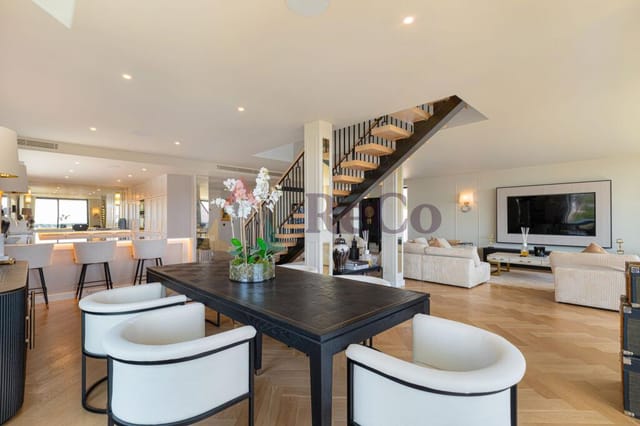
Stand on the top-floor master terrace on any given morning and the Mediterranean simply fills your entire field of vision. No rooftops in the way, no cranes, no clutter—just that deep Andalusian blue stretching south toward Africa, the kind of view that makes you forget you had emails to answer. This is El Paraiso, one of the most quietly self-assured addresses on the Costa del Sol, and this five-bedroom, 390-square-metre villa earns every inch of that postcode. El Paraiso sits in a gentle fold of hills between Estepona and Marbella, elevated just enough above the N-340 coastal road to catch sea breezes but close enough that the beach at El Paraiso Alto is a five-minute drive. The neighbourhood itself has the feel of somewhere that figured out a long time ago what it wanted to be: wide, tree-lined residential streets, mature gardens spilling bougainvillea over stone walls, the occasional clatter of golf clubs being loaded into a buggy. It's not a party town—Estepona's old quarter with its flower-pot-lined Calle Terraza and its Friday evening tapas crawl is fifteen minutes by car when you want it—but El Paraiso itself runs on a slower, more deliberate rhythm. That rhythm suits this villa perfectly. From the moment you walk through the front gate, the property announces itself through scale rather than ostentation. The driveway alone is wide enough to park several cars under cover, which matters more than you'd think when you're hosting the kind of summer gathering this garden was built for. The previous owners hosted a wedding here for 150 guests, and standing in the landscaped grounds, that doesn't seem remotely surprising. A central fountain anchors the garden layout, surrounded by mature trees that provide genuine sh ... click here to read more
Picture 1

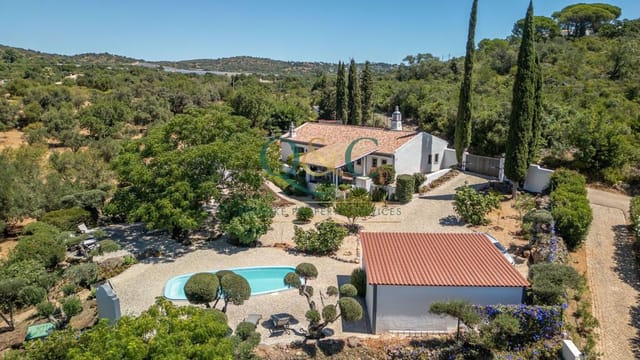
Step outside on a Tuesday morning in late June and the air already carries the faint sweetness of lavender baking in the sun. The pool is still, the awning is half-drawn over the terrace, and somewhere down the lane a neighbour is heading out with a baguette tucked under their arm. This is the daily texture of life in a quiet village on the edge of Carcassonne — unhurried, real, and surprisingly easy to make your own. This single-storey house sits at the end of a no-through road, which means the only traffic you'll hear is the occasional bicycle. The plot runs to 1,092 square metres, and the previous owners have clearly put years of thought into it. The Mediterranean garden is planted with drought-resistant species — rosemary, agapanthus, ornamental grasses — that look full and lush without demanding constant attention. Perfect for an international buyer who wants the garden to look after itself between visits. Three double bedrooms give the house real flexibility. There's also a study that functions easily as a fourth sleeping space — useful if you have visiting family or if you ever want to test the short-term rental market on platforms popular with travellers making the heritage circuit between Toulouse and the coast. The single shower room features an Italian walk-in shower, and there's a separate WC, which makes morning routines considerably more civilised when the house is at capacity. The open-plan kitchen and living area is the social engine of the home. On cooler evenings in October, when Carcassonne's famous Festival de la Cité has long finished but the Aude valley is still warm enough for a glass of Corbières on the terrace, this space pulls everything together. Air conditioning keeps July and August manage ... click here to read more
Picture 1

Step out onto the top-floor balcony on a Wednesday morning, coffee in hand, and you'll understand immediately why people buy property in this corner of Andalusia and never look back. The Mediterranean stretches out in front of you, flat and silver in the early light, with the coastline curving south toward Torre del Mar and the whitewashed silhouette of Benajarafe just visible below. Church bells roll up from the pueblo. The smell of orange blossom drifts in from the hillside. It's 9am, and the day hasn't even started yet. This three-storey townhouse in Chilches Pueblo sits on a quiet street in one of those genuinely unspoiled Andalusian villages that most tourists speed past on the A-7 without stopping. Their loss, your gain. Fully renovated across 80 square metres of usable space — spread intelligently over three floors — it's the kind of property that actually lives better than it looks on paper. The layout means you naturally move upward through the day, from the ground-floor garage and patio in the morning, through the bright living spaces in the afternoon, to that balcony for the evening sunset. Southwest orientation keeps natural light flooding through the house for the better part of the day. The kitchen on the first floor is properly equipped and genuinely independent — not an open-plan afterthought, but a real cooking space with access to a terrace that opens up over the rooftops toward the sea. That terrace changes everything. Breakfast there in October, when the air still carries summer warmth but the crowds have thinned right out, is the kind of simple thing that becomes the whole reason you bought the place. The first-floor also holds a large bedroom with wardrobe and a full bathroom with bathtub, giving ... click here to read more
Picture 1

You wake up to the kind of light that only exists in southern Andalusia. It comes in low and golden through the terrace doors, catching the water in the pool before the rest of the house is even awake. By the time the coffee is on, you're already outside — the air is warm, faintly floral, carrying something that might be jasmine or the eucalyptus from the hills behind La Cala. This is a Tuesday in October, and it feels like August anywhere else. This four-bedroom villa in Mijas Costa is the kind of property that earns its price through daily quality of life rather than flashy finishes. Sitting on a private 533m² plot with a south-east orientation, the house catches the morning sun from first light and holds it across the terraces well into the afternoon. From the elevated position, you can see the Mediterranean stretching out toward the horizon, with the greens of the surrounding countryside rolling away on either side. It's a view you genuinely don't tire of. At 267 square metres of built space, the layout is generous without feeling cavernous. The living and dining area has real breathing room — space for a family to spread out, or for a dinner party that spills naturally onto the terrace as the evening cools. The fully fitted kitchen handles everything from quick breakfasts before a beach morning to proper Andalusian meals: a slow pot of rabo de toro, fresh pescaíto from the market at Fuengirola, whatever the day calls for. A separate utility room means the kitchen itself stays uncluttered, which any frequent host will appreciate. The villa comes fully furnished throughout, so arriving feels like arriving somewhere that already knows you. Four well-proportioned bedrooms serve everything from a family base to a prop ... click here to read more
Picture 1

Seven in the morning, and the Mediterranean is already doing that thing where it looks like hammered silver from up here. You're standing on the rooftop solarium with a coffee, the air still cool before the Andalusian sun takes hold, watching a fishing boat trace a slow line toward Fuengirola. The mountains behind you catch the first light. Nothing moves in the garden below except the palms swaying in a whisper of coastal breeze. This is what a Tuesday feels like at this villa in Cerros del Águila. Positioned on an elevated ridge in one of Mijas Costa's most established residential communities, this three-bedroom, single-level villa sits on a 1,000-square-metre plot that drops visually straight into the sea. The renovation here wasn't a cosmetic refresh — every surface, every system, every detail was taken back and rebuilt to a standard you'd expect at twice the price. Marble floors run throughout. Underfloor heating covers the entire property including the bathrooms, which matters more than people think when October rolls around and the evenings get crisp. Electric blinds, double glazing, full alarm system, fitted wardrobes in every bedroom — the kind of infrastructure that makes a house actually liveable rather than just photographable. The living and dining space opens through wide sliding doors onto the main terrace, and the connection between inside and outside is so immediate that you stop thinking of them as separate spaces. The kitchen is fully fitted and faces the same view. Cooking dinner here while the sun drops into the sea is either going to make you very calm or very distracted — probably both. Each of the three bedrooms has its own en-suite bathroom. Two guest suites open directly onto the rear garden a ... click here to read more
Picture 1

Picture this: you wake up on a Tuesday in August, push open the bedroom shutters, and the first thing you feel is a dry coastal breeze carrying the faint scent of wild rosemary drifting down from the Serra de Llaberia. No alarm. No rush. Just the low hum of cicadas and the flash of morning light bouncing off the pool. This is ordinary life at Planas del Rey in Pratdip — a small, quiet residential enclave in the hills of Tarragona where the Costa Daurada's golden coastline sits just a short drive away and the rest of the world feels very, very far. Pratdip is one of those places that Catalonia locals know but rarely talk about too loudly. The village itself — with its medieval church, narrow stone streets, and the striking Pratdip Castle looming on the hillside — has the atmosphere of a place that time passed over gently rather than forgot entirely. On weekend mornings you might catch the smell of pa amb tomàquet being prepared at the small local bar, the Catalan ritual of bread rubbed with ripe tomato and olive oil that somehow tastes better here than anywhere you've tried it before. The market in Cambrils, just 25 kilometres down the coast road, draws serious food shoppers for its fish, local almonds, and carinyena wine from the Priorat DOQ — one of Spain's most celebrated wine regions, and it starts practically on your doorstep. The villa sits within a development made up entirely of detached homes — no apartment blocks, no shared lobbies, no elevator queues. Just freestanding houses on their own plots, spread across a quiet hillside community where the pace is set by the residents themselves. This particular property covers 125 square metres of living space, and the layout is genuinely well thought out. Three large ... click here to read more
Picture 1

Step outside just after sunrise, coffee in hand, and the only sound you'll catch is the low, rhythmic chorus of frogs from the lake—punctuated every so often by a bird you can't quite name. No road noise. No neighbors. Just 10.65 hectares of Algarve countryside wrapping around you like a slow exhale. This is what mornings look like here, and once you've had one, it's hard to imagine going back. The villa itself—277 square metres across the total estate, with the main house sitting at 215m²—was completely gutted and rebuilt in 2015. Not a light refresh. A full renovation, done properly, with underfloor heating, electric shutters, solar panels, and a design language that respects the rural setting without pretending it's a farmhouse from 1973. Open-plan kitchen and living room anchor the ground floor, and the fireplace there earns its keep from November through February, when evenings in the Algarve inland get genuinely cool and the scent of woodsmoke drifts through cracked-open windows. There's a second sitting room with a wood-burning stove—handy when one group wants to watch a film and another wants to read in quiet. Three bedrooms, each with its own en-suite bathroom. A guest bathroom on top of that, so four bathrooms total across the house. A laundry room. A double garage with an electric door, and a workshop out back for anyone who actually uses one. The garden is looked after—fruit trees, flowering beds in colour from spring onwards, a proper BBQ zone, and shaded leisure corners that make Portuguese summer heat manageable. The swimming pool is large, positioned to catch full afternoon sun, and it overlooks the natural lake that sits on the property. That lake is the detail people always stop at when they see the l ... click here to read more
Picture 1

Picture waking up on a Saturday morning to absolute quiet — no traffic, no sirens, just the soft chorus of birds drifting through the timber-framed terrace doors and the smell of coffee rising from a kitchen that somehow manages to feel both industrial and utterly at home. That's a regular weekend at this former dairy in Firbeix, a small, unhurried village in the northern Dordogne where the pace of life is set by the seasons, not the clock. This is not a typical holiday home in France. Not even close. Over 300 square metres of converted space — once used to house cattle and process milk — has been rethought entirely, from the concrete floors to the soaring ceilings, into one of the most genuinely distinctive live-work properties in Aquitaine. The transformation took patience and a clear creative vision, and the result is something between a Manhattan loft, a Provençal farmhouse, and an artist's compound. Except it's in the Dordogne. And it has a pond. Walk through the electric gates into the private courtyard and you immediately understand that something different is happening here. The building's exterior — honest, solid, with that particular kind of French agricultural permanence — hints at the scale inside without quite preparing you for it. The ground floor alone covers around 130 square metres of open workshop and studio space, flooded with natural light through large glazed openings. Right now it functions as an artist's workspace and gallery. But it could just as easily become a furniture-making atelier, a ceramics studio, an architect's office, a design showroom, or — for those who simply want space — a garage, games room, and workshop rolled into one. The ground floor also holds two double bedrooms, an office, ... click here to read more
Picture 1

On a Sunday morning in Fayence, the church bell at the top of the old village counts nine slow strokes, and they drift down through the lavender-scented air all the way to your terrace. Coffee in hand, you're looking out over a ripple of forested Provençal hills, the surface of the pool catching the early light. This is not a fantasy. This is a Tuesday in October, or a Thursday in June — this is just what life looks like when you own a converted stone sheepfold in one of the most quietly compelling corners of southern France. Fayence sits in the Var, roughly halfway between the bustle of Cannes and the rocky grandeur of the Gorges du Verdon. It's a perched village — the kind the Var does so well — with cobbled lanes climbing to a 15th-century church, a rotating cast of artisan markets, and restaurants that take their bouillabaisse and daube provençale seriously. The Tuesday and Saturday markets on the Place de la République pull producers from across the region: olives pressed in Draguignan, goat cheese from the farms above Callian, honey from hives in the Maures hills. You're not driving to a supermarket here. You're walking five minutes to fill a basket. That proximity to the village center is one of this property's quiet advantages. It reads as countryside — the greenery around it is dense and genuinely peaceful — but the boulangerie and the pharmacy and the small épicerie are on your doorstep. International buyers often underestimate how much this matters day-to-day when a property is used across long stretches of the year rather than just a single summer fortnight. The sheepfold itself is the real draw. Stone construction of this age and character is increasingly hard to find in good condition in the Var at this ... click here to read more
Picture 1

Step outside on a crisp October morning, coffee in hand, and count the olive trees. There are dozens of them, gnarled and silver-green, stretching across land that slopes gently toward a horizon of cork oaks and granite hills. That's Trás-os-Montes — literally "behind the mountains" — and this five-hectare farm just outside Mirandela is exactly the kind of place that makes people stop planning and start packing. Portugal gets a lot of attention these days, but most of it lands on the Algarve coast or Lisbon's tiled façades. Smart buyers are looking north and east, toward a region that still operates at its own unhurried pace. Trás-os-Montes has some of the country's most extraordinary landscapes, a cuisine built on smoked presunto, alheira sausage, and the rich olive oil pressed right here in this valley, and property prices that haven't yet caught up with the rest of the country. Not yet. The main house spans 240 square metres and is already in good condition — no gut renovation waiting to swallow your budget. Five bedrooms, four bathrooms, three of which are full ensuite suites, and air conditioning throughout, so the 30-plus degree summers of the interior are genuinely comfortable rather than something to endure. The architecture is solid and regional: thick walls that keep rooms cool in August and hold warmth in January, when the almond trees are just beginning to push out their first pale blossoms. What separates this property from a standard rural home is everything built around it. There's an independent 60-square-metre apartment — a living room, kitchen, and ensuite suite — that functions as a completely self-contained unit. Rent it year-round, house family when they visit, or use it as a quiet work retreat. ... click here to read more
Picture 1

Sunday morning in the Dordogne has its own particular tempo. The village baker pulls fresh pain de campagne from a wood-fired oven while mist still hangs over the sunflowers, and from the broad covered terrace of this house you can hear almost nothing except birdsong and the occasional rustle of wind through mature fruit trees. That quiet is not accidental — it's the whole point of owning a place like this. Built in 2001 to a single-storey design that is genuinely rare at this price point in the Dordogne, the house sits on 1.3 hectares of established grounds just outside a village you can walk to in under ten minutes. The scale is immediately striking: 259 square metres of living space all on one level, with an open-plan main living area that feels airy and connected rather than chopped into smaller rooms. High ceilings, aluminium double-glazed windows and PVC shutters keep the summer heat manageable and the winter evenings warm — though the underfloor heating (on its own circuit, separate from the radiator system) handles the colder months with quiet efficiency you won't notice until you're barefoot in January, perfectly comfortable. The kitchen and utility setup deserve a proper look. There's a spacious utility room that functions as a rear kitchen, directly attached to a double garage — so arriving after a long drive from Bergerac airport with a car full of luggage, wine, and groceries from the Bergerac Saturday market is genuinely painless. Additional covered parking for four cars means guests, extended family, or a second vehicle never create a logistical puzzle. The instant hot water system throughout the house is one of those touches you only appreciate once you've owned a property that didn't have it. Four bed ... click here to read more
Picture 1

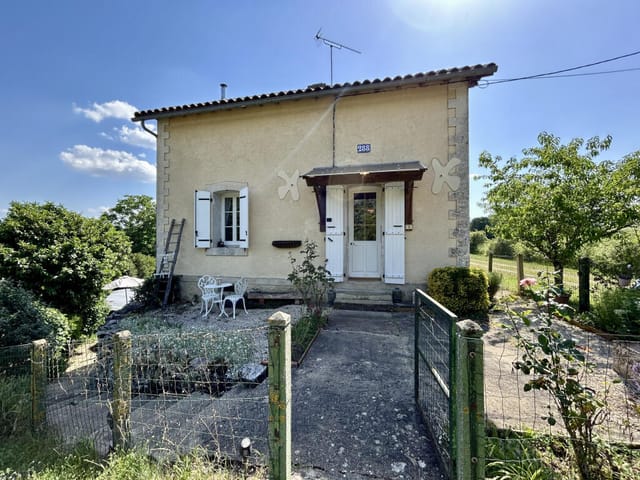
Picture this: it's a Tuesday morning in late June, the kind of warm, slow morning that only seems to happen in southwest France. You're standing on the covered terrace with a coffee, watching the light ripple across the pool through a gap in the trees. The nearest neighbor is far enough away that all you can hear are birds and the occasional tractor somewhere beyond the tree line. No traffic. No noise. Just a 119-square-meter house that's entirely yours, on a generous 2,940-square-meter plot that feels like the rest of the world forgot to find it. That's the daily reality of this well-kept three-bedroom home on the edge of Parthenay, a medieval market town in the Deux-Sèvres department that most international buyers still haven't discovered — which is precisely why the value here is so compelling. Parthenay itself deserves a closer look. The old town is strung along a rocky spur above the Thouet River, with ramparts and a 13th-century gatehouse you walk through to reach the main street of half-timbered houses. Every Wednesday, the weekly market fills the lower town with market gardeners from the surrounding bocage countryside, selling goat's cheese from Poitou, Charentais melons, Mogette beans — a white bean so tied to the region it has its own festival. The town is lively but never loud, the kind of place where you'll quickly learn the name of the baker at Le Fournil and know which café terrace catches the afternoon sun on the Place du Drapeau. The house itself was built in 2006, which matters more than it might sound. You're not buying a money pit wrapped in old stone charm. The structure is solid, the systems are modern, and the current owners have kept on top of every update that counts. The heat pump powering the ... click here to read more
Picture 1

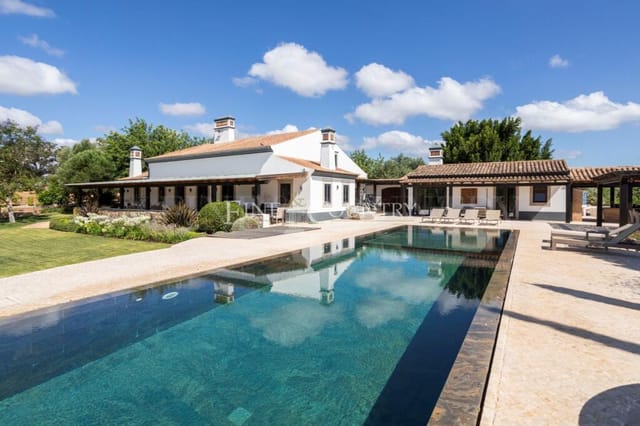
Step out onto your top-floor balcony on a Tuesday morning and you'll understand immediately why people who visit Tavira rarely leave without plotting their return. The Gilão River moves slowly below you, catching the early light in that particular gold way it does between February and November. A fishing boat putters past. Church bells from Santa Maria do Castelo drift over the rooftops. The smell of tosta mista and bica from the café downstairs — your café, as it happens — rises through the old stone walls of the building you now own. This three-storey waterfront property is one of those rare finds that rewrites the rules of what a second home or holiday residence can be. It sits directly on Tavira's riverside promenade, facing the Gilão, with the Roman bridge visible from the front windows and the ferry dock to Ilha de Tavira a four-minute walk away. It's a proper townhouse, not a conversion, not a renovation project — three floors of thoughtfully maintained space with a functioning commercial operation on the ground floor and a generous private duplex above. The ground floor runs as a boutique café right now, and it's easy to see why. Outdoor tables along the waterfront terrace fill up most mornings without much effort from an owner; this stretch of the Rua José Pires Padinha is the kind of address that does a lot of the work for you. The interior has a kitchenette, indoor seating, two separate WC facilities, and a storage room. It's compact and efficient. But it doesn't have to stay a café. The layout adapts well to a wine bar, a small retail space, a gallery — Tavira draws a particular crowd of architecture tourists and slow-travel visitors who actually spend money on things that aren't fast food. Whatever directi ... click here to read more
Picture 1

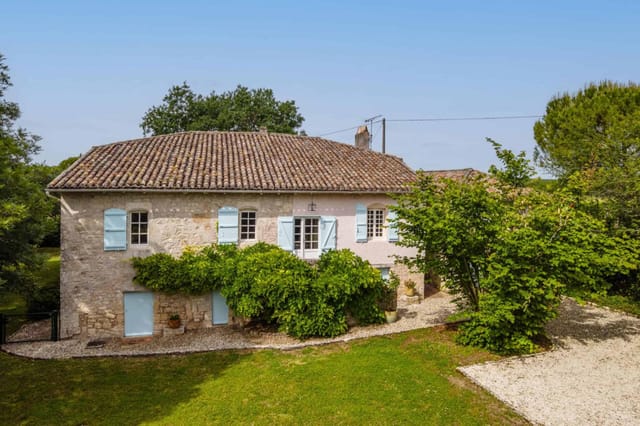
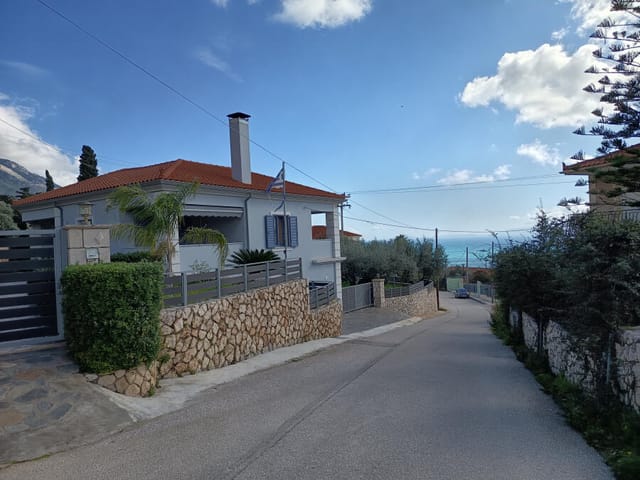
On a Sunday morning in late spring, you open the French doors off the ground-floor bedroom and the smell of cut grass and warm stone drifts in from the south-facing terrace. Somewhere down the lane, a rooster is doing his thing. The kitchen is already flooding with light—it faces south too—and you're standing there with a coffee, looking out at the enclosed garden, thinking this might be the most at ease you've felt in years. That's the rhythm this place puts you in. This authentic 19th-century Touraine farmhouse sits just outside the village of La Croix en Touraine in the commune of Bléré, right in the heart of the Indre-et-Loire department. It's the kind of address that means nothing until you visit and then means everything. The Loire Valley isn't a backdrop here—it's your actual life on weekends and summers. The house itself is honest and well-kept. Roughly 149 square metres spread across the main building, with a layout that's been thoughtfully configured for real living rather than a developer's floor-plan fantasy. Step through the entrance hall and you're immediately in the thick of it: a large fitted kitchen that flows straight out to the terrace, a cathedral-ceilinged living and dining room of around 40 square metres with original exposed beams, stone walls, parquet floors, and a wood-burning stove that pulls its weight every autumn weekend. The proportions feel generous without being cavernous. In winter, that stove throws enough heat to make the whole ground floor feel like you pulled the house around you like a blanket. The ground floor also includes a bedroom with its own French doors—convenient for guests or for those mornings when you want to slip outside before anyone else is awake—plus an office, a ba ... click here to read more
Picture 1

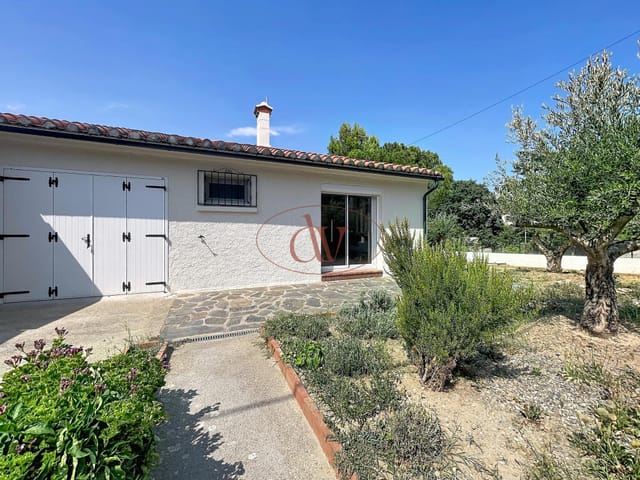
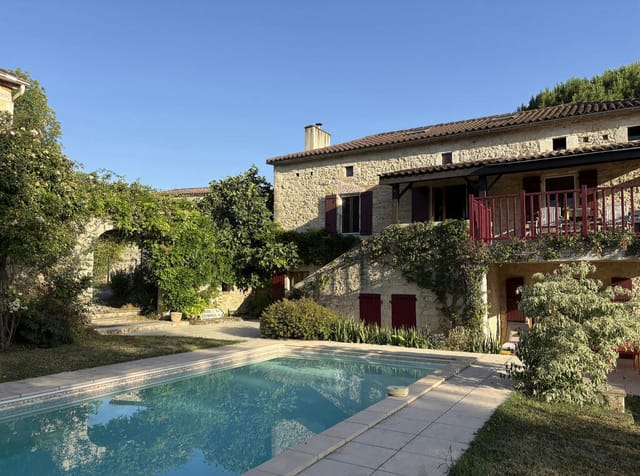
Step outside on a Tuesday morning and the air already smells of lavender and warm stone. The garden — your garden — has rosemary bushes that brush your ankles as you walk to the terrace, and if the wind is right you can just make out the faint outline of the Pyrénées to the south. This is the Razès. Quiet, green, and stubbornly off the tourist radar. That's precisely why it works. Built in 2022, this three-bedroom bungalow in Mazerolles-du-Razès sits on a fully fenced plot in a rural pocket of the Aude département where the pace is measured by seasons rather than schedules. It's move-in ready — genuinely, not as a marketing convenience. There's no work to be done, no contractor to chase, no compromises to negotiate. The ten-year structural warranty still runs. Energy class A means the bills stay low even in the depths of January, and the thermodynamic water heater handles hot water without fuss. The 86 square metres of living space are arranged sensibly: an open-plan kitchen and living room lit by a south-facing bay window that pulls afternoon sun deep into the house, three bedrooms that sleep a family or host guests without anyone tripping over anyone else, and a bathroom with both a bathtub and walk-in shower — a detail that matters more than people admit when you're sharing the place with children or staying for a month rather than a weekend. There's a separate toilet, a pantry for proper storage, and a 16-square-metre garage for the car, the bikes, or whatever project you've been putting off. Outside, the tiled terrace is large enough for a proper table, a few chairs, and the kind of long lunches that stretch into early evening. The landscaping was done with a light hand and good sense: olive trees, almond, lavend ... click here to read more
Picture 1

Picture this: it's a Tuesday morning in July, and the only sound you can hear from the kitchen window is a woodpigeon calling somewhere beyond the garden's old stone wall. The coffee is on, the air smells faintly of cut grass and warm limestone, and by ten o'clock you could be sitting under the covered barn with a glass of Pineau des Charentes, watching swallows loop over your one-acre plot. This is life in Juignac — unhurried, deeply rural, and more alive than you'd expect from a village this quiet. Juignac sits in the soft green heart of the Charente, one of those parts of southwest France that most visitors drive through on the way to somewhere else. That's precisely the point. About five kilometres from the market town of Montmoreau-Saint-Cybard, you're close enough to pick up fresh bread from the boulangerie on the Grand-Rue and have a long lunch at one of the restaurants along the main square, but far enough from any tourist circuit that life moves at a pace you set yourself. The Charente itself — the river, not just the département — winds through this landscape, and the whole region has this quality of gentle abundance: sunflowers in August, walnuts in October, fog rolling low over the fields in November before the winter sun burns it off by midday. This house has had a serious second life. Since 2020, it's gone through a thorough, considered renovation — not a cosmetic refresh, but a genuine transformation. The approach was smart: instead of stripping out every trace of its rural Charentais character, the renovation leaned into it. Exposed stone sits alongside a fully equipped contemporary kitchen. The result is a home that feels like it has always belonged here, but functions with the efficiency of something ... click here to read more
Picture 1

Early on a Saturday morning in late April, you open the kitchen door and step out onto the terrace. The air smells of wild rosemary and the faint salt drift coming off the Ria Formosa, two kilometres away. A hoopoe calls from somewhere in the garden. The coffee is still brewing inside. This is the unhurried tempo of life near Tavira — and this three-bedroom villa puts you right at the centre of it. Tavira doesn't shout. That's precisely what makes it one of the Eastern Algarve's most quietly compelling towns. While the western Algarve has spent decades catering to the package-holiday crowd, Tavira held its ground. The Roman bridge still arches over the Gilão River. The twin-towered Igreja de Santa Maria do Castelo still chimes the hours. The tiled facades on Rua da Liberdade still gleam white and cobalt in the afternoon sun. It's a working Portuguese town first, a destination second — and that order of priority is exactly what draws international buyers who want something real. The villa sits in a calm residential pocket just outside the town centre, close enough that you can cycle to the riverside market on a Tuesday morning and be back before the pool heats up, yet far enough that the view from your balcony is pure nature reserve. The protected landscape of the Ria Formosa Natural Park rolls out to the south, an ever-shifting canvas of wetland channels, maritime pine, and on clear winter days, the low Atlantic light that photographers cross continents to chase. Inside, 185 square metres have been laid out with a clear sense of how people actually live. The living and dining room is the heart of the house — generous, south-facing, and anchored by a newly installed wood-burning stove that changes the character of the ... click here to read more
Picture 1

Stand on the south-facing terrace at eight in the morning, coffee in hand, and the Pyrenees are right there — a pale blue wall of peaks stretching across the horizon while the rest of the Malepère valley hums quietly below. No traffic, no neighbors pressing in. Just the sound of cicadas warming up for the day and the faint smell of sun hitting dry stone. This is what you came to France for. Set in the village of Cailhau in the Aude département of Languedoc-Roussillon, this four-bedroom single-storey villa sits on over 3,500 square meters of private land with that uninterrupted panoramic view of the Pyrenees as its constant backdrop. At 124 square meters of living space across one level, the layout works effortlessly — no stairs, no awkward split levels, just an honest, well-organized home that's genuinely move-in ready. The heart of the house is a 50-square-meter south-facing living area that pulls together a lounge, dining room, and fully fitted open-plan kitchen. In a region where the sun shows up reliably from April through October, orientation like this matters. Natural light tracks across the room through the day, and with the solar-powered electric roller shutters programmed to close automatically as temperatures climb, the interior stays cool even during August when the thermometer pushes past 35°C. The reversible air conditioning handles the remaining edge cases. This is a house that has been thought through by someone who actually lives in Languedoc summers, not just designed for a sales brochure. Three of the four bedrooms sit comfortably in the 12–14 square meter range, each fitted with built-in wardrobes. The fourth is a solid ten square meters — smaller, but still useful as a home office, children's room, ... click here to read more
Picture 1

On a clear morning, you can stand on the terrace with a coffee and watch the light shift across the Gulf of La Spezia—the water catching silver between the headlands, Portovenere in the far distance, the hills dropping in ridges toward the coast. Church bells from the village below drift up before nine. The wood-fired pizza oven in the kitchen is still warm from the night before. This is the kind of Tuesday you've been daydreaming about for years. Calice al Cornoviglio sits in the Ligurian hills at the precise point where the region folds into Tuscany, and that borderland quality defines everything about it. The air smells of pine resin and wild rosemary. The village itself is unhurried—there's a bar where the same men have been drinking espresso at the same hour for decades, a small shop that stocks far more than you'd expect, and a public pool with a view that would cost a fortune at any resort. A restaurant one kilometer down the lane does a ribollita that makes you reconsider every bowl of soup you've ever eaten. The community is tight-knit in the way that only small hilltop villages manage to be, and newcomers who put in the effort are genuinely welcomed. The house itself is spread across three floors of beautifully renovated stone, 174 square meters in total, and it carries the weight of its past lightly. Ground floor: a vaulted cantina—the real thing, not decorative—plus a storeroom, bathroom, and an open-plan kitchen and dining space anchored by exposed stonework walls and a wood-fired pizza oven built into the stone. It's the kind of kitchen that makes cooking feel like an event. Up to the first floor and the split-level living room opens outward—fireplace on one side, terrace on the other, panoramic views in ... click here to read more
Picture 1

On a clear morning, you push open the shutters of the upstairs bedroom and the Apuan Alps are just there — close enough that you can trace the ridgelines with your finger, white-tipped in winter, darkly forested through July and August. The smell drifting up from the kitchen is coffee, and somewhere below the terrace an olive grove is already warm in the early sun. This is your Tuesday. Imagine your Saturday. Sitting at the end of a quiet lane outside Aulla in the Lunigiana corner of Tuscany, this two-bedroom, four-bathroom stone villa sits on four hectares of land — olives, fruit trees, vines — and feels genuinely removed from the world while remaining surprisingly easy to reach. It's the kind of property that gets into your head the first time you visit and doesn't leave. The house itself has the bones that matter. Thick stone walls keep rooms cool well into the afternoon heat of August. A wisteria-covered portico frames the entrance, and inside, the living room pivots around an impressive stone fireplace that earns its keep from November through March. The kitchen-dining room has marble surfaces and a marble sink — not an affectation, just the way kitchens were built here, and still the best material for rolling pasta dough. There's a utility space tucked out of sight with a washing machine, a ground-floor WC, and a separate ground-floor room — flooded with light on three sides — that opens directly onto the garden and has its own ensuite shower. Upstairs, two double bedrooms each have their own ensuite facilities: one with a bath, one with a shower, both with air conditioning for the peak summer weeks. The first bedroom steps out onto a large terrace where those mountain views hit you full in the face. Every room i ... click here to read more
Picture 1

Stand on the sun terrace on a clear January morning and you can see all the way to the Atlantic. Not a glimpse—a full blue stripe of sea sitting low on the horizon, framed by rolling hills stitched with carob and olive trees. This is São Brás de Alportel, the Algarve's quiet, unhurried interior, and from this elevated plot four kilometres south of the town centre, that view is yours every single day. The villa sits on 1,401 square metres of gently sloping land, far enough from the coast road to feel genuinely private but close enough to the beach that you won't need to plan around it. Twenty minutes to Meia Praia or Garrão. Fifteen to the Thursday market in Loulé where farmers sell figs still warm from the tree. Five minutes to the padaria on Rua Dr. João Dias where they pull trays of fresh broa from the oven before 8am. This is not a holiday-brochure version of the Algarve. It's the real one. At 252 square metres across two floors, the house is generously sized—a fact that becomes obvious the moment you step into the ground-floor living and dining room. It's big enough to host a long family lunch without anyone feeling crowded, anchored by a wood burner that earns its keep on crisp February evenings when the serra cools sharply and the valley below fills with a thin morning mist. The kitchen runs off to one side, fully equipped with a pantry that solves the eternal problem of too many tins of Portuguese tinned fish and not enough cupboard space. A third bedroom on this floor does current service as a home office—practical if you plan to split time between here and elsewhere, or ideal as a guest suite for the friends who will, inevitably, want to visit once word gets out. The patio doors off the living area are the ce ... click here to read more
Picture 1

You wake up to silence. Real silence — no traffic, no neighbours too close, just the dry warmth of an Algarve morning pushing through the shutters and the faint smell of wild rosemary rising off the hillside below. This is what São Brás de Alportel feels like before the rest of the world gets going, and from this four-bedroom country house on its outskirts, you get that feeling every single day. São Brás de Alportel sits in the Barrocal, the limestone inland strip between the Algarve coast and the Serra do Caldeirão mountains — and it's one of the least discovered corners of southern Portugal. That's not a flaw. It's the whole point. The town itself is compact and deeply local: a main square where old men argue over espressos at Café Garrett in the morning, a weekly market on Saturdays where you'll find the season's best blood oranges and medronho brandy from the hills, and the Museu do Traje — a folk costume museum tucked into a former cork baron's mansion — that quietly explains how this region made its money for two centuries. The streets smell like charcoal smoke in winter and jasmine in summer, and almost nobody speaks at you in English unless you start it. The house sits roughly ten minutes outside town on a generous 1,016 square metre plot, with unobstructed views across the rooftops of São Brás and out to the layered ridges of the Caldeirão range beyond. On clear days — and there are a lot of those, given the Algarve logs around 300 days of sunshine annually — the view runs so far east it almost reaches Spain. The plot itself gives you room: space for a swimming pool at the back, a proper kitchen garden if you want one, and a garage that could double as a workshop or storage for bikes and gear. At 140 square m ... click here to read more
Picture 1

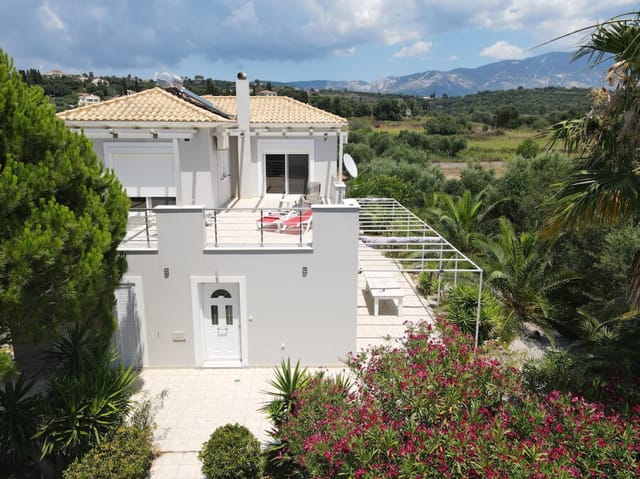
Step out onto the first-floor balcony just after sunrise and the Ionian Sea catches the light in a way that makes you forget what day it is. That's what mornings look like at this two-bedroom villa in Minies, a quietly residential pocket of Leivathos on the southwest side of Cephalonia — one of Greece's most underrated islands, and one that locals would rather keep that way. The house sits on 720 square metres of private land with a western orientation, which means evenings here are something else entirely. Sunsets over the open horizon turn the pool water into hammered copper. The garden smells of jasmine and warm stone. If you've been searching for a vacation home in Greece that genuinely feels like it belongs somewhere rather than built for a catalogue, this is worth your full attention. At 102 square metres across two floors, the layout is clever without being fussy. Downstairs — 52 square metres — the living room is generous, centred around a fireplace that earns its keep in the mild Cephalonian winters and makes the space feel lived-in rather than staged. The kitchen is fully equipped and opens directly to the dining area; the whole ground floor flows straight out to the garden and the pool deck, which is exactly how it should work in this climate. There's a guest WC on this level too, so the upstairs bedrooms stay private when you have friends over for an afternoon swim and a late lunch at the outdoor dining table under the pergola. Up the internal staircase, both bedrooms have their own en-suite bathrooms — a detail that matters enormously when you're renting the property out or hosting family across different age groups. Both rooms open onto balconies with those views: wide, unobstructed, facing open sky and ... click here to read more
Picture 1

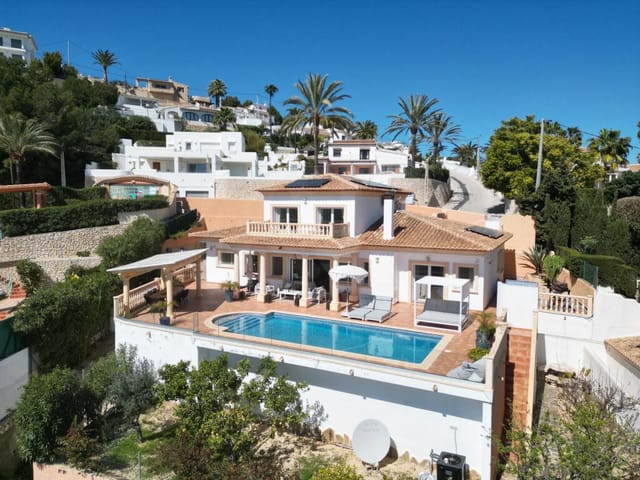
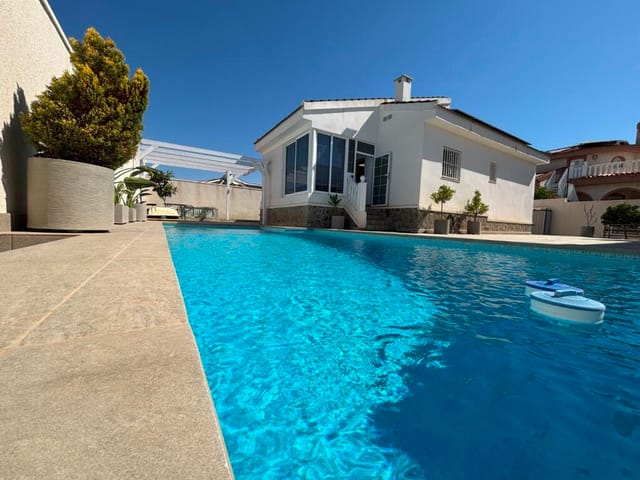
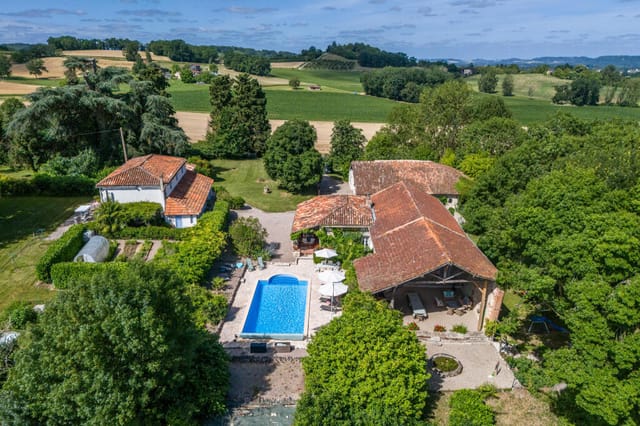
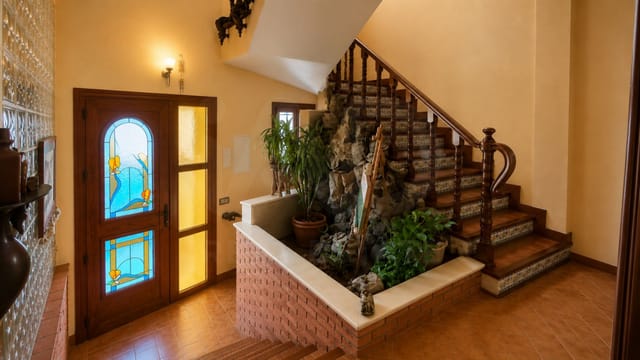
Early morning on the Livathos hillside, before the August heat sets in, the air smells of wild thyme and jasmine baking together in a way that simply doesn't exist anywhere else in Greece. You step out through the patio doors of the ground-floor bedroom, coffee in hand, and the Ionian Sea is right there — shimmering and impossibly blue between the cypress trees, stretching all the way to the shadow of Zakynthos on the horizon. This is the kind of moment that makes people buy property in Cephalonia and never quite get over it. This three-bedroom villa in Svoronata sits on a peaceful hillside on the edge of the village of Sarlata in the Livathos region, one of the most sought-after pockets of the island's southern coast. At 120 square metres across two floors, the house is genuinely practical — big enough for a family or group of friends, compact enough to lock up and leave without anxiety. It was built in 1998 and is in good, move-in ready condition, fully furnished and equipped so you could conceivably fly in on a Friday evening and be having a poolside dinner by Saturday night. The private swimming pool is the heart of outdoor life here. Surrounded by bougainvillea in shades of magenta and purple, and bordered by a broad sun deck with proper lounging space, it's where most of your Cephalonian days will actually happen. The traditional brick barbecue beside it has clearly earned its keep over the years. A shaded front terrace catches the sea breeze through the hottest part of the afternoon — genuinely useful between about two and five in July, when the sun is serious. Inside, the ground floor opens into a living and kitchen space that's designed for real use rather than photography. The wood-burning fireplace becomes ... click here to read more
Picture 1

Stand on the south-facing terrace on a July morning and you'll understand immediately why people come to Sarlat-la-Canéda and never quite manage to leave. The medieval rooftops fan out below you, the limestone towers catching the early light while the smell of bread from the boulangerie on the Rue de la République drifts up through the garden's mature oak and walnut trees. Five minutes on foot and you're in the middle of one of France's most intact medieval town centres. But here, behind the solid stone walls and wooden shutters of this 260-square-metre residence, you have your own sanctuary above it all. This is a proper Périgord Noir stone house — the kind with walls thick enough to keep the interior cool through August's heat without much help, built with the kind of care that simply isn't replicated today. The wrought-iron staircase rising from the marble-floored entrance hall is the first clue that this house was built to last and to impress. The ground floor's solid oak front door opens onto an entrance hall of 16 square metres, and the sense of scale only grows from there. One of the most practical — and genuinely rare — features here is the self-contained ground-floor apartment with its own garden entrance. It has a combined living, dining and kitchen space, a bedroom, and a bathroom, all accessed independently from the main house. The implications for international buyers are significant: rent the apartment year-round through a local agency while you use the main house during summer, or house a family member, a caretaker, or seasonal guests without any awkward sharing of space. Properties in Sarlat with this kind of built-in flexibility at this price point are not easy to find. Upstairs, the first floor is wh ... click here to read more

Picture 1

On a clear morning in Laurens, you open the bedroom shutters—electric, silent—and the air that comes in smells like sun-warmed garrigue and something faintly floral from the vines on the hillside. The village below is just waking up. A motorbike passes the café. That's about as busy as it gets. This is life in the Hérault heartland, and if you've been looking for a second home that delivers genuine southern French countryside without the tourist-trap prices of Provence, this four-bedroom villa might be the answer you didn't know you were this close to finding. Built in 2010 on the edge of Laurens—a compact stone village in the Faugères wine appellation—the property sits on a generous plot with uninterrupted views across the vines and rolling hills that define this stretch of Languedoc-Roussillon. It's not ancient, and that matters. The bones are solid, the design is contemporary bastide: clean lines, generous proportions, Mediterranean palette, none of the maintenance headaches that come with centuries-old stone. In good condition throughout, it's the kind of place you can unlock on a Friday evening in July and be swimming before dark. Inside, the ground floor is organized around a large lounge and dining room with an open fireplace—the kind you'll actually use from October through April, when the Hérault evenings cool fast and the smell of woodsmoke drifts through the valley. The fitted kitchen comes equipped with the full complement: oven, induction hob, extractor, integrated dishwasher, even a built-in fryer for when you've come back from the Béziers market with a bag of local potatoes and some merguez. French doors open directly onto a wide terrace. Marble and travertine finishes throughout give the interiors a pol ... click here to read more

Photo 1

Sunday morning in Bergerac starts with the smell of fresh bread drifting up from the boulangerie two blocks away. You open the kitchen door onto the 17-square-metre terrace, coffee in hand, and catch the faint sound of the market vendors setting up along the Place de la Madeleine. That's the rhythm of life this house puts you inside — not on the edge of it, not behind glass. Right in it. This solid 1930s house sits a short walk from the old town centre of Bergerac, one of the most quietly rewarding towns in the entire Dordogne valley. The architecture still carries the bones of the interwar period — the proportions feel generous, the walls thick enough to keep rooms cool well into July — and recent upgrades have brought the practicalities firmly into the present. A newly installed heat pump, air conditioning, full double glazing, and a fitted kitchen mean you arrive and you live, rather than renovate and wait. The ground floor layout is genuinely sociable. The living room flows naturally toward the open-plan kitchen and dining area, which spills directly out onto the terrace. Summer evenings here have a particular quality: the Dordogne region holds its warmth well into September, and al fresco dinners under the fading light are less a special occasion than a Tuesday habit. The ground floor also holds a bedroom and shower room — useful for guests who'd rather skip the stairs, or for turning the upper floor into a private retreat when the house is full. Upstairs, two spacious double bedrooms and a dressing room give the house a flexibility that shorter-term rentals rarely achieve. There's room for couples, families, or the kind of extended-family gathering that the French countryside seems specifically designed to encou ... click here to read more

Picture 1

Sunday morning in Saint-Romain starts with birdsong and the faint smell of bread drifting over from Aubeterre-sur-Dronne, just a few minutes down the road. You slide open the glass doors onto the veranda, coffee in hand, and the pool catches the early light. The kids are still asleep. This is yours. That's the kind of morning this property delivers — not just once, but every time you pull up the drive. Tucked into a small hamlet in the Charente department of southwest France, this modern five-bedroom villa sits in one of the country's most quietly rewarding corners. Aubeterre-sur-Dronne is one of Les Plus Beaux Villages de France — that official designation handed to fewer than 160 communes in the entire country — and it earns it. The medieval church of Saint-Jean, carved directly into a cliff face, is the sort of thing that stops first-time visitors in their tracks. The weekly Saturday market along the main square fills with local cheeses, walnuts, honey from Périgord, and wine from the surrounding Charente vineyards. It's a ten-minute drive, and after a few visits you'll know half the stall holders by name. The house itself spans 234 square metres across three levels, and the layout is genuinely clever. The heart of the ground floor is a 57-square-metre open-plan living and dining area — properly open, the kind where a group of eight around the table doesn't feel cramped — with a sleek fitted kitchen that runs along one wall. No fussy cabinetry or dated tile splashbacks here. Clean lines, good light, and a design that invites cooking rather than just tolerating it. From this space, wide glazed sliding doors open onto a covered veranda that rivals the living room for sheer size, and from there the eye travels straigh ... click here to read more

Picture 1

On a still morning in Aveyron, you step out onto the upper terrace and the land just rolls away from you — four hectares of meadow catching the early light, no road noise, no neighbor's roof in sight, just the faint ring of cowbells somewhere in the valley below and the smell of cut grass warming up. That's the daily reality of this property outside Villeneuve, and it hits differently than any brochure photo can prepare you for. This is a genuine Quercy farmhouse that's been taken apart and put back together with real conviction. The bones are original — thick limestone walls quarried locally, timber beams that have been in place for well over a century — but the living spaces read as thoroughly modern. Not in a cold, minimalist way. In the way that good renovation always works: high ceilings kept tall, stone floors kept bare, and new elements like aluminum double-glazed frames and remote-controlled electric curtains added without apology. The old and the new don't fight each other here. They just coexist. The 250 square metres of living space is spread across three levels and ten rooms, which gives the house a generosity you feel immediately. The original billiard room, now used as the main dining room, has a ceiling high enough to fit a mezzanine above it — a genuinely rare feature that changes the atmosphere of an evening meal in a way that's hard to explain until you've sat under it with a bottle of Marcillac wine and candles going. The study overlooks the full extent of the property and opens directly onto the large terrace-roof above the ground-floor extension; on a clear day you can see the limestone causse in the middle distance and the wooded ridgelines beyond. It's the kind of room that makes you want to actu ... click here to read more

Picture 1

Sunday morning in the Loire Valley sounds like this: a wood-burning stove crackling under cathedral ceilings, the faint ring of church bells drifting across the fields from Amboise, and the smell of butter and stone that only old French farmhouses seem to hold. This is the kind of place you stop looking once you've found it. Built in the 19th century and sitting on an enclosed 398 square metre plot near the village of La Croix en Touraine, this authentic Touraine farmhouse carries the bones of its era without the headaches. The stone walls are still there. The exposed beams are still there. But so is a heat pump, a fitted kitchen, a 2022-built workshop, and south-facing terrace access from virtually every ground-floor room. It's been lived in properly, looked after, and it shows. Step inside and the ground floor sets the tone immediately. The kitchen opens directly onto the sunny terrace — the kind of layout that turns a Tuesday lunch into something you actually look forward to. The living and dining room runs to roughly 40 square metres under a genuine cathedral ceiling, with parquet underfoot and that wood-burning stove as the clear centerpiece. On cold January evenings when frost sits on the vines outside, this room earns its keep. A bedroom with French doors, a home office, a full bathroom with both bathtub and walk-in shower, and a utility room round out the ground floor — more practical square footage than you'd expect at this price point. Upstairs, two more bedrooms and a second WC occupy the attic floor. Above the living room, a mezzanine adds around 20 square metres of bonus space — a reading loft, a kids' sleeping area, a home studio. The property's 149 square metres in total include that vaulted cellar tuck ... click here to read more

Picture 1