Houses For Sale In Europe

Houses for sale in europe - homestra offers the largest amount of european real estate with over 200,000+ properties, find any type of property within your budget from villas to country homes. buy or rent your perfect home in europe.

On a quiet morning in the East Algarve hills, you open the bedroom shutters and the view hits you first — rolling countryside, cork oaks and carob trees stretching toward a horizon that has no buildings in it. Then the smell: citrus from the lemon trees below the terrace, warming up as the sun clears the ridge. This is Santa Catarina da Fonte do Bispo, a village that most Algarve visitors never find, and that is precisely the point. This five-bedroom villa sits on a 10,000-square-metre plot above the village, built in 2006 and maintained in genuinely good condition. The elevated position means the views are constant — from the kitchen while you make coffee, from the first-floor bedrooms, from the pool terrace where you'll spend most of your afternoons. At 182 square metres of living space across two floors, plus a separate annex and a converted studio, the property offers far more than the headline figure suggests. The ground floor is organized sensibly for family life or hosting: entrance hall, fitted kitchen, a living and dining room anchored by a fireplace with heat recovery system, two bedrooms, an en suite bathroom, and a separate bathroom. It works as a whole house for a couple and still has space left over. Go upstairs and the two further en suite bedrooms each open onto private outdoor space — a detail that sounds simple but in practice means two different guests can step out with their morning coffee without ever crossing paths. Both rooms look out over the countryside. Both rooms are quiet in a way that coastal Algarve properties, for all their appeal, rarely are. The front and rear terraces give you options depending on the season. Shade in July when the temperature in Tavira town is hovering at 35 degrees. ... click here to read more

Picture 1

Early on a Saturday morning in Goldra, the light does something particular. It arrives low and golden across the cork oak hillsides, catches the surface of the pool, and throws long shadows across the terrace before the rest of the world has bothered to wake up. You're sitting with a coffee, barefoot on warm stone, and the only sounds are birdsong and the faint hum of Loulé coming to life five minutes down the road. This is the daily opening scene at this three-bedroom villa in Santa Bárbara de Nexe — and it never really gets old. Set on a generous 1,880 square metre plot in the rolling inland hills of the Algarve, the property sits in that rare sweet spot that Algarve veterans know to look for: genuine countryside quiet, but nothing more than a short drive to everywhere you'd actually want to be. Almancil is fifteen minutes away. Faro Airport is twenty-five. The beaches of Quinta do Lago and Vale do Lobo — two of the finest stretches of Atlantic coastline in southern Europe — are close enough for a spontaneous afternoon run. From the elevated pool deck, the view rolls out across open countryside with no rooftops interrupting it. Privacy like this, at this price point and this proximity to the Golden Triangle, is not something you stumble across every week. The villa itself spans 190 square metres across two floors, and the layout makes sense immediately. Downstairs, the living and dining spaces connect naturally — the kind of open, social arrangement that works whether you're hosting a dinner for eight or just sprawled across the sofa on a slow Tuesday. The kitchen is fully fitted and functional, not just decorative. A separate TV lounge gives the ground floor a sense of flexibility that open-plan-only designs often s ... click here to read more

Picture 1

Some mornings you wake up to nothing but birdsong and the faint rustle of citrus trees outside the bedroom window. No traffic. No neighbors crowding the fence line. Just a wide Algarve sky turning gold over open countryside, and the soft shimmer of a saltwater infinity pool waiting for whoever gets there first. This is the daily reality at this four-bedroom single-level villa positioned between Silves and São Bartolomeu de Messines — a part of the inland Algarve that most tourists never find, and that residents quietly guard. The property sits on a flat 6,240 square metre plot. That's not a number to gloss over — it means genuine space to breathe. Room for a proper kitchen garden, a fruit orchard already in progress with mature trees, and wide green areas where children can actually run. The land has been kept in good condition without becoming a maintenance burden, which matters enormously for anyone managing a second home from abroad. Low-maintenance landscaping was clearly a priority here, and it shows. The villa itself is arranged entirely on one level, which makes it work equally well for families with young children, older parents visiting for extended stays, or simply anyone who finds the single-storey lifestyle easier and more liveable. The open-plan kitchen, dining and living area is the social engine of the house. Light moves through it throughout the day, shifting from the morning cool of east-facing windows to the warm afternoon glow that spills across the terrace. The indoor and outdoor spaces flow into each other without interruption — step out from the living area and you're already at the pool terrace, bar and outdoor kitchen, where an old bread and pizza oven sits ready for long weekend evenings with f ... click here to read more

Picture 1

Wake up on a Tuesday morning to absolute silence — broken only by the distant thwack of a club striking a ball somewhere across the fairway below. You pad out through the patio doors in bare feet, coffee in hand, and the Monchique mountains are already doing their thing: purple-grey in the early haze, shifting gold as the sun climbs. This is what a morning at this Estômbar villa actually feels like. Not a postcard. A habit you could get very used to. Sitting between two of the Algarve's most-played golf courses — Gramacho and Vale da Pera — the property occupies a quiet cul-de-sac on the edge of Estômbar, a village that most tourists speed past on the EN125 without a second glance. Their loss. The cobbled main square has a tasca where the owner still makes cataplana the old way, with clams brought up from Ferragudo's fishing boats that morning. On Sunday evenings in summer, locals drag chairs outside the church and the noise of a village actually living its life drifts across the hillside. The villa itself is 211 square metres of well-considered space, and the floor plan rewards you immediately. Step inside and the open-plan living area pulls you straight through toward the view — lounge, dining space, and kitchen arranged so that every room looks out toward the fairways and the mountains beyond. The log-burning fireplace anchors the winter months here beautifully. January nights in the Algarve can drop sharply, and there is something deeply satisfying about a real fire in a room that, twelve hours earlier, had the terrace doors thrown wide open. The kitchen is modern and properly equipped — not a cosmetic upgrade, but a space where you can actually cook. And in this corner of Portugal, that matters. The markets at La ... click here to read more

Picture 1

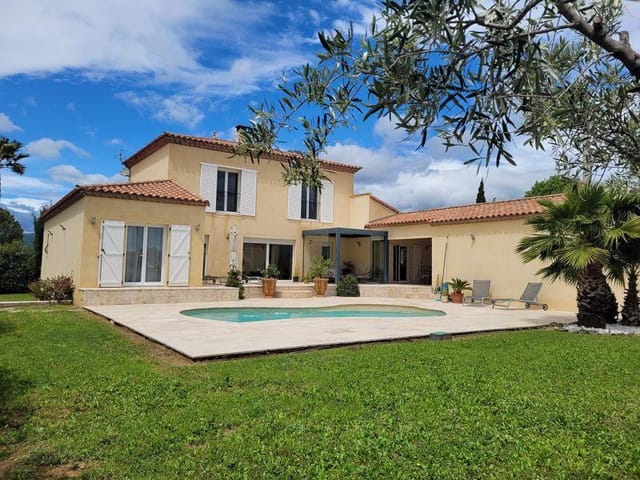
Sunday morning in Tavira has a particular kind of quiet. The bells from Igreja de Santa Maria do Castelo drift across the rooftops around nine, and from the upper terrace of this duplex, you can smell someone's padaria already at work somewhere on the cobblestones below. That's the kind of thing that makes people stop renting and start buying here. This three-bedroom duplex sits inside a private condominium of just 14 units right in the historic centre of Tavira — one of the eastern Algarve's most genuinely beautiful towns, and one that's managed to hold onto its soul in a way that Albufeira and Lagos haven't. The development is small by design, which keeps the communal areas — a proper swimming pool with changing room, shower, and WC, plus landscaped gardens — feeling like they belong to you rather than to a resort crowd. The property itself has barely been lived in since completion. That shows. The layout runs across two floors, and it works cleverly for a vacation home. Downstairs, the third bedroom operates equally well as a sitting room, home office, or private guest suite — it has its own bathroom and its own terrace, with direct access to the outside. Guests can come and go independently, which is exactly the kind of flexibility that makes a property like this earn its keep as a rental. Upstairs, the living and dining space opens up properly, with a fully fitted kitchen at the centre of it all. French doors lead out to the upper terrace, where a built-in barbecue and wood-fired bread and pizza oven sit ready for the kind of slow summer evenings the Algarve does better than anywhere. An external staircase connects both terraces so the whole outdoor area flows as one. The principal bedroom is en-suite, looks over ... click here to read more
Picture 1

Early on a Tuesday morning in Moncarapacho, the air smells of orange blossom and warm earth. You slide open the bedroom door, step onto the sun terrace in bare feet, and the only sound is birdsong and the distant clang of a church bell drifting over the rooftops from the village square. That's it. That's the whole agenda. This is what owning a vacation home in the Eastern Algarve actually feels like — not the polished brochure version, but the real, unhurried, slightly addictive version that brings people back year after year. This fully renovated three-bedroom villa sits on a quietly elevated plot just outside Moncarapacho, one of those authentically Portuguese inland villages that hasn't been sanded smooth by mass tourism. The weekly market on Rua da República draws locals picking through figs, smoked chouriço and hand-thrown ceramic bowls. The café by the church serves the kind of thick bica that ruins you for anything else. You can be there on foot in minutes. Then back in your private pool by ten. The property itself spans 175 square metres of single-storey living across a 3,200 square metre plot — so there's space to actually breathe. The 2024 renovation was thorough: new roof, new floors, new plumbing, new electrical systems, new windows. Nothing cosmetic about it. Over 33 photovoltaic panels feed a solar system that covers the household's energy demands and pushes surplus electricity back to the grid, which in Portugal means quarterly energy credits rather than bills. Underfloor heating and cooling runs through the entire house via a heat pump, backed up by Daikin air conditioning units in every room. In January, when the almonds are flowering across the Algarve and the nights drop to single digits, the villa s ... click here to read more
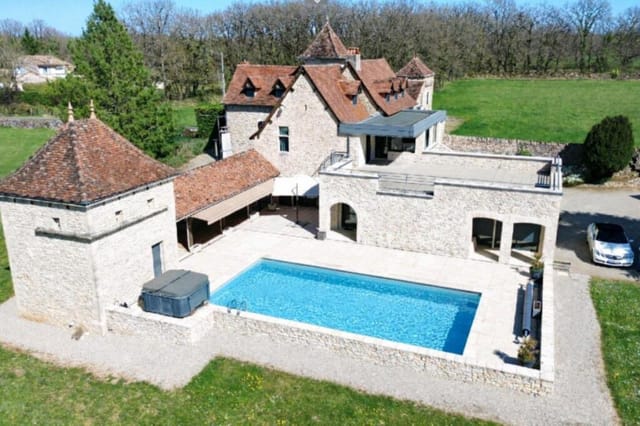
Picture 1

Stand on the south-facing terrace on a clear January morning and you can pick out the shimmer of the Atlantic somewhere beyond Faro, framed by row after row of limestone hills rolling away beneath you. The carob trees are absolutely still. There's no traffic. Just the occasional clink of someone raking gravel further down the plot, and the kind of quiet that people drive hours to find on weekends. This is Santa Bárbara de Nexe at its most honest — a hilltop village sitting above the Algarve's coastal circus, with all the beauty and none of the noise. This fully renovated three-bedroom villa sits on an 11,000 square metre plot on the quieter, elevated side of the village, set back from any through-road on a private approach with proper tarmac all the way to the gate. That last detail matters more than it sounds. Ask anyone who's spent an afternoon bouncing a rental car up a dirt track in the dark, trying to find a house number that doesn't exist — good access changes daily life here in ways that only become obvious once you've arrived. The plot itself is generous, genuinely private, and planted with mature olives and carobs that have been shading this land for decades. Gravel walkways wind between dry stone walls and drought-tolerant planting, and there's a kitchen garden already producing vegetables. The house itself was rebuilt from a traditional Algarve farmhouse and kept the bones that made it worth saving — whitewashed walls, pale blue window frames, a terracotta tiled roof — while adding a quality of finish inside that feels contemporary without being cold. The vaulted, beamed ceilings in the main living area are the first thing most people comment on. They give the open-plan kitchen, dining, and sitting space a r ... click here to read more
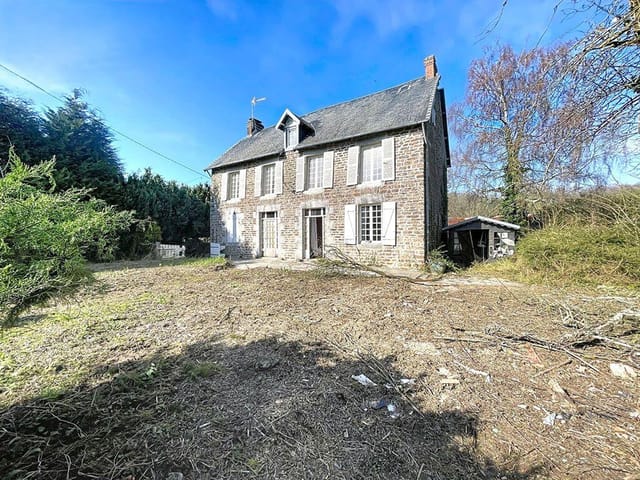
Picture 1

Picture this: it's nine in the morning, the sun has already climbed above the Sierra de Escalona, and you're sitting on your southwest-facing rooftop solarium with a coffee, watching the light shift across the valley below. No noise, no neighbours pressed against your windows, just open sky and the faint hum of a lawnmower somewhere down the street. This is the daily reality of owning a home in El Galan, one of those quietly residential pockets between Villamartin and San Miguel de Salinas that locals know and international buyers are only just starting to figure out. Set on a 400 m² private plot, this three-bedroom detached villa covers 154 m² of well-organised living space across two floors. It's move-in ready — not in the estate-agent sense of "needs cosmetic work", but genuinely so. Solar panels handle both electricity generation and hot water. Air conditioning runs throughout the house. LED lighting, a log burner for January evenings when the temperature dips into single digits, and a private swimming pool with direct access from the master bedroom. The previous owners have done the work, which matters when you're buying from abroad. The main floor opens into a bright, open-plan living and dining area that doesn't feel like it's trying too hard. The kitchen is modern and practical — proper worktop space, clean lines — and there's a guest WC tucked conveniently near the entrance. Head downstairs and the tone shifts slightly: cooler, calmer. The master bedroom has en-suite facilities and those patio doors that open straight out to the pool. Two additional double bedrooms share a family bathroom; one has been used as a home office, which tells you something about how versatile the layout is for people who work remote ... click here to read more
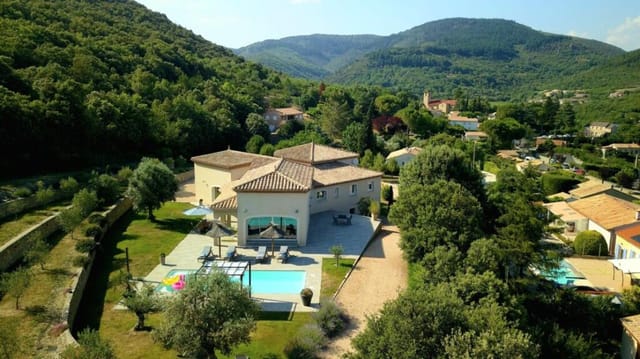
Picture 1

Stand on the roof terrace at dusk, a glass of local Alentejo red in hand, and watch the Atlantic catch fire somewhere beyond Faro. The air smells of wild lavender from the hillside scrub below, and from the village behind you drifts the faint sound of church bells marking the hour. This is what evenings look like from this three-bedroom villa in Santa Bárbara de Nexe — a place that most tourists never find because they stay down on the coast, sunburned and sandalled, never venturing into the quiet hills of the central Algarve where the real life happens. Santa Bárbara de Nexe sits roughly ten minutes inland from Faro and about fifteen from the beaches at Quinta do Lago and Vale do Lobo. That distance is precisely what makes it desirable. The village has a butcher who actually knows where the meat comes from, a café where the morning pastéis de nata arrive warm enough to burn your fingers, and a relaxed pace that the coastal resorts lost sometime in the 1990s. On Saturday mornings, locals gather at the small market near the church, and on feast days in August the streets close for the Festa de Santa Bárbara — firecrackers, grilled sardines, folk music until midnight. You're inside the Algarve's real rhythm here, not watching it from behind a resort wall. The villa itself was designed with one clear intention: let the light in and keep everything calm. Double-height ceilings in the main living area create a sense of volume that photographs struggle to capture — you feel it when you walk through the door. Large windows frame the garden and pool like living artwork, and in the morning the south-facing glass fills the room with the kind of soft, diffused light that makes even a Tuesday feel unhurried. The white palette thro ... click here to read more
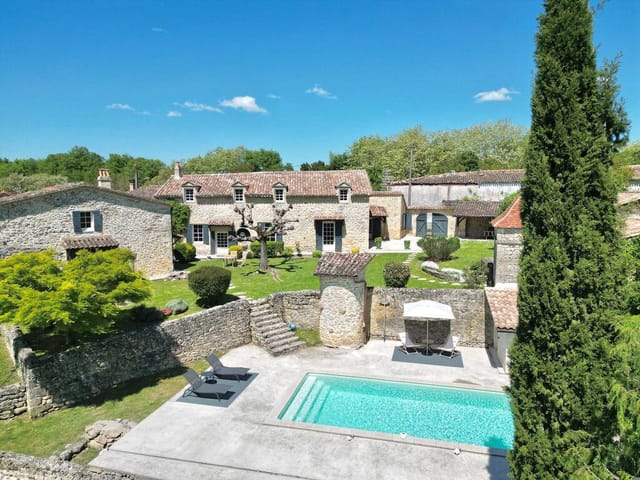
Picture 1

Step out onto the terrace at seven in the morning, coffee in hand, and the whole of the central Algarve spreads out below you. No neighbors blocking the sightline. Just rolling hills, the faint shimmer of the Atlantic on the horizon, and the kind of silence that reminds you why you started looking for a place like this in the first place. This south-facing villa on the hills outside Almancil earns that feeling every single day. Built new and finished to a level that doesn't cut corners, the property sits at an elevated position that the architects made the absolute most of. Every room has a reason to face south. Large windows pull the landscape indoors so that even on a January afternoon, the light inside stays warm and golden. The interiors keep things grounded — natural stone tones, clean geometric lines, none of the cold minimalism that makes some contemporary houses feel like showrooms. This one actually feels like somewhere you'd want to spend a month. The ground floor opens into a single, generous living-dining-kitchen space that flows without walls getting in the way. A sculptural open staircase anchors the middle of the room and draws the eye upward, while sliding glass doors peel back to connect the interior directly to the terrace. The Siemens kitchen is fully equipped and serious enough for a long Sunday lunch with twelve people, or a quiet dinner for two. Ducted air conditioning keeps the whole floor comfortable through August, and underfloor heating takes the edge off in the cooler months — because yes, the Algarve does get cool in February, and it's actually quite lovely. Upstairs, three en-suite bedrooms each have their own privacy and their own light. The primary suite is the kind of room that stops pe ... click here to read more
Picture 1

You wake up on the first floor, slide open the balcony door, and the Aegean is right there — not a postcard of it, the actual thing, close enough that you can hear the waves if last night's wind is still running. By the time coffee is ready downstairs, the morning light is moving across the living room in a way that makes you forget, briefly, where your other life is. That's what mornings feel like in Chaniotis. This four-bedroom semi-detached house in Pallini, Halkidiki sits within easy walking distance of one of the peninsula's best-organized sandy beaches — the kind where the water is shallow for a good stretch, the sand holds heat until early evening, and the beach bars along the waterfront still serve cold Mythos and fresh calamari the way they have for decades. Halkidiki has three "fingers" stretching into the Aegean, and Kassandra — the westernmost and most accessible — is where Chaniotis sits, drawing a mix of Greek families and international visitors who've quietly figured out that this stretch of coastline punches well above its weight. Built in 2014 to a high construction standard, the house spreads across three levels and 170 square metres, giving a family or group of friends real room to breathe without anyone tripping over each other. The ground floor leads with a generous living room anchored by a wood-burning fireplace — which matters more than people expect, because Halkidiki's shoulder seasons are genuinely mild and the peninsula stays visitable well into November. The kitchen comes fully fitted with built-in furniture and integrated appliances, and there's a guest WC tucked in sensibly. The whole ground floor opens to the garden, which has been landscaped with care: shaded spots, a barbecue area that ... click here to read more
Picture 1

You wake up to the sound of nothing in particular — maybe a bird, maybe the faint rustle of the oleanders just outside the bedroom window — and that silence alone is worth the price of admission. Up on the master suite's private roof terrace, coffee in hand, the Algarve countryside rolls out in every direction: low hills dotted with carob and fig trees, terracotta rooftops catching the first of the morning sun, and somewhere beyond the tree line, the glittering edge of the Ria Formosa. This is what mornings look like when you own this three-bedroom country villa just outside Olhão. Olhão itself is one of the Eastern Algarve's best-kept practical secrets. It's not a resort town. There are no fake pirate ships, no neon cocktail bars. What you get instead is a working fishing port with a genuinely North African-influenced old quarter — the whitewashed cubic architecture here is unlike anything else in Portugal — and two of the country's finest covered markets sitting side by side on the waterfront. On Saturday mornings, the market explodes with local farmers selling blood oranges, fresh goat's cheese, smoked sausage, and mountains of clams still dripping with salt water. The fish market on Friday is a ritual for the whole town. Locals argue loudly about which trawler brought in the best dourada of the week. Buy one, take it home, grill it over charcoal with olive oil and coarse salt. That's dinner sorted. The villa sits about one kilometre outside a small village, in a neighbourhood of mixed Portuguese and international families — the kind of community where people wave from their driveways. It's genuinely quiet without feeling remote. Faro Airport is ten minutes away by car, which changes everything for international own ... click here to read more
Picture 1

You wake up to the faint sound of water. Not waves crashing — just the soft, rhythmic pull of the Aegean lapping at the shore fifty meters from your front door. The morning light in Rafina has a particular quality to it, sharp and golden, cutting across the Attic plain in a way that makes even a cup of coffee on the terrace feel like an event. This is a 300-square-meter neoclassical villa sitting inside the city plan of Rafina, one of Attica's most quietly coveted coastal towns. Four bedrooms, three bathrooms, a private spa room with a Jacuzzi and hammam, two fireplaces, two kitchens, and a 1,150-square-meter plot that gives you the kind of breathing room rarely found this close to the water. The price is set at 760,000 euros — which, when you consider what comparable seaside properties are fetching between Glyfada and Porto Rafti, positions this as one of the more grounded opportunities on the eastern Attic coastline. The architecture deserves a proper look. Neoclassical design in Greece carries real weight — columns, symmetry, tall shuttered windows, a formality that doesn't feel stuffy but does feel rooted. This isn't a whitewashed box. The wooden floors run through the interior with warmth underfoot, the two fireplaces anchor the living spaces in winter, and the overall condition is good and move-in ready, which matters enormously when you're buying from abroad and can't afford months of renovation limbo before your first summer visit. What makes Rafina different from the better-known Athens coastal suburbs? Quite a bit, actually. It's a working port town, and that keeps it honest. The fishing boats leave before sunrise from the main harbor on Plateia Plastira, and by mid-morning the tavernas along the waterfront ... click here to read more
Picture 1

Stand on the first-floor veranda just after sunrise, coffee in hand, and you'll understand immediately why people from across Europe have been quietly buying property in this corner of Cephalonia for decades. The olive groves stretch out below you in every direction—silvery green in the early light—and the only sound is the occasional clink of goat bells drifting up from somewhere you can't quite see. This is Leivathos, the municipality that locals will tell you represents the island at its most authentic, and this three-bedroom villa on a 2,800-square-metre plot in the village of Kalligata sits right at the heart of it. Kalligata is one of those places that doesn't need to advertise itself. It has the quiet confidence of a village that has always known its own worth. The neighbourhood here—which includes the neighbouring villages of Kourkoumelata and Sarlata—was historically home to the island's aristocratic Cephalonian families, and that legacy shows in the stone architecture, the wide lanes lined with mature trees, and the low building density that keeps things unhurried and genuinely private. There are no tower blocks, no holiday apartment complexes stacked against the hillside. Just houses, gardens, groves, and the kind of peace that's increasingly hard to find anywhere in the Mediterranean. The villa itself spans 154 square metres across two floors and is in genuinely good condition—not the "good condition" that estate agents use as a polite euphemism, but the kind where you could bring your luggage, open the windows, and start living immediately. Downstairs, the open-plan living area has a fireplace that earns its keep on January evenings when Cephalonia gets colder than visitors expect, and the kitchen flows na ... click here to read more
Picture 1

Sunday morning in Ferragudo moves at its own pace. The smell of espresso drifts from the café two doors down, the church bell on Largo Rodrigues Dantas rings nine times, and somewhere below your rooftop terrace a fisherman drags his boat across the cobblestones toward the Arade River. This is the texture of daily life here — and from Casa dos Azulejos, you get all of it. The house announces itself before you even reach the door. Its tile-clad façade — a patchwork of hand-painted blue and white azulejos — is one of the most photographed frontages on Rua João Dias, and for good reason. Those tiles aren't decorative afterthought; they're a deliberate act of cultural memory, each panel a fragment of the storytelling tradition that Portuguese craftsmen have maintained for five centuries. Owning a home dressed this way means owning a piece of that conversation. Step inside and the layout reveals itself across two cleverly connected levels. The ground floor holds two bedrooms and a full bathroom, plus a fitted kitchen that opens directly onto a private patio — the kind of outdoor space where a long lunch stretches into early evening without anyone noticing. The open-plan living and dining area anchors the social heart of the home, and the pellet burner means February evenings are genuinely cosy rather than something to endure. Portugal's Algarve winters are mild by northern European standards — rarely dropping below 10°C — but there's something deeply satisfying about a fire burning while rain taps at the azulejo-framed windows. The upper level is where the investment logic gets interesting. Converted into a fully self-contained two-bedroom apartment with its own independent entrance, it functions as a separate unit for gues ... click here to read more
Picture 1

Saturday morning in Laroque-des-Albères starts with a sound: swallows cutting sharp arcs over the rooftops, the distant clang of the church bell on the main square, and somewhere close by, someone firing up a wood-fired grill. You open the south-facing terrace door, coffee in hand, and the entire ridgeline of the Albères massif sits right there in front of you — no cranes, no apartment blocks, just the ancient limestone spine of the Pyrenees catching the early Catalan sun. That's the daily reality of this fully renovated single-storey house in one of the Pyrénées-Orientales' most sought-after villages. Two bedrooms, a brand-new kitchen, landscaped terraces, a 350m² garden plot, and energy costs running between €810 and €1,160 per year. At €330,000, it represents serious value for a turn-key second home in French Catalonia. Laroque-des-Albères sits at the precise point where the Pyrenees give way to the coastal plain, tucked just above the valley floor on the road that threads between the French and Spanish Catalan worlds. The village itself has kept its shape — stone houses tight along narrow lanes, a café terrace where old men still play pétanque on weekday afternoons, a weekly market that spills across the square with vendors selling local honey, Roussillon wines, and anchovies from Collioure. It's not a tourist fabrication. People actually live here year-round, which gives the place a grounded, unhurried rhythm that resort towns simply can't manufacture. The house sits in a cul-de-sac less than two minutes' walk from the village centre. That proximity matters more than it might sound on paper. You can leave the car in the garage and forget about it for days. Bread from the boulangerie, a cold rosé at the bar, dinne ... click here to read more
Picture 1

Stand on the terrace some evening in late June, glass of chilled rosé in hand, and watch the light turn the Gulf of Saint-Tropez into hammered copper. The water sits maybe three kilometers away as the crow flies, close enough that you can hear the faintest hum of boats in summer, far enough that Les Issambres stays wonderfully quiet after the day-trippers head back along the D559. This is that property — the one you stop scrolling for. Set on landscaped grounds planted with umbrella pines, old olive trees, and lavender that buzzes with bees from May through September, this six-bedroom Provençal villa sits on a southwest-facing plot that catches afternoon sun across every terrace. The orientation isn't an accident. Whoever built this house understood that in Var, the direction your windows face determines your entire quality of life from October through April, and they got it right. Even in mid-February, you can eat lunch outside in a fleece and feel genuinely warm. The villa runs to 124 square metres of internal living space, which sounds modest until you understand that this household was designed around outdoor living. There are multiple terraces and covered loggias at different elevations — one off the main living area, others accessible from the upper bedrooms — and each gives you a slightly different angle on the gulf. The main swimming pool measures 9 by 4 metres, surrounded by wide stone decking that dries fast in the Mistral wind. Six bedrooms across the house means this works equally well as a large family retreat or as a property with serious short-term rental potential, especially given that Les Issambres and nearby Sainte-Maxime draw visitors from June through September with almost no vacancy in peak weeks. ... click here to read more
Picture 1

Stand on the edge of this plot on a still morning and you'll hear almost nothing. Maybe a bird. The faint hum of Loulé waking up somewhere below. Then you'll look out across the valley — all that green, rolling quietly toward the horizon — and you'll understand exactly why someone drew up plans for a villa here. This is 8,593 square metres of Algarve countryside just outside Betunes, a quiet cluster of whitewashed houses a short drive from one of the most genuinely lived-in market towns in southern Portugal. The land already has mature trees across it, wild rosemary and carob, the kind of natural character that takes decades to establish and can't be manufactured. There's an existing stone ruin on the plot — bones of something older — and attached to it, a fully approved architectural project for a contemporary three-bedroom villa with terraces, a private pool, and a basement of nearly 200 square metres. That approved project matters more than it might first appear. Getting planning permission in Portugal — particularly in the Algarve interior, where restrictions are tight and councils move at their own pace — can take years. Here, the design is already signed off. You're buying time as much as land. The approved villa sits at roughly 300 square metres of construction above ground, with the layout centred on open-plan living and dining that spill directly onto the pool terrace. The kitchen is part of that main social space rather than tucked away — a deliberate choice that makes the whole ground floor feel generous when you're entertaining. And you will entertain here. This is a property that invites long lunches that drift into evenings, aperitivos on the terrace as the valley turns gold, friends staying the weekend ... click here to read more
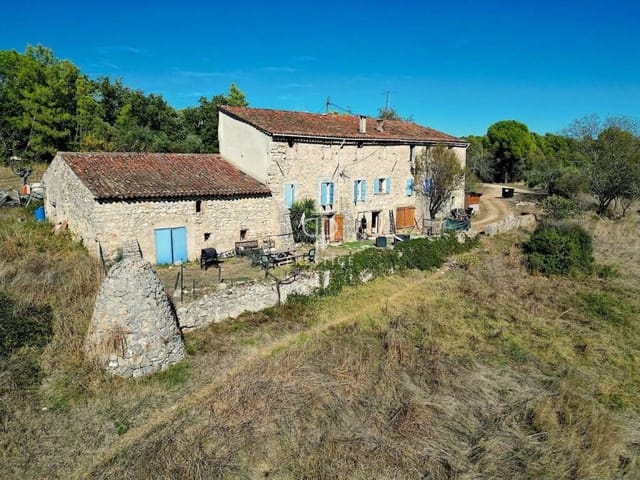
Picture 1

The first thing you notice, stepping out onto the rooftop solarium in the early morning, is the light. Not just any light — that particular Andalusian gold that hits the Mediterranean at 8am and makes everything look like it belongs in a painting. The sea is right there, just a two-minute walk down the road. You can smell it from the terrace. This corner townhouse sits in Costabella, a stretch of Marbella East that locals genuinely prefer over the glitzier sections closer to Puerto Banús. Quieter, more residential, more real. The beach at Costabella is 200 metres from the front door — not 200 metres as estate agents sometimes count it, but actually 200 metres. You could walk it barefoot in the dark and not get lost. The house itself covers 122 square metres across three well-proportioned bedrooms, each with its own bathroom. Three bathrooms for three bedrooms is a detail that matters enormously when you're sharing the place with friends or family in high summer. No queuing, no negotiations, no early-morning friction. The corner position in the gated community means more windows, more light, more angles of privacy than a mid-terrace unit would give you — and several distinct outdoor spaces that open up depending on the time of day and where the sun happens to be. That rooftop solarium is the standout feature, and it earns its reputation. Partial sea views stretch toward the horizon from up there, and on clear winter days — and there are many of them, Marbella averages over 320 days of sunshine annually — you can see far enough to feel properly at altitude despite being minutes from the shore. It's the kind of space that turns a house into a lifestyle. Breakfast up here in October, sundowners in April, late dinners unde ... click here to read more
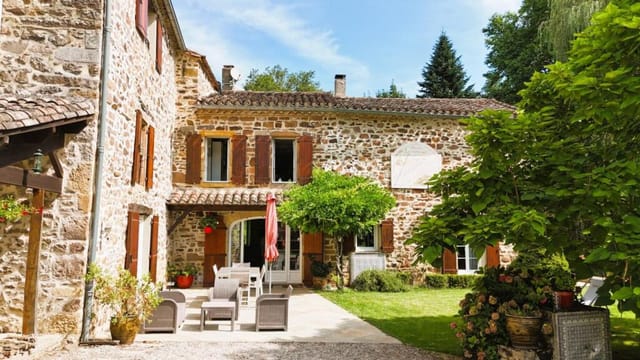
Picture 1

Sunday morning in Tunes sounds like this: a distant church bell somewhere toward Silves, the faint rustle of citrus leaves in the breeze, and absolute nothing else. You're standing on the covered terrace with a coffee, watching the light shift gold across the pool as the countryside opens up beyond the garden wall. This is a different Algarve from the one most visitors ever find. Tunes sits in the quiet interior of the Algarve, about midway between Silves and Albufeira, and it has the kind of unhurried pace that the coastal towns traded away years ago. The village itself is small and unpretentious — a train station, a café, a weekly market where people actually know each other — and yet you're no more than 20 minutes from some of the best beaches in southern Portugal. Praia de Galé, Praia da Falesia, the long sands at Armação de Pêra. You get the quiet and the coast, which is not an easy combination to find at this price point anywhere in the Algarve. This is a traditional single-storey quinta, the kind of rural estate that defined life in this region long before golf resorts arrived. Set on 8,440 square metres of land, the property carries real weight — fruit trees, open sky, and that particular sense of scale you simply cannot manufacture. The 120-square-metre living area is arranged across one level, which makes it genuinely easy to use. No stairs. No awkward split-level compromises. Everything flows naturally from one space to the next. Walk through the electric gates — which open onto generous private parking for multiple vehicles — and the house greets you through a proper entrance hall. Three bedrooms share a well-appointed family bathroom, and the principal bedroom has its own en-suite. It's not overdesigned, ... click here to read more
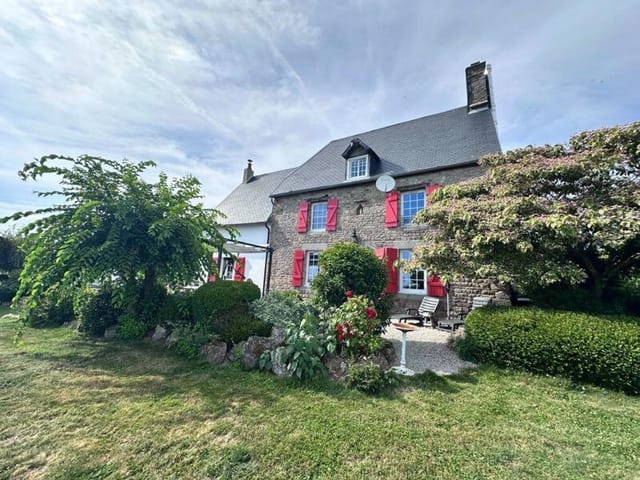
Picture 1

Step out of the kitchen door at eight in the morning, coffee in hand, and the Segura river valley is right there in front of you — a wide open sweep of orange groves, distant ridgelines, and the kind of stillness that makes you forget your phone exists. That's the daily reality of this single-storey villa in Ciudad Quesada, and it never quite gets old. Built in 2020 on a 500-square-metre plot just outside Rojales, this is a genuinely move-in ready vacation home in the southern stretch of the Costa Blanca — no renovation projects, no compromises, no mystery leaks behind bathroom tiles. It was designed from the ground up around light and outdoor living, and that intention shows in every room. The layout puts the open-plan living and dining area right at the centre of everything. The kitchen connects directly to a covered terrace through wide sliding doors, so the boundary between inside and out dissolves on warm evenings — which, on the Costa Blanca South, means roughly nine months of the year. The terrace has a glass windbreak that extends the season further still; you can sit outside in January with a blanket and a glass of Fondillón, Alicante's ancient sweet wine, and it's genuinely pleasant. The private pool sits beyond, catching the afternoon sun without obstruction, flanked by generous tiled terracing that handles a sun lounger or six without feeling crowded. Three bedrooms are spread across the single floor — the main with an en-suite bathroom, the other two served by a second full bathroom. The single-level design is something that sounds unremarkable until you actually live it: no stairs, no noise from the floor above, just an easy, unhurried flow from room to room. Underfloor heating runs through the kitchen, ... click here to read more
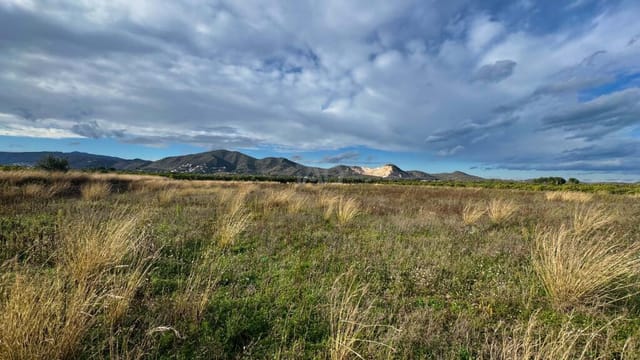
Picture 1

Step outside at seven in the morning and the air already carries something — woodsmoke from a neighbor's chimney, the faint sweetness of orange blossom, the sound of absolutely nothing else. That's Estoi. A hilltop village in the Algarve interior that most visitors drive straight past on their way to the coast, and which rewards anyone who stops with something rare: actual quiet, actual countryside, and a pace of life that the beach towns lost sometime in the nineties. This is a proper quinta. Not a villa that someone's decided to call a quinta for marketing purposes — a real, working estate that has been welcoming guests for more than 25 years. The whitewashed walls, the terracotta rooftiles, the cobbled paths winding between fruit trees and bougainvillea: none of it was installed to look authentic. It just is. Seven bedrooms are spread across four distinct structures. The main house has two bedrooms, a full bathroom, a generous living and dining room, a fitted kitchen, and a covered terrace where a barbecue sits ready beneath a vine-draped pergola. You eat outside here for about nine months of the year without thinking twice about it. Then there are three independent guest cottages: The Quinta, with two bedrooms, its own kitchen, living and dining rooms, and a rooftop terrace that catches partial sea views out toward the coast; Casa Avós, which has a mezzanine en-suite bedroom, a kitchen-diner, a sitting room, and a private patio screened by mature planting; and The Granja, an intimate studio-style space with its own kitchen and dining area. Each one is genuinely self-contained. Guests — or family members, depending on how you're using the place — have real privacy. The saltwater pool sits at 5 by 10 metres, which i ... click here to read more
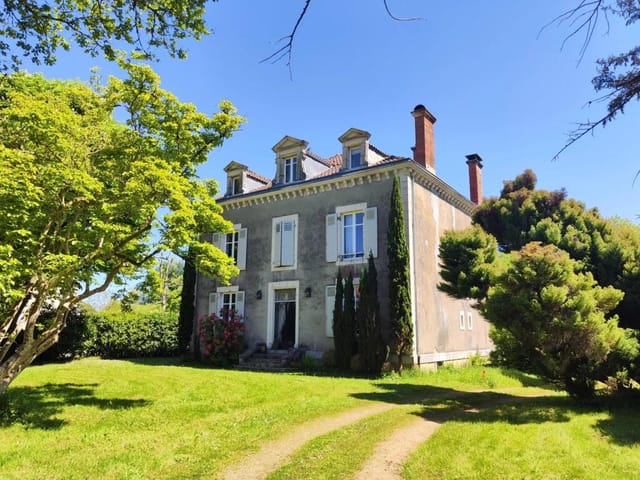
Picture 1

Stand on the high ground of this 2.45-hectare plot on a quiet morning and you'll hear almost nothing — just cork trees moving in a soft Atlantic breeze and, very faintly, the sound of Aljezur's church bell drifting up from the valley. That's 1km away. It might as well be another world. This is western Algarve at its most honest. Not the golf resorts and poolside bars of the Algarve coast most people know, but the wilder, greener, rougher-edged version — the Costa Vicentina side, where the landscape is protected by Europe's most intact coastal national park, Parque Natural do Sudoeste Alentejano e Costa Vicentina, and where the beaches are the kind you actually have to yourself. Praia de Arrifana is 10 minutes by car. Praia da Amoreira, where a river mouth meets the Atlantic in an extraordinary wide-open estuary, is even closer. You won't find sunbed rental there. You will find surfers, herons, and the smell of salt and river grass. The plot itself is largely flat — genuinely so, not the "gently sloping" that Portuguese land listings sometimes use as a euphemism. Mature cork oaks and carob trees are scattered across the property, providing shade and giving the land a settled, established feel that young, cleared plots simply don't have. The fencing is in place. A water connection is already installed. Electricity runs at the boundary. And standing somewhere near the center of the land, already marked by decades of existence, is a ruin of approximately 140m² — the bones of a future home, with its footprint already licensed into the landscape. That last point matters more than it might seem. In the Costa Vicentina protected zone, building permissions are tightly governed. Having an existing ruin with a defined footprint ... click here to read more
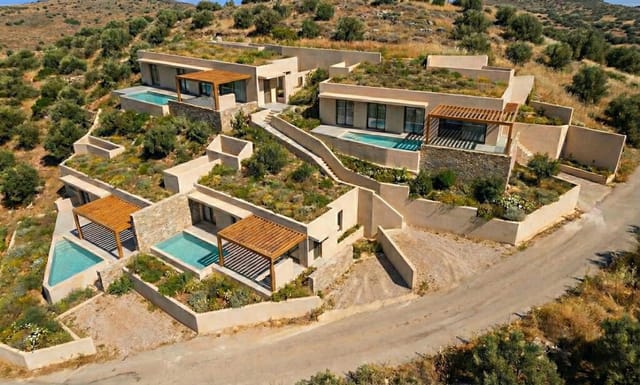
Picture 1

Picture this: you wake up on a Tuesday morning, slide open the terrace door, and the smell of salt air hits you before you've even had your coffee. The Mediterranean is right there — not a postcard version of it, but the real thing, close enough that you can hear faint waves if the night is quiet enough. This is everyday life in Calahonda, one of the most genuinely liveable pockets of Mijas Costa, and this three-bedroom villa with its own pool and an active tourist licence is your entry point into it. Calahonda doesn't get the same breathless press as Marbella or Puerto Banús, and that's honestly part of its appeal. It has the infrastructure without the circus. The Cala beach is a short walk from the front door — not a vague "short walk" either, but the kind where you're there in five minutes with a beach bag over your shoulder. Along the way you pass proper neighbourhood spots: El Oceano and a handful of smaller family-run chiringuitos where grilled dorada and cold Alhambra beer are still the main event, not an afterthought on a menu full of truffle fries. The villa itself sits in a quiet residential zone that benefits from 24-hour private security — something that matters quite a lot when you're planning to spend portions of the year back home in London, Stockholm, or Amsterdam. You're not buying into a fortress, just a calm street where people actually live. The garage is private, the pool is private, and the rooftop solarium is yours alone. That rooftop is worth pausing on. On clear days — and there are over 300 of them annually on the Costa del Sol — you get partial sea views from up there that shift in colour from pale morning silver to that deep Andalusian gold you see in the late afternoon. It's where you'll en ... click here to read more
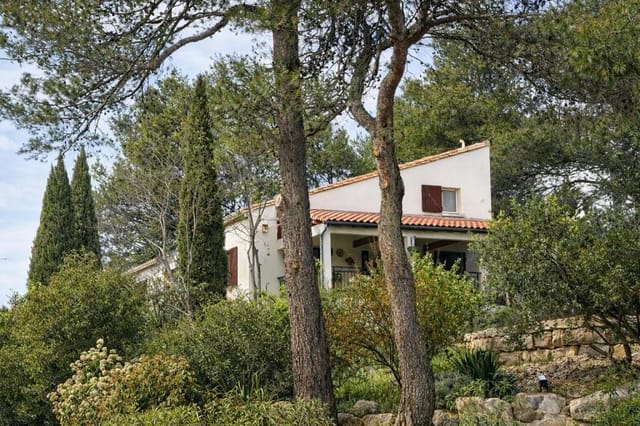
Picture 1

The first thing you notice on a summer morning here is the silence. Not the dead kind — the alive kind. Swallows cutting arcs above the terrace, a faint breeze moving through the cork oaks, the pool's surface catching early light and throwing it back in slow gold ribbons. This is Santo Estêvão, a world away from the crowded beach resorts most people think of when they hear "Algarve," and this five-bedroom estate sitting on over 37,000 square metres of private countryside is exactly the kind of property that makes people rethink everything they thought they knew about where to put down roots in southern Portugal. Tavira is twelve minutes by car. That matters more than it might sound. Tavira regularly tops lists of Portugal's most liveable small cities, and unlike the resort towns further west along the EN125, it keeps its own pace. The Tuesday market on the riverbank spills into the surrounding streets — vendors selling blood oranges, smoked sausages from Alentejo, dried figs still on the branch. The Roman bridge over the Rio Gilão connects the old Moorish quarter to the newer town, and on weekend evenings, locals and expats alike fill the outdoor tables at Quatro Águas, eating whole grilled sea bream so fresh it still tastes of the Atlantic. Living near Tavira means being close to real Portuguese life, not a simulation of it. The estate itself sits behind full perimeter fencing on a plot large enough to feel genuinely rural — distant vineyard rows visible from the upper terrace, the scent of wild rosemary and cistus drifting in from the scrubland edges in late spring. Three sets of French doors open the main living space entirely to the outside, so that on the nine months of the year when the Eastern Algarve enjoys rel ... click here to read more
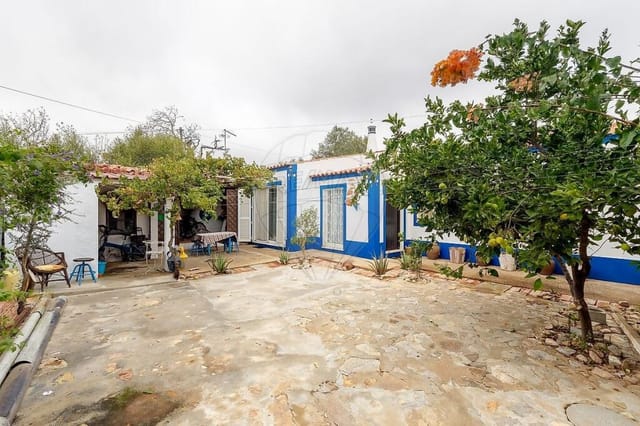
Picture 1

Stand on the balcony at seven in the evening and watch the sun drop behind the headland above Lourdas beach. The Ionian turns amber, then deep pink, then something that doesn't quite have a name. This is the view from the upper terrace of this five-bedroom estate in Vlachata Ikossimias — and it happens every single night. Cephalonia is not your average Greek island. It's bigger, wilder, and far less overrun than Mykonos or Santorini. The roads cut through dense fir forests on the way up to Mount Ainos, past villages where old men still play backgammon outside kafeneions that haven't changed since the 1970s. Down near the coast, the water at Lourdas is the kind of transparent turquoise that makes you stop and stare, even if you've been coming for years. This particular property sits just above that beach — close enough to hear the faint sound of the sea on still summer mornings, far enough uphill that you get the view without the tourist noise. The main residence covers 150 square metres across a single detached house, fully renovated and ready to move into without lifting a screwdriver. Walk through the front door and you're immediately in an open-plan living space anchored by a proper stone fireplace — not decorative, genuinely useful during the crisp Kefalonian winters when temperatures dip and you want nothing more than to light a fire and open a bottle of local Robola wine. The kitchen is separate, which anyone who's tried to cook a real meal in an open-plan space will appreciate. Three bedrooms sit across the main floor, and the whole layout has the ease of a home that was designed for family life rather than a holiday brochure photoshoot. Two independent ground-floor apartments — each 35 square metres, each newl ... click here to read more
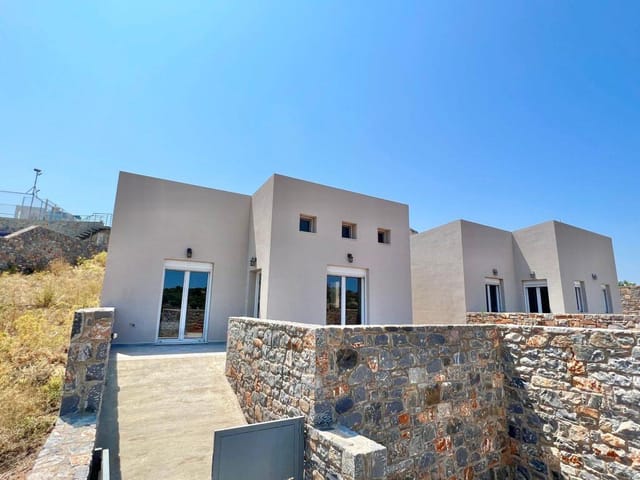
Picture 1

Step outside on a Tuesday morning in Svoronata and you'll hear roosters before car engines. Walk 670 meters downhill through olive groves and you're standing on the rust-red sand of Ai Helis beach, watching the Ionian Sea go through its first color change of the day — deep violet shifting to that impossible electric blue that Cephalonia somehow pulls off by 9am. This is the kind of place people mean when they say they want to "escape," but then actually stay. Permanently. This six-bedroom house on a 3,826 square meter plot in the Livathos region of Cephalonia is one of those rare finds that works on multiple levels at once — literally and figuratively. The upper floor functions as a generous private residence: three bedrooms, a full living room, and a kitchen, all oriented toward the sea with unobstructed views that stretch across the Ionian toward the Peloponnese on clear days. Sit at the kitchen table with a Greek coffee and watch the ferries move in and out of the distance. No effort required. The view simply arrives. Below that, on the ground floor, are three independent apartments — each 38 square meters — fully renovated in 2020 and ready to rent from day one. These aren't afterthoughts or cramped add-ons. They're proper, self-contained units that have already attracted seasonal guests in the years since their renovation. The math here is simple and compelling: three apartments in a high-demand area within walking distance of a beach, minutes from the airport, means your investment works while you sleep. Or while you're back home between visits. Greece's short-term rental market, particularly on the Ionian Islands, runs hot from May through October, with Cephalonia consistently pulling international visitors draw ... click here to read more
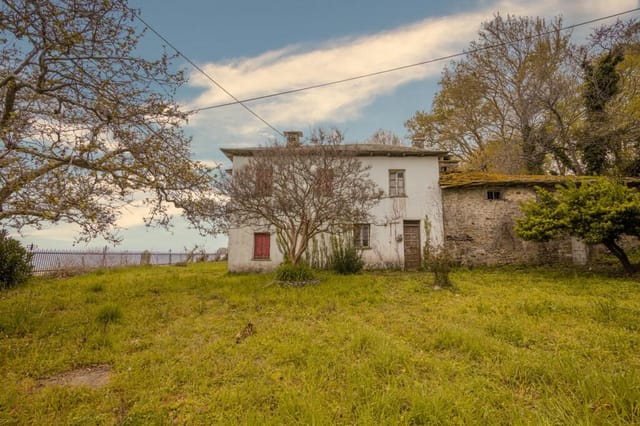
Picture 1

Stand on the upper terrace at dusk and you'll understand immediately why people come to Tavira and never quite manage to leave. The Atlantic sits on the horizon, shifting from silver to deep copper as the sun drops behind the town's rooftops. Below, the white bell towers of a handful of Tavira's famous 37 churches catch the last light. The air carries something faintly saline, faintly floral. That view is yours every single evening from this four-bedroom villa in Quinta do Perogil, one of the most coveted residential pockets in the eastern Algarve. Quinta do Perogil sits above the town on a quiet, tree-lined road where the neighbors tend their gardens and mornings are genuinely silent apart from birdsong. The address puts you roughly ten minutes on foot from the cobblestoned Praça da República and the riverfront Mercado da Ribeira, where local fishermen sell their catch before most people have finished their first coffee. That balance — a perch above the town's commotion with everything within easy reach — is exactly what makes properties here so hard to come by. The villa itself sits on a 929 m² landscaped plot, and the outdoor space is where you'll spend most of your time from April through October. The heated swimming pool is generous, wrapped on three sides by a wide sun terrace in pale stone that stays warm underfoot well into the evening. There's a dedicated entertaining terrace for al fresco dinners — the kind where guests linger long past midnight because nobody wants to go inside. A private garage and additional on-plot parking mean arriving with a full carload of family or friends is never a logistics puzzle. Inside, the villa runs to 246 m² of living space across the main floors, finished to a high standard ... click here to read more
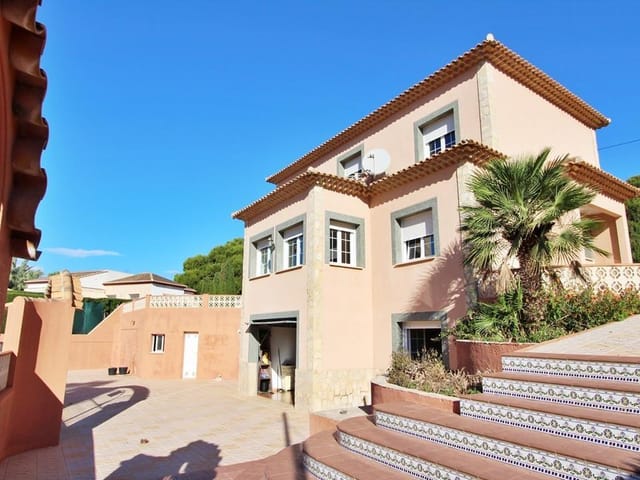
Picture 1

Stand on this 970-square-metre plot in Vilarinho on a clear January morning and you'll understand immediately why people keep choosing São Brás de Alportel over the coast. The air smells of orange blossom and wild rosemary. There's no traffic noise—just the distant sound of a cockerel and the wind moving through cork oak. The Algarve's famous beaches are 30 minutes south. Faro Airport is close enough that you could land, pick up groceries in town, and be sitting on your own land watching the sun drop behind the Serra do Caldeirão hills before dinner. This isn't a compromise. It's a deliberate choice—and an increasingly rare one. The plot sits in Vilarinho, one of the quieter residential pockets just outside the São Brás de Alportel town centre. Five minutes by car (or a pleasant 20-minute walk along country lanes) puts you on Rua Dr. Emílio Leloup, where the town's weekly Saturday market fills the square with local farmers selling medronho liqueur, handmade queijo fresco, and the kind of stone fruit that actually tastes like stone fruit. The local pastelaria on the main street does a coffee and pastel de nata combination that will ruin you for every other café you'll ever visit. What makes this plot genuinely valuable is the paperwork. It comes with an approved PIP—Pedido de Informação Prévia—which means the local council has already confirmed building viability. You're not buying potential and crossing your fingers. The groundwork is done. Construction of up to 400 square metres is permitted, giving you serious room to design a home that actually fits how you want to live, rather than squeezing into something pre-built. A four-bedroom villa with a pool, a garden studio, covered terraces for outdoor dining—the footpri ... click here to read more
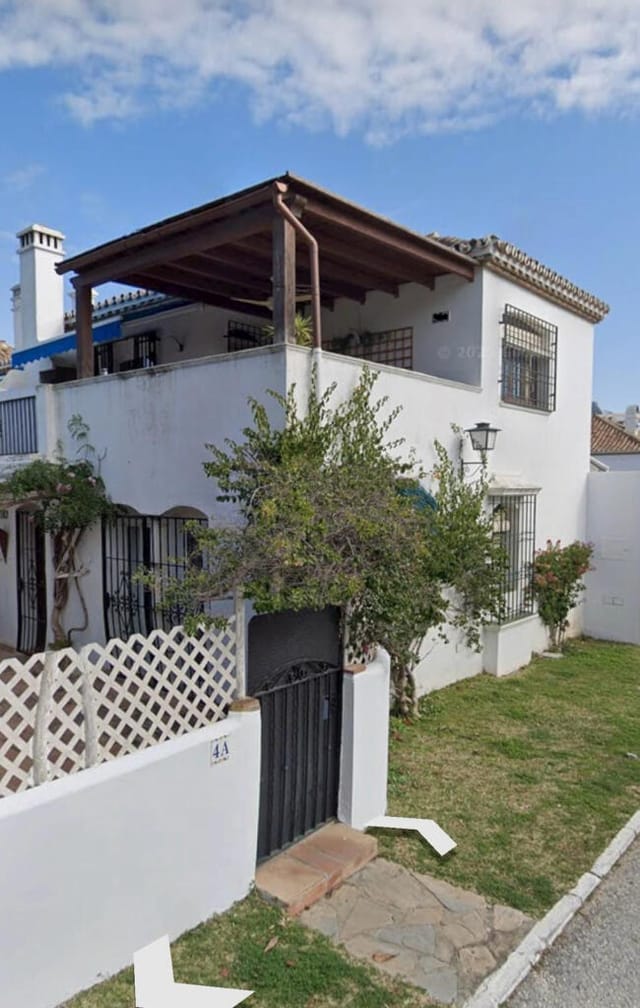
Picture 1

Sunday morning in Ciudad Quesada sounds like this: the distant clink of coffee cups at the terrace bar on Avenida Central, a light breeze carrying the faint scent of orange blossom from the groves just beyond the urbanisation, and absolute quiet from your private solarium as the Alicante sun climbs over the Rojales Hills. This is the kind of morning that made you start searching for a second home in Spain in the first place. This two-bedroom, corner-plot villa on the edge of Ciudad Quesada sits in one of the Costa Blanca South's most consistently sought-after residential pockets. It's not oversold holiday territory — this is where European buyers actually put down roots. The community is tidy, well-run, and refreshingly unpretentious. Neighbours tend their gardens. The communal pool gets used properly from April through October. You don't feel like you're in a resort. You feel like you live somewhere. Step through the front door and the house does something that a lot of Spanish properties at this price point don't: it feels genuinely finished. The kitchen is fully fitted and modern — clean lines, decent appliances, real worktop space. The living room centres around a pellet burner that, during January and February when temperatures in the Vega Baja dip lower than first-time buyers expect, throws out proper warmth rather than just ambience. Both bedrooms are comfortable doubles. The walk-in shower room is tiled throughout and more spacious than the bathroom count suggests. Nothing here is crying out for work. For a buyer looking for a vacation home in Spain that can be unlocked and enjoyed from day one, this delivers. The solar panel setup — a photovoltaic system already installed and operational — is worth pausing on ... click here to read more
Picture 1
Step out onto the south-facing terrace on a January morning and you'll understand why people who visit Ciudad Quesada rarely leave. The air is already warm by ten. The salt lakes shimmer in the distance, shifting between pale rose and deep silver depending on the light. Somewhere down the hill, the café on Avenida de la Libertad is pulling its first espressos of the day. This is what 155 square metres of well-kept apartment life looks like on the Costa Blanca—and it's available right now. Ciudad Quesada sits in the municipality of Rojales, roughly 40 minutes south of Alicante on the N-332, and it has a completely different energy from the tourist-heavy resorts further up the coast. This is a residential community that has grown organically over decades, attracting a mix of Spanish families, northern European retirees, and a younger wave of remote workers who've figured out that the combination of reliable sunshine, low cost of living, and genuine local infrastructure is hard to beat anywhere in Europe. There's a real high street here. Actual supermarkets. A medical centre. Schools. The kind of daily convenience that makes a second home genuinely liveable rather than just somewhere to visit in August. The apartment itself is in good condition—not a renovation project, not a blank-slate opportunity, but a property you could walk into with a suitcase and immediately start enjoying. Three proper double bedrooms means this works as a family holiday home, a couple's base with guest space, or a rental property that commands serious occupancy. The master bedroom comes with fitted wardrobes and an en-suite shower room, which anyone who has shared a single bathroom with teenagers on holiday will deeply appreciate. The second bat ... click here to read more
Picture 1

The smell hits you first — jasmine and warm stone, carried on a breeze that drifts in from the Guardamar coast just twelve kilometres away. You push open the terrace doors after breakfast, coffee in hand, and the morning sun is already doing its work on the tiles. This is a Tuesday in October. Somehow it feels like a Saturday in July. That's the thing about Ciudad Quesada that doesn't fully translate until you're standing inside it. This three-bedroom, two-bathroom detached villa in one of southern Costa Blanca's most established residential areas sits on a plot that gives you genuine outdoor living — not a token patch of gravel, but a private garden with room to breathe, a sun terrace built for long afternoons, and a covered area where the BBQ earns its keep all through the cooler months. The pool glitters. The neighbours are friendly but not intrusive. And the whole thing sits quietly away from road noise, the way a home in this part of Alicante should. Inside, the layout is sensible in the best possible way. Three bedrooms with fitted wardrobes, the principal with its own en-suite, and a main bathroom that serves guests without anyone queuing in the corridor. The living and dining area opens directly to the garden through wide glass doors, so the boundary between inside and outside practically dissolves when the weather is good — which, in Rojales, is most of the year. Around 320 days of sunshine annually. This is not marketing copy. It's meteorology. The kitchen is fully fitted and practical: proper workspace, ample storage, nothing that needs replacing before you start using it. Large windows keep natural light moving through the house across the day, and the orientation — south or south-west facing options — mea ... click here to read more

Picture 1

Picture this: Sunday morning, the kitchen window is open, the smell of coffee drifting through the room, and beyond the wooden pergola, the pool catches the early Algarve light. That's not a holiday fantasy — that's just a regular weekend when you own this three-bedroom villa in São Brás de Alportel, one of the most quietly compelling towns in the whole of southern Portugal. São Brás sits inland, away from the coastal circus, tucked at the edge of the Serra do Caldeirão hills. The town is refreshingly flat — genuinely flat, which is rare in the Algarve — which means locals actually walk everywhere. To the padaria for a pastel de nata in the morning, to the Municipal Market on a busy Tuesday, to the esplanada for a late lunch of cataplana or grilled sea bream. Life moves at a pace that feels earned rather than forced. The villa itself sits on a quiet cul-de-sac. When you pull up, you immediately notice how the walled stone grounds create a sense of arrival — this is a private compound, not just a house with a fence. The electric gate opens onto the garage, which doubles as a proper laundry room and storage space for bikes, beach gear, and the general accumulation of an active life in the south. A couple of cars fit easily outside on the cobbled drive, traditional Portuguese cobblestone that wraps all the way around the building. Step inside and the architectural choices become immediately apparent. Solid white wood ceilings — not painted MDF, actual solid wood — run overhead. Terracotta red ceramic floors anchor the rooms in warmth. The walls in several spaces are lined with brick, giving texture and personality that you simply don't find in modern builds. Stone bathrooms complete the picture. This is a house built wit ... click here to read more

Picture 1

Step out onto the terrace at eight in the morning and you'll hear it before you see it — the low hum of the Mediterranean, half a kilometre through the pines, carried on a breeze that smells of resin and salt. The sea glitters in the gap between tree tops. A coffee in hand, the only decision pressing enough to make is whether today is a beach day or a pool day. This is the rhythm of daily life at this four-bedroom villa on the edge of Marbella, and once you've felt it, going back to anything else is genuinely difficult. The villa sits on a generous private plot surrounded by mature Aleppo pines — the kind of trees that take decades to grow tall enough to actually give you shade — and the effect is something you can't manufacture with landscaping. It's cool here in July when the rest of the Costa del Sol is baking. The garden feels like a room of its own, one with a ceiling open to the sky and floor tiles of terracotta that warm slowly through the afternoon hours. Inside, a recent renovation has been handled with real care. Four bedrooms, three bathrooms, 295 square metres of living space, all brought up to a high contemporary standard without scrubbing out the warmth that a villa like this should have. The living area anchors the ground floor — a fireplace at one end, wide glass doors at the other, and the pine forest framed like a painting beyond the terrace. In January, when Marbella gets a rare cold evening and the Costa del Sol quiets down to its local self, that fireplace earns its keep. This isn't just a summer house; it works across all twelve months. The kitchen is practical and well-finished, the kind of space where you can actually cook a proper meal rather than just reheat things. Which matters, because the ... click here to read more

Picture 1

Step out onto the mezzanine terrace at dusk and watch the light go amber over the protected scrubland of Costa Vicentina Natural Park — no rooftops, no roads, just the low hum of cicadas and the faint salt edge carried up from the Atlantic. That's the daily reality of this four-bedroom, three-bathroom villa inside AlmaVerde, one of the Algarve's most thoughtfully designed eco-resorts, sitting on a 1,300m2 landscaped plot in the far southwestern reaches of Portugal. AlmaVerde isn't a typical resort. Spread across 58 hectares on the edge of the Natural Park just outside Vila do Bispo, it was built with ecological restraint as a guiding principle, not a marketing afterthought. The architecture here doesn't shout — it breathes. This particular villa sits in a front-line position within the resort, meaning the views from the terraces spill directly over protected land that, by law, will never be developed. What you see now is what you'll always see. Walk in through the entrance and the first thing that strikes you is the central courtyard — a private, open-air atrium at the heart of the floorplan that pulls daylight deep into the house. On a January morning when the rest of northern Europe is grey and locked-in, that courtyard is already catching sun by nine. The kitchen sits right beside it, fully fitted, with a breakfast bar and French doors that fold back so the interior and the patio become one continuous space. It's the kind of layout that makes weekend breakfast feel like a small occasion. The living and dining area flows from the kitchen naturally, and then opens again through to a generous terrace, where a 10x5 metre heated pool reflects the sky and an electric awning gives you shade control without sacrificing the ... click here to read more

Picture 1

Stand on the covered terrace on a clear October morning and you can see two countries at once. To the south, the Pyrenees roll toward Spain. To the northwest, the snow-dusted summit of Pic du Canigou catches the first light. Down in the alley below, someone is already pulling open the shutters at the boulangerie, and the smell of bread drifting up through the stone lanes is enough to make you forget you were ever anywhere else. This is Laroque-des-Albères — small, real, and just far enough from the tourist trail to still feel like it belongs to the people who actually live here. This four-bedroom village villa sits at the heart of that village, spread across three levels and open on three sides, which means light moves through it all day. Built in 1960 with a south-facing orientation, the house has the kind of bone structure that doesn't go out of style — thick walls, generous room volumes, high ceilings that keep things cool through the long Roussillon summers without the need to reach for the air conditioning remote. The double glazing throughout helps lock in warmth when the tramontane wind picks up in winter, which it will, and which is actually one of the reasons the air up here stays so remarkably clean. The ground floor sets the tone. A large living room opens onto an equipped kitchen, and from there you step out onto a generous covered terrace fitted with a barbecue — the kind of space that becomes the gravitational center of every weekend here. Long lunches happen here. Evening apéros stretch past dark. The terrace connects to a continuous balcony that runs the length of the house and frames that Canigou view in a way that genuinely stops people mid-sentence the first time they see it. Head upstairs and you f ... click here to read more

Picture 1

Picture this: it's a Tuesday morning in October. You open the heavy wooden shutters of your bedroom, and the smell that comes in isn't sea salt or pine — it's something warmer, drier, more ancient. Fig trees. Sun-baked limestone. A faint thread of woodsmoke from a neighbour's chimney somewhere beyond the fenced boundary of your five-thousand-square-metre plot. That's the Eastern Algarve countryside, and once it gets under your skin, nowhere else quite measures up. This three-bedroom quinta sits in the soft hills between Moncarapacho and Santa Catarina da Fonte do Bispo, in a part of Portugal that moves at its own pace. Not the frantic beach-town rhythm of Albufeira or Vilamoura — something calmer, more grounded. The Barrocal landscape rolls out around you: almond trees in February bloom, pomegranate trees turning scarlet in autumn, and fig trees that drop their fruit by the kilo in August. You'll have more than you could ever eat. Your neighbours will take the rest. The house itself was completely overhauled in 2023, and whoever did the renovation had the good sense not to strip it of its character. The original exposed beam ceilings survived — thick, darkened timber that gives every room a weight and honesty that no interior designer could manufacture. Paired with modern bathrooms, underfloor heating powered by a heat pump, and split-system air conditioning throughout, it hits that rare balance of genuinely comfortable without feeling like a hotel. Solar panels cover hot water. A pellet burner takes the edge off the cooler months — and yes, Eastern Algarve winters do have edge, which is precisely what makes the place feel like somewhere real rather than a seasonal backdrop. The layout is one of the cleverest features ... click here to read more

Picture 1

Step outside on a Tuesday morning and the only decision you face is whether to walk down to the Calle Mayor for a café con leche and tostada con tomate, or take a slow lap around the pool before the sun climbs high enough to make you think twice. That is the rhythm of life in Ciudad Quesada — unhurried, sociable, and soaked in about 320 days of sunshine a year. This three-bedroom single-storey villa, priced at €476,000, drops you right into the middle of that rhythm without any of the renovation headaches that older Costa Blanca properties so often bring. Ciudad Quesada sits in the Vega Baja region of Alicante province, draped across a gentle hillside above the Segura river plain. It is not a purpose-built ghost town that empties in October. Far from it. The community here — heavily international, with a strong British, Dutch, and Belgian presence alongside Spanish families — keeps local bars, restaurants, and shops trading all year. The Friday street market on the edge of town draws people from Torrevieja to Bigastro. The La Marquesa Golf Course, one of the most played on the southern Costa Blanca, sits about five minutes away by car and hosts competitions every weekend from September through to May when the fairways are at their greenest. The Guardamar del Segura beaches are less than ten kilometres south, a straight run down the CV-905. Guardamar is not the brash, high-rise coast that parts of this region became in the seventies. The town is backed by a protected pine forest — the Dunas de Guardamar natural park — and the beach itself stretches for kilometres with fine golden sand and a promenade lined with chiringuitos serving cold Estrella Damm and fried red mullet straight from the Segura estuary. In summer the w ... click here to read more

Picture 1

Step outside on a Saturday morning in October and the air already carries that particular Pyrenean sharpness—wood smoke from somewhere down the lane, dew still on the stone courtyard, the peaks catching the first light above the Vallée de Barétous. This is Issor. And this 1801 farmhouse complex is the kind of property that doesn't come up twice in a lifetime. At 437 square metres spread across a beautifully restored Béarnaise farmhouse, a guest house converted from a former sheepfold, and a massive traditional stone-and-pebble barn, the estate sits on roughly 1.8 hectares—gardens, mature plantings, a swimming pool, a jacuzzi, and over a hectare of adjoining pasture that rolls toward the foothills. The whole thing is arranged around a central courtyard, exactly as Béarnaise farmsteads have been built for centuries. That courtyard changes everything about how you inhabit the place. Morning coffee out there, in the shadow of stone walls that have stood since Napoleon was still a general. It's grounding in a way that no new-build terrace ever quite manages. The main house runs to 237 square metres across two floors. Downstairs, the living room opens onto views that stretch uninterrupted across the garden and out to the Pyrenean ridgeline—no road, no pylons, just countryside. The kitchen is the heart of things, anchored by an original fireplace fitted with a wood-burning stove and large enough to actually cook in rather than perform in. A separate sitting room pushes directly onto the terrace, which is where you'll find yourself most evenings from May through September. On cold December nights, that wood-burner in the living room earns its keep fast. Upstairs, four bedrooms all face the mountains, one with its own en-suite ... click here to read more

Picture 1

The first thing you notice, stepping onto the terrace at dusk, is how the Mediterranean catches the last hour of sun. The water turns copper, then deep orange, and the mountains behind Marbella go dark blue at their edges. You're standing at one of only seven villas in this private enclave in Elviria, and the silence is the kind you don't find easily anymore — no through traffic, no neighbors pressed against your fence, just the rustle of mature pines and the occasional call of a hoopoe somewhere in the garden. This is Elviria, one of Marbella East's most quietly sought-after residential pockets, and it doesn't announce itself the way the Golden Mile does. No billboards, no celebrity hotels. Just wide residential lanes, cork oak trees older than the properties themselves, and a community that comes back year after year because they figured out something the flashier parts of the coast haven't quite managed: space, privacy, and a genuinely unhurried pace of life. The villa itself sits on a generous plot with a south-west orientation — a detail that matters more than most buyers initially realize. South-west means you're catching afternoon and evening sun on the terraces rather than baking at noon with nowhere to escape. It means the covered terrace where you'll eat most of your meals from May through October is warm without being punishing. The private swimming pool, surrounded by landscaped gardens that someone clearly cared about over the years, holds heat into early evening. Dinner outside at 9pm in September? Absolutely routine here. Across 298 square metres of interior space arranged over three levels, the layout is more intelligently thought out than most villas in this price range. The ground floor centres on a ... click here to read more

Picture 1