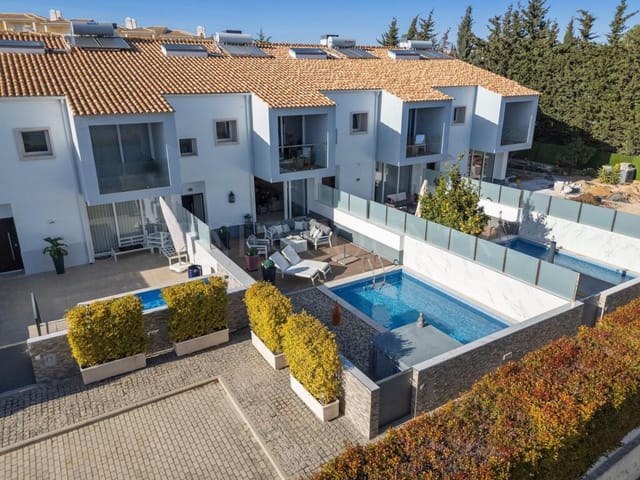
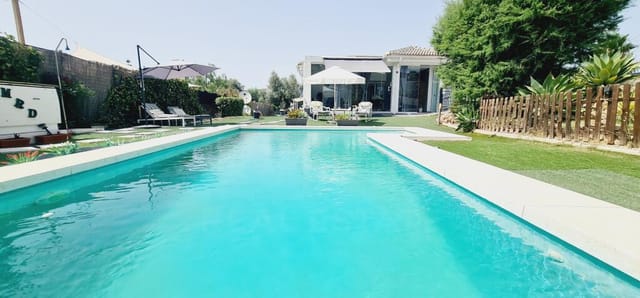
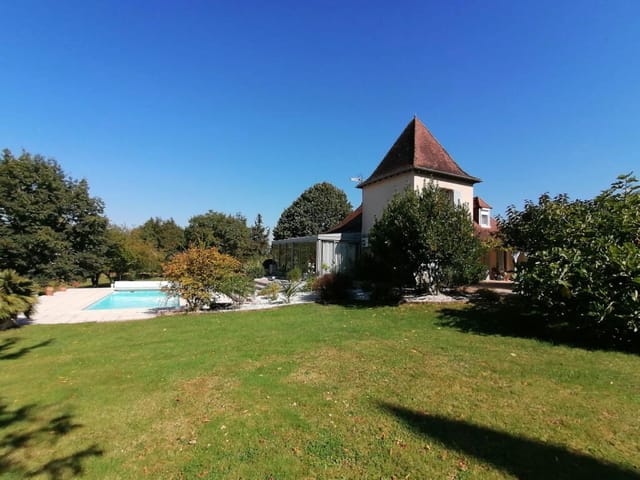
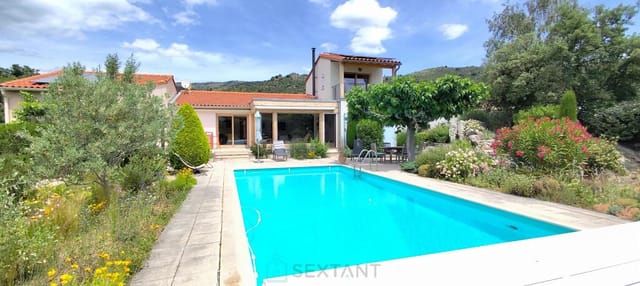
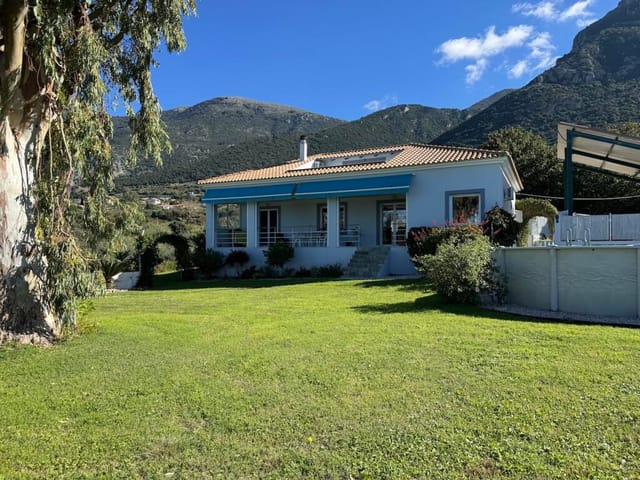
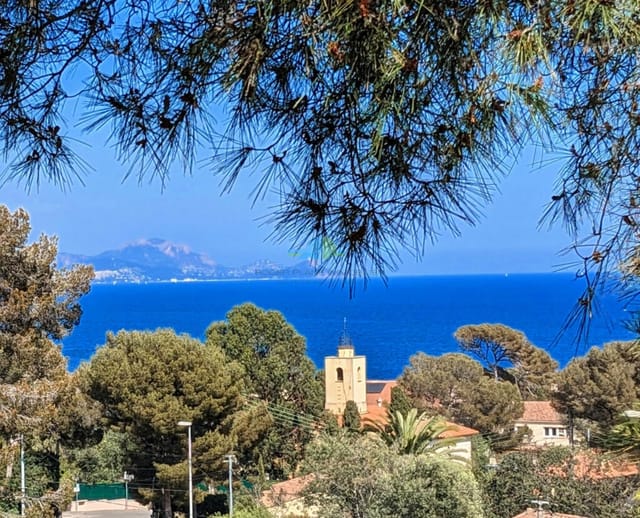
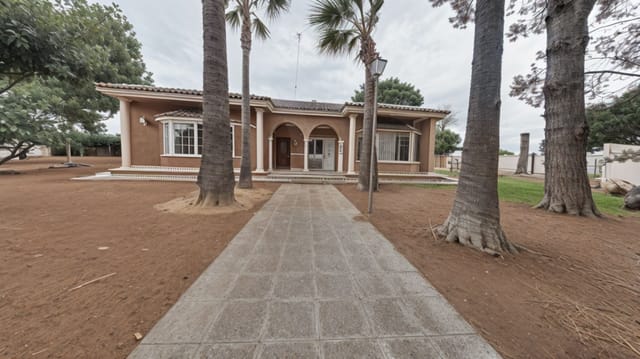
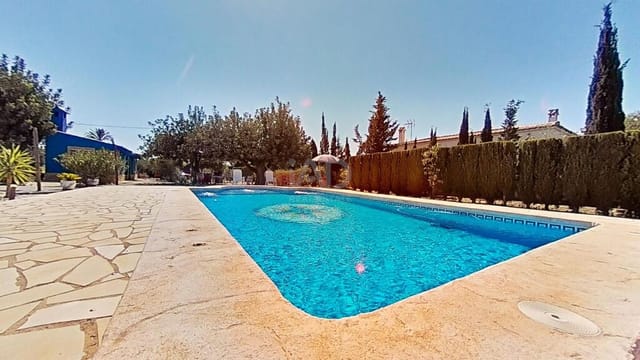
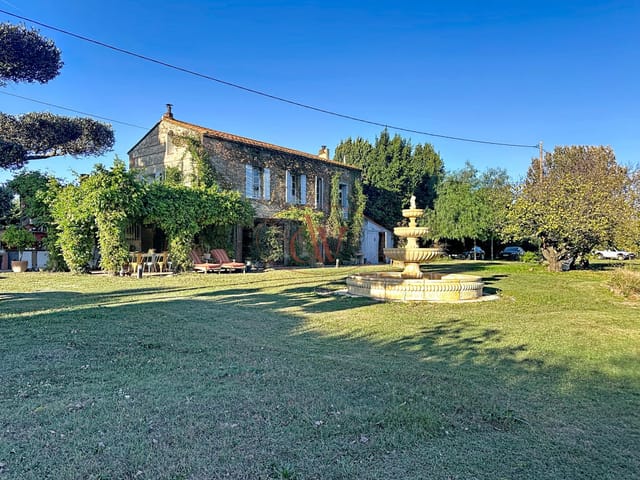
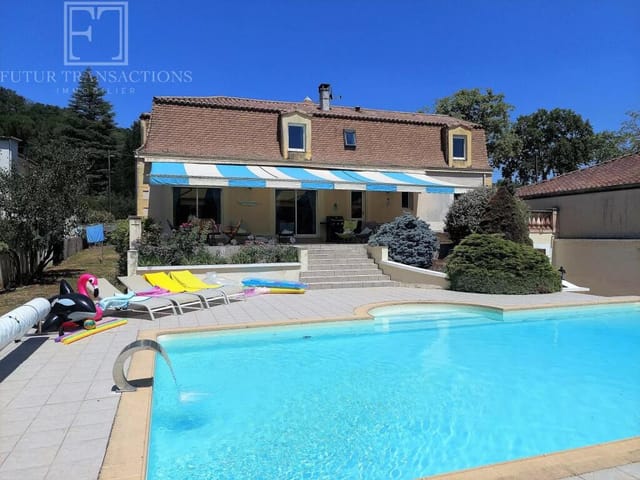
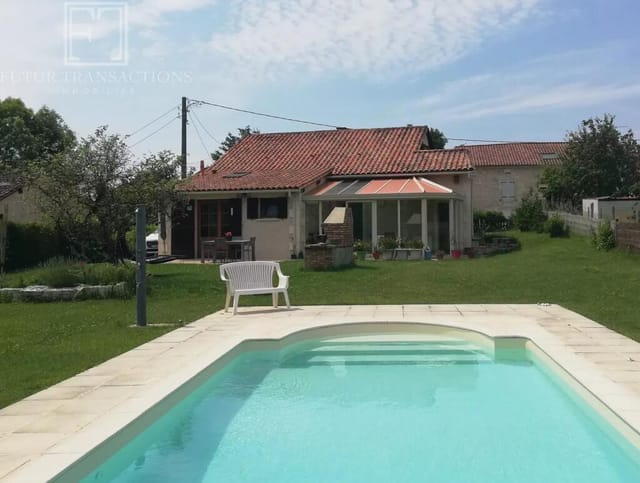
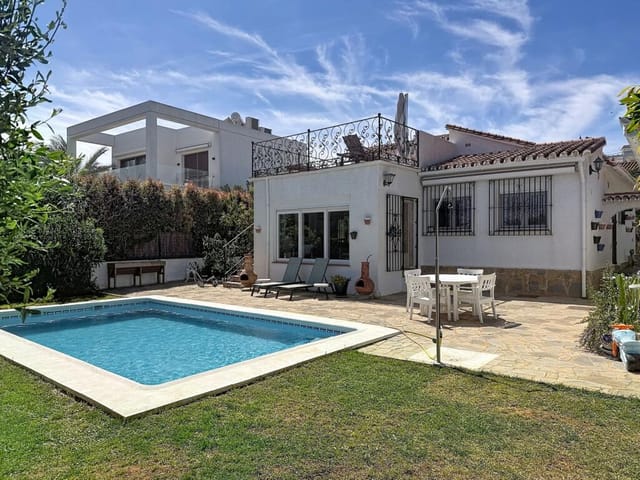
Houses For Sale In Europe With A Swimming Pool

Houses for sale in europe - homestra offers the largest amount of european real estate with over 200,000+ properties, find any type of property within your budget from villas to country homes. buy or rent your perfect home in europe.

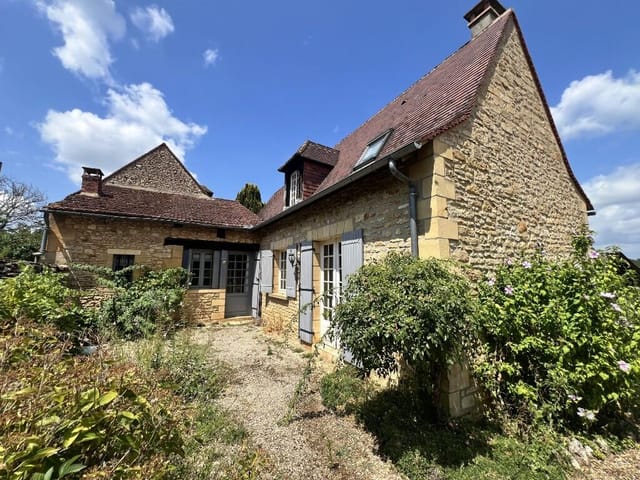
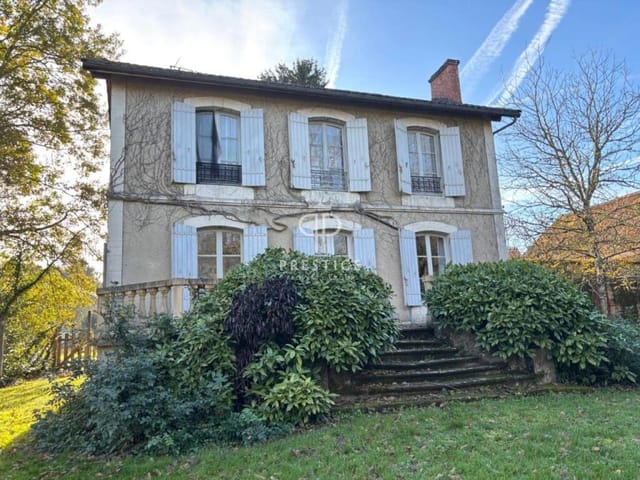
Step out onto the terrace on a Saturday morning and the first thing you notice is the silence — not the dead kind, but the alive kind. Birds in the walnut trees, a faint breeze off the Dordogne valley, and the faint scent of woodsmoke from a neighbouring farm. That's Saint-Avit. And once you've stood here with a coffee in hand, watching the mist lift off the rolling Lot-et-Garonne hills, it's very hard to imagine being anywhere else. This three-bedroom stone house sits in one of the quieter, greener corners of Aquitaine — a region most people think they know from Bordeaux wine routes and the Périgord truffle markets, but which holds far more than that in its folds. Lot-et-Garonne is sometimes called the "garden of France," and it earns the name. Orchards line the roadsides in spring. The weekly markets in Villeneuve-sur-Lot and Monflanquin spill over with strawberries from the Garronne plain, foie gras from local farms, and cheeses you won't find behind supermarket glass. Life here runs at a pace that feels deliberate rather than slow. The house itself has the bones of something built to last centuries — because it was. Terracotta floor tiles throughout the ground floor, thick exposed stone walls, and chestnut ceiling beams that have absorbed decades of firelight from the wood burner in the main living and kitchen space. That open-plan room clocks in at nearly 28 square metres, big enough for a long Sunday lunch with family but intimate enough to feel genuinely cosy on a January evening when the burner is doing its job. The dining room opens directly onto the terrace through double doors — the kind of detail that becomes central to daily life from May through October, when you'll eat outside more often than not. The g ... click here to read more

Picture 1

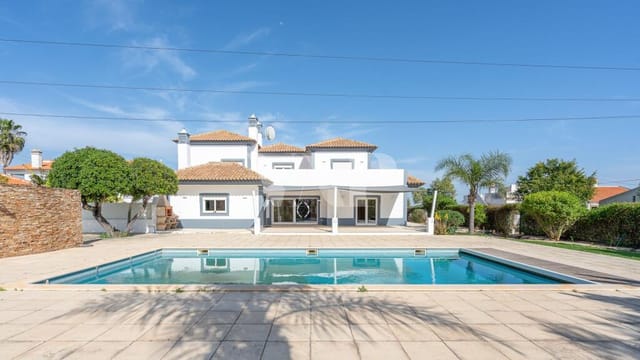
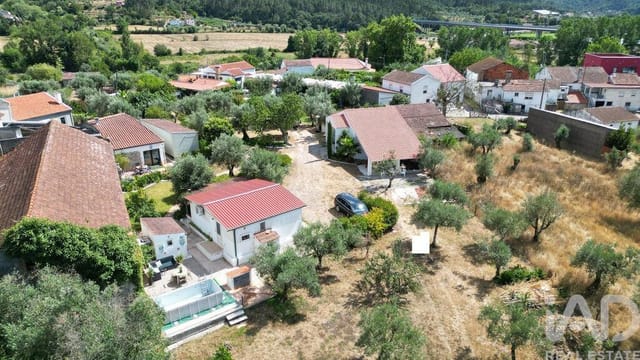
Sunday morning in Boliqueime sounds like this: roosters somewhere in the distance, the faint clatter of the weekly market setting up on Rua do Município, and the pool catching the early light outside your bedroom window while the rest of the house is still asleep. That's the rhythm here. Unhurried, golden, and entirely yours. This fully renovated six-bedroom villa sits on a 3,360 sqm plot in one of the Algarve's most quietly coveted inland villages, and it delivers something the coast rarely can — genuine breathing room. At 288 sqm of usable living space across three levels, the house has been rebuilt to a standard where you won't find yourself mentally tallying renovation costs or squinting at dated tilework. It's done. It's good. You walk in and start living. The ground floor sets the tone immediately. The entrance hall is wide enough to feel like a room in its own right, not a bottleneck. From there, the main living room — anchored by a proper wood-burning fireplace — opens directly onto the outdoor terrace, so the line between inside and outside blurs satisfyingly in the warmer months. The kitchen is the kind that actually invites cooking: generous counter runs, full equipment, and a dining area with enough space for the whole extended family without anyone feeling elbowed. There's a second reception room with its own fireplace too, which becomes a quiet sitting room in winter and a formal dining space when you're hosting. Two bedrooms and a family bathroom complete the ground floor. Upstairs, the two en-suite bedrooms claim the best real estate in the house. The balcony off the first floor looks out over the pool and then beyond it, across the low hills and carob trees of the Algarve interior — that particular sh ... click here to read more

Picture 1

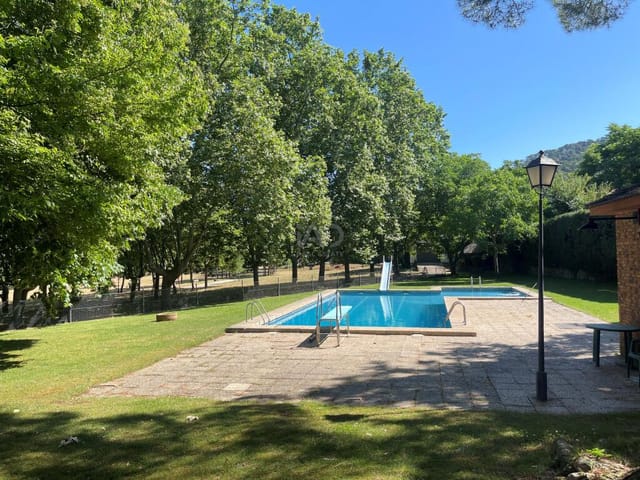
Sunday morning in Robledo de Chavela sounds like this: the faint clang of the church bell on Plaza de la Constitución drifting up through the pines, the smell of woodsmoke still clinging to the living room from last night's fire, and nothing — absolutely nothing — on the agenda except deciding whether to have breakfast on the terrace first or jump straight into the pool. That is the rhythm this house runs on. Set on a flat, fully fenced plot of over 6,000 square metres right in the heart of the village, this six-bedroom chalet is the kind of property that doesn't come along often in the Sierra Oeste de Madrid. Nearly 300 square metres of built space, a 93-square-metre swimming pool, a tennis court in excellent playing condition, established trees casting real shade in August, and a mountain backdrop that turns burnt orange in October. The whole package, sitting at around €750,000, works out to a remarkably rare price per square metre for what you're getting — both in terms of land and quality of life. Walk through the front gate and the sheer scale of the garden hits you first. The lawn stretches generously around the pool, and there's enough flat open ground that children can run without running into anything. The pool itself is large enough to actually swim laps, not just wade around — 93 square metres is serious. Changing rooms are right there beside it, which matters more than you'd think when you're hosting a full house in July and everyone wants to jump in at once. The main floor of the house is organised around a living room that's been divided into three distinct zones — a sitting area anchored by a serious fireplace, a reading or games corner, and a dining space that opens directly onto the terrace through wi ... click here to read more

Picture 1

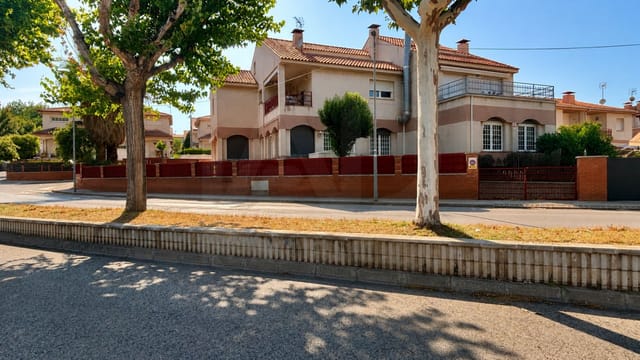
Step off the train from Barcelona, walk three minutes, and you're unlocking the front door of your own four-floor corner house in Abrera. That commute — that specific, effortless commute — is what makes this property different from anything else at this price point in the Barcelona metropolitan area. No car needed. No highway traffic. Just a short ride on the FGC line and you're home. Abrera sits in the Baix Llobregat comarca, a quietly confident town that most Barcelona weekenders haven't discovered yet. That's actually a good thing. Property values here reflect real local demand, not speculative tourist inflation. The town has its own rhythm — the weekly market on Plaça de la Vila, the smell of pan amb tomàquet drifting from the cafés on Carrer Major on Saturday mornings, kids cycling to school along the Llobregat river path. It's Catalonia without the performance of it. And this house sits right at the centre of all of it. The property itself covers 429 m² built across four floors, with 213 m² of usable space on a 300 m² corner plot. Corner plots matter. They mean natural light comes from two directions, that the ground floor feels more like a standalone building than a flat, and that the whole structure has a presence on the street that mid-terrace homes simply don't. On a clear morning, sunlight pours across the terraces on the upper floors and you can see the green hills of the Serra de l'Obac in the distance, the same hills where hikers from across Catalonia come to walk the GR5 trail on weekends. Now, about those four floors — because this is where the property gets genuinely interesting. The lowest level, Floor -1, is 100 interior square metres set up as a garage and workshop space with two exterior rooms cu ... click here to read more

Picture 1

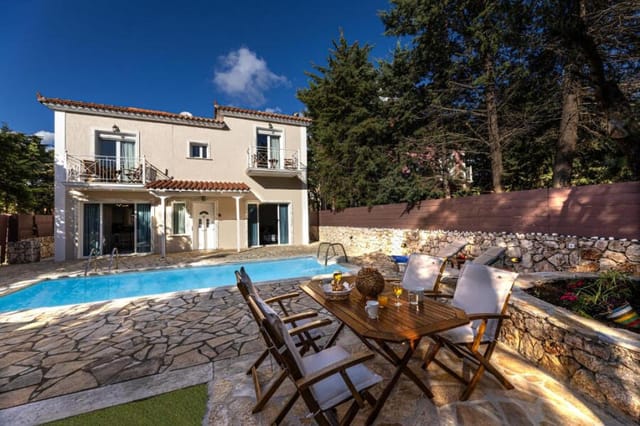
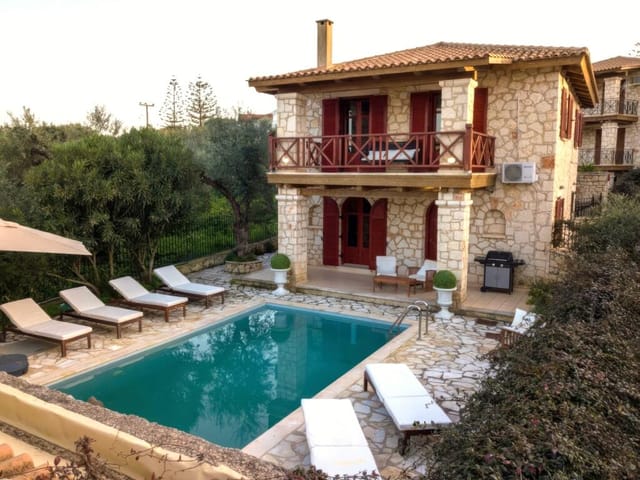
Picture this: you wake up on the first floor of your own white-walled villa, push open the balcony door, and the Ionian Sea fills the entire horizon. Not a sliver of it. The whole thing. The salt air drifts in before you've even made coffee, and somewhere below, the pool catches the morning light in that particular way it only does in the Greek islands — sharp and gold and impossibly blue. This is what mornings look like at this two-bedroom villa in Svoronata, a quiet residential pocket on the southwest coast of Cephalonia, just seven kilometres from the island's capital, Argostoli. The villa itself was built in 2004 and has been kept in genuinely good condition — no renovation projects, no compromises. At 102 square metres across two floors, it's compact enough to feel like a proper escape, but spacious enough to host family or friends without anyone feeling crowded. The ground floor opens into a living room anchored by a real fireplace — relevant more than you'd think, since Cephalonia's winters are mild but not tropical, and there's something deeply satisfying about a fire going in November when everywhere else in Europe is grey. The kitchen is fully equipped, connects to the dining area, and flows naturally toward the garden through the back. That garden is the real conversation. The 560-square-metre plot is fully enclosed and paved, with mature landscaping that gives it privacy without feeling boxed in. The pool sits at the centre of it all, surrounded by a dedicated BBQ area and outdoor lounge — the kind of setup that means long Sunday lunches stretch into evening swims without anyone having to go anywhere. In July and August, when Cephalonia is hot and bright from 7am to 9pm, this outdoor space becomes the actu ... click here to read more

Picture 1

Step outside on a Tuesday morning in late September, when the summer crowds have thinned and the air still carries that warm, resinous scent of sun-baked pine. The pool is yours. The terrace is quiet. From the upper-floor balcony, the light falls at an angle that makes the whitewashed walls of Branqueira glow almost amber. This is the version of the Algarve that repeat visitors spend years trying to find — and this four-bedroom townhouse sits right at the heart of it. Branqueira is one of those residential pockets of Albufeira that doesn't make it onto the tourist maps, which is precisely the point. It's a genuine neighbourhood — Portuguese families, long-term expats, a corner café where the espresso costs a euro and the owner knows your name by your third visit. The beach at Praia dos Aveiros is roughly a ten-minute drive, Praia da Galé a little further but worth every minute for its dramatic sandstone formations and calmer waters. The old town of Albufeira, with its cobbled Rua Candido dos Reis, the fish restaurants along the strip and the lively Largo Engenheiro Duarte Pacheco square, is close enough to visit on a whim but far enough that you won't hear it from your bed. The townhouse itself sits within a private condominium — gated, well-maintained, genuinely quiet. At 319 square metres, it's a substantial home, and the layout has been thought through in a way that makes the space work hard without ever feeling crowded. The ground floor opens into a living and dining area with panoramic windows that run almost the full width of the room. Open them and the boundary between inside and outside essentially disappears — the terrace, the pool, the afternoon sun all become part of the room. The kitchen is fully fitted wit ... click here to read more

Picture 1

Picture this: it's a Tuesday morning in November, and you're eating an orange you picked twenty minutes ago from a tree in your own garden. The sun is already warm enough to sit outside. Málaga is thirty minutes away, the airport a little less. Back home, it's grey and cold. Here, the pool catches the light and the lemons on the tree are so heavy the branches dip toward the lawn. This is what owning a vacation home in Alhaurín de la Torre actually looks like — not a postcard, just a Tuesday. Set in the residential quarter of Pinos de Alhaurín, this four-bedroom detached house sits on a generous 1,186-square-metre plot in the lower, flat section of the urbanisation — the part locals quietly prefer, because the streets are walkable, the gradient is forgiving, and the supermarket, pharmacy and school are all within a ten-minute stroll. The house was built roughly a decade ago with solid construction standards and has been consistently and carefully maintained. It shows. Nothing here needs emergency attention; this is a home you can walk into, switch on the air conditioning, and immediately start living. The main floor runs across approximately 119 square metres and is laid out with real logic: a wide living and dining room, a separate kitchen that doesn't feel like an afterthought, two bedrooms, and two full bathrooms. There's a glazed porch off the back — the kind of space that becomes your favourite room by February, when the weather oscillates between warm sun and the occasional Atlantic shower — plus a front terrace for morning coffee and a rear terrace for evening meals. South-facing orientation means light floods in for most of the day, and the orientation also means the pool area catches afternoon sun well into aut ... click here to read more

Picture 1

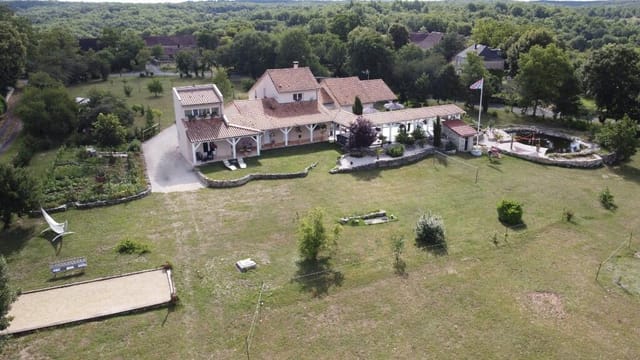
On a Sunday morning in early October, you step out through the veranda doors into cool Dordogne air and the countryside rolls out in front of you — gold, amber, russet — all the way to the tree line. Not another rooftop in sight. No road noise. Just the faint cluck of distant farmland and the particular stillness that this corner of southwest France does better than almost anywhere in Europe. That's the daily reality of owning this five-bedroom Perigourdine house on its 1.2-hectare private plot just outside Bergerac. This is a proper French country house — the kind that has real architectural bones. The thick stone walls, the pitched roof with dormer windows punching through the upper floor, the way the building sits low and confident in its landscape like it's been there for centuries. It has. But inside, a thoughtful renovation carried out in 2017 means you get all of that character without any of the headaches. The plumbing works. The kitchen is genuinely modern. You're not buying a renovation project — you're buying a house that's already done. The ground floor is more generous than most. A 78-square-metre open-plan living space anchors the home — kitchen flowing into a dining area flowing into a sitting room, with a glazed veranda tacked on the end that catches the afternoon light. In the cooler months, that veranda becomes the best room in the house: warm, bright, watching the mist lift off the fields while you drink your second coffee. There are two bedrooms on this level as well, along with a shower room and WC, making the ground floor entirely self-sufficient if you want to host guests or eventually manage your mobility differently. A laundry room keeps the mess out of the main living spaces. Upstairs, three ... click here to read more

Picture 1

Wake up to the smell of wild thyme drifting through an open window, the Canigou massif turning pink in the early light, and absolute silence apart from birdsong. That's a Tuesday morning at this architect-renovated villa in Tarerach, a quiet hilltop village a few kilometers from Prades in the Pyrénées-Orientales. It's the kind of morning that makes you wonder why you waited so long. This isn't a polished-up weekend retreat that looks good in photos and disappoints on arrival. The 210 m² house has real substance — thick stone walls, a Finnish log burner in the living room, an air-to-water heat pump with full central heating, and an energy rating of A, which in a region where summer temperatures regularly top 35°C and winter nights in the mountains get properly cold, actually matters. Someone thought hard about this renovation. The result is a home that works just as well in February as it does in August. The layout is unusually clever for a property this size. Beyond the main residence — four bedrooms, two bathrooms, generous open living spaces — there's a self-contained one-bedroom guest cottage that sits separately on the 1,837 m² landscaped plot. And then there's an independent guest room set up as a bed and breakfast unit, complete with its own entrance. That configuration gives you real options. Host family over summer, generate rental income from the cottage and B&B room when you're back in London or Amsterdam, or eventually run the whole thing as a small hospitality business. The region's year-round tourist draw makes that last option more realistic than it sounds. About that tourist draw: Prades itself is a proper Catalan market town, not a tourist simulacrum. The Saturday market on the Place de la République h ... click here to read more

Picture 1

Step outside on a September morning and the air smells of sun-warmed oregano and the faint salt of the Corinthian Gulf rolling in off the water. The olive trees — forty of them, spread across 4,400 square metres of your own land — are heavy with fruit. The pool is still. The mountains behind Kyparissia glow amber in the early light. This is the kind of morning that makes you wonder why you ever went back. This five-bedroom property in Stassio, sitting on the western Peloponnese coast just 4.5 kilometres from Kyparissia, is not one building but two — a 118 sqm main villa and a separate 75 sqm guesthouse, both fully furnished and ready to use from day one. That distinction matters more than it might first seem. It's the difference between a holiday home and a working asset. Between a retreat and a revenue stream. The main villa runs across two floors and sleeps the family comfortably: three bedrooms, two bathrooms, generous living areas. In winter, the wood burner takes the edge off the cool evenings and the radiator system means you can be genuinely comfortable here in January, not just July. Three air-conditioning units handle the summer heat. Double-glazed windows with fly screens and shutters throughout keep the bugs out and the cool air in. Solar panels supply the hot water, and a 5kW photovoltaic system connected to the grid quietly generates a supplementary income year-round, even when no one is staying. Practical, low-effort, and increasingly valuable as Greek energy costs fluctuate. The oval 10 x 5 metre swimming pool sits at the heart of the outdoor space, flanked by a three-person hot tub. The guesthouse — two bedrooms, one bathroom, its own wood burner and two air-conditioning units — has a separate 5-metre ... click here to read more

Image 1

On a still Tuesday morning in Issac, the only sounds you'll hear are wood pigeons calling from the old stone pigeonnier and the faint creak of the bread oven door as it cools from last night's pizza. The meadow is already gold in the early light, and the pond catches a slice of sky between the fruit trees. This is not a fantasy — it's an ordinary morning at this centuries-old farmhouse in the Dordogne, and it could be yours. Set on nearly seven acres of southwest French countryside, this is a compound more than a single property: two substantial stone houses, a massive two-level barn, a pigeonnier, a functioning bread and pizza oven, a walled courtyard, a pond, an orchard, and a pool area enclosed behind stone walls. Parts of the main structure date to the sixteenth century, and the history shows in every beam — not as a burden, but as texture. The kind of texture that takes three hundred years to make and cannot be bought new. The main house sits on a single level, which makes it genuinely liveable for all ages and every season. Walk into the dining room and the scale of it stops you: an enormous original fireplace dominates one end, the kind you could stand inside, with stone flooring underfoot that's been worn smooth by generations. The original beams overhead are dark with age and solid as the day they were cut. Two double bedrooms anchor the ground floor, and up above, an attic with proper head height waits — the bones are already there for additional accommodation, subject to the usual permissions, should you want to grow into the space over time. The second house is a different personality entirely. Where the main house is anchored and weighty, the second is open and airy — three separate entries lead out to th ... click here to read more

Picture 1

The day starts the same way every morning here: the Ionian Sea catches the sunrise before anything else does, and from the first-floor balcony of this east-facing villa, you watch the light climb out of the water and paint the Peloponnese mountains in shades of copper and rose. The olive groves between you and the shore are still. It's quiet enough to hear the birds. This is Bochali, on the green eastern side of Zakynthos, and this is what 7am looks like when you own a home here. Built in 2008 and thoughtfully renovated in 2019, this 156-square-metre stone villa sits on a fenced 381-square-metre plot within a small, well-kept development on the hillside just above Zakynthos Town. The construction is anti-seismic — the island takes earthquakes seriously, and so does this build. Two floors, three bedrooms, two bathrooms, a private pool, and a view that costs nothing extra. It came to market fully furnished and equipped, down to the fitted kitchen, so the ambition of turning up with a suitcase and opening a bottle of wine the same evening is not a fantasy here — it's just logistics. On the ground floor, the living and dining space opens into the kitchen in one continuous room, which is exactly how vacation houses should work — everyone together, no walls between the cook and the conversation. A guest WC sits off this main space. Upstairs, the master bedroom has its own ensuite bathroom, and two further bedrooms share the second bathroom. The balcony runs off the upper floor, and that east-facing sea view is yours from every morning you choose to be here. Throughout the villa, wooden shutters keep the afternoon heat manageable. Double glazing cuts noise and keeps warmth in during the shoulder seasons. Mosquito nets on eve ... click here to read more

Image 1

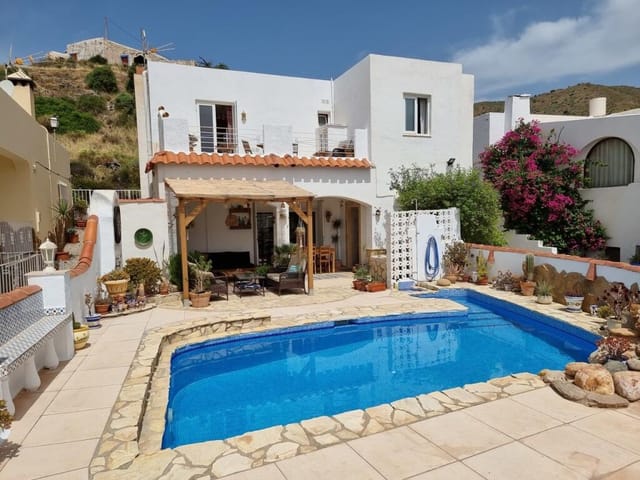
Early morning in Sopalmo, the air smells of wild rosemary and sun-warmed earth. The Almería hills sit golden in the distance, a rooster calls somewhere down the lane, and from the terrace of this four-bedroom villa, you can see all the way across the valley without a single rooftop breaking the view. This is the pace of life people spend years looking for. Sopalmo is one of those rare Andalusian hamlets that hasn't been discovered yet — not really. It sits quietly on the outskirts of Mojácar, tucked into the landscape like it's always been there, which it has. A small cluster of homes, a few neighbours who wave when they pass, and virtually no through traffic. Yet you're less than ten minutes by car from Mojácar Playa, where the beach bars along the seafront stay lively well into the evening and the chiringuitos serve fresh catch from the Mediterranean. The villa itself sits on 203 square metres of well-planned living space spread across two floors. Four bedrooms, three bathrooms — two of them en-suite — and a layout that actually makes sense for how people live on holiday and day-to-day. The bedrooms are genuinely generous in size. Not the cramped, corridor-of-a-room you find in so many Spanish villas at this price point. These are rooms where families spread out, where guests feel like guests rather than afterthoughts. What makes the interior feel different from the typical Almería villa is the light. Large windows pull the countryside in — the kind of soft, Mediterranean afternoon light that turns everything slightly golden and makes you forget what you were doing. The main living and dining area is where the house earns its keep: big enough to seat everyone for a proper meal, relaxed enough that nobody feels like ... click here to read more

Picture 1

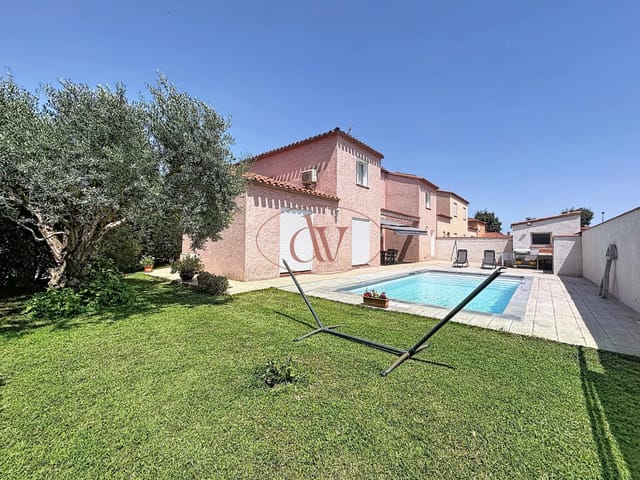
Sunday morning in Elne moves at its own pace. The market on the Place de la République is already alive by nine — vendors stacking fat Roussillon peaches, wheels of aged sheep's cheese from the Pyrenean foothills, bottles of Banyuls and Maury that catch the light like dark garnets. You walk back up the hill with a baguette tucked under one arm, push open the gate, and drop everything beside the pool. The water is that particular shade of blue you only ever get under a southern French sky. This is what owning a house in Elne actually feels like. Set in one of the most historically layered towns in the Pyrénées-Orientales, this three-bedroom house spans 130 square metres on a 463-square-metre plot — enough garden and terrace space to feel genuinely private without becoming a weekend maintenance project. The property is in good condition and move-in ready, which matters enormously if you're buying from abroad and can't oversee a renovation from another country. The ground floor revolves around a single, generous living space of around 50 square metres. Open-plan kitchens tend to sound better on paper than they live in practice, but this one earns its footprint — the dining and lounge areas flow naturally into each other, and when you throw the doors open in July the distinction between inside and outside more or less disappears. There's also a separate WC on this level and a 22-square-metre garage that international buyers often find more useful than expected: storage for bikes, a surfboard for trips down to the coast, garden furniture through winter. Upstairs, three proper bedrooms — not the shrunken secondary rooms that often get dressed up with that description — sit alongside a dedicated office that works equally wel ... click here to read more

Picture 1

Stand on the upper terrace at dusk and you'll understand immediately why people come to Sotogrande and simply never leave. The light here is different — it turns the Strait of Gibraltar into something close to hammered copper, and on clear evenings you can trace the outline of the Moroccan Rif mountains across the water. That view, framed through floor-to-ceiling glass from Villa Garnacha's main living spaces, is not a backdrop. It becomes part of daily life. La Reserva de Sotogrande sits at the southeastern tip of Andalucía, in the municipality of San Roque in the province of Cádiz — a corner of Spain that has been quietly drawing Europe's most discerning property buyers for decades. Not the loudest destination on the Costa del Sol. Deliberately so. The community has resisted the overdevelopment that swallowed neighboring coastlines, keeping its private roads lined with stone pines and its residents notably private. What you get here is space, silence punctuated only by birdsong and the distant thwack of a golf club, and a quality of architecture that takes itself seriously. Villa Garnacha is in the final phase of construction, and this is where the opportunity becomes genuinely rare. The bones are done — the structure is built using cross-laminated timber, or CLT, which is not a marketing buzzword here but a genuine structural choice that changes how the house feels. CLT buildings breathe differently. They hold warmth in winter without becoming oppressive in July, and the acoustic insulation means the 689-square-metre interior is remarkably quiet even when the terraces outside are full of people. The thermal performance alone will make a measurable difference to running costs year-round. The plot runs to 2,560 squar ... click here to read more

Picture 1

The Atlantic is right there. Two minutes on foot and you're standing on the wide, pale sand of La Antilla beach, watching the surf roll in off the Gulf of Cadiz while most of Europe is still reaching for a second coffee. That's the daily reality of life in this three-storey renovated townhouse — a southwest-facing, light-drenched home that puts one of Huelva's most underrated coastlines practically at your doorstep. La Antilla sits in the far southwest corner of Spain, tucked between the more famous resorts of the Costa de la Luz and the wild, protected marshes of Doñana National Park. It doesn't make the headlines. That's precisely why people who know this stretch of coast guard it so carefully. The beach here — Playa de La Antilla — is long, clean, and rarely overwhelmed, even in August. The Atlantic keeps things honest: the water is cooler than the Mediterranean, the breezes are real, and the light in the late afternoon turns the whole seafront the colour of warm copper. Huelva capital is only about 40 minutes by car, Seville a little over an hour. Portugal's Algarve coast is reachable in under two hours. You are not isolated here; you are just far enough from everything to breathe. The house itself is part of a private gated community — code access at the entrance, alarm system with video surveillance, video intercom — which matters enormously when you're buying a second home you won't always be in. The community pool is shared but well-maintained, and the grounds give the whole development a quietly residential feel rather than a holiday park aesthetic. This is a neighbourhood where Spanish families have been coming for generations, where the bakery on Calle Duque knows its regulars and the chiringuitos along the ... click here to read more

Picture 1

Stand on the upper terrace just after sunrise and you'll understand immediately why people never leave Albufeira. The Atlantic catches the light in long copper strips, the marina below is already stirring with early fishing boats, and the air carries that particular mix of salt, eucalyptus, and warm stone that belongs entirely to the western Algarve. This is the view from your living room. Every single morning. Positioned on the south-facing slopes of Ourada hill, this four-bedroom detached villa occupies a 1,000m² plot and stretches across 472m² of thoughtfully finished interior space. At €2,200,000, it sits at the sharper end of the Albufeira market — and it earns that position. The construction quality is serious: wide-format tiling, solid joinery, and generous ceiling heights that keep every room feeling cooler than the summer temperatures outside would suggest. Three of the four bedrooms are en-suite, which matters enormously if you're hosting a mix of couples or running the property as a holiday rental. The fourth has its own dedicated family bathroom just steps down the corridor. No one's sharing. No early-morning queues. The kitchen is properly equipped — not a show kitchen with nothing in the drawers, but a working space with actual appliances, enough counter run to prep a meal for eight, and a layout that opens toward the social areas of the house. Portuguese households take food seriously, and so does this one. On a Saturday afternoon you could be grilling fresh dourada from the fish market on Rua Coronel Agostinho Freire while a jug of sangria sweats on the outdoor table. About those terraces. There are multiple of them, each oriented slightly differently so you can follow the shade or chase the sun depend ... click here to read more

Picture 1

Stand on the top solarium terrace on a clear October morning and the Rock of Gibraltar fills the horizon, solid and ancient, while the Strait below catches the early light in long silver ribbons. That view—framed by bougainvillea climbing the stone walls and the faint salt breeze coming off the Atlantic—is the first thing you notice. It won't be the last. This is a serious family estate in Getares, one of the quieter residential pockets along the Algeciras coastline, and it works on every level that matters. Five bedrooms. Four bathrooms. A fully independent guest cottage with its own street entrance. A private pool. An outdoor kitchen under a pergola that has hosted more summer dinners than anyone's keeping count of. And 323 square metres of built space sitting on a 974 m² plot that feels, improbably, like it keeps revealing new corners the longer you spend time here. The main house runs across two floors and the architecture does something you don't often see at this price point in Cádiz province—the ceilings are genuinely high, which means natural light pours through rather than skims the surface. Downstairs, the entrance hall opens around a working fireplace, the kind you actually want to light in January when the Costa de la Luz turns quietly cool and the tourists have long gone home. The living and dining room has a second fireplace. The kitchen is built in traditional rustic style with masonry shelving, handmade and solid, with a laundry room tucked alongside it. Two bedrooms and a bathroom complete the ground floor—well-proportioned rooms that work equally well for children or weekend guests. Upstairs is where the property earns its place in a different category entirely. The master suite is double-aspect: sea ... click here to read more

Picture 1

Stand on the upper terrace on a Tuesday morning in late June, coffee in hand, and the Estérel massif turns the color of raw copper in the early light. Below, through a corridor of umbrella pines, you catch a silver flash of the Mediterranean. The infinity pool seems to spill right into it. This is not a postcard — this is what the week looks like when you own a home in Les Issambres. Roquebrune-sur-Argens sits in that rare pocket of the Var where the coast hasn't been completely swallowed by development. Les Issambres is its seaside quarter — a low-key, genuinely residential stretch between Saint-Aygulf and Sainte-Maxime that regular Côte d'Azur visitors tend to guard like a secret. The coves here, particularly Calanque des Anglais and the rocky inlets flanking the Corniche d'Or, are reachable on foot. Not "a short drive" on foot. Actually on foot, through fragrant maquis scrub that smells of wild thyme and warm rock. The villa itself is built in the Provençal Mas tradition — thick walls, tiled rooflines, terracotta details — but the interior has been fully brought into the contemporary era. At 289 square metres of living space, it breathes. The main salon runs to 70 square metres, which means a large family or a group of friends genuinely spreads out rather than stacking on top of each other. Five bedrooms, each with its own private bathroom and private terrace. That last detail matters more than you'd think: summer mornings where every guest can take their espresso outside without negotiating space are worth paying for. A dedicated office — large enough to function equally well as a games room or a teenager's retreat — gives the property a flexibility that pure holiday rentals rarely have. This works as a serious se ... click here to read more

Picture 1

Picture this: it's ten in the morning, the Cádiz sun is already warm on your face, you've just made coffee in a kitchen that actually has room to cook in, and you're standing at the edge of a 66-square-metre private pool surrounded by mature pines that cut the Levante wind to a whisper. This is not a holiday apartment with a shared courtyard. This is 391 square metres of solidly built, single-storey living on a 3,170-square-metre fully fenced plot in the Pinar de los Franceses neighbourhood of Chiclana de la Frontera — one of the most quietly desirable pockets on the entire Costa de la Luz. Chiclana doesn't get the same international headlines as Marbella or Nerja. That's precisely why people who know this coast well end up buying here. The town has real roots — the carnival in February fills the streets with music that spills past midnight, the Thursday market on Calle Real has been running for generations, and the tapas bars around Plaza Mayor serve papas aliñás and chipirones en su tinta at prices that feel like a small act of generosity. There's a functioning community here, not just a tourist infrastructure. And then there's La Barrosa. Drive five minutes south and you hit one of the finest Atlantic beaches in southern Spain — six kilometres of fine white sand backed by low dunes and pine forest, with chiringuitos serving grilled dorada and cold Cruzcampo from early April well into October. Sancti Petri, a few minutes further along the coast, adds a salt marsh nature reserve, a ruined castle on its own tidal island, and a handful of proper seafood restaurants where the catch arrived that morning from the Atlantic. Kitesurfers work the wind off Playa de los Alemanes while families spread out on the wider stretches ... click here to read more

Picture 1

Sunday morning in Matola. The kitchen smells of café con leche and the garden is already warm by nine. Through the wide terrace doors, you can hear nothing but cicadas and the soft splash of water in the pool. This is not a postcard moment—it's just a regular morning when you own this four-bedroom chalet in one of the most quietly compelling corners of Spain's Alicante province. Elche tends to fly under the radar compared to its louder coastal neighbors, and that's precisely the point. The city holds a UNESCO World Heritage Site—the Palmeral, a palm forest of over 200,000 trees planted during the Moorish period—and yet the streets don't grind to a halt in August the way they do in Benidorm or Torrevieja. Local life here runs on its own rhythm. The Mystery Play of Elche, performed every August inside the Basilica of Santa Maria, has been staged continuously since the Middle Ages; it's the kind of thing you stumble into as a resident, not a tourist. The covered Mercado Municipal on Calle Curtidores fills with fresh figs, local almonds, and the briny smell of bacallà on Friday mornings. You find yourself going back every week. The Matola area sits in the quieter, greener outskirts of the city—wide plots, low-density building, and the kind of space that's become genuinely rare this close to the Costa Blanca. From here, the beaches of Santa Pola are a 15-minute drive. Guardamar del Segura, with its wide sand dunes and calm shallow water, takes 20 minutes. Alicante Airport is roughly half an hour away, which makes this a real-world option for anyone flying in from northern Europe for long weekends or extended summer stays. International buyers from the UK, Germany, the Netherlands, and Scandinavia have been quietly building ... click here to read more

Picture 1

Pour yourself a glass of wine you pressed yourself. That's not a fantasy—it's a Tuesday afternoon at this six-bedroom working farmhouse in Cehegín, a quietly extraordinary corner of Murcia where the Sierra de la Puerta rolls into terraced hillsides still farmed the old way. The 300 grapevines climbing the property's southern slope produce around 500 liters of wine per year. The 130 olive trees—some of them older than anyone can reliably remember—yield roughly 300 liters of oil. This is not a lifestyle prop. It's a functioning agricultural operation wrapped inside a substantial family home, priced at €249,900. Cehegín doesn't get the tourist traffic of Cartagena or Murcia city, and that's precisely the point. The old town, a ten-minute drive away, is packed with Baroque churches and a medieval castle that most of Spain doesn't even know exists. Saturday mornings at the weekly market on Calle Mayor mean conversations with the same vendors who've been selling tomatoes, cheese, and cured meats there for decades. The Fiesta de la Vendimia in autumn—the grape harvest celebration—turns the whole region into something between a folk festival and a communal kitchen. You'll want to be here for it. The farmhouse itself sits on a 10,000-square-meter plot that balances urban and rural land classifications, a practical distinction that opens up possibilities for tourism licensing, agricultural subsidies, or simply keeping your options open. Step through the main entrance and the interior patio immediately signals the building's age and logic: everything organized around a central breathing space, the kind of layout that keeps the interior cool through July and August without air conditioning doing the heavy lifting. The ground floor ... click here to read more

Picture 1

The alarm doesn't wake you here. What does it is the light — that specific, golden Mediterranean morning light that pours through the terrace at an angle you've only ever seen in paintings. You step outside with a coffee, barefoot on warm stone, and the grove of fruit trees is already humming with bees. Somewhere behind the carport, a neighbour's cockerel makes his announcement. This is daily life on a rustic finca just outside Elche, and it is nothing like your daily life back home. At 750 square metres, this plot sits in a peaceful pocket of Valencia's Alicante province — close enough to civilization to be genuinely convenient, far enough from it that the silence is real. Ten minutes by car and you're parking at the beaches of the Costa Blanca. Guardamar del Segura's long sandy stretch, or the buzzing shoreline at Santa Pola — both within easy reach. But you'll find yourself in no rush to leave. That tends to happen here. The finca is centred around a fully equipped mobile home that lives much bigger than you'd expect. Three bedrooms, a bathroom, a proper kitchen — not a camping kitchen, a real one with everything you need to cook a paella from scratch using tomatoes you grew yourself. The living and dining area flows out to a large terrace where the outdoor table hosts long, unhurried meals under a sky that, in summer, stays light until well past nine. Truma heating keeps winters entirely manageable, and the air conditioning handles the peak July heat without complaint. This is a set-up designed for four seasons, not just a fortnight in August. The solar panel installation is one of the property's most compelling features, practically speaking. Off-grid energy capability, irrigation water on site, and a lifestyle t ... click here to read more

Picture 1

Saturday morning. You're standing at the kitchen window with a coffee, watching the light move across the Castilian meseta. The garden is already warm, the pool still flat and glassy, and the only sound is a distant church bell rolling down from the old quarter of Burgos, thirty minutes up the road. This is a morning that could belong to you, repeated across every season, in a house that actually has room to breathe. This six-bedroom property in Castrillo del Val sits inside the Los Tomillares residential development, positioned toward the quieter rear section of the estate, well away from the main road. The plot runs to around 1,100 square metres, and the house itself covers approximately 440 square metres across the main residence plus a fully independent pavilion — a combination that's genuinely hard to track down in this corner of Burgos province, at any price. The layout has been thought through the way family houses should be. Six bedrooms give you real flexibility: host a full multigenerational gathering, keep two rooms permanently ready for children or regular guests, and still have a dedicated space for working remotely or reading in quiet. Three complete bathrooms mean mornings run smoothly even when the whole house is full. The large main living room opens through to two enclosed gallery spaces — those classic Spanish galerías that trap afternoon light and give you somewhere to sit year-round regardless of the weather. There's also a formal terrace, a dressing room, and a kitchen that genuinely functions as the anchor of the home. It has direct access to the terrace, which flows naturally down into the garden and pool area. When you're cooking in summer, the line between inside and outside more or less disap ... click here to read more

Picture 1

Picture a Saturday morning in late September. You pull open the roller shutters and the light that floods the living room is that particular gold you only get this far south — thick, warm, almost edible. Outside, the vines on the Agly plain are turning amber. There's a market in Rivesaltes, twenty minutes on foot, where someone is grilling merguez next to a stall piled with Muscat grapes and local honey. This is not a fantasy. This is a regular weekend when you own this 233 m² villa on a quiet residential street in one of the most quietly compelling corners of the French Midi. Rivesaltes sits in the Pyrénées-Orientales department, tucked between Perpignan and the coast, flanked by vineyards that have been producing wine since the Romans passed through. The town's name is practically synonymous with the famous Muscat de Rivesaltes and the rich Rivesaltes Ambré, and the Cave de Rivesaltes cooperative — one of the largest in the region — welcomes visitors year-round for tastings that won't cost you a fortune. This is everyday life here, not a tourist attraction you visit once. The villa itself is a proper single-storey family home with a footprint that feels rare at this price point in southern France. At 233 m² of living space spread across one generous floor — plus a 16 m² upstairs office — the layout is genuinely practical rather than just spacious on paper. The main living room stretches to 38 m², and with the open-plan kitchen flowing into it, the whole social heart of the house breathes. Five bedrooms, two full bathrooms plus en-suites, a separate laundry room — this is a home that can absorb a large family or a revolving cast of guests without anyone feeling crowded. The 22 m² garage keeps a car out of the Roussill ... click here to read more

Picture 1

Step outside on a Tuesday morning in late September, coffee in hand, and the only sounds are the dry rustle of olive branches in the Tramontane wind and the distant bells of Corneilla-del-Vercol's Romanesque church drifting across the vines. The Mediterranean is twenty minutes away by car. Perpignan's covered market at Les Halles, stacked with Roussillon cheeses, anchovies from Collioure, and fat peaches from the Conflent valley, is closer still. This is not a lifestyle you have to imagine—it is one you can step into. This five-bedroom stone Mas sits on nearly 2.8 hectares of working farmland just outside the village of Corneilla-del-Vercol, a few kilometers south of Perpignan in the Pyrénées-Orientales. It is the kind of property that rarely surfaces: a genuine Catalan farmhouse with serious square footage—214 m² across the main house alone—authentic stone construction, and enough land to feel genuinely rural, yet close enough to a major city that you are never more than five minutes from a motorway, a train station, or an international airport. The olive trees planted across the property are not decorative. They fruit. Come November, that harvest ritual—the nets spread under silver-grey canopy, the mechanical combs, the press at a nearby cooperative—becomes part of the rhythm of owning this place. The Pyrénées-Orientales is France's sunniest department, averaging over 320 days of sunshine a year, and that light sits differently on old stone than it does anywhere else. By midday in July the walls hold warmth; by evening they cool the air inside without effort. The main house is arranged around three generous suites, one of which occupies part of the ground floor for easy, single-level living. The standout suite on th ... click here to read more

Picture 1

Picture a Sunday morning in high summer: you open the kitchen door and the smell of warm stone hits you first, then cut grass, then something faintly floral drifting in from the garden. The pool is already glinting in the early light. Nobody else is awake yet. This is what 215 square metres of well-built French country life actually feels like, and it's waiting for you in the Charente. Civray sits in the Vienne department of the Nouvelle-Aquitaine region, a part of rural France that still rewards people who choose to slow down. This isn't the Dordogne with its tourist caravans and inflated prices. Civray is real, working, lived-in France — a market town with a proper Saturday market on the Place du Marché, a Wednesday morning brocante that turns up the occasional serious find, and a Romanesque church facade on the Saint-Nicolas that art historians make detours to see. You walk to the boulangerie before 8am and you're back with a still-warm baguette before the household stirs. That's the rhythm here. The house itself is substantial. At 215 square metres of habitable space, it's built to the kind of standard that was common in this part of France in the late twentieth century — solid concrete and stone construction, thick walls that keep things cool through July and August without air conditioning fighting the heat. The layout is practical rather than fussy. On the ground floor, a 46-square-metre open-plan dining and living room is anchored by a fireplace that earns its keep from November through March. French doors push open onto the terrace and, from there, directly to the pool. The kitchen — 18 square metres, fully equipped — sits adjacent, so meals move naturally from prep to table to outdoors. The ground-floor bedr ... click here to read more

Picture 1

On a Sunday morning in the Périgord Vert, the church bell from Saint-Pierre de Brantôme carries across the valley before the rest of the world has stirred. You're standing at the veranda doors, coffee in hand, watching the light move across the pool. The figs on the old tree in the garden are almost ripe. This is what you bought it for. Just five minutes from the historic heart of Brantôme — the town they call the Venice of Périgord, carved around a loop in the River Dronne — this 120 m² stone house sits on a generous 1,863 m² garden plot and has been well maintained throughout. It's move-in ready, properly liveable from day one, and the kind of property that rewards you the longer you sit with it. The house itself tells you where it comes from. Original exposed stonework lines the living room walls, rough-cut beams cross the ceiling, and a working fireplace anchors the room when the evenings cool in October. That 30 m² living space is genuinely large enough for a family to spread out without getting on each other's nerves after a long drive from Bordeaux-Mérignac. The fitted kitchen runs practically — well-positioned, light, and leading directly into the veranda, which is where you'll end up spending most of your time anyway. The veranda looks out over the 10x4 swimming pool and the wider garden, and once you've had lunch out there under the afternoon sun with a cold glass of Bergerac Sec, going back to a city apartment feels like a genuine hardship. Three bedrooms across the house, one of them conveniently on the ground floor — a real advantage if you're hosting older family members or anyone who'd rather not deal with stairs. Two shower rooms keep the morning routine running smoothly when the house is full. The who ... click here to read more

Picture 1

Stand on the rooftop solarium at dusk, a cold glass of Manzanilla in hand, and watch the sun drop behind Gibraltar while the lights of Morocco flicker awake on the horizon. That's not a postcard. That's a Tuesday evening. This single-storey villa in the hills above Manilva delivers one of those rare combinations—a fully renovated main home, a completely self-contained guest apartment, a private pool, and genuine sea views—all within walking distance of the Mediterranean. The house sits on a 530-square-metre plot in a year-round residential pocket of Casares Costa, the kind of neighbourhood where families actually live rather than just show up in August. Neighbours keep their gardens tidy. The streets are quiet without being remote. And the beach? Reachable on foot in under twenty minutes through a dedicated pedestrian underpass that cuts safely under the AP-7 motorway. Mornings, you'll see walkers and cyclists doing that exact route at sunrise. Inside, the main villa stretches across 109 square metres and was comprehensively renovated in 2018—so the bones are solid and the finishes are current. The layout flows logically: a proper entrance hall that gives the house a sense of arrival, a kitchen with enough room to actually cook in, a separate dining room for longer evenings, and a living room that catches good natural light through most of the day. The master bedroom is genuinely spacious, the bathroom has been done properly, and there's a guest WC so the practicalities of hosting are already sorted. This isn't a holiday flat dressed up as a house. It feels like a home. What makes this property genuinely different is the guest apartment. At 40 square metres with its own private entrance, it functions entirely independ ... click here to read more

Picture 1

On a still morning in the Périgord Noir, the only sounds you'll hear from this hamlet courtyard are birdsong, the faint echo of a church bell drifting over from Castels, and the soft splash of water in a 12-by-6-metre saltwater pool that looks straight out over a valley that hasn't changed much in centuries. That's not a selling point — that's Tuesday. This is a rare opportunity to acquire not one but two authentic Dordogne stone houses sitting side by side on roughly 8,000 square metres of grounds in the commune of Castels et Bézenac. A shared cobbled driveway and a gated private courtyard connect them, and together they form a property that functions equally well as a large family holiday compound, a multi-generational retreat, or a live-in renovation project with serious long-term upside. The asking price of €294,000 for the entire ensemble — pool, dovecote, garage, outbuildings, courtyard and all — is the kind of number that makes people do a double-take when they check it against what comparable Dordogne properties have been selling for. The larger of the two houses is the one that stops you at the door. Ground floor: a proper country kitchen with an adjoining shower room and WC, and a living-dining room anchored by a character stone fireplace and a pellet stove — the kind of room you want to be in when November rain is hitting the terrace outside and a cassoulet is on the hob. French doors open both toward the front courtyard and the rear garden, so the space breathes in summer and feels sealed and warm come autumn. Upstairs, two bedrooms and a small bathroom with WC. It's not complicated. It's exactly what a Dordogne farmhouse should be. The second house, slightly more compact, has its own kitchen, a living roo ... click here to read more

Picture 1

Step off the small road from Espinhal and through the iron gate, and the first thing you notice is the silence. Not absence-of-sound silence — the kind filled with birdsong, wind in the fig leaves, and the distant creak of a well pump doing its slow, steady work. This is Rabaçal, a fold in the hills of Beira Litoral where central Portugal keeps some of its quietest, most unhurried countryside. And on 7,416 square metres of gently sloping land, three fully fitted, furnished houses are waiting. This isn't a single home. It's a compound of sorts — three independent cottages, a garden abundant with olive, apple, plum and fig trees, a small swimming pool, a barbecue terrace, and a newly built garage large enough to swallow a motorhome and four cars whole. The word that comes to mind isn't "property." It's possibility. The first house is the one that stops you. Built entirely from stone — the regional kind, irregular and warm-toned — it rises two levels, with the main living area and a fitted kitchen flowing openly into each other on the ground floor. A wood-burning stove anchors the room in winter. The staircase climbs to a mezzanine bedroom that catches morning light through double-glazed windows. There's a fully fitted bathroom on the ground floor, and the whole thing has been put together with care. Not just cleaned and staged — actually thought through. The furniture stays. Everything works. Cross the landscaped garden path between the two front houses and you reach something genuinely unexpected: a second cottage converted from a shipping container. Before that raises eyebrows, know this — it's insulated in the walls and roof, fitted with PVC double-glazed windows and doors, warmed by its own wood-burning stove, and f ... click here to read more

Picture 1

Step outside on a July morning, coffee in hand, and the Périgord countryside rolls away from your terrace in every direction — golden fields, oak woodland, not another rooftop in sight. The heated saltwater pool catches the early light. Somewhere in the studio behind you, the kids are still sleeping. This is what a summer in Brouchaud actually feels like. Brouchaud sits quietly in the northern Dordogne, the kind of village that doesn't show up on tourist maps but sits within easy reach of everything that makes this corner of France worth coming back to year after year. Périgueux, the ancient capital of the Périgord with its Roman amphitheatre ruins and the extraordinary Byzantine domes of the Cathédrale Saint-Front, is about twenty-five minutes by car. Brantôme — nicknamed the Venice of the Périgord for its abbey and riverside setting along the Dronne — is even closer. Markets happen several times a week in towns like Thiviers and Excideuil, and if you arrive early enough on a Saturday morning in Périgueux, you'll find the covered Clautre market overflowing with black truffles in winter, fat strawberries in spring, and Périgord walnuts come October. The rhythm here is slow and deliberate, which is exactly the point. The Dordogne has long attracted buyers from across northern Europe — British, Dutch, Belgian, Scandinavian — drawn by the food, the pace, and frankly the value compared to Provence or the Côte d'Azur. This part of Aquitaine gives you all the pastoral beauty without the summer gridlock. Bergerac Airport, which handles direct flights from London, Birmingham, Bristol, Edinburgh, and several other UK and European cities, is roughly forty minutes south. Bordeaux-Mérignac, with its much wider international connec ... click here to read more

Picture 1

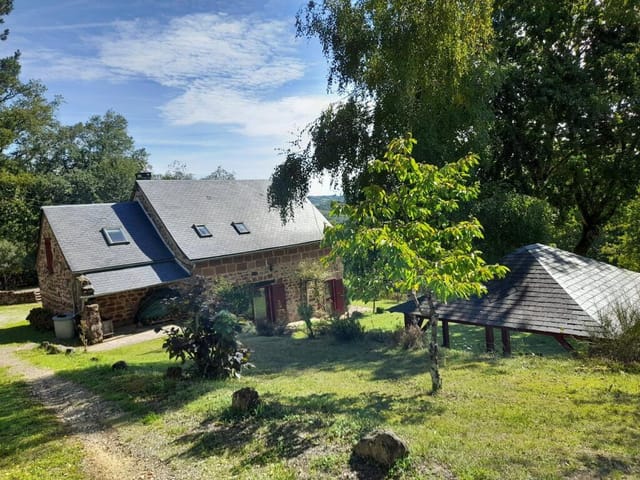
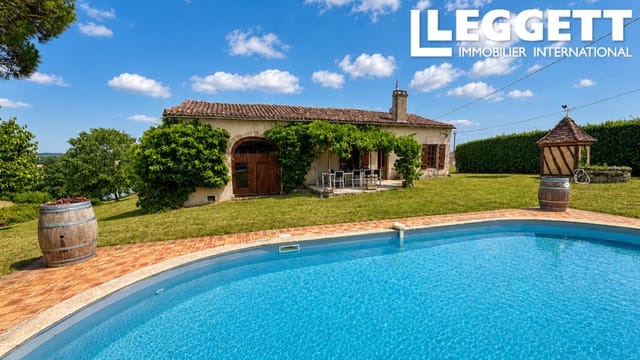
On a Sunday morning in Louignac, the only thing that wakes you is birdsong. Not traffic, not neighbours, not the hum of a city that never quite switches off. Just the breeze moving through the oak trees at the edge of your garden, and the faint smell of damp grass catching the early light. That's what life feels like in this four-bedroom stone house in the Corrèze — and once you've felt it, it's hard to unfeel. This is rural France as it actually exists, not as it's romanticised on a postcard. Louignac sits in the rolling green Limousin countryside, a place where the land hasn't been manicured for tourists. The fields are real working fields. The stone walls lining the roads are a few centuries old. The weekly market at Objat — just twenty minutes away — sells duck confit, walnuts, and cheeses from farms you could cycle to. This is the kind of France that people spend years searching for, and rarely find still available at a price that makes sense. The house itself is solid and full of character. Stone construction throughout, which means thick walls that keep rooms cool in July and hold the warmth of the pellet stove through January without breaking a sweat. The ground floor is anchored by a generous kitchen-dining room — genuinely fitted and equipped, not the vague claim you see on listings where the "equipped kitchen" turns out to be a single plug socket. This room opens directly into the living room, so the whole social heart of the house flows together as one connected space. In winter, the pellet stove becomes the gravitational centre of every evening. In summer, the doors open and the room breathes out into the garden. Behind the kitchen, there's a laundry room that has a second life waiting for it. The proport ... click here to read more
Picture 1

Step outside on a September morning and the air smells of woodsmoke and ripe figs. The fruit trees at the edge of the garden are heavy with the last of the season. From the covered terrace, you can hear nothing except birdsong and the faint rumble of a tractor somewhere down the valley. This is what you came to Portugal for — and this four-bedroom property in a quiet village just outside Sertã delivers it without compromise. The house itself has been fully renovated, and whoever did the work understood exactly what makes an old Portuguese stone building worth saving. The vaulted wooden ceilings in the main living area are the first thing you notice — broad, warm-toned beams arching overhead, the kind of architectural detail that takes a decade of patina to look this good. Natural light comes in from multiple angles throughout the day, shifting the atmosphere of the room from bright and sociable at midday to amber and intimate by evening when the wood-burning stove is going. The open-plan living and dining space flows naturally into a properly equipped contemporary kitchen, not a compromise between old bones and modern function but a genuine marriage of both. Two bedrooms in the main house are well-proportioned and finished with care. The bathroom shows the same attention — refined fittings, nothing fussy, everything done once and done right. The entire structure has been insulated throughout: roof, walls, floors. Waterproofing and French drainage systems are in place. These aren't selling points you'd normally get excited about, but for a second home you're leaving unoccupied for stretches of the year, knowing the building is properly sealed against Portugal's heavy winter rains is quietly reassuring. Then there's the ... click here to read more
Picture 1

Sunday morning in Arega moves at its own pace. The smell of bread from the village café drifts through the kitchen window, the mountains sit blue and unhurried in the middle distance, and the only real decision is whether to take coffee on the terrace or go straight to the pool. That's the rhythm this house puts you in — and it's hard to leave. Set in the quiet village of Arega in the municipality of Figueiró dos Vinhos, this six-bedroom detached house sits on a generous 2,730 square metre plot with genuine mountain views, an above-ground pool, its own well, and nearly 200 square metres of living space spread over two well-proportioned floors. At €299,000 for what's here, the numbers are hard to argue with. But numbers aren't what sell this place. The feeling does. The house has real bones. Traditional Portuguese construction — the kind that stays cool through August without air conditioning working overtime — updated thoughtfully by owners who actually lived here. The centrepiece is an open-plan kitchen, living, and dining space that feels genuinely generous rather than magazine-generous. The kitchen is fitted with dark cabinetry and brushed gold hardware, and it flows without interruption into the lounge and dining areas. On a long summer evening, with the doors open and the light coming in low from the west, it's exactly the kind of space where everyone ends up. You don't need to orchestrate it. It just happens. Six bedrooms gives you options most comparable properties don't. Families with kids who've outgrown sharing rooms will know what that means. So will anyone who's tried to host extended family without losing their mind. There's also a straightforward case here for multi-generational living — something that m ... click here to read more
Picture 1

Picture this: a warm July evening in the Haute-Vienne, the last of the sun dropping behind the tree line, and twenty guests seated on a wide stone terrace eating pizza fresh from a professional kitchen. You cooked it. You poured the wine. And technically, this is just Tuesday. That's the kind of life this 340 m² farmhouse-and-campsite package in Marval makes possible — and it's already up and running. Sitting on a generous 52,000 m² of land right on the boundary between Haute-Vienne and the Dordogne, this 1850s stone farmhouse has been thoughtfully modernised without losing any of the grit that makes rural Limousin properties so appealing to buyers looking for something real. The thick walls keep the interior cool in August when the sunflower fields outside are at their most golden. In February, the wood-burning stove in the sitting room becomes the centre of everything. The farmhouse itself spans 260 m² across two floors. You walk in through a generous entrance hall — proper width, not the poky corridor you find in so many renovated rurales — and immediately the layout makes sense. To the left, a well-fitted kitchen for private family use. To the right, a large living and dining room with actual space for both functions, not a compromise between them. At the rear of the house sits a second, fully-equipped professional kitchen, purpose-built for the table d'hôte dinners, pizza nights, and weekend breakfast service the current owners run. Meals go out through the back and onto the terrace, where guests eat with views across the site. It's a proper hospitality setup, not a hobby. Upstairs, three double bedrooms and one smaller but still well-proportioned room share the first floor. The master has an adjoining space — cu ... click here to read more
Picture 1

Picture a Sunday morning in the Périgord Vert. The kitchen window is open, a coffee is brewing, and the only sound reaching you from outside is birdsong and the faint rustle of the walnut trees at the edge of your enclosed garden. No traffic. No crowds. Just 1,560 square metres of private land, a covered pool glinting under its dome, and a pace of life that feels like it belongs to another century — the good kind. This fully renovated three-bedroom house sits in a quiet hamlet just ten minutes from Nontron, a town that punches well above its weight for a place of its size. Nontron is the capital of the Périgord Vert, the green and deeply underrated northern pocket of the Dordogne département, and it wears that title with quiet confidence. The old knife-making tradition still lives here — the Nontron knife, with its boxwood handle and distinct silhouette, has been crafted in the same spot since the 15th century, and you can visit the workshop on Rue Carnot and watch blades being finished by hand. It's the kind of place that reminds you France hasn't been entirely swallowed by modernity. The house itself spans 185 square metres across two levels and has been renovated to a standard that means you genuinely can walk in, unpack, and spend the first evening by the pool rather than drawing up a list of contractors. That matters enormously for buyers coming from the UK, Ireland, or northern Europe who want a second home without a five-year renovation saga attached to it. Good condition here means good condition — solid roof, clean interiors, functional systems. Downstairs, the scale of the living spaces is the first thing that catches you. A single-story living room of 58 square metres flows openly into a 28-square-metre din ... click here to read more
Picture 1

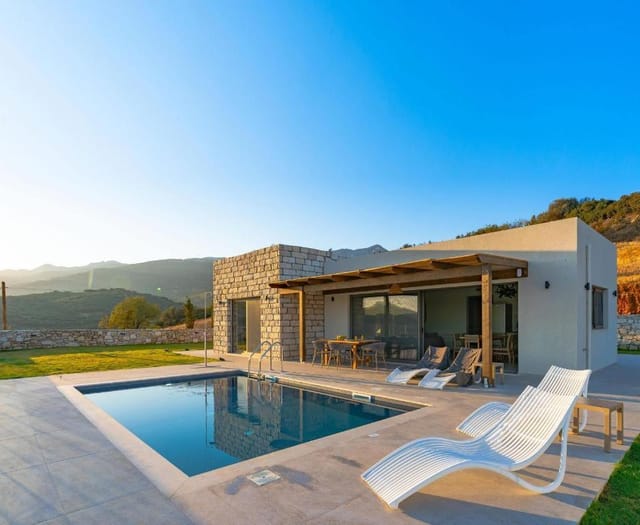
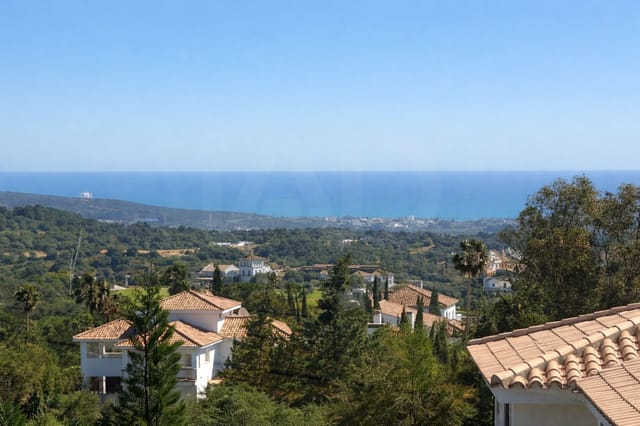
Stand on the terrace at seven in the morning, coffee in hand, and count the colors of the Cretan Sea as the sun clears the ridge above Kato Episkopi. The water starts navy, shifts to cobalt, then that particular electric blue that makes Eastern Crete feel like a different planet from the crowded resorts of the north coast. The olive groves below catch the light and go silver. Not a rooftop in sight. Just valley, mountains, sea, and sky — sweeping a full 300 degrees around you. This is what owning this hillside villa outside Sitia actually feels like. Built amphitheatrically into the slope above the village of Kato Episkopi, the property sits entirely alone on its 1,991 square metre plot. No neighbours visible in any direction. The closest town, Sitia, is a short drive down the valley — close enough that you can be sitting at a harbourfront table at Zorbas eating fresh octopus with a carafe of raki within fifteen minutes, far enough that the silence up here is absolute. The 95-square-metre interior moves around an open-plan living and dining space anchored by oversized windows that frame the panorama like a living painting. The kitchen is properly equipped — induction hob, full refrigeration, everything you need to cook the ingredients you've picked up at Sitia's Saturday farmers' market: Cretan cheeses, Toplou olive oil, tomatoes that actually taste of summer. Italian-imported furniture throughout, chosen for weight and quality rather than showroom flash. The light inside shifts dramatically through the day as the sun tracks south to west, so the same room that feels bright and energising at noon becomes warm and amber-toned by evening. Both bedrooms open directly onto the outdoor terraces. The bathrooms are finished ... click here to read more
Picture 1

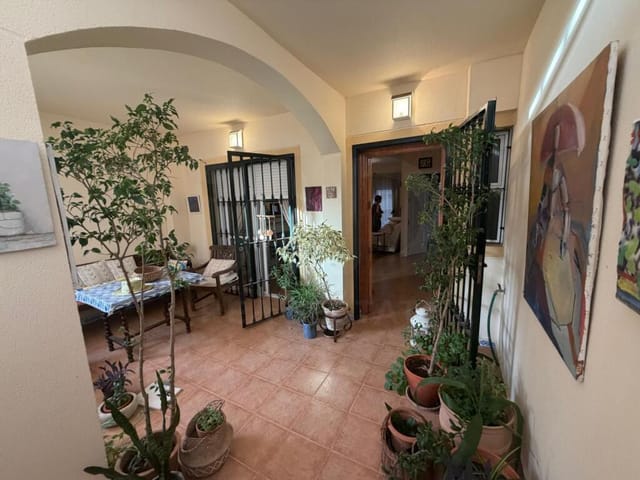
Sunday morning in Douliana sounds like this: a rooster somewhere up the hill, the faint clatter of coffee cups from the kafeneio two lanes over, and the smell of wild thyme drifting through your kitchen window while the pool catches the first slant of light. This is not a resort. This is a real Cretan village, and this stone villa sits right in the middle of it. Douliana is the kind of place travel writers keep to themselves. Tucked into the western foothills of Chania prefecture, roughly 25 kilometres southeast of Chania town and about the same distance from the E75 coastal highway, the village sits at just enough elevation to catch a reliable breeze through August when the coast is baking. The surrounding landscape is old olive groves and limestone ridges, the kind that turn amber in October and deep green after the winter rains. Life here runs at a different speed — unhurried, anchored to seasons, genuinely local. Villa Amalthea was built in 2005 in the traditional Cretan country-house style — thick stone walls, exposed wooden ceiling beams, terracotta-toned plasterwork — and it has aged well. At 238 square metres across two main floors plus a 55-square-metre basement, the layout is generous without feeling sprawling. It sits within a small, well-kept complex of stone villas sharing communal landscaped gardens planted with bougainvillea, jasmine, and fruit trees that drop figs and pomegranates in late summer. The communal areas include barbecue spots tucked between the trees, the kind of outdoor setup that turns an evening into an occasion. Step inside and the ground floor does what good architecture should: it makes you exhale. The living room has those heavy wooden beams overhead, a proper fireplace for the coole ... click here to read more
Picture 1

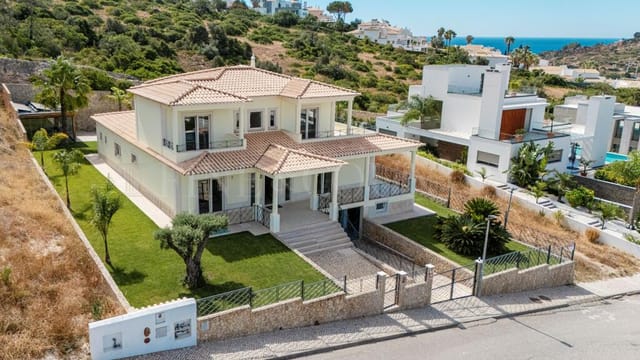
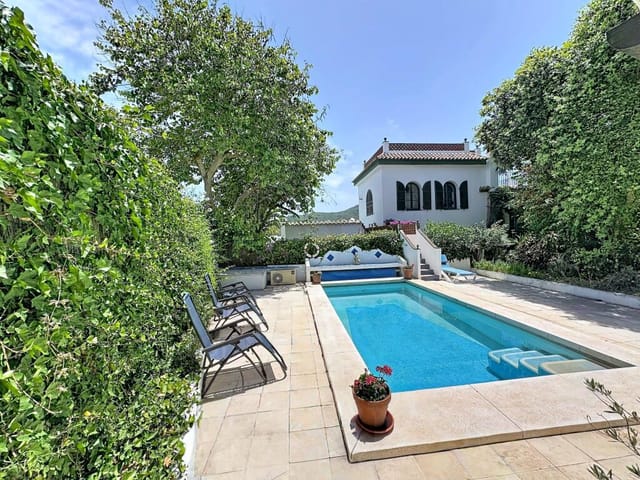
Picture this: it's eight in the morning, the sun has just cleared the ridge behind the olive groves, and you're sitting on your stone-paved terrace with a coffee, watching the light shift across the Cretan Sea below. No traffic noise. Just the occasional bleat of a goat somewhere up the hill and the sound of a neighbor's radio drifting over the garden wall. This is Loutra, a village most tourists never find — and that's precisely the point. This two-bedroom ground-floor villa sits on a 500 m² plot in a genuinely quiet corner of northern Crete, about ten kilometers east of Rethymno along the old coast road. Built in 2006 and kept in good condition, the property covers 79 m² of interior space — not sprawling, but thoughtfully laid out so nothing feels wasted. The open-plan living area connects the kitchen, dining space, and lounge in one easy flow, with large windows pulling in daylight from the garden side. Tiled floors run throughout, keeping things cool underfoot during August, and aluminum window frames mean low upkeep for owners who aren't here year-round. The private pool is the real anchor of outdoor life here. Stone-paved terracing wraps around it with enough room for a proper arrangement of sun loungers and a shaded corner for afternoon reading. A covered veranda opens directly from the living area — this is where dinners actually happen in summer, stretched late into the evening with grilled fish from the harbor at Panormos or a slow-cooked stifado from the taverna in Perama, reheated and eaten at your own pace. The landscaped garden fills in the perimeter with Mediterranean planting: lavender, rosemary, bougainvillea spilling over stone walls. It looks after itself more than you'd expect. Practical notes wort ... click here to read more
Picture 1