Villas For Sale In France

Villas for sale in france - homestra offers the largest amount of european real estate with over 200,000+ properties, find any type of property within your budget from villas to country homes. buy or rent your perfect home in europe.

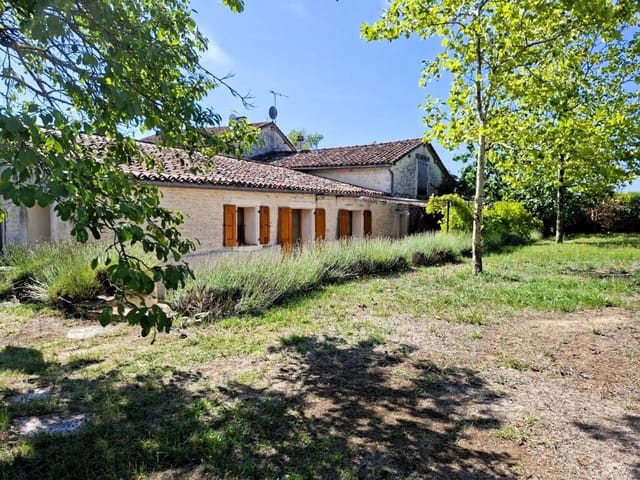
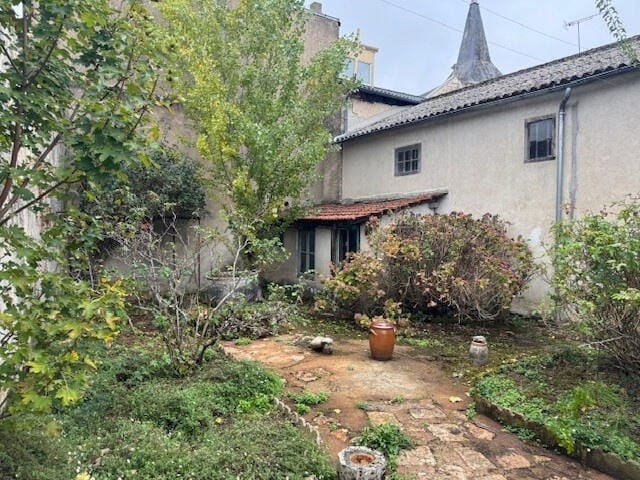
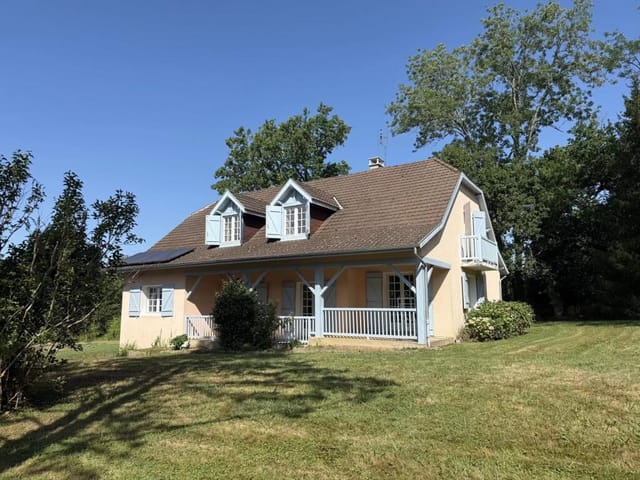
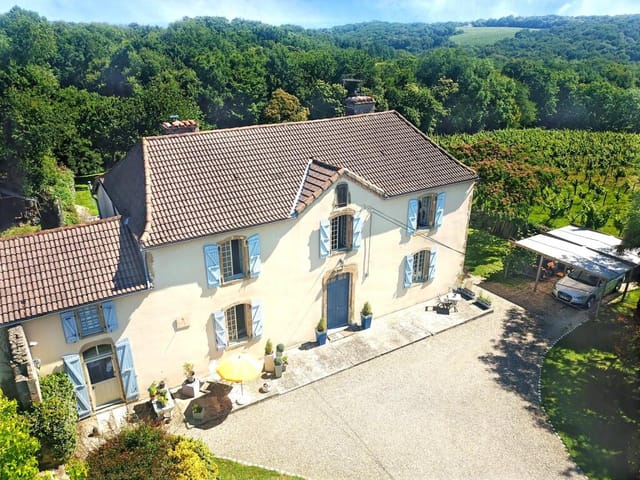
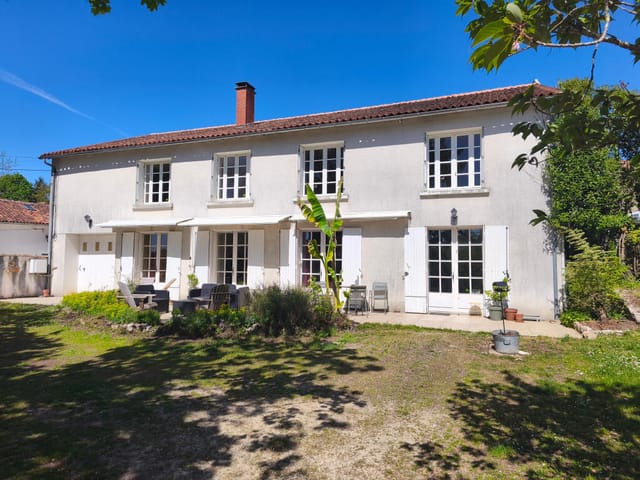
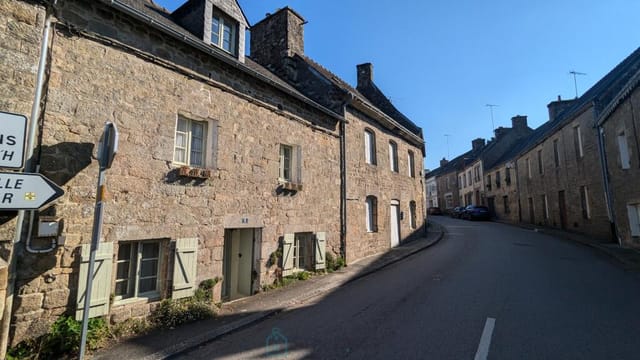
This three-bedroom house for sale in Lussac-les-Châteaux puts 145 m² of living space and a courtyard garden a few steps from the town's shops. At €99,000 it is a lot of house for the money: a 22 m² lounge with an open fireplace, three bedrooms upstairs and an attic big enough to rethink. It is in good condition, and what remains to do is mostly cosmetic. ### The House: 145 m² Over Three Levels The ground floor starts with an entrance hall and a living room. Beyond it is the lounge, 22 m² with oak flooring and a fireplace, which is the room you will want on a November evening. The 17 m² kitchen opens straight onto the garden, so in summer you can cook with the door wide open and carry dinner outside. A bathroom and a separate WC finish the level. Upstairs there are three bedrooms. Above them sits a large attic described as convertible. A fourth bedroom, a studio or a play space are the obvious ideas, though any conversion would need the usual checks on headroom, insulation and planning permission. The house has a heat pump and an energy label of C, which is a solid result for an older village property. The previous owners have left it in good order. A little fresh paint and a few decorative choices would make it yours, and you would not need to gut anything first. ### Courtyard, Lawn and Outbuildings The plot is 351 m², compact enough to look after from a distance and big enough to use. There is a courtyard, a lawn, and outbuildings for bikes, tools, garden furniture or a workshop corner. It is a manageable outdoor space for a second home in France, where you want to arrive, open the shutters and sit outside rather than spend the weekend mowing. ### Living in Lussac-les-Châteaux Lussac-les-Châteaux is a small town ... click here to read more

Picture 1

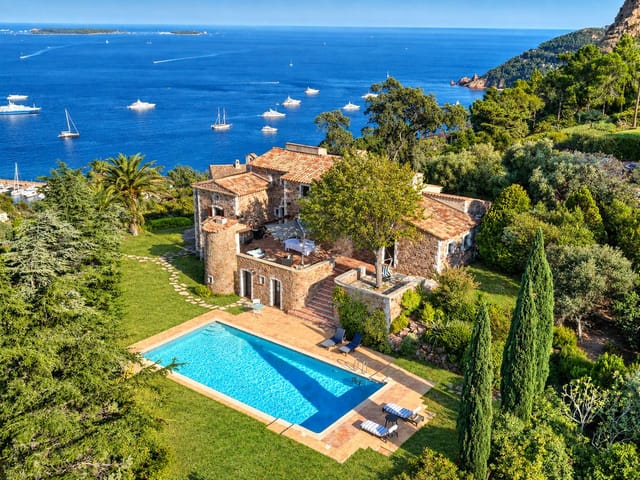
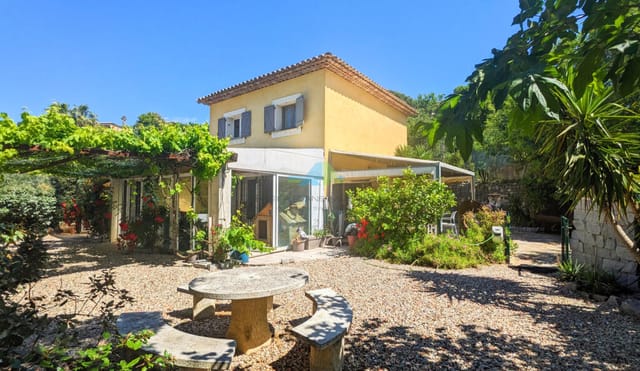
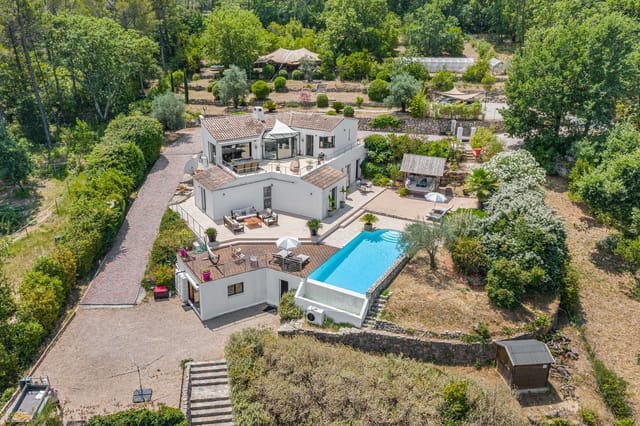
This villa for sale in Théoule-sur-Mer sits on a flat 2,330 m² plot inside Domaine Roc et Mimosas, with 300° views over the sea and the Estérel. The house is built from hand-shaped Estérel stone and has four en-suite bedrooms, plus an office that can double as a fifth. Outside you get a pool, a garage, a Mediterranean garden with about twenty fruit trees, and a beach roughly four minutes away. ### The House: Estérel Stone and 163 m² of Living Space The walls are local Estérel stone, about 30 cm thick, each piece shaped by hand. The stones vary in size and colour, so the façade has a patchwork of warm reds and ochres that you don't get from a rendered new build. Thick stone also does what it has always done here: it holds the cool of the morning well into the afternoon. Inside, the 163 m² of living space is organised around generous reception rooms that open onto the terraces. The four bedrooms each have their own bathroom, which suits a family with guests or two couples sharing a summer. The office can serve as a fifth bedroom, a studio or a proper work-from-home room. The condition is good. The bathrooms have been renovated, the laundry room has been modernised, and air conditioning has been fitted in all bedrooms and the office. The listing also mentions more than 128 m² of additional areas, which gives you room to adapt the house or extend it. Any extension would of course depend on planning permission, so ask for the local rules early. ### Garden, Pool and Panoramic Terraces Flat ground is uncommon on this stretch of coast, and 2,330 m² of it is the main reason this plot stands out. The Mediterranean garden is landscaped, and the orchard has around twenty fruit trees. The pool sits within the grounds, with par ... click here to read more

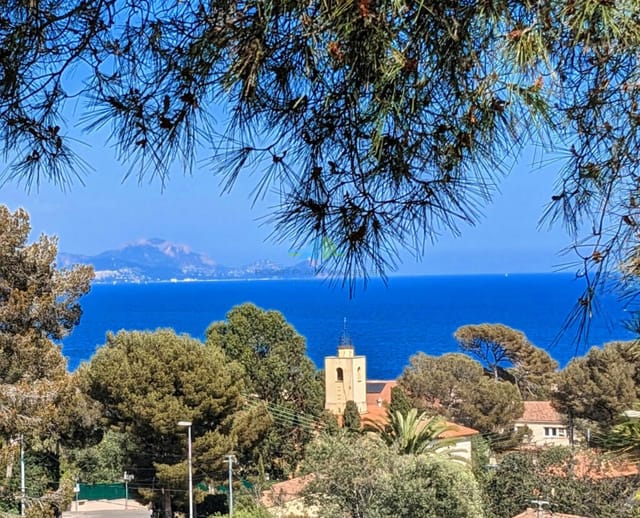
Panoramic sea and Estérel view from the villa

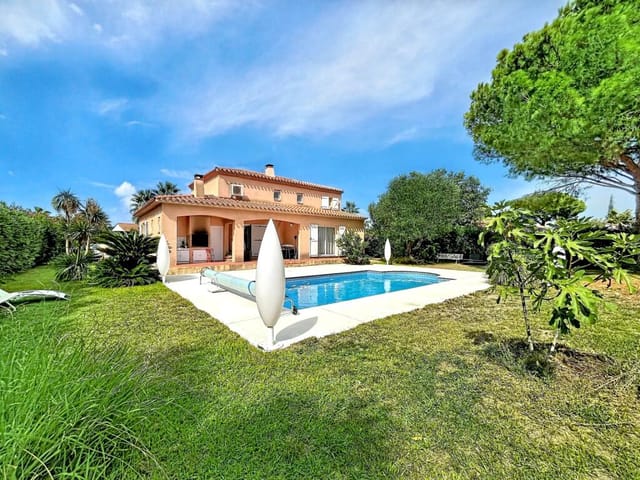
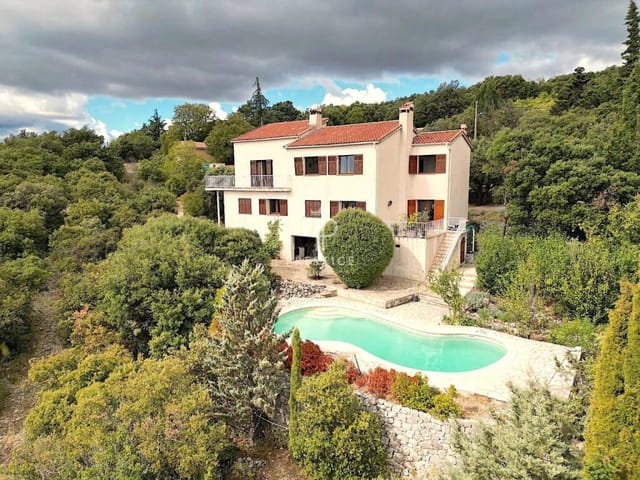
On a clear morning in Baho, with the Canigou still dusted white above the plain and the air already warming before nine o'clock, you understand exactly why people move to Roussillon and never quite manage to leave. The swifts cut low over the pool. The scent of rosemary drifts up from the garden beds. Inside, the light pours through the wide south-facing windows and lands in long rectangles across a living room that's genuinely made for living in. This four-bedroom detached villa sits in one of the most quietly desirable residential pockets just outside Perpignan — Baho, a village that feels a world apart from the city yet sits only fifteen minutes from the centre by car. Four kilometres from the TGV station at Perpignan, nine from the airport, seventeen from the beaches of Canet-en-Roussillon. The geography here is almost unfairly good: mountains to the west, sea to the east, Spain thirty minutes south, and the medieval city of Perpignan spread across the plain below. Built in 1994 on a plot of 1,500 square metres, the villa covers around 166 square metres of interior space across two levels. The current owners have spent years quietly improving the outdoor areas — the terraces around the pool have been extended and refinished, the tarmac driveway gives the whole approach a clean, well-kept feel — and it shows. This is a house in good condition that someone has looked after properly, not one that's been left to coast. The ground floor revolves around a 50-square-metre living and dining space — genuinely generous by any standard — anchored by a fireplace on one wall and wide openings on the other that fold the garden and pool into the room almost completely. On a warm October evening, with the terrace lights on and th ... click here to read more

Picture 1

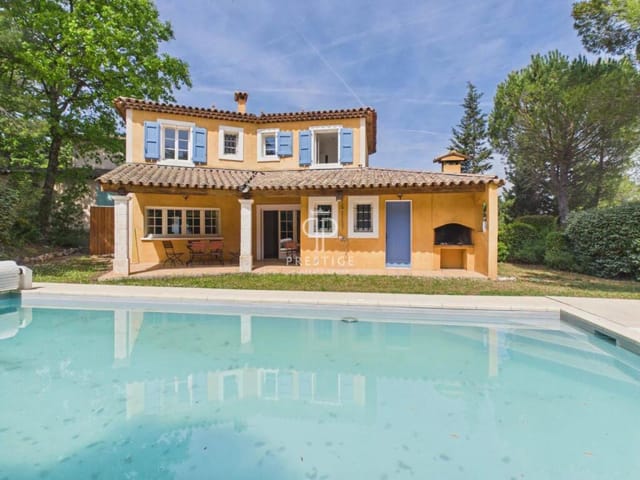
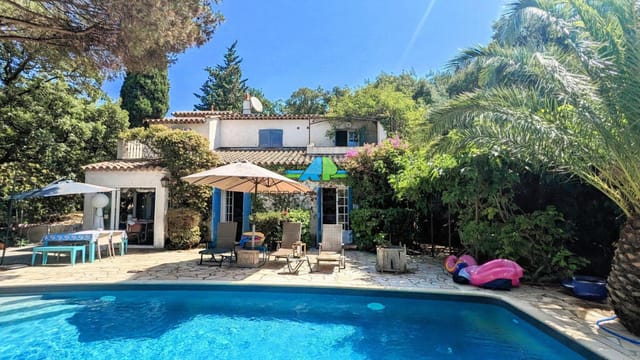
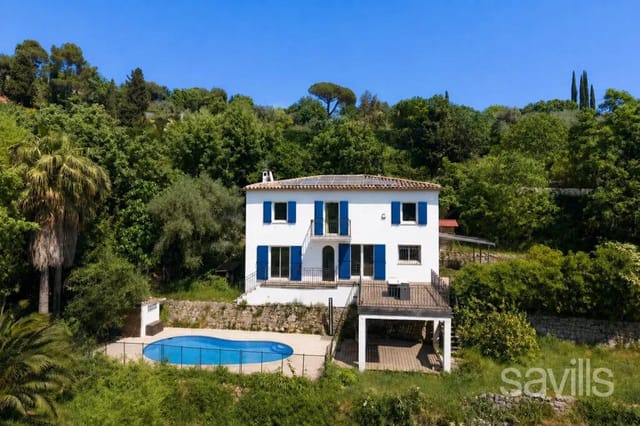
This four-bedroom villa for sale in Fayence sits in a secure estate, five minutes from the village, and comes free of any rental obligation. Most villas on the estate are tied to rental agreements. This one is not, so you can live here all year, visit when you like, or let it out on your own terms. It has 116 m² of living space over two levels, a garage, and a recently renovated, heated 10x5 m pool in a landscaped garden. ### The Villa: Layout and Condition The ground floor begins with an entrance hall that opens into the living room, where a fireplace anchors the seating area. The dining area sits alongside, and the fully equipped kitchen is open-plan, so whoever is cooking stays part of the conversation. A laundry room and a garage handle the practical side of daily life. Upstairs there are four bedrooms. One has bunk beds and its own separate WC, which makes it the obvious room for children or visiting grandchildren. The seller describes en-suite shower rooms for the other bedrooms, so ask for the floor plan to confirm the exact bathroom arrangement. The data lists two bathrooms in total. The house is in good condition and sold as turnkey. The roof has recently been renovated, and there is reversible air conditioning, double glazing, electric shutters and mains drainage. For a buyer of a second home, that list means very little to fix before the first summer. ### Pool, Terrace and Garden The 500 m² plot is landscaped and fitted with irrigation sprinklers and outdoor lighting. The pool is the centrepiece. It was recently renovated, it is heated, and electric shutters cover it when nobody is swimming, which helps if the house stands empty for part of the year. A covered terrace gives you shade for long lunches, an ... click here to read more

Picture 1

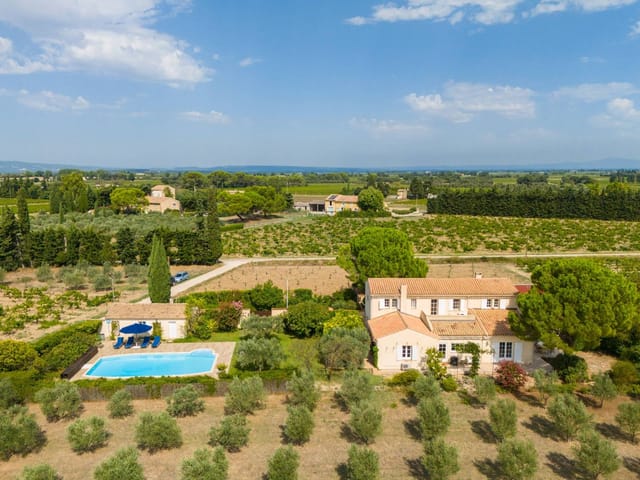
Step outside on a July morning and the air already carries it — wild thyme, warm stone, and the faint sweetness drifting up from the Grenache vines that surround this place on three sides. The Dentelles de Montmirail sit jagged and pale on the horizon, and Mont Ventoux floats above the tree line to the east like something from a painted backdrop. This is 181 Chemin de Ribagnan, and it earns every bit of that view. Built in 1980 and maintained in genuinely good condition, this five-bedroom, five-bathroom Provençal villa sits on a fully enclosed Mediterranean garden plot at the quiet edge of Sainte-Cécile-les-Vignes, one of the southern Rhône's most respected wine villages. At 257 square metres of interior living space, it's big enough to host the extended family without anyone feeling crowded — and private enough that you can spend a full August week barely leaving the garden. The living room sets the tone immediately. It's generous, properly generous, anchored by an open fireplace that gets serious use from October through March when the Mistral picks up and the evenings turn sharp. Floor-to-ceiling glass doors fold back in summer to connect the room directly to the main terrace, and that transition — from cool tiled floor to warm stone paving — happens without a step or a threshold to trip on. Beside it, the kitchen is built for real cooking, not just reheating. Gas and electric hobs, a second open fireplace for those slower Sunday mornings, and a direct door to the garden so that whoever is cooking doesn't miss the conversation happening outside around the table under the pergola. That pergola, draped in mature wisteria that explodes violet in late April and then softens into dense green shade through summer, is hon ... click here to read more

Front view of the villa and garden

Sunday morning in Les Forges moves at its own pace. The garden is already warm by nine, swallows cutting low over the fairway beyond the fence, and the only sound from the terrace is the clink of a coffee cup on the new teak table. This is the kind of quiet that people drive hours to find—except here, you're already home. Built in 2008 and sitting on just over 1,250 square metres of private land within the gated Domaine L'Aveneau estate, this three-bedroom detached villa has been thoughtfully updated in recent years and arrives in genuinely good condition. It's not a project. It's a property you can walk into, open the sliding doors onto the south-facing terrace, and immediately start living the life you had in mind when you started looking. The interior has been refreshed with care. The living room, centred around an open fireplace that earns its keep on cool autumn evenings, got new furniture last year—a proper sofa, new cabinetry, curtains that actually fit the windows. Air conditioning was added to the living area, so July and August are entirely comfortable without sacrificing that cosy, domestic feel the room has in other seasons. The kitchen is fully equipped and practical, with enough storage that a family of five isn't tripping over each other making breakfast. Natural light floods the dining area beside it, and from the table you can watch the garden through the glass. Three bedrooms give you real flexibility—a master, a guest room, and a third that doubles comfortably as a study or kids' room depending on the week. Two bathrooms serve the house, both fitted with showers, bathtubs, toilets, and sinks. No queuing, no compromising. Outside is where this property makes its real argument. The south-facing terra ... click here to read more

Front view of L'Aveneau 6

Sunday morning in Vouvant starts with a sound you won't forget. Church bells roll out across the old stone rooftops, the weekly market is already humming two streets over, and from your terrace at the back of the house, the smell of someone's boulangerie order drifts past on the warm Atlantic air. This is not a fantasy. This is just Tuesday in June, or Saturday in September, or any morning you choose to be here. Vouvant is one of those French villages that doesn't try too hard. It doesn't need to. The medieval ramparts still stand. The keep — the Tour Mélusine, named for the legendary half-woman, half-serpent said to have built it overnight — rises above the treeline at the edge of the village. The River Mère loops below, lazy and green, and the stone streets in between are lined with proper shops: a butcher who actually knows your name by the third visit, a bakery that runs out of millefeuille before 9am, a wine merchant stocking bottles from Fiefs Vendéens, the local appellation that most tourists never discover. The house itself sits right inside this world. Two bedrooms, 95 square metres of well-used, well-loved space, and the kind of layout that makes daily life feel unhurried. The ground floor opens into a 20.5m² living room anchored by a wood-burning stove — genuinely useful from October through March, and the sort of feature that makes a wet February evening feel like a deliberate choice rather than an inconvenience. Behind it, a separate 23m² kitchen that's large enough to cook for a crowd, do the shopping spread properly, and still have room for a table if you want breakfast inside. There's a modern shower room on this level too, which matters more than people realise when you're arriving late from a long dri ... click here to read more

Photo 1

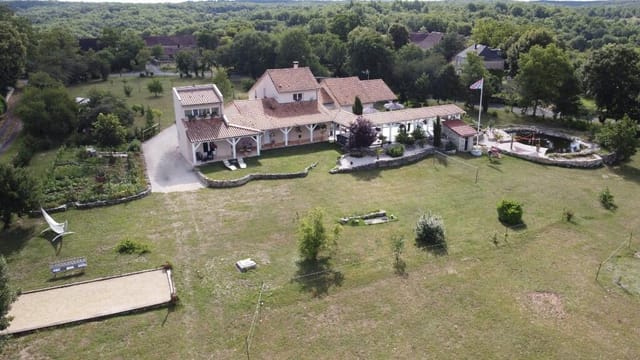
On a quiet morning in Monsempron-Libos, you open the living room doors and step straight into the garden before the rest of the village has even thought about waking up. The Lot river is just down the road — you can smell it on cool mornings, that particular green freshness that only river valleys have. Church bells from the old bastide at Fumel drift across the hills every hour. This is southwest France the way it actually lives, not the way it gets photographed for magazine covers. This four-bedroom villa sits in the Lot Valley, one of those stretches of Aquitaine that international buyers have been quietly discovering for years precisely because it hasn't been overrun. Monsempron-Libos is a working village with genuine character — a boulangerie, a pharmacy, a Tuesday market where local farmers sell duck confit, walnut oil pressed right here in Lot-et-Garonne, and tomatoes so ripe they split when you pick them up. Fumel is literally ten minutes away by car, which means you have supermarkets, a hospital, restaurants, and everything else a full-time or part-time resident needs without any of the traffic or noise. Built in the 1970s, the house is solid and honest in the way that era of French construction tends to be — thick walls, good bones, wood-framed double-glazed windows that keep winters quiet and summers cool. At 102 square metres across multiple levels, it has more practical flexibility than most properties at this price point. The basement level is fully usable space: covered parking for one car plus genuine storage room, and a bedroom down there that works brilliantly as a guest suite, a home office, or a teenager's retreat with its own sense of privacy. Step up to the ground floor and the layout opens up pr ... click here to read more

Picture 1

Early on a July morning, before the heat really settles in, you slide open the kitchen doors and the air comes in carrying wild thyme and something faintly resinous from the garrigue. The Cévennes ridgeline is already crisp against the blue, and on the clearest days Mont Ventoux floats on the horizon like a rumor. This is the view you wake up to. Not a postcard version of it — the actual thing, unobstructed, every single day. Built in 2008 and sitting on 2,011 square meters of private hillside in Tornac, just four kilometers from Anduze, this four-bedroom villa with a fully independent guesthouse is one of those properties that takes a few minutes to properly understand. The layout is clever: the house is cut into a gentle south-facing slope, which means neighbors exist on one side only, behind a solid dividing wall that makes them irrelevant. Everywhere else, the land falls away or opens up. You're not isolated — you're just free. The main house runs to 125 square meters on a single level, which matters more than you'd think. No stairs, no interrupted sightlines, no awkward split between levels. The 42-square-meter living room anchors everything around a wood-burning fireplace with a proper stone mantelpiece — the kind of fireplace that justifies the whole room being arranged around it. Two covered terraces, each around 30 square meters, open off either side. One catches the morning sun. The other holds the shade into the afternoon. You figure out quickly which you prefer for coffee and which for wine. The kitchen is the kind that makes cooking feel like the point of the day rather than an interruption. Twenty-six square meters with a central island, a second fireplace, a big pantry, and sliding doors that push back ... click here to read more

Front view of the villa and pool

On a warm Tuesday in late September, the vendange is underway across the road. You can smell the crushed Braucol grapes from the kitchen terrace, that sharp, fermented sweetness that rolls in off the Gaillac vineyards like a seasonal alarm clock. The village is quiet otherwise — a dog, a tractor somewhere distant, the thud of shutters being opened. This is Vindrac-Alayrac, and mornings here have a specific gravity that no coastal resort can replicate. This six-bedroom stone villa sits right in the fold between two of southwest France's most compelling destinations: Cordes-sur-Ciel, the gravity-defying medieval hilltop village that appears to float above the Cérou valley, and Gaillac, one of France's oldest wine appellations, producing reds, dry whites, and sparkling Méthode Ancestrale wines that sommeliers in Paris still underestimate. You're between both, five minutes from either, yet the property itself feels nothing like a compromise location — it feels like the actual point of the whole region. The building is, in truth, two buildings. A three-bedroom white-stone village house and a converted stone barn of equal size sit together on nearly 3,000 square metres of mature, privately walled garden. Lock two interior connecting doors and you have a six-bedroom family home — the kind where three generations can actually coexist without anyone losing their mind. Unlock them and you have two completely separate three-bedroom residences, each self-contained, each with its own entrance, its own rhythm. The current owners hold a 4-star classification from the Tarn Tourist Board for holiday rentals accommodating up to 12 guests, which means the income infrastructure is already in place for buyers who want to offset running cos ... click here to read more

Picture 1

Stand on the terrace some evening in late June, glass of chilled rosé in hand, and watch the light turn the Gulf of Saint-Tropez into hammered copper. The water sits maybe three kilometers away as the crow flies, close enough that you can hear the faintest hum of boats in summer, far enough that Les Issambres stays wonderfully quiet after the day-trippers head back along the D559. This is that property — the one you stop scrolling for. Set on landscaped grounds planted with umbrella pines, old olive trees, and lavender that buzzes with bees from May through September, this six-bedroom Provençal villa sits on a southwest-facing plot that catches afternoon sun across every terrace. The orientation isn't an accident. Whoever built this house understood that in Var, the direction your windows face determines your entire quality of life from October through April, and they got it right. Even in mid-February, you can eat lunch outside in a fleece and feel genuinely warm. The villa runs to 124 square metres of internal living space, which sounds modest until you understand that this household was designed around outdoor living. There are multiple terraces and covered loggias at different elevations — one off the main living area, others accessible from the upper bedrooms — and each gives you a slightly different angle on the gulf. The main swimming pool measures 9 by 4 metres, surrounded by wide stone decking that dries fast in the Mistral wind. Six bedrooms across the house means this works equally well as a large family retreat or as a property with serious short-term rental potential, especially given that Les Issambres and nearby Sainte-Maxime draw visitors from June through September with almost no vacancy in peak weeks. ... click here to read more

Picture 1

Sunday morning in Lorigné moves slowly. The kind of slowly you forget exists until you're standing barefoot on warm stone tiles, coffee in hand, watching mist lift off the fields while the pool thermometer already reads 28°C. By nine o'clock, the gîte guests are starting to drift toward the communal terrace, kids are splashing, and the scent of someone's croissants browning in an oven cuts clean through the morning air. This is the rhythm this property runs on — unhurried, productive in its own way, and deeply, genuinely French. Set in the commune of Alloinay in Deux-Sèvres, this 460-square-metre estate sits in the green heart of Poitou-Charentes, a region that doesn't shout. It earns attention quietly — through its cognac-country cousins to the southwest, the Marais Poitevin wetlands just forty minutes east (nicknamed the Green Venice of France for good reason), and a pace of rural life that has attracted a steady stream of northern European second-home buyers for the better part of three decades. The property itself is a compound in the truest sense: a fully renovated main residence with its own private heated pool, and a separate five-gîte complex operating as a going concern, sleeping up to 27 guests at peak capacity. Walk into the main house and the renovation speaks for itself without needing to brag. The ground floor opens into a wide kitchen and living space that handles a crowd comfortably — the kind of room where a dinner party for twelve doesn't feel squeezed. A separate lounge gives you somewhere to escape when you want it quieter. Underfloor heating runs throughout the ground floor, backed up by two log burners that turn January evenings into something you actually look forward to, and an air-source heat p ... click here to read more

Picture 1

Stand on the covered terrace on a clear October morning and you can see two countries at once. To the south, the Pyrenees roll toward Spain. To the northwest, the snow-dusted summit of Pic du Canigou catches the first light. Down in the alley below, someone is already pulling open the shutters at the boulangerie, and the smell of bread drifting up through the stone lanes is enough to make you forget you were ever anywhere else. This is Laroque-des-Albères — small, real, and just far enough from the tourist trail to still feel like it belongs to the people who actually live here. This four-bedroom village villa sits at the heart of that village, spread across three levels and open on three sides, which means light moves through it all day. Built in 1960 with a south-facing orientation, the house has the kind of bone structure that doesn't go out of style — thick walls, generous room volumes, high ceilings that keep things cool through the long Roussillon summers without the need to reach for the air conditioning remote. The double glazing throughout helps lock in warmth when the tramontane wind picks up in winter, which it will, and which is actually one of the reasons the air up here stays so remarkably clean. The ground floor sets the tone. A large living room opens onto an equipped kitchen, and from there you step out onto a generous covered terrace fitted with a barbecue — the kind of space that becomes the gravitational center of every weekend here. Long lunches happen here. Evening apéros stretch past dark. The terrace connects to a continuous balcony that runs the length of the house and frames that Canigou view in a way that genuinely stops people mid-sentence the first time they see it. Head upstairs and you f ... click here to read more

Picture 1

On a still weekday morning in Salies-de-Béarn, the smell of fresh bread drifts up from the boulangerie on Rue des Frères Labourdette before most people have even opened their shutters. That's the kind of town this is. Quiet, unhurried, genuinely French — not a postcard version of it. And sitting just five minutes from that town centre, on a generous 4,000 square metres of private land, this five-bedroom villa is the sort of property that makes you stop mid-visit and start quietly rearranging your life. At 185 square metres of interior living space, the house is substantial without being excessive. The 28-square-metre living room anchors the ground floor, and the wood-burning stove at its heart isn't decorative — on a January evening when the Pyrenean wind picks up, you'll understand exactly why the previous owners installed it. Large windows pull in the southern light throughout the day, and by late afternoon the living areas glow in a way that feels almost theatrical. The separate 17-square-metre dining room is properly sized for a family gathering or a long dinner with friends — no squeezing around a table designed for four. The kitchen runs to 16 square metres and opens naturally into the flow of the ground floor, practical and warm rather than show-home sterile. Upstairs, five bedrooms spread across a variety of sizes — 15, 15, 14, 13, and 12 square metres — giving every family member or guest their own proper retreat rather than a cupboard with a window. Two shower or bathroom spaces serve the upper level, and the 18-square-metre landing is wide enough to feel like a room in itself rather than a corridor. A laundry room, a ground-floor lavatory, and a 34-square-metre garage round out a floor plan that actually wor ... click here to read more

Picture 1

Picture this: it's a Tuesday morning in July, the mimosa outside the south-facing terrace has already caught the first light, and the only sound competing with the cicadas is the distant clink of rigging from the sailboats in the Sainte-Maxime marina. You've walked back from the boulangerie on Avenue Charles de Gaulle with a paper bag of still-warm croissants, and the house—your house—sits quietly behind its gates on a two-thousand-square-metre plot while the rest of the Var coast is only just waking up. That is the kind of morning this property was built for. Set within a private and secure estate close to the town centre of Sainte-Maxime, this five-bedroom villa occupies one of those rare plots that feel genuinely spacious by Côte d'Azur standards. Two thousand square metres of landscaped grounds give you room to breathe—something increasingly hard to find at this price point along the Gulf of Saint-Tropez. The south-facing orientation means the sun tracks across the garden from early morning until it drops behind the Maures hills in the evening, and in a region that logs over three hundred days of sunshine a year, that detail matters more than almost anything else. The villa currently runs as two separate apartments—a configuration that suits buyers who want rental flexibility from day one, or families who appreciate having genuinely independent spaces under one roof. Grandparents in one half, teenagers in the other. Guests who actually get privacy. It works. But the walls between the two units come down without drama, and the footprint of 180 square metres is more than workable as a single flowing home. A few targeted renovations would bring everything up to the standard you'd expect, nothing structural—think fini ... click here to read more

Picture 1

Stand on the upper terrace on a Tuesday morning in late June, coffee in hand, and the Estérel massif turns the color of raw copper in the early light. Below, through a corridor of umbrella pines, you catch a silver flash of the Mediterranean. The infinity pool seems to spill right into it. This is not a postcard — this is what the week looks like when you own a home in Les Issambres. Roquebrune-sur-Argens sits in that rare pocket of the Var where the coast hasn't been completely swallowed by development. Les Issambres is its seaside quarter — a low-key, genuinely residential stretch between Saint-Aygulf and Sainte-Maxime that regular Côte d'Azur visitors tend to guard like a secret. The coves here, particularly Calanque des Anglais and the rocky inlets flanking the Corniche d'Or, are reachable on foot. Not "a short drive" on foot. Actually on foot, through fragrant maquis scrub that smells of wild thyme and warm rock. The villa itself is built in the Provençal Mas tradition — thick walls, tiled rooflines, terracotta details — but the interior has been fully brought into the contemporary era. At 289 square metres of living space, it breathes. The main salon runs to 70 square metres, which means a large family or a group of friends genuinely spreads out rather than stacking on top of each other. Five bedrooms, each with its own private bathroom and private terrace. That last detail matters more than you'd think: summer mornings where every guest can take their espresso outside without negotiating space are worth paying for. A dedicated office — large enough to function equally well as a games room or a teenager's retreat — gives the property a flexibility that pure holiday rentals rarely have. This works as a serious se ... click here to read more

Picture 1

Step outside on a July morning, coffee in hand, and the Périgord countryside rolls away from your terrace in every direction — golden fields, oak woodland, not another rooftop in sight. The heated saltwater pool catches the early light. Somewhere in the studio behind you, the kids are still sleeping. This is what a summer in Brouchaud actually feels like. Brouchaud sits quietly in the northern Dordogne, the kind of village that doesn't show up on tourist maps but sits within easy reach of everything that makes this corner of France worth coming back to year after year. Périgueux, the ancient capital of the Périgord with its Roman amphitheatre ruins and the extraordinary Byzantine domes of the Cathédrale Saint-Front, is about twenty-five minutes by car. Brantôme — nicknamed the Venice of the Périgord for its abbey and riverside setting along the Dronne — is even closer. Markets happen several times a week in towns like Thiviers and Excideuil, and if you arrive early enough on a Saturday morning in Périgueux, you'll find the covered Clautre market overflowing with black truffles in winter, fat strawberries in spring, and Périgord walnuts come October. The rhythm here is slow and deliberate, which is exactly the point. The Dordogne has long attracted buyers from across northern Europe — British, Dutch, Belgian, Scandinavian — drawn by the food, the pace, and frankly the value compared to Provence or the Côte d'Azur. This part of Aquitaine gives you all the pastoral beauty without the summer gridlock. Bergerac Airport, which handles direct flights from London, Birmingham, Bristol, Edinburgh, and several other UK and European cities, is roughly forty minutes south. Bordeaux-Mérignac, with its much wider international connec ... click here to read more

Picture 1

On a still Sunday morning in Madiran, the only sounds are birdsong and the faint clinking of bottles from the cooperative down the lane. You push open the kitchen's stable door, coffee in hand, and step into the front garden where the dew is still burning off the lawn. The wrought-iron gates at the end of the gravel drive frame a view of organic vineyard rows stretching toward the foothills. This is your house. It has been for two hours, and already it feels like it's been yours for twenty years. That sense of instant belonging is hard to manufacture — it comes from a place that has been genuinely lived in, loved, and brought carefully into the present without losing what made it worth loving in the first place. This five-bedroom Maison de Maître dates to the 18th century, and the current owners acquired it as a second home before it quietly became something they couldn't leave. After years of thoughtful restoration, they've handed over a property that's fully move-in ready: no compromise projects, no skeleton-in-the-wall surprises, just a grand French country house that works as well as it looks. The proportions alone would stop you in your tracks. An entrance hall at 18 square metres sets the tone — black oak staircase rising ahead of you, original tiled floors underfoot, beamed ceiling overhead. To the right, what the owners use as a study is actually a generous 25.5-square-metre room with a wood burner and double-aspect windows; put a bed back in it and you have a ground-floor guest suite in seconds. The lounge at the same square footage flows naturally into a 23.5-square-metre kitchen with fitted units, an island, plumbing for a dishwasher and washing machine, and that stable door that you'll leave open from April ... click here to read more
Picture 1

Step out onto the main terrace at eight in the morning, coffee in hand, and you'll understand why people buy property in Tourrettes and never look back. The valley rolls out below you in shades of olive and ochre, the medieval silhouette of Fayence perched on its hill to the east, and the only sounds are cicadas and whatever the wind carries up from the mimosa groves. This is Chemin des Collés — a quiet lane on the high ground above the village, where the views go on for miles and the pace of life feels deliberate in the best way. The villa itself sits on just over 7,200 square meters of private land, which, on the French Riviera hinterland, is the kind of plot that rarely comes available. Built in 1992 and put through a thorough renovation in 2013, the property sits comfortably in the territory between architectural confidence and contemporary comfort. The original Mediterranean bones are intact — the proportions, the relationship to the landscape, the way the living spaces open outward — but the renovation brought everything else into the present. Underfloor heating throughout, air conditioning, solar collectors, electric shutters, a serious security system. Move-in ready is an understatement. The current owners have kept it in genuinely good condition, the kind that doesn't require a mental renovation budget on your drive home from the viewing. Inside, the ground floor is organized around light. Floor-to-ceiling glass doors line the main living and dining areas, pulling the valley view into the room at every turn. The kitchen is fully equipped with high-end appliances — actually functional, not just photogenic. The dining room sits adjacent, large enough for a proper family dinner or a long lunch with guests that dr ... click here to read more
Front view of the villa and garden

Picture a Saturday morning in Vars. The boulangerie on the main street has been open since seven, and the smell of fresh croissants drifts through the open shutters of your stone house before you've even put the coffee on. This is village life in the Charente — unhurried, rooted, and deeply French in a way that the more tourist-trodden corners of the country have long since lost. Vars is a small commune in the Charente department of southwestern France, sitting in the gentle, sunlit countryside of what was once Poitou-Charentes. It's the kind of place where the weekly market actually matters, where people know each other by name, and where the pace of life feels like a deliberate choice rather than a geographical accident. Angoulême, a proper city with a TGV station connecting directly to Paris in under two hours, is roughly 25 kilometres to the northwest. Cognac, the town that gave the world its most famous brandy and hosts the Blues Passions festival every July, is about the same distance to the south. You're connected when you want to be, and wonderfully off the grid when you don't. The house itself sits in the heart of the village — not on its outskirts, not down a lane, but right in it. Built across two floors and covering 142 square metres of living space, it's a classic Charentais village house: solid stone construction, well-proportioned rooms, the kind of bones that modern builds simply can't replicate. Three bedrooms, including a master bedroom with its own defined space, give the layout real versatility whether you're planning a family holiday home, a personal retreat, or a mix of both. Outside, a courtyard of approximately 325 square metres adds something genuinely rare at this price point — private outdoor ... click here to read more
Picture 1

Sunday morning in Espiute. The church bell in the village square chimes eight, carrying clean across the valley. You're standing on the terrace with a coffee, watching mist lift off the Pyrenees in slow rolls, the light turning the foothills amber and gold. The gîte behind you is empty until Thursday, when your next guests arrive — another booking, another week of income. Life here has a rhythm you won't find anywhere else in France. Espiute sits in the Pyrénées-Atlantiques, a département that most international buyers haven't discovered yet, which is precisely the point. This is Basque Country and Béarn country simultaneously — two of the most quietly compelling cultural identities in all of France, packed into one corner of Aquitaine. The village itself is small and unfussy. What surrounds it is the draw: proper mountain terrain to the south, the Atlantic coast to the west, and the kind of French market town culture — Oloron-Sainte-Marie, Pau, Navarrenx — that hasn't been packaged for tourists yet. The property is a two-dwelling estate on 6,500 square metres of land. Total habitable space runs to 218m², split between the main house at around 147m² and a fully independent gîte at 71m². That separation matters. It means you can have family or friends in the gîte without anyone living in each other's pockets. It also means you have a ready-made income stream from day one. Walk into the main house and the living room hits you first — 30m², anchored by a wood-burning stove that earns its place every winter from November through March. The dining room has its own open fireplace, which transforms evening meals in the cold months into something genuinely atmospheric. Pyrénées winters aren't brutal, but they're real, and the ... click here to read more
Picture 1

Sunday morning in Nanteuil-en-Vallée arrives quietly. The bells from the Romanesque church drift across the valley, and from the upper bedrooms of this five-bedroom villa, you look out over a soft patchwork of Charente farmland — the kind of view that takes a minute to actually believe you own. The coffee's on. Nobody's in a hurry. This is what drew you to France in the first place. Nanteuil-en-Vallée holds the official "Petite Cité de Caractère" designation, a title the French government reserves for villages that have genuinely preserved their historical soul. Walk the village lanes and you'll pass medieval towers, a fortified abbey that dates to the 12th century, and stone walls that have been here longer than most countries. It's not a theme park version of rural France — it's the real thing, still lived in, still breathing. The house sits on a fully enclosed 589 m² plot, which matters more than you might think. Privacy in a village this size is a genuine luxury. The garden wraps around the property with enough space for long summer lunches under shade, a kitchen garden if you want one, or simply a place for children to disappear into for an afternoon. The country atmosphere is immediate the moment you step outside — no overlooking neighbors, no noise except birds and the occasional tractor on a distant lane. Inside, the scale impresses. At 215 square metres, this isn't a compact weekend bolt-hole — it's a proper family home, roomy enough to host several generations at once without anyone feeling squeezed. The living room is genuinely large and catches good light through the day. The kitchen is functional in the best sense: laid out for actual cooking, not just for looking good in photographs. And in this part of ... click here to read more
Picture 1

Sunday morning in Cellefrouin sounds like this: a wood pigeon somewhere above the courtyard, the faint clang of the church bell counting out nine, and the smell of fresh bread drifting from the boulangerie two streets over in Chasseneuil-sur-Bonnieure, just a ten-minute drive away. You're standing in the kitchen of a 140-square-metre stone house, coffee in hand, watching light pour through the window onto original stone walls that have absorbed a couple of centuries of exactly this kind of quiet. That's the life this house sells. Not a lifestyle concept — an actual, already-existing daily rhythm that you can step into. Cellefrouin sits in the Charente département of southwestern France, in the gentle, unhurried landscape that locals call the Charente Limousine. It's not a place that appears in travel magazine "hidden gem" lists, which is precisely the point. The village is real — a working French commune with a Romanesque church that dates to the 12th century, stone houses lining narrow lanes, and a community that still gathers for the local fête each summer. Tourists mostly drive past on their way to Cognac or Angoulême. Their loss, entirely your gain. The house itself is a proper Charentais stone property — thick walls that keep the rooms cool through July and August, and warm when autumn settles in. At just under €126,000, the asking price reflects the Charente's status as one of the most accessible rural property markets in France for international buyers. You're getting 140 square metres of living space, already tastefully renovated and genuinely move-in ready, at a price point that would buy you a parking space in Paris. Step inside and the ground floor opens with an entrance hall that leads straight into a brig ... click here to read more
Picture 1

On a clear morning in Laàs, you can stand at the edge of the garden with a coffee and watch the snow-capped peaks of the Pyrenees catch the first light — no crowds, no noise, just the faint sound of a church bell drifting over the rooftops from the village center five minutes down the lane. That view alone stops people in their tracks. The fact that it comes with a four-bedroom village villa, a large barn, a swimming pool, and nearly a hectare of parkland makes it genuinely hard to walk away from. Laàs sits in the heart of Béarn, one of those corners of southwest France that visitors stumble into by accident and then spend years trying to get back to. It's not Dordogne-famous. It hasn't been overrun. The village has kept its soul — a proper weekly market culture in the wider area, real neighbors who've lived here for generations, and a restaurant that people drive twenty minutes to eat at. The Château de Laàs, with its formal French gardens and museum-quality decorative arts collection, is literally within walking distance. Not many village properties can say their local landmark is a 17th-century château. The villa itself sits in what can only be described as a genuinely peaceful setting. Not "quiet because there's nothing going on" quiet — more like the deep, settled calm of a place that knows what it is. The grounds run to around 10,000 square meters, giving you real space: room to let children disappear into the garden for hours, space to plant a kitchen garden, or simply to keep the world at a comfortable distance. The swimming pool looks out toward the mountains. On summer evenings, when the light goes amber and the Pyrenees turn pink, that pool terrace becomes the only place you want to be. Inside, the ground f ... click here to read more
Picture 1

On a warm Tuesday morning in Uzès, the weekly market on the Place aux Herbes fills up fast. Goat cheese from the Cévennes, lavender honey, tapenade pressed from olives grown twenty minutes away. You walk back along the Rue de la République with a basket of provisions, and fifteen minutes later you're floating in your own pool, the Provençal hills rolling out in every direction beyond the garden walls. That's the rhythm this property makes possible. The villa sits on the road between Uzès and the Pont du Gard, one of the most quietly coveted corridors in the entire Gard département. Not tucked into a village where parking is a daily negotiation, not perched on a hillside requiring a four-wheel drive. This is a single-storey home on roughly 780 square metres of flat, landscaped ground — practical, private, and genuinely easy to arrive at and leave. The automatic gate with video intercom closes behind you and the outside world recedes. What strikes you first inside is how much light the architects coaxed into 115 square metres of living space. The 42-square-metre sitting and dining room doesn't feel like a room so much as an extension of the garden — the wide glass doors fold back completely onto a 40-square-metre south-facing terrace, and on still evenings the boundary between inside and outside essentially disappears. The kitchen is full-width and properly equipped, with the kind of high-end finishes that signal someone thought hard about how cooking actually works: an integrated pantry tucked discreetly behind cabinetry, stone countertops, and enough prep space to feed eight people without chaos. The sleeping layout is quietly intelligent. Two guest bedrooms share a well-finished shower room with WC — good for childre ... click here to read more
Picture 1

Stand on the upper terrace on a clear morning in late September, coffee in hand, and you can see all the way to the Mediterranean. Not a sliver of blue between buildings—the actual sea, wide and glittering, with the terracotta rooftops of the old village stacked in the foreground like a painting someone forgot to finish. That view alone will stop you mid-sentence the first time you see it. But this villa in Châteauneuf-de-Grasse delivers considerably more than a view. Châteauneuf sits on a limestone ridge in the Alpes-Maritimes, about 12 kilometres inland from Cannes and just a few minutes' drive from the outskirts of Grasse—the world capital of perfume, where Fragonard and Molinard have been distilling lavender, jasmine, and May rose for centuries. You can smell the fields on the right kind of morning in May, when the windows are open and the wind comes from the north. It's the kind of sensory detail that reminds you you're somewhere genuinely specific, not just another postcard version of the south of France. The villa itself sits within one of the village's most established residential pockets, on a carefully landscaped plot that gets sun from east to west throughout the day. At 131 square metres across two floors, the layout is well-proportioned rather than cavernous—the kind of space that actually gets lived in, not just shown off. Ground floor opens into a generous reception room with an integrated open kitchen, and the whole thing spills directly onto the terraces through wide glazed doors. The flow between inside and outside is natural, not forced. When friends come for dinner in July, the table moves outside without anyone having to think about it. The swimming pool sits harmoniously within the terrace arrang ... click here to read more
Picture 1

Stand on the roof terrace of this Quillan villa on a clear October morning and the Pyrenean ridgeline fills the horizon — the kind of view that stops you mid-coffee. Below, the garden is still dewy, the pool catching the first light off the mountains, and somewhere down in the valley the old town is already stirring. This is the rhythm that waits for you here, and it's the kind of thing that makes people stop looking the moment they see it. Quillan sits in the Aude valley at the point where the Languedoc plains start crumpling into serious mountain country. It's not a tourist trap. The Saturday market on the Place de la République is genuinely local — farmers selling their own cheese, wild mushrooms in autumn, cherries in June. The boulangerie on Rue du Barry gets their sourdough out around seven, and the Café du Commerce across from the church has been pulling the same espresso for longer than anyone can remember. This is a town that just gets on with things, which makes it an unexpectedly grounded place to own a holiday home in southern France. The villa itself spans 227 square metres across twelve rooms, built in the solid, sensible style that this part of Aude has always favoured — thick walls that keep things cool when July temperatures climb toward the mid-thirties, double-glazed windows that seal out both the wind and the world when you want quiet. That thermal insulation isn't a minor detail. In a house you'll use across seasons — ski weekends in January, long lunches in August — it matters more than almost anything else. The living room fireplace handles the other end of that equation beautifully: light it on a November evening and the room changes entirely, becomes the kind of space where people stay talking ... click here to read more
Picture 1

On a quiet morning in Chamberet, the smell of bread from the boulangerie on the main square drifts up through an open window before you've even thought about getting dressed. That's the kind of life this stone house makes possible. It sits close enough to the village centre that you walk everywhere — the weekly market, the café terrasse where the locals nurse their café allongé for an hour — yet the rear garden is private enough that you'd never know a soul was nearby. Built across three levels, the house is solidly constructed in the local stone that defines the Corrèze vernacular: thick walls that stay cool in July and hold the warmth from the marble fireplace through October and November. That fireplace, set in the open-plan kitchen and dining room on the ground floor, is the social heart of the place. The solid oak kitchen units run along one wall, fully equipped with a gas hob, oven, integrated dishwasher and fridge-freezer, and a breakfast bar where a pot of coffee and the morning papers make a perfectly reasonable excuse to sit for an hour. Garden views from the living area mean you're watching the seasons turn without having to step outside — though the wooden deck, right off the basement level and accessible straight from the garden, makes it very hard to stay in. Upstairs, the three bedrooms each carry an original fireplace — non-working now, but the kind of architectural detail that gives a room its personality. These aren't decorative afterthoughts; they're the reason the first floor feels like a proper French country house rather than a renovation project with aspirations. A shower room serves the upper floor, and two dressing rooms along the landing offer the kind of storage that older French houses rarel ... click here to read more
Picture 1

On a quiet Saturday morning in Locmalo, the smell of butter and buckwheat drifts up from the crêperie two streets over, and church bells ring out across the slate rooftops of Guémené-sur-Scorff. You've just had coffee in your small stone courtyard, the kind of private little outdoor space that Breton houses guard jealously, and the only decision facing you is whether to walk the 400 meters into the historic town center now or after a second cup. This is what owning a holiday home in Morbihan actually feels like. The house itself is old in the best possible way. The stone walls are thick and cool in summer, and when November rolls in off the Atlantic and the fireplace in the lounge starts earning its keep, the whole ground floor turns into exactly the kind of refuge you'd imagine when you first started dreaming about a second home in France. The open-plan kitchen, dining area, and sitting room share roughly 30 square meters of ground floor space — tight by some standards, but deeply livable, especially when you consider how much Breton life happens outdoors and in the streets rather than indoors. The spiral stone staircase is a detail you won't find in a modern apartment build; it winds upward with genuine architectural character, connecting the rooms in a way that feels genuinely old-world rather than staged. That courtyard deserves its own moment. About 30 square meters, private, enclosed, catching afternoon sun. At 70 square meters total, space inside is modest, so this little outdoor pocket becomes a genuine extension of the living area through spring, summer, and the long mild Breton autumn. A small table, two chairs, a carafe of Muscadet — that's the entire setup you need. Simple, but that's the point. Up the sta ... click here to read more
Picture 1

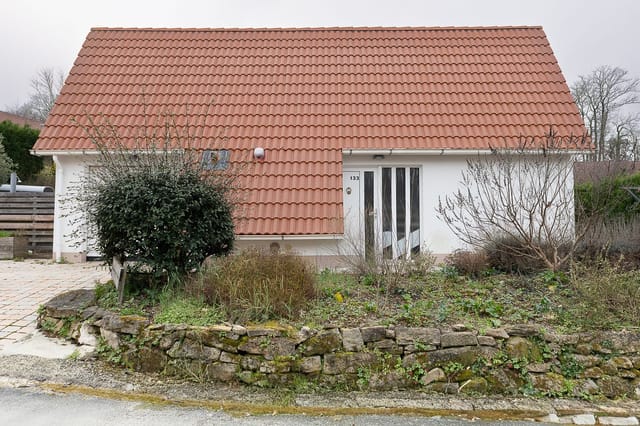
Picture this: a Saturday morning in late June, the air already warm by nine o'clock, the Pyrenees doing that thing they do where the peaks turn pink before the valley below even wakes up. You're sitting on your own terrace with a coffee, somewhere between Toulouse and the mountains, and you genuinely don't have a plan for the day. That's Daumazan-sur-Arize. That's Villa 133. This fully renovated, detached three-bedroom villa sits inside the established Château Cazalères holiday park on the edge of this quietly compelling village in the Ariège — a département that most of France still hasn't fully discovered, which is precisely the point. At 100 square metres on a 400 m² private plot, the property was stripped back and rebuilt to a high spec, and it shows. This isn't a cosmetic refresh. The bathrooms have underfloor heating and walk-in showers, the kitchen is fitted with modern appliances and enough workspace that someone who actually cooks will be happy, and the whole downstairs flows out to the garden through wide glass doors. Two additional separate WCs mean six guests can share the space without the morning shuffle. The living room catches the southern light from mid-morning onwards. In winter — and the Ariège gets real winters, which is part of its character — that warmth through the glass is something you'll appreciate. In summer, the garden terrace takes over. It's south-facing, properly private, and sized for a long lunch that drifts into aperitifs. There's a dedicated barbecue space, and the surrounding park greenery keeps it sheltered without hemming it in. Château Cazalères has been running long enough to have ironed out the things that matter. The pool complex is large — multiple pools, including a dedicate ... click here to read more
Front view of Villa 133 at Chateau Cazalères

Step outside the kitchen door on a September morning and the view hits you before the coffee does. Rolling causse plateau, oak woodland dissolving into mist, and not a single rooftop visible in any direction. This is Sénaillac-Lauzès — a quiet corner of the Lot department that most people drive through on the way somewhere else, which is precisely why it's worth stopping. The villa at 630 Route de la Tuilerie sits on 10 full hectares of mixed land — meadow, mature woodland, and manicured garden — at the end of a private lane about 35 kilometres north of Cahors. Four bedrooms, two bathrooms, a separate furnished guest house, a 10 x 5.5 metre pool, a barn, outbuildings, and panoramic views that on a clear day seem to reach the next département. At €379,500, it's the kind of property that makes buyers from Paris, London, or Amsterdam do a double take and then immediately book a viewing. The main house runs to 210 square metres across two floors. Ground level is where daily life happens. The living room has underfloor heating fed by a heat pump installed in 2023 and a wood-burning stove added the same year — so the room is genuinely warm, not just theoretically warm. There's a real difference between a house with a stove for atmosphere and a house with a stove that actually works. This is the latter. The kitchen clocks in at 30 square metres, which means two people can cook at the same time without negotiating territory. It's fully fitted: five-burner gas hob, oven, microwave, dishwasher, built-in fridge, water softener, and air conditioning for the height of summer. The terrace opens directly off the kitchen — eat outside from April through October without a second thought. Three bedrooms sit on the ground floor, measuri ... click here to read more
Front view of the house and grounds

On a clear morning in Laurens, you open the bedroom shutters—electric, silent—and the air that comes in smells like sun-warmed garrigue and something faintly floral from the vines on the hillside. The village below is just waking up. A motorbike passes the café. That's about as busy as it gets. This is life in the Hérault heartland, and if you've been looking for a second home that delivers genuine southern French countryside without the tourist-trap prices of Provence, this four-bedroom villa might be the answer you didn't know you were this close to finding. Built in 2010 on the edge of Laurens—a compact stone village in the Faugères wine appellation—the property sits on a generous plot with uninterrupted views across the vines and rolling hills that define this stretch of Languedoc-Roussillon. It's not ancient, and that matters. The bones are solid, the design is contemporary bastide: clean lines, generous proportions, Mediterranean palette, none of the maintenance headaches that come with centuries-old stone. In good condition throughout, it's the kind of place you can unlock on a Friday evening in July and be swimming before dark. Inside, the ground floor is organized around a large lounge and dining room with an open fireplace—the kind you'll actually use from October through April, when the Hérault evenings cool fast and the smell of woodsmoke drifts through the valley. The fitted kitchen comes equipped with the full complement: oven, induction hob, extractor, integrated dishwasher, even a built-in fryer for when you've come back from the Béziers market with a bag of local potatoes and some merguez. French doors open directly onto a wide terrace. Marble and travertine finishes throughout give the interiors a pol ... click here to read more
Photo 1

Stand on the west-facing terrace at dusk and watch the Lot River catch the last light of a summer evening. The water goes gold, then copper. Swallows cut low over the surface. Somewhere across the valley, a church bell counts out eight o'clock from a village you can't quite see. This is Anglars-Juillac, a quiet corner of the Lot department that most visitors to France never find — which is precisely why those who do find it tend to stay. Set along Chemin du Saulou, this four-bedroom villa sits on roughly 7,000 square metres of grounds that run directly down to the riverbank. That's not marketing language for a strip of grass near water — the property genuinely touches the Lot, giving you private access for morning swims, a canoe launch, or simply sitting on the bank with a glass of Cahors Malbec as the light fades. The saltwater pool, measuring around 12 by 4 metres and fitted with night lighting, makes that choice a genuine dilemma on warm evenings. The garden itself deserves its own mention. Walnut trees, cherry, plum, apple, pear — it's the kind of productive, shaded landscape that takes decades to establish and can't be replicated by any developer. A large pond sits within the grounds, drawing herons and kingfishers with reliable regularity. The mature canopy keeps the terraces cool through July and August when the temperatures in the Lot Valley push reliably into the high twenties and low thirties. The villa spans approximately 200 square metres across three levels, built in the pre-1906 era of solid stone and thick walls that keep interiors naturally cool in summer and hold warmth in winter. The ground floor opens into a flexible space that currently works as a studio or office — big, light-filled, and independe ... click here to read more
Front view of the villa and garden

Stand in the courtyard at seven in the morning, coffee in hand, and listen. A wood pigeon calls from the old walnut tree. Water trickles from the decorative pond. Somewhere beyond the stone walls, the Loire Valley is waking up. This is the kind of quiet that city people spend years chasing — and here, it's yours before breakfast. At 1585 Route de Pierrefitte, this former abbey farm sits on a fully fenced 5,435 m² plot in Vézelin-sur-Loire, a small commune perched in the rolling hills above Saint-Étienne, roughly equidistant between Lyon and the volcanic highlands of Auvergne. The estate has spent the last twenty-five years operating as a sabbatical and retreat center — a place where executives, academics, and creatives came to think clearly and leave restored. That history has shaped every room. The proportions are generous, the finishes are honest, and the whole place carries the unhurried confidence of a building that has seen several lifetimes and survived them all. The main building runs to approximately 450 m² across two floors. Ground level holds a sitting room anchored by a working insert fireplace — the kind you actually use in October, not just admire — plus a formal dining room with an original alcove that seats a long table comfortably. There's a separate office or secondary lounge, a ground-floor bedroom with its own en-suite bathroom, and a professional restaurant kitchen fitted with commercial-grade equipment. Spend a Sunday afternoon in that kitchen producing a pot-au-feu with vegetables from Roanne market and you'll understand exactly why the retreat guests never wanted to leave. Upstairs, approximately ten guest rooms spread across the floor alongside a shared lounge that has doubled as a conference ro ... click here to read more
Front view of the estate

Step onto the panoramic terrace at dawn, coffee in hand, and watch the light pull itself up over the Esterel mountains while the Côte d'Azur glitters somewhere far below. This is Mons — one of Provence's most quietly extraordinary hilltop villages — and mornings here have a particular quality that people who've experienced them tend not to forget. Sitting on nearly 3,000 square metres of land just a five-minute walk from the village square, this 260m² villa is a serious proposition. Six bedrooms, three bathrooms, a Diffazur swimming pool surrounded by olive trees and holm oaks, a vegetable garden, and views that stretch from the Var hills all the way to the Mediterranean on a clear day. Built in 1965 and maintained in good condition, the property has genuine bones — the kind of generous proportions and solid construction that newer builds rarely replicate — and plenty of room to update and personalise it into something truly exceptional. The ground floor opens with an entrance hall that leads into a large, light-filled living room with an open fireplace. On a January evening, with logs crackling and cold air pressing against the double-glazed windows outside, this room earns its keep. The dining room has a view — the sort you instinctively turn toward mid-conversation. The semi-open kitchen connects directly to the terrace, which means summer dinners happen outside almost automatically, plates passing through the kitchen window, the smell of Provençal herbs drifting up from the garden below. There's also a ground-floor office, useful for anyone who needs to work remotely without sacrificing the lifestyle that drew them here in the first place. Upstairs, six bedrooms spread out across the floor, two of them served by f ... click here to read more
Picture 1

Saturday morning in Daumazan-sur-Arize. The Pyrenees are right there on the horizon, close enough that you can pick out the snowline on the highest peaks, and the air coming through the tilt-and-turn kitchen window smells of cut grass and something faintly pine-scented drifting down from the hills. Coffee on the terrace, sunshade already tilted against the early light, and absolutely nowhere you need to be. That's the rhythm this place sets. And once you've felt it, it's hard to shake. Château Cazalères is a well-run holiday park set in the green folds of the Ariège valley, about 50 kilometres south of Toulouse. The Ariège is the kind of French department that doesn't feature on many postcard racks, which is precisely what makes it worth paying attention to. It's genuine, unspoiled, and quietly extraordinary. The village of Daumazan-sur-Arize sits along the Arize river, a slow-moving, trout-filled river that feeds into the wider landscape of the Plantaurel hills. On weekday mornings, you'll hear more birdsong than traffic. Villa 12 is a fully detached three-bedroom property on its own flat plot of 400 square metres. It's compact but intelligently laid out — 75 square metres of interior space that doesn't feel squeezed, thanks to a bright living room, a proper dining area big enough for six, and a kitchen that was fitted new in 2021 with a four-burner gas hob, dishwasher, refrigerator, and microwave. The previous owners didn't cut corners when they renovated. The bathroom is fully modernised with a walk-in shower and a towel radiator. The drainage system was replaced. New blackout curtains hang in both ground-floor bedrooms. Underfloor heating covers the ground floor, a radiator handles the upper level, and the central ... click here to read more
Front view of Residence Chateau Cazaleres 12

Picture this: a Saturday morning in late June, the Ariège valley still cool from the night before, swallows cutting low over the garden as you carry your first coffee out to the rear terrace. The Pyrenees are right there — not as a distant postcard, but close enough that you can read the ridgelines. That's morning life at this detached three-bedroom villa inside the gated Château Cazalères park, and it takes about forty-eight hours before the pace of Daumazan-sur-Arize starts to feel like the only reasonable way to live. This part of the Ariège department sits in one of France's most quietly compelling corners. Not the overtouristed lavender-and-rosé Provence of Instagram, and not the ski-resort bustle of the higher Alps. This is the authentic south — working villages, medieval bastides, rivers cold enough to make you gasp in August, and a cultural calendar that rewards those who show up curious. Foix, just 25 kilometres east along the N20, has a proper three-towered château rising straight from a rocky outcrop above the town centre — the kind of thing that makes you do a double take the first time you round the bend and see it. The Saturday market under those towers sells everything from raw-milk Tomme de Brebis to Ariège honey and fat garlic braids. Toulouse is about an hour by car, which means Michelin-starred restaurants, the Capitole opera house, and flights back to Amsterdam, London, or Brussels are all genuinely convenient rather than merely technically possible. The village of Daumazan-sur-Arize itself is small, honest, and friendly to outsiders in the unsentimental way that rural French villages tend to be. Boulangerie in the morning, a bar-tabac for a pastis in the evening, a cycle route that follows the Ariz ... click here to read more
Front view of Residence Chateau Cazaleres 109

Stand on the east-facing terrace at eight in the morning with a café au lait going cold in your hand, and you'll understand immediately why someone built this house right here. The Pyrenees sit on the horizon like a painted backdrop — sharp and white in February, hazy blue-grey by August — and the fields between you and them roll in long, unhurried waves. No road noise. No neighbors pressing close. Just the occasional clatter of a woodpecker somewhere in the orchard across the lane. This is Sariac-Magnoac, a scatter of farmsteads and country houses in the Hautes-Pyrénées department of southwest France, tucked between Castelnau-Magnoac to the north and Boulogne-sur-Gesse to the south. It's not a postcard village with a café-tabac on the square and tourists photographing the fountain. It's quieter and more genuine than that — the kind of place where the weekly market at Castelnau on a Friday morning still feels like an actual event, where the boulangerie runs out of croissants by nine, and where your neighbours wave from their tractors. The villa itself was built in the spirit of Basque chalet architecture — warm, solid, unapologetically rural. Exposed wooden beams run through nearly every room, visible in the ceilings of the basement workshop, framing the sleeping quarters upstairs, and arching above the 36-square-metre living room on the main floor. The combination of concrete and timber gives the structure a reassuring permanence, and those chunky original window frames with their particular closing mechanisms are the sort of detail you either find endearing immediately or don't — if you've made it this far into the description, you probably do. Spread across three levels, the house totals around 180 square metres of ... click here to read more
Front view of the villa and garden

On a clear morning in September, you slide open the terrace doors and the air hits you — cool from the Pyrenees, carrying the faint resin of pine and something faintly herby from the meadows beyond the hedge. The mountains are right there, enormous and unhurried, framing the garden like they've always been waiting to be noticed. This is Daumazan-sur-Arize, and once you've had a week here, the idea of not owning a piece of it starts to feel genuinely unreasonable. Situated within the well-established Château Cazalères holiday park in the Ariège département of southern France, this three-bedroom villa sits on its own 460 m² plot and offers a genuinely comfortable base for exploring one of the most underrated corners of the French countryside. Not a renovation project. Not a weekend fixer-upper. A fully furnished, move-in ready property at a price — €179,500 — that would barely buy you a studio in Toulouse, just 70 kilometres north up the A66. The villa runs to 100 m² across two floors and has been furnished with the kind of practical thought that actually serves a holiday home well. Ground floor living centres on a bright sitting room with a proper sofa, a pair of armchairs, and large sliding doors that dissolve the boundary between inside and garden. The dining table seats six comfortably — important when the extended family descends in August. The kitchen is fully equipped with a four-burner gas hob, electric oven, dishwasher, and a tall fridge-freezer. No hunting around for a corkscrew on arrival. Everything is here. The master bedroom sits on the ground floor, which matters more than people think — no stairs to navigate after a long day's hiking. Upstairs, two more double bedrooms each have their own storage, and on ... click here to read more
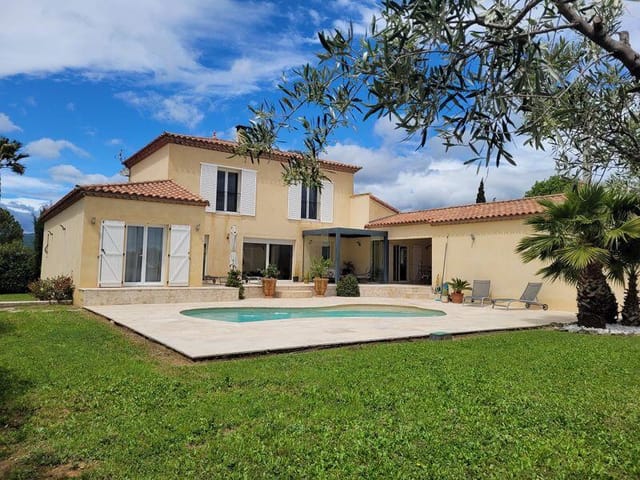
Photo 1 of Residence Chateau Cazaleres 121

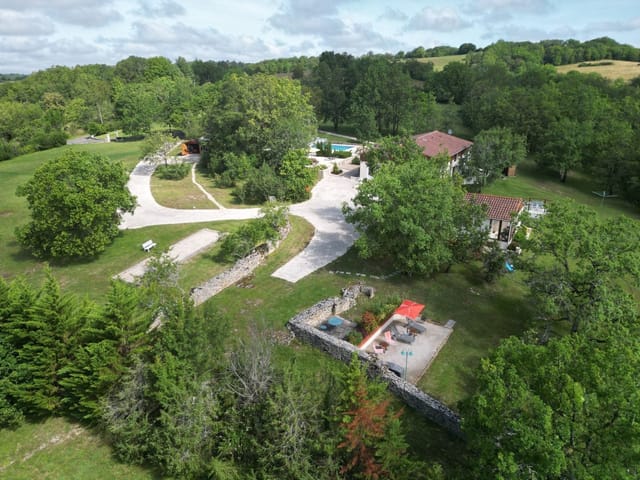
Saturday morning. You pull open the kitchen door and the air smells of damp grass and woodsmoke drifting over from a neighbor's chimney somewhere beyond the tree line. Three acres stretch out in front of you—yours, uninterrupted, not a rooftop or a road in sight. The coffee is on. Somewhere down the lane, a baker in the village of Rives is already pulling baguettes from the oven. Life here moves at a pace that most people only read about. This four-bedroom villa sits on a quiet, private plot just 1.5 kilometers from that village bakery and six kilometers from the medieval bastide town of Castillonnès—one of Lot-et-Garonne's best-kept secrets. Built in 2004 and thoughtfully extended in 2014, the house is in good condition throughout, with no major renovation headaches waiting for a new owner. At 142 square meters of interior living space, it's genuinely roomy without tipping into the kind of scale that becomes a maintenance burden when you're splitting your time between countries. The layout works for real life. A fully equipped kitchen opens directly into the living room, so whoever's cooking doesn't miss the conversation. The dining room gets its own space—important when Sunday lunches stretch into the late afternoon, which in this part of France they invariably do. Three ground-floor bedrooms each come with built-in wardrobes, and a mezzanine bedroom upstairs adds both character and flexibility: teenager retreat, home office, overflow for guests who always seem to stay longer than planned. A shower room and a separate toilet serve the ground floor well. The large garage doubles as a summer kitchen—roughly 50 square meters—which changes how you think about entertaining. Set it up with a long table, hang some lights, ... click here to read more
Picture 1