Blog published in Relocation
Share
5 biggest downsides of living in Norway (and how to manage them)
Learn the real downsides of living in Norway: high costs, complex taxes, long winter darkness, language barriers, and residency hurdles. See how to mitigate each before you move.

The biggest downsides of living in Norway are cost, a tax system that rewards early planning, long winter darkness, a language gap that English only partly covers, and administrative friction for newcomers. None of these is a reason to rule Norway out. All of them are easier to manage when you know which apply to your situation.
This article is written for international buyers and expats, including second-home owners weighing longer stays. For each downside, check it against four things: where you'd live, how many months a year you'd be there, how you're funded, and what your health needs are.
Snapshot of the main downsides
- High cost of living: housing, groceries, dining out, and winter energy all run high. Mitigation: build a full-year budget before you buy.
- Tax complexity: income, wealth, property, and transfer taxes interact with your home-country obligations. Mitigation: confirm tax residency early and hire a cross-border adviser.
- Winter and darkness: short days, snow, and storms shape daily life. Mitigation: choose location and heating deliberately.
- Language and social integration: English works in cities but thins out elsewhere. Mitigation: learn practical Norwegian first.
- Bureaucracy and residency: owning property doesn't grant residency. Mitigation: sort your status before closing.
- Distance from services: rural homes mean longer trips to doctors, shops, and tradespeople. Mitigation: weigh access as heavily as scenery.
Norway's high cost of living is structural, not seasonal
Eurostat's comparative price-level data consistently ranks Norway among Europe's most expensive countries, alongside Switzerland and Iceland. High wages, a small domestic market, and a strong welfare system all feed through to prices. The OECD's Economic Surveys: Norway 2026 describes the fiscal and regulatory framework behind that economy, though it addresses policymakers rather than households.
For a household budget, four categories deserve line-by-line research using Statistics Norway (SSB) data:
- Groceries. Food is costly, partly because of agricultural protection. Food carries a reduced VAT rate of 15%, against the 25% standard rate.
- Electricity. Norway is split into five price areas (NO1 to NO5). Southern regions have seen sharper, more volatile winter prices than the north, so check the area for any property you consider.
- Transport. Cities have good public transit. Outside them, a car is usually a necessity, and winter tires and toll roads add to running costs.
- Dining out. Restaurant meals are expensive by nearly any international comparison, so most residents cook at home.
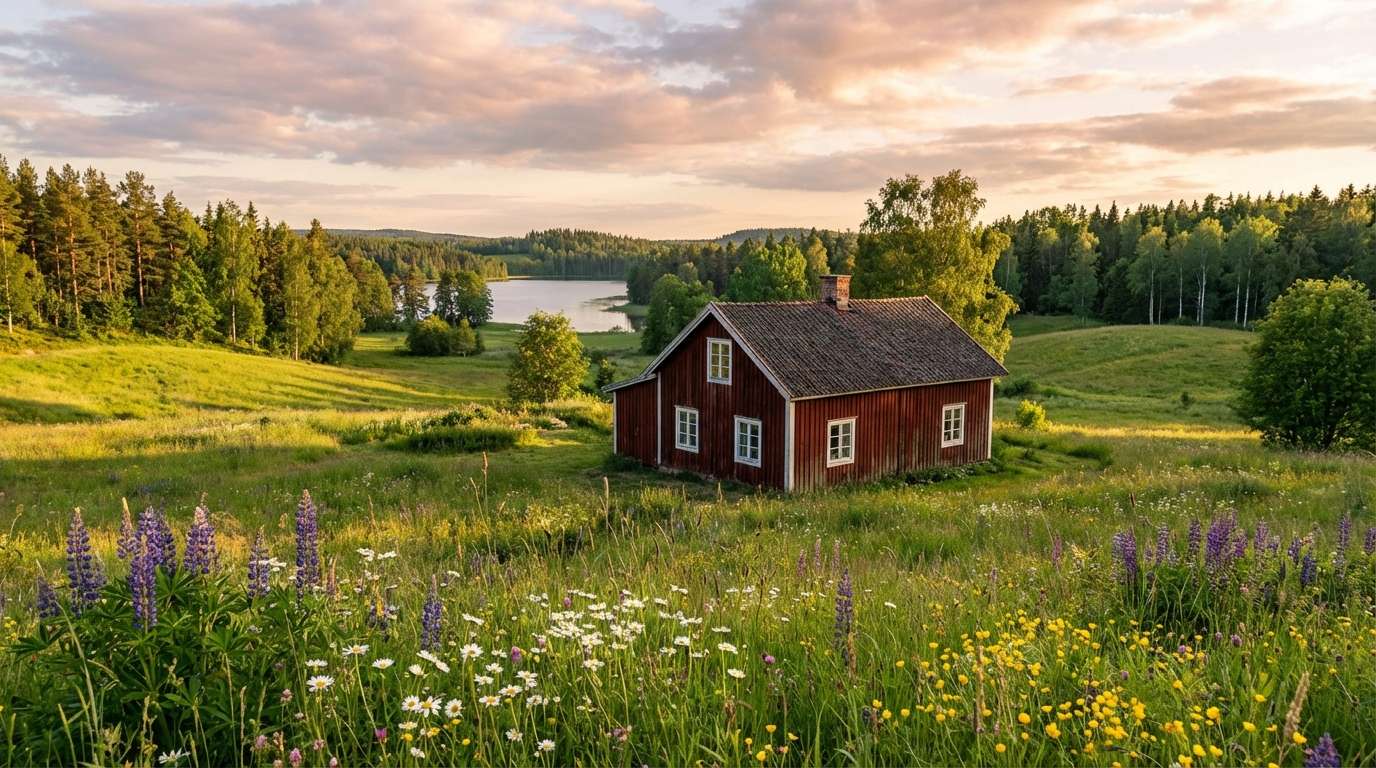
City versus rural matters here. Urban housing, especially in Oslo, is expensive to buy. Rural property often costs less upfront, but heating a large, older home through a long winter and driving long distances can erase that saving. Budget beyond the mortgage or rent: insurance, maintenance, heating, and snow clearing all belong in the figure.
Taxes and fees reward early planning
Norway taxes ordinary income at a flat rate, then adds a bracket tax on higher earnings. Employees also pay national insurance contributions. Residents are also subject to wealth tax above set thresholds. Current rates and thresholds change annually, so confirm them with the Norwegian Tax Administration (Skatteetaten) rather than relying on a secondhand figure.
Owner-specific costs include:
- A 2.5% document fee (dokumentavgift) on transfers of freehold property, paid by the buyer.
- Municipal property tax (eiendomsskatt), which each municipality decides whether to levy.
- Municipal charges for water, sewage, and waste collection.
If you plan to rent out the property, rental income is taxable, and treatment depends on whether you're resident and how you use the home. Second-home owners face an added problem: costs that vary by municipality are harder to predict from abroad.
Confirm these before committing:
- Your tax residency status in Norway and in your home country.
- Whether a tax treaty applies to your income and assets.
- Whether your chosen municipality levies property tax, and at what rate.
- How rental income would be reported, if applicable.
Cross-border tax is a place to pay for professional advice. Mistakes tend to surface years later.
Winter darkness changes how daily life works
Norway stretches well above the Arctic Circle. In Tromsø, the sun stays below the horizon from roughly late November to mid-January, a period known as the polar night. The reverse arrives in summer, with the midnight sun lasting from about late May to late July. Verify exact dates for any town using Timeanddate or the Norwegian Meteorological Institute (yr.no).
Regional differences are significant. The far north has the longest darkness and the heaviest snow. Coastal cities such as Bergen are milder but wetter. Inland and mountain areas are colder and drier, with reliable snow and the highest heating demand. Oslo sits in between, with short but not absent winter daylight.
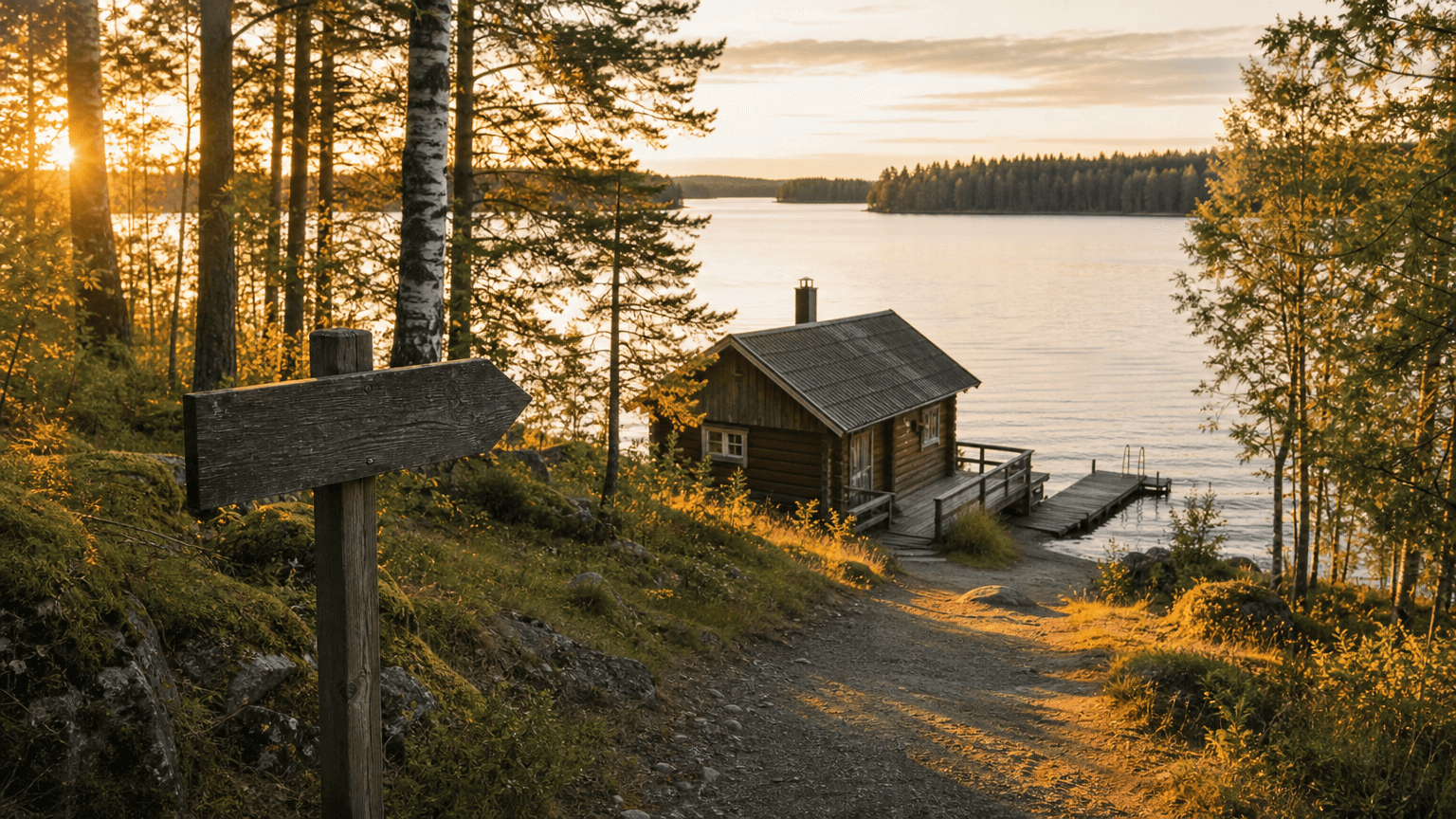
Practical consequences follow. Storms can close mountain roads. Snow clearing becomes a household task or a contract expense. Seasonal low mood affects some newcomers, and Norwegians themselves lean on light therapy, outdoor routines, and deliberate socializing in winter. If you'll own a home you leave empty, burst pipes and heating failures are the real risk, so a backup heat source and a frost-protection routine are standard.
English gets you started, not settled
Norwegians have high English proficiency, and daily transactions in Oslo rarely cause trouble. The gap appears in official letters, banking, school and municipal forms, and medical settings, where Norwegian is the default. It shows up most in social life. Friendships form slowly, circles are often built around long-standing local ties, and outside expat hubs there's less of a ready-made community.
Rural life intensifies this. Fewer people, longer distances, and quiet winters can mean isolation if you arrive without contacts. Your schedule matters too: someone present year-round can join clubs, volunteer groups, and neighborhood activities, while a week-on, week-off owner mostly can't build the same ties.
Residency, healthcare, and paperwork are separate hurdles
Buying a home doesn't give you the right to live in Norway. EEA citizens can generally register for longer stays if they meet work or financial-means requirements. Non-EEA citizens face the Schengen limit of 90 days in any 180 unless they hold a residence permit, handled by the Norwegian Directorate of Immigration (UDI).
Healthcare follows registration. Access to the public system and the regular GP scheme (fastlege) depends on being registered in the National Population Register with a national identity or D-number. Waiting times vary by region and specialty, and Helsedirektoratet publishes current figures. Check them for your area rather than assuming a national average.
Paperwork generally assumes you read Norwegian and have a Norwegian ID number, which unlocks banking and digital services. Allow extra time for translations and for steps that must happen in sequence.
For second-home owners, distance multiplies small problems. A leak found in April, after a winter away, costs far more than one caught in October. Line up a local caretaker before you buy.
Mitigation depends on where you settle
- Location: coastal and southern areas near cities soften winter, shorten trips to services, and keep social options open.
- Property: prioritize insulation quality, an efficient heating system, and year-round road access.
- Language: learn service Norwegian first, covering healthcare, banking, and municipal forms, then conversation.
- Tax: document your residency position and keep clean records of costs and any rental income.
Exploring real options with these downsides in mind
Browsing actual listings makes these trade-offs concrete: how far a property sits from a town, what heating it uses, and whether it suits year-round or seasonal use. Homestra's houses for sale in Norway are part of a wider European inventory of more than 200,000 properties, which lets you compare Norway directly against other destinations.
For official figures, rely on Skatteetaten for taxes, UDI for residency, Helsedirektoratet for healthcare, SSB for prices, yr.no for weather, and the OECD for economic context.
Share