Blog published in Buying property abroad
Share
How to find properties in Europe that cater to international buyers
Europe's real estate market is fragmented, but international buyers can find the right property with the right strategy. This guide covers search tools, country tips, financing, due diligence, and more.

Finding properties in Europe as an international buyer can feel like a puzzle with too many pieces. There's no single platform that covers every market the way Zillow does in the United States. As AirDNA noted in November 2025, "Europe's real estate market is fragmented", each country has its own language, legal system, transaction customs, and listing databases. Spain works differently from Sweden. France is nothing like Finland.
The good news? Once you understand the two-track search strategy that experienced cross-border buyers use, the process becomes much clearer and far more manageable. Track one: use a pan-European, English-friendly portal to discover and shortlist properties quickly. Track two: verify availability, legal status, and local taxes through local channels and independent professionals. This guide walks you through both tracks, including exactly how to use Homestra's search tools, what to watch for in eight key countries, how non-resident financing works, and a due diligence checklist you can put to work right away.
Europe's property market isn't one market, it's thirty
Before starting your search, it helps to reset expectations. Portugal has different ownership rules than Croatia. Germany's notarization process is nothing like the UK's conveyancing system. Greece has restrictions on buying near certain border zones. And in almost every country, the primary listing databases are in the local language, with agents who may not speak English fluently.
What international buyers need, then, isn't just listings. They need a platform that translates the discovery experience into English, provides reliable property data, and then points them toward the right local professionals to complete the purchase safely. That's the promise behind platforms built specifically for cross-border buyers.
Homestra was built around exactly this idea. With over 200,000 properties listed across Europe and a search interface designed for non-native buyers, it's one of the most practical starting points for anyone trying to find properties in Europe for international buyers without having to navigate a dozen local-language portals.
How to search on Homestra: filters, saved searches, and alerts
The most effective workflow starts broad and narrows down deliberately. Here's how to do it on Homestra:
Step 1: Choose your country or region. Start by selecting the country or sub-region that fits your lifestyle goals. Are you drawn to Scandinavian lakes, Mediterranean coastlines, or rural French countryside? Homestra lets you filter by country first, then drill down to specific regions and municipalities.
Step 2: Set property type and budget. Filter by property type (villa, country home, cabin, apartment) and set a realistic price range. Don't forget to mentally add 5–12% for typical closing costs on top of the listed price, more on that by country below.
Step 3: Apply lifestyle filters. Think practically. If you need reliable year-round access, filter for properties close to airports or main roads. For vacation use only, distance to town and utilities setup matter more. Features like waterfront access, garden, or home office are filterable on Homestra, which helps narrow quickly without reading every listing.
Step 4: Save searches and set alerts. This is where many buyers lose time, they search once, find nothing perfect, and give up. The smarter move is to save your search criteria and turn on alerts so new matching properties land in your inbox as they're listed. Good properties in popular destinations move fast.
Step 5: Build a shortlist. Aim for five to ten properties that look genuinely promising based on description quality, photo quantity, and location. Listings with thorough descriptions, clear floor plans, and documented features are lower risk, vague listings often signal incomplete due diligence on the seller's side.
For those just beginning their search, the Buying property abroad resource hub on Homestra's blog is a useful companion to the listings themselves. If you're also weighing considerations before committing to a country, the article on what to consider before buying property abroad covers the foundational questions you'll want answered first.
Country-by-country notes for international buyers
This section is a "what to ask" primer, not legal advice. Always verify current rules with a local lawyer before proceeding.
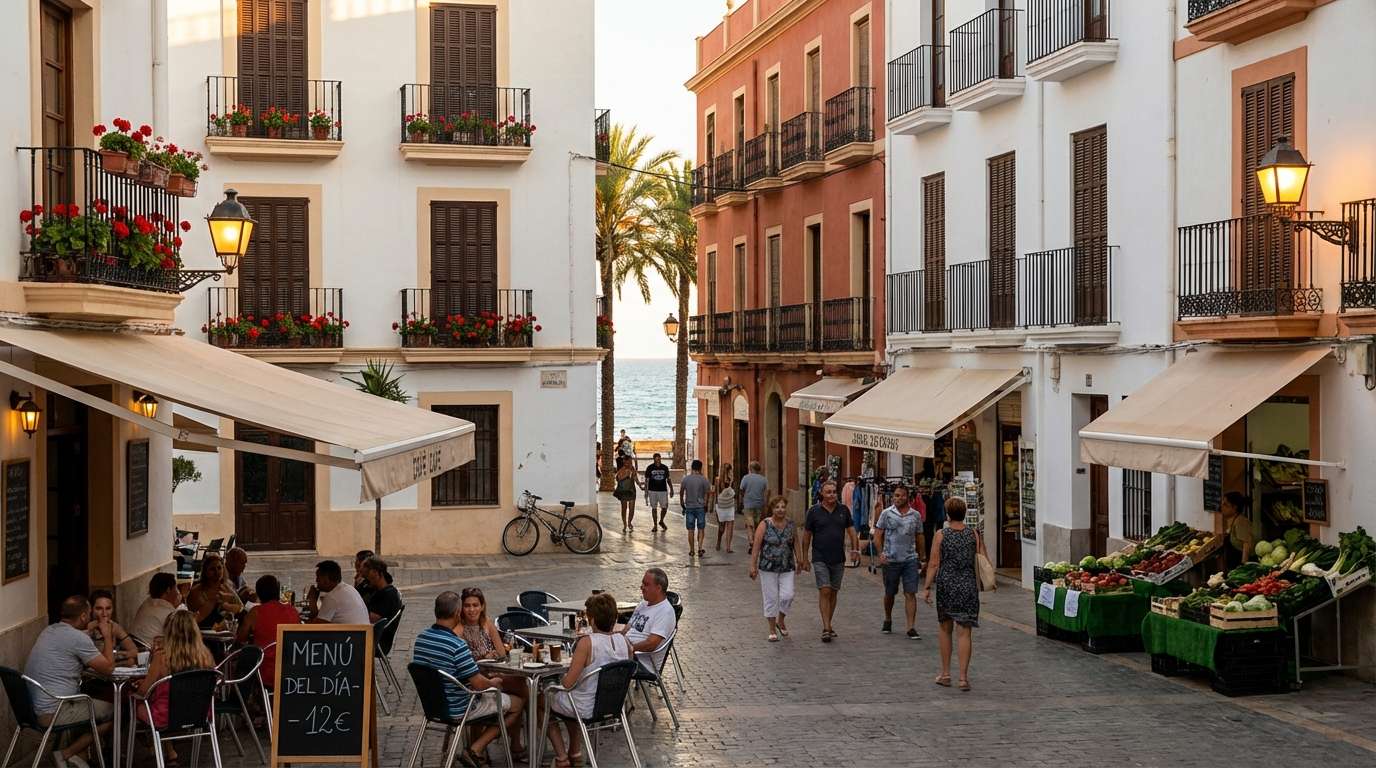
Spain: Popular with international buyers, particularly for coastal and island properties. Non-EU buyers can purchase freely but must obtain an NIE (foreigner identification number) before signing any contracts. Budget for transfer tax (ITP), notary fees, and land registry fees, combined closing costs typically run 10–14% of the purchase price.
Portugal: Generally straightforward for foreign buyers, with strong demand from expats in Lisbon, Porto, and the Algarve. You'll need a NIF tax number to open a bank account and complete the purchase. The full process for buying in Portugal is covered in depth in Homestra's Portugal guide, including legal steps, taxes, and what foreigners often find surprising.
France: Foreign buyers can purchase without restriction. The notaire (state-appointed notary) handles the title search and closing process for both parties, which offers good buyer protection, but you should still retain independent legal advice for anything complex. Closing costs typically run 7–10% in older properties, lower for new builds. France is one of the more affordable vacation home markets in Europe relative to price per square meter, which is part of why demand from international buyers remains strong.
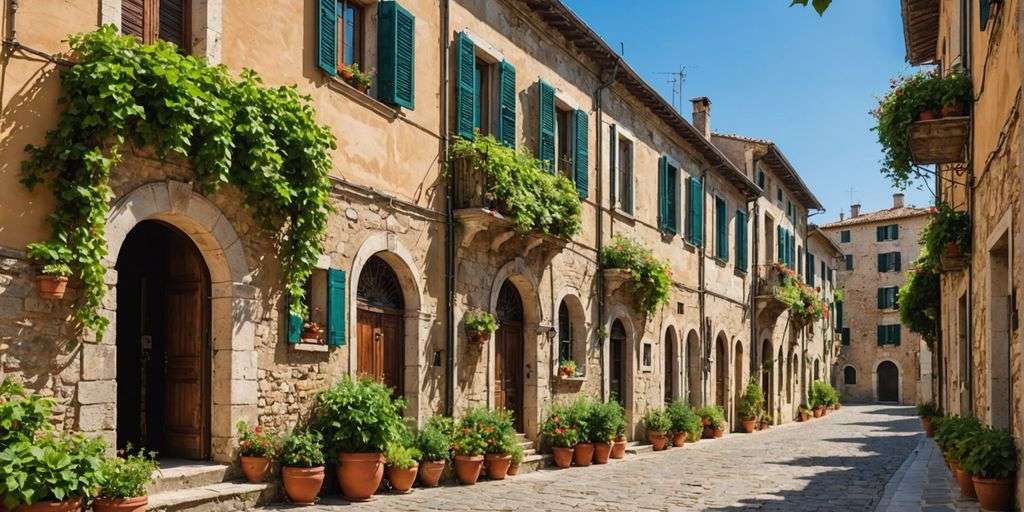
Italy: No restrictions on foreign ownership, but the bureaucratic process is longer than many buyers expect. You'll need a codice fiscale (tax code), and the compromesso (preliminary contract) typically requires a 10–30% deposit. Titles can sometimes carry historical encumbrances, so a thorough title search by an independent geometra or lawyer is essential.
Greece: Open to non-EU buyers, though properties near designated border areas require special permits. A Greek tax number (AFM) is needed before purchasing. Independent legal advice on title history is especially important here, as land registry records haven't always been fully computerized in rural areas. Browse houses for sale in Greece including waterfront options through Homestra.
Germany: A highly transparent, well-regulated market. Purchases are completed through a notary (Notar), transaction costs include real estate transfer tax (3.5–6.5% depending on the state), notary fees, and land registry fees. Expect total closing costs of 7–12%.
Croatia: Since joining the EU, EU citizens can buy freely. Non-EU buyers need to verify the current bilateral treaty situation for their nationality. The land registry is improving but historical inconsistencies in coastal areas mean legal checks are critical.
Sweden (in depth): Sweden is one of the most accessible markets for international buyers. According to Homestra's Complete Guide to Buying a Vacation Home in Rural Sweden, "Sweden imposes no restrictions on foreign ownership." You don't need a Swedish personnummer (personal identity number) to complete a purchase, though getting a coordination number (samordningsnummer) will make registration, utilities, and banking significantly easier after purchase.
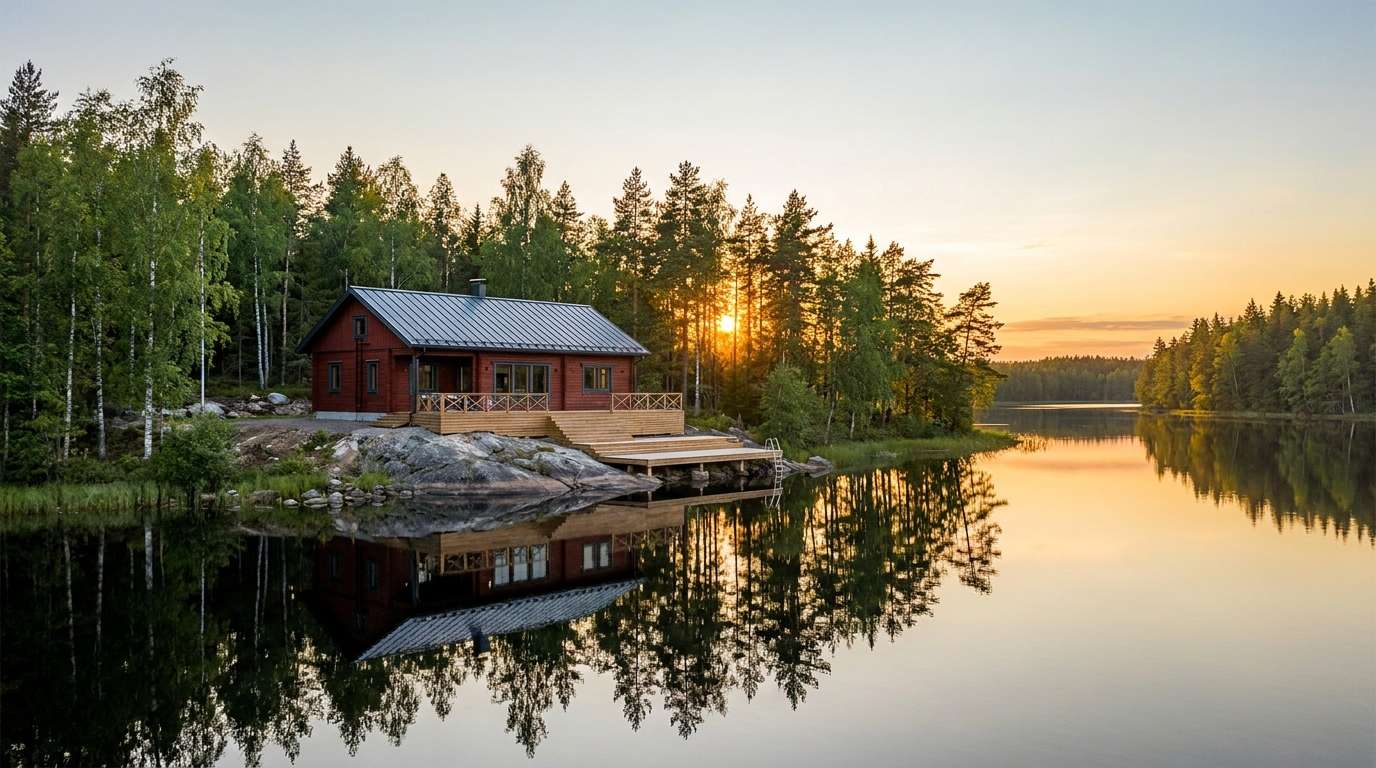
Swedish law places the responsibility of inspecting the property squarely on the buyer through the concept of undersökningsplikt, a "duty to investigate." This means ordering a proper building inspection (besiktning) isn't optional if you want to protect yourself. The standard deposit is approximately 10% of the purchase price paid when the preliminary purchase agreement (köpekontrakt) is signed. Completing the title registration (lagfart) costs 1.5% stamp duty on the purchase price (or assessed value, whichever is higher), plus a fixed registration fee of 825 SEK. You can explore a wide range of Swedish vacation properties, from lakeview country homes to seaside retreats with private docks, through Homestra's Sweden listings.
Financing and mortgages for non-residents
Cash purchases are the simplest route and many international buyers use them, especially for vacation homes at lower price points. But if you need financing, be prepared for stricter conditions than local buyers face.
Non-resident mortgages across Europe typically come with lower loan-to-value ratios (often 60–70% maximum versus 80–90% for residents), higher interest rates, and more extensive documentation requirements. Some countries' banks don't offer mortgages to non-residents at all, making it necessary to seek international lenders or specialist brokers.
Documents lenders typically request:
- Passport and proof of address
- Last two to three years of tax returns
- Recent payslips or proof of business income
- Three to six months of bank statements
- Details of existing assets and liabilities
- Proof of deposit funds and their source (anti-money-laundering requirements are strict)
A common pitfall: buyers assume their home-country bank will lend on a foreign property. Many won't. Start conversations with potential lenders early, ideally before you fall in love with a specific property, so you know your real budget.
Working with agents, translators, and lawyers
The roles of a real estate agent and an independent lawyer are distinct, and both matter.
The agent's job is to find and present properties, arrange viewings, and facilitate negotiations. In many European countries, the selling agent represents the seller's interests, not yours. That's not a problem as long as you understand it and don't rely on them for impartial legal or financial guidance.
The independent lawyer's job is to protect you: checking title history, confirming no outstanding debts or encumbrances are attached to the property, verifying planning permissions, reviewing the purchase contract, and flagging anything unusual before you commit.
Yes, you need a local lawyer. Full stop. This is the question international buyers most often get wrong. Even in countries like France where the notaire provides genuine legal oversight, having your own legal advisor who speaks your language and works for you is worth every euro.
How to find the right team:
- Ask for referrals from expat communities in your target country (Facebook groups, expat forums, national associations)
- Verify credentials through official bar associations or regulated professional bodies
- Confirm the lawyer is independent of the agent or developer
- Check they have relevant language coverage, you want someone who can explain a 40-page contract in plain English, not just translate it literally
- For complex or high-value purchases, consider a bilingual buyer's representative who coordinates the full process on your behalf
For cross-border coordination, set up a shared document folder (Google Drive or Dropbox) from day one. Time zones, document formats, and signature requirements vary. Building a clear timeline with milestones keeps everyone accountable.
Remote viewing and due diligence: what to check before you commit
Flying out to view every property on your shortlist isn't always practical. Remote evaluation is legitimate, with the right approach.
Request a live video tour (FaceTime, WhatsApp, or Zoom) rather than accepting pre-recorded walkthroughs. Ask the agent or owner to film specific things: damp patches on ceilings and walls, the electrical panel, plumbing under sinks, the roof from outside, property boundaries, and neighboring structures. Pre-recorded tours are useful for initial screening; live tours reveal how the agent handles unexpected questions.
Buyer due diligence checklist for remote evaluation:
- Confirmed current listing price matches Land Registry records (where available)
- Title deed requested and reviewed by your lawyer
- No outstanding mortgages, liens, or tax debts on the property
- Planning permission confirmed for all structures (extensions, outbuildings)
- Energy performance certificate (EPC) reviewed
- Water and utility supply confirmed (especially for rural properties, well, septic, gas)
- Flood risk and zoning maps checked with local municipality
- Building inspection (equivalent of besiktning) commissioned from an independent surveyor
- Homeowners' association fees and rules reviewed (if applicable)
- Boundaries confirmed against cadastral map
Red flags to watch for: listings with very few photos or outdated images, agents who can't answer basic questions about utilities or title, properties with undefined boundaries in rural areas, and any pressure to skip or rush the lawyer review stage.
Post-purchase: residency rights, taxes, and rental management
Owning property in Europe does not automatically grant residency or visa rights. This surprises many buyers. EU citizens can live in any EU country freely, but non-EU nationals need to check the relevant visa or residence permit rules separately from the property purchase.
Ongoing costs to plan for after purchase:
- Annual property taxes (these vary significantly by country and municipality)
- Buildings insurance
- Homeowners' association fees where applicable
- Property management fees if you're renting it out or not living nearby
- Accountant fees for annual tax filing, particularly if generating rental income
Capital gains taxes apply in virtually every European country when you sell, and the rules for non-residents often differ from those for residents. Sweden is a useful example: Homestra's Sweden guide notes that capital gains for non-residents are taxed at 22% on the profit. Rental income works similarly, in Sweden, rental income over 40,000 SEK annually is subject to Swedish income tax. Every country has its own thresholds and rules, so factoring in an annual consultation with a local tax advisor is money well spent.
Frequently asked questions
Is there a Zillow for Europe? No. As AirDNA noted in November 2025, Europe's real estate market is fragmented, with no single platform covering all markets the way Zillow does in the US. Homestra comes closest to a pan-European platform built specifically for international and expat buyers, with over 200,000 listings across multiple countries and an English-language interface.
Can foreigners buy property in Europe? Generally yes, though the rules vary by country and the buyer's nationality. EU citizens can buy freely across EU member states. Non-EU buyers face country-specific rules, some countries are fully open, others require permits or have restricted zones. Sweden, France, and Portugal, for example, impose no meaningful restrictions on foreign ownership.
Do I need a local lawyer? Yes. Even in countries where a notary provides some legal oversight, having an independent lawyer who represents your interests is essential for checking title, debts, zoning, and contract terms.
How can I view property remotely? Request a live video tour, ask specific questions about systems and structure, and commission an independent building inspection before signing anything. Remote evaluation is practical, relying only on marketing materials is not.
What are typical upfront deposits? This varies by country. In Sweden, the standard is approximately 10% at the köpekontrakt stage. In Italy, the compromesso typically requires 10–30%. In Spain, 10% is common. Confirm the amount and conditions (particularly refundability if the deal falls through) with your lawyer before paying.
Downloadable checklist You can save the due diligence checklist above as a starting point. A more complete version covering property tour tasks, document requests, professional questions, and timeline milestones is available on Homestra, request it via the contact form and it'll be sent directly to your inbox.
Start your search
Ready to find your property? Here are a few listings to get a feel for what's available across different countries and property types:
- Idyllic 3-bedroom vacation home overlooking Lake Vättern, Sweden, €295,000
- Spacious 5-bedroom property in Assisi, Umbria, Italy
- Charming 6-bed stone property with pool and land in France
- Spacious 5-bed property with views in Spilia, Crete, Greece
- Lakefront country home with hot tub in Dals-Ed, Sweden, €169,500
Want a tailored shortlist based on your budget, preferred country, and property type? Use the contact form on Homestra to request a personalized match, or browse the full European houses for sale listings to start exploring on your own terms.
Share