Blog published in Buying property abroad
Share
How to find a vacation home in Europe as an expat: 2026 guide
A step-by-step guide for expats buying a vacation home in Europe. Covers search filters, remote due diligence, non-resident mortgages, taxes, and a full checklist.

Owning a vacation home in Europe is a concrete goal for hundreds of thousands of expats every year. The appeal is real: a base in a country you love, potential rental income when you're not there, and an asset in a currency you understand. What separates buyers who close confidently from those who stall for years isn't motivation, it's process.
Buying from abroad means working across time zones, navigating paperwork in a second language, financing through a bank that's never met you, and assessing a property you may have visited once. This guide gives you the roadmap: how to search effectively, how the purchase process works as a non-resident, what financing to expect, what taxes will apply, and how to manage due diligence remotely. One critical caveat before we begin: buying a property in Europe does not automatically grant residency or a visa in any country. Ownership and immigration status are governed by entirely separate legal frameworks.
Start with your use pattern, not the listing photos
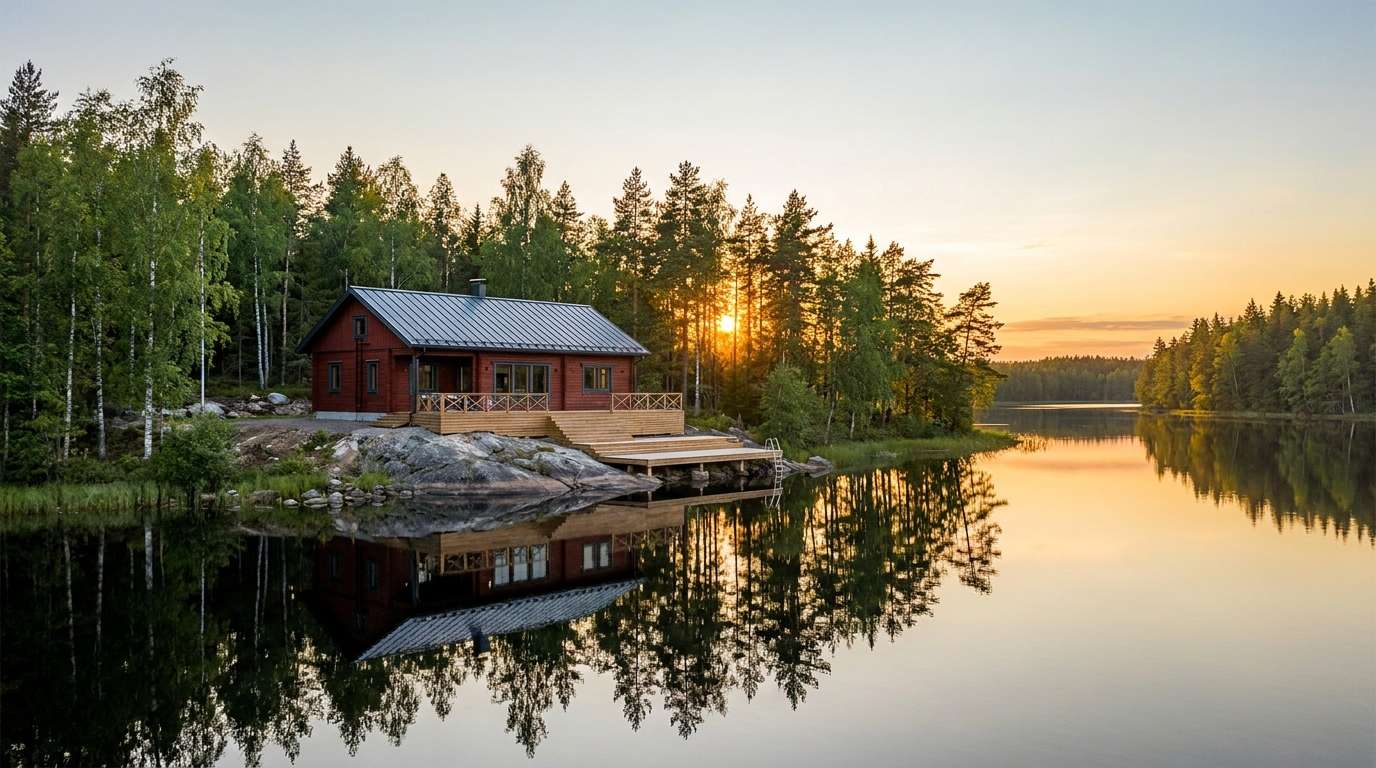
Every practical decision in the search phase flows from one question: how will you actually use this property? A summer-only cottage in rural Sweden has completely different infrastructure requirements from a year-round ski chalet in the Alps or a coastal apartment in Portugal where you plan to spend winters.
Before you open any search platform, map out your use pattern:
- Will you visit for extended periods or short weekend trips?
- Do you need the property to be winter-ready with reliable heating?
- Are you comfortable with rural road access, or do you need a walkable village?
- Do you plan to rent it out when you're absent?
The answers to these questions drive your filters far more than aesthetics.
How to search effectively on Homestra
Homestra operates Europe's largest cross-country second home database, with over 200,000 properties listed across the continent. The search flow that works best for expat buyers is:
- Country, pick the market first, because legal, tax, and financing rules are country-specific.
- Property type, house, apartment, chalet, farmhouse, or country home each carry different maintenance and heating profiles.
- Price range, set a ceiling 10–15% below your absolute maximum to leave room for transaction costs.
- Region or area, filter by proximity to an international airport, specific coastline, or mountain area.
- Features, this is where expat-specific searches diverge from standard ones.
Feature keywords that matter for expats include: year-round heating, private well, septic system, winterization status, private parking, low HOA fees, and proximity to healthcare or public transport. A property described as a summer cottage may have no insulation and no heating beyond a fireplace, information that's critical if you plan winter visits or want to rent through shoulder seasons.
A practical shortlist method: identify 10 properties that pass the filter test, request virtual tours for the top five, and commit to one or two on-site visits for genuine contenders. This sequence saves you unnecessary flights and helps you compare properties systematically rather than emotionally.
For region selection, evaluate any area against six factors: flight or drive time from your home base, year-round services (grocery, tradespeople, internet), healthcare access, winter climate risk (roads, frozen pipes, seasonal closure), expat community density if community matters to you, and resale liquidity. A beautiful but remote property with no year-round road access may be cheap for a reason.
For further context on the process of buying property abroad, Homestra's buying property abroad resource hub covers country-level frameworks in depth.
The purchase process as a non-resident: five phases
The mechanics of buying property vary across European countries, but the underlying structure is consistent enough to describe as a framework.
Phase 1: funding readiness and team assembly
Before you make an offer, you need funding clarity and a due-diligence team in place. This means knowing whether you're buying cash or using a mortgage, having an estimate of total transaction costs (see the tax section below), and identifying a local agent, a qualified inspector, and a lawyer or notary depending on the country.
Phase 2: viewings
Virtual tours have become standard for initial screening. Video walkthroughs conducted live by an agent are far more useful than pre-recorded ones, you can ask the agent to check the boiler, test the taps, look at the roof from the garden, and confirm road access. For properties that pass this stage, an in-person visit is strongly recommended before signing anything binding.
Phase 3: offer and contract
In most European countries, there's a defined point at which an agreement becomes legally binding, and it varies significantly. In some markets, a preliminary contract binds both parties and involves an earnest money deposit. Do not sign any informal document, text message agreement, or handshake deal, these can carry legal weight in certain jurisdictions. Get your lawyer involved before any money changes hands.
Phase 4: inspection and due diligence
This phase is where remote buyers are most exposed. Many European legal systems place a "duty to investigate" on the buyer: if a defect could have been discovered through a reasonable inspection and you didn't commission one, your legal recourse after closing may be limited.
Sweden illustrates this well. Homestra's fritidshus guide for international buyers details the besiktning (property inspection), which typically costs 5,000 to 15,000 SEK depending on size and complexity (Homestra, February 2026). The inspection report becomes part of the contract file and formally shifts the risk framework, defects disclosed in the report are considered buyer-accepted. The equivalent process exists across Europe under different names, but the risk principle is the same everywhere.
Phase 5: closing and registration
Title transfer and land registry registration are the final steps. In Sweden, this process is called lagfart. It carries a stamp duty of 1.5% of the purchase price (or the assessed value, whichever is higher), plus a fixed registration fee of 825 SEK, and processing typically takes 4 to 8 weeks (Homestra, February 2026). Across Europe, closing costs vary considerably: transfer taxes alone can range from 2% to over 10% of the property value depending on the country (Wise, February 2026). Budget for this range from the start.
Financing as a non-resident: what to expect
Getting a mortgage as a non-resident is possible in most European countries, but the terms are materially different from what residents receive. Understanding this before you shortlist properties prevents disappointment.
The core variables are LTV (loan-to-value ratio), down payment, underwriting documentation, and loan term. Non-residents typically face higher LTVs, meaning a lower percentage of the purchase price is financeable, and are required to document income more extensively because the lender can't rely on standard domestic credit checks.
Country-specific ranges (all labeled as typical; varies by lender and your financial profile):
- Portugal: Non-residents typically need a down payment of 30% of the property value, compared to 10–20% for residents (Wise, November 2024).
- Spain: Non-resident buyers are typically required to provide a 30% to 50% deposit (Wise, June 2025).
- Across Europe broadly: Many countries require a 25–40% down payment for non-residents, per guidance from Global Mortgage Group (December 2025).
The financing workflow for expat buyers:
- Secure pre-approval or a preliminary assessment from a lender before shortlisting properties.
- Use your confirmed LTV ceiling to set your maximum property price.
- Plan for currency conversion timing, exchange rate movements between offer acceptance and closing can meaningfully affect your actual cost.
- Confirm that your closing-day funds can be wired or transferred in the required format within the country's legal framework.
Alternatives to bank financing include all-cash purchases (common among expat buyers for its simplicity), partial financing through a home-country lender against existing assets, or local lenders who specialize in foreign buyers. Local specialists often move faster and accept more flexible documentation, though rates may be higher. Cross-border lenders offer the convenience of a familiar language and legal framework but may have stricter LTV requirements in certain markets.
For a detailed breakdown of the Portuguese buying process including mortgage options, see Homestra's guide to buying property in Portugal.
Legal and tax framework: what every expat needs to budget for
Tax obligations as a foreign property owner fall into four categories:
1. Transfer/registration taxes: Paid at closing. Ranges from roughly 2% to over 10% of purchase price across European markets (Wise, February 2026). Always request a total closing cost estimate from your lawyer before signing.
2. Annual property holding costs: Most European countries levy an annual property or municipal tax on owners regardless of residency. Rates, valuation bases, and payment schedules vary by country and by municipality within a country.
3. Capital gains on sale: When you sell, any profit is typically taxable in the country where the property sits. Sweden's framework is illustrative: non-residents pay capital gains tax at 22% on the profit (Homestra, February 2026). Double taxation treaties between your residence country and the host country may allow you to offset some or all of this against tax owed at home, consult a tax adviser familiar with both jurisdictions.
4. Rental income tax: If you rent the property, the rental income is generally taxed in the country of the property. In Sweden, rental income over 40,000 SEK annually is subject to Swedish income tax. Non-residents fall under the SINK (special income tax for non-residents) regime, with a proposed rate of 22.5% for 2026, down from 25% (Homestra, February 2026).
Some countries, Sweden is one, and France is highlighted in Homestra's affordability analysis, impose no restrictions whatsoever on foreign ownership. Both EU and non-EU citizens can purchase without special permits (Homestra, February 2026). Other markets have nuanced restrictions on certain property categories or areas. Never assume the rule is the same everywhere; verify with a local lawyer.
Note on short-term rental compliance: Ownership rights and short-term rental rights are not the same thing. In many European municipalities, operating a property on Airbnb or similar platforms requires a separate registration, a tourist license, or compliance with annual night caps. These rules are set locally and can change. Verify rental eligibility with local authorities before you buy if income is part of your plan.
If France is on your list, Homestra's analysis of France's affordability as a vacation home market provides useful context on costs and entry points.
Remote buying: power of attorney and virtual due diligence
Many expat buyers complete part or all of a European property purchase without being physically present at every stage. The legal mechanism that makes this possible is a power of attorney (POA): a notarized document that authorizes a named representative (usually your lawyer or a trusted agent) to sign contracts, coordinate inspections, and handle closing formalities on your behalf.
POA requirements vary by country. Some require the document to be notarized in both your home country and the host country (apostille). Build this into your timeline, it can take one to three weeks to execute properly.
For remote due diligence before any site visit, request the following documents from the seller or agent:
- Land registry extract (confirms ownership, boundaries, and any registered charges or encumbrances)
- Energy performance certificate (required in most EU countries for sale)
- Survey or inspection history from previous buyers (if available)
- Proof of water supply type (municipal connection vs. private well) and septic or drainage system documentation
- Heating system details, age, and last service record
- Easements and access rights documentation
- Any known structural or legal issues disclosed by the seller
Before you travel for an on-site inspection trip, ask the agent specifically: what defects has the seller disclosed? Has the property ever had a formal inspection? What is the winterization history? These questions frequently surface problems that aren't visible in listing photos.
On-site inspection trips work best when they're purpose-built: bring the inspector with you, confirm building access at least a week ahead, test the heating system and hot water under load, check winterization measures (insulation, pipe lagging, drainage), and walk the perimeter and roof if possible. One focused trip with the right people present beats three casual walk-throughs.
For fraud protection: always insist on documented payment channels. Verify the seller's ownership directly against the land registry extract. Never wire deposits to personal accounts based on email instructions alone, payment fraud in real estate transactions is a documented risk across Europe.
For a detailed look at the common pitfalls in this process, Homestra's 10 challenges expats face buying property in Europe covers common failure points and how to avoid them.
Renting out your vacation home: income reality and compliance
Many expat buyers plan to offset ownership costs through short-term rentals when they're not using the property. The income potential is real, but so are the compliance obligations.
A realistic income model for a mid-range European vacation home might look like this:
- Gross rental income: 8–12 weeks occupancy at average seasonal nightly rates
- Subtract: platform fees (typically 15–20%), cleaning and maintenance between stays, utilities, and local tourist tax (varies widely, often 1–5 euros per night per guest)
- Subtract: local income tax on rental income (depends on country and your non-resident status)
- Result: net yield typically in the 2–5% range for well-positioned, year-round-capable properties
What materially improves net returns: a property with efficient year-round heating (so you can offer shoulder-season availability), strong location demand, low HOA or condo fees, and no compliance gaps. A property that can only be marketed in peak summer delivers a fraction of the potential of one that's bookable from March through November.
The rules-first checklist for rental use:
- Confirm the property is zoned for short-term rental use (residential zoning ≠ tourist use in some municipalities)
- Check whether a tourist license or rental registration is required and obtain it before listing
- Verify any annual night cap or occupancy restriction imposed by local ordinance or condo rules
- Understand the withholding tax obligation: some platforms are now required to report rental income to local tax authorities automatically
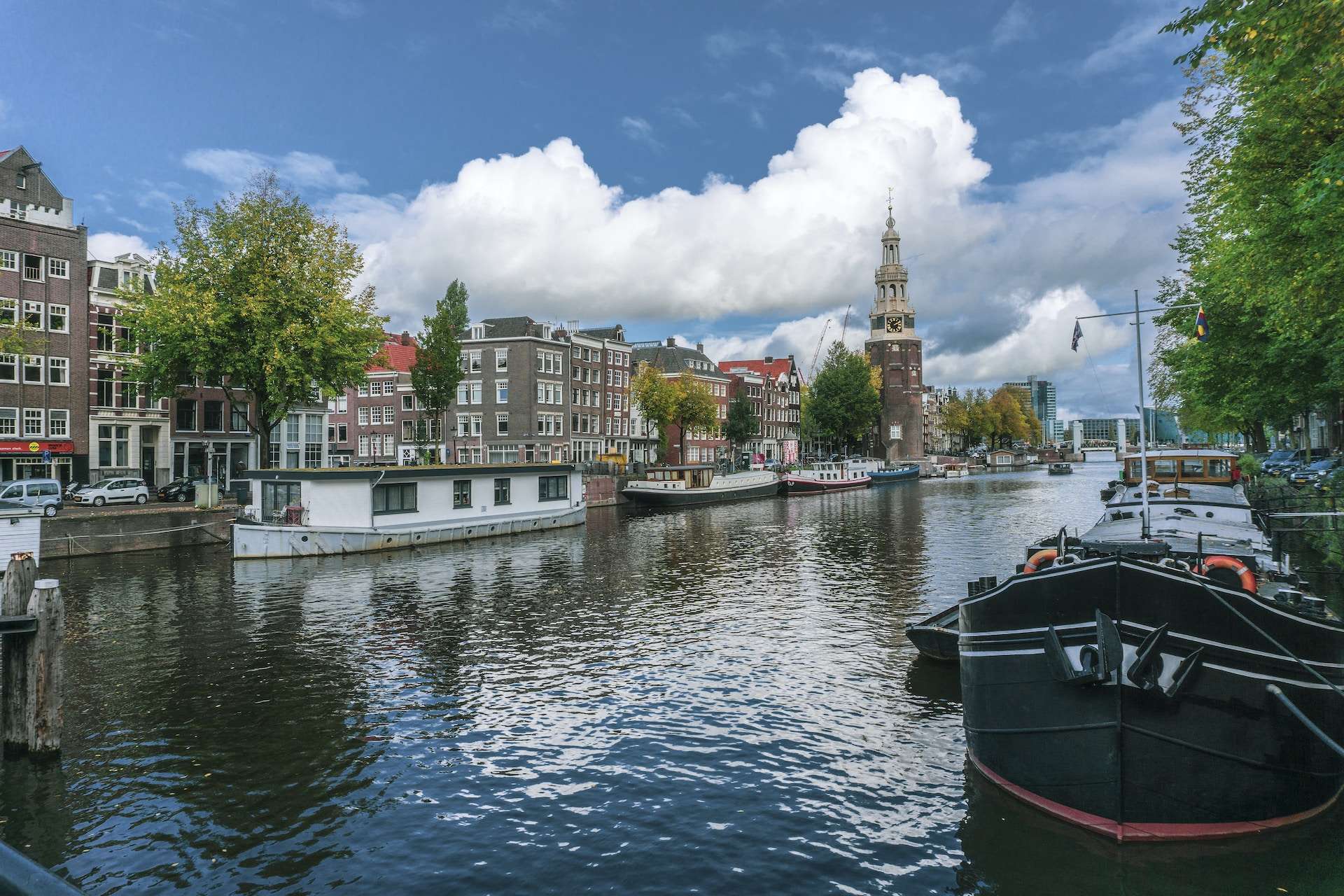
Some European markets have tightened short-term rental rules significantly in recent years, Barcelona, Amsterdam, and several coastal municipalities in Italy and Portugal have introduced restrictions. Check the current local regulation, not the regulation that existed when a property was last advertised as a rental.
Expat buyer timeline and due-diligence checklist
The timeline below is a working template. Adjust it based on your financing complexity and the market you're buying in.
| Weeks | Action |
|---|---|
| 1–2 | Define use pattern and budget. Begin mortgage pre-approval or cash confirmation. Start search on Homestra with expat-specific filters. |
| 2–4 | Shortlist 10 properties. Request virtual tours for top 5. |
| 3–5 | Submit offer(s) on leading candidates. Engage lawyer/notary and inspector. |
| 4–8 | Commission inspection (besiktning equivalent). Review report. Complete virtual due diligence document checklist. |
| 5–8 | Sign preliminary contract if inspection satisfactory. Finalize mortgage documentation. |
| 6–10 | Closing, title transfer, and land registry registration. |
Due-diligence checklist
Property condition
- Roof condition and age
- Water supply type and quality (municipal vs. well; last test date)
- Heating system type, age, and last service
- Septic or drainage system documentation
- Insulation and winterization status
Legal and title
- Land registry extract reviewed and ownership confirmed
- No unresolved charges, mortgages, or encumbrances on title
- Boundaries match physical property
- Easements and access rights documented
- No outstanding planning or building regulation violations
Financial
- Total transaction costs estimated (transfer tax + notary + agent + inspection + legal fees)
- Closing cost buffer of 5–15% above purchase price allocated
- Currency transfer plan confirmed with timeline
Rental compliance (if applicable)
- Zoning permits short-term rental use
- Tourist license/registration obtained or obtainable
- Night cap and occupancy rules confirmed
- Tax withholding obligations identified
Questions to ask before closing
For the agent: What has the seller disclosed about known defects? Is the property connected to municipal services or does it have private systems? What is the winterization history?
For the inspector: What is the remaining useful life of the roof, heating system, and major appliances? Are there signs of water ingress, structural movement, or subsidence?
For the lawyer: Are there any charges, encumbrances, or disputes registered against the title? Are there any outstanding planning or building violations? What is the correct legal process for closing in this country?
Frequently asked questions
Can I buy a vacation home in Europe without living there? Yes. Most European countries place no restrictions on non-resident buyers, and several (including Sweden) explicitly allow both EU and non-EU buyers without special permits or residency requirements (Homestra, February 2026).
What down payment do I need as a non-resident? Plan for 25–40% across most European markets, with Portugal typically requiring 30% and Spain 30–50% for non-residents (Wise, 2024–2025; Global Mortgage Group, December 2025). These are typical ranges, your specific lender and country will determine the actual figure.
What inspections should I pay for? Commission a full structural and systems inspection equivalent before closing. In Sweden that's a besiktning (5,000–15,000 SEK); in other markets it has different names but the same purpose. Never skip it because of a tight timeline.
Do I need local legal help? Yes, in almost every case. Notaries handle closing formalities in many countries, but a lawyer who acts only for you, not the seller or the agent, is the only party whose interests are fully aligned with yours.
Will buying a property give me residency? No. Property ownership and residency rights are separate. Some countries have specific golden visa or residency-by-investment programs with minimum investment thresholds, but these are distinct legal routes from ordinary property purchase.
How does rental income get taxed? In the country where the property sits, rental income is generally taxable there. Sweden applies a 40,000 SEK threshold below which income may be offset; above that, the SINK rate of 22.5% applies to non-residents (Homestra, February 2026). Consult a tax adviser familiar with both your home country and the host country to understand your full obligation.
The next step is straightforward: start your search on Homestra, save your best filters, request virtual tours on your top five properties, and contact a local agent or lawyer for the market you're targeting. The process is manageable, what it requires is structure, not just enthusiasm.
Share