Blog published in Buying property abroad
Share
Non-resident Italian second home taxes: a step-by-step guide
Learn the IMU, TARI, and rental tax rules for a second home in Italy as a non-resident. Includes deadlines, payment methods, and cost estimation tips.

Owning a second home in Italy comes with a short list of recurring taxes and a few one-time admin steps. This guide walks you through them in order, so you know what to set up, what you'll pay each year, and when to call a commercialista (Italian tax advisor).
Who it's for: non-resident owners (or buyers-to-be) of an Italian second home, not an Italian primary residence. Difficulty: beginner. Time: about 30 minutes to read, plus a few weeks if you need a tax code from a consulate. You'll need: your property's cadastral details (rendita catastale), your passport, and the name of your Comune (municipality).
Step-by-step checklist: taxes and admin for non-residents
1. Get your codice fiscale
Your Italian tax identification number is the key to almost everything else: paying taxes, signing a lease, registering utilities. Agenzia delle Entrate says non-resident individuals can apply through the Italian consular authorities in their country of residence.
Checkpoint: you have a 16-character code in hand before you try to pay anything.
2. Confirm you're a second-home owner for IMU purposes
IMU (Imposta Municipale Propria) is the municipal property tax. The prima casa exemption generally doesn't apply unless the home is your registered, habitual primary residence in Italy. As a non-resident, yours is usually taxed as a second home.
Some cadastral categories (typically luxury ones, such as A/1, A/8 and A/9) don't qualify for the usual primary-residence treatment anyway. Check your property's category on the deed.
3. Put the IMU dates in your calendar
IMU is commonly paid in two installments, due June 16 and December 16, according to Taxes for Expats (Aug 17, 2026). Set reminders a few weeks ahead, since international bank transfers can be slow.
Warning: don't assume a bill will arrive. IMU is generally self-assessed, so the calculation and the payment are on you.
4. Find out how TARI works in your Comune
TARI (Tassa sui Rifiuti) is the waste and service tax. It's billed and administered by each Comune, so schedules and installments vary. Search the Comune's website for "TARI" or "tributi," or contact its tax office (ufficio tributi) and ask about the declaration for a second home and any reductions for occasional use.
5. Decide how you'll pay
IMU is typically settled with an F24 payment form. Many Comunes also support PagoPA for local charges. If you don't bank in Italy, ask your commercialista or a local property manager to handle payments and send you receipts.
6. If you rent it out, choose a tax regime
Rental income from Italian property is generally taxable in Italy even if you live abroad. You have two main routes for residential rent:
- Cedolare secca: an optional flat substitute tax. Tax guides commonly cite 21% and 26% depending on the type of letting and the number of units. Taxing.it and Taxes for Expats both describe this split.
- IRPEF: progressive income tax. PwC Tax Summaries (Jul 23, 2026) lists national IRPEF rates for FY 2026 from 23% to 43%, plus regional and municipal components.
Immobiliare.it (Jun 22, 2026) has a useful comparison of when each regime works out better. The right pick depends on your other Italian income, your expenses, and how your home country treats the income, so confirm with a commercialista before electing.
How to estimate your yearly cost
Don't trust a single universal figure. IMU and TARI depend on local rates and your property's data. Use this method instead:
- Find your rendita catastale on your deed or cadastral extract.
- Look up your Comune's current IMU rate for second homes (published on its website).
- Ask the ufficio tributi how TARI is calculated (usually by square footage and household profile).
- Ask your commercialista to run the final numbers.
Three common owner scenarios
Scenario 1: pure holiday use
You pay IMU twice a year and TARI as billed by the Comune. No rental income, so no rental filing is triggered.
Scenario 2: occasional rentals
You'll owe IMU and TARI, plus declare the rental income. Collect the lease or booking contracts, payout statements and payment receipts. Then compare cedolare secca with IRPEF. A Modello Redditi (Italian income tax return) is generally how rental income is reported, so ask your advisor who files it.
Scenario 3: long-term rental
You still generally pay IMU as the owner. TARI may fall on the tenant in some cases, depending on local rules and the tenancy type, so confirm with the Comune and put it in writing in the lease.
Quick answers to common questions
Do I pay IMU as a non-resident? Generally yes, for a second home.
Do I pay TARI if I only visit occasionally? Often yes. Some Comunes offer reductions if you declare the conditions.
Do tax treaties help? Italy's treaties are designed to reduce double taxation. Keep records of every Italian tax you pay so you can claim a credit at home.
Where do I start if I'm stuck? Ask your Comune's tax office first. They answer the local questions no general guide can.
Official starting points
- Agenzia delle Entrate: tax identification number for foreign citizens
- Your Comune's website (look for "tributi," "IMU" and "TARI")
- PwC Tax Summaries: Italy individual taxes
- Immobiliare.it on cedolare secca vs standard regime
What you've covered and what comes next
You now know the main recurring obligations: a codice fiscale, IMU on June 16 and December 16, locally billed TARI, and a choice of rental regime if you let the property. Your next move is to book a short call with a commercialista and gather your cadastral papers.
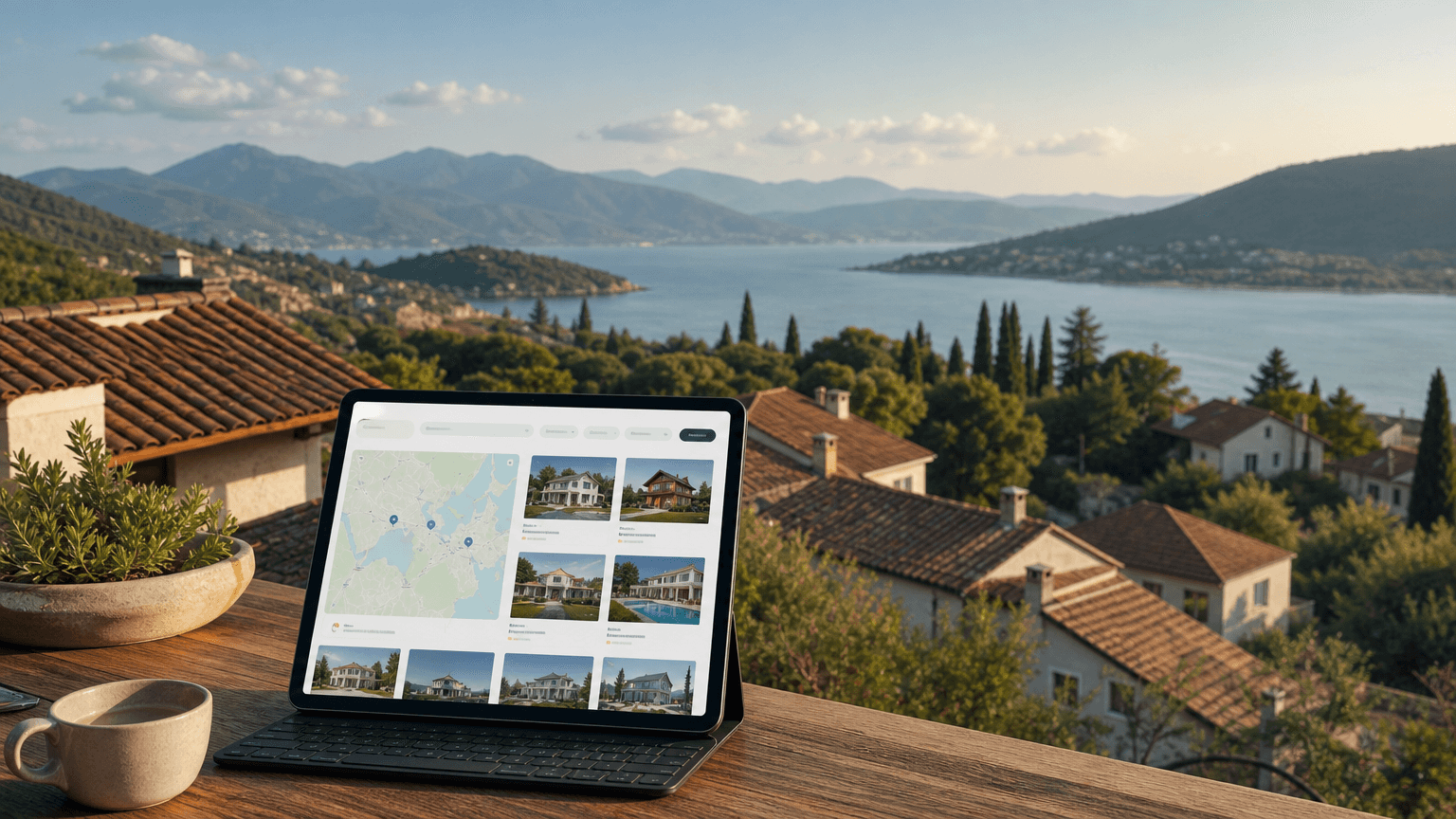
If you're still choosing a property, browse Homestra's 200,000+ listings across Europe and compare Italian homes with those elsewhere. Then run each shortlisted home through the estimation steps above before you make an offer.
This guide is educational and isn't tax advice. Rates, deadlines and rules change and vary by Comune, so confirm your regime and any treaty or foreign-credit questions with a qualified commercialista.
Share