Blog published in Buying property abroad
Share
7 Idealista alternatives for buying property in Spain in 2026
Compare the top Spanish property portals beyond Idealista. Includes a regional guide, fraud checks, and a 7-step search plan for international buyers.

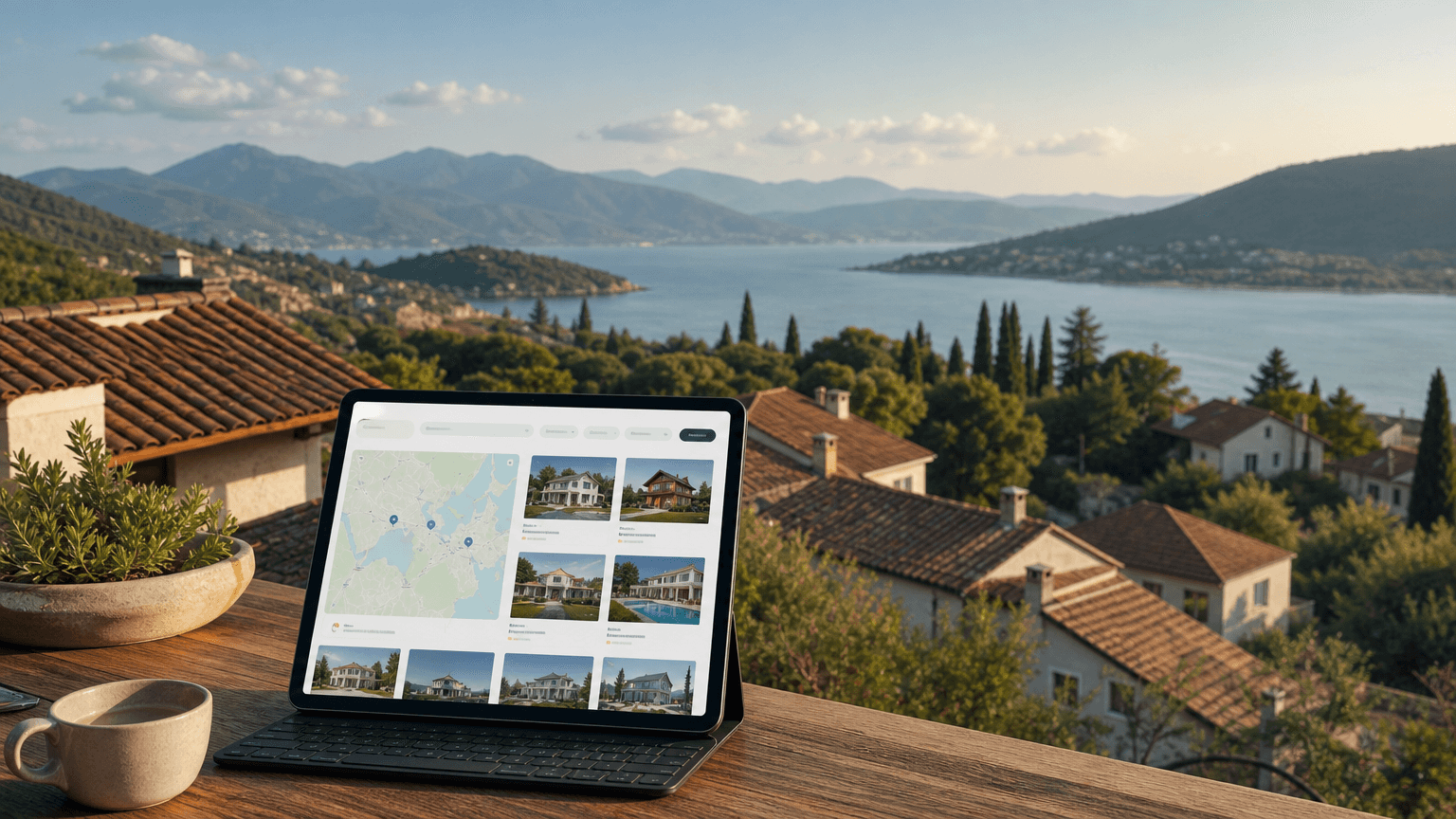
Idealista is the portal most people type first when they start searching for property in Spain. It's well-known, it's big, and for many international buyers it's the default starting point. The problem is that defaulting to one portal means missing a significant slice of the market. Agents in Catalonia and the Balearic Islands often publish exclusively on Habitaclia. Private sellers in Valencia frequently turn to Yaencontre. Some of the most interesting listings on the Costa del Sol don't appear on Idealista at all.
A multi-portal strategy isn't just about volume; it's also about reducing risk. In September 2025, the Spanish consumer organization OCU published the results of a test in which they posted a deliberately fraudulent property listing on several major portals. Despite most of those portals requiring email and phone number validation, none of them detected or blocked the fake ad (OCU, September 16, 2025). The takeaway isn't that all portals are unsafe. It's that no single platform's moderation is enough on its own, and buyers need to apply their own verification layer on top.
This guide compares the main Idealista alternatives for buying property in Spain, with a regional breakdown and a fraud-prevention checklist designed for international buyers searching from abroad.
The main Spain property portals beyond Idealista
Fotocasa
Fotocasa is Spain's second-largest property portal by listing volume. Its own figures cite over 1,500,000 listings covering both sale and rental, making it genuinely comprehensive across most Spanish provinces. The interface is cleanly structured, with map-based search, price-per-square-meter filters, and email alerts that notify you when new listings match your saved criteria.
For international buyers, Fotocasa vs Idealista comes down to overlap and gaps. Many agency listings appear on both, but Fotocasa tends to attract a slightly different mix of independent agencies in mid-sized cities like Zaragoza, Murcia, and Valladolid. If your search is focused on urban Spain rather than the coastal hotspots, Fotocasa often surfaces listings that don't appear elsewhere.
The main limitation for non-Spanish speakers is that the interface is primarily in Spanish. Property descriptions are almost always in Spanish, and customer support is Spanish-only.
Habitaclia
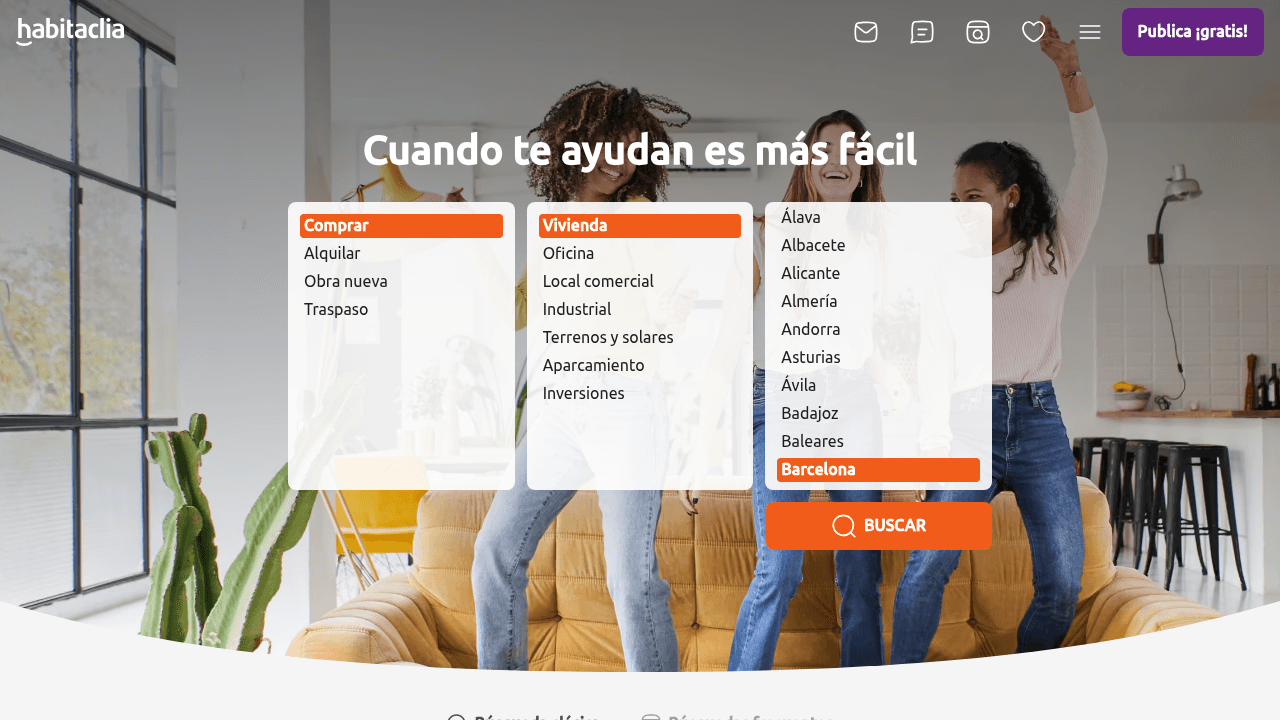
Habitaclia is the portal with the clearest regional concentration in Spain. Analysts consistently describe it as particularly strong in Catalonia and the Balearic Islands, and that reputation holds up. With over 748,000 total listings (649,160 for sale, 90,773 for rental as of the latest SERP data), the portal has genuine density in Barcelona, Girona, Lleida, Tarragona, and the islands.
If you're looking to buy in Barcelona, on the Costa Brava, in Mallorca, or Menorca, running Habitaclia alongside any other portal is practically non-negotiable. Listings appear here first, sometimes exclusively, particularly from smaller Catalan agencies with no reason to pay for national portals. The filter set is solid, and saved searches with email alerts work reliably.
For buyers targeting other regions (Andalusia, the Canary Islands, Madrid), Habitaclia vs Idealista is less of a contest. Idealista tends to dominate there. Habitaclia is a regional specialist, not a national generalist.
Pisos.com
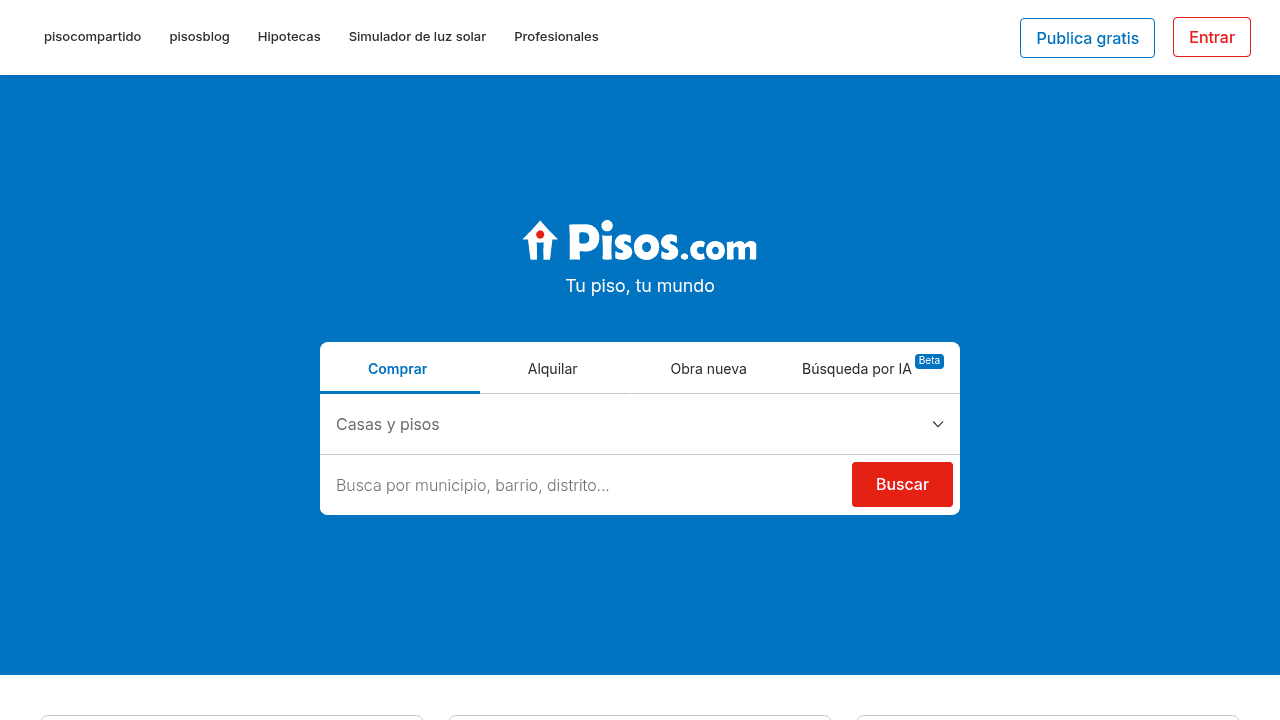
Pisos.com advertises over 527,948 properties available for purchase or rental. It's a national portal with decent geographic coverage, though it sits in third or fourth place in most regions when measured by listing density. Where it earns its place in a multi-portal strategy is in the quality of its filtering tools. Searches can be layered by neighborhood, construction year, energy certificate rating, parking, and storage room, which matters when you're comparing properties remotely and can't walk the streets yourself.
The portal also has a solid historical price data feature that shows how asking prices in a given postal code have evolved over time. For an international buyer trying to benchmark whether a listing is priced fairly, that kind of context is genuinely useful. Pisos.com vs Idealista isn't a question of which is "better"; it's a question of which fills the gaps the other leaves.
Yaencontre
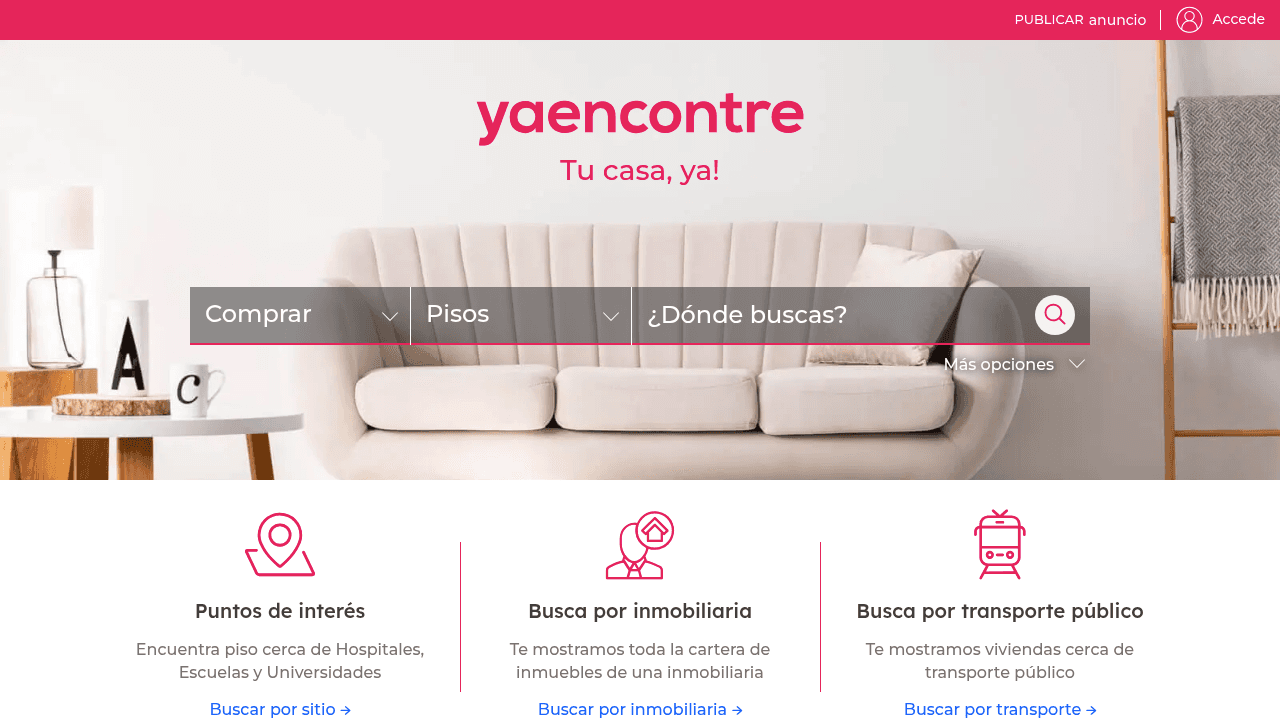
Yaencontre claims over 800,000 properties in its database, which puts it in the same weight class as Fotocasa by raw count. Its strongest regional presence tends to be in Valencia, Murcia, and parts of Andalusia, partly because of historical partnerships with regional agencies in those areas.
For buyers looking at the Costa Blanca, the Costa Cálida, or the Valencian Community more broadly, Yaencontre vs Idealista is worth exploring seriously. The search interface is functional if not the most modern, and it supports alert-based notifications. Private seller listings appear here in reasonable numbers, which is worth noting for buyers who prefer negotiating directly rather than through an agency.
A note on Spotahome
Spotahome focuses almost entirely on monthly furnished rentals with a fully digital process. It isn't a portal for purchasing property, so it doesn't belong in the same comparison. That said, some international buyers use it to rent in a target city for three to six months before committing to a purchase, which is a sensible way to understand a neighborhood before buying. If that describes your situation, it's a useful tool for the "test before you buy" phase.
Detailed comparison: coverage, listing mix, and key features
| Portal | Listing volume (approx.) | Regional strength | Private sellers | Search alerts | English UI | Best for |
|---|---|---|---|---|---|---|
| Fotocasa | 1,500,000+ | National, strong in cities | Mixed | Yes | Partial | Broad national searches, urban Spain |
| Habitaclia | 748,000+ | Catalonia, Balearics | Mixed | Yes | No | Barcelona, Costa Brava, Mallorca, Menorca |
| Pisos.com | 527,000+ | National | Agency-dominant | Yes | No | Detailed filtering, price trend research |
| Yaencontre | 800,000+ | Valencia, Murcia, Andalusia | Yes, notable | Yes | No | Costa Blanca, Valencian Community |
| Idealista | Very high | National | Mixed | Yes | Yes (partial) | Starting point, widest coverage |
The "English UI" column matters more than it might seem. International buyers working from abroad, without a Spanish-speaking partner or agent, will spend significant time on these platforms. Idealista has the most developed multilingual experience among the Spanish portals. That's a genuine advantage for first-contact research, even if it means you should still supplement it with the regional portals listed above.
Regional match: which portal to prioritize where
Spain is not a uniform market. The property culture, the agency landscape, and the dominant portals all shift by region.
Catalonia and the Balearic Islands: Start with Habitaclia. Add Idealista for cross-reference. Many listings in Barcelona, Girona, and Palma won't appear on national portals, full stop.
Costa Blanca and Valencian Community: Yaencontre is worth making a primary source here, alongside Fotocasa and Idealista. The region has a large stock of resale properties from private sellers, and Yaencontre captures a meaningful share of those.
Andalusia and the Costa del Sol: Idealista and Fotocasa dominate. Pisos.com is worth adding for price benchmarking. The international buyer market in this region is well-served by agencies that post across multiple portals, so duplication is high but coverage is less of an issue.
Madrid and the Canary Islands: Idealista has very strong penetration. Fotocasa provides useful redundancy. Habitaclia and Yaencontre add little value in these markets.
Practical tips for international buyers searching from abroad
The most common mistake international buyers make is using one portal, finding a property they like, and rushing toward contact before doing any structural verification. The second most common mistake is setting up no alerts at all, then checking portals manually every few days and missing listings that sell in 48 hours.
A more productive approach:
Set up accounts on at least two to three portals. You don't need to monitor all of them daily, but having saved searches and alerts running on Fotocasa, Habitaclia (if your region is Catalonia or the Balearics), Pisos.com, or Yaencontre means listings come to you rather than requiring active searching.
Use filters precisely. Broad searches create noise. Filter by property type (apartment vs house vs villa), by minimum and maximum price, by square meters, and by specific municipality or postal code rather than province. The more specific your alert, the more useful each notification is.
Plan around the language barrier. Most listing descriptions are in Spanish, and the official documents you'll need (nota simple, escritura, certificado energético) are always in Spanish. Budget for a certified translator or a bilingual property lawyer (gestor or abogado) before you make contact with sellers or agencies, not after.
Don't rely on agent translations of documents. Ask for originals and have them independently translated. This applies whether you're buying through an agency or directly from a private seller.
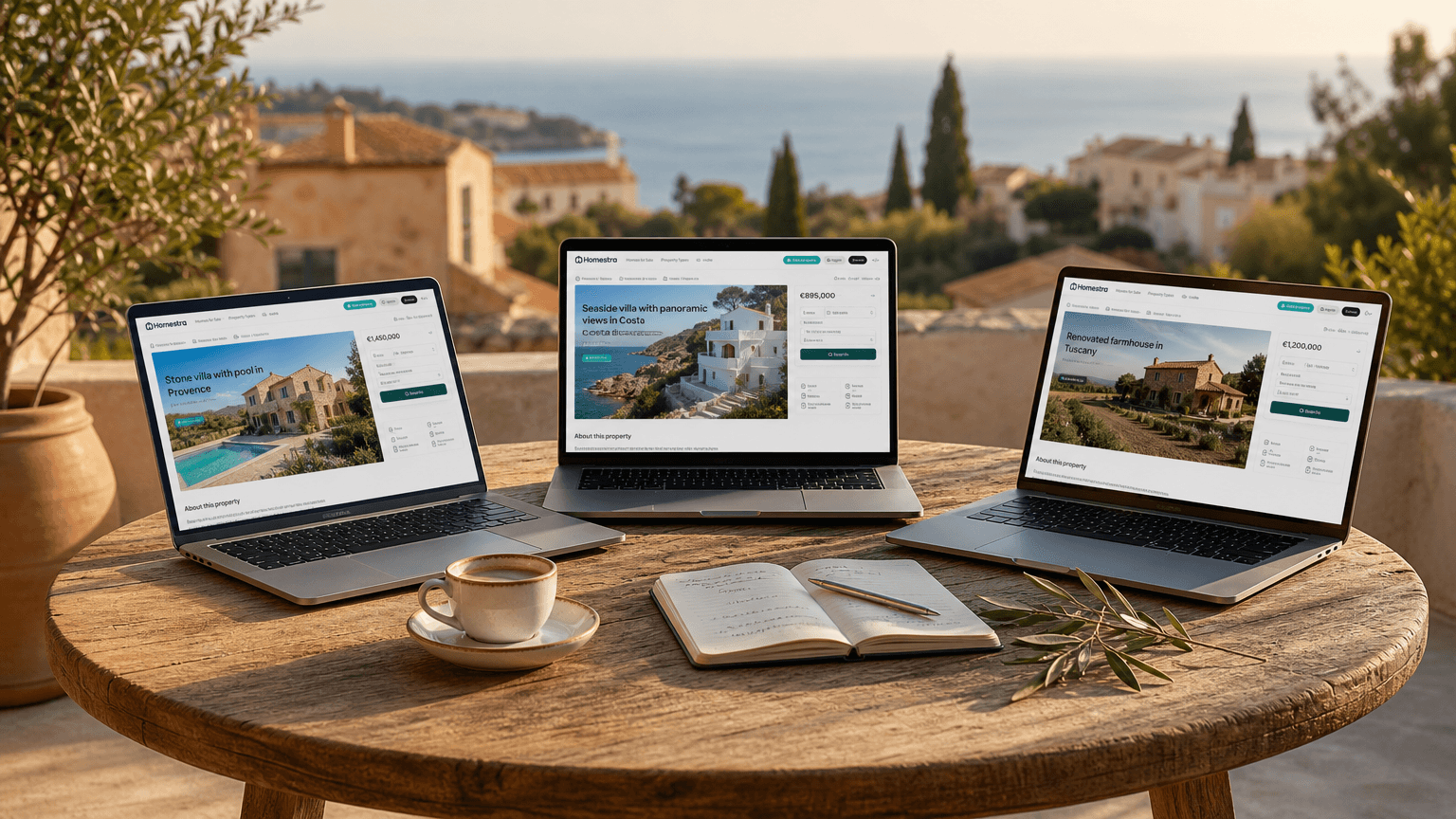
For international buyers who want a curated, guided search experience rather than managing multiple Spanish portals manually, Homestra is designed exactly for this. With over 200,000 properties across Europe, including a strong selection in Spain, Homestra is built for expats and second-home buyers who want detailed listings, local market context, and a process that doesn't assume you already know how Spanish real estate works.
How to verify a listing and avoid fraud
The OCU investigation published on September 16, 2025 ("OCU comprueba lo fácil que resulta anunciar un piso falso") documented something that should change how every buyer approaches listings in Spain. Researchers posted a fraudulent apartment listing on multiple major portals. Most platforms required email and phone verification before the ad went live. None of them detected or blocked the fake listing. The ad stayed up.
This isn't a reason to avoid Spanish portals. It's a reason to treat portal moderation as a first filter, not a guarantee of legitimacy.
Here's a working checklist for verifying any listing before committing any time, money, or personal data:
Price check: Compare the asking price against similar properties in the same neighborhood and building type. If a property is priced 20% or more below comparable listings without an obvious explanation (structural issue, urgent sale), treat it as a yellow flag.
Seller behavior: Legitimate sellers and agencies don't pressure you to communicate outside the portal, move to WhatsApp immediately, or pay any kind of deposit before a formal visit or a signed contract reviewed by a notary.
Photo verification: Run the listing photos through Google Images or TinEye. Fraudulent listings frequently use photos taken from legitimate listings on other portals, sometimes from other cities or countries. A mismatch between photo location metadata and the claimed address is a red flag.
Catastro check: Every registered property in Spain has a catastral reference number, and you can verify ownership and property details for free on the Sede Electrónica del Catastro (catastro.hacienda.gob.es). If a seller refuses to provide this reference, that tells you something.
Nota simple: Before any money changes hands, obtain a nota simple from the Registro de la Propiedad. This official document confirms legal ownership, any existing debts or liens on the property, and matches the seller's identity. Your Spanish property lawyer can obtain this for you within a day or two.
Never transfer money without visiting. If an in-person visit isn't possible before you want to make an offer, arrange a live video call with someone physically present at the property. Some buyers use local property scouts or their appointed lawyer to do a first inspection on their behalf.
A 7-step search plan for buying property in Spain from abroad
- Define your criteria clearly: region, budget, property type, minimum size, must-have features.
- Open accounts on the portals relevant to your target region (Habitaclia for Catalonia/Balearics, Yaencontre for Valencia/Murcia, Fotocasa and Pisos.com for broad national coverage).
- Set up email alerts for each saved search. Aim for notifications within 24 hours of a new listing.
- Browse by region and cross-reference addresses. When the same property appears on three portals at the same price with identical photos, it's legitimate duplication. When a property appears only once at an unusually low price, verify carefully.
- Compare listings in detail before making contact: photos, floor plan if available, energy certificate, neighborhood context.
- Before any contact or engagement, run the fraud checks above. Obtain the catastral reference and verify ownership via the Registro de la Propiedad with your lawyer's help.
- Plan a visit trip or organize a trusted representative on the ground. No purchase decision in Spain should be finalized purely remotely.
Useful starting points:
- Habitaclia for Catalonia and the Balearic Islands
- Pisos.com for national listings with strong filtering
- Yaencontre for Valencia, Murcia, and parts of Andalusia
- OCU's portal comparison report for an independent consumer analysis of portal reliability
- Catastro for free property ownership verification
- Homestra for a curated, English-friendly search experience across 200,000+ European properties including Spain
The Spanish property market rewards buyers who do more than search on a single portal. Cross-reference listings, match your portals to your target region, and build verification into the process from day one. That combination of breadth and diligence is what separates buyers who close confidently from those who spend months spinning their wheels.
Share