Blog published in Relocation
Share
Can a US citizen live in Italy permanently? 2026 complete guide
Live in Italy permanently as a US citizen: complete guide to visas, permesso di soggiorno, EU long-term residence, and citizenship by naturalization. Includes step-by-step filing instructions and deadlines.
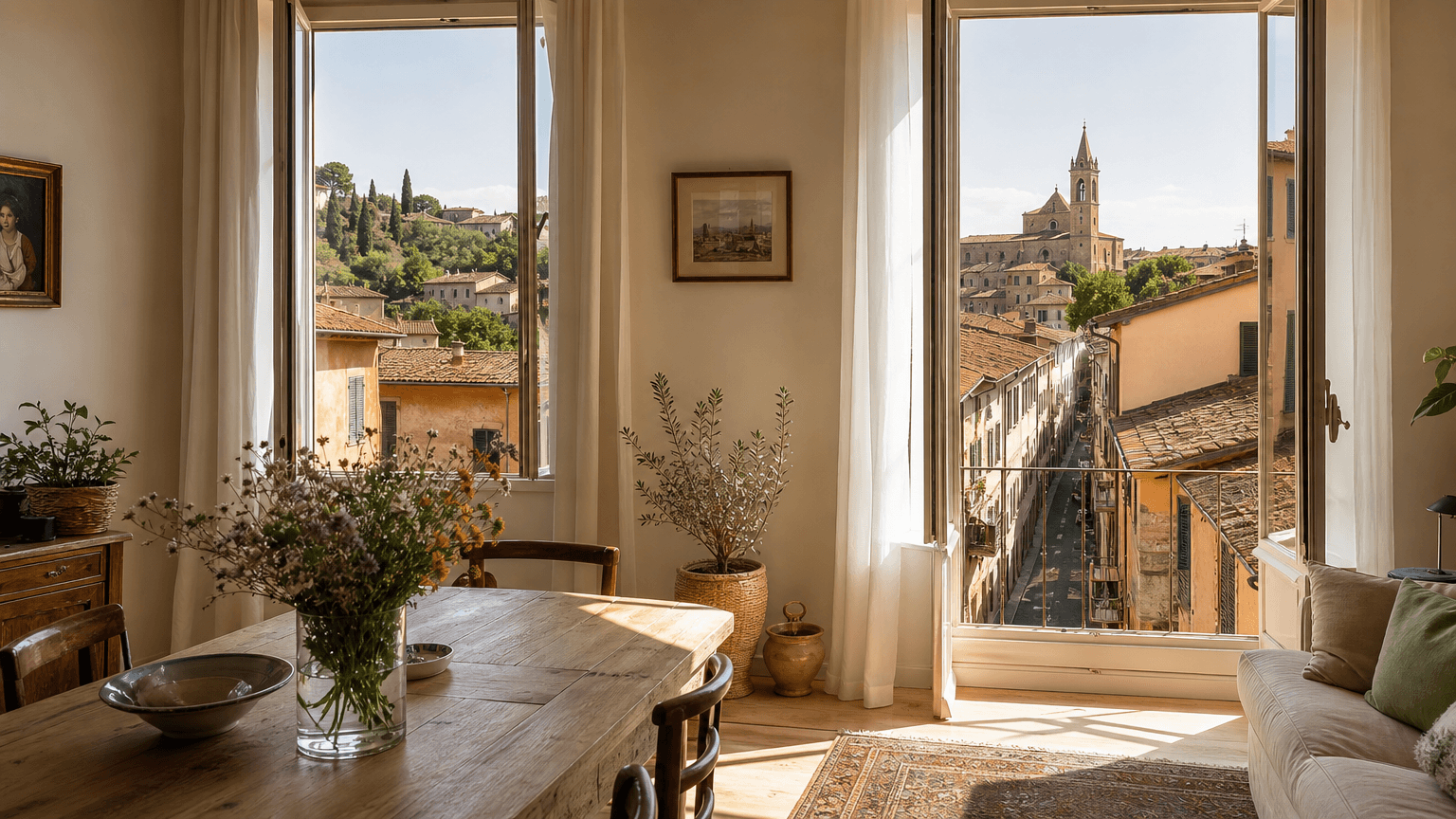
Yes, a US citizen can live in Italy long-term, and with the right steps, can establish what is legally recognized as permanent residence status, or eventually pursue Italian citizenship. The catch: "permanent" isn't a single switch you flip on arrival. It's the result of a structured process that starts the moment you land.
This guide walks you through each stage, from your first 90 days to the decade-long path toward the EU long-term residence permit or citizenship by naturalization.
What you'll accomplish: A clear understanding of the legal pathways, plus a step-by-step action plan for filing your first permesso di soggiorno within the required deadline.
Who this is for: US citizens planning to relocate to Italy for more than a short vacation, whether for retirement, work, study, or elective residence.
Prerequisites: A valid US passport, a qualifying long-stay visa (Type D) obtained from an Italian consulate before departure, and the documents relevant to your residence reason.
Difficulty: Moderate. The process is manageable, but Italian bureaucracy has firm deadlines and little tolerance for missing paperwork.
Quick answer: what "living permanently" in Italy actually means legally
There's no single "permanent residency" stamp for non-EU citizens in Italy the way some Americans might picture it. Instead, there are three distinct levels of status:
- Long-stay visa + permesso di soggiorno (temporary, renewable)
- EU long-term residence permit (stronger status, available after approximately 5 years of lawful residence)
- Italian citizenship by naturalization (the strongest outcome, requiring at least 10 years of lawful residence for non-EU citizens, per the Ministero degli Affari Esteri e della Cooperazione Internazionale)
Each level builds on the one before it. You can't skip ahead by buying property. Owning real estate in Italy does not, by itself, grant any form of residency status.
What you can do on day 1: Schengen rules vs. actual residence
As a US citizen, you can enter Italy visa-free and stay in the Schengen Area for up to 90 days within any 180-day period. That's enough for a long vacation or a scouting trip. It's not enough to establish legal residence.
If your goal is to live in Italy for more than that short-stay window, you need a Type D long-stay visa obtained from the Italian consulate in your US jurisdiction before you travel. Then, once you arrive, you must apply for a permesso di soggiorno within 8 working days (excluding Sundays and public holidays), according to both the Polizia di Stato and the Ministero dell'Interno. That 8-day clock is firm.
Your pathway options: a comparison
| Status level | Renewal required | Typical timeline | Key rights | What it isn't |
|---|---|---|---|---|
| Long-stay visa + permesso | Yes, periodically | Immediate on arrival | Legal residence, work/study rights (depending on visa type) | Permanent; does not confer citizenship |
| EU long-term residence permit | No (indefinite) | ~5 years lawful residence | Near-permanent stability, broader rights | Citizenship |
| Italian citizenship by naturalization | N/A | At least 10 years lawful residence (non-EU) | Full Italian and EU citizenship | Automatic |
The right entry point depends on your circumstances. Common visa categories include elective residence (for those with sufficient independent income), work, study, family reunification, and the newer digital nomad visa. Each has its own income thresholds, document requirements, and renewal rules. Check the Italian Ministry of Foreign Affairs (esteri.it) for current requirements specific to your case.
How to apply for your permesso di soggiorno: step by step
Step 1: Obtain your Type D visa before leaving the US
Apply at the Italian consulate with jurisdiction over your US state of residence. The visa type must match your reason for staying (elective residence, work, study, etc.). Without this visa, the permesso di soggiorno process doesn't start.
Step 2: Enter Italy and start counting working days immediately
The 8-working-day deadline begins on the day you enter Italy. Sundays and Italian public holidays don't count, but don't assume you have more time than you do. Identify your local Questura (provincial police headquarters) and the nearest designated post office before you travel.
Step 3: Gather your documents
Below is a base checklist. Category-specific additions are noted.
Document checklist for your first permesso di soggiorno:
- Valid passport (original + full photocopy of all pages)
- Your Type D entry visa (photocopy)
- Completed application form (from the postal kit or Questura)
- 4 passport-format photos (35mm x 45mm, white background, recent)
- Proof of accommodation in Italy (rental contract, property deed, or host declaration)
- Category-specific documents:
- Elective residence: proof of sufficient, stable income (bank statements, pension letters, investment documents)
- Work: employment contract or employer letter
- Study: university enrollment confirmation
- Family: marriage certificate, birth certificates (apostilled and translated into Italian by a certified translator)
- Payment receipt for the permesso fee (check current amounts with your Questura or post office kit instructions)
Common pitfalls to avoid:
- Submitting photocopies without the originals (many offices require both)
- Using photos that don't meet the exact format (35x45mm, white background)
- Presenting documents translated by a non-certified translator
- Applying under one visa category but providing documents that match a different one
- Letting your passport expire before the application is processed
Step 4: Choose your filing channel
For most permit categories, the standard route is the postal kit (kit postale): a pre-packaged envelope available at designated post offices (Sportello Amico counters at Poste Italiane). You fill in the forms, attach your documents and fee payments, and submit the sealed kit at the post office.
Some permit categories or special circumstances require going directly to your local Questura. Check with your specific Questura (competent for the province where you live) to confirm which channel applies to your permit type. Local rules can vary.
Step 5: Keep your receipt
After submission, you receive a receipt (ricevuta). This is your proof that you applied within the deadline. Keep it with you. It functions as a temporary authorization document while your application is processed.
Step 6: Attend your biometrics appointment
After filing, you'll typically receive a notice scheduling a biometrics appointment at the Questura (fingerprints and photo). Missing this appointment delays your permit. Bring your receipt, passport, and originals of all submitted documents.
Step 7: Collect your permit card
Once processing is complete, you'll be notified to collect your permesso di soggiorno. Processing times vary by province and permit category; check with your local Questura for realistic timeframes.
US citizen-specific issues to anticipate
Apostilles: US documents (birth certificates, background checks, financial statements) often need an apostille to be legally recognized in Italy. Get these in order before you leave.
Certified translations: All non-Italian documents must be translated by a sworn translator recognized in Italy. A bilingual friend's translation won't be accepted.
Document consistency: Every document you submit should match your stated reason for residence. If your visa is for elective residence, your income documents need to clearly support that.
If you miss the 8-day deadline: Don't assume the worst, but don't guess either. Contact your Questura directly or consult a qualified Italian immigration attorney. Outcomes vary by circumstance.
When to get professional help: If your situation involves a prior visa denial, pending work authorization, complex family documentation, or dual residency tax questions, working with a licensed Italian immigration lawyer from the start is worth it.
Pre-arrival and post-arrival checklist
Before you arrive in Italy
- Apply for your Type D visa at the Italian consulate in your US jurisdiction
- Apostille all required US documents
- Have all documents professionally translated into Italian
- Identify your local Questura and nearest Sportello Amico post office
- Confirm current document requirements and fees with the Questura
- Secure accommodation and gather proof (contract or deed)
After you arrive (within 8 working days)
- Count your working days from date of entry
- Obtain the postal kit from a Sportello Amico post office (or confirm Questura direct filing applies)
- Complete application forms
- Assemble all documents with originals and copies
- Submit the kit (or attend Questura appointment)
- Keep the submission receipt in a safe place
- Attend biometrics appointment when notified
My residence reason: ___________________________
My Questura province: ___________________________
My 8-day deadline date: ___________________________
FAQ
Can I live in Italy permanently without becoming a citizen? Yes. The EU long-term residence permit (permesso di soggiorno UE per soggiornanti di lungo periodo) provides indefinite status after approximately 5 years of lawful, continuous residence. It's not citizenship, but it gives substantial legal stability and does not require periodic renewal the way a standard permesso does.
Does owning property in Italy give me residency? No. Property ownership and legal residence are separate. You can own a home in Italy and still only be entitled to Schengen short-stay visits unless you hold the correct visa and permesso. Platforms like Homestra, which connects international buyers with over 200,000 European properties, are clear on this point: buying a home is the beginning of your Italy journey, not a residency shortcut.
What happens if I stop renewing my permesso? Your legal residence status lapses. Remaining in Italy without a valid permesso is an immigration violation. If you've been building toward EU long-term residence or citizenship, gaps in lawful residence can reset or interrupt your eligibility timeline.
Can US citizens apply for Italian citizenship by residence? Yes. According to the Ministero degli Affari Esteri e della Cooperazione Internazionale, citizenship by naturalization through right of residency requires at least 10 years of lawful residence in Italy for non-EU citizens, along with meeting additional requirements (income thresholds, language, clean criminal record). The 10-year clock only runs while you hold valid, continuous residence status.
Does the 8-day rule apply to renewals too? No. The 8-working-day deadline applies to first-time applicants arriving in Italy. Renewals have their own timelines, generally before your current permit expires. Check your specific permit type for renewal rules with your Questura.
Share