Blog published in Buying property abroad
Share
Best areas to buy a second home in Ebeltoft, Denmark
Compare Ebeltoft's top vacation property areas by character, rental demand, and buyer fit. Includes rules for international buyers and a practical selection sequence.

Ebeltoft, on the Djursland peninsula in Syddjurs Municipality, offers a compact mix of a medieval town center, Kattegat shoreline, forest and the hills of Mols Bjerge National Park. For a second home, the specific area matters more than the town name. It determines how far you walk to water, how much privacy you have, how easy the house is to manage from abroad, and how well it performs as a holiday rental.
This guide compares the main areas around Ebeltoft by character, best-fit buyer and rental potential, then covers the rules and checks that apply to international buyers.
A quick map of Ebeltoft's buying areas
The table below works as a simple map overlay. Place one labeled pin per area on a base map of Djursland and refresh it as listings change.
| Area | Character | Best for |
|---|---|---|
| Old town and harbor | Historic streets, restaurants, walkable | Couples, year-round use |
| Ahl, Boeslum, Dråby, Øer | Beach-oriented coastal strip | Families, water sports |
| Lyngsbæk, Femmøller, Egsmark | Mols-side coast, nature-led | Nature lovers, quiet stays |
| Forest-adjacent plots | Privacy, trees, sea glimpses | Retreat-style ownership |
To use the table, rank four priorities first: walking distance to water, quiet, rental-friendly layout and ease of management from abroad. The right area usually becomes clear after that.
Old town and harbor: walkable, but with limited space
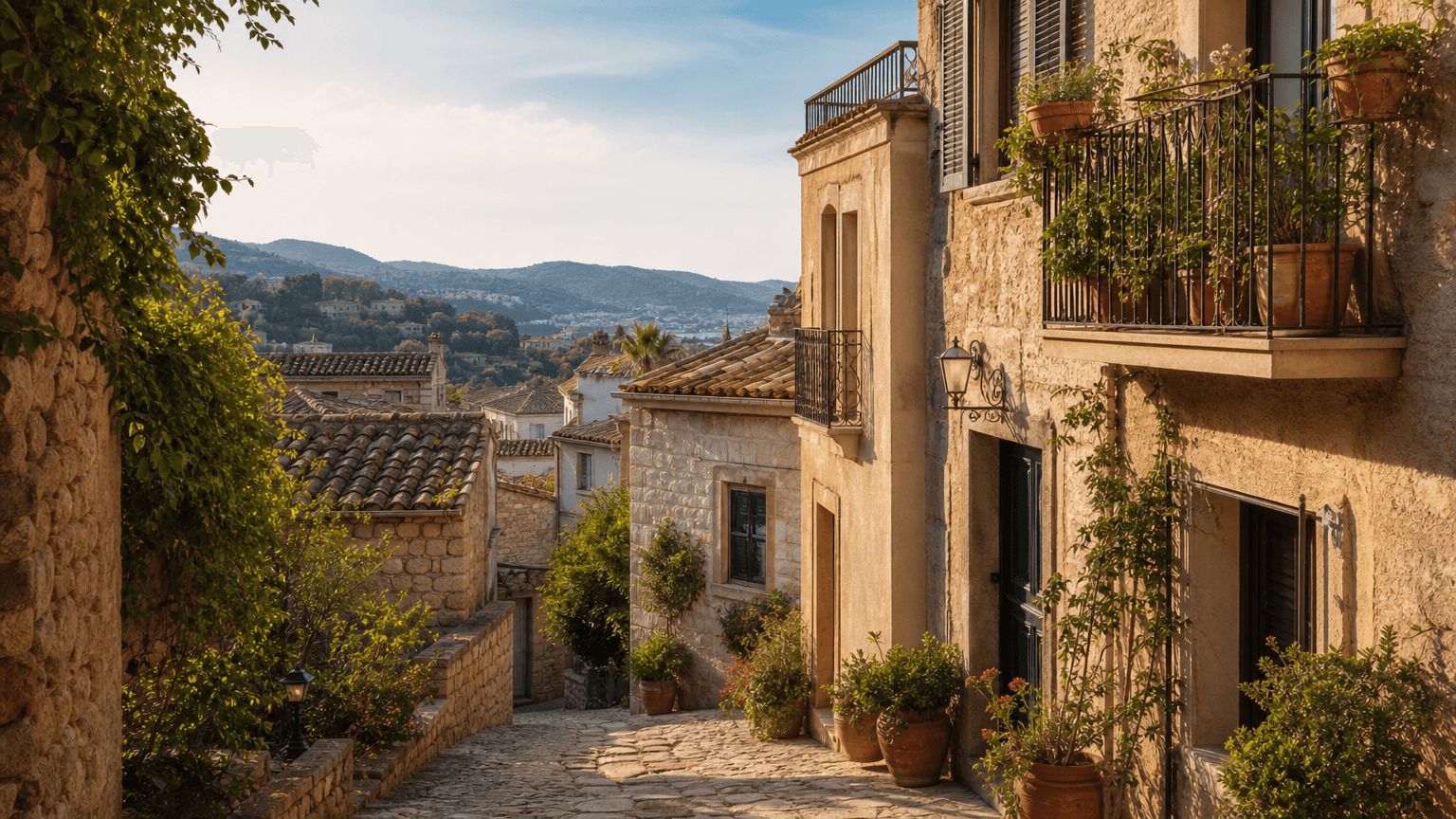
The historic center suits buyers who want to leave the car parked. Houses are older and plots are small, so parking and outdoor space are the main constraints. A listing such as the two-bedroom townhouse on Overgade shows the profile: a private garden and a parking space in a central, historic street.
Guests in this area tend to be couples and short-break travelers who value restaurants and the harbor. Demand reaches beyond summer because the town stays active in the shoulder months. The trade-off is that you will not have a beach at the door.
Ahl, Boeslum, Dråby and Øer: the beach-led coast
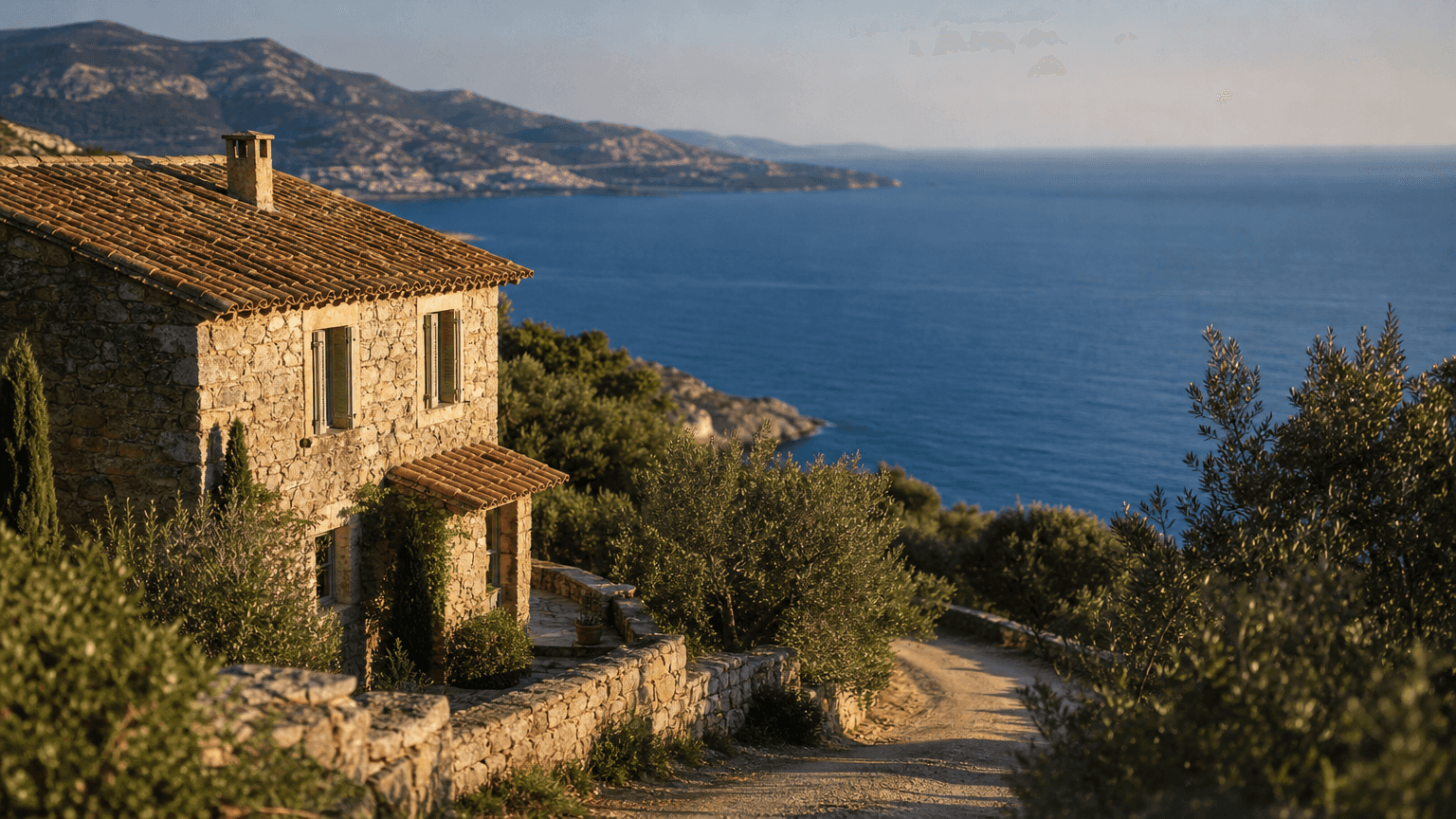
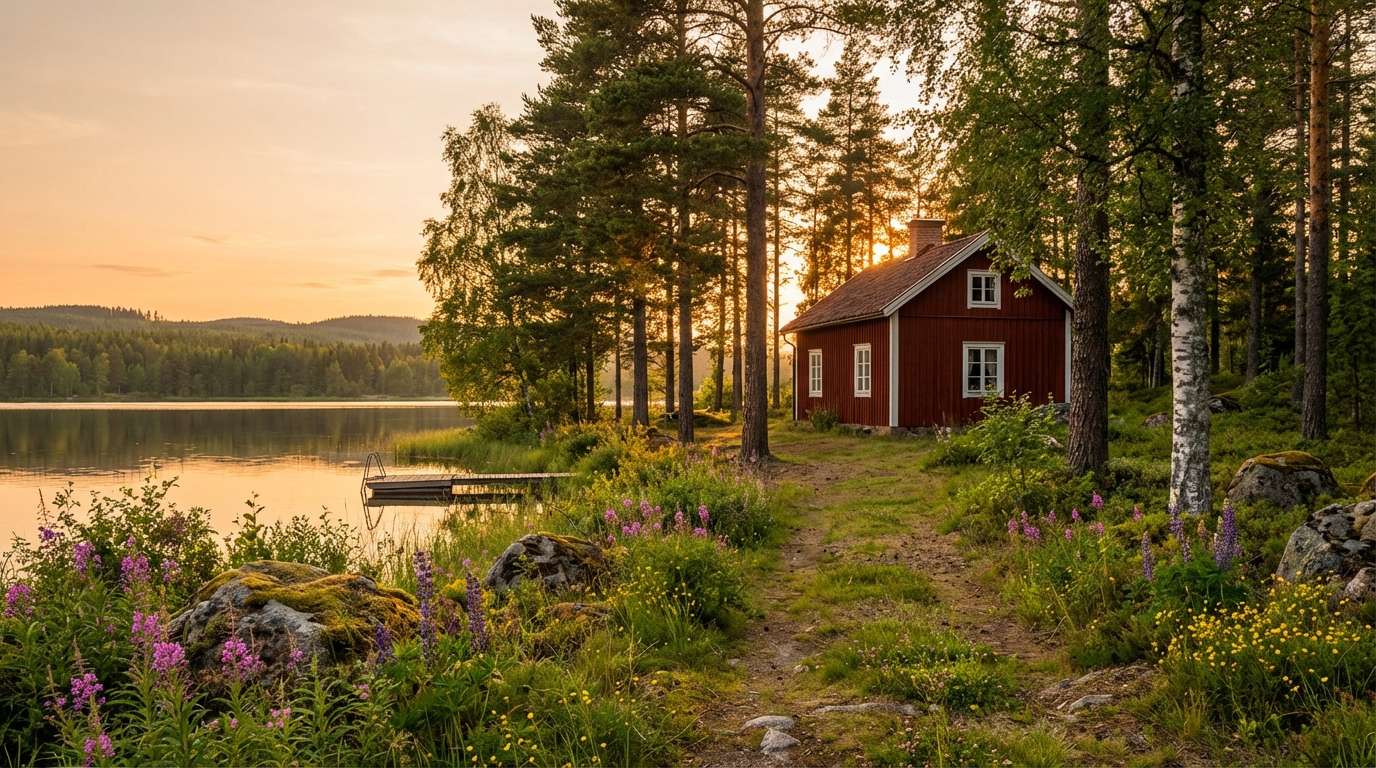
Visit Aarhus lists Ahl, Boeslum, Dråby and Øer among the beaches around Ebeltoft, and the surrounding summer-house areas follow the shoreline. Typical homes are single-story summer houses on modest plots, many within walking distance of the water.
Proximity is the main value driver here. A summer house steps from Øer Beach with a terrace and conservatory illustrates what family renters look for: three bedrooms, outdoor space and direct beach access. Similarly, a sea-view house on Fiskervej describes a child-friendly beach and water-sports access.
Watch-outs: these areas are quiet outside the main season, services are a short drive away, and winter storms can affect coastal properties. Check shoreline conditions and drainage in person or through a surveyor.
Lyngsbæk, Femmøller and Egsmark: nature first
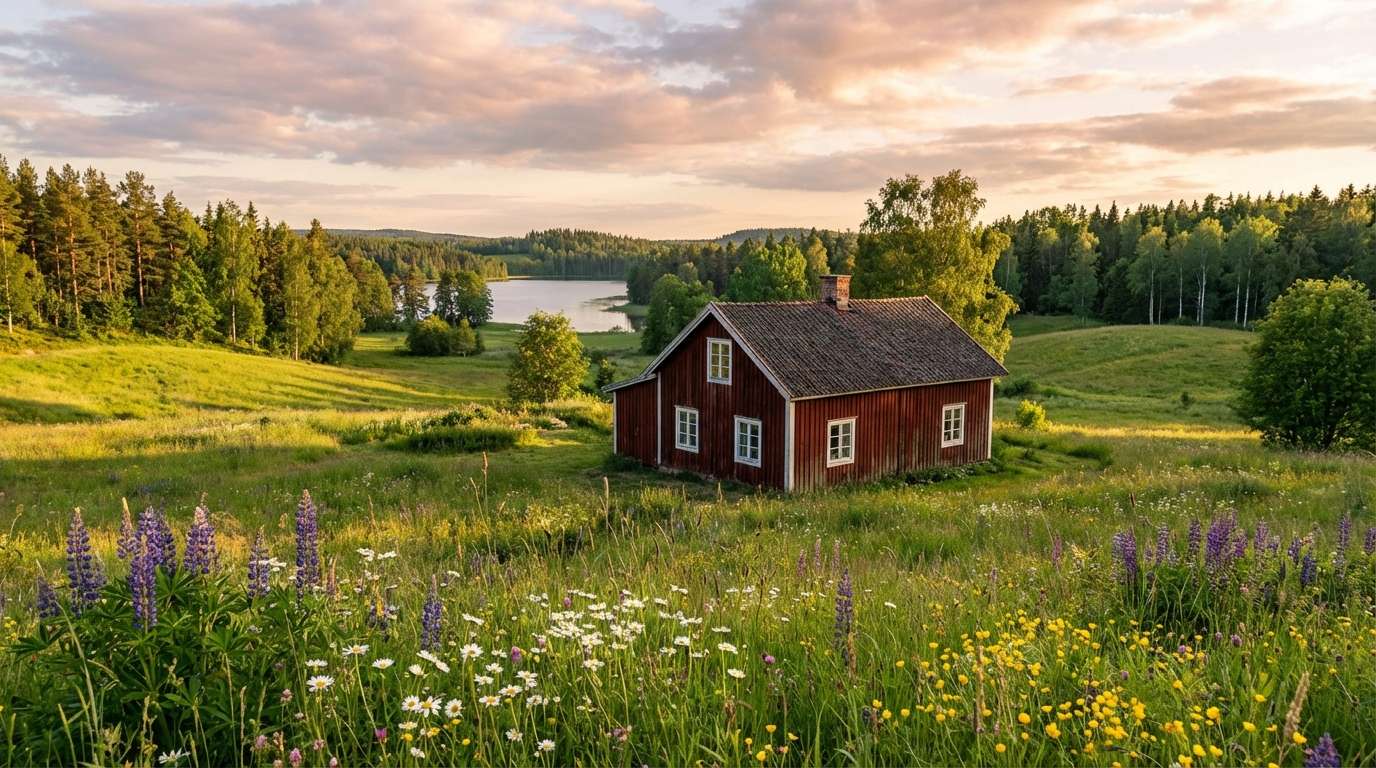
The Mols-side coast, including Lyngsbæk, Femmøller and Egsmark, appeals to buyers drawn to Mols Bjerge National Park, walking and open landscape. Expect a more spread-out settlement pattern and a stronger sense of seclusion than in the beach areas near Ebeltoft.
Rental appeal here depends on guests who want nature and quiet rather than restaurants within walking distance. Distance to shops and a car-dependent routine can suppress bookings for guests who prefer convenience, so a reliable access road and good parking matter.
Forest-adjacent plots: privacy with a sea glimpse
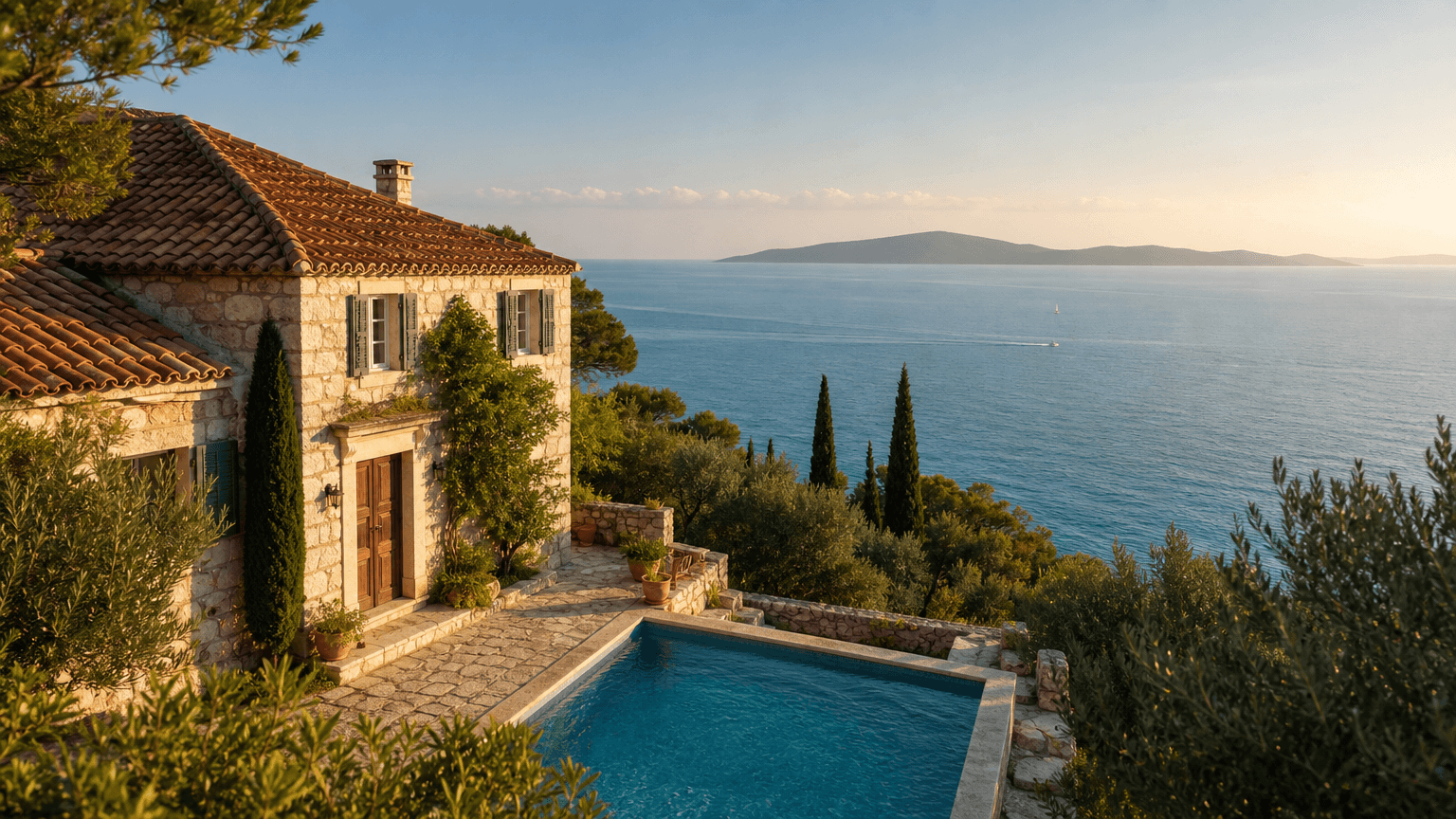
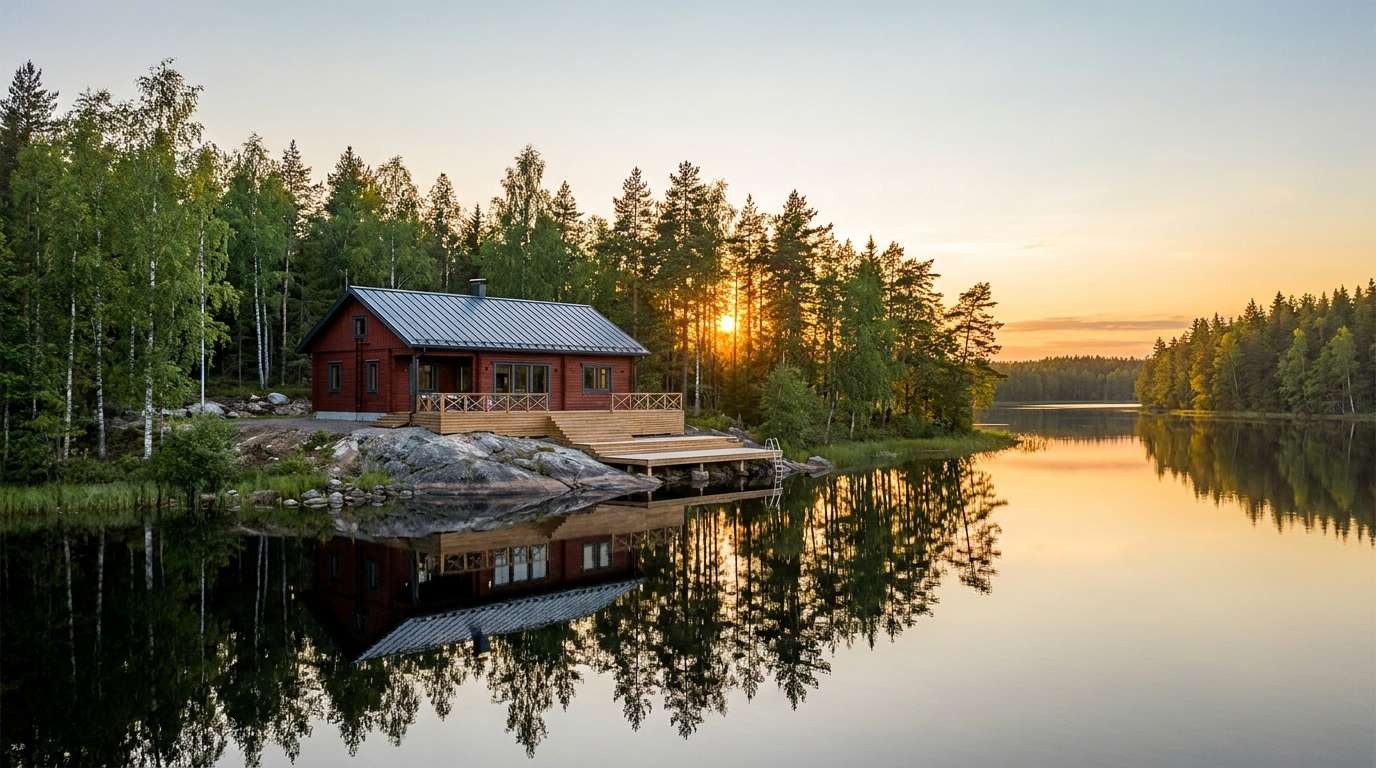
Some of the most distinctive homes sit at the forest edge with partial bay views. The spacious retreat with indoor pool and sauna on Sydbakken combines forest, beach proximity and wellness features, which suit larger groups and off-season stays. Other examples include the country home on Drageshøjvej with a forest backdrop and the three-bedroom house on Højbovej with a garage.
Privacy and views are the strengths. Maintenance is the cost: trees, moisture and larger plots all need regular attention, which matters if you are managing from another country.
Price bands and rental demand: how to read them
Exact bands should come from current comparable listings on Homestra and Danish portals, normalized by property type, size and distance to water. Published figures go stale quickly, so this guide gives relative tiers rather than fixed numbers.
- Old town: priced on location and condition, with smaller homes at the lower end.
- Beach areas: premiums rise sharply with each step closer to the water.
- Mols-side coast: land and views drive value more than house size.
- Forest-adjacent homes: widest spread, because pools, saunas and views change the price materially.
For scale, one Homestra seaside villa with panoramic bay views is listed at €589,500. Treat that as a single data point, not an area average. Rental demand peaks in summer, with shoulder months stronger near the water and in town. Performance generally correlates with beach proximity, parking, bedroom count and view. Pricing and yield vary by micro-location, so verify any figure during due diligence.
Rules and checks before you buy
Denmark restricts who may acquire a secondary dwelling such as a summer house. Civilstyrelsen, the Danish Civil Affairs Agency, administers the permission requirements. In general, a buyer who has not lived in Denmark for a total of five years needs permission, which depends on demonstrating particular ties to the country. Confirm your own position directly with Civilstyrelsen and a Danish solicitor before making an offer, as rules and zoning for summer-house areas can change.
Beyond permissions, a remote-buyer checklist should include:
- An independent building survey covering moisture and insulation.
- Coastal and drainage risk review for shoreline plots.
- Utility, heating and winter-access checks.
- A power of attorney and a local solicitor for signing remotely.
- Rental rules and local tax treatment, confirmed with the Danish tax authority, Skattestyrelsen.
Access is straightforward by car or by flight to Aarhus Airport followed by a drive, but plan for shorter daylight and slower services between autumn and spring if you intend to visit off-season.
A practical sequence for choosing your area
- Rank your priorities and shortlist two areas from the table.
- Filter Homestra listings by those areas and compare similar properties.
- Verify comparables against Danish portals.
- Confirm permission and tax position with Civilstyrelsen and an adviser.
- Commission a survey and plan winterization and local management.
- Decide on a rental strategy only after the first five steps are settled.
Homestra's search tools let buyers apply this sequence across more than 200,000 European listings, which also makes it easy to compare Ebeltoft with other second-home markets before committing.
Share