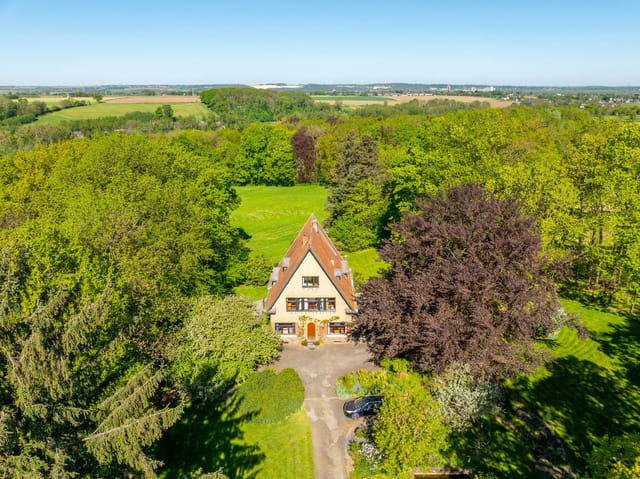
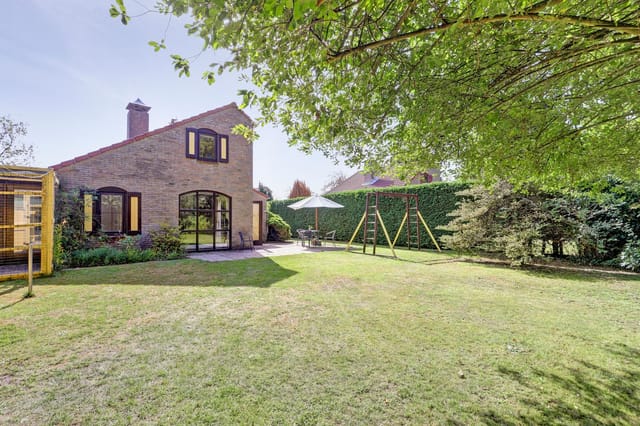
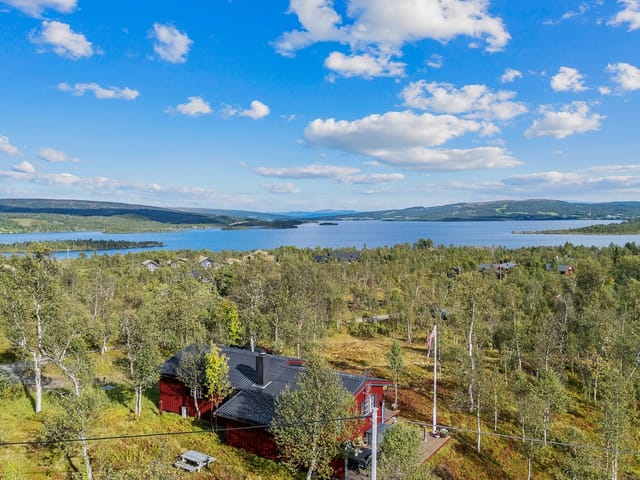
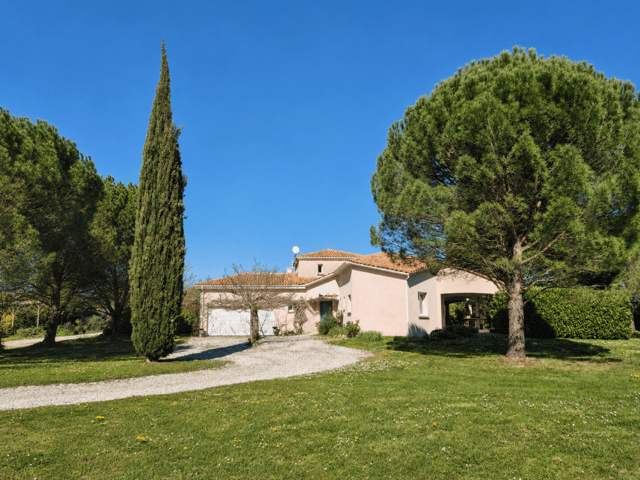
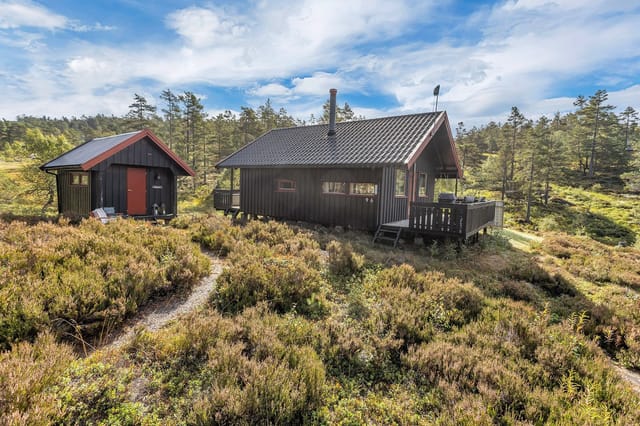
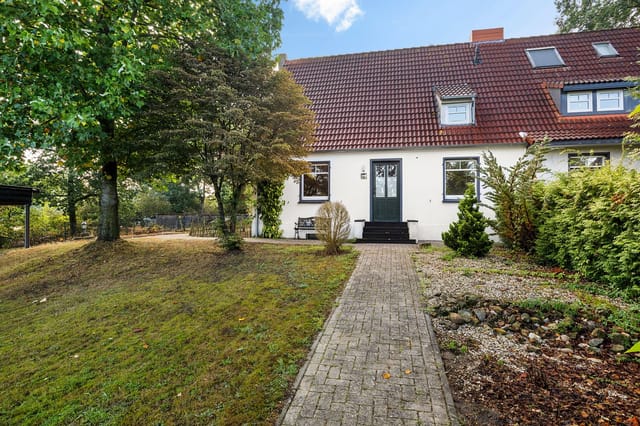
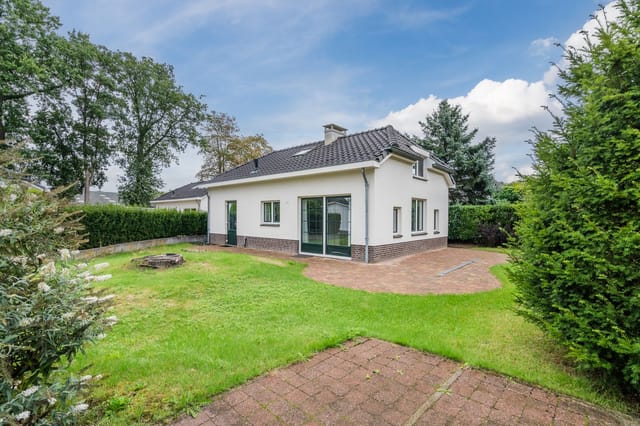
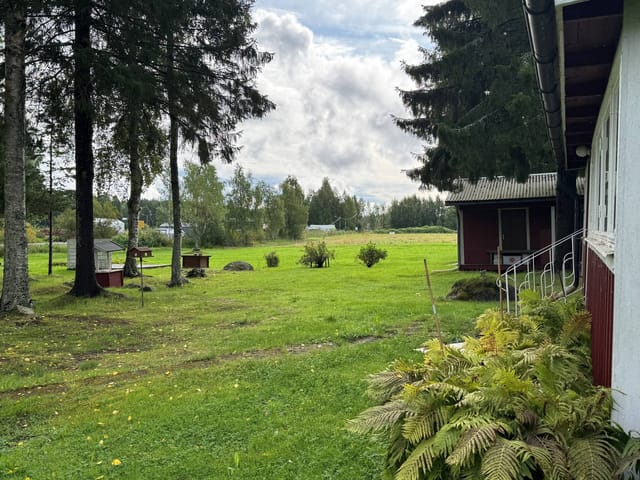
Houses For Sale In Europe (page 5)

Houses for sale in europe - homestra offers the largest amount of european real estate with over 200,000+ properties, find any type of property within your budget from villas to country homes. buy or rent your perfect home in europe. (page 5)

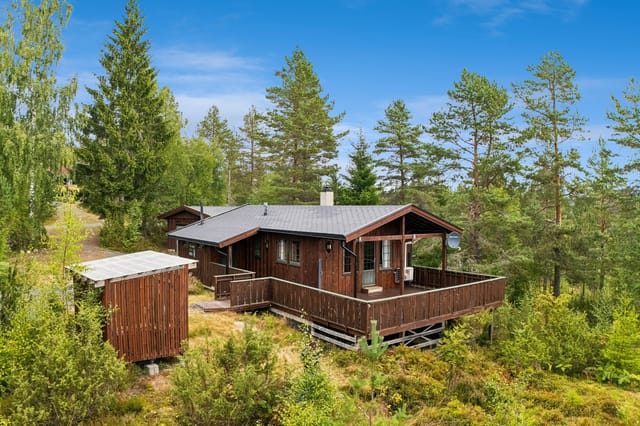
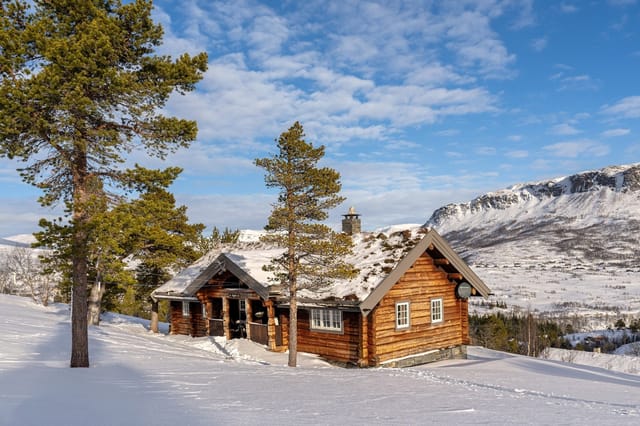
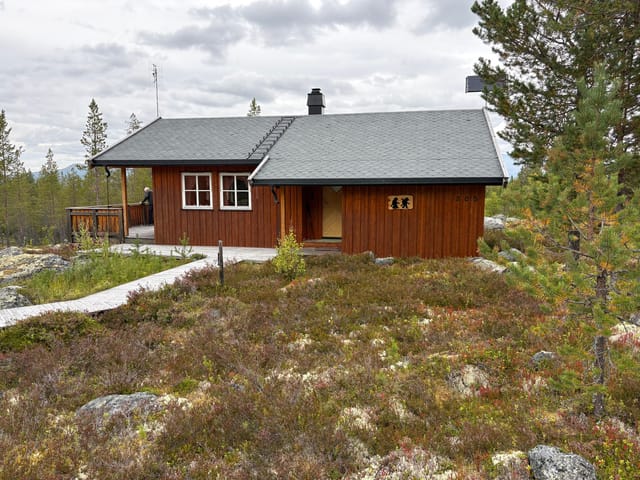
Step outside on a January morning and the world is completely still. The snow on the Sølen massif catches the first pale light, turning the whole ridge a shade of copper-pink that no photograph ever quite captures. Your coffee steams in the cold air. The only sound is a stream trickling somewhere below the lot. This is Renåskarven 305 — a three-bedroom mountain chalet in Rendalen, Innlandet, sitting at 660 metres above sea level and pointing its face directly at one of eastern Norway's most dramatic mountain silhouettes. Built in 2004 by Hedalm, this is the kind of cabin that doesn't try too hard. No fuss, no pretension — just solid craftsmanship, a well-thought-out layout, and windows positioned to make Sølen the permanent centrepiece of daily life. The open-plan kitchen and living area runs the full social width of the cabin, and the large glazed panels along the front wall turn every meal, every morning, every quiet afternoon read into something that feels genuinely cinematic. When the fireplace is going and the light outside is shifting from blue to gold, you won't be reaching for your phone. The 52-square-metre interior is compact but sensibly arranged, with two bedrooms in the main structure plus a separate annex that adds a third bedroom, a toilet, and additional storage. That separation is more useful than it sounds — it gives visiting friends or teenage kids their own space without anyone feeling on top of each other. The total usable footprint across both structures reaches 56 square metres, and a ten-square-metre balcony extends the living area outward in the warmer months, facing the same unobstructed view that makes this plot one of the most enviable in the entire Renåskarven area. The 1,200-square-metre ... click here to read more

Picture 1

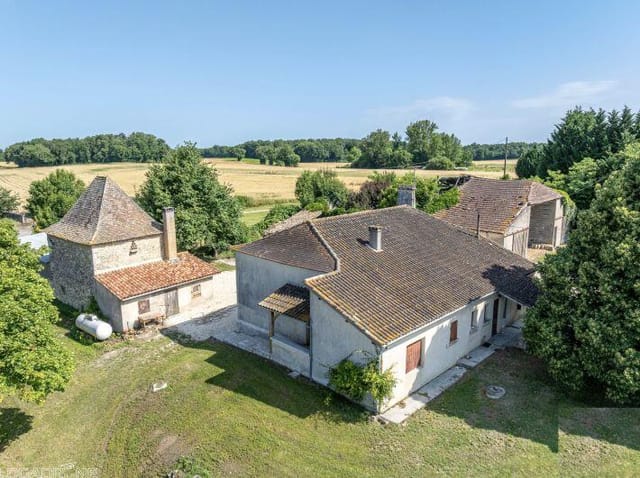
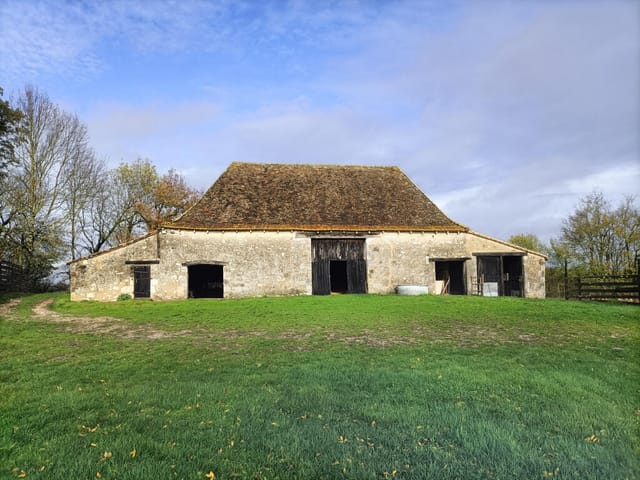
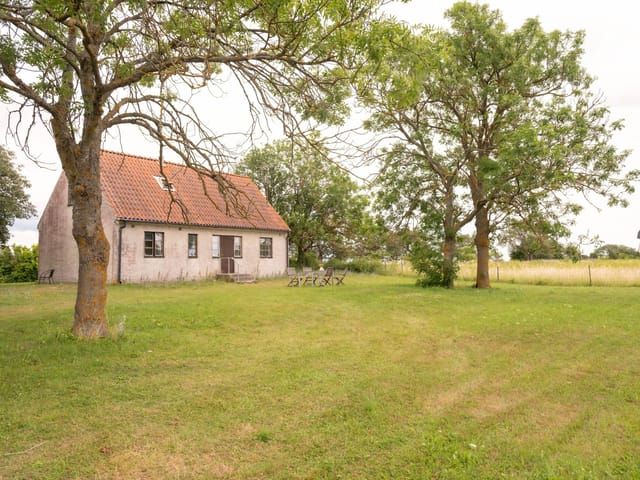
Stand at the top of the land on a clear morning and the view just keeps going. Rolling hills, patchwork fields, that particular shade of green you only find in southwest France when the summer heat hasn't quite arrived yet — it's the kind of scene that makes you reach for your coffee, forget what you were about to say, and just look. This former farmstead outside Villeréal in the Lot-et-Garonne sits at the end of its own private track, which tells you something about the quality of silence you'll find here. The property itself is a proper ensemble — not just a house, but a cluster of old farm buildings with genuine character baked into the stone. The main house runs to 110 square metres across two bedrooms and an office, currently set up as a single dwelling but with a layout that lends itself naturally to conversion into two self-contained units. Then there's the tobacco barn, which stands as a reminder of the agricultural life this land once supported. A pigeonnier — that quintessentially French tower structure that once housed messenger birds and symbolised landowner status — rounds out the cluster, along with a lean-to and the photogenic ruins of an older outbuilding. The whole lot sits on approximately 5,500 square metres, with possibilities for acquiring additional land, and there's a well on site. The structure is sound throughout. What's needed isn't a rescue — it's a vision. For buyers who've spent years renovating in their heads while scrolling through property listings, this is the canvas. The works required are cosmetic and practical rather than structural, which changes the financial calculus considerably at €267,500. You're not paying for someone else's renovation choices — the interiors are a blank slate ... click here to read more

Picture 1

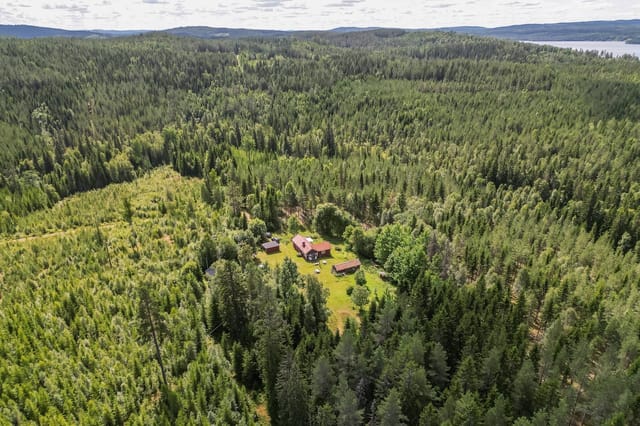
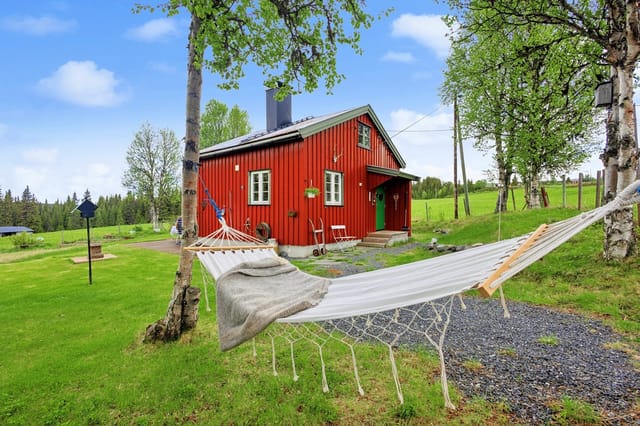
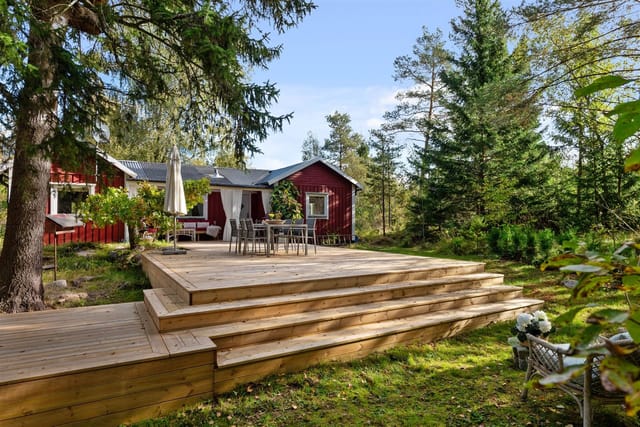
Step off the 400-meter forest lane and feel the shift immediately — the engine noise fades, the birdsong fills the gap, and the air smells of pine resin and lake water. That's the daily arrival at Gamla Kyrkviksvägen 20, a 1909 timber cottage sitting on just over 8,000 square meters of sun-drenched Swedish countryside outside Grängesberg in Dalarna. This is what a vacation home is supposed to feel like. The cottage itself is compact — 79 square meters — but that's precisely the point. One bedroom, a proper kitchen with dining space, a roomy living room, and a covered outdoor patio that becomes the real social hub from May through September. There's no sprawling square footage demanding your weekend attention. Instead, the private forest road ensures this place belongs entirely to you; it leads nowhere else. Nobody passes by accident. The plot fans out around the house in every direction — open and sun-catching, ringed by forest, with space for a kitchen garden, a hammock strung between two birches, a fire pit with chairs pulled close on August evenings when the sky doesn't fully darken until almost midnight. The original bones from 1909 have held up remarkably well. Rustic details remain — the kind of warm, lived-in character you'd spend a fortune trying to reproduce in a new build. Since 2004, the house has served as a summer residence, and that history shows in good ways: the place has been loved and maintained, not neglected. Practical upgrades are already done: a drilled well for a reliable water supply, a newly installed graywater (BDT) system, and a modern incineration toilet. You won't need to immediately invest in infrastructure. Arrive, unpack, and start enjoying it. Beyond the main house, the property holds ... click here to read more

Front view of the summer cottage and garden

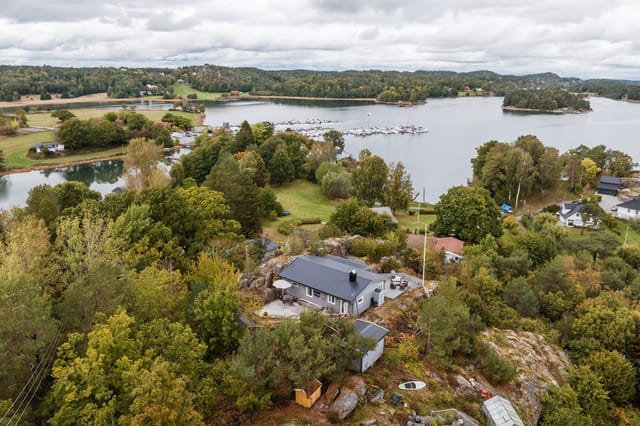
Early July morning. The fjord is flat and silver-grey before the sun clears the treeline, and from the veranda at Årøtangen 23 you can already smell the salt and hear the faint knock of a hull against a dock somewhere down the shore. By nine o'clock, the light has swung fully south and the whole 30-square-metre veranda is flooded with it. This is the rhythm that comes with this particular stretch of the Sandefjord coastline—unhurried, wide-open, and oriented entirely toward the sea. The cabin itself was built in 1956, which tells you something about the bones: solid, unpretentious, put here by people who understood that the view was the point. Sixty-three square metres of indoor living space arranged around a central living room with windows that track the water from multiple angles. A wood-burning stove sits at the heart of it—not decorative, genuinely central—so that the cabin earns its keep in May and September just as readily as it does in the peak of August. Two bedrooms, a functional kitchen with decent counter run, and a bathroom that's honest about needing some attention. That's the full picture inside, and it's a good one for what this property is asking of you. What genuinely separates Årøtangen 23 from most coastal cabins that come up in this part of Vestfold is the combination of things that rarely arrive together. Road access to the door—no boat shuttle, no quad track through the forest, actual road access. A private boat mooring 100 metres from the cabin. A freehold plot of 1,931 square metres that gives you breathing room, a real garden, space for kids to disappear into. And sun. The exposure here is exceptional; this part of the Årøtangen peninsula catches light from mid-morning through to late evening ... click here to read more

Proximity to the water

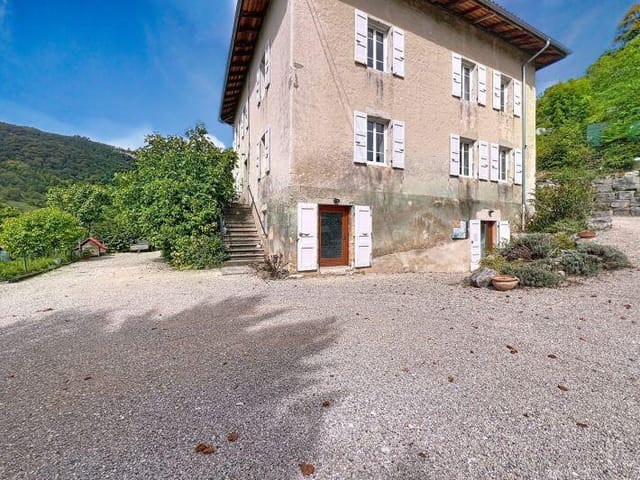
Stand on the kitchen terrace on a Tuesday morning and you can already smell the bread from the boulangerie two streets down in Cerdon. The hills of the Ain department roll away in front of you — forested ridges, limestone cliffs, the faint shimmer of the Rhône valley glinting somewhere between the trees. This isn't a postcard. It's Tuesday. This is just what it looks like from your terrace. Set in the hills above the small town of Cerdon in the Ain department of Rhône-Alpes, this seven-bedroom stone house sits on 2,408 square metres of land and spreads across 288 square metres of living space. At 359,000 euros, that works out to considerably less per square metre than comparable properties in the Dordogne or Provence — and the lifestyle on offer here is arguably richer. The Ain has a way of flying under the radar, which suits its residents just fine. The house itself is built in the sturdy local style — thick stone walls that keep rooms cool in July and hold heat through the sharp November nights. Step inside and the layout reveals a property that has been genuinely thought through for real life, not just for a sales brochure. The ground floor holds the main living quarters: a 26-square-metre sitting room, a generous dining room just over 20 square metres, a fitted kitchen with direct access to the terrace, a bedroom, a dressing room, and a shower room. The entrance hall alone runs to nearly 29 square metres, which sets the tone — this is not a house where you're squeezing past each other. Upstairs, six more bedrooms fan out across the landing, ranging from a cosy 10 square metres to a proper 19.5-square-metre room that could easily become a guest suite with its own character. There's a second shower room and a separa ... click here to read more

Picture 1

Sunday morning in Cheilly-les-Maranges moves at its own pace. The kitchen window is open, coffee is on, and through the covered terrace door you can already smell the damp earth rising off the vines on the hillside not 200 meters away. This is Burgundy — not the postcard version, the real one — and this 1800s stone house sits right in the middle of it. Built when Napoleon III was still rearranging Europe, this four-bedroom home on a generous 1,508 square meter enclosed plot has grown into its age gracefully. The bones are solid, the proportions are generous, and the condition throughout is genuinely good — no gutting required, no years of project-managing contractors from abroad. You arrive, you unpack, and you start living. That's rarer than it sounds at this price point in the Côte de Beaune. The ground floor opens into a 30-square-meter living room with the kind of ceiling height that makes you instinctively exhale. The equipped kitchen — 10.6 square meters, compact but well-organized — connects directly to the covered terrace. That terrace is going to become your default dining room from April through October. Lunch under the overhang when it rains, dinner outside when the evenings stretch golden and warm. The 15-square-meter office sits off the main hall, making this a genuinely workable remote working base, not just a holiday fantasy. Fast rural internet has come a long way in Saône-et-Loire. Upstairs, the four bedrooms range from 13 to 18 square meters — real rooms, not glorified cupboards. One comes with its own en-suite shower room. The additional full bathroom and two separate WCs mean four adults sharing the house can actually manage mornings without negotiation. The garage and outbuildings out back give yo ... click here to read more

Picture 1

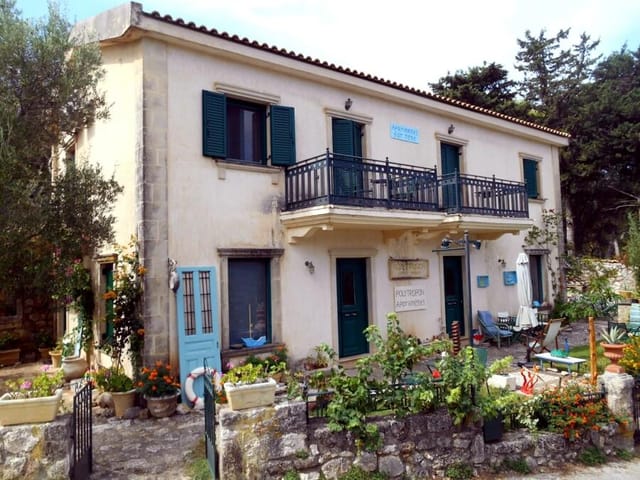
Step out of the front door on a Tuesday morning and within twenty minutes you're wandering through Bergerac's old quarter, coffee in hand, past honey-stone façades and half-timbered houses that line the Place du Docteur Cayla. Then you drive back through rolling woodland, turn down a lane into a hamlet of old stone properties, and the world goes completely quiet. That contrast — town life and deep countryside, thirty seconds apart — is what makes this 16th-century farmhouse one of the more unusual finds in the Dordogne right now. The property sits on 29 acres of private woodland. Not a garden. Woodland. You're not buying a patch of grass with some trees at the edge — you're buying the trees themselves, a proper sweep of Périgord forest that wraps around the house on all sides and gives the kind of silence most people have to drive four hours to find. The hamlet it belongs to is made entirely of stone — no modern infill, no holiday parc next door — and the farmhouse reads as the centrepiece of it: renovated carefully, retaining the character of the original 16th-century construction while being entirely liveable today. Inside, 217 square metres unfolds across three reception rooms, each anchored by either an open fireplace or a wood-burning stove. In November, when the Dordogne mist sits low over the valley and the forest outside turns amber and rust, those fireplaces earn their place. The ground floor has a separate kitchen — properly separate, not open-plan — and a full bedroom suite with its own bathroom, which works brilliantly if you have elderly guests or want to avoid stairs entirely. Upstairs, two large bedrooms and a study spread across the upper floor, served by two shower rooms. It's a layout that suits famil ... click here to read more

Picture 1

On a slow Tuesday morning in Mercurey, the only sounds are wood pigeons in the old chestnut trees and the faint clink of barrels being rolled along the lane at the domaine next door. Your kitchen window is open. Coffee is on. Eight hectares of Burgundian countryside stretch out beyond the terrace, rolling into wooded hills that turn amber and copper come October. This is not a fantasy — this is what owning this estate actually feels like. Mercurey sits in the Côte Chalonnaise, the stretch of Burgundy that most visitors drive straight past on their way to Beaune or Dijon, which is precisely why the locals like it that way. The village produces some of the finest Pinot Noir in the region — proper Burgundy, not the tourist-shop kind — and you're right in the middle of it. The Route des Vins winds through your back roads. Domaine Faiveley, Château de Chamirey, and a dozen smaller vignerons are practically neighbors. In late autumn, the air carries the sweet, fermented smell of harvest, and the weekly market in Chalon-sur-Saône, fifteen minutes south, fills with raw-milk Époisses, jambon persillé, and bottles of Mercurey Premier Cru sold by the people who actually made them. The estate itself spans roughly 8 hectares — fields, woodland, and productive land — with the main house at its center. Three hundred and four square meters of living space in the principal residence alone, built with the kind of thick stone walls that keep rooms cool in July and hold heat through a February frost. The entrance hall announces itself with a majestic staircase, the sort of architectural feature that doesn't get designed anymore, it just gets inherited. Below it, a vaulted cellar carved into the semi-basement is the obvious place to start ... click here to read more

Picture 1

Early on a Tuesday morning in Saint-Cernin-de-Labarde, the only sounds are wood pigeons in the oak trees and the faint clang of the Issigeac market setting up four kilometres down the road. You could be drinking coffee on your terrace, looking out over 14,195 square metres of your own land, watching the mist burn off the Périgord hills. That is not a fantasy. That is an ordinary Tuesday when you own this house. Built in 2013, this timber-frame property sits at the quiet edge of a small village, positioned almost exactly between Issigeac and Villeréal—two of the most historically rich towns in the Dordogne. The house is not old and crumbling and romantic in the way that requires a decade of renovation money. It is well-constructed, energy-efficient, and genuinely move-in ready. That matters more than people admit until they've spent a summer watching contractors not show up. The ground floor has a proper layout for real life. A living room that gets afternoon light, a kitchen set up for people who actually cook—not a show kitchen, but a professional-style space with the counter room and equipment to handle a big family lunch or a dinner party of eight. There is a bedroom and shower room at ground level, which means guests or elderly family members never have to deal with stairs. The large reception room is separate enough to feel like its own world—good for a home office, a studio, a music room, or simply a space where teenagers can disappear and leave the adults in peace. Upstairs, four rooms including two bedrooms and an attic give you the flexibility to configure the space around however your life actually runs. The basement deserves a mention because in this part of France, a good basement is genuinely useful. Car ... click here to read more

Picture 1

Sunday morning in the Pays des Bastides and the only sound is a woodpigeon calling from the oak tree at the edge of the field. You're standing in 4,000 square metres of your own land, coffee in hand, looking at a barn that's still waiting to become exactly the house you've always had in your head. That's the thing about this property near Boisse — it doesn't hand you someone else's vision. It hands you a blank canvas with real bones. The barn itself covers approximately 200 square metres on the ground floor, with structural capacity for a second floor of over 140 square metres — more than 340 square metres of living space in total once you build upward. A separate hangar of 300 square metres sits alongside, useful for a workshop, a gîte conversion, storage for a boat or two canoes, or simply the kind of breathing room you never get in the city. Outline planning consent is already in place, which is a significant step forward in France and removes one of the most time-consuming hurdles international buyers typically face when purchasing rural property here. The setting is the Dordogne département, specifically the Pays des Bastides — a stretch of rolling agricultural land in southern Périgord that most tourists miss entirely because it doesn't sit on the main Dordogne River tourist corridor. That's precisely what makes it special. The roads here are quiet. The hamlets are working ones. Saint-Léon-d'Issigeac is just down the lane, and Issigeac itself — a genuinely intact medieval bastide village with its Thursday morning market — is close enough to cycle to on a flat day. The market there is the real thing: local farmers selling walnuts, black truffles in season (December through February, and they are extraordinary), du ... click here to read more

Picture 1

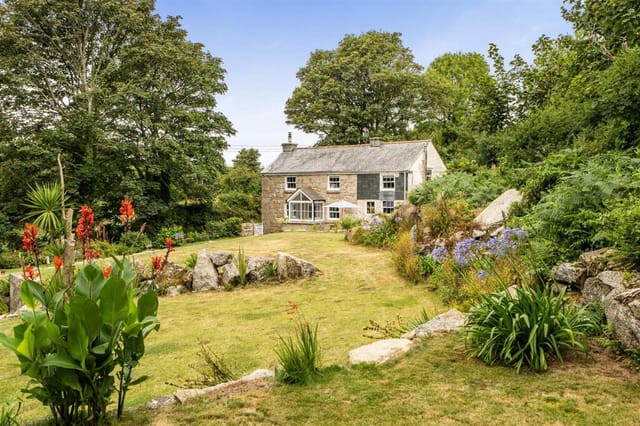
Step outside Sunnyside on a still October morning and the only sounds are rooks in the sycamores and the distant hiss of the Atlantic against the granite at Lamorna Cove, about ten minutes down the lane on foot. That's not a selling point. That's just Tuesday here. Sunnyside sits on the edge of Lamorna Valley, one of the most quietly celebrated corners of West Cornwall — a place that has pulled painters, poets, and people who simply couldn't leave since the Newlyn School artists first set up their easels here in the 1880s. Laura Knight lived just up the road. The light really is different this far south and west, lower and wider than anywhere else in Britain, hitting the valley walls at angles that turn ordinary stone walls gold in the afternoon. The cottage earns its name. The property itself is a genuine detached Cornish cottage — stone-built, thick-walled, and renovated with the kind of restraint that's actually harder to pull off than a full gut-and-flip. The original inglenook fireplace is still the absolute centre of the sitting room, fitted now with a wood-burning stove that earns its keep from October through April. Deep-set windows with their original window seats have been kept — they're not period decoration, they're where you actually sit with a coffee and watch the garden shift through seasons. Exposed ceiling beams overhead. The renovation has added what was missing: modern insulation, updated systems, and a country kitchen with stable doors that fold back on warm evenings so the boundary between inside and garden essentially disappears. Those stable doors matter more than they might sound. The half-acre grounds are one of Sunnyside's strongest cards. Mature borders, established planting, open lawn areas ... click here to read more

Front view of Sunnyside Cottage

Stand on the small patio at Straumskagveien 20 on a clear June morning and you'll understand immediately. The salt air comes in off the Frøya coastline, a couple of oystercatchers are making their usual racket down at Kvernavika bay, and the water — that particular shade of grey-green that only Norwegian coastal water seems to get — glitters maybe three minutes' walk from where you're standing with your coffee. This is not a cabin that tries to impress you with renovations or design features. It impresses you by being exactly where it is, doing exactly what a cabin in this part of Trøndelag has always done: giving you a place to slow down, properly, in one of the quietest and most intact stretches of the Norwegian coast. The structure itself carries real history. Parts of this building date to 1859 and 1902 — before Norway even had a fully independent government — and those oldest sections still show it. The living room floor is original wide-plank wood from the 1859 build, worn smooth and warm underfoot in the way that no engineered floor will ever replicate. Wooden wall paneling of the same era lines the walls, and a Jøtul 602 cast-iron wood burner sits in the corner doing what Jøtul stoves have done in Norwegian cabins for generations: throwing out a thick, even heat that takes the chill off an April evening in about twenty minutes flat. Large windows pull in the coastal light, which here — on the western edge of Frøya municipality — has a quality that photographers specifically travel to capture. The footprint is 51 square meters, so this is not a property for people who need space. It's a property for people who have figured out they don't. The kitchen runs to 14 square meters, which is generous for a cabin of thi ... click here to read more

Welcome to Kverva and Straumskagveien 20!

Picture this: it's a Tuesday morning in late June, the kind where the Baltic light hits the water at a low angle and turns everything gold. You've walked four minutes from your front door, untied your boat from your own private mooring, and you're out on the Åland Sea before the rest of the world has poured its first coffee. That's not a fantasy — that's a Tuesday at Havsvägen 17. Set in Hammarskogen, a tight-knit coastal community along Roslagen's famously rugged shoreline in Norrtälje municipality, this three-bedroom holiday home sits on a genuinely generous 2,003 square metre plot. It's the kind of property that feels increasingly rare along this stretch of the Swedish coast: fully winterized, move-in ready, with its own guest house, a terrace that runs almost the full length of the building, and direct access to a shared marina where your boat mooring comes with the house. Not rented. Not shared. Yours. The main house, built in 1991 and maintained in solid condition throughout, is laid out on a single level — practical for families with young kids or guests who don't want to navigate a Swedish staircase at midnight. Step inside and you get a welcoming hallway, three proper bedrooms, and a bathroom done in a clean, unfussy colour palette that doesn't scream "1990s summer cabin." The open kitchen and living room flow into each other in a way that makes the 74 square metres feel lived-in rather than cramped. On long evenings when you've pulled mackerel or perch from the water and want to cook while still being in the conversation, this layout earns its keep. What sets this property apart from the average Roslagen stuga is the infrastructure. Air-source heat pump. Vacuum toilet connected to the community sewage system ... click here to read more

Front view of the house and garden

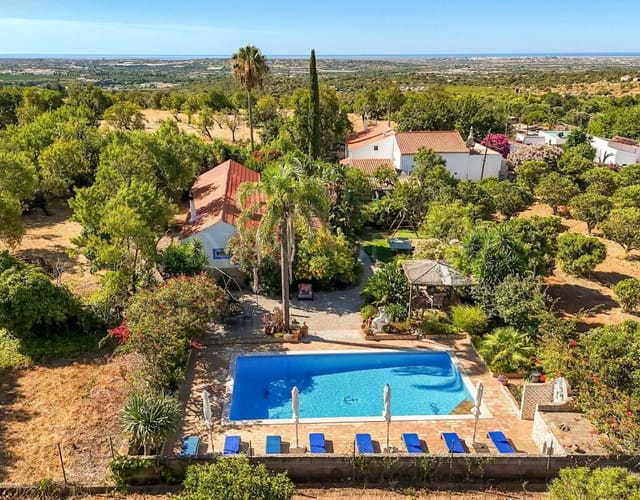
Early morning in Estói, before the heat has settled in. You step out of the main house with a coffee, barefoot on the old cobblestones, and the garden already smells of warm lemon blossom. A rooster somewhere in the valley. The Atlantic, just visible from the rooftop terrace of the upper cottage, catching the first light. This is what the southern Portuguese countryside actually feels like when you live inside it rather than passing through. This authentic quinta sits in the gentle inland hills above the Algarve coastal strip — close enough to the beach to make it a spontaneous decision, far enough away to have real quiet. The property brings together a two-bedroom main residence and three independent guest cottages — The Quinta, Casa Avós, and The Granja — plus a tiny house, adding up to seven bedrooms and four bathrooms across the estate. Whitewashed walls, terracotta-tiled roofs, hand-laid cobbled paths, and a 5 x 10 metre saltwater pool set among palms and mature bougainvillea. It reads like a stage set for the Algarve that travel magazines promise but rarely deliver. What makes this place unusual is its history. For more than 25 years, it has operated as a small-scale, self-catering hospitality business. Not a hotel, not a guesthouse — something more intimate than either. Guests have been coming back season after season, booking the cottages independently or taking the whole estate for family gatherings and retreats. That track record is not incidental. It means the infrastructure is proven, the outdoor spaces are genuinely functional, and the revenue potential is already demonstrated rather than speculative. The main house is grounded and comfortable — a generous living and dining room, a fitted kitchen, two bed ... click here to read more

Picture 1

The smell hits you first — salt air and dune grass, carried in through the kitchen window on a morning breeze while the coffee brews. Then the quiet. Not the dead silence of a city apartment with the windows shut, but the living kind, where you can actually hear gulls calling over the North Sea a few minutes' walk away. That's what mornings feel like at De Duinen 235, and honestly, once you've had a few of them, it's hard to go back. This is a proper detached holiday villa on an unusually large 703-square-metre plot at the edge of the Landal Strand Resort Ouddorp Duin — one of the most well-regarded resort communities on the Dutch coast. Built in 2017 and used exclusively by its current owner, never rented out, the place is in the kind of condition that takes years of careful ownership to maintain. Move-in ready isn't a marketing phrase here; it's just the truth. The layout is sensible in the best possible way. Downstairs, you get a bright open-plan living and kitchen area where large windows pull the garden inside visually — you're always aware of the greenery just beyond the glass. The kitchen is fully fitted with a gas hob, combination oven, refrigerator, and dishwasher. Nothing revolutionary, but everything you actually need when you're cooking mussels bought that morning from a Ouddorp fish stall, or hosting a long Friday dinner after a day on the water. There's also a ground-floor bedroom — currently used as a study — with its own private bathroom featuring a shower cabin with an infrared lamp. For anyone who'd rather not do stairs, or for guests who need their own space, that setup is quietly brilliant. A separate WC and a practical storage room round out the ground floor. Head upstairs and you'll find two more ... click here to read more

Front view of De Duinen 235

Saturday morning on Jonkerstee, and the only sound you can hear is wind moving through the dunes a few hundred metres away. Coffee in hand, you slide open the French doors off the living room and step onto the sun-warmed veranda before the rest of the family is even awake. That quiet — real, unhurried quiet — is what this part of Zeeland does better than almost anywhere in Western Europe. And at Jonkerstee 24, it's yours every time you unlock the door. Ouddorp sits at the southwestern tip of Goeree-Overflakkee, a peninsula island that most international buyers still haven't discovered. That's precisely the point. While the crowds head to Scheveningen or Zandvoort, the people who know come here — for the wild, wide beaches at Ouddorp Bad, for kite-surfing on the Grevelingenmeer, and for the kind of relaxed village pace that the more famous Dutch resorts lost somewhere around 2005. The beach at Ouddorp Bad is a genuine stretch of North Sea coastline, one of the cleanest and least commercialised in the whole country, flanked by tall dune ridges that block the wind and create natural sun traps. In summer, the water is warm enough to swim. In autumn, the light turns golden and the dunes empty out almost entirely. Built in 2019 on a private plot of 672 square metres, this detached three-bedroom villa at the small-scale recreational park De Jonkerstee is one of the newer builds in the area — and it shows. The house carries an A++ energy label, backed up by 25 solar panels on the roof, full insulation throughout, HR++ double-glazed windows, and underfloor heating in every room. The monthly running costs are genuinely low. For a second home or vacation property that you want to use across all four seasons, that energy performan ... click here to read more

Front view of Jonkerstee 24

Early on a July morning, before the heat really settles in, you slide open the kitchen doors and the air comes in carrying wild thyme and something faintly resinous from the garrigue. The Cévennes ridgeline is already crisp against the blue, and on the clearest days Mont Ventoux floats on the horizon like a rumor. This is the view you wake up to. Not a postcard version of it — the actual thing, unobstructed, every single day. Built in 2008 and sitting on 2,011 square meters of private hillside in Tornac, just four kilometers from Anduze, this four-bedroom villa with a fully independent guesthouse is one of those properties that takes a few minutes to properly understand. The layout is clever: the house is cut into a gentle south-facing slope, which means neighbors exist on one side only, behind a solid dividing wall that makes them irrelevant. Everywhere else, the land falls away or opens up. You're not isolated — you're just free. The main house runs to 125 square meters on a single level, which matters more than you'd think. No stairs, no interrupted sightlines, no awkward split between levels. The 42-square-meter living room anchors everything around a wood-burning fireplace with a proper stone mantelpiece — the kind of fireplace that justifies the whole room being arranged around it. Two covered terraces, each around 30 square meters, open off either side. One catches the morning sun. The other holds the shade into the afternoon. You figure out quickly which you prefer for coffee and which for wine. The kitchen is the kind that makes cooking feel like the point of the day rather than an interruption. Twenty-six square meters with a central island, a second fireplace, a big pantry, and sliding doors that push back ... click here to read more

Front view of the villa and pool

Step outside on a February morning and the world is absolutely still. Snow sits heavy on the spruce branches, the air carries that particular cold-clean sharpness you only get at 800 metres above sea level, and the groomed ski track begins just 1.3 kilometres down the road. This is Tisleidalen — a valley in Norway's Nord-Aurdal municipality that outdoor people have been quietly keeping to themselves for decades — and this compact, well-kept chalet on Lakkergata 54 puts you right in the heart of it. Forty-two square metres sounds modest until you're inside, settled into the corner of the main living room with the wood-burning stove crackling. The stove itself is worth a mention: it's finished in soapstone and Ottaskifer stonework, the kind of craftsmanship that radiates warmth long after the fire dies down. Solid oak floors run across the ground level, and the ceiling and walls are clad in painted timber panelling — the kind of interior that feels genuinely Norwegian rather than a catalogue imitation of it. Large windows pull in light throughout the day, and on clear afternoons the room glows. The kitchen was fitted in 2013 by Kvik and holds up well — foiled cabinet frames, profiled painted fronts, a practical laminate worktop. It occupies its own separate room rather than bleeding into the living space, which makes cooking feel less like a performance and more like actual cooking. A toilet room sits adjacent, lined with vinyl flooring and painted wooden panels. Simple, functional, clean. The loft upstairs — accessed via a custom-built wooden staircase — adds another 24 square metres of sleeping space across two rooms. The ceiling peaks at 1.8 metres at centre and slopes to knee walls at around 1.1 metres, so it's cosy ... click here to read more

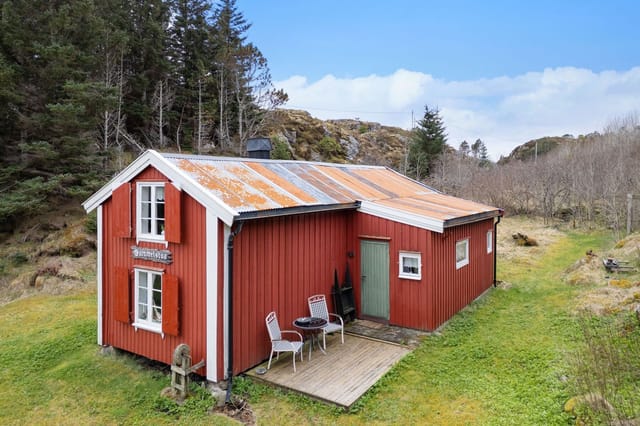
Traditional timber-frame cabin from 1956, upgraded from 2013 onwards.

Stand on the glass veranda on a Tuesday morning in late June and count the sailboats moving through the sound. The smell of lilac still hangs in the air from last week's bloom. Somewhere down the path, 200 meters away, the SL archipelago boat is pulling into Höganäs jetty, ferrying commuters toward Stockholm while you pour a second coffee. This is not a fantasy. This is Tuesday on Tynningö. Built in 1884 as a merchant's villa, the main house at Tynningövägen 9 has lived through more Swedish summers than almost anyone alive can remember. It was built to impress, and in a quiet, confident way it still does. Two full floors plus a basement, 195 square meters distributed across eight rooms and a proper kitchen, three bathrooms, and two glass verandas — one on each level — that frame the garden like a living painting changing with every season. The ceilings are high enough that you notice them. The original woodwork has been preserved with the kind of care that tells you the previous owners understood what they had. The fireplaces deserve their own mention. There are several, positioned in the main social rooms, and they do something important in a Swedish island home: they make the shoulder seasons — September's amber light, November's first frost — feel like reasons to stay rather than reasons to leave. This property is winterized, which means it's not just a summer bolt-hole. People live here year-round. The bones and the infrastructure support it. The garden is 2,872 square meters spread across two separate cadastral lots, and it has been genuinely cultivated over generations. Mature honeysuckle climbs the fence lines. Established perennial beds come back every spring without asking. There are corners that catch mornin ... click here to read more

Front view of the villa

Sunday morning in Boliqueime sounds like this: the distant toll of the Igreja de São Pedro bell drifting through your kitchen window, the scent of orange blossom coming up from your own trees, and nothing else but birdsong. That's the daily reality at this five-bedroom villa—not a fantasy, not a brochure promise. Just life, at a pace you'd forgotten was possible. Sitting on a 1,500m² plot in one of the Algarve's most quietly coveted inland villages, this 277m² villa faces due south, pulling in light from morning until the last of the evening sun drops over the distant Atlantic. On clear days—and there are a lot of them—you can pick out that faint blue line of sea on the horizon from the upper floor living room. It's the kind of view that earns the house its own geography. The property has been recently renovated and is in genuinely good condition. No cosmetic cover-ups or staged illusions. The double glazing is new, the kitchen is properly equipped, and the layout across two floors actually makes sense for a family. Ground floor has two bedrooms, a well-fitted bathroom, a flexible room that works as a home office or gym or extra guest space depending on what your life demands, and the kitchen. Upstairs, three more bedrooms, a second contemporary bathroom, a bright living room that opens to the southern aspect, and a laundry area tucked neatly out of the way. Five bedrooms, two bathrooms, 277 square metres—it's a house that fits a large family without feeling like a hotel corridor. Step outside and the scale of what you're getting becomes clear. The patio is set up for long evenings: proper outdoor seating, a hot tub, and an above-ground pool that gets used from April through to late October without any argument. Surro ... click here to read more

Picture 1

Step out onto the wraparound terrace on a clear September morning, coffee in hand, and you'll understand immediately why the previous owner never sold this place for nearly two decades. The forest below Bråtåhøgda rolls out in shades of amber and rust, the air carries that particular Norwegian crispness that wakes you up better than any alarm, and the only sounds are wind through spruce tops and the occasional woodpecker going about its work. This is life at 364 meters above sea level in Nord-Odal — unhurried, genuinely quiet, and about as far from a screen as you can get without leaving civilization entirely. Bråtåhøgda 43 is a solid three-bedroom chalet built in 2005, held by a single owner from day one, and maintained with the kind of quiet diligence that shows in every corner. The walls don't flex, the roof doesn't leak, the stove draws cleanly. It's move-in ready in the truest sense — not estate-agent-speak for "needs work," but actually ready: furniture arrangements already thought through, wood stacked in the shed, heat pump humming. For buyers looking at Norwegian holiday properties, that combination of age, single ownership, and consistent care is rarer than it sounds. Inside, the 57 square meters are used honestly. The open-plan living room and kitchen flow together without feeling cramped — there's room for a proper dining table where six people can eat without elbowing each other, plus a sofa arrangement that actually fits adults watching the embers die in the wood-burning stove. Norwegian cabin design has always prioritized function over ornament, and this one follows that tradition without being spartan. Three bedrooms handle a family or a group of friends with reasonable privacy; a shower room and a sepa ... click here to read more

Picture 1

You step outside at seven in the morning, coffee in hand, and the only sound is the creak of fresh snow settling across the pines. The groomed cross-country ski trail is less than a hundred meters from your front door. By the time most people are stuck in city traffic, you're already gliding through one of Norway's most beloved mountain plateaus, the kind of morning that makes you wonder why you ever lived any other way. That's Bjønnåsen 401 in Sjusjøen — a three-bedroom mountain chalet sitting at roughly 770 meters above sea level in the Ringsaker highlands, about an hour north of Oslo via the E6. It's been meaningfully upgraded over the past several years, not flipped and dressed up, but genuinely improved by owners who used it hard and loved it well. The difference shows in every detail. The chalet itself is compact at 68 square meters, but the layout earns every square meter. Walking in through the entrance hall, the open living and kitchen area pulls you forward. Large windows frame the surrounding forest and hills — in winter, the scene is all white and silver; come July, it's dense green punctuated by wildflowers. The wood-burning stove anchors the room, its slate-clad chimney rising cleanly through the ceiling. On a February evening after a day on the trails, you'll want nothing more than that fire going, socks off, something warm in your hands. The kitchen is sociable by design. Wide countertops mean two or three people can actually cook together without the usual cabin-kitchen choreography. Storage is generous. The open-plan flow into the dining area keeps conversation going whether you're frying up elg-kjøttkaker or uncorking a bottle after a long hike. The whole interior leans into natural wood — walls, ce ... click here to read more

Welcome to Bjønnåsen 401! - Presented by DNB Eiendom v/ Kim Alexander Fjelking

Early July in Möklinta, and the sun barely dips below the horizon. By 4am, pale gold light is already spilling across the meadow outside the kitchen window, catching the dew on the grass and turning it silver. The Swedish midsummer doesn't so much arrive as it accumulates—birdsong first, then the smell of wild clover, then the distant sound of a tractor somewhere beyond the treeline. This is the kind of morning you buy a Swedish country home for. Bår 110 sits at the end of a quiet gravel track in Sala Municipality, roughly halfway between the old silver-mining town of Sala and the industrial riverside city of Avesta—close enough to both that an errand takes twenty minutes, far enough that you genuinely cannot hear traffic. The property covers approximately 7 hectares of mixed land: garden, open fields, and patches of the boreal forest that covers so much of Västmanland County. It's a serious amount of space. Not decorative acreage, but real working land that gives you options most European vacation properties simply cannot. The main house runs to 160 square meters across three bedrooms and a bathroom, with four rooms in total thoughtfully laid out to suit both a full family summer and a quiet couple's retreat in autumn. Large windows are everywhere—this isn't accidental. Swedish farmhouse design has always understood that northern light is precious, and the builders here gave the interiors every chance to catch it. On a bright June afternoon, the living room glows without a single lamp switched on. The kitchen faces the garden and the mature trees beyond, so chopping vegetables on a Wednesday evening feels oddly cinematic, in the best possible way. The garden is old enough to have personality. Established trees shade ... click here to read more

Front view of the country home and garden

Early on a Saturday morning, the kitchen at Les Clouquettes smells of woodsmoke and strong coffee, and through the tall sash windows you can watch mist roll off the linden trees before the rest of the household stirs. That's the quiet power of this place — 365 square metres of lived-in history on the edge of one of Belgium's most underrated villages, surrounded by nearly 6,700 square metres of grounds that feel less like a garden and more like your own private corner of the Meuse valley. Dalhem itself is the kind of place that doesn't appear on many tourist maps, which is exactly the point. Perched on the plateau between the rivers Meuse and Berwinne, the village moves at its own pace. The Saturday morning market in nearby Visé — just eight kilometres down the road — sells local Hervé cheese so pungent it makes your eyes water in the best possible way. The medieval fortifications of Dalhem's ruined castle are a twenty-minute walk from the front door, winding through beech woodland that turns extraordinary shades of copper and gold every October. Cyclists know this stretch of southern Limburg and the Pays de Herve well; the Véloroute du Coeur de la Hesbaye passes within a few kilometres, and on any given Sunday morning the lanes outside fill with club riders heading toward Maastricht. Speaking of Maastricht — it's barely twenty-five kilometres north, close enough for a spontaneous dinner at one of the restaurants along the Rechtstraat, far enough that life here feels genuinely rural. Liège is thirty kilometres southwest, with its Gare des Guillemins (the Calatrava station alone is worth the drive) and a food market on the Quai de la Batte that runs every Sunday and is among the largest open-air markets in Europe. Aachen ... click here to read more

Front view of Les Clouquettes 1

Stand at the picture window on a Tuesday morning in October and watch the light do something extraordinary to the Shannon Estuary. The water shifts from slate grey to hammered bronze as the clouds move over Limerick, and you realize this view — this exact, unrepeatable view — is the reason Edgewood has held people captive for decades. It's not a postcard. It's your kitchen window. Edgewood sits on a gently elevated, mature site in Brickhill West, Cratloe, a village that locals will tell you has quietly gotten everything right. Four bedrooms. Three bathrooms. 180 square metres of well-kept, light-drenched living space that was built in 1960 and has been cared for in a way that shows. The bones are solid, the proportions are generous, and the setting is the kind that makes first-time visitors stop mid-sentence. This is a proper bungalow — the kind that actually earns the word substantial. Rooms that fit real furniture. Hallways you can walk down without turning sideways. The large picture windows aren't a design affectation; they were put there by someone who understood that the Shannon views and the rolling Clare countryside beyond were the whole point. Every main room captures something worth looking at, morning or evening, winter or summer. The living room is the heart of the house. Expansive windows face out over the estuary, and on clear days you can follow the water all the way toward Limerick. On grey Atlantic afternoons, the oil-fired central heating kicks in and the room earns its keep as the kind of place where people genuinely don't want to leave the sofa. The dining area flows naturally from here — large enough for eight around a table, which matters when you're in a part of Ireland where people actually com ... click here to read more

Edgewood, Brickhill West, Cratloe, Co. Clare, V95E3W9 – Main Exterior

Step outside the front door at Bosweg 21 and within thirty seconds you're standing under a cathedral of coastal pines, the wind carrying that particular mix of salt air and warm resin that Zeeland does better than anywhere else on the Dutch coast. No road to cross. No car park to navigate. Just dune forest, and beyond it, one of the widest stretches of North Sea beach in the Netherlands. That's not a selling point—it's just Tuesday morning here. The house sits on Park Schouwse Duin, a private residential park that borders directly onto the Zeepeduinen nature reserve near Burgh-Haamstede. This corner of Schouwen-Duiveland has been pulling Dutch families and international visitors back summer after summer for good reason: the Kop van Schouwen is one of the largest contiguous dune and forest landscapes in the whole of the country, and this property is planted right at its edge. Cycling trails fan out in every direction—follow the red-marked route west and you hit the beach; go east and you're threading through the Boswachterij Westerschouwen, past old wooden bridges and pools where herons stand completely still in the morning mist. Inside, the house is solid and well-kept. Eighty square metres arranged sensibly across two floors, with a ground-floor bedroom that makes this a genuinely usable home for older guests or anyone who'd rather skip the stairs after a long day on the bike. The bathroom—bathtub, shower, washbasin, toilet—is also on the ground floor, which means multigenerational trips are far less complicated than they are in most holiday cottages of this size. Upstairs, two more bedrooms give you proper room to host: a couple with their kids, a pair of friends who share school holidays, whoever fills your life. Th ... click here to read more

Front view of Bosweg 21

Step outside on a February morning and the only sound is the creak of fresh snow under your boots. The ski track is 900 meters away. Lake Aursunden glitters through the birch trees at the bottom of the slope. The thermometer reads minus twelve, but inside the cabin, the wood-burning stove has been going since seven, and the whole place smells of birch smoke and coffee. This is what you came to Norway for. Damvoktarveien 46 sits in the Kuråsen cabin area just outside Glåmos, a small rail village in the Røros region of eastern Norway. The plot runs to 2,373 square meters of freehold land — proper freehold, not the leasehold arrangements you'll encounter elsewhere in the Norwegian leisure market — and the terrain around it is the kind of low-maintenance Nordic wild that practically takes care of itself. Cloudberries and blueberries grow on the property in late summer. You don't plant them. They've always been there. The chalet itself was built in 1981 and extended in 1997, sitting at roughly 720 meters above sea level. That elevation matters. It's the reason winters here are reliably snowy, properly snowy, and why the air in July feels like nothing you've breathed in a city. The main living area comes to 62 square meters inside, with another 15 square meters of covered external space and a 39-square-meter terrace that catches the afternoon light. There's also a 12-square-meter outbuilding for storage, ski gear, or the tools you'll accumulate over the first couple of summers. Inside, the layout makes practical sense for a group. The entrance vestibule keeps the cold out, the kitchen sits directly off the dining area so meals flow without awkwardness, and the living room has large windows facing the landscape — not a wall, ... click here to read more

Welcome to Damvoktarveien 46.

Sunday morning in the Charente countryside sounds different from anywhere else in France. The birds start before the light does, and by the time you've made coffee and pushed open the terrace doors, there's nothing between you and a wide green horizon except your own 7,000 square metres of garden, a few oaks, and the distant church tower of Mansle catching the early sun. That's the daily reality of this four-bedroom house just outside Mansle-les-Fontaines — a genuinely well-built contemporary home from the early 2000s that's been looked after with real care, set in a quiet hamlet a couple of kilometres from everything you actually need. Let's talk about the space first, because 160 square metres of living area spread thoughtfully across two floors makes this feel like a proper family home rather than a weekend squeeze. The ground floor revolves around a 40-square-metre living and dining room that gets generous natural light throughout the day. It's the kind of room that naturally absorbs a family gathering — long lunches that drift into afternoons, kids spread across the floor, someone always in the kitchen. That kitchen, at 19 square metres, is large enough to be genuinely functional, not just a gesture toward cooking. Three bedrooms sit on the ground floor too, alongside a bathroom, a separate WC, and a pantry and laundry room that handles all the practical business of a real home. Head upstairs and there's a fourth room currently working as a bedroom or office, with its own private shower room and toilet — ideal for older kids, guests who want independence, or anyone who needs a quiet corner away from the rest of the house. The underfloor heating on the ground floor is worth pausing on. It's the kind of detail that ... click here to read more

Picture 1

Stand on the small porch at Messlingen Backen 506 on a July morning and what you get is this: the glassy surface of Lake Messlingen reflecting the ridgeline back at itself, the smell of birch sap and wet meadow grass, the distant call of a loon somewhere upstream. Nothing else. No traffic, no sirens. Just the particular silence that only the Swedish mountains produce, the kind that actually has texture to it. This two-bedroom country cabin sits on 703 square meters of land in Messlingen, a quiet hamlet within Härjedalens kommun in the highlands of Jämtland County, roughly 15 kilometres from the Funäsfjällen ski area. At 53 square metres, it's not a big house. But it doesn't need to be. The whole point here is that your living room extends several thousand metres in every direction. The cabin is in good overall condition, with a practical layout that flows from the entrance hallway through to the kitchen and into the main living area. Large windows frame the lake and the mountains behind it — on clear days in late autumn, when the birch trees have dropped their leaves, you can see clear across to the Norwegian fells on the horizon. The kitchen has enough counter space for real cooking, not just weekend survival meals, and the dining area fits comfortably around a table where four people can sit without elbowing each other. Two small bedrooms provide private space for rest, and the bathroom is functional and well-placed. One practical matter worth knowing upfront: the property currently lacks potable water and will require a new well to be drilled. This is a straightforward process in the area and common with older Swedish mountain properties — several local contractors in Sveg and Funäsdalen handle this routinely. It do ... click here to read more

Exterior view of the cabin with mountain backdrop

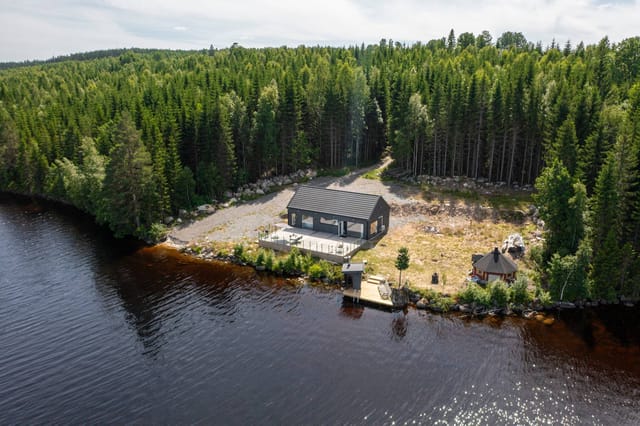
Six o'clock on a July morning. You slide open the door to the deck and the lake is completely still—no wind, no sound except a lone loon somewhere in the reeds. The water reflects the tree line so perfectly that it's hard to tell where the forest ends and its mirror begins. Coffee in hand, barefoot on sun-warmed pine planks, you're standing on your own peninsula. Nobody else is out here. This is Sör-Älgen 272. Built in 2024 and designed for four-season living, this single-storey house sits at the very tip of a private peninsula on Lake Sör-Älgen in Bergslagen—a region of deep Swedish forest, iron heritage, and surprisingly refined food culture. The plot runs to 1,924 square metres of untouched lakeside terrain. You have water on three sides. The sunrise arrives early and stays long, painting the surface of the lake in amber and copper before the rest of the world is even awake. The house itself is compact and deliberate—84 square metres that feel spacious because every corner faces the landscape. Large windows pull the forest and water inside, meaning your morning views shift with the seasons: ice-blue and snow-bright from November through March, then riotously green from May onward, then blazing orange and rust through September and October. The open-plan living and kitchen area is light and genuinely airy, not the estate-agent version of airy where one small skylight does the heavy lifting. There's a proper bedroom with room to breathe, a fully equipped modern bathroom, and smart storage throughout. Heating and insulation meet Swedish year-round standards, so a February weekend here is as comfortable as August—different, but comfortable. The deck deserves its own paragraph. It's generous, south-facing, and connects ... click here to read more

Lakefront view of Sör-Älgen 272

On a still morning in Cloggernagh East, the only sounds are birdsong, a distant tractor, and the low whistle of wind moving through mature hedgerows that have been growing here for decades. That's not a selling point. That's a way of life — one that's increasingly hard to find and nearly impossible to put a price on. This two-bedroom detached bungalow sits on a generous 0.54-acre site in Islandeady, a rural townland in County Mayo that sits almost perfectly between Westport and Castlebar. Ten kilometres to the west, Westport's buzzing Octagon square fills up every summer with visitors who've made the pilgrimage for the Westport Food Festival, live trad sessions at Matt Molloy's pub, and the iconic Croagh Patrick climb. Eight kilometres east, Castlebar handles the practical side of life with its hospitals, retail parks, and transport links. From here, you get both — with a half-acre of private countryside in between. The bungalow itself is in good condition and genuinely move-in ready. The layout is uncomplicated in the best possible way: an entrance hallway that opens into a sitting room anchored by a solid fuel stove, a practical kitchen with space for a proper dining table, two quiet bedrooms, and a bathroom with an electric shower. Ceramic tiles run throughout, keeping maintenance straightforward — a real consideration for a second home or holiday property when you're not always around. Oil-fired central heating means winter visits don't require advance planning; the house warms quickly. The detached garage is the kind of thing you don't realise how much you need until you have it. A secure store for bikes, kayaks, fishing gear, golf clubs — all the equipment that a West of Ireland lifestyle accumulates. It doubles ... click here to read more

Front view of the bungalow and garden

Early July on Fårö, the light doesn't really set. By ten in the evening it's still this warm amber glow through the pine trees, and if you're sitting on the grass with a glass of something cold, the silence is so complete you can hear the limestone crunch under a passing bike on the lane outside. That's the particular magic of this island — and this four-bedroom house at Fårö Friggars 2443 puts you right in the middle of it, on a 1,538 square meter plot that feels like it belongs to another era entirely. Fårö is not Gotland's main island, which already tells you something. To get here, you take the small free ferry from Fårösund — a ten-minute crossing that most tourists never bother with. The ones who do make that crossing tend to come back every year. The island has maybe a thousand permanent residents, a handful of year-round shops, and a landscape that has been quietly captivating people since Ingmar Bergman decided he never wanted to leave. His grave is here. His old screening room still stands in Hammars. In August, the Bergman Week festival draws film lovers from across Europe for outdoor screenings and talks, and in the weeks either side of it, the island is animated without ever feeling overrun. The house itself is a classic 1981 plastered construction — the kind of solid, no-nonsense Swedish summer house that was built to be used, not photographed. Around 110 square meters across two floors, it's in good condition and genuinely functional for a family or a group of friends who want space without the complications of a renovation project. Four bedrooms. Two bathrooms. A kitchen that actually has room to cook in. This isn't a weekend cabin that sleeps four in a tangle of fold-out beds. It's a proper house. Dow ... click here to read more

Exterior view of the house and garden

Step outside on a January morning and you're looking across the Hardangervidda plateau while the first light catches Hardangerjøkulen glacier, turning it pale gold before the rest of the world has woken up. That's what this chalet delivers before breakfast. The kind of view that doesn't get ordinary, no matter how many winters you spend here. Built in 1999 from hand-hewn, tarred round logs, the cabin at Fetaleitet 255 sits at the uppermost edge of an established mountain cabin community above Vøringsfoss — one of Norway's most iconic waterfall landscapes, where the Bjoreio river drops 182 metres into the Måbødalen gorge below. The property claims arguably the finest position in the entire cluster: elevated, private, and oriented to pull in panoramic sightlines across Hardangerjøkulen, Store and Lille Istind, Grytahorgi, Sysendalen, and half a dozen more peaks that serious hikers have on their bucket lists. No neighbours blocking the sky. No road noise. Just plateau silence, birdsong, and the occasional distant creak of snow settling on the roof in February. The foundation is clad in hand-cut Jondal stone — a detail that speaks to how this place was built. Not fast, not cheap, not to a formula. The logs have developed the deep, resinous patina that only decades of mountain air can produce. From ten metres away it looks like it grew here. That's a hard thing to fake, and it matters when you're thinking about a property that will represent you for generations. Ninety square metres of indoor space is arranged sensibly across a main floor and a large loft. The living room is the heart of it: high ceilings, a centrally placed fireplace, and underfloor heating underfoot that means you're warm before the fire has had time to ... click here to read more

Aktiv Eiendomsmegling v/ Fredrik Tøsdal presents Fetaleitet 255!

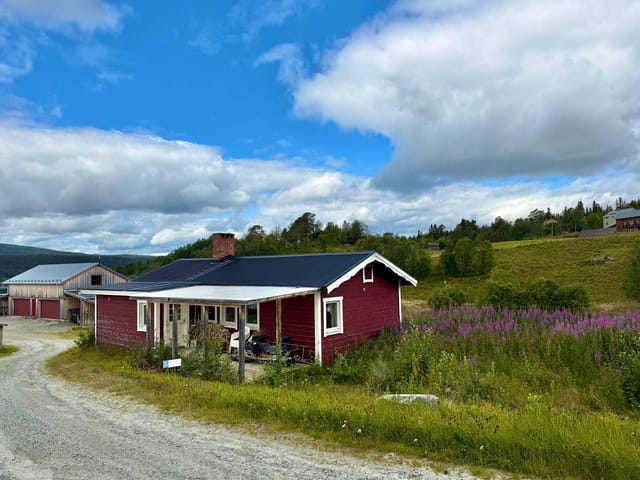
Step outside on a February morning and the ski tracks are right there — literally less than 50 meters from the front door. You clip in, push off, and within minutes you're gliding through silent spruce forest with nothing but the sound of your own breathing and the occasional crack of a branch under snow. That's the daily reality at Stangeråsvegen 96 in Hornnes, and it's the kind of thing you stop taking for granted only when you leave. This is a compact, honest cabin — 43 square meters of warm interior space sitting at 428 meters above sea level on a generous 988-square-meter plot in the established Stangeråsen cabin community. Built in 1980 and kept in good condition throughout, it comes fully furnished and ready to use from the first weekend you own it. Everything is included: sofas, beds, kitchen appliances, the gas stove, the fridge, white goods — the whole lot. Bring a bag, buy some groceries in Evje on the way, and you're in. The veranda wraps around three sides of the cabin, which matters more than it sounds. Morning coffee faces east into the forest. Afternoon sun swings around to the south. By evening you're still outside with a glass of something, watching the light drop behind the ridgeline. The lot gets sun for most of the day, which in a Norwegian mountain cabin context is genuinely valuable — not a marketing line. Inside, the layout is straightforward and sensible. Entrance, hallway, living room, kitchen, a toilet room, one bedroom, and a storage closet. The living room has enough space for a proper sofa arrangement and a dining table where four people can sit without elbowing each other. A staircase leads up to a loft — furnished with extra sleeping spots, good for kids or overflow guests, though not f ... click here to read more

Welcome to Stangeråsvegen 96!

On a quiet morning in Emlichheim, you open the kitchen window and the smell of fresh bread drifts over from the bakery two streets away. The garden is already catching the early light, and the stone shed at the back casts a long shadow across the lawn where, last weekend, the kids set up a badminton net. This is the kind of unhurried life that Emslandstrasse 56 quietly makes possible. Emlichheim sits right at the German-Dutch border in the Grafschaft Bentheim district of Lower Saxony — a corner of Europe that most international buyers haven't discovered yet, which is precisely what makes it interesting. The town itself is small but self-contained, with a supermarket, a pharmacy, a handful of independent shops, and the kind of weekly market where people actually talk to each other. Coevorden, a Dutch fortified town with a proper medieval moat and a Saturday street market worth getting up early for, is about ten minutes west by car. Lingen, a lively mid-sized German city with a theatre, a good selection of restaurants, and a well-regarded museum on the history of the region, sits roughly 40 minutes to the southeast. The Dutch city of Groningen — university city, cycling capital, packed with galleries and late-night cafés — is under an hour on a clear road. The cross-border character of this area isn't just geographic trivia. It shapes the rhythm of life here. On Sundays, German shops close but Dutch ones don't, so locals hop over to Schoonebeek or Coevorden for groceries or a longer lunch. The cuisine reflects the same blurred line — Groninger koek at the breakfast table, Westphalian Pumpernickel in the bread drawer, and plenty of places serving both eierbal and Schnitzel within a short drive. For a vacation home buyer w ... click here to read more
Front view of Emslandstrasse 56

Step outside on a Tuesday morning, coffee in hand, and the only sound is a coot skimming the water at the edge of your garden. No traffic. No neighbors crowding your fence line. Just the particular quiet of the Veluwe — that vast, forested stretch of the Netherlands that draws walkers, cyclists, and anyone craving a genuine exhale. This is what owning a vacation home on Rubensstraat feels like in practice, not in theory. The bungalow sits within a small, well-kept park in Voorthuizen, a village that most people drive past on the way to somewhere else — which is exactly why it works so well as a base. The park is reserved for guests aged 50 and over, which keeps the atmosphere calm without being sterile. There's a real community here, but one that values its space. The property itself covers 89 square metres across two floors, on a private 360 m² plot. That plot is the first thing that strikes you: a proper garden, landscaped with lawn, flowering borders, and paved terraces, all of it backing onto a water feature that gives the rear of the house a quiet, almost meditative quality. In summer, the light hits the water in the late afternoon and bounces onto the living room ceiling. In autumn, the leaves from the surrounding trees collect at the water's edge and nobody rushes to clear them. Inside, the layout has been thought through carefully. The ground floor carries the main bedroom — a generous room with a built-in wardrobe and direct garden access via its own door — plus a full bathroom fitted with shower, bathtub, and washbasin. This isn't just convenient; it means the house works equally well whether you're here for a long weekend with grandchildren or planning to spend extended seasons without negotiating stairs ev ... click here to read more
Front view of Rubensstraat 71-21

Step out the front door on a July morning in Bensbyn and the Baltic is right there — silver-flat, impossibly quiet, catching the light that never quite disappears this far north in summer. The boat harbor sits a two-minute walk down Nyhamnsvägen. Your neighbors are launching their day by six. By seven, you've got coffee in hand and your feet are in the grass of a 3,538-square-meter lot that is, by any honest measure, an extraordinary amount of land to own at the water's edge in northern Sweden. This is Nyhamnsvägen 30 — a 1956 timber cottage on the shore of the Bothnian Bay, sitting on a double-sized plot in the small, unhurried village of Bensbyn, roughly 10 kilometers north of Luleå city center. At 45 square meters, the main cottage is compact, but it's in good functional shape for immediate use as a vacation base while you decide exactly what this land can become for you. And that's really the conversation here: the property is as much about what you do next as what's already standing. The lot is wide and mostly open. The grass runs long toward the waterline. There's a storage shed and a separate guest cabin — the kind of secondary structure that means your visiting friends get their own space rather than a fold-out sofa. Swedes have a word for this kind of setup, this particular combination of simplicity and self-sufficiency by the water: it's just called summer, and they've been perfecting it for generations. You buy into that here. But let's talk about the land itself, because it's the real story. At 3,538 square meters in a waterfront village, this plot is large enough to explore subdivision into two independent parcels — a genuine possibility that makes this attractive well beyond the existing cottage. You cou ... click here to read more
Main view of the cottage and lot

Stand in the stone courtyard on a September morning and you'll hear two things: absolute silence, and then the distant bells of a village church drifting down from the hillside above Troianata. That's the rhythm of life at the foot of the Castle of Agios Georgios — unhurried, rooted, and completely removed from the overrun coastal resorts that most visitors to Cephalonia never leave. This is a different side of the island. Quieter. More honest. And frankly, more interesting. This two-storey residential complex sits on a 328-square-metre plot in Leivathos, one of the most historically layered municipalities on the island. The property totals 200 square metres and is configured as three self-contained apartments — each with its own living area, kitchen, and two bedrooms — plus a studio. Four bedrooms, four bathrooms in total. Built in 2001, rated Energy Class A, and sitting in genuinely good condition, this is a building that has been looked after. The bones are solid, the architecture leans into local tradition, and the views across to Mount Ainos and the rolling green interior of Cephalonia are the kind that make you put your coffee down and just stare. The Castle of Agios Georgios looms above the property in the best possible way — a 16th-century Venetian fortress that served as the island's capital for centuries. You can walk up to it in under twenty minutes. On a clear day from the battlements, you see the entire southern half of Cephalonia, the sea glittering beyond Argostoli, and on exceptional days, the peaks of the Peloponnese across the water. Most tourists make it here for a single afternoon. You'd wake up to it every morning. Leivathos sits roughly 10 kilometres from Argostoli, the island's capital, where th ... click here to read more
Picture 1

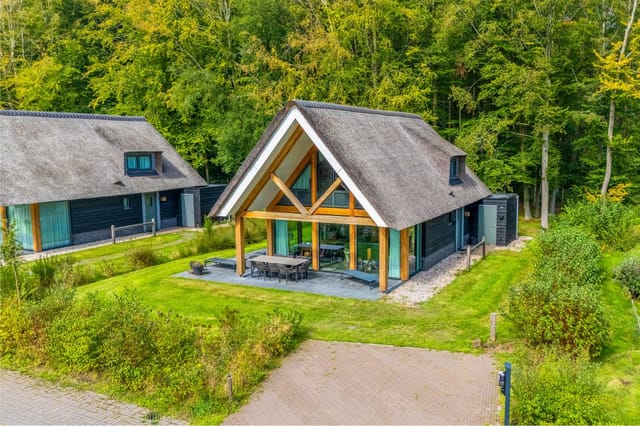
Step outside on a Saturday morning and the Drenthe forest is right there—literally at your back fence. The pines are still dripping from overnight rain, a woodpecker is hammering somewhere in the canopy, and the only thing on the agenda is deciding whether to take the bikes out toward Valthe or just sit on the terrace with coffee until someone suggests pancakes. That's the daily reality at Valtherweg 36-428, a 2023-built thatched villa sitting at the very edge of Puur Exloo holiday park, and it's the kind of morning that converts a short holiday into a lifelong attachment to a place. The thatched roof isn't decorative nostalgia—it's a statement that this villa was built to belong here, in the quiet heathland province that locals have been escaping to for generations. Drenthe doesn't shout. It draws you in slowly: the wide skies over the Hondsrug ridge, the prehistoric hunebedden dolmens scattered through the landscape like dropped giant's stones, the smell of heather in August when the whole region turns purple. Exloo itself sits in the middle of all this, a village small enough that you'll recognize faces at the bakery within a week of arrival. The villa's position is genuinely unusual. One side faces the park's landscaped grounds—pool, spa, pump track, mini-golf, the hotel restaurant where you'll end up for dinner more than once. The other side opens directly onto forest. Privacy and community in the same property. That combination is harder to find than it sounds. Inside, 114 square metres has been used intelligently. The ground floor bedroom is the one that tends to stop people mid-tour: floor-to-ceiling windows, a view of greenery that changes with every season, direct garden access, and an en-suite with a walk-i ... click here to read more
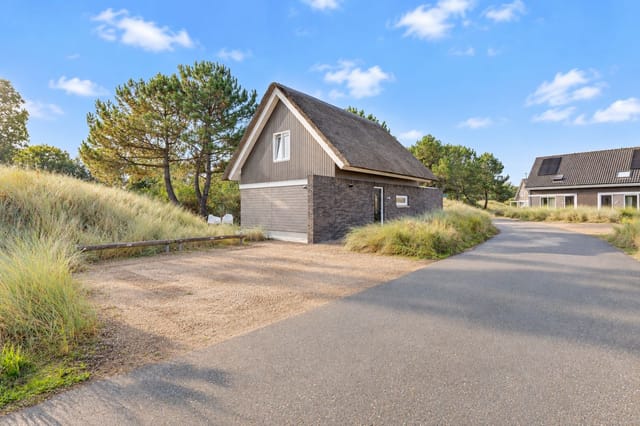
Front view of Valtherweg 36-428

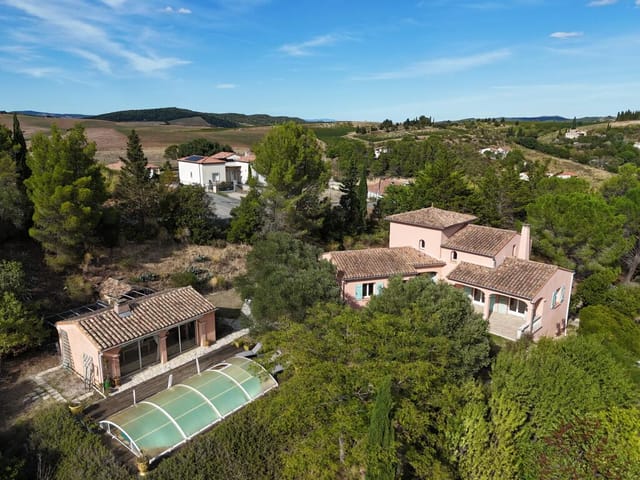
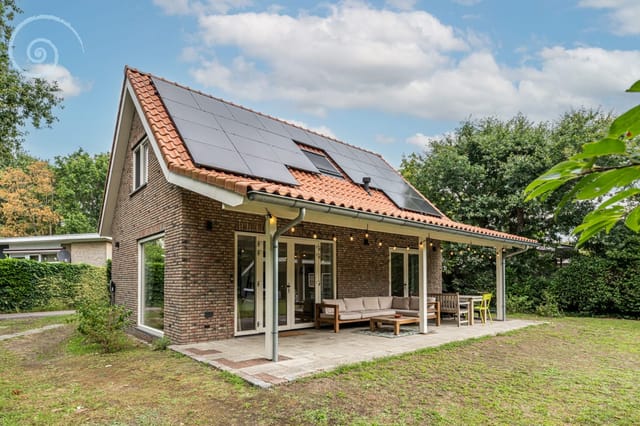
Stand on the terrace on a July evening and you'll understand immediately why the French have always built their finest houses on hills. The Aude valley spreads out below in bands of gold and green — sunflower fields giving way to vineyards, then the jagged silhouette of the Pyrenees catching the last of the light. A glass of Blanquette de Limoux in hand, the bubbles still sharp and cold, the smell of lavender drifting up from the garden. This is not a fantasy sequence from a travel magazine. This is Tuesday. This four-bedroom villa sits at one of the highest residential addresses above Limoux, in France's Languedoc-Roussillon region, and the position alone justifies serious attention. But the house itself earns that attention right back. Three levels of generous, well-proportioned living space — around 186 square metres in total — have been laid out with real intelligence. The heart of the home is a single open-plan space that runs to over 60 square metres, pulling together the sitting room, dining area and kitchen into one fluid room without sacrificing any sense of definition between them. Large glazed doors open directly onto the views. On a clear morning, with coffee on the go and those panoramas unfolding through the glass, it's hard to think of a better argument for a second home in France. A bedroom and bathroom sit on the same main level, which matters more than it sounds — it means the house works for guests who don't want to navigate stairs, or for those weeks when you simply want everything within reach. The first floor adds further bedrooms and a second bathroom, giving the layout real flexibility for families or groups. Below, the lower ground floor is the kind of practical bonus that experienced property ... click here to read more
Picture 1