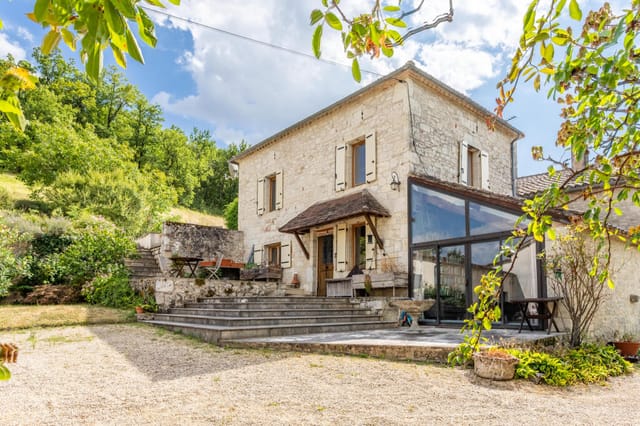
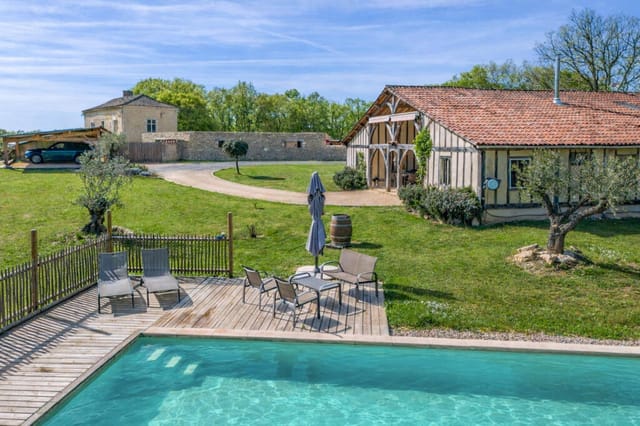
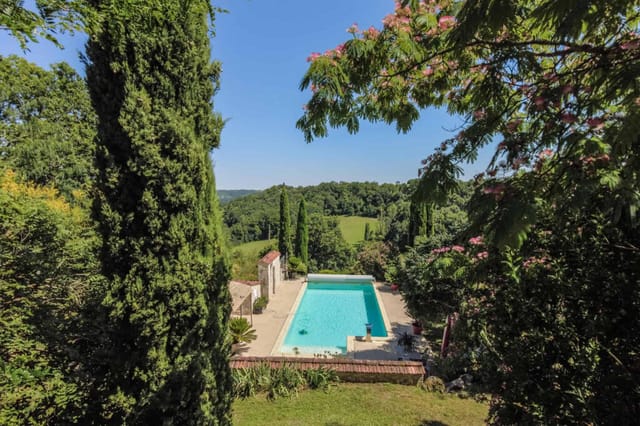
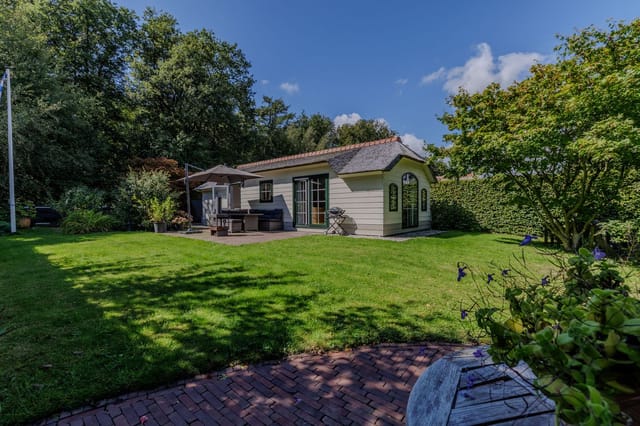
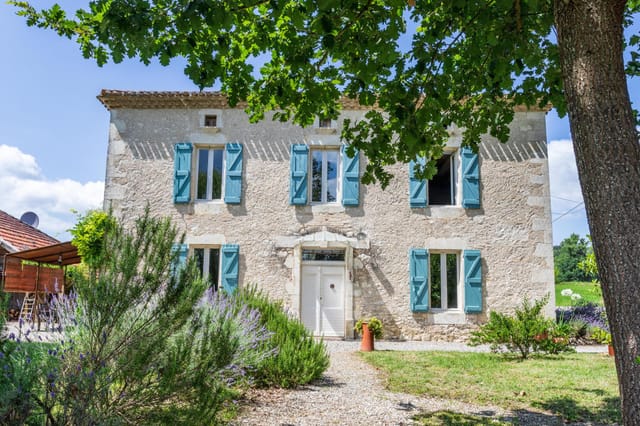
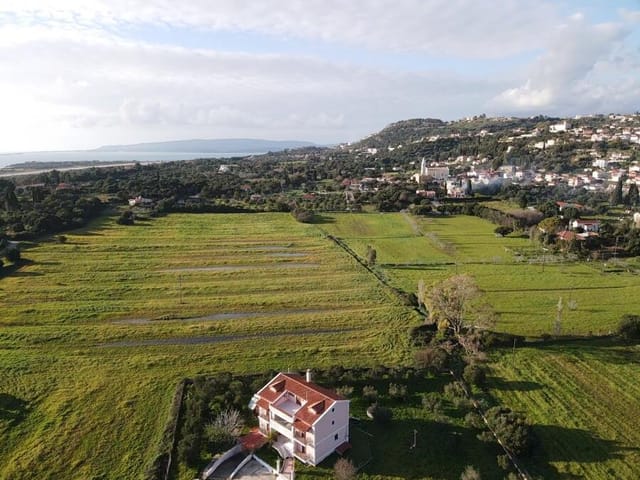
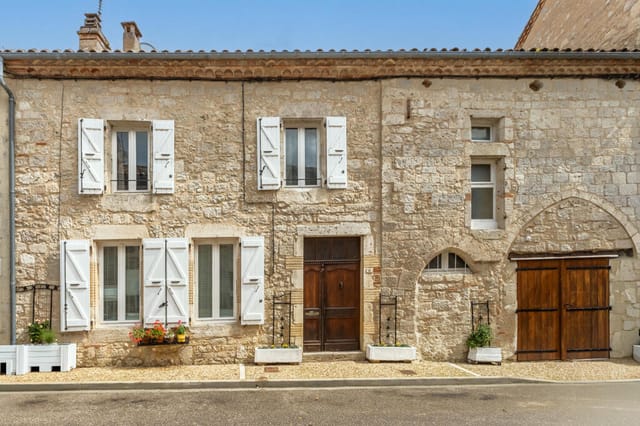
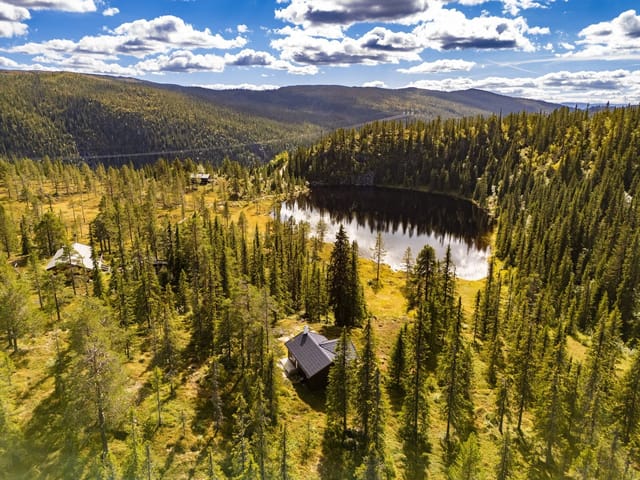
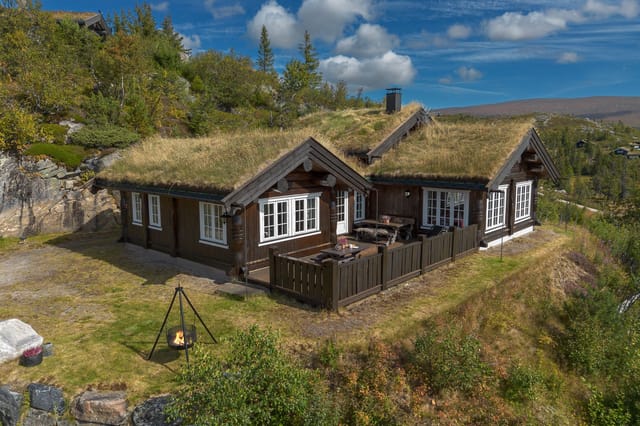
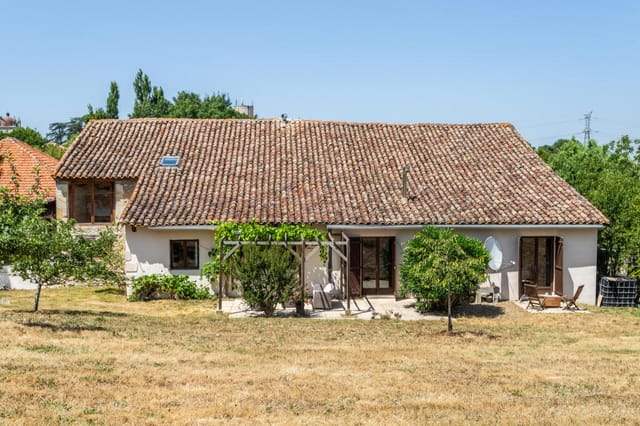
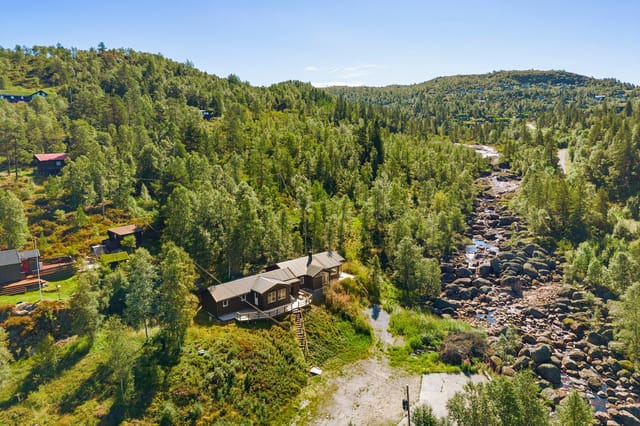
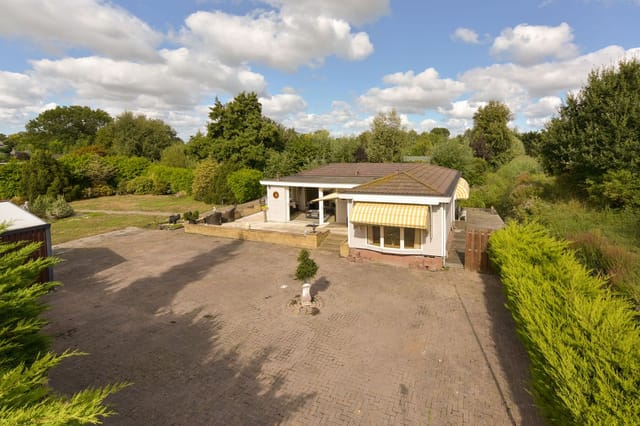
Houses For Sale In Europe (page 4)

Houses for sale in europe - homestra offers the largest amount of european real estate with over 200,000+ properties, find any type of property within your budget from villas to country homes. buy or rent your perfect home in europe. (page 4)

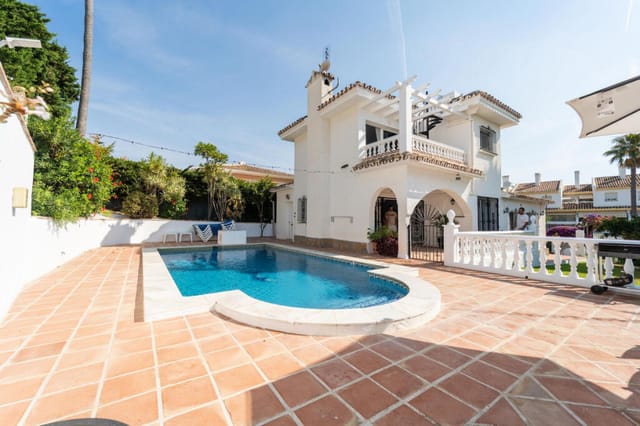
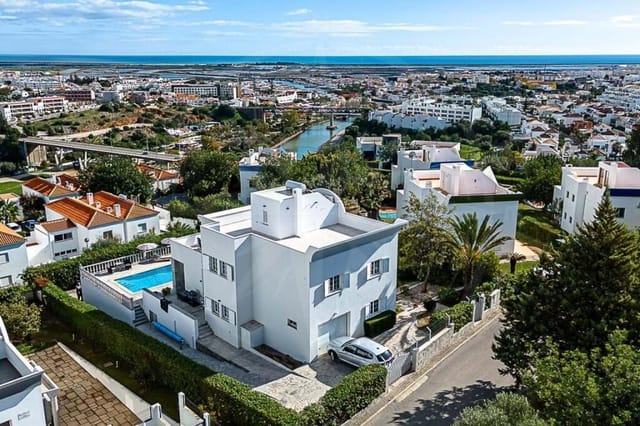
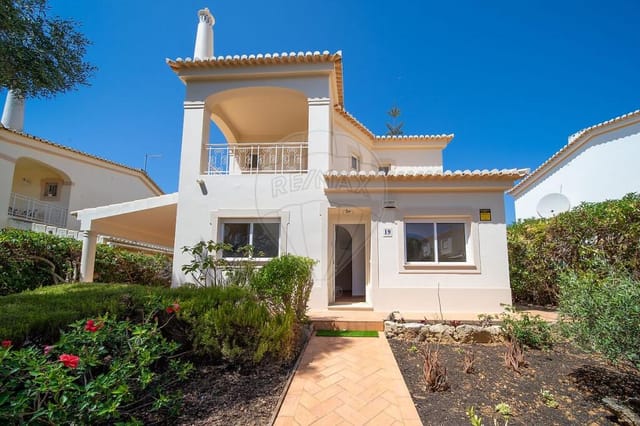
You wake up and the first thing you notice is the light. Not the flat, grey light of a northern European morning, but something warm and insistent, already pushing through the shutters at seven, throwing golden bars across terracotta floor tiles. By the time coffee is made, you've opened the doors onto the terrace and you're halfway through planning the day — beach before lunch, the market on the way back, maybe a long dinner somewhere up the old town. That's life in Portimão, and this three-bedroom, three-bathroom villa on the Algarve coast is your way into it. The villa covers 157 square metres and sits in one of southern Portugal's most sought-after towns, a place that manages the rare trick of being genuinely useful and genuinely beautiful at the same time. It's in good condition — move-in ready without the months of renovation headaches that older Algarvian properties sometimes bring. Priced at €595,000, it represents real value in a coastal market where demand from Northern European and North American buyers has been consistent and, in recent years, increasingly competitive. Portimão sits at the mouth of the Rio Arade, roughly in the middle of the Algarve's 150-kilometre coastline. The town itself is lively in the best sense — not overrun, not sleepy, but properly functioning. The riverside fish restaurants on Rua Direita serve cataplana de marisco, the shellfish stew that locals eat with bread and white wine at lunchtimes that stretch well past three. Sardines on the grill, smoke drifting across the waterfront, is essentially the smell of a Portimão summer evening. The Friday market at Praça Manuel Teixeira Gomes fills early and sells out fast — local honey, smoked sausage, hand-thrown ceramics, enormous bags of ... click here to read more

Picture 1

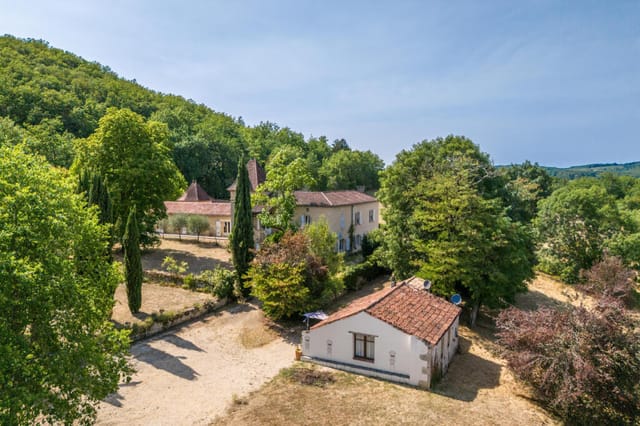
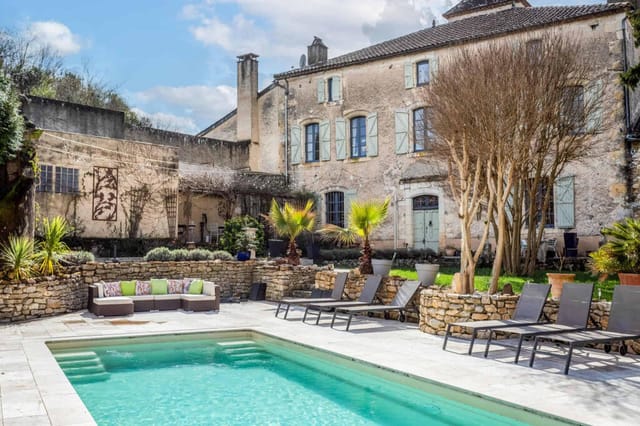
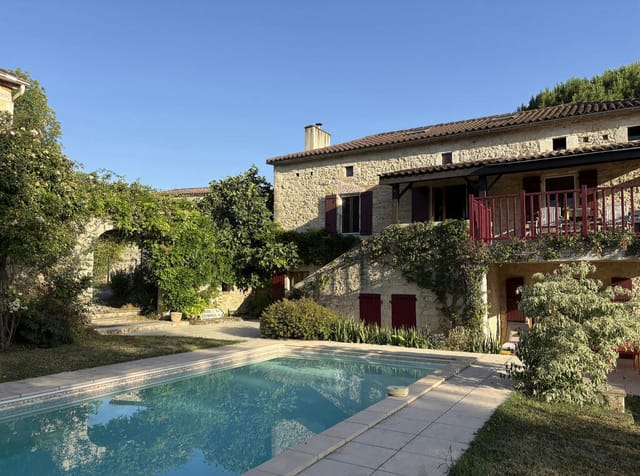
The bread oven is still there. So is the wine press. Standing in the larger of the two stone barns on a warm June morning, with swallows threading in and out of the rafters above you, it doesn't take long to understand that this 1847 farmhouse near Beauville wasn't just built — it was assembled with the kind of patience and permanence that nobody bothers with anymore. That original stone sink in the kitchen still works. The cast iron roll-top bath still gleams. Some things, if they're good enough to begin with, don't need replacing. This is a three-bedroom farmhouse in the rolling countryside of Lot-et-Garonne, priced at €199,000, sitting on a generous 3,500m2 garden with a separate 1.2-hectare plot attached. Two stone barns come with the property. The house itself runs to 93 square metres. It's in good condition — not a ruin, not a renovation project from hell — but it carries that particular lived-in warmth that a period property only gets after a century and a half of occupation. A little refreshing here and there, and it would be exactly what it already nearly is: one of the most quietly singular farmhouses in this corner of southwest France. Approach along the lane — and it really is a quiet lane, the kind where you occasionally have to pull over for a tractor and nobody minds — and the first thing you notice is how the house sits in the landscape. The Lot-et-Garonne valley rolls out around it in every direction, the kind of view that you'd pay an architect a fortune to fabricate if nature hadn't already done it for free. Established trees frame the garden. Gnarled vines push along their rows. Box hedging holds everything together. There's a vegetable patch, multiple fruit trees, and a small terrace positioned, wh ... click here to read more

Picture 1

On a still February morning at Finntjønnveien 29, the only sound is the soft creak of skis clipping into bindings on the road outside. You had the fire going by seven, the heat pump already doing its quiet work, and now the whole Gisnadalen valley sits below you in a low winter light that turns the snow faintly orange. That's the rhythm this cabin runs on — unhurried, outdoors-forward, and genuinely comfortable in a way that many mountain properties in Norway never quite manage. Rennebu sits in the heart of Trøndelag, a municipality that tends not to feature in glossy ski resort brochures, which is exactly why the people who know it keep coming back. The village is serious mountain country without the crowds. The Trollheimen massif — one of Norway's most accessible yet underrated highland wilderness areas — is right on the doorstep. Cross-country trails thread out from the road directly in front of this property, meaning you can ski to the trailhead in under a minute from the front step. Oppdal's alpine lifts, including the runs at Vangslia and Stølen, are just fifteen minutes by car when you want the downhill fix. In the same drive, you can pick up provisions at the grocery store — so logistics here are simpler than you'd expect from a cabin that feels this far into the Norwegian hills. The chalet itself was built in 1981 and has been kept in genuinely good condition, updated where it matters without losing the honest, timber-framed character that makes old Norwegian cabins worth seeking out in the first place. Eighty-six square metres of indoor living space is arranged with real practicality — five bedrooms, two hallways, a tiled bathroom, and a living room with ceilings that open upward and make the whole space feel ... click here to read more

Welcome to Finntjønnveien 29 and this beautiful holiday property! Photo: Interior photo by Jon Kristian Haukdal

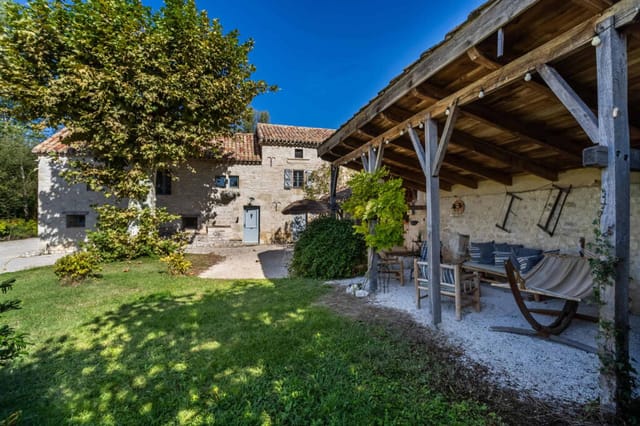
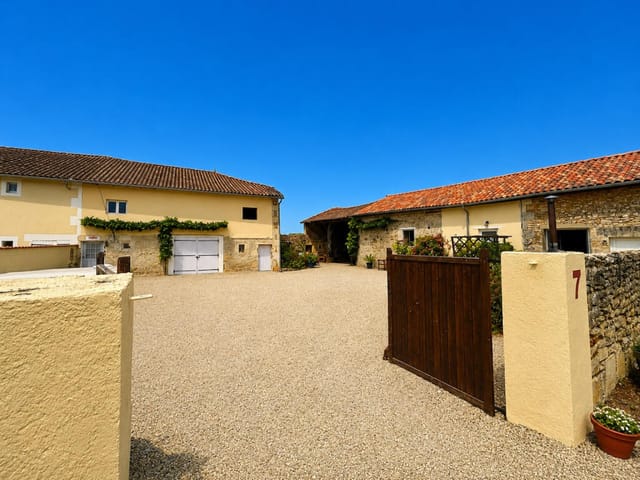
Step outside on a Tuesday morning and you can hear the market vendors setting up in Montaigu-de-Quercy — the clatter of trestles, the smell of roasting garlic and fresh-cut lavender drifting up the hill — and you're only five minutes away by car. That particular detail matters more than you might think. This is the Quercy countryside at its most liveable: genuinely rural, genuinely quiet, but never cut off from the rhythm of a functioning French village life. The property itself is a converted stone barn, originally built in 1867, and it carries that age well. The walls are thick — proper thick, the kind that keep the ground floor cool through a July afternoon without air conditioning. About 45 years ago it was turned into a family home, and it's been lived in and loved since. Today it sits in good condition with some cosmetic updating still ahead of it, which is honestly where the opportunity lies. The bones are exceptional. The scale of the rooms, the exposed timber beams, the traditional tomette floor tiles in the living area — these are things you'd pay a premium for in a newly built property and still not quite get right. Here they're original. At 152 square metres across four bedrooms and two bathrooms, there's genuine room to breathe. The kitchen has the kind of proportions that make sense for a long Sunday lunch — enough counter space, a connection to the covered terrace through a door that you'll probably leave open from May through October. That terrace faces out over the garden and the view beyond it: a broad sweep of Quercy countryside rolling toward the Lot valley, with Roquecor's medieval silhouette visible on a clear day. The living room has a wood-burning stove set into the wall, flanked by exposed ston ... click here to read more

Picture 1

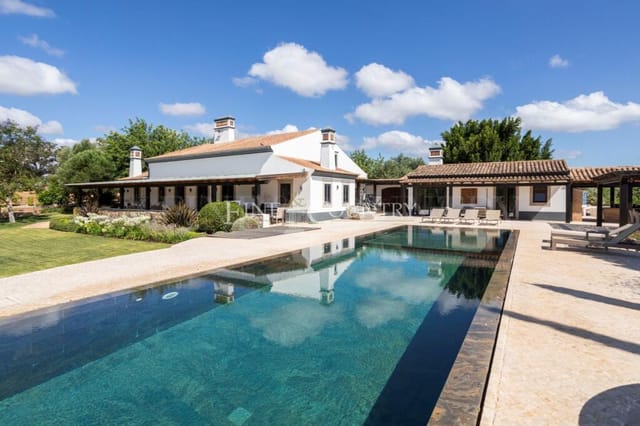
Stand on the high ground of this 2.45-hectare plot on a quiet morning and you'll hear almost nothing — just cork trees moving in a soft Atlantic breeze and, very faintly, the sound of Aljezur's church bell drifting up from the valley. That's 1km away. It might as well be another world. This is western Algarve at its most honest. Not the golf resorts and poolside bars of the Algarve coast most people know, but the wilder, greener, rougher-edged version — the Costa Vicentina side, where the landscape is protected by Europe's most intact coastal national park, Parque Natural do Sudoeste Alentejano e Costa Vicentina, and where the beaches are the kind you actually have to yourself. Praia de Arrifana is 10 minutes by car. Praia da Amoreira, where a river mouth meets the Atlantic in an extraordinary wide-open estuary, is even closer. You won't find sunbed rental there. You will find surfers, herons, and the smell of salt and river grass. The plot itself is largely flat — genuinely so, not the "gently sloping" that Portuguese land listings sometimes use as a euphemism. Mature cork oaks and carob trees are scattered across the property, providing shade and giving the land a settled, established feel that young, cleared plots simply don't have. The fencing is in place. A water connection is already installed. Electricity runs at the boundary. And standing somewhere near the center of the land, already marked by decades of existence, is a ruin of approximately 140m² — the bones of a future home, with its footprint already licensed into the landscape. That last point matters more than it might seem. In the Costa Vicentina protected zone, building permissions are tightly governed. Having an existing ruin with a defined footprint ... click here to read more

Picture 1

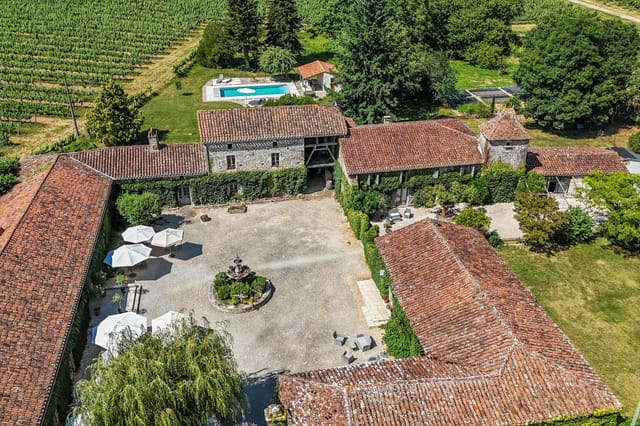
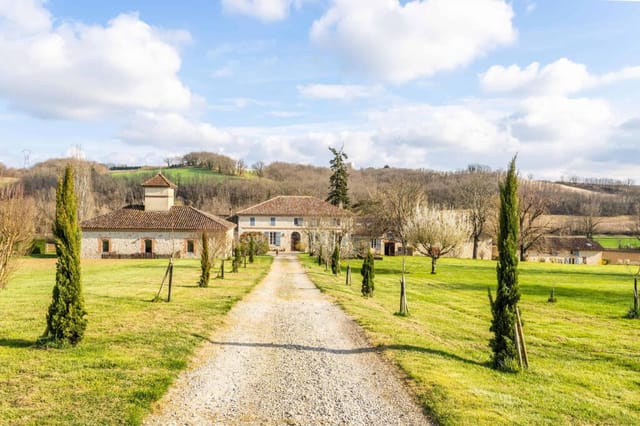
Step outside on a Tuesday morning in late September, coffee in hand, and look south from the upper terrace. The Lot Valley rolls away beneath you — golden light catching the limestone cliffs above the river, a combine working a distant field, and not a single rooftop interrupting the view. That's the daily reality of owning this 327-square-metre stone chateau outside Puy-l'Évêque, one of the most quietly compelling towns in the whole of southwest France. This isn't a property that announces itself loudly. It earns your admiration slowly — first the circular driveway curving through centuries-old cypress trees and clipped box hedging, then the sight of the main house itself, all honey-coloured stone and shuttered windows, set against a backdrop of pasture and woodland that stretches across 11.5 hectares of completely private grounds. No neighbours visible. No road noise. Just the occasional woodpigeon and the wind moving through the trees. The house reads differently room by room, which is part of what makes it so liveable. The kitchen is the anchor — high-ceilinged, stone-walled, fitted with built-in appliances but generous enough in scale that it never feels clinical. This is a room where you cook a cassoulet from scratch on a wet November afternoon, where guests inevitably end up congregating with wine glasses before dinner is even close to ready. A large living room runs off it, wooden floors worn to a warm patina, a marble fireplace at one end, French doors opening directly onto the garden. On summer evenings, that threshold between inside and outside basically disappears. A second sitting room, anchored by a stone fireplace with a wood-burning stove, is the kind of space that gets used hard in winter — darker, cos ... click here to read more

Picture 1

Sunday morning in the Quercy Blanc, and the only sound you can hear is the wind moving through the old walnut trees at the edge of the garden. No traffic. No neighbors. Just the particular silence that rural southwest France does better than almost anywhere else in Europe — the kind that makes city people stop mid-sentence and just listen. That's the daily reality of owning this 18th-century stone house outside Civray, and once you've felt it, a weekend here starts to feel less like a holiday and more like the life you should have been living all along. The house itself has had an exceptional steward. A designer owner poured serious money and craft into the restoration, which means you get the bones of a genuine 18th-century farmhouse — original terracotta floor tiles worn smooth by two centuries of use, exposed stone walls that stay cool even in July, a fireplace that fills the main living space with the particular smell of a wood fire on an October evening — combined with a kitchen that's genuinely modern and bathrooms that don't ask you to sacrifice comfort for character. That combination is rarer than it sounds. Most period properties in this part of France sit at one extreme or the other: either over-renovated into something generic, or authentically historic and functionally difficult. This one hits the balance. At 230 square meters, the layout is generous, and it's been configured with real intelligence. The property currently operates as two interconnected dwellings, separated by an internal doorway that can stay open or closed depending on who's visiting and when. The main section is a one-bedroom home with cathedral ceilings that make the space feel vast, a superb stone fireplace as the focal point, and a mod ... click here to read more

Picture 1

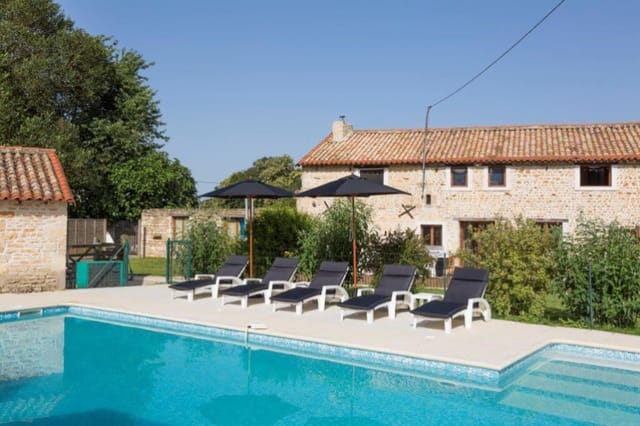
Sunday morning in Lorigné moves slowly. The kind of slowly you forget exists until you're standing barefoot on warm stone tiles, coffee in hand, watching mist lift off the fields while the pool thermometer already reads 28°C. By nine o'clock, the gîte guests are starting to drift toward the communal terrace, kids are splashing, and the scent of someone's croissants browning in an oven cuts clean through the morning air. This is the rhythm this property runs on — unhurried, productive in its own way, and deeply, genuinely French. Set in the commune of Alloinay in Deux-Sèvres, this 460-square-metre estate sits in the green heart of Poitou-Charentes, a region that doesn't shout. It earns attention quietly — through its cognac-country cousins to the southwest, the Marais Poitevin wetlands just forty minutes east (nicknamed the Green Venice of France for good reason), and a pace of rural life that has attracted a steady stream of northern European second-home buyers for the better part of three decades. The property itself is a compound in the truest sense: a fully renovated main residence with its own private heated pool, and a separate five-gîte complex operating as a going concern, sleeping up to 27 guests at peak capacity. Walk into the main house and the renovation speaks for itself without needing to brag. The ground floor opens into a wide kitchen and living space that handles a crowd comfortably — the kind of room where a dinner party for twelve doesn't feel squeezed. A separate lounge gives you somewhere to escape when you want it quieter. Underfloor heating runs throughout the ground floor, backed up by two log burners that turn January evenings into something you actually look forward to, and an air-source heat p ... click here to read more

Picture 1

Stand on the terrace on a still morning and all you hear is water. The mill pond catches the early light, dragonflies hover just above the surface, and somewhere in the old dovecote above you, something rustles. This is a property that slows time down—a genuine stone mill house with working sluice gates, wild grounds stretching over two hectares, and a silence so complete it takes a few days to fully settle into. Cordes-sur-Ciel sits about fifteen minutes up the road, its medieval bastide streets rising above the Cérou valley like something out of a fever dream. This 13th-century hilltop town—built by Raymond VII of Toulouse—draws visitors for its Gothic architecture, summer arts festival, and the kind of views that make people cancel their return flights. But you're not in Cordes. You're down in the valley, at the end of a long private driveway, in your own world. That distinction matters more than it might sound. The mill house itself covers 166 square metres of living space, built from the local warm-toned stone that defines Tarn architecture. It's been renovated thoughtfully—nothing stripped out for the sake of modernising, nothing left crumbling for the sake of authenticity. The original millstone greets you in the east entrance hall, and the bones of the building have been respected throughout. Three bedrooms, two bathrooms, a large fitted kitchen-diner with south, east, and west-facing views that stretch across the grounds, and a proper living room with a wood burner that earns its keep come November. The layout splits naturally between two wings. The west side, where the dovecote and barn have been incorporated, is where daily life happens: you enter from a terrace overlooking the mill pond, step into the kitc ... click here to read more

Picture 1

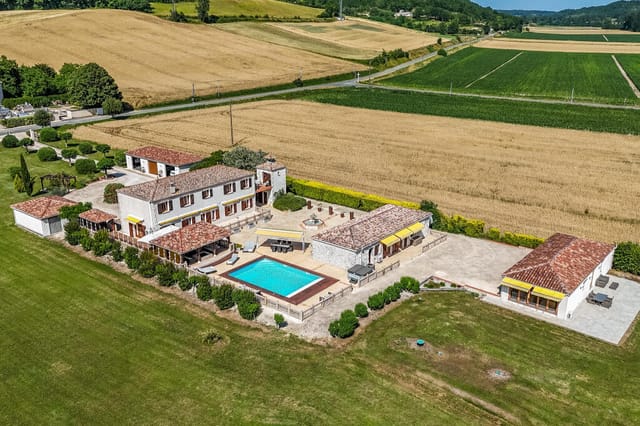
Stand on the terrace on a clear July morning and you can see the entire silhouette of Tournon-d'Agenais sitting up on its ridge—the church tower, the medieval ramparts, the rooftops catching the early light—while down below you, the saltwater pool glints and the Lot-et-Garonne countryside rolls away in every direction without a neighbor in sight. That view is the first thing you notice. It won't be the last thing you remember. This is a serious property. A 19th-century stone farmhouse of 297 square meters, a fully renovated guest cottage, a massive old tobacco barn, multiple outbuildings and workshops, a ten-car garage, and nearly two hectares of established gardens—all sitting behind a gated entrance on a quiet rural lane just minutes from one of the most photographed bastide towns in Aquitaine. Properties that combine this scale, this condition, and this setting in Lot-et-Garonne come along rarely. This one is move-in ready. The renovation has been thorough and thoughtful rather than cosmetic. Travertine floors run throughout the main house, cool underfoot in summer and warmed from below by an efficient heat pump system in the cooler months. Exposed stone walls and original oak beams have been kept exactly where they should be—everywhere—while the infrastructure underneath has been quietly modernized: double glazing throughout, an air circulation system, underfloor heating, radiators as backup. The bones of the 1800s, the comfort of the present. The main living space opens into a generous open-plan room with a soaring mezzanine above and wide glass doors that fold back onto the terrace. On a warm evening this isn't a room that ends at a wall—it spills outside. The covered dining room with its summer kitchen is where ... click here to read more

Picture 1

On a clear morning in Tournon-d'Agenais, you wake up to the sound of nothing. No traffic, no sirens — just wood pigeons in the oak trees and the soft creak of timber beams warming in the sun. You pull open the shutters of the renovated 19th-century farmhouse, and twenty-one hectares of meadow and woodland roll out in front of you, framed by dry stone walls that have been standing here since before Napoleon. This is what you came for. This six-bedroom rural estate in the Lot-et-Garonne sits in one of the most quietly coveted corners of southwest France — Aquitaine country, where the plum orchards outnumber the tourists and the pace of life is something you have to consciously slow down to match. Tournon-d'Agenais itself is a bastide village perched on a hilltop ridge, its medieval arcades and covered market square unchanged in their bones for centuries. On Tuesday mornings the market fills with local producers selling Agen prunes, foie gras, Marmande tomatoes, and wine from Buzet and Duras. You can walk there, buy what you need for dinner, and be back at the pool before noon. The estate is made up of three distinct structures spread across 21 hectares of mixed pastureland and woodland. The centrepiece is the meticulously restored timber-framed farmhouse — four bedrooms, a modern kitchen that still feels like it belongs to the building, and an open living area anchored by a wood-burning stove that makes January evenings genuinely worth looking forward to. Pellet heating and a heat pump keep everything efficient year-round, and the aluminium windows and doors — contemporary without being jarring — bring in the kind of unobstructed countryside light that interior designers spend fortunes trying to fake. There's also a larg ... click here to read more

Picture 1

On a still July morning in Beauville, the kitchen window frames a view that looks like it was painted rather than photographed — rolling hills striped with sunflower fields, a pocket of woodland, a sky so blue it almost seems theatrical. You make coffee on the balcony off the main kitchen and hear nothing except wind moving through the linden trees below. No traffic. No sirens. Just that particular French country quiet that city people pay a lot of money to find, and usually don't. This is a rare one. A 19th-century stone house built for a local merchant who clearly had opinions — Bordeaux-faced stone door surrounds, hand-cut corner stones, proportions that tell you the builder wasn't cutting corners in any direction. The property has been in the hands of owners who understood what they had, and the restoration they've carried out is the kind that respects original character rather than erasing it. Exposed limestone walls, heavy timber beams, terracotta-tiled floors worn smooth by a couple of centuries of footsteps. It feels old in the right way — solid, warm, rooted. The main house runs across 251 square metres and lives well across its five bedrooms. The sitting room anchors the ground floor, large and unhurried, centred on a log-burning stove that earns its keep from October through to March when the Lot-et-Garonne mornings carry a real bite. The fitted kitchen is modern in the practical sense — properly equipped, well-designed — and opens onto a balcony where the habit of morning coffee will become a daily ritual you'll plan your whole schedule around. Double glazing throughout, solar panels, a heat pump, and oil heating mean running costs are sensible and the property is comfortable in every season, not just the p ... click here to read more

Picture 1

On a still morning in Friesland, you step off the wooden deck behind your chalet, untie the bow line, and push out onto open water before most of the world has had breakfast. The Langweerderwielen stretches ahead of you — a silver mirror of sky and reed beds, dragonflies hovering at the hull. This is the rhythm of life at Langwarderdyk 6-18, and it takes about four hours before you stop looking at your phone. Sint Nicolaasga sits quietly in the Frisian lake district of the Netherlands, a stretch of lowland water country that has been drawing sailors, cyclists, and nature obsessives for generations — not because anyone marketed it hard, but because it earns the devotion on its own. The famous Frisian Eleven Cities route passes through this region. The Sneekweek regatta, one of Europe's largest inland sailing events held each August in nearby Sneek, fills the waterways with white sails every summer. Come winter, when temperatures drop and the canals freeze, locals strap on their schaatsen and skate point-to-point between villages on routes unchanged for centuries. Owning a second home here isn't about a postcard view — it's about plugging into a way of life that genuinely slows time down. The chalet itself was built in 2011 in the form of a classic Dutch farmhouse, small in footprint but full of character. The thatched roof — a proper patent thatching — sets it apart from the moment you arrive, and it wears the surrounding Vegelin Woods like a natural backdrop. This is one of only 18 chalets in the complex, a deliberately small-scale arrangement that keeps the atmosphere close to private. No sprawling holiday park energy here. At 42 square metres across the ground floor, every centimetre has been considered: vinyl floori ... click here to read more

Front view of the thatched chalet

Stand in the doorway of this old granite farmhouse on a quiet morning in Santiago de Cassurrães and you'll hear almost nothing. A rooster somewhere up the hill. Wind moving through the vines along the stone wall. That kind of silence is increasingly rare in Europe, and in Beira Alta, Portugal's quietly compelling interior heartland, it's still the default setting. This 436-square-metre farmhouse in Mangualde is a genuine renovation project — no pretense, no cosmetic dressing. The bones are solid, built in the regional tradition with thick granite walls that keep the interior cool through July and August without a single air conditioning unit running. What you're buying is raw potential on a significant footprint, at a price point that would barely cover a studio apartment in Lisbon or Porto. At €125,000, this is one of those rare moments where the math and the lifestyle align. The village of Santiago de Cassurrães sits just outside Mangualde itself, a historic market town that most international visitors skip entirely on their way between Viseu and Guarda. That's their loss and your gain. Mangualde's weekly Thursday market on Rua do Comércio has been running for centuries — it's where local farmers still bring freshly pressed olive oil, cured presunto from the Serra da Estrela foothills, and wheels of queijo da serra wrapped in cloth. You don't have to go far or try hard to eat well here. It just happens. The surrounding Dão wine region produces some of Portugal's most food-friendly reds, made from Touriga Nacional and Tinta Roriz grapes grown on the granite-rich soils of the Mondego valley. The Quinta da Pellada and Solar de Ansiães wineries are both within a 20-minute drive. On a Saturday afternoon, bringing a few b ... click here to read more

Picture 1

On a still morning in Lot-et-Garonne, you wake to the sound of absolutely nothing — no traffic, no sirens, just the occasional wood pigeon in the oak trees and the faint creak of old stone settling in the warmth of a rising sun. Step through the kitchen doors onto the raised deck with your coffee, and the land rolls away before you in every direction: sunflower fields, vine rows, a patchwork of green that shifts colour through the seasons. This is what 3.87 hectares of southwest French countryside looks like when it's yours. And it's considerably more than most people dare to imagine they could own. This 19th-century stone farmhouse complex in Montastruc — a quiet village tucked into the hills of Lot-et-Garonne, just south of the Dordogne border — is one of those rare properties that has genuinely been lived in and loved. Not flipped, not staged. The current owners have run a successful gîte business here for years and simply decided it was time to slow down. That means everything is already working. The guests have been coming. The infrastructure is in place. You're not starting from scratch. The principal house is where the story begins. Three bedrooms, contemporary interiors that don't try too hard — oak flooring in the main suite, built-in wardrobes you'll actually use, air conditioning for the deep heat of August, and an en suite bathroom that feels finished rather than rushed. The sitting room has a log-burning insert stove for January evenings when you want nothing more than a bottle of Côtes du Marmandais and a slow dinner. The kitchen is properly equipped: range stove, Belfast sink, wood worktops, modern fittings. There's a large covered terrace for long lunches that drift into the late afternoon, and a second ... click here to read more

Picture 1

There's a particular kind of quiet you only find in the deep Poitevin countryside — the sort that isn't silence so much as a conversation between wind, birdsong, and the occasional church bell rolling over from the village. Standing on the elevated terrace of this former railway gatekeeper's house in the hamlet of Logerie, that quiet settles over you fast. And then you start wondering why you ever lived anywhere else. This is a genuinely rare find. The house was originally built to serve the old railway crossing that once ran through this corner of the Vienne department. The line closed decades ago, and in its place grew a green corridor — a long, tree-lined walking and cycling track that now stretches peacefully past the garden boundary. The history didn't disappear; it just got quieter. On mornings when the light comes in low and gold through the kitchen window, you can almost imagine the old gateman stepping out to wave down a steam locomotive. The property itself sits in good condition throughout, updated thoughtfully without gutting the period character that makes it worth caring about. The kitchen is the obvious centrepiece — a proper farmhouse-style space fitted with shaker-style units, deep work surfaces, and enough room to actually pull a chair up and eat in there without anyone feeling cramped. It looks out over the enclosed garden, which means you catch the changing light across the grounds while you're making coffee. That matters more than you'd think. Original wooden floorboards run through the living room, worn in just the right places. A wood-burning stove sits in the corner, which gets genuinely useful in December when the Vienne valley gets a proper chill, and a discreet air conditioning unit handles ... click here to read more

Picture 1

Sunday morning in the Quercy Blanc and the kitchen smells of coffee. The French doors are already open—you pushed them wide at seven, when the air was still cool and the light was doing something extraordinary across the stone terrace. Somewhere beyond the garden wall, a tractor moves along the lane. That's it. That's the whole soundtrack. This 1849 stone farmhouse, converted from a traditional barn into a single-storey country home of real distinction, sits in a quiet hamlet just outside Montcuq-en-Quercy-Blanc, and life here moves exactly the way you always hoped it might. The house itself is 158 square metres of considered, unhurried living. It was clearly converted by people who understood what to keep and what to update. The original stone walls stayed. So did the heavy oak beams overhead in the living room, where a wood-burning stove sits inside a proper fireplace—the kind you actually want to light in November, not just look at. Travertine floors run throughout, cool underfoot in July, warmed by the gas central heating when the Lot valley turns grey in January. French doors open from the living room onto a covered stone terrace: evening drinks territory, with views across the gardens as the light fades behind the oak trees. The kitchen is the kind that makes you cook differently. Granite countertops, bespoke oak cabinetry, integrated appliances that stay out of sight, and another set of French doors—these ones facing a second covered terrace framed by original stone pillars. Lunch out there in late September, with figs from the garden and a bottle of Cahors Malbec, is not a hypothetical. It's just a Tuesday. Both bedrooms in the main house are genuinely well-proportioned and finished with the same restraint you ... click here to read more

Picture 1

Picture this: you wake up on a Tuesday morning, slide open the terrace door, and the smell of salt air hits you before you've even had your coffee. The Mediterranean is right there — not a postcard version of it, but the real thing, close enough that you can hear faint waves if the night is quiet enough. This is everyday life in Calahonda, one of the most genuinely liveable pockets of Mijas Costa, and this three-bedroom villa with its own pool and an active tourist licence is your entry point into it. Calahonda doesn't get the same breathless press as Marbella or Puerto Banús, and that's honestly part of its appeal. It has the infrastructure without the circus. The Cala beach is a short walk from the front door — not a vague "short walk" either, but the kind where you're there in five minutes with a beach bag over your shoulder. Along the way you pass proper neighbourhood spots: El Oceano and a handful of smaller family-run chiringuitos where grilled dorada and cold Alhambra beer are still the main event, not an afterthought on a menu full of truffle fries. The villa itself sits in a quiet residential zone that benefits from 24-hour private security — something that matters quite a lot when you're planning to spend portions of the year back home in London, Stockholm, or Amsterdam. You're not buying into a fortress, just a calm street where people actually live. The garage is private, the pool is private, and the rooftop solarium is yours alone. That rooftop is worth pausing on. On clear days — and there are over 300 of them annually on the Costa del Sol — you get partial sea views from up there that shift in colour from pale morning silver to that deep Andalusian gold you see in the late afternoon. It's where you'll en ... click here to read more

Picture 1

Sometime around mid-morning, when the market stalls on the Place de la Truffière are still busy and the smell of fresh bread from the boulangerie on the main street drifts up through the valley, you step out of those iron gates onto one of Puy-l'Évêque's ancient limestone lanes. Coffee in hand. Nowhere urgent to be. That's the daily rhythm this place offers — and it's hard to put a price on that, though someone has, and it's €699,500. Built in 1769 and standing with the quiet confidence of something that has outlasted a lot of history, this maison bourgeoise sits right in the beating heart of one of the Lot Valley's most photogenic villages. Ten bedrooms. Seven bathrooms. A proper working courtyard. An adjoining mill with original machinery still intact. A pigeon tower. A heated pool. And a walled garden where lunch has a habit of becoming dinner without anyone particularly minding. Let's start with the main house, because it earns the attention. The stone staircase alone — worn smooth by centuries of use — sets the tone. Vaulted ceilings arch overhead in the ground-floor rooms, original fireplaces anchor the principal spaces, and the panelled doors and beamed ceilings give the whole place a warmth that no amount of interior design budget can manufacture from scratch. The kitchen manages the old-and-new balance well: modern fitted units and integrated appliances sit alongside an 18th-century built-in cupboard and a log-burning range cooker. It's practical and full of character in equal measure. The kind of kitchen where someone actually cooks, rather than just poses in. The two separate annexes are where things get genuinely interesting for buyers thinking about rental income or multigenerational living. The pigeon to ... click here to read more

Picture 1

The first thing you notice on a summer morning here is the silence. Not the dead kind — the alive kind. Swallows cutting arcs above the terrace, a faint breeze moving through the cork oaks, the pool's surface catching early light and throwing it back in slow gold ribbons. This is Santo Estêvão, a world away from the crowded beach resorts most people think of when they hear "Algarve," and this five-bedroom estate sitting on over 37,000 square metres of private countryside is exactly the kind of property that makes people rethink everything they thought they knew about where to put down roots in southern Portugal. Tavira is twelve minutes by car. That matters more than it might sound. Tavira regularly tops lists of Portugal's most liveable small cities, and unlike the resort towns further west along the EN125, it keeps its own pace. The Tuesday market on the riverbank spills into the surrounding streets — vendors selling blood oranges, smoked sausages from Alentejo, dried figs still on the branch. The Roman bridge over the Rio Gilão connects the old Moorish quarter to the newer town, and on weekend evenings, locals and expats alike fill the outdoor tables at Quatro Águas, eating whole grilled sea bream so fresh it still tastes of the Atlantic. Living near Tavira means being close to real Portuguese life, not a simulation of it. The estate itself sits behind full perimeter fencing on a plot large enough to feel genuinely rural — distant vineyard rows visible from the upper terrace, the scent of wild rosemary and cistus drifting in from the scrubland edges in late spring. Three sets of French doors open the main living space entirely to the outside, so that on the nine months of the year when the Eastern Algarve enjoys rel ... click here to read more

Picture 1

On a warm evening in the Lot Valley, the kind where the light turns gold and lingers far longer than it has any right to, you sit on a travertine terrace beside a saltwater pool, glass of Cahors Malbec in hand, and the only sound is the splash of water against stone and the faint rustle of your own vines in the breeze. This isn't a fantasy. This is Tuesday at this 18th-century wine estate in Vire-sur-Lot — a village tucked into the rolling valleys above the Lot River, where the limestone cliffs glow amber at dusk and the pace of life has been gloriously unhurried for centuries. This is not a weekend cottage. It is a working estate — a genuine, fully operational hospitality business sitting on 1.5 hectares of private grounds — that happens to also be one of the most compelling pieces of historic architecture in the Cahors wine country. The main building alone spans 384 square metres of residential and gîte space, with a further 373 square metres dedicated to a restaurant and coffee shop that has built a real reputation in the region. Add a 123-square-metre shell ready for renovation, multiple outbuildings, and a courtyard with a central fountain that feels ripped from a Provençal novel, and the scale of what's on offer starts to sink in. The restaurant is the soul of the place. Industrial-grade kitchen, working stone fireplace that draws a crowd on winter evenings, a wine cellar that earns its keep, and a vast partly-vaulted lower floor that adds a theatrical quality to the dining experience. Double glazing throughout, heat pump heating and air conditioning — the bones are solid, the systems are modern, and the business runs. That matters. Previous owners didn't just restore this estate lovingly and expensively; they ma ... click here to read more

Picture 1

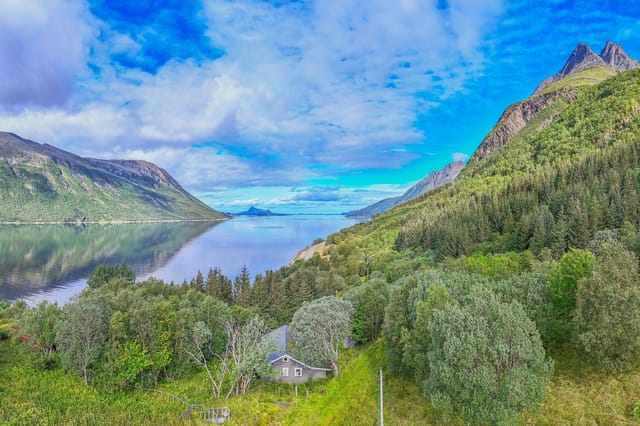
Step outside at seven in the morning, coffee in hand, and the fjord is already doing something extraordinary. The light hits the water between Liatinden and Hestmannen at an angle that photographers drive hours to catch — and from the wraparound terrace at Brattlandsbakken 36, you're just standing there in your slippers watching it happen. That's the everyday reality of this two-bedroom chalet in Aldersundet, a quiet coastal community tucked along the Helgeland coast of northern Norway, where the sea is about a hundred meters from your front door and the mountains frame every single window. Built in 2000, the cabin sits on a gently sloping 954-square-meter owned plot surrounded by natural vegetation that keeps things private without feeling hemmed in. It's not a large property — 76 square meters of interior space — but it's been designed with real intelligence. The open-plan kitchen and living area draws in light through generously sized windows, and the vaulted ceiling stops it from ever feeling cramped. When the evening drops in autumn and the temperature follows, the wood-burning stove in the living room becomes the gravitational center of the place. Everyone drifts toward it. Conversations stretch long. That's the kind of cabin this is. The kitchen is functional in the best Scandinavian way: a freestanding gas stove, a charcoal-filter ventilator, profiled wooden cabinet fronts, and a laminated worktop that's seen enough fish dinners to tell stories. No frills, but everything you actually need. The two bedrooms on the main floor both have wooden panel finishes — warm, unpretentious, genuinely cabin-like — and one is set up for bunk beds, which matters if you're bringing the whole family or a group of friends for a s ... click here to read more

Front view of the cabin at Brattlandsbakken 36

Stand at the kitchen window on a Tuesday morning and count the things that feel surreal: the mist still sitting in the valley below, the Garonne glinting somewhere beyond the treeline, your horses grazing quietly in the electric-fenced paddocks, and the smell of coffee drifting up through those cathedral ceilings while the Smeg range ticks as it cools. This is not a fantasy built on renovation promises. It's already done. The current owners spent years and serious money bringing this place back to what it clearly always wanted to be—and they got it right. The principal manor stands as the heart of a full 8.5-hectare country estate in the Tarn-et-Garonne, just outside one of France's most fiercely loved medieval villages: Auvillar, which the Association Les Plus Beaux Villages de France admits to its list for good reason. The circular covered market hall at the top of the village, the terracotta-roofed houses tumbling toward the Garonne, the Saturday morning producers' market where locals argue affectionately over tomatoes—all of that is minutes away by car, or a decent bike ride on a morning when time doesn't matter. The stone manor itself carries that particular weight that only comes from centuries of occupation. The hallway alone—genuinely one of the finest in the whole département, not an idle boast—sets the tone before you've even turned a corner. Original tiled floors, paneled doors with their original ironwork, exposed stone walls that hold the cool in summer and radiate warmth in winter. The sitting and dining room has a log-burning stove and a beamed ceiling high enough that you stop noticing it, which is somehow the mark of a ceiling done right. The fitted kitchen is modern without being apologetic about it—S ... click here to read more

Picture 1

Stand at the French doors of this stone farmhouse on a July morning and the view hits you before the coffee finishes brewing — a rolling sweep of sunflower fields, all turned east, soaking up the early Poitou-Charentes light. Church bells carry from the village center just ten minutes on foot. The air smells of warm grass and something vaguely of lavender from the neighbor's garden. This is not a postcard. This is a Tuesday. Set in a quiet hamlet in the commune of Champniers in the Vienne department, this fully renovated stone farmhouse sits on 3,208 square meters of land and does something rare in the French countryside property market: it genuinely earns the word versatile. Three distinct buildings on one plot. A main house with soul, a ready-to-let gîte with its own wood-fired hot tub, and an independent stone structure currently serving as an art studio — but with serious potential as a second rental unit. For buyers who want a vacation home in rural France that also pays for itself, this is the kind of find that doesn't come around often. The main house is where you feel the bones of the place. Exposed limestone walls, original oak beams overhead, a pellet stove doing quiet work in the corner on cooler autumn evenings. The ground floor opens into a generous living, dining and kitchen space — the kind of layout that naturally pulls people together. Large double-glazed French doors spill onto a south-facing terrace, and from there the garden opens up into fruit trees and countryside views with no other rooftop in sight. Downstairs there's a bedroom with a freestanding bathtub — the sort of thing that stops house hunters in their tracks — plus a separate WC. Upstairs, a second bedroom connects to its own shower room. ... click here to read more

Picture 1

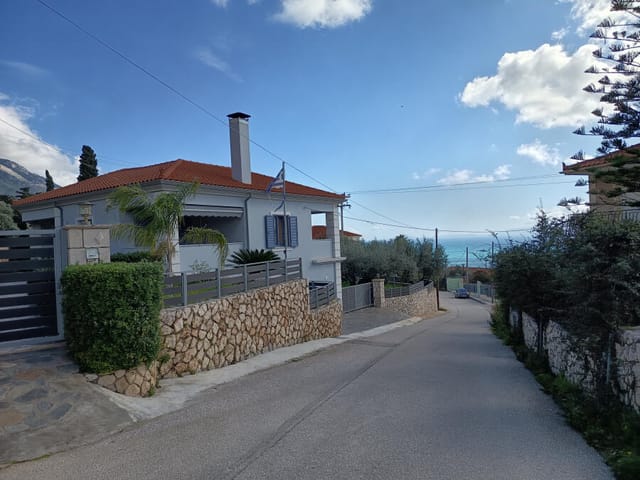
Stand on the balcony at seven in the evening and watch the sun drop behind the headland above Lourdas beach. The Ionian turns amber, then deep pink, then something that doesn't quite have a name. This is the view from the upper terrace of this five-bedroom estate in Vlachata Ikossimias — and it happens every single night. Cephalonia is not your average Greek island. It's bigger, wilder, and far less overrun than Mykonos or Santorini. The roads cut through dense fir forests on the way up to Mount Ainos, past villages where old men still play backgammon outside kafeneions that haven't changed since the 1970s. Down near the coast, the water at Lourdas is the kind of transparent turquoise that makes you stop and stare, even if you've been coming for years. This particular property sits just above that beach — close enough to hear the faint sound of the sea on still summer mornings, far enough uphill that you get the view without the tourist noise. The main residence covers 150 square metres across a single detached house, fully renovated and ready to move into without lifting a screwdriver. Walk through the front door and you're immediately in an open-plan living space anchored by a proper stone fireplace — not decorative, genuinely useful during the crisp Kefalonian winters when temperatures dip and you want nothing more than to light a fire and open a bottle of local Robola wine. The kitchen is separate, which anyone who's tried to cook a real meal in an open-plan space will appreciate. Three bedrooms sit across the main floor, and the whole layout has the ease of a home that was designed for family life rather than a holiday brochure photoshoot. Two independent ground-floor apartments — each 35 square metres, each newl ... click here to read more

Picture 1

On a still Tuesday morning in the Quercy Blanc, the kind where the mist sits low over the valleys and slowly burns off by nine, you can stand on the wisteria-draped terrace of this 1880s stone farmhouse and watch Lauzerte materialize above you on its hilltop like something from a medieval illustration. The bells from the village church drift down. A rooster somewhere across the lane. Then silence, proper silence, the kind cities charge a premium to simulate. This is what 515,000 euros buys you here: not just 230 square metres of meticulously renovated stone and timber, but a completely different pace of life, tucked into one of France's most quietly celebrated corners. The property started life as a duck farm—canard, naturally, this being Tarn-et-Garonne—and the bones of that agricultural past still give the place its character. Stone walls half a metre thick keep the interior cool through the height of a Quercy summer without any help from the air conditioning. Original ceiling beams, darkened by a century and a half of cooking fires, run the length of the main living room, where a substantial fireplace fitted with a wood-burning stove becomes the social centre of the house from October through March. The fitted kitchen is properly equipped with integrated appliances, but the tiled floors and exposed stone walls make sure it doesn't feel clinical. This is a house where you actually want to cook, and given that Lauzerte sits at the heart of foie gras, cassoulet, and Cahors black wine country, that instinct will be well rewarded. The layout across three bedrooms and three bathrooms gives visiting family or friends their own space and dignity. The master suite has an en-suite bathroom and a dressing room—not an aftertho ... click here to read more

Picture 1

Step outside on a Tuesday morning in Svoronata and you'll hear roosters before car engines. Walk 670 meters downhill through olive groves and you're standing on the rust-red sand of Ai Helis beach, watching the Ionian Sea go through its first color change of the day — deep violet shifting to that impossible electric blue that Cephalonia somehow pulls off by 9am. This is the kind of place people mean when they say they want to "escape," but then actually stay. Permanently. This six-bedroom house on a 3,826 square meter plot in the Livathos region of Cephalonia is one of those rare finds that works on multiple levels at once — literally and figuratively. The upper floor functions as a generous private residence: three bedrooms, a full living room, and a kitchen, all oriented toward the sea with unobstructed views that stretch across the Ionian toward the Peloponnese on clear days. Sit at the kitchen table with a Greek coffee and watch the ferries move in and out of the distance. No effort required. The view simply arrives. Below that, on the ground floor, are three independent apartments — each 38 square meters — fully renovated in 2020 and ready to rent from day one. These aren't afterthoughts or cramped add-ons. They're proper, self-contained units that have already attracted seasonal guests in the years since their renovation. The math here is simple and compelling: three apartments in a high-demand area within walking distance of a beach, minutes from the airport, means your investment works while you sleep. Or while you're back home between visits. Greece's short-term rental market, particularly on the Ionian Islands, runs hot from May through October, with Cephalonia consistently pulling international visitors draw ... click here to read more

Picture 1

On a Sunday morning in Castelsagrat, you wake to the smell of bread from the boulangerie two doors down. Not the supermarket kind — the kind where the baker has been up since four, and the baguettes are still warm when you tuck them under your arm on the way back. That's not a lifestyle you manufacture. That's just Tuesday here. This 160-square-metre stone house, built around 1700 and sitting on a quiet alley in the heart of one of Tarn-et-Garonne's most genuinely loveable villages, has been renovated by its current owners with the kind of obsessive care that you either recognise immediately or hear about later when someone tells you what it cost. Everything works. Everything fits. And yet none of it feels like a renovation show — it still feels like a house that's been lived in for three centuries, because it has. Step through the oak front door and the exposed stone does the talking. Thick walls, cool in summer, slow to lose heat in autumn. The open-plan kitchen, dining and living space at the heart of the house is where the day happens — a well-equipped contemporary kitchen with integrated appliances opens directly through glazed doors onto a private courtyard. Out there: a covered terrace, a built-in barbecue, and the particular pleasure of eating outside in the Gascon sun from June through September without ever needing to explain yourself to anyone. The wood-burning stove in the main living area earns its keep from October onward. The separate lounge, with its traditional stone fireplace and original tiled floor, is for reading, for wine, for the kind of quiet that's harder to find than people think. A grand entrance hall with walnut stairs leads up to three bedrooms, each with built-in wardrobes, and the landin ... click here to read more

Picture 1

Step outside on a February morning and you're already on the trail. Skis on, the prepared cross-country tracks of Eggedalsfjella stretch ahead of you through birch and pine, the only sound the rhythmic glide of your own movement and the muffled silence that only deep Norwegian snow can produce. Back inside thirty minutes later, the fireplace insert is crackling, coffee is on the solid wood countertop, and the enclosed veranda outside the terrace door holds just enough frost to make staying in feel like the right decision. This is Fagerlitjenn 34, a three-bedroom mountain chalet in the Fagerlifeltet cabin area of Eggedal, sitting at roughly 780 metres above sea level in the Numedal valley region of Viken county. The cabin is compact — 59 square metres of total usable space — but the layout wastes nothing. Painted wood panelling runs throughout, exposed ceiling beams overhead, and the whole interior reads as genuinely Norwegian rather than a catalogue approximation of it. The living room anchors the plan around the fireplace, and it earns that central role: on cold evenings in October or March, this is where everyone ends up. A terrace door opens directly to the enclosed veranda, finished with slate tiles and fitted with custom bench seating around the perimeter. Rain or shine, it's a usable outdoor room. The kitchen sits open to the dining and living area, which makes the space feel larger than the footprint suggests. Profiled cabinetry, a wood countertop, stainless steel extractor. Nothing flashy, but everything functional and in good condition. The dining table gets the window seat, looking out toward the natural plot — 850 square metres of grass, heather, and the kind of undisturbed forest edge that suburban Norway c ... click here to read more

Welcome to Fagerlitjenn 34. Photo: Viken Fototjenester v/ Eirik Andersen

Step outside on a February morning and the silence hits you first. Not the absence of sound, but a real, physical quiet — broken only by the creak of fresh snow underfoot and the distant hiss of a groomed ski trail cutting through the white. From the wraparound terrace at Teigeveien 207, the Numedal mountains roll out in every direction, and the only decision you need to make before noon is whether to clip into your skis or pour another coffee. This is Tempelseter. Sitting at roughly 970 metres above sea level in Eggedal, a valley in Numedal that most international buyers haven't yet discovered, this is the kind of Norwegian mountain address that Scandinavian families fight over between generations. The terrain is open and high — none of the claustrophobic treeline that swallows up lower cabins — which means the light here is extraordinary. In summer, the sun tracks a long arc across the sky and falls directly on the south-facing terrace well into the evening. In winter, the snowpack is deep, reliable, and right on your doorstep. The nearest groomed cross-country trail is about 100 metres from the front door. That's not a selling point — that's a way of life. The chalet itself is 120 square metres of considered mountain architecture, built in the Norwegian hytte tradition with visible timber framing, wood-panelled walls, and ceilings that feel warm rather than heavy. This isn't a reconstructed barn or a developer's flat-pack. The craftsmanship shows in the details: solid wood countertops in the kitchen, Jøtul wood-burning stove anchoring the living room, aspen and heat-treated aspen in the sauna. Materials chosen for longevity, for texture, for the way they age well. The open-plan kitchen and living area is where the ... click here to read more

Privatmegleren via Svein Liavaag presents Teigeveien 207! Photo by Kasper Van Wallinga.

On a still morning in Sistels, the only sounds you'll hear are birdsong and the faint creak of an old wooden shutter catching the breeze. Step out through the French doors and the Tarn-et-Garonne countryside stretches in every direction — rolling fields, fruit trees heavy with plums, and a sky so wide and unhurried it makes you wonder why you ever thought city life was enough. This is the kind of place that recalibrates you. This 18th-century stone and brick barn conversion sits at the edge of a genuinely quiet village in Midi-Pyrénées — not the manicured quiet of a tourist brochure, but the real kind, where neighbours wave and life moves at a pace that feels almost radical by modern standards. Set within two hectares of established grounds, the property has been through a serious, full-scale renovation by its current owners. New roof, rewired, replumbed — the bones are centuries old, but the infrastructure is thoroughly contemporary. It's move-in ready, and it shows. The main house holds four bedrooms. Downstairs, the open-plan living space is the kind of room that makes guests go quiet when they walk in. Full-height ceilings with exposed timber beams, original tiled floors running through the entire ground floor, and a log-burning stove with a back boiler heating system that makes even January evenings feel like something worth staying in for. The fitted kitchen comes with integral appliances and opens directly onto a private courtyard with a covered terrace — shaded at noon, golden at six in the evening, and practically made for long, unhurried dinners. There's also a 53-square-metre room on the ground floor that the current owners use for storage, but frankly it deserves more imagination. Electrics, water, and dou ... click here to read more

Picture 1

Picture this: it's seven in the morning, there's fresh snow on the ground outside, and the wood-burning stove in the living room is already throwing heat. You're standing at the kitchen counter with a cup of coffee, watching the light change over Sirdal's ridgeline through the big living room windows. No traffic noise. Just wind, maybe a distant bird, and the particular silence that only mountain air delivers. This is Haugen 114 in Tjørhom — a solid, well-loved chalet that has been thoughtfully renovated and genuinely earns the title of four-season retreat. Tjørhom sits in the Sirdal valley in Vest-Agder, southwestern Norway — a region that draws outdoor enthusiasts year-round without the overcrowding that plagues more famous Norwegian destinations. The village is small and unpretentious, and that's exactly the point. People come here to actually be outside, not to be seen being outside. The chalet itself covers 77 square metres across a practical, well-considered floor plan. Between 2006 and 2007, the property went through a full overhaul — not a cosmetic refresh, but the kind of deep renovation that matters for a mountain property. The roof was replaced, exterior walls and façade were reclad, all windows were swapped out for modern units, insulation was upgraded, supporting beams were reinforced, the electrical system was entirely renewed, and every plumbing and pipe connection was replaced. That's the stuff that gives a buyer real confidence. What you're getting is a cabin that looks like a cabin but performs like a property that's been properly rebuilt from the bones out. Step inside and the entrance hall does its job well — generous space for ski boots, wet jackets, poles, hiking packs, all the chaotic gear that ... click here to read more

Welcome to Haugen 114 | The cabin is situated on a sunny elevation, close to bathing pools and the Sesilåmi ski trail.

Saturday morning. The Vinkeveense Plassen is already alive with the sound of sailboats clearing the marina, and from the serre at Molenkade 2-C you can watch it all unfold through floor-to-ceiling glass while your Quooker tap fills the kettle in under three seconds. That glass-wrapped conservatory catches the early light in a way that makes you want to linger — and lingering, it turns out, is what this place is built for. Vinkeveen doesn't shout about itself. It's one of those Dutch water villages that locals fiercely protect from the tourist trail, tucked between the Vinkeveense Plassen lakes and the quieter reaches of the Green Heart of Holland. The Plassen themselves are a series of former peat lakes, now a beloved recreational zone where Amsterdam families have kept weekend boats moored since the 1950s. On summer weekends the water turns into a patchwork of white sails and stand-up paddleboards; on a weekday morning in October it's practically yours alone — mist sitting low over the reeds, coots picking their way through the shallows, not a sound from the city that's only 25 minutes up the A2. The bungalow on Molenkade sits on a plot of roughly 1,069 square metres, which in this part of the Netherlands is genuinely rare. Single-level living, a serre that doubles as a year-round garden room, three bedrooms, a garage, and a rear garden that runs straight down to the water. It's classified as a recreational property — which matters practically and we'll come back to that — but in terms of day-to-day comfort, it functions like a proper home. A very good one. The serre is the architectural heart of the place. Large sliding doors open onto the terrace so that in May, when the garden is doing its thing with tulips and th ... click here to read more

Front view of Molenkade 2-C

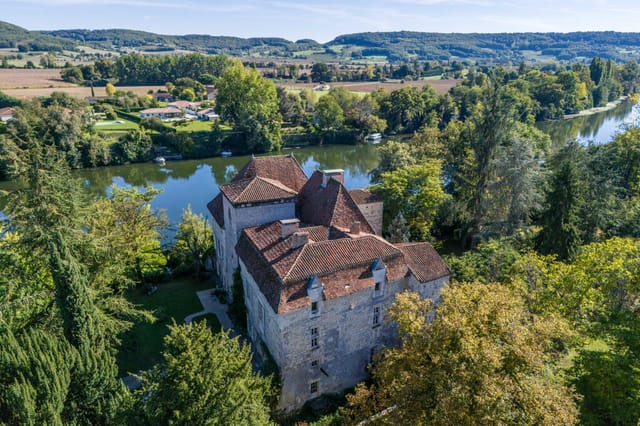
Pour yourself a glass of Buzet — the local red that the vignerons just down the valley have been making for centuries — and picture standing on a wisteria-draped terrace as the Lot River catches the last of the evening light below you. That's the reality of a Tuesday here. Not a special occasion. Just a Tuesday. This is a genuine 13th-century château on the banks of the Lot River in Penne-d'Agenais, one of the most quietly captivating bastide villages in all of southwest France. The kind of place where the medieval ramparts still define the skyline and the Saturday market on the Place Gambetta smells of lavender, duck confit, and ripe Chasselas grapes. The château sits in a commanding riverside position on 16 hectares of parkland — lawns rolling down to the water's edge, specimen trees that predate the French Revolution, and a private mooring that means dinner in Villeneuve-sur-Lot is a 20-minute boat trip rather than a parking problem. Nine bedrooms. Seven bathrooms. 985 square metres of living space that has already been done right. That last part matters. A lot. The story of many French châteaux is a story of promise and decay — romantic ruin slowly bankrupting its well-meaning owners. This one's different. The hard, expensive, unglamorous work is finished. A Viessmann geothermal heat pump buried underground handles the heating efficiently. Every window is double-glazed. Wood-burning stoves anchor the grand reception rooms for the cooler months. The roof is sound, the stone is solid, and the next owner arrives with a glass of Armagnac in hand rather than a contractor's invoice. Inside, the château delivers everything the architecture promises. Stone spiral staircases wind between floors. Ancient terracotta tiles — ... click here to read more

Picture 1

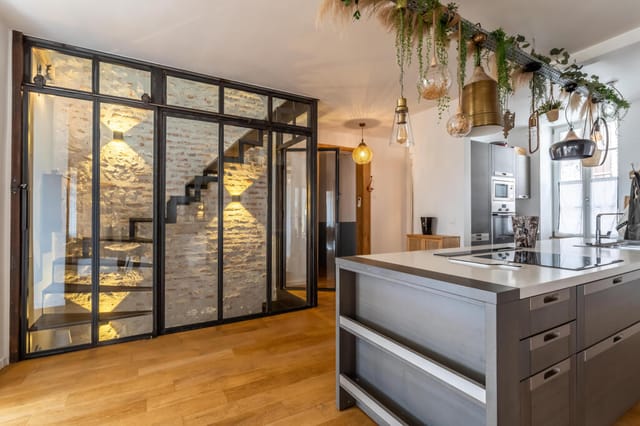
Pull up a chair on the covered terrace as the last of the afternoon light turns the Lot valley amber, a glass of Buzet rouge in hand, the smell of woodsmoke drifting up from the kitchen below. That's Tuesday in Penne-d'Agenais. Not a special occasion — just an ordinary evening in an extraordinary place. This 15th-century stone townhouse sits right in the beating heart of one of the Lot-et-Garonne's most captivating medieval hilltop villages, and it has been renovated with the kind of care and intelligence that makes you forget all the cautionary tales you've heard about old French houses. Let's start with the bones. The walls are thick golden stone, the beams are original and massive, and the architectural soul of the place has been left entirely intact. What's changed is everything else — in the best possible way. Whoever tackled this renovation understood that a house like this doesn't need to be rescued from itself. It just needs the right conversation partner. The result is interiors that feel sharp and considered: a sophisticated kitchen and dining room anchored by a wood-burning stove, an industrial-style steel staircase that threads the floors together with an almost gallery-like confidence, and a living room that manages to feel both historic and genuinely stylish. Four bedrooms upstairs, including a master suite with a walk-in wardrobe — the kind of detail that tells you the renovation was done by people who actually intended to live here, not just flip. Downstairs is where things get genuinely interesting. A stone-lined games and bar room occupies the lower level — vaulted, atmospheric, and the sort of space that earns its name the moment you walk in. Aperitivo hour here is not optional. Then step outside and ... click here to read more

Picture 1

Step out onto the rooftop solarium at nine in the morning, coffee in hand, and the Costa del Sol stretches out before you — terracotta rooftops, umbrella pines, and a silver thread of Mediterranean on the horizon. This is what Tuesday feels like in Estepona. Not a holiday snapshot. An actual life. This three-bedroom, three-bathroom townhouse on the western edge of Málaga province has been renovated from the inside out, and it shows in the kind of detail that photographs don't fully capture — the weight of the doors, the cool solidity of the stone underfoot, the way afternoon light cuts through the terrace at exactly the right angle for a late lunch. At 151 square metres spread across multiple levels, the home has genuine room to breathe, and every floor has been thought through with daily living in mind, not just aesthetics. The main level keeps things social. A wide living room opens directly onto a private terrace — big enough for a proper dinner table, shaded enough that you'll actually use it in July. It's the kind of space where people drift outside naturally, where conversations stretch into the evening without anyone planning it. There's also a bedroom on this floor with its own en-suite, which works brilliantly if you have guests who prefer not to navigate stairs, or if you want the flexibility of a home office that can convert back to a bedroom for high summer. Head up the external staircase and you hit the rooftop solarium — a full sun terrace with space for loungers, a small outdoor dining setup, and nothing between you and the sky. On clear days, which in Estepona means roughly 320 of them per year, you can see across the bay toward Gibraltar and, on exceptionally clear mornings, the faint outline of Moroc ... click here to read more

Picture 1

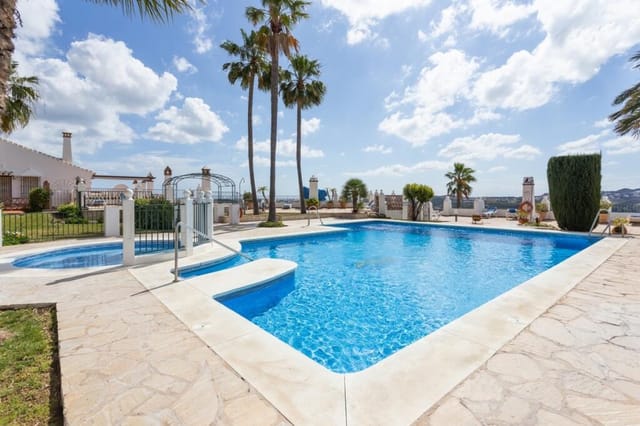
Stand on the upper terrace at dusk and you'll understand immediately why people come to Tavira and never quite manage to leave. The Atlantic sits on the horizon, shifting from silver to deep copper as the sun drops behind the town's rooftops. Below, the white bell towers of a handful of Tavira's famous 37 churches catch the last light. The air carries something faintly saline, faintly floral. That view is yours every single evening from this four-bedroom villa in Quinta do Perogil, one of the most coveted residential pockets in the eastern Algarve. Quinta do Perogil sits above the town on a quiet, tree-lined road where the neighbors tend their gardens and mornings are genuinely silent apart from birdsong. The address puts you roughly ten minutes on foot from the cobblestoned Praça da República and the riverfront Mercado da Ribeira, where local fishermen sell their catch before most people have finished their first coffee. That balance — a perch above the town's commotion with everything within easy reach — is exactly what makes properties here so hard to come by. The villa itself sits on a 929 m² landscaped plot, and the outdoor space is where you'll spend most of your time from April through October. The heated swimming pool is generous, wrapped on three sides by a wide sun terrace in pale stone that stays warm underfoot well into the evening. There's a dedicated entertaining terrace for al fresco dinners — the kind where guests linger long past midnight because nobody wants to go inside. A private garage and additional on-plot parking mean arriving with a full carload of family or friends is never a logistics puzzle. Inside, the villa runs to 246 m² of living space across the main floors, finished to a high standard ... click here to read more

Picture 1

On a still Tuesday morning in southwest France, the only sound you'll hear from the covered terrace is the low splash of the fountain in the courtyard below and, if the wind is right, the faint bells from the church in Tournon-d'Agenais five minutes up the road. The coffee is hot. The sun is already catching the Italian marble balustrades. Nobody else is awake yet in the guest cottages. This is the kind of morning that makes you wonder why you don't live here full time. This is not a farmhouse renovation with good bones and a long punch list. It was built from scratch between 2002 and 2005 by owners who simply refused to cut corners — the kind of project where the budget was set and then quietly ignored whenever the better choice cost more. The architecture sits low against the rolling Lot-et-Garonne countryside on purpose, its traditional stone profile reading as something that has always been here rather than something dropped into a field. That restraint is what gives the whole estate its authority. The main house runs to four bedrooms, and the ground floor immediately signals what kind of place this is. The kitchen is enormous — fitted with integrated appliances and genuinely built for the kind of long lunches that start at noon and end somewhere near dusk. The sitting room has a log-burning insert stove, the kind you actually light in October when the evenings start to sharpen, not just a decorative feature. The principal bedroom suite has its own bathroom and a private roof terrace that connects, brilliantly and improbably, to the old pigeon tower — a piece of local architectural history folded into the fabric of a thoroughly modern home. The home office is tucked away privately. Three further guest bedrooms are ... click here to read more

Picture 1

Sunday mornings here have a particular quality. The kitchen window is propped open, coffee is on, and from somewhere across the valley — past the fruit trees, past the old bread oven — you can hear church bells drifting up from the village below. That's the rhythm of life in Mauroux, a hamlet in the Lot that most people drive past and then spend years trying to find again. This four-bedroom stone farmhouse sits on a quiet lane in a tiny hamlet just outside Mauroux, less than ten minutes from the market town of Tournon-d'Agenais. The house is old in the best sense — thick limestone walls that keep rooms cool through July heat, floors that have absorbed centuries of footsteps, a staircase carved from the same local stone as the exterior that curves up through three levels with a solidity you just don't get in modern builds. But it's been looked after properly. Double glazing throughout, air conditioning, a pompe à chaleur heat pump for efficient heating, a water softener — the infrastructure is modern even when the bones are ancient. This is a property in good, move-in condition. You could arrive with suitcases and be sitting on the terrace with a glass of Cahors Malbec by evening. The layout across three floors is generous without feeling sprawling. Downstairs, two double bedrooms open through French doors directly onto the sun terrace and pool — which means summer mornings that begin with a swim before breakfast become less a fantasy and more a daily habit. The main living space upstairs is open-plan, anchored by a stone fireplace fitted with a log-burning stove. Beamed ceilings, thick walls, afternoon light slanting in from the south. In winter, this room earns its keep: load the stove, pull the shutters, and the whol ... click here to read more

Picture 1

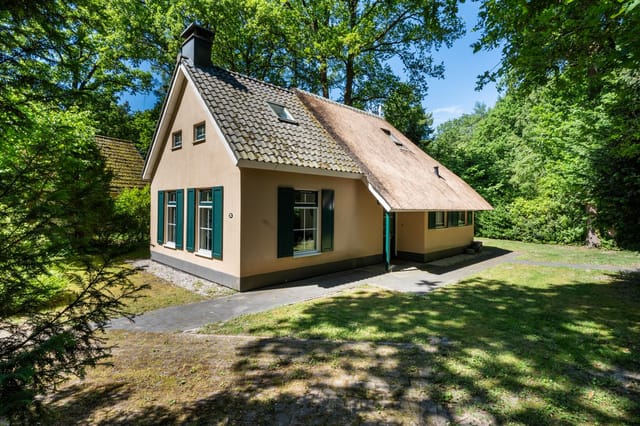
Saturday morning. You open the French doors off the living room and the forest is just there — not a view through a distant window, but actually there, close enough that you can smell the pine resin warming up in the early sun. A woodpecker is working somewhere in the trees. The coffee is on. This is what owning a vacation home in Hooghalen, Drenthe feels like, and it's not quite like anywhere else in the Netherlands. This thatched country home sits on a 514 m² private plot right on the edge of the forest at Estate Het Grote Zand, a well-run recreational park between Assen and Beilen in the heart of the Dutch province of Drenthe. The house is 90 square metres across two floors, sleeps six comfortably, and is genuinely move-in ready — not in the estate agent sense of "needs minor work", but in the sense that the kitchen is new, the bathroom is new, it's fully furnished, and you could spend your first weekend here without buying so much as a dish towel. The thatched roof is the first thing people notice. It's not decorative — it belongs here, in a landscape of hunebedden (ancient megalithic tombs), working farms, and heathlands that blaze purple every August. Drenthe has been doing this look for centuries, and this house wears it naturally. Inside, the layout is more generous than the footprint suggests. The hallway opens into a living room that genuinely surprises people — high ceilinged, light-filled, and airy. The open kitchen runs along one side: induction hob, dishwasher, combination microwave, fridge-freezer, extractor hood — everything you'd expect in a proper kitchen, not a holiday rental compromise. A gas fireplace anchors the far end of the room, and in October when the forest turns amber and the evenings get ... click here to read more

Front view of the thatched Drenthe farmhouse