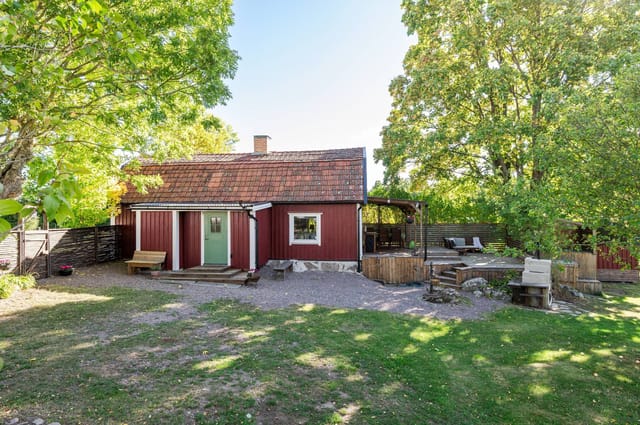
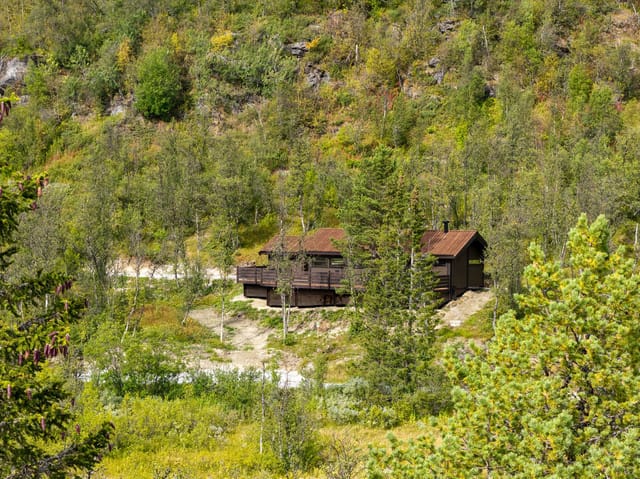
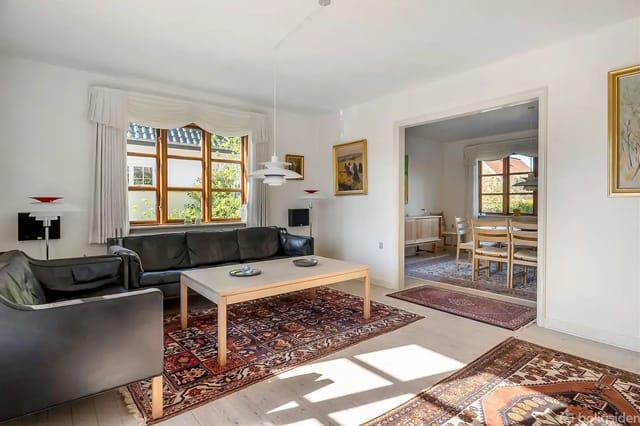
Houses For Sale In Europe (page 3)

Houses for sale in europe - homestra offers the largest amount of european real estate with over 200,000+ properties, find any type of property within your budget from villas to country homes. buy or rent your perfect home in europe. (page 3)

Step out onto the terrace at Tyinosvegen 1990 on a clear October morning and the Jotunheimen peaks are right there — sharp, white-tipped, close enough that you feel the cold radiating off them before the coffee in your hand has a chance to cool. That's the kind of morning this place delivers. Not occasionally. Every time you show up. This two-bedroom Norwegian chalet sits in the Tyin area of Årdalsfjellet, roughly 600 square meters of natural mountain plot, and it has the kind of settled, confident quality that comes from a property that's been genuinely cared for rather than staged for a sale. The exterior was overhauled in 2012 — new windows, fresh cladding, a new roof, and a spacious timber terrace that catches afternoon light and holds it. Inside, the 53 square meters feel considered rather than cramped. Traditional wood paneling lines the walls in the living room, the wood-burning stove sits exactly where a wood-burning stove should sit, and the whole space has the smell of pine and old timber that no interior designer has ever successfully faked. The layout makes practical sense for a mountain cabin. The entrance hall is wide enough to actually deal with wet boots, ski poles, and a pile of hiking layers without everything becoming chaos — a small thing, but one you'll appreciate after every single day out on the trails. The open-plan kitchen and living area keeps the main floor social. The kitchen has solid cabinet space and a freestanding stove; it's not a showroom kitchen, and that's entirely the point. You want to cook a proper meal after a long day outside, not worry about whether you're scuffing something expensive. Two bedrooms sleep five in total. One room has bunk beds, which works brilliantly for kids o ... click here to read more

Front view of the cabin

The first thing you notice isn't the view. It's the quiet. Standing on the smooth coastal rocks of Stråholmen, the only sounds are the soft pull of water against stone, the occasional creak of a wooden jetty, and somewhere far off, a gull riding the wind above the Oslofjord. Then you turn west and the sea opens up in front of you — a wide, glittering expanse that catches the afternoon light and holds it long into the evening. This is what it feels like to own a private island in the Sandefjord archipelago. Stråholmen is not a figure of speech. It is an actual island — a 9,429-square-meter freehold plot just 110 meters off the mainland coast of Vesterøya, connected to the world by a short row across calm water or a quick trip in a motorboat from the dock. The island has its own sandy beaches, its own smooth sunbathing rocks, its own jetty. On a clear July afternoon, with children jumping off the dock and mackerel on the grill, it is the kind of place that resets something deep in you. The existing cabin dates to 1929 and still carries the honest simplicity of that era. Tongue-and-groove timber walls, low ceilings, windows that frame the sea like paintings. It hasn't been dramatically altered — there were some updates in the 1980s — and at 43 square meters of interior living space it is compact, but it works as a summer base while the bigger story unfolds. Because the bigger story here is what comes next. In June 2024, the property received a framework permit for the complete redevelopment of the site. The permit, valid for three years from approval, covers the demolition of the current cabin and the construction of a new main cabin and a separate annex, both designed by Lund Hagem Architects — one of Norway's most resp ... click here to read more

Beautiful Stråholmen faces west with panoramic sea views, idyllic sandy beaches, and optimal sun conditions.

Step out onto the dock at six in the morning, coffee in hand, and the Gulf of Bothnia is completely yours. The water is glass-flat, the sky already pale gold — this far north in summer, the sun barely bothers to set — and your boat bobs quietly against the jetty planks. That's Frevisören 138 on a Tuesday in July. Nothing extraordinary about it. Just another morning that feels like a gift. Positioned front-row on the water in Frevisören, a small coastal settlement that sits within the broader Kalix archipelago along Sweden's northeastern shoreline, this two-bedroom holiday home is the kind of place that Swedish families pass down through generations. When one comes to market, people notice. The 1,476-square-meter lot drops straight to the sea, and the private jetty — a genuine working dock, not a decorative platform — gives you immediate, no-fuss access to some of the most rewarding boating waters in northern Sweden. You can be out among the islands within minutes of leaving the house. The main house, 55 square meters built in 1963 and thoughtfully updated since, doesn't try to be something it isn't. It's a proper Swedish summer house — compact, well-organized, bright. Large windows in the living room pull the sea view inside, so even when you're on the sofa reading, you're aware of the water shifting and glinting outside. The kitchen is modern and practical: good storage, enough counter space, and a layout that actually works when you're frying fresh perch and someone else is making salad at the same time. The dining area sits just off the kitchen and looks out over the lot and the waterfront beyond. Meals there have a tendency to last longer than planned. Both bedrooms are quiet and comfortable — enough room for a pr ... click here to read more

Waterfront view and main house

You step off the boat onto the dock, the North Atlantic air carrying that unmistakable mix of salt and pine, and already the noise of the mainland feels very far away. The walk up the trail to the cabin takes four minutes. By the time you push open the door, unlock the wood-burning stove, and crack a window to let in the evening breeze off the Hjørundfjord region's outer coast, you'll understand exactly why people fall hard for Hatløya. This two-bedroom chalet on the island of Hatløya, reached by a short boat ride from Ulsteinvik on the western coast of Møre og Romsdal, is the kind of place that resets something in you. The island sits just offshore, close enough to town to feel connected, far enough to feel genuinely removed. There are no cars here. No traffic noise. What you get instead is the low cry of gulls, the slap of water against the floating dock, and the occasional creak of the cabin settling in a sea wind. Built in 1997 and kept in good condition by its current owners, the chalet covers 48 square metres of interior space on a freehold plot of 983 square metres. That's a lot of outdoor room for a property this size — enough for a proper terrace where you can eat grilled mackerel as the sun dips toward the horizon at 11pm on a July evening, enough for kids to roam, enough to feel like the land actually belongs to you. The cabin comes fully furnished, so there's no waiting period, no shipping containers of furniture from abroad. Arrive, unpack, light the stove. Inside, the layout is practical and warm. The open living area connects directly to the kitchen, which works well for the way people actually spend time in Norwegian cabins — gathered around food, telling stories, watching the weather roll in. Large wi ... click here to read more

Cabin on Hatløya | Presented by EiendomsMegler1 v/ Maria Abeltun. Photo: EFKT v/ Svein Olav Humberset

Early morning in Värmland, the lake is completely still. You slide open the glass door of the sunroom and step out with a cup of coffee, and the only sound is a loon calling somewhere across Rådasjön. The birch trees along the shore are doing that thing they do in late summer — that soft shimmer when the light catches them just right. This is what Ås 47 feels like from the inside. Set on a 1,212-square-metre plot stepping down to the water's edge outside Hagfors, this 1964-built country home has been maintained in genuinely good condition — no project, no major surprises. The main house covers 45 square metres across three rooms and a kitchen, which sounds modest until you understand how the layout works. Space here is measured differently. The sunroom extends the kitchen outward toward the lake, functioning as a second living area for most of the warmer months. The workshop opens onto a stone terrace right at the waterline. The guest cottage runs independently of the main house entirely. You're not buying 45 square metres — you're buying a small compound. Inside the main house, the wood-burning stove in the living room is the centerpiece it deserves to be. On a grey October afternoon, with rain coming off the lake and the fire going, that room earns every bit of the cliché people usually reach for. The kitchen combines an induction cooktop with a traditional wood stove — the induction for speed, the wood stove for the smell, the ritual, and the Swedish pancakes on Sunday morning that genuinely taste different when cooked over wood. The glass-enclosed sunroom off the kitchen is oriented to catch morning and midday light across the water. It will become the room where your family spends most of its time. The main bedro ... click here to read more

Exterior view of Ås 47 holiday home

Step out onto the new wooden deck on a July evening, a cold Norrköping pilsner in hand, and watch the light go amber over Loddbyviken. The bay barely moves. A heron crosses low. The grill behind you is already warm. This is a genuinely compact holiday home — honest about its size, serious about its setting — and that elevated waterside position over the innermost reach of Bråviken is the kind of thing you simply cannot build or manufacture. Grymön 137 sits on a gentle rise above the water, which means you get the view from everywhere that matters: from the glazed veranda with your morning coffee, from the kitchen window while you're frying eggs, from the deck at midnight when the Swedish summer sky still hasn't fully decided to go dark. The main house is 30 square metres of clever, unfussy planning — a bright kitchen, a proper bedroom, and a loft above that works equally well as a second sleeping spot or as the place all the kayak gear ends up by mid-July. The living space doesn't try to be more than it is. It's warm, it works, and after a day on the water you won't want for anything more. The glazed veranda is the real secret weapon of this place. Sweden has a lot of weather, and the Swedes long ago figured out that the answer is glass — not to shut out the landscape, but to stay inside it through a cold May morning or a rainy August afternoon. You can sit in that veranda, watch the fog lift off Loddbyviken, and feel entirely outside without surrendering any warmth. It's the kind of space that becomes the gravitational centre of every visit. The 2025 deck is a serious addition. Built with generous dimensions and a proper outdoor kitchen setup — counter space, grill position, the works — it's not a token gesture towar ... click here to read more

Exterior view of Grymön 137

Step outside on a July morning and the air hits differently here. It's cool and faintly resinous — spruce and pine warming up as the sun clears the treeline — and the only sound is birdsong and the occasional creak of old timber settling. That's Gamla Torsmovägen 61 in Skattungbyn. Twenty-seven square metres of honest Swedish log construction on a 986-square-metre plot, with forest pressing in on three sides and the Oreälven river less than a kilometre away. This is Dalarna county. Not the postcard version people see in tourism brochures, but the real thing — a landscape that Swedes themselves escape to when they want to remember what silence actually sounds like. The cabin is small by design, and that's precisely the point. Two rooms, including a proper bedroom, plus a wood-burning stove that becomes the gravitational centre of the space from September through April. Light the stove on a Friday evening in October, pour something warm, and the whole interior glows. Wooden walls, wooden floors, the smell of birch smoke drifting out the chimney — it's the kind of evening that justifies the whole purchase. Large windows frame the surrounding trees like living paintings, and depending on the season you're looking at birch leaves going electric yellow, snow loading the branches, or the long green haze of a Dalarna summer. The plot itself gives you real breathing room. Nearly a thousand square metres means a vegetable patch if you want one, a firepit well away from the cabin, space for a hammock strung between mature trees, and genuine privacy from the road. The grounds are established and well-kept, so there's no battle to be fought with the landscape — it's already working in your favour. Skattungbyn sits in Orsa municip ... click here to read more

Exterior view of the timber cabin

Saturday morning, and the smell of fresh bread drifts through the kitchen window while the garden catches the first real warmth of the day. You take your coffee out to the stone terrace, the pétanque court still in morning shadow, the lavender humming with bees. The Atlantic is fifteen minutes on a bicycle. This is Le Clos Robert — and mornings like this are the whole point. Built around 1934 by a local craftsman on land that's been in use since the turn of the twentieth century, this four-bedroom longère on Rue du Saut du Loup sits on 1,292 square metres of mature garden in the heart of Longeville-sur-Mer. The Vendée coast doesn't get nearly enough credit. While the crowds chase the Côte d'Azur, this stretch of Atlantic shoreline — wide, pale, and backed by pine forest — quietly goes about being one of the most liveable corners of France. La Tranche-sur-Mer is twenty minutes south. The Île de Noirmoutier, connected to the mainland by the famous Passage du Gois causeway that floods at high tide, is under an hour north. La Rochelle, with its old port and serious restaurant scene, is about ninety minutes by car. The longère form is distinctly west-French: a long, low farmhouse that runs along the land rather than rising above it, built in local stone and designed to shelter from the Atlantic winds. This one has been renovated with a careful hand — the kind of renovation that keeps terracotta floors worn smooth by decades of family life, that leaves the rough stone walls exposed in the living room rather than plastering over them, that chooses warmth over showiness. The result is 224 square metres of living space that feels genuinely inhabited, not staged. What makes this property unusual is its layout. The main house, a ... click here to read more

Photo 1 of Le Clos Robert

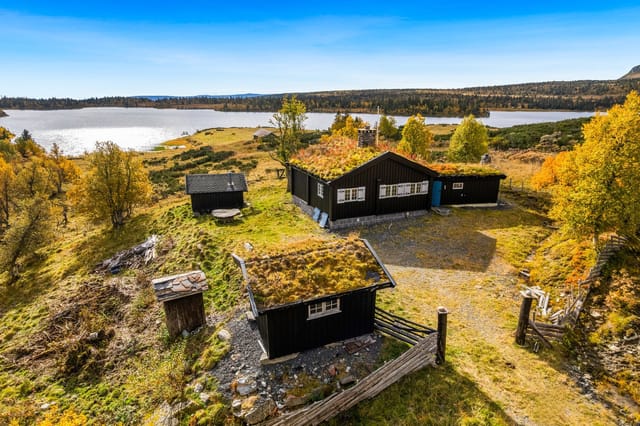
Step out the door on a September morning and you're already in it — the cold, clean air hitting your face, frost still clinging to the grass, and the Imingfjell plateau rolling away in every direction with nobody else in sight. That's the reality of owning this traditional Norwegian cabin at Imingfjellvegen 590, and for the right buyer, that moment alone is worth every krone. Priced at €57,500, this 75-square-metre mountain cabin in Uvdal sits on a leased plot in one of Numedal's most rewarding highland landscapes. It's an honest property — two bedrooms, one bathroom, no electricity, no running water, solid pine floors, panelled walls, and a wood-burning stove that becomes the centrepiece of every evening spent here. This is not a glossy weekend retreat. It's a cabin in the original Norwegian sense: functional, raw-edged, and deeply connected to its surroundings. The interior has that particular quality you find in older Norwegian mountain buildings — warm amber pine panelling that's absorbed decades of wood smoke and candlelight, plank floors that creak in the right places, and small windows framing views that change every hour as the light moves across the plateau. The kitchen runs on a freestanding gas burner and has upper and lower cabinets around a full sink. It's workable. You cook simple food, you eat well, you go outside. The layout includes an entrance hall, a combined living room and kitchen, a utility room with washbasin, a toilet room, a hallway, and an external storage room. The toilet is a traditional bench-style outdoor arrangement — a detail that will either suit you perfectly or tell you immediately that this cabin is not your match. The property is sold as-is, furnishings included, no pre-sale clean. ... click here to read more

Welcome to Imingfjellvegen 590! (Photo: Terje Bjørnsen)

The wood-burning stove is already crackling by the time you've pulled off your ski boots and hung up your jacket in the hallway. That's the rhythm of mornings at Flockstigen 6—out onto the groomed trails by nine, back to the sauna and corner bathtub by three, dinner at the long table with the mountain light turning amber through the windows. This is Tandådalen, one of the most coveted pockets of Sälen's ski country, and this three-bedroom chalet with a separate guest house delivers the kind of Swedish mountain winter that people spend years searching for. Sälen needs no introduction to Scandinavian skiers, but international buyers are increasingly discovering what the Swedes have quietly kept to themselves. The Skistar resort network here—Tandådalen, Lindvallen, Högfjället, and Hundfjället—connects into one of the largest ski systems in Scandinavia, with over 100 slopes and 40-plus lifts spread across the fells. From the property on Flockstigen, the lifts and ski slopes are within reach on foot or a short hop by snowmobile, and the cross-country tracks run practically past your front garden. Après-ski at Tantolunden or a bowl of värmländsk husmanskost at one of the village restaurants is a ten-minute walk. You won't need a car for any of it in high season. Then there's the airport factor. Scandinavian Mountain Airport—opened in 2019 and now serving direct international and domestic routes—sits just ten minutes by road from the chalet. For a vacation home buyer flying in from Stockholm Arlanda, Amsterdam, or London, the difference between a two-hour transfer and a ten-minute one is not trivial. It changes the entire calculus of how often you actually use the property. The chalet itself sits in the Gusjösätern neighbour ... click here to read more

Exterior view of the main house and guest house

Close your eyes and picture this: it's a July evening in southern Gotland, the sun still hanging stubbornly above the horizon at nine o'clock, the smell of sun-warmed limestone drifting in through the open terrace doors while someone's grilling on the pergola. That's the baseline here. Not the exception — the everyday reality of owning this architect-designed property in Burgsvik, one of the quieter, more atmospheric corners of Sweden's most beloved island. Built in 2023 and designed by Leif Carlsson, an architect with serious roots in the Gotland region, the compound consists of two separate buildings — a main house of 70 square meters and a fully independent guest house of 50 square meters — sitting on a southwest-facing plot of 1,352 square meters. Together they give you 120 square meters of thoughtfully constructed living space, and the separation between the two structures is what makes this property genuinely interesting for families or groups. Grandparents can have their own kitchen and bathroom. Teenagers too. Visiting friends don't have to share a hallway with anyone. The privacy architecture here is just as considered as the visual one. And the visual architecture is worth talking about properly. Carlsson's approach leans into what Gotland does naturally — light, stone, openness — and strips everything back. Raw concrete in the outdoor areas. Clean, uncluttered lines. Large glass sections on all four sides of the main house, with glazed terrace doors off every single room. You never feel like you're inside looking out; you feel like you're somewhere between the two. On a bright August morning, the light moves through this house in a way that changes almost by the hour. A fireplace anchors the main living spac ... click here to read more

Exterior view of the main house and pool

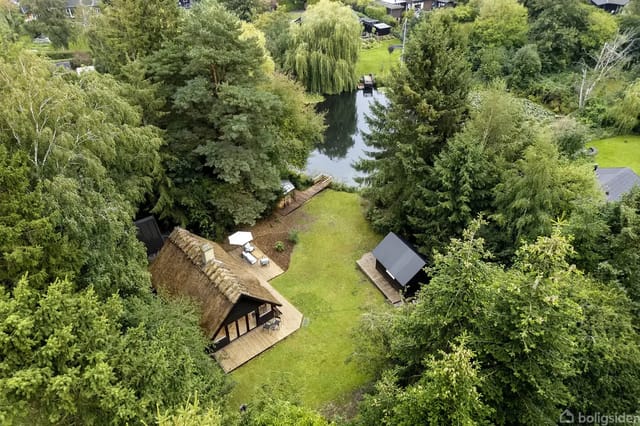
You wake up to the sound of nothing. Not silence exactly — there's the soft creak of the cabin settling, a gull calling somewhere over the water, and if you leave the bedroom window cracked overnight, the faint lap of the fjord against the rocks below. That's the morning at Djupvik. By the time the kettle boils, the light is already doing something extraordinary across the Tysfjord, turning the water from slate to silver to an almost luminous green depending on the clouds. This is a Norway that most people only see in photographs. This 49-square-metre chalet sits just above the flood line on a generous freehold plot in Djupvik, a tiny coastal hamlet within the municipality of Kjeldebotn in Nordland county. It's compact and honest — one bedroom, one bathroom, a sleeping loft, an annex, a pavilion, a storage shed, and a terrace large enough to fit everyone you'd want to invite for midsummer. The plot gives you room to breathe, room to store a kayak or a small boat, and room to just sit in the grass and watch the mountains across the water do what Norwegian mountains do: look impossibly large and improbably close. Inside, wood-panelled walls and ceilings do exactly what they should in a cabin this far north — they make the space feel warm even before you light anything. The wood-burning stove is set in stone at the centre of the main room, and on an October evening when the temperature drops fast and the fjord takes on a steel-grey colour, you'll be grateful for every log stored in the open bay beneath the cabin. The open-plan layout means the kitchen, dining area, and living room all flow together, and the large windows pull the landscape inside so completely that you almost forget you're indoors. Almost. The kitchen is ... click here to read more

Spacious and well-maintained leisure property with attractive location just above the flood line.

Step out onto the deck just after seven in the morning, coffee in hand, and watch a cargo ship slide silently through the shipping lane below while a pair of eider ducks ride the wake. This is Uvmarö on Norra Finnö — a small island in the Sankt Anna archipelago where the Baltic light hits the water at an angle that photographers drive hours to catch, and where your boat berth sits waiting at the dock like a key to a hundred uninhabited islands. The house itself was built in 2005 and sits elevated on a rocky knoll, which does two things: it keeps you above the tree line for uninterrupted views across Sanden toward Lagnö, and it gives the whole property a sense of arrival, a feeling that you've genuinely reached somewhere. Single-storey with a finished loft above, the layout is more generous than the 115 square metres suggests. Soaring ceilings in the main living area pull the eye upward while the oversized windows pull it outward — you're almost never not looking at water. The open kitchen and living room is where this house earns its reputation as a gathering place. On a Friday evening in July, you'll have a pot of kräftor on the stove, the wood-burning stove crackling not because you need it but because it smells right, and eight people spilling between the kitchen island and the deck without anyone feeling crowded. The kitchen is modern and properly equipped — not the kind that looks good in photos but fails you when you're cooking a serious meal. The loft overhead adds a useful private bunk or reading retreat away from the noise below. Three bedrooms handle a family or a group of friends with ease. The main bathroom is fully tiled, includes a laundry area, and — crucially for this latitude — has a proper sauna. Aft ... click here to read more
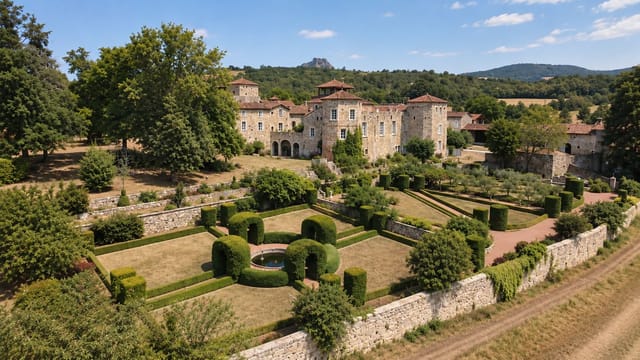
Exterior view of the house and garden

Step outside on a September morning and the river is already doing something. The current catches the early light, a faint mist lifts off the water, and the only sound is the pull of the Årlielva moving steadily past your private shoreline. This is what 97 square meters of raw Norwegian potential looks like at Årlifossvegen 1089 — a 1900-built cabin sitting on a sweeping 2,578 square meter freehold plot in Årlifoss, just outside Notodden, with direct access to the river and the kind of quiet that cities charge a fortune to simulate. Let's be honest about what this place is. It needs work. Significant work. The floor structure between levels has documented rot damage, and the interior will require a full renovation before you're spending winters here in comfort. But for a buyer who knows what they're doing — or who simply has the vision to see past bare bones — this is the kind of find that simply doesn't come up anymore. A genuine riverfront hytte, freehold land, a long private shoreline, three bedrooms, six rooms total, and a plot large enough to add outbuildings, a dock, a sauna, a garden, or all four. The price reflects the project. The potential is the point. The cabin's bones tell you something about its staying power. Built over a century ago and still standing on its riverside plot, the structure has the proportions of a proper Norwegian mountain retreat rather than a weekend box. The living room has an open fireplace — the kind that earns its keep from October through April — and the kitchen carries custom-built cabinetry with painted smooth fronts, functional and ready to be built around once the structural work is done. Three bedrooms means room for the whole family, or a couple of rooms to let when you're no ... click here to read more
Lokalmegleren & Partners by Berit Seltveit presents Årlifossvegen 1089

You cut the engine and the world goes quiet. Not city-quiet, not suburb-quiet — genuinely, completely silent, except for the slap of water against the hull and the far-off cry of a bird somewhere up in the birch trees. The chalet at Kyrkjeviki 78 comes into view across Hamlagrøvatnet, its sod roof already half-green by late May, and you think: nobody can reach me here unless I let them. That's the whole point. Getting here takes fifteen to twenty minutes by boat from the dock at Steinstø — the same dock where your parking space waits every time you arrive. The boat is included in the sale, so from day one, you have the keys to one of the most genuinely secluded holiday properties available in Vestland. This isn't marketed seclusion, the kind that means a five-minute drive down a gravel track. This is lake-between-you-and-the-world seclusion. In spring and summer, when the water is glassy and the mountains double themselves in the reflection, the crossing itself becomes a ritual you'll start to look forward to. The chalet was built in 2000 and sits in good condition, 42 square metres of considered simplicity under a traditional turf roof. Inside, the open-plan living room and kitchen runs to 21.5 square metres and does what the best small spaces do — it makes you wonder why you ever needed more room. The kitchen runs on a gas stove, which is practical off-grid and also means you're cooking over a proper flame, the way food is supposed to be made. After a morning fishing on the lake and an afternoon hike up through the heather, you'll come back, clean your catch, and have it in the pan within the hour. The windows are large — disproportionately large for a cabin this size — and they frame the water below like a painting ... click here to read more
Kyrkjeviki 78 presented by Aktiv Voss v/Heine Ystanes Osmo

The ferry horn sounds somewhere out on the water, and you're already halfway through your morning coffee on the deck — the one with the birch tree growing straight through the middle of it, branches overhead, Baltic light filtering through. That's the particular kind of morning that Humlegården on Sundholmen delivers, almost every single day from late April through September. This is archipelago life as the Swedes have quietly perfected it over generations, and now it's available to international buyers ready to claim their piece of Roslagen. Sundholmen sits just off Håtö in the Norrtälje archipelago, roughly 90 kilometres north of Stockholm. The island is reached by private boat from the mainland parking area at Håtö — a crossing of only a few minutes, but one that instantly shifts the pace of everything. Your car stays behind. The noise stays behind. What you arrive to is a landscape of granite outcrops, mixed forest, meadow grass blowing in off the sea, and a community of summer cottages that has barely changed in feel since the mid-20th century. The property itself is called Humlegården — hops garden, in Swedish — and the name gives you a sense of its character. There's a generosity to the layout. The main house, built in 1987 and added to over the years, sits at the heart of roughly a third of an acre of garden that moves from mown lawn to wilder woodland without any hard edge between them. Two bedrooms, one bathroom, a kitchen-living room with an open fireplace and a secondary iron stove for the shoulder seasons. It's 55 square metres inside the main house — compact, honest, nothing wasted — but the real living space extends far beyond those walls. The deck alone changes the equation entirely. Accessed straight ... click here to read more
Main house and deck

Step outside on a February morning in Duved Strand and the air hits you like cold glass — sharp, clean, and loaded with pine. The Åre river runs just below the garden, muttering under a skin of ice, and the ski trails at Duved are close enough that you can hear the grooming machines warming up before sunrise. This is the kind of place where the day starts before breakfast and ends well after dark, with the kind of tired that only comes from actually living. Built new and winterized to handle the full weight of a Swedish mountain winter, this four-bedroom house at Älvstigen 5B sits in one of the most coveted pockets of the Åre Valley — Duved Strand. It isn't just a ski cabin dressed up in modern clothes. At 106 square meters across two floors, with a flexible layout that can stretch to five bedrooms, the house is engineered for real, extended stays. Groups of friends. Multigenerational families. People who want more than a long weekend. The open-plan ground floor does exactly what you need it to do after a hard day on the mountain. The kitchen and living room flow into each other without any fuss, large windows framing the river below and whatever season happens to be performing outside. In July the water runs fast and silver. In January it's a white stripe through the spruce trees. Either way, you're watching it from somewhere warm, and that matters more than any design feature you could list. The terrace deserves a mention of its own. Facing the garden on the 569-square-meter plot, it earns its keep in every season — summer evenings grilling with the valley still glowing at 10pm, autumn mornings with coffee and the birch trees going gold, spring weekends when the snow retreats patch by patch and the kids find their w ... click here to read more
Exterior view of the house

Step outside on a January morning and the ski trail is right there — groomed overnight, quiet, running straight into the forest before the rest of the world wakes up. That's the reality of owning at Hammarseterhøgda 117 in Sjusjøen, one of the Innlandet region's most genuinely loved year-round mountain destinations. No lift queues. No hour-long drives in ski boots. Just coffee, layers, and off you go. The chalet sits on a 1,000 m² leased plot on Ringsakerfjellet, the long ridge that locals have been escaping to for generations. Built in 1996 and extended since, it had a full new roof fitted in 2025 — not a patch job, a proper replacement — which matters enormously in a climate that throws serious snowfall and freeze-thaw cycles at a building for five months a year. At 84 m², the single-level floor plan is compact enough to heat quickly but generous enough for three bedrooms and seven sleeping spots, which means you can fill it with family or invite a group of friends without anyone drawing the short straw on accommodation. The living room is where this chalet earns its keep. A soapstone fireplace anchors the space — soapstone holds heat far longer than cast iron, radiating warmth for hours after the fire has died down, so you're not feeding it logs all evening. Wooden floors and wall paneling in the traditional Norwegian hytte style give the room that particular warmth that no amount of Scandi-minimalist interior design can quite replicate. Big windows face the surrounding forested hills, and when the light is good — especially on those crystalline February afternoons when the snow reflects everything upward — the room feels twice as bright as it has any right to. Sliding straight from the living room onto the 50 m² s ... click here to read more
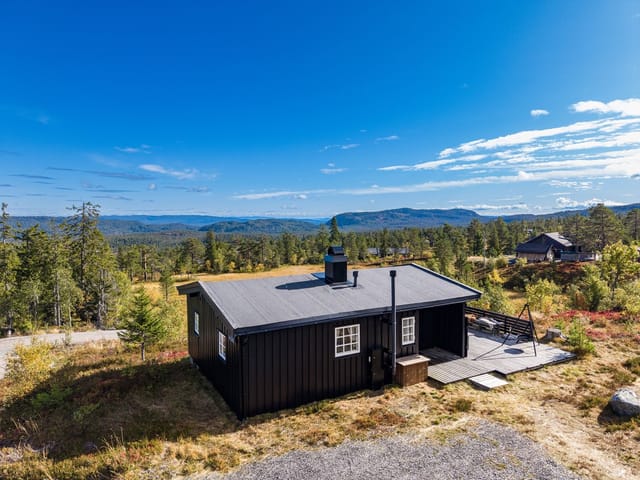
Welcome to Ringsakerfjellet and Hammarseterhøgda 117! Photo: Reidar Valberg.

There's a particular kind of quiet you notice first. Not silence exactly—more like the sound of a stream doing its thing just beyond the tree line, a woodpecker somewhere in the pines, and absolutely nothing else demanding your attention. That's what mornings feel like at this 1960s log cabin on Varledavägen, sitting on nearly eight thousand square meters of Swedish countryside outside the village of Rånäs in Norrtälje municipality. It's the kind of property that doesn't need to announce itself. Built in 1964 from traditional notched log construction, the cabin has the bones of something genuinely old and genuinely Swedish. At 33 square meters, it's compact and honest about what it is—a retreat, not a mansion. The living room holds a fireplace that has warmed countless winter evenings, and the kitchen runs on a wood-burning stove that makes coffee taste different somehow, better. There's a sleeping loft overhead, which is the kind of sleeping arrangement that turns adults back into children—you climb up, the ceiling is low, and the whole world outside goes quiet. Behind the loft, a concealed hatch opens into a large attic for storage, which any serious cabin owner will tell you is worth its weight in gold. The WC with a water toilet is functional and convenient for overnight stays and long summer weekends. The property is being sold with a disclaimer clause, so it's worth going in with clear eyes: the fireplaces haven't been recently inspected, and the water pump needs attention. For a buyer who wants a turnkey holiday home, this needs work. For a buyer who wants to spend a few weekends putting their own hands on something and end up with a property that feels truly theirs—this is exactly that kind of opportunity. Pric ... click here to read more
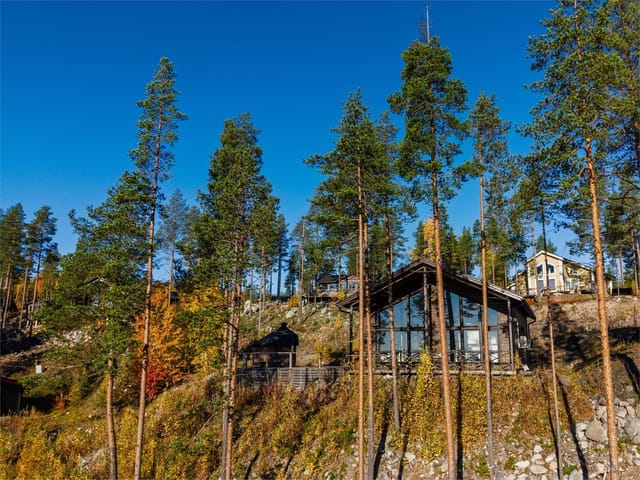
Exterior view of the log cabin and garden

Step off the porch at Nyrudveien 4839 on a July evening and the light simply doesn't leave. The sun skims the pine tops across the river, the air smells of resin and cold water, and the only sounds are the current moving through the Pasvik and a woodpecker working at something deeper in the forest. This is what people mean when they talk about escaping—really escaping—and it's what this Honka log cabin in Pasvikdalen delivers from the moment you arrive. Built in 2014 from solid Nordic logs, the cabin sits on a 1,000 square metre leased plot where the spruce and pine press in close on three sides and the Pasvik River opens up in front. It's 75 square metres of considered space—not cramped, not sprawling, just right for the kind of slow life this valley encourages. You cook in the morning, fish in the afternoon, sit by the fire pit until midnight under a sky that can't quite decide whether to go dark. That rhythm is the whole point. Inside, continuous pine flooring runs wall to wall, the ceiling panels follow the same warm grain, and the whole interior has the kind of amber quality that only real timber gives. The open-plan living room and kitchen work well together—generous enough for a group of friends spread out after a day on the trails, comfortable enough for two people who just want quiet. Large Finnish double-glazed wooden windows pull the river view right into the room. On grey autumn afternoons, the wood-burning stove handles everything else. Light one up, pour something hot, and the outside world genuinely stops mattering. The kitchen has IKEA cabinetry with profiled fronts and a laminated countertop, and it's prepped for a stove and refrigerator—meaning the new owner gets to choose their own setup rather than ... click here to read more
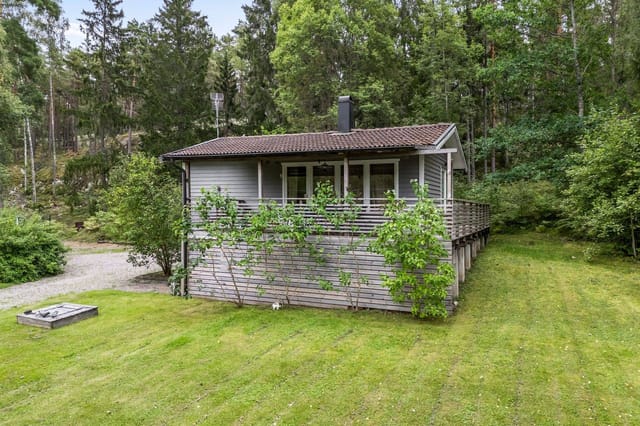
Welcome to Nyrudveien 4839! Photo: EFKT

Step outside on a February morning and your ski boots are already clipped in before your coffee gets cold. That's the reality at Fageråsen 497 — a compact, well-kept mountain cabin sitting on one of the most coveted pockets of land in Trysil, with the groomed runs of Trysilfjellet literally at the end of the garden. The slopes are right there. No shuttle, no car park, no fuss. Trysil is Norway's largest ski resort, and Fageråsen is the neighbourhood that regulars fight over. It sits in the upper reaches of the resort area, high enough for reliable snow cover from November through April, close enough to the main lift network that you're riding chairs within minutes of leaving the front door. On clear days — and there are many — the view from the terrace sweeps across a wide arc of forested ridges and open pistes that glow orange in the late afternoon light. It's the kind of view you stop taking for granted only when guests visit and you see their faces. The cabin itself is 39 square metres. That's a deliberate choice, not a compromise. In Norway, cabins under 50 square metres are classified as annex or secondary structures, and that classification carries a significant upside here: the plot — which is privately owned, not a leasehold — measures 792 square metres, and an independent feasibility study by ByggePlan AS has confirmed 128 square metres of buildable area remaining without the need for a special planning dispensation. In plain terms, you can build a full-sized main cabin on the same plot, using the lower access side of the property, while keeping this structure as a guest annex or rental unit. The full study is included in the sales documentation. For buyers thinking even one step ahead, this is a remarkable po ... click here to read more
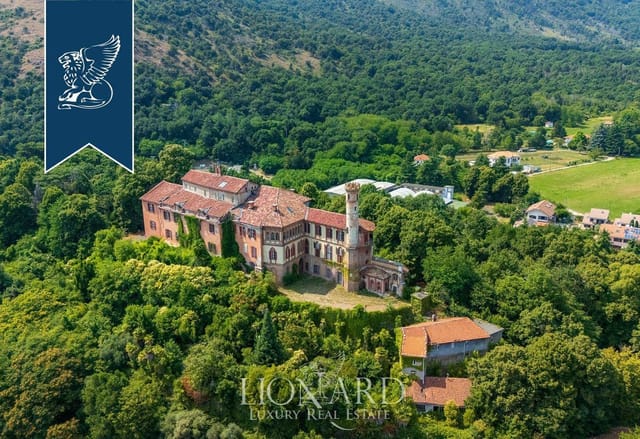
Picture 1

Around seven in the evening in late June, the sun is still well above the treeline to the west. You're sitting on a 25-square-meter veranda at 201 meters above sea level, the smell of pine resin hanging in the warm air, a cup of coffee going cold in your hand because you forgot about it. That's the kind of place this is. Eikebergåsen 20 sits on a generous 1,068-square-meter plot in Båstad, a quiet community in Viken county roughly 80 kilometers south of Oslo. The address puts you deep enough into the forest to feel genuinely away from things, but close enough to the real world that you're never actually stranded. The center of Båstad — a grocery store, a restaurant, a petrol station — is about 3.5 kilometers down the road. You can drive it in five minutes or cycle it through the trees in under twenty. The chalet itself was built in 1964 and covers 58 square meters across a single story. Original cabins of this era have a particular quality: low ceilings, thick walls, small windows in the bedrooms that frame rectangles of green forest like paintings. This one has been freshly updated without losing any of that character. New carpet underfoot, freshly painted panel walls in the living room, a newly fitted kitchen, and a brand-new 30-liter water heater installed in 2026. It's move-in ready in the most straightforward sense — unload the car, light the stove, open a bottle. That wood-burning stove is worth mentioning twice. Norwegian autumn arrives quietly but decisively, and by September the evenings carry a real chill. The stove anchors the living room, casting that particular amber light that makes everyone around it feel like they've earned their weekend. Large windows face the surrounding forest, so you get the full d ... click here to read more
Eikebergåsen 20!

Step outside on a Tuesday morning in late September. The frost hasn't quite arrived yet, but you can feel it coming — the air has that sharp, clean edge that only exists at 300 metres above the Ryfylke valley floor. A trail cuts upward through birch and heather from the edge of your plot. You don't need a map. You know where it goes. That's the kind of relationship you build with a place like Bjørkeligrend. This newly designed two-bedroom cabin sits on plot number 1 within a small, carefully planned development called Bjørkeligrend at Leite fjellgard, just outside the village of Årdal i Ryfylke in southwestern Norway. There are only 17 plots across the entire 100-decare site. That's intentional. The developer hasn't tried to squeeze every last kroner out of the land — each plot runs to roughly 1,000 square metres, meaning you get actual breathing room between you and your neighbours, which in Norwegian mountain cabin culture is not just appreciated, it's expected. The cabin itself covers 55 square metres of well-considered interior space: two proper bedrooms, a bathroom, a combined kitchen and living area, storage and technical room, and a loft that works equally well as a third sleeping area or a reading corner where kids disappear for hours. Large windows pull in serious amounts of natural light and frame long views across the valley and surrounding ridgeline. On a clear winter day, when the snow sits on the high ground and the low sun angles in at two in the afternoon, the light inside turns golden in a way that no interior designer could replicate. Finishes are solid and practical rather than showy. Wooden roof construction, royal-impregnated exterior cladding that handles Norwegian weather without demanding cons ... click here to read more
Picture 1

Step outside on a clear October morning and Snøhetta is right there — all 2,286 metres of it, catching the first pale light while the plateau below stays in shadow. That's not a postcard. That's Tuesday at this log chalet on Hjerkinnhusvegen, sitting at just over 1,000 metres above sea level in one of the most remote and rewarding corners of Norway. Hjerkinn is the kind of place that outdoor Norwegians have quietly known about for generations. It sits at the convergence of Dovrefjell-Sunndalsfjella, Dovre, and Rondane National Parks — three protected wilderness areas meeting at a single point, which means the land surrounding this cabin is essentially untouchable. No new roads cutting through the reindeer corridors. No future development eating into the horizon. What you see today is what you'll see in thirty years. For buyers considering a second home in Norway, that kind of permanence is genuinely rare. The cabin itself was built in 1968 and occupies a freehold plot of 520 square metres. Solid log construction — the kind that handles the Dovre winter without complaint. The structure spans two floors with 185 square metres of indoor space, which sounds modest until you're inside and realise how well the rooms are proportioned. The main floor opens from a slate-floored entrance hall into a proper living room: large windows framing the Snøhetta massif, panelled walls in warm timber, a fireplace insert replaced in 2016 that throws serious heat on evenings when the temperature outside drops to -15°C. You don't just survive Norwegian mountain winters here — you actually want to be in this room. The kitchen sits separate from the living area, which anyone who's cooked for a group in a small open-plan space will appreciate. ... click here to read more
Welcome to Hjerkinnhusvegen! Photo: Skildre.com by Bjørnar Fjeldberg

Step outside on a January morning at Höglekardalen 957 and the silence hits you first. Not the city kind of quiet that just means less noise — the real thing. Crisp air, a sky impossibly blue above the Bydalsfjällen ridgeline, and fresh ski tracks already cutting through the snow toward trails that eventually roll all the way to the Norwegian border. This is the last cabin address before the road ends and the mountain takes over. That detail matters more than it might sound. Built in 2021, this three-bedroom chalet sits on a generous 802-square-meter plot in Höglekardalen, a small, tight-knit community in Åre municipality that the Swedish outdoor crowd has known about for years — and that international buyers are only just starting to discover. At 70 square meters of smartly used interior space, the cabin punches well above its floor plan. The open-plan living and dining area rises all the way to the roof ridge, so even when all three bedrooms are full of guests, nobody feels squeezed. Light pours in through large windows that frame the mountain slopes in a way that changes completely depending on the season — blinding white and dramatic in February, soft green and gold when the birches come out in June. The layout makes sense for the life people actually live here. Three proper bedrooms handle the core sleeping arrangements, and a loft above provides extra space for the kids or the friends who always end up crashing. The kitchen is fitted out and functional — nothing fussy, everything you need. The bathroom is modern and practical, which matters a lot when you're peeling off ski boots and thermals after a long day out. And the snowmobile garage with a built-in ski and snowboard waxing area is the kind of feature that ... click here to read more
Exterior view of the chalet

Picture this: it's six in the morning, the Trondheim Fjord is completely flat, and the only sound coming through the kitchen window is a guillemot calling somewhere out over the water. You're making coffee in a house that's been watching the tides since 1919. That's what Lernesstranda 313 feels like on a Tuesday in July, and honestly, it's hard to go back to city life after that. This three-bedroom Norwegian coastal holiday home sits right at the shoreline in Kyrksæterøra, a small town at the southern tip of Hemnefjorden in the Trøndelag region. At 62 square metres across two floors, it's not trying to be grand. It's trying to be exactly what a sea cabin should be: compact, warm, fully ready to use, and positioned so close to the water that you can smell the salt before you've even opened the front door. The house was built in 1919 and extended in 2002, and you can feel both eras in the layout. The ground floor has a 12-square-metre living room with a fireplace that gets serious use from September through May, when the fjord light turns silver and the evenings come early. Large windows frame the water directly — no road, no neighbour, just the fjord. The 10-square-metre kitchen has enough counter space to actually cook a proper meal, and whoever designed the layout had the good sense to put the dining area where you can eat while watching the boats go by. Three bedrooms sit upstairs — 10, 11, and 12 square metres respectively — quiet, private, and cross-ventilated by the coastal breeze on warmer nights. The bathroom is modest at 3 square metres, with a shower cabin and washing machine, plus a separate toilet room. Electricity is installed, water comes from a private well, and everything is sold fully furnished. You ar ... click here to read more
EIE Real Estate presents Lernesstranda 313! Interior photo by Haukdal.

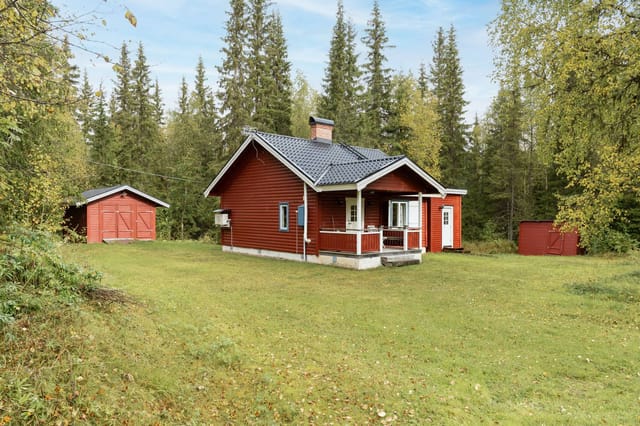
Picture this: it's a Tuesday morning in February, the thermometer reads minus twelve, and you're sitting in your own sauna listening to snow fall. Outside the window, the spruce trunks are white to their cores, and somewhere beyond them the silhouette of Härjedalen's fells cuts a hard line across a pink sky. No neighbours in sight. No road noise. Just the occasional crack of a branch under the weight of fresh snow. That's the everyday reality at Uggen Örnvägen 6 in Hede. The cabin sits at the very end of Örnvägen — a deliberate dead-end, not a compromise. Whoever placed it here knew exactly what they were doing. Privacy isn't a selling point you have to manufacture; it's simply the geography. The plot runs to 2,050 square metres, generous even by Swedish countryside standards, and the surrounding forest of birch and pine keeps the outside world at a polite distance. The structure itself is genuinely unusual. Two separate timber frames have been physically joined to create a single home, giving the interior a character you don't find in catalogue builds. The walls are raw timber throughout, which does something specific to sound — it softens it, absorbs it — so the place always feels quieter than it is. Large windows were clearly a priority for whoever built this, because almost every room catches light from more than one angle. In summer, when the Nordic sun stays up until nearly midnight, those windows become the whole point of being indoors. Practically speaking, the floorplan works well for a second home or a holiday cabin in Sweden. Downstairs you have a proper hallway — not a token entry space — a kitchen, a living room, two bedrooms, a toilet area with a chemical WC (standard practice for many rural Swedish prop ... click here to read more
Exterior view of the timber cabin

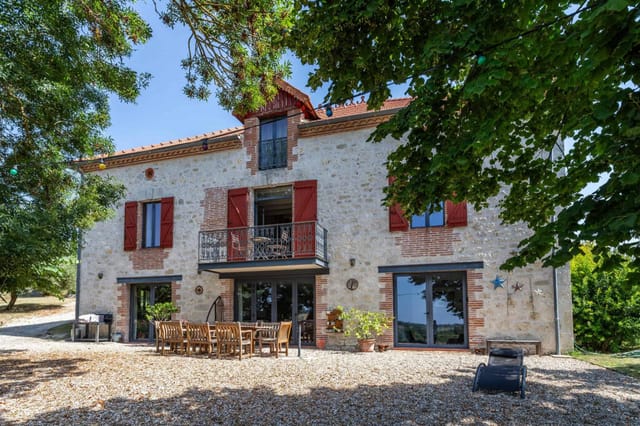
On a quiet Sunday morning at De Hovenstraat 4, the only sounds reaching the kitchen window are birdsong from the treeline and the soft shuffle of hooves from the stable out back. That's not a fantasy — that's what life actually feels like here, on 3,659 square metres of green Flemish countryside in Zutendaal, one of the most quietly sought-after corners of the Belgian province of Limburg. Zutendaal has a nickname locals say with genuine pride: the greenest gem of Flanders. It's not marketing copy. The town sits in the heart of a forested plateau between Genk and Maasmechelen, where cycling paths thread through beech woods and the air carries that particular clean sharpness that only comes from being surrounded by trees. You don't get that in the suburbs. You definitely don't get a sand arena for your horses either. This is a two-bedroom house with two bathrooms, built in 1974 and comprehensively renovated in 2021 — and the renovation was done properly. Nine solar panels with battery storage, a heat pump system, and full underfloor heating throughout. The EPC label is A. Heating bills here are not the monthly anxiety they are in older country properties. That combination of solid mid-century bones with genuinely modern energy infrastructure is rarer than it sounds in rural Belgium, and it matters enormously for a second home that sits unoccupied in winter. Step inside and the first thing that registers is the light. The main living room has exposed wooden beams running across the ceiling — original, kept because they're beautiful — and the kind of generous window openings that flood the room in afternoon gold. Soft green tones on the walls, natural wood accents, a comfortable sitting area that makes you want to drop in ... click here to read more
Front view of De Hovenstraat 4, Zutendaal

The alarm doesn't go off at this cabin. You wake up because a reindeer is grazing thirty meters from the window, and the light coming off the mountain plateau at six in the morning is the kind that makes you reach for your camera before you've even had coffee. This is Berdalsheii, a four-bedroom farmhouse cabin sitting at the heart of one of the most extraordinary private landholdings in Norway — roughly 39,730 acres of high mountain wilderness in Setesdal, Aust-Agder. Let that number settle for a moment. Nearly 40,000 acres. Not a managed forest plot, not a timeshare in a ski resort. Yours. The cabin itself dates to 1900, and it carries that age honestly — thick log walls that hold warmth even when October brings the first frost, small-paned windows that frame the plateau like paintings you never get tired of, and a layout across six rooms that was clearly designed by someone who understood how a hunting party actually lives. Four bedrooms means you can bring the whole family, or fill the place with friends for a week-long elk season that nobody will stop talking about at dinner for the next ten years. An annex expands the options further, and the boathouse down by the water handles the rest — storage for fishing gear, space for the boat, a reason to walk down to the lake every morning just to check the conditions. Setesdals-Austhei is the name of this high mountain territory, and among Norwegian hunters it carries real weight. Wild reindeer hunting here is not a gimmick or a managed cull — it's the genuine article, pursued across open vidda terrain where the animals roam freely and the hunt demands patience, physical fitness, and respect for the land. For many Norwegian sportsmen, taking a wild reindeer on the mount ... click here to read more
Picture 1

Stand in the kitchen on a September morning and count the apples on the Sörmlandsäpple tree through the window. They're nearly ready. The smell of woodsmoke drifts in from the whitewashed fireplace in the next room, and somewhere down the gravel path, Nyckelsjön is perfectly still. This is Tjärtorp — a two-bedroom timber house in the village of Ullevi, just outside Gnesta in Södermanland — and it has the kind of quiet intensity that makes people stop looking at other properties. The house is red-painted timber, classic Falun red, the colour that has marked Swedish rural buildings for centuries. Up close, the facade details reward attention — the kind of craftsmanship that doesn't come from a catalogue. Inside, the ceiling height surprises you. Wide wooden floors carry the patina of generations, the timber walls hold warmth even before the fire is lit, and exposed beams overhead remind you that this building was made to last. The large whitewashed fireplace anchors the main living space. It isn't decorative. On a dark November evening, it is the whole room. The renovation work done here is worth understanding properly, because it separates Tjärtorp from the majority of Swedish country homes on the market. The walls and woodwork are finished in linseed oil paint — breathable, traditional, and far kinder to old timber than modern synthetic alternatives. The wallpapers are from Lim & Handtryck, printed from historical originals dating to the 18th and 19th centuries. These are considered collector's items in some circles, and they're on your walls. At the same time, the house has been fully rewired, replumbed, reinsulated, and connected to fibre internet. A new roof is scheduled for 2025 to 2026. The windows were restored b ... click here to read more
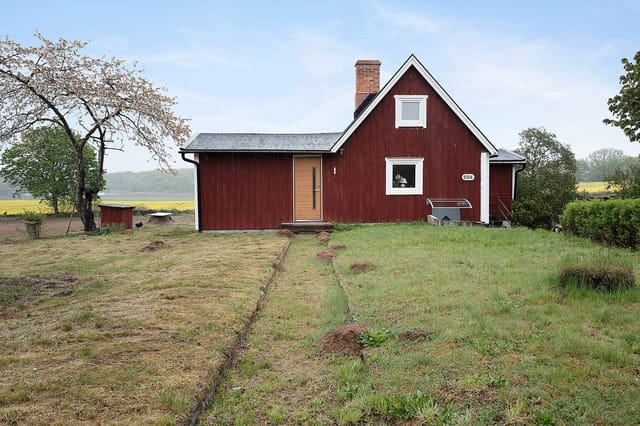
Exterior view of the timber house and garden

Stand at the kitchen window on a Tuesday morning in late August and watch the light roll across the barley fields behind Mellanköpinge. The village is so quiet you can hear the neighbour's tractor a kilometre away. That stillness — that particular southern Swedish stillness — is something people spend years searching for, and it comes built into this address. Mellanköpingevägen 119 sits in a pocket of Skåne that most outsiders drive straight past on the way to the coast, which is exactly why it feels so intact. The farmhouses along this road are old and solid. The gardens are planted for people who actually use them, not for show. This one runs to just under 4,000 square metres — enough for a proper kitchen garden along the southern fence, a fruit tree section that produces more plums and apples in September than any one family could reasonably eat, and still leaves a wide lawn for evenings with a long table pulled outside. The house itself was built in the early twentieth century, which in Skåne means thick walls, low windowsills, and floors that have developed a particular tone over a hundred years of use. Original wide-plank timber floors run through the hallway and the main living room on the ground floor. Somebody at some point installed large windows along the garden-facing wall of the sitting room, and it was one of the better decisions in this house's history — the afternoon sun comes straight in from the southwest and the room holds warmth well into the evening. The layout across 220 square metres and two floors gives you genuine breathing room. Four bedrooms, two bathrooms, a kitchen with exposed ceiling beams and enough counter space to actually cook properly, and a ground-floor room that works equally well ... click here to read more
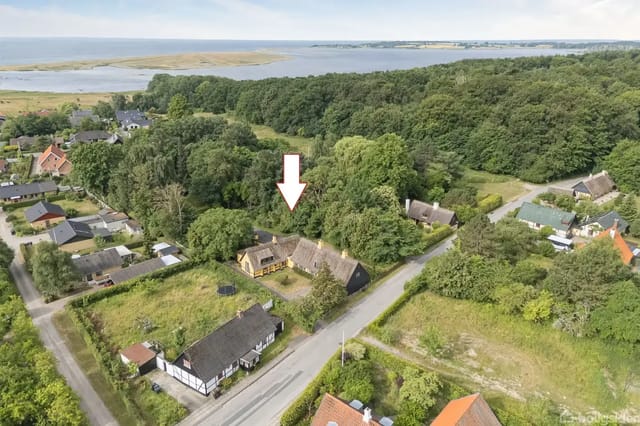
Front view of the country home

Step outside on a July morning, coffee in hand, and the Baltic is already glittering below you. Seabirds circle above the rocky shoreline. The smell of warm pine from the sauna building still lingers from last night. This is Väbynäsvägen 15 — a two-bedroom summer cottage perched on an elevated lot in Väby, just outside Ronneby in the heart of Blekinge, Sweden's most underrated coastal region. The house itself is compact and honest. Built in 1978 and kept in genuinely good shape, the 43 square metres inside are arranged with the kind of practical intelligence that Scandinavian summer homes have always gotten right. Every room earns its place. The living room faces the sea and its large windows pull the view inside, filling the space with reflected light off the water from mid-morning onward. When the afternoon sun swings around, it catches the surface of the bay and the whole room shifts. You don't stop noticing it. The kitchen works. Nothing fancy, but it handles what a summer household needs — big family breakfasts, late dinners after a day out on the water, quick lunches before heading back down to the jetty. Two bedrooms are quiet and well-proportioned. One bathroom. The layout keeps things simple, which is exactly the point when you're spending most of your time outdoors anyway. And the outdoors here is the real argument for this property. The 1,092-square-metre lot is generous by any standard, terraced into the hillside with several distinct seating areas — one catches the morning sun, another faces west for the long Swedish summer evenings that don't end until past ten. Mature trees give shade without blocking the water view. The garden is tidy, planted with a mix of lawn and flowering shrubs that take care of t ... click here to read more
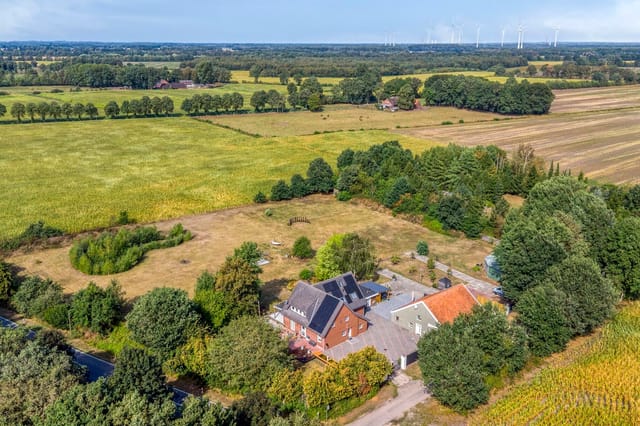
Front view of the summer cottage

Step outside on a July morning and the Fugløysundet strait is already glittering. A gannet cuts low across the water toward Arnøya. The coffee in your hand is still steaming. This is your view — not from a balcony shared with thirty other apartments, but from your own 15,400 square meters of Norwegian coastline, where the garden runs uninterrupted from the road all the way down to your private boat dock. Vannøya is the kind of place that stops people in their tracks. The island sits in Troms county in northern Norway, tucked between open sea and mountains that hold snow well into spring. Vannavalen — the bay where this property sits — faces south-southwest, which in this latitude matters enormously. You get more direct light than most spots on the island, and on calm evenings in late summer the water turns a shade of copper that photographers drive hours to capture. The address is Nord-Fugløyveien 2229, and locals know this stretch of shoreline well. It's quiet here. Purposefully so. The house itself was originally built in 1948 — you can feel that history in the proportions — but a full renovation in 2024 means the practical concerns are sorted. New finishes, updated systems, water and electricity already connected. The 66 square meters of interior living space across two floors is honest and efficient. Downstairs: a living room with a wood-burning fireplace that becomes the undisputed center of any October evening, an open kitchen with proper dining space, bathroom, hallway, and entry. Upstairs: three bedrooms and a landing. The layout is straightforward, which is exactly what you want when you're arriving off a long drive from Tromsø airport and just need the place to work. That fireplace deserves a second mention. ... click here to read more
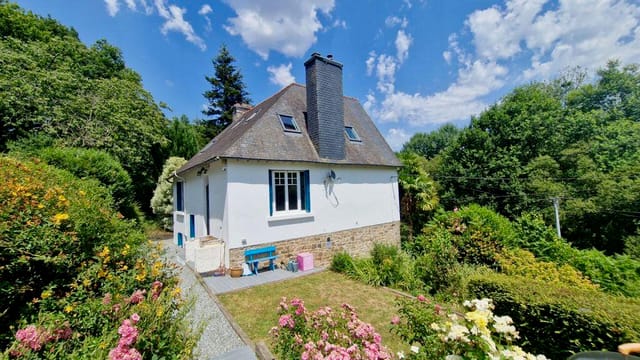
The property is idyllically located between sea and ocean, stretching from the road to the sea. Includes house, tool shed, and foundation of a former boathouse.

The first morning you wake up here, the sound you hear isn't traffic or neighbours. It's the knock of a wooden boat hull against the dock, and the low call of a loon somewhere out on Lake Ljugaren. Open the window and you catch pine resin on the breeze. That's the daily opening scene at Born Sjögatan 11 — a two-bedroom holiday house in Born, a hamlet so quiet and so green that it takes roughly a day before your shoulders drop back to where they should be. Born sits about 15 minutes by car from Rättvik in the heart of Dalarna, arguably the most Swedish of all Sweden's provinces. Rättvik is the town on the southern tip of Lake Siljan that hosts Music at Lake Siljan every July — one of Scandinavia's biggest folk and classical music festivals, drawing tens of thousands of visitors to its open-air stages along the water. You're far enough from that summer buzz to sleep through it, and close enough to cycle in for an evening concert and still be back before dark. The house itself was built in 1945 and covers 60 square metres across three rooms and a kitchen. It's in good condition — not a project, not a gut renovation. The layout is tight in the best Nordic sense: nothing wasted, everything considered. Large windows face the garden and draw in long Dalarna light, the kind that in June stays golden until 10 at night and makes you push dinner later and later just to stay in it. The kitchen is practical and honest, ready to handle a midsommar feast or a simple plate of gravlax and crispbread. Below the main floor, there's a basement of around 55 square metres — currently unfinished, which is the interesting part. That space could become a proper guest bedroom and bathroom, a workshop for anyone who does woodworking or boat mai ... click here to read more
Exterior view of the house and garden

Step off the small gravel path and onto the south-facing terrace at Kilane 150, and for a moment you just stop. The air smells of pine resin and lake water. Somewhere behind the treeline, a woodpecker is working through an old birch. This is Ånimskog in Dalsland, and mornings here don't ask anything of you. Sitting roughly 200 to 300 meters from the shores of Lake Ånimmen — part of the celebrated Dalsland Canal system — this 1960-built country house on a 1,790 square meter lot is the kind of Swedish property that doesn't come along often at this price point. Not because it's flashy. It isn't. It's a solid, well-maintained two-bedroom home with honest bones, a guest cottage, a traditional wood-fired sauna, and more natural quiet than most people encounter in an entire year of city living. At 48,100 EUR, it's one of the more accessible entries into genuine Swedish countryside ownership you'll find anywhere in Västra Götaland. The main house runs to 64 square meters — compact but considered. Two bedrooms, a bathroom, and a living room anchored by a wood-burning stove that radiates the kind of warmth no electric heater can replicate. On a November evening when the first snow is settling over the garden, you'll understand exactly why Swedes have kept that fireplace tradition alive. The living room's large windows frame the surrounding greenery like a painting that changes with every season: birch leaves turning gold in September, frost-glazed branches in January, the almost aggressive green of early June. Those dual terraces — one south-facing, one catching the western evening light — are genuinely useful features, not just box-ticking. Breakfast on the south terrace. A glass of something cold on the west terrace as the su ... click here to read more
Front view of the holiday home

The boat engine cuts out. Suddenly there's nothing but the sound of water against the hull, a tern calling somewhere overhead, and the creak of the dock as you step onto Milgrund Island for the first time. That moment — that specific, irreplaceable silence — is what this place is about. Milgrund is a small island sitting just off the coast of Norrsundet in Gävle Municipality, roughly 25 kilometers northeast of the city of Gävle itself. Getting here requires a short boat ride from the mainland, and that short crossing does something to you. The everyday world stays behind. You bring only what fits in the boat. The cabin sits right on the shoreline. Literally on it. The water is close enough that on calm mornings you can hear it even before you open the door — that low, steady breathing of the Gulf of Bothnia. The structure itself is 25 square meters of simple wooden construction, one room, and it's honest about what it is: a starting point. There's no electricity, no running water, no sewage connection. Some people will read that as a list of problems. Others — the ones this property is really meant for — will read it as creative freedom. You're not buying someone else's renovation decisions. You're buying a blank page with a view. The leased plot runs directly to the water's edge, with open sightlines across the sea. Sweden has some extraordinary archipelago coastline, but waterfront plots this direct, this unobstructed, rarely come available at anywhere near this price point. The annual lease fee is 5,830 SEK — just over 500 euros a year — which, for a beachfront position in the Swedish archipelago, is genuinely hard to put into context until you start comparing alternatives. Annual operating costs sit at around 1,55 ... click here to read more
Beachfront cabin exterior

The first thing you notice is the light. Up here on the Helgeland coast, on a clear July morning, the sun barely sets—it just dips toward the horizon, paints the sea copper, and climbs back up again. Standing on the wide terrace at Slåtterøyveien 30, coffee in hand, watching that light move across the water toward the outer islands, you understand immediately why people come to Sleneset and never quite manage to leave. This is a genuine Norwegian coastal chalet. Two bedrooms, 63 square meters of well-kept living space, built in 1996 and still going strong—roof replaced in 2023, pine floors warm underfoot, wooden panels covering every wall and ceiling the way they should in a cabin this close to the sea. It's not a renovated showpiece. It's a proper holiday home that has been lived in and loved, and it shows in the right ways. The living room is anchored by a wood-burning stove, the kind that earns its keep the moment September rolls in and the evenings cool. Large windows frame the coastal landscape outside—rocky shoreline, open water, the scattered silhouettes of nearby islands. The open connection between the kitchen and living area keeps everything from feeling cramped, and the high ceilings add a sense of space that the floor plan number alone doesn't suggest. The kitchen carries Sigdal cabinetry, solid and practical, with a proper extractor fan vented to the outside. There's room to cook a real meal here, not just make sandwiches. Upstairs, a loft hems adds flexible sleeping capacity—ideal when the extended family arrives in August, or when friends come up for a fishing weekend. One of the bedrooms includes a bunk bed, which makes the logistics of fitting more people in considerably easier. There's also a glassed ... click here to read more
Welcome to Slåtterøyveien 30! A spacious holiday property with its own shoreline, boathouse with large quay, and immediate proximity to the sea.

Step outside on a Saturday morning and the first thing you notice is the quiet. Not the performative quiet of a city park, but the real kind — just wind through spruce trees, a woodpecker somewhere off in the treeline, and the faint shimmer of the lake catching early light through the birches. That's the daily opening scene at this compact country home in Järfälla, Borås kommun, sitting on its own modest hill with 632 square metres of land and more than enough breathing room. At 36 square metres, this is not a property you're going to fill with furniture you don't need. It's been built around a different kind of logic — one where the covered outdoor patio does half the living, where the open fireplace earns its keep from October through April, and where a good night's sleep comes without much effort at all. The single bedroom is calm and private, the bathroom simple and functional, and the kitchen sensible enough that cooking a proper Swedish husmanskost dinner — pan-fried perch from the lake, boiled potatoes, dill — feels like the most natural thing in the world. The patio deserves its own mention. Facing out over the garden and the rolling green beyond, it becomes the gravitational centre of the property the moment temperatures climb above ten degrees. Long midsommar evenings here, with the sky refusing to go dark, have a way of stretching dinner into something that lasts until midnight without anyone noticing. Come autumn, the same spot catches the afternoon sun long after the surrounding farmland has gone amber and rust. The plot gives you real options. If you've ever half-seriously talked about growing your own vegetables, this is where that idea stops being theoretical. There's room for raised beds, a small gree ... click here to read more
Exterior view of the holiday home

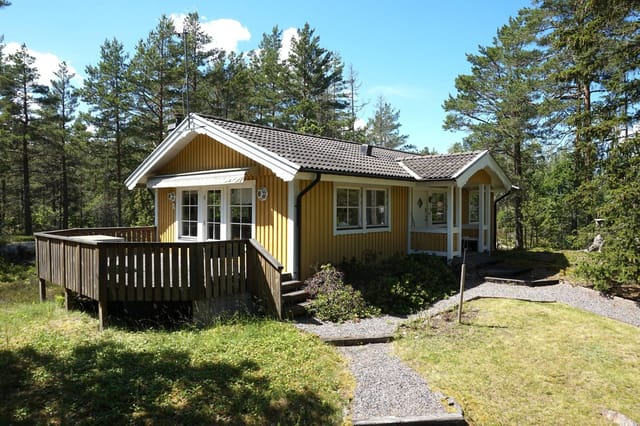
Step off the veranda at Heimseterhøgda 49 on a January morning and the world goes completely quiet. Just the soft crunch of your boots on fresh snow, the smell of pine resin in the cold air, and a groomed ski trail waiting less than three minutes' walk away. That's the daily reality of owning this traditional Norwegian chalet on a 3,007-square-meter natural plot in the hills above Hønefoss — and it's the kind of quiet that people drive hours to find. This is a proper off-grid cabin. No water mains, no grid electricity, no noise from neighboring streets. What it does have is a solar power system that keeps the lights on, a masonry fireplace with an open hearth that heats the living room through the coldest Norwegian winters, and a paraffin stove as backup for the shoulder months when autumn storms roll in from the west. Built in 1973 and maintained in good condition, the chalet keeps every bit of its original character — vertical wooden cladding on the exterior, wood-paneled walls inside, warm timber floors underfoot in every room. The living space is small but thought through. The main room holds a proper sofa corner around the fireplace and a dining area with enough space for the whole family after a day on the trails. It doesn't try to be anything other than what it is: a place to get warm, eat well, and go to sleep tired in the best possible way. The kitchen runs on a gas cooktop with paneled cabinet fronts and a solid wood countertop — functional, honest, no pretense. Cooking here means opening the window above the sink and listening to the forest while the coffee heats up. Both bedrooms are fitted with built-in bunk beds, a practical arrangement that makes the compact 34-square-meter floor plan work for families ... click here to read more

Welcome to Heimseterhøgda 49! Photo: Morten Normann Foto AS

The first thing you notice isn't the view—it's the silence. Then the water takes over. Standing on the 25-square-metre terrace at Barvikveien 16, you hear the low lap of the Norwegian Sea against the smooth coastal rocks below, and somewhere behind the cabin, the faint rustle of birch trees in the wind coming off the Trondheim Fjord system. This is Barvika, a sheltered inlet on the Fosen peninsula in Trøndelag—raw, unhurried, and achingly real. This two-bedroom coastal chalet sits on a 2,674-square-metre freehold plot with direct access to the shoreline. It's not a polished resort property. It's the kind of place that gets under your skin precisely because it isn't. Built in 2003, the 74-square-metre main cabin is in good condition and ready to use from day one—which is exactly what you'll want to do. Push open the front door and you step into a living space that runs roughly 30 square metres—kitchen, dining area, and sitting room all breathing the same air. High ceilings and large windows pull the coastal light in throughout the day, and it shifts constantly up here: silver-grey in the morning, gold in the long summer evenings when the sun doesn't really set until after 11pm. A wood-burning fireplace sits at the heart of the room. Come September, when the coast turns cool and the light goes amber, you'll understand why Norwegians build their whole emotional calendar around that stove. The kitchen keeps things honest—grey cabinetry, a solid wood countertop worn smooth and warm to the touch. There's decent storage and real counter space, enough to handle a proper fish stew after a morning out on the water. The dining spot sits naturally between kitchen and living room, framing a view of the landscape that no restaurant ... click here to read more

Welcome home to Osen and Barvikveien 16 - a charming leisure property with a peaceful location surrounded by sea and beautiful coastal nature!