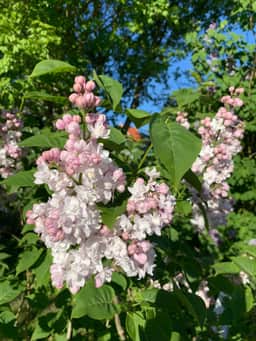
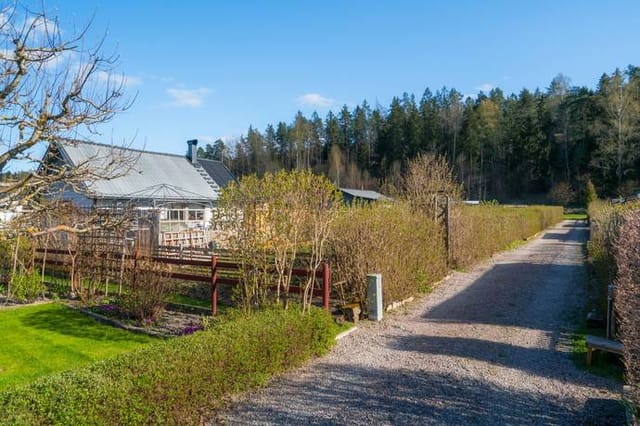
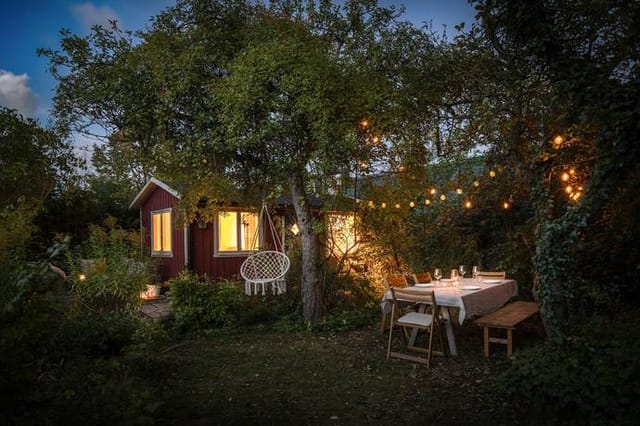
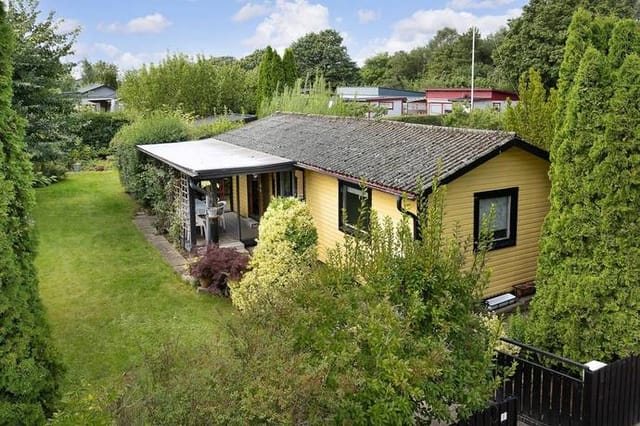
On a warm June morning in Galjevången, the lilacs are so heavy with bloom they droop over the garden path. You're sitting on the patio with a cup of coffee, listening to bees work through the roses, and somewhere two plots over someone is running a watering can. The city of Lund—its cathedral, its university courtyards, its Saturday market on Stortorget—is less than ten minutes away by bike. But right now it feels like it's on another planet entirely.
That's the particular magic of this allotment cottage at Östra Fäladsvägen 36, plot 64, inside the Öster 1 colony—the oldest allotment community in Lund. These things don't come up often. When they do, they go fast.
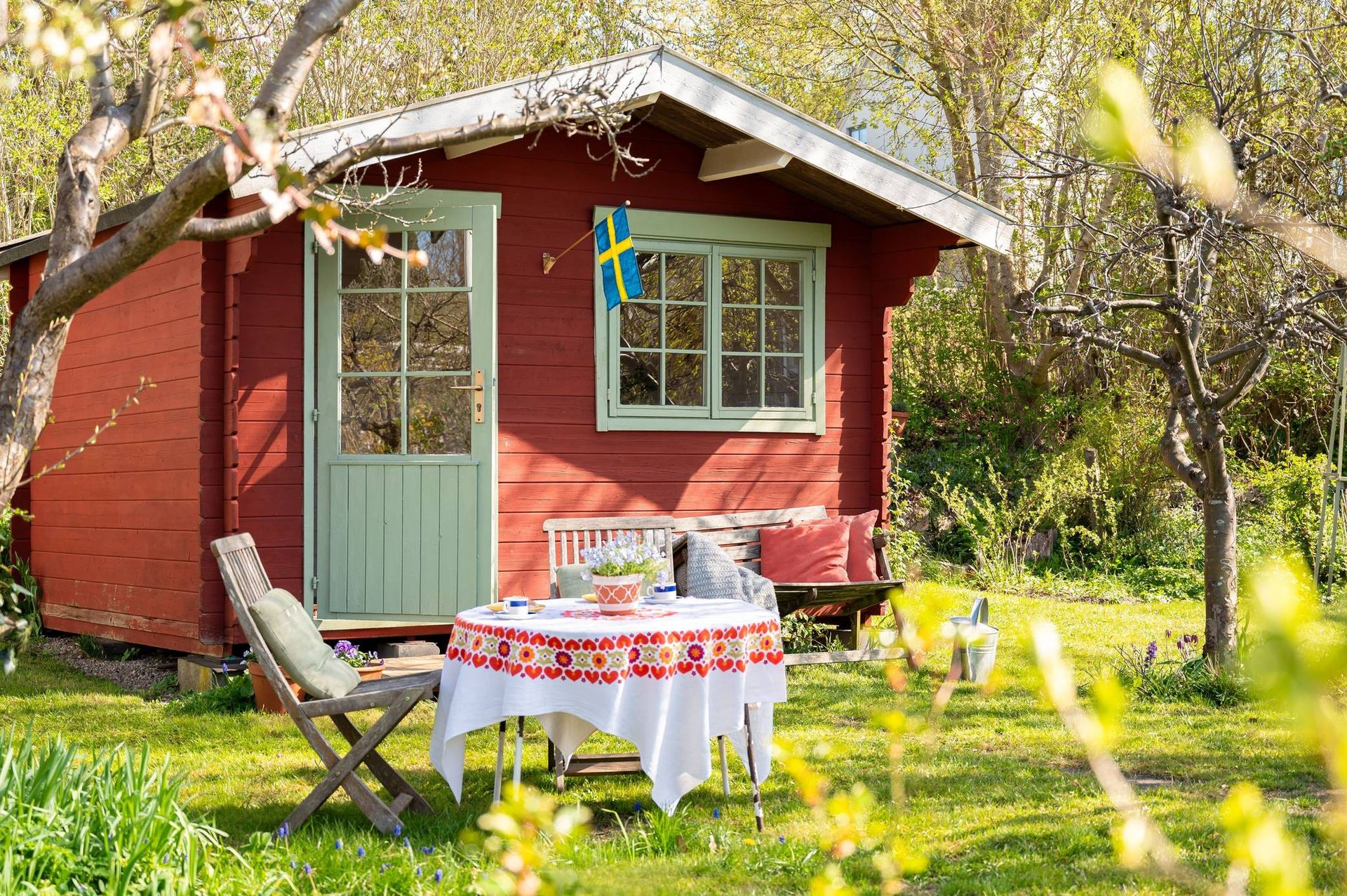
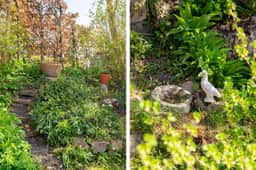
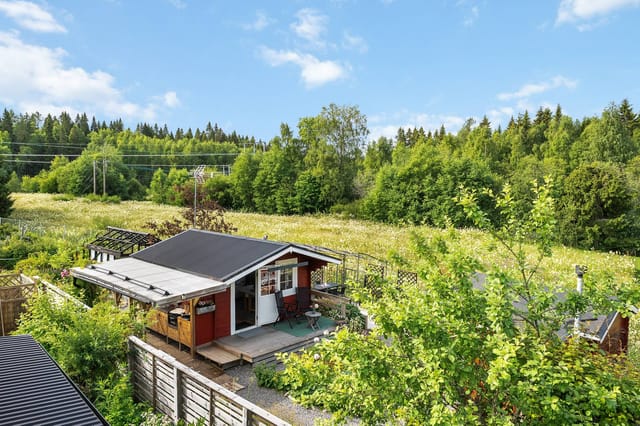
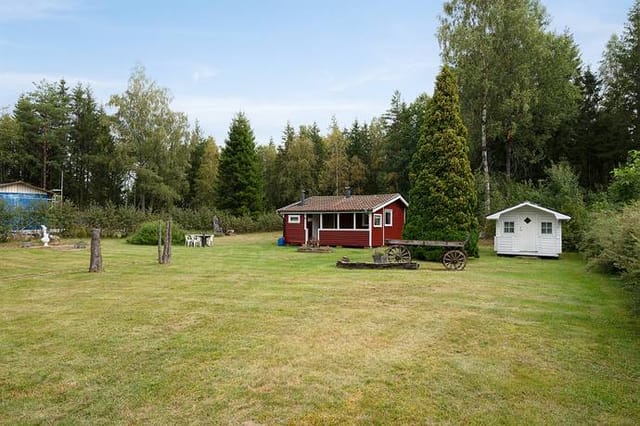
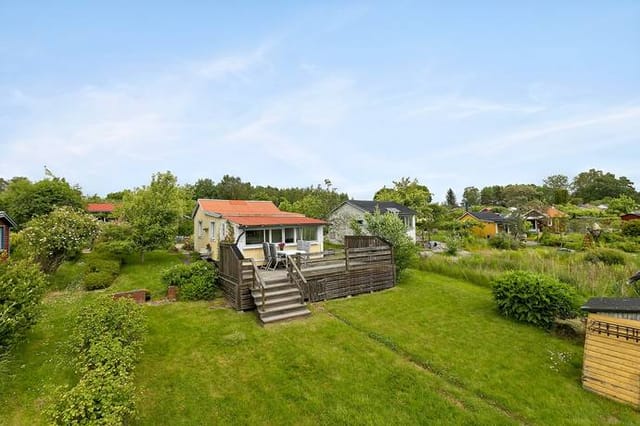
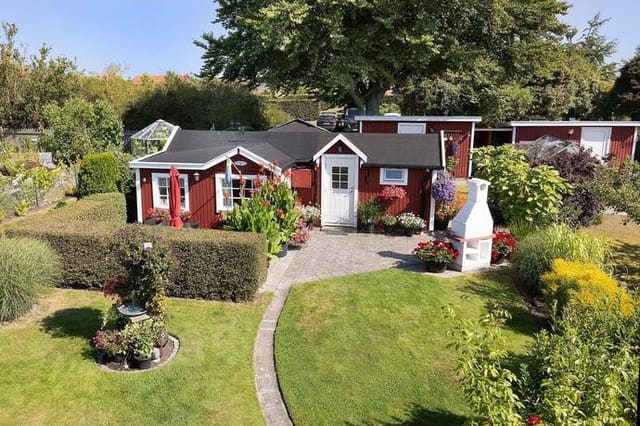
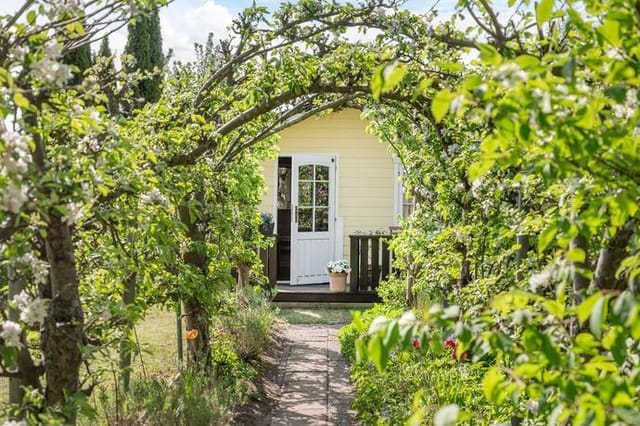
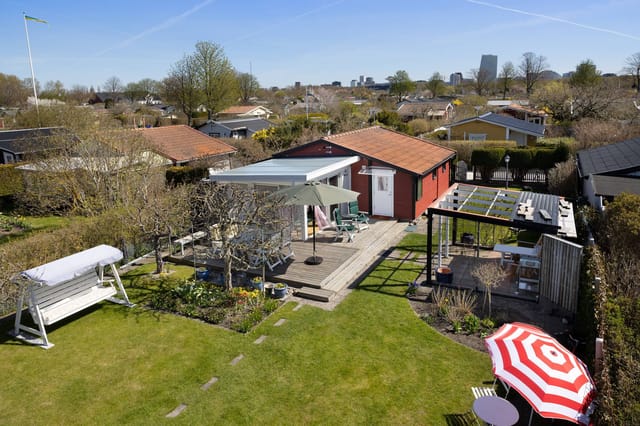
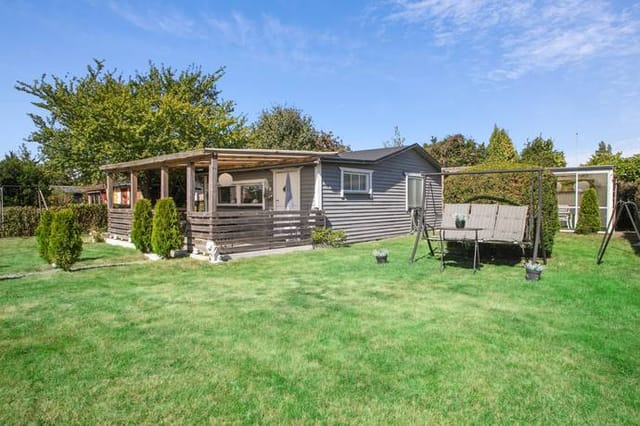
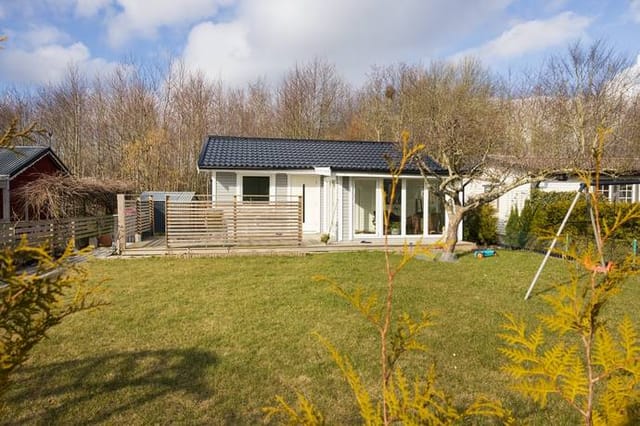
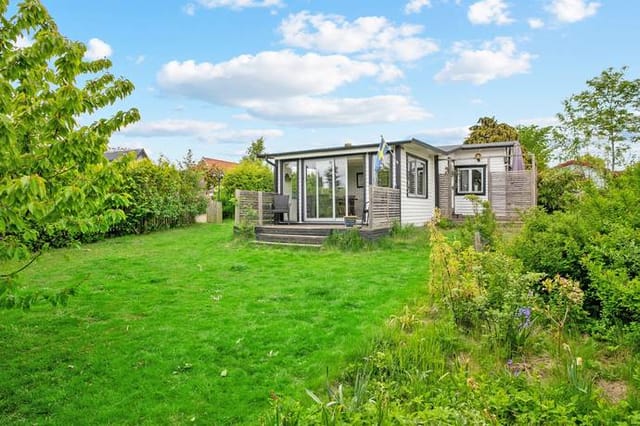
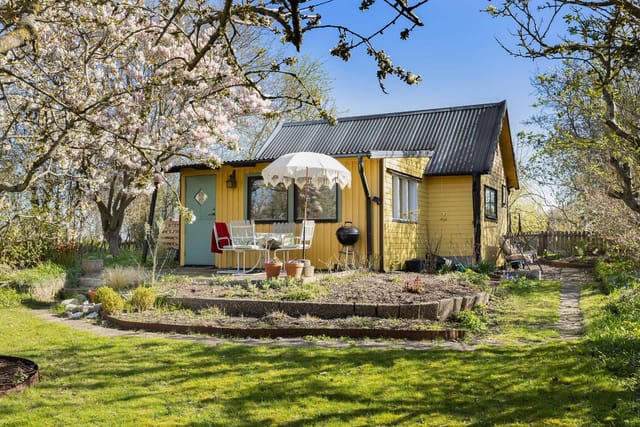
The plot itself is 150 square metres, and the previous owner clearly put in years of patient, knowing work. Two apple trees anchor the back of the garden—one early, one late variety, so you're picking fruit from August well into October. There's a plum tree too, and once you've had homegrown Swedish plums in a crumble on a September evening, shop-bought ones are a different category of thing. Raspberries and blackberries grow along the border, and if you get there before the birds do, there are wild strawberries tucked into the ground cover. Rhubarb, herbs, perennials that come back every spring without asking anything of you. Bulb plants push through the soil in April before you've even thought about the growing season. The garden does a lot of the work itself.
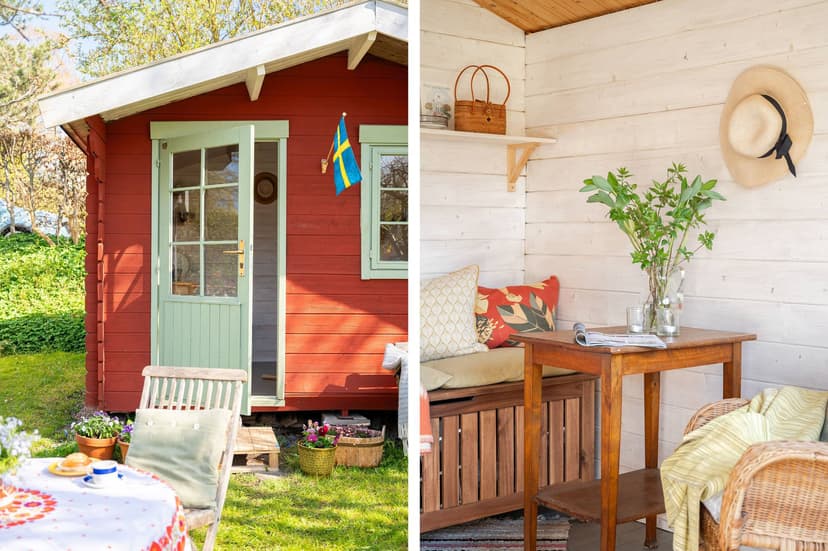
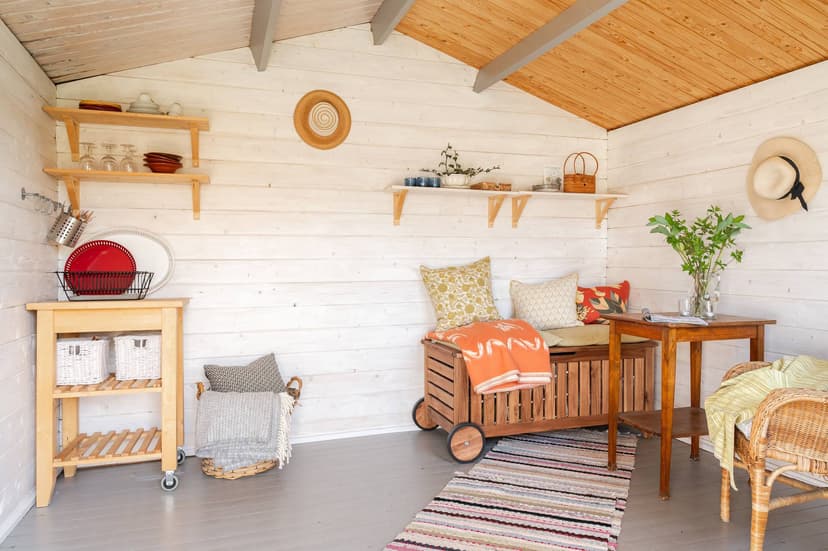
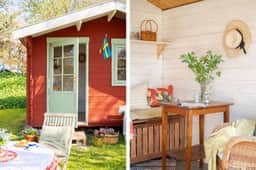
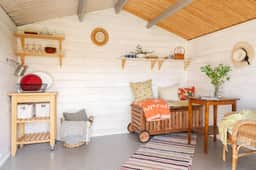
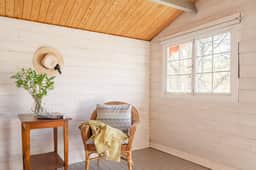
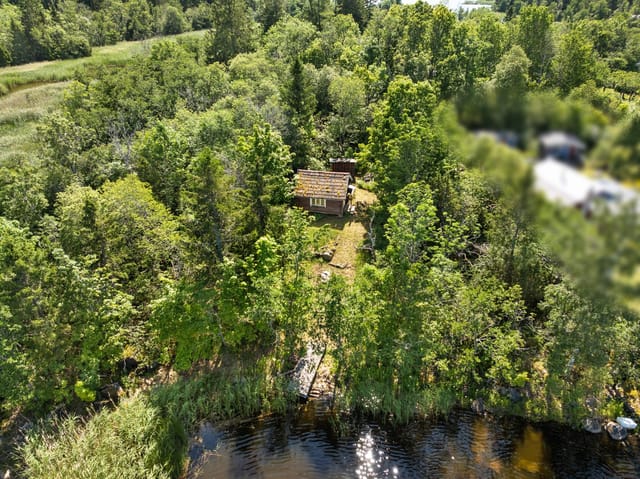
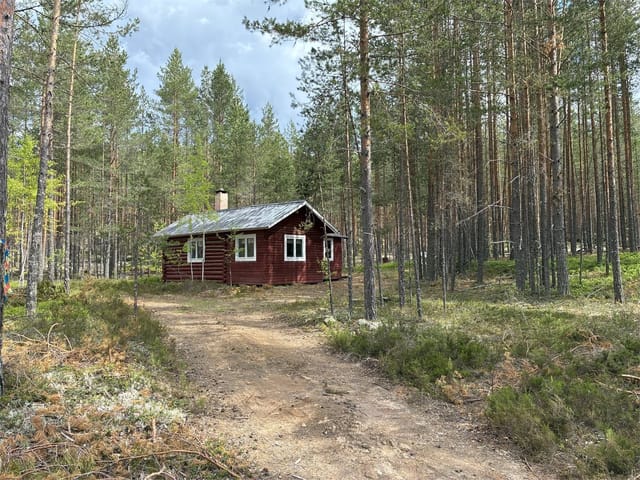
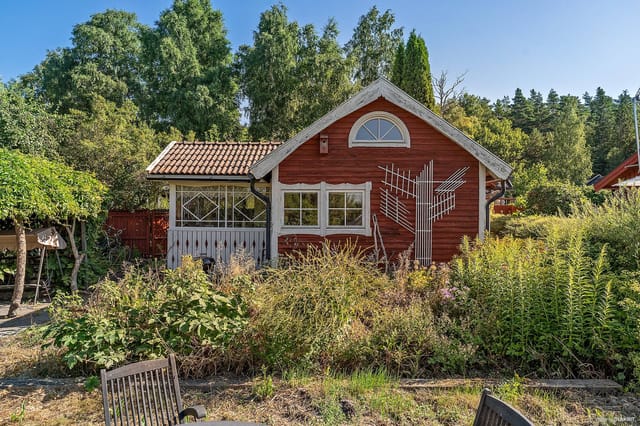
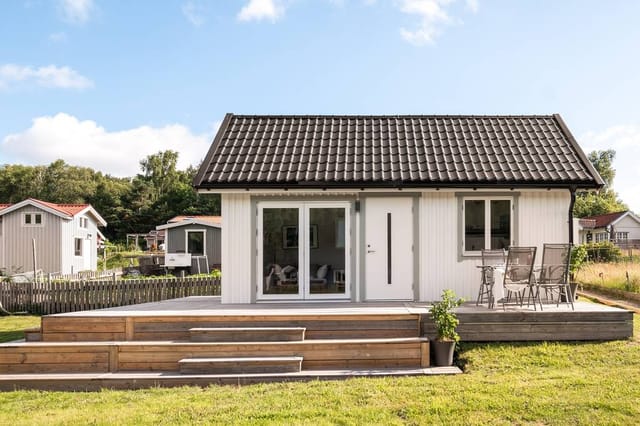
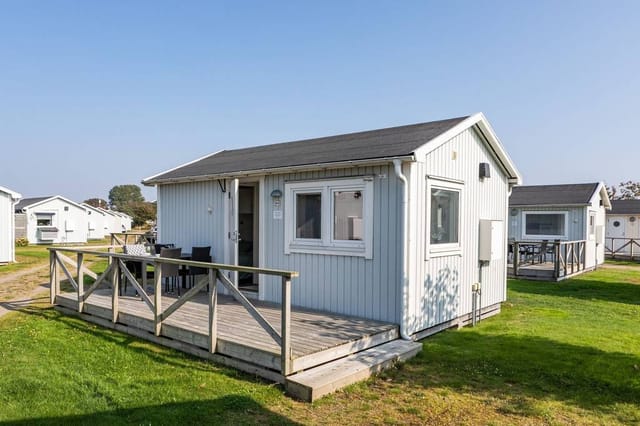
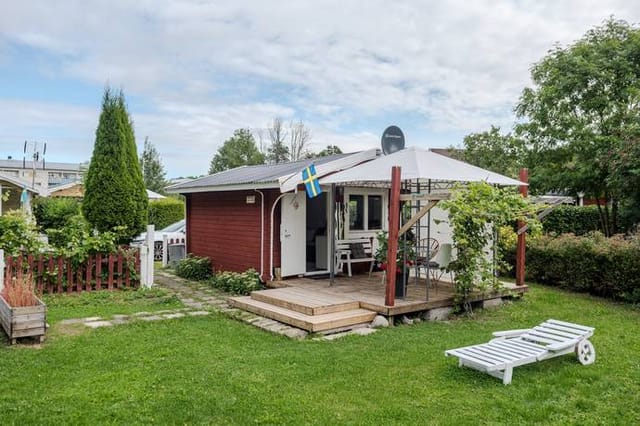
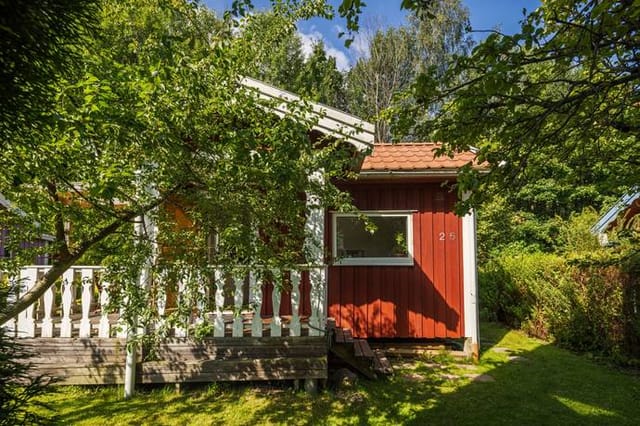
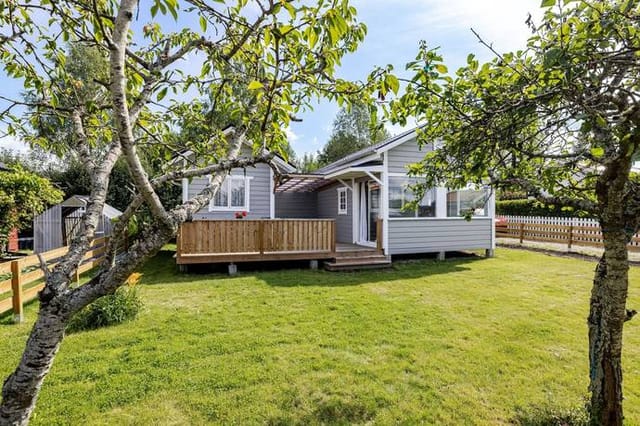
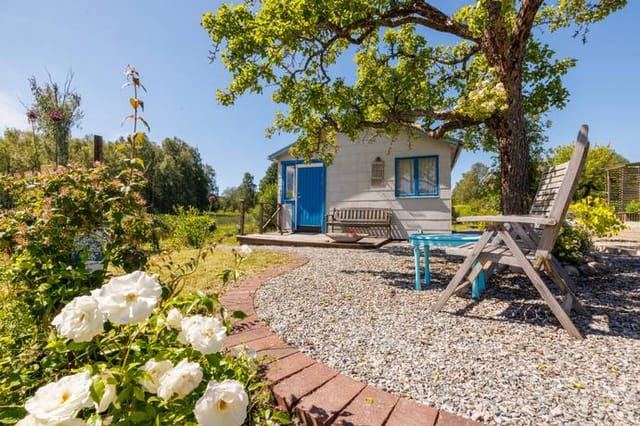
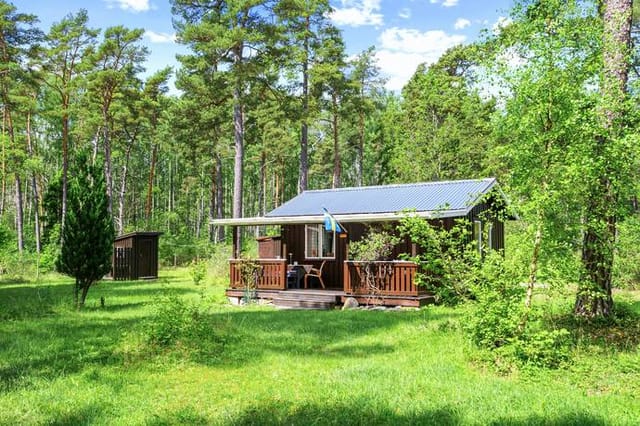
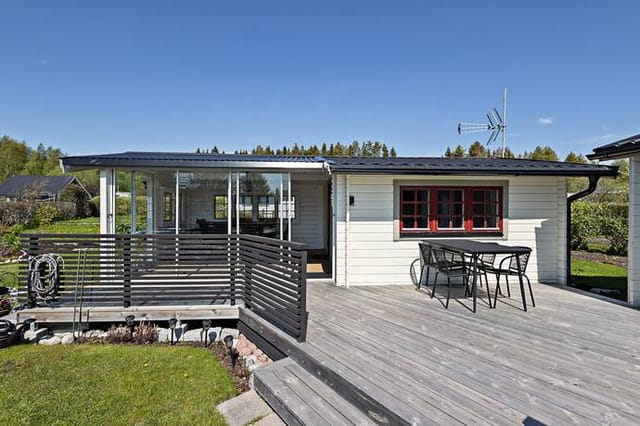
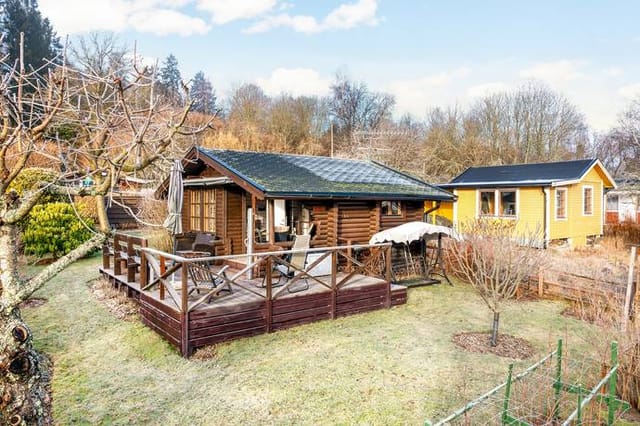
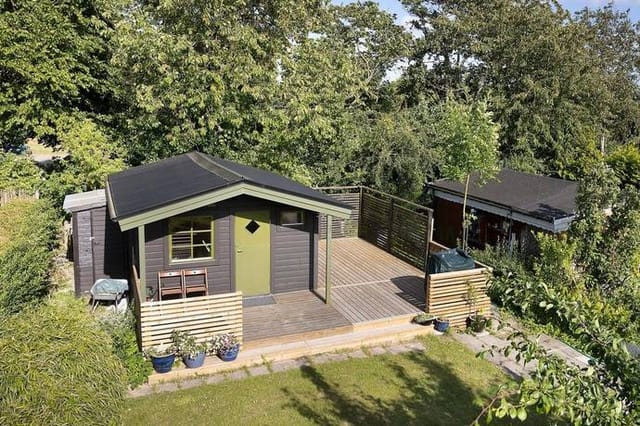
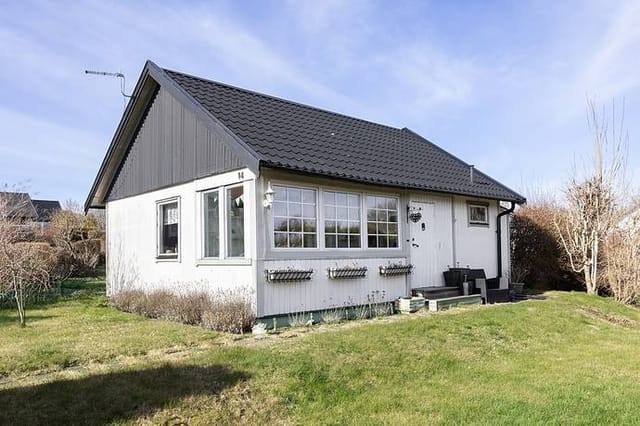
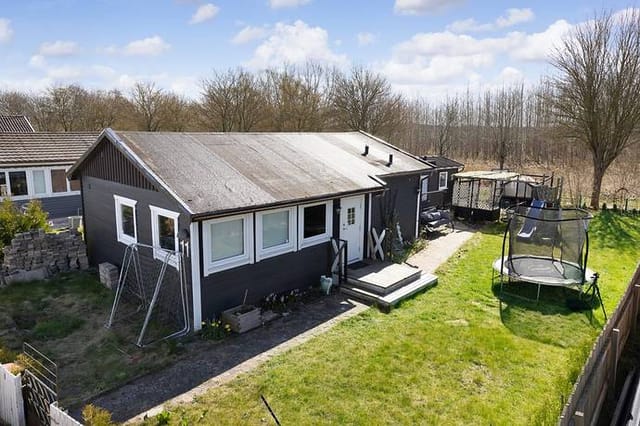
The cottage is 10 square metres—compact by any measure, but that's exactly the point. A single room, large windows that pull in the afternoon light, space enough for a daybed and a small table. It's a place to sleep after an evening out in the garden, to take shelter from a sudden August downpour, to sit and read on grey October days when the leaves are coming down on the apple trees. Swedish allotment culture has centuries of wisdom baked into this form. You're not meant to live here full-time; you're meant to live better here than you do anywhere else.
Allotment life in Lund has its own calendar. Spring opening weekends in late April when the colony stirs back to life and neighbors compare notes on what survived the winter. Midsommar gatherings around the communal areas in June—someone always brings herring, someone else brings snaps, and the evening goes on past midnight in that particular Swedish summer light that never quite gets dark. Harvest season in August and September when the plots are at their richest. The Öster 1 community hosts gardening workshops and seasonal events through the year, and the people who keep plots here are genuinely attached to the place—not transient, not impersonal.
Beyond the colony gates, Lund punches well above its weight for a city of 100,000 people. Lund University, founded in 1666, gives the place a year-round intellectual energy—lectures, exhibitions, film screenings, and the constant presence of students from across Europe keep the cultural life unusually active for a Swedish city this size. The Kulturen open-air museum on Tegnérplatsen is worth an afternoon even on your fifth visit. The Skissernas Museum on Finngatan—dedicated to preparatory sketches and models from major public artworks around the world—is one of those genuinely niche institutions that surprises you. The cathedral, Domkyrkan, holds free concerts most Thursdays during summer.
For food, the covered market hall on Mårtenstorget has local produce, Swedish cheeses, and the kind of fishmonger counter that makes dinner planning easy. Bishops Arms on Stora Södergatan does a reliable smörgåsbord on Sundays. The student-quarter streets around Lundagård are full of coffee shops with good fika—Condeco is the local favourite for kanelbullar. In late summer, the outdoor markets expand and you can source directly from Skåne farms, which produce some of the best vegetables in Scandinavia.
Physically, you're extremely well placed. Råbysjön lake is about 1.5 kilometres away on foot—a twenty-minute walk through quiet streets brings you to a lake good for swimming in July and early August, and popular with morning runners year-round. The sea at Malmö's Ribersborg beach is roughly 20 kilometres, easily reached by the regional Pågatågen train from Lund Central Station in under 25 minutes. Copenhagen Airport is about 40 minutes by direct train—making this genuinely accessible for international buyers flying in from across Europe. The colony itself sits near city bus lines connecting directly to central Lund, and the cycling infrastructure here is among the best in Sweden. Most errands, most restaurants, most everything can be reached by bike.
The Swedish climate in Skåne—the southernmost province—is milder than most people expect. Summers are genuine, with July temperatures regularly reaching 25°C and long evenings that make garden life a near-daily pleasure from May through September. Winters are short on daylight but rarely brutal, and a plot like this takes on a quiet, frost-bitten beauty in December that is completely different from, but no less real than, June's riot of colour.
On the practical side: annual operating costs run around 2,500 SEK—roughly €220—which keeps ongoing costs minimal. The property is held under leasehold tenure through the local allotment association, which is entirely standard for Swedish kolonistugor. International buyers should note this means the arrangement differs from freehold ownership, and it's worth engaging a Swedish property lawyer to review the association's terms before proceeding. That said, allotment plots in established Lund colonies like Öster 1 have historically maintained strong demand—supply is genuinely constrained, associations rarely grant new plot creation, and the waiting lists for plots in well-regarded colonies run to years. At €2,500, the asking price reflects real scarcity value.
Key features of this property:
- 150 sqm allotment plot in Öster 1, Lund's oldest colony
- 10 sqm cottage with large windows and single-room layout
- Two apple trees, one plum tree, raspberry and blackberry bushes
- Wild strawberries, rhubarb, herbs, and established perennials
- Mature lilac and rose plantings with seasonal colour from April to October
- Established patio area for outdoor dining and relaxing
- Annual operating cost approximately 2,500 SEK (around €220)
- Leasehold tenure through local allotment association (standard for Swedish colonies)
- Cycle distance to Lund city centre and Stortorget market
- City bus access from nearby stops
- 1.5 km walk to Råbysjön lake
- 20 km from Malmö's Ribersborg beach via train
- 40 minutes to Copenhagen Airport by direct train
- Active colony community with workshops and seasonal events
- Strong resale demand due to limited supply in established Lund colonies
This is a specific kind of purchase—not a main residence, not a standard investment property, but something with its own logic and its own rewards. If you've ever wanted a private garden in a European university city, a quiet place to disappear to on weekends, a plot of land that produces actual food and flowers and nothing but satisfaction, this is a rare chance to step into exactly that.
Get in touch through Homestra to arrange a viewing. The garden is at its best right now, and this won't wait.