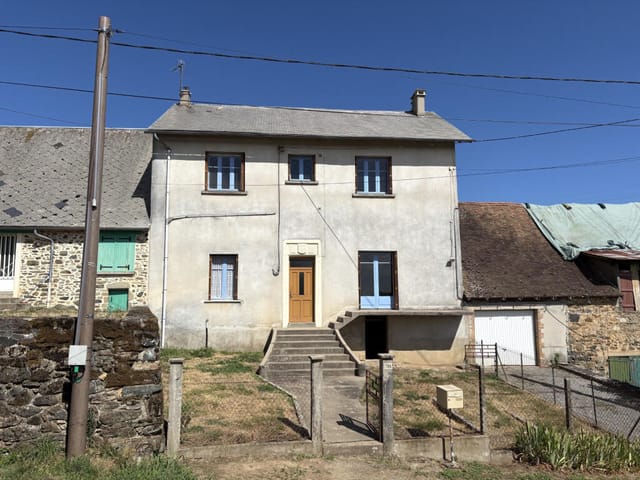
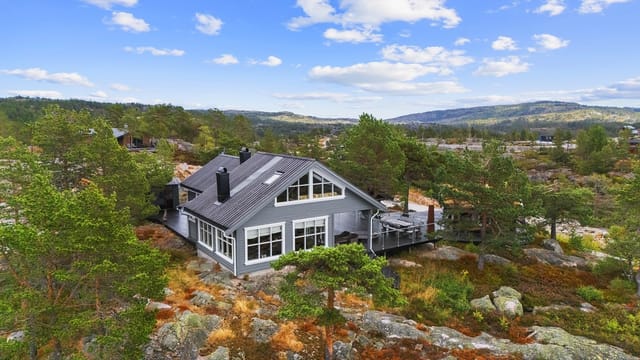
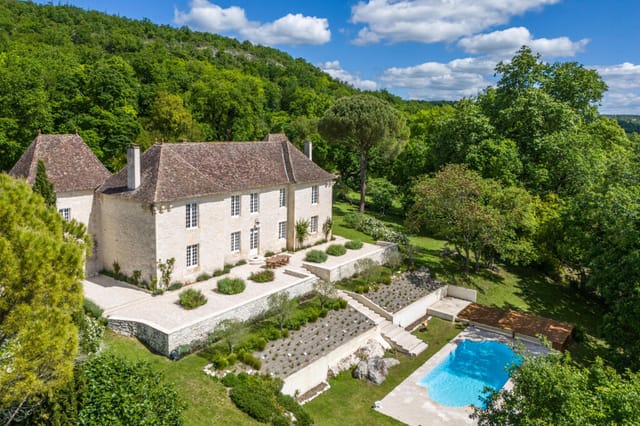
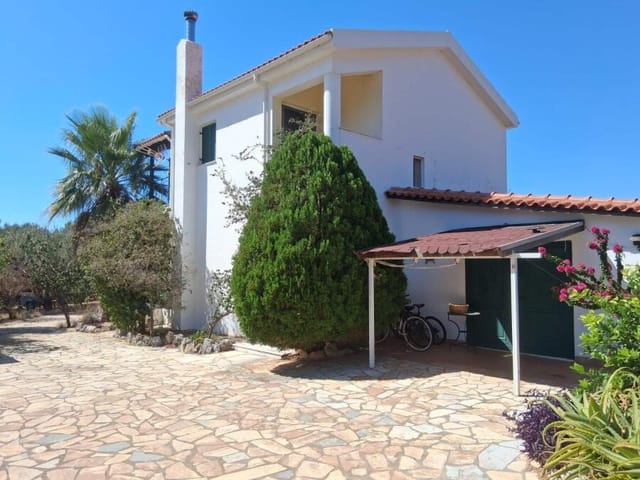
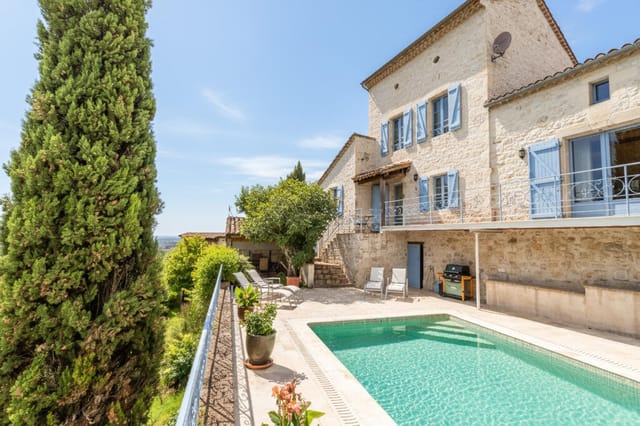
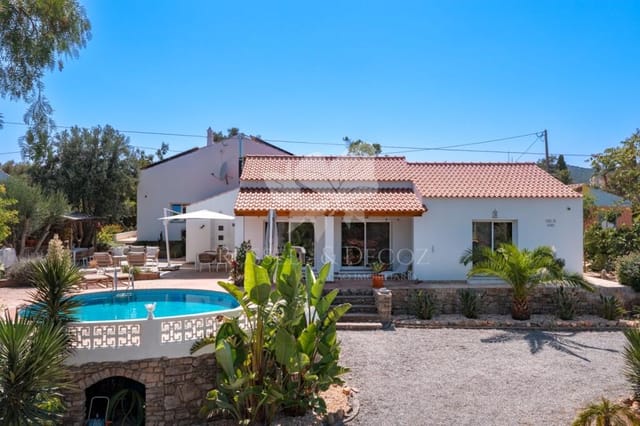
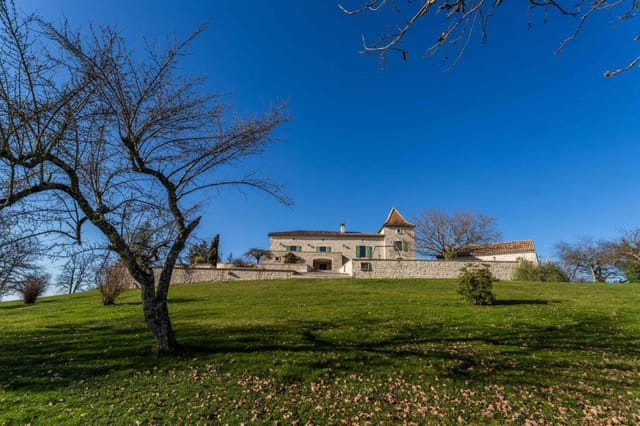
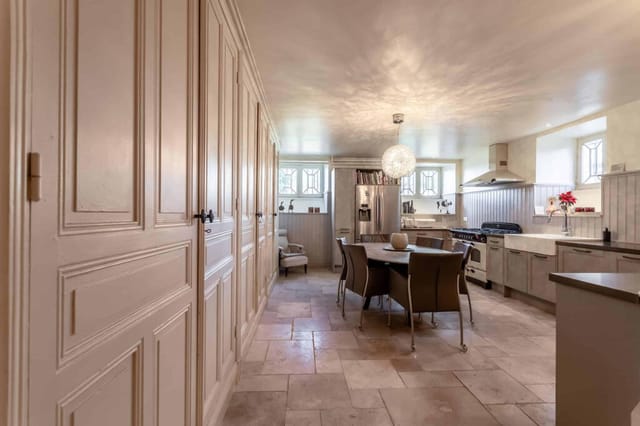
Houses For Sale In Europe (page 6)

Houses for sale in europe - homestra offers the largest amount of european real estate with over 200,000+ properties, find any type of property within your budget from villas to country homes. buy or rent your perfect home in europe. (page 6)

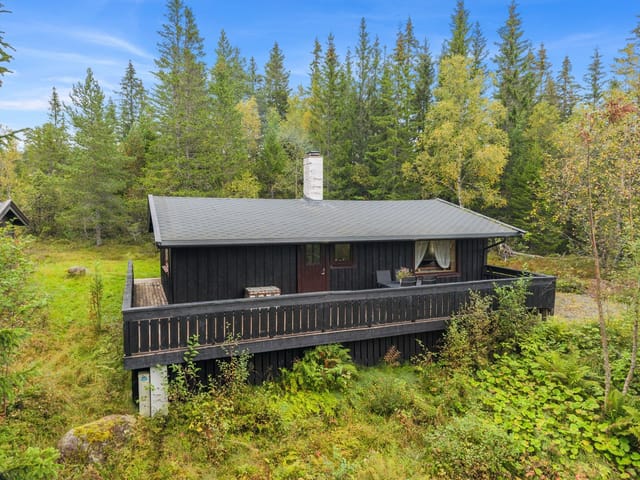
Step outside on a February morning and the only sound is the scrape of your ski boots clipping into bindings. The groomed trail begins twenty meters from the front door. Ahead, a white valley opens up below Syndin's frozen lake, framed by ridgelines that catch the first pale gold of a Norwegian winter sunrise. This is 1,008 meters above sea level, and it feels exactly like it. Midtre Syndin 132 sits on a freehold plot of 1,056 square meters in Ryfoss, a quiet mountain community in Innlandet county, about two and a half hours northwest of Oslo by car via the E16. Ryfoss is not a resort town with a high street full of overpriced ski gear shops. It's the real thing — a high-altitude seter landscape where farms and cabins share open terrain, where your neighbors are likely to be weekend regulars who've been coming for twenty or thirty years, and where the pace of life slows down to something that actually lets you breathe. The chalet itself was built in 2000 and covers 54 square meters of interior living space, with a total usable footprint of 64 square meters. Small, yes. But the floor plan is genuinely smart. Nothing feels cramped when the living room opens to the mountain view on two sides through wide windows that let the season do the decorating — green and gold in September, deeply white from November through April, then suddenly wildflower-bright by June. The solid wood floors and tongue-and-groove paneling on every wall and ceiling do what Norwegian mountain cabin interiors have done for a century: they make you feel warm before you've even lit the fire. And there is a fire. A wood-burning stove sits centrally in the living room, hooked into a masonry chimney, radiating the kind of heat that a radiator simply cann ... click here to read more

Welcome to Midtre Syndin 132 – a cozy leisure property with nature experiences right outside the door, at Syndin. Here you get a cabin on a freehold plot with beautiful views of the water and mountain landscape!

Picture this: you're sitting at a 1950s kitchen table, coffee in hand, looking out through original single-pane glass at a hillside property that has belonged to one family since 1901. The birch trees outside are so close their branches brush the windowsill. There isn't a neighbor in sight. This is Höjden 1 — a three-bedroom house sitting on over 5,200 square meters of private land right in the heart of Färgelanda, western Sweden, and it's one of those rare properties you genuinely don't come across twice. The address says the center of town. The reality feels more like a world apart. The hill itself — höjden literally means "the height" in Swedish — lifts the house just enough above the surrounding streets that the dense mature trees form a complete green curtain around it. You can walk to the ICA supermarket on Storgatan in under ten minutes, but you'd never know a town was there. That combination, genuine seclusion without genuine isolation, is almost impossible to engineer and nearly impossible to find. Built in 1901 and held within the same family for 125 years, the house is the kind of place that accumulates layers. The original late-Victorian timber frame gives the structure its bones. Then in the 1950s someone added a kitchen extension — and they had taste. The retro cabinetry is the real thing, not a modern reproduction: rounded corners, pastel tones, the kind of craftsmanship that design-conscious buyers now spend fortunes trying to recreate. The windows throughout carry the optimistic clean lines of the 1960s, while original wooden doors and period joinery anchor everything back to the Edwardian core. The result is not confused — it's a genuine archive of Swedish domestic design across a century, and it read ... click here to read more

Exterior view of the house and garden

Early morning on Stillingsön, the light comes in sideways off the water — that particular Nordic gold you only get in July, when the sun barely dips below the horizon. You're standing in the kitchen of this 1909 farmhouse, coffee in hand, watching a pair of horses move through the dew-wet pasture outside. Three kilometers down the road is a beach. Three kilometers the other way, a golf club. And here, right here, is 2.7 hectares of your own Swedish countryside. This is Orust. Sweden's third-largest island, tucked into the granite-and-saltwater chaos of the Bohuslän coast, roughly 90 minutes north of Gothenburg by car. People who know it, love it with a quiet ferocity. People who don't know it yet tend to stumble across it on the way to somewhere else and end up staying. The property at Allmag 547 sits on Stillingsön, one of Orust's more sought-after corners, and it's the kind of place that's genuinely hard to categorize. It's a working horse property with a four-box stable. It's a country retreat with old-growth trees and open meadows. It's a holiday home ten minutes from some of the best wild swimming on the Swedish west coast. All of these things are true simultaneously, and that versatility is exactly what makes it so unusual on the current market. The house itself was built in 1909, and it wears its age well — not in a theatrical, over-restored way, but in the way of a building that's been genuinely lived in and properly maintained. Sixty-five square meters. Two bedrooms, one bathroom, a kitchen, and a living room arranged in that unfussy, logical way that older Swedish rural homes tend to be. The rooms are bright — large windows on multiple aspects, the kind that bring in the long summer light until almost midnig ... click here to read more

Front view of the house and stable

Picture this: a Saturday morning in late June, the kind where the Swedish summer sun is already warm by seven, the air carrying the faint smell of cut grass and lake water. You step out the front door of your 1945 cottage at Sjöbo Sommarstad 66, coffee in hand, and the only sounds are birdsong and the distant laughter of kids heading down to the Almenäs bathing area. This is what you bought it for. Not a hotel room, not a package holiday. This. Sjöbo Sommarstad is one of those places that Borås locals know about and quietly keep to themselves. Tucked alongside the Viskan River on the western edge of the city, the area has been a summertime gathering point for Swedish families for generations — a patchwork of well-tended cottage plots, fruit trees heavy in August, and neighbors who nod hello and actually mean it. Number 66 sits here with a kind of quiet confidence. Built in 1945 and maintained in good condition, the cottage has the bones of a proper Swedish sommarstuга: red-painted timber, a masonry fireplace that radiates warmth on cool June evenings, and just enough space for life to feel unhurried. The footprint is compact — around 50 square meters across 3.5 rooms — but the layout works hard. The living room centers itself around that brick fireplace, and on the evenings when the temperature dips after sunset, you'll be grateful for it. Swedish summers can surprise you. The kitchen is functional and honest; it doesn't pretend to be anything it isn't, but it has everything you need to put together a proper midsommar spread or a weekday dinner of freshly caught perch. The dining area sits adjacent, framed by garden views, and breakfast here on a clear morning is worth more than any restaurant terrace in the city cente ... click here to read more
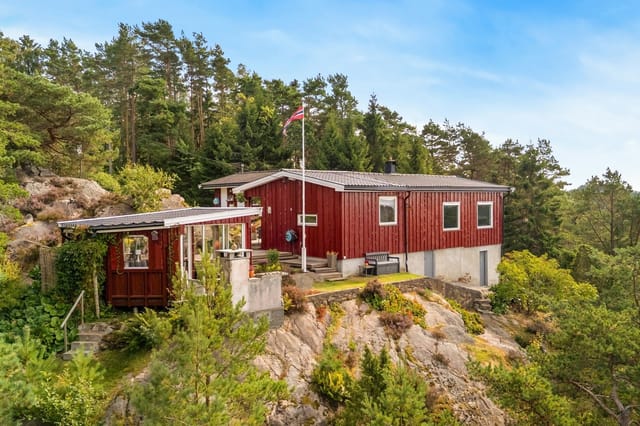
Exterior view of the summer cottage and garden

Picture a Thursday morning in late June. You've driven seven minutes down a quiet lane from La Fouillade, windows down, and the air already smells of cut grass and warm stone. Back at the house, coffee is on, the fireplace insert still holds a little warmth from last night, and through the kitchen window you can watch a buzzard circle lazily over your 8,617 square metres of land. This is what it feels like to own a piece of the Aveyron — unhurried, deeply French, and entirely your own. This former farmhouse in the commune of Bor-et-Bar has the kind of bones that reward a buyer with vision. At 126 m² across two floors plus a full basement, the main house is solid and liveable right now, while the constellation of outbuildings surrounding it opens up a range of possibilities that few rural French properties at this price point can match. A 50 m² double garage. A 60 m² former pigsty. And then — the showstopper — a 300 m² stone building that once housed livestock and could, with the right project, become gîtes, a workshop, an artists' residency, or simply extraordinary storage for the serious hobbyist. Planning permission in this part of the Aveyron has historically been sympathetic to thoughtful rural conversions. That 300 m² building alone makes this property worth serious attention. Inside the main house, the ground floor revolves around a generous 38 m² open living space where kitchen, dining, and sitting areas flow together around a fireplace with an insert — the kind that throws real heat on a January evening when the Ségala plateau gets its occasional frost. Three bedrooms of 9, 13, and 14 m² sit off this level, along with a bathroom and a separate WC. Upstairs, three further bedrooms, a second WC, and a convertible ... click here to read more
Photo 1

Saturday morning. You swing open the French doors off the kitchen and the Ribatejo countryside spills in — the faint smell of pine, a rooster somewhere far off, and absolute quiet except for the wind moving through the fields. This is the kind of morning that makes you realize you've been living your life in the wrong gear. Set in the small village of Areias, in the green rolling interior of central Portugal, this fully rebuilt three-bedroom house on a 1,120 m² plot is the kind of find that serious buyers tend to move on quickly. At 365,000 euros for a property this thoughtfully redone — A-rated energy efficiency, solar panels, double garage, 219 m² of living space — it's priced honestly for what it delivers. Let's start with that living room. The original exterior walls were kept during the rebuild, but everything inside was stripped back and done properly. The centrepiece is a floor-to-ceiling glazed window reaching close to four metres high. Stand in front of it on a January afternoon when the light drops low across the Ribatejo plain and it's genuinely arresting. Pine wood flooring runs throughout the living areas and bedrooms — real warmth underfoot, not laminate. High ceilings prevent any sense of compression. The whole ground floor breathes. The open-plan kitchen and dining area sits directly ahead as you come in, practical in layout and social in feel. Two sets of French doors push the space outward into the rear garden — that outdoor area is unfinished in the best possible sense. It's a blank canvas on a private plot: lay down a terrace, plant a kitchen garden, put in a pool someday. The 1,120 m² gives you room to think big without the maintenance burden of a sprawling rural quinta. Two double bedrooms sit o ... click here to read more
Picture 1

The first thing you notice on a clear morning is the silence. Not the absence of sound, but the particular hush of the Aubrac plateau — wind moving through high pastures, cowbells somewhere in the distance, and the faint smell of wild thyme warming up in the sun. This is what you wake up to when you own this eight-bedroom stone estate outside Laguiole, one of the most quietly compelling corners of southern France. This is not a weekend renovation project. The property was fully restored in the 2010s with a level of care you rarely see — lauze stone roofing, underfloor heating powered by a solar heat pump, mountain-grade double-glazed windows, and Rockwool and wood fiber insulation that keeps the house cool in July and genuinely warm in January. The DPE rating is C, which in a stone building of this age and scale is a real achievement. Move-in condition is not a marketing phrase here. It's the reality. The main residence alone spans over 270 square metres, converted from the original barn and stables with an open, light-filled layout that surprises people who expect old Aveyronnais farmhouses to feel dark and cramped. The ground floor kitchen was designed by someone who actually cooks — multiple openings, professional-grade finishes, and a setup that flows naturally into the vast living and dining area. There's a ground-floor bedroom with its own shower room, a pantry, and a separate toilet. Upstairs, the mezzanine leads to a master suite with a proper bathroom, a home office, a children's bedroom, and a fourth bedroom that can be connected either to the main house or to one of the adjoining rental units, depending on what you need it to be on any given day. That flexibility is one of the most valuable things about thi ... click here to read more
Picture 1

Stand on the patio on a still September morning and watch mist lift off the surface of your own one-acre lake. The water lilies have opened. A kingfisher cuts across the far bank. The only sound is the creak of the old oak at the water's edge. This is not a postcard. This is Tuesday. That is the kind of morning that comes with this four-bedroom house on the quiet edge of Dournazac, a compact, self-sufficient little village deep inside the Perigord Limousin Regional Natural Park. The property sits on just over two hectares — roughly 21,283 square metres — and includes not one but two private spring-fed lakes. That detail alone puts this in a completely different category from almost anything else available in this price range in southwest France. The house itself was built in the mid-1970s to an individually commissioned design, and the quality of its construction is still obvious today. Solid materials. Wide windows that pull in far more light than you'd expect from a house of this era. The rooms feel generous without being cavernous, and the whole place has been kept in good condition — move-in ready while leaving room for a buyer who wants to put their own stamp on the interior. Think of it as a sound, well-maintained canvas rather than a renovation project. Ground floor living revolves around a large lounge with a proper wood-burning stove and a dining area that opens directly onto the patio through French doors. On a warm evening, that threshold between inside and out effectively disappears. You're eating outside, the lake thirty metres in front of you, the sun dropping behind the treeline. A well-equipped modern kitchen sits just off the main living space, practical and ready to use from day one. Two bedrooms and ... click here to read more
Picture 1

Stand on the terrace at seven in the morning, coffee in hand, and count the colors of the Cretan Sea as the sun clears the ridge above Kato Episkopi. The water starts navy, shifts to cobalt, then that particular electric blue that makes Eastern Crete feel like a different planet from the crowded resorts of the north coast. The olive groves below catch the light and go silver. Not a rooftop in sight. Just valley, mountains, sea, and sky — sweeping a full 300 degrees around you. This is what owning this hillside villa outside Sitia actually feels like. Built amphitheatrically into the slope above the village of Kato Episkopi, the property sits entirely alone on its 1,991 square metre plot. No neighbours visible in any direction. The closest town, Sitia, is a short drive down the valley — close enough that you can be sitting at a harbourfront table at Zorbas eating fresh octopus with a carafe of raki within fifteen minutes, far enough that the silence up here is absolute. The 95-square-metre interior moves around an open-plan living and dining space anchored by oversized windows that frame the panorama like a living painting. The kitchen is properly equipped — induction hob, full refrigeration, everything you need to cook the ingredients you've picked up at Sitia's Saturday farmers' market: Cretan cheeses, Toplou olive oil, tomatoes that actually taste of summer. Italian-imported furniture throughout, chosen for weight and quality rather than showroom flash. The light inside shifts dramatically through the day as the sun tracks south to west, so the same room that feels bright and energising at noon becomes warm and amber-toned by evening. Both bedrooms open directly onto the outdoor terraces. The bathrooms are finished ... click here to read more
Picture 1

Sunday morning in Douliana sounds like this: a rooster somewhere up the hill, the faint clatter of coffee cups from the kafeneio two lanes over, and the smell of wild thyme drifting through your kitchen window while the pool catches the first slant of light. This is not a resort. This is a real Cretan village, and this stone villa sits right in the middle of it. Douliana is the kind of place travel writers keep to themselves. Tucked into the western foothills of Chania prefecture, roughly 25 kilometres southeast of Chania town and about the same distance from the E75 coastal highway, the village sits at just enough elevation to catch a reliable breeze through August when the coast is baking. The surrounding landscape is old olive groves and limestone ridges, the kind that turn amber in October and deep green after the winter rains. Life here runs at a different speed — unhurried, anchored to seasons, genuinely local. Villa Amalthea was built in 2005 in the traditional Cretan country-house style — thick stone walls, exposed wooden ceiling beams, terracotta-toned plasterwork — and it has aged well. At 238 square metres across two main floors plus a 55-square-metre basement, the layout is generous without feeling sprawling. It sits within a small, well-kept complex of stone villas sharing communal landscaped gardens planted with bougainvillea, jasmine, and fruit trees that drop figs and pomegranates in late summer. The communal areas include barbecue spots tucked between the trees, the kind of outdoor setup that turns an evening into an occasion. Step inside and the ground floor does what good architecture should: it makes you exhale. The living room has those heavy wooden beams overhead, a proper fireplace for the coole ... click here to read more
Picture 1

Stand on the edge of the plot on a still August morning and you hear almost nothing — just the wind moving through birch and pine, a woodpecker somewhere deeper in the trees, and the faint creak of the old sauna building settling in the heat. This is Snappertuna, a small coastal village in Raasepori municipality on Finland's southwestern tip, and this kind of quiet is genuinely hard to find anymore. Two bedrooms, two bathrooms, a separate sauna building, and 2.7 hectares of your own land, all for a price that puts most European renovation projects to shame. Let's be honest about what this property is. The main house and the sauna building have not been used much in recent years, and they show it. Trees have reclaimed parts of the plot. There is real work ahead — structural assessments, clearing, restoring. But that's precisely the point. Raw, affordable land with existing buildings in one of Finland's most quietly compelling coastal corners doesn't surface often, and when it does, it moves fast among buyers who understand what they're actually looking at. The Snappertuna area sits within easy reach of the Tammisaari archipelago, a labyrinthine stretch of islands, inlets, and narrow sounds that defines this part of the Finnish coast. Locals kayak from island to island in summer, picking wild blueberries and mushrooms along the way — chanterelles appear here in late July in almost embarrassing quantities if you know the forest floor. The nearby Ekenäs (Tammisaari) national park, one of Finland's oldest protected areas, is a short drive and offers marked trail networks through old-growth coastal forest and along granite shoreline. You won't be manufacturing a connection to nature here. It's already on your doorstep. Snap ... click here to read more
Picture 1

Stand at the edge of the man-made lake on a still October morning and the only sounds are cork oaks dripping dew and a pair of herons arguing somewhere along the river. That's your 200 metres of riverbank they're patrolling. This is what 8.5 hectares of southwest Alentejo actually feels like — not a postcard version, but the full, deeply quiet, faintly wild reality of it. The property sits in the Baixo Alentejo countryside a short drive from the small market town of Cercal do Alentejo, which has everything you genuinely need: a decent bakery, a pharmacy, a couple of unpretentious restaurants serving açorda alentejana and slow-roasted lamb, and the kind of weekly market where the produce arrives in the back of someone's pickup. Ten minutes away. Beyond that, 25 minutes gets you to Vila Nova de Milfontes, one of the least over-developed coastal towns on Portugal's Alentejo coast, where the Mira river meets the Atlantic and the beaches stay uncrowded long after the Algarve has given up on being quiet. Lisbon is two hours north, which feels like exactly the right distance. At the heart of the land sits an 85 m² rammed earth cottage — Taipa, in Portuguese — that was fully restored in 2020 using techniques that the walls themselves would approve of. Rammed earth breathes. It holds warmth without effort in winter and stays cool when July temperatures climb into the mid-thirties. The restoration leaned into this: cork insulation, breathable lime plaster, a vaulted timber ceiling, and double-glazed hardwood windows that frame views across the valley. The layout faces south, pulling in passive solar warmth through the colder months so the wood-fired central heating — running through radiators in every room — rarely has to work h ... click here to read more
Picture 1

Picture this: it's eight in the morning, the sun has just cleared the ridge behind the olive groves, and you're sitting on your stone-paved terrace with a coffee, watching the light shift across the Cretan Sea below. No traffic noise. Just the occasional bleat of a goat somewhere up the hill and the sound of a neighbor's radio drifting over the garden wall. This is Loutra, a village most tourists never find — and that's precisely the point. This two-bedroom ground-floor villa sits on a 500 m² plot in a genuinely quiet corner of northern Crete, about ten kilometers east of Rethymno along the old coast road. Built in 2006 and kept in good condition, the property covers 79 m² of interior space — not sprawling, but thoughtfully laid out so nothing feels wasted. The open-plan living area connects the kitchen, dining space, and lounge in one easy flow, with large windows pulling in daylight from the garden side. Tiled floors run throughout, keeping things cool underfoot during August, and aluminum window frames mean low upkeep for owners who aren't here year-round. The private pool is the real anchor of outdoor life here. Stone-paved terracing wraps around it with enough room for a proper arrangement of sun loungers and a shaded corner for afternoon reading. A covered veranda opens directly from the living area — this is where dinners actually happen in summer, stretched late into the evening with grilled fish from the harbor at Panormos or a slow-cooked stifado from the taverna in Perama, reheated and eaten at your own pace. The landscaped garden fills in the perimeter with Mediterranean planting: lavender, rosemary, bougainvillea spilling over stone walls. It looks after itself more than you'd expect. Practical notes wort ... click here to read more
Picture 1

On a clear morning in Louignac, before the rest of the world has quite caught up, the view from the pool terrace is the kind that stops you mid-coffee. Rolling green hills, not another rooftop in sight, just the odd buzzard circling over the tree line and the faint mechanical hum of a tractor somewhere far off in the Corrèze countryside. This is rural France doing what it does best — unhurried, unfiltered, and quietly extraordinary. This four-bedroom stone house sits at the heart of one of the Limousin's most genuinely peaceful corners. The region doesn't shout about itself the way Provence or the Dordogne do, and that's precisely the point. Property prices here still reflect reality rather than hype, the markets are full of locals rather than tourists, and the land rolls on in every direction without apology. For buyers chasing authentic French country life — not a postcard version of it — Louignac delivers. Step inside and the kitchen-dining room sets the tone immediately. It's a proper working kitchen, fitted and equipped, with enough space that Sunday lunch becomes an event rather than a logistics challenge. This room opens directly into the living area, where a pellet stove anchors the space — genuinely efficient, low-maintenance, and exactly what you want when October mist rolls in off the hills. The view through the back windows is the kind interior designers try to replicate with wallpaper. You won't need to. Behind the kitchen, a laundry room gives you the practical backbone every country house requires. But it's also a flexible space — with the right desk and a decent internet connection (fibre has arrived in much of rural Corrèze), it converts into a quiet home office without much effort. Remote workers and ... click here to read more
Picture 1

Stand on the balcony on a clear October morning and you'll understand immediately. The valleys below are wrapped in a low mist, the tree canopy has gone amber and rust, and the only sound is the wind moving through the pines. This is Limousin at its most elemental — and this little stone cottage sits right at the top of it all. Saint-Gilles-les-Forêts is not a village that makes headlines. That's precisely the point. Tucked into the wooded hills of Haute-Vienne, about 30 kilometres southeast of Limoges, it belongs to a part of rural France that many people drive through on the way to somewhere else and later wish they'd stopped. The rolling forested landscape here is part of the wider Parc Naturel Régional Périgord-Limousin territory, and the surrounding countryside has the kind of unhurried quality that simply cannot be manufactured. The air actually smells different — a mix of damp earth, pine resin, and woodsmoke drifting from farmhouse chimneys on cool evenings. The cottage itself is built in the traditional Limousin stone style, that characteristically dark granite that seems to absorb the light differently at each hour of the day. At around 40 square metres of habitable space, it's compact and honest — there are no pretensions here, just a well-proportioned one-bedroom home that has been kept in good condition. But the real story is what lies beyond those walls. The attic holds genuine conversion potential, and the basement adds further flexibility for anyone who wants to expand without sacrificing the character of the existing structure. Planning something bigger? The bones are already there. The enclosed plot is tree-lined and private, with a wood shed that will earn its keep the moment the first autumn cold s ... click here to read more
Picture 1

On a still Sunday morning in Madiran, the only sounds are birdsong and the faint clinking of bottles from the cooperative down the lane. You push open the kitchen's stable door, coffee in hand, and step into the front garden where the dew is still burning off the lawn. The wrought-iron gates at the end of the gravel drive frame a view of organic vineyard rows stretching toward the foothills. This is your house. It has been for two hours, and already it feels like it's been yours for twenty years. That sense of instant belonging is hard to manufacture — it comes from a place that has been genuinely lived in, loved, and brought carefully into the present without losing what made it worth loving in the first place. This five-bedroom Maison de Maître dates to the 18th century, and the current owners acquired it as a second home before it quietly became something they couldn't leave. After years of thoughtful restoration, they've handed over a property that's fully move-in ready: no compromise projects, no skeleton-in-the-wall surprises, just a grand French country house that works as well as it looks. The proportions alone would stop you in your tracks. An entrance hall at 18 square metres sets the tone — black oak staircase rising ahead of you, original tiled floors underfoot, beamed ceiling overhead. To the right, what the owners use as a study is actually a generous 25.5-square-metre room with a wood burner and double-aspect windows; put a bed back in it and you have a ground-floor guest suite in seconds. The lounge at the same square footage flows naturally into a 23.5-square-metre kitchen with fitted units, an island, plumbing for a dishwasher and washing machine, and that stable door that you'll leave open from April ... click here to read more
Picture 1

Step through the wide sliding door of a former barn on a quiet hillside above Morlhon-le-Haut, and the first thing that hits you is the scale of the place. That 65-square-metre living room opens up before you like the inside of a cathedral — timber overhead, light slanting in from the south-facing terrace, a wood-burning stove already crackling on a November afternoon. It smells faintly of oak and old stone. Outside, the orchard is dropping its last apples into the wet grass, and across the flat, open grounds you can count two wells and a fish pond without taking a single step. This is the kind of property that takes a few minutes to fully comprehend. At just under ten kilometres from Villefranche-de-Rouergue and a short drive from Rieupeyroux, the address sits at a genuinely quiet crossroads of rural Aveyron — a département that most international buyers haven't yet discovered but seasoned France-watchers have been quietly watching for years. The land here is a deep, folded green, crossed by the Dourdou de Conques river valley and threaded with country lanes where you might go twenty minutes without seeing another car. The nearest TGV connection runs through Figeac or Rodez, both reachable in under an hour, and Toulouse-Blagnac Airport — the main gateway for international arrivals — sits roughly two hours southwest. You're remote enough to properly decompress, close enough to civilisation that it never becomes inconvenient. The main house, the converted barn, is where the real story of this property begins. The original structure — massive, honest stonework dating back generations — has been carefully opened up rather than gutted. Entering via a sloping ramp that still echoes the barn's working past, you arrive in the ... click here to read more
Picture 1

On a still April morning in Lussac-les-Églises, the fields around this old stone farmhouse turn into something you'd struggle to describe to someone who hasn't seen it themselves. Wild orchids push up through the grass in clusters, the kind of thing you read about in nature guides but rarely actually stumble upon. Swallows cut low over the carp lake. The only sound from inside the kitchen is the creak of a wooden beam settling in the warmth. This is what 4.7 hectares of organically managed Limousin countryside looks like when no one's been rushing it. This is a four-bedroom house in genuinely good condition, sitting on land that's been farmed without chemicals for fifteen years, with a small carp lake, maintained paddocks, a polytunnel, and a converted bread oven that serves as one of the most characterful ground-floor bedrooms you're likely to find anywhere in rural France. At 238 square metres, it has enough room to breathe — and enough quirks to make it feel like somewhere, not just somewhere else. The entrance hallway sets the tone immediately. Original encaustic floor tiles run the full length from front door to back, the kind that would cost a fortune to source and lay today. To the right, the living and dining room opens up around a proper fireplace fitted with a wood-burning stove, with exposed timber beams overhead that have been doing their job for well over a century. This is a room for long winter evenings, for board games with the grandchildren, for the specific kind of quiet that only deep countryside delivers. Then comes the bread oven room. Fully restored, converted into a ground-floor bedroom, and genuinely unlike anything else in a comparable property. The curved stonework has been kept intact. It's ... click here to read more
Picture 1

Stand on the terrace on a Saturday morning and the only sounds you'll catch are birdsong, the distant bark of a hunting dog somewhere in the oak woods, and the faint clatter of a tractor on the lane. That's life in Roziers-Saint-Georges — unhurried, grounded, and genuinely rural in a way that most of France has long since traded away for tourism infrastructure. This three-bedroom stone house sits in the Haute-Vienne department of Limousin, a region most international buyers haven't discovered yet, which is precisely what makes it worth paying attention to right now. The house itself is honest architecture. Thick granite walls — the kind that keep rooms cool in July without air conditioning and hold warmth in October without the heating working overtime. The original stone structure has been extended with a timber-clad addition that widens the ground floor living space and gives the interior an unexpected texture: rough-hewn stone on one side, warm wood on the other. Single-level living runs across the main floor, making the everyday practical and comfortable. Head upstairs and the sloping ceilings of the upper floor add a certain character — the kind of attic-ish charm that adults secretly love and children turn into dens within minutes of arriving. At 85 square metres, this is a manageable property. No vast rooms to heat or maintain, no sprawling grounds to upkeep when you're back in your home country. The garden is real enough to feel like a garden — space to eat outside, to grow tomatoes, to sit and do absolutely nothing — without becoming a burden. A stone terrace extends the living space outdoors through the warmer months, and given that Limousin enjoys genuine summer heat from late June through September, that te ... click here to read more
Picture 1

Step outside on a January morning and the world has gone completely quiet. The kind of quiet you didn't know you were missing until it hits you — just the creak of snow-laden pine branches and the faint hiss of a wood-burning sauna firing up. That's what mornings look like at this four-bedroom house in Vihti, a place that earns its reputation not through flashy marketing but through sheer, unhurried quality of life. Vihti sits roughly 40 kilometres northwest of Helsinki, which means you're never far from the city when you want it — but far enough that you genuinely forget it exists. The E18 motorway puts Helsinki Airport within 45 minutes on a clear day, making this a genuinely practical second home for international buyers who want Finland within reach without sacrificing the sense of retreat. Buses connect Vihti to Helsinki's western suburbs regularly, and Espoo's commuter corridors are close enough for those spending extended periods here. The house itself covers 228 square metres across four bedrooms and four bathrooms — a scale that accommodates a full extended family or a rotating calendar of friends without anyone feeling crowded. This isn't a compact ski cabin; it's a proper home with room to spread out. Sitting in good condition at €350,000, it represents the kind of honest Finnish residential quality that holds up across decades. Finnish construction standards are among the strictest in Europe, and properties built here are engineered for climates that would punish lesser buildings. Double-glazed windows keep the cold at bay in February; the same insulation keeps things cool when June temperatures push into the mid-twenties. Speaking of June — Finnish summers in Vihti are genuinely something else. The long l ... click here to read more
Picture 1

Sunday morning in Lunigiana has a particular quality of stillness. You're standing on the panoramic terrace with a coffee, watching the morning mist lift off the valley below, and the only sound is the occasional clink of the wind chime near the pergola. This is the unhurried version of Tuscany that most visitors never find — not the tour-bus Tuscany of Siena and San Gimignano, but the raw, green, slightly medieval Lunigiana, where the Magra and Aulella rivers cut through chestnut forests and the villages still celebrate the Festa della Lumaca every summer like it's the most important event on the calendar. Because here, it is. This three-bedroom detached villa sits on a private hillside just outside Aulla, a small town in the northernmost tip of Tuscany where the region bumps into Liguria and Emilia-Romagna. The position is everything. Around 2,000 square metres of private grounds wrap the house, and the views over the valley are the kind that stop you mid-sentence when you step outside. Private, elevated, genuinely quiet — yet Aulla itself is a five-minute drive, the A15 autostrada puts La Spezia on the coast within 45 minutes, and Pisa's international airport is roughly 90 minutes south on the A12. The Cinque Terre? An hour by car, or take the train from Aulla's station directly to Monterosso and skip the motorway entirely. The house is arranged across two floors, and at 120 square metres it's the right size — generous enough for a family or a group of friends, compact enough that it doesn't become a maintenance project. Ground floor living revolves around a proper sitting room with a fireplace, the kind that earns its keep between October and March when Lunigiana gets cold and moody in the best possible way. The ki ... click here to read more
Picture 1

Step outside on a October morning and you can hear the Vienne running just beyond the treeline — a low, steady murmur that competes with nothing. No traffic. No neighbours cutting grass at 8am. Just the river, a few wood pigeons, and the kind of silence that people drive three hours from Paris to find. This stone house in Nedde delivers exactly that, and then some. Nedde sits in the southern tip of Haute-Vienne, where the Limousin plateau starts to fold into wilder, more dramatic terrain. The village itself is tiny — a handful of houses, a church with a clock that chimes on the quarter hour — and it sits at the edge of the Lac de Vassivière, one of the largest artificial lakes in France and the centrepiece of a regional park that most international visitors still haven't discovered. That's part of the appeal. This corner of France rewards the traveller who looks slightly off the beaten track. The house is traditional Limousin stone construction. The walls are thick enough to keep the interior cool through July and August without air conditioning, and warm in autumn when the woodland around the property turns amber and rust. At 80 square metres the current layout is compact but genuinely liveable — three bedrooms, a bathroom, and a ground floor that functions well as-is. Crucially, the structure is in good condition, meaning you're not buying a restoration project. You're buying a house you can sleep in this summer while you take your time imagining what it might become. Because the potential here is real. The plot is generous, wooded, and private, with a pond that sits still in the early morning and catches the light in a way that makes you stop whatever you were doing. A workshop and a stone garage complete the outbu ... click here to read more
Picture 1

Friday morning. You unlatch the kitchen door and step out into the courtyard while the coffee is still brewing. Somewhere beyond the old gates, the weekly market on the Grande Rue is already in full swing — the baker from Rue du Marché has set up his table, and the smell of warm bread drifts over the stone walls. This is what life looks like in Richelieu, and this house puts you right at the centre of it. Cardinal Richelieu didn't just build a palace. He built an entire town from scratch in the 1630s — planned streets, a grid layout, arcaded market halls, and ramparts that still stand. It remains one of the most complete examples of 17th-century French urban planning in existence, and this three-bedroom house sits within those original walls, in the historic heart of it all. You're not on the edge of somewhere interesting. You are somewhere interesting. Step through the large gates into the shared courtyard and the house opens directly into a fitted kitchen of 12 square metres, tiled underfoot and practical in the best French sense — not a showroom, a room for actual cooking. A couple of steps up and you're in the dining room, 24 square metres with a fireplace and the kind of wooden floors that creak just enough to feel alive. Wall panelling in the reception rooms gives everything a settled, unhurried quality. A small door leads to a ground-floor WC, then along to the living room — another fireplace, more wooden floors, another reason to stay inside when October turns the town amber. Upstairs, the landing splits left and right. To the left, a 16-square-metre bedroom with fitted cupboards. To the right, a second WC. Keep going and you reach the shower room — a generous 15 square metres with shower, sauna, and sink. The ... click here to read more
Picture 1

Late afternoon in July, the kitchen terrace goes golden. The vine curling overhead filters the light into something soft, and you can smell the lavender baking on the hillside slopes below. A glass of Gaillac white — picked up that morning from the Domaine de Labarthe cooperative just down the D922 — sits on the stone table. The pool, fourteen metres of saltwater shimmering in the western sun, catches the last heat of the day. This isn't a fantasy. This is an ordinary Tuesday at this quietly extraordinary property in Virac, Tarn. Virac sits in one of the most quietly coveted corners of the Midi-Pyrénées, tucked between the medieval hilltop village of Cordes-sur-Ciel — just ten minutes up the road — and the UNESCO-listed cathedral city of Albi, about fifteen minutes southeast. The French tend to keep places like this to themselves. Rolling countryside of vines, sunflowers, and walnut groves; almost no through traffic; the kind of silence at night where you can hear owls. This is Tarn at its most elemental. The property itself is a considered composition of two distinct living spaces set on roughly 1.5 hectares of mixed grounds — wooded pockets giving way to open lawns, the land folding gently around the house on a west-facing hillside. A private driveway leads you in, and that sense of arrival — of crossing a threshold into your own world — never quite gets old. The main house runs to 205 square metres, having been rethought by an architect in 2002. The result is a home that works as a home should: a generous 54-square-metre living room anchors the ground floor, with a wood-burning fireplace that earns its keep every winter and an open-plan kitchen that makes cooking feel like part of the entertainment rather than a re ... click here to read more
Picture 1

On a clear morning in the Haute-Vienne, the mist sits low over the river valley, and if you're standing at the rear of this farmhouse with a coffee in hand, watching it slowly burn off over the pasture, you start to understand why people come to this corner of France and never quite leave. This is rural France the way most people only see it in films — wisteria climbing the stone walls, a mature grapevine arching over the entrance, and 4.7 hectares of land that has been entirely free from chemical use for more than twenty years. This three-bedroom farmhouse in Lussac-les-Églises sits in genuine working countryside, the kind where the hedgerows are thick with native flora and the wildlife pond in the paddock attracts species you haven't seen since childhood. At 144 square metres of habitable space, the house is generous without being overwhelming — a place that actually invites you to slow down rather than simply telling you to. Step inside and the entrance hallway sets the tone immediately. The original wooden staircase is the first thing you notice, worn smooth in exactly the right places. From here, the kitchen and breakfast room extends ahead of you — traditionally proportioned, with the easy warmth of a country kitchen that has seen decades of proper use. Adjoining it is a utility room that doubles as a genuine workhorse: external access, excellent storage, and direct connection to the large two-storey barn. At roughly 6.9 by 3 metres, that utility space could just as easily become a dining room or snug if the barn conversion is ever completed. The lounge is the heart of the ground floor. Exposed beams overhead, a wood-burning stove in the corner, and dual-aspect windows that frame the surrounding land on two side ... click here to read more
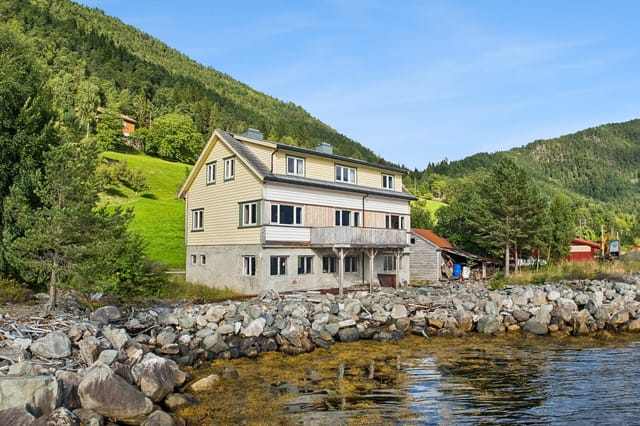
Photo 1

Early on a Tuesday morning in Villefagnan, the weekly market on the square is already buzzing—farmers unloading sunflowers and Charentais melons, a boulanger selling still-warm pain de campagne from the back of a van. You could walk there from this property in under ten minutes, or take three minutes by car if your arms are already full of last night's wine bottles. Either way, you'd be back before the coffee in the kitchen's old stone fireplace alcove had gone cold. This is rural Charente at its most liveable. Not a sleepy nowhere—a proper working French village with a school, a pharmacy, a few local businesses, and that particular kind of quiet that city people spend years chasing. Villefagnan sits in the heart of Poitou-Charentes, a region that rarely makes the glossy magazine covers but that seasoned France-lovers return to again and again. The light here in July is long and golden. The summers are reliably warm without the punishing heat of Provence. And in October, when the cognac vineyards around Jarnac and Cognac—barely an hour south—shift from green to deep amber, the countryside becomes something else entirely. The property itself is a genuine Maison de Maître, that distinctly French architectural form built to project quiet authority: symmetrical façade, high ceilings, solid stone construction that keeps rooms cool in summer and holds warmth through the Charente winters. This one sits on just under a hectare of land—enough space to feel genuinely rural, not enough to become a full-time landscaping project. The grounds are divided into formal garden areas and open land, with a large hangar at the far boundary that has serious practical value for storage, vehicles, or conversion. And that's where things get i ... click here to read more
Picture 1

Saturday morning, and the boulangerie on Rue de la République is already pulling trays of pain au levain from the oven. You can smell it from two streets away. That's the kind of neighborhood Le Grand-Quevilly is — compact, lived-in, genuinely French in the way that tourist brochures can never quite capture. This 35 m² townhouse sits quietly on a fenced plot of 252 m², and it's the kind of find that doesn't stay on the market long. The numbers make sense immediately. At €109,900, with an approved building permit already in hand, this isn't just a property — it's an open door to something bigger. For an investor looking to build equity in the greater Rouen metropolitan area, or a buyer planting roots in Normandy for the first time, the groundwork has already been done for you. Step inside and the house surprises you. What reads as compact on paper feels considered in person. The ground floor kitchen is functional and ready for your own vision — whether that means a sleek modern fit-out or something warmer and more rustic, the bones are there. Climb the stairs and you land on the first floor, where parquet flooring runs underfoot and the space opens up more than you'd expect. It works equally well as a living room or a generous bedroom — fluid, adaptable, genuinely useful. The bathroom here is modern and sharp: walk-in shower, toilet, vanity unit — everything finished, nothing left to guess at. Up another floor, the top-level bedroom has its own parquet floors and a quiet, settled feeling that makes you want to linger. What sets this property apart practically is the list of updates already completed. New electrical wiring throughout. A new water heater. Double-glazed PVC windows keeping the Seine-Maritime winters at ba ... click here to read more
Picture 1

Sunday morning in Richelieu sounds like gravel crunching under slow feet, a boulangerie two streets over doing brisk business, and nothing else. Pull open the kitchen shutters of this old Tourangelle farmhouse and the courtyard is already catching the light — the avenue of trees casting long shadows across the flagstones, the heated pool glinting just beyond the gate, a miniature horse named Étoile doing her rounds near the vegetable patch. This is not a property that needs to be explained. It announces itself. Set in the "Sud-Touraine" — the sunnier, gentler pocket south of Tours in the Indre-et-Loire — this 453m² ensemble of main house and independent gîte occupies a flat 2.5-acre grounds that manages to feel both deeply rural and completely practical. The A10 and A85 motorways are close enough that you could be in Bordeaux by early afternoon or in Paris by the time the evening news starts. Tours itself, with its TGV connection to Montparnasse (less than an hour), sits roughly 50km north. This is genuinely one of the most connected corners of rural France. The main farmhouse runs to around 245m² across two floors, and it rewards slow exploration. The heart of it is a 73m² living room that stops visitors mid-sentence — a vaulted ceiling climbing to 5.7 metres, a working stone fireplace large enough to park a bicycle inside, and the particular quality of silence that comes with walls this thick. From there, a dining room of 31m² with original quarry-tiled floors flows toward the kitchen: recently modernised, double-aspect, 20m² with a central island and exposed beams overhead. Morning coffee here, with light coming in from two sides and the courtyard just through the glass, is the kind of domestic moment people move co ... click here to read more
Picture 1
Imagine waking up on a Saturday morning in late October, the wood-burning fireplace still warm from the night before, the windows framing a steel-grey Store Gjøljavatnet that mirrors the birch trees stripped bare by the first autumn winds. You pull on your boots and you're on a hiking trail in four minutes flat. No crowds. No noise. Just the crunch of frost underfoot and the distant call of a fieldfare somewhere in the treeline. That's the reality of life at Gjøljabakken 7 — and it's the kind of morning that makes you wonder why you waited so long to buy. Situated in Gjølja, a quiet corner of Bjugn municipality on Norway's Trøndelag coast, this two-bedroom year-round holiday house sits between two fishing lakes — Lille Gjøljavatnet and Store Gjøljavatnet — with the kind of direct, no-fuss access to the outdoors that most leisure properties only promise in the brochure. At 57 square metres spread across two floors, it's compact but cleverly arranged, built in 1966 and kept in good condition by owners who clearly used and loved it. The living room is the heart of the place. Large windows face out toward Store Gjøljavatnet, so the lake is almost always in your peripheral vision — glittering in summer, frozen and eerily quiet in February. The fireplace anchors the room, and after a long day on skis or a few hours out with a fishing rod, there's something genuinely restorative about that particular combination of lake view and wood smoke. The kitchen, at around 8 square metres, is functional and practical — no wasted space, and the view from the kitchen window while you're making coffee is frankly unfair for something this affordable. Two bedrooms cover the sleeping arrangements. The larger of the two runs to 12.5 square m ... click here to read more
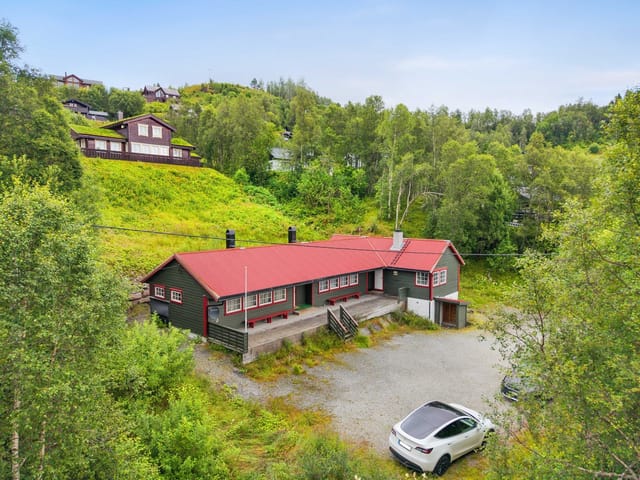
Welcome to Gjøljabakken 7!

Stand in the kitchen on a Saturday morning, coffee in hand, watching the mist lift off the garden while the automatic sprinklers tick quietly through their cycle. The serre catches the early light through its ceiling-to-floor glass panels, and through the open sliding door you get a faint smell of damp grass and the distant sound of a tractor somewhere on the Grafschaft Bentheim flats. This is what mornings feel like at Ulmenstraße 10. It's a proper house. 214 square metres of it, built in 1994 on an 808 m² plot in Wilsum — a small, unhurried village just a few minutes' drive from the Dutch border. Five bedrooms, two bathrooms, a 37 m² glass conservatory, and a garden that took years of care to look this good. The kind of property that doesn't come up often, and when it does, doesn't stay available long. The conservatory — locally called a serre — is the detail that sets this house apart. Thirty-seven square metres of glazed living space running off both the kitchen and the living room, fitted with multiple sliding doors and a wood stove for the cooler months. In July you open every panel and it becomes a shaded outdoor room. In November you fire up the stove and watch the rain on the glass while staying completely warm. It functions as a genuine fourth season for the garden, not a decorative afterthought, and it's the kind of space that completely changes how a family actually uses the house day to day. The living room has its own wood-burning fireplace, which matters more than it sounds once you've spent a winter evening with the curtains drawn and the flames going. Large windows frame the garden from every angle on the ground floor. The kitchen is open-plan and L-shaped with built-in appliances, practical rather th ... click here to read more

Front view of Ulmenstraße 10

Step outside on a July morning and the air smells like pine resin and cold saltwater. The bay below Notsand catches the early light in that particular way it only does on the High Coast — glassy, silver-pink, utterly still except for a cormorant cutting low across the surface. You're standing on Swedish granite that's been rising out of the sea for ten thousand years, still climbing a few millimetres every century, and somehow this small house from 1946 has a front-row seat to all of it. Notsand sits along one of the more quietly kept stretches of Västernorrland's coastline, roughly seven kilometres from the centre of Härnösand. The road in takes you past spruce forest and meadows that in late June fill up with lupins, then suddenly you're above the water, looking out at the archipelago islands scattered across the Bothnian Sea. The property at Notsand 130 occupies a 1,533-square-metre plot where the tree line gives way to open rock and open sky. It's genuinely rare to find this combination — a buildable private plot, mature trees at the back, and an uninterrupted water view from the living room windows — at this price point anywhere on the High Coast. Inside, the house is compact and honest. Sixty-one square metres, two bedrooms, one bathroom. Built in 1946 with the solid post-war Scandinavian sensibility that valued simplicity and durability over flourish. The main living and dining space faces the water, and the windows are generous enough that you're never not aware of the sea. On grey November afternoons the bay goes the colour of pewter and the pines creak in the wind — it's atmospheric in a way that a lot of coastal properties never quite achieve. In summer, the same room catches evening light well past nine o'c ... click here to read more

Exterior view of the house and garden

By nine in the evening in late May, the sun is still hanging low over the Hardangervidda plateau, throwing long gold light across the terrace at Nordre Fjellbergodden 9. You've got a coffee in hand, your boots drying by the door after a day on the trails, and the only sounds are wind moving through the mountain birch and the faint call of a bird somewhere over Fjellbergkulpen. This is what you actually came for. Sitting at roughly 1,004 meters above sea level, this four-bedroom chalet in Haugastøl is a genuinely rare find — a well-kept 1958 cabin with a separate annex, set on a west-facing plot of 4,920 square meters, with unobstructed views over Fjellbergkulpen, Nygårdsvatnet, and the ridgeline beyond. The panorama is one of those views you don't get bored of. It changes with the weather, with the season, with the hour. Snow-covered and blue-shadowed in February. Alive with heather and alpine cotton grass in July. It earns its place in the story of this property. The main cabin is 51 square meters of interior living space — compact, purposeful, nothing wasted. A wood stove anchors the living room, which is exactly as a mountain cabin living room should be: the kind of space where wet gloves get hung up and card games go late into the night. The kitchen is functional and laid out sensibly for a household feeding hungry hikers. Three bedrooms in the main structure, with the fourth in the annex — a 16-square-meter separate building that gives guests or teenagers their own corner of the plot. The annex also has an outdoor toilet, which is completely standard up here and adds to the self-contained feel. The sauna rounds things out. After a day of skiing the groomed tracks that start less than 100 meters from the front door ... click here to read more

Welcome to Nordre Fjellbergodden 9 (Photo: Pål Harald Uthus)

Step outside on a Tuesday morning in late June, and the sun hasn't set in three weeks. The fjord below Engvikvegen is glassy and silver, a sea eagle is working the shoreline maybe two hundred meters out, and the only sound is the low tick of the wood stove cooling down from last night. That's the rhythm of life on Rebbenesøy — unhurried, raw, and genuinely hard to leave. This three-bedroom chalet sits on 1,757 square meters of Troms county coastline, priced at €179,000, and it comes with something increasingly difficult to find anywhere in Arctic Norway: boathouse rights. Specifically, shared usage rights to half of a boathouse plus the legal possibility to install your own floating dock. For anyone who fishes, kayaks, or simply wants a boat on call, that detail changes everything about how you use this island. The house itself was built in 1983 and has been kept in good condition — honest cabin standards, nothing pretentious. The interior runs to 62 square meters of indoor living area, which sounds compact until you walk through and realise how well it's laid out. Three bedrooms handle a family or a group of friends without anyone feeling squeezed. The living room has oversized windows that frame the fjord like a painting you never get tired of, and in the centre of it all sits a wood-burning stove. On an October evening when the storm rolls in from the west and the rain hammers the glass, that stove becomes the entire point of the property. The kitchen is practical and honest — classic cabin fittings, decent storage, everything where you'd expect it. The bathroom has a shower cabin, toilet, and vanity. Simple, functional, exactly what you need when you've spent the day hauling in coalfish off the dock or hiking the ... click here to read more

Hjem Eiendomsmegling v/ eiendomsmegler Robin I. Martinsen presents Engvikvegen 439!

Step inside on a Tuesday morning in late June, when the light in Västra Götaland does something it only does in summer — it just stays, pale gold and horizontal, filtering through the old kitchen window at six in the morning and still hanging around past ten at night. The cast-iron wood stove ticks quietly. Outside, two hectares of open farmland stretch toward a treeline of birch and spruce. Nobody is coming down this road today unless they mean to. That's Holmen 2. A hundred-year-old Swedish country house sitting on just over three hectares of its own land, about ten minutes outside the small town of Högsäter in Färgelanda municipality. It's the kind of place that takes a minute to fully compute — the scale of it, the quiet, the way the barn's dark timber bulk anchors the yard like it's been there since before memory, because it essentially has. The house itself dates to 1920 and carries its age with confidence rather than apology. Inside the living room, the original log walls have been stripped back and left exposed — not as a design statement, but because whoever did it clearly understood that this is what the house actually is underneath. Run a hand across those logs and you're touching construction from a century ago, still solid. The wood-burning stove in the corner is the social center of the room in October when the first cold front rolls in from the Norwegian plateau. It makes the space feel earned, not decorated. The kitchen runs on a wood-fired stove too, and this isn't a gimmick. In a house this age, with this setting, cooking over wood makes complete sense — it heats the room, it slows down the morning, and it produces a smell that no gas burner ever will. Two bedrooms and roughly 60 square meters of liv ... click here to read more

Exterior view of the country home

Stand on the rear terrace at seven in the morning, coffee in hand, and the Åsenfjord is already doing something extraordinary. The light comes low and sharp off the water, cutting between the forested hills on the opposite shore, and the only sound is the occasional creak of a boat rope from the shared dock below. That's 46 meters from your front door to the water's edge. Not a short walk to the beach. Forty-six meters. Løvtangenvegen 44 sits on the Løvtangen peninsula in Åsenfjord, a finger of land that juts into one of Trøndelag's most quietly spectacular stretches of water, roughly 35 kilometers northeast of Trondheim. This is a genuine Norwegian leisure property — the kind families hold onto for generations — and it's landed on the market in solid condition, priced for someone who knows what they're looking at. The chalet itself was first built in 1965, then extended and modernised over the years, arriving at its current form with 83 square meters of interior space split across a main building and a self-contained annex. The exterior is a mix of vertical timber cladding and horizontal paneling, unpretentious and completely at home against the green hillside backdrop. First impressions matter, and the landscaped entrance path, sheltered by mature trees, sets a tone that the rest of the property delivers on. Outside, the layout is clever. Multiple terraces are positioned around the building so that at almost any hour, regardless of where the sun is sitting, there's somewhere to be. The covered entrance terrace has an outdoor fireplace — and anyone who's sat around an open fire on a cool Norwegian September evening watching the last of the light leave the fjord will understand immediately why this matters. The rear t ... click here to read more

Welcome to Løvtangenvegen 44! Photo: [Hamish Gray]

Stand in the old stone kitchen on a September morning and the only sounds are the Elz trickling past the meadow, a woodpecker somewhere in the oak canopy, and the low hum of the pellet stove kicking on. No road noise. No neighbors. Just 8,262 square meters of valley, sunlight, and three hundred years of history arranged around you like a small village you happen to own. That's the Ölmühle at Kollig — and there is genuinely nothing else like it in the Eastern Eifel. This is a country home in the fullest sense: a compound. The 18th-century main house with its 60-centimeter-thick stone walls anchors the estate, flanked by the solidly built Altes Backhaus guesthouse, three timber garden cottages, and the Ollesmill — a converted mill building that now functions as a banquet and celebration hall with capacity for up to 60 guests when the adjacent covered outdoor terrace fills out. The whole ensemble sits within the Mayen-Koblenz district, tucked into a quiet tributary valley of the Elz River, in the Maifeld edge of the Eifel highlands. The original structure dates to the early 1700s, first as a water mill, later converted for oil pressing — a craft that was central to the regional economy here for generations. Walk the ground floor of the main house and you feel that continuity in the thick walls, the cool stone underfoot, and the proportions of a building that was made to last. The living and dining room opens naturally onto the surrounding land; the functional kitchen sits just off it. Upstairs, a spacious bedroom, a dressing room that converts easily to a second guest room, a hobby room, and a large modern bathroom with bathtub and ample storage. Simple. Purposeful. Nothing superfluous. The Altes Backhaus — the old bakeh ... click here to read more

Front view of Ölmühle 1 estate

Stand on the balcony at Glomstadvegen 21 on a July morning and the view stops you cold. Lake Mjøsa stretches out below — Norway's largest lake, over 100 kilometres long — catching the early light in a way that makes the water look almost silver. Church bells from Gjøvik drift across on still days. The birch trees at the edge of the garden barely move. This is what a Norwegian hytte is supposed to feel like, and this one delivers it without making you drive an hour from civilization to get there. Bråstad sits just outside Gjøvik, tucked into the eastern flank of the lake in a way that gives this particular stretch of shoreline a quietly privileged position. The cabin at Glomstadvegen 21 has been here since 1954, and it carries that history well. The main structure covers 72 square metres — compact but genuinely liveable, especially once the sloped ceilings in the living room open things up and the woodstove in the corner starts throwing heat on a cold October evening. That living room is the heart of the place. Big windows frame the lake view like a painting that changes with every season: white and frozen in February, green and buzzing with dragonflies in August, blazing amber in late September when the birches turn. A balcony door leads directly out to the garden and the view beyond, so Sunday lunch in summer can shift effortlessly from the dining table to a chair outside with a coffee and the sound of water below. The entrance hall has underfloor heating — a small detail, but one you appreciate enormously when you're pulling off snow boots in November. The kitchen is open-plan and honest about what it is: laminate cabinets, a wooden countertop, an integrated sink. Functional, characterful, not trying to be something ... click here to read more

DNB Eiendom v/ Truls Walbye Søhagen presents Glomstadvegen 21

Step off the gravel driveway on a January morning and you'll hear it before you see it — silence. Not the uncomfortable kind, but the deep, pressing quiet that only comes when a full metre of snow has settled across the spruce forest, and the nearest main road is far enough away that it doesn't matter. That's Lislåttane. That's what you're buying into. Sitting on a generous plot in the Fjellestad cabin area just outside Hornnes in Agder county, this four-bedroom Norwegian chalet at Lislåttane 32 is the kind of place that becomes the fixed point in a family's calendar. The week everyone agrees on. The place the kids talk about in February because they can't wait to get back. The chalet covers 118 square metres on a single level — no stairs, no split-levels, just a logical, easy flow that works brilliantly when you've got a group of ten in the house and wet ski gear drying in the hallway. The living room was extended in 2008/2009, and the difference shows. There's genuine space here — room for a deep sofa arrangement and a proper dining table where everyone can sit together, not the cramped, elbows-on-knees situation you find in so many older Norwegian cabins of this era. Modern recessed lighting runs across the ceiling, softened by the warm pine surfaces that wrap the walls and floor. On a grey November afternoon, with the wood-burner going, it feels genuinely warm rather than aesthetically warm, which is a distinction worth making. The kitchen opens directly into the living area, which means whoever's cooking the Saturday night lamb chops or the post-hike soup doesn't get exiled to a separate room. Storage and countertop space are generous — this isn't a kitchen designed for heating soup and giving up. Large windows l ... click here to read more

Welcome to Lislåttane 32! Photo: Deliver Media AS

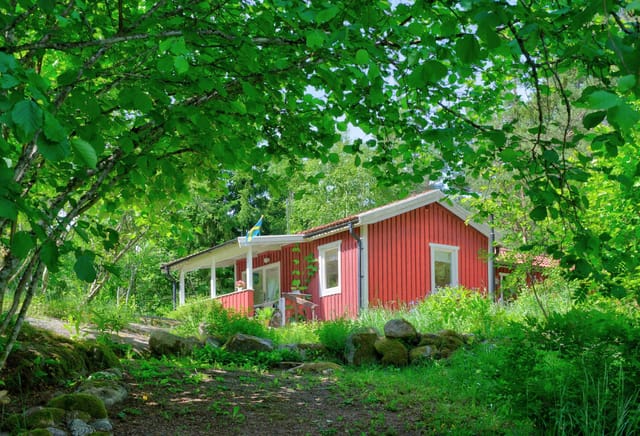
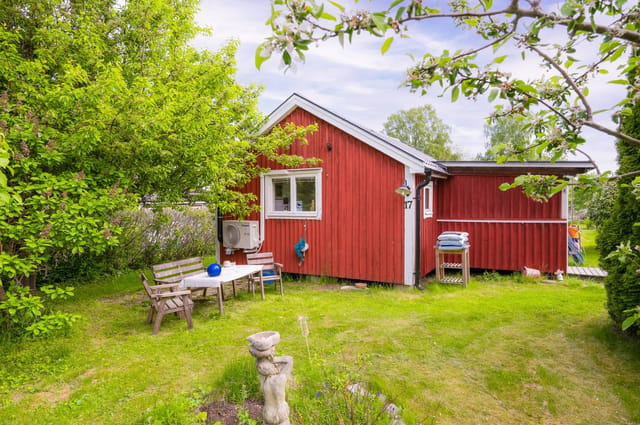
The first thing you notice on a July morning at Gåstjärnsvägen 2 is the silence. Not the absence of sound, but the right kind of sound — a woodpecker working through the birch bark somewhere behind the garden, the wind moving through the pines, the distant lap of water from Gåstjärnen lake just down the track. You step out through the red cottage door onto dewy grass, coffee in hand, and there are 4,020 square metres of your own Swedish countryside stretching out in every direction. This is what a vacation home in Sweden actually feels like. Not a resort. Not a hotel. This. Ställdalen sits quietly in Ljusnarsbergs municipality, tucked into the forested hills of Örebro County in central Sweden — a region the Swedes call Bergslagen, old mining country that has spent the last century slowly returning to wilderness. The villages here are small, the roads are lined with wild raspberries in August, and the light in September turns everything gold and amber in a way that makes photographers pull over on the E18. It's roughly two and a half hours by car from Stockholm via the E18 and road 60, or just under two hours from Örebro. Kopparberg, the nearest town with a proper grocery store, pharmacy, and hardware shop, is about ten kilometres north. Close enough for a quick run when you need supplies. Far enough that nothing interrupts the quiet. The cottage itself — or torp, in Swedish, the word for these small rural homesteads — was built in 1850. That's not a figure plucked from a brochure; you can feel it in the thick timber walls, in the way the building has settled comfortably into its plot over generations. The classic Falun red facade with white trim is as quintessentially Swedish as it gets, the kind of image that ends up ... click here to read more

Front view of the cottage and garden

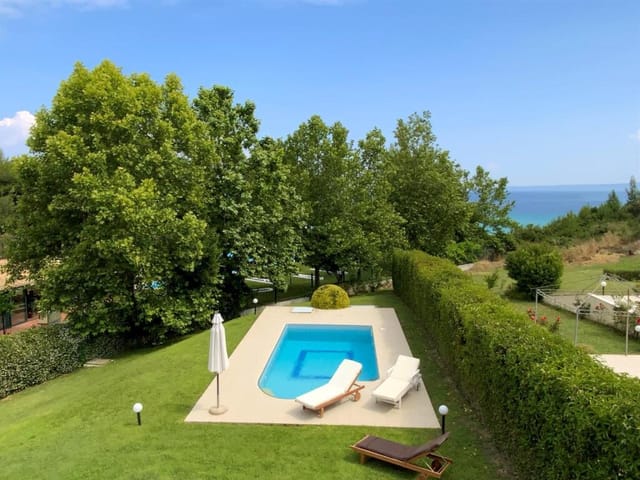
Sunday morning in Les Chambons: the wood stove has already taken the chill off the air, coffee is on, and through the south-facing terrace doors you can hear nothing but birdsong and the faint rush of the Lignon River down in the valley. That's the rhythm this place sets. Not a frantic one. Sitting in the municipality of Jaujac in the wild, volcanic heart of the Ardèche, this single-storey house is the kind of property that rarely surfaces — move-in ready, with a heated pool still under warranty, nearly 2,130 square metres of land split across three parcels, and a separate fenced building plot of 750 m² with its own access and panoramic views over the surrounding hillsides. At 86 square metres, the house is compact and efficient, but the life it opens up is anything but small. Step inside and the layout just makes sense. Three bedrooms line up quietly at the back of the house while the open-plan living room and kitchen face south, spilling out through large glazed doors onto a covered terrace that's sheltered from the prevailing winds. Exterior sunshades keep the interior cool when the Ardèche summer gets serious — and it does get serious, regularly hitting the low 30s from July through August. The kitchen is modern and functional, the shower room clean and well-maintained, and there's a separate pantry plus a guest WC that international buyers with families will immediately appreciate. Electric heating handles the mild winters, but the wood stove is the real centrepiece — get it going on an October evening and the whole house feels like a different place. The pool is the kind of detail that changes everything. Heated by a heat pump and surrounded by a large tiled terrace, it's genuinely usable from May through Septem ... click here to read more

Photo 1 of 2670 Les Chambons