Houses For Sale In Europe With A Garden (page 8)

Houses for sale in europe - homestra offers the largest amount of european real estate with over 200,000+ properties, find any type of property within your budget from villas to country homes. buy or rent your perfect home in europe. (page 8)

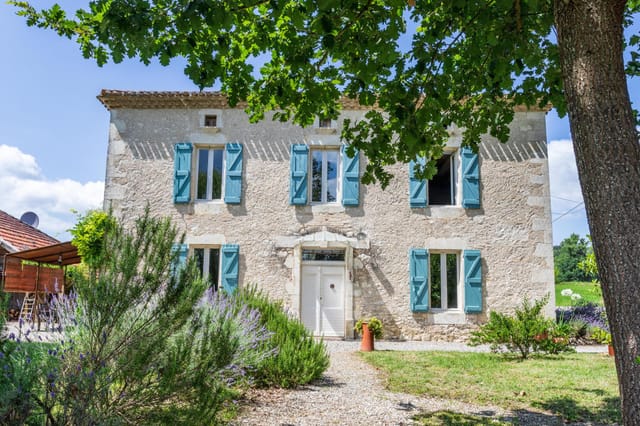
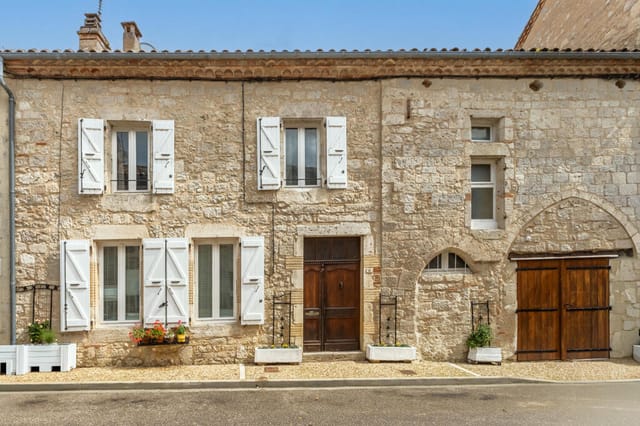
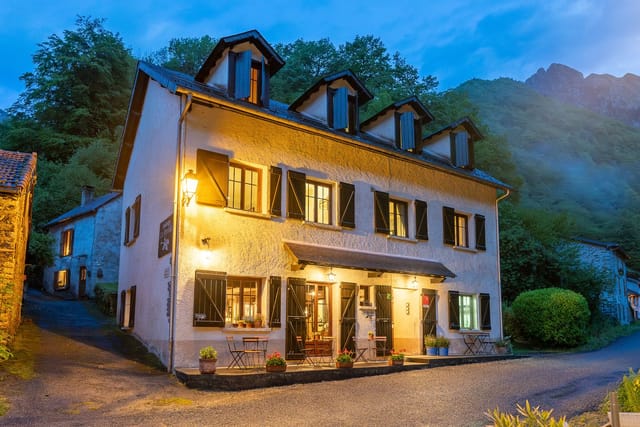
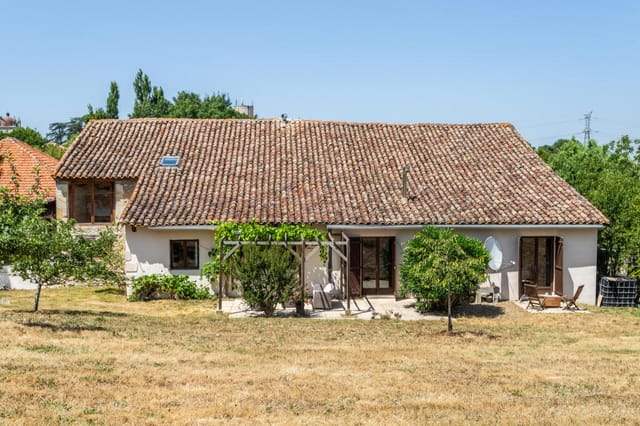
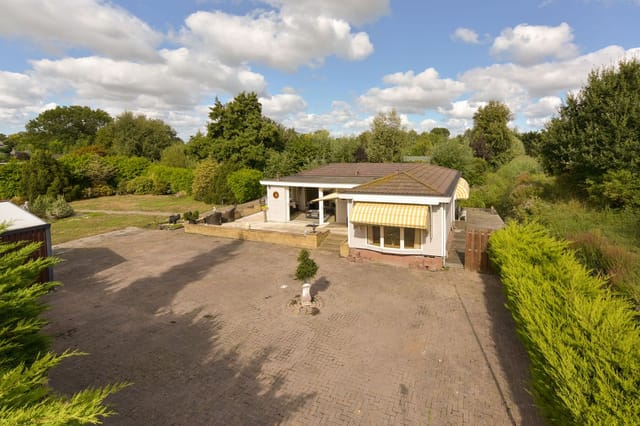
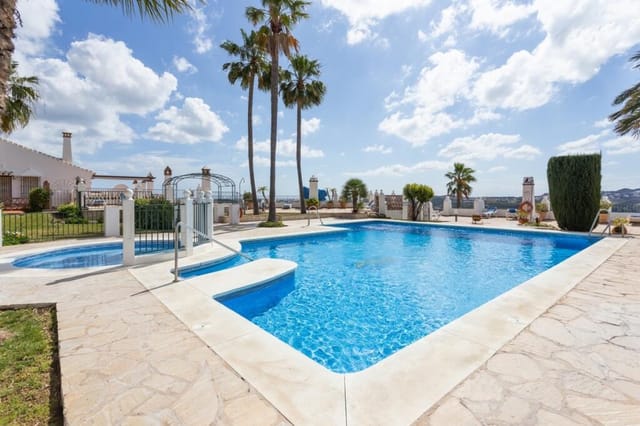
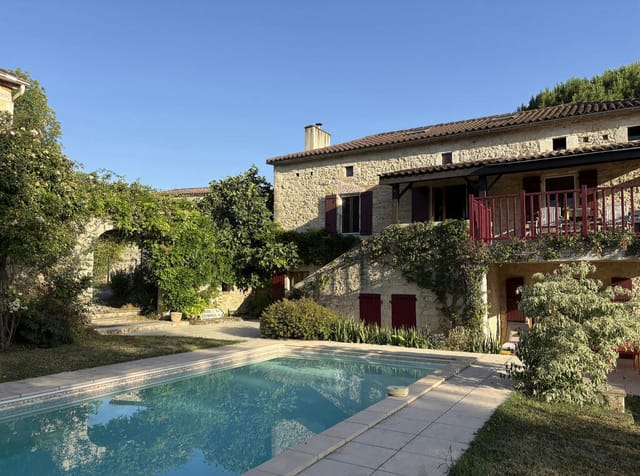
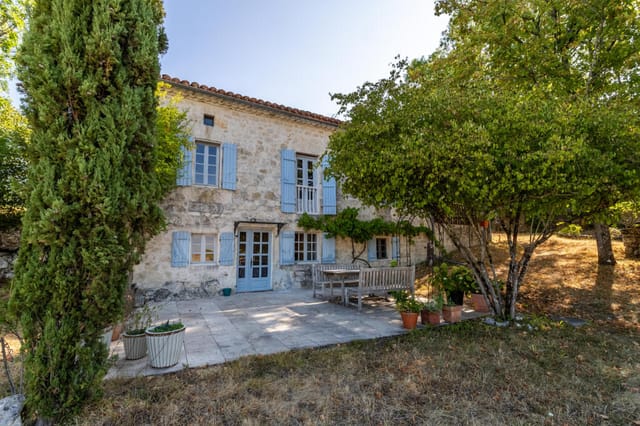
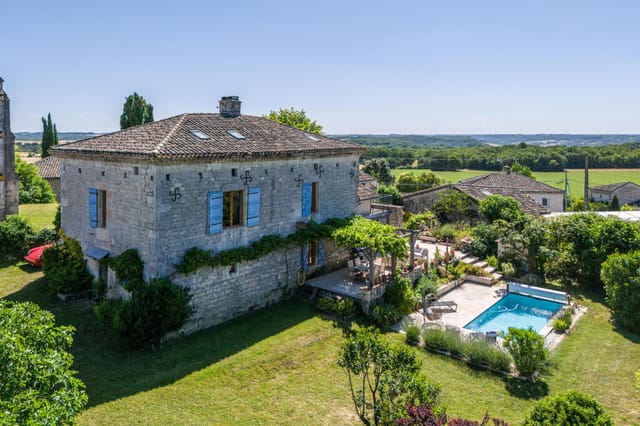
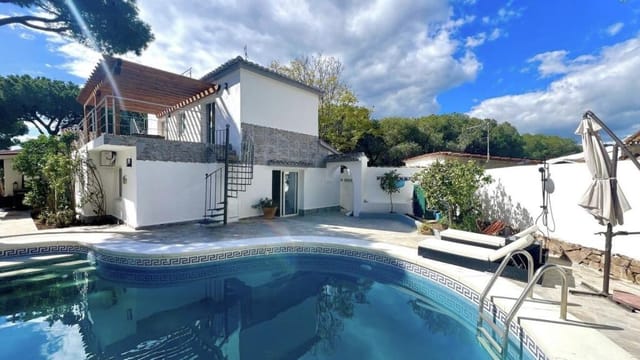
Sunday morning in the Dordogne has a particular quality to it. The air smells of cut grass and something faintly herbal — wild thyme, maybe, drifting up from the countryside that rolls away beyond your pool terrace. You open the patio doors from the kitchen and the sound follows: a distant church bell from the village, the soft knock of a shutter, absolute quiet between each ring. This is what you actually bought. This three-bedroom, single-level home sits just outside Issigeac — one of the most genuinely pretty bastide villages in the Périgord Pourpre — and it does something rare for a property at this price point: it's ready. No projects. No compromise on the important things. You walk in, unpack, and start living. The open-plan living, dining, and kitchen space is the kind of room that earns that overused word "heart of the home" — except here it's actually true. Large double-glazed windows pull the garden into the room visually, and two sets of patio doors open fully onto a covered terrace so that indoor and outdoor living collapse into one uninterrupted space across the warmer months. A wood-burning stove anchors the room for the other side of the year, when Dordogne evenings turn cool and there's nowhere you'd rather be than here with a glass of Bergerac rouge and something slow-cooking on the stove. The kitchen and dining area share the same easy flow, so cooking doesn't isolate whoever's at the hob from the rest of the table — a detail that matters enormously when you're hosting friends for ten days in August. The sleeping wing sits at the opposite end of the house, a sensible arrangement that gives kids or guests real separation from the living spaces. Three proper bedrooms, a shower room, and a separate WC. ... click here to read more

Picture 1

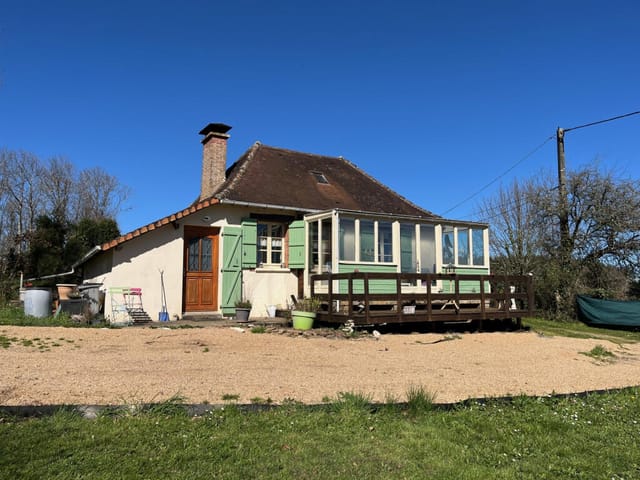
The wooden veranda catches the morning light before the rest of the house has even woken up. Sit there with an espresso and you'll hear nothing but wind moving through the olive grove and the occasional distant bell from Salcito's hilltop church. This is Molise — Italy's least-talked-about region, and for those who've found it, that quiet is the whole point. Set in the municipality of Civitanova del Sannio in the southern Apennines, this four-bedroom country house sits on seven full hectares of rolling land and delivers something that's becoming genuinely rare in Italy: authentic rural character combined with a fully restored, move-in-ready home at a price that still makes sense. At €249,000 fully furnished, you're not buying a project. You're buying a life, ready-made. The house spans three floors and roughly 200 square metres of liveable space, plus a generous cellar, utility room, and a large shed all internally connected — useful details if you're thinking about extended stays, visiting family, or simply needing somewhere dry to store the olive harvest. And yes, there's an actual olive harvest. The land includes 46 olive trees and eight fruit trees alongside agricultural plots, woodland, and a natural spring that feeds the lower fields. This isn't a garden — it's a working small estate, the kind of thing Italians call a podere, and it functions accordingly. Walk through the main entrance and you step into an enclosed wooden veranda that runs the full width of the house. Panoramic windows frame the landscape on three sides — not as a design statement, but as a practical winter garden, warm and bright even in January. It's the room you'll use most. Ground floor continues with a proper living room (21 square metres), ... click here to read more

Picture 1

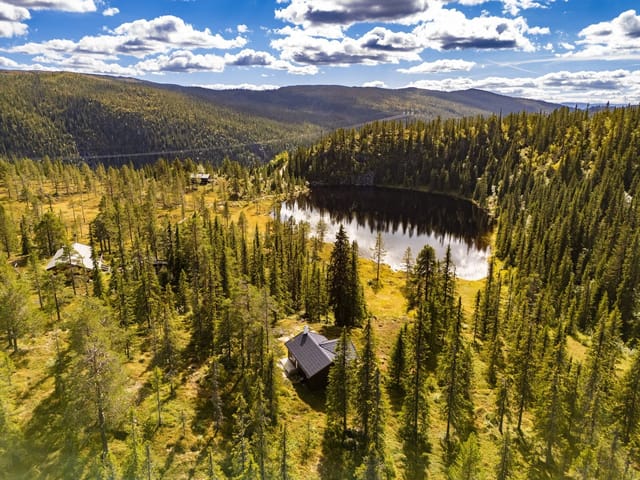
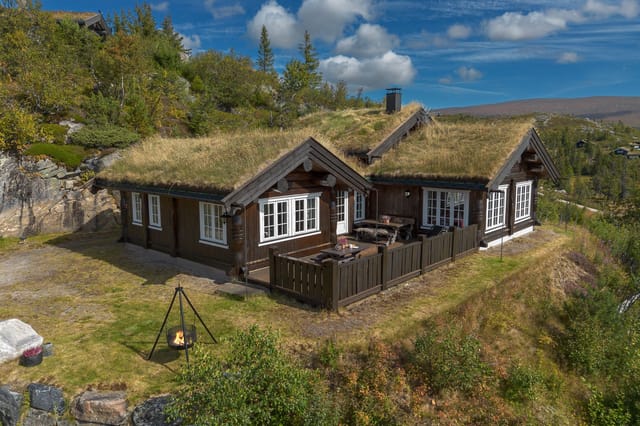
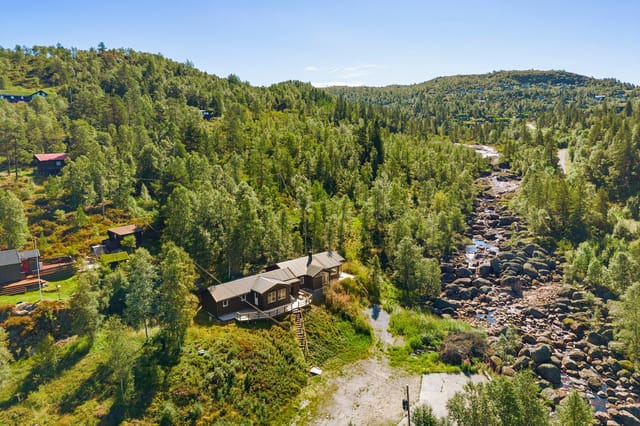
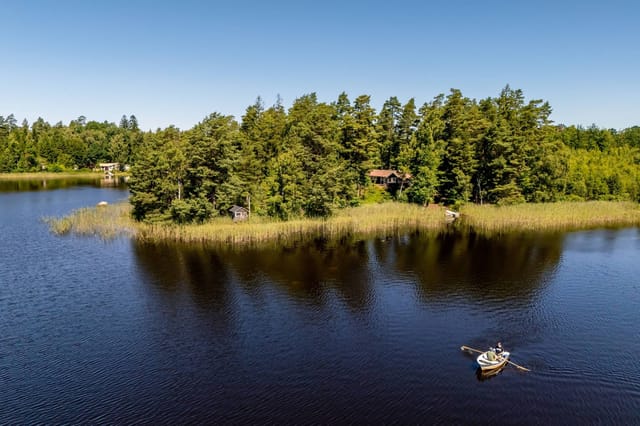
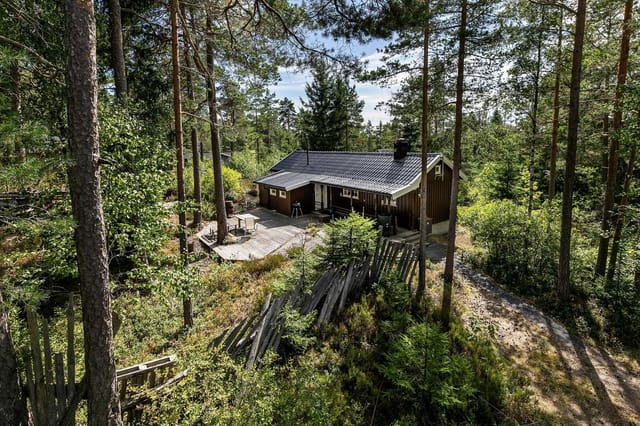
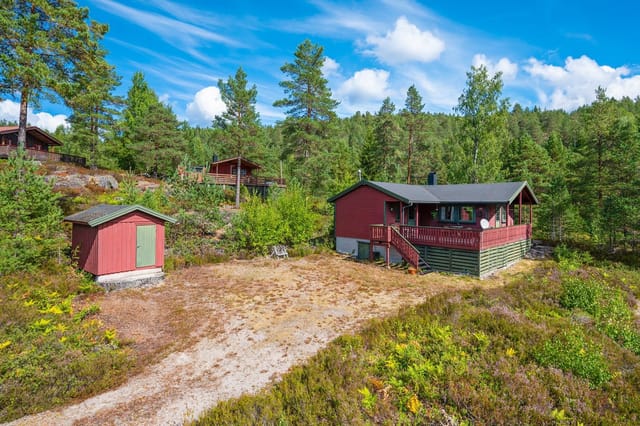
The lake is completely still at six in the morning. You can hear a woodpecker somewhere up the ridge, and the smell of pine resin drifts through the window you left cracked open the night before. This is what you drove here for—or more precisely, what you flew into Skien, then drove the winding E134 west through Telemark for. The chalet at Fjellheimvegen 57 sits above Birtevatn in Øvre Birtedalen, and on mornings like this, you understand immediately why people in Oslo and Bergen buy second homes here and then spend the rest of the year counting down to the next visit. Fyresdal is one of those corners of inland Norway that hasn't been overrun. There's no ski resort marketing machine behind it, no Instagram queue for a famous waterfall. What it has is something rarer: genuine, working Norwegian outdoor culture—the kind where locals actually hike Rjupeto on a Tuesday, where kids grow up knowing how to row across a lake before they can drive. Owning a holiday property here means buying into that culture, not just the scenery. The chalet itself was built in 1973, and you can feel its history—the kind of solidity that Norwegian timber construction acquires over decades of hard winters and hot summers. The floor plan is practical in the way that Scandinavian cabin design tends to be: nothing wasted, nothing superfluous. Step through the entrance hall into the living room and you'll notice the ceiling height immediately. It's generous for a property of this era, and the large windows push light deep into the interior even on overcast autumn days. There's a fireplace with a wood stove in the corner that does more than heat the room—it changes the entire atmosphere. Come November, when the birch trees outside have dropped their ... click here to read more

Welcome to Fjellheimvegen 57!

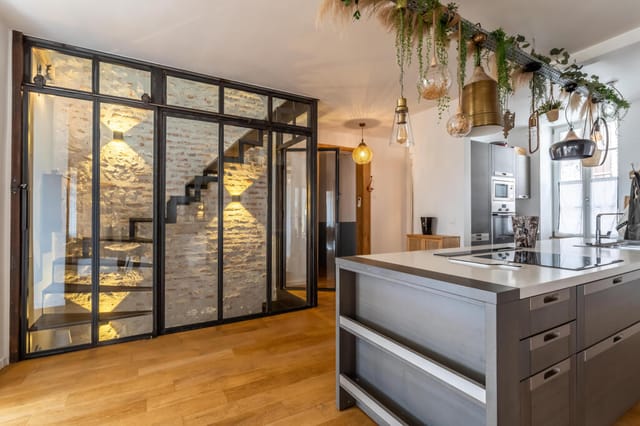
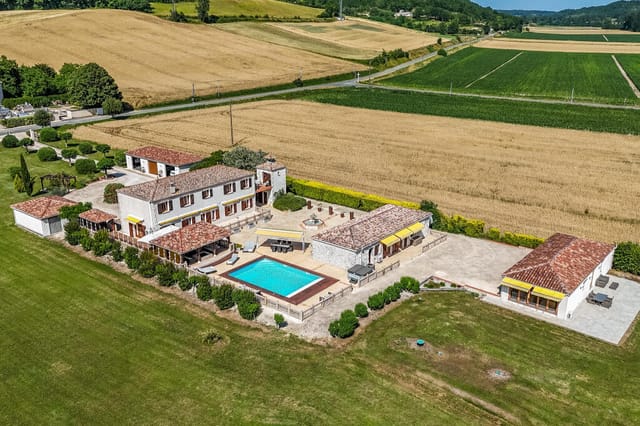
Sunday morning in the Vienne countryside has a specific quality to it. The air smells of cut grass and woodsmoke, the church bell in the village of Blanzay carries clear across the fields, and your kitchen — with its log burner crackling and coffee on the stove — is warm in a way that proper stone walls make it. That's what owning this barn conversion actually feels like. Not a brochure fantasy. The real thing. This is a proper barn conversion sitting in a quiet hamlet just outside Blanzay, a five-minute drive from the market town of Civray and its Friday morning market stalls selling Charentais melons, local goat's cheese, and honey from the Vienne valley. The building has been thoughtfully transformed from agricultural outbuilding into a genuinely liveable home — 130 square metres of interior space spread across a layout that manages to feel both open and intimate at once. Walk into the kitchen-dining room first, because that's where the life of this house happens. There's a log burner, solid fitted units, and enough room that eight people can eat together without anyone feeling squeezed. Behind it, a dedicated utility room houses the central heating boiler and the solar hot water system — practical infrastructure that keeps running costs down and, for a second home in rural France, matters more than most buyers initially realise. A pantry and a separate WC complete the ground floor's working zone. Then comes the double-height living room, and this is the room that stops people mid-stride. The ceiling goes straight up, exposing the original barn volume, with a mezzanine gallery spanning part of it. A chimney anchors one wall. Light from high windows falls at angles that shift through the day. Next to this space sits ... click here to read more

Picture 1

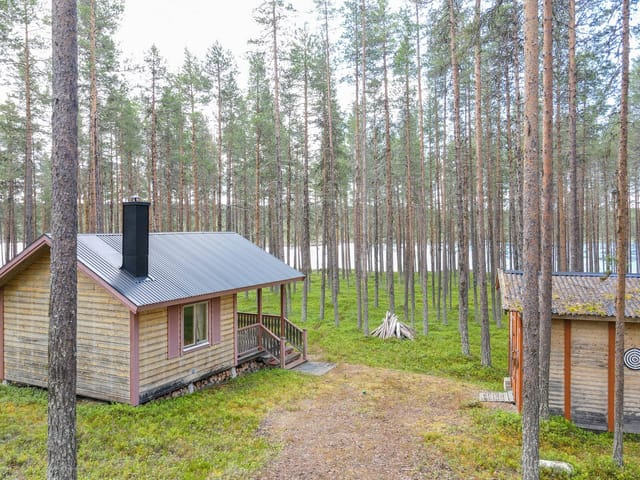
Step outside on a September morning and the air hits you first — cold, clean, carrying the faint smell of pine resin and wet rock. The mountains across the valley are still in shadow. You pull on boots, pour coffee into a thermos, and within ten minutes you're on a trail that winds up toward Burufjellet, with nobody else in sight. This is Singsås. This is what owning a cabin here actually feels like. Sitting on Storburusjøveien in the Rødslykkja/Burusjøen area near Kotsøy, this three-bedroom Norwegian hytte is the real thing — no designer furniture, no lifestyle staging, just a well-kept traditional cabin on 1,492 square meters of privately owned land, fully furnished and ready to use from day one. At €57,500, it's one of the most accessibly priced genuine vacation home opportunities in Trøndelag, and for international buyers exploring Norway as a second home destination, that combination of price point, location, and move-in condition rarely comes together this cleanly. The cabin faces south. That matters enormously in Norway. From late spring through early autumn, sunlight tracks across the terrace for most of the day, and the 28-square-meter partially covered outdoor space — generous for a cabin this size — becomes the true living room. Mornings out there with a book. Afternoons watching the light shift across the forested ridgeline. Late evenings in summer when it barely gets dark and the air smells of warm timber. The terrace wraps the experience of being in the Norwegian highlands into something you can step outside and inhabit, not just look at from a window. Inside, the bones are classic: exposed wooden walls, proper ceiling height that keeps the rooms from feeling cramped, and large windows that pull the land ... click here to read more

Welcome to Storburusjøveien 449 – a charming leisure property with a secluded location in beautiful natural surroundings.

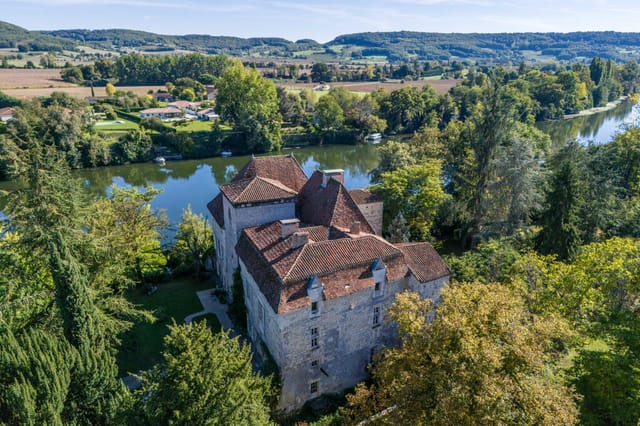
Sunday morning in Saint-Aubin-lès-Elbeuf starts with a smell you can't manufacture: woodsmoke drifting from the fireplace insert downstairs, coffee brewing in the fitted kitchen, and the faint sound of the Seine moving somewhere beyond the garden wall. It's the kind of slow-morning feeling that people spend years chasing and rarely find this close to a motorway junction. This is a five-bedroom Norman manor house in good condition, spread across 235 square metres, sitting in fully enclosed landscaped grounds with a south-facing terrace, a jacuzzi, two garages, an outbuilding, a workshop, and a paved parking area complete with an electric vehicle charging point. On paper, it sounds like a checklist. In person, it reads like a life upgrade. Let's talk about the house itself first. The ground floor opens with a generous entrance hall — proper proportions, not the awkward squeeze you find in newer builds — with a large closet and a separate WC. The kitchen runs to about 25 square metres, fully fitted and equipped, with enough room to cook for a family gathering without anyone getting in anyone else's way. A utility room with a sink connects directly to the garden, which makes returning from a muddy riverbank walk entirely civilised. The living room has a fireplace insert; the adjacent sitting room has its own fireplace. Two rooms with fires. That is not a small thing in a Norman winter. Up on the first floor, three well-sized bedrooms include a master suite with a dressing room and sink — a practical luxury that transforms the morning routine. There's a large bathroom, a laundry room, another dressing room, and a separate WC. The layout gives a family room to spread out without living on top of each other. The second floor ... click here to read more

Picture 1

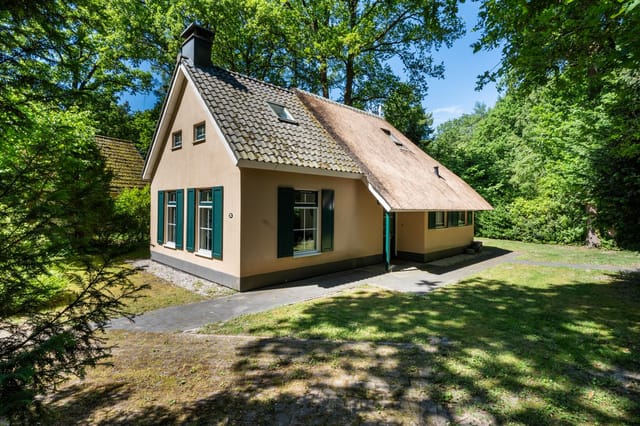
On a quiet morning in Montmoreau, you open the kitchen window and catch the smell of bread baking from the boulangerie two streets over. The old lime tree in the garden is already throwing long shadows across the grass. Church bells tick off the hour somewhere behind the rooftops. This is what a second home in the Charente actually feels like — not a postcard, but a life you can walk right into. This four-bedroom house sits on a 2,500 m² fenced plot just a few minutes' walk from the center of Montmoreau, a genuine working village where the shops are open, the school is busy, and the weekly market still matters. At €191,500, it's one of those rare finds in southwest France where the price doesn't force you into a compromise. The house is in good condition, connected to the public sewage system, and ready to move into or rent out from day one — no major works, no guesswork. Inside, the layout is generous without feeling excessive. Three bedrooms serve the everyday sleeping arrangement, but the fourth room — a spacious music room running along one side of the ground floor — is the kind of flexible space that a vacation home really benefits from. Use it as a fourth bedroom when the family multiplies for August. Set it up as a proper studio. Keep it as a reading room with nothing but books and afternoon light. It's large enough to be genuinely useful rather than decoratively mentioned in the listing. Two bathrooms handle the practicalities well. The house has a garage and a separate workshop — the workshop alone will matter enormously to anyone who wants a serious hobby space or needs somewhere dry to store garden gear, bikes, and the kayaks that will inevitably accumulate once you discover the Dronne river valley. Parking ... click here to read more

Picture 1

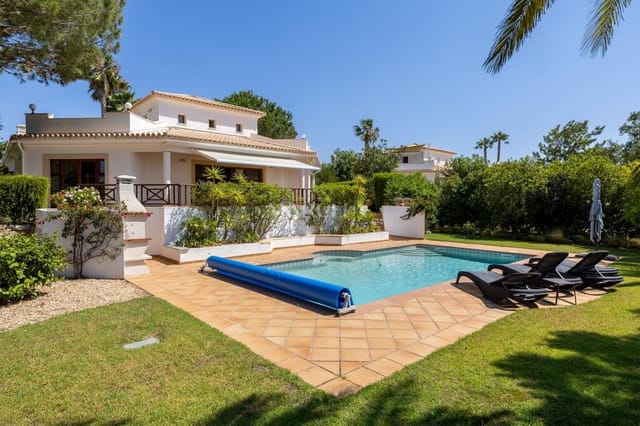
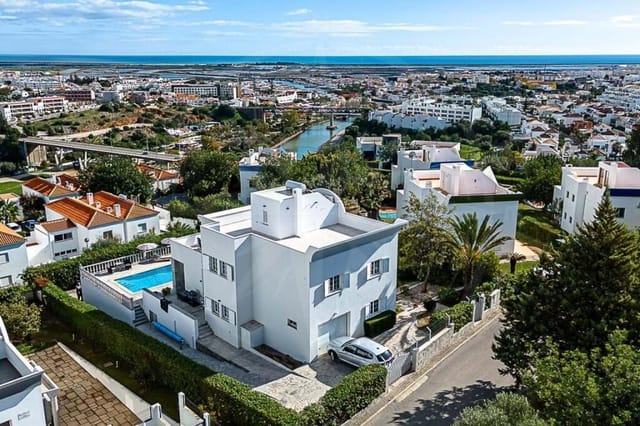
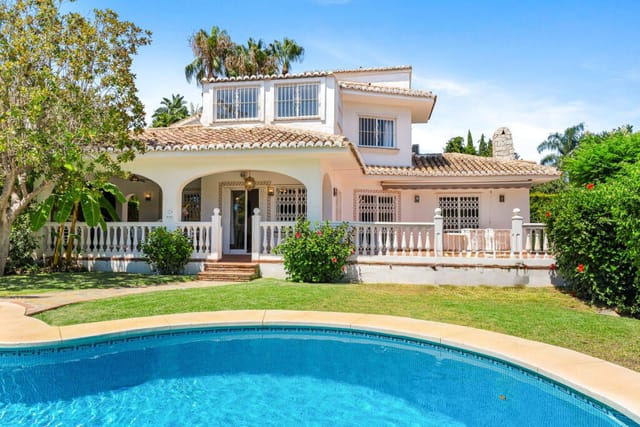
Early on a Saturday morning in late April, you open the kitchen door and step out onto the terrace. The air smells of wild rosemary and the faint salt drift coming off the Ria Formosa, two kilometres away. A hoopoe calls from somewhere in the garden. The coffee is still brewing inside. This is the unhurried tempo of life near Tavira — and this three-bedroom villa puts you right at the centre of it. Tavira doesn't shout. That's precisely what makes it one of the Eastern Algarve's most quietly compelling towns. While the western Algarve has spent decades catering to the package-holiday crowd, Tavira held its ground. The Roman bridge still arches over the Gilão River. The twin-towered Igreja de Santa Maria do Castelo still chimes the hours. The tiled facades on Rua da Liberdade still gleam white and cobalt in the afternoon sun. It's a working Portuguese town first, a destination second — and that order of priority is exactly what draws international buyers who want something real. The villa sits in a calm residential pocket just outside the town centre, close enough that you can cycle to the riverside market on a Tuesday morning and be back before the pool heats up, yet far enough that the view from your balcony is pure nature reserve. The protected landscape of the Ria Formosa Natural Park rolls out to the south, an ever-shifting canvas of wetland channels, maritime pine, and on clear winter days, the low Atlantic light that photographers cross continents to chase. Inside, 185 square metres have been laid out with a clear sense of how people actually live. The living and dining room is the heart of the house — generous, south-facing, and anchored by a newly installed wood-burning stove that changes the character of the ... click here to read more

Picture 1

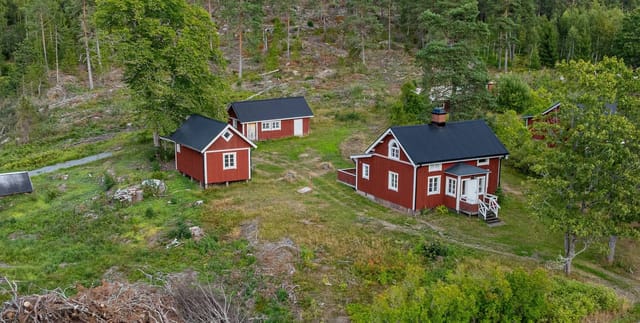
You wake up, the morning is quiet except for the sound of birdsong filtering through the pine trees, and you walk barefoot across dewy grass to rinse off under the open-air shower while the sky above turns from pale grey to gold. That's the rhythm here at Bengtsgård 80. Not a performance of countryside living — the real thing. This 45-square-metre holiday home sits on a generous 1,500 m² leasehold plot in Bengtsgård, just outside Kristinehamn in Sweden's beloved Värmland region. At around €70,000, it's one of those properties that makes you do a double take. Lake Vänern — Europe's third-largest lake — is a short walk down the road. The Bengtsgård bathing area, with its clean sandy shore and calm swimming waters, is practically your front yard. And yet the place feels genuinely tucked away, surrounded by mature trees that screen you from the world without making you feel cut off from it. The house itself was built in 1970 and renovated in 2019, and the kitchen-living area is the real heart of it. Open-plan, bright, with large windows pulling in natural light that shifts dramatically through the seasons — it's the kind of space where Sunday mornings stretch out over long breakfasts and nowhere-to-be afternoons. The kitchen has been modernised properly: real storage, working appliances, finishes that don't feel temporary. A wood-burning fireplace anchors the living room, and on those September evenings when the air turns cool and the lake mist rolls in, it earns its place completely. One bedroom, thoughtfully arranged for genuine rest. There's also a separate utility room with an incineration toilet — a practical, low-footprint solution that's standard in Swedish off-grid holiday properties and entirely in keeping with t ... click here to read more
Front view of Bengtsgård 80

Stand on this land on a clear January morning and you can already see it: the terracotta roofline you'll design, the shimmer of a pool catching the winter sun, the gnarled carob trees framing a view that stretches toward the Atlantic. This is Patã de Cima, a quiet pocket of Boliqueime's inland countryside where the Algarve still feels like the Algarve — unhurried, sun-bleached, and genuinely alive. At 4,000 square metres, this plot is a rare find at this price point in the central Algarve. The land sits in good condition, gently shaped by the natural contours of the surrounding rural terrain, and comes with approved potential to construct a villa of up to 450 m² plus a full basement — serious square footage that opens the door to a generational family home, a high-end holiday retreat, or a premium rental villa that earns while you're back home in London, Amsterdam, or Stockholm. Boliqueime itself is one of those Algarve villages that hasn't been ironed flat by tourism. The weekly market on Saturday mornings pulls in locals selling figs, smoked chouriço, and hand-thrown ceramics. The old parish church of São Lourenço de Boliqueime dominates the hilltop skyline in the way only centuries of presence can manage. The café on the main square still charges under two euros for a bica and a pastel de nata, and the people at the next table will probably ask where you're from before you've finished it. Five kilometres from your front gate, the village gives you a post office, a pharmacy, a couple of solid local restaurants, and the kind of community rhythm that resort apartments simply can't replicate. Four kilometres in the other direction and you hit the coast. Praia de Albufeira, Praia do Castelo, and the long golden arc of F ... click here to read more
Picture 1

On a still August evening, the smell of woodsmoke drifts through an open window while the bells of Lohärad Church — standing just across the lane since the 1200s — ring out across open farmland. That's your Tuesday. That's just a Tuesday here. This three-bedroom country cottage on Lohäradsvägen, set along a quiet rural road about 15 minutes outside Norrtälje and roughly 50 minutes from central Stockholm, is the kind of place that rewires your relationship with time. It's compact at 35 sqm of registered living space — the low ceiling height on the upper floor accounts for that number, while the actual floor area is meaningfully larger — but the property itself sprawls across a 3,040 sqm flat plot filled with apple trees, raspberry thickets, a 15 sqm greenhouse on a timber deck, an earth cellar, a carpenter's workshop, and a newly completed guest house. Small footprint. Big life. The main cottage, known locally as a torp, traces its roots to the early 1800s, and the current owner has renovated it with the kind of attention that most people only talk about: period-appropriate materials, historically sourced pigments, a new wood-burning stove from Josef Davidssons Idun fitted into the traditional kitchen. The fireplace insert in the living room draws you in on grey October afternoons. Upstairs, two bedrooms sit under sloping ceilings that give the whole upper floor the feeling of sleeping inside a ship's hull — not cramped, just close. A chamber off the living room works as a third sleeping space or a quiet reading room. The veranda at the front catches the morning sun. One of the genuinely rare features of this property: private fishing rights over a 560 sqm stretch of Lake Erken. Crayfish fishing. In Sweden, that is not ... click here to read more
Front view of the country cottage

The first thing you notice on a summer morning at Bölsnäs 59 is the light. It comes off Lake Möckeln in long, flat ribbons, cuts straight through those big south-facing windows, and lands on the wooden floor before you've even made coffee. By 7am, if you pull on a jacket and walk the 200 meters down to the sandy beach, the water is still glassy. No motorboats yet. Just a heron standing at the edge of the pier, doing what herons do. That's the kind of place this is. This small, single-storey cottage in Liatorp sits on a 1,006-square-meter plot with Lake Möckeln practically in the backyard. The house itself is 20 square meters — tight, yes, but cleverly planned. The main room does everything: sitting, sleeping, sheltering you from the rain while the south-facing patio outside handles the rest of life in warmer months. Large windows keep the interior from ever feeling closed in. The covered terrace at the entrance means your morning coffee routine stays intact even on the grey, drizzly August days that occasionally roll through Småland. On the gable end, the south-facing patio is where summer actually happens. It catches the afternoon sun fully, and with Lake Möckeln framing the view, it's the sort of spot where a meal that was supposed to take an hour stretches into three. The 1,006-square-meter plot gives you room to work with — a vegetable patch, a hammock strung between two birches, a fire pit for the evenings when the temperature drops and the sky turns the colour of a bruised plum. A separate outbuilding fitted with a composting (Separett) toilet keeps things practical without cluttering the main space. It works. The property was built in 1948 and has been kept in good condition throughout — move in the same weeke ... click here to read more
Exterior view of the holiday home

Stand in the kitchen on a Tuesday morning and the only sound is the low hum of the borehole pump cycling off. The fig tree outside the window drops a long shadow across the tiles. Faro Airport is half an hour down the road, but you wouldn't know it. That contrast—deep rural quiet alongside genuine coastal convenience—is exactly why Moncarapacho keeps drawing buyers away from the crowded western Algarve. The village sits in the Eastern Algarve's quieter interior, where the land is still orange and almond and old olive, and where a two-bedroom quinta with nearly 5,000m² of fenced rustic land still sells for a fraction of what you'd pay near Vilamoura. This one is priced at €439,000, comes in good condition, and has renovation plans already drafted and ready for submission. Someone has done the homework. You get to do the fun part. The house itself is 92m² of tiled interiors built around an open-plan kitchen and dining room that spills naturally into a separate lounge. The fireplace in the sitting room runs on wood—proper East Algarve winters call for it, because even though January days hit 16°C and the sun comes out most afternoons, the evenings get cold fast and there's something good about eating dinner next to a fire when the wind picks up outside. Two bedrooms and a single bathroom complete the layout. Solid, liveable, and genuinely ready to inhabit while the planning wheels turn. The land is what gives this property its real range of possibilities. Nearly half a hectare, fully fenced and gated, with enough space to keep a couple of horses, plant a serious vegetable garden, add a pool, or simply do nothing and let the cork oaks and wild rosemary carry on as they always have. Multiple water sources—mains supply, a b ... click here to read more
Picture 1

Picture this: it's February, the lake is frozen solid, and you're standing on a 48-square-metre sun terrace with a coffee in hand, watching your kids drag a sledge down toward Frilsjøen while the birch trees around you carry a full load of fresh snow. The cabin behind you is warm — the fireplace has been going since 7am, and the whole place smells of woodsmoke and pine. This is not a marketing fantasy. This is a Tuesday morning at Gunnarhåggån 9. Set right on the edge of Frilsjøen in Løkken Verk, Trøndelag, this 58-square-metre Norwegian chalet is the kind of property that people in this region quietly pass between families for generations. Three bedrooms, a fully connected electricity supply, year-round running water from a private well literally a step outside the door, and car access straight to the entrance — practical details that sound small until you're hauling ski gear and groceries in January and they suddenly matter enormously. At 61,900, it sits at a price point that makes genuine financial sense as a holiday home or second residence, particularly for international buyers looking to establish a foothold in the Scandinavian outdoor lifestyle market. The chalet is built in a form that Norwegians call the classic hytte style — timber-framed, warm-toned wooden interiors, low ceilings that hold heat, and windows positioned to catch every angle of available light across the day. The living room is centred around a traditional fireplace, and it genuinely earns that central position. It divides the room into a lounge side and a dining side without any partition wall, which keeps the space feeling open and social. Large windows face out toward the surrounding landscape, and in late June, when the sun barely sets this ... click here to read more
Well-maintained cabin in scenic surroundings by Frilsjøen

Step off the trail, push open the red-painted door, and let the smell of pine wood and woodsmoke do its work. That first moment inside this cabin at Skardstølen 18 — elevation 690 metres, views stretching out over Fresvikåsen toward Jotunheimen on a clear day — has a way of making every problem you carried up the mountain feel very, very small. This is a proper Norwegian mountain cabin. Not a renovated lifestyle project with underfloor heating and a mood board aesthetic. A real one. Wood-burning stove, gas cooker, water fetched from a well 50 metres up the slope, and a sky full of stars because there's no light pollution for miles. If that sounds like your kind of escape, keep reading. Fresvik itself sits along the Sognefjord, the longest and deepest fjord in Norway, in Vik municipality in the heart of Sogn. The surrounding Nærøyfjorden area carries UNESCO World Heritage status — the same recognition as the Grand Canyon and the Great Barrier Reef — and it's not hard to see why. The landscape here is almost violently dramatic: narrow fjord arms, waterfalls dropping hundreds of metres, and mountain ridges that seem to belong to another age entirely. The cabin at Skardstølen 18 sits within easy reach of all of it, yet tucked far enough up that the summer tourist crowds along the fjord floor feel like something happening in a different world. Getting here is part of the experience. A 300-metre trail from the nearest road — roughly a five-minute walk — separates the cabin from the outside. No car noise. No neighbours revving engines at 7am. Just the wind through the birch trees and, in spring, the sound of snowmelt rushing somewhere below you. The cabin covers 52 square metres of indoor living space, extended and improved ... click here to read more
Picture 1

Stand at the kitchen window on a Tuesday morning and watch a sea eagle drift low over the fjord. That's not a weekend highlight here — that's just Tuesday. The farmhouse at Tømmerveien 13 has been watching over this corner of Senja Island since 1895, and the view hasn't gotten old. Stonglandseidet sits on Senja's inner shore, one of Norway's most quietly spectacular islands — the kind of place that serious Norway-lovers talk about in hushed tones while tourists are still queuing for photos in Lofoten. The village is compact and real: a handful of roads, a shoreline that shifts color with every cloud, and the kind of silence at night that city people forget is even possible. This is where you come when you want Norway to actually feel like Norway. The farmstead itself is substantial. Six bedrooms spread across 129 square meters of living space, with a total built footprint of 362 square meters when you count the outbuildings — a full barn, a traditional stabbur storehouse, and a double garage that holds up to ten vehicles between the main structure and the surrounding yard. The plot runs to 50,273 square meters, just over twelve acres of mixed lawn, cultivated field, and open land rolling toward the water. Currant and rowanberry bushes ring the garden, and in late August the rowanberries go a deep orange-red that looks almost lit from inside. The house is in good condition and carries its age well. Original features from the 1895 build survived the 1973 renovation, giving the interior a layered quality — thick walls, the particular sound-dampening weight of old timber, proportions that modern construction rarely bothers with. There's work to be done if you want to bring it fully up to contemporary standards, and that's ... click here to read more
Overview image

The wood-burning stove is already crackling when you pull off your boots. Outside, the spruce trees are loaded with fresh snow, the thermometer reads minus twelve, and you genuinely don't care—because the sauna is heating up, there's elk stew on the 2020-renovated kitchen stove, and the snowmobile trails start practically at the garden gate. This is what owning a cabin in Fjällbyn actually feels like. Sitting at Fjällbyn 147 in Föllinge, deep in Jämtland's Krokom municipality, this two-bedroom cabin with a loft and a separate sauna building is one of those properties that works hard in every season. Sixty square metres of living space sounds compact until you step inside and realise how the open-plan layout, generous ceiling height, and connecting loft make the place feel considerably larger. The large windows pull the surrounding forest right into the room, so the view changes daily—bare birch branches in October, a solid white blanket by December, and by late June, a rolling green that goes on forever. Seven hundred metres separates the front door from Åkersjön lake. Walk it in under ten minutes on a summer morning and you're at the water's edge before the mist has fully lifted. Åkersjön is one of those Jämtland lakes that feels genuinely wild—good Arctic char fishing, calm paddling water, and a shoreline where you can swim without another person in sight. Locals drive up from Östersund specifically for the pike fishing in early autumn. In winter, the lake freezes hard and becomes part of the snowmobile network that links Fjällbyn to the broader Jämtland trail system, hundreds of kilometres of marked routes that connect to Strömsund, Åre, and beyond. Speaking of Åre—Sweden's most celebrated mountain resort sits with ... click here to read more
Exterior view of Fjällbyn 147

The first thing you notice on a January morning is the silence. Not the absence of sound exactly, but a particular Norwegian quiet — the kind that sits between snowfall and frozen pines, broken only by the low crack of a log splitting in the fireplace. Step inside Bergsetvegen 54, pour coffee from whatever you brought up from the city, and feel the timber walls do what timber walls have done in these forests for centuries: hold the cold out and the warmth in. This is Søre Osen, a small lakeside community in Trysil municipality, Innlandet county, sitting in one of inland Norway's most quietly compelling valleys. It doesn't get the same Instagram crowds as the fjord towns further west, and that's precisely the point. The people who have cabins here — and they've often had them for generations — aren't looking for a scene. They're looking for Osensjøen. The lake is the beating heart of this corner of Norway. At roughly 53 square kilometers, Osensjøen is large enough to feel genuinely wild, with wooded shorelines that stretch for miles and water cold enough in June to make you gasp and grin simultaneously. In summer, locals launch their boats from the Osen marina and disappear for hours — fishing for pike and perch, paddling into quiet bays by kayak, or simply anchoring somewhere remote for a swim. The lake is only a few kilometers from the chalet. On a clear morning, when the mist sits just above the water surface, you can see it from the upper terrace. The chalet itself covers 63 square meters of thoughtfully arranged living space across a practical, unfussy floor plan. Walk through the entrance hallway and the living room opens in front of you — timber on the walls, timber on the ceiling, and a fireplace that earns its ... click here to read more
Picture 1

The first thing you notice on a summer morning at this Putzolu villa is the silence. Not the eerie, empty kind — the kind that costs something. Cicadas in the macchia, a faint breeze moving through the cork oaks, and the distant shimmer of the Gallura hills sitting still against a cloudless sky. Then you remember: you're five minutes from Olbia's city center and 20 minutes from some of the most coveted coastline in the Mediterranean. That combination is genuinely rare. Sardinia gets written about a lot, but usually through the lens of the Costa Smeralda's superyacht scene — Porto Cervo, the Billionaire Club, the July crowds. What doesn't get written about enough is the real Olbia. The Tuesday morning market on Via Nanni where locals argue over which vendor has the better seadas, the fried pastry pockets of ricotta and honey that are basically a religious experience. The evening passeggiata along Corso Umberto that starts slow and somehow ends at midnight over a bottle of Vermentino di Gallura at a terrace bar. This villa puts you inside that rhythm, not observing it from a resort. The property sits on approximately 1.5 hectares of private land in the Putzolu area, one of those semi-rural pockets just outside Olbia that manages to feel a world away from the city while actually being about a five-minute drive from it. A flat garden of roughly 3,000 square meters wraps immediately around the house — and this isn't the kind of garden you maintain out of obligation. It's the kind you actually use. Space for a proper dining terrace, a future pool if you want one, a bocce court, a vegetable patch. The surrounding land buffers you from neighbors in every direction. The villa itself spans 214 square meters across two levels. T ... click here to read more
Picture 1

Picture this: it's a Sunday morning in late October, and the smell of woodsmoke is already drifting up from the valley below. You're sitting on the terrace outside the kitchen, coffee in hand, watching the first light catch the silver undersides of your olive leaves. The hills roll away in every direction — golden, green, impossibly quiet. This is not a postcard. This is your garden. This 200-square-metre country villa outside Chianni sits on roughly five acres (20,000 sqm) of mixed land — working olive groves, open meadows, patches of woodland — and it's the kind of property that becomes a reference point for the rest of your life. Not because of grand architectural gestures, but because of what it actually feels like to be there. The house arrives in good, liveable condition, which matters more than people give it credit for. You won't be gutting a ruin or project-managing a rebuild from another country. You can arrive, unlock the door, and start living — then improve things at your own pace. The pellet boiler provides central heating and hot water throughout, and all windows are double-glazed, which means the place stays genuinely warm through the Tuscan winter, not just decoratively Tuscan. What makes the layout especially interesting is that the accommodation currently runs as two independent units. The main section is entered via an external staircase that leads up to a first-floor terrace — a landing wide enough to actually eat at, which becomes your default dinner table from April through October. Inside, a generous open-plan kitchen with pantry flows into a sitting room anchored by a freestanding fireplace positioned in the centre of the room. It draws the eye immediately. Two bedrooms occupy this level, one ... click here to read more
Picture 1

On a clear morning, you can stand on the terrace with a coffee and watch the light shift across the Gulf of La Spezia—the water catching silver between the headlands, Portovenere in the far distance, the hills dropping in ridges toward the coast. Church bells from the village below drift up before nine. The wood-fired pizza oven in the kitchen is still warm from the night before. This is the kind of Tuesday you've been daydreaming about for years. Calice al Cornoviglio sits in the Ligurian hills at the precise point where the region folds into Tuscany, and that borderland quality defines everything about it. The air smells of pine resin and wild rosemary. The village itself is unhurried—there's a bar where the same men have been drinking espresso at the same hour for decades, a small shop that stocks far more than you'd expect, and a public pool with a view that would cost a fortune at any resort. A restaurant one kilometer down the lane does a ribollita that makes you reconsider every bowl of soup you've ever eaten. The community is tight-knit in the way that only small hilltop villages manage to be, and newcomers who put in the effort are genuinely welcomed. The house itself is spread across three floors of beautifully renovated stone, 174 square meters in total, and it carries the weight of its past lightly. Ground floor: a vaulted cantina—the real thing, not decorative—plus a storeroom, bathroom, and an open-plan kitchen and dining space anchored by exposed stonework walls and a wood-fired pizza oven built into the stone. It's the kind of kitchen that makes cooking feel like an event. Up to the first floor and the split-level living room opens outward—fireplace on one side, terrace on the other, panoramic views in ... click here to read more
Picture 1

Step inside on a warm July afternoon and the first thing that hits you is the cool. Not air conditioning—the genuine, centuries-old cool of thick stone walls that have been keeping out the Apulian heat since long before anyone thought to install a ceiling fan. The star vaults overhead catch the light in a way that's almost theatrical. You stand in a room that once sheltered a working farm, look up at those arched ribs fanning out across the ceiling, and think: this could be a dining hall, a living space, a wine cellar that friends talk about for years. That's the feeling this masseria delivers before you've even opened a window. The property sits just outside Lequile, a compact and genuinely lived-in town a few kilometres south of Lecce in the Salento peninsula—the heel of Italy's boot. Lequile is not a tourist destination. That's exactly the point. You get the butcher, the alimentari, the Sunday passeggiata along Via Roma, and the kind of bar where the barista already knows your order by your third visit. Everything you need day-to-day is walkable. Everything you'd want for a weekend away—Lecce's baroque piazzas, the beaches at Torre dell'Orso and Santa Maria di Leuca, the wine estates producing Primitivo and Negroamaro—is within easy driving distance. The masseria itself spans roughly 820 square metres across two main levels, plus a separate storage building with former stables adding around 180 square metres. Ground floor: eight spacious rooms totalling approximately 380 square metres, every one of them crowned by those star vaults—a structural signature of traditional Salento rural architecture that you simply don't find replicated in modern builds. One room retains its original wood-burning oven, the kind that bre ... click here to read more
Picture 1

Early October in Vogognano. The fog sits low over the Arno Valley, and from the upper floor of the main house you can just make out the ridgeline of the Alpe di Catenaia catching the first light. Somewhere below, a tractor starts up. The olive harvest is three weeks away, and the hundred-plus trees on this estate will need every pair of hands they can get. That is the rhythm of life here — earthy, unhurried, and very, very real. This three-bedroom stone estate in Subbiano, roughly 20 minutes southeast of Arezzo in the upper reaches of the Casentino valley, is not a cosmetic renovation project dressed up with a fresh coat of paint. It is a genuine opportunity: a main farmhouse plus two ancient stone barns sitting on just over six hectares of land, currently in good structural condition and waiting for a buyer with vision. The bones are honest. The location is quietly exceptional. The property sits on an elevated position above the village of Vogognano, part of the Subbiano municipality. That elevation matters. You get unobstructed views across the valley toward the forested flanks of the Casentino National Park — one of Italy's least-trampled protected areas, covering more than 36,000 hectares of beech, silver fir, and chestnut forest that have been growing undisturbed since the Benedictine monks of Camaldoli first set them aside in the eleventh century. On clear days after rainfall, the air smells of pine resin and damp earth in a way that genuinely stops you mid-thought. The complex spreads across two levels. The main house anchors the estate, with the two former barns — sturdy, thick-walled structures that kept grain dry through centuries of Tuscan winters — sitting close by. Together they total 495 square meters of ... click here to read more
Picture 1

Step outside on a October morning and the only sound is pine needles shifting in the wind. Below the terrace, a thin mist sits over the Colfiorito plateau — the same wetland that earned its place on the international Ramsar Convention list back in 1976, one of central Italy's most ecologically significant protected landscapes. This is not a sanitized agriturismo experience. This is the real Umbria: quiet, unhurried, and genuinely rare at this price point. The property itself is a three-storey detached villa of 215 square metres, built in 1970 and maintained in good condition throughout. What sets it apart immediately — apart from the private pine forest of roughly two hectares surrounding it — is the structural independence between its living spaces. Two entirely separate entrances mean the house works equally well as a generous single-family retreat and as a property with a self-contained guest annexe. Families who want their own floors, friends travelling together who value privacy, or owners considering short-term rental income: the layout serves all of these scenarios without requiring a single wall moved. Three fireplaces — one on each floor — tell you everything you need to know about how this house was built to be lived in year-round. Light the one in the ground-floor kitchen on a January evening, pull red potatoes from Colfiorito's own farms from the market at Foligno, and roast them in the wood-burning oven that sits in the same open-plan space. The first floor carries the main living configuration: a large sitting room with its own fireplace, a separate kitchen, three bedrooms, a bathroom, and a private external entrance onto a terrace that faces the mountains. On clear days that view stretches deep into the ... click here to read more
Picture 1

Picture this: it's a Sunday morning in July, and you're standing on the balcony of Casa Erica with a coffee, watching the Tuscan hills roll away in every direction like a green and gold sea. Church bells carry up from the piazza below. The scent of woodsmoke drifts from somewhere nearby. You didn't fly into some tourist trap — you're in Chianni, a proper working Tuscan village where the locals actually live, and somehow you own a piece of it. This is a three-bedroom semi-detached house in the kind of condition that tells you someone cared for it — services connected and working, solid bones throughout — but with enough room to put your own stamp on things. At 160 square metres, spread across three levels, it has real substance. Not a squeezed holiday flat, not an overwrought renovation project. A house. The layout rewards exploration. You arrive via an external staircase onto a balcony that already sets the tone, then step into a kitchen anchored by an open fireplace — the kind of feature that makes February in Tuscany feel romantic rather than cold. The living room sits alongside it, and there's a proper bathroom with shower, a useful under-stairs store room, and a ground-floor room that works equally well as a single bedroom or a quiet study for anyone who still answers emails on holiday. Upstairs, two more bedrooms sit connected by a door, and there's planning scope to carve out a second bathroom up here — potentially a full master suite if you want to take the property somewhere more ambitious. A small attic already handles the overflow storage question before you've even asked it. But the real talking points are below. In the courtyard — which doubles as private parking — a few stone steps climb to a private gard ... click here to read more
Picture 1

The morning light in this part of Umbria does something you won't forget. It comes in low from the east, rolling over the valley in long gold sheets, and by the time you're standing at the first-floor kitchen window with an espresso, the hills between Città della Pieve and the Tuscan border are already glowing. No traffic noise. Just wind through the olives, and maybe a distant tractor. This is the pace of life this farmhouse has held for generations — and for the right buyer, it's the foundation of something remarkable. Situated roughly 9.5 kilometres from the historic walled town of Città della Pieve, the property sits along an unpaved lane that keeps it genuinely private. That 1.5-kilometre approach road is not a drawback — it's a filter. It means your nearest neighbour isn't visible, your garden isn't overlooked, and the only sounds drifting through open windows on a June evening are cicadas. The views face predominantly east-south, sweeping across undulating farmland and wooded ridgelines that have changed very little in two hundred years. The farmhouse itself is divided across two levels, totalling 117 square metres of residential space. The ground floor holds a generous 67-square-metre storage area — thick stone walls, original structural features, direct connection to the garden — that reads immediately as a future living room, studio, or open-plan kitchen-diner. The kind of space an architect gets excited about. Upstairs, a 50-square-metre apartment is already functioning: two bedrooms, a kitchen, a bathroom. It's simple, honest, nothing fancy — but it works as-is while renovation plans take shape, which matters enormously when you're managing a project from abroad. The real story, though, is what surrounds t ... click here to read more
Esterno

July in Lajatico. The sun drops behind the cypress-lined ridge, the air cools just enough to make sitting outside feel like a reward, and somewhere across the valley you can hear the distant swell of an orchestra drifting up from the Teatro del Silenzio. You're on your own terrace, a glass of Vernaccia di San Gimignano in hand, watching the last gold light drag itself across a landscape that hasn't fundamentally changed since the Etruscans farmed these same hills. That's not a fantasy — that's Tuesday evening when you own this three-bedroom stone villa outside Lajatico. Set on one of the finest elevated positions in the Valdera, the property commands an unobstructed 360-degree panorama of rolling Tuscan farmland. No neighbor blocking your east-facing view. No road noise creeping up from below. Just that particular silence — birdsong, wind through the olive trees, the creak of the wooden shutters in the afternoon breeze — that people drive hundreds of kilometers and pay serious money to find for a single weekend. The house itself has been built in the tradition of a Tuscan cascina, which means it doesn't try to look rustic. It actually is. Stone walls cut from the local hillside, handmade terracotta cotto tiles underfoot, thick wooden ceiling beams left exposed the way they've always been in farmhouses across this province. The difference here is that behind the traditional skin sits genuinely contemporary infrastructure. Underfloor heating runs throughout, powered partly by solar panels. Air conditioning handles both heating and cooling for the shoulder seasons. Double-glazed wooden windows keep the interior thermally efficient without sacrificing the old-world look. The insulation meets Italy's current Class A energy ... click here to read more
Picture 1

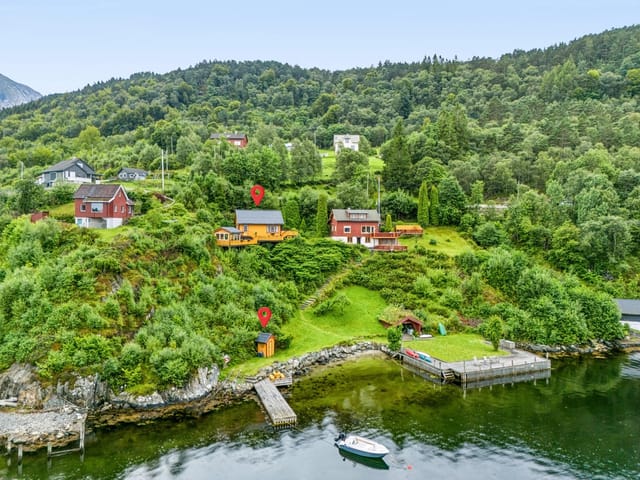
Step outside on a Tuesday morning in July, coffee in hand, and watch the ferry cut its quiet wake across the Gandsfjord from your sun-warmed terrace. That's Hommersåk. Stavanger is twenty minutes behind you, the sea is a two-minute walk in front of you, and for this moment, the only sounds are the wind in the birch trees and the occasional creak of a rowboat down at the water's edge. This is what 292,000 euros buys you on the Norwegian coast — not a postcard, but a real life. Uskakalven 35 is a three-bedroom chalet built in 2009, sitting on a privately owned plot of just under 4,000 square meters in one of Rogaland's most quietly coveted coastal communities. Sixty square meters of smart interior space, nearly 66 square meters of terrace split between slate and natural wood decking, and 150 meters of flat walking distance to the shoreline. Numbers tell one part of the story. The rest you have to feel. The interior layout is genuinely clever for a cabin of this size. Ground floor: an entrance hall that keeps mud and wet gear out of the main space, a combined living room and kitchen that opens onto the larger terrace, and a bathroom with laundry facilities — so yes, this works as a proper base for a week or a whole summer, not just a weekend. Two bedrooms sit on the main floor. Then there's the loft — the hems — which adds a second sitting area and a third bedroom tucked under the rafters. Guests get privacy. Kids get a domain of their own. The whole arrangement breathes more than the square footage suggests. Heating comes from a wood-burning stove supplemented by electric panels. On a raw November evening when the fjord turns steel-grey and the first frost comes down from Dalsnuten, that stove earns its place fast. But ... click here to read more
Picture 1

Step outside on a February morning and the cross-country tracks are literally forty meters from your front door. The air at 800 meters above sea level has a particular sharpness to it — pine-cold, clean in a way that's almost startling if you've come up from Oslo. Coffee in hand, skis already propped against the terrace wall. This is what weekends look like when you own an apartment at Haglebutunet 7. Eggedal is one of those places that Norwegians have quietly kept to themselves. The valley runs south from Numedal, and Haglebu sits at the top of it — a compact mountain community that punches well above its weight in terms of what's actually on offer. The alpine ski center is 300 meters away. The Haglebu Mountain Lodge, a genuine hub of social life in these parts, is a hundred meters up the path. And when the snow melts, the trails around Haglebuvatnet lake open up for cycling and hiking, the famous Sherpa staircase becomes the local obsession, and the fishing starts on the water below. The apartment itself is a freehold selveierleilighet — important for international buyers to know — built in 2000 and spread across 50 square meters of internal space, plus a 12-square-meter ground-level terrace. The ground floor layout is practical without being cramped: entrance hall, a bedroom fitted with a double bed, a full bathroom, a kitchen, and a living room. Underfloor heating runs through every room on this level, so arriving on a cold Friday evening after the two-hour drive from Oslo feels welcoming rather than punishing. The loft — or hems, as it's called in Norwegian mountain cabin tradition — is reached by a wide, safe staircase and holds a double bed and a single, bringing total sleeping capacity to five. For families or ... click here to read more
Covered entrance area. Parking right outside the door.

Step out onto the terrace at seven in the morning and the whole river is yours. The Glomma moves slowly this time of day, catching the early light in long gold ribbons. Coffee in hand, the only sounds are water, birdsong, and somewhere downstream, a boat engine coughing to life. This is Hagestrand — a four-bedroom chalet on Sandtangenveien 140 in Rakkestad, Østfold, and it has a way of making Oslo feel very far away, even though you're barely an hour's drive from the city. The property sits right on the Glomma's bank, Norway's longest river, with your own registered boat berth and buoy mooring directly below. That detail matters more than it might first seem. It means Saturday mornings spent casting lines before the kids are even awake, afternoons paddling upstream to a quiet cove, or simply tying up after a sunset cruise and walking straight back up the garden with a bag of fresh-caught perch. River access in this condition and at this proximity to Oslo is not easy to come by. It draws people back summer after summer. The chalet itself covers 103 square metres across the main house, plus a separate guest annex — which changes things considerably for families or groups. Eleven beds total. The annex handles the overflow: teenagers who want their own space, in-laws, visiting friends from abroad. It can also serve as a studio or home-office setup during shoulder season visits. Flexible spaces like this are rare in Norwegian cabin properties at this price point. Inside the main house, the living room is anchored by large windows facing the water. On overcast autumn days, when the hills across the river go a deep olive green and the light drops early, you fire up the modern wood-burning stove and the whole room shifts. It ... click here to read more
Welcome to "Hagestrand!"

Step outside on a February morning and the silence hits you first. No traffic, no neighbors' lawnmowers, nothing — just the soft creak of snow-laden spruce trees and the faint hiss of wind coming off the Gauldalen valley. The thermometer reads minus eight, but inside, the wood stove at Drøyvollvegen 125 has been going since seven, and the whole cabin smells like birch smoke and coffee. That's the daily reality of owning this two-bedroom mountain chalet in Haltdalen, a small community in Trøndelag that most Norwegians quietly regard as one of the most liveable and underrated highland retreats in central Norway. At 325 meters above sea level, the property sits high enough to catch serious sun — the original listing wasn't exaggerating about that — and the south-facing 37-square-meter terrace soaks up every hour of it from late spring through early autumn. Built in 2002 and kept in genuinely good condition, the chalet covers 53 square metres of indoor space across an open-plan living room and kitchen, two bedrooms, a bathroom, a hallway, and a loft accessed by ladder. Fifty-three square metres sounds compact, and it is — but the layout is honest and efficient in the way that good Scandinavian cabin design tends to be. Nothing is wasted. The living area opens directly onto the terrace through wide glass doors, which effectively doubles your usable space every time the weather cooperates. And in Haltdalen's long, sun-drenched summers, the weather cooperates often. The large windows in the main living space pull in light from mid-morning until well into the evening during peak season. Sit at the kitchen table and you're looking out at open highland terrain, the kind of rolling, tree-fringed landscape that makes you understa ... click here to read more
Welcome to Drøyvollvegen 125!

Step outside at seven in the morning and the air hits you — cool, salt-edged, carrying the faint smell of seaweed and pine from the hillside above Øyaveien. A herring gull cuts a lazy arc over the water. The fjord is mirror-flat. This is what a Tuesday feels like in Melandsjø. Hitra is not one of those Norwegian islands that gets overrun in July. It stays quiet in a way that's increasingly rare. The island sits roughly an hour and a half southwest of Trondheim, connected to the mainland via a pair of subsea tunnels — no ferry schedule to chase, no weather window to pray for. You drive in whenever you feel like it. That accessibility, combined with a landscape that feels genuinely untouched, is what makes a holiday property here such a find. The fishing alone draws people from across Scandinavia and Northern Europe. Sea trout, cod, and coalfish are there year-round if you know where to cast, and from this address you're a short walk to the shoreline and a ten-minute drive to Hopsjøbrygga, the brygge that becomes the social heart of the island every July when Hopsjødagene takes over — live music, local food stalls, boats moored three deep, the whole community spilling outdoors. Øyaveien 16 is a white-painted timber chalet that has been on this plot since 1937. The exterior cladding was replaced in 1996 and it wears its age lightly — there's genuine character here without the cold drafts and crumbling sills that word usually implies. The building is in good condition and properly connected: public water, public sewage, mains electricity. No off-grid compromises. Just bring your bags. The layout is compact and logical at 56 square meters across two floors, arranged for the kind of real use a holiday home actually gets. Do ... click here to read more
Charming holiday property presented by Aktiv Eiendomsmegling

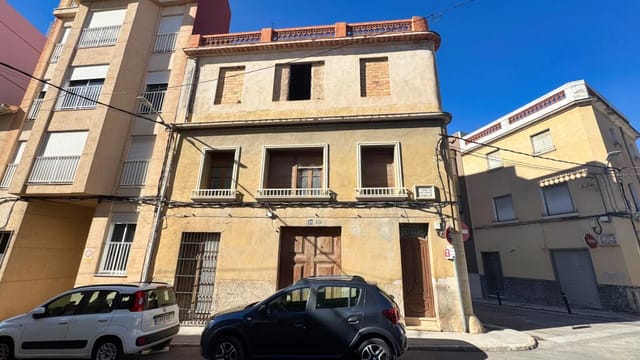
Stand at the front door on a Tuesday morning and you can already hear the city waking up. The clatter of espresso cups from the café on the corner. The low hum of fishing boats heading out from Faro Marina, just four minutes on foot. A church bell somewhere beyond Largo da Madalena — which is essentially your front garden. This is not a weekend retreat hiding behind a gate on the edge of town. This is Faro proper, the real beating heart of the Algarve's capital, and this four-bedroom villa puts you right inside it. The property sits on a plot of 87.18 m² and spreads across three floors with a gross construction area of 199 m², giving a future owner serious room to work with. Ground floor runs from an entrance hallway through a living room and separate dining room with pantry, a kitchen, a backyard, and a bathroom with storage — practical bones that give a renovation a clear head start. Up on the first floor there's a bedroom with built-in wardrobe, two interconnected rooms that could easily become a generous primary suite with a study or a pair of guest rooms with shared access, plus a terrace and storage room. The second floor is all terrace and a 25.75 m² storage room that, with the right architect, could become something far more interesting — a rooftop studio, a reading room with open sky above it, or simply the best sundowner spot in the old town. At €345,000 for this footprint and this location, the arithmetic is compelling. Faro's downtown property market has been tightening steadily. International buyers are arriving, drawn partly by Portugal's Non-Habitual Resident tax regime and partly by the fact that the Algarve is far more than the package-holiday coast most people picture. Faro itself tends to get skipped ... click here to read more
Picture 1
Early July morning. You step out onto the freshly built terrace with a cup of coffee and the only sound is the soft knock of a rowing boat against its dock somewhere across Østerøykilen. The freshwater lake catches the low Nordic sun at an angle that makes the whole surface look like hammered copper. This is 7 a.m. on Justøya, and it already feels like the best day of the year. Justøyveien 410 sits on the western edge of this small island off the Aust-Agder coast, one of the more quietly coveted pockets of the Norwegian Skagerrak shoreline. Brekkestø — the nearest village, a genuine ten-minute walk — is the kind of place that locals keep to themselves: a cluster of white clapboard houses around a compact harbor, a handful of boats, a summer café that serves fresh shrimp with nothing but bread and butter. No resort infrastructure, no tour buses. Just the smell of salt air and pine resin and someone's barbecue drifting over the rocks. The chalet itself was built in 1999 and has been kept in genuinely good condition — this is not a "good condition with some imagination required" situation. Freshly painted in 2026, the exterior looks sharp. Inside, 83 square meters are used well. The ceilings are higher than you'd expect from a Norwegian cabin of this vintage, which, combined with the large windows facing Østerøykilen, means the living room gets morning light that bounces off the water and floods the interior in a way that feels almost theatrical. The fireplace anchors the room. On evenings in September, when the temperature starts to slide and the birch trees outside go amber, you'll understand exactly why the previous owners kept coming back year after year. Three bedrooms handle a family or a group of friends without a ... click here to read more
The cabin is beautifully situated right by Østerøykilen

Step out onto the wraparound terrace on a July morning and the first thing you notice is the light. At 420 metres above sea level, the sun hits differently up here — earlier, longer, at an angle that turns the surface of Breivann into hammered silver by nine o'clock. That's your view. That's your morning. Mattiaskilen 86 sits at the outer edge of the Mattiaskilen cabin area in Steinsholt, Numedal, and it earns its position. The chalet has been thoughtfully overhauled between 2019 and 2021 — not a cosmetic refresh, but a real, structural reinvention — and the result is a 72-square-metre holiday home that works hard across every season without ever feeling cramped or overdone. Let's start with the terrace, because you'll spend a lot of time there. Built in 2021, it wraps around a substantial portion of the cabin and covers 55 square metres of outdoor living space. Part of it is covered, which matters more than you'd think in Norwegian mountain weather — a sudden afternoon shower doesn't end the day outdoors, it just changes the setting. A water post feeds directly from the property's own private borehole, so hosing down muddy boots, filling a dog bowl, or watering herbs in a pot is effortless. The views from the deck reach out over the water, framed by mixed forest, with no other roof cutting into the sightline. It's the kind of terrace you don't retreat inside from — you're coaxed back in by hunger. Inside, the 2021 kitchen immediately signals that this isn't a compromise renovation. Sleek cabinetry, laminate countertops, an integrated oven and cooktop, and a freestanding island that splits the kitchen from the living area without closing it off. The black sink and black-and-brass fixtures have an edge to them — consid ... click here to read more

Welcome to Mattiaskilen 86! Photo: Mille Gran

The first thing you notice on a July morning at Lillehuset Tufta is the light. At this latitude on Ibestad island, the midnight sun barely dips below the horizon, and by the time you step out the front door with your coffee, the fjord is already shimmering silver and the pines are throwing long gold shadows across the grass. This isn't the Norway of postcards — it's quieter, rawer, and far more yours. Sitting on Bygdaveien 1126 in the hamlet of Selvågen on Nord-Rollnes, this compact 1940s cabin sits just 100 metres from the water's edge on the Andfjorden coast. A short walk through low coastal scrub and you're standing on a shore that most of the world has never heard of, let alone visited. That's exactly the point. Hamnvik and its surrounding communities in Ibestad municipality draw visitors who have moved past the usual tourist circuit — people who'd rather watch an eagle circle above a headland than queue for a gondola. The cabin itself is what Norwegians call a hytte in spirit even if it functions as a fritidsbolig — a weekend home with real bones. Built in 1940 and substantially renovated in 2010 with a new roof, chimney, and fresh exterior cladding, it has the kind of worn-in character that can't be manufactured. Thick timber walls. A small living room that smells faintly of woodsmoke even in summer. A fireplace that earns its keep the moment October rolls around and the archipelago starts pulling on its autumn colours — ochre birch leaves against dark spruce, the sea going the colour of gunmetal, the air suddenly carrying the salt-sweet edge of the coming winter. The cabin is sold fully furnished, so you arrive and you're already home. The layout is compact and honest. Ground floor: an entrance hall with a sepa ... click here to read more

Picture 1

Step outside on a July morning and the first thing you hear is the brook. Not traffic, not neighbors — just the steady murmur of water over smooth stone, birdsong somewhere above the treeline, and the soft creak of the wooden terrace under your feet. That's what daily life at Brandlistuguvegen 41 actually sounds like, and it's the kind of quiet you don't fully appreciate until you've had it. This three-bedroom chalet sits on a generous private estate of around 5,090 square meters in Lesjaskog, a small, unhurried community in Norway's Innlandet region, roughly halfway between Åndalsnes and Dombås. At 641 meters above sea level, the air has that faint sharpness to it even in August. The surrounding landscape — mixed forest giving way to open mountain terrain — puts on a full seasonal performance: the pale green flush of birch leaves in May, the long amber evenings of midsummer, the first proper snowfall that turns the entire valley white sometime in October or November. The chalet itself was built in 1970, with a practical single-storey layout that got a sensible extension in 1997, adding all three bedrooms and a storage room. The result is 64 square meters of usable living space that feels lived-in and honest rather than staged. Pine floors, exposed roof beams, double-glazed wooden windows — it all adds up to something that looks exactly like a Norwegian mountain cabin should. In 2024, a new wood-burning stove and insulated steel chimney were installed in the living room. Light the stove on a cold October afternoon and the whole space warms up fast. The visible beamwork above catches the flickering light in a way that no recessed LED fixture ever could. The living room handles double duty as a dining area, with room fo ... click here to read more

Peaceful cabin gem with three plots in untouched nature

Picture this: it's a Tuesday morning in late September, the kind of morning that makes you want to cancel everything. You're standing on your upstairs terrace with a coffee, watching the mist slowly pull back from the Apennine ridgeline, and the only sound is a woodpecker somewhere in the fig tree below. That's the daily reality of owning this three-bedroom villa in the Lunigiana hills of northern Tuscany — a place most Italians know about and most foreigners haven't found yet. That's not an accident. Lunigiana sits in the crease between Tuscany, Liguria, and Emilia-Romagna, technically within Tuscany's administrative borders but with a character entirely its own. Fewer tour buses. More castles per square kilometre than almost anywhere in Italy. Hiking trails that cut through chestnut forests older than the republic. And properties like this one — solid, well-maintained villas on quiet lanes with proper gardens and proper views — that would cost twice as much if they sat twenty kilometres further south in the Chianti. The villa itself is 208 square metres across three levels, and it's been kept in genuinely good condition. This isn't a project. The finish is high-end throughout: marble bathrooms, solid wood and marble kitchen, beamed ceilings in the main living room. The first floor is where daily life happens — a wide entrance hall opens into a living room with a fireplace that earns its keep in November, french doors spilling out onto a covered patio where you can eat dinner outside well into October without needing a jumper. The kitchen is fully fitted and connects to the same covered patio, so cooking and outdoor living flow into each other the way they should in a Tuscan country house. Two bedrooms on this level ... click here to read more

Picture 1

On a Sunday morning in Comano, you wake to the sound of church bells drifting up from the piazza 150 metres away. The air through the bedroom window carries woodsmoke and cut grass, and somewhere below, the family-run bar is already grinding its first espresso. This is not a fantasy. This is an ordinary morning at this restored hillside house in the Taverone valley — a corner of Lunigiana, Tuscany, that most tourists haven't found yet and locals are quietly glad about. The house sits on the edge of a small, tight-knit village community, the kind where people actually know each other, where the restaurant at the heart of the village has been run by the same family for decades, and where showing up as a forestiero doesn't mean you stay one for long. At 80 square metres across two floors, the layout is practical and well thought out. You enter through a hallway that opens into a kitchen and a light-filled living room on the ground floor, alongside a full bathroom. Head upstairs and two attic double bedrooms share a second bathroom — a setup that works equally well for a couple wanting a proper bolthole or a small family with kids who'll spend most of their time outside anyway. The outdoor space is where this property earns its keep. A courtyard with a barbecue setup becomes the natural centre of evening life in summer. Beyond it, roughly 1,000 square metres of land — about a quarter of an acre — includes a chestnut wood that comes into its own in October, when the nuts drop and the forests around the Taverone valley take on that particular amber glow that photographers come from across Europe to chase. Views from the land stretch across the valley toward the Apennines, the kind of views that make you stand still for a mom ... click here to read more

Picture 1

Imagine stepping outside on a Saturday morning in late June, coffee in hand, the sun already warming the south-facing veranda planks beneath your feet. The birch trees are in full leaf. Somewhere a woodpecker is hammering away at a pine trunk fifty meters into the forest. The only traffic is a neighbor walking a dog down the gravel path. That is what Fossumskogen 31 actually feels like — and once you've experienced it, the idea of spending every summer weekend anywhere else starts to seem a little absurd. This is a one-bedroom cabin in Spydeberg, Østfold, and it sits at the kind of price point — 664,000 NOK — that makes it one of the most accessible entry points into Norwegian cabin ownership you'll find within striking distance of Oslo. Spydeberg is roughly 55 kilometers southeast of the capital, an easy drive down the E18 or a short hop on the Østfold Line train from Oslo Central Station. The train station is literally four minutes from the property by car. That accessibility is a genuine selling point, not a throwaway detail: cabin ownership in Norway that requires a two-hour drive tends to get used a lot less than cabin ownership that requires forty-five minutes. This place removes every excuse not to come. The cabin itself was built in 1970 and measures 53 square meters of interior space, sitting on a leased natural plot of 741.5 square meters. The word "leased" sometimes gives international buyers pause, but in the Norwegian hytte market this is entirely standard. The annual ground rent here is just 3,790 NOK — roughly €330 — so the financial exposure is minimal. The property is sold as freehold (selveier), meaning you own the cabin structure outright with full legal security. Upgrades to the electrical system a ... click here to read more

Picture 1