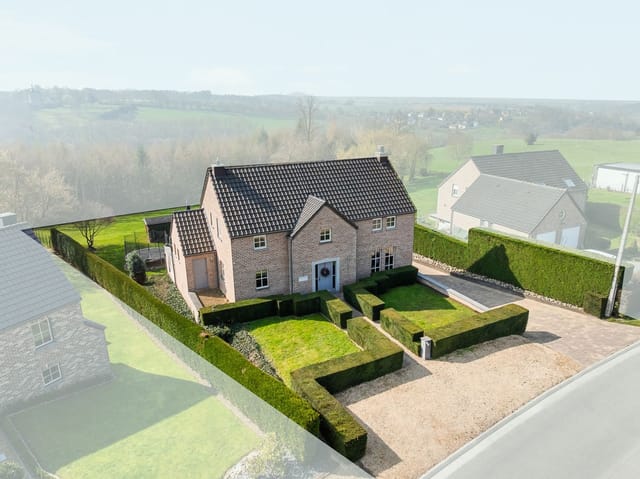
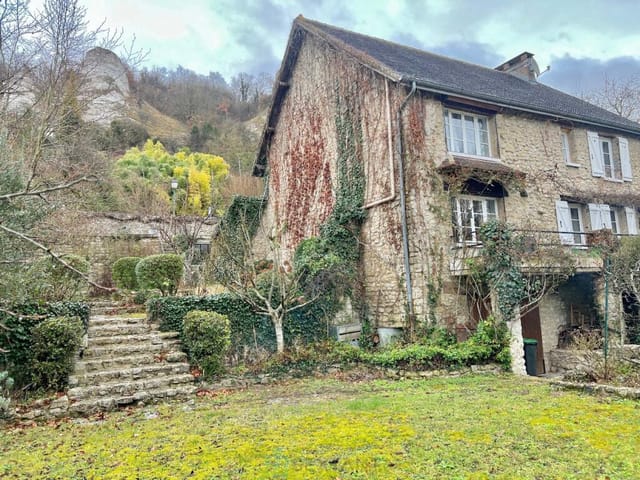
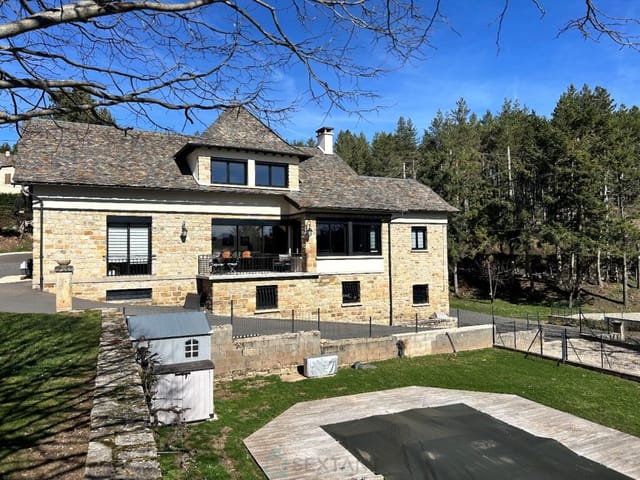
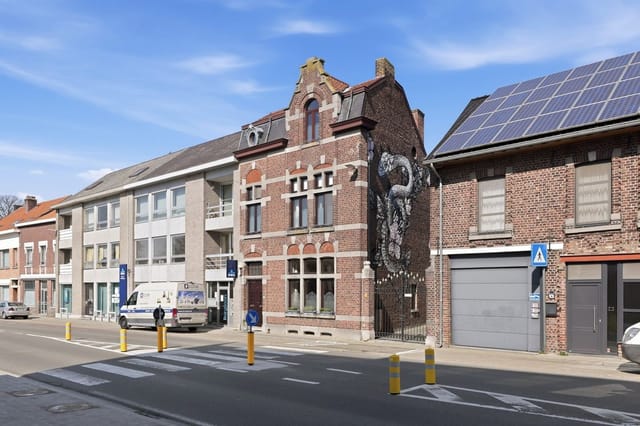
Houses For Sale In Europe (page 10)

Houses for sale in europe - homestra offers the largest amount of european real estate with over 200,000+ properties, find any type of property within your budget from villas to country homes. buy or rent your perfect home in europe. (page 10)

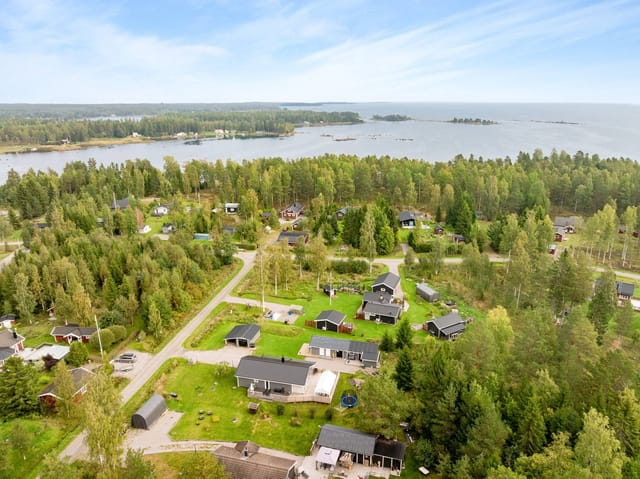
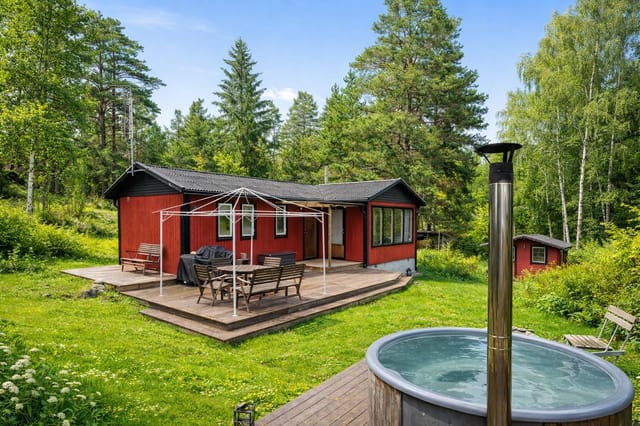
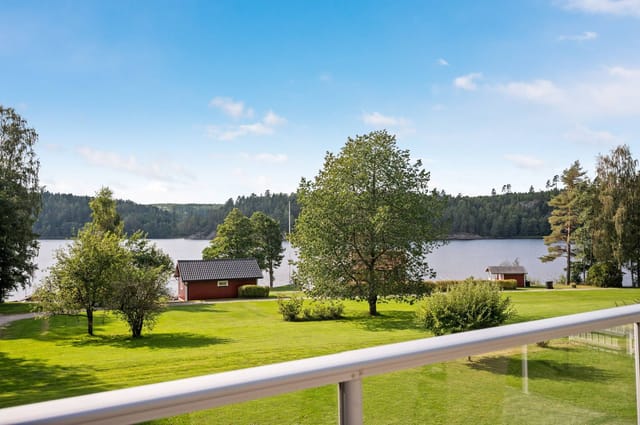
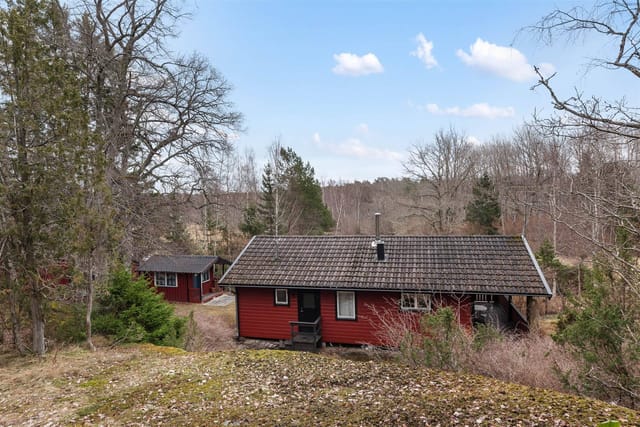
Step outside on a July morning and walk 300 meters through the trees in your bathrobe. That's how close Lake Kolmaren is. The water is clear, the dock is quiet, and you're back at the kitchen table with coffee before anyone else in the house has stirred. This is the kind of thing that happens when you own a place on Boängsvägen in Spillersboda — and it happens every single day you're here. The house sits at the end of a cul-de-sac in the Frötuna-Spillersboda area of Norrtälje municipality, roughly an hour north of Stockholm by car or SL bus. It borders a public green area on one side, which means no future neighbor crowding in. The plot runs to 2,262 square meters — a generous spread by any measure — and it moves through the property in layers: a southwest-facing terrace catching afternoon sun, flat grass wide enough for a proper game of kubb or badminton, then rocky outcrops that push up through the ground and form natural sheltered spots where you can sit with a book without anyone finding you. The apple trees are old and reliable. Currant bushes produce more than any one family can eat. In August, you'll find wild blueberries and lingonberries along the forest edge without walking more than a few minutes. Come September, the same forest throws up kantareller — chanterelles — in quantities that make you wish you'd brought a bigger basket. Lilacs bloom hard in May and fill the downstairs rooms with scent when you leave the windows open. Inside, the house is 64 square meters across three bedrooms, which is compact but genuinely well-used. The living room has a soapstone wood-burning stove — not a decorative one, a real working heat source that makes late-October weekends here entirely viable. Large windows look out ov ... click here to read more

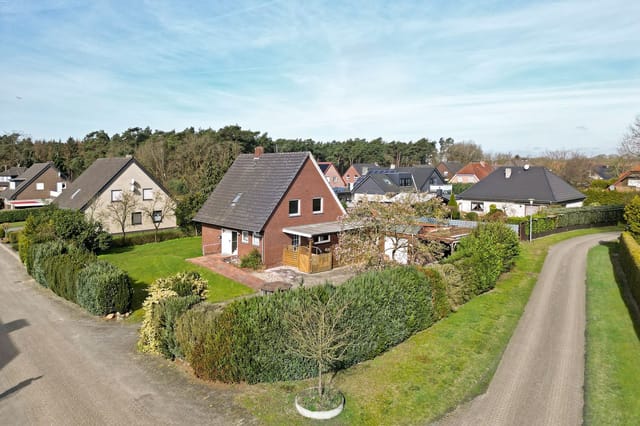
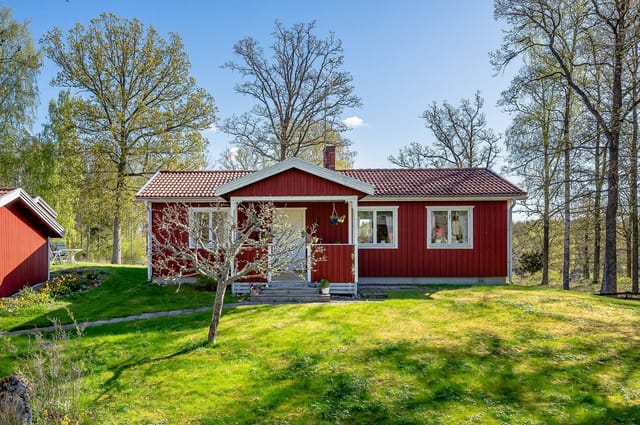
Front view of the house and garden

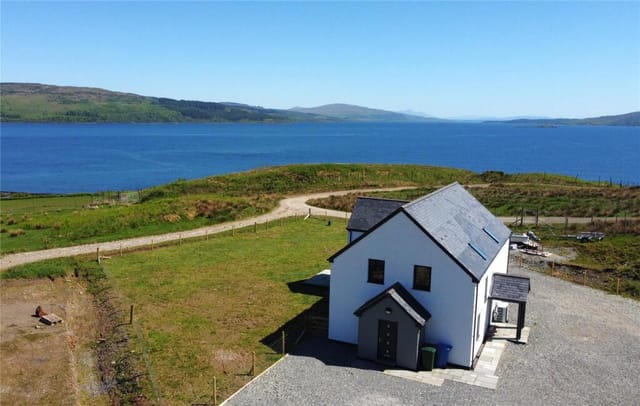
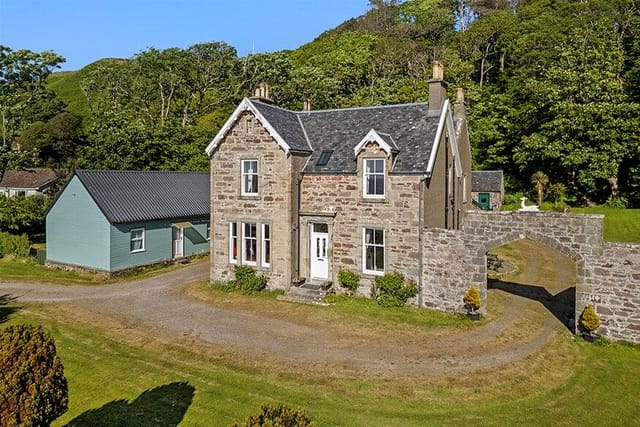
Stand at the front of this house on a clear October morning and the view does something to you. Across the Sound of Mull, the Morvern Peninsula sits grey-blue and enormous, the kind of landscape that makes you feel both very small and very lucky. A buzzard circles above the hillside behind. The kettle is already on. Kinelvadon View is a four-bedroom contemporary detached house set on roughly half an acre of elevated ground between Craignure and Tobermory, on one of Scotland's most visited and genuinely wild islands. At 177 square metres, it's substantial — big enough for the whole extended family, roomy enough that teenagers and grandparents can each find their own corner without anyone feeling crowded. The house is in good condition and ready to walk into. No renovation project. No waiting. Just Mull, immediately. The open-plan ground floor is the social engine of the place. Kitchen, lounge, and dining area all flow into one another without walls chopping up the space, and the triple-aspect windows in the lounge pull light in from three directions. On a bright June afternoon, the room practically glows. The kitchen is built around dark cabinetry against white worktops — a combination that sounds simple but reads as genuinely sharp in person. Integrated hob, extractor, dishwasher, microwave, and oven are all in place, so arriving after a long ferry journey and cooking a proper dinner is actually manageable on day one. A ground-floor room off the hallway currently works as a home office with open views to the front — easy to reconfigure as a fourth bedroom for guests. Next to it, a contemporary shower room with strong tilework finishes the ground floor neatly. A side vestibule offers a second entrance, which anyone who ... click here to read more

Front view of Kinelvadon View

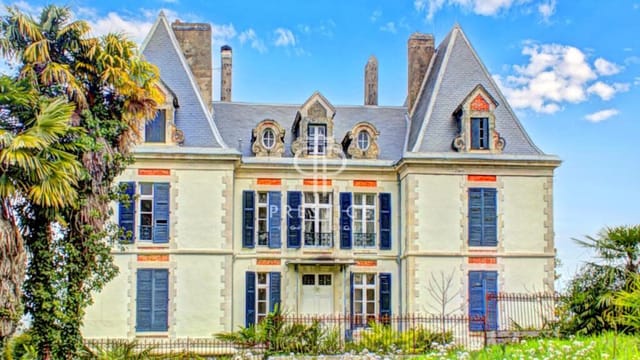
Picture this: it's a Tuesday morning in July, the kind that only happens in the Béarn. You've pushed open the tall shutters of the first-floor landing, and the garden below is already alive — bees working the lavender, the pool catching the early light, the Pyrenean foothills just visible through a soft summer haze on the horizon. Downstairs, someone has put a baguette on the kitchen table. The nearest boulangerie is five minutes away, and by now you know exactly which one to use. This is what owning a château actually feels like, and this particular one — a three-storey, 468m² stone manor built in 1898, set on 4.16 hectares of its own grounds in a tiny hilltop hamlet near Salies-de-Béarn — makes that morning feel entirely possible. The château sits at the end of a winding country lane, approached by a private drive that curves around to a small parking area in front of the house. Stone steps rise to the front door and open into an entrance hall that stops first-time visitors mid-sentence. The double staircase that dominates the hall — symmetrical, unhurried, built for making an impression — sets the tone for everything that follows. A matching pair of stone exterior steps at the rear mirror the interior staircase and lead straight down to the grounds, the 12m x 4m pool, and the tennis court beyond. The ground floor arranges itself logically around that central hall: a sitting room of 30m², a dining room of equal size with an open fireplace that earns its keep through autumn and into the Pyrenean winter, a library-study-office of 23m², and a kitchen. The spaces are generous without being cavernous, which matters more than people expect when a property like this becomes a real family base rather than a weekend curiosity ... click here to read more

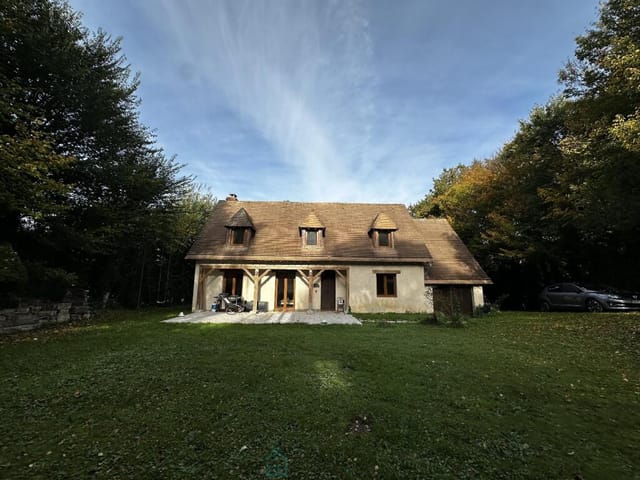
Picture 1

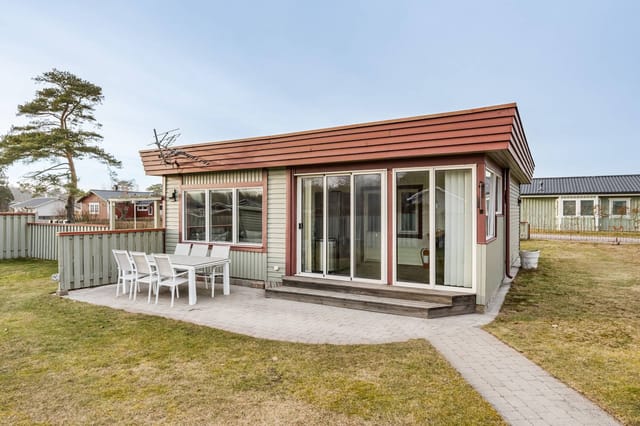
Step out onto the deck at Söderstig 3 on a July morning and the Gulf of Bothnia is barely a two-minute walk away. The air carries that particular mix of pine resin and salt water that you only get along this stretch of the Gävleborg coast. The soapstone stove inside still holds a little warmth from the evening before. This is what owning a holiday home in Axmar actually feels like — unhurried, deeply restorative, and about as far from city noise as you need it to be. Axmar sits on the Hälsingland coastline, roughly 40 kilometres north of Gävle and about a 2.5-hour drive from Stockholm. It is not the kind of place that shows up on tourist maps, and the people who live here — both year-round and seasonally — tend to like it that way. The village has developed quietly around its harbour, its community association, and the kind of neighbourly traditions that are increasingly rare. Midsommar here is the real thing: a maypole goes up near the marina, someone brings out a speaker, and the long Nordic evening stretches past midnight with no one particularly in a hurry to go anywhere. The house itself sits on a 1,520-square-metre plot on Söderstig, a quiet residential road lined with similar summer properties and year-round homes. The building has been methodically updated over recent years — new roof, new windows, a new front door and patio door, and an air-source heat pump that keeps running costs manageable in the colder months. None of these are flashy improvements, but they are exactly the kind that matter: the ones that mean you arrive in May and everything just works. Inside, the ground floor runs as an open plan from kitchen to living room, which gives the 75-square-metre main house a sense of space that the floor area ... click here to read more

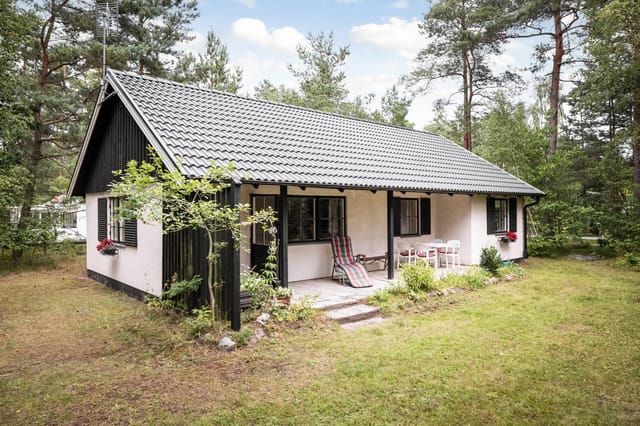
Exterior view of Söderstig 3

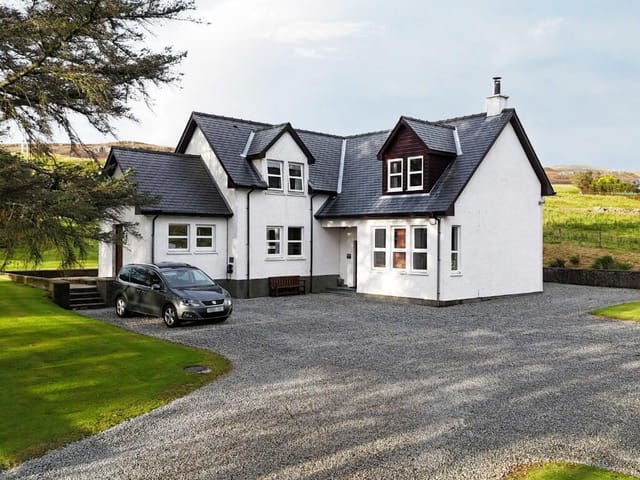
On a clear morning in Glenhinnisdal, the Trotternish Ridge turns a deep violet before the sun crests it. You're standing at the breakfast room window with a coffee, watching the light spill down onto open croft land, and your guests haven't stirred yet. This is what ownership here actually feels like — not a business you manage from a distance, but a life you step into. Trotternish Bed and Breakfast sits on a working croft in northern Skye, eleven miles above Portree on the peninsula that most visitors only see from a tour bus window. That distance from the beaten path is precisely what makes this place work. Guests who find Glenhinnisdal are the ones who came looking for the real island — the wide silence of it, the geology that looks like another planet, the kind of Highland hospitality that doesn't come from a script. The building itself is architect-designed and substantial — 219 square metres across two storeys, built in 2007 and thoughtfully remodelled twice since. The exterior is durable roughcast render under a traditional slate roof; honest materials that suit the landscape. Inside, the standard of finish is consistently high: new carpets and beds fitted in 2023, emergency lighting installed, UPVC soffits and fascia replaced across 2023 and 2024, and an EV charging station added in 2024. The heating runs on an oil-fired wet system backed up by electric ceramic panel heaters for the shoulder months. Nothing here feels provisional. This is a property that has been properly looked after. Five letting rooms occupy the house, each with a name that reflects the island — Stag, Otter, Highland Cow, Puffin, Sheep. Every room has a modern en-suite with heated towel rails, fitted wardrobes, a silent fridge, a Nespresso ... click here to read more

Front view of Trotternish Bed and Breakfast

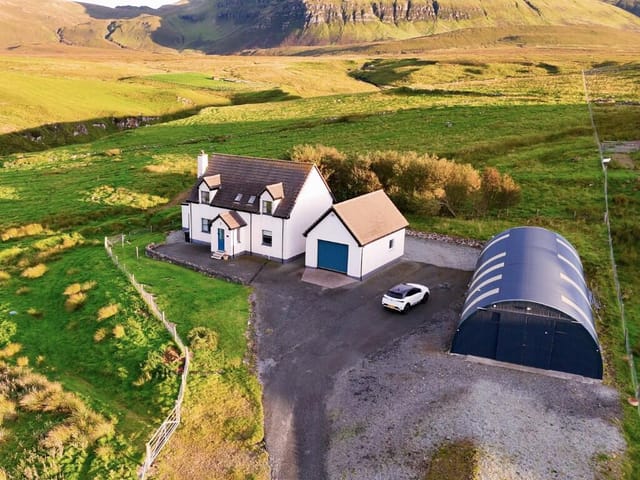
Step outside on a clear October morning and the whole of northern Skye is laid out in front of you. The Trotternish ridge catches the low light, the village of Conista sits quiet below, and somewhere down the hill a raven calls once and goes silent. This is what you look at from your kitchen window while the kettle boils. Not a screensaver. Not a postcard. Your actual life. Hilltop House sits on a rise above the road at 5b Conista, roughly ten minutes from Portree by car — close enough to pick up fresh langoustines from the harbour at An Tairbeart, far enough that you won't hear anyone else's traffic. It's a four-bedroom whitewashed detached home with a B&B licence, a detached garage, a single-storey extension, and a separate 115-square-metre agricultural building on a concrete base. That's a lot of options on one title. The house itself is in good condition and genuinely ready to use from day one. None of that "full of potential" code for "bring a builder." The ground floor flows from an entrance porch into a bright vestibule and then opens into a lounge and dining room anchored by a multi-fuel stove set into a feature fireplace. On a February evening, with sleet coming sideways off the Sound of Raasay, that stove is worth more than any number of underfloor heating specifications. Large picture windows frame the countryside rather than just hinting at it. Wooden floors throughout. The natural light in summer, when the sun barely sets before eleven, makes the whole space feel bigger than its footprint suggests. The kitchen is open-plan with a breakfast bar, feature lighting, and enough worktop space to actually cook in — not just heat things up. There's an electric oven, hob, cooker hood, fridge-freezer, and dishwashe ... click here to read more

Front view of Hilltop House

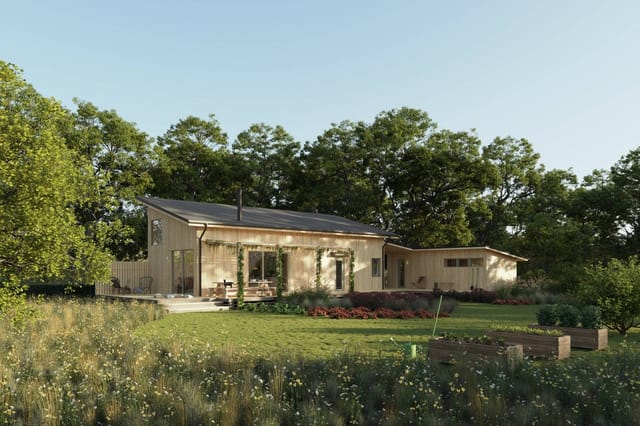
Stand on the south-facing terrace at Törnbotten 113 on a late June morning and you'll understand immediately why Öland has been pulling people across the Kalmar Strait for centuries. The meadows ahead of you stretch all the way to the treeline of Mittlandsskogen, Sweden's largest contiguous deciduous forest. Swallows cut low over the grass. The only sound is wind moving through the stone wall that borders your plot. It's 7am and you're already outside, coffee in hand, with nowhere to be. This is a genuinely rare find. An architect-designed, newly built home on a Swedish island that gets more sunshine hours than almost anywhere else in the country — and it's priced as a vacation home purchase, not a mainland city premium. The house at Törnbotten 113 sits in Färjestaden on the island of Öland, connected to the mainland city of Kalmar by the 6km Öland Bridge — one of the longest bridges in Europe and, frankly, one of the more satisfying drives you'll ever make, with the Baltic spreading out on both sides. The architect behind this home is M. Rutensköld, winner of both the Red Dot Award and the Swedish Design Award. That pedigree shows in every decision made here, from the passage between the two building volumes — a direct nod to the traditional rad byar, the row villages that define Öland's historic landscape — to the vitriol-treated wood facade that will weather gradually to a soft silver-grey, the way old Öland barns do. This isn't a house trying to look Scandinavian. It actually is. Inside, the ceilings climb to five metres at their peak. Natural light doesn't just enter the house — it moves through it, shifting from the south-facing living areas in the morning to the north and east-facing loft windows by afternoon. ... click here to read more

Exterior view of Törnbotten 113, main house and annex

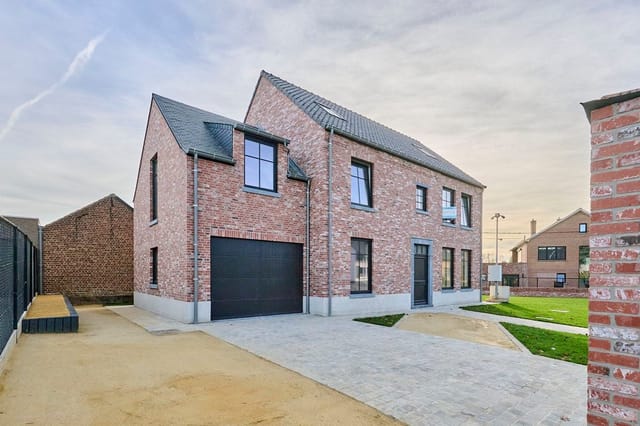
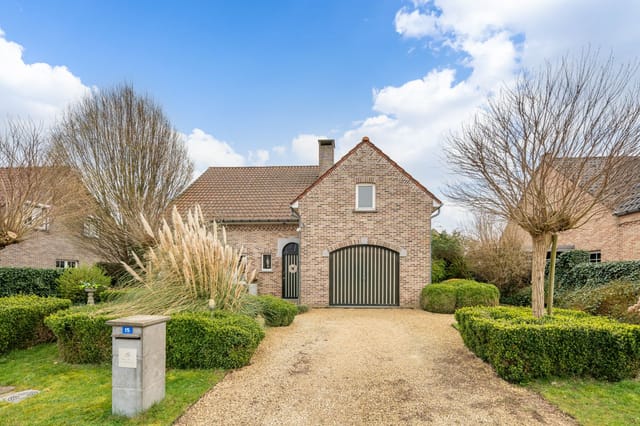
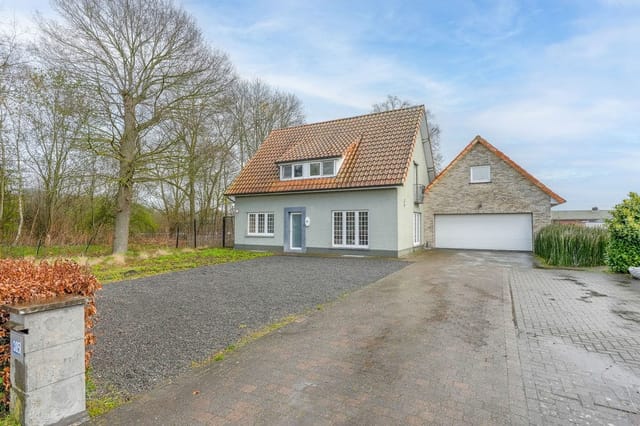
Step inside on a quiet Tuesday morning in Vliermaalroot and the first thing you notice is the light. Southwest-facing windows pull the sun deep into the living room from mid-morning until the last gold slips behind the Haspengouw farmland in the evening. Old Beerse brick on the facade, blue stone detailing at the threshold, solid oak underfoot — this is a house built the way Flemish craftsmen used to build them, except the boiler room holds a heat pump and 8 kWp of solar panels are quietly generating more electricity than a family of five will ever use. This is what makes this 310-square-meter pastorijwoning in Kortessem so compelling as a Belgian second home or vacation property: it carries the visual weight and presence of a classic Flemish manor house while running on near-zero energy, with an E-peil score under 20. That kind of combination is genuinely rare in this price bracket. The house sits on Bornstraat 17a in the hamlet of Vliermaalroot, which is technically part of the wider Kortessem municipality — but locals will tell you it feels like a village unto itself. Slow. Green. The kind of place where the school is 500 meters away on foot and the pharmacy is the same distance in the other direction. There are no traffic lights. There is, however, a cycling route that loops out through the fruit orchards of Haspengouw — one of Belgium's most productive agricultural regions, famous for its apple and pear blossoms in April, when the whole landscape turns white and the roadside farm stalls start selling freshly pressed juice. Six bedrooms across three floors gives the property a flexibility that's hard to find in new-build stock. The ground floor sets the tone: a wide entrance hall opens to a versatile room that wor ... click here to read more

Photo 1 of Bornstraat 17a

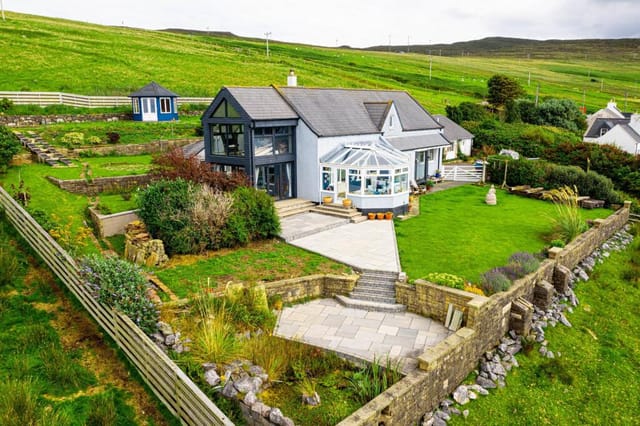
Stand at the flagged terrace on a clear September evening and watch the sun drop behind the Outer Hebrides, painting Loch Dunvegan in shades of copper and amber. There's a particular quality to the light here on the Waternish Peninsula that photographers chase and painters try — and fail — to replicate. From Sunset View, you don't have to chase anything. It comes to you, every single evening, framed by full-length glass across an entire west-facing elevation. This is Lochbay. A handful of houses, a working croft or two, the distant lowing of Highland cattle. The Waternish Peninsula stretches north into the Minch like a quiet finger of land that the rest of the world mostly forgot about — and locals are quietly glad about that. Sunset View sits in an elevated position above the bay, and from the moment you pull off the single-track road onto the private tarmac driveway, you understand this is something genuinely different. The house has been taken back to its bones and rebuilt from the inside out by its current owners — not flipped, but thoughtfully reimagined over years. The exterior keeps its traditional Scottish character: white rendered walls, pitched rooflines, the kind of profile that belongs here. Inside is another story entirely. The ground floor opens into a lounge and dining space that measures over ten metres by seven. That's not a typo. The room is vast, flooded with natural light through walls of glazing that put Loch Dunvegan front and centre at every moment of the day. A living flame fire anchors the space, giving it warmth and focus on the kind of October afternoon when the rain moves across the loch in silver curtains. Luxury vinyl tile flooring runs throughout — practical for muddy boots after a hill ... click here to read more

Front exterior with panoramic views

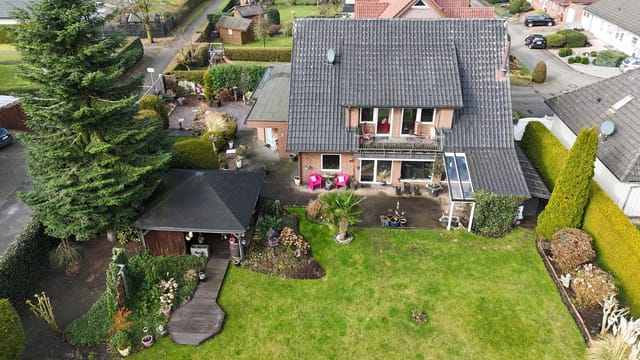
Stand at the kitchen window on a Saturday morning and watch the light roll in across the south-facing garden while the coffee brews. The village of Elten is still quiet — a dog walker passes on De Dweel, the air carries a faint green smell from the Eltenberg forest just up the hill. This is the kind of calm that people spend years searching for, and it exists here just a few minutes' drive from the Dutch border. Built in 2006 and set on a peaceful residential street in this small German-Dutch border village, this 140-square-metre semi-bungalow is the kind of property that reveals itself slowly. From the outside, it reads as a tidy, well-kept family home. Step inside, and you start doing the mental arithmetic — ground-floor bedrooms, a fully finished basement with its own bar setup, a double garage, a deep south-facing garden — and you realise there's considerably more going on here than the facade suggests. The ground floor does what the best house plans do: it gets out of your way. The living room faces the garden through generous windows, pulling daylight deep into the space throughout the afternoon and evening. An open fireplace anchors the room — not decorative, genuinely useful on grey Rhine-valley winters when the temperature drops and you want a reason to stay in. The semi-open kitchen connects directly to the living area, fitted with a cooking island and built-in appliances that have been used and maintained, not just photographed. Two bedrooms sit off the ground floor alongside a full bathroom with bathtub, separate shower, and vanity — which means this house functions as a genuine single-storey home if that's how you want to live it. Upstairs, the arrangement shifts gear. A third bedroom sits here along with ... click here to read more

Photo 1 of De Dweel 23

Step outside on a July morning, coffee in hand, and the air already smells like warm pine and cut grass. The Enviken community pool is a five-minute walk away, someone is dragging a kayak toward Vaxtunasjön down the road, and the Baltic is close enough that you can be on the water before the day heats up properly. This is Galoppbacken 4 — a solid, move-in ready holiday home in Bergshamra that gives you all of that, plus a 1,425-square-metre garden, a guest cottage, and a hot tub on the patio for when the sun finally goes down. Bergshamra sits in the heart of Norrtälje municipality, the great coastal retreat for Stockholmers who want archipelago access without giving up convenience. That matters for buyers thinking about rental income or resale: demand for holiday homes within 90 minutes of Stockholm has stayed remarkably firm, and this corner of Roslagen — the name locals use for the string of coastal parishes north of the capital — is especially popular because it combines genuine waterfront access with year-round infrastructure. The SL bus to Norrtälje town runs from a stop you can walk to in minutes, and from Norrtälje it's a direct ride into Stockholm. Practical, and that's the point. The house itself was built in 1978 and covers 58 square metres — compact, but thought through. The living room anchors the ground floor, and in winter the fireplace does exactly what a fireplace should do: it makes you want to stay inside with a book. There's also an air-source heat pump installed, so heating costs are reasonable even through January and February when Norrtälje can drop well below zero for weeks at a stretch. A covered terrace opens directly off the living room, and that covered part is key — Swedish summers are brill ... click here to read more

Exterior view of the house and garden

Picture this: a Saturday morning in late June, pale Nordic light filtering through hand-printed wallpaper at six a.m., the smell of birch smoke drifting up from the kitchen's wood-burning stove, and absolute silence outside — except for the soft shuffle of ducks settling onto the garden pond. That's what mornings feel like at this 18th-century country house in Stjärnhov, just outside Gnesta in Södermanland. It's a rare thing, a property that actually delivers on the rural Sweden fantasy rather than just hinting at it. The house sits on 4,299 square meters of mature garden in Herrökna Sofielund, a quiet hamlet surrounded by forest and farmland roughly 80 kilometers southwest of Stockholm. From the capital you're looking at just over an hour by car, or a train to Gnesta station followed by a short drive. For buyers based in Stockholm who want a proper country escape without the half-day journey, this area — locally called Sörmland — is something of an open secret. The land rolls gently here, dotted with red-painted timber houses, small lakes, and riding trails through spruce forest. No dramatic mountains, no coastal circus. Just unhurried Swedish countryside at its most honest. The garden alone makes this place worth serious attention. Whoever planted it thought long and hard: established fruit trees, raised vegetable beds, herb patches near the kitchen door, climbing roses over the wooden fence, and a pond with enough depth to attract frogs in spring and ice-skaters' shadows in February. Gravel paths loop between beds of peonies, hollyhocks, and what appears to be a small cutting garden for the house. It's the kind of garden that has its own rhythm through the seasons — you're not maintaining it so much as participating ... click here to read more

Front view of Herrökna Sofielund 1

Step outside on a Saturday morning in late September and the air in Oud-Turnhout carries something particular — damp grass, woodsmoke drifting from a neighbor's chimney, and the faint sound of church bells rolling in from across the Kempen flatlands. Standing on the veranda at Steenweg op Ravels 305, coffee in hand, the enclosed garden stretches out ahead of you: the pond catching the early light, the slight rise and fall of the lawn that makes the whole plot feel more generous than its 1,395 square meters already are. It's quiet in the way that only the Belgian countryside gets quiet. That's not nothing. This four-bedroom detached house is the kind of second home that works on every level — spacious enough for a full family, private enough to actually unwind, and set in one of the most underrated corners of Flanders. Oud-Turnhout sits in the Antwerp province, right at the edge of the Turnhoutse Vennen nature reserve, a vast network of heathland, pine forests, and small lakes that stretches across the Belgian-Dutch border. Cyclists and hikers know this area well. The Kempen cycling route passes practically at the doorstep, linking up with hundreds of kilometers of marked trails through landscapes that look lifted from a Bruegel painting — flat horizons, birch trees, the occasional windmill. On a clear winter afternoon, when the heather has gone brown and the light turns that particular amber, it's genuinely hard to look away. The house itself was built in 1956, and it has the bones you'd expect from that era — solid masonry, a traditional gabled tile roof, thick walls that hold warmth. Over the years it's been genuinely well-kept, not just cosmetically refreshed. Double glazing throughout, a gas-fired combination boile ... click here to read more

Front view of Steenweg op Ravels 305

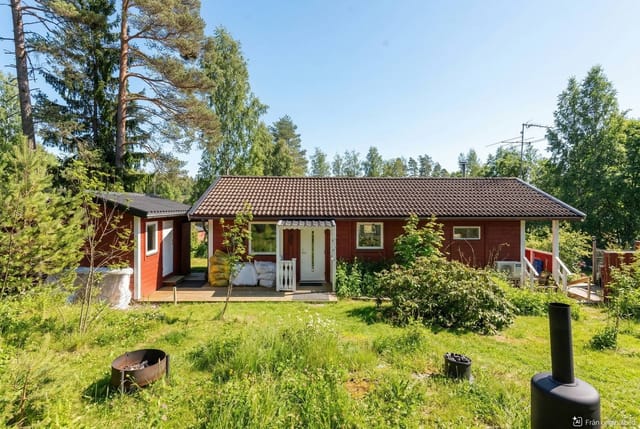
The wood-burning stove is already crackling when you wake up on a Saturday morning in October, and through the big living room windows you can see frost on the grass and mist sitting low over the pines. By 9am you're pulling on boots and walking the 550 metres down to the dock at Korgil, thermos in hand, watching a grey heron stand absolutely still at the water's edge. This is what a second home in the Swedish archipelago actually feels like — unhurried, raw, and genuinely restorative in a way that a week in a hotel never manages to be. Mörtvägen 2 sits on a generous 2,353 square metre plot in Korgil, a quiet pocket of Norrtälje municipality roughly 90 kilometres north of Stockholm. Herräng itself is the kind of place most Swedes know mainly because of the Herräng Dance Camp — a legendary annual swing dance festival that transforms this sleepy coastal village every July into something quietly electric. The rest of the year, it belongs to the locals, the summer regulars, and anyone sharp enough to have bought a place here before word got out. The house dates from 1967 and measures 54 square metres — compact, yes, but the layout earns every centimetre. Two bedrooms. A living room anchored by that wood-burning stove. A kitchen big enough to actually cook in, not just heat things up. Large windows pull the garden and the treeline inside, and the open connection between kitchen, dining area, and living room means a household of four or five people can move around each other without friction. On summer evenings the whole ground floor flows out onto the wide wooden deck, where there's room for a proper outdoor table, a gas grill, and still space left over to stretch out on a sun lounger and do absolutely nothing. The guest h ... click here to read more

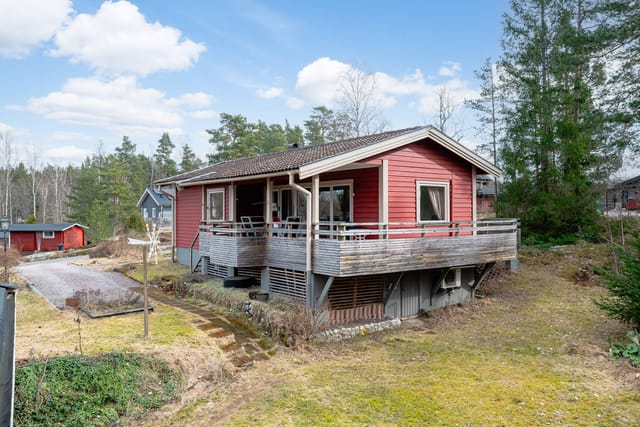
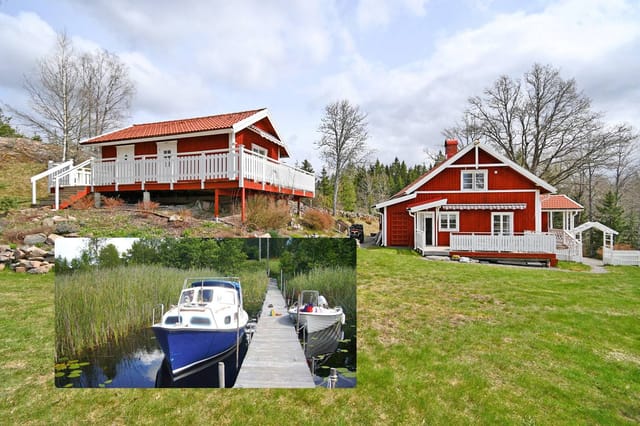
Front view of the house and garden

Saturday morning in Opoeteren has a particular sound. Birdsong from the tree line beyond the back fence. A lawnmower a few houses down. The faint clatter of a coffee cup on the covered terrace, where 28 square metres of sheltered outdoor space face a fully enclosed garden that stretches far enough to make you forget there are neighbours at all. This is the pace of life at Dornernieuwstraat 50 — and once you've spent a weekend here, the city you came from starts to feel a long way away. Set in the Flemish municipality of Maaseik, just a short drive from the Dutch border and the broader Limburg lake district, this 141 m² detached house sits on a generous 2,008 m² plot. Three bedrooms, one well-equipped bathroom, a sprawling basement with a 52 m² garage, and an attic spanning roughly 140 m² that's just waiting for someone with a vision. The house was built in 1974 and is in good condition — solid, practical, and ready to be made your own, whether that means a weekend retreat, a full-time residence, or a longer-term investment in one of Belgium's quietly desirable rural corners. Walk through the front gate and the first thing you notice is space. Real space — the kind that's increasingly hard to find at this price point in the Benelux region. A paved path leads to the entrance, the rear garden is fully fenced with an automatic gate, and the covered terrace runs along the back of the house with open views across the lawn. On a warm July evening, with the doors from the 42 m² L-shaped living room flung open and the terrace laid with a long dinner table, this is the property that earns its keep. That living room is the heart of the house. Large windows pull in natural light from the garden side, and the layout — open, unfuss ... click here to read more

Front view of Dornernieuwstraat 50, Maaseik

Stand at the west-facing windows of Crubasdale Lodge on a clear evening and you'll understand immediately why people come to Kintyre and never quite manage to leave. The Atlantic catches the last of the light in ribbons of amber and rose. Gigha sits low on the horizon. Beyond it, the silhouettes of Islay and Jura. Further south still, on those rare crystalline days, the faint outline of Northern Ireland. This is not a view you get tired of. Not in twenty years. Not ever. Crubasdale Lodge sits on the A83 at the northern edge of Muasdale village, set back from the road behind four and a half acres of mature woodland, formal gardens, and a Victorian walled kitchen garden. The property's title runs all the way to the high water mark — meaning the shoreline itself belongs to this estate. That's not something you come across often anywhere on the Scottish coast, let alone with a house this size on this stretch of the Kintyre Peninsula. The building dates to the Georgian and Victorian eras, originally raised as a hunting lodge, and the bones of it show that heritage without apology. Two storeys of solid stone under a slate roof. A principal staircase that commands the entrance hall the way a good staircase should — with authority. A drawing room fireplace in marble, now fitted with a wood-burning stove, that makes the long Atlantic winters feel genuinely cosy rather than something to be endured. Eight bedrooms across the two floors, four bathrooms, and rooms generous enough that you're never bumping into one another even when the house is full. Oil-fired central heating runs throughout, on a boiler replaced eight years ago and still running efficiently. 190 square metres of internal space sounds like a number until you're st ... click here to read more

Front view of Crubasdale Lodge

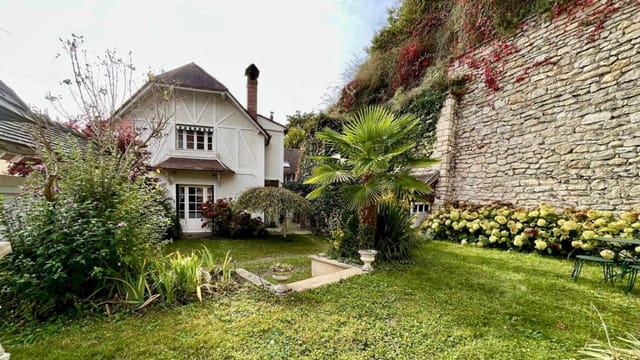
Stand in the east-facing garden on a clear morning and you'll understand why Monet kept coming back to this stretch of the Seine valley. The medieval keep of La Roche-Guyon rises above the treeline, close enough that you can watch the light shift across its old stones from your own lawn. That view — that specific, unhurried view — is part of what you're buying here. The rest is a 135-square-metre stone house in Vétheuil, a village small enough that the baker knows your order by your third visit. This is not a weekend retreat you'll spend fixing. The house is in good condition, well maintained, and ready to move into or rent out from day one. The bones are serious: thick stone walls that keep rooms cool through July and August without air conditioning, original woodwork that no renovation has managed to sand away, and a gas condensing boiler installed to handle proper French winters. The character is already here. You won't need to manufacture it. On the ground floor, the layout does something increasingly rare in houses of this age — it actually works. A generous double living space runs the width of the house, with the dining room opening onto a west-facing terrace through full-height doors, and the sitting room on the east side giving onto the garden and that castle silhouette beyond. There's a fireplace in the sitting room, the kind you actually light in October, not the kind that's been sealed over and turned into a shelf. The kitchen is fully equipped and positioned so that whoever's cooking isn't exiled from the conversation happening ten feet away. Upstairs, three proper bedrooms — not two bedrooms and a room the listing optimistically calls a bedroom. There's also a study with its own terrace, a second smaller ... click here to read more

Picture 1

On a Sunday morning in Veldwezelt, the only sound you'll hear from the south-facing garden is birdsong. Maybe the distant chime of the church on Onze Lieve Vrouwestraat. Then you slide open the glass walls of the veranda, step onto 45 square metres of sun-warmed terrace tiles with a coffee in hand, and the whole week behind you simply dissolves. That's the daily reality of this 221 m² detached house — not a fantasy, just an ordinary morning here. Veldwezelt sits in Belgian Limburg, a few kilometres north of the Dutch border, quietly getting on with life while Maastricht hums eight minutes down the road. It's a cul-de-sac village in the best possible sense: no through traffic, no noise except the occasional cycling club passing by on their way to the Maas River path. The street itself, Onze Lieve Vrouwestraat, is lined with mature greenery and the kind of houses that tell you their owners care about where they live. For international buyers exploring a second home in Belgium or a vacation property close to Maastricht, this location is genuinely rare. You get the countryside pace without sacrificing anything practical. The E314 motorway connects you to Hasselt in 25 minutes and to Leuven and Brussels beyond that. Liège is 40 minutes west. Maastricht Airport sits just across the border, with connections to multiple European hubs. If you're flying in from London, Paris, or Zurich for a long weekend, you're in the garden with a glass of local Limburg beer before dinner. Maastricht itself deserves more than a passing mention. This is one of the most liveable cities in the Netherlands — arguably in the Benelux region altogether. The Vrijthof square fills with cafe terraces from April through October, the Christmas market in ... click here to read more

Front view of Onze Lieve Vrouwestraat 15

On a quiet Tuesday morning in late June, you crack open the kitchen window at Gårdsvägen 2 and catch the faint salt smell rolling in off the Kattegat. The robotic mower is already doing its rounds across the grass. You've got nowhere to be until you feel like it. That's the whole point. Skummeslövsstrand sits on the Halland coast of southwestern Sweden, roughly halfway between Halmstad and Båstad — two towns that between them cover every practical need you'll ever have, from IKEA runs to Michelin-starred dinners. But the strand itself is a different pace entirely. A tight-knit summer community that swells with Swedish families every July, then exhales into a quieter, genuinely peaceful neighbourhood the rest of the year. The kind of place where you recognise faces at the local pizzeria on Strandvägen before the end of your first week. The house on Gårdsvägen dates to 1957 and carries just enough of that era — the compact, considered proportions of post-war Swedish construction — without feeling dated. It's been properly updated: new bathroom, fresh interior surfaces throughout, and a modern heat pump installed that handles both heating and cooling efficiently. This isn't a project property. You can arrive with luggage and start living. The winterisation work done here means the house holds warmth through a February coastal storm without fuss, which matters if you're thinking about long weekends in the off-season or using it as a genuine second home across all four seasons. Sixty square metres sounds modest on paper, and it is — but the layout earns every centimetre. The living area and kitchen work as a single open space, and the two bedrooms sit quietly toward the back. Large windows pull in the Swedish summer light ... click here to read more

Exterior view of the house and garden

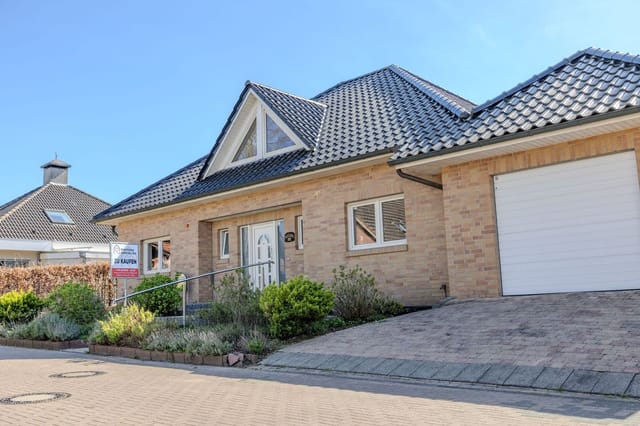
Step outside on a Saturday morning in late spring and the garden at Wacholderweg 15 smells of cut grass and juniper — Wacholderweg means "juniper path", and the street lives up to its name. The air in this corner of Lower Saxony's Emsland region is genuinely quiet. Not "relatively quiet for Germany" quiet. Quiet in the way that makes you notice birdsong. That's the first thing you'll register about this house, and it stays with you. Set on a generous 1,181-square-metre plot in the small village of Niederlangen, this four-bedroom detached home was built in 2000 and has been looked after with the kind of care that shows up in the details — the crisp edges of the epoxy gravel ground floor, the stainless steel staircase railing that still has its sheen, the custom wardrobes upstairs that fit so precisely you'd think they grew out of the walls. At 195 square metres of living space, the house is large enough to feel genuinely spacious without tipping into the territory where you spend Sunday afternoons just cleaning rooms you never used. It's calibrated for real life. The ground floor is where this house really earns its keep. The open-plan living and dining area runs wide and deep, and on grey November afternoons the pellet stove in the corner earns its place immediately — the soft crackle and amber glow are a long way from the cold abstraction of an underfloor thermostat. Large windows face the garden, and in summer the light tracks across the room from mid-morning well into the evening. The kitchen is fitted with high-end built-in appliances and laid out with actual cooking in mind: there's a utility room just off it for the washing machine, the dog leads, the muddy boots. These things matter more than any brochure will a ... click here to read more

Front view of Wacholderweg 15

Step outside on a Saturday morning in Wilsum and the first thing you notice is the silence. Not the uncomfortable kind — the kind that comes with open farmland stretching to the horizon, a light easterly wind carrying the smell of cut grass, and absolutely no traffic. That's your view from every rear-facing window at Molkereistraße 3. It's the kind of quiet that city people actively plan holidays around, and here, it's just Tuesday. This is a substantial 1968 detached country house sitting on just over 8,100 square metres of land along the Germany-Netherlands border in Lower Saxony — a region that quietly delivers some of northwest Europe's most underrated rural living. Seven bedrooms, two bathrooms, 254 square metres of interior space split across two fully independent living levels, an 80-square-metre workshop with three-phase power, a carport, meadows, mature trees, and a plot large enough to lose yourself in. At €395,000, the maths of what you're getting per square metre — of land alone — will make you do a double-take. Wilsum itself sits in the Grafschaft Bentheim district, roughly 10 minutes by car from the Dutch town of Coevorden and about 40 minutes southwest of Lingen. It's the kind of village where the local Schützenfest still draws the whole community out in June, where kids cycle to school on lanes with no pavements because no one's going fast enough to need them, and where the butcher in nearby Uelsen still knows your order by your third visit. The Dutch border proximity isn't just a curiosity on a map — it genuinely doubles your options for shopping, dining, and day trips. Albert Heijn in Coevorden, the Saturday market in Hardenberg, or a longer drive to Groningen for a city fix: all on the table without ... click here to read more

Front view of Molkereistraße 3

Step outside on a Saturday morning and the Seine is right there — glinting through the tree line, unhurried, wide, reflecting the kind of sky that makes you put your phone away. This is the Yvelines you don't see on postcards: quieter than the Loire, less trafficked than the Dordogne, and just over an hour from Paris by car or train. Bonnières-sur-Seine sits in one of the river's great looping bends, and once you've spent a weekend here, the city starts to feel like the place you go to work rather than the place you live. The house itself was built in 2007, which means it comes without the charming headaches of older French rural properties — no crumbling lime plaster, no antiquated wiring, no surprises behind the walls. What you get instead is solid modern construction on a 1,500-square-metre plot, 136 square metres of living space, and a layout that actually makes sense for how families use a home. Ground floor first. The entrance hall opens into a double living room — proper sized, not the cramped salon you find in so many French holiday homes — with an open-plan kitchen that connects the cooking and the conversation. There's a master bedroom on this level with its own shower room, which is genuinely useful if you've got older relatives or guests who'd rather not tackle a staircase. A laundry room and direct garage access round out the practical side of things. Head upstairs and the first floor opens into something more unexpected. The partial attic conversion gives the space real character — sloping ceilings in the right places, three additional bedrooms, a full bathroom, a dressing room, and a generous open area that previous owners have used as a TV lounge and a large home office. If you need a fifth bedroom, it ... click here to read more

Picture 1

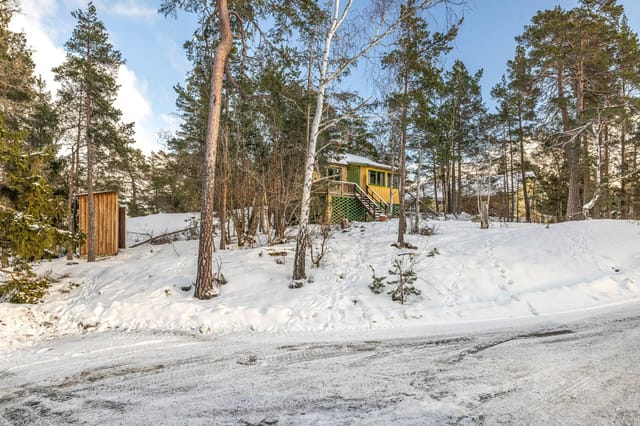
Stand on the plot at Måsvägen 31 on a Tuesday morning in late May and the birch trees are already full and loud with wood pigeons. The water is just 500 meters away—you can't see it yet through the pines, but you can smell it. That particular mix of cold saltwater and sun-warmed granite that defines the Stockholm archipelago. This is Strömma, a quiet fold of Värmdö municipality where you don't arrive accidentally. You come because you've heard about it from someone who has a place out here and won't stop talking about it. The house itself was built in 1958 and it shows its age in all the right ways—solid bones, a low roofline that sits comfortably in the landscape, and windows that frame the surrounding greenery like paintings. Forty-three square meters, two bedrooms, one bathroom. It's compact, but it's fully winterized, which in this corner of Sweden means something real: you can be here in February when the ice on the canal turns blue-white and the thermometer drops below minus ten, and the house holds warmth. Swedes build for winter the way coastal Italians build for earthquakes. This place has been doing its job for over sixty years. What makes Måsvägen 31 genuinely different from most holiday properties in this price range isn't the house—it's the land and what you can do with it. The plot runs to 2,925 square meters, which is a serious piece of ground. It backs directly onto a large public green area, so the sense of space extends far beyond the legal boundary. And the building rights here are unusually generous: up to 250 square meters of building footprint (BYA), a total gross floor area of 360 square meters across all floors, a permitted height of 6.5 meters, plus additional outbuildings up to 80 square meter ... click here to read more

Front view of the house and garden

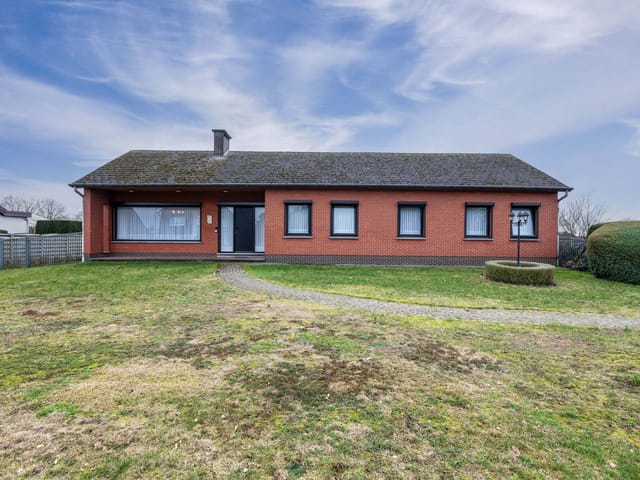
Step outside on a Saturday morning at Heesdijk 28 and the only sounds you'll catch are birdsong from the Poppelse bossen and the distant hum of a tractor working the fields beyond the back fence. No traffic. No neighbours pressed up against you. Just 1,306 square metres of private plot, a sky that seems wider out here than anywhere else in Belgium, and a 260-square-metre house that has more room in it than most families know what to do with. Poppel sits right on the Belgian-Dutch border — literally a stone's throw from Noord-Brabant — and that geography is quietly one of its most underrated qualities. You can cycle into the Netherlands without realising you've crossed a country. The Grenspark Kalmthoutse Heide, one of the largest cross-border heathlands in Western Europe, sprawls nearby in shades of purple every August when the heather blooms. In autumn, the forest tracks around Poppel turn amber and rust, and the whole area fills with the particular hush that only comes when deciduous trees are dropping their leaves in bulk. Locals lace up their boots and head out for hours. You can too, straight from your front gate. The house itself was built in 1965 — solid brick, traditional gabled roof with clay tiles, the kind of construction that laughs at Belgian winters. It's in good condition and move-in ready, though it carries a renovation obligation that actually works in a buyer's favour: you get to decide how it evolves. Keep the wood-burning fireplace crackling in the living room as the centerpiece it deserves to be, rip out the kitchen and put in exactly what you want, convert the insulated attic into a guest suite for family coming from abroad. The bones are excellent. The decisions are yours. Ground floor living he ... click here to read more

Front view of Heesdijk 28

Step out the back door on a September morning and the tree line is close enough to throw shade across the terrace by nine o'clock. The air carries pine resin and damp earth. Somewhere at the far end of Im Tannensand — a cul-de-sac that literally dissolves into the forest — a woodpecker is working through a dead trunk. This is Walchum, a small village in the Emsland district of Lower Saxony, and this four-bedroom detached house sits at the quietest end of an already quiet street. That's worth something you cannot manufacture. The property was built in 1977 on a plot of 1,242 square meters — a size you'd struggle to find at this price point even in rural Germany today. The house itself covers 126 square meters of living space across two floors, with a partial basement underneath. Four bedrooms upstairs, a ground floor laid out around a generous 35-square-meter living and dining room, a closed kitchen with fitted appliances, a proper bathroom with shower, and a separate guest WC. Practical, workable, and solid. The bones are good. Several of the upstairs bedrooms have been updated already. Others still carry their original 1970s character — wooden door frames, older flooring — which some buyers will see as a canvas and others will see as the soul of the place. Either reading is fair. The flexible layout upstairs means the four rooms could run as three bedrooms and a home office, or swap configurations depending on the season and who's visiting. For a second home that doubles as a gathering point for extended family, that kind of adaptability matters more than a rigid floor plan. The kitchen was refitted more recently and comes with built-in appliances — nothing show-stopping, but fully functional for the kind of long wee ... click here to read more

Front view of Im Tannensand 20

Early on a July morning, before anyone else on Estvägen has stirred, you walk the fifty steps down through the trees to Älgö's little beach and drop into water so clear you can count the stones at your feet. The pine forest is still exhaling the cool of the night. That's the daily opener here — and it's yours every summer for the rest of your life. Älgö sits in Stockholm's inner archipelago, four kilometers from Saltsjöbaden, which means you get the genuine Swedish island experience without surrendering urban convenience. The island is small enough that everyone waves to each other on the gravel tracks, yet large enough to disappear into the woods for a proper hour-long run without crossing your own path. It's the kind of place that sounds almost too good when you describe it to friends back home, until they come and see it themselves. The property at Estvägen 20 is positioned at the end of a quiet cul-de-sac, with forest pressing in on three sides. There are no through-traffic sounds, no overlooking neighbors. What you do hear: woodpeckers in the spruce, the distant clang of rigging from boats moored at the island's small jetty, and on clear evenings in late August, the faint percussion from the jazz evening that Saltsjöbaden's Grand Hotel still hosts on its terrace across the water. The plot itself stretches across 2,101 square meters — a proper piece of land for this part of the archipelago — and the sun tracks it from east to west without interruption, so somewhere on the property is always warm between May and September. The existing house is a 1957 Swedish sommarstuga of 28 square meters. Compact, functional, honest. It has the character of a building that has been genuinely used and genuinely loved: the kind of ... click here to read more

Exterior view of the holiday home and garden

Imagine waking up on a Saturday morning in September, the smell of pine drifting in through the bedroom window, the surface of Bullaresjön completely still. You pull on a sweater, put coffee on, and stand at the kitchen window watching the mist lift off the water. That's not a fantasy—that's a Tuesday here at Klageröd 5, in one of Bohuslän's quieter, less tourist-trampled corners. Bullaren sits in Tanums kommun, about 20 kilometers inland from the dramatic granite coastline of the Swedish west coast. If you know the area, you already know why people keep coming back. If you don't, here's the short version: it's the kind of place where your phone starts feeling irrelevant by mid-afternoon. The house itself is a single-story 78-square-meter property in solid condition—renovated, clean, and genuinely move-in ready. Two bedrooms, one well-fitted bathroom with a proper shower, and an open-plan living and dining area built around a wood-burning fireplace. That fireplace isn't decorative. Come November, when the temperature drops and the lake turns gunmetal grey, it's the center of the whole house. Evenings are spent there. Long weekends are organized around it. There's a reason Swedish interior culture puts such stock in the concept of eldstad—a real fire changes the character of a room entirely. The kitchen has been updated without losing the practical, unfussy character that Swedish country homes do so well. Enough counter space to actually cook a proper meal—and you will, because the local food culture here is built around doing exactly that. The village store in nearby Östad stocks local honey, smoked meats, and seasonal produce. In summer, the roadside stands along Route 163 sell strawberries and new potatoes by the ki ... click here to read more

Front view of the house and garden

Picture a Saturday morning in late June. The Swedish sun has been up since four, and by the time you pull on your jacket and step onto the wrap-around terrace with a mug of coffee, the birch forest at the edge of the garden is already doing that thing it does in Södermanland summers — throwing long gold light through the leaves while the air smells faintly of pine resin and damp earth. Lake Långhalsen is a four-minute walk down the path. Nobody else is awake yet. This is Utterspåret 11. It's a compact, honest house — 57 square meters built in 1979, maintained with genuine care, and set on a 1,620 square meter plot that gives you the kind of breathing room that's increasingly hard to find at this price point in Sweden. Two bedrooms, one bathroom, a kitchen that works, and a living room anchored by a wood-burning stove that you'll use far more than you expect once October settles over Nyköping and the lake mist starts rolling in each morning. The stove isn't decorative. Come winter, it's the heart of the house. The terrace wraps the exterior and has both open and covered sections — a deliberate design that Swedes know well. You want sun in May when the temperature is still erratic. You want shade in July when it isn't. You want cover in August when the afternoon rain passes through. The terrace handles all of it, and it's large enough for a proper outdoor table, a couple of sun loungers, and whatever outdoor project you get absorbed in over a long weekend. The plot itself borders forest on one side, with no immediate neighbours on that flank. The garden is flat, open, and generous — room for a vegetable patch, a trampoline, a fire pit, a hammock between the birches. The side building currently runs as a small workshop a ... click here to read more

Exterior view of Utterspåret 11

Picture this: it's a Saturday morning in late September, the birch trees along Kantarellvägen have gone full gold, and you're sitting on a wide timber terrace with a mug of coffee watching mist lift off Nedingen lake. No traffic noise. Just the faint knock of a rowboat against a dock somewhere down the hill, and the occasional rustle of something moving through the undergrowth at the edge of your 1,958-square-meter garden. This is the rhythm of life at Fornbo Kantarellvägen 58 — and it's about 100 kilometers from Stockholm's Centralen station. The house sits on a peninsula that juts into Nedingen, one of the cleaner and quieter lakes in Södermanland, within the well-established Fornbo recreational community. It was built in 1980 and has been kept in genuinely good condition — this isn't a project property requiring gut renovation before you can enjoy a single weekend. The structure is solid, the winterization means you can use it from January ice to December snow, and municipal water and sewage connections spare you the headaches that come with private wells and septic systems on older Swedish holiday properties. Move in, turn the key, light the fire. That fireplace deserves a moment. The living room has large windows that face toward the water, and on evenings when the temperature drops, the fireplace does real work — not decorative work, but actual warmth-producing work that makes the room feel like somewhere you'd genuinely want to spend three hours after a day of hiking. The living area flows naturally, 65 square meters used efficiently without feeling cramped, and the kitchen is practical and well-equipped for the kind of cooking that happens at a lake house: big pots of elk stew, fresh-caught perch fried in butte ... click here to read more

Exterior view of the winterized holiday home

On a still morning in Saint-Cyr-la-Campagne, you'd wake to the sound of water. Not distant or muffled — the river runs right along the edge of the property, close enough that you hear it through an open window while the coffee brews. There's no road noise, no neighbors peering over the fence, no reason whatsoever to be anywhere else. This is rural Normandy at its most honest: green, quiet, and completely unhurried. The house itself was built in the 1980s, solid and unpretentious, sitting on a fully enclosed and wooded 1,000-square-metre plot that feels twice as large thanks to the riverbank it borders. Since 2021, the owners have been steadily bringing it up to speed — new electrics throughout, a fitted kitchen, a redesigned bathroom with a proper walk-in shower and bathtub, and freshly renovated upstairs bedrooms completed in 2025. The bones were always good. Now the finishing is catching up. Come through the front door and the ground floor opens into a living room that immediately earns its keep. Terracotta floor tiles run underfoot — the warm, slightly uneven kind that makes a room feel lived-in rather than showroom-perfect — and a wood-burning stove anchors one wall. On a grey October afternoon, when the Normandy rain comes in sideways and the leaves on the riverbank go copper and gold, this room becomes the entire reason you bought a house in France. The kitchen adjoins it directly, recently fitted and fully equipped, functional without being clinical. A hallway off the living area leads to a ground-floor bedroom with its own dressing room — a practical touch that works well as a guest room or for anyone who'd rather avoid stairs entirely. The new bathroom sits nearby, tidy and complete. Upstairs, the landing is ... click here to read more

Picture 1

Step outside on a July morning and the first thing you notice is the smell of warm pine resin. Not the synthetic kind you find in a candle — the real thing, rising from the forest floor as the sun climbs over the eastern gable of this 1969 house in Havängs Sommarby. The birds are already going. Somewhere down the lane, a bicycle bell rings once and fades. This is what summer sounds like in Österlen. Havängsvägen 6 sits on a freehold plot of 1,289 square meters in one of the genuinely rare corners of Swedish coastal property — Havängs Sommarby, a small community tucked between Kivik and Brösarp on the Skåne coast. Freehold plots in this particular village are uncommon. Most of the surrounding vacation properties sit on leasehold land, which makes this one a different proposition entirely for buyers who want clean, uncomplicated ownership. The same family held it for over fifty years. That kind of tenure tells you something about a place. The house runs to 79 square meters across one and a half floors, sensibly arranged with two bedrooms on the ground level, both catching morning light through south- and east-facing windows. The open living room pulls you in with original wooden floors and a proper fireplace — the kind that makes an October weekend here feel genuinely cosy rather than just possible. There's something quietly satisfying about a house that still has its original bones intact. The spiral staircase leads up to a third bedroom tucked into the eastern gable, and beyond that, an attic space with real potential for conversion if the family grows or the guest list expands. The kitchen is compact but works well — room for a small table, good light, the kind of setup where breakfast happens unhurriedly and nobody ... click here to read more

Exterior view of the house and garden

The first thing you notice on a summer morning here is the light. By seven o'clock it's already cutting low and golden across Bräckeviken, bouncing off the water and right through the kitchen window while the wood-burning stove crackles to life. That's the rhythm of a day at Vårviks-Backa Bräcke 1 — unhurried, deeply Swedish, and utterly removed from the noise of ordinary life. Set on a 5,510-square-metre plot in the Dalsland region of western Sweden, this 1840s farmstead sits just 150 metres from the calm inlet of Bräckeviken, which feeds directly into the celebrated Dalsland Canal. The canal — a 250-kilometre waterway connecting dozens of lakes across Värmland and Dalsland — is one of Scandinavia's great slow-travel routes, and having it practically at your doorstep changes the texture of daily life in ways that are hard to overstate. You can kayak from the property's public jetty to the next village before breakfast. You can watch narrowboats drift past in the evening from the terrace, awning cranked out, glass in hand. The main house is 110 square metres of considered, authentic renovation. The original structure from 1840 has been kept honest — thick walls, low doorways, the kind of spatial logic that only comes from buildings that have weathered nearly two centuries of Swedish winters. Walk into the kitchen and the centrepiece is a traditional wood-burning stove with a proper baking oven. Not decorative. Actually used. The smell of fresh bread on a Sunday morning in here is reason enough to buy the place. The living room is anchored by a Royal Viking fireplace, a cast-iron Swedish classic that throws serious heat and creates the kind of amber glow on a November evening that you'll remember long after you've gone ... click here to read more

Main house and garden with lake view

On a clear morning in Dalhem, you open the bedroom shutters and the first thing you see is Wodémont Castle sitting on the ridge across the valley, catching the early light. The garden is still dewy, the pool is glinting, and somewhere down the lane a rooster is doing his thing. This is what 225 square metres of well-built Belgian countryside living actually feels like — and it's a long way from anything you'd call ordinary. Fêchereux 17 is a detached four-bedroom house on a south-facing plot of just over 2,100 square metres, constructed in 2000 and sitting in excellent condition today. The bones are solid: double glazing throughout, gas central heating, a tiled gabled roof, and an energy label of B — a genuinely good score for a property of this size and age in the region. You won't be walking into a renovation project. This one is ready. Step through the front door and the entrance hall sets the tone — calm, generous, practical, with a cloakroom and guest WC already sorted before you've even reached the main living space. The living room is the real centrepiece: nearly 53 square metres of bright, open space with countryside views rolling out in every direction and a wood-burning fireplace that earns its keep from October through to March. Belgian winters are mild by Alpine standards but genuinely grey, and there's something deeply satisfying about a real fire when the fog sits low over the Herve plateau. The kitchen comes in at over 21 square metres with a separate dining area and its own exterior entrance — useful when you're carrying groceries or hosting a summer lunch that's moved between indoors and the 67-square-metre south-facing terrace without anyone quite noticing the transition. Upstairs, four proper bedroo ... click here to read more

Front view of Fêchereux 17

Stand at the kitchen window on a still October morning and the Seine is right there — silver-grey and unhurried, sliding past your private riverbank without a sound. No road between you and the water. Just your garden, the soft thud of a fallen apple from the old tree, and a heron working the shallows. This is Chantemesle, a hamlet so quiet that even locals in nearby Vétheuil will raise an eyebrow when you mention you live there. And that is precisely the point. Set on the Haute-Île between Vétheuil and La Roche-Guyon, this four-bedroom house with an independent studio and private Seine frontage sits in one of the most quietly remarkable stretches of the Vexin Normand — a region that somehow manages to be both genuinely rural and less than 70 kilometres from central Paris. Monet painted the cliffs at Vétheuil obsessively between 1878 and 1881, and once you see the light here in late afternoon, bouncing off the river and catching the limestone bluffs, you stop wondering why. The house itself reads like a proper family home that has been lived in and loved. Ground floor: a sitting room anchored by a working fireplace — the kind you actually use from November through March — a separate dining room, a fitted kitchen, and a WC. On the first floor, three bedrooms and a master suite with its own dressing room and bathroom, plus a second shower room. Four bedrooms and a bathroom configuration that works equally well for a couple wanting room to spread out as it does for a multi-generational family pulling in from Paris for the long weekend. 158 square metres in total. Not oversized. Just right. The independent studio is the feature that makes this property genuinely interesting for buyers thinking beyond personal use. Fully s ... click here to read more

Picture 1

Sunday morning in Marvejols, and the market on Place du Soubeyran is already alive with the smell of aged Laguiole cheese and fresh-pulled lavender honey. You walk back along the old ramparts, coffee in hand, and push open the wooden gate to a property that somehow manages to feel both grand and genuinely lived-in. The pool catches the early sun. The petanque court is waiting. Six bedrooms, 274 square metres of renovated living space, and 459 square metres of outbuildings sit on a fully fenced, tree-lined plot of 4,150 square metres. This is what that phrase "rare find" is supposed to mean. The house itself has been completely renovated — and done with real care, not a quick cosmetic flip. The main living area faces south, which in this part of the Massif Central means serious sunlight from October through May, not just the obvious summer months. Light floods across the stone floors and into a kitchen that opens directly onto the garden. Cooking here in August, with the doors flung open and the sound of cicadas carrying in from the trees, is a different relationship with a kitchen entirely. Six bedrooms give you options that most holiday properties simply can't offer. A family reunion. A rotating group of friends across a long summer. Or, more practically, a conversion into chambres d'hôtes or a gîte — the Lozère tourism office actively promotes rural accommodation in this corridor, and demand from hikers, cyclists, and nature travellers has grown consistently over the past decade. Those outbuildings are worth pausing on. A barn. A summer kitchen. Three garages. A workshop. A storage room. That's 459 square metres of space that most buyers in this price range would kill for. The summer kitchen alone transforms the pro ... click here to read more

Picture 1

Stand at the front windows on a Saturday morning and you'll understand why people move to Borgloon and never leave. The park across Graethempoort is still dewy, a few dog walkers cutting through the chestnut trees, and the tower of the Sint-Odulphuskerk is catching the first real light of the day. The smell of fresh bread drifts up from the bakery two streets over. That's the rhythm here — unhurried, grounded, genuinely Belgian in the way that Liège waffles and abbey beer are genuinely Belgian. Not performed for tourists. Just lived. This 1905 mansion at Graethempoort 16 is one of those buildings that Borgloon has quietly kept for itself. At 381 square metres of living space on a 918 m² plot, it's rare by any measure — the kind of address that almost never surfaces on the market. And when you walk through the front door and hit that entrance hall, with its original wooden staircase rising up through the centre of the house, you get it immediately. The bones here are exceptional. High ceilings throughout the ground floor — we're talking the kind that make rooms feel like they breathe. Decorative plasterwork cornices, original parquet and terrazzo mosaic floors, ornate period doors, an open fireplace. None of it is reproduction. None of it was added later for effect. It's simply what the house was built with in 1905, and it's been looked after. The front living room and the generous dining room both receive strong natural light through large windows, and the proportions are generous enough that a dining table for twelve wouldn't look out of place. The kitchen connects directly to a glass veranda at the rear, and this is where the garden announces itself. Two terraces, a pond, mature planting — the kind of outdoor space ... click here to read more

Front view of Graethempoort 16, Borgloon

Sunday morning in Châteauneuf-du-Faou starts with the smell of buttered crêpes drifting from the boulangerie on Rue de la Mairie, and if you crack open the upstairs window, you'll catch the faint echo of church bells bouncing off the stone facades across the square. That's the kind of detail you can't manufacture. It's either there or it isn't — and here, it absolutely is. This is a rare find in the heart of one of Finistère's most quietly compelling villages: two adjoining stone houses, sold together as a single property, sitting right in the village core with everything you need within a short walk. At 80 square metres combined and priced at €123,500, this is the kind of opportunity that makes serious buyers move fast. Five bedrooms spread across two interconnected dwellings, a landscaped enclosed garden, a garage, and a timber-framed attic just waiting to be converted. The bones are solid — natural slate roof, mains drainage, stone walls that have quietly absorbed two centuries of Breton weather. Let's talk about the layout, because it's genuinely interesting. The first house opens at ground level into an entrance hall that flows into a living and dining room anchored by a working fireplace — the kind you actually use from October through April, not just for Instagram. A kitchen with a shower area sits alongside, and a connecting living room links the two houses together. Head upstairs and you get two good-sized bedrooms. The second house has its own front entrance, kitchen, shower room, WC, and a ground-floor bedroom, with two more bedrooms up top. An attic caps the whole structure, unconverted but full of potential — a home office, a games room for the kids, a reading loft. The layout gives you options that most s ... click here to read more

Picture 1

Step through the heavy front door of this brick-and-flint maître house on a crisp October morning and you hear it immediately — the kind of silence that costs money in most of France. No traffic, just a wood pigeon somewhere in the garden and the faint metallic ring of the Goderville church bell carrying across the Pays de Caux plateau. This is what 172,000 euros buys you in northern Normandy right now: a real house with bones, history, and a plot of land big enough to breathe. Bretteville-du-Grand-Caux sits right on the edge of the Seine-Maritime plateau, a few minutes from the market town of Goderville where the Tuesday morning market draws farmers and locals who've been shopping the same stalls for generations. Pick up a thick wedge of Neufchâtel heart-shaped cheese, a bottle of Calvados from a producer who doesn't export, and a baguette still warm from the boulangerie on Rue du Général de Gaulle. This is everyday life here, not a tourist performance. The house itself is the kind you used to find everywhere in Pays de Caux and now increasingly don't. Brick and silex — that distinctive local flint — laid in the traditional Norman pattern, with generous ceiling heights that make the reception rooms feel genuinely grand rather than merely large. The ground floor opens into spacious living areas that get proper afternoon light through tall windows facing the garden. There's a scale to these rooms that's hard to fake: wide floorboards, high cornices, proportions that belong to an era when builders weren't counting square centimetres. Upstairs, four bedrooms spread comfortably across the first floor. Two face the rear garden and catch the morning sun. The remaining rooms have that characteristic Normandy quietness that c ... click here to read more
Picture 1

On a still Tuesday morning in Neeroeteren, the only sounds drifting through the kitchen window are the distant low of cattle in the rear meadow and the soft hiss of an espresso machine. That's the pace of life here. No traffic. No noise. Just open Belgian countryside stretching out behind a 450-square-metre house that genuinely has everything — and then some. Drievekkenweg 70 sits on a 1,175-square-metre plot at the edge of Neeroeteren, a village that most people outside Belgian Limburg couldn't point to on a map. That's part of the appeal. This is the region where the Maas river curves lazily through farmland and heath, where cycling routes like the famous Fietsknooppunt network fan out in every direction, and where weekends move at a rhythm that cities have completely forgotten how to do. The house itself was built in 2007, kept in genuinely good condition, and carries a B energy rating — rare for a property with this much indoor volume. Walk through the front door and the entrance hall sets the tone immediately. White-lacquered doors with matte black hardware, stone carpet underfoot — not the scratchy kind, the polished, low-maintenance kind that actually stays looking good five years in. The ground floor opens into a living area that doesn't feel like it was designed to impress visitors for thirty seconds before they start noticing the flaws. This room works. Oversized windows pull in the meadow views. A gas fireplace from Faber anchors the space in winter. The kitchen — fully equipped with Siemens appliances and an Italian granite island — has a breakfast bar on one side and enough counter run to cook a proper Sunday roast without anyone getting in each other's way. Off the kitchen, a utility room handles the lau ... click here to read more
Front view of Drievekkenweg 70

Stand on the upstairs balcony on a clear morning and the Seine Valley rolls out in front of you like something you'd stop to photograph on a road trip—except this is just Tuesday, and you own it. That 49m² master suite behind you, the smell of coffee drifting up from the kitchen below, the garden still dewy and quiet at that hour. This is the kind of house that doesn't announce itself loudly. It earns you over, slowly, room by room. Boissise-le-Roi sits in the Seine-et-Marne département, tucked into a green loop of the river about 40 kilometres south of Paris. It's not a name you'll find on tourist maps, and that's exactly the point. This is a residential village where people actually live—where the boulangerie on Rue de la Fontaine knows its regulars, where the school run and the Sunday walk along the Seine riverbank are the defining rhythms of the week. For a second home buyer, that's rare. You get the proximity to Paris without the noise, the price inflation, or the sense that you're always surrounded by other visitors. The house itself sits on a landscaped plot of 2,600 square metres—generous by any standard, genuinely rare this close to the capital. The garden has been thought about: terracing that runs to roughly 63 square metres of outdoor living space, a covered parking area for two vehicles, a garden shed, and a well with rainwater recovery that keeps the green looking like this in August without sending the water bill through the roof. On warm evenings, this terrace is where dinner happens. There's no competition from traffic noise, no neighbours pressed close on either side. Just the garden, the view down toward the valley, and the kind of stillness that city dwellers come a long way to find. Inside, the gr ... click here to read more
Picture 1