Houses For Sale In Europe (page 7)

Houses for sale in europe - homestra offers the largest amount of european real estate with over 200,000+ properties, find any type of property within your budget from villas to country homes. buy or rent your perfect home in europe. (page 7)

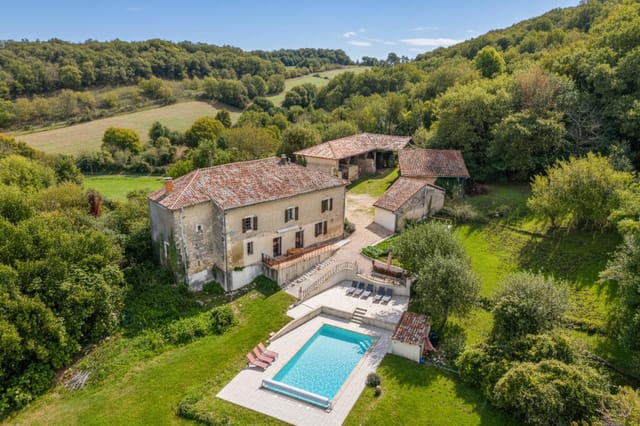
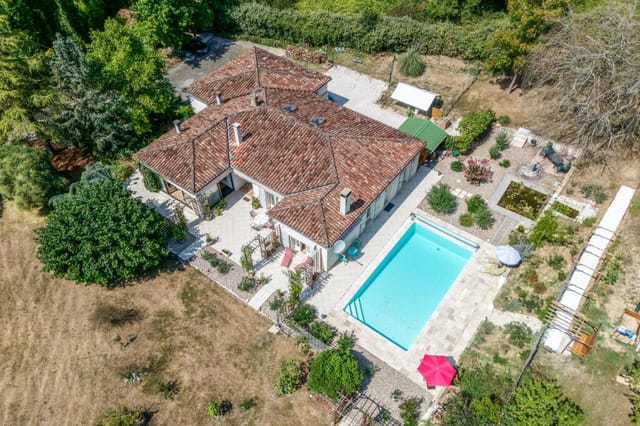
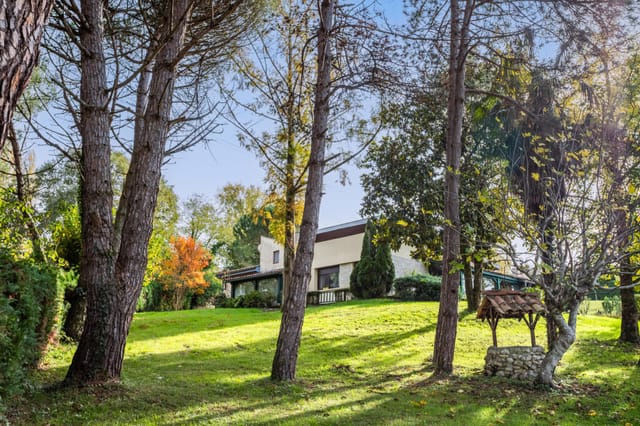
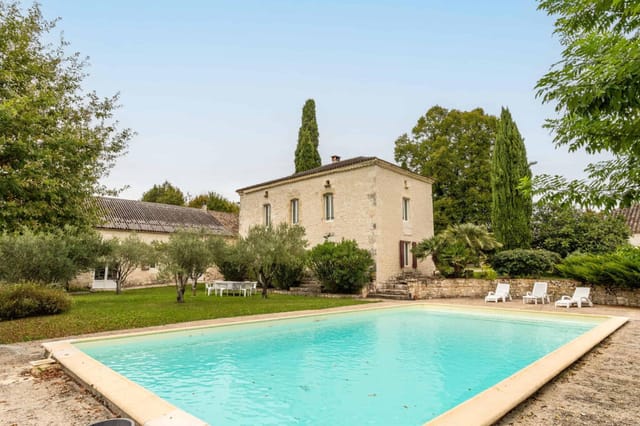
On a quiet morning in the Périgord Noir, you open the kitchen window and catch the faint scent of woodsmoke drifting over the tree line. No traffic, no neighbors in sight—just the low hum of bees working the garden and, if you time it right, the bells of Monpazier's 13th-century church tower rolling across the fields. That's the reality of life at this single-level bungalow just outside one of France's most celebrated medieval bastide towns. This isn't a fixer-upper project or a compromise buy. The house is in good condition, built in 1996, sitting on just over half an acre of land thick with mature trees that keep the garden cool even in July. At 75 square metres of living space on one level, everything is practical and liveable from day one. An entrance hall leads into a generous living and dining room, a separate kitchen, two bedrooms, a shower room, and WC. No stairs to navigate, no awkward layout decisions. Downstairs, a full basement stretches to approximately 70 square metres—housing a garage and a bonus room that, while unheated, offers real potential as a workshop, studio, or extra storage. The Dordogne valley deserves more credit than it usually gets from the international property press. People talk about Provence and Tuscany, but the Périgord has been quietly doing its own thing for centuries: limestone cliffs dropping into the Vézère river, prehistoric cave paintings at Lascaux just over an hour's drive north, truffle markets in Sarlat every Saturday morning from November through March. The weekly market at Monpazier itself—held every Thursday on the arcaded central square, the Place des Cornières—is the kind of thing you start structuring your week around. Local producers set up stalls selling foie gras, ... click here to read more

Picture 1

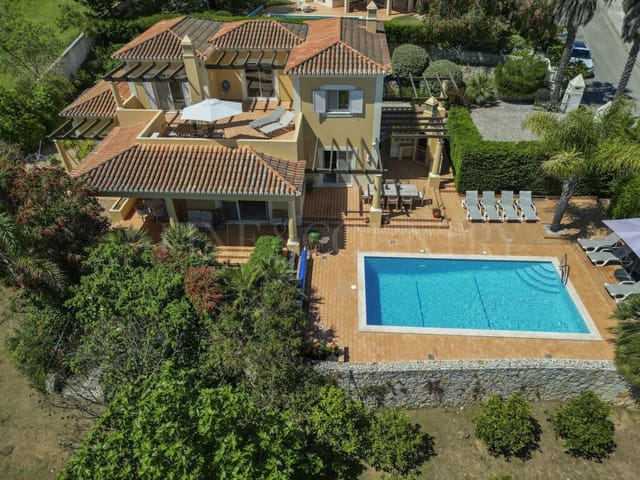
Picture this: it's nine in the morning, the sun is already warming the terrace tiles, your coffee is hot, and the only sound you can hear is the occasional birdsong drifting across the hills above San Miguel de Salinas. No traffic. No crowds. Just open sky, a shimmer of blue in your private pool, and the kind of quiet that takes a few days to fully absorb. That's what mornings look like from this three-bedroom villa at Bellavista Villas — and once you've had a few of them, going back feels genuinely difficult. San Miguel de Salinas sits on a ridge in the southern reaches of the Costa Blanca, and the elevation does something interesting: it gives the whole place a different rhythm from the beach towns below. The air is drier, the views stretch further, and the pace is slower without feeling remote. You're seven kilometers from the sandy shores of Orihuela Costa — La Zenia, Cabo Roig, Playa Flamenca — close enough to spend an afternoon on the water but far enough that the tourist churn stays somewhere else. The villa itself covers 157 square meters across a thoughtfully designed layout with three bedrooms and three bathrooms. It's in good condition and genuinely move-in ready, so you won't spend your first Spanish summer buried in renovation decisions. The architecture follows the clean Mediterranean lines that work so well in this climate — white render, generous glazing, outdoor spaces that feel like natural extensions of the interior rather than afterthoughts. The private swimming pool is the gravitational center of the property in the warmer months, and between April and October, that's most of the time. Orihuela Costa delivers around 320 days of sunshine per year. That's not marketing language — it's the meteorolog ... click here to read more

Picture 1

You wake up to the kind of light that only exists in southern Andalusia. It comes in low and golden through the terrace doors, catching the water in the pool before the rest of the house is even awake. By the time the coffee is on, you're already outside — the air is warm, faintly floral, carrying something that might be jasmine or the eucalyptus from the hills behind La Cala. This is a Tuesday in October, and it feels like August anywhere else. This four-bedroom villa in Mijas Costa is the kind of property that earns its price through daily quality of life rather than flashy finishes. Sitting on a private 533m² plot with a south-east orientation, the house catches the morning sun from first light and holds it across the terraces well into the afternoon. From the elevated position, you can see the Mediterranean stretching out toward the horizon, with the greens of the surrounding countryside rolling away on either side. It's a view you genuinely don't tire of. At 267 square metres of built space, the layout is generous without feeling cavernous. The living and dining area has real breathing room — space for a family to spread out, or for a dinner party that spills naturally onto the terrace as the evening cools. The fully fitted kitchen handles everything from quick breakfasts before a beach morning to proper Andalusian meals: a slow pot of rabo de toro, fresh pescaíto from the market at Fuengirola, whatever the day calls for. A separate utility room means the kitchen itself stays uncluttered, which any frequent host will appreciate. The villa comes fully furnished throughout, so arriving feels like arriving somewhere that already knows you. Four well-proportioned bedrooms serve everything from a family base to a prop ... click here to read more

Picture 1

On a quiet summer morning in the Périgord Vert, the kitchen windows are already open. The smell of damp grass comes in with the light. Somewhere beyond the mature trees at the garden's edge, a wood pigeon calls. You're standing in 44 square metres of farmhouse kitchen with underfloor heating warming your feet, a coffee on the exposed-beam counter, and absolutely nowhere you have to be. That's the daily reality of owning this four-bedroom farmhouse in Bouteilles-Saint-Sébastien — a rare find in the northern Dordogne that delivers exactly what buyers dream about when they picture rural France, without the usual compromises. No major works needed. No years of renovation ahead of you. Just 277 square metres of genuinely habitable space, a landscaped garden stretching over 5,260 square metres, and a 10m x 5m heated pool surrounded by stone-paved terrace ready for the first swim of the season. The property sits in genuine peace and privacy, set back from the lane with fully fenced grounds and mature trees that give the garden a settled, unhurried feeling. But it's not remotely isolated. A local restaurant and bar is just a few minutes away — handy for those evenings when you want a carafe of Bergerac rosé without getting in the car. Saint-Séverin, with its supermarket and full range of shops, is a short drive. And then there are the two villages that anchor social life in this corner of the Dordogne: Verteillac, 15 minutes away, with its Friday morning market where local producers line the square selling walnuts, goat's cheese, and jars of duck confit; and Aubeterre-sur-Dronne, about 20 minutes south, one of the most visited medieval villages in the Charente, perched above the river with its monolithic church carved directly ... click here to read more

Photo 18

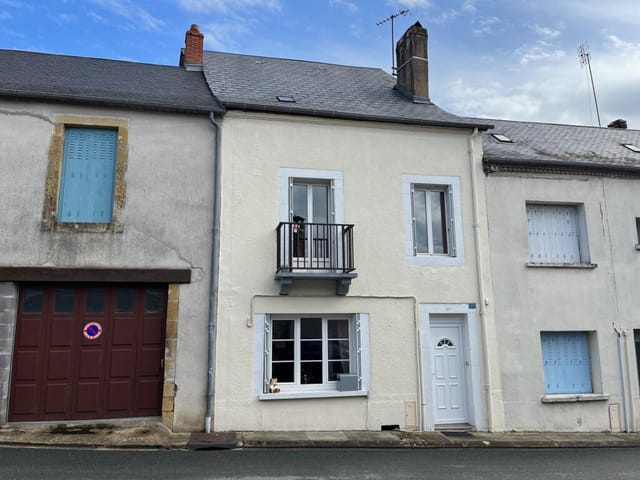
Imagine waking up on a Saturday morning to the faint toll of church bells drifting across the rooftops of Brux, pulling on a linen shirt, and walking two minutes to the local boulangerie for a still-warm baguette before the rest of the village stirs. That's the pace of life here. Quiet, unhurried, and real. This four-bedroom renovated stone house in the Vienne department of Poitou-Charentes isn't just a property — it's a doorway into one of rural France's most genuinely liveable corners, at a price that makes it one of the smartest second home opportunities in the country right now. The house itself pulls you in from the street. The traditional stone façade gives nothing away — you have to step through the front door to understand what's been done here. Whoever renovated this place clearly loved it. Exposed stone walls run through the open-plan living and dining room, where timber beams cross the ceiling overhead and wide wooden floorboards run underfoot. A wood-burning stove anchors the room, and on a cool October evening with the fire lit and a bottle of local Charentais Pineau opened, you'll understand exactly why people fall for French country houses and never quite recover. The kitchen is the kind that makes you actually want to cook. A central island, generous worktop space, well-thought-out storage, and a direct door out to the courtyard — so you can hand plates through to guests without navigating a corridor. The materials are authentic: stone, wood, solid fittings. Nothing feels like a shortcut. On the ground floor, there's a bedroom with its own modern shower room. For families with older parents or guests who can't manage stairs, this is genuinely useful. Upstairs, three further bedrooms hold onto the build ... click here to read more

Picture 1

Sunday morning in Nanteuil-en-Vallée arrives quietly. The bells from the Romanesque church drift across the valley, and from the upper bedrooms of this five-bedroom villa, you look out over a soft patchwork of Charente farmland — the kind of view that takes a minute to actually believe you own. The coffee's on. Nobody's in a hurry. This is what drew you to France in the first place. Nanteuil-en-Vallée holds the official "Petite Cité de Caractère" designation, a title the French government reserves for villages that have genuinely preserved their historical soul. Walk the village lanes and you'll pass medieval towers, a fortified abbey that dates to the 12th century, and stone walls that have been here longer than most countries. It's not a theme park version of rural France — it's the real thing, still lived in, still breathing. The house sits on a fully enclosed 589 m² plot, which matters more than you might think. Privacy in a village this size is a genuine luxury. The garden wraps around the property with enough space for long summer lunches under shade, a kitchen garden if you want one, or simply a place for children to disappear into for an afternoon. The country atmosphere is immediate the moment you step outside — no overlooking neighbors, no noise except birds and the occasional tractor on a distant lane. Inside, the scale impresses. At 215 square metres, this isn't a compact weekend bolt-hole — it's a proper family home, roomy enough to host several generations at once without anyone feeling squeezed. The living room is genuinely large and catches good light through the day. The kitchen is functional in the best sense: laid out for actual cooking, not just for looking good in photographs. And in this part of ... click here to read more

Picture 1

Sunday morning, and the only sounds are the cicadas outside and the smell of fresh coffee drifting through the open kitchen window. Out on the 1,725-square-metre plot, the light hits the garden at a low angle before the day fully wakes up. That's the daily rhythm Benedita rewards — unhurried, generous with space, and far enough from the city to actually exhale. This single-storey four-bedroom villa in the Roseiras development, just outside the village of Tabelida, sits in one of central Portugal's most quietly compelling pockets. The Silver Coast is half an hour south. Lisbon is an hour up the A8. But you don't really feel that proximity day to day — the neighbourhood is residential and calm, with no through-traffic noise, no tourist crowds, none of that. The villa stretches across 325 square metres of gross construction area, with 255 square metres of interior living space — substantial for a single-floor layout. Everything is on one level, which makes it genuinely easy for multigenerational families. Grandparents and grandchildren can all navigate the home without stairs, without inconvenience. The floor plan is well thought out: four bedrooms, three bathrooms, and a living configuration that opens naturally toward the garden. The interiors are in good condition, move-in ready without the cost or disruption of a renovation project. You show up, you settle in. The private sports court is something you don't see often in this price bracket. Afternoon football matches, impromptu tennis sessions, kids running off energy before dinner — it earns its square footage every weekend. The garden wraps around the property with enough green space to feel genuinely rural without requiring a full-time groundskeeper. There's room f ... click here to read more

Picture 1

Seven in the morning, and the Mediterranean is already doing that thing where it looks like hammered silver from up here. You're standing on the rooftop solarium with a coffee, the air still cool before the Andalusian sun takes hold, watching a fishing boat trace a slow line toward Fuengirola. The mountains behind you catch the first light. Nothing moves in the garden below except the palms swaying in a whisper of coastal breeze. This is what a Tuesday feels like at this villa in Cerros del Águila. Positioned on an elevated ridge in one of Mijas Costa's most established residential communities, this three-bedroom, single-level villa sits on a 1,000-square-metre plot that drops visually straight into the sea. The renovation here wasn't a cosmetic refresh — every surface, every system, every detail was taken back and rebuilt to a standard you'd expect at twice the price. Marble floors run throughout. Underfloor heating covers the entire property including the bathrooms, which matters more than people think when October rolls around and the evenings get crisp. Electric blinds, double glazing, full alarm system, fitted wardrobes in every bedroom — the kind of infrastructure that makes a house actually liveable rather than just photographable. The living and dining space opens through wide sliding doors onto the main terrace, and the connection between inside and outside is so immediate that you stop thinking of them as separate spaces. The kitchen is fully fitted and faces the same view. Cooking dinner here while the sun drops into the sea is either going to make you very calm or very distracted — probably both. Each of the three bedrooms has its own en-suite bathroom. Two guest suites open directly onto the rear garden a ... click here to read more

Picture 1

Stand here on a clear January morning and you can see the Sierra Nevada's snow-capped ridgeline from across the valley. The air smells of rosemary and damp earth. Sixty young olive trees — barely two years old, their silver-green leaves catching the low winter sun — stretch out in neat rows across 4,769 square metres of Andalusian countryside. This is Cortes de Baza territory, a part of Granada province that most international buyers haven't discovered yet. That, honestly, is the point. This agricultural plot sits between two working rural villages in the Granada interior, visible from the A-92N motorway but tucked far enough away that you hear nothing but wind and birdsong. The access road is fully asphalted all the way to the water house — no rutted tracks, no seasonal mud problems. You drive straight in, park, get to work. It sounds like a small thing. Anyone who has dealt with rural land in Spain knows it isn't. The water situation here is sorted, which matters enormously. The property has a fully legal potable water supply — documented, registered, above board. In rural Andalusia, where water rights can be murky and disputes long-running, having clean legal title to your supply is genuinely rare at this price point. There's also a legalised 15 m² utility building already on the land, so you have covered storage from day one. The olive trees are young, yes. Two years in. But that's actually an advantage if you're thinking long-term — you're not inheriting someone else's neglected orchard. These trees have been planted recently, they're healthy, and in a few years they'll be producing. Alongside the olives, there are various established fruit trees on the plot. Figs, almonds, the odd pomegranate — the kind of mixed ... click here to read more

Picture 1

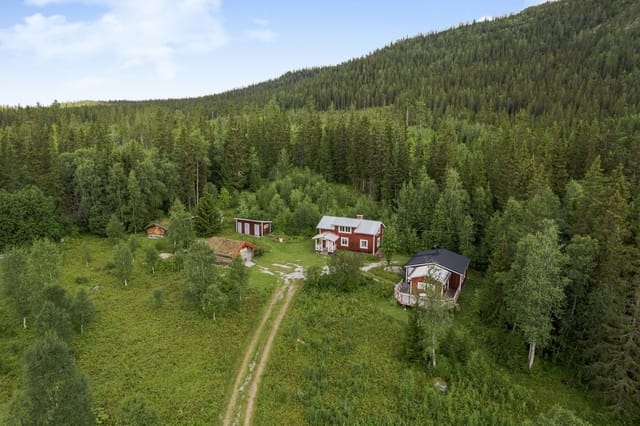
Step outside on a September morning and the air already carries that particular Swedish sharpness — pine resin, damp grass, the faint mineral smell of river water drifting up from Andersboviken bay. From the wooden deck off the kitchen at Nystrand 102, you can watch mist lift off the Dalälven in slow ribbons while your coffee goes from steaming to warm. This is not a postcard. This is a Tuesday. Built in the 1700s and carefully updated without losing its bones, this two-bedroom year-round holiday home sits on a quiet stretch of Hällnäset in Tärnsjö, Heby kommun — roughly two hours north of Stockholm, close enough for a Friday afternoon getaway but far enough that you actually exhale when you arrive. At 54 square metres, the house is compact and deliberate. Nothing wasted. Every room earns its space. Inside, large windows in the living room pull in the landscape like a painting you never get tired of. The light changes with the seasons — the flat silver of February, the almost violent green of June, the amber that sweeps through in October and makes even an ordinary afternoon feel cinematic. The kitchen is genuinely usable: room for a full dining table, proper counter space, and the kind of layout where multiple people can cook without getting in each other's way. The bathroom has a modern shower cabin and an incineration toilet — a practical, odour-free solution that is completely standard in Swedish countryside properties and requires no septic system maintenance. Water comes from a drilled well. Fibre internet is already connected. You can run a video call, stream a film, or work a full remote day without compromise. The plot covers about 2,855 square metres. That is a meaningful amount of land — space for a proper ... click here to read more

Exterior view of the house and garden

You wake up to absolute quiet. Not the muffled silence of a city apartment with double glazing doing its best — actual quiet, broken only by a wood pigeon somewhere in the birches and the distant smell of salt air drifting in from the Baltic. That's the morning at Orranäs 443. It takes about thirty seconds to remember why you bought this place. Set on a generous 1,535-square-meter plot along the coastal stretch between Torhamn and Kristianopel in Sweden's Blekinge county, this 1935-built country home has been thoughtfully updated into something genuinely liveable across all four seasons. It's a proper house — 104 square meters over two floors, three bedrooms, a modernised bathroom, a real kitchen — not a summer shack with a camp stove and a prayer. The winterisation is done right, which matters more than people realise until their first November in coastal Sweden. The ground floor sets the tone immediately. A wide kitchen with a dedicated dining area runs along the back of the house, large windows pulling in the light that Blekinge gets in abundance from May through September. You can sit at the table with a cup of coffee and look out over the open fields while someone else starts breakfast. That kind of morning becomes a habit fast. The kitchen has modern appliances and storage that actually works — no squeezing condiments into impossible corners. The adjacent living room is the kind of space that earns its square footage, comfortable enough for a rainy Tuesday in October and sociable enough for eight people with wine glasses on a midsummer Saturday. The bathroom on the ground floor was recently renovated and shows it: clean lines, modern fixtures, no compromises. Upstairs, three bedrooms each look out over countrysi ... click here to read more

Front view of the house and garden

On a quiet Sunday morning in the hamlet of Saint-Romain, you'd hear almost nothing. A wood pigeon somewhere in the oaks. Maybe the distant clang of church bells drifting over from Charroux, that perfectly preserved medieval village ten minutes down the road where market traders set up their stalls beside the ruins of a Benedictine abbey. That stillness is the point. This is rural Vienne at its most unhurried — and this renovated farmhouse sits right in the middle of it. The property is a former working farmhouse that's been brought back to life without losing its bones. Stone walls, generous room proportions, the kind of building that took decades to settle and now feels entirely solid underfoot. At 148 square metres across two floors, it has real breathing room. The ground floor arranges itself practically: a living kitchen that opens directly onto a covered pergola — your default setting for every meal between May and October — a separate lounge for cooler evenings, and a bedroom with its own shower room and toilet. That ground-floor bedroom is a detail worth pausing on. It makes the house genuinely work for mixed-generation groups, guests with mobility considerations, or owners who want the option to use the upstairs rooms purely as a private retreat. Head up the stairs and the character shifts. The first floor has the slightly improvised warmth you only get in converted agricultural buildings — skylights cut into the roof, dormer windows framing sections of the surrounding countryside, ceiling lines that aren't quite parallel. There's a large double bedroom, another bedroom with its own en-suite bathroom and toilet, an additional room that could easily become a study or a fourth sleeping space, and a separate WC. T ... click here to read more

Picture 1

Sunday morning in Cellefrouin sounds like this: a wood pigeon somewhere above the courtyard, the faint clang of the church bell counting out nine, and the smell of fresh bread drifting from the boulangerie two streets over in Chasseneuil-sur-Bonnieure, just a ten-minute drive away. You're standing in the kitchen of a 140-square-metre stone house, coffee in hand, watching light pour through the window onto original stone walls that have absorbed a couple of centuries of exactly this kind of quiet. That's the life this house sells. Not a lifestyle concept — an actual, already-existing daily rhythm that you can step into. Cellefrouin sits in the Charente département of southwestern France, in the gentle, unhurried landscape that locals call the Charente Limousine. It's not a place that appears in travel magazine "hidden gem" lists, which is precisely the point. The village is real — a working French commune with a Romanesque church that dates to the 12th century, stone houses lining narrow lanes, and a community that still gathers for the local fête each summer. Tourists mostly drive past on their way to Cognac or Angoulême. Their loss, entirely your gain. The house itself is a proper Charentais stone property — thick walls that keep the rooms cool through July and August, and warm when autumn settles in. At just under €126,000, the asking price reflects the Charente's status as one of the most accessible rural property markets in France for international buyers. You're getting 140 square metres of living space, already tastefully renovated and genuinely move-in ready, at a price point that would buy you a parking space in Paris. Step inside and the ground floor opens with an entrance hall that leads straight into a brig ... click here to read more

Picture 1

Picture a Saturday morning in early spring: the air already warm by nine, the scent of almond blossom drifting across open ground, and 3,282 square metres of sun-drenched Murcian earth entirely yours to shape. That's the quiet thrill of owning land just ten minutes from Lorca's medieval centre — a rare blank canvas in a region where the sun logs more than 300 days a year and land with this kind of accessibility rarely appears at this price point. Lorca doesn't get the same glossy magazine coverage as Marbella or Alicante, and locals are quietly grateful for that. This is a working Andalusian city with genuine soul — the kind of place where the Tuesday market on Calle Corredera sells tomatoes the size of your fist, where the Semana Santa processions in March are considered among the most elaborate in all of Spain, and where a plate of migas con chorizo at a roadside bar costs you three euros and tastes like it took hours. The city's 16th-century castle watches over the whole Guadalentín valley from its hilltop perch, and the weekly rhythm here has a pace that's almost impossible to find closer to the coast. This 3,282m² plot sits in good condition, with clear all-around orientation — north, south, east, and west — meaning you're working with natural light at every hour of the day. That matters enormously when you're planning outdoor living. The morning sun hits from the east for breakfast on a terrace; by afternoon the western aspect catches the long golden hours that make the Murcia landscape look almost cinematic. The land is already feasible for connection to the sewage network and comes with provision for a septic system, which gives you flexibility depending on the direction your project takes. What can you actual ... click here to read more

Picture 1

Picture a Sunday morning in late June: you've left the terrace doors open overnight, and the first thing you notice when you wake up is the faint smell of pine drifting in from the Prades hills, mixing with the coffee you left brewing downstairs. That's the kind of morning this house in Casalot delivers—quietly, reliably, season after season. Mont-roig del Camp sits in a pocket of Catalonia that most tourists speed past on the AP-7 on their way to Barcelona or Valencia. That's their loss. Tucked between the golden arc of the Costa Daurada and the rugged Serra de Llaberia mountains, this is a town that moves at its own pace, unbothered by the frenetic coastal circus just minutes away. Joan Miró spent long stretches of his early life here—the landscape clearly worked on him. You can see why. This semi-detached two-storey house in the Casalot Montroig residential area is solid, well-proportioned, and genuinely move-in ready. No projects waiting for you on arrival. The ground floor opens from an entrance hall into a kitchen and dining area that flows naturally into the living room—the kind of open layout that actually functions when you've got a full house of family or friends. A guest toilet with a shower on this floor means no early-morning traffic jams on the stairs. The master bedroom is also on the ground level, useful whether you want to give grandparents the easiest access or simply prefer to keep your own space separate from the chaos above. Upstairs, two double bedrooms share a full bathroom. The rooms are a decent size—this is 112 square metres across two floors, which means everyone gets their own territory. Kids can claim the upper floor entirely; adults take the ground. It works. Outside is where the propert ... click here to read more
Picture 1

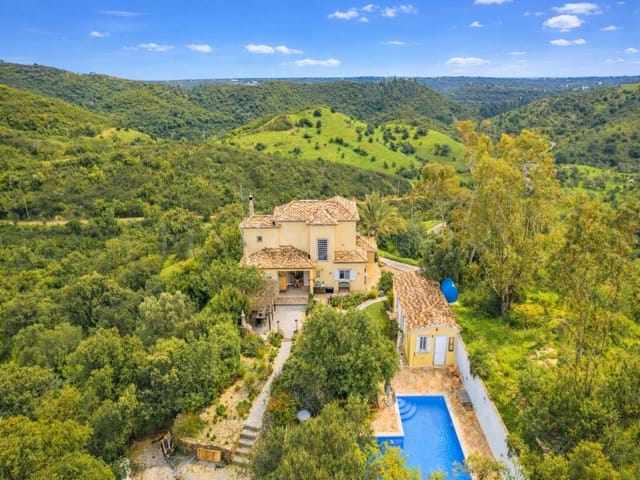
Stand on the upper terrace just after sunrise and you'll understand why people who come to this part of the Algarve rarely leave. The air carries a faint mix of pine resin and dry earth, the kind that only exists in the Algarve interior where the hills roll quietly away from the coast. Down in the valley, São Bartolomeu de Messines is just waking up — church bells at eight, the smell of fresh bread from the padaria on Rua do Comércio, a tractor moving slowly along the orange grove track. And here, on five private hectares, there is nothing but birdsong and the soft sound of water moving through the garden irrigation channels. This is a five-bedroom, five-bathroom private estate spanning 320 square metres of main residence, with two fully independent guest houses and a set of professional equestrian facilities that you genuinely don't find attached to residential properties at this scale anywhere else in the Algarve. The main villa sits in excellent condition — solid, well-maintained, ready to move into or rent out from day one. No renovation headache. No waiting. The architecture is rooted in traditional Portuguese rural design: thick rendered walls that keep the interior cool through July and August without leaning on air conditioning, terracotta-tiled floors that hold the morning cool underfoot, deep-set windows that frame long views across the property toward the ridgeline. But the spaces are generous and flow well for modern life — the main living areas open fully to the outdoor terraces, making the boundary between inside and outside more or less irrelevant for most of the year. In the Algarve, where you get over 300 days of sunshine annually, that matters enormously. The heated swimming pool is long enough to ac ... click here to read more

Picture 1

Picture this: you wake up on a Tuesday in August, push open the bedroom shutters, and the first thing you feel is a dry coastal breeze carrying the faint scent of wild rosemary drifting down from the Serra de Llaberia. No alarm. No rush. Just the low hum of cicadas and the flash of morning light bouncing off the pool. This is ordinary life at Planas del Rey in Pratdip — a small, quiet residential enclave in the hills of Tarragona where the Costa Daurada's golden coastline sits just a short drive away and the rest of the world feels very, very far. Pratdip is one of those places that Catalonia locals know but rarely talk about too loudly. The village itself — with its medieval church, narrow stone streets, and the striking Pratdip Castle looming on the hillside — has the atmosphere of a place that time passed over gently rather than forgot entirely. On weekend mornings you might catch the smell of pa amb tomàquet being prepared at the small local bar, the Catalan ritual of bread rubbed with ripe tomato and olive oil that somehow tastes better here than anywhere you've tried it before. The market in Cambrils, just 25 kilometres down the coast road, draws serious food shoppers for its fish, local almonds, and carinyena wine from the Priorat DOQ — one of Spain's most celebrated wine regions, and it starts practically on your doorstep. The villa sits within a development made up entirely of detached homes — no apartment blocks, no shared lobbies, no elevator queues. Just freestanding houses on their own plots, spread across a quiet hillside community where the pace is set by the residents themselves. This particular property covers 125 square metres of living space, and the layout is genuinely well thought out. Three large ... click here to read more

Picture 1

Sunday morning in Civray. The market on the Place du Champ de Foire is already humming—local farmers setting up stalls of Charentais melons, rounds of chèvre, and bottles of Pineau des Charentes—and from the veranda of this town house, the soft green sweep of the valley rolls out in front of you with not a single rooftop to interrupt it. That unobstructed view across the Charente river valley is the first thing people notice. It tends to be the thing they remember longest. Civray sits in the Vienne department, right at the southern edge of the old Poitou-Charentes region, a part of France that doesn't make it onto postcards as often as it should. That's quietly a selling point. Property prices remain grounded compared to the Dordogne or the Loire Valley, the countryside is genuinely unspoiled, and the rhythms of daily French life here feel real rather than performed for tourists. The boulangerie on Rue du Marché opens at 7am and runs out of croissants by 9. The café on the square fills up after noon with regulars who have been having lunch there for thirty years. It's that kind of town. The house itself sits in a calm residential pocket just a short walk from all of those shops and cafés—close enough to grab a baguette without getting in the car, far enough that the street outside is quiet. It's been renovated to a solid standard and is genuinely move-in ready, something that matters more than it sounds when you're buying from abroad. No surprise works to commission before you can turn the key. The heat pump, double glazing, and full renovation are already done, and the energy bills reflect it—this is a low-consumption home with a GHG rating of B, which is genuinely rare in French residential stock of this age. The li ... click here to read more

Picture 1

Step outside just after sunrise, coffee in hand, and the only sound you'll catch is the low, rhythmic chorus of frogs from the lake—punctuated every so often by a bird you can't quite name. No road noise. No neighbors. Just 10.65 hectares of Algarve countryside wrapping around you like a slow exhale. This is what mornings look like here, and once you've had one, it's hard to imagine going back. The villa itself—277 square metres across the total estate, with the main house sitting at 215m²—was completely gutted and rebuilt in 2015. Not a light refresh. A full renovation, done properly, with underfloor heating, electric shutters, solar panels, and a design language that respects the rural setting without pretending it's a farmhouse from 1973. Open-plan kitchen and living room anchor the ground floor, and the fireplace there earns its keep from November through February, when evenings in the Algarve inland get genuinely cool and the scent of woodsmoke drifts through cracked-open windows. There's a second sitting room with a wood-burning stove—handy when one group wants to watch a film and another wants to read in quiet. Three bedrooms, each with its own en-suite bathroom. A guest bathroom on top of that, so four bathrooms total across the house. A laundry room. A double garage with an electric door, and a workshop out back for anyone who actually uses one. The garden is looked after—fruit trees, flowering beds in colour from spring onwards, a proper BBQ zone, and shaded leisure corners that make Portuguese summer heat manageable. The swimming pool is large, positioned to catch full afternoon sun, and it overlooks the natural lake that sits on the property. That lake is the detail people always stop at when they see the l ... click here to read more

Picture 1

Saturday morning in Carcassonne starts with the smell of woodsmoke and fresh bread. You push open the south-facing kitchen window, coffee in hand, and the Aude River valley stretches out beyond the garden fence—quiet, golden, unhurried. This is not a weekend fantasy. It's just a regular Saturday when you own this four-bedroom house on the edge of one of France's most storied medieval cities. The house sits in a calm residential pocket close to the banks of the Aude, the kind of neighborhood where neighbors know each other's names and the streets empty out by nine in the evening. Surrounded by 1,353 square meters of enclosed garden, it manages something genuinely rare in this part of Languedoc: countryside air and city convenience at once. The weekly markets on the Place Carnot are a ten-minute drive. The UNESCO-listed Cité de Carcassonne, with its 52 towers and double ring of ramparts, is close enough that you can watch its illuminated silhouette appear from your terrace on a clear summer night. At 157 square meters of living space, the house has been thoughtfully renovated without stripping away its personality. The ground floor flows from an entrance hall—with proper built-in storage, which anyone who's holidayed in undersized French houses will immediately appreciate—through a laundry room and into a south-facing open-plan kitchen and living area. Natural light pours through from mid-morning well into the afternoon. The dining room sits adjacent, separate enough for proper sit-down dinners, connected enough that nobody misses the conversation. Upstairs, four bedrooms offer genuine flexibility: a master suite with its own en-suite shower room, three further bedrooms served by a shared bathroom, and a separate WC. Two ... click here to read more

Picture 1

The first thing you notice on a summer morning here is the silence. Not the absence of sound, but a different kind of sound altogether — wind moving through oak and chestnut, the distant call of a buzzard riding thermals above the Goul valley, the faint creak of old timber in the barn warming up in the sun. From the terrace beside the heated pool, the Aubrac plateau stretches out across the horizon like something from a geological fever dream. Volcanic, ancient, unhurried. This is Cantal — one of the least-populated departments in France — and this particular farm, just ten minutes outside the village of Montsalvy, might be one of the most quietly compelling properties to come onto the market in the region. Six bedrooms across three buildings. A 7m x 3.5m pool warmed by rooftop solar panels. Over eight hectares of woodland, old pasture, a spring, and a hiking path that cuts through your own land. Two fully fitted gîtes already generating — or ready to generate — rental income. This is a functioning small estate, not a project. The renovation work has been done. You're stepping into something operational. The main house centres on a ground-floor open-plan kitchen and dining-living space with a wood burner that earns its keep from October through to April. The layout is practical and honest — no unnecessary flourishes, just solid stone and sensible proportions. Upstairs, two bedrooms. On the lower level, a third bedroom and a bathroom with separate WC. It's the kind of house where you lose track of time reading beside the fire with a glass of Marcillac, the local red wine made from the Fer Servadou grape that almost nobody outside the Aveyron and Cantal border has ever tasted. Worth seeking out. The main gîte is the sho ... click here to read more

Picture 1

Walk out the front gate on a July morning and within ten minutes your feet are on the sand at Saint-Jean-le-Thomas, the Atlantic stretching west toward the Channel Islands, Mont Saint-Michel rising from the tidal flats less than twenty kilometres to the south. That's not a marketing line—that's the literal Tuesday morning reality of living in this five-bedroom house on the Normandy coast of the Manche. Built in the early 1900s and sitting on a generous plot of just under a quarter of an acre, the property carries the solidity you'd expect from that era—thick walls, high ceilings, a real sense of permanence—while the interior has been kept in good condition and is ready to use from day one. At 220 square metres of habitable space across three floors plus a full garden-level basement, there is room here for a large family, a rotating cast of guests, or a combination of both. Five double bedrooms. Two bathrooms. A heated swimming pool. A large garage. A mezzanine with its own shower off the sitting room, which opens up all kinds of possibilities for sleeping arrangements without anyone feeling like they've drawn the short straw. The ground floor sets the tone. The sitting room runs to just over thirty square metres, big enough to hold a crowd on a rainy October afternoon without anyone feeling hemmed in. The mezzanine above adds a quieter perch—somewhere to read while the noise of dinner prep drifts up from the kitchen. That kitchen opens onto an elevated terrace with a built-in BBQ, and from there, external steps descend to the garden below. On a warm evening, that terrace becomes the centre of everything: the smell of something grilling, a glass of Normandy cider on the railing, the light going golden over the garden as ... click here to read more

Photo 2

Step outside on a June evening and the sun is still hanging above the ridge at 11pm, painting Eidsfjorden in shades of copper and rose. That's not a postcard. That's Tuesday. This is what owning a vacation chalet at Eidsfjordveien 574 B actually feels like — a persistent, low-grade sense of disbelief that a place this calm and this alive exists, and that it's yours. Built in 2017 and kept in genuinely good condition, this 61-square-meter chalet sits on a 1,030-square-meter freehold plot just outside Sortland, in the part of Northern Norway that serious nature lovers have been quietly telling each other about for years. Vesterålen doesn't have the same tourist footprint as the Lofoten islands to the south, and the locals prefer it that way. The light is just as extraordinary, the sea just as close, the silence even deeper. From the large wraparound terrace — nearly 90 square meters of it, partially covered so you can sit outside even when the drizzle rolls in off the fjord — the view runs straight over Eidsfjorden to the mountains beyond. On clear mornings you can hear almost nothing except water and wind. The occasional creak of a neighbor's flagpole. That's it. The scatter of other holiday cabins in the area keeps things lively enough in summer without ever tipping into crowded. Inside, the open-plan kitchen and living room makes the most of the 61 square meters. Large windows face the fjord, so the light moves through the interior all day — morning glow from the east, afternoon sun through the south-facing glass, the long golden hour that in summer barely qualifies as an hour at all. The kitchen is well-fitted with integrated appliances and proper counter space; this isn't a stripped-back camp kitchen but a real wor ... click here to read more

EIE eiendomsmegling v/Mathias Gjertsen presents Eidsfjordveien 574 B! Photo: Lunde Images AS

Picture waking up on a Saturday morning to absolute quiet — no traffic, no sirens, just the soft chorus of birds drifting through the timber-framed terrace doors and the smell of coffee rising from a kitchen that somehow manages to feel both industrial and utterly at home. That's a regular weekend at this former dairy in Firbeix, a small, unhurried village in the northern Dordogne where the pace of life is set by the seasons, not the clock. This is not a typical holiday home in France. Not even close. Over 300 square metres of converted space — once used to house cattle and process milk — has been rethought entirely, from the concrete floors to the soaring ceilings, into one of the most genuinely distinctive live-work properties in Aquitaine. The transformation took patience and a clear creative vision, and the result is something between a Manhattan loft, a Provençal farmhouse, and an artist's compound. Except it's in the Dordogne. And it has a pond. Walk through the electric gates into the private courtyard and you immediately understand that something different is happening here. The building's exterior — honest, solid, with that particular kind of French agricultural permanence — hints at the scale inside without quite preparing you for it. The ground floor alone covers around 130 square metres of open workshop and studio space, flooded with natural light through large glazed openings. Right now it functions as an artist's workspace and gallery. But it could just as easily become a furniture-making atelier, a ceramics studio, an architect's office, a design showroom, or — for those who simply want space — a garage, games room, and workshop rolled into one. The ground floor also holds two double bedrooms, an office, ... click here to read more

Picture 1

On a clear morning in Laàs, you can stand at the edge of the garden with a coffee and watch the snow-capped peaks of the Pyrenees catch the first light — no crowds, no noise, just the faint sound of a church bell drifting over the rooftops from the village center five minutes down the lane. That view alone stops people in their tracks. The fact that it comes with a four-bedroom village villa, a large barn, a swimming pool, and nearly a hectare of parkland makes it genuinely hard to walk away from. Laàs sits in the heart of Béarn, one of those corners of southwest France that visitors stumble into by accident and then spend years trying to get back to. It's not Dordogne-famous. It hasn't been overrun. The village has kept its soul — a proper weekly market culture in the wider area, real neighbors who've lived here for generations, and a restaurant that people drive twenty minutes to eat at. The Château de Laàs, with its formal French gardens and museum-quality decorative arts collection, is literally within walking distance. Not many village properties can say their local landmark is a 17th-century château. The villa itself sits in what can only be described as a genuinely peaceful setting. Not "quiet because there's nothing going on" quiet — more like the deep, settled calm of a place that knows what it is. The grounds run to around 10,000 square meters, giving you real space: room to let children disappear into the garden for hours, space to plant a kitchen garden, or simply to keep the world at a comfortable distance. The swimming pool looks out toward the mountains. On summer evenings, when the light goes amber and the Pyrenees turn pink, that pool terrace becomes the only place you want to be. Inside, the ground f ... click here to read more

Picture 1

On a Sunday morning in Fayence, the church bell at the top of the old village counts nine slow strokes, and they drift down through the lavender-scented air all the way to your terrace. Coffee in hand, you're looking out over a ripple of forested Provençal hills, the surface of the pool catching the early light. This is not a fantasy. This is a Tuesday in October, or a Thursday in June — this is just what life looks like when you own a converted stone sheepfold in one of the most quietly compelling corners of southern France. Fayence sits in the Var, roughly halfway between the bustle of Cannes and the rocky grandeur of the Gorges du Verdon. It's a perched village — the kind the Var does so well — with cobbled lanes climbing to a 15th-century church, a rotating cast of artisan markets, and restaurants that take their bouillabaisse and daube provençale seriously. The Tuesday and Saturday markets on the Place de la République pull producers from across the region: olives pressed in Draguignan, goat cheese from the farms above Callian, honey from hives in the Maures hills. You're not driving to a supermarket here. You're walking five minutes to fill a basket. That proximity to the village center is one of this property's quiet advantages. It reads as countryside — the greenery around it is dense and genuinely peaceful — but the boulangerie and the pharmacy and the small épicerie are on your doorstep. International buyers often underestimate how much this matters day-to-day when a property is used across long stretches of the year rather than just a single summer fortnight. The sheepfold itself is the real draw. Stone construction of this age and character is increasingly hard to find in good condition in the Var at this ... click here to read more

Picture 1

You set your glass of Pineau des Charentes on the stone ledge, look out past the mulberry tree toward fields turning amber in the late afternoon, and feel your shoulders drop about three inches. That's the moment this house gets you. It happened to everyone who walked through before you, and it'll happen to you too. This maison de maître sits in a quiet hamlet in north Charente, the kind of village where the Sunday morning air smells of woodsmoke and someone's always got a baguette tucked under their arm heading home from Ruffec. It's not the France of Instagram postcards — it's the real thing. Slow roads, big skies, neighbours who actually wave. The house itself has generous bones. At 189 square metres, it breathes. Previous owners renovated it with obvious affection rather than a quick cosmetic flip — you can feel the difference the moment you step onto the travertine floors and look up at the exposed beams. Light tracks through the rooms from east to west across the day, and the house seems to understand this, with windows positioned so you're always chasing a patch of warmth or shade depending on the season. The open-plan kitchen anchors daily life here. It opens directly onto a courtyard — flagged, sheltered, sized for a table that seats ten without anyone knocking elbows. This is where the long lunches happen. The ones that start at one and end somewhere around six when someone finally puts a lid on the rosé. From the kitchen you move into a very large reception room dominated by a fireplace, the kind of proportions that handle both a family Christmas and a quiet Tuesday evening with equal ease. A sage-panelled study sits off the ground floor, calm and book-lined in your mind already, and there's a near self-con ... click here to read more

Picture 1

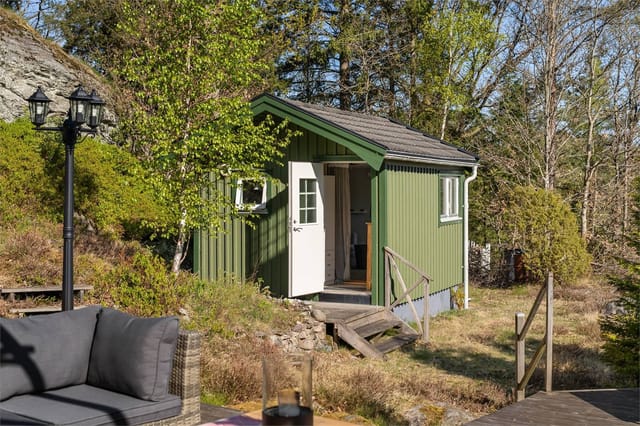
Step outside on a July morning and the air carries that particular sharpness you only get this far north — a mix of salt, pine resin, and something you can't quite name. From the timber terrace at Langhågen 12, the sea is right there. Not in the distance. Right there. About a hundred metres down the slope, glittering through the birch trees on Kvaløya island in Sømna, one of Nordland's quieter coastal communities where nobody is in a hurry and the light in summer simply refuses to disappear. This is a real cabin — not a weekend renovation project, not a fixer-upper dressed up in listing photos. Built in 2004 and kept in genuinely good shape, it sits elevated on a natural plot of 2,462 square metres with the kind of uninterrupted views over the surrounding landscape and open water that take a moment to fully process the first time you see them. The main cabin runs to 71 square metres of usable interior space, and the layout makes every metre count. You walk in through a proper entrance hall — somewhere to shake off wet boots and hang up rain gear — and then the space opens into a combined living room and kitchen that feels considerably bigger than the numbers suggest. Large windows do most of the work here. They pull the outside in: sea, sky, the slow movement of clouds over the Helgeland coastline. Sit at the dining table on a grey November afternoon and the view alone makes a meal feel like an occasion. The kitchen has profiled cabinet fronts and a laminate worktop with a double sink, nothing extravagant, but functional and clean. The wood-burning stove anchors the living area — an insulated steel chimney, efficient heat, and the kind of crackling presence on dark evenings that no electric radiator will ever replicat ... click here to read more
Welcome to Langhågen 12, presented by real estate agent Kristoffer Bjørnvik - Aktiv Eiendomsmegling. Photo: DBN Boligfoto

Picture this: a Sunday morning in late September, the air still warm enough to sit outside, a coffee in hand, the vines on the terrace just beginning to turn amber. From here you can hear absolutely nothing except birdsong and the faint clanking of tractors on neighboring plots. That's Duras. And once you've had a taste of it, the idea of going home starts to feel like a very poor decision. This 190-square-metre farmhouse sits at the heart of a working agricultural landscape in Lot-et-Garonne — one of the least-discovered corners of southwest France, and quietly, one of the most rewarding. The house is solid, full of original character, and in good condition throughout. No gut renovation required, no guesswork. You arrive, you unpack, and life in rural Aquitaine begins. Walk through the front door and the terracotta-tiled entrance hall immediately sets the mood — unhurried, warm, rooted in something real. The farmhouse-style kitchen and dining room is the room the whole house revolves around. An Aga-style wood pellet range cooker anchors one wall. But the feature that stops every visitor in their tracks is the original prune drying oven, still intact, built directly into the fabric of the kitchen. This part of Lot-et-Garonne has been producing Agen prunes — the pruneau d'Agen, with its own protected designation of origin — for centuries. Finding a domestic drying oven in this condition is genuinely rare. It's not decorative. It's a working piece of regional history embedded in your kitchen wall. The living room opens off the kitchen and has a different energy — slower, quieter. A Dovre log-burning stove sits at its center, and on a January evening when the temperature outside drops and the fields are silver with frost ... click here to read more
Picture 1

Saturday morning. You push open the kitchen door and step out onto the stone pathway that winds through your courtyard garden, coffee in hand, the scent of damp granite and fig trees in the air. Somewhere across the valley, church bells count the hour. In an hour, the weekly market in Vila Nova de Cerveira will be in full swing — stalls of smoked presunto, local sheep's cheese, hand-thrown pottery, and bunches of herbs tied with string. You've got time. That's the thing about Sapardos. Time moves differently here. This five-bedroom detached house in the parish of Sapardos sits in the heart of the Alto Minho, one of northern Portugal's most quietly compelling corners. At 300 square metres of built space spread across two generous floors, with a total land footprint of roughly 2,770 square metres — including an adjacent rustic parcel with a traditional vine pergola — this is a property that gives you room to breathe, room to grow, and room to imagine. The house has been kept in good condition and it shows. Wooden ceilings with visible beams, original Portuguese azulejo tiles set into hallway walls, wide-plank timber floors worn smooth over decades — these are the kind of details that take a century to acquire and can't be replicated. The living room fireplace is flanked by the sort of thick stone walls that keep things cool in July and hold warmth long into October evenings. Two separate reception rooms give the house a flexibility you rarely find at this price: one for quiet evenings with a book, one for the noisier kind of Sunday lunch that lasts until dark. The kitchen is properly large. Not open-plan-for-the-brochure large, but genuinely workable — a dedicated dining area, direct access to the courtyard garden, and ... click here to read more
Picture 1

Step out onto the terrace with a café con leche in hand and watch the morning light stretch across the garden below. The palms catch the breeze off the Mediterranean, the pool shimmers, and somewhere in the distance the bells of the Iglesia de los Remedios mark the hour. This is a Tuesday in Estepona — and it feels like a weekend that never ends. This two-bedroom, two-bathroom apartment sits inside a well-kept gated community in one of the Costa del Sol's most genuinely liveable towns. Not the frenetic pace of Marbella to the east, not the package-holiday sprawl of Torremolinos to the north. Estepona has its own rhythm — the pescadería opening at dawn on Calle Terraza, the flower-filled streets of the old town, the murals that turn every corner into something worth finding. It's the kind of place where expats who "tried Marbella first" quietly admit they wish they'd come here sooner. The apartment itself covers 100 square metres and is in good condition — move-in ready, no project required, no months of renovation management from abroad. The layout is sensible and genuinely comfortable: two double bedrooms, two full bathrooms, and a living space that opens directly onto one of the terraces. Light pours in from morning through to late afternoon thanks to the orientation, and that isn't marketing copy — south-facing homes in Andalucía at this latitude genuinely collect sun all day. You feel it in winter especially, when you're eating lunch outside in a T-shirt while friends back in London or Stockholm are scraping ice off their windscreens. Those terraces deserve real attention. There are two of them, both spacious enough to host an actual dinner, not just a couple of folding chairs. Climbing plants and the community's ... click here to read more
Image 1

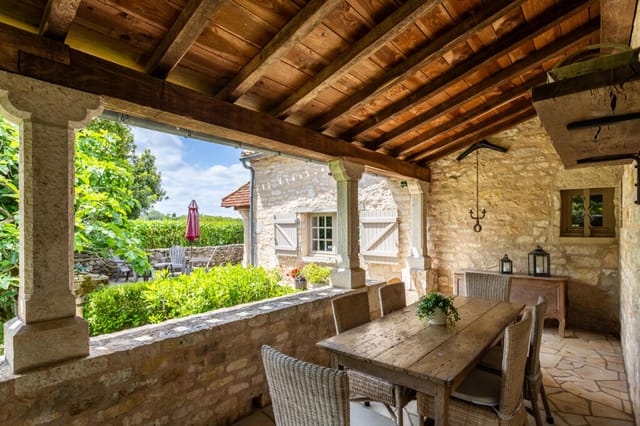
On a Tuesday morning in late June, the hamlet of Marsalès is almost too quiet to believe. A rooster somewhere down the lane. The smell of warm stone. Your coffee cooling on the covered terrace while the Dordogne countryside rolls out in every direction — golden fields, oak woods, church spires poking through the haze. This is not a postcard. This is a Tuesday. And this is what owning a second home here actually feels like. This three-bedroom stone cottage sits in an elevated position in the hamlet of Marsalès, in the southern Dordogne département — one of the most consistently sought-after pockets of rural France among British, Dutch, Belgian, and North American buyers. The elevation matters more than you might think. From the terrace, you get an uninterrupted sweep of the Périgord Pourpre landscape, the kind of view that stops mid-conversation. No neighbors directly in your sightline. No road noise. Just the countryside doing its thing. The property itself is in good condition — solid, liveable, and full of the kind of quiet character that comes from old stone walls and good proportions. Three bedrooms gives you enough room for a couple with visiting family, or a group of friends splitting the cost of a summer week. The fitted kitchen is functional and practical, the living room is genuinely warm in the way only thick-walled stone houses can be in winter. This is not a gut-renovation project. You could be here with a suitcase and a bottle of Bergerac red within weeks of completion. Outside, the swimming pool changes everything. It turns the garden from a nice feature into the center of daily life during July and August. Lunch by the water. Evening swims after the heat breaks around seven. The covered terrace runs alo ... click here to read more
Picture 1

Stand at the kitchen window on a Tuesday morning and watch the mist lift off 1.4 hectares of your own land while the smell of fresh coffee fills a room that's been warmed by thick Norman stone walls for decades. That's not a fantasy — that's a Tuesday here in Gouffern-en-Auge, a quiet commune in the Orne department of Lower Normandy where time moves at a pace most of us have completely forgotten. This five-bedroom stone country house sits on a generous 14,440 square metres of open land with views across the rolling Normandy countryside that shift dramatically with every season. At 258 square metres of living space spread across two floors and a basement, this is a property with real breathing room — the kind of home that absorbs a large extended family during August school holidays and still offers every adult a corner to call their own. The ground floor does something rare: it functions. A fitted and equipped kitchen anchors daily life without fuss. Two separate living rooms mean you're not forcing everyone into the same space every evening. The dining room is the size that makes Sunday lunches stretch well into the afternoon, which in Normandy, they absolutely should. There's also an office — genuinely useful if you're working remotely or managing a rental calendar — plus a ground-floor bedroom and a full bathroom, which makes the house accessible for guests or family members who prefer to avoid stairs. Upstairs, four more bedrooms fan out around a living room, a dressing room, and both a shower room and a bathroom. The basement delivers a proper cellar and an outbuilding, the kind of space that becomes a wine store, a workshop, or a mud room depending on what your life actually needs. Stone construction in this par ... click here to read more
Picture 1

On a still morning in the Aude, before the cicadas get going and while the dew is still on the orchard grass, you can stand on the terrace of this estate and watch the Pyrenees catch the first light. The mountains sit low and blue on the southern horizon, the Canal du Midi is just a few minutes' drive away, and Castelnaudary — the undisputed world capital of cassoulet — is twelve minutes down the road. This is southwest France at its most unhurried and most real. The property itself is substantial. 567 square metres of living space spread across a main house, a second large dwelling, and two fully independent cottages, all sitting within landscaped grounds that include a 10x5 metre swimming pool, a mature orchard, two stone wells, and covered outdoor areas shaded by trees that have been growing here for decades. An adjoining barn, stone garages, and a workshop round things out. This is not a weekend retreat — it's a full estate, and it has the bones to become something genuinely exceptional. The main house runs to 164 square metres: a generous living room, a kitchen, three bedrooms, and two shower rooms. The original exposed stonework and timber beams are still intact, the kind of architectural detail that takes centuries to accumulate and can't be replicated with a renovation budget. The second dwelling — 236 square metres — connects to the main house or operates as a completely separate unit. Four guest bedrooms, each with its own en-suite bathroom, a lounge, a dining room, a kitchen, and a private terrace. The two additional cottages are fully equipped and ready to receive guests. That's four separate accommodation units on a single property, which matters enormously if you're thinking about income. And you probabl ... click here to read more
Picture 1

The kitchen window faces east, and on a clear morning in Civray, the light comes in low and golden across terracotta floors that have been worn smooth over generations. There's a particular stillness to this corner of the Vienne — not emptiness, but the kind of quiet you have to actively seek out and rarely find. This is that place. The house is a stone longère, which is the long, low farmhouse form that defines rural Poitou-Charentes. These buildings were built to last, and this one has. Thick limestone walls keep the interior cool in July when the sunflower fields along the D1 are baking in 30-degree heat, and warm in February when morning frost whitens the lawn. At 243 square metres, the proportions are genuinely generous — you feel it the moment you step through the entrance hall and realize this isn't a weekend cottage stretched thin across too many rooms, but a proper family house with room to breathe. The heart of everything is the dining room. Cathedral ceilings, exposed oak beams, a fireplace wide enough to stand in, and a mezzanine gallery above that catches afternoon light beautifully. This is the room that will make your guests go quiet for a moment when they first see it. It's the room where Christmas happens, where Sunday lunches run until four in the afternoon, where the kids eventually claim the mezzanine as their own private territory. The country kitchen sits adjacent — practical, substantial, with a dining area and a large utility room behind it that serious cooks and rural living both demand. There's also a sitting room with a wood-burning stove and a quieter room that works perfectly as a study or reading space, the kind you actually use rather than just photograph. A ground-floor bedroom with its ... click here to read more
Picture 1

Step outside on a crisp October morning, coffee in hand, and count the olive trees. There are dozens of them, gnarled and silver-green, stretching across land that slopes gently toward a horizon of cork oaks and granite hills. That's Trás-os-Montes — literally "behind the mountains" — and this five-hectare farm just outside Mirandela is exactly the kind of place that makes people stop planning and start packing. Portugal gets a lot of attention these days, but most of it lands on the Algarve coast or Lisbon's tiled façades. Smart buyers are looking north and east, toward a region that still operates at its own unhurried pace. Trás-os-Montes has some of the country's most extraordinary landscapes, a cuisine built on smoked presunto, alheira sausage, and the rich olive oil pressed right here in this valley, and property prices that haven't yet caught up with the rest of the country. Not yet. The main house spans 240 square metres and is already in good condition — no gut renovation waiting to swallow your budget. Five bedrooms, four bathrooms, three of which are full ensuite suites, and air conditioning throughout, so the 30-plus degree summers of the interior are genuinely comfortable rather than something to endure. The architecture is solid and regional: thick walls that keep rooms cool in August and hold warmth in January, when the almond trees are just beginning to push out their first pale blossoms. What separates this property from a standard rural home is everything built around it. There's an independent 60-square-metre apartment — a living room, kitchen, and ensuite suite — that functions as a completely self-contained unit. Rent it year-round, house family when they visit, or use it as a quiet work retreat. ... click here to read more
Picture 1

On a warm Tuesday morning in Uzès, the weekly market on the Place aux Herbes fills up fast. Goat cheese from the Cévennes, lavender honey, tapenade pressed from olives grown twenty minutes away. You walk back along the Rue de la République with a basket of provisions, and fifteen minutes later you're floating in your own pool, the Provençal hills rolling out in every direction beyond the garden walls. That's the rhythm this property makes possible. The villa sits on the road between Uzès and the Pont du Gard, one of the most quietly coveted corridors in the entire Gard département. Not tucked into a village where parking is a daily negotiation, not perched on a hillside requiring a four-wheel drive. This is a single-storey home on roughly 780 square metres of flat, landscaped ground — practical, private, and genuinely easy to arrive at and leave. The automatic gate with video intercom closes behind you and the outside world recedes. What strikes you first inside is how much light the architects coaxed into 115 square metres of living space. The 42-square-metre sitting and dining room doesn't feel like a room so much as an extension of the garden — the wide glass doors fold back completely onto a 40-square-metre south-facing terrace, and on still evenings the boundary between inside and outside essentially disappears. The kitchen is full-width and properly equipped, with the kind of high-end finishes that signal someone thought hard about how cooking actually works: an integrated pantry tucked discreetly behind cabinetry, stone countertops, and enough prep space to feed eight people without chaos. The sleeping layout is quietly intelligent. Two guest bedrooms share a well-finished shower room with WC — good for childre ... click here to read more
Picture 1

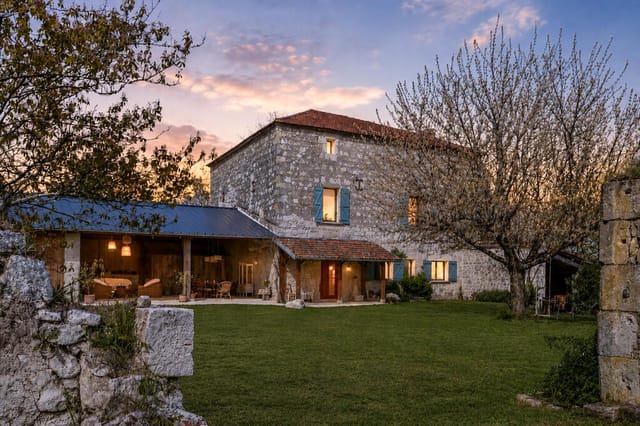
Stand at the kitchen door on a July morning, coffee in hand, and look out across half an acre of enclosed garden as the Périgord hills roll away in every direction. The swimming pool catches the early light. Somewhere down the lane, the boulangerie on the village square is pulling its first trays. This is Rouffignac-Saint-Cernin-de-Reilhac — and this five-bedroom house on its quiet edge might be one of the most honest opportunities left in the Dordogne. Honest, because it doesn't pretend to be finished. The 1960s-built house, spread across 167 square metres of living space, needs updating throughout — new bathrooms, fresh interiors, modernised finishes. But the bones are solid, the layout is generous, and the plot is extraordinary. At just over 2,300 square metres, the fully enclosed garden wraps around the property with far-reaching views that no renovation budget can buy. The eight-by-four-metre pool and paved terrace are already in place. You're not starting from scratch; you're putting your own stamp on something with real foundations. The ground floor sets the tone. The sitting room stretches to 20 square metres, anchored by a stone fireplace fitted with a wood burner — the kind of thing you fire up in October when the chestnut trees along the D6 start turning amber and the evenings get that particular Dordogne chill. Original wooden floors run through the sitting room, dining room, and kitchen, giving the whole floor a warmth that modern builds rarely manage. The 16-square-metre dining room is big enough for the kind of meals that go on for three hours. The kitchen opens directly onto the garden. There's a ground-floor WC and a study that could just as easily become a snug or a work-from-home room. Upstairs, the ... click here to read more
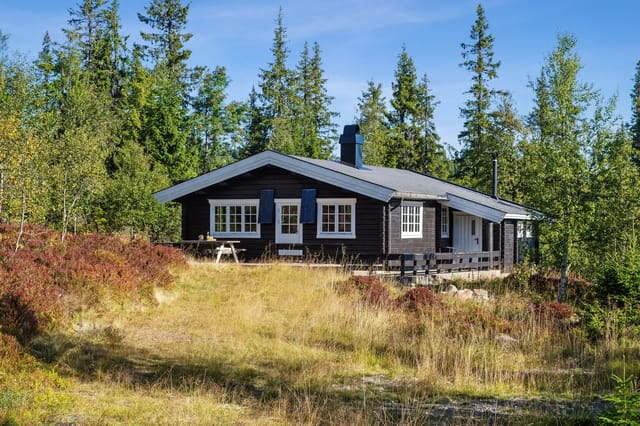
Photo 1

Stand on the covered terrace on a July evening, a glass of Buzet red in hand, and watch the last light of the day settle over a medieval village rooftops and rolling Gascon hills. Church bells drift up from the valley. The smell of wild thyme rises from the stone walls. This is not a fantasy — this is Tuesday night at this three-bedroom stone house perched above one of Lot-et-Garonne's most quietly captivating corners, just minutes from the royal town of Nérac. The house itself is the kind of place that takes a moment to fully comprehend. Walking through the entrance hall and into the main living room, your eye goes straight up — a genuine cathedral ceiling, double-height, with exposed oak beams crossing overhead. The wood-burning stove sits at one end of the room like it has always been there, because it has. Original fireplaces anchor two separate reception rooms, and the stonework throughout speaks to construction that predates most countries on earth. At 175 square metres spread across three distinct levels, this is a home you can spread out in, not just visit. The layout rewards the way families and groups actually use a holiday home. Ground floor offers two bedrooms, each with its own private shower room and WC — so two couples can share without negotiating bathroom schedules at 8am. The mezzanine level, currently a sun-filled home office with beautiful beam detailing, leads to the third bedroom with its own en suite. Three bedrooms, four bathrooms total. Privacy is built into the architecture. Down on the garden level — and this is where the property genuinely surprises — you find a fully equipped kitchen, a dining room with real character, a second sitting room with fireplace, and a bright veranda that the cur ... click here to read more
Picture 1

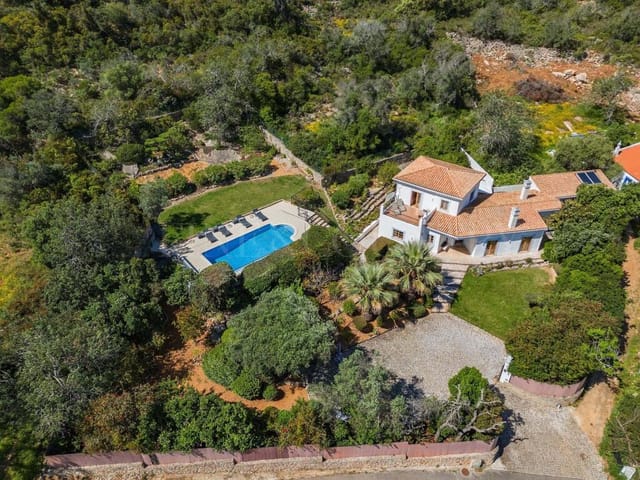
Step outside on a clear October morning and the entire Pyrenees range is just sitting there, spread across the horizon like a wall of silver and slate. Not glimpsed between rooftops. Not partially obscured by trees. The full panorama, uninterrupted, from the flat land that wraps around this single-story farmhouse in Marignac-Lasclares, a small village tucked into the rolling countryside of Haute-Garonne. It stops you mid-coffee, every time. This is the kind of property that doesn't announce itself loudly. No grand gates, no ostentatious facade. What you get instead is a completely renovated, 133 square meter stone farmhouse that works — genuinely works — as a home. Solid. Functional. Lived-in in the best possible sense. The renovation has been done with care, preserving the honest character of the original structure while making everything inside comfortable and ready to use from day one. No peeling plaster to address, no outdated wiring to budget for. You arrive, you unpack, and you're home. The property sits on flat, fully fenced land. For families with young children or anyone who's ever tried to garden on a slope, that matters more than it sounds. There's real usable outdoor space here — room for a terrace table long enough to seat everyone, a kitchen garden if you want one, or simply a stretch of lawn where nothing in particular happens except relaxation. Three bedrooms give the layout genuine flexibility. A couple using this as a second home in the French southwest will find the extra rooms genuinely useful — one for guests, one as a workspace or reading room for those weeks when you're not quite on holiday but not quite at the office either. Families will appreciate the spread. The single bathroom is well-appoi ... click here to read more
Picture 1