Houses For Sale In Europe

Houses for sale in europe - homestra offers the largest amount of european real estate with over 200,000+ properties, find any type of property within your budget from villas to country homes. buy or rent your perfect home in europe.

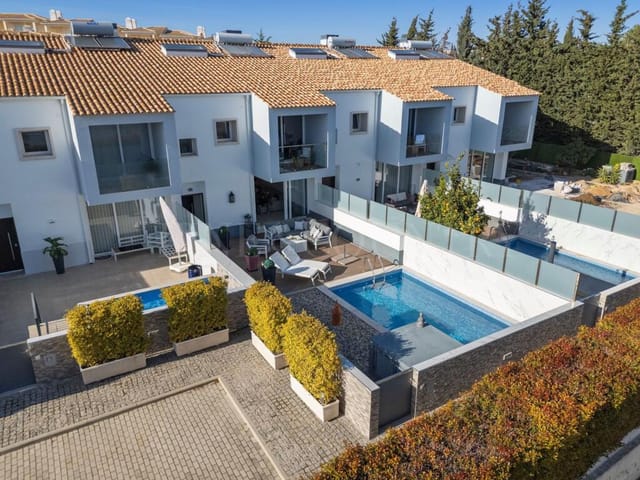
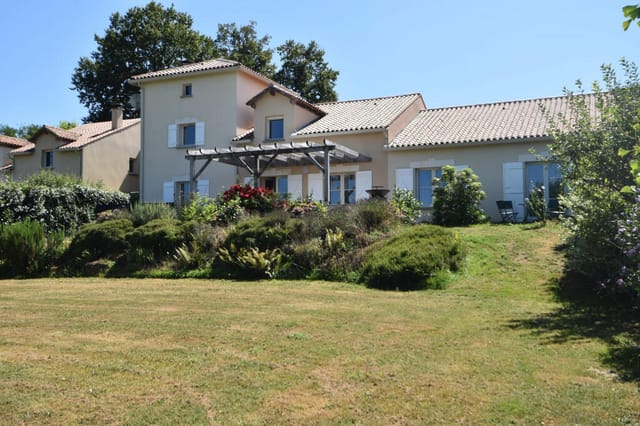
Sunday mornings here have a particular rhythm. The shutters swing open onto a garden still cool from the night, the Serra da Caldeirão rising in pale gold layers beyond the tree line, and by the time the coffee is ready, you can hear the faint clatter of the weekly market setting up on Praça da República down in town. That's the kind of morning this house delivers — not occasionally, but reliably, season after season. Built to evoke the spirit of a traditional Portuguese Quinta, this four-bedroom detached villa in São Brás de Alportel sits on the quiet edge of one of the Algarve's most genuinely local towns. It's a rare thing: a home that has the bones of old Portugal — hand-painted Santa Catarina azulejo tile floors, cane and beam ceilings, classic painted shutters framing every window — and the mechanics of a modern, well-maintained property. Nothing here feels like a stage set. The traditional details are structural, not decorative afterthoughts. Step inside and the sitting and dining room immediately tells you what daily life here feels like. High ceilings. A proper fireplace for December evenings when the Algarve actually gets cold enough to use one. Double arched doors that open directly to the garden so that, on the nine or ten months of the year when the weather cooperates, the line between inside and outside just disappears. The covered terrace off this room is where long lunches happen — grilled dourada with a bottle of something from the Alentejo, nobody in a rush to move. The kitchen sits just off this main living space, fully equipped and practical, the kind of setup that works for a family of six on holiday or a couple making weekend escapes from Lisbon. All four double bedrooms have en-suite bathrooms, ... click here to read more

Picture 1

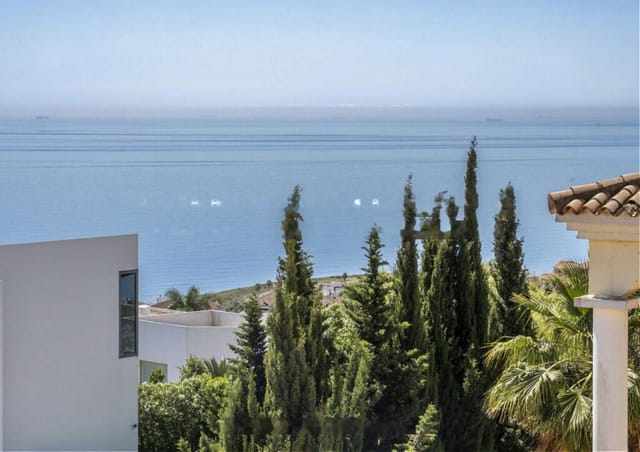
Step out onto 65 square metres of terrace on a warm October morning, coffee in hand, and watch the fishing boats push out from the Marina of Portimão as the River Arade catches the early light. The air smells of salt and the faint sweetness of the pastéis de nata cooling in the café downstairs. This is not a fantasy sequence — this is a Tuesday at Encosta da Marina. Portimão doesn't get talked about the way Lisbon does, and that's precisely why it works so well as a second home base. It's a real town with real life in it. The covered market on Rua Serpa Pinto still sells whole octopus and freshly shucked clams before 9am. The sardine festival in August — the Festival da Sardinha — transforms the riverside promenade into something loud, smoky, and completely irresistible. Locals and visitors pack the long tables together, eating grilled sardinha assada on slabs of bread while brass bands play late into the night. That's the Portimão rhythm: unhurried but alive. This 191 m² apartment sits within the Encosta da Marina development on Rua do Oceano Atlântico, a quiet residential address that puts you precisely 600 metres from Praia da Rocha on foot. It's a walk you'll want to do barefoot in July. Praia da Rocha is one of the western Algarve's signature beaches — wide amber sand backed by ochre cliffs, with warm Atlantic water that stays swimmable from May through October. In winter, the same beach is almost yours alone; the light goes golden by four o'clock and the cliff walks above the shore are empty enough that you'll hear nothing but wind and gulls. Back at the apartment itself, the layout makes immediate sense. Two bedrooms, two bathrooms — one of the bedrooms en-suite — and a circulation hall with a built-in wardrobe ... click here to read more

Picture 1

The first thing you notice, stepping out the door in early October, is the smell. Not a vague countryside smell — it's sharper than that. It's the green, faintly bitter scent of freshly pressed olive oil drifting up from the frantoio in the valley below, mixing with wood smoke from somewhere across the hill. You're standing on 2.5 hectares of your own Tuscan land. The rows of century-old olive trees stretch down the slope in front of you, silver-leafed and heavy with fruit, and Montepulciano's medieval towers catch the morning light on the ridge just a few kilometers away. This is not a fantasy. This is Tuesday morning, and it belongs to you. This one-bedroom, one-bathroom stone property sits at the center of a working agricultural estate on the hills between Montepulciano and the Val d'Orcia — a landscape so carefully preserved that UNESCO has protected it as a World Heritage Site. The building itself, reconstructed in 2022 and in excellent condition, spans approximately 82 square meters across two levels. It's compact, yes, but deliberately so. Every square meter has been considered. The lower ground floor and ground floor layout flows naturally between living and resting, with thick stone walls that keep the space cool through the long Tuscan summers and warm when the tramontana wind picks up in January. What makes this property genuinely unusual is what surrounds it. The 25,304 square meters of land — divided between 7,905 square meters of arable terrain and 17,362 square meters of specialized olive grove — is not decorative. These trees produce. High-quality Tuscan extra virgin olive oil, cold-pressed from olives grown in one of the country's most celebrated agricultural zones, commands serious prices at market an ... click here to read more

MTP3770-48

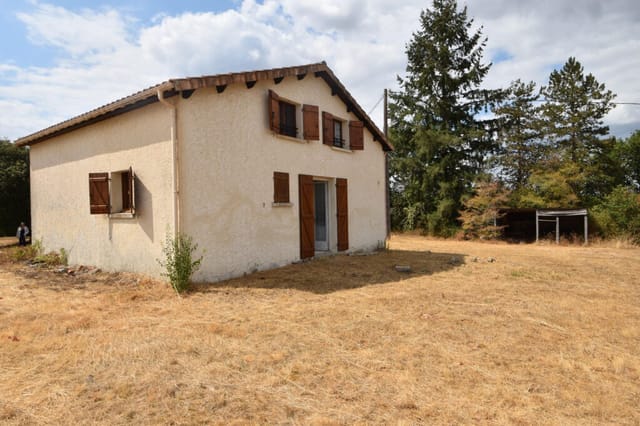
On a still morning in Castelsagrat, the mist sits low in the valleys below and the only sound from the terrace is birdsong and the distant clank of a cowbell drifting up from the fields. You're holding coffee, the stone barbecue is still warm from last night, and the countryside rolls out ahead of you in every direction. This is what drew people to this corner of Tarn-et-Garonne long before the rest of the world caught on. This 19th-century stone house sits just outside one of the most quietly compelling villages in the department — a place with a proper boulangerie, a café where the locals actually linger, and a rhythm of life that feels deliberately unhurried. At 110 square metres across three bedrooms and two bathrooms, it's the kind of house that works hard in all seasons. The walls are thick, the floors are tiled, and the sitting room log burner throws enough heat to make February evenings genuinely cosy rather than something to endure. Step inside and the character hits you immediately. Exposed stone, original beams overhead, and a country kitchen that's made for slow cooking — the sort of room where someone inevitably ends up opening a second bottle of wine because the cassoulet needs another hour. The layout is practical without being clinical. The large storage rooms running off the main living space are a genuine opportunity: convert them into a guest annex, a home office, or additional accommodation for rental income. The bones are there; it just needs a vision and a builder. No close neighbours. That's not a throwaway phrase here — it genuinely means you can open every window on a summer night, eat dinner outside at ten o'clock, and not worry about a soul. The terrace is large enough to matter, with a buil ... click here to read more

Picture 1

Step out onto the south-facing terrace at eight in the morning, coffee in hand, and the whole sweep of the Andalusian countryside rolls out in front of you — cork oaks on the hillside, the Sierra de Mijas catching the first light, and somewhere beyond it all, the Mediterranean glittering in the distance. That's the daily opening scene at this four-bedroom villa in Cerros del Águila, one of those quietly coveted residential pockets of Mijas Costa where the roads are unhurried, the neighbours mostly know each other, and you can still hear birdsong over the terrace. This is a 211 square metre home on a 527-square-metre enclosed plot, and it has been renovated to a standard that means you don't arrive and immediately start making a list of things to fix. New luxury bathrooms, a high-spec kitchen fitted with energy-efficient appliances, a heat-pump climate system that keeps things cool in August and warm in January — the bones are solid and the finish is genuinely move-in ready. That matters more than it might sound for an international buyer who isn't going to be on-site every week. The layout is generous without being excessive. Four bright bedrooms, every one of them with fitted wardrobes, arranged across the villa with the kind of space that actually works for a family or a group of friends rather than just looking good in photographs. The living room is anchored by a fireplace fitted with an integrated air-circulation and CO filtration system — not something you see often in properties at this price point, and a reminder that whoever renovated this place thought carefully about how it would actually be used across all four seasons, not just in the peak summer weeks. Outside is where the property really earns its keep. ... click here to read more

Picture 1

On a still morning in the Aude countryside, you can step out onto the covered balcony with a coffee and hear almost nothing. A woodpigeon, maybe. The soft rush of the stream threading through the woodland at the bottom of the meadow. Then silence again—the particular silence of 2.8 hectares that belong entirely to you. This is Villebazy, a hamlet tucked into the rolling green hills of the Languedoc, and this four-bedroom villa is one of those rare finds that doesn't announce itself loudly. It doesn't need to. The distinctive Basque-influenced architecture—white rendered façades, deep red timberwork, wide roof overhangs—gives it a quiet confidence. It sits on its own land, properly private, with mature trees forming a natural boundary around the open meadow behind the house and a small woodland beyond that. No neighbours peering over the fence. No road noise. Just space. Inside, the ground floor is organised around a generous living and dining room of around 41 square metres. The wood-burning stove is the heart of this space in winter—the kind of feature that makes you genuinely want to spend January here rather than dreading it. The fitted kitchen sits alongside, compact but practical at around 12 square metres, with a door that opens straight outside. Easy enough to imagine carrying a glass of wine out to the terrace on a warm September evening. What gives this house a real practical edge is the ground-floor bedroom suite. At roughly 28 square metres, with built-in wardrobes and its own shower room and WC, it offers single-level living without compromise. For a family where grandparents visit, or for owners who eventually want to be here full-time without worrying about stairs, that's a consideration worth taking ser ... click here to read more

Picture 1

This five-bedroom house for sale in Seine-Maritime sits in Saint-Aubin-lès-Elbeuf, on a 3,012 m² enclosed plot, five minutes from the train station. It is described as a manor house, with 235 m² of living space, a south-facing terrace with a jacuzzi and a row of outbuildings that keep cars, bikes and tools out of the way. The condition is good, so the question here is less about renovation and more about how you want to use all that room. ### The House: A 25 m² Kitchen, Two Fireplaces and Five Bedrooms The ground floor starts with a wide entrance hall, with a large closet and a separate WC. It sounds like a small detail until a family comes in on a wet Normandy afternoon. The kitchen is the room most visitors will remember. It is fully fitted and equipped, and at about 25 m² it is big enough to cook and eat in at the same time. The utility room has a sink and a door straight onto the garden, which is handy for muddy boots and garden tools. There are two reception rooms, both generously proportioned. The living room has a fireplace insert, and the sitting room has its own fireplace. In a region with a mild but often damp oceanic climate, that gives you two ways to take the chill off an evening. Upstairs, three good-sized bedrooms occupy the first floor, including a master suite with a dressing room. The house has five bedrooms in total. The data shows a single bathroom, so check on your visit whether that suits the way your household lives. ### Garden, Terrace and Outbuildings The plot covers 3,012 m². It is landscaped and fully enclosed, which matters if you have children or dogs, or simply like the idea of closing the gate and knowing the grounds are your own. The large south-facing terrace with a jacuzzi catches ... click here to read more

Picture 1

Pull up to Casale Al Vento on a Saturday morning in early October and you'll understand immediately why people come to this corner of Umbria and never quite manage to leave. The air carries wood smoke from a neighbor's chimney somewhere beyond the tree line, the hills are turning amber and rust, and the stone facade of this 1800s farmhouse glows warm gold in the morning light. It's the kind of place that makes your shoulders drop the moment you step out of the car. Built in the early nineteenth century as a working farm complex, this 242-square-meter country house between Città della Pieve and Lake Trasimeno has been carefully converted into four self-contained one-bedroom units across two floors — preserving every original detail worth keeping while adding the comfort that makes a property livable year-round. Rough-cut stone facades with brick inserts, arched openings, original terracotta tile roofing, exposed wooden beam ceilings on the ground floor. The bones of this place are extraordinary, and the renovation understood that. Nothing has been over-polished. It still feels like Umbria, not a hotel lobby. Each of the four units — two downstairs, two up — follows the same generous layout: a living room with an open kitchen, one bedroom, one bathroom. Terracotta floors throughout. Wooden window frames with double glazing and mosquito nets, which matter more than you'd think when July evenings beg for open windows. The courtyard outside spans nearly 2,000 square meters, currently unlandscaped and waiting — a rare opportunity to shape an outdoor space entirely to your own vision. Gravel paths, a pergola dripping with wisteria, a long table for twelve under the open sky. The canvas is blank. Città della Pieve sits just a ... click here to read more

CDP2941 - Casale Al Vento classic stone house, Città della Pieve

On a clear morning in Baho, with the Canigou still dusted white above the plain and the air already warming before nine o'clock, you understand exactly why people move to Roussillon and never quite manage to leave. The swifts cut low over the pool. The scent of rosemary drifts up from the garden beds. Inside, the light pours through the wide south-facing windows and lands in long rectangles across a living room that's genuinely made for living in. This four-bedroom detached villa sits in one of the most quietly desirable residential pockets just outside Perpignan — Baho, a village that feels a world apart from the city yet sits only fifteen minutes from the centre by car. Four kilometres from the TGV station at Perpignan, nine from the airport, seventeen from the beaches of Canet-en-Roussillon. The geography here is almost unfairly good: mountains to the west, sea to the east, Spain thirty minutes south, and the medieval city of Perpignan spread across the plain below. Built in 1994 on a plot of 1,500 square metres, the villa covers around 166 square metres of interior space across two levels. The current owners have spent years quietly improving the outdoor areas — the terraces around the pool have been extended and refinished, the tarmac driveway gives the whole approach a clean, well-kept feel — and it shows. This is a house in good condition that someone has looked after properly, not one that's been left to coast. The ground floor revolves around a 50-square-metre living and dining space — genuinely generous by any standard — anchored by a fireplace on one wall and wide openings on the other that fold the garden and pool into the room almost completely. On a warm October evening, with the terrace lights on and th ... click here to read more

Picture 1

Early on a Sunday morning in Castiglione del Lago, the light does something particular. It comes off Lake Trasimeno at a low angle, turning the water silver and the old stone walls of the hilltop town a warm amber. You're sitting on your loggia with a coffee, watching that light shift across the Umbrian countryside, and the only sound is birdsong and the faint clanging of the weekly market setting up on Via della Vittoria below. This is what owning a second home here actually feels like. Not a postcard. A morning you return to, again and again. This 117-square-metre first-floor apartment sits within a small residential complex of just eight units, built in 2011 from traditional stone and brick on the gentle slopes between Umbria and Tuscany — a stretch of countryside that locals call the Val di Chiana border, where the landscapes of two regions blur into something that belongs entirely to itself. The complex is quiet, well-managed, and intentionally small. Eight owners, not eighty. That matters. Inside, the apartment carries the rustic character that this part of Italy does so well, without tipping into the overwrought. Terracotta floor tiles run throughout. Exposed wooden beams cross the ceilings. The window frames are wood, and they open wide. The living room is generous and genuinely bright — south-facing light for most of the day — with an open kitchenette that keeps the cook part of the conversation. A fireplace anchors the room in winter, and on those grey December afternoons when the mist sits low over Lago di Chiusi, you'll be glad it's there. The loggia off the living room is ten square metres, just large enough for a proper table and chairs, small enough to feel private. One of the two double bedrooms also op ... click here to read more

a App di Silvio Tarantino - Gioiella-18

Stand at the upper window of this 19th-century farmhouse on a clear October morning and you'll understand immediately why painters have been coming to Val d'Orcia for centuries. The light does something extraordinary here — it slides across the hills in long amber ribbons, catching the silver of olive leaves and the rust of freshly turned earth, while somewhere below the property, a flock moves slowly through a field and you can just hear the hollow clinking of their bells. This is Radicofani. And this 600-square-metre stone estate, sitting on three private hectares between Sarteano and the medieval fortress town itself, is one of the last genuine opportunities to own a piece of it. Let's be honest about what this property is: a serious restoration project. The bones are extraordinary — two storeys of hand-cut local stone, original facades that have stood since around 1800, a small annex, and land that stretches to 7.5 acres of arable soil and garden. But it needs work. Real work. Which is precisely why the price makes sense, and precisely why the right buyer — someone who wants to shape something rather than simply purchase it — will recognise what's sitting here waiting. The structure itself is sound in the way that 19th-century Tuscan construction tends to be: built thick, built slow, built to last. The original stonework has the particular warmth of locally quarried travertine and tufo, the kind of material you simply cannot replicate in a renovation. Walls that are nearly a metre deep in places. Vaulted ceilings on the ground floor that, once restored, create the sort of volume modern construction can only approximate. The floor plan across two levels offers genuine flexibility — a main residence of six bedrooms w ... click here to read more

VAL3310 AI generated image_1

Stand in the upper loggia on a September morning and the valley below is completely still. The olive trees — some of them pushing four hundred years old — hold the early mist. Down the hill, Piegaro's medieval bell tower catches the first light. There's no traffic noise, no neighbors in sight, just the faint rustle of leaves and the smell of dry stone warming up. This is what you actually came to Umbria for. This 17th-century stone farmhouse in Piegaro, in the Perugia province of Umbria, sits on roughly 1.41 acres of land near the border where Umbria quietly slides into Tuscany. At 278 square meters spread across two levels, the main residence is currently divided into three independent apartments — a setup that gives future owners real flexibility, whether the goal is a single grand private home, a mix of personal use and rental income, or a small boutique relais. Two detached agricultural outbuildings add further potential that most comparable properties simply don't have. Inside, the building reads like a physical record of the 1600s. Exposed wooden ceiling beams, deep-set terracotta floors worn smooth by centuries of use, rustic brick fireplaces that dominate their rooms without apology — none of this was installed to look authentic, it is authentic. Five bedrooms and three bathrooms occupy the first floor, each space carrying the proportions and light you only find in buildings that predate the concept of cost-cutting. The lower level holds former stables, storage cellars, and woodsheds, spaces that smell of old timber and cool earth, and that could become wine cellars, a studio, or atmospheric entertaining rooms with the right vision applied. The ivy-covered natural stone façade and the aged brick loggias aren't ... click here to read more

2

This renovated house for sale in Bordeaux has four bedrooms, 280 m² of living space and a 3,201 m² plot with a swimming pool. Behind the stone façade the interior was redone in 2018, and it feels bright and contemporary from the moment you step in. The street is quiet, yet the park, public transport, schools and shops are all close by. It suits a family that wants room to spread out within reach of the city. It also works as a second home in France for anyone who wants a base near the Gironde vineyards and the Atlantic coast. ### Inside the House: 280 m² Renovated in 2018 The first thing you notice in the entrance is the volume and the light. The living room covers more than 55 m² and has a fireplace, so winter evenings have an obvious focal point. The kitchen is fitted and functional, and it adjoins the dining area. A terrace extends from these rooms, which makes lunch outside the natural choice from spring to autumn. The master suite looks over greenery and has its own private terrace, a dressing room and an en-suite shower room. Two further bedrooms share an additional shower room, and there is a separate office for anyone working from home. A laundry room and a storeroom take care of the everyday practicalities. The seller's agent points to scope for reconfiguring the layout and adding bedrooms. That matters if your family grows or if you want guest space. It is worth walking the house with that in mind. ### Garden, Pool and a 3,201 m² Plot A plot of 3,201 m² gives you space that most houses with a Bordeaux address cannot offer. The garden is green and private, and it leaves plenty of room to shape the planting and outdoor areas to your own taste. The listing also includes a swimming pool and a balcony. Parki ... click here to read more

Picture 1

This house for sale in Bordeaux sits in the sought-after Caudéran district, with a salt-water pool and a sheltered 663 m² garden. It is a family home of 130 m² with three bedrooms and two bathrooms, and it has the kind of privacy that is hard to find this close to the city. The plot is screened from view, so no neighbours look in and no traffic noise drifts across the terrace. ### The House: 130 m² on Two Floors You step into a glazed conservatory that works as the dining room and opens directly onto the garden. In spring, breakfast happens with the doors wide open. Beyond it is the living room, where a working fireplace gives winter evenings a focal point. The kitchen is separate and has a utility room alongside. If you prefer an open-plan feel, the layout allows the kitchen to be opened onto the living room. That is a decision you can make after moving in. Two bedrooms are on the ground floor, both with built-in storage. They share a bathroom with a double basin, and there is a separate toilet. Upstairs, the landing leads to the third bedroom, a home office, a second bathroom and generous under-eaves storage. The office is useful if you work from home part of the week. The condition is good, so this is a house to move into rather than a project to plan around. ### Pool, Garden and Terraces The outdoor space is the main reason this property stands out. At the front, a salt-water pool sits within a landscaped garden, with a terrace beside it for loungers and long lunches. At the back, a second terrace faces south and catches the sun for much of the day. Both are private. An automatic irrigation system looks after the planting, which helps when you are away for a few weeks in summer. A large garage and room for up ... click here to read more

Picture 1

Sunday morning in Cetona moves slowly. The church bell on Piazza Garibaldi rings eight times, the sound drifting clean and unhurried through tall shuttered windows, and from the first-floor balcony of this four-storey villa you can watch the village come alive — a man rolling up the awning of the bar, a dog crossing the empty piazza, the Sienese hills going gold in the early light. This is not a postcard version of Tuscany. This is the real thing, and it comes at 200 metres from the centre of one of the most quietly coveted medieval villages in Italy. Cetona sits in the Val di Chiana, tucked between Siena and Orvieto, and it has somehow managed to stay genuinely itself. No tour buses. No selfie queues. The Saturday market on Via Roma still trades in local pecorino, porcini from the slopes of Monte Cetona, and ceramic work from nearby Sarteano. The village has a Michelin-starred restaurant — La Frateria di Padre Eligio, set inside a 13th-century convent just minutes away — but it also has the kind of corner osteria where the pasta is handmade and the house wine arrives in a ceramic jug without you having to ask. Both versions of Cetona belong to whoever lives here. This villa — a substantial four-floor residence of 370 square metres plus a 50-square-metre guest cottage — was built in the 19th century for one of the area's prominent families, and the bones of that history are still visible everywhere. The entrance hall opens around an original stone staircase with a hand-forged wrought-iron balustrade. The ground floor runs under terracotta vaults, ceilings high enough to feel genuinely cool in August. There's a fireplace in the living room, a kitchen, a bedroom, and a bathroom. Upstairs on the piano nobile — the floor h ... click here to read more

Porzione di Villa a pochi passi da Cetona centro storico-11

Sunday morning at Vaiano moves slowly. The kind of slow you have to travel to find. From the upstairs terrace of this detached villa, you can watch the mist lift off Lake Trasimeno in long, pale ribbons, while somewhere below in the kitchen, coffee is brewing and the scent of wood smoke still lingers from last night's fire. This is what 291 square metres of Umbrian life actually feels like — and why so few people who find it ever want to leave. Castiglione del Lago sits on a promontory jutting into Lake Trasimeno, the fourth-largest lake in Italy and the largest in central Italy, ringed by low olive-covered hills that turn silver-green in the afternoon light. The medieval town itself — with its walled Palazzo della Corgna and the brooding towers of the Rocca del Leone — is less than five kilometres away. Market day falls on Wednesday, and the stalls along Via Vittorio Emanuele fill with local pecorino, cured meats from the Chiana valley, and the freshwater fish that local restaurants turn into tegamaccio, the region's traditional lake stew cooked with olive oil, white wine, and whatever the morning's catch brought in. It's worth making the drive for that alone. The property itself sits in the hamlet of Vaiano, set back from the road within a fully fenced private garden of roughly 2,309 square metres — that's just over half an acre of outdoor space planted with twelve mature olive trees. These aren't decorative; they produce. In a good harvest year, you're pressing your own oil. Two stone agricultural outbuildings totalling 51 square metres sit within the garden boundary, with existing planning provisions allowing a volume expansion of up to 15%, which opens interesting possibilities for a guest studio, a garden store w ... click here to read more

Villa a Vaiano-2

This four-bedroom villa for sale in Fayence sits in a secure estate, five minutes from the village, and comes free of any rental obligation. Most villas on the estate are tied to rental agreements. This one is not, so you can live here all year, visit when you like, or let it out on your own terms. It has 116 m² of living space over two levels, a garage, and a recently renovated, heated 10x5 m pool in a landscaped garden. ### The Villa: Layout and Condition The ground floor begins with an entrance hall that opens into the living room, where a fireplace anchors the seating area. The dining area sits alongside, and the fully equipped kitchen is open-plan, so whoever is cooking stays part of the conversation. A laundry room and a garage handle the practical side of daily life. Upstairs there are four bedrooms. One has bunk beds and its own separate WC, which makes it the obvious room for children or visiting grandchildren. The seller describes en-suite shower rooms for the other bedrooms, so ask for the floor plan to confirm the exact bathroom arrangement. The data lists two bathrooms in total. The house is in good condition and sold as turnkey. The roof has recently been renovated, and there is reversible air conditioning, double glazing, electric shutters and mains drainage. For a buyer of a second home, that list means very little to fix before the first summer. ### Pool, Terrace and Garden The 500 m² plot is landscaped and fitted with irrigation sprinklers and outdoor lighting. The pool is the centrepiece. It was recently renovated, it is heated, and electric shutters cover it when nobody is swimming, which helps if the house stands empty for part of the year. A covered terrace gives you shade for long lunches, an ... click here to read more

Picture 1

This house for sale in La Garde-Freinet sits on 2,312 m² of land in a Provençal hamlet, with a pool, a 30 m² studio and a kitchen in an old bread oven. It is a family-sized home of 153 m² in good condition, set in the green hills of the Massif des Maures, a short drive from the Gulf of Saint-Tropez. You get space and quiet without giving up the coast. ### A Provençal House with a Bread Oven Kitchen The front door opens straight into a large living and dining room with high ceilings. The volume of the room is the first thing you notice, and it keeps the house cool when the summer heat builds. The kitchen is built into the hamlet's former communal bread oven. That is not a detail you find in a showroom, and it gives cooking here a bit of local history. There is also a bedroom on the ground floor with its own bathroom and toilet. That makes it a practical room for guests, older relatives or anyone who prefers to avoid stairs. Upstairs, a mezzanine leads to the master bedroom, which has a shower room and a separate office. Two further bedrooms share a second shower room. The layout works well for a family, and the office is a quiet corner for remote work if you plan to spend longer stretches here. ### Studio, Pool and 2,312 m² of Land Outside, a covered terrace is the natural place for long lunches in the shade. The house also has a balcony and a laundry area. Separate from the main house stands an independent studio of about 30 m². It could host friends, house a teenager or work as a guest annex, and it is one reason this property suits a holiday home in the Var. The pool is an above-ground model. It is simple to run and, if you ever want something different, easy to rethink. The plot of 2,312 m² gives you real room ... click here to read more

Picture 1

Stand on the roof terrace at six in the morning, coffee in hand, watching the light crack open across the Kattegat. The water shifts from grey to silver to gold in about twenty minutes. Fishing boats are already heading out. You can hear the ropes knocking against masts down at the marina, maybe a hundred meters away. This is Røgerivej 2 on Sjællands Odde — and it earns your attention before you've even stepped inside. Built in 1922, this three-bedroom villa in Havnebyen sits in the literal front row to the sea. Not "close to the water" in the way that phrase gets stretched and abused in property listings. Actually first row — the Kattegat is right there, filling the windows, shifting colour with every change in weather. The classic yellow brick facade and red-tiled roof have watched a century of Danish coastal life roll by, and the bones of the building still feel solid and purposeful. Good condition, yes, but more than that — it has a character that newly built properties simply can't manufacture. What makes the location quietly remarkable, beyond the water, is the company this house keeps. Its immediate neighbours include the "Runde Villa" and the old smokehouse on the harbour, both designed by Arne Jacobsen — one of the most significant architects Denmark has ever produced. Living here puts you in daily proximity to that legacy, not as a tourist reading a plaque, but as a resident whose morning walk takes them past buildings that appear in architecture textbooks worldwide. The ground floor layout is practical without feeling cramped. An entrance hall with proper wardrobe space, a bedroom, a storage room, and the generous open kitchen-dining and living area that forms the social heart of the house. The sea view fro ... click here to read more

Villa on Røgerivej 2, 4583 Sjællands Odde

The first thing you notice on a Saturday morning is the silence. Not the absence of sound exactly — there's a wood pigeon somewhere in the birch trees, and from the kitchen the smell of coffee curling through a window cracked open just enough — but the particular quality of quiet that belongs to Östergötland's countryside. It's the kind of place that reminds you why people used to fight over land this good. This 1909 farmhouse in Klockrike has been thoughtfully brought into the 21st century without anyone stripping out what made it worth saving in the first place. The bones are original. The updates are real. And the plot — 3,284 square meters of garden, mature trees, and open sky — gives the whole thing a sense of scale that you simply don't find in the city. Step through the entrance hall added in 2019 and you're in a home that's had serious thought put into how people actually live. The ground floor living room has an open fireplace that becomes the undisputed center of family life from October to April. Slide open the door from there and you're on a 40-square-meter wooden deck with a spa bath sitting right in the middle of it. On a clear evening in July, with the garden going gold in late light and the temperature still warm enough to stay outside well past nine, that deck earns its keep in ways that no interior room ever could. The kitchen was renovated in 2017 and 2018 and it makes an interesting choice: a traditional wood-burning stove alongside a modern gas hob. That's not an accident. Whoever designed this kitchen understood that cooking on wood is a completely different rhythm than cooking on gas, and some meals just call for it — a slow ragout on a November afternoon, bread that gets its crust from radiant ... click here to read more

Front view of the house and garden

On a still morning in Auvergne, you wake up in a room with stone walls two feet thick and a fireplace wide enough to stand in. Through the tower window, mist is lifting off the Allier valley below, and for as far as you can see, every tree, meadow, and hedgerow belongs to you. That feeling — of owning not just a house but an entire world — is what this estate delivers, and there is genuinely nothing else like it on the market at this price. This is a genuine 13th-century chateau with its main structure dating to 1472, set on 79.6 hectares of private land in the Puy-de-Dôme department of central France, a short drive from Clermont-Ferrand and the volcanic uplands of the Massif Central. It has been carefully restored since 1993 — not stripped and sanitized into a boutique hotel pastiche, but brought back to life as a working, liveable estate that still has its vaulted ceilings, monumental stone fireplaces, parquet floors, original staircases, and medieval towers intact. Good condition doesn't begin to cover it. This place has soul. The main chateau runs to approximately 943 square meters across two floors, with eight spacious bedrooms, five bathrooms, five salons, two fully equipped kitchens, two dining rooms, a gym, and an outdoor kitchen. The scale of these rooms stops you in your tracks the first time you walk through. Ceilings soar. Doorways frame views into the next room like paintings. On winter evenings, when the log fires are going and the stone walls hold in the warmth, the chateau becomes something out of a different century — in the best possible way. Critically, this property is not classified as a Monument Historique. That matters enormously for a buyer. It means you have full flexibility to modify, convert ... click here to read more

Photo 1 of Chateau-Domaine Auvergne

On a quiet Sunday morning in Essen Heikant, the only sounds drifting through an open kitchen window are birdsong and the faint rustle of oak leaves from the garden. No traffic. No neighbors visible through the trees. Just 3,700 square meters of landscaped greenery, a cobblestone driveway curving up to your door, and the faint smell of woodsmoke from the stove you lit the night before. That's the kind of morning this property delivers — not occasionally, but every single weekend you choose to be here. Koveklaan is one of those streets locals don't talk about much, because they'd rather keep it to themselves. Lined with mature trees and set between the nature reserves of the Groot Schietveld and the Kalmthoutse Heide — one of Belgium's most visited heathlands — this pocket of northern Antwerp province sits about 40 kilometers north of Antwerp city center and just 15 kilometers from the Dutch border. Getting here from Brussels takes roughly an hour by car. From Amsterdam, you're looking at under two hours. For international buyers who want a Belgian country retreat with genuine seclusion but real-world accessibility, it's the kind of address that doesn't come up often. The villa itself was built with a commitment to materials that age well rather than date quickly. Afzelia hardwood frames every exterior window and door — a tropical hardwood prized precisely because it handles northern European rain, frost, and sun without warping or fading. Inside, French oak carries the staircase from the entrance hall upward, and the same timber runs through interior door frames and joinery throughout the house. These aren't cosmetic touches. They're the decisions of someone who built to last. Walk through the entrance hall and the fir ... click here to read more

Front view of Koveklaan 8

The alarm doesn't go off here. You wake up to the sound of wind moving through mature trees, a pale Nordic light pressing through the curtains, and the kind of silence that city people pay therapists to find. This is Ålbækvej 877 in Hulsig — nearly five hectares of working Danish countryside sitting less than ten kilometers from the tip of Denmark, where the North Sea and the Kattegat collide in a froth of white water you can see from the dunes on a clear morning. Built in 1880 and properly updated rather than merely patched, the main house stretches across 193 square meters on a single level. Six rooms. High ceilings that carry the morning light from one end of the house to the other. Thick brick walls that the Danes perfected over centuries of dealing with Atlantic weather. The fabric of this place is solid — fiber cement roof, heat pump for efficient year-round warmth, supplemented by stoves you can feed with solid fuel on the kind of January evenings when a real fire is the only sensible answer. The kitchen is the heart of it. Fitted with modern appliances, its own drainage, and windows that look out onto the grounds, it's designed for someone who actually cooks — not just someone who reheats. Imagine putting up jars of pickled vegetables from your own kitchen garden in September, the smell of dill and vinegar drifting through the house while rain taps against the glass outside. Outside, the property becomes something else entirely. 47,988 square meters of land — almost 48,000 — spread out behind and around the house. That is not a garden. That's a small estate. A greenhouse built in 2021 sits ready for serious growing. A utility shed added in 2025. Additional agricultural outbuildings that could house horses, chi ... click here to read more

Country home at Ålbækvej 877, 9990 Skagen

Wake up to the sound of wind moving through birch trees and horses crossing the meadow just beyond the glass. That's the morning at Lynghøjen 8. No traffic. No neighbors crowding your sightlines. Just the slow, unhurried rhythm of the Danish countryside doing its thing while coffee brews in a kitchen that opens straight onto a wide wooden terrace. This hand-built holiday home in Ebeltoft is one of those rare finds that takes a concept — sustainable living in nature — and actually delivers on it. Built in 2022 from natural materials, the house sits on a gently sloping 1,200 m² plot where the garden doesn't end so much as dissolve into the surrounding woodland. Mature trees filter the light in summer. In autumn, the whole hillside turns amber and rust. The architecture earns its keep by making the most of every season without asking you to do anything but look out the window. The panoramic windows facing the meadow and the rolling ridgelines of Mols Bjerge National Park are the heart of this property. From the sofa, from the dining table, from bed — you're looking at one of Denmark's most protected and genuinely wild landscapes. Mols Bjerge is the country's only hilly national park, and the trails starting practically from the garden gate wind through heathlands, past Bronze Age burial mounds, and up to viewpoints where on clear days you can see clear across Ebeltoft Vig to the Jutland coast. The Stabelhøje trail and the ridge route near Agri Bavnehøj are favourites among locals — nothing technical, but enough elevation to make you feel like you've earned the open-faced smørrebrød you'll pick up in town afterwards. Ebeltoft itself is a 10-minute drive and consistently one of the most liveable small towns on the Jutland ... click here to read more

Holiday home at Lynghøjen 8, 8400 Ebeltoft

Stand on the terrace at Bjønndalsåsen 46 on a clear October morning, coffee in hand, and the whole of Drammensfjorden stretches out below you — silver-grey water, pine-covered ridges on the far bank, the occasional ferry cutting a white line across the surface. This is the view that greets you every single day from this hillside chalet in Spikkestad, a property locally known by its old name, Kvilestova — which loosely translates to "the resting place." Fitting doesn't even begin to cover it. Spikkestad sits in Røyken municipality, tucked between Asker and Drammen in a way that feels genuinely removed from both, even though neither is far. The train station is seven minutes by car, which puts Oslo S roughly forty minutes from your front door on the L14 line — close enough for a day trip into the city, far enough that you never feel the city's pull on a lazy Sunday. This particular corner of the hillside, the Ovnerudåsen area, is quiet in the way that only lightly settled Norwegian countryside can be: a handful of holiday cabins, a few year-round residents, and a lot of trees. The property is built on two separate parcels totalling just over 3,200 square metres of natural plot — not manicured garden, but actual Norwegian terrain with rock outcrops, mature birch and pine, and the kind of ground that smells of damp earth and forest after rain. The main cabin dates from 1964 and covers 83 square metres in total, with 61 square metres of internal living space and another 22 square metres of practical external area. A second, smaller cabin sits on the plot as well, giving you options: overflow accommodation for guests, a separate creative studio, or simply storage and workshop space while you plan a longer renovation. Inside ... click here to read more

Welcome to Bjønndalsåsen 46!

Step outside on a February morning at Søre Blevegen 892 and the world is dead quiet except for the crunch of fresh snow underfoot and the faint hiss of wind threading through the birch trees. The groomed ski trail is literally a hundred meters from the front door. You could be out on Blefjell's tracks with coffee still warm in your stomach before most people have found their ski boots. That kind of immediacy — that closeness to the mountain — is what makes this place genuinely different from the hundreds of Norwegian cabins that claim to be "near" the slopes. This is a real, traditional hytte. Pine floors worn smooth in the right places. Ceiling beams you actually notice. A brick chimney that anchors the main room with a wood-burning stove on one side and an open fireplace on the other — which means on a January evening, the cabin is throwing heat from two directions while you peel off your ski layers and figure out what to cook. The walls are timber-paneled in that specifically Norwegian way that somehow manages to feel both rustic and completely comfortable. It's not a renovation project. It's a working cabin in good condition, ready to use from the first weekend. The open-plan kitchen and living area is the heart of the place. The kitchen has custom-built cabinets and a newer countertop, practical without being fussy. The layout means whoever's cooking doesn't miss out on the conversation happening around the fire — a small thing that makes a real difference when you're up here with family or a group of friends after a long day on the trails. Both bedrooms carry the same honest aesthetic: pine floors, paneled walls, built-in shelving. Nothing pretentious. Just two rooms that do the job well and feel warm when the te ... click here to read more

Welcome to Søre Blevegen 892. Photo: Eirik Andersen

Picture this: it's 7am, the temperature outside is minus twelve, and you're watching fat snowflakes fall past the kitchen window while coffee brews on the hob. You don't need to drive anywhere. You don't need to queue for a ski bus. You clip your boots on at the front door and push off directly onto Storklinten's groomed runs. That's the everyday reality of owning this 2018-built house at Storklinten 119 — a proper ski-in/ski-out second home in the wild north of Sweden, priced at SEK 339,500. True ski-in/ski-out properties in Scandinavia at this price point are rare. Most are either older cabins that need serious renovation or newer builds priced well beyond reach. This one lands in a different category altogether — built just a few years ago to contemporary Swedish standards, move-in ready, and sitting on a 574 square metre plot in the Storklinten resort area outside Boden in Swedish Lapland. At 92 square metres of interior space, it's compact enough to manage easily but generous enough for a family or a group of friends to spread out comfortably across two bedrooms and an open-plan living area. The layout makes sense immediately. You walk in from the snow, there's space to shed layers, and the living room opens up ahead of you — large windows pulling the forest right into the room. On grey winter afternoons the spruce trees are so close you can watch a Siberian jay hop between branches while you sit with a book. In the opposite direction, the ski runs are visible from the same glass. It's that kind of orientation: you're always aware of where you are geographically, which is exactly what you come to Lapland for. The kitchen is fully fitted, modern, and actually practical — not the kind of show kitchen that looks goo ... click here to read more

Exterior view of Storklinten 119

On a still summer evening, the light in central Sweden does something unusual. It just refuses to leave. By nine o'clock, the sky above the fruit trees at Hermelinvägen 9 glows this particular shade of amber, and the birch leaves catch it in a way that makes you put down your wine glass and just stare. That's the moment you understand why people fall hard for this corner of Lake Mälaren's shoreline and never quite get over it. This is a genuine three-bedroom country home in Kalkudden, a well-established residential pocket within Strängnäs municipality that sits close enough to the water that you can smell it on humid mornings. The property has been properly winterized and renovated — not a cosmetic flip, but a thorough rethink — which means it works equally well as a full-time residence, a year-round Swedish vacation home, or a high-season holiday retreat that locks up cleanly between visits. It's priced at SEK 320,000, which, given the location, the plot size, and the condition, is the kind of number that makes local buyers move fast. The house itself spans 45 square meters of main living space on the ground floor, with an additional 45 square meters below in a fully usable basement level. That lower floor is where the flexibility lives. Set it up as a guest suite when your family comes to visit in July. Use it as a home office during quieter months. Or just let the kids claim it as their own territory. The new staircase connecting the floors is a clean, modern build — not an afterthought. Up on the main level, the kitchen was rebuilt from scratch. New cabinetry, considered materials, enough counter space to actually cook rather than just heat things up. On a Sunday morning, with the glass terrace doors propped open ... click here to read more

Exterior view of Hermelinvägen 9

Stand on the panoramic terrace just after sunrise, coffee in hand, and the entire Alpine arc lays itself out before you — Monte Musinè catching the first gold light, the Susa Valley still wrapped in morning shadow below. This is what mornings look like at a private 11th-century castle in Caselette, just outside Turin. Not a painting. Not a postcard. Your property. There are very few places left in Europe where you can say you own something this old, this complete, and this alive. The castle at Caselette isn't a ruin awaiting rescue or a half-finished restoration project dressed up in estate agent language. A thorough conservation effort completed in 2000 brought all mechanical systems up to modern standard — heating, plumbing, electrics — while the protected frescoes, stucco ceilings, and medieval stonework were left exactly as they should be: untouched. The result is a building that works like a contemporary home but feels like nothing built in this century ever could. Four independent buildings spread across six levels give the estate roughly 4,000 square meters of interior space — 109 rooms in total, including 40 bedrooms and 40 bathrooms. That scale is genuinely hard to picture until you're walking it. The honor salon alone, with its carved stone fireplace and original timber floors worn smooth by three centuries of foot traffic, would make most hotels envious. The ballroom has a mezzanine gallery and vaulted ceilings covered in frescoes that local art historians have written papers about. Then there's the Hall of Shields, the private 12th-century chapel with its intact apse and frescoed dome, the monumental wine cellar cut deep into the hillside, the historic stables, a separate guest house. Each room adds a chapt ... click here to read more

Castle in Caselette, Piedmont, Italy - Exterior

Step outside on a Saturday morning in Vinderup and the air hits you differently — cool, clean, carrying just a faint trace of freshly cut grass from the neighbor's garden two doors down. The street on Mosevej is so quiet you can hear your own footsteps on the path. This is the kind of stillness that's genuinely hard to find, and once you've had a taste of it, you start rearranging your priorities. This solid brick house — originally raised in 1948 and thoughtfully extended in 2000 — sits on 989 square meters of garden land at the edge of a closed residential street in Vinderup, a small Danish town in the Holstebro Municipality of western Jutland. Five bedrooms, two bathrooms, 193 square meters of interior space, and a raised timber terrace that faces a proper lawn. It's not a flashy property. It's the kind of house that gets better the longer you're in it. The layout makes real sense for how people actually live. Walk in and the home separates naturally — living spaces to one side, sleeping quarters to the other. There's no corridor chaos, no awkward traffic through bedrooms to reach the kitchen. The open-plan living room and kitchen work together as the social heart of the house, with large windows pulling in the northern Danish light that, on a clear afternoon in late spring, fills the room in a way that feels almost theatrical. The kitchen runs white cabinets against wooden countertops, practical and unpretentious, with a shelf of plants above the dining table that keeps the space feeling alive year-round. Brick exterior walls peek through the glass — a detail that gives the whole room a grounded, almost anchored quality. Seven rooms total means flexibility that most buyers underestimate until they start living her ... click here to read more

Front view of the villa with red brick, black tile roof, raised wooden terrace, and lawn

Step outside on a June morning and the air smells like cut grass and salt. The fields behind Tøjsmosevej roll out to the horizon, and somewhere beyond them, the South Funen Archipelago glitters. There are no traffic lights in Oure. No crowds. Just a long garden, a pot of coffee, and the sound of wind moving through fruit trees. This is the kind of place people spend years looking for. Built in 1900 and sitting on 1,174 square metres of south-facing land, this single-level brick house has been updated steadily over the decades without losing its sense of rootedness. The bones are solid — classic Danish brick construction with a fiber cement roof that asks almost nothing of you in the way of upkeep. Inside, 135 square metres unfolds across a practical four-room layout: three proper bedrooms, a living room with large windows that pull light deep into the interior, and a kitchen fitted with white cabinetry and enough counter space that cooking here actually feels like cooking rather than a logistical exercise. The kitchen connects directly to a dining area where meals tend to stretch longer than planned. That happens a lot in houses like this. There's no urgency to be anywhere else. A heat pump keeps the whole place comfortable year-round, and running costs stay manageable even through a Danish winter. The bathroom has a shower and flushing toilet, plus a separate WC — a small thing that makes a real difference when guests arrive. Fiber-optic internet runs at up to 2,500 Mbit/s symmetrical speeds, so if you're splitting time between this property and working remotely, the infrastructure is already there. The garden is the real heart of the property. Mature fruit trees shade one corner of the lawn — the kind of trees tha ... click here to read more

Front view of the villa at Tøjsmosevej 26, 5883 Oure

Late July. The southwest deck is warm from six hours of sun, someone's grilling mackerel inside, and through the pine trees you can just make out the glint of Blidösund. That's what mornings—and honestly most afternoons—feel like at Lilla Furusundsvägen 4. This is a place that earns its hold on you slowly, then completely. Yxlan is one of those Stockholm archipelago islands that hasn't been packaged and sold to death. Reachable via the bridge at Skarmsund, it still moves at a pace that most of coastal Sweden has quietly forgotten. Kids ride bikes down gravel tracks. Neighbors know each other's boats by name. The archipelago smell—salt, pine resin, sun-warmed wood—hits you the moment you step out of the car, and it doesn't leave. The property itself sits on a generous plot on Lilla Furusundsvägen, roughly 300 meters from open water, and it's genuinely unlike anything else in this price range on the island. The main house dates to the early 1900s and carries that era's architecture with authority: glass verandas on both the entrance level and the upper floor, pine floors that glow amber in afternoon light, wooden-paneled walls painted in the kind of pale, cool tones that make Swedish interiors feel both historic and completely liveable. Two full floors, four bedrooms, two bathrooms, and 96 square meters that feel larger than the number suggests—partly because the flow between rooms is good, and partly because the southwest-facing deck extends living space from May through September in a way that no interior room can replicate. That deck catches sun from mid-morning until the long Nordic evening fades. You won't want to leave it. But what makes this estate something well beyond a typical holiday house in Sweden is what s ... click here to read more

Main house and garden

Stand at the kitchen window on a Tuesday morning and watch the light do something extraordinary over the Kattegat. The water shifts from steel grey to a washed-out gold as the sun climbs, and the only sounds are the gulls working the shoreline and the faint creak of a neighbor's gate. This is Østkystvejen 321—a four-bedroom house in Voerså, 15 kilometers south of Sæby on North Jutland's East Coast, sitting in that rare pocket where the road runs right along the water and the view never gets old. The house dates to 1922, but you wouldn't know it from the inside. A full renovation has stripped away everything tired and replaced it with clean lines, modern fixtures, and a layout that actually makes sense for how people live today. One level, 157 square meters, four rooms, two bathrooms—compact enough to feel intimate, spacious enough to host a family of six without anyone tripping over each other. The open kitchen is the heart of it: a central island where someone invariably ends up perched on a stool while someone else cooks, conversations drifting easily into the dining area and then out to the garden through the glass doors. That garden is 1,315 square meters of actual usable space, not the decorative strip you get with most renovated houses. There's room for kids to properly run around, room for a table big enough for a summer dinner that starts at six and ends when someone finally notices the stars are out. The brick walls and fiber cement roof require almost no upkeep—an important detail when this is a second home and you're not always here to deal with problems. The location along Østkystvejen is the kind of thing that's hard to explain until you've driven it. The road hugs the coastline through Voerså and connect ... click here to read more

Front view of the villa at Østkystvejen 321, Sæby

Step off the dock on a Tuesday morning in July, coffee in hand, and watch the mist lift off the water between the pine-covered islands. That's Gryt. Not a postcard version of it—the real thing. The kind of place where the archipelago doesn't perform for tourists; it just exists, quietly and completely, and you get to be part of it. Eknäsvägen 10 sits in the Gryt archipelago within Valdemarsviks kommun, one of the lesser-known gems of Sweden's east coast. Lesser-known is the point. While the Stockholm and Gothenburg archipelagos draw the crowds, Gryt draws the people who actually want to use the water—to fish, sail, kayak, or just sit on a rock and let the silence do its work. The house is winterized and built to year-round standard, which means this isn't a summer-only proposition. You can be here in February when the snow sits on the jetty and the light turns the whole bay silver. The seasons here are genuinely different from one another, and owning a home that can hold all four of them is something special. The house itself was built in 1986 and covers 70 square meters across a thoughtful layout: two bedrooms, a bathroom, a living room with space to breathe, and a fourth room that the current owners use flexibly—it works as a guest room, a reading nook, a workspace, whatever the week demands. The large windows throughout pull the landscape inside. On a clear day, the light off the water bounces around the living room in a way that no interior designer could manufacture. There's a fireplace, and on an October evening with the birch trees turning outside, you'll understand exactly why that matters. The kitchen is functional and well-equipped—not a showroom, but a room where you actually cook. In summer, that means fre ... click here to read more

Front view of the house and garden

Step through a pair of wrought-iron gates flanked by 300-year-old umbrella pines and the world outside simply disappears. The gravel crunches under your tires as the driveway unspools ahead, horses moving lazily in the paddocks to your left, a pond catching the late-afternoon light to your right. This is Vigueron, and this is what 23 hectares of southwest French countryside actually feels like when it belongs to you. The chateau itself clocks in at 740 square meters — not an abstract number, but a real sense of scale you feel the moment you walk into the entrance hall and realize the living room beyond it opens directly onto a terrace that faces the water. On summer mornings, that terrace is where you'll drink your first coffee. In October, when the mist sits low over the pond and the chestnuts in the woodland are turning, it's where you'll sit in a wool sweater with a glass of Gaillac red and wonder why you didn't do this sooner. The ground floor was clearly planned by someone who understood that a house this size needs to function, not just impress. There's a principal kitchen, a secondary kitchen for catering or staff use, a formal dining room, a dedicated office, a bedroom with en-suite shower room, a laundry and boiler room, and — the detail that gets serious collectors talking — a proper wine cellar. The region sits within easy reach of Cahors, home to the inky Malbec-dominant appellations that most Parisians still treat as a secret. You'll have somewhere worthy to keep them. Upstairs, the layout opens into a double living room and four large bedrooms, each with its own private bathroom. The design creates a natural separation between a family wing and an independent guest area — something families with teenager ... click here to read more

Front view of the estate and castle

The woodstove clicks and settles. Outside the kitchen window, the surface of Åkersjön is dead calm, pale silver in the early morning light, and the only sound is the occasional thud of snow falling from a pine branch. This is what winter feels like at Vallrun 524 — a 45-square-metre cabin built in 1966 that has been quietly doing its job for decades: keeping people warm, fed, and deeply glad they came. This is a proper Swedish stuga. Not a glossy renovation project dressed up for Instagram, but a genuine, lived-in retreat that works in every season and asks almost nothing of you. At 76,500 EUR, it's one of the more honest opportunities you'll find for a second home in Scandinavia. The cabin sits on a 1,303 square metre plot in the Vallrun area of Åkersjön, inside Krokoms kommun in the heart of Jämtland — a county that Swedes have been treating as their wilderness playground for generations. Two bedrooms plus a sofa bed in the living room means you can sleep six people comfortably. The kitchen runs on a wood-burning stove, which sounds quaint until the temperature drops to minus fifteen and you realise it's the most reassuring thing in the world. The living room fireplace handles the atmosphere side of things: after a full day on ski trails or out on the lake, coming back to an open fire isn't a luxury, it's just the right way to end the day. What sets this property apart from a standard cabin listing is what sits alongside the main building. A separate outbuilding contains both a shower and a sauna — a pairing that, in this part of Sweden, is completely non-negotiable for serious outdoor people. Snowmobile back across the lake at dusk, peel off your gear, step into the sauna, and then stand outside in the snow for thi ... click here to read more

Exterior view of the cottage in Vallrun 524

Step outside on a July morning and the air already carries it — wild thyme, warm stone, and the faint sweetness drifting up from the Grenache vines that surround this place on three sides. The Dentelles de Montmirail sit jagged and pale on the horizon, and Mont Ventoux floats above the tree line to the east like something from a painted backdrop. This is 181 Chemin de Ribagnan, and it earns every bit of that view. Built in 1980 and maintained in genuinely good condition, this five-bedroom, five-bathroom Provençal villa sits on a fully enclosed Mediterranean garden plot at the quiet edge of Sainte-Cécile-les-Vignes, one of the southern Rhône's most respected wine villages. At 257 square metres of interior living space, it's big enough to host the extended family without anyone feeling crowded — and private enough that you can spend a full August week barely leaving the garden. The living room sets the tone immediately. It's generous, properly generous, anchored by an open fireplace that gets serious use from October through March when the Mistral picks up and the evenings turn sharp. Floor-to-ceiling glass doors fold back in summer to connect the room directly to the main terrace, and that transition — from cool tiled floor to warm stone paving — happens without a step or a threshold to trip on. Beside it, the kitchen is built for real cooking, not just reheating. Gas and electric hobs, a second open fireplace for those slower Sunday mornings, and a direct door to the garden so that whoever is cooking doesn't miss the conversation happening outside around the table under the pergola. That pergola, draped in mature wisteria that explodes violet in late April and then softens into dense green shade through summer, is hon ... click here to read more

Front view of the villa and garden

On a quiet Tuesday morning in early October, you crack open the kitchen window and the smell hits you first — wet grass, wood smoke from somewhere nearby, and that particular clean-cold edge that Swedish autumn air carries before the frost sets in. The fields stretching out beyond the garden are turning gold. A crow lands on the fence post. Nothing else moves. This is Bjäraryd, and once you've spent a week here, the city starts to feel like the foreign place. The house at Bjärarydsvägen 684 was built in 1909, and it carries that age in the best possible way. Not in a tired, creaking-floorboards sense — it's been genuinely updated and is ready to walk into — but in the way that old Swedish country homes hold their shape. The walls are thick. The proportions feel considered. There's a solidity here that you just don't get in anything built after 1980. Step into the living room and the first thing you'll notice is the ceiling. Vaulted, clad in wood, it opens the room up in a way that makes the 67 square metres feel considerably more generous than the number suggests. An exposed brick wall anchors one side of the space, and a wood-burning stove sits against it — the kind you actually use, not for show. Come January, when the temperature outside drops to minus ten and the fields are white, that stove becomes the centre of the entire house. A spiral staircase winds up to a loft above, practical for storage or a reading nook, and skylights push daylight down into the room from above. In midsummer, with the sun barely setting before it rises again, the light in here at 10pm is genuinely something. The kitchen keeps things honest — white cabinetry, dark tiled floor, clean lines, open to the dining area so that whoever's cookin ... click here to read more

Exterior view of the house and garden

Stand at the kitchen window on a Saturday morning in Bisserup and you'll hear it before you see it — the faint clink of masts from the harbor, a sound that drifts up through the old linden trees and straight into the open rooms of Tamariskhuset. This is a house that has absorbed more than two centuries of Danish coastal life, and it shows in every heavy timber beam, every handmade curve of the thatched roof, every wide-planked floor that creaks with a kind of low, reassuring confidence. Built in 1800, renovated thoughtfully in 1976, and still radiating the kind of solidity that modern construction simply cannot manufacture. Bisserup sits at a particular sweet spot on the southwestern coast of Zealand — tucked between Skælskør and Næstved along the Smålandsfarvandet strait, where the water stays relatively calm and the light in the late afternoon turns the fjord-edge silver. It is not a tourist village in the flashy sense. There are no souvenir shops or overpriced waterfront restaurants. What there is instead is a working harbor with real fishing boats, a Brugsen grocery cooperative a short walk from this front door, a beach good enough to swim from in summer, and a community that organizes its own calendar of events with a seriousness that tells you people here have no intention of leaving. That is exactly the kind of place where a second home actually becomes a second life. Tamariskhuset sits on 4,691 square meters — call it just under half a hectare — where the property boundary meets the edge of the forest. In practical terms, this means your garden backs into trees, which provides both privacy and a particular kind of quiet you can't buy in a city suburb. The covered terrace is where this pays off most directly: su ... click here to read more
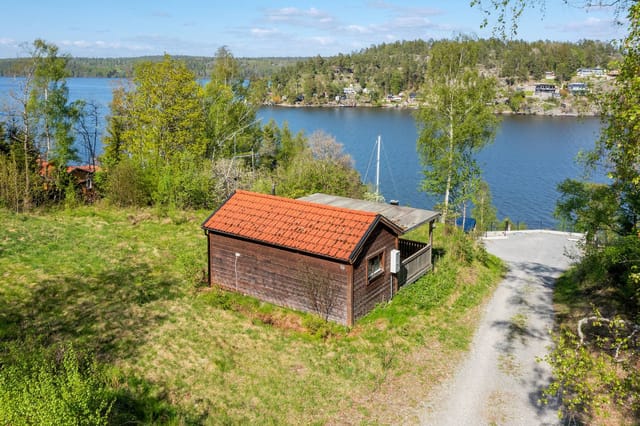
Front view of the historic half-timbered house with thatched roof

Step outside on a Tuesday morning and the only sounds are the chickens from the farm two fields over and the wind moving through the fruit trees at the edge of your pond. No traffic. No neighbors pressed up against your fence line. Just 12,069 square meters of Lower Saxony countryside doing exactly what it's supposed to do—making you exhale. That's what life at Schapener Straße 40 actually feels like. This is a rare find, and not in the vague way that phrase gets thrown around. A 300 m² main residence with seven bedrooms, a fully self-contained guesthouse, a horse walker, a converted workshop, a pond, mature fruit trees, and an energy label A rating—all on over 1.2 hectares in the Emsland district of northwestern Germany. Properties like this don't come up often. When they do, they tend to go quickly. The house itself was built in 1930, which gives it the kind of solid bones you can't manufacture—thick walls, generous ceiling heights, a sense of permanence. A full renovation in 1996 brought it firmly into the modern era, and the current owners have kept the upgrades coming. The kitchen was completely redone in 2022 with built-in appliances and a layout that actually works for feeding a crowd. In 2025, 42 solar panels and a hybrid heat pump were installed alongside a 300-liter hybrid boiler, pushing the property's energy consumption to just 49.9 kWh per square meter per year. For a house this size, that's a genuinely impressive number. The ground floor layout makes sense from the moment you walk in. The entrance hall opens to a living room with French doors that push out onto a covered veranda—a spot that earns its keep in every season, whether you're drinking coffee and watching frost settle on the meadow in January o ... click here to read more
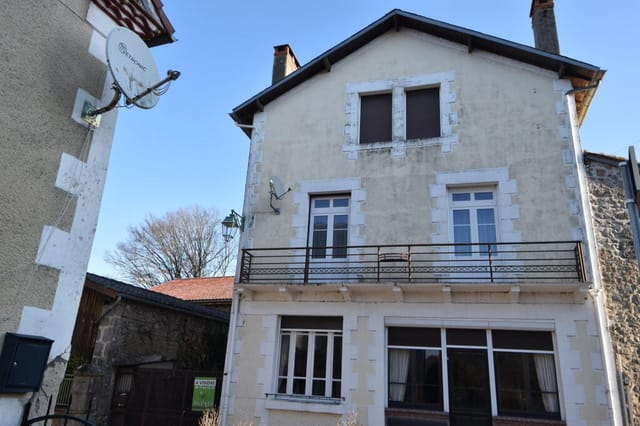
Front view of Schapener Straße 40