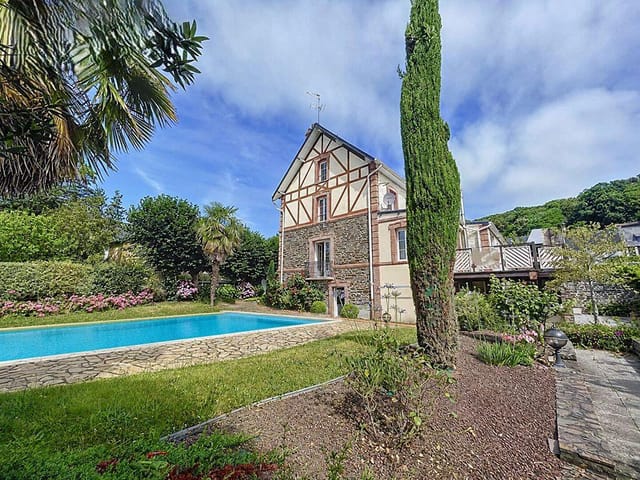
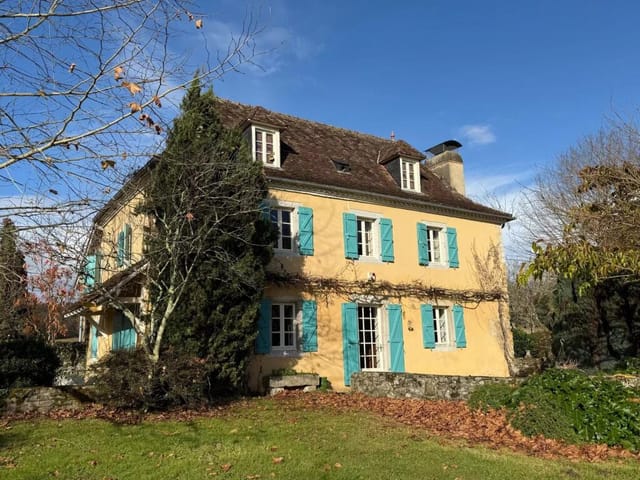
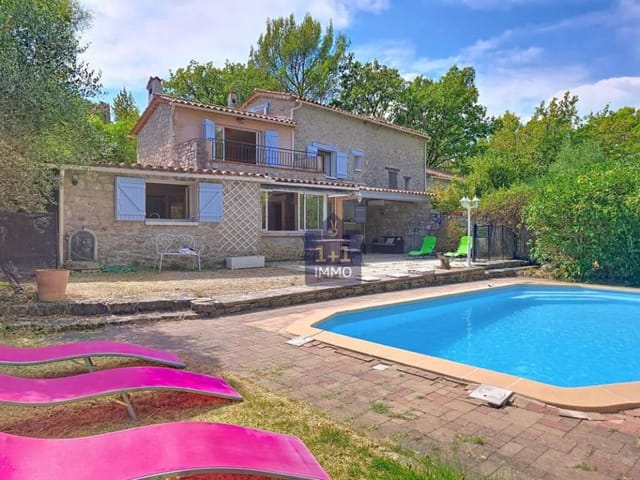
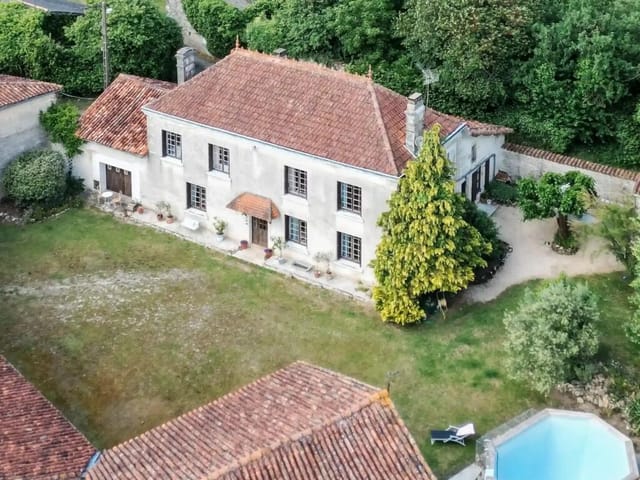
Houses For Sale In Europe With A Swimming Pool (page 3)

Houses for sale in europe - homestra offers the largest amount of european real estate with over 200,000+ properties, find any type of property within your budget from villas to country homes. buy or rent your perfect home in europe. (page 3)

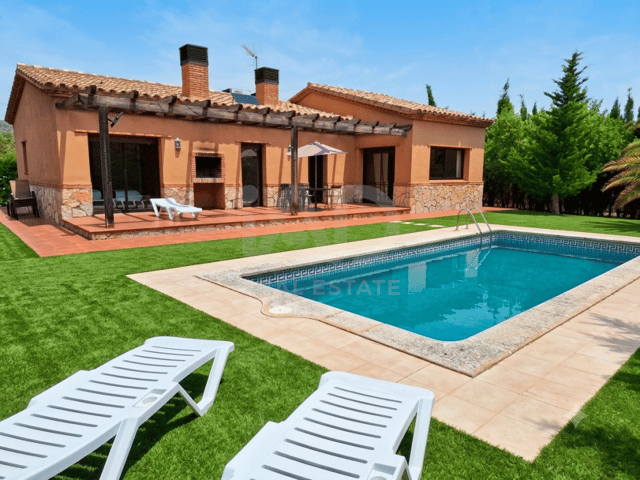
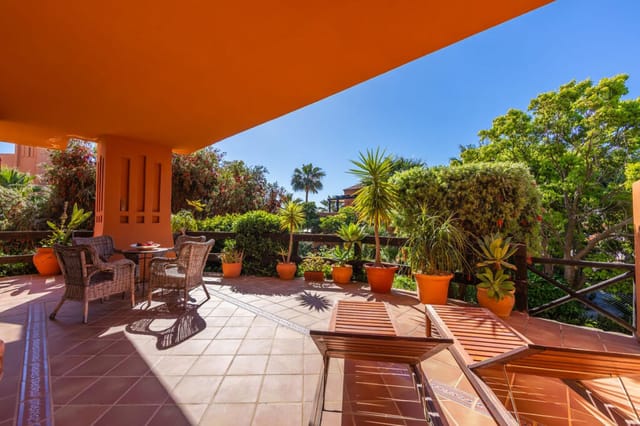
Picture this: you wake up on a Tuesday in August, push open the bedroom shutters, and the first thing you feel is a dry coastal breeze carrying the faint scent of wild rosemary drifting down from the Serra de Llaberia. No alarm. No rush. Just the low hum of cicadas and the flash of morning light bouncing off the pool. This is ordinary life at Planas del Rey in Pratdip — a small, quiet residential enclave in the hills of Tarragona where the Costa Daurada's golden coastline sits just a short drive away and the rest of the world feels very, very far. Pratdip is one of those places that Catalonia locals know but rarely talk about too loudly. The village itself — with its medieval church, narrow stone streets, and the striking Pratdip Castle looming on the hillside — has the atmosphere of a place that time passed over gently rather than forgot entirely. On weekend mornings you might catch the smell of pa amb tomàquet being prepared at the small local bar, the Catalan ritual of bread rubbed with ripe tomato and olive oil that somehow tastes better here than anywhere you've tried it before. The market in Cambrils, just 25 kilometres down the coast road, draws serious food shoppers for its fish, local almonds, and carinyena wine from the Priorat DOQ — one of Spain's most celebrated wine regions, and it starts practically on your doorstep. The villa sits within a development made up entirely of detached homes — no apartment blocks, no shared lobbies, no elevator queues. Just freestanding houses on their own plots, spread across a quiet hillside community where the pace is set by the residents themselves. This particular property covers 125 square metres of living space, and the layout is genuinely well thought out. Three large ... click here to read more

Picture 1

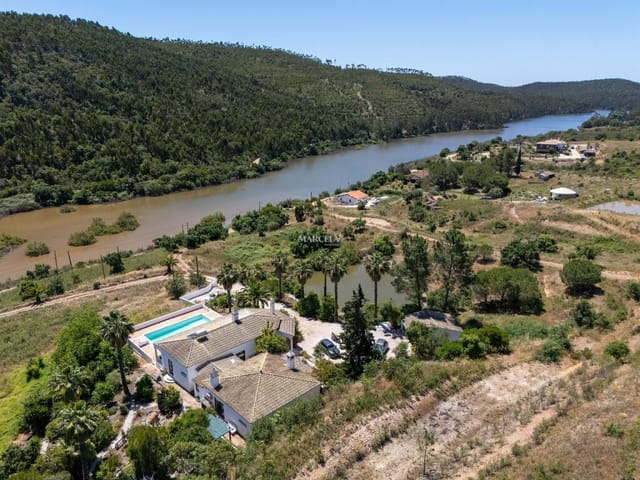
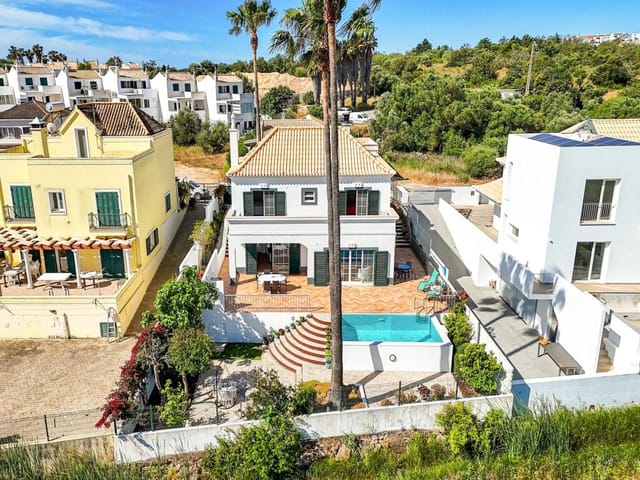
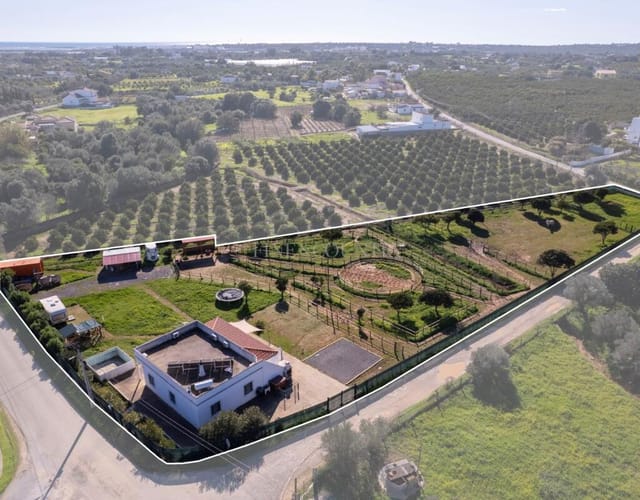
Step outside just after sunrise, coffee in hand, and the only sound you'll catch is the low, rhythmic chorus of frogs from the lake—punctuated every so often by a bird you can't quite name. No road noise. No neighbors. Just 10.65 hectares of Algarve countryside wrapping around you like a slow exhale. This is what mornings look like here, and once you've had one, it's hard to imagine going back. The villa itself—277 square metres across the total estate, with the main house sitting at 215m²—was completely gutted and rebuilt in 2015. Not a light refresh. A full renovation, done properly, with underfloor heating, electric shutters, solar panels, and a design language that respects the rural setting without pretending it's a farmhouse from 1973. Open-plan kitchen and living room anchor the ground floor, and the fireplace there earns its keep from November through February, when evenings in the Algarve inland get genuinely cool and the scent of woodsmoke drifts through cracked-open windows. There's a second sitting room with a wood-burning stove—handy when one group wants to watch a film and another wants to read in quiet. Three bedrooms, each with its own en-suite bathroom. A guest bathroom on top of that, so four bathrooms total across the house. A laundry room. A double garage with an electric door, and a workshop out back for anyone who actually uses one. The garden is looked after—fruit trees, flowering beds in colour from spring onwards, a proper BBQ zone, and shaded leisure corners that make Portuguese summer heat manageable. The swimming pool is large, positioned to catch full afternoon sun, and it overlooks the natural lake that sits on the property. That lake is the detail people always stop at when they see the l ... click here to read more

Picture 1

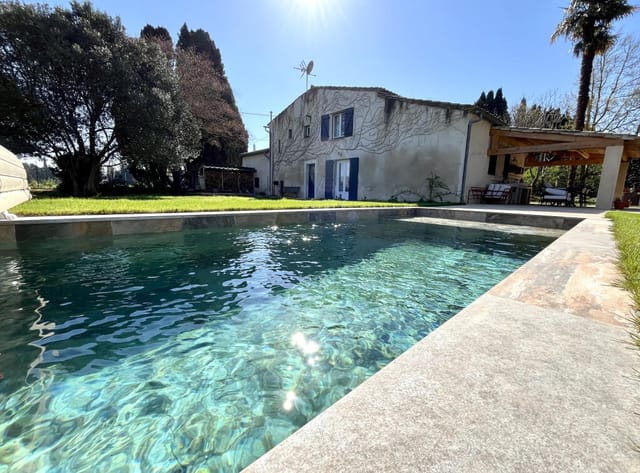
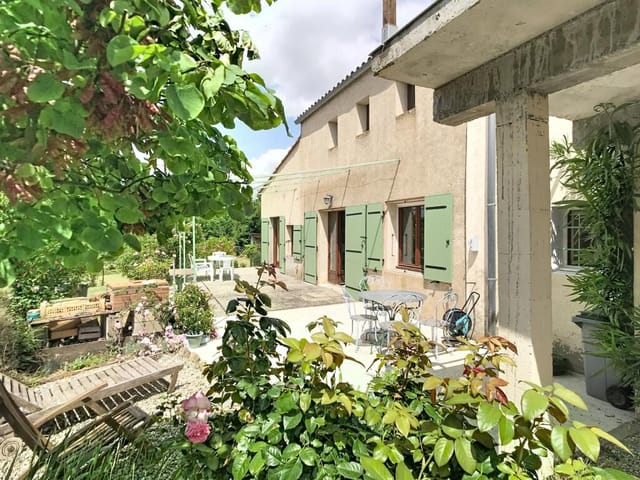
Saturday morning in Carcassonne starts with the smell of woodsmoke and fresh bread. You push open the south-facing kitchen window, coffee in hand, and the Aude River valley stretches out beyond the garden fence—quiet, golden, unhurried. This is not a weekend fantasy. It's just a regular Saturday when you own this four-bedroom house on the edge of one of France's most storied medieval cities. The house sits in a calm residential pocket close to the banks of the Aude, the kind of neighborhood where neighbors know each other's names and the streets empty out by nine in the evening. Surrounded by 1,353 square meters of enclosed garden, it manages something genuinely rare in this part of Languedoc: countryside air and city convenience at once. The weekly markets on the Place Carnot are a ten-minute drive. The UNESCO-listed Cité de Carcassonne, with its 52 towers and double ring of ramparts, is close enough that you can watch its illuminated silhouette appear from your terrace on a clear summer night. At 157 square meters of living space, the house has been thoughtfully renovated without stripping away its personality. The ground floor flows from an entrance hall—with proper built-in storage, which anyone who's holidayed in undersized French houses will immediately appreciate—through a laundry room and into a south-facing open-plan kitchen and living area. Natural light pours through from mid-morning well into the afternoon. The dining room sits adjacent, separate enough for proper sit-down dinners, connected enough that nobody misses the conversation. Upstairs, four bedrooms offer genuine flexibility: a master suite with its own en-suite shower room, three further bedrooms served by a shared bathroom, and a separate WC. Two ... click here to read more

Picture 1

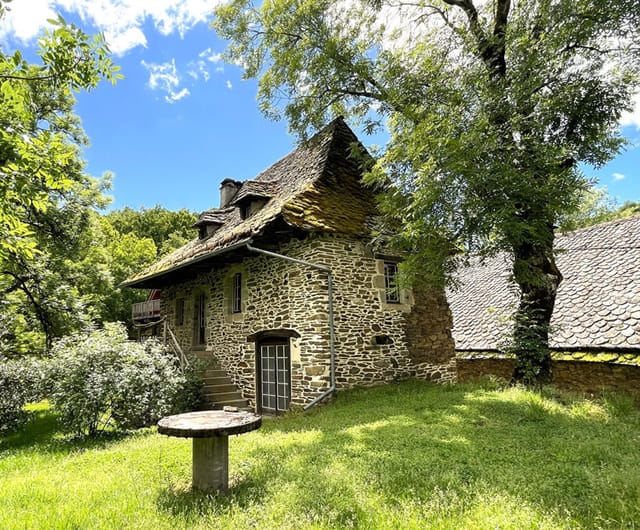
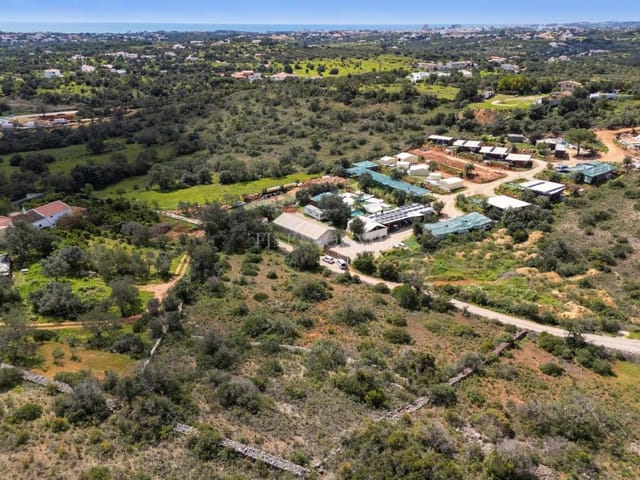
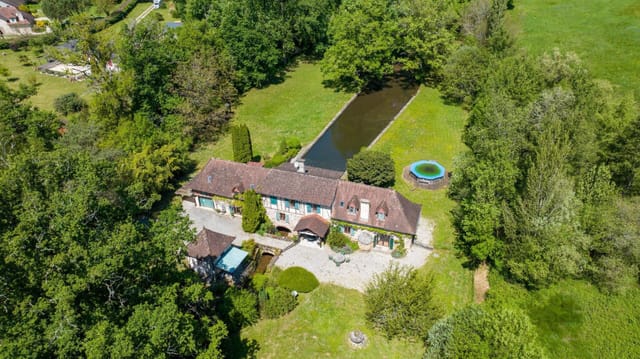
The first thing you notice on a summer morning here is the silence. Not the absence of sound, but a different kind of sound altogether — wind moving through oak and chestnut, the distant call of a buzzard riding thermals above the Goul valley, the faint creak of old timber in the barn warming up in the sun. From the terrace beside the heated pool, the Aubrac plateau stretches out across the horizon like something from a geological fever dream. Volcanic, ancient, unhurried. This is Cantal — one of the least-populated departments in France — and this particular farm, just ten minutes outside the village of Montsalvy, might be one of the most quietly compelling properties to come onto the market in the region. Six bedrooms across three buildings. A 7m x 3.5m pool warmed by rooftop solar panels. Over eight hectares of woodland, old pasture, a spring, and a hiking path that cuts through your own land. Two fully fitted gîtes already generating — or ready to generate — rental income. This is a functioning small estate, not a project. The renovation work has been done. You're stepping into something operational. The main house centres on a ground-floor open-plan kitchen and dining-living space with a wood burner that earns its keep from October through to April. The layout is practical and honest — no unnecessary flourishes, just solid stone and sensible proportions. Upstairs, two bedrooms. On the lower level, a third bedroom and a bathroom with separate WC. It's the kind of house where you lose track of time reading beside the fire with a glass of Marcillac, the local red wine made from the Fer Servadou grape that almost nobody outside the Aveyron and Cantal border has ever tasted. Worth seeking out. The main gîte is the sho ... click here to read more

Picture 1

Walk out the front gate on a July morning and within ten minutes your feet are on the sand at Saint-Jean-le-Thomas, the Atlantic stretching west toward the Channel Islands, Mont Saint-Michel rising from the tidal flats less than twenty kilometres to the south. That's not a marketing line—that's the literal Tuesday morning reality of living in this five-bedroom house on the Normandy coast of the Manche. Built in the early 1900s and sitting on a generous plot of just under a quarter of an acre, the property carries the solidity you'd expect from that era—thick walls, high ceilings, a real sense of permanence—while the interior has been kept in good condition and is ready to use from day one. At 220 square metres of habitable space across three floors plus a full garden-level basement, there is room here for a large family, a rotating cast of guests, or a combination of both. Five double bedrooms. Two bathrooms. A heated swimming pool. A large garage. A mezzanine with its own shower off the sitting room, which opens up all kinds of possibilities for sleeping arrangements without anyone feeling like they've drawn the short straw. The ground floor sets the tone. The sitting room runs to just over thirty square metres, big enough to hold a crowd on a rainy October afternoon without anyone feeling hemmed in. The mezzanine above adds a quieter perch—somewhere to read while the noise of dinner prep drifts up from the kitchen. That kitchen opens onto an elevated terrace with a built-in BBQ, and from there, external steps descend to the garden below. On a warm evening, that terrace becomes the centre of everything: the smell of something grilling, a glass of Normandy cider on the railing, the light going golden over the garden as ... click here to read more

Photo 2

On a clear morning in Laàs, you can stand at the edge of the garden with a coffee and watch the snow-capped peaks of the Pyrenees catch the first light — no crowds, no noise, just the faint sound of a church bell drifting over the rooftops from the village center five minutes down the lane. That view alone stops people in their tracks. The fact that it comes with a four-bedroom village villa, a large barn, a swimming pool, and nearly a hectare of parkland makes it genuinely hard to walk away from. Laàs sits in the heart of Béarn, one of those corners of southwest France that visitors stumble into by accident and then spend years trying to get back to. It's not Dordogne-famous. It hasn't been overrun. The village has kept its soul — a proper weekly market culture in the wider area, real neighbors who've lived here for generations, and a restaurant that people drive twenty minutes to eat at. The Château de Laàs, with its formal French gardens and museum-quality decorative arts collection, is literally within walking distance. Not many village properties can say their local landmark is a 17th-century château. The villa itself sits in what can only be described as a genuinely peaceful setting. Not "quiet because there's nothing going on" quiet — more like the deep, settled calm of a place that knows what it is. The grounds run to around 10,000 square meters, giving you real space: room to let children disappear into the garden for hours, space to plant a kitchen garden, or simply to keep the world at a comfortable distance. The swimming pool looks out toward the mountains. On summer evenings, when the light goes amber and the Pyrenees turn pink, that pool terrace becomes the only place you want to be. Inside, the ground f ... click here to read more

Picture 1

On a Sunday morning in Fayence, the church bell at the top of the old village counts nine slow strokes, and they drift down through the lavender-scented air all the way to your terrace. Coffee in hand, you're looking out over a ripple of forested Provençal hills, the surface of the pool catching the early light. This is not a fantasy. This is a Tuesday in October, or a Thursday in June — this is just what life looks like when you own a converted stone sheepfold in one of the most quietly compelling corners of southern France. Fayence sits in the Var, roughly halfway between the bustle of Cannes and the rocky grandeur of the Gorges du Verdon. It's a perched village — the kind the Var does so well — with cobbled lanes climbing to a 15th-century church, a rotating cast of artisan markets, and restaurants that take their bouillabaisse and daube provençale seriously. The Tuesday and Saturday markets on the Place de la République pull producers from across the region: olives pressed in Draguignan, goat cheese from the farms above Callian, honey from hives in the Maures hills. You're not driving to a supermarket here. You're walking five minutes to fill a basket. That proximity to the village center is one of this property's quiet advantages. It reads as countryside — the greenery around it is dense and genuinely peaceful — but the boulangerie and the pharmacy and the small épicerie are on your doorstep. International buyers often underestimate how much this matters day-to-day when a property is used across long stretches of the year rather than just a single summer fortnight. The sheepfold itself is the real draw. Stone construction of this age and character is increasingly hard to find in good condition in the Var at this ... click here to read more

Picture 1

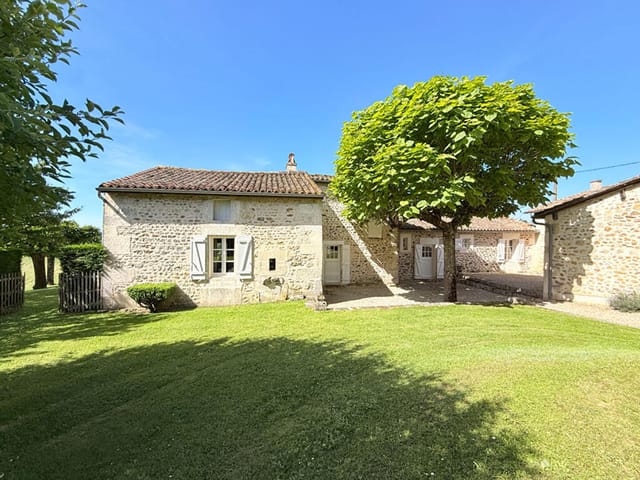
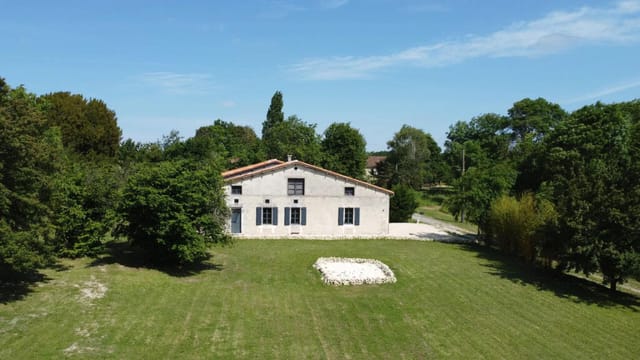
You set your glass of Pineau des Charentes on the stone ledge, look out past the mulberry tree toward fields turning amber in the late afternoon, and feel your shoulders drop about three inches. That's the moment this house gets you. It happened to everyone who walked through before you, and it'll happen to you too. This maison de maître sits in a quiet hamlet in north Charente, the kind of village where the Sunday morning air smells of woodsmoke and someone's always got a baguette tucked under their arm heading home from Ruffec. It's not the France of Instagram postcards — it's the real thing. Slow roads, big skies, neighbours who actually wave. The house itself has generous bones. At 189 square metres, it breathes. Previous owners renovated it with obvious affection rather than a quick cosmetic flip — you can feel the difference the moment you step onto the travertine floors and look up at the exposed beams. Light tracks through the rooms from east to west across the day, and the house seems to understand this, with windows positioned so you're always chasing a patch of warmth or shade depending on the season. The open-plan kitchen anchors daily life here. It opens directly onto a courtyard — flagged, sheltered, sized for a table that seats ten without anyone knocking elbows. This is where the long lunches happen. The ones that start at one and end somewhere around six when someone finally puts a lid on the rosé. From the kitchen you move into a very large reception room dominated by a fireplace, the kind of proportions that handle both a family Christmas and a quiet Tuesday evening with equal ease. A sage-panelled study sits off the ground floor, calm and book-lined in your mind already, and there's a near self-con ... click here to read more

Picture 1

Step out onto the terrace with a café con leche in hand and watch the morning light stretch across the garden below. The palms catch the breeze off the Mediterranean, the pool shimmers, and somewhere in the distance the bells of the Iglesia de los Remedios mark the hour. This is a Tuesday in Estepona — and it feels like a weekend that never ends. This two-bedroom, two-bathroom apartment sits inside a well-kept gated community in one of the Costa del Sol's most genuinely liveable towns. Not the frenetic pace of Marbella to the east, not the package-holiday sprawl of Torremolinos to the north. Estepona has its own rhythm — the pescadería opening at dawn on Calle Terraza, the flower-filled streets of the old town, the murals that turn every corner into something worth finding. It's the kind of place where expats who "tried Marbella first" quietly admit they wish they'd come here sooner. The apartment itself covers 100 square metres and is in good condition — move-in ready, no project required, no months of renovation management from abroad. The layout is sensible and genuinely comfortable: two double bedrooms, two full bathrooms, and a living space that opens directly onto one of the terraces. Light pours in from morning through to late afternoon thanks to the orientation, and that isn't marketing copy — south-facing homes in Andalucía at this latitude genuinely collect sun all day. You feel it in winter especially, when you're eating lunch outside in a T-shirt while friends back in London or Stockholm are scraping ice off their windscreens. Those terraces deserve real attention. There are two of them, both spacious enough to host an actual dinner, not just a couple of folding chairs. Climbing plants and the community's ... click here to read more

Image 1

On a Tuesday morning in late June, the hamlet of Marsalès is almost too quiet to believe. A rooster somewhere down the lane. The smell of warm stone. Your coffee cooling on the covered terrace while the Dordogne countryside rolls out in every direction — golden fields, oak woods, church spires poking through the haze. This is not a postcard. This is a Tuesday. And this is what owning a second home here actually feels like. This three-bedroom stone cottage sits in an elevated position in the hamlet of Marsalès, in the southern Dordogne département — one of the most consistently sought-after pockets of rural France among British, Dutch, Belgian, and North American buyers. The elevation matters more than you might think. From the terrace, you get an uninterrupted sweep of the Périgord Pourpre landscape, the kind of view that stops mid-conversation. No neighbors directly in your sightline. No road noise. Just the countryside doing its thing. The property itself is in good condition — solid, liveable, and full of the kind of quiet character that comes from old stone walls and good proportions. Three bedrooms gives you enough room for a couple with visiting family, or a group of friends splitting the cost of a summer week. The fitted kitchen is functional and practical, the living room is genuinely warm in the way only thick-walled stone houses can be in winter. This is not a gut-renovation project. You could be here with a suitcase and a bottle of Bergerac red within weeks of completion. Outside, the swimming pool changes everything. It turns the garden from a nice feature into the center of daily life during July and August. Lunch by the water. Evening swims after the heat breaks around seven. The covered terrace runs alo ... click here to read more

Picture 1

On a still morning in the Aude, before the cicadas get going and while the dew is still on the orchard grass, you can stand on the terrace of this estate and watch the Pyrenees catch the first light. The mountains sit low and blue on the southern horizon, the Canal du Midi is just a few minutes' drive away, and Castelnaudary — the undisputed world capital of cassoulet — is twelve minutes down the road. This is southwest France at its most unhurried and most real. The property itself is substantial. 567 square metres of living space spread across a main house, a second large dwelling, and two fully independent cottages, all sitting within landscaped grounds that include a 10x5 metre swimming pool, a mature orchard, two stone wells, and covered outdoor areas shaded by trees that have been growing here for decades. An adjoining barn, stone garages, and a workshop round things out. This is not a weekend retreat — it's a full estate, and it has the bones to become something genuinely exceptional. The main house runs to 164 square metres: a generous living room, a kitchen, three bedrooms, and two shower rooms. The original exposed stonework and timber beams are still intact, the kind of architectural detail that takes centuries to accumulate and can't be replicated with a renovation budget. The second dwelling — 236 square metres — connects to the main house or operates as a completely separate unit. Four guest bedrooms, each with its own en-suite bathroom, a lounge, a dining room, a kitchen, and a private terrace. The two additional cottages are fully equipped and ready to receive guests. That's four separate accommodation units on a single property, which matters enormously if you're thinking about income. And you probabl ... click here to read more

Picture 1

On a warm Tuesday morning in Uzès, the weekly market on the Place aux Herbes fills up fast. Goat cheese from the Cévennes, lavender honey, tapenade pressed from olives grown twenty minutes away. You walk back along the Rue de la République with a basket of provisions, and fifteen minutes later you're floating in your own pool, the Provençal hills rolling out in every direction beyond the garden walls. That's the rhythm this property makes possible. The villa sits on the road between Uzès and the Pont du Gard, one of the most quietly coveted corridors in the entire Gard département. Not tucked into a village where parking is a daily negotiation, not perched on a hillside requiring a four-wheel drive. This is a single-storey home on roughly 780 square metres of flat, landscaped ground — practical, private, and genuinely easy to arrive at and leave. The automatic gate with video intercom closes behind you and the outside world recedes. What strikes you first inside is how much light the architects coaxed into 115 square metres of living space. The 42-square-metre sitting and dining room doesn't feel like a room so much as an extension of the garden — the wide glass doors fold back completely onto a 40-square-metre south-facing terrace, and on still evenings the boundary between inside and outside essentially disappears. The kitchen is full-width and properly equipped, with the kind of high-end finishes that signal someone thought hard about how cooking actually works: an integrated pantry tucked discreetly behind cabinetry, stone countertops, and enough prep space to feed eight people without chaos. The sleeping layout is quietly intelligent. Two guest bedrooms share a well-finished shower room with WC — good for childre ... click here to read more

Picture 1

Stand at the kitchen door on a July morning, coffee in hand, and look out across half an acre of enclosed garden as the Périgord hills roll away in every direction. The swimming pool catches the early light. Somewhere down the lane, the boulangerie on the village square is pulling its first trays. This is Rouffignac-Saint-Cernin-de-Reilhac — and this five-bedroom house on its quiet edge might be one of the most honest opportunities left in the Dordogne. Honest, because it doesn't pretend to be finished. The 1960s-built house, spread across 167 square metres of living space, needs updating throughout — new bathrooms, fresh interiors, modernised finishes. But the bones are solid, the layout is generous, and the plot is extraordinary. At just over 2,300 square metres, the fully enclosed garden wraps around the property with far-reaching views that no renovation budget can buy. The eight-by-four-metre pool and paved terrace are already in place. You're not starting from scratch; you're putting your own stamp on something with real foundations. The ground floor sets the tone. The sitting room stretches to 20 square metres, anchored by a stone fireplace fitted with a wood burner — the kind of thing you fire up in October when the chestnut trees along the D6 start turning amber and the evenings get that particular Dordogne chill. Original wooden floors run through the sitting room, dining room, and kitchen, giving the whole floor a warmth that modern builds rarely manage. The 16-square-metre dining room is big enough for the kind of meals that go on for three hours. The kitchen opens directly onto the garden. There's a ground-floor WC and a study that could just as easily become a snug or a work-from-home room. Upstairs, the ... click here to read more

Photo 1

Sunday morning in Bergerac has a particular quality to it. The covered market on Place de la Madeleine is already filling with noise and colour — vendors setting out foie gras terrines, walnuts still earthy from the shell, bottles of Monbazillac catching the early light. You can walk there from this property in under ten minutes, coming back with a bag of serious provisions and the kind of unhurried satisfaction that city life never quite delivers. That walk matters. A lot of houses in the Dordogne promise proximity to town but actually mean a car journey. This one genuinely delivers it. One hectare of private parkland wraps around the villa on all sides, giving it the feel of deep countryside, yet the medieval streets of Bergerac — the half-timbered old quarter, the quays along the Dordogne river, the wine museum at the Maison des Vins — are a stroll away. It's a rare combination, and it's the kind of thing you only fully appreciate once you've owned it. The house itself is substantial. 270 square metres of well-finished interior, four bedrooms, three bathrooms, and a ground-floor layout that works naturally for families or groups. Two of the bedrooms have their own en-suite facilities, which matters enormously when you have guests. The lounge and dining area anchors the social heart of the house, a fireplace at one end for the cooler months, and at the other end a door that opens directly onto the terrace and the pool. That transition — from sofa to swimming pool in about four steps — is the kind of domestic pleasure that sounds small until you're actually living it. The pool is heated and covered, which extends the swimming season meaningfully on either side of the July and August peak. In the Dordogne, spring arri ... click here to read more

Picture 1

Sunday morning in the Dordogne has its own particular tempo. The village baker pulls fresh pain de campagne from a wood-fired oven while mist still hangs over the sunflowers, and from the broad covered terrace of this house you can hear almost nothing except birdsong and the occasional rustle of wind through mature fruit trees. That quiet is not accidental — it's the whole point of owning a place like this. Built in 2001 to a single-storey design that is genuinely rare at this price point in the Dordogne, the house sits on 1.3 hectares of established grounds just outside a village you can walk to in under ten minutes. The scale is immediately striking: 259 square metres of living space all on one level, with an open-plan main living area that feels airy and connected rather than chopped into smaller rooms. High ceilings, aluminium double-glazed windows and PVC shutters keep the summer heat manageable and the winter evenings warm — though the underfloor heating (on its own circuit, separate from the radiator system) handles the colder months with quiet efficiency you won't notice until you're barefoot in January, perfectly comfortable. The kitchen and utility setup deserve a proper look. There's a spacious utility room that functions as a rear kitchen, directly attached to a double garage — so arriving after a long drive from Bergerac airport with a car full of luggage, wine, and groceries from the Bergerac Saturday market is genuinely painless. Additional covered parking for four cars means guests, extended family, or a second vehicle never create a logistical puzzle. The instant hot water system throughout the house is one of those touches you only appreciate once you've owned a property that didn't have it. Four bed ... click here to read more

Picture 1

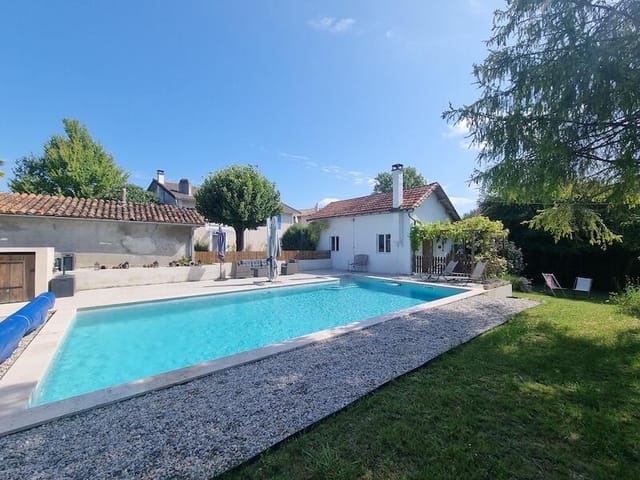
Picture this: it's a Tuesday morning in late June, the kind of warm, slow morning that only seems to happen in southwest France. You're standing on the covered terrace with a coffee, watching the light ripple across the pool through a gap in the trees. The nearest neighbor is far enough away that all you can hear are birds and the occasional tractor somewhere beyond the tree line. No traffic. No noise. Just a 119-square-meter house that's entirely yours, on a generous 2,940-square-meter plot that feels like the rest of the world forgot to find it. That's the daily reality of this well-kept three-bedroom home on the edge of Parthenay, a medieval market town in the Deux-Sèvres department that most international buyers still haven't discovered — which is precisely why the value here is so compelling. Parthenay itself deserves a closer look. The old town is strung along a rocky spur above the Thouet River, with ramparts and a 13th-century gatehouse you walk through to reach the main street of half-timbered houses. Every Wednesday, the weekly market fills the lower town with market gardeners from the surrounding bocage countryside, selling goat's cheese from Poitou, Charentais melons, Mogette beans — a white bean so tied to the region it has its own festival. The town is lively but never loud, the kind of place where you'll quickly learn the name of the baker at Le Fournil and know which café terrace catches the afternoon sun on the Place du Drapeau. The house itself was built in 2006, which matters more than it might sound. You're not buying a money pit wrapped in old stone charm. The structure is solid, the systems are modern, and the current owners have kept on top of every update that counts. The heat pump powering the ... click here to read more

Picture 1

Step out onto the rooftop terrace just before seven in the evening and the whole Atlantic rolls out in front of you — gold and copper and restless, the kind of light that makes you put your phone away. That is the daily reality of this four-bedroom villa in Carvoeiro, one of the western Algarve's most distinctive coastal villages, and it never seems to get ordinary no matter how many times you watch it. Carvoeiro is not the Algarve you see on generic travel posters. It is a compact, genuinely pretty fishing village built around a small sandy cove, framed by honey-coloured limestone cliffs that glow in the afternoon heat. The main square is five minutes on foot from this villa's front door — close enough to walk down for a coffee at Café do Largo on a Tuesday morning, far enough that you never hear the noise. The restaurants lining Rua do Barranco serve freshly grilled dourada and cataplana de marisco that have kept regulars coming back for years. Every Friday morning the local market near Lagoa, the nearest town, fills with vendors selling blood oranges, smoked sausage, and hand-embroidered linen. These are not tourist performances — they are just how life runs here. The villa itself sits on just over 1,000 square metres of land, and the 227-square-metre build makes smart, confident use of contemporary Algarvian design — clean volumes, generous glazing, and materials that look good without demanding constant attention. The ground floor opens into a single, fluid living and kitchen space where a floor-to-ceiling picture window does the obvious thing and frames the ocean like a painting that changes every hour. An ethanol fireplace anchors the sitting area — useful on January evenings when temperatures drop to a perfectl ... click here to read more
Picture 1

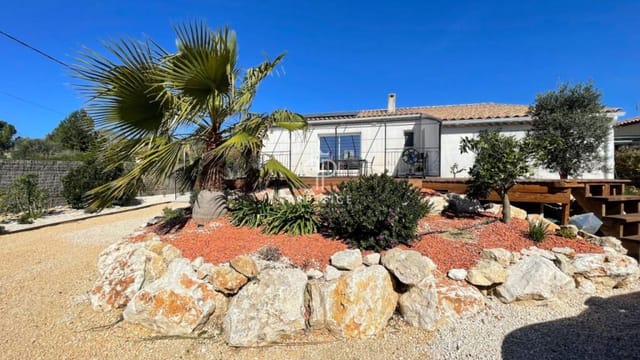
Stand on this 504-square-metre plot on a quiet morning in São Brás de Alportel and you'll hear absolutely nothing except maybe a pair of swallows and someone's espresso machine hissing two streets over. No beach crowds, no tourist coaches reversing into narrow lanes. Just the kind of calm that people drive an hour from the Algarve coast to find — and here, it's already yours. This is a rare opportunity: a building plot in good condition with a fully approved architectural project for a 457-square-metre detached villa, including a basement. That means the grinding, months-long wait for planning permission is already behind you. The design work is done. You can move straight into the build phase and watch your second home in the Algarve take shape exactly as envisioned — four bedrooms, three bathrooms, and enough space across that footprint to design a life that genuinely doesn't compromise. São Brás de Alportel sits in the foothills of the Serra do Caldeirão, about 20 kilometres north of Faro. The town doesn't appear much in the glossy Algarve brochures, which is precisely what its residents love about it. The Saturday morning market on the main square pulls in locals selling blood oranges, medronho brandy distilled from wild arbutus berries, homemade queijo fresco, and bunches of dried lavender. The café on Rua Dr. Barbosa de Melo serves pastéis de nata that have been made the same way for decades. These aren't tourist performances — they're just how Tuesday works here. Walk to your building plot from the town centre in minutes. The supermarket, pharmacy, post office, hardware store — all on foot. For a second home or holiday property in Portugal, that kind of walkability matters more than people expect. Nobody wants ... click here to read more
Picture 1

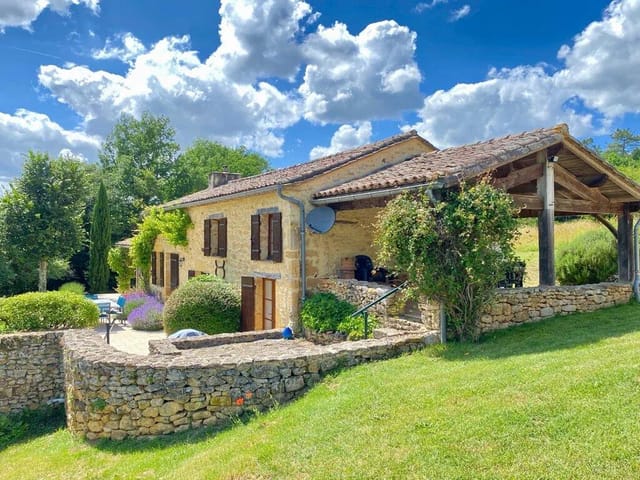
On a still Tuesday morning in late June, the only sound you'll hear from the wisteria-draped terrace is the distant clang of a church bell from Lauzerte's hilltop and, if you're lucky, the unhurried creak of a tractor moving through a sunflower field far below. This is the pace of life in the Quercy Blanc — slow, deliberate, and quietly addictive. The stone farmhouse sitting just a short walk from one of France's officially designated Most Beautiful Villages doesn't shout for attention. It doesn't need to. Built around 1880 as a working duck farm — the kind of history you can actually feel in the thick limestone walls and worn original staircase — the property has been brought into the present with real care. The renovation is thorough without being sterile. Exposed stone walls meet a properly fitted kitchen with integrated appliances. Original ceiling beams frame the living room where a wood-burning stove inside a substantial fireplace becomes the social anchor on October evenings when the Tarn-et-Garonne hillsides shift from green to rust and amber. Tiled floors run underfoot with the kind of patina that only comes with a century of use. Three bedrooms, three bathrooms — including a master suite with its own dressing room and en-suite — give the house room to breathe without sprawling unnecessarily. A large attic sits above it all, unconverted and full of potential, the kind of space that could become a fourth bedroom, a studio, or a reading room depending on who moves in. At 230 square metres, the interior is generous. But in high summer, you'll spend most of your time outside. The pool terrace is serious. A high-quality swimming pool with an electric cover and a proper wooden deck isn't an afterthought here — it's ... click here to read more
Picture 1

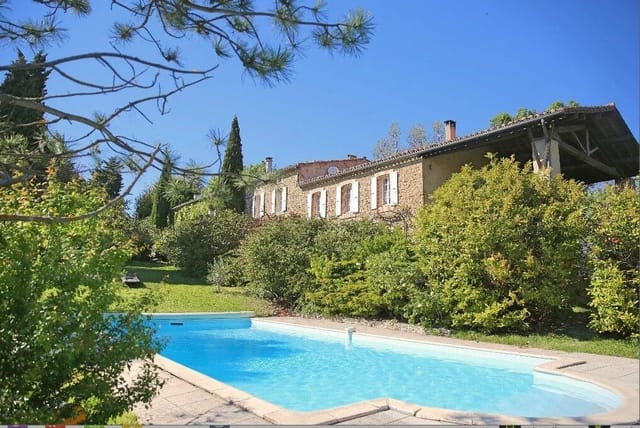
On a still morning, you can stand on the upper balcony of this villa with a coffee and watch the mist lift off the fairways of Vale de Pinta's 2nd green below. The valley stretches out in shades of ochre and olive. Not a sound except for birdsong and, if the wind is right, the distant Atlantic. This is the kind of quiet that people spend years chasing. Set in Estômbar, in the heart of the Lagoa municipality, this five-bedroom villa sits at one of the most coveted addresses in the central Algarve — close enough to the coast to make a beach run before lunch, yet far enough inland to feel genuinely unhurried. Carvoeiro is about ten minutes by car. Ferragudo, with its postcard-ready harbor and the best grilled fish you'll eat in Portugal, is even closer. Portimão — where you'll find everything from a deep-water marina to the Museu de Portimão, one of the finest regional museums in southern Europe — sits less than fifteen minutes away. The villa itself covers 392 square meters across two levels, and the layout has been thought through properly. Ground floor living is designed around daily ease: three of the five bedrooms open directly onto the terrace and pool, so the line between inside and outside essentially disappears in summer. The kitchen is the kind you actually want to cook in — an open-plan space with a central island, granite worktops, a gas and electric hob, double fridge-freezers, a wine fridge, espresso machine, and even an ice maker for those long Algarvian afternoons. There's a separate laundry room tucked away, a TV room that works as a genuine retreat from the main social areas, a dedicated home office, and a wine cellar. That last detail matters more than it sounds: the Algarve's annual wine scene has grow ... click here to read more
Picture 1

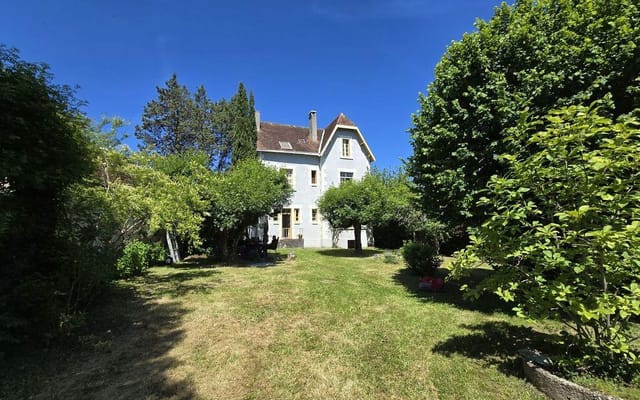
Step out onto the panoramic terrace on a Saturday morning, coffee in hand, and all you hear is the water. The Castelo de Bode reservoir stretches out below you — glassy, wide, catching the early light — and the only interruption is the occasional call of a heron crossing the Zêzere. This is what 481 square metres of well-built Portuguese countryside living actually feels like. Not a postcard. Not a rendering. The real thing. Martinchel doesn't get the tourist buses that roll through Sintra or Óbidos. That's precisely the point. This village in the municipality of Abrantes sits in a fold of central Portugal that most international buyers haven't discovered yet — which makes right now a genuinely interesting moment to be paying attention. The Zêzere River and the Castelo de Bode reservoir have long been favourites with Portuguese families who drive up from Lisbon on summer weekends for kayaking and river swimming, but the area remains quiet, unhurried, and authentically itself in a way that's increasingly hard to find anywhere in Western Europe at this price point. The house itself sits on 16,520 square metres of land with direct river frontage. That's not a typo — over sixteen thousand square metres, running down to the water, split between flat landscaped areas, wooded groves, and the natural slope characteristic of the Zêzere's banks. The plot alone sets this property apart from almost everything else you'll find within an hour and a half of Lisbon. There's room here to do essentially anything: a pool with unobstructed reservoir views would be straightforward to add, and the land absorbs it without blinking. The construction is practically new and shows it. Two floors, both accessed at ground level — a detail that so ... click here to read more
Picture 1

Pull up on a Tuesday morning and the only sound is a wood pigeon somewhere in the old oak at the far end of the garden. The Charente valley rolls away below the infinity pool in shades of green and gold, and the stone walls of the house are still cool from the night. This is what you came for. Not the TGV timetable, not the Bordeaux wine list — just this specific silence, in this specific corner of southwest France, that you simply cannot manufacture anywhere else. Dignac sits in the gentle hills of the Charente, a département that most international buyers overlook on their way to the Dordogne or the Basque Coast. That's their loss and your opportunity. The village itself is small and unassuming — a boulangerie that opens at seven, a butcher who knows his suppliers by name, a bar-tabac where the dominoes come out after lunch. Real life, in other words. And yet Angoulême is barely twenty minutes down the road, with a TGV station that puts you on the platform at Paris Montparnasse in under two hours, or in Bordeaux Saint-Jean in forty minutes. The combination of deep rural quiet and genuine transport connectivity is rarer than it sounds. The house is a proper Charentais stone property — the kind built to last centuries, which it has. Thick limestone walls keep the interior cool in July without air conditioning. The renovation has been done with the sort of restraint that takes real confidence: natural stone floors left exactly as they are, oak beams cleaned up but not sandblasted into submission, original oak doors rehung on new hardware. The current owners didn't strip the soul out of it chasing a minimalist aesthetic. Instead, every room feels like it earned its character. The living room fireplace is the honest centr ... click here to read more
Picture 1

Stand in the kitchen of this 270-square-metre stone water mill on a Tuesday morning in late September and you'll hear the channel running beneath the house before you see it. The sound is constant — not loud, just present — like the building itself is quietly breathing. Light comes through the south-facing windows in long pale strips. The stone walls hold the cool of the night well into afternoon. This is Nonards, deep in the Corrèze, and once you've spent a week here, most other places feel faintly over-stimulated. The Corrèze doesn't get the same traffic as Dordogne or the Lot. That's precisely the point. The département sits in the northern reaches of the Nouvelle-Aquitaine, spilling into the high plateau country of the Massif Central, and the landscape here has a particular quality — wide river valleys, dense oak and chestnut forests, medieval villages perched above the Dordogne gorges that barely appear on the tourist maps. Nonards itself is a commune of a few hundred people, surrounded by working farmland and nature reserves. The nearest town of any size is Beaulieu-sur-Dordogne, about twelve minutes by car — a genuine market town with a Saturday morning market that runs along the riverfront and draws producers from across the region. You can be back at the mill with fresh walnuts, a wheel of Cantal, and a bunch of dried lavender before 10am. The mill sits on approximately one hectare of land, enclosed and private, with no neighbouring properties overlooking the plot. A stone-lined water channel — the original mill race — runs directly beneath the building and emerges through the garden in a wide, slow-moving stream shaded by mature trees. In summer, children wade in it. In autumn, it runs amber with tannins from ... click here to read more
Picture 1

Sunday morning in Issigeac: the weekly market on Place du Château is already buzzing by nine, the smell of roasting chicken drifting from the rôtisserie stall, the sound of French chatter rising above the medieval ramparts. You're a ten-minute drive away, standing at your kitchen window with a coffee, looking out across a valley that hasn't changed much in three centuries. That's the kind of morning this property delivers, week after week, season after season. This is a barn conversion done right — and that distinction matters. Too many conversions in the Périgord sacrifice either the soul or the practicality, stripping out the stone to insert plasterboard, or preserving the beams while ignoring the cold. Here, the balance actually works. Exposed stone walls and heavy oak beams anchor every room in something authentic, while underfloor heating on the ground floor, solar panels for hot water, double glazing throughout, and a rare energy rating of B mean your running costs won't eat you alive. For a property of this age and character, that B rating is genuinely exceptional — most stone farmhouses in the Dordogne struggle to break a D. The layout is generous at 250 square metres, and it doesn't waste space on corridors or awkward half-rooms. The kitchen and dining room is the kind you actually want to cook in — properly fitted, with room for a long table and still space to move around it. A wood-burning stove anchors one end. The adjoining living room has its own stove too, and on a January evening when mist sits in the valley and the fire is going, this room becomes the whole reason you bought in France. Beyond that, a utility room with pantry storage and a guest cloakroom handle the unglamorous logistics cleanly. Upsta ... click here to read more
Picture 1

Sunday morning in Aubeterre-sur-Dronne sounds like this: the church bell at Saint-Jacques tolling the hour, a boulangerie bag rustling on the kitchen counter, and the faint splash of someone already in the pool before nine. This is the rhythm of a village that made it onto France's coveted Les Plus Beaux Villages de France list — and this gîte complex sits right inside it, close enough to walk to the bar-restaurant without moving the car once. Three separate houses. One large garden. A heated pool. One address that almost never comes up for sale in a village this well-known. The complex breaks down neatly. The main house carries four bedrooms and anchors the property with the kind of proportions you simply don't find anymore at this price point in the Charente. A second house adds three more bedrooms, giving families — or groups of friends who like their own front door — room to breathe without feeling miles apart. Then there's the one-bedroom cottage, the quiet outlier, ideal for a couple who want the pool and the garden but not the crowd. Each unit has its own private garden patch, so privacy isn't theoretical here; it's designed in. Total living space across all three sits at 372 square metres, which is substantial by any measure. The garden itself stretches to 2,600 square metres — enough to lose children in for an afternoon, enough to set up a long outdoor table for twelve and still have grass left over. The 10m x 5m pool is heated, which matters in the shoulder seasons when the Charente autumn is golden and warm but the air drops at dusk. There's also a barn on the plot, the kind of structure that immediately starts conversations about wine storage, workshop space, or the fourth rental unit someone always ends u ... click here to read more
Picture 1

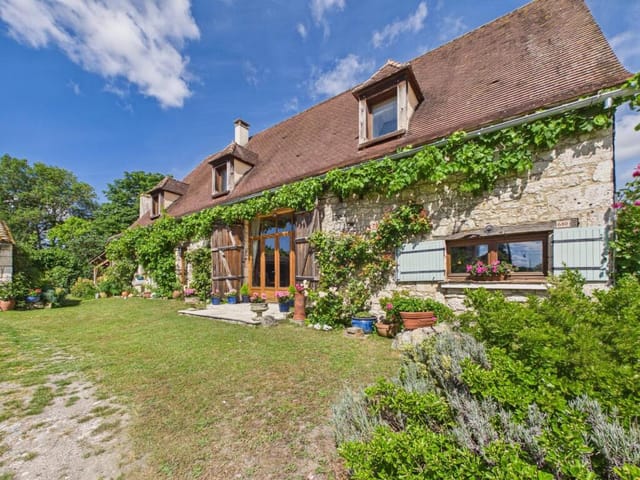
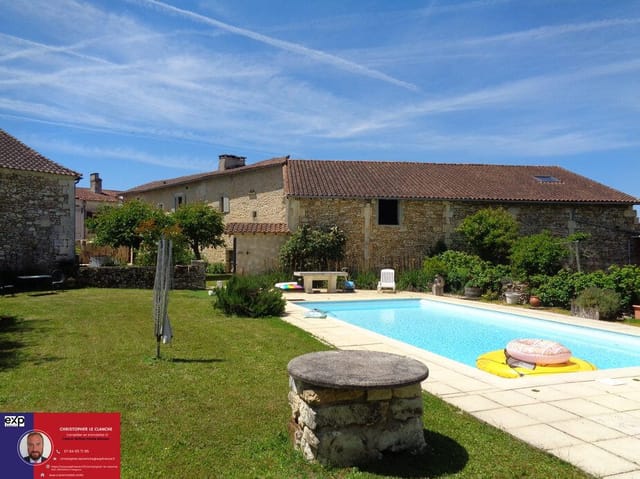
Picture this: it's a Tuesday morning in July, and the only sound you can hear from the kitchen window is a woodpigeon calling somewhere beyond the garden's old stone wall. The coffee is on, the air smells faintly of cut grass and warm limestone, and by ten o'clock you could be sitting under the covered barn with a glass of Pineau des Charentes, watching swallows loop over your one-acre plot. This is life in Juignac — unhurried, deeply rural, and more alive than you'd expect from a village this quiet. Juignac sits in the soft green heart of the Charente, one of those parts of southwest France that most visitors drive through on the way to somewhere else. That's precisely the point. About five kilometres from the market town of Montmoreau-Saint-Cybard, you're close enough to pick up fresh bread from the boulangerie on the Grand-Rue and have a long lunch at one of the restaurants along the main square, but far enough from any tourist circuit that life moves at a pace you set yourself. The Charente itself — the river, not just the département — winds through this landscape, and the whole region has this quality of gentle abundance: sunflowers in August, walnuts in October, fog rolling low over the fields in November before the winter sun burns it off by midday. This house has had a serious second life. Since 2020, it's gone through a thorough, considered renovation — not a cosmetic refresh, but a genuine transformation. The approach was smart: instead of stripping out every trace of its rural Charentais character, the renovation leaned into it. Exposed stone sits alongside a fully equipped contemporary kitchen. The result is a home that feels like it has always belonged here, but functions with the efficiency of something ... click here to read more
Picture 1

Picture this: it's a Tuesday morning in July, and the only sounds reaching you through the kitchen window are birdsong and the faint hum of a tractor somewhere beyond the treeline. You're standing in a 30-square-metre farmhouse kitchen that smells of strong coffee and old stone, and you have absolutely nowhere you need to be. That's the rhythm of life Saint-Just delivers, day after unhurried day. This authentic 110m² stone country house sits in a quiet hamlet in the northern Dordogne, deep in the Périgord Vert — the greenest, least-touristed corner of a département that the French have long kept to themselves. Priced at €199,500, it represents one of those increasingly rare opportunities to buy a genuinely liveable piece of rural France without the eye-watering price tags that have crept into more famous villages along the Vézère Valley. The house itself reads like a proper working farmhouse that someone has quietly looked after over the generations. Stone walls that stay cool without air conditioning even in August. Ground floor ceilings high enough to never feel oppressive. The kitchen is enormous by any standard — 30 square metres is closer to what you'd find in a Parisian apartment than a rural retreat, and it makes the room the natural heart of the house. Long lunches that drift into early evenings. Friends crowded around a table laden with Périgord walnuts, foie gras from the weekly Ribérac market, a Saint-Émilion opened an hour too early because nobody wanted to wait. That kitchen earns its square footage. The ground-floor bedroom with its own shower room is a practical touch that many older French country houses simply don't have — it means guests, elderly relatives, or owners who'd rather skip the stairs can ... click here to read more
Picture 1

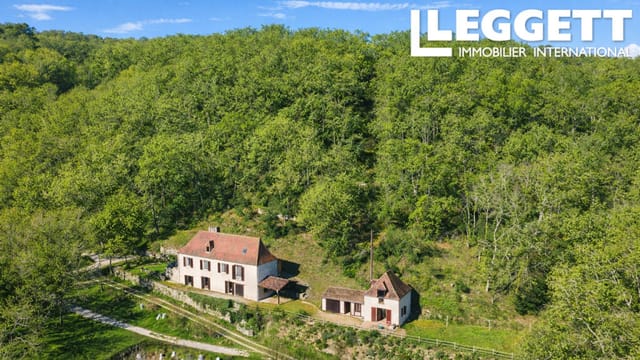
Some mornings in the Périgord Noir you wake up to nothing. No traffic, no alarms — just wood pigeons calling from the oak canopy and the faint smell of damp stone warming in early sun. That's the rhythm of life at this five-bedroom stone property in Cénac-et-Saint-Julien, a village that sits quietly above the Dordogne River, close enough to Sarlat-la-Canéda that you can be browsing the Saturday market stalls within fifteen minutes, far enough away that you'd never know it. Set on 2.7 hectares — a mix of open lawn, mature woodland, and garden — the house has the solidity of a building that has outlasted several generations and been thoughtfully brought forward rather than stripped of character. The stone walls are original. The renovation, however, is recent and thorough: new electrical panel, updated plumbing, two hot water tanks, and a kitchen installed from scratch that opens directly into a 39-square-metre living and dining area flooded with afternoon light. It's the kind of space where a summer lunch stretches comfortably into the early evening without anyone thinking to move. The main house holds four bedrooms — two of them full suites with private shower rooms — and those room sizes (22, 23, 15 and 12 square metres) are generous by French rural standards. The primary suite is on the ground floor, which matters more than people expect: after a long day walking the Beynac cliffs or cycling the Vézère valley trail, the last thing you want is stairs. The layout is practical in all the ways that count for a family who actually intends to use a second home, not just own one. What makes this property genuinely unusual is the second, fully independent building. It has its own living room, kitchen, and shower room, with ... click here to read more
Picture 1

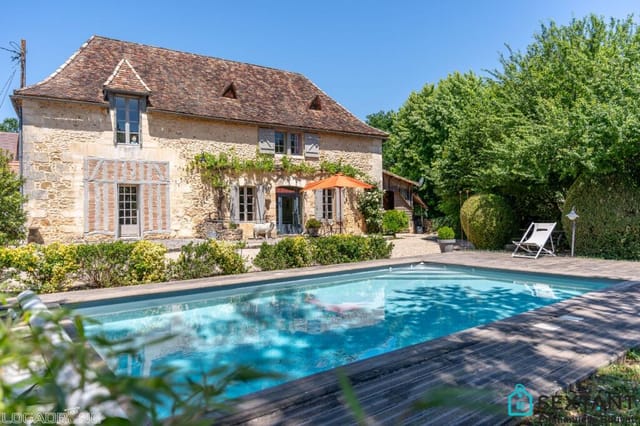
Sunday morning in Queyssac. The kitchen window is open, and somewhere down the lane a church bell marks the hour. The smell of coffee drifts through the room while morning light moves slowly across the old stone walls. This is what you came for. Not a hotel lobby, not a resort pool — this. A house that has been standing for generations, renovated with real care, sitting quietly in one of the most quietly spectacular corners of southwest France. Queyssac is a small village in the Dordogne, tucked between Bergerac and the Périgord Pourpre wine country. It isn't on every tourist map, which is precisely the point. The locals shop Saturday mornings at the Bergerac market on Place de la République, eat confit de canard and walnut tart from the producers who've been showing up there for decades, and drive back through sunflower fields in time for lunch. Bergerac itself is just ten minutes away — close enough to grab a bottle of Monbazillac from a cave coopérative on a Tuesday afternoon, far enough that the hamlet stays genuinely quiet. This stone house sits in a hamlet setting with complete privacy. A dry stone wall wraps part of the garden, and a landscaped swimming pool sits outside with a terrace in front of the house that catches afternoon sun until well into the evening. There's also a covered courtyard — exactly the kind of shaded outdoor space you spend a lot of time in during July and August, when Dordogne summers run warm and long. A dovecote on the property adds to that particular sense of permanence you find in old Périgord houses, the feeling that the place has its own quiet history before you arrived. Inside, 160 square metres have been renovated to a genuinely liveable standard. The ground floor opens into a ge ... click here to read more
Picture 1

Stand at the end of a 100-meter palm-lined driveway on a Tuesday morning in October and you'll understand immediately why people who come to this corner of western Sicily rarely want to leave. The Egadi Islands shimmer on the horizon. The scent of citrus and rosemary lifts off the warm stone paths. Somewhere beyond the villa's fenced boundary, the medieval hilltop town of Erice sits cloaked in its habitual morning mist — and it all feels, somehow, entirely yours. This is Contrada Milo, a quiet agricultural ribbon just outside Trapani that has remained almost entirely off the international buyer radar, which is precisely what makes this property so worth paying attention to. Set on a fully enclosed estate of over 20,000 square meters, the villa is the kind of place that takes an hour to properly walk around. Forty palm trees line the private approach. Ornamental flowerbeds give way to Mediterranean scrub. A vast stand of exotic palms behind the main structure creates genuine depth — the sort of green backdrop that turns an outdoor lunch into something that feels cinematic without trying. The main villa itself spans roughly 450 square meters across two levels — the raised ground floor where daily life happens, and a semi-basement that offers flexible space for storage, technical rooms, or future reconfiguration. Inside, the scale is genuinely generous. The formal reception hall alone runs to approximately 160 square meters, the kind of room that handles twenty people without effort and still has space to breathe. A dedicated laundry room of around 40 square meters means the practical side of running a larger household doesn't intrude on the living spaces. Three bedrooms, four bathrooms, interiors in good condition — the ... click here to read more
Picture 1

Sunday morning in the Dordogne has a particular quality to it. The air smells of cut grass and something faintly herbal — wild thyme, maybe, drifting up from the countryside that rolls away beyond your pool terrace. You open the patio doors from the kitchen and the sound follows: a distant church bell from the village, the soft knock of a shutter, absolute quiet between each ring. This is what you actually bought. This three-bedroom, single-level home sits just outside Issigeac — one of the most genuinely pretty bastide villages in the Périgord Pourpre — and it does something rare for a property at this price point: it's ready. No projects. No compromise on the important things. You walk in, unpack, and start living. The open-plan living, dining, and kitchen space is the kind of room that earns that overused word "heart of the home" — except here it's actually true. Large double-glazed windows pull the garden into the room visually, and two sets of patio doors open fully onto a covered terrace so that indoor and outdoor living collapse into one uninterrupted space across the warmer months. A wood-burning stove anchors the room for the other side of the year, when Dordogne evenings turn cool and there's nowhere you'd rather be than here with a glass of Bergerac rouge and something slow-cooking on the stove. The kitchen and dining area share the same easy flow, so cooking doesn't isolate whoever's at the hob from the rest of the table — a detail that matters enormously when you're hosting friends for ten days in August. The sleeping wing sits at the opposite end of the house, a sensible arrangement that gives kids or guests real separation from the living spaces. Three proper bedrooms, a shower room, and a separate WC. ... click here to read more
Picture 1

Sunday morning in the Vienne countryside has a specific quality to it. The air smells of cut grass and woodsmoke, the church bell in the village of Blanzay carries clear across the fields, and your kitchen — with its log burner crackling and coffee on the stove — is warm in a way that proper stone walls make it. That's what owning this barn conversion actually feels like. Not a brochure fantasy. The real thing. This is a proper barn conversion sitting in a quiet hamlet just outside Blanzay, a five-minute drive from the market town of Civray and its Friday morning market stalls selling Charentais melons, local goat's cheese, and honey from the Vienne valley. The building has been thoughtfully transformed from agricultural outbuilding into a genuinely liveable home — 130 square metres of interior space spread across a layout that manages to feel both open and intimate at once. Walk into the kitchen-dining room first, because that's where the life of this house happens. There's a log burner, solid fitted units, and enough room that eight people can eat together without anyone feeling squeezed. Behind it, a dedicated utility room houses the central heating boiler and the solar hot water system — practical infrastructure that keeps running costs down and, for a second home in rural France, matters more than most buyers initially realise. A pantry and a separate WC complete the ground floor's working zone. Then comes the double-height living room, and this is the room that stops people mid-stride. The ceiling goes straight up, exposing the original barn volume, with a mezzanine gallery spanning part of it. A chimney anchors one wall. Light from high windows falls at angles that shift through the day. Next to this space sits ... click here to read more
Picture 1

On a quiet morning in Montmoreau, you open the kitchen window and catch the smell of bread baking from the boulangerie two streets over. The old lime tree in the garden is already throwing long shadows across the grass. Church bells tick off the hour somewhere behind the rooftops. This is what a second home in the Charente actually feels like — not a postcard, but a life you can walk right into. This four-bedroom house sits on a 2,500 m² fenced plot just a few minutes' walk from the center of Montmoreau, a genuine working village where the shops are open, the school is busy, and the weekly market still matters. At €191,500, it's one of those rare finds in southwest France where the price doesn't force you into a compromise. The house is in good condition, connected to the public sewage system, and ready to move into or rent out from day one — no major works, no guesswork. Inside, the layout is generous without feeling excessive. Three bedrooms serve the everyday sleeping arrangement, but the fourth room — a spacious music room running along one side of the ground floor — is the kind of flexible space that a vacation home really benefits from. Use it as a fourth bedroom when the family multiplies for August. Set it up as a proper studio. Keep it as a reading room with nothing but books and afternoon light. It's large enough to be genuinely useful rather than decoratively mentioned in the listing. Two bathrooms handle the practicalities well. The house has a garage and a separate workshop — the workshop alone will matter enormously to anyone who wants a serious hobby space or needs somewhere dry to store garden gear, bikes, and the kayaks that will inevitably accumulate once you discover the Dronne river valley. Parking ... click here to read more
Picture 1

Early on a Saturday morning in late April, you open the kitchen door and step out onto the terrace. The air smells of wild rosemary and the faint salt drift coming off the Ria Formosa, two kilometres away. A hoopoe calls from somewhere in the garden. The coffee is still brewing inside. This is the unhurried tempo of life near Tavira — and this three-bedroom villa puts you right at the centre of it. Tavira doesn't shout. That's precisely what makes it one of the Eastern Algarve's most quietly compelling towns. While the western Algarve has spent decades catering to the package-holiday crowd, Tavira held its ground. The Roman bridge still arches over the Gilão River. The twin-towered Igreja de Santa Maria do Castelo still chimes the hours. The tiled facades on Rua da Liberdade still gleam white and cobalt in the afternoon sun. It's a working Portuguese town first, a destination second — and that order of priority is exactly what draws international buyers who want something real. The villa sits in a calm residential pocket just outside the town centre, close enough that you can cycle to the riverside market on a Tuesday morning and be back before the pool heats up, yet far enough that the view from your balcony is pure nature reserve. The protected landscape of the Ria Formosa Natural Park rolls out to the south, an ever-shifting canvas of wetland channels, maritime pine, and on clear winter days, the low Atlantic light that photographers cross continents to chase. Inside, 185 square metres have been laid out with a clear sense of how people actually live. The living and dining room is the heart of the house — generous, south-facing, and anchored by a newly installed wood-burning stove that changes the character of the ... click here to read more
Picture 1

On a clear morning in Peyrefitte-sur-l'Hers, you wake up to absolute quiet — just birdsong and the faint rustle of wind moving through the orchard below the terrace. The kitchen smells of coffee, the door swings open, and the whole Lauragais countryside rolls out in front of you without a single rooftop to interrupt it. That's the daily reality this house delivers. Not a promise — just Tuesday. Peyrefitte-sur-l'Hers sits in the Aude department of southern France, tucked into the low hills of the Lauragais plain, that wide open corridor of wheat fields and sunflowers that connects Toulouse to the Mediterranean. It's not a place you stumble through — you come here on purpose, because someone told you about it. The village is genuinely small, genuinely quiet, and genuinely French in the way that increasingly rare spots still manage to be. Yet Castelnaudary, famous across France for its cassoulet and the Grand Bassin of the Canal du Midi, is barely fifteen minutes away. Carcassonne — the medieval walled city that still makes first-time visitors stop mid-sentence — is about thirty-five minutes east on the A61. Toulouse-Blagnac Airport is under an hour's drive, which matters enormously for international owners who want a second home in France without making the journey feel like an expedition. The house itself covers around 162 square metres, and its layout makes a strong case for flexibility. Four bedrooms, two bathrooms, a living room and a kitchen that opens directly onto a raised terrace — that terrace is where the uninterrupted countryside view lives, and it's genuinely the heart of the property during the warmer months. Think long lunches in September when the vines on the nearby Corbières slopes are turning amber, or ... click here to read more
Picture 1

Stand on this land on a clear January morning and you can already see it: the terracotta roofline you'll design, the shimmer of a pool catching the winter sun, the gnarled carob trees framing a view that stretches toward the Atlantic. This is Patã de Cima, a quiet pocket of Boliqueime's inland countryside where the Algarve still feels like the Algarve — unhurried, sun-bleached, and genuinely alive. At 4,000 square metres, this plot is a rare find at this price point in the central Algarve. The land sits in good condition, gently shaped by the natural contours of the surrounding rural terrain, and comes with approved potential to construct a villa of up to 450 m² plus a full basement — serious square footage that opens the door to a generational family home, a high-end holiday retreat, or a premium rental villa that earns while you're back home in London, Amsterdam, or Stockholm. Boliqueime itself is one of those Algarve villages that hasn't been ironed flat by tourism. The weekly market on Saturday mornings pulls in locals selling figs, smoked chouriço, and hand-thrown ceramics. The old parish church of São Lourenço de Boliqueime dominates the hilltop skyline in the way only centuries of presence can manage. The café on the main square still charges under two euros for a bica and a pastel de nata, and the people at the next table will probably ask where you're from before you've finished it. Five kilometres from your front gate, the village gives you a post office, a pharmacy, a couple of solid local restaurants, and the kind of community rhythm that resort apartments simply can't replicate. Four kilometres in the other direction and you hit the coast. Praia de Albufeira, Praia do Castelo, and the long golden arc of F ... click here to read more
Picture 1

Stand in the kitchen on a Tuesday morning and the only sound is the low hum of the borehole pump cycling off. The fig tree outside the window drops a long shadow across the tiles. Faro Airport is half an hour down the road, but you wouldn't know it. That contrast—deep rural quiet alongside genuine coastal convenience—is exactly why Moncarapacho keeps drawing buyers away from the crowded western Algarve. The village sits in the Eastern Algarve's quieter interior, where the land is still orange and almond and old olive, and where a two-bedroom quinta with nearly 5,000m² of fenced rustic land still sells for a fraction of what you'd pay near Vilamoura. This one is priced at €439,000, comes in good condition, and has renovation plans already drafted and ready for submission. Someone has done the homework. You get to do the fun part. The house itself is 92m² of tiled interiors built around an open-plan kitchen and dining room that spills naturally into a separate lounge. The fireplace in the sitting room runs on wood—proper East Algarve winters call for it, because even though January days hit 16°C and the sun comes out most afternoons, the evenings get cold fast and there's something good about eating dinner next to a fire when the wind picks up outside. Two bedrooms and a single bathroom complete the layout. Solid, liveable, and genuinely ready to inhabit while the planning wheels turn. The land is what gives this property its real range of possibilities. Nearly half a hectare, fully fenced and gated, with enough space to keep a couple of horses, plant a serious vegetable garden, add a pool, or simply do nothing and let the cork oaks and wild rosemary carry on as they always have. Multiple water sources—mains supply, a b ... click here to read more
Picture 1

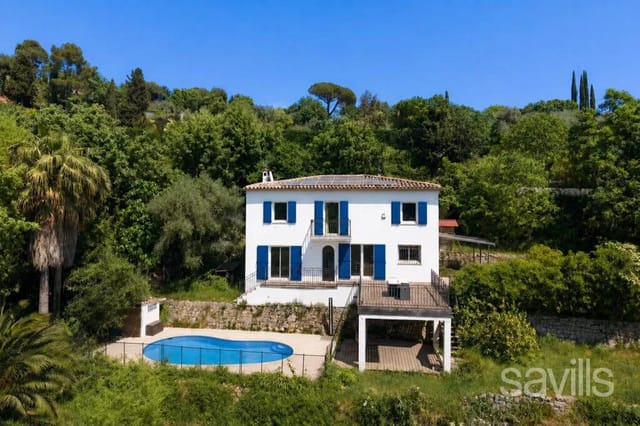
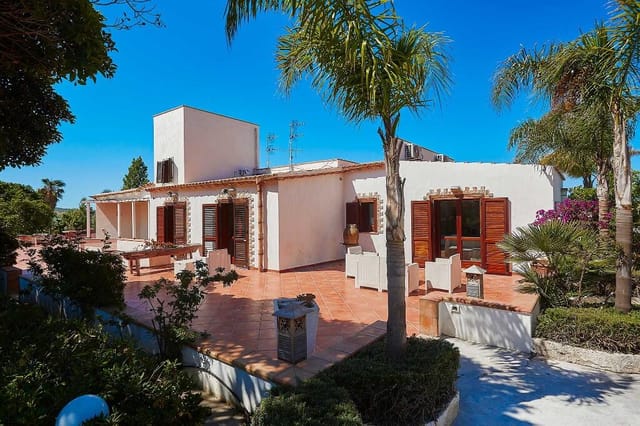
Stand on the upper terrace on a clear morning in late September, coffee in hand, and you can see all the way to the Mediterranean. Not a sliver of blue between buildings—the actual sea, wide and glittering, with the terracotta rooftops of the old village stacked in the foreground like a painting someone forgot to finish. That view alone will stop you mid-sentence the first time you see it. But this villa in Châteauneuf-de-Grasse delivers considerably more than a view. Châteauneuf sits on a limestone ridge in the Alpes-Maritimes, about 12 kilometres inland from Cannes and just a few minutes' drive from the outskirts of Grasse—the world capital of perfume, where Fragonard and Molinard have been distilling lavender, jasmine, and May rose for centuries. You can smell the fields on the right kind of morning in May, when the windows are open and the wind comes from the north. It's the kind of sensory detail that reminds you you're somewhere genuinely specific, not just another postcard version of the south of France. The villa itself sits within one of the village's most established residential pockets, on a carefully landscaped plot that gets sun from east to west throughout the day. At 131 square metres across two floors, the layout is well-proportioned rather than cavernous—the kind of space that actually gets lived in, not just shown off. Ground floor opens into a generous reception room with an integrated open kitchen, and the whole thing spills directly onto the terraces through wide glazed doors. The flow between inside and outside is natural, not forced. When friends come for dinner in July, the table moves outside without anyone having to think about it. The swimming pool sits harmoniously within the terrace arrang ... click here to read more
Picture 1

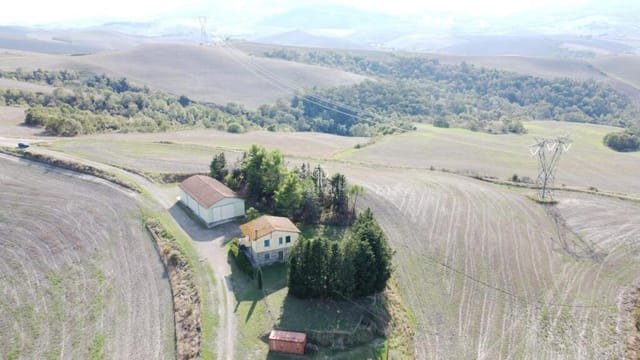
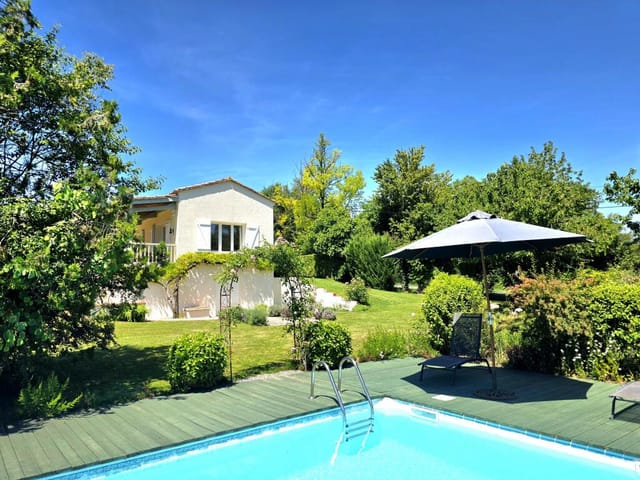
Stand at the first-floor kitchen window on a clear October morning and you'll understand why people fall hard for this corner of Tuscany. The hills roll away in every direction—amber and ochre and a deep bruised green after autumn rain—and the only sounds are the wind moving through the cypress trees and, faintly, the bells from the old chiesa down in Lajatico. This is the kind of view that Tuscany charges serious money for. Here, it comes with a stone farmhouse, a substantial outbuilding, and over an acre of land at a price that leaves real room to build something your own. The property sits in a dominant elevated position above the Valle di Cecina, reached via a 2-kilometre unpaved track that's in good shape and passable year-round. That access road is actually part of the appeal. It keeps things quiet. No passing cars, no holiday traffic, no neighbours close enough to matter. You arrive, the gate closes behind you, and the city—whether that's Pisa, Florence, or wherever you flew in from—feels very far away. The farmhouse itself is a traditional two-storey stone structure of 160 square metres. Ground level holds storage rooms, cellars, and the old stables—solid bones that could become a wine cellar, a garage, or a proper utility wing. An external stone staircase leads up to the main living floor: a kitchen-living room, three bedrooms, and a bathroom. The layout is honest, proportioned, and well-suited to the kind of open-plan reconfiguration that transforms a working farmhouse into a comfortable second home. The additional 200-square-metre outbuilding sitting separately on the plot is the real wildcard. Convert it into a guest villa, a rental cottage, a studio—the planning opportunity is genuine, and Lajatico's posit ... click here to read more
Picture 1

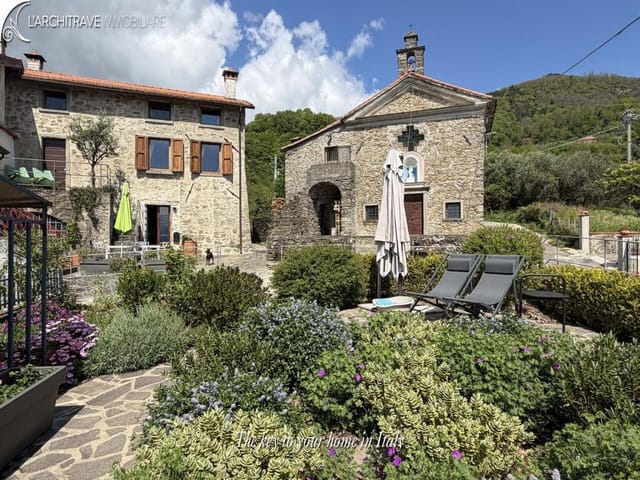
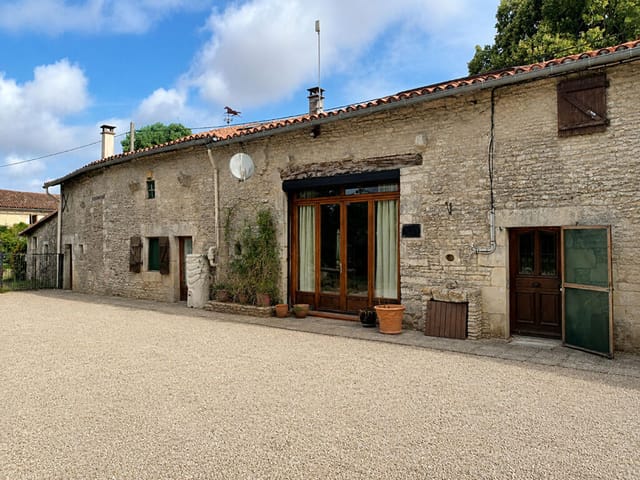
On a clear morning, you can stand on the terrace with a coffee and watch the light shift across the Gulf of La Spezia—the water catching silver between the headlands, Portovenere in the far distance, the hills dropping in ridges toward the coast. Church bells from the village below drift up before nine. The wood-fired pizza oven in the kitchen is still warm from the night before. This is the kind of Tuesday you've been daydreaming about for years. Calice al Cornoviglio sits in the Ligurian hills at the precise point where the region folds into Tuscany, and that borderland quality defines everything about it. The air smells of pine resin and wild rosemary. The village itself is unhurried—there's a bar where the same men have been drinking espresso at the same hour for decades, a small shop that stocks far more than you'd expect, and a public pool with a view that would cost a fortune at any resort. A restaurant one kilometer down the lane does a ribollita that makes you reconsider every bowl of soup you've ever eaten. The community is tight-knit in the way that only small hilltop villages manage to be, and newcomers who put in the effort are genuinely welcomed. The house itself is spread across three floors of beautifully renovated stone, 174 square meters in total, and it carries the weight of its past lightly. Ground floor: a vaulted cantina—the real thing, not decorative—plus a storeroom, bathroom, and an open-plan kitchen and dining space anchored by exposed stonework walls and a wood-fired pizza oven built into the stone. It's the kind of kitchen that makes cooking feel like an event. Up to the first floor and the split-level living room opens outward—fireplace on one side, terrace on the other, panoramic views in ... click here to read more
Picture 1