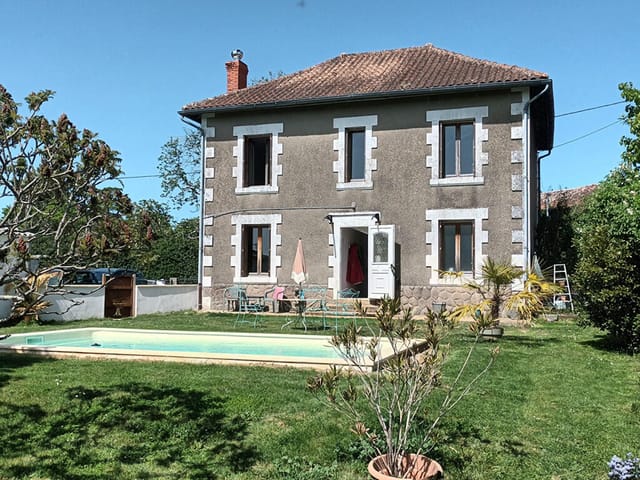
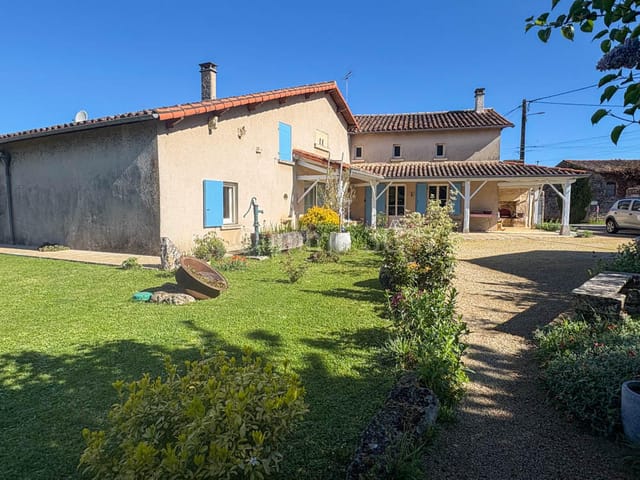
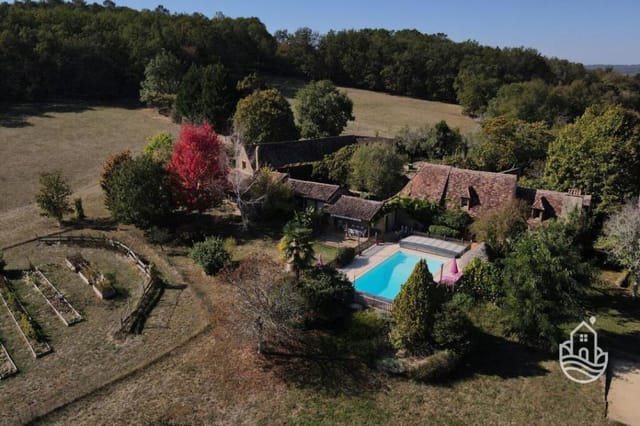
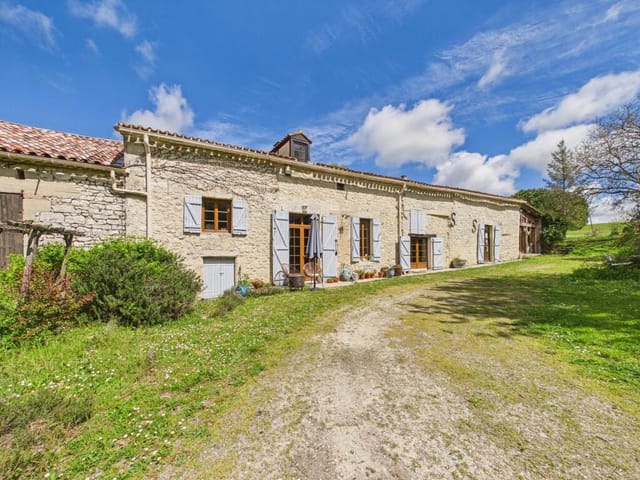
Houses For Sale In France With A Garden (page 2)

Houses for sale in france - homestra offers the largest amount of european real estate with over 200,000+ properties, find any type of property within your budget from villas to country homes. buy or rent your perfect home in europe. (page 2)

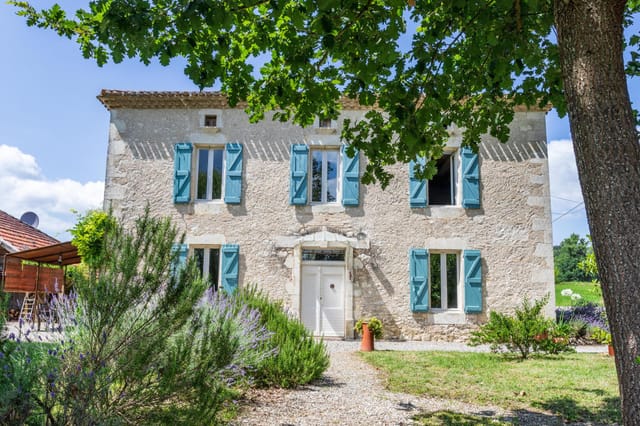
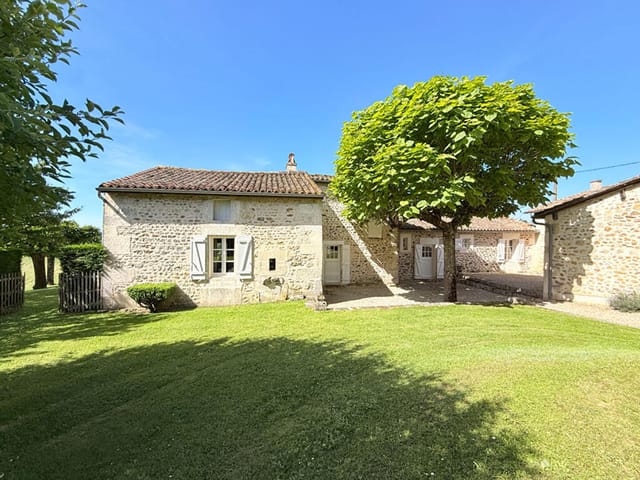
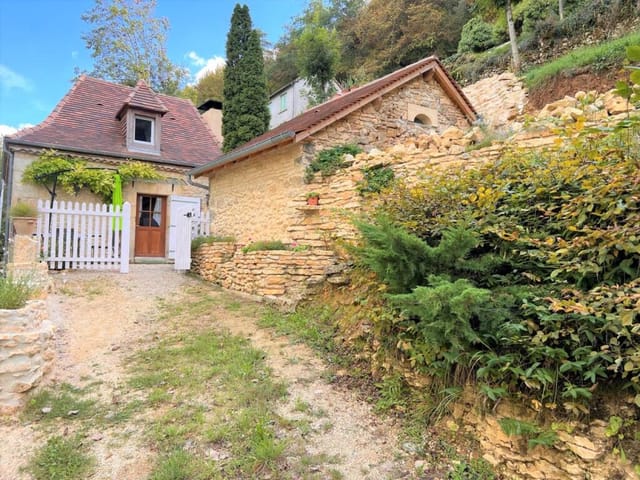
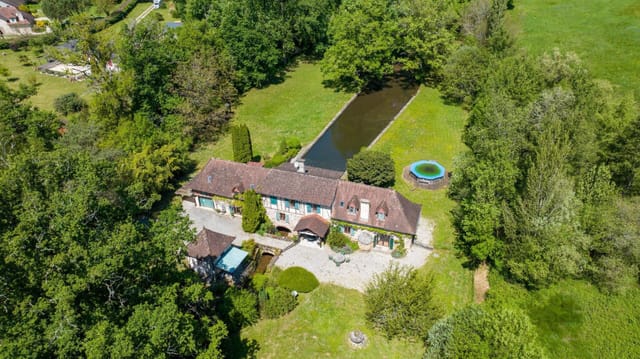
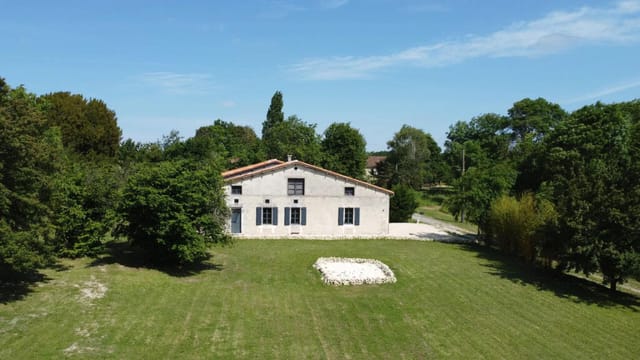
Step outside on a Tuesday morning and there's a 400-year-old Lebanese cedar throwing dappled shade across the lawn. The church bell in Dolmayrac has just struck eight. The smell of coffee drifts from the kitchen through the open French doors, and somewhere across the valley, someone is already cutting hay. This is not a fantasy version of southwest France — this is what Tuesday actually looks like from this estate. Set in the Lot-et-Garonne, one of the quietly underrated departments of Aquitaine, this grand stone manor house sits within its own immaculate park and comprises three independent residential structures: a six-bedroom main house, a three-bedroom gîte with private pool, and a one-bedroom cottage with its own swim-jet pool. Ten bedrooms and eight bathrooms across 530 square metres of living space, all in genuinely good condition and fully operational as an income-generating retreat business. The numbers, by any measure, are serious. The manor itself has the kind of bones you can't fabricate. Original stone staircases. Beamed ceilings that have absorbed three centuries of wood smoke. Exposed stone walls that stay cool even when the Gascon summer pushes past 35 degrees in July. But the previous owners weren't romantics living in the past — underfloor heating runs throughout, powered by a modern heat pump, and the kitchen has been fitted with granite worktops and fully integrated appliances. The living room's wood-burning stove is there because you want it, not because there's no alternative. A 10m x 5m heated saltwater pool sits beyond the covered terrace, the kind of pool where long lunches drift into early evening without anyone noticing or caring. The three-bedroom gîte operates entirely independently. Priva ... click here to read more

Picture 1

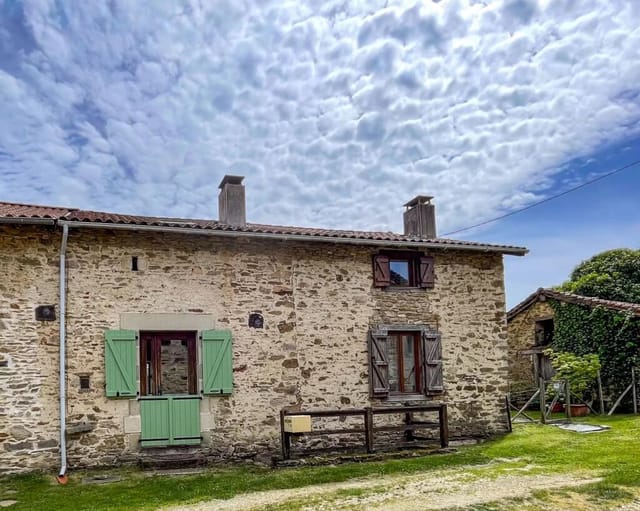
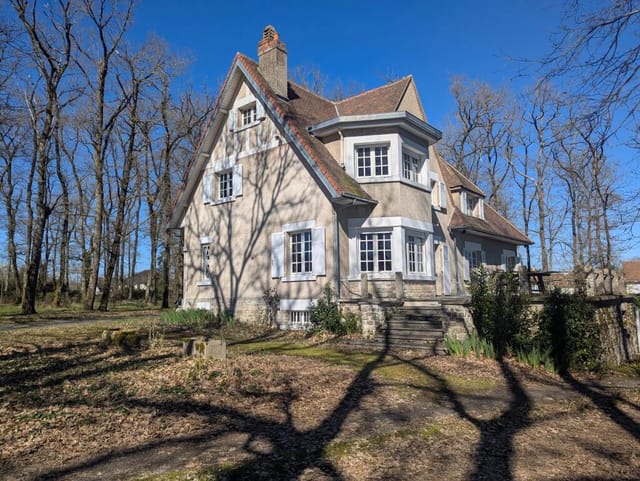
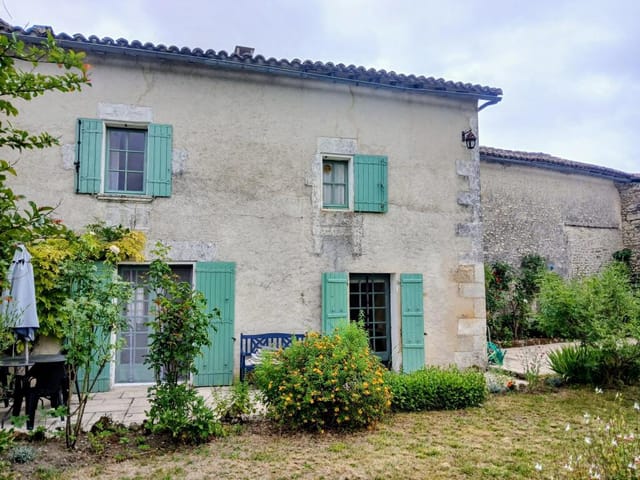
On a still morning in Coussac-Bonneval, the only sound you'll hear from the kitchen window is birdsong and the faint clang of the village church bell marking the hour. That's not a selling point — that's just Tuesday. This is a corner of rural France that hasn't been polished for tourists, and that's exactly what makes it worth your attention. This three-bedroom stone village house sits in the heart of Coussac-Bonneval, a quietly compelling commune in the Haute-Vienne department of Limousin, and it has been fully renovated without losing the bones that make it genuinely special. The original parquet floors are still there, worn smooth in the best possible way. The exposed timber beams cross the ceilings upstairs with the kind of presence you simply can't recreate. Two fireplaces anchor the interior, and a wood-burning stove in the living and dining room turns a rainy October evening into something you'd want to repeat every year. At 153 square metres spread across two levels, the house has real breathing room. The ground floor opens with an entrance hall that leads into a generous 39-square-metre living and dining space — French doors push open to a south-facing terrace, and in summer you'll barely bother eating indoors. The kitchen is fully fitted and functional, with a ground-floor WC keeping the layout practical. Upstairs, three bedrooms share two bathrooms, each with its own WC, plus a further separate WC — sensible for families or groups of friends who all need to be somewhere at the same time on a Saturday morning. Outside is where this property really opens up. The walled garden runs to 1,101 square metres, giving you genuine privacy without feeling like you're managing an estate. There's a paved terrace for lo ... click here to read more

Picture 1

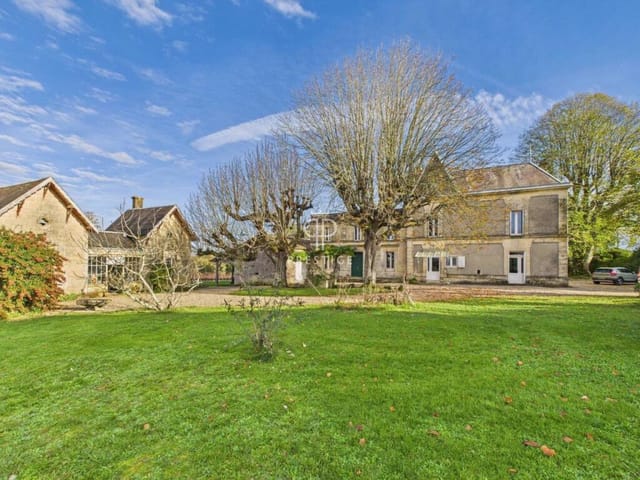
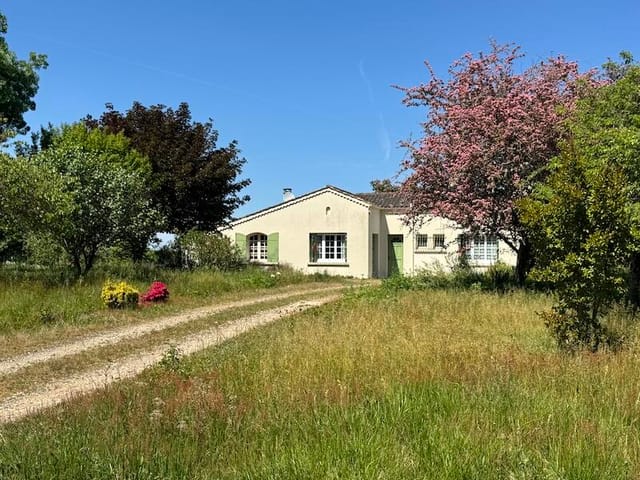
Sunday morning in Puy-l'Évêque sounds like this: church bells rolling down from the medieval tower, the distant clatter of the weekly market on the square, and the faint smell of woodsmoke drifting across stone rooftops that have been standing since the 13th century. You're in the kitchen of a house built in 1887, coffee in hand, sunlight cutting through the original glazed vestibule and landing in stripes across the flagstone floor. This is the kind of morning people drive thousands of miles — or book a flight to Cahors — to find. Puy-l'Évêque sits high on a limestone cliff above the Lot River, one of those Quercy villages that somehow stayed real. It didn't get polished into a tourism showpiece. The boulangerie on Rue du Dr Malbet still sells the same walnut bread it always has. The Tuesday market brings farmers from the surrounding causse with duck confit, aged Rocamadour cheese, and Malbec from the Cahors appellation — vineyards that start just minutes outside the village limits. The Lot Valley is serious wine country, and if you're here in October during harvest, you'll understand why locals don't leave. This five-bedroom stone house sits at the center of that village, not on the periphery. You walk out the front door and you're already in it — the rhythm of Puy-l'Évêque life, the café terraces, the medieval lanes, the river views from the promontory a few minutes on foot. But step back inside and shut the electric gate and the outside world drops away entirely. The house itself is the result of a careful, expensive renovation carried out by owners who clearly lived here rather than just owning it. They kept the stone staircase — a genuinely handsome piece of 19th-century craftsmanship that anchors the entrance h ... click here to read more

Picture 1

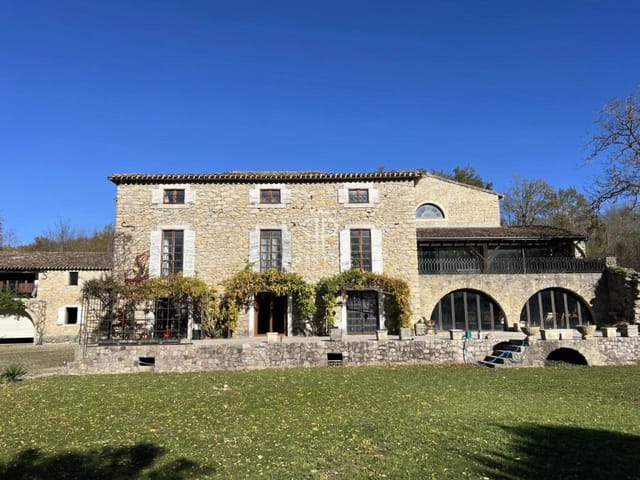
The bread oven is still there. So is the wine press. Standing in the larger of the two stone barns on a warm June morning, with swallows threading in and out of the rafters above you, it doesn't take long to understand that this 1847 farmhouse near Beauville wasn't just built — it was assembled with the kind of patience and permanence that nobody bothers with anymore. That original stone sink in the kitchen still works. The cast iron roll-top bath still gleams. Some things, if they're good enough to begin with, don't need replacing. This is a three-bedroom farmhouse in the rolling countryside of Lot-et-Garonne, priced at €199,000, sitting on a generous 3,500m2 garden with a separate 1.2-hectare plot attached. Two stone barns come with the property. The house itself runs to 93 square metres. It's in good condition — not a ruin, not a renovation project from hell — but it carries that particular lived-in warmth that a period property only gets after a century and a half of occupation. A little refreshing here and there, and it would be exactly what it already nearly is: one of the most quietly singular farmhouses in this corner of southwest France. Approach along the lane — and it really is a quiet lane, the kind where you occasionally have to pull over for a tractor and nobody minds — and the first thing you notice is how the house sits in the landscape. The Lot-et-Garonne valley rolls out around it in every direction, the kind of view that you'd pay an architect a fortune to fabricate if nature hadn't already done it for free. Established trees frame the garden. Gnarled vines push along their rows. Box hedging holds everything together. There's a vegetable patch, multiple fruit trees, and a small terrace positioned, wh ... click here to read more

Picture 1

Step outside on a Tuesday morning and you can hear the market vendors setting up in Montaigu-de-Quercy — the clatter of trestles, the smell of roasting garlic and fresh-cut lavender drifting up the hill — and you're only five minutes away by car. That particular detail matters more than you might think. This is the Quercy countryside at its most liveable: genuinely rural, genuinely quiet, but never cut off from the rhythm of a functioning French village life. The property itself is a converted stone barn, originally built in 1867, and it carries that age well. The walls are thick — proper thick, the kind that keep the ground floor cool through a July afternoon without air conditioning. About 45 years ago it was turned into a family home, and it's been lived in and loved since. Today it sits in good condition with some cosmetic updating still ahead of it, which is honestly where the opportunity lies. The bones are exceptional. The scale of the rooms, the exposed timber beams, the traditional tomette floor tiles in the living area — these are things you'd pay a premium for in a newly built property and still not quite get right. Here they're original. At 152 square metres across four bedrooms and two bathrooms, there's genuine room to breathe. The kitchen has the kind of proportions that make sense for a long Sunday lunch — enough counter space, a connection to the covered terrace through a door that you'll probably leave open from May through October. That terrace faces out over the garden and the view beyond it: a broad sweep of Quercy countryside rolling toward the Lot valley, with Roquecor's medieval silhouette visible on a clear day. The living room has a wood-burning stove set into the wall, flanked by exposed ston ... click here to read more

Picture 1

Step outside on a Tuesday morning in late September, coffee in hand, and look south from the upper terrace. The Lot Valley rolls away beneath you — golden light catching the limestone cliffs above the river, a combine working a distant field, and not a single rooftop interrupting the view. That's the daily reality of owning this 327-square-metre stone chateau outside Puy-l'Évêque, one of the most quietly compelling towns in the whole of southwest France. This isn't a property that announces itself loudly. It earns your admiration slowly — first the circular driveway curving through centuries-old cypress trees and clipped box hedging, then the sight of the main house itself, all honey-coloured stone and shuttered windows, set against a backdrop of pasture and woodland that stretches across 11.5 hectares of completely private grounds. No neighbours visible. No road noise. Just the occasional woodpigeon and the wind moving through the trees. The house reads differently room by room, which is part of what makes it so liveable. The kitchen is the anchor — high-ceilinged, stone-walled, fitted with built-in appliances but generous enough in scale that it never feels clinical. This is a room where you cook a cassoulet from scratch on a wet November afternoon, where guests inevitably end up congregating with wine glasses before dinner is even close to ready. A large living room runs off it, wooden floors worn to a warm patina, a marble fireplace at one end, French doors opening directly onto the garden. On summer evenings, that threshold between inside and outside basically disappears. A second sitting room, anchored by a stone fireplace with a wood-burning stove, is the kind of space that gets used hard in winter — darker, cos ... click here to read more

Picture 1

Sunday morning in the Quercy Blanc, and the only sound you can hear is the wind moving through the old walnut trees at the edge of the garden. No traffic. No neighbors. Just the particular silence that rural southwest France does better than almost anywhere else in Europe — the kind that makes city people stop mid-sentence and just listen. That's the daily reality of owning this 18th-century stone house outside Civray, and once you've felt it, a weekend here starts to feel less like a holiday and more like the life you should have been living all along. The house itself has had an exceptional steward. A designer owner poured serious money and craft into the restoration, which means you get the bones of a genuine 18th-century farmhouse — original terracotta floor tiles worn smooth by two centuries of use, exposed stone walls that stay cool even in July, a fireplace that fills the main living space with the particular smell of a wood fire on an October evening — combined with a kitchen that's genuinely modern and bathrooms that don't ask you to sacrifice comfort for character. That combination is rarer than it sounds. Most period properties in this part of France sit at one extreme or the other: either over-renovated into something generic, or authentically historic and functionally difficult. This one hits the balance. At 230 square meters, the layout is generous, and it's been configured with real intelligence. The property currently operates as two interconnected dwellings, separated by an internal doorway that can stay open or closed depending on who's visiting and when. The main section is a one-bedroom home with cathedral ceilings that make the space feel vast, a superb stone fireplace as the focal point, and a mod ... click here to read more

Picture 1

Sunday morning in Lorigné moves slowly. The kind of slowly you forget exists until you're standing barefoot on warm stone tiles, coffee in hand, watching mist lift off the fields while the pool thermometer already reads 28°C. By nine o'clock, the gîte guests are starting to drift toward the communal terrace, kids are splashing, and the scent of someone's croissants browning in an oven cuts clean through the morning air. This is the rhythm this property runs on — unhurried, productive in its own way, and deeply, genuinely French. Set in the commune of Alloinay in Deux-Sèvres, this 460-square-metre estate sits in the green heart of Poitou-Charentes, a region that doesn't shout. It earns attention quietly — through its cognac-country cousins to the southwest, the Marais Poitevin wetlands just forty minutes east (nicknamed the Green Venice of France for good reason), and a pace of rural life that has attracted a steady stream of northern European second-home buyers for the better part of three decades. The property itself is a compound in the truest sense: a fully renovated main residence with its own private heated pool, and a separate five-gîte complex operating as a going concern, sleeping up to 27 guests at peak capacity. Walk into the main house and the renovation speaks for itself without needing to brag. The ground floor opens into a wide kitchen and living space that handles a crowd comfortably — the kind of room where a dinner party for twelve doesn't feel squeezed. A separate lounge gives you somewhere to escape when you want it quieter. Underfloor heating runs throughout the ground floor, backed up by two log burners that turn January evenings into something you actually look forward to, and an air-source heat p ... click here to read more

Picture 1

Stand on the terrace on a still morning and all you hear is water. The mill pond catches the early light, dragonflies hover just above the surface, and somewhere in the old dovecote above you, something rustles. This is a property that slows time down—a genuine stone mill house with working sluice gates, wild grounds stretching over two hectares, and a silence so complete it takes a few days to fully settle into. Cordes-sur-Ciel sits about fifteen minutes up the road, its medieval bastide streets rising above the Cérou valley like something out of a fever dream. This 13th-century hilltop town—built by Raymond VII of Toulouse—draws visitors for its Gothic architecture, summer arts festival, and the kind of views that make people cancel their return flights. But you're not in Cordes. You're down in the valley, at the end of a long private driveway, in your own world. That distinction matters more than it might sound. The mill house itself covers 166 square metres of living space, built from the local warm-toned stone that defines Tarn architecture. It's been renovated thoughtfully—nothing stripped out for the sake of modernising, nothing left crumbling for the sake of authenticity. The original millstone greets you in the east entrance hall, and the bones of the building have been respected throughout. Three bedrooms, two bathrooms, a large fitted kitchen-diner with south, east, and west-facing views that stretch across the grounds, and a proper living room with a wood burner that earns its keep come November. The layout splits naturally between two wings. The west side, where the dovecote and barn have been incorporated, is where daily life happens: you enter from a terrace overlooking the mill pond, step into the kitc ... click here to read more

Picture 1

Stand on the terrace on a clear July morning and you can see the entire silhouette of Tournon-d'Agenais sitting up on its ridge—the church tower, the medieval ramparts, the rooftops catching the early light—while down below you, the saltwater pool glints and the Lot-et-Garonne countryside rolls away in every direction without a neighbor in sight. That view is the first thing you notice. It won't be the last thing you remember. This is a serious property. A 19th-century stone farmhouse of 297 square meters, a fully renovated guest cottage, a massive old tobacco barn, multiple outbuildings and workshops, a ten-car garage, and nearly two hectares of established gardens—all sitting behind a gated entrance on a quiet rural lane just minutes from one of the most photographed bastide towns in Aquitaine. Properties that combine this scale, this condition, and this setting in Lot-et-Garonne come along rarely. This one is move-in ready. The renovation has been thorough and thoughtful rather than cosmetic. Travertine floors run throughout the main house, cool underfoot in summer and warmed from below by an efficient heat pump system in the cooler months. Exposed stone walls and original oak beams have been kept exactly where they should be—everywhere—while the infrastructure underneath has been quietly modernized: double glazing throughout, an air circulation system, underfloor heating, radiators as backup. The bones of the 1800s, the comfort of the present. The main living space opens into a generous open-plan room with a soaring mezzanine above and wide glass doors that fold back onto the terrace. On a warm evening this isn't a room that ends at a wall—it spills outside. The covered dining room with its summer kitchen is where ... click here to read more

Picture 1

On a still July morning in Beauville, the kitchen window frames a view that looks like it was painted rather than photographed — rolling hills striped with sunflower fields, a pocket of woodland, a sky so blue it almost seems theatrical. You make coffee on the balcony off the main kitchen and hear nothing except wind moving through the linden trees below. No traffic. No sirens. Just that particular French country quiet that city people pay a lot of money to find, and usually don't. This is a rare one. A 19th-century stone house built for a local merchant who clearly had opinions — Bordeaux-faced stone door surrounds, hand-cut corner stones, proportions that tell you the builder wasn't cutting corners in any direction. The property has been in the hands of owners who understood what they had, and the restoration they've carried out is the kind that respects original character rather than erasing it. Exposed limestone walls, heavy timber beams, terracotta-tiled floors worn smooth by a couple of centuries of footsteps. It feels old in the right way — solid, warm, rooted. The main house runs across 251 square metres and lives well across its five bedrooms. The sitting room anchors the ground floor, large and unhurried, centred on a log-burning stove that earns its keep from October through to March when the Lot-et-Garonne mornings carry a real bite. The fitted kitchen is modern in the practical sense — properly equipped, well-designed — and opens onto a balcony where the habit of morning coffee will become a daily ritual you'll plan your whole schedule around. Double glazing throughout, solar panels, a heat pump, and oil heating mean running costs are sensible and the property is comfortable in every season, not just the p ... click here to read more

Picture 1

On a still morning in Lot-et-Garonne, you wake to the sound of absolutely nothing — no traffic, no sirens, just the occasional wood pigeon in the oak trees and the faint creak of old stone settling in the warmth of a rising sun. Step through the kitchen doors onto the raised deck with your coffee, and the land rolls away before you in every direction: sunflower fields, vine rows, a patchwork of green that shifts colour through the seasons. This is what 3.87 hectares of southwest French countryside looks like when it's yours. And it's considerably more than most people dare to imagine they could own. This 19th-century stone farmhouse complex in Montastruc — a quiet village tucked into the hills of Lot-et-Garonne, just south of the Dordogne border — is one of those rare properties that has genuinely been lived in and loved. Not flipped, not staged. The current owners have run a successful gîte business here for years and simply decided it was time to slow down. That means everything is already working. The guests have been coming. The infrastructure is in place. You're not starting from scratch. The principal house is where the story begins. Three bedrooms, contemporary interiors that don't try too hard — oak flooring in the main suite, built-in wardrobes you'll actually use, air conditioning for the deep heat of August, and an en suite bathroom that feels finished rather than rushed. The sitting room has a log-burning insert stove for January evenings when you want nothing more than a bottle of Côtes du Marmandais and a slow dinner. The kitchen is properly equipped: range stove, Belfast sink, wood worktops, modern fittings. There's a large covered terrace for long lunches that drift into the late afternoon, and a second ... click here to read more

Picture 1

There's a particular kind of quiet you only find in the deep Poitevin countryside — the sort that isn't silence so much as a conversation between wind, birdsong, and the occasional church bell rolling over from the village. Standing on the elevated terrace of this former railway gatekeeper's house in the hamlet of Logerie, that quiet settles over you fast. And then you start wondering why you ever lived anywhere else. This is a genuinely rare find. The house was originally built to serve the old railway crossing that once ran through this corner of the Vienne department. The line closed decades ago, and in its place grew a green corridor — a long, tree-lined walking and cycling track that now stretches peacefully past the garden boundary. The history didn't disappear; it just got quieter. On mornings when the light comes in low and gold through the kitchen window, you can almost imagine the old gateman stepping out to wave down a steam locomotive. The property itself sits in good condition throughout, updated thoughtfully without gutting the period character that makes it worth caring about. The kitchen is the obvious centrepiece — a proper farmhouse-style space fitted with shaker-style units, deep work surfaces, and enough room to actually pull a chair up and eat in there without anyone feeling cramped. It looks out over the enclosed garden, which means you catch the changing light across the grounds while you're making coffee. That matters more than you'd think. Original wooden floorboards run through the living room, worn in just the right places. A wood-burning stove sits in the corner, which gets genuinely useful in December when the Vienne valley gets a proper chill, and a discreet air conditioning unit handles ... click here to read more

Picture 1

Sunday morning in the Quercy Blanc and the kitchen smells of coffee. The French doors are already open—you pushed them wide at seven, when the air was still cool and the light was doing something extraordinary across the stone terrace. Somewhere beyond the garden wall, a tractor moves along the lane. That's it. That's the whole soundtrack. This 1849 stone farmhouse, converted from a traditional barn into a single-storey country home of real distinction, sits in a quiet hamlet just outside Montcuq-en-Quercy-Blanc, and life here moves exactly the way you always hoped it might. The house itself is 158 square metres of considered, unhurried living. It was clearly converted by people who understood what to keep and what to update. The original stone walls stayed. So did the heavy oak beams overhead in the living room, where a wood-burning stove sits inside a proper fireplace—the kind you actually want to light in November, not just look at. Travertine floors run throughout, cool underfoot in July, warmed by the gas central heating when the Lot valley turns grey in January. French doors open from the living room onto a covered stone terrace: evening drinks territory, with views across the gardens as the light fades behind the oak trees. The kitchen is the kind that makes you cook differently. Granite countertops, bespoke oak cabinetry, integrated appliances that stay out of sight, and another set of French doors—these ones facing a second covered terrace framed by original stone pillars. Lunch out there in late September, with figs from the garden and a bottle of Cahors Malbec, is not a hypothetical. It's just a Tuesday. Both bedrooms in the main house are genuinely well-proportioned and finished with the same restraint you ... click here to read more

Picture 1

Sometime around mid-morning, when the market stalls on the Place de la Truffière are still busy and the smell of fresh bread from the boulangerie on the main street drifts up through the valley, you step out of those iron gates onto one of Puy-l'Évêque's ancient limestone lanes. Coffee in hand. Nowhere urgent to be. That's the daily rhythm this place offers — and it's hard to put a price on that, though someone has, and it's €699,500. Built in 1769 and standing with the quiet confidence of something that has outlasted a lot of history, this maison bourgeoise sits right in the beating heart of one of the Lot Valley's most photogenic villages. Ten bedrooms. Seven bathrooms. A proper working courtyard. An adjoining mill with original machinery still intact. A pigeon tower. A heated pool. And a walled garden where lunch has a habit of becoming dinner without anyone particularly minding. Let's start with the main house, because it earns the attention. The stone staircase alone — worn smooth by centuries of use — sets the tone. Vaulted ceilings arch overhead in the ground-floor rooms, original fireplaces anchor the principal spaces, and the panelled doors and beamed ceilings give the whole place a warmth that no amount of interior design budget can manufacture from scratch. The kitchen manages the old-and-new balance well: modern fitted units and integrated appliances sit alongside an 18th-century built-in cupboard and a log-burning range cooker. It's practical and full of character in equal measure. The kind of kitchen where someone actually cooks, rather than just poses in. The two separate annexes are where things get genuinely interesting for buyers thinking about rental income or multigenerational living. The pigeon to ... click here to read more

Picture 1

On a warm evening in the Lot Valley, the kind where the light turns gold and lingers far longer than it has any right to, you sit on a travertine terrace beside a saltwater pool, glass of Cahors Malbec in hand, and the only sound is the splash of water against stone and the faint rustle of your own vines in the breeze. This isn't a fantasy. This is Tuesday at this 18th-century wine estate in Vire-sur-Lot — a village tucked into the rolling valleys above the Lot River, where the limestone cliffs glow amber at dusk and the pace of life has been gloriously unhurried for centuries. This is not a weekend cottage. It is a working estate — a genuine, fully operational hospitality business sitting on 1.5 hectares of private grounds — that happens to also be one of the most compelling pieces of historic architecture in the Cahors wine country. The main building alone spans 384 square metres of residential and gîte space, with a further 373 square metres dedicated to a restaurant and coffee shop that has built a real reputation in the region. Add a 123-square-metre shell ready for renovation, multiple outbuildings, and a courtyard with a central fountain that feels ripped from a Provençal novel, and the scale of what's on offer starts to sink in. The restaurant is the soul of the place. Industrial-grade kitchen, working stone fireplace that draws a crowd on winter evenings, a wine cellar that earns its keep, and a vast partly-vaulted lower floor that adds a theatrical quality to the dining experience. Double glazing throughout, heat pump heating and air conditioning — the bones are solid, the systems are modern, and the business runs. That matters. Previous owners didn't just restore this estate lovingly and expensively; they ma ... click here to read more

Picture 1

Stand at the kitchen window on a Tuesday morning and count the things that feel surreal: the mist still sitting in the valley below, the Garonne glinting somewhere beyond the treeline, your horses grazing quietly in the electric-fenced paddocks, and the smell of coffee drifting up through those cathedral ceilings while the Smeg range ticks as it cools. This is not a fantasy built on renovation promises. It's already done. The current owners spent years and serious money bringing this place back to what it clearly always wanted to be—and they got it right. The principal manor stands as the heart of a full 8.5-hectare country estate in the Tarn-et-Garonne, just outside one of France's most fiercely loved medieval villages: Auvillar, which the Association Les Plus Beaux Villages de France admits to its list for good reason. The circular covered market hall at the top of the village, the terracotta-roofed houses tumbling toward the Garonne, the Saturday morning producers' market where locals argue affectionately over tomatoes—all of that is minutes away by car, or a decent bike ride on a morning when time doesn't matter. The stone manor itself carries that particular weight that only comes from centuries of occupation. The hallway alone—genuinely one of the finest in the whole département, not an idle boast—sets the tone before you've even turned a corner. Original tiled floors, paneled doors with their original ironwork, exposed stone walls that hold the cool in summer and radiate warmth in winter. The sitting and dining room has a log-burning stove and a beamed ceiling high enough that you stop noticing it, which is somehow the mark of a ceiling done right. The fitted kitchen is modern without being apologetic about it—S ... click here to read more

Picture 1

Stand at the French doors of this stone farmhouse on a July morning and the view hits you before the coffee finishes brewing — a rolling sweep of sunflower fields, all turned east, soaking up the early Poitou-Charentes light. Church bells carry from the village center just ten minutes on foot. The air smells of warm grass and something vaguely of lavender from the neighbor's garden. This is not a postcard. This is a Tuesday. Set in a quiet hamlet in the commune of Champniers in the Vienne department, this fully renovated stone farmhouse sits on 3,208 square meters of land and does something rare in the French countryside property market: it genuinely earns the word versatile. Three distinct buildings on one plot. A main house with soul, a ready-to-let gîte with its own wood-fired hot tub, and an independent stone structure currently serving as an art studio — but with serious potential as a second rental unit. For buyers who want a vacation home in rural France that also pays for itself, this is the kind of find that doesn't come around often. The main house is where you feel the bones of the place. Exposed limestone walls, original oak beams overhead, a pellet stove doing quiet work in the corner on cooler autumn evenings. The ground floor opens into a generous living, dining and kitchen space — the kind of layout that naturally pulls people together. Large double-glazed French doors spill onto a south-facing terrace, and from there the garden opens up into fruit trees and countryside views with no other rooftop in sight. Downstairs there's a bedroom with a freestanding bathtub — the sort of thing that stops house hunters in their tracks — plus a separate WC. Upstairs, a second bedroom connects to its own shower room. ... click here to read more

Picture 1

On a still Tuesday morning in the Quercy Blanc, the kind where the mist sits low over the valleys and slowly burns off by nine, you can stand on the wisteria-draped terrace of this 1880s stone farmhouse and watch Lauzerte materialize above you on its hilltop like something from a medieval illustration. The bells from the village church drift down. A rooster somewhere across the lane. Then silence, proper silence, the kind cities charge a premium to simulate. This is what 515,000 euros buys you here: not just 230 square metres of meticulously renovated stone and timber, but a completely different pace of life, tucked into one of France's most quietly celebrated corners. The property started life as a duck farm—canard, naturally, this being Tarn-et-Garonne—and the bones of that agricultural past still give the place its character. Stone walls half a metre thick keep the interior cool through the height of a Quercy summer without any help from the air conditioning. Original ceiling beams, darkened by a century and a half of cooking fires, run the length of the main living room, where a substantial fireplace fitted with a wood-burning stove becomes the social centre of the house from October through March. The fitted kitchen is properly equipped with integrated appliances, but the tiled floors and exposed stone walls make sure it doesn't feel clinical. This is a house where you actually want to cook, and given that Lauzerte sits at the heart of foie gras, cassoulet, and Cahors black wine country, that instinct will be well rewarded. The layout across three bedrooms and three bathrooms gives visiting family or friends their own space and dignity. The master suite has an en-suite bathroom and a dressing room—not an aftertho ... click here to read more

Picture 1

On a Sunday morning in Castelsagrat, you wake to the smell of bread from the boulangerie two doors down. Not the supermarket kind — the kind where the baker has been up since four, and the baguettes are still warm when you tuck them under your arm on the way back. That's not a lifestyle you manufacture. That's just Tuesday here. This 160-square-metre stone house, built around 1700 and sitting on a quiet alley in the heart of one of Tarn-et-Garonne's most genuinely loveable villages, has been renovated by its current owners with the kind of obsessive care that you either recognise immediately or hear about later when someone tells you what it cost. Everything works. Everything fits. And yet none of it feels like a renovation show — it still feels like a house that's been lived in for three centuries, because it has. Step through the oak front door and the exposed stone does the talking. Thick walls, cool in summer, slow to lose heat in autumn. The open-plan kitchen, dining and living space at the heart of the house is where the day happens — a well-equipped contemporary kitchen with integrated appliances opens directly through glazed doors onto a private courtyard. Out there: a covered terrace, a built-in barbecue, and the particular pleasure of eating outside in the Gascon sun from June through September without ever needing to explain yourself to anyone. The wood-burning stove in the main living area earns its keep from October onward. The separate lounge, with its traditional stone fireplace and original tiled floor, is for reading, for wine, for the kind of quiet that's harder to find than people think. A grand entrance hall with walnut stairs leads up to three bedrooms, each with built-in wardrobes, and the landin ... click here to read more

Picture 1

On a still morning in Sistels, the only sounds you'll hear are birdsong and the faint creak of an old wooden shutter catching the breeze. Step out through the French doors and the Tarn-et-Garonne countryside stretches in every direction — rolling fields, fruit trees heavy with plums, and a sky so wide and unhurried it makes you wonder why you ever thought city life was enough. This is the kind of place that recalibrates you. This 18th-century stone and brick barn conversion sits at the edge of a genuinely quiet village in Midi-Pyrénées — not the manicured quiet of a tourist brochure, but the real kind, where neighbours wave and life moves at a pace that feels almost radical by modern standards. Set within two hectares of established grounds, the property has been through a serious, full-scale renovation by its current owners. New roof, rewired, replumbed — the bones are centuries old, but the infrastructure is thoroughly contemporary. It's move-in ready, and it shows. The main house holds four bedrooms. Downstairs, the open-plan living space is the kind of room that makes guests go quiet when they walk in. Full-height ceilings with exposed timber beams, original tiled floors running through the entire ground floor, and a log-burning stove with a back boiler heating system that makes even January evenings feel like something worth staying in for. The fitted kitchen comes with integral appliances and opens directly onto a private courtyard with a covered terrace — shaded at noon, golden at six in the evening, and practically made for long, unhurried dinners. There's also a 53-square-metre room on the ground floor that the current owners use for storage, but frankly it deserves more imagination. Electrics, water, and dou ... click here to read more

Picture 1

Pour yourself a glass of Buzet — the local red that the vignerons just down the valley have been making for centuries — and picture standing on a wisteria-draped terrace as the Lot River catches the last of the evening light below you. That's the reality of a Tuesday here. Not a special occasion. Just a Tuesday. This is a genuine 13th-century château on the banks of the Lot River in Penne-d'Agenais, one of the most quietly captivating bastide villages in all of southwest France. The kind of place where the medieval ramparts still define the skyline and the Saturday market on the Place Gambetta smells of lavender, duck confit, and ripe Chasselas grapes. The château sits in a commanding riverside position on 16 hectares of parkland — lawns rolling down to the water's edge, specimen trees that predate the French Revolution, and a private mooring that means dinner in Villeneuve-sur-Lot is a 20-minute boat trip rather than a parking problem. Nine bedrooms. Seven bathrooms. 985 square metres of living space that has already been done right. That last part matters. A lot. The story of many French châteaux is a story of promise and decay — romantic ruin slowly bankrupting its well-meaning owners. This one's different. The hard, expensive, unglamorous work is finished. A Viessmann geothermal heat pump buried underground handles the heating efficiently. Every window is double-glazed. Wood-burning stoves anchor the grand reception rooms for the cooler months. The roof is sound, the stone is solid, and the next owner arrives with a glass of Armagnac in hand rather than a contractor's invoice. Inside, the château delivers everything the architecture promises. Stone spiral staircases wind between floors. Ancient terracotta tiles — ... click here to read more

Picture 1

Pull up a chair on the covered terrace as the last of the afternoon light turns the Lot valley amber, a glass of Buzet rouge in hand, the smell of woodsmoke drifting up from the kitchen below. That's Tuesday in Penne-d'Agenais. Not a special occasion — just an ordinary evening in an extraordinary place. This 15th-century stone townhouse sits right in the beating heart of one of the Lot-et-Garonne's most captivating medieval hilltop villages, and it has been renovated with the kind of care and intelligence that makes you forget all the cautionary tales you've heard about old French houses. Let's start with the bones. The walls are thick golden stone, the beams are original and massive, and the architectural soul of the place has been left entirely intact. What's changed is everything else — in the best possible way. Whoever tackled this renovation understood that a house like this doesn't need to be rescued from itself. It just needs the right conversation partner. The result is interiors that feel sharp and considered: a sophisticated kitchen and dining room anchored by a wood-burning stove, an industrial-style steel staircase that threads the floors together with an almost gallery-like confidence, and a living room that manages to feel both historic and genuinely stylish. Four bedrooms upstairs, including a master suite with a walk-in wardrobe — the kind of detail that tells you the renovation was done by people who actually intended to live here, not just flip. Downstairs is where things get genuinely interesting. A stone-lined games and bar room occupies the lower level — vaulted, atmospheric, and the sort of space that earns its name the moment you walk in. Aperitivo hour here is not optional. Then step outside and ... click here to read more

Picture 1

On a still Tuesday morning in southwest France, the only sound you'll hear from the covered terrace is the low splash of the fountain in the courtyard below and, if the wind is right, the faint bells from the church in Tournon-d'Agenais five minutes up the road. The coffee is hot. The sun is already catching the Italian marble balustrades. Nobody else is awake yet in the guest cottages. This is the kind of morning that makes you wonder why you don't live here full time. This is not a farmhouse renovation with good bones and a long punch list. It was built from scratch between 2002 and 2005 by owners who simply refused to cut corners — the kind of project where the budget was set and then quietly ignored whenever the better choice cost more. The architecture sits low against the rolling Lot-et-Garonne countryside on purpose, its traditional stone profile reading as something that has always been here rather than something dropped into a field. That restraint is what gives the whole estate its authority. The main house runs to four bedrooms, and the ground floor immediately signals what kind of place this is. The kitchen is enormous — fitted with integrated appliances and genuinely built for the kind of long lunches that start at noon and end somewhere near dusk. The sitting room has a log-burning insert stove, the kind you actually light in October when the evenings start to sharpen, not just a decorative feature. The principal bedroom suite has its own bathroom and a private roof terrace that connects, brilliantly and improbably, to the old pigeon tower — a piece of local architectural history folded into the fabric of a thoroughly modern home. The home office is tucked away privately. Three further guest bedrooms are ... click here to read more

Picture 1

Sunday mornings here have a particular quality. The kitchen window is propped open, coffee is on, and from somewhere across the valley — past the fruit trees, past the old bread oven — you can hear church bells drifting up from the village below. That's the rhythm of life in Mauroux, a hamlet in the Lot that most people drive past and then spend years trying to find again. This four-bedroom stone farmhouse sits on a quiet lane in a tiny hamlet just outside Mauroux, less than ten minutes from the market town of Tournon-d'Agenais. The house is old in the best sense — thick limestone walls that keep rooms cool through July heat, floors that have absorbed centuries of footsteps, a staircase carved from the same local stone as the exterior that curves up through three levels with a solidity you just don't get in modern builds. But it's been looked after properly. Double glazing throughout, air conditioning, a pompe à chaleur heat pump for efficient heating, a water softener — the infrastructure is modern even when the bones are ancient. This is a property in good, move-in condition. You could arrive with suitcases and be sitting on the terrace with a glass of Cahors Malbec by evening. The layout across three floors is generous without feeling sprawling. Downstairs, two double bedrooms open through French doors directly onto the sun terrace and pool — which means summer mornings that begin with a swim before breakfast become less a fantasy and more a daily habit. The main living space upstairs is open-plan, anchored by a stone fireplace fitted with a log-burning stove. Beamed ceilings, thick walls, afternoon light slanting in from the south. In winter, this room earns its keep: load the stove, pull the shutters, and the whol ... click here to read more
Picture 1

Saturday morning in Lauzerte: the weekly market on the Place des Cornières is already buzzing by nine, the smell of warm chestnut bread drifting from the boulangerie on the corner. You walk down through the village — one of France's designated Plus Beaux Villages — pick up a wedge of Tomme de brebis from the sheep farmer who's been coming here every week for thirty years, and you're back at the house with coffee on the terrace before the church bell strikes ten. That's the kind of morning this property was built for. Set just outside the medieval hilltop village of Lauzerte in the rolling Tarn-et-Garonne department of the Midi-Pyrénées, this six-bedroom, two-house estate sits on around 1.2 hectares of mature gardens with views that remind you, daily, why people have been choosing this corner of southwestern France for centuries. The Quercy Blanc — named for its pale limestone plateaus and dry stone walls — is quieter than the Dordogne, less trafficked than Lot, and all the better for it. The property is actually two fully restored stone country houses side by side, and this distinction matters enormously. The main house is the heart of the estate: thick walls that keep it cool through July's 30-degree afternoons, original oak beams running the length of the ceilings, exposed stonework that took decades of weather to look this good, and original fireplaces that make January here feel like a privilege rather than a hardship. Travertine floors run through the ground floor — warm underfoot in summer, and the kind of surface that ages gracefully rather than showing every scuff. The kitchen deserves its own paragraph. It's centered around a Smeg gas range and built for real cooking — a generous worktop, ample cupboard space ... click here to read more
Picture 1

On a still Tuesday morning in late June, you open the kitchen's ancient wooden shutters and the first thing you hear is nothing. Not the compressed silence of earplugs—actual, honest quiet, broken only by a wood pigeon somewhere in the oak trees and the faint clank of a tractor working a field two valleys over. The smell drifting in is warm stone and cut grass. That's it. That's the whole morning's agenda if you want it to be. This four-bedroom, three-bathroom country house in the hamlet just outside Roquecor sits on the kind of land that reminds you why people first started building in southwest France. The Tarn-et-Garonne countryside rolls in every direction—soft green ridges, sunflower fields gone gold by July, the occasional red-roofed farmstead catching the afternoon light. From the sun terrace beside the saltwater pool, you can see for miles. No rooftops crowding the view. No road noise. Just the particular stillness that this corner of Midi-Pyrénées does better than almost anywhere in Europe. Roquecor itself is five minutes by car or a genuinely pleasant forty-minute walk through the fields—the kind of walk that makes you feel you've earned the pastis waiting at the café. The village has a proper restaurant that locals actually eat at (not the tourist-facing kind), a reliable café, and enough daily life happening around the square to feel connected without ever feeling crowded. The Wednesday morning market in Lauzerte, twelve kilometres northeast, is the one to pencil in first. Lauzerte is a bastide village on the Pilgrimage of Saint-Jacques-de-Compostelle route, and the market spills down the medieval lanes with regional producers selling duck confit, aged Caussade walnuts, raw-milk Tomme, and the kind of straw ... click here to read more
Picture 1

Sunday morning in Beauville starts with the smell of bread. The boulangerie on the main square fires up early, and if your bedroom window is open—which it will be, because the air here in July is warm but never stifling—the scent reaches you before your alarm does. That's not a selling point you'll find in any brochure. It's just what life is like in this particular corner of Lot-et-Garonne, and it's the kind of thing that turns a holiday home purchase into one of the best decisions you ever made. This four-bedroom village house sits right in the heart of Beauville, one of the most intact bastide villages in Aquitaine. Built to a medieval grid plan in the 13th century, Beauville has the kind of architectural coherence that planners in other towns spend millions trying to recreate. The covered arcades around the central square, the honey-coloured stone, the church tower that chimes the quarter-hours—it's all still here, and this house is part of it. From the front door, the market square is a two-minute walk. From the top-floor living space, you can watch the whole village go about its business. The house covers around 190 square metres across three floors, and what strikes you first is how much space there actually is. Village properties in the Lot-et-Garonne often look compact from the street and reveal themselves slowly. This one does exactly that. The ground floor has a bedroom that works perfectly for guests who don't want stairs, or for owners who eventually want single-level living as a practical option. The first floor holds three more well-proportioned bedrooms and two bathrooms. And then there's the top floor—converted, bright, sitting under the original roof timbers—currently used as a family room and home of ... click here to read more
Picture 1

There's a particular kind of quiet you don't find easily anymore. Stand on the veranda of this stone cottage on a Tuesday morning in October, coffee in hand, and you'll hear it — the faint rustle of chestnut trees dropping their load, a crow somewhere across the valley, nothing else. No road noise. No neighbors. Just the old Limousin countryside doing what it's done for centuries. That silence is something people drive three hours from Paris for and never quite find. Here, it comes with the property. Sitting roughly halfway between Meuzac and Coussac-Bonneval on a quiet country lane in Haute-Vienne, this one-bedroom stone cottage is the real thing. Not renovated into some sanitized holiday pastiche — it's a genuine old Limousin farmhouse, the kind with thick granite walls that keep rooms cool in July and warm on damp November afternoons. The bones are solid. The character is intact. Inside, the living room is anchored by a wood-burning stove. Light it on a cool spring evening and the whole space transforms. The kitchen runs adjacent — functional, honest, and large enough to actually cook in, not just heat things up. Through to the bedroom, which is generous for a single room, the kind of space where you actually sleep rather than lie awake. The bathroom has a proper bath, WC, and the utility room adds a shower and second WC — a practical layout that works just as well for a couple spending six weeks a year as it does for someone planning longer stays. But the veranda is where life really happens in this house. Decked and enclosed enough to use in shoulder seasons, it opens to a view that rolls out across open farmland with no rooftop or telegraph pole to spoil it. Morning light comes in from the east. Evenings turn go ... click here to read more
Picture 1

On a quiet morning in Troche, the smell of woodsmoke drifts from a neighbor's chimney and the church bell marks eight o'clock. You're standing at the kitchen window with a coffee, looking out at the rear garden where the light is still low and golden. This is what life in rural Corrèze actually feels like — and this four-bedroom stone house puts you right at the center of it. The house itself tells its own story in the way only old French stone construction can. Thick walls that keep rooms cool in August and hold the warmth of a fire in January. The renovation has been done properly — no cosmetic shortcuts, no half-finished rooms — and the result is a home that's genuinely move-in ready without sacrificing any of the original character. The large living room is the heart of it all: high ceilings, a working fireplace that you'll actually use, and doors that open directly onto the garden. On rainy autumn afternoons, this room becomes everything. Books, wine, the fire going, the sound of rain on old stone. The layout is generous for a village house of this size. Four bedrooms means real flexibility — a master suite with its own shower room, three further rooms that can rotate between guest quarters, a home office, or space for children to claim as their own territory. A bathroom with WC, a separate WC for busy mornings, a dedicated laundry room so the practicalities stay out of sight. Downstairs, a large vaulted cellar with proper stone arching — the kind of space that begs to be used for something: wine storage, a workshop, cold storage for produce from the local markets. And above it all, an attic with genuine conversion potential, should you want to add living space or create something entirely new. Vehicle access to ... click here to read more
Picture 1

Step outside on a Saturday morning in October and the air already carries that particular Pyrenean sharpness—wood smoke from somewhere down the lane, dew still on the stone courtyard, the peaks catching the first light above the Vallée de Barétous. This is Issor. And this 1801 farmhouse complex is the kind of property that doesn't come up twice in a lifetime. At 437 square metres spread across a beautifully restored Béarnaise farmhouse, a guest house converted from a former sheepfold, and a massive traditional stone-and-pebble barn, the estate sits on roughly 1.8 hectares—gardens, mature plantings, a swimming pool, a jacuzzi, and over a hectare of adjoining pasture that rolls toward the foothills. The whole thing is arranged around a central courtyard, exactly as Béarnaise farmsteads have been built for centuries. That courtyard changes everything about how you inhabit the place. Morning coffee out there, in the shadow of stone walls that have stood since Napoleon was still a general. It's grounding in a way that no new-build terrace ever quite manages. The main house runs to 237 square metres across two floors. Downstairs, the living room opens onto views that stretch uninterrupted across the garden and out to the Pyrenean ridgeline—no road, no pylons, just countryside. The kitchen is the heart of things, anchored by an original fireplace fitted with a wood-burning stove and large enough to actually cook in rather than perform in. A separate sitting room pushes directly onto the terrace, which is where you'll find yourself most evenings from May through September. On cold December nights, that wood-burner in the living room earns its keep fast. Upstairs, four bedrooms all face the mountains, one with its own en-suite ... click here to read more
Picture 1

On a Sunday morning in Adriers, the bells of the Church of Saint-Hilaire carry across the courtyard before you've even had your first coffee. That church has been standing since the 11th century. This former presbytery, built in 1832, has been watching it the whole time. You step out through the kitchen onto the garden, the grass still damp, and it hits you — this is not a house that tries to impress you. It simply does. At 524 square metres spread across a meticulously restored ensemble of buildings, this chateau-scale residence in the Vienne department of Poitou-Charentes is one of those properties you genuinely don't forget. The main house alone runs to nearly 340 square metres of living space, and the first thing that stops you in the entrance hall is the Moorish-style vaulted staircase — a sweeping architectural statement that belongs in a different century entirely, yet feels completely at home here. Whoever commissioned that staircase had opinions, and you're glad they did. The reception rooms are lit the way old stone rooms always are in the Charente summer: long and golden in the afternoon, cool in the morning, with proportions that make modern houses feel like shoe boxes. The kitchen pulls everything together the way a good kitchen should — it's generous, sociable, and opens directly onto the garden so that the line between inside and out more or less disappears when you want it to. Overhead, a glass-roofed office surveys the grounds in quiet authority, a space where the 19th century and a very considered 21st-century architectural intervention coexist without a hint of friction. Upstairs, the principal suite runs to approximately 50 square metres on its own — a full bedroom world with room to breathe. Three ... click here to read more
Picture 1

Sunday morning in Lascaux sounds like this: a woodpecker working through the oak stand at the edge of your land, the faint clang of horses being led to pasture somewhere down the lane, and the smell of last night's wood fire still clinging to the stone walls as you open the kitchen doors onto the garden. This isn't a fantasy version of rural France — it's the ordinary Tuesday here. And it can belong to you. This former fermette, a working farm since at least 1768, has been rebuilt from the inside out over three decades into something genuinely rare: three independent homes, a stone barn, a four-bay oak-framed garage-carport, a productive fruit orchard, vegetable garden, and 11,383 m² of mixed land that rolls into distant Corrézienne countryside. Eight bedrooms spread across the three houses. Three bathrooms. 299 m² of combined living space. All of it sitting quietly in the Limousin hills, ten minutes from Arnac-Pompadour. The headline property — the first renovated barn, originally built in 1859 — sets the tone immediately. Ground floor: an open-plan living, dining and kitchen space running to 57 m², Portuguese limestone tiles underfoot with the warmth of underfloor heating radiating up through them, French doors opening straight into the garden. There's a bedroom and shower room on this level too, which makes the whole ground floor workable for guests or elderly family who can't manage stairs. Up top, the mezzanine lounge stops people mid-step. A picture window frames a long view over the fields — the kind of view you don't get tired of — and two en-suite bedrooms sit either side with fitted wardrobes already in place. Gas central heating, a wood-burning stove, energy rating C. This house is move-in ready and properly ... click here to read more
Picture 1

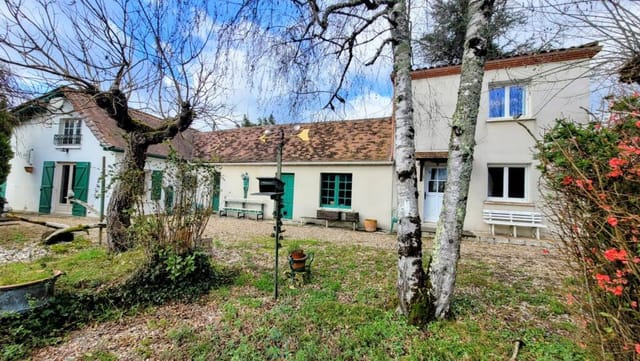
Step outside on a July morning and the first thing you notice is the silence. Not the absence of sound exactly, but a particular quality of it — birdsong carrying across open fields, the faint rustle of vines along the terrace, the distant church bell from the village of Le Temple-sur-Lot marking eight o'clock. You're standing in front of a centuries-old Lebanese cedar so vast its canopy throws shade across half the garden. This is the kind of moment that makes people stop wondering whether they made the right decision. They already know. This 410-square-metre country estate in the Lot-et-Garonne sits on its own private grounds with open views sweeping in every direction — and no neighbors close enough to matter. It comprises three distinct stone buildings: a 19th-century farmhouse, a superbly converted six-bedroom guest barn, and a self-contained one-bedroom cottage called Le Grenier. Ten bedrooms, seven bathrooms. Currently operating as a profitable guesthouse, it works equally well as a multi-generational family retreat, a boutique hotel project, a yoga or wellness retreat, or simply a very generous private home for people who want room to breathe in rural southwest France. The original farmhouse is where the estate's soul lives. Stone walls that have absorbed two centuries of Gascon summers keep the interior cool without a fuss. A large, light-filled living room centers on a wood-burning stove — irreplaceable on those mid-December evenings when the Lot-et-Garonne fog sits low over the valley and you've just come back from the Villeneuve-sur-Lot market with a wheel of Ossau-Iraty and a bottle from a Duras cooperative. The kitchen runs on gas, which serious cooks will appreciate, and a long hallway connects the back ... click here to read more
Picture 1

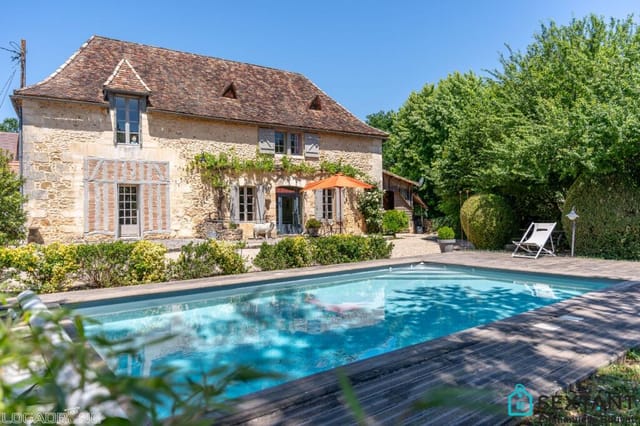
On a quiet Sunday morning in the Périgord Noir, you open the kitchen door onto the terrace and the air smells of woodsmoke and damp stone. A church bell somewhere down the lane counts out nine strikes. That's life in this hamlet just outside Salignac-Eyvigues — unhurried, rooted, and quietly extraordinary. This three-bedroom stone house sits in a small hamlet in the Dordogne département of Nouvelle-Aquitaine, one of the most coveted second-home destinations in all of France. It's a proper working property, not a renovation project or a holiday shell. At 137 square metres spread across three floors, it has the kind of bones that took generations to build and the kind of condition that means you can arrive with a suitcase rather than a skip. The ground floor sets the tone immediately. The main living room stretches to nearly 34 square metres, with exposed stone walls that stay cool in July heat, original beams overhead, and terracotta tiles underfoot that have absorbed a century of footsteps. The fitted kitchen-dining room at just over 20 square metres opens through French doors onto the terrace — which is where summer evenings actually happen, with a glass of Bergerac rouge and the sound of swallows cutting overhead. There's also a ground-floor shower room with WC, practical for anyone coming in from the garden. Upstairs, the first floor reveals the house's most generous room: a 34-square-metre sitting room with a working wood burner tucked into a stone fireplace. On winter evenings — and Dordogne winters are mild but damp — this room is the whole world. Exposed beams run the length of the ceiling, and the stone walls are the same here as on every floor, giving the house a remarkable thermal consistency. The main bedro ... click here to read more
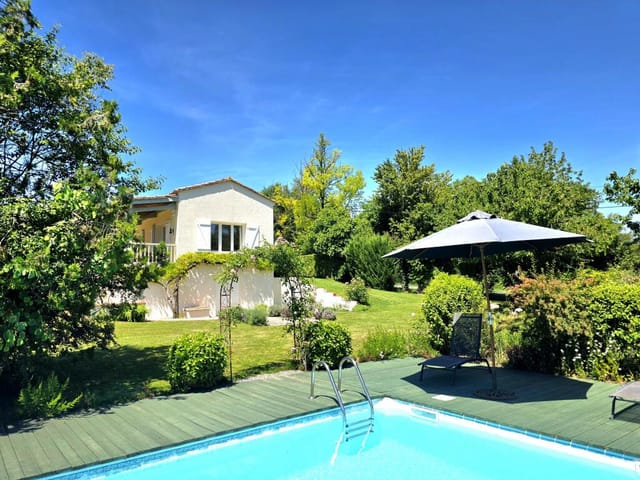
Photo 1

Step into the kitchen of the converted barn on a Saturday morning in October, French doors flung open, the smell of woodsmoke drifting in from the garden, and you'll understand immediately why someone spent years restoring this 1778 farmstead with such patience. The Limousin countryside rolls out in every direction. Nothing but birdsong, the faint trickle of a natural spring feeding an old stone washing basin, and the knowledge that Paris is three hours north and you'd rather stay exactly here. This is a property with real bones and a real story. Built in 1778 and sitting on just over 10,000 square metres of mature gardens, terraces, and lawns in a quiet rural hamlet near Coussac-Bonneval in Haute-Vienne, the estate comprises three separate living spaces — a 173 m² converted barn serving as the main residence, a 124 m² original farmhouse restored as a two-bedroom gîte, and a 29 m² studio apartment currently generating income on short-term rental platforms. That's 325 square metres of habitable space across the full property, plus a workshop, the old pigsty (ripe for conversion), an above-ground pool, and a working well. For a second home that pays for itself, or for two families who want to share a slice of rural France without actually sharing a kitchen, this configuration is genuinely rare. The barn conversion is where the architectural confidence shows most clearly. Downstairs, a 30 m² kitchen anchors the space — big enough to actually cook in, with French doors that open onto two separate terraces so you can chase the shade or the sun depending on the season. A 54 m² living room with fireplace. A laundry room, a WC, and a ground-floor bedroom with en-suite shower, useful when knees or houseguests become a considera ... click here to read more
Picture 1

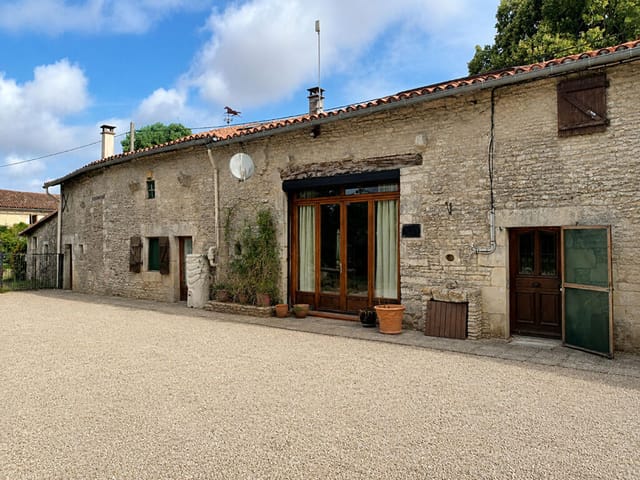
Sunday mornings here have a particular rhythm. You wake up to birdsong — actual birdsong, not the muffled city kind — push open the shutters, and the 1.13-hectare garden sprawls out in the early light, dew still sitting on the fruit trees, the pool catching the first gold of the day. By ten o'clock you're at the Valence d'Agen market, picking up a wedge of Ossau-Iraty and a bottle of Côtes du Marmandais, and by noon you're back under the covered terrace with a long lunch that somehow stretches into a slow, unhurried afternoon. That's the daily tempo this property sets. Situated in peaceful countryside just five minutes from the prosperous market town of Valence d'Agen, this 19th-century stone house — 160 square metres of it, plus a separate guest cottage — is the kind of place that feels lived-in and genuinely loved. Not a renovation project dressed up as a lifestyle choice. It's in good, move-in condition, furnished with care, and ready to be someone's second home in southwest France from essentially the first weekend. The stone exterior has that unmistakable Gascon solidity: thick walls that keep the interior cool through July and August when temperatures climb into the mid-thirties, and cosy through winter when the oil-fired central heating takes the edge off. Step inside through the entrance hall and the original 19th-century staircase stops you immediately. It's not a decorative feature — it's a structural statement, the kind of craftsmanship that simply doesn't exist in new builds. Exposed beams run across the living room ceiling, the open fireplace sits at the room's heart, and fitted cupboards line the walls in a way that suggests this house was always meant to be used hard and enjoyed properly. The kitchen is ... click here to read more
Picture 1

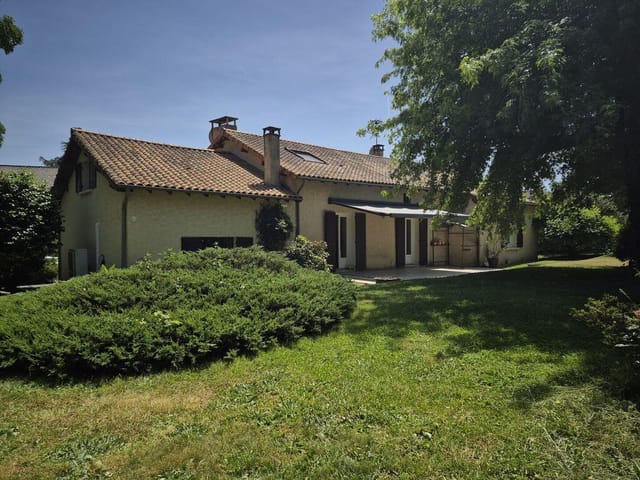
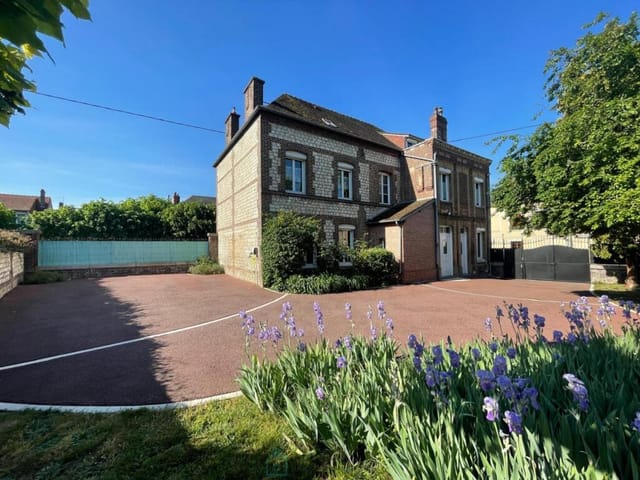
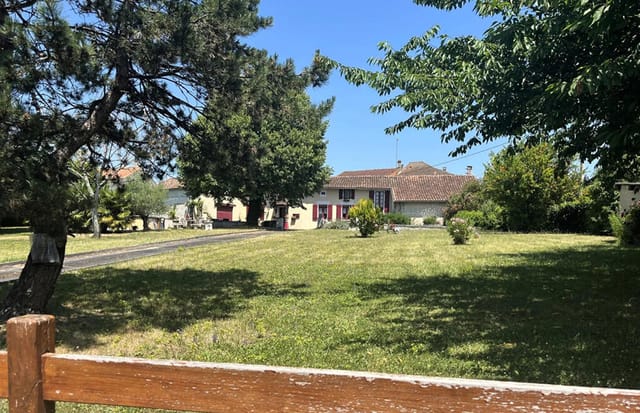
On a still Tuesday morning in Vignols, the loudest thing you'll hear is a wood pigeon calling from the oak tree at the back of the garden. No traffic. No sirens. Just 3,800 square metres of fully fenced green, a stone-quiet lane, and the kind of rural France that most people assume no longer exists. This is where you find it. Set roughly halfway between Pompadour and Objat in the rolling hills of Corrèze, this solid detached house was built in 2009 — meaning it has the bones of traditional French countryside architecture with the practical advantages of modern construction: proper insulation, up-to-date electrics, and no decade-long renovation list waiting for you on arrival. At 117 square metres, it's not trying to be more than it is. It's a house that works. A proper home, calm and well-proportioned, that a family can walk into and immediately start using. Step inside and the living room anchors everything. The fireplace becomes the heart of the house from October through April — and in Corrèze, those evenings come early and cool quickly, which makes it genuinely useful rather than decorative. The fitted kitchen is generous by French rural standards, with enough room to cook a real Sunday meal: a confit de canard slow-braised from market-bought legs, a tarte aux noix made from the walnuts that grow everywhere in this part of France. Three bedrooms give the layout real flexibility — a master, a room for kids or guests, and the third that quietly becomes whatever you need it to be: a study, a studio, a reading room with the window cracked open to the garden air. The pantry is one of those features that sounds minor until you own it. In a rural vacation home, it's transformative — somewhere to store the cases of Cahors ... click here to read more
Picture 1

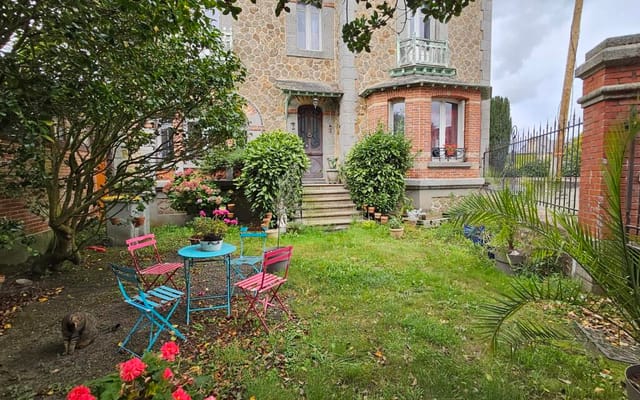
Stand at the upstairs mezzanine window on a still Tuesday morning and you'll understand immediately why people come to Corrèze and never quite manage to leave. The rooftops of Saint-Sornin-Lavolps spread out below, and beyond them, the sweeping grass of the local racecourse catches the early light. No traffic noise. Just birdsong, possibly a distant tractor, and the kind of quiet that city dwellers pay a fortune to find. This four-bedroom house sits on an elevated cul-de-sac — genuinely the kind of position where neighbours are close enough to wave to but far enough that you'd never hear them. The elevated plot gives you those racecourse views without any effort, framed from the living room, the garden, and that mezzanine perch upstairs that could be a reading room, a studio, or the best-connected home office you've ever had the pleasure of working from. The ground floor is practical in the best French sense: nothing wasted, everything considered. A proper entrance hall greets you — not a corridor you squeeze past, but a hall that sets the tone. The fitted kitchen leads naturally into daily life here: morning coffee before the market run, long lunches that drift into afternoon, the kind of cooking that happens when you're not in a hurry. The living room anchors the social heart of the house with a fireplace insert — and if you've never spent a Corrèze winter evening with a fire going while rain taps the windows and something slow-cooked on the stove, that's an experience you've been missing. Four bedrooms sit across the ground floor, one of which has its own shower room en suite — a small detail that makes a significant difference when you have guests. A separate shower room and two toilets handle the morning rush for ... click here to read more
Picture 1

On a clear morning in the Périgord Noir, you can stand on the terrace of this hilltop stone house and watch the mist lift off the Dordogne valley in slow, silent ribbons. Below you, the golden limestone rooftops of Sarlat-la-Canéda catch the early sun. The Saturday market is already setting up on Place de la Liberté — you can almost smell the walnut oil and the rounds of cantal from up here. This is what you bought the property for. Not the square meters, not the barn, not the views. This precise morning, this precise life. The house sits on the hill above Sarlat, just five minutes by car from the old town, but it feels like its own world. A private lane, 1.85 acres of garden, a stone courtyard where afternoons stretch out uninterrupted. At 200 square meters across three levels, the interior has been thoughtfully renovated — restored rather than reinvented — keeping the features that make old Périgord stone houses worth buying in the first place. Exposed oak beams. Walls thick enough to stay cool through a July heatwave. A fireplace in the living room that you'll actually use in November when the walnut trees in the garden go amber and the tourists have long gone home. That 38-square-meter living room is the heart of the house. Step into it and you immediately understand what people mean when they talk about the soul of a French country property. The stone walls have a warmth to them that paint never achieves, and the fireplace isn't decorative — it draws well, throws heat, and becomes the gathering point on winter evenings with a bottle of Bergerac red and nobody anywhere near a screen. The ground-floor bedroom with its own en-suite shower room is a genuinely practical feature, useful for guests with mobility consider ... click here to read more
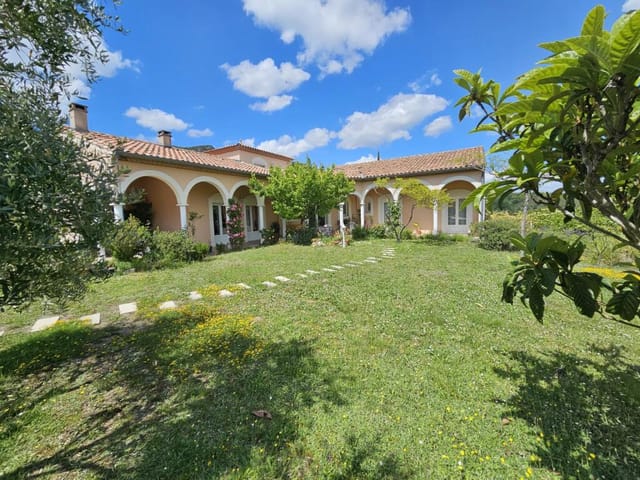
Photo 1