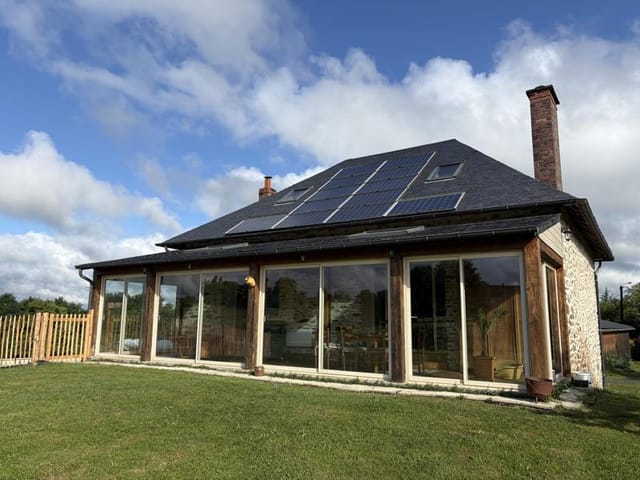
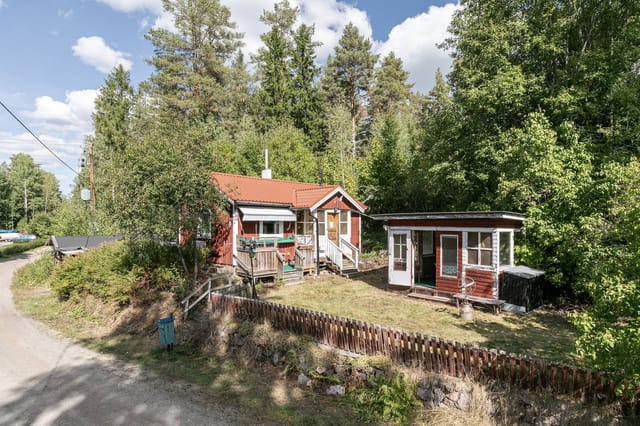
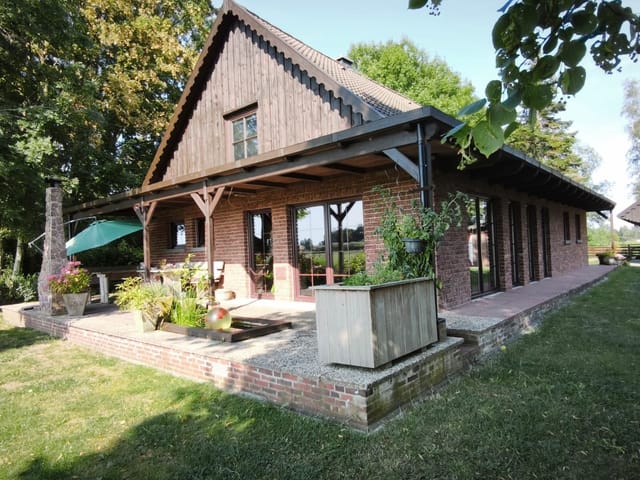
Houses For Sale In Europe (page 2)

Houses for sale in europe - homestra offers the largest amount of european real estate with over 200,000+ properties, find any type of property within your budget from villas to country homes. buy or rent your perfect home in europe. (page 2)

Step out onto the terrace on a July morning and the fjord is right there — silver-grey and glassy before the wind picks up, with the faint chug of a fishing boat rounding the headland. That's Kolvik at 7am in summer. By 9am, someone's already swimming off the rocks at the community beach. By noon, the smell of grilled fish drifts through the garden from three different directions. This is the rhythm of life at Kolvik 757, and it doesn't take long before you'd trade almost anything to make it yours permanently. Sitting just 150 meters from the edge of Gullmarsfjorden — one of Sweden's deepest fjords and one of the most quietly dramatic stretches of the Bohuslän coast — this two-bedroom holiday home sits on an elevated plot that gives it a view most coastal properties in this price bracket simply can't match. The fjord is always in your eyeline. Morning coffee on the terrace, afternoon reading on the balcony off the second bedroom, evening drinks as the light turns amber over the water. The position alone is worth the trip out to see it. The house itself is 73 square meters of honest, functional Swedish summer home. It's in good condition, though it carries the personality of a place lived in for decades rather than staged for photographs. The kitchen has a serving hatch that opens into the living room — a small detail that tells you everything about how this house was designed to be used: sociably, casually, with kids running between rooms and someone always half-involved in the cooking. The living room has proper space for a sofa group and a dining table, which matters when you're planning to pack the place with family in August. Sliding out from the living room, the large terrace and balcony take over as the main liv ... click here to read more

Kolvik 757 - Exterior view with sea in the background

Step outside on a January morning and the cross-country ski trail is right there — literally at the edge of the property. No driving to a trailhead, no fighting for parking at the ski center. You clip into your skis, push off into the blue-white silence of Jämtland's hill country, and the day belongs entirely to you. That's the daily reality at Fingerörtstigen 6 in Klövsjö/Storhogna, and it's the kind of thing that's almost impossible to put a price on. This is a well-kept, 67-square-meter holiday house on a generous 1,506-square-meter plot in one of central Sweden's most beloved mountain communities. Built in 2001, it sits in Bergs municipality — part of the greater Härjedalen-Jämtland high-country corridor that Swedes and an increasingly international crowd have quietly treasured for decades. The house is in good condition and genuinely move-in ready, which matters when you're buying from abroad and can't spend your first season knee-deep in renovation dust. The layout is compact but genuinely clever. Two bedrooms, one bathroom, and a living room that manages to feel like the center of gravity rather than an afterthought. Large windows pull the outside in — snow-draped spruce trees in winter, a green hillside haze in July, the burnt orange of birch leaves come late September. The kitchen is fully equipped and connects naturally to the dining area, so whoever's cooking doesn't get exiled from the conversation. For a family of four or a group of close friends, this works. Really works. Outside, the plot is what sets this property apart from the tighter holiday cabins that dominate this market. 1,506 square meters is room to breathe. There's space for a proper summer table and chairs with enough distance from the neigh ... click here to read more

Exterior view of the house

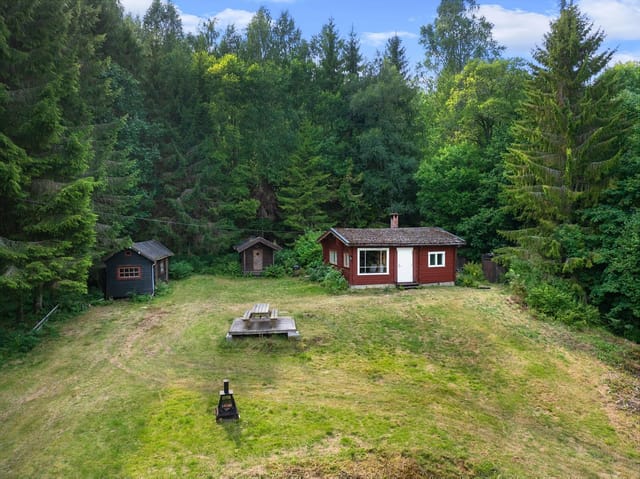
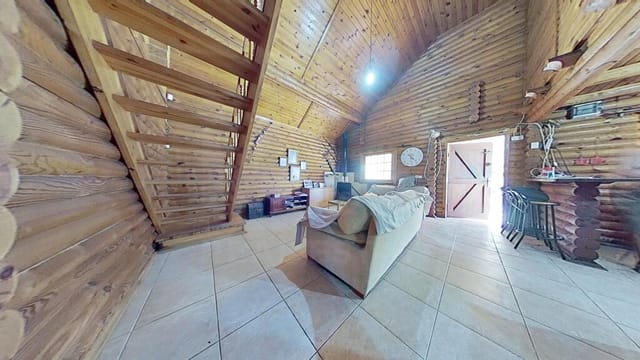
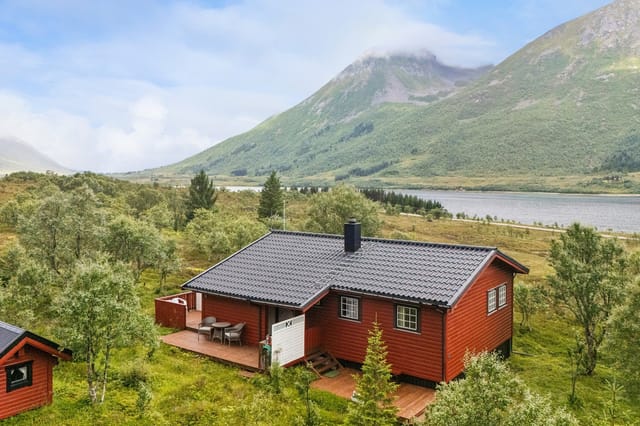
Step out onto the small timber terrace on a clear September morning and the view stops you cold. Across the treetops, the fjord catches the early light in long silver streaks, and somewhere below in the valley, nothing moves. No traffic. No voices. Just the faint creak of spruce in a slow northern wind. This is Hjartland — and it doesn't feel like the rest of the world remembers it exists. Set on a generous 5,500-square-metre woodland plot along Hjartlandsveien in Leirfjord municipality, this 1970s timber chalet sits high enough in the terrain that the views open up in a way you don't get from the valley floor. Three bedrooms, one bathroom, 45 square metres of honest log construction — and a renovation canvas that hasn't been this wide open in years. At 462,640 NOK total asking price, including all fees, this is one of the more affordable entry points into Norwegian holiday property ownership you'll find in the Nordland region right now. The cabin itself is compact but well-proportioned. High ceilings in the main living area keep it from ever feeling cramped, and the exposed timber beams overhead give the space a weight and character that no amount of interior decorating can manufacture from scratch. Large windows pull the forest and sky into the room, and in winter, when the spruce branches carry snow and the light goes gold at two in the afternoon, the scene from the living room sofa is genuinely hard to leave. A fireplace and a wood-burning stove handle heating — not as a design gesture, but because they work, and because there is something deeply satisfying about splitting birch in the late afternoon and feeding the stove after a day on the trails. The kitchen runs off a gas stove and a refrigerator, with water su ... click here to read more

Welcome to Hjartlandsveien 16 – a charming older cabin situated high in the terrain. Access is behind the outbuilding seen in the picture.

Close your eyes and picture this: it's a Saturday morning in late June, and golden light is already streaming through the conservatory glass at half past five. You're holding a mug of coffee, watching a roe deer pick its way across the meadow at the edge of the garden. The birch trees are doing that thing they do in a Swedish summer — practically glowing. This is Norrhenninge 47, a three-bedroom country home on a 2,566 square metre plot in Edsbro, and mornings like that one come with the keys. Edsbro sits in Norrtälje municipality, deep in the Roslagen coastal region northeast of Stockholm — an area that Stockholmers have been escaping to for well over a century. And with good reason. The landscape here is classic uppland: rolling farmland, pine and birch forest stitched together, glittering lakes never more than a few kilometres away. It doesn't shout for attention. It just quietly holds you. The house itself was built in 1977 and sits on elevated ground, which gives the whole property a sense of openness you don't often find at this price. Sixty-one square metres inside is compact but genuinely well-planned — the kind of layout where nothing feels wasted. A wood-burning stove anchors the living room, both practically and emotionally. Light a fire on a grey October evening, pour something from a local Roslagen brewery, and you'll understand immediately why Swedes talk about the concept of mys with such conviction. It's not hygge's Swedish cousin — it's its own thing entirely, and this house was built for it. The conservatory is the real seasonal wildcard. Enclosed and glass-fronted, it extends the usable living space for a much longer stretch of the year than you'd expect. In May, when the mornings are still sharp bu ... click here to read more

61 m² Holiday Home at Norrhenninge 47 Edsbro Norrtälje municipality - image 1

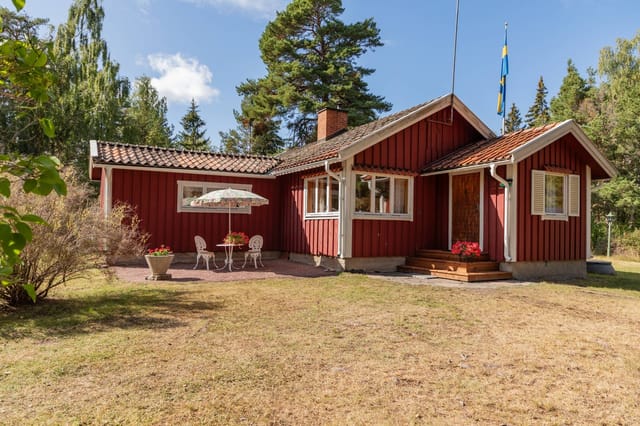
Step outside on a July morning and the stream is already running. You can hear it from the kitchen window — a low, steady rush that cuts through the silence before the coffee has even finished brewing. That's the rhythm of life at Gräsholma 4512, a traditional red-painted Swedish stuga sitting on over 4,400 square meters of land in Markaryds kommun, surrounded by forest and open meadow in the kind of quiet that most people only find by accident. This is southern Sweden at its most unhurried. Markaryd sits in Kronoberg County, close to the border with Skåne, roughly 50 kilometers north of Helsingborg and about 40 kilometers from Ljungby. The E4 motorway is nearby, making it far more accessible than its rural character suggests — you can be in Malmö in under 90 minutes, or catch a flight from Malmö Airport (Sturup) without an early-morning scramble. For buyers flying in from elsewhere in Europe, Copenhagen Airport is also a realistic option, roughly two hours by car. The point is: you don't have to sacrifice the world to get here. The cottage itself was built in 1922 and painted the deep Falun red that's become almost synonymous with the Swedish countryside. White window trim, a pitched roof, a garden that rolls into the tree line — it looks exactly like the image that forms in your mind when someone says "Swedish summer house." Inside, the living space runs to 44 square meters, compact but considered, with wooden floors, good natural light, and the kind of layout that pushes you outdoors rather than keeping you in. There's an additional 20 square meters of secondary space — currently used for storage — which could easily become a hobby room, a workshop, or a proper guest annexe with minimal effort. Three bedrooms sleep ... click here to read more

Front view of the red cottage

Step outside on a February morning and the only sound is the creak of snow-laden pine branches. The thermometer reads minus twelve. Inside, the open fireplace is already crackling, the coffee is on, and through the frost-edged window you can see the Hallingdal valley glowing copper in the low winter sun. This is what owning a vacation home in Ål actually feels like — and once you've spent a week here, the idea of not owning one becomes genuinely hard to justify. Set along Fekjastølvegen, a quiet mountain road that winds up toward the Myset plateau at roughly 893 meters above sea level, this 75-square-meter chalet was built in 1980 and carries the kind of honest Norwegian craftsmanship that newer holiday properties simply can't replicate. Exposed timber, wooden paneling worn smooth by decades of mountain life, an entrance hall that still smells faintly of spruce — these are details that don't come from a catalogue. The building is in good condition throughout, which means you can arrive with skis on the roof and a bag of groceries and be settled in by nightfall, without a renovation project waiting for you. Inside, the layout is straightforward and sensible: an entrance hall leads into a hallway, then opens into the living room where the open fireplace is the undisputed centerpiece. On a clear evening, with the fire going and the mountains dark outside the large windows, this room earns every square meter. The kitchen is functional and well-configured for the way people actually use a mountain cabin — you're not hosting dinner parties for twenty, you're cooking pasta after a long day on the trails and eating with people you like. One bedroom, one bathroom. Enough. What makes this property genuinely interesting for a bu ... click here to read more

Privatmegleren Hallingdal v/ Merethe Jonsen presents Fekjastølvegen 204

Stand at the southeast-facing garden on a Tuesday morning in late September, coffee in hand, and you'll hear almost nothing. The Maas River is a few minutes' walk away, the garden is gold with slanted autumn light, and the only interruption is the distant churn of a barge making its way up toward the Dutch border. That's the daily reality at Boyen 28 — a detached, 328 m² two-unit house on a 1,263 m² plot in Dilsen-Stokkem, a corner of the Belgian Kempen that most international buyers haven't discovered yet. That's precisely why it's worth paying attention now. Dilsen-Stokkem sits in the northeastern tip of Belgium's Limburg province, pressed up against the Maas river valley and the Dutch border. It's not a resort town, which is exactly what makes it appealing. The area draws visitors who come specifically for the Hoge Kempen National Park — Belgium's only national park, just a few kilometers west — and for the extensive cycling and walking network that threads through the polders, marshlands, and riverside forests of the entire region. The Maasland cycling route passes practically at the door. In summer, cyclists and hikers stream through from Germany and the Netherlands; in winter, the landscape quiets into something almost meditative, frost on the fields, herons standing motionless in the shallows. The town of Stokkem itself — the older, village-scale heart of the municipality — has a particular Sunday-morning quality to it year-round. The Saturday market along the main street sells local strawberries in June and asparagus in early spring, both of which this part of Limburg is genuinely famous for. Drive twenty minutes north and you're in Maaseik, one of the most handsome market towns in Flemish Belgium, with a porti ... click here to read more

Front view of Boyen 28, Dilsen-Stokkem

There's a particular kind of quiet that settles over Tulka on a Tuesday morning in August — the kind where you can hear the barn swallows arguing over the hayloft, the distant chime of a buoy somewhere out on the Roslagen water, and nothing else. Stand on the southwest-facing terrace of this 1909 farmhouse with a cup of coffee and you'll understand immediately why families have been holding onto land like this for generations. Set on two jointly taxed parcels totaling nearly 23 hectares just 6 kilometres south of Herräng village, this is a rare working estate in one of Sweden's most quietly coveted coastal farming regions. It's not a renovation project. It's not a fantasy. The bones have been here for over a century, and the current stewards have spent decades getting the details right — geothermal heat pump, solar panels on the barn roof, high-speed fiber run into the main house, an electric car charger by the outbuildings. The infrastructure is there. What you do with 22.87 hectares of Swedish countryside is entirely up to you. The main house itself dates from 1909 and carries that particular weight of well-built things. Two storeys, six rooms, four bedrooms, two bathrooms across the estate. Original period details have been kept where they matter — the proportions of the rooms, the character of the woodwork — while the practical systems have been modernized without fanfare. Heating is handled by a ground-source heat pump that also supplies the guest house next door, so running costs stay manageable year-round even when Stockholm temperatures dip well below zero in January. That guest house — locally called the brygghus, a nod to its original function as a brew house — is one of the estate's quiet revelations. Fully ... click here to read more

Main house and grounds

Step outside on a September morning and the air hits you — sharp, clean, carrying the faint scent of pine resin and something faintly mineral from the Vindel River less than a kilometre away. The birches are turning. A pair of cranes cuts across a sky that seems impossibly wide up here. This is Sorsele, deep in Swedish Lapland, and life at Stridsmark 133 moves at a pace that most people have forgotten is possible. The house itself was built in 1949, and it carries that era's sensibility honestly — solid, no-nonsense, built to handle winters that dip well below minus twenty without complaint. The main structure covers 84 square metres with an additional 24 square metres of secondary space, useful for storing skis, fishing rods, canoes, or whatever gear your version of Lapland life requires. The plot runs to 1,400 square metres, which out here doesn't feel like a garden so much as a small piece of the Swedish wilderness you actually own. Inside, large windows make the most of the light — and in July, when the sun barely sets, that matters enormously. The rooms are well-proportioned and functional, the kind of space that invites people to actually use it rather than just admire it. The kitchen is set up for real cooking: think elk stew simmering after a day out, or lingonberry jam made from berries picked on your own land. The single bedroom is quiet. Properly quiet. The bathroom is maintained and fully operational. Everything here is in good condition and ready to use from day one. The 1,400 square metre plot deserves its own paragraph. Part of it is lawn, part wild, and there's room to expand a kitchen garden, add a wood-fired hot tub, or simply leave it as the deer corridor it already seems to be. Evenings on the plot ... click here to read more

Exterior view of the house and garden

Step outside on a February morning, clip into your skis right at the garden's edge, and within minutes you're gliding through groomed trails with nothing around you but white peaks and the kind of silence that cities can't manufacture. That's the daily reality at Fjellvegen 60 in Haugastøl — a classic Norwegian fjellhytte sitting at 1,065 meters above sea level, with Sløddfjorden spread out below and Hallingskarvet's ridgeline cutting across the sky above. This isn't a weekend cabin that's been dressed up for photos. Built in 1958 and kept in good condition, it has the bones of a genuine Norwegian mountain retreat — thick walls, a wood-burning fireplace at the center of the living room, and windows positioned precisely where you'd want them: facing the fjord and the open plateau beyond. On clear evenings, the light does something remarkable to the water below. Pinks and deep oranges move across the surface of Sløddfjorden for longer than you'd expect, and you can watch the whole thing unfold from the living room sofa. At 42 square meters, the layout is tight and deliberate. There's no wasted space here. The living room anchors the plan, with the fireplace pulling the room together the way only a real hearth can — particularly on the kind of raw October night when the plateau turns moody and the wind picks up. The kitchen is compact and functional, built for people who come here to be outside all day and want to cook a proper meal when they get back. Two bedrooms sleep four comfortably. The storage room is one of the cabin's underrated assets: enough space for two sets of skis, hiking poles, cycling kit, and whatever else the season demands. A toilet room and entrance hall round out the plan. Outside, the plot runs to ... click here to read more

Welcome to Fjellvegen 60 (Photo: Pål Harald Uthus)

Stand on the upper terrace at Kirkøyveien 9 on a late June evening and the sun still hasn't gone down — it just hangs there, amber and low, painting the Vega Archipelago in colours that don't exist anywhere else. The smell of salt and wild grass drifts up from the shore. Somewhere down the lane, a neighbour's boat engine putters out toward open water. This is what Norway's coast actually feels like, not the postcard version. The property sits on Kirkøya, the main island of the Vega Archipelago — a UNESCO World Heritage Site since 2004, recognised for a centuries-old fishing and eider-duck farming culture that is entirely unique to this stretch of the Helgeland coast. This isn't just a scenic location. It carries a living history, and the house at Kirkøyveien 9 is part of that story. Built in 1900, the main house has the bones of something that was made to last. Thick walls, a compact footprint of 72 square metres, and four bedrooms tucked up in the loft — it's a layout that Norwegians have refined over generations for good reason. Warm in winter, airy in summer, and built around the idea that the outdoors is an extension of the living space. The two terraces, totalling 72 square metres between them, prove the point. You'll spend most of July out there. Breakfast in the morning light, dinner at 9pm when the sun is still high, evening coffees that stretch past midnight because nobody wants to go inside. The open-plan kitchen and living room works well for a group. It's social without being cavernous — the kind of space where someone can be cooking while everyone else is talking, and nobody feels shut away. A natural stone wood-burning stove anchors the living area, and on those shoulder-season weekends in May or Septemb ... click here to read more

Welcome to Kirkøyveien 9! Photo: EFKT

Picture this: it's a Saturday morning in late September, the air has that particular Scandinavian bite to it, and you're standing on a west-facing terrace with a mug of coffee watching low mist roll across Lake Skasen through the birch trees. Nobody else is awake yet. The only sound is a woodpecker working at something deep in the forest below. This is Bjørnestien 18—and mornings like this are what it was built for. Set at Skasberget in the heart of Finnskogen, this 2007-built chalet sits at the top of a quiet cul-de-sac with 2,063 square metres of privately owned land sloping gently westward toward that lake view. Three bedrooms, a guest annex, a wraparound terrace, and a location that puts you two hours from Oslo's Gardermoen airport. It's the kind of property that's easy to dismiss on paper and impossible to forget once you've stood on that terrace. The interior is single-level—a thoughtful design choice that makes the cabin genuinely usable for everyone from grandparents to toddlers. Walk in through the tiled entrance hall and the layout opens up naturally into a combined living and dining space where a wood-burning stove anchors the room. On cold November evenings, that stove does most of the heavy lifting, filling the room with warmth while panel heaters quietly do the rest. The large windows on the west wall pull in afternoon light and frame the Skasen view like a painting that changes with every season—ice-white in January, deep green in July, and in October, something you'd struggle to photograph adequately. The kitchen is practical without being spartan. Light cabinetry, good counter space, and a layout that actually makes cooking for six people manageable. A dining area sits right beside it with direct acce ... click here to read more
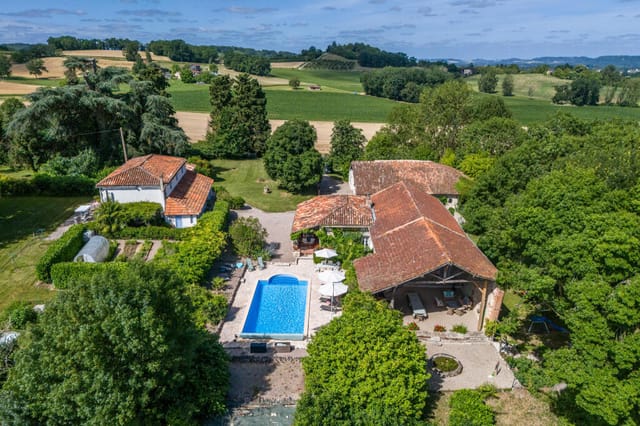
Welcome to Bjørnestien 18 – Cozy family cabin with annex. Photo: Ole Kaldal/EFKT

The wood-burning stove is already crackling by the time you push open the terrace door on a February morning. Outside, the Steinsetbygda valley is white and absolutely still — just fir trees loaded with snow and the faint grooves of a ski trail cutting across the hillside four minutes from the front gate. This is what 755 meters above sea level looks like when you own it outright. Dalsvegen 28 is a three-bedroom holiday chalet in Etnedal, a quiet valley community in the Valdres region of Innlandet, Norway. It's not a flashy property. What it is, is solid, well-considered, and genuinely versatile — a main cabin with a classic Norwegian layout, a brand-new annex finished in 2021, an outbuilding, and a fenced 844-square-meter plot that gives you room to breathe. For a family buying their first Norwegian mountain retreat, or an international buyer looking for a foothold in one of Scandinavia's most beloved outdoor destinations, the value here is hard to argue with at this price point. Let's talk about the annex first, because it changes the property entirely. Completed in 2021, it adds two proper bedrooms — wood-paneled walls, click vinyl flooring, insulated glass windows from 2018 and 2021. Suddenly you have three sleeping spaces in total, which means you're not turning anyone away at Christmas or midsummer. Kids get their own room. Friends from Oslo or Amsterdam get a proper bed instead of a pull-out sofa. The cabin dynamic shifts from cozy-but-cramped to genuinely comfortable. The main cabin itself was designed the way older Norwegian mountain cabins always were: no space wasted. You step into a hallway with painted solid wood floors, and from there you can reach the bathroom, the single bedroom, or the kitchen without ... click here to read more
DNB Eiendom v/ Torleif Løvfald Gaard presents Dalsvegen 28!

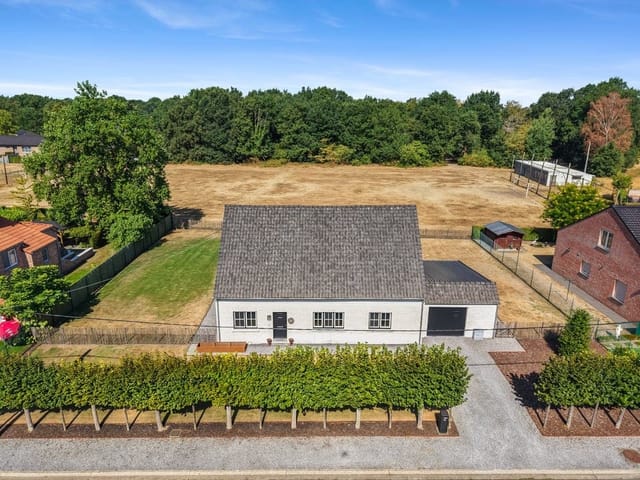
Step outside on a Saturday morning at Heiloopweg 2 and within ten minutes you're walking the pine-shaded paths around the Rauwse Putten, a chain of quiet glacial lakes that most visitors to Belgium never even know exists. That's the thing about Mol Rauw — it doesn't advertise itself. It just delivers. Built in 2025 and finished with the kind of precision you'd expect from a bespoke project rather than a standard new-build, this three-bedroom detached house sits on a generous, hedge-enclosed plot where the only sounds on a weekday afternoon are birdsong and the occasional bicycle bell from the local traffic lane out front. The N71 is right there when you need it — Hasselt in 45 minutes, Antwerp in under an hour — but from inside the south-facing garden, you'd never guess a main road exists. That garden orientation isn't a small thing. From mid-morning until the last light of a summer evening, the sun terrace gets it all. Belgian summers are genuinely warm — July and August regularly push into the mid-twenties Celsius — and having a garden that faces fully south means you're making the most of every hour. The hedges and timber fencing give it an enclosed, private feel without making the space feel small. It's the kind of garden where you actually use the outdoor furniture rather than letting it slowly rust. Inside, the ground floor has been laid out with real thought behind it. The entrance hall connects front to back, which sounds like a minor detail until you've lived through a muddy autumn and you're grateful for a proper rear entry with a dedicated mudroom and guest toilet. The open living area flows from sitting room through to dining space and into the kitchen without any awkward transitions. Parquet tiles through ... click here to read more
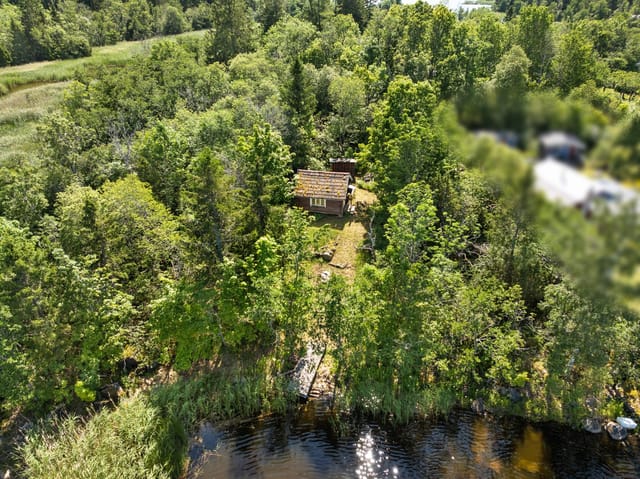
Photo 1 of Heiloopweg 2

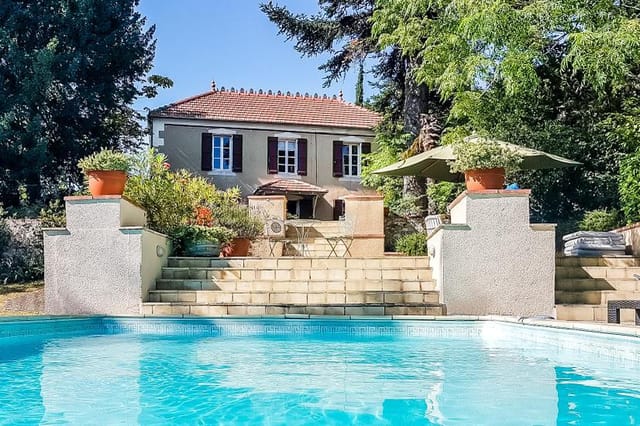
On a quiet Sunday morning in Alba-la-Romaine, you open the shutters and the smell of fresh bread drifts up from the boulangerie two streets over. Church bells knock out a lazy rhythm from the old campanile. Below, the stone-paved lanes are still cool in the shade. By nine, there will be neighbours at the cafe tables on Place de la Mairie, the morning market will be arranging itself around the old fountain, and you will have nowhere particular to be. That is the specific texture of life on Rue Chabrol — and this 113-square-metre village house puts you right at the centre of it. Alba-la-Romaine sits in the southern Ardèche, about twenty minutes west of the Rhône valley and the A7 motorway. It is not famous in the way that Gordes or Les Baux-de-Provence are famous — and that is precisely its appeal. The village has earned its place on the list of France's most architecturally significant historic settlements without becoming overrun. The Château d'Alba crowns the basalt rock above the rooftops, medieval in its silhouette but built on Roman foundations that were themselves raised over a Gallo-Roman town. Active archaeological excavations still turn up finds on the edge of the village, and a small but genuinely interesting local museum — the Musée de l'Ardèche — displays mosaics and pottery recovered from the site. It is the kind of place where history is not performed for tourists; it is simply woven into the stone underfoot. The house itself is on Rue Chabrol, steps from the village core. The ground floor opens around a vaulted room — proper barrel-vaulted stone, the kind that took craftsmen centuries to figure out and nobody builds anymore. It gives the kitchen and dining area a weight and atmosphere that no amount of in ... click here to read more
Front view of 24 Chabrol 0740

Stand on the 22-square-meter terrace at Fornesveien 357 on a clear July morning, coffee in hand, and the Tjeldsundet strait stretches out in front of you like hammered silver. Seabirds cut low over the water. The only sound is the occasional creak of the old pine trees behind the cabin and the soft knock of a fishing boat leaving the cove 100 meters down the hill. This is what you came to Norway for. Tovik sits on the island of Senja in Troms county — though most people outside Norway have still never heard of it, which is arguably the point. Senja is sometimes called Norway's secret Lofoten, a comparison that feels both accurate and slightly unfair, because Senja has its own personality entirely. The coastline here is rawer, the crowds thinner, the fishing villages quieter. The dramatic mountain-meets-fjord scenery that international photographers now queue up at Segla summit for has been the everyday backdrop for the people of Tovik for generations. As a vacation home in Norway, this chalet puts you inside that landscape rather than just looking at it from a tour bus window. The cabin itself was built in 1980 and sits on a generous freehold plot of 1,499 square meters — a rare amount of land for a Norwegian leisure property at this price point. The main structure covers 28 square meters of interior living space, with a loft above the main room that sleeps two comfortably and gives the cabin a surprising sense of vertical space. There's also a separate annex with a provisional bathroom setup and an outbuilding with shower and toilet facilities. In total the usable area across all three structures reaches 47 square meters. Not large, but functional — and the Norwegians have a long tradition of understanding that a hytt ... click here to read more
EIE Eiendomsmegling presents Fornesveien 357 - a leisure property with a rural and scenic location

Step off the boat onto your own granite island and hear nothing but the lap of saltwater against smooth rock and the occasional cry of a tern overhead. That's the daily reality at Vareskjær — a complete private islet in the Randesund archipelago, just outside Kristiansand on Norway's southern coast. No neighbors on your doorstep. No shared shoreline. Just 850 square meters of sun-warmed stone, open sky, and water in every direction. Properties like this almost never come to market. Owning an entire island — even a compact one — in Norway's skjærgård is the kind of thing that usually stays within a family for generations. Vareskjær is a rare break in that pattern, and anyone who has spent a summer cruising these waters will immediately understand why. The islet sits facing Herøya and Tømmerstø Brygge, which means the orientation is almost absurdly good. The sun tracks across the site from morning to evening, and the smooth granite slopes on the southern side act like a natural heat absorber by early afternoon. Bring a book, a thermos of coffee, and no particular agenda. You will not miss having a garden. The boathouse itself was built in 1943 and has the kind of weather-beaten solidity that only eight decades of coastal exposure can produce. Inside — 25 square metres of it — there's a living area with a small kitchen, a storage room, and a staircase climbing up to a loft. It's functional, genuinely comfortable for a summer stay, and completely honest about what it is: a coastal retreat, not a suburban extension. The jetty terrace stretching out from its side is arguably the best room in the house. Wide enough for a table, chairs, and a full spread of grilled mackerel on a Saturday evening, it faces the water and catche ... click here to read more
Welcome to Vareskjær - located in the beautiful archipelago outside Kristiansand

Step off the trail at dusk, boots still damp from a day crossing the Voss highlands, and push open the cabin door to the smell of pine-warmed timber and mountain air drifting in through a cracked window. That moment — ordinary, uncomplicated, completely yours — is exactly what Høgabuvegen 17 is about. This is a 1956 Norwegian hytte in Dalekvam, 42 square meters of honest mountain architecture sitting on 683 square meters of land in one of western Norway's most quietly celebrated outdoor corridors. It is not a finished showroom. It is a foundation, and that distinction is precisely what makes it interesting. Dalekvam sits in the Voss municipality, a name that carries serious weight among Scandinavian outdoor enthusiasts. Voss is the town that hosts the Ekstremsportveko festival every June — the largest extreme sports gathering in the world — where paragliders spiral over the fjord and kayakers run whitewater that would make most people reconsider their life choices. You don't need to be chasing adrenaline to appreciate the energy of this region, but it helps to understand why people keep coming back. The mountains here are not decorative. They are functional, alive, and genuinely accessible from the cabin's front door. Høgabuvegen sits in the higher terrain above Dalekvam, which is itself tucked into the Evangerfjord and Vosso river valley system. The E16 highway — the main artery between Bergen and Oslo — runs through this area, which means getting here is straightforward. Bergen Airport at Flesland is roughly an hour's drive west, and Bergen's city center is less than 90 minutes away. For international buyers flying into Norway, this connection matters enormously. You can land on a Friday afternoon and be lighting a f ... click here to read more
Høgabuvegen 17 presented by Proaktiv Eiendomsmegling v/ Rakel Søvik

Step off the train from Västerås on a Friday afternoon, drive five kilometers through birch forest still dripping from the morning rain, and by the time you pull up to Grenvägen 4, the week already feels like a different life. That's the thing about this part of Bergslagen — the decompression happens fast. The pines close in, the road narrows, and everything slows down in the best possible way. This classic Swedish röd stuga sits in the quiet hamlet of Godkärra, and the lake — Övre Vättern — is essentially at the end of the lane. Not a marketing stretch. You can hear it on still mornings. The property includes access to a shared boat dock, so whether you're rowing out at six in the morning with a fishing rod and a thermos of coffee, or just watching your kids splash around in the afternoon shallows, that water is yours to use. Swimming spots along these shores are sandy and shallow near the edge — the kind that grandparents and toddlers both love. The cottage is a single-level build, traditional in every sense: red-painted wooden paneling, a metal roof replaced around 2010, and a foundation on piers that gives it that slightly elevated, classic Dalarna-adjacent silhouette you'd recognize from a hundred Swedish summers. It doesn't try to be something it isn't. At 72 square meters it's deliberately compact — two bedrooms, one bathroom, a living room and kitchen that flow into each other naturally, and an attached terrace where most of the actual living happens between May and September. That terrace deserves a proper mention. It was roofed over with metal in 2019, meaning you can leave the cushions out during a passing shower, keep the grill going in drizzle, and sit out until ten at night under the Swedish midsummer sk ... click here to read more
Exterior view of the holiday home

Early on a Saturday morning in Neurhede, before the rest of the household stirs, you pull on your boots and walk the gravel path to the stable. Eight horses shift and breathe in the cool Lower Saxony air. Beyond the paddock, your private five-hectare forest catches the first light filtering through the oaks. Nobody else's windows look in. No road noise. Just the soft percussion of hooves on straw and the smell of damp pine needles drifting across the yard. This is what 7 hectares of freehold German countryside actually feels like to own. Hauptstrasse 3 in Neurhede is a working estate in the best possible sense — a fully rebuilt four-bedroom detached house, a professional-grade stable complex, two-plus hectares of fenced pasture, a stone barn, and a forest that is yours to ride through, walk through, or simply let be. The house itself was comprehensively rebuilt in 1993 and is laid out across two fully independent floors, each with its own kitchen, living room, two bedrooms, and bathroom. That dual configuration is unusual and genuinely useful. It means multi-generational families can live together without living on top of each other, or the upper floor can house guests, a live-in groom, or long-term tenants while you occupy the ground level. Ground floor living centres around a generous open-plan kitchen and dining area. The kitchen is fitted with modern built-in appliances and runs in a light, neutral palette that makes the whole space feel wider than its square footage suggests. Two large bedrooms sit off the main hallway, and the ground floor bathroom covers everything you need — bathtub, separate shower, washbasin, toilet. The setup is practical without being spartan. Upstairs, the second kitchen leans into a count ... click here to read more
Photo 1 of Hauptstrasse 3

Early July morning in Dalarna. You pour coffee in the kitchen, push open the window, and hear nothing but birdsong and the soft creak of pine trees. Somewhere down the trail, Lake Amungen is still glassy and cool. By noon, your cousins will arrive and fill the guest cottages; by evening, someone will have caught a perch worth bragging about. This is the rhythm that Dalstuga Björnstigen 7 makes possible — a rare Swedish country property with a main cottage, four separate sleeping cabins, a boathouse share, and nearly 2,000 square meters of open land tucked into Rättviks kommun, one of Dalarna's most quietly celebrated corners. The main cottage clocks in at 57 square meters — compact, yes, but genuinely well-used space. A wide hallway leads into a shower room, and then the living room opens up around a fireplace that earns its keep on October evenings when the forest goes amber and the temperature drops fast. The family room adjoining it has built-in bunk beds, which means kids have their own territory and you don't have to negotiate sleeping arrangements at 11pm. The kitchen is practical, with real counter space — the kind of kitchen where you actually cook, not just heat things up. What makes this place exceptional, though, is the compound quality. Four additional sleeping cottages of varying sizes each have their own electricity connection, so family groups or friends can come and go with some independence. Add a storage barn, an outdoor toilet, and several outbuildings, and you have a property that handles large gatherings without anyone feeling crowded. It also connects to the main electricity grid and draws summer water through an easement arrangement with a neighboring property. The sewage system is the property's ... click here to read more
Exterior view of the main cottage

The first thing you notice, walking that 700-meter forest path to reach the cabin, is the quiet. Not the dead quiet of a city apartment at 3am, but the alive kind — birdsong, the creak of pine branches, the distant sound of water before you can even see it. Then the trees open up, and there it is: a 1945-built timber cabin sitting right at the water's edge, with a veranda pointed straight at the lake. This is Synstebysætra 59. Perched at roughly 540 meters above sea level in the hills outside Skreia, in Innlandet county, it's the kind of place that makes you put your phone down within the first hour. The cabin itself is compact and honest — 57 square meters with no pretense. An entrance hall, a living room with a fireplace, a kitchen, a bedroom, and a small veranda that juts out toward the water. Large windows in the living room pull the outside in. On a clear morning, light comes off the lake surface and bounces around the walls in a way that no interior designer could replicate. The fireplace is the social center of the space in October and November, when the temperature drops and the forest turns gold. You stack a few birch logs, make coffee, and that's your evening sorted. The veranda — about 7 square meters — punches well above its size. It's oriented to catch the sun through most of the day, and the view down to the water is unobstructed. Breakfast out here in July, when the Norwegian summer is doing its best and the lake is warm enough to swim in by mid-morning, is genuinely hard to beat. There's a garden area on the grounds too, flat enough for kids to run around on, good for a barbecue setup, and maintained well enough that you're not walking into a project. Skreia sits in the Toten region of Norway, about a ... click here to read more
Welcome to Synstebysætra 59! Photo: Torben Wirkestad

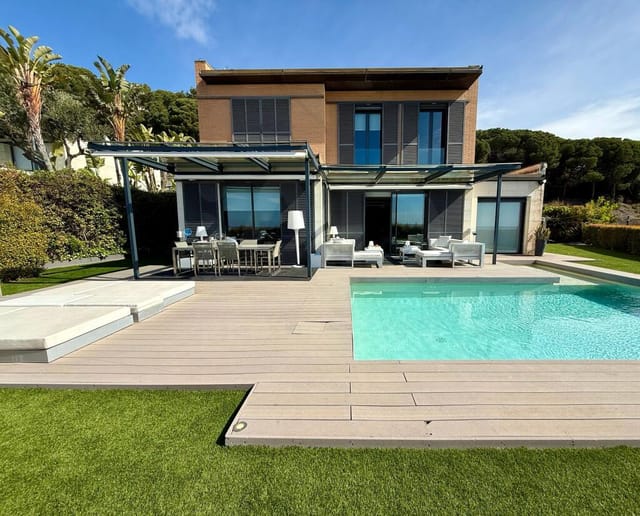
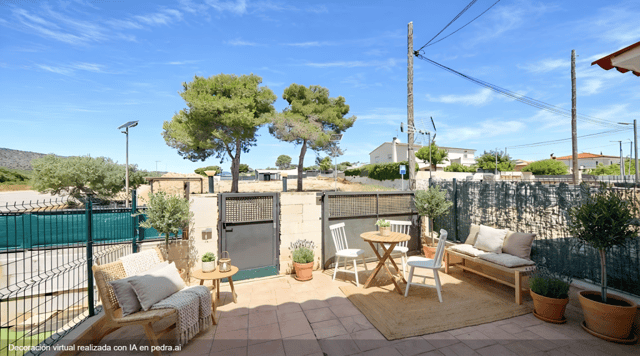
Step outside on a January morning and the air is already warm enough to take your coffee on the terrace without a jacket. The mountains behind Estepona are still catching the low winter light, the sea is a flat silver line on the horizon, and the automatic awnings are rolled back to let every bit of it in. This is what it actually feels like to own a ground-floor corner apartment at Los Flamingos Golf Resort — not a weekend escape, but a second life running in parallel with your real one, ready whenever you are. The apartment sits within the gated Four Seasons community at Los Flamingos, one of the most consistently sought-after addresses on the Costa del Sol. Corner position matters here. It means the private garden wraps around more of the property than a standard unit, the south-facing terrace catches sunlight from mid-morning until sunset, and there are no immediate neighbours crowding in from two sides. The views from that terrace — a layered panorama of the Sierra Bermeja foothills sweeping down toward the Mediterranean — are not the kind that appear in every listing on this stretch of coast. They earned their own paragraph. Inside, 162 square metres have been laid out with a logic that rewards daily living rather than impressing on a show day. The entrance hall is practical without wasting space — fitted wardrobes, a dedicated storage room — before opening into the living and dining area where a fireplace makes the room feel genuinely habitable in winter. Direct terrace access from the living room dissolves the line between inside and out in the warmer months. The kitchen runs along the front of the apartment with its own breakfast corner: not a token stool at an island, but a proper little nook where someone ca ... click here to read more
Picture 1

Step outside on a still Tuesday morning in late September and the air smells of damp grass and Swedish pine. A horse shifts in its stable forty meters away. The fields roll out in every direction, gold and grey-green, the kind of quiet that city people drive three hours to find—and here it's simply the default setting. This is Slimminge 189, a five-bedroom country home on 1.6 hectares of south Swedish farmland outside Skurup, and it is genuinely unlike most things on the market in Skåne right now. The house itself was built in 1909, and you can feel that in the bones of it—solid, unhurried, built with the assumption that it would outlast everyone who ever lived in it. But nobody is asking you to live with 1909 kitchen fittings. The kitchen has been renovated properly, not just resurfaced: real storage, real counter space, modern appliances that actually function. On Sunday evenings this kitchen earns its keep. The layout opens toward the dining area, so whoever is cooking isn't banished from the conversation. Big windows pull the countryside inside, and in winter the low Scandinavian light makes the whole room glow in a way that is almost theatrical. One hundred and seventy-five square meters across two floors gives the family room to breathe. Five bedrooms means you can host parents and kids and still have a room for the person who can't share a bathroom with anyone else. Two fully tiled bathrooms keep the morning routine from becoming a crisis. There's also a 62-square-meter secondary area—call it what you like: a workshop, a tack room overflow, a creative studio, a mudroom that actually handles the mud. Rural living generates clutter, and this building swallows it. The courtyard is where the property reveals itself ... click here to read more
Front view of the villa and stables

Step outside on a September morning at Vatningvegen 99 and the air hits you differently at 665 metres — sharper, cleaner, carrying a faint trace of pine resin and damp earth from the night's frost. The Ranheimsbygda hillside is dead quiet except for the creak of the old wooden veranda underfoot and, somewhere beyond the treeline, the distant call of a fieldfare. This is the Norway most visitors never find. And it can be yours. Sitting on its own 990-square-metre freehold plot above the Valdres valley, this compact two-bedroom chalet has the kind of stillness that city life systematically strips away. The nearest neighbours are far enough that you won't hear them. The Køltjern lake is close enough that a morning swim before breakfast isn't a fantasy — it's just Tuesday. The cabin itself is 38 square metres of single-level efficiency. That sounds small until you're inside, and the open fireplace is going, and the large windows are framing a view of forest and sky that no architect could improve upon. The layout flows logically: entrance hall, living room anchored by that traditional hearth, a functional kitchen directly alongside, and two bedrooms tucked quietly toward the back. One of those bedrooms opens directly onto a covered veranda — which means, on warm July evenings, the boundary between indoors and outdoors essentially dissolves. You eat out there. You read out there. You watch the light change over the hills until you've completely lost track of time. The kitchen is practical and honest. Cabinetry was refreshed in 2011 and again in 2019, and the refrigerator is brand new (2026). Under-cabinet lighting with dimmer control gives the space more atmosphere than you'd expect. Water comes from a private borehole on ... click here to read more
Welcome to Vatningvegen 99 – a charming leisure property, freely and privately located at approx. 665 meters above sea level in Ranheimsbygda!

Step outside on a July morning and the lake is completely still. Søvatnet holds a perfect mirror of the sky, and the only sound is the occasional splash from a trout breaking the surface somewhere near the far bank. That's your view from the terrace at Søvassdalsveien 1734 — and it doesn't cost extra. Vinjeøra sits tucked into the Trøndelag region of mid-Norway, a place most international buyers haven't discovered yet. That's precisely what makes it worth paying attention to. This is real Norwegian cabin country — not a resort, not a development, but a genuine rural community where locals have been retreating to the forests and fjord-adjacent lakes for generations. The chalet at Søvassdalsveien 1734 was built in 2023, so everything is fresh, tight, and ready to use from the day you arrive. At 36 square meters of interior living space, this is not a large property by any stretch. It isn't meant to be. The design is deliberate — compact, efficient, and oriented entirely toward the outdoors. Think of the interior as your base camp. The open-plan kitchen and living room is a bright, wood-paneled 21 square meters where meals happen quickly and easily before everyone heads out. The kitchen has light-colored cabinetry, a practical layout with no wasted corners, and enough counter space to actually cook rather than just heat things up. In the evening when the hiking boots are drying by the door, the wood-burning stove at the center of the living area does exactly what a wood stove should: it makes the whole room feel smaller, warmer, and more yours. Two bedrooms handle the basics solidly. One fits a double bed with room to move around it; the other is more intimate but perfectly functional for a child or solo guest. Then the ... click here to read more
EIE Real Estate presents Søvassdalsveien 1734! Photo: EFKT by Aleksander Jacobsen.

Step out onto the terrace on a Saturday morning in late August and you'll understand immediately. The Vesterbukta bay sits calm and silver below, the birch trees are just starting to turn at their tips, and the only sound is the occasional crack of a branch somewhere up on the ridge. Coffee in hand. No traffic. No noise. Just the particular stillness of inland Norway doing what it does best. Tvildalsveien 58 is a compact, practical cabin in the Tvildalen valley outside Hattfjelldal — a small municipality in Nordland county that most Norwegians know as prime wilderness territory, and that international buyers are only just beginning to discover. At 53,100 EUR, it's one of the most accessible entry points into genuine Norwegian cabin ownership you'll find anywhere above the Arctic Circle. The cabin itself was built in 1990 and sits in good condition on a freehold plot of 1,188 square meters. That word — freehold — matters enormously for international buyers. You own the land outright. No ground rent, no lease expiry, no renegotiations every thirty years. It's yours to do with as you like, whether that means adding a small sauna down by the tree line or simply leaving it exactly as it is. Inside, the 40 square meters work harder than you might expect. The entrance hall keeps the cold out properly, which anyone who's experienced a Nordland February will appreciate. The combined kitchen and living room is the social heart of the place — wide enough to hold a proper dining table and a couple of sofas, with a fireplace at one end and direct terrace access at the other. The fireplace isn't decorative. On October evenings, when the temperature drops fast and the first frost glazes the grass outside, it's what makes the cabin f ... click here to read more
DNB Eiendom v/Lars-Kåre Valla Jacobsen presents Tvildalsveien 58!

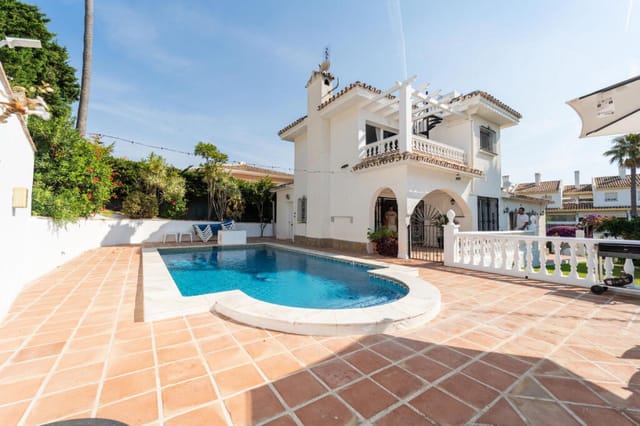
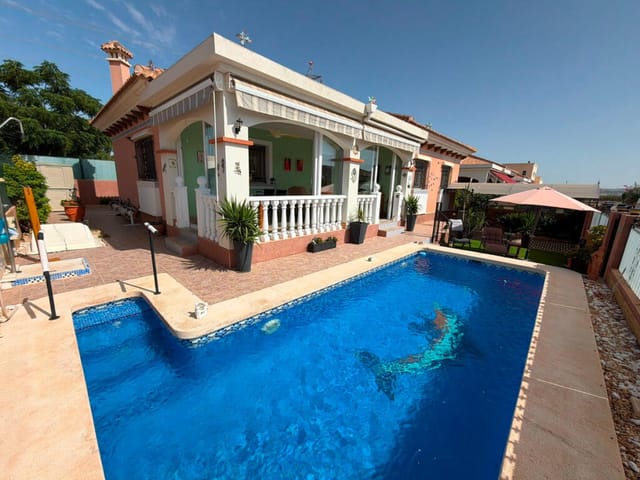
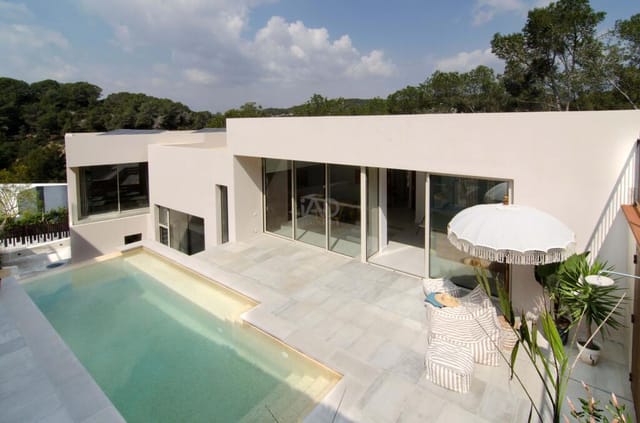
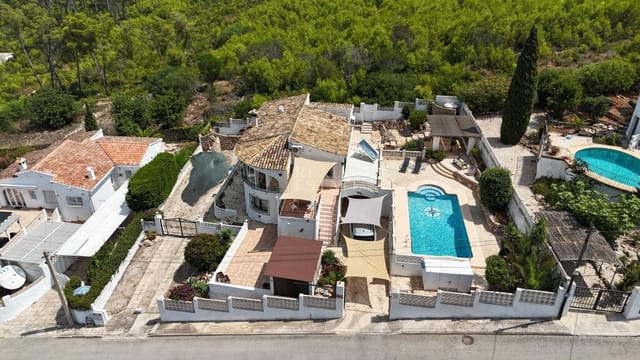
Saturday morning in Estepona: the air smells of orange blossom and someone nearby is firing up a grill. You pad out to your private 80-square-metre garden in bare feet, coffee in hand, and the only decision you face before noon is whether to walk down to Playa del Cristo or stay put in the chill-out zone where the jasmine is doing something extraordinary right now. This is the kind of morning this apartment was built for. Sitting in a quiet residential community on the Costa del Sol, this two-bedroom apartment has been thoroughly renovated and comes with something genuinely rare at this price point: a private garden that gives you the feel of a townhouse without the upkeep. At 80 square metres of interior space paired with 80 square metres of outdoor terrace and garden, the property lives considerably larger than the numbers suggest. The outdoor area has been properly thought through — a shaded chill-out corner, a barbecue setup, a dining table that seats eight without anyone feeling cramped — and there's actual planning potential to add a private pool if you want to take things further. Inside, hardwood floors run throughout, catching the afternoon light in a way that makes the rooms feel warm rather than clinical. The two bathrooms have both been renovated to a modern standard, and the kitchen is fully equipped and ready to use from day one. A fireplace makes the apartment genuinely comfortable during Estepona's mild winters, when the temperature dips just enough that an open flame stops being a luxury and becomes a small pleasure. Built-in wardrobes throughout keep things tidy, and the apartment is sold partially furnished, so you're not walking into an empty shell. The residential complex itself is well-maintained ... click here to read more
Picture 1

Step out of the front door in the early morning, coffee in hand, and the Baltic Sea is already right there — maybe forty meters away, maybe less. The water shifts color depending on the hour: slate grey before sunrise, then suddenly copper-gold, then the particular blue-green that Öland seems to reserve for itself. Church swallows cut low over the coastal meadow below the garden. That's the daily reality of this three-bedroom house at Össby 251, and it's one of those rare situations where the property genuinely delivers on every inch of its promise. Össby is a small village on the southeastern tip of Öland, the long narrow island off Sweden's Baltic coast that stretches between Kalmar in the north and the Ottenby nature reserve at its southern tip. This isn't a tourist village in any commercial sense. There's a local restaurant and not much else in the way of retail, which is precisely the point. The nearest grocery run takes you eight kilometers north to Grönhögen — a short drive past windmills and limestone alvar — where you'll find a supermarket, a couple of restaurants, an ice cream café that gets genuinely busy in July, and a golf course that sits above the sea with views that golfers tend to photograph more than they play. Grönhögen also has the old Neptuni åkrar limestone quarry, a shallow natural swimming hole etched into ancient rock where Swedes have been cooling off for generations. The Ottenby Bird Observatory, one of Scandinavia's most important ornithological stations, is just a few kilometers south. Spring and autumn migration here is extraordinary — raptors, waders, and songbirds funnel through Öland's southern tip in numbers that attract serious birdwatchers from across Europe. But you don't need to be ... click here to read more
Seaside villa exterior with sea view

Step out onto the terrace at eight in the morning, coffee in hand, and the Mediterranean is already glittering in front of you. That's not a postcard. That's a Tuesday at this south-facing ground floor apartment in Torrevieja, one of the Costa Blanca's most liveable towns and a place that gets more than 320 days of sunshine a year. At 85 square metres inside, plus a terrace generous enough to fit a proper outdoor dining setup and a full outdoor kitchen with barbecue, this two-bedroom apartment punches well above its footprint. The layout is practical without being cramped—an independent kitchen that actually functions as a kitchen rather than a corridor afterthought, air conditioning throughout, fitted wardrobes in both bedrooms, a storage room, and the whole place handed over furnished and ready to use from day one. You won't spend your first weekend hauling flat-pack furniture from a car park. The communal area here is genuinely one of the best in the area. A large main swimming pool, a separate children's pool, a jacuzzi, manicured gardens, and broad shaded zones for lounging—this is not the tired, cracked-tile common area you find in many resorts. Residents actually use it. On summer evenings, there's usually the quiet murmur of a dozen conversations happening across the water, with the smell of sunscreen still hanging in the warm air. The south orientation means light floods every corner of the apartment from morning until the last of the evening sun. Sea views, open surroundings—no wall of concrete blocking the horizon—and the kind of quiet that only comes from a well-run private residential complex in a residential rather than tourist pocket of the city. Torrevieja itself is worth knowing better than its reput ... click here to read more
Picture 1

Step outside on a September morning and the Dalelva river is right there — close enough that you can hear it before you see it, a steady rush of cold mountain water that fills the whole valley. The birch trees are just starting to turn. Coffee in hand, standing on the 15-square-metre terrace, you get the kind of quiet that city weekends never quite deliver. That's Fjæra. That's what this three-bedroom chalet on Langebu 7 actually feels like. This is a proper Norwegian fjell cabin — not a polished weekend retreat airbrushed for a magazine, but a genuine, well-kept holiday home built in 1983 and maintained with care over the decades. At 90 square metres spread across three floors, it has real space to breathe. There's room for a family with kids, for grandparents who need a proper bed, for friends who'll stay through Sunday. The layout is clever in that old-fashioned, unpretentious way: a main living floor with a bright sitting room, open kitchen, and direct terrace access; two additional bedrooms upstairs configurable with bunks or doubles depending on who's coming; and a lower ground floor with a second lounge — the kind of basement den that keeps teenagers happily occupied on rainy afternoons while adults read upstairs. The kitchen is functional and ready to use, stove and fridge included in the sale. The bathroom has a shower, WC, and wall-mounted storage. Nothing over-engineered — just solid, practical fittings that hold up to weekend-after-weekend use. The laundry room with washing machine plumbing means you can pack lighter. Storage rooms on the lower floor handle skis, waders, hiking boots, and everything else that accumulates when you actually use a place. Fjæra itself sits in Etne municipality in Vestland coun ... click here to read more
Welcome to Langebu 7 presented by Miriam Lie Løften at Eiendomsmegler Norge

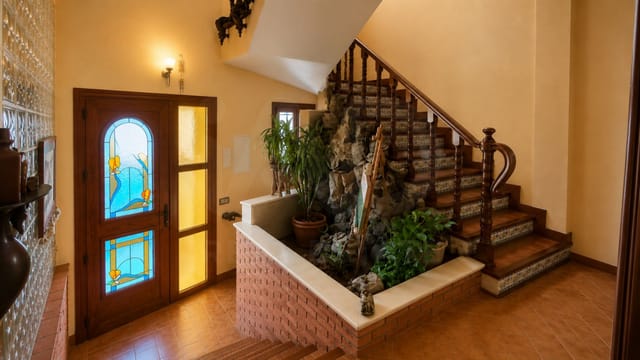
Picture this: it's a Tuesday morning in late October, the kind of day that doesn't exist anywhere north of the Pyrenees. You step barefoot from the living room onto your private terrace, coffee in hand, and the air smells faintly of salt and orange blossom. The garden — your garden, all 65 square metres of it — catches the first real warmth of the morning sun. Out past the palm tops, the Mediterranean sits flat and silver on the horizon. This is not a fantasy. This is a standard Tuesday when you own this ground floor apartment near Playa del Sol on the Costa del Sol. At 123 square metres of interior living space, the apartment feels generous without being unwieldy. The southwest orientation is everything here. Natural light builds slowly through the morning, fills the living room by midday, and lingers on the terrace well into the evening. The fireplace in the lounge — an unexpected pleasure in a beachside apartment — means the cooler months from November to February are genuinely cosy rather than something to escape. A fireplace and sea views. That combination doesn't come up often. The kitchen is fully fitted and well thought out. There's real storage here, not the token cupboard space that catches you off guard in smaller Costa apartments. There's also room for a proper breakfast corner, which matters more than people realise when you're spending three weeks in a place rather than three nights. The guest bedroom and its separate bathroom give visitors genuine privacy. The master suite handles the generous wardrobe situation you need for longer stays, with a private en-suite that keeps morning routines civilised when the whole family is under one roof. Then there's the basement storage room. 64 square metres of it. ... click here to read more
Picture 1

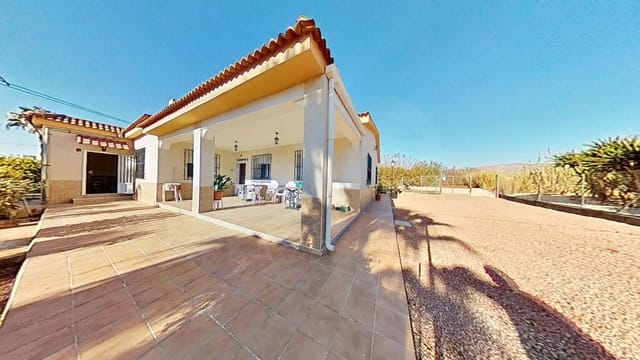
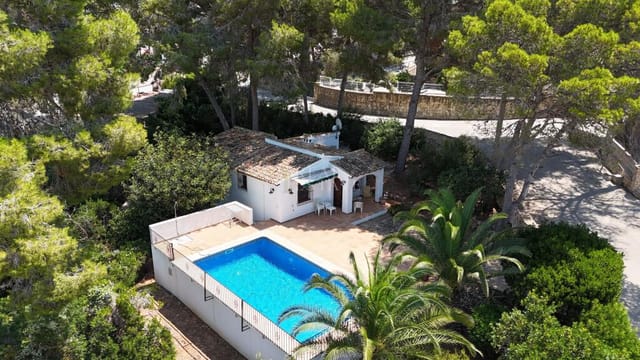
Step outside on a Saturday morning in late September, coffee in hand, and the beach is already there — Molinell Beach, just a three-minute walk from your front door, its wide sandy stretch almost entirely yours at that hour. The summer crowds have thinned, the light off the Mediterranean is golden and low, and from your rear terrace you can already smell the salt air mixing with whatever the neighbors are grilling. That's Oliva. Quieter than Dénia, less discovered than Valencia's city coastline, and in the view of anyone who's spent real time along this stretch of the Costa del Azahar, still one of the best-kept secrets on Spain's eastern shore. This three-bedroom chalet sits on a 217 square metre plot in one of Oliva's most coveted pockets — the low-density beach zone between the Molinell River and the Deveses Beach road. The house itself covers 78 square metres of interior space, a layout that's honest and liveable rather than overcrowded with rooms that nobody uses. Three bedrooms, each with fitted wardrobes. One full bathroom. An open-plan kitchen that flows into a living and dining area anchored by a wood-burning fireplace — which matters more than you'd think. Even on the Costa Valenciana, January evenings get genuinely cool, and there's something about eating beside a real fire with the winter quiet outside that makes a holiday home feel like an actual home. The two covered terraces — one at the front of the house, one at the rear — do a lot of the living for you here. The front terrace faces the street and catches the morning light. The back one is where you'll spend most evenings: the barbecue is there, the shade arrives early in the afternoon, and when the jasmine blooms in May and June, the whole corner of t ... click here to read more
Picture 1

The alarm doesn't go off on mornings like this. You wake up to silence—the deep, specific silence of a Norwegian mountain valley after fresh snowfall—and the first thing you do is step onto the south-facing terrace in your socks, coffee in hand, to check the conditions on the slopes you can see from where you're standing. That's life at Trysilfjell hytteområde 479. The cross-country trail is literally 26 meters from the front of the cabin. You're not driving to the snow. You walk into it. This is a four-bedroom chalet sitting on a 975 square meter freehold plot in one of Norway's most established and genuinely beloved mountain communities. At 137 square meters of living space, it has the kind of footprint that actually works for a large family or a group of eight friends splitting a ski week—not cramped, not cavernous. The layout breathes. Four proper bedrooms on the ground floor, a furnished loft with its own sleeping space and lounge corner above, and 96 square meters of terrace wrapping the south and west elevations. In January, that terrace catches every last minute of the low Nordic sun. In July, it's where dinner happens every single night. Trysil itself deserves more credit than it typically gets in international ski property conversations. Skistar Trysil is Norway's largest alpine resort—47 runs, 31 lifts, 65 kilometers of alpine terrain—and the cabin sits 500 meters from the lift system. Not 500 meters from the car park, 500 meters from the slopes. On a powder morning, that difference is everything. The resort has invested heavily in snowmaking and infrastructure over the past decade, making it a reliable destination from late November through mid-April. When the season is good, which in Trysil it often is at ... click here to read more
Welcome to Trysilfjell Cabin Area 479! Photo: Johan Anderson for EFKT

Step outside the cabin door on a September morning and the air hits you differently up here — sharp, clean, carrying the faint resin of pine and something almost sweet from the late-season bilberries still clinging to the hillside. At 931 metres above sea level in Tisleidalen, the valley below sits in a slow golden haze while the rest of Norway is already halfway through its commute. This is what owning a second home in Aurdal actually feels like, and it's hard to put a price on that. Øvrestølvegen 260 is a traditional Norwegian mountain chalet with genuine character — a main cabin originally built in 1946, extended and upgraded in 1983 and 1986, plus a separately built annex completed in 2016. The combination gives you flexibility that a single-structure cabin rarely offers: host the whole family without anyone sleeping on a sofa, give teenagers their own space in the annex, or use it as a private studio when you need to actually unwind. Three bedrooms in the main cabin, solid construction throughout, and the property presents in good condition — this isn't a renovation project, it's a place you can arrive at on a Friday evening and immediately start using. The plot is enormous by any standard. Over 9,000 square metres — more than two full acres — of mixed terrain that includes open grassy areas, natural forest edges, and room to simply breathe. Children have space to roam in a way that no garden in any city suburb can replicate. There's ample parking, a 36-square-metre terrace that catches afternoon sun and frames views across the valley and forested ridgelines, and the kind of privacy that comes from a generous lot rather than artificial fencing. Off-grid practicality is already built in. Solar panels handle electr ... click here to read more
Presented by real estate agent Ida Follinglo. Photo: Valdresfoto

Step outside on a June morning and the air hits you differently here. Cold, clean, carrying just a trace of salt from the Trondheim Fjord system stretching out beyond the treeline. The coffee's on the wood stove. Somewhere down the hill, a boat engine turns over. This is what owning a cabin on the island of Frøya actually feels like — and once you've had it, a weekend in a city hotel never quite satisfies the same way again. Lokknesveien 10 sits on an elevated 640-square-metre plot in Hamarvik, a small coastal settlement on Frøya island in Trøndelag, mid-Norway. The chalet was built in 2006 and finished to a solid standard the following year — two floors, 68 square metres of interior living space, three bedrooms, and a pair of terraces totalling 33 square metres facing in two directions so you can follow the sun through the long summer days. At €140,800, it's one of the more accessible entry points into Norwegian coastal property ownership, and it comes without the compromises you'd expect at that price point. The ground floor layout is open and social. Kitchen and living room share the same space, which sounds basic until you're actually in it — the wood-panelled walls and ceiling pull warmth out of the evening light in a way that painted plasterboard never does. The wood-burning stove anchors the living area, both practically and atmospherically. A heat pump handles the shoulder seasons and the serious cold snaps, so you're not dependent on firewood alone to keep the place comfortable through a Norwegian October. Large windows face the yard and the elevated terrain beyond, letting in the pale Nordic light that photographers fly here specifically to chase. The kitchen has white cabinetry — classic, functional, easy t ... click here to read more
EIE eiendomsmegling presents Lokknesveien 10

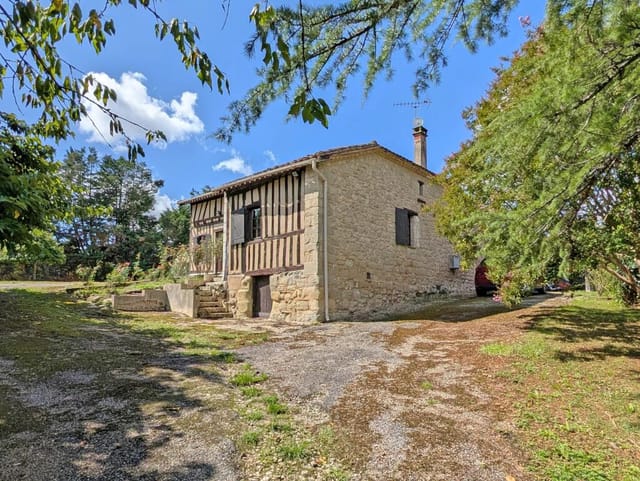
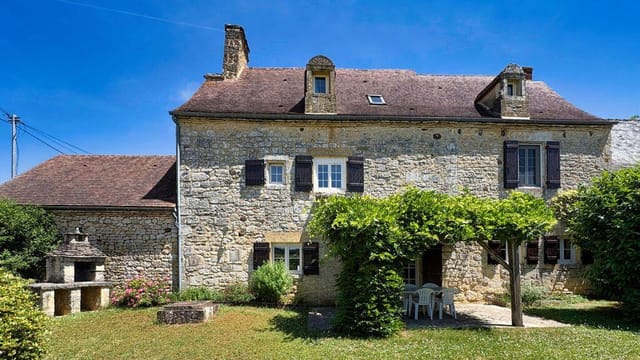
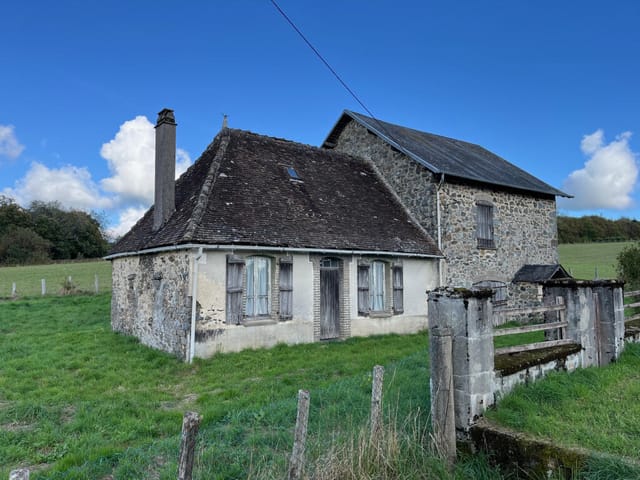
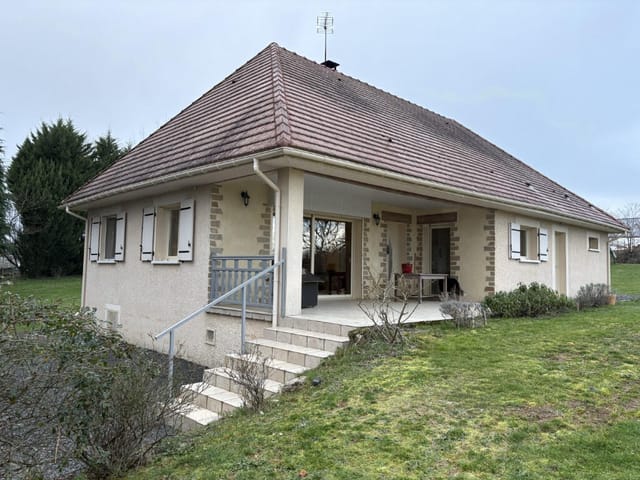
Step outside on a Tuesday morning and the air smells like damp grass and woodsmoke. Somewhere down the lane a church bell marks the half-hour. The kitchen has a wood burner going, the coffee is strong, and through the window you can see all the way across the bocage — that ancient patchwork of hedgerows, meadows, and apple orchards that makes this corner of Normandy feel like somewhere time forgot to rush. That's the daily reality of owning this early-1900s stone house in Tinchebray-Bocage, and it's hard to overstate how quickly it gets under your skin. The house itself sits on just under 1.5 acres, which in this part of the Orne département means genuine privacy, genuine quiet, and genuine space. At 106 square metres across two floors, the layout is generous without being unmanageable — the kind of house you can open up fully in summer and hunker down in warmly during the colder months. The previous owners clearly put in the hard work already: the property is in very good condition throughout, with double-glazed windows keeping the heat in and the renovation done to a standard that means you arrive, unpack, and start living rather than start snagging. The ground floor sets the tone immediately. The living room stretches to over 26 square metres and has a fireplace at its heart — on a wet November afternoon, this room becomes the centre of the universe. Beside it, the fitted dining kitchen runs to nearly 17 square metres and comes equipped with its own wood-burning stove, so even cooking here has a particular warmth to it, both literally and in atmosphere. A utility room handles the practical side of country life — muddy boots, wet coats, firewood — and a ground-floor shower room with WC adds real convenience for guest ... click here to read more
Photo 1

Stand at the edge of the plot on a June morning and the only sounds are birdsong, the distant hum of a tractor somewhere beyond the tree line, and the soft creak of the old barn settling in the warmth. That's Ytternäs in Edsbro — a corner of Uppland that most Swedes know only as a blur of pine forest glimpsed from a car window, but those who stop here tend to stay a long time. Sparrtorpsvägen 26 is not a turnkey property. It's something more interesting than that. Two residential houses, a 1930s barn built from timber that was already old when your grandparents were young, and 3,769 square metres of open Swedish countryside — all sold as a single holding. If you've ever sketched out plans for a small family compound, a weekend retreat that could actually grow into something over the years, or a rural base in Scandinavia that gives you room to breathe and the freedom to build something on your own terms, this is worth a serious look. The second house — the one in usable condition right now — has a room and kitchen on the entry level, both warmed by a wood-burning stove, and a summer room upstairs that catches the long northern light beautifully from around May through September. It's simple. Honestly, very simple. But simplicity up here isn't a deficiency; it's the point. The bones are honest, the proportions are liveable, and a buyer with a clear vision and some patience will find it responsive to careful renovation. The interiors are a blank slate — no ornamental distractions, just space and possibility. The first house is older — likely late 19th or very early 20th century — with three rooms and a kitchen, including a traditional tiled kakelugn on the upper floor that adds real character. The roof has suffered from ... click here to read more
Exterior view of the main house and garden

Step outside on a Tuesday morning and you can hear the stream before you see it. The water runs along the edge of the land, cutting through the grass with that particular mountain-cold sound, while the Valliers ridge catches the first light above the treeline. This is the daily opening act at this fully renovated 95m² house in Les Bordes-sur-Lez, sitting on a full hectare of private land in one of the Ariège Pyrenees' most quietly compelling valleys. It doesn't shout. It just pulls you in. The Ariège remains one of the least hyped corners of the French Pyrenees, which is precisely why people who find it tend to stay. The department sits tucked between the Haute-Garonne to the west and Andorra to the south, sharing the same dramatic mountain DNA as its flashier neighbors but without the ski-resort crowds or the inflated prices. The closest town of any size, Castillon-en-Couserans, is just 4 km down the road — a proper Gascon town with a Thursday market where local producers bring raw-milk cheese, duck rillettes, and walnuts by the sack. The Saturday morning market in Saint-Girons, about 20 minutes west, is even larger and worth building a weekend around. The house itself sits on roughly 2.5 acres, fully fenced, with its own private access track — no shared driveways, no passing neighbors. The renovation was done with planning permits, meaning everything is above board and documented, an important detail for international buyers navigating French property law. On the ground floor, an 18m² veranda stretches across the front of the building — the kind of covered outdoor space that becomes your default living room from April through October. Through the veranda, the 28m² open living area is generous by Pyrenean village hous ... click here to read more

Picture 1

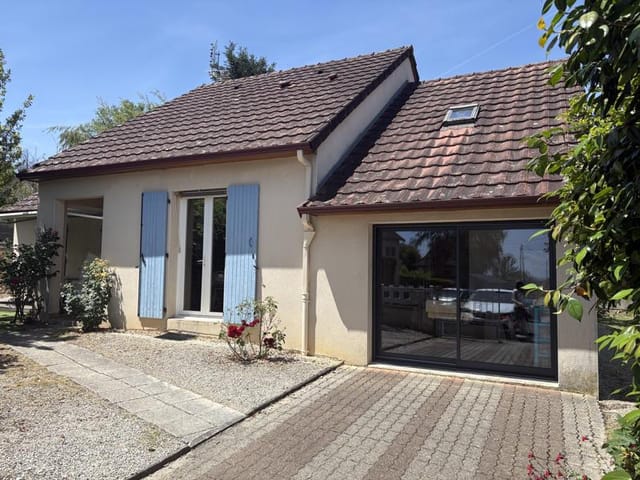
There's a particular kind of quiet you only find in this corner of France. Standing on the private terrace on a Sunday morning, coffee in hand, you hear nothing but birdsong and the faint rustle of leaves from the garden's edge. No traffic. No sirens. Just the deep, unhurried exhale of rural Limousin. That's what this two-bedroom house in Rochechouart offers — and once you've felt it, you'll understand why people come here and never quite want to leave. Rochechouart sits in the Haute-Vienne department, about as authentically French as a town can get without being on a tourist poster. It's built on the rim of a 200-million-year-old meteorite impact crater — yes, an actual crater — and the local Musée de la Préhistoire documents this remarkable geological history in ways that'll have even skeptical visitors lingering longer than planned. The medieval château dominates the hilltop, and on market days the square below it fills with vendors selling Limousin beef, local walnuts, and cheeses that have no business being as good as they are. This isn't the manicured, postcard-perfect Dordogne that gets all the magazine coverage. It's better. It's real. The house itself is a compact, single-story bungalow — 56 square metres of well-proportioned living that gets the essentials exactly right. Two bedrooms, one bathroom, and four rooms total, arranged in a way that feels practical rather than cramped. The kitchen-diner is the heart of the home: a proper gathering space with a fireplace where the whole point is to sit around it on October evenings with a bottle of local wine and absolutely nowhere to be. The living room opens to views across the private garden, and the terrace catches the afternoon light in a way that makes you reth ... click here to read more

Picture 1