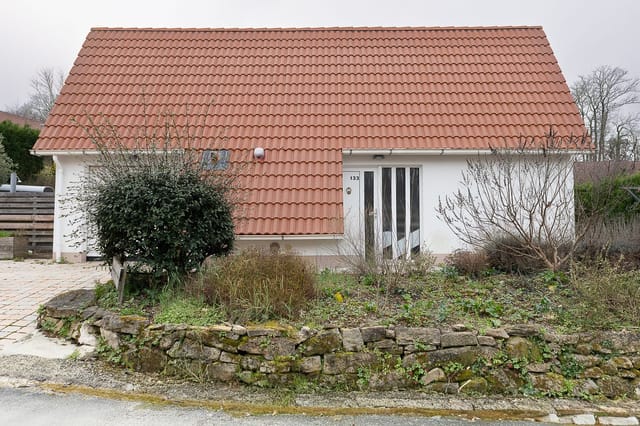
Houses For Sale In Europe With 2+ Bedrooms (page 6)

Houses for sale in europe - homestra offers the largest amount of european real estate with over 200,000+ properties, find any type of property within your budget from villas to country homes. buy or rent your perfect home in europe. (page 6)

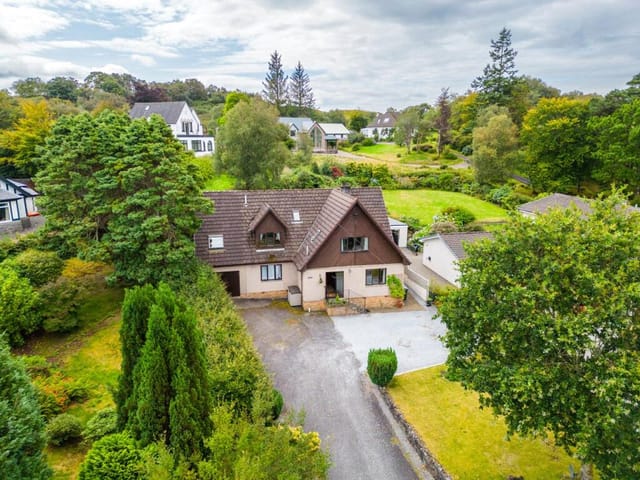
On a still Sunday morning in Saint-Grégoire-d'Ardennes, the only sound you'll hear is birdsong cutting through the cool air and the faint creak of a shutter as light rolls across the garden. That's not poetry — that's what the mornings actually feel like here, in this former farmhouse on the edge of the Haute-Saintonge, where the rhythm of life runs about three speeds slower than anywhere you've lived before. This is a 230 m² stone house with five bedrooms, sitting on more than 4,700 m² of fenced, wooded grounds between the market towns of Pons and Jonzac. It's priced at €422,000. And while those numbers are useful, they don't begin to explain what makes this place worth serious attention. Step inside and the floor plan immediately makes sense. The ground floor is laid out for living — not for showing off. A wide living room flows into a dining room with a working fireplace, the kind that you'll actually use from October through to March when Charente evenings cool fast and the region's oak forests start smelling like autumn in a way no candle has ever managed to replicate. The kitchen has its own dining area, so morning coffee happens here, not in some separate formal room nobody uses. A utility room keeps the practical mess out of sight, and also on the ground floor: a bedroom, a shower room, and a full bathroom — meaning this house works completely on a single level if that's ever needed. Upstairs, three more bedrooms with original hardwood floors that have the satisfying solidity only old timber gets with age. A quiet study that faces the garden. Two large attic spaces that are currently unconverted — and this is where the real opportunity sits for international buyers. The bones are already there to add guest roo ... click here to read more

Picture 1

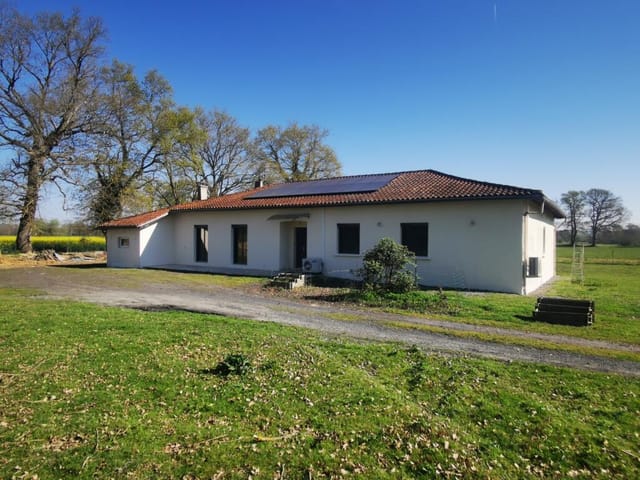
Step outside on a crisp October morning, coffee in hand, and the only sound you hear is birdsong. No traffic. No neighbors peering over a fence. Just open agricultural land stretching toward the foothills of the Pyrenees, the kind of quiet that feels almost physically restorative after months of city noise. This is what 17,796 square meters of Gascon countryside does to you—and it happens every single day you're here. This four-bedroom single-storey house in the Gers department of southwest France sits back roughly 30 meters from the D14, which connects Maubourguet to Plaisance-du-Gers. That distance, combined with exceptionally solid insulation added just six years ago, means road noise is essentially a non-issue. The house is rated A on both energy consumption and greenhouse gas emissions—a January 2026 EPC confirmed it. For a rural property of 164 square meters, that's genuinely rare, and it translates directly into heating bills that won't ruin your winter. The layout is all on one floor, which matters more than people realize until they've lived in it. No stairs to negotiate with luggage, no carrying firewood up from a lower level, no thinking twice about ageing parents or young children running between rooms. Everything flows—living room to kitchen to terrace, bedrooms down the hall, garage off the side. Daily life here has a natural, unhurried rhythm built right into the architecture. The living room runs to 32 square meters and centers on a fireplace fitted with an insert, which throws serious heat on January evenings when the temperature in the Gers drops below zero. The separate kitchen—also 32 square meters, notably generous—opens directly onto the rear terrace, making the transition between cooking and eat ... click here to read more

Picture 1

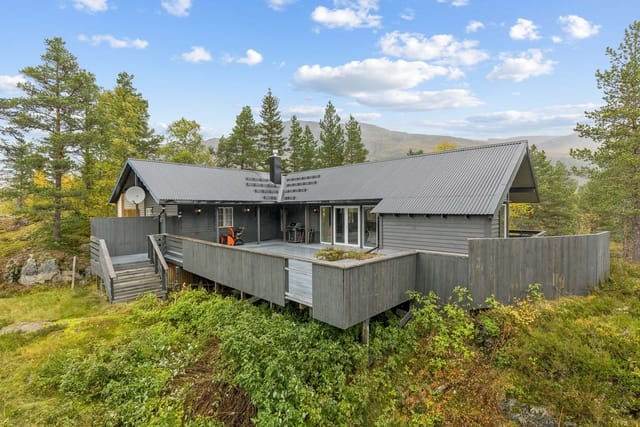
Step outside on a February morning and the world is white and absolutely silent except for the soft creak of snow-laden pine branches. You're standing on the front terrace of your own mountain chalet in Seljestad, Skare, coffee in hand, watching the Folgefonna plateau catch the first pale light of a Norwegian winter day. The cross-country tracks are 1.6 kilometers down the road. Røldal ski center — one of the snowiest alpine resorts in all of Scandinavia — is a ten-minute drive. You don't have to rush. This is your place. Hjallen 22 sits on a generous freehold plot of 1,428 square meters in the Seljestad cabin area of Skare, in the heart of Hardanger, western Norway. The chalet was originally built in 1993 and substantially extended in 2013, bringing the total indoor living area to a very comfortable 128 square meters — all on one level, which makes the layout genuinely practical for families with young children or guests of any age. Parking sits about 40 meters from the front door, accessible even through deep winter snowfall. Walk inside and the entrance hall immediately does its job: boots off, ski gear hung, the outside world stays outside. Then you're into the living room, and you stop. The ceiling height here is generous — properly generous, not just described that way — and the large windows pull in the mountain panorama like a living painting that changes with every season. Come March, the light softens and the snow starts to blue in the late afternoons. Come July, the same view is all deep green hillsides and the distant glint of waterfalls fed by snowmelt from the plateau above. The wood-burning stove against the far wall makes the whole room feel anchored, its warmth radiating through the space on evenings w ... click here to read more

Welcome to Hjallen 22! Photo: EFKT

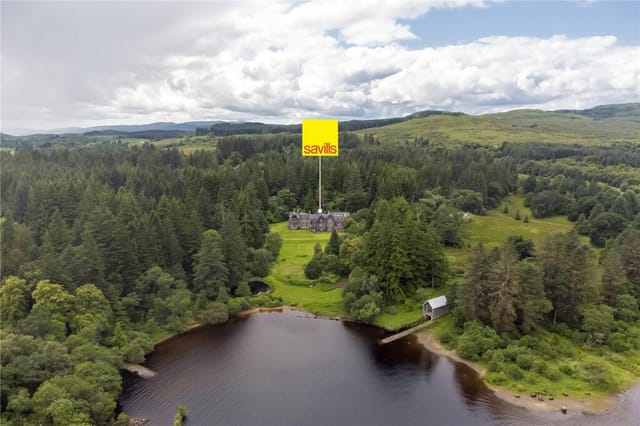
Step outside on a Tuesday morning, coffee in hand, and the only sounds you'll hear are the burn trickling through the garden and a heron landing somewhere on the loch. No traffic. No neighbours you can see. Just Loch Goil stretching out in front of you, framed by the jagged ridgeline of Beinn Donich and The Brack catching the early light. That's a normal morning at Whisperwood. This six-bedroom detached house in Lochgoilhead isn't some quaint cottage you'd outgrow by Sunday. It's a proper, substantial property — 180 square metres across two floors, seven bathrooms, gardens with an actual stream running through them, detached garages, and views that make you forget what you were about to say. Currently operating as a successful holiday let on the Carrick Castle Estate, it's priced at £520,650 and represents the kind of opportunity that doesn't surface often in this corner of Argyll and Bute. The entrance hallway opens into a home that feels calm rather than clinical. Neutral throughout, but not in that forgettable show-home way — more like a property where someone made considered decisions about light and space. The main lounge runs wide across the front of the house, and those windows do serious work. On grey days, the loch takes on a pewter sheen. On clear evenings in June, the whole ridge turns amber for about twenty minutes. Either way, you're watching it from a sofa, and that feels like the right arrangement. The kitchen is open-plan and connects through to a full conservatory that essentially functions as a second living room. This is the space that earns its keep year-round — a place for long lunches when the West Highland weather decides it doesn't feel like cooperating, or for watching the stars over the glen ... click here to read more

Front view of Whisperwood with loch and mountain backdrop

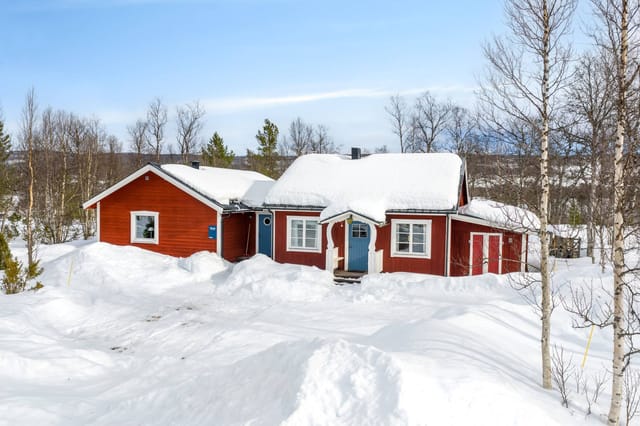
On a still February morning at Matsbo 7, the only sounds are the creak of snow settling on the roof and, somewhere below the garden, the Ljusnan river threading quietly through the valley. You pull on your boots, step outside into minus-eight air that bites your cheeks in the best possible way, and you're at the trailhead in four minutes flat. This is Bruksvallarna — and once you've spent a winter here, you'll understand why Swedes return year after year with the kind of quiet loyalty that doesn't need explaining. Matsbo 7 sits on a 2,296 square metre plot on a calm residential street in the centre of the village. It's not a remote cabin requiring a four-wheel drive and three hours of mountain road — it's genuinely walkable to the ICA Stigmyrs grocery store, the village brasserie, a weaving studio, and the local hotel. That proximity matters more than it sounds. On a dark January afternoon when the temperature drops hard, being able to grab provisions on foot rather than scraping ice off a car is its own small luxury. The property is built in two connected sections, each with its own entrance, and this dual layout is the detail that makes it genuinely interesting for buyers. The newer wing, comprehensively updated in 2015, has the kind of open-plan arrangement that works for large family gatherings — a wide living room, a white kitchen with real storage space, a dining area that seats a crowd, and a bathroom with contemporary fittings. Two bunk beds and a double mean six people sleep here comfortably without anyone feeling crammed. The older section is a different mood entirely. Panel-clad walls, a proper open fireplace, and a sitting room that feels like it was built for long evenings with aquavit and card games. One ... click here to read more

Exterior view of Matsbo 7 in Bruksvallarna

Stand in the first-floor landing on a clear October morning and the view stops you cold. Loch Etive stretches west toward the Atlantic, the hills of Benderloch catching the low autumn light, and the only sound through the open window is the distant rush of water tumbling through the Falls of Lora at the narrows. That's Almar on a Tuesday. On a Saturday it's marginally better, because the Oban farmers' market is on and the smell of fresh langoustines grilling at the harbourfront drifts all the way up the coast road. This is a six-bedroom, five-bathroom detached house sitting on Old Shore Road in Connel, a small village on the southern shore of Loch Etive just four miles from the centre of Oban. At 180 square metres arranged over two storeys, it's a proper family-sized home — not a weekend bothy — and it carries itself with the kind of quiet confidence that comes from being well built and thoughtfully updated. EPC rating C, solar panels, an air source heat pump: someone here was thinking about running costs before running costs became a talking point. The ground floor is anchored by a kitchen that actually earns that description. A large central island, substantial wall and base units, integrated appliances, and a dining area generous enough for eight people around a table without anyone playing elbow Tetris. It flows into a utility room and a ground-floor shower room — both practical, both often the features that clinch a purchase when you're imagining walking in off a muddy hillside after an afternoon on the Cruachan ridge. A double bedroom with its own ensuite sits at ground level too, which matters enormously if you have elderly relatives visiting or guests who can't do stairs. There's also a study off the hall, hand ... click here to read more

Front view of Almar, Connel

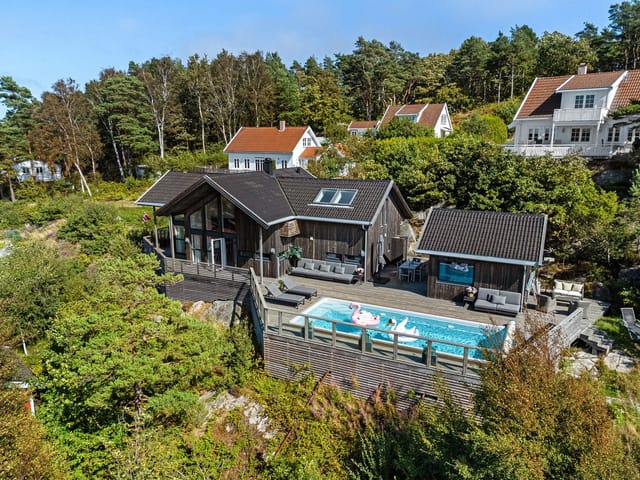
Picture this: it's a Tuesday in late June, the kind of Norwegian summer morning where the light hits the water at seven a.m. and the whole archipelago turns silver-gold. You walk out onto the wraparound terrace at Herøya 265 with a cup of coffee, the smell of salt and pine already in the air, and realize the only decision you need to make today is whether to take the boat out first or jump in the pool. That's the rhythm this place sets. Herøya is a small island sitting just off the southern coast outside Kristiansand — close enough to the mainland that a quick boat run gets you to Fidjekilen marina and into town for dinner, far enough that the noise of ordinary life simply doesn't reach you here. The island has a residents' association that keeps the place genuinely well-run: sandy beaches, tennis courts, a sand volleyball court, a football pitch, a frisbee golf course, and safe play areas for kids who will spend entire weeks running between the water and the grass without any prompting from adults. The community has that rare quality of being social without being intrusive. People here know how to let each other be. The chalet itself sits on a freehold plot of 722 square meters, and it's in genuinely good condition — fully furnished and ready to use from the day you arrive. No renovation headaches, no waiting period, no half-finished project to manage from abroad. The main cabin runs to five bedrooms and two shower rooms, and the living room has an open ceiling that gives the interior a scale you don't expect until you're standing inside it. Large windows pull in the southern light for most of the day. A fireplace anchors the room for the shoulder season, when evenings on the west coast of Norway cool fast and you wa ... click here to read more

Welcome to beautiful Herøya 265! The property is situated high in the terrain with stunning views.

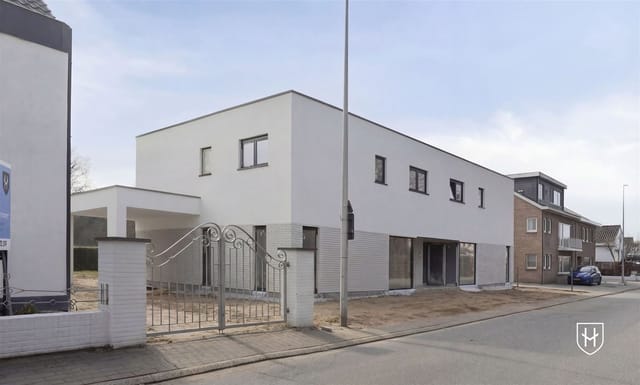
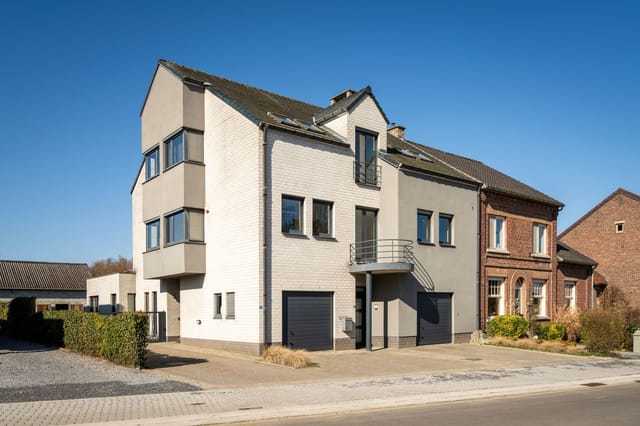
On a quiet Sunday morning in Neerharen, you open the large sliding doors off the living room and the south-facing garden fills with light. Coffee in hand, you can hear almost nothing except a wood pigeon and the faint hum of the Albertkanaal not far off. This is what 190 square metres of brand-new construction in one of Belgian Limburg's most coveted border villages actually feels like — unhurried, airy, and very much your own. Keelhoffstraat 21 sits in Neerharen, the southern parish of the municipality of Lanaken, in a pocket of East Belgium where the provinces of Liège and Limburg brush up against the Dutch border. It is the kind of address that takes five minutes to explain to people who have never been here, and then they immediately want to come. Maastricht — genuinely one of the most liveable mid-sized cities in Western Europe — is a ten-minute drive. The Hoge Kempen National Park, the only national park in Belgium, is within easy cycling distance. And yet the street itself is calm, green, and feels miles from anywhere. The house is a semi-detached new build delivered in what Belgian contractors call a casco+ state. That phrase does a lot of work. It means the building is fully wind- and watertight. The interior walls and ceilings are finished. Underfloor heating — with a cooling function for summer, which matters more than people expect in a south-facing home — is already installed and connected. A rainwater tank is in the ground. The bones are done, and done properly. What remains is the finishing: floor coverings, kitchen fit-out, bathroom tiling, paint. It is a genuine blank canvas for someone who wants a new home built to current standards but personalised to their own eye rather than a developer's show-home ... click here to read more

Front view of Keelhoffstraat 21

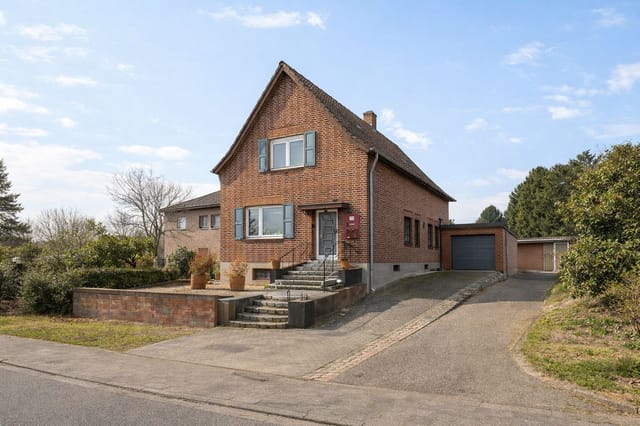
Step outside on a Saturday morning in late May and the garden stretches out in front of you — eighty-three meters of it, dew still clinging to the lawns, the hedgerows full and dark green, a wood pigeon doing its thing somewhere near the back gate. You've got coffee. The conservatory door is open. This is what a slow European morning is supposed to feel like. Gangelt sits quietly in the far southwestern tip of North Rhine-Westphalia, just a few kilometers from the Dutch border, in a part of Germany that most international buyers haven't discovered yet. That's precisely the point. While better-known regions attract crowds and premium price tags, this corner of the Heinsberg district rewards the people who actually bother to look. Rolling countryside, clean air, cycling routes that thread through farmland into the Netherlands, and a pace of life that genuinely slows you down. The A46 and A44 motorways connect you to Düsseldorf in under an hour. Maastricht is thirty-five kilometers away — close enough for a proper Dutch rijsttafel dinner and back home before dark. Eindhoven Airport is roughly forty minutes by car, making this property realistic as a European second home rather than a logistical headache. The house on Luisenring 89 is a generous, solidly built detached home from 1956 that has been updated consistently over the decades — not flipped or cosmetically staged, but genuinely improved by owners who lived here. The 167 square meters of living space spreads across three floors, and the ground floor layout has an easy, unhurried quality to it. The L-shaped living room opens directly into the conservatory, which measures roughly seven by five meters. That room gets the afternoon light. In summer it's warm and golden ... click here to read more

Front view of Luisenring 89

Six o'clock on a crisp Flemish morning. You walk out through the back door in your boots, coffee still warm in your hand, and the horses are already moving in the paddocks. The mist sits low over the meadows. This is not a weekend retreat you squeeze into. It's a full life — the kind most equestrian families spend years searching for and rarely find in one address. Diestersteenweg 25 sits on the edge of Maaseik, a town on the Maas river in Belgium's Limburg province that most international buyers haven't discovered yet — which is precisely what makes it interesting. Maaseik is the kind of place where the Friday market on the Markt square still matters, where you can get a proper carbonnade flamande at De Watermolen without a reservation, and where the cycle routes along the river stretch for kilometres without a traffic light in sight. It's quiet in the right way. Not isolated — just unhurried. The villa itself is a solid, detached property of 250 square metres. Four bedrooms, two bathrooms, and a layout that has been thoughtfully updated without losing the grounded, practical character that suits a working equestrian estate. New joinery was fitted in 2020, a condensing boiler installed in 2022, and the insulation throughout meets current standards. The EPC rating reflects that. You won't need to spend the first two years renovating — you can move straight in and focus on what actually matters. Step through the entrance hall and the ground floor opens up generously. The living room runs wide, anchored by a gas fireplace that does real work through Belgian winters — and Limburg winters can be grey and damp from November through February, so you'll want it. Off the living area, there's a separate office that functions e ... click here to read more

Front view of Diestersteenweg 25

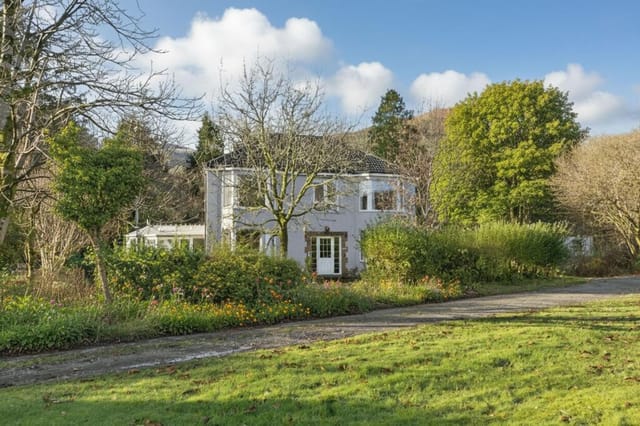
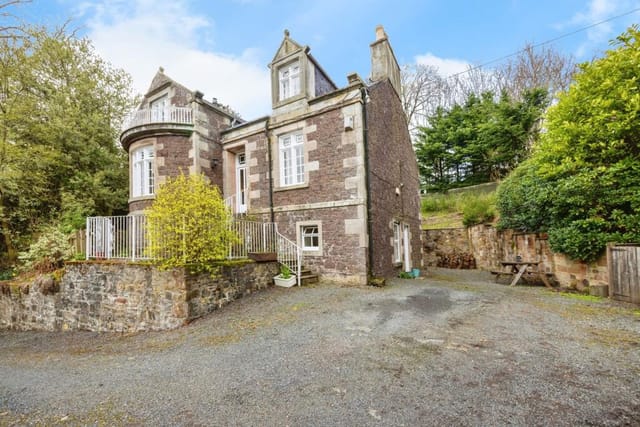
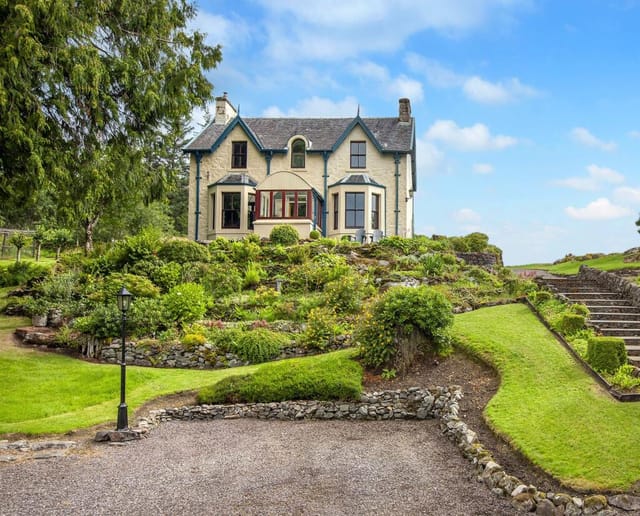
Stand at the kitchen window of The Camb on a clear October morning and the Culter Fell ridge sits right there, purple-brown and close enough to feel personal. Church bells carry from the town centre. The smell of woodsmoke drifts in from next door's chimney. It's the kind of quiet that city people specifically leave the city to find — and here, it comes standard. This is a mid-1800s B-listed detached house on Coulter Road, one of Biggar's most handsome residential streets, set behind a horseshoe driveway on roughly three-quarters of an acre of mature, terraced garden. Five bedrooms across three floors, three bathrooms, 217 square metres of living space, and a level of period detail that modern builds simply cannot replicate. It's in genuinely good condition — sympathetically updated over the years without erasing what makes it worth owning in the first place. The exterior gives you mullioned windows, wrought iron balustrades, and a Juliet balcony on the upper floor. These aren't decorative afterthoughts; they're structural commitments to a certain way of building that stopped being commercially viable a century ago. Step inside and the entrance hallway is wide and tall, with a sweeping staircase that sets an unhurried tone for the whole house. You're not rushing anywhere the moment you walk through that door. The bay-windowed lounge faces the hills. An Adam-style fireplace anchors the room — lit on winter afternoons, it turns the lounge into the kind of space where conversations last longer than intended. Bookshelves, a decent whisky, the hills going dark outside. The period ironwork and original detailing throughout have been kept rather than replaced, which takes genuine restraint during a renovation and makes a rea ... click here to read more

Front

Saturday morning in Maaseik has a particular kind of quiet. Not the empty kind — the earned kind. You open the kitchen's wide windows and the garden fills the room: damp grass, the soft sound of water moving through the koi pond, maybe a wood pigeon somewhere in the hawthorn hedge. By the time the coffee's done, you're already outside on the shaded terrace, and the rest of the day feels genuinely open in a way that city life rarely allows. That's the rhythm this house on Meidoornweg 24 makes possible. Built in 1977, it's been thoroughly reworked into something that performs well by every modern measure — energy label B, solar panels, heat pump boiler, gas condensing system, PVC double glazing throughout — while keeping the generous proportions that newer builds tend to sacrifice for efficiency. At 195 square metres of living space on a 1,129-square-metre fully enclosed plot, there's real room here. Room for five bedrooms, two bathrooms, a finished basement with integrated double garage, and a garden designed as seriously as the interiors. About that garden. It's the kind of outdoor space that changes how you use a house. Multiple zones, each with its own logic: a sun terrace for the late afternoons, a gazebo for when the Belgian sky decides it has other plans, a garden room that works year-round, and a koi pond that has a genuinely calming effect you'll stop apologising for finding meditative. The whole thing is enclosed, gated, and private — which matters when you're using this as a vacation home and arriving to find everything exactly as you left it. The ground floor living room catches the southern light through large windows and anchors around an electric fireplace set into a custom TV wall — understated, functio ... click here to read more

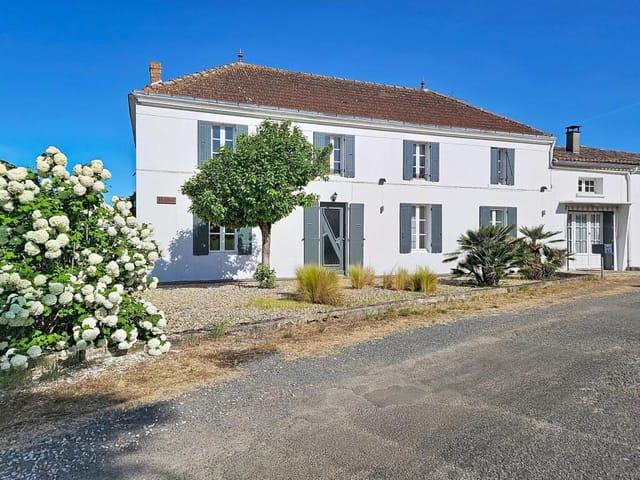
Front view of Meidoornweg 24, Maaseik

Wake up to the reflection of Ben Cruachan sitting dead still on the surface of Loch Awe. That's the view from the kitchen at Taigh Geal on a clear October morning — the kind of view that makes you put the coffee down and just stand there for a minute. This is Ardbrecknish, a small, quietly confident hamlet on the southern shore of one of Scotland's longest freshwater lochs, and this house was built to make the most of every bit of it. Taigh Geal — Gaelic for "white house" — was designed and constructed by Fjordhus, the Scottish-Scandinavian timber-frame company whose builds have earned a reputation for doing something genuinely rare: marrying Nordic precision engineering with Highland living. The result is a 150-square-metre home that feels considered in every corner. Triple glazing keeps the Atlantic draughts firmly outside. An air source heat pump and high-spec insulation mean the energy bills are a fraction of what you'd expect from a house this size in this climate. Underfloor heating runs through the entire ground floor — so your feet are warm the moment you pad out of the master bedroom in the morning, even in January. The layout is clever. You come in through a generous boot room that actually handles the chaos of Highland outdoor life: muddy walking boots, waders, waterproof layers, fishing rods. Scotland doesn't apologise for its weather, and neither does this house. Beyond the boot room, the double-height entrance hallway opens up and the sense of scale hits you properly. This isn't a cottage. It's a full family home with architectural ambition. The ground floor opens into a kitchen, dining, and living space that spans the width of the building. The windows here aren't decorative — they're structural to the ... click here to read more

Front view of Taigh Geal with loch and mountain backdrop

Stand at the south-facing bay window on a clear October morning and the view does something to you. The Cheviot Hills roll across the horizon, Hume Castle sits grey and ancient on its hill, and the paddocks below catch the low autumn light in a way that makes the whole scene feel painted rather than real. This is Goshielaw — a substantial modern country house on the outskirts of Kelso, set within approximately 11 acres of grounds that include woodland, paddocks, a productive kitchen garden, and one of the most complete equestrian setups you'll find in the Scottish Borders at this price point. The house itself is imposing without being cold. You come up a sweeping driveway through a pillared entrance and the sense of arrival is immediate — not performed grandeur, but the kind of quiet confidence that a well-proportioned house earns honestly. Step inside and you're in a proper reception hall, cloakroom off to the side, oak flooring underfoot in the dining hall ahead, a bay window framing that view towards Hume Castle. On Sunday evenings in summer, when the light lingers until nearly ten o'clock this far north, eating in that room with the garden stretching out behind the glass is a genuinely different experience from anything a city apartment can offer. The formal drawing room runs south, oak and stone throughout, with a woodburning stove set into a feature fireplace and cornicing that adds a hint of period character to what is otherwise a thoroughly contemporary interior. A garden room opens off it through double doors — glass on three sides, the kind of space you end up spending more time in than you planned, watching the seasons change across the grounds. The kitchen is big and practical: central island, breakfasting ... click here to read more

Front view of Goshielaw country house

Saturday morning in Sustrum. The garden is quiet except for birdsong and the soft hiss of the gas boiler kicking off, the house already warm. You slide open the kitchen doors and step onto the covered terrace with a coffee, looking out across 1,816 square meters of your own fully fenced green space. No neighbours pressing in. Just the smell of damp grass and the distant sound of a tractor somewhere beyond the tree line. This is the pace of life that draws people to Emsland — and once you've felt it, it's hard to let go. Bogenstrasse 6 sits on one of Sustrum's quieter residential streets, directly opposite a park-like green area that keeps the view open and unhurried regardless of the season. The house itself went up in 1969, solid brick construction in the way German builders did it then — built to last, not built to sell. A rear extension added more space a few years later, and a 2017 gas boiler upgrade means the heating is reliable and efficient. Fibre optic internet is already connected, which matters more than people think when you're working remotely from a second home or managing a rental period from abroad. Six bedrooms across two floors — that's the number that tends to stop people mid-scroll. On the ground floor, there's a bedroom and a flexible study or children's room alongside the main living spaces, making genuine single-level living a practical option. Upstairs, four more well-proportioned rooms, each between 14 and 15.5 square meters, line the landing. They work equally well for guests, grown children, or a dedicated home office. The insulated attic, reached by a retractable staircase, adds yet another layer of storage or, with the right permissions, a future development project. The living room's natur ... click here to read more

Front view of Bogenstrasse 6

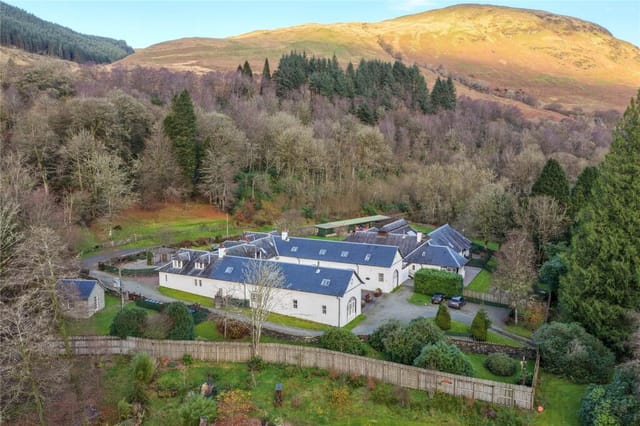
Stand at the twin-leaf gates on a September morning, frost still on the gravel, and listen. The River Ruel runs somewhere below the treeline. Wood pigeons shift in the semi-ancient oak canopy overhead. Somewhere across the courtyard, a log burner has already been lit, and the faint smell of woodsmoke drifts across the stone walls. This is Glendaruel — one of the quietest, most genuinely unspoiled glens in the whole of Argyll — and Home Farm Cottages sits at its heart like it always belonged there. Because, in a sense, it did. This was a working dairy farm until 1984, when the land finally stopped producing milk and started producing something harder to quantify: a sense of place. The original family didn't sell up and walk away. They stayed. They converted. They spent years meticulously transforming the old stone byres, cart sheds, stables, and coach house into nine self-catering cottages, each one earning four or five stars from Visit Scotland and the Scottish Tourist Board. The care shows. Oak floors. Marble worktops. Falcon range cookers. Original cart shed arches turned into floor-to-ceiling windows that frame the glen like paintings. This isn't a developer's flip — it's a restoration carried out by people who actually loved the place. What you're buying is nine distinct, fully furnished cottages ranging across a range of layouts and characters. Glendaruel Lodge has a high vaulted ceiling sitting room and an open-plan kitchen with enough worktop space to feed a wedding party. Highland Cottage keeps things more intimate, with an open fire and the kind of low-ceilinged sitting room that makes you want to stay put. The Coach House is the show-stopper for architecture enthusiasts: exposed natural stone wall, marble-top ... click here to read more

Picture No. 06

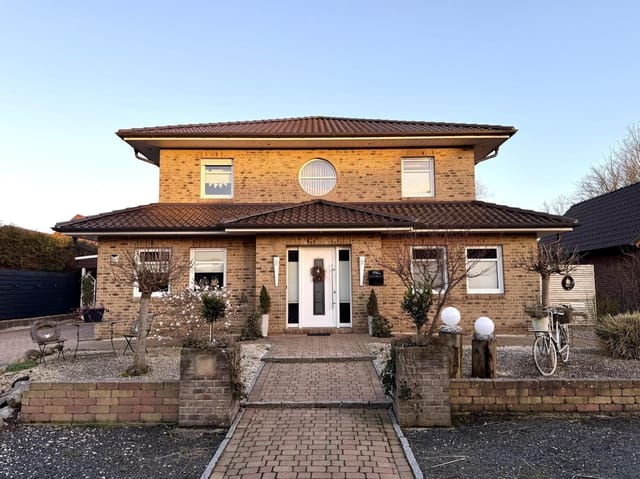
On a quiet Sunday morning at Westerende 3, the smell of fresh coffee drifts through the open kitchen while pale northern light floods through the French doors and spills across the terrace. The garden is already warm by nine. That southwest orientation means the sun follows you all day—from the terrace breakfast to the late evening glass of wine under the wooden bar house. This is what daily life actually looks like in this corner of Lower Saxony, and it's harder to leave than you'd expect. Bunde sits right at the edge of Germany, just a short drive from the Dutch border, in the Rheiderland region of East Frisia. It's not a place that ends up in travel magazines, but that's rather the point. The Dollart Bay is nearby, a tidal inlet shared between Germany and the Netherlands that draws cyclists, birdwatchers, and anyone who just wants to stand somewhere genuinely quiet and watch the sky. The Leda and Ems rivers are within easy reach for kayaking or fishing. In summer, the flat green landscape around Bunde fills with cycling routes that stretch for dozens of kilometres without a hill in sight—proper touring country. The house itself was built in 2005 and sits on a 707 m² plot. Two decades on, it's in good condition and designed to stay that way. The A+ energy label isn't a marketing detail—it reflects roof, wall, and floor insulation, double glazing, solar panels installed back in 2012, and a heat pump being added in 2025. Underfloor heating covers most of the ground floor. Energy bills here run noticeably lower than in comparable homes, which matters whether you're using this as a primary residence, a second home base near the Netherlands, or a long-term rental investment. Walk through the front door and the first thin ... click here to read more

Front view of Westerende 3

On a clear morning at Ardreoch, you stand at the bay window of the main lounge with a mug of tea and watch mist lift slowly off Loch Awe — Scotland's longest freshwater loch stretching into the distance like something from another century. The only sounds are birdsong and, occasionally, the creak of the greenhouse door in a light westerly. This is not a fantasy. This is Tuesday. Ardreoch is a fully restored Victorian detached house on the edge of Kilchrenan, a small village tucked into the hills of Argyll and Bute, roughly seven miles south of Taynuilt along quiet single-track roads lined with dry stone walls and tall oaks. The house sits elevated on its plot — about one acre in total — and that elevation matters. Every principal room catches the views across the surrounding countryside toward Loch Awe, and the light through those original bay windows changes completely between morning and late afternoon, from pale gold to something almost amber. The Victorian bones of this property are exceptional. Original ornate ceiling roses, deep plaster cornicing, and generous room proportions that modern builds simply don't replicate. The current owner spent years restoring rather than renovating — a crucial distinction — keeping the period character intact while quietly upgrading what mattered: a Stovax multi-fuel stove in the main lounge, a freestanding bath on the half landing, a fully fitted kitchen with induction hob and double oven. The result is a house that feels genuinely warm in the way that old houses can, without any of the cold drafts or crumbling plasterwork that usually comes with that charm. Ground floor living at Ardreoch is unusually versatile for a house this age. Arrive through the glazed porch and sun room ... click here to read more

Front view of Ardreoch and gardens

Stand at the upstairs window on a still morning and you can watch the fishing boats slip out of Tarbert Harbour while a thin mist sits on Loch Fyne. The water catches the light differently every hour. By the time coffee is ready, the harbour is alive. This is the kind of thing you notice when Caolside is yours. Set on Barmore Road on the elevated edge of Tarbert village, this four-bedroom, four-bathroom detached house is one of those rare properties where the architecture, the land, and the setting all pull in the same direction. At 169 square metres of internal space, it has the bones of a serious family home — high ceilings with original cornicing, solid parquet flooring, internal window shutters, traditional panel doors — and the practical upgrades you'd want if you actually plan to use it year-round rather than just imagine doing so. Good condition throughout, well maintained, and tastefully evolved by owners who clearly loved living here. Walk through the gated entrance off the private track and the stone-chipped driveway spreads wide. There's space to park several cars and, notably, to store a boat. That detail matters more than it might sound, because the water here isn't decorative backdrop — it's infrastructure for a whole way of spending time. Loch Fyne is right there. The ferry terminal at the harbour is minutes away on foot. If you sail, kayak, or simply want to be the household that can produce a RIB for a weekend run up the loch, the logistics are already solved. Inside, the ground floor has a generosity of layout that's become rare in modern builds. The main family lounge has triple-aspect windows and opens directly to the garden. The kitchen — cream shaker units, timber wall cupboards, solid oak workto ... click here to read more
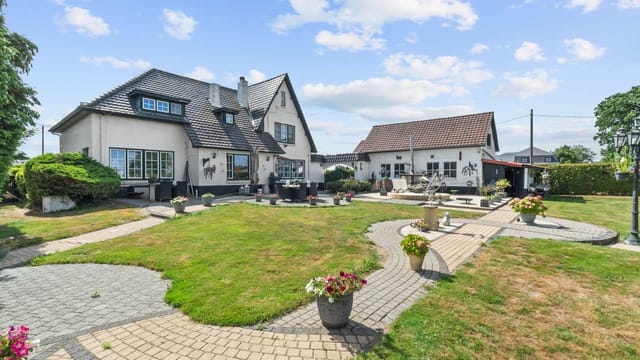
Front view of Caolside and sweeping driveway

Step outside on a January morning and the only sound is the creak of snow settling in the pines. The groomed cross-country trail that runs just 100 meters from the front door hasn't been touched yet. You're the first one out. That's the kind of quiet that people drive hours from Oslo to find — and from Nedre Huldrakollveien 43, you wake up inside it every day. This four-bedroom chalet sits in the Bøseter area of Noresund, a short drive from the Norefjell alpine resort and about two hours from Oslo's Gardermoen airport. It's the kind of location that makes the calendar irrelevant. Winter pulls you onto the slopes and trails. Summer sends you up into the high terrain above the treeline on a mountain bike, or down to the shores of Krøderen lake for a swim in water cold enough to make you feel genuinely alive. The property isn't just a base between activities — it's a place you actually want to come back to. Built in 2013 and spread across 104 square meters on a freehold plot of 1,242 square meters, the chalet has been kept in good condition, with the interior wooden paneling on walls and ceilings recently restained to keep that warm Nordic mountain feel without the mustiness that older cabins can carry. Step through the entrance hall — underfloor heating underfoot from the moment you strip off your boots — and the ground floor opens into a bright living room with east-facing windows that catch the morning light and frame a sweep of forested ridge in every season. The fireplace is not decorative. After a full day on the Norefjell pistes, which top out at around 1,124 meters, you'll use it. The kitchen and dining area runs off the living space in an open configuration, with enough counter room and storage to handle a prope ... click here to read more
Welcome to Nedre Huldrakollveien 43 presented by Bendik Blumenthal at Nordvik Hyttemegling! Photo: Diakrit

Stand on the balcony at Skolvägen 13 on a clear July morning and you can watch the fishing boats slide out past the harbor entrance toward Väderöarna, the scatter of islands that turns the Bohuslän horizon into something you'd think was painted. The salt air comes in off the Kosterfjord and the church bell on the hill marks eight o'clock. Coffee is already brewing in the kitchen one floor below. This is what owning a piece of the Swedish west coast actually feels like — and this house, sitting barely 350 meters from the water in the very center of Grebbestad, delivers that feeling every single day you're here. The house itself has a story worth knowing. Built in 1891 and physically relocated from Bullaren — a feat of craftsmanship in its own right — it sits on a solid granite foundation that speaks to how seriously the Swedes took their building stock in that era. The renovation that followed was so meticulous, so respectful of every original detail, that the Prince's Fund awarded it recognition for exemplary restoration work. That's not a marketing badge; it's a genuine acknowledgment from Sweden's foremost heritage institution that whoever took on this project cared deeply about getting it right. Wide original floorboards, the weight of old pine doors, the proportions of rooms that feel generous without being cavernous — these are the things you notice when you walk in. The ground floor opens into a kitchen and dining area that has real warmth to it. Not the curated warmth of a showroom, but the kind that comes from a well-considered layout and the right amount of natural light. A veranda runs off this space — the spot where, in practice, most mornings and most evenings end up happening. Comfortable chairs, the sound ... click here to read more
Front view of the house

The smell hits you first — cut grass warming in the late afternoon sun, woodsmoke drifting from somewhere across the fields, and the faint sweetness of the apple trees that line the far edge of the yard. Then you notice how quiet it actually is. Not the uncomfortable quiet of isolation, but the deep, settled quiet of a place that has been at peace with itself for over a hundred years. That's Fågelsta Stormbacken. A 1910 red-painted farmstead on the outer edge of Julita, Katrineholms kommun, sitting on 1.3 hectares of Swedish countryside with the kind of bones that modern houses simply can't replicate. The main house runs to 160 square metres across seven rooms, and it carries its age well. Wide wooden floors creak in exactly the right places. Original period doors still swing on their hinges. Three traditional tiled stoves — kakelugnar — stand in the sitting rooms and do what they've always done: turn a cold November evening into something you don't want to leave. The ceilings are high enough that the rooms never feel crowded even when the family descends in full. Large windows face the courtyard and the open fields beyond, pulling in light from morning through to the long Swedish summer evenings when dusk doesn't fall until nearly eleven o'clock. The kitchen is the heart of the place, as it should be. Country-style cabinetry, a serious amount of worktop space, and updated appliances sit alongside the original character of the room without any sense of awkward compromise. The dining area flows directly off it, which matters enormously when you're hosting — plates passing between rooms, conversation spilling between spaces. This is a kitchen designed for proper cooking, not just reheating. Think slow-braised elk from t ... click here to read more
Front view of Fågelsta Stormbacken country home

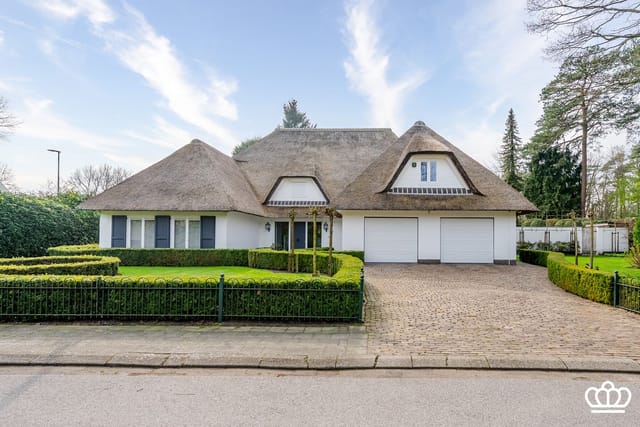
Step out of the double garage doors on a Saturday morning in June and the garden is already warm. The pool is catching light from the south-west, the automated sprinklers have just finished their cycle on the lawn, and from the open kitchen window drifts the smell of coffee brewing on the Miele. This is Elzendreef 36 — a thatched villa of nearly 500 square metres on a 2,643 m² plot in Essen-Heikant, the quiet green flank of a Belgian border town that most international buyers haven't discovered yet. At €1,400,000, it won't stay undiscovered for long. Essen itself sits right at the Dutch-Belgian border in the Antwerp province, a position that gives it an oddly privileged geography. You're 45 minutes from Antwerp's city centre by car, roughly an hour from Brussels, and crossing into the Netherlands at Roosendaal takes about fifteen minutes. For a buyer who wants a serious second home with genuine countryside around it — but doesn't want to be stranded — this location is close to ideal. Rotterdam's airport is under an hour away; Antwerp Airport even less. The A1 motorway corridor keeps everything connected without the traffic chaos of living closer to either city. The village itself is genuinely pleasant without being precious about it. There's a local bakery on Stationsstraat that sells Vlaamse boterkoeken on weekend mornings, a handful of brown-café bars where locals drink Duvel on tap, and a weekly market that stocks regional cheeses and seasonal produce from the Kempen interior. Children will find riding schools and cycling paths before they find any reason to complain. The broader Kempen region — flat, forested, crossed by slow cycling routes and bordered by heathland nature reserves — is one of the most underrated l ... click here to read more
Front view of Elzendreef 36

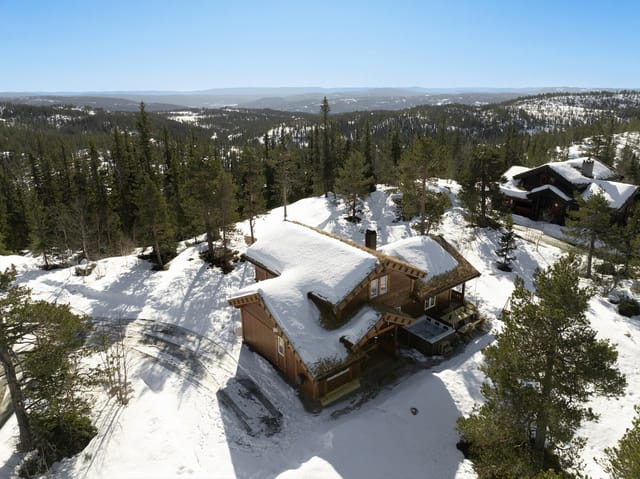
Step out the front door on a February morning and the world is white, still, and completely yours. The groomed ski tracks at Tempelseter begin almost at the edge of the plot, the air is sharp enough to sting your cheeks, and smoke is already curling from the chimney of your neighbor's cabin three hundred meters away. This is winter in Eggedal — and it is exactly as good as it sounds. Sleggebergveien 56 sits on an 865-square-meter plot in the Tempelseter cabin community, a well-established mountain neighborhood in the Numedal valley of Buskerud county, roughly two and a half hours by car from Oslo via the E134. The address is quiet. No through-traffic, no noise beyond the occasional crow or the creak of snow-laden pines. Yet within a short drive you have a 24-hour grocery store, a Vinmonopolet, and a proper hotel at Eggedal Borgerstue with a spa and an après-ski bar that gets lively on Saturday afternoons. It's a combination you rarely find — genuine wilderness access paired with actual convenience. The chalet itself was built in 1975 and has been kept in good shape by owners who clearly used it hard and maintained it well. Eighty-four square meters of interior space sounds modest until you're inside, and you realize the layout makes almost no wasted moves. The hallway opens directly into the main living area, where oversized windows pull in the mountain ridgeline from multiple angles. On overcast days the light still floods in. On clear days you'll lose track of whatever you were doing because the view across the surrounding peaks demands attention. The wood-burning stove installed recently is the social heart of the cabin. Everything gravitates toward it on cold evenings — the board games come out, the red wine gets ... click here to read more
Picture 1

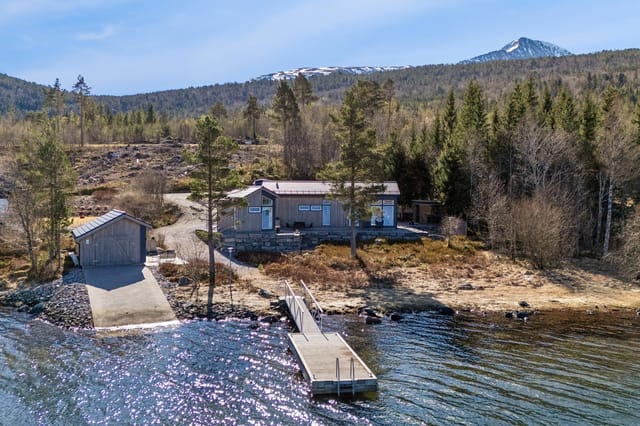
Step outside the boathouse door at six in the morning, coffee in hand, and the fjord is mirror-flat. The mountains behind Flatevågen are still half in shadow. A small boat idles out past the floating dock, heading nowhere in particular. This is what owning a place at Misfjordvegen 366 actually feels like — not a postcard moment, but a routine one. That's rarer than it sounds. This three-bedroom waterfront chalet sits right on the edge of Flatevågen, a sheltered inlet that opens quietly into the Romsdalsfjord on Norway's northwest coast. The main cabin was built in 2017, the annex the same year, and the boathouse followed in 2020 — so everything here is genuinely modern, properly insulated, and built with Norwegian winter in mind. No creaky floors, no drafty windows, no list of deferred repairs waiting for you. The energy label is C, which for a recreational property in this price range is solid. The cabin itself spans 116 square metres and is designed around the view. Large-format windows run across the main living space, and the open-plan layout connects kitchen, dining, and lounge without fuss. The wood-burning stove anchors the room — on a grey October afternoon with the fjord going choppy outside, it earns its place. The kitchen is well-fitted with an island, integrated appliances, and enough counter space to actually cook in rather than just heat things up. Both bedrooms are calm and practical, the main one generous enough for a proper double setup. The bathroom has underfloor heating, clean tiling, and a washer-dryer combo tucked in — the kind of detail that matters when you've been out on the water all day. The annex is the feature that separates this property from most Norwegian leisure cabins. It mirrors the ... click here to read more
Welcome to Misfjordvegen 366! Photo: EFKT

Stand at the kitchen window on a October morning and watch low mist roll through the Teviot Valley while the Aga ticks quietly behind you. The kettle's on. Outside, six acres of your own land stretch toward the Frostlie Burn, where brown trout hold position in the current. This is The Old Manse at Teviothead—and mornings here have a particular quality that's hard to explain until you've had one. The property sits about nine miles south of Hawick, deep in the Scottish Borders hill country, where the landscape feels genuinely untouched. This isn't a gentrified rural retreat dressed up for weekenders. It's a working countryside estate in miniature—a former manse with stone gate piers, a sweeping gravel drive, real flagstone floors, and the kind of quiet that you can actually hear. The surrounding hills belong to the Buccleuch Estate, one of Scotland's largest private landholdings, which means the views aren't going anywhere. Walking through the main entrance, you pass through a traditional vestibule into a reception hall that immediately signals the scale of the house. Ceilings are generous. Proportions feel right. The drawing room at the front catches morning light through large windows and works equally well for a fire-lit evening with guests or a Saturday afternoon with the papers. The sitting room next door is less formal—the kind of room where a family actually lives, with a terrace door that opens directly onto the garden. That connection between inside and outside matters enormously in a house like this. The dining room links these reception spaces naturally, and the whole ground floor flows in a way that makes it feel larger than 389 square meters might suggest on paper. At the center of daily life here is the ki ... click here to read more
Front exterior of The Old Manse

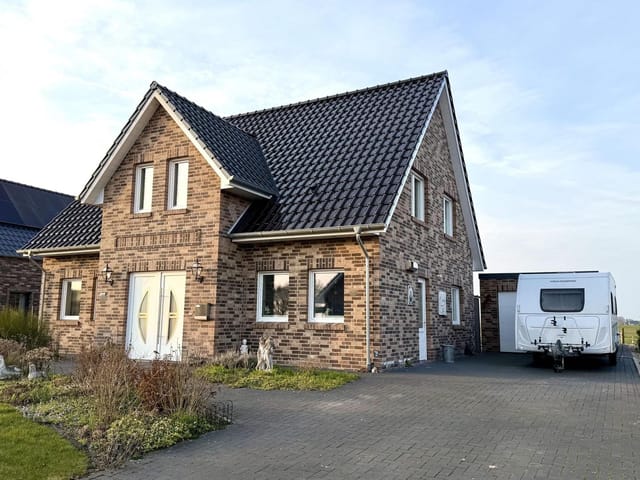
Step outside on a Saturday morning and the air carries the faint scent of freshly cut grass from the farmlands that roll away behind the garden fence. No traffic noise. No neighbor's terrace cramping yours. Just open sky, birdsong, and the slow-moving stillness that most people spend their whole lives trying to find on vacation. This is the everyday reality at Schulstrasse 58 in Bunde — a 2021-built detached house on a 1,121-square-meter plot that gives you room to actually exhale. Built just a few years ago, the house sits at the edge of a quietly expanding residential area, which means you get the benefit of modern construction standards without the chaos of an unfinished development around you. The neighbors have settled in, the street is calm, and the plot still feels generously proportioned by any measure. Four bedrooms, two bathrooms, 152 square meters of living space, and a garden that wraps around the entire property — this is a serious amount of house for the price. Let's talk about the ground floor, because this is where daily life happens and where this home earns its keep. The living room catches afternoon light through French doors that open directly onto a covered sun terrace — covered being the operative word. German summers are glorious but unpredictable, and having a terrace you can actually use when a cloud rolls in changes everything about how you use outdoor space. The terrace looks out over the rear garden and beyond that, straight across open agricultural land. There are no other houses back there. It's a view that feels privately owned but costs nothing extra to maintain. The kitchen sits adjacent to the living room and is fitted with high-quality built-in appliances, generous counter space, and ... click here to read more
Front view of Schulstrasse 58

Stand at the drawing room window on a still October morning and the loch is so glassy you can't tell where the water ends and the reflection of Ben Cruachan begins. That's the view from Ardanaiseig House. Not a postcard version of Scotland — the real thing, unfiltered, on your doorstep every single day. Built in 1834 by William Burn — the architect behind some of Scotland's most significant country houses — Ardanaiseig was commissioned by Colonel James Campbell and designed in the Scottish Baronial style, all turrets, dressed stone, and deep-set windows that frame the landscape like paintings. It has been under single ownership since 1995, and the restoration work carried out over those decades has been both thorough and thoughtful. Nothing here screams renovation project. The house is in good condition and ready to inhabit, whether your intention is private occupation, continued use as a hospitality venue, or some combination of the two. Sixteen individually designed ensuite bedrooms spread across the principal house, each one distinct in character — different ceiling heights, different outlooks, different details in the plasterwork and joinery. The three grand reception rooms are the kind of spaces that change the way you move through a day: high ceilings that make even a crowded gathering feel airy, open fireplaces that earn their keep from October through April, and views across Loch Awe that you genuinely never stop noticing. The kitchen is currently fitted out as a commercial facility, which tells you something about the scale of entertaining this house was built for. It could stay exactly as it is, or it could be reimagined as a proper family kitchen — the bones are there for either. Then there's the land. One ... click here to read more
Aerial View

Step outside on a Saturday morning in late May, coffee in hand, and the only sound you'll hear is birdsong and the faint rustle of wheat fields beyond the garden hedge. The swimming pond catches the early light. The sauna in the log cabin is warming up. Your AGA cooker is ticking quietly in the kitchen behind you. This is what 312 square meters of well-built Belgian countryside living actually feels like at Maxburgdreef 11 — and it's hard to imagine going back to city noise after a single weekend here. Hoogstraten sits in the Kempen region of Antwerp province, a stretch of northern Belgium that doesn't shout about itself the way the coast or the Ardennes do. That's exactly the point. The town center, a short drive from the property, revolves around the Sint-Katharinakerk — one of the most striking Gothic churches in Flanders, with a tower you can spot from the surrounding farmland on a clear day. The weekly market on the Vrijheid brings out local vendors selling Kempense asparagus in spring, fresh strawberries from the famous Hoogstraten cooperative (the region produces a significant share of Belgium's strawberry crop), and wheels of aged cheese. It's a proper market town, not a tourist set piece. The house sits on a generous 1,362 square meters on the quiet Maxburgdreef, a lane flanked by open agricultural land. The rear garden faces south, which means long afternoon sun on the wooden terrace and the custom swimming pond — fed and heated by a heat pump, so it reaches a comfortable temperature well before June and holds it deep into September. Swim in the morning, dry off on the terrace, duck into the log cabin for a sauna session. That combination, in a garden this private, is genuinely rare at this price point in the ... click here to read more
Front view of Maxburgdreef 11 - B

Early on a Saturday morning in Hoelbeek, the only sounds are birdsong, the soft shuffle of horses in their stables, and a tractor somewhere in the distance crossing a field of sugar beet. By nine o'clock you're drinking coffee on the veranda, looking out over nearly 4,000 square metres of your own land, and wondering why you ever thought a city apartment was enough. That's the daily reality at Hoelbeekstraat 78 — a substantial, dual-unit property on a sweeping rural plot in the heart of Belgian Limburg, priced at €649,000. This isn't a weekend escape that requires compromise. With a total living area of 432 square metres spread across two legally approved residential units — each carrying its own house number, its own entrance, its own garage — the property works for a striking range of buyers. Families who want to fold generations under one roof without losing independence. Buyers eyeing a live-in investment, occupying one side and renting the other. Remote workers who want a proper home office that doesn't involve converting a spare bedroom. Or simply people who want more space than Belgian cities can realistically offer at this price point. The two units are configured as a semi-detached house: number 78 on one side, number 80 on the other. They can run independently or be opened into a single sprawling family home — that flexibility is genuinely rare and, frankly, underappreciated in how much it future-proofs a purchase. Unit 78 sets a welcoming tone from the moment you step into its entrance hall. The ground floor flows through a generous living room into a modern kitchen, and then out into a bright veranda that becomes the unofficial heart of the house in spring and summer. There's also a bathroom with both a ba ... click here to read more
Front view of Hoelbeekstraat 78

On a clear morning in Aramits, you wake to the sound of nothing except birdsong and, if the wind is right, the faint clang of sheep bells drifting down from the high pastures above the village. That's not a cliché — it's Tuesday. This is the Pyrenees-Atlantiques, one of the least spoiled corners of southwest France, and this former mountain sheepfold is the kind of place that reminds you why you started looking for a second home in Europe in the first place. What started life as a traditional bergerie — a working stone sheepfold used by Basque shepherds for centuries — was fully reconstructed between 2007 and 2010 into a three-bedroom, three-bathroom home of 160 square metres. The result is a property that has real bones: exposed ceiling beams, thick walls that keep summer heat at bay, and a large picture window in the sitting room that frames the Pyrenean ridgeline like a painting you never get tired of. Underfloor heating on the ground floor runs off an air source heat pump, the whole building is double-glazed and insulated throughout, and the DPE rating sits at C — solidly efficient for a property of this age and character. You're not buying a renovation project. You're buying a house that's already been done well. The 160m2 of habitable space is arranged across three levels. On the ground floor, an open-plan kitchen and dining area flows into the sitting room — proper, lived-in space with room for a long table when family arrives in August. Two of the three bedrooms are on this level, each with its own en-suite shower room, which makes the layout genuinely practical for hosting guests or renting short-term. The first floor landing doubles as a home office, a detail that matters more than it used to, and the third b ... click here to read more
Photo 1

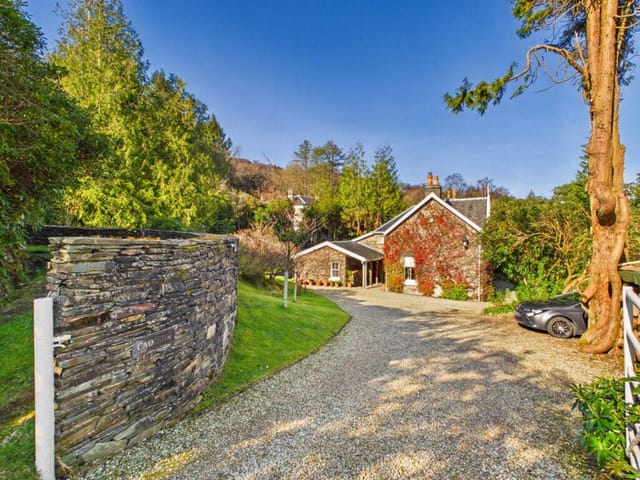
Step outside on a September morning at Rock Cottage and the air hits you differently than anywhere else. The smell of wet grass and pine from the hillside above Stronaba, the sound of absolutely nothing man-made—just wind moving through the croft's upper grazing and maybe a red kite making its case overhead. Two miles down the road is Spean Bridge. But right here, on this 18.1-acre slice of the Scottish Highlands, you could easily forget the rest of the world exists entirely. This is not a standard holiday cottage. What you're looking at is a working lifestyle property—a fully maintained detached cottage as the main residence, a separate income-generating chalet, nearly two full acres of landscaped garden, an agricultural workshop big enough to run a small operation, and seventeen-odd acres of registered croftland rolling into open Highland terrain. Properties like this don't come up often, and when they do, they don't sit around. Rock Cottage itself is spread across two floors and has been kept in genuinely good order throughout. Walk in from the gravel driveway and the ground floor immediately does what a Highland home should: it's warm, it's practical, and it draws you toward the windows. The triple-aspect sun room is the kind of space that earns its name across every season—morning light in summer fills it completely, and on a clear winter day you can watch snow settle on the Grampian foothills without leaving your chair. The lounge has a wood-burning stove. So does the dining room. The shaker-style kitchen with its island unit is the sort of layout that makes cooking for eight feel manageable rather than chaotic, and the Belfast sink in the separate utility room is a detail that anyone who's come in from mucking a ... click here to read more
Front view of Rock Cottage and garden

Stand at the south-facing balcony on a clear June morning and the Unstrut valley spreads out below you — fields catching early light, the faint sound of the river somewhere beyond the treeline, and the kind of quiet that urban Germans drive three hours to find on weekends. This is Kaliwerk 18A, a four-apartment complex sitting on a generous hilltop plot in Rossleben-Wiehe, a small town straddling the Thuringia-Saxony-Anhalt border that most people outside central Germany haven't discovered yet. Which, for a buyer thinking about second home potential or vacation rental income, is exactly the point. The numbers make you look twice. Eight bedrooms across four self-contained apartments, each around 69 square meters, on a 1,715-square-meter plot — all for €98,500. That's not a typo. Central Germany's property market moves at a different pace than Bavaria or the Rhine valley, and pockets like Rossleben-Wiehe still offer the kind of entry points that have almost completely vanished from western Europe's holiday home market. Each apartment follows a practical layout: entrance hall with cloakroom, a proper closed kitchen (not an open-plan afterthought), two or three bedrooms depending on the unit, and a bathroom with both tub and shower. The living rooms open onto south-facing balconies — that southern exposure matters here, because the region around the Unstrut valley is one of the sunniest in Germany, with a microclimate that supports local viticulture and keeps summer evenings warm well into September. The building itself dates to 1961, with a significant renovation in 1992 that brought in the oil-fired central heating system and updated the window frames, many of which have insulating glazing with HR++ glass. The structure ... click here to read more
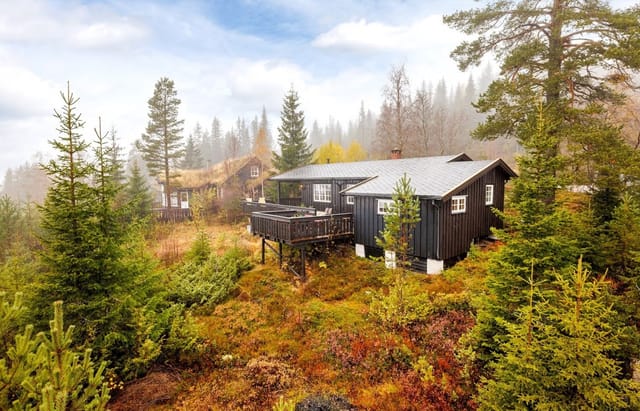
Photo 1 of Kaliwerk 18A

Stand in the galleried grand hall of Kinloch Castle on a still October morning, and you'll hear almost nothing — just the faint knock of a red deer against the treeline, and the distant slap of Loch Scresort against the pier stones. That silence is not emptiness. It's the sound of one of the most remote and historically charged addresses in the British Isles doing exactly what it was built to do: making the rest of the world feel very far away. Kinloch Castle sits on the eastern shore of the Isle of Rum, the largest of the Small Isles scattered across the Inner Hebrides off Scotland's west coast. Built between 1897 and 1900 for Sir George Bullough — a Lancashire industrialist with seemingly bottomless pockets and a taste for the theatrical — this Category A listed sandstone castle is not a ruin dressed up in heritage language. It is a fully intact Edwardian time capsule, with its original contents still in place: the 1900 Steinway grand piano still in the ballroom, the Japanese lacquer cabinets still catching the afternoon light in Lady Monica's drawing room, the mechanical orchestrion still housed inside the Jacobean staircase. That orchestrion, incidentally, is one of only three ever built by Imhoff and Mukle of Germany. The other two are in museums. This one comes with the castle. The scale of the place takes a moment to absorb. Twenty bedrooms, nine bathrooms, and a ground floor that reads like an architectural fever dream of Edwardian ambition: a galleried grand hall with mullioned bay windows big enough to fill with winter light, a mahogany-panelled dining room with crystal candelabras still on the table, a billiard and smoking room that smells faintly of old leather and woodsmoke, a ballroom with a sprung floor ... click here to read more
Kinloch Castle

On a clear morning, you can stand in the living room of The Gables and watch the mist lift off the Denbighshire hills — a slow, unhurried theatre that no screen saver has ever quite captured. The fields roll away in every direction, the lane outside stays quiet enough to hear a pheasant in the hedge, and the only traffic you'll encounter before 9am is someone walking a spaniel. This is rural North Wales at its most grounded, and this four-bedroom house on roughly one acre of flat, usable land puts you right in the middle of it. Built in 2004 and maintained in genuinely good condition throughout, The Gables sits along a quiet country lane in Llannefydd, a small village tucked into the hills between Denbigh and the Vale of Clwyd. The house delivers around 2,600 square feet — 239 square metres — across two well-organised floors, which means there's actual room to spread out. Not just a spare bedroom and a narrow hallway, but three reception rooms, a proper kitchen with a breakfast area, a utility room you'll use every single day, and four double bedrooms served by three bathrooms. For a holiday home or second home in North Wales, that kind of space is genuinely hard to come by at this price point. Pull into the long gravel driveway and you immediately understand the scale. The house sits well back from the lane. The grounds extend to about an acre of level grass — no steep banks to manage, no awkward corners — just usable land with open countryside beyond the boundary. Families who've spent years cramped into suburban gardens tend to go a bit quiet when they first see it. There's a rear patio accessible through French doors from the kitchen, perfect for a long lunch when the weather behaves, and the surrounding hedgerows ... click here to read more
Front view of the property

Stand at the end of your own jetty at six in the morning. The water in Tanumskilen is so still it mirrors the granite cliffs on the far shore. A cormorant dries its wings on a rock nearby. Your coffee is getting cold back on the terrace. You don't care. This is what owning Klätta 1 A and B actually feels like—and there is genuinely nothing else like it on the Swedish west coast market right now. Set on its own private peninsula in the Bohuslän archipelago, just outside Tanumshede in Västra Götaland county, this is an 8.3-hectare coastal estate comprising two fully winterized residential houses, a private boat and swimming jetty, and direct frontage onto some of the most sought-after sailing water in Scandinavia. The shoreline sits roughly 100 meters from the front doors. Four bedrooms, two bathrooms, 167 square meters of indoor living space, and an additional 62 square meters of utility area across the two interconnected properties—together they form a compound that works equally well as a private family retreat or a genuinely viable coastal business base. The Bohuslän coast has been pulling people north from Gothenburg for generations, and for good reason. This is the Sweden of salt-bleached wooden boathouses, hand-painted red cottages perched on polished rock, and harbors where the morning catch gets weighed while the fog still sits low on the fjord. Grebbestad, about 8 kilometers east and reachable in ten minutes by car, is the kind of town where the oyster boats come in at the Grebbestad Fiskmarknad and you can eat those oysters an hour later at a table overlooking the quay. In July, the harbor fills with wooden sailing vessels for the annual gatherings that attract classic boat enthusiasts from across the Nordic c ... click here to read more
Main house and sea view

Stand at the upper floor windows of Aidengrove House on a clear morning and you can watch container ships ghost silently across the Firth of Clyde while the hills of Argyll turn gold in the early light. It's the kind of view that makes you put your coffee down just to stare. This is Kilcreggan — a quietly extraordinary village clinging to the tip of the Rosneath Peninsula — and this five-bedroom stone villa on Argyll Road is one of its most compelling addresses. The house itself is a proper Scottish stone villa, the kind built to last centuries and increasingly rare to find in genuine good condition. At 209 square metres across two floors, it has the bones of a grand Victorian family home and the practical upgrades of a property that has been genuinely cared for. The south-west facing orientation means the principal rooms drink in afternoon and evening light, with the gardens and the water beyond framed like a painting that changes every hour. Pull up the driveway — there's ample off-street parking, a small but meaningful luxury for any property in this part of the peninsula — and you're greeted by mature landscaping that took decades to establish. Beech hedges, established shrubs, and a mix of young and old planting give the enclosed front and rear gardens a sense of depth and seclusion that a new-build could never replicate. In late spring, the front lawn catches the last of the day's sun until almost nine in the evening. There are few better places to end a long summer day. Inside, the reception hall sets the tone immediately: high ceilings, original stonework detailing, and a flow between rooms that feels generous rather than formal. The principal lounge connects through to a sitting room, and the arrangement work ... click here to read more
Front view of Aidengrove House

Step outside on a Saturday morning in Hechtel and the air already tells you something is different. It carries pine resin from the Bosland forest, a vast 5,500-hectare wilderness of trails, heathland, and cycling paths that begins practically at the end of the street. This isn't a suburb pretending to be countryside. It's the real thing — and Verloren Eind 25 sits right in the thick of it. The house itself was built in 1992, but don't let that date fool you. A thorough renovation carried out between 2020 and 2021 stripped it back and rebuilt it properly, with materials chosen for longevity rather than appearance. A second bathroom followed in 2026. The result is 243 square metres of genuinely move-in-ready living space on a 961-square-metre plot — the kind of footprint that lets a garden actually breathe. Walk through the front door and the hallway opens wide, light coming in from multiple angles. The ground floor is fully accessible and liveable, which matters more than most buyers initially realise — it means flexibility for a multi-generational family, a guest who needs single-level access, or simply the freedom to age gracefully in a home you love. The open living and dining area is anchored by large windows that frame the garden rather than just overlook it. On a grey February afternoon, that garden still manages to look alive. In July, when Belgian summers surprise everyone with their warmth, the terrace becomes the most-used room in the house. The kitchen is fitted for people who actually cook. Solid appliances, proper storage, counter space that doesn't run out the moment you start prepping a Sunday roast. It connects naturally to the dining area so conversations don't get interrupted by walls. Four bedrooms ... click here to read more
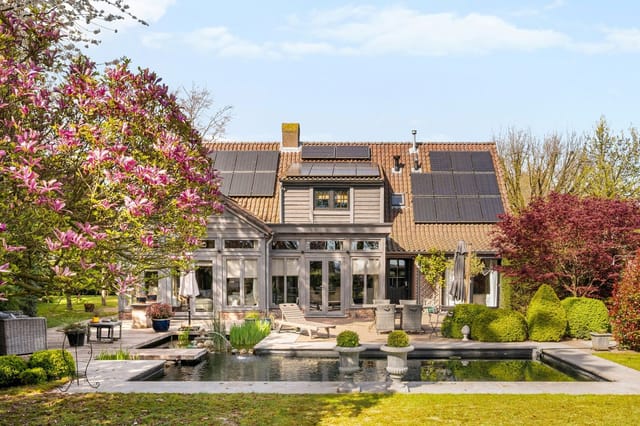
Photo 1 of Verloren Eind 25

The first morning you wake up at Nedersta 6, you'll hear it before you see it — hooves shuffling in the straw, the low whinny of a horse greeting the pale Swedish dawn through the frosted stable window. Step outside and the air carries that particular mix of pine, damp earth, and hay that no city has ever managed to replicate. This is life on 1.5 hectares of Swedish countryside, and once you've had a taste of it, a regular apartment somewhere will feel like a compromise. Set on a generous freehold plot of 15,054 square meters just outside Västerås, this three-bedroom country home dates to 1900 and has been kept in genuinely good condition — not a cosmetic flip, but the kind of careful upkeep that means the bones are solid and the systems are current. The Kenrex septic system was replaced in 2013. Fiber internet runs to the house. The insulated, heated water pipes in the stables won't freeze when January in Mälardalen decides to turn serious. Somebody here thought practically, and it shows. Inside the main residence, the kitchen anchors daily life the way a good kitchen should. A traditional wood-burning stove sits at its heart — functional, not decorative — and on a grey October afternoon, with soup on the hob and the terrace door cracked open to the smell of wet leaves, it's the kind of room that earns the word "home" properly. The ground floor flows from kitchen to living and dining areas in an open layout that works well for a family coming in from a morning's riding, muddy boots deposited in the practical mudroom near the guest WC. A fireplace in the living room handles the deep cold of February with ease. Direct access from the ground floor leads out to a covered terrace, which matters here — Swedish summers are g ... click here to read more
Front view of the main house and stables

Picture this: a Saturday morning in late June, the air already warm by nine o'clock, the Pyrenees doing that thing they do where the peaks turn pink before the valley below even wakes up. You're sitting on your own terrace with a coffee, somewhere between Toulouse and the mountains, and you genuinely don't have a plan for the day. That's Daumazan-sur-Arize. That's Villa 133. This fully renovated, detached three-bedroom villa sits inside the established Château Cazalères holiday park on the edge of this quietly compelling village in the Ariège — a département that most of France still hasn't fully discovered, which is precisely the point. At 100 square metres on a 400 m² private plot, the property was stripped back and rebuilt to a high spec, and it shows. This isn't a cosmetic refresh. The bathrooms have underfloor heating and walk-in showers, the kitchen is fitted with modern appliances and enough workspace that someone who actually cooks will be happy, and the whole downstairs flows out to the garden through wide glass doors. Two additional separate WCs mean six guests can share the space without the morning shuffle. The living room catches the southern light from mid-morning onwards. In winter — and the Ariège gets real winters, which is part of its character — that warmth through the glass is something you'll appreciate. In summer, the garden terrace takes over. It's south-facing, properly private, and sized for a long lunch that drifts into aperitifs. There's a dedicated barbecue space, and the surrounding park greenery keeps it sheltered without hemming it in. Château Cazalères has been running long enough to have ironed out the things that matter. The pool complex is large — multiple pools, including a dedicate ... click here to read more
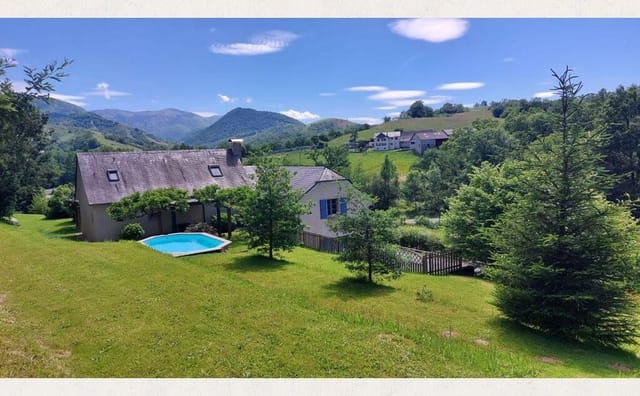
Front view of Villa 133 at Chateau Cazalères