Houses For Sale In Europe (page 11)

Houses for sale in europe - homestra offers the largest amount of european real estate with over 200,000+ properties, find any type of property within your budget from villas to country homes. buy or rent your perfect home in europe. (page 11)

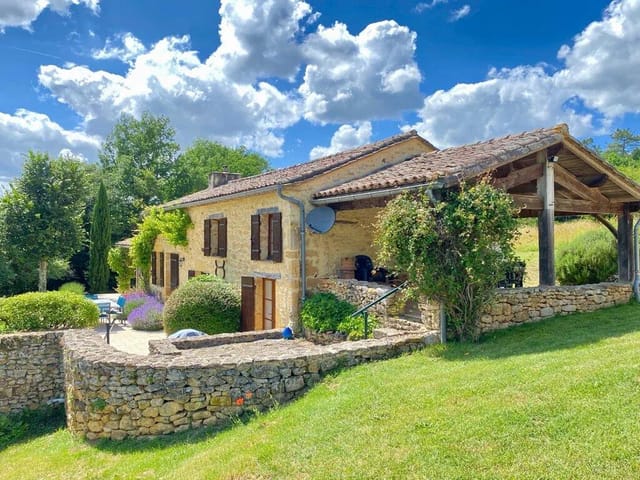
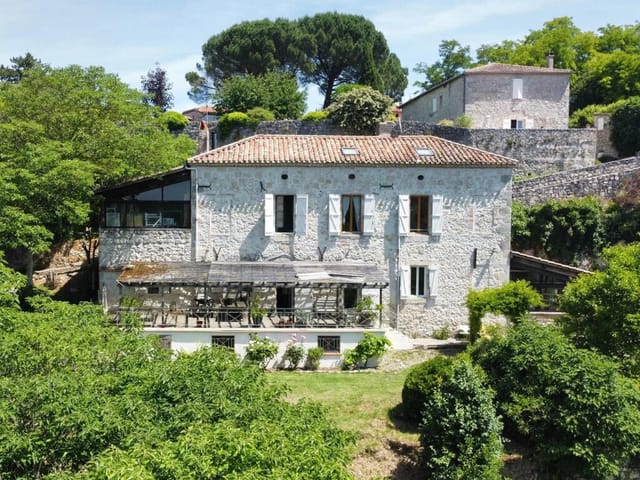
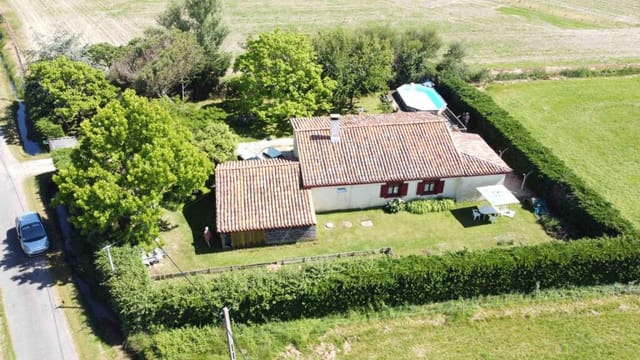
On a Tuesday morning in late June, the hamlet of Marsalès is almost too quiet to believe. A rooster somewhere down the lane. The smell of warm stone. Your coffee cooling on the covered terrace while the Dordogne countryside rolls out in every direction — golden fields, oak woods, church spires poking through the haze. This is not a postcard. This is a Tuesday. And this is what owning a second home here actually feels like. This three-bedroom stone cottage sits in an elevated position in the hamlet of Marsalès, in the southern Dordogne département — one of the most consistently sought-after pockets of rural France among British, Dutch, Belgian, and North American buyers. The elevation matters more than you might think. From the terrace, you get an uninterrupted sweep of the Périgord Pourpre landscape, the kind of view that stops mid-conversation. No neighbors directly in your sightline. No road noise. Just the countryside doing its thing. The property itself is in good condition — solid, liveable, and full of the kind of quiet character that comes from old stone walls and good proportions. Three bedrooms gives you enough room for a couple with visiting family, or a group of friends splitting the cost of a summer week. The fitted kitchen is functional and practical, the living room is genuinely warm in the way only thick-walled stone houses can be in winter. This is not a gut-renovation project. You could be here with a suitcase and a bottle of Bergerac red within weeks of completion. Outside, the swimming pool changes everything. It turns the garden from a nice feature into the center of daily life during July and August. Lunch by the water. Evening swims after the heat breaks around seven. The covered terrace runs alo ... click here to read more

Picture 1

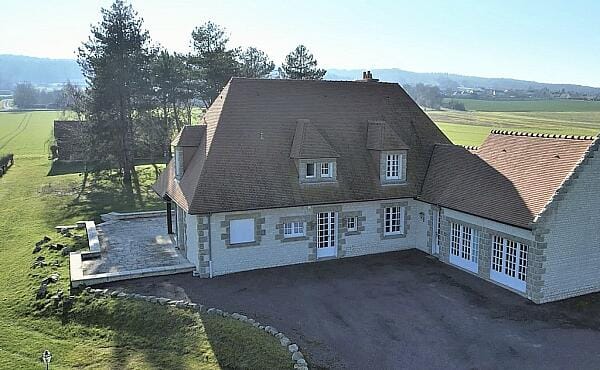
Stand at the kitchen window on a Tuesday morning and watch the mist lift off 1.4 hectares of your own land while the smell of fresh coffee fills a room that's been warmed by thick Norman stone walls for decades. That's not a fantasy — that's a Tuesday here in Gouffern-en-Auge, a quiet commune in the Orne department of Lower Normandy where time moves at a pace most of us have completely forgotten. This five-bedroom stone country house sits on a generous 14,440 square metres of open land with views across the rolling Normandy countryside that shift dramatically with every season. At 258 square metres of living space spread across two floors and a basement, this is a property with real breathing room — the kind of home that absorbs a large extended family during August school holidays and still offers every adult a corner to call their own. The ground floor does something rare: it functions. A fitted and equipped kitchen anchors daily life without fuss. Two separate living rooms mean you're not forcing everyone into the same space every evening. The dining room is the size that makes Sunday lunches stretch well into the afternoon, which in Normandy, they absolutely should. There's also an office — genuinely useful if you're working remotely or managing a rental calendar — plus a ground-floor bedroom and a full bathroom, which makes the house accessible for guests or family members who prefer to avoid stairs. Upstairs, four more bedrooms fan out around a living room, a dressing room, and both a shower room and a bathroom. The basement delivers a proper cellar and an outbuilding, the kind of space that becomes a wine store, a workshop, or a mud room depending on what your life actually needs. Stone construction in this par ... click here to read more

Picture 1

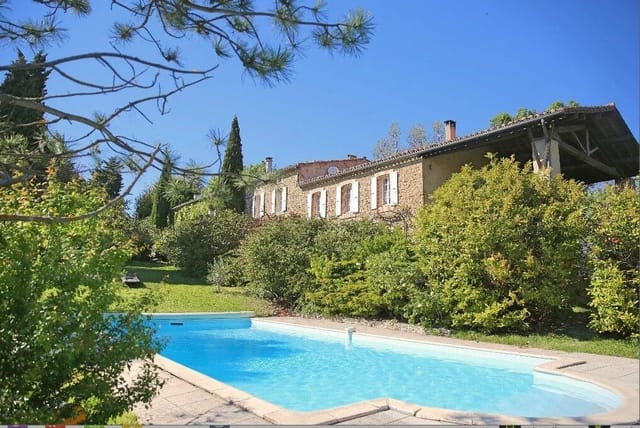
On a still morning in the Aude, before the cicadas get going and while the dew is still on the orchard grass, you can stand on the terrace of this estate and watch the Pyrenees catch the first light. The mountains sit low and blue on the southern horizon, the Canal du Midi is just a few minutes' drive away, and Castelnaudary — the undisputed world capital of cassoulet — is twelve minutes down the road. This is southwest France at its most unhurried and most real. The property itself is substantial. 567 square metres of living space spread across a main house, a second large dwelling, and two fully independent cottages, all sitting within landscaped grounds that include a 10x5 metre swimming pool, a mature orchard, two stone wells, and covered outdoor areas shaded by trees that have been growing here for decades. An adjoining barn, stone garages, and a workshop round things out. This is not a weekend retreat — it's a full estate, and it has the bones to become something genuinely exceptional. The main house runs to 164 square metres: a generous living room, a kitchen, three bedrooms, and two shower rooms. The original exposed stonework and timber beams are still intact, the kind of architectural detail that takes centuries to accumulate and can't be replicated with a renovation budget. The second dwelling — 236 square metres — connects to the main house or operates as a completely separate unit. Four guest bedrooms, each with its own en-suite bathroom, a lounge, a dining room, a kitchen, and a private terrace. The two additional cottages are fully equipped and ready to receive guests. That's four separate accommodation units on a single property, which matters enormously if you're thinking about income. And you probabl ... click here to read more

Picture 1

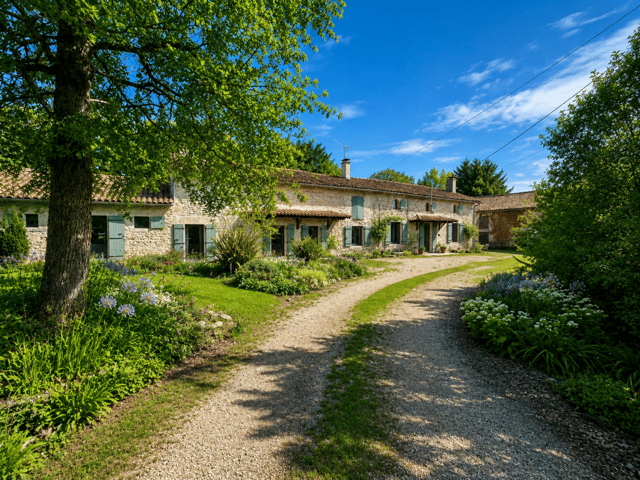
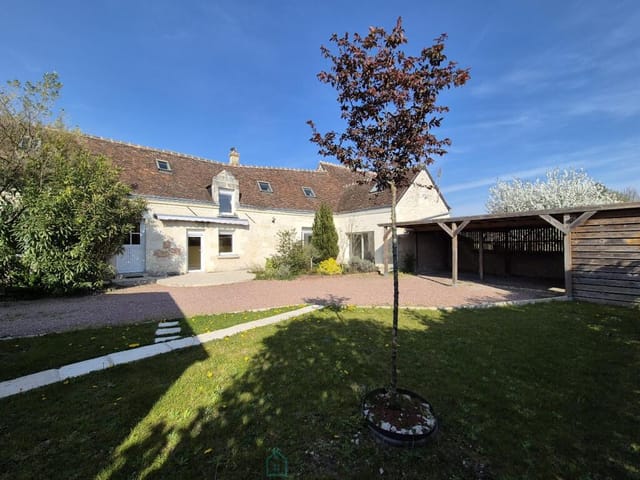
The kitchen window faces east, and on a clear morning in Civray, the light comes in low and golden across terracotta floors that have been worn smooth over generations. There's a particular stillness to this corner of the Vienne — not emptiness, but the kind of quiet you have to actively seek out and rarely find. This is that place. The house is a stone longère, which is the long, low farmhouse form that defines rural Poitou-Charentes. These buildings were built to last, and this one has. Thick limestone walls keep the interior cool in July when the sunflower fields along the D1 are baking in 30-degree heat, and warm in February when morning frost whitens the lawn. At 243 square metres, the proportions are genuinely generous — you feel it the moment you step through the entrance hall and realize this isn't a weekend cottage stretched thin across too many rooms, but a proper family house with room to breathe. The heart of everything is the dining room. Cathedral ceilings, exposed oak beams, a fireplace wide enough to stand in, and a mezzanine gallery above that catches afternoon light beautifully. This is the room that will make your guests go quiet for a moment when they first see it. It's the room where Christmas happens, where Sunday lunches run until four in the afternoon, where the kids eventually claim the mezzanine as their own private territory. The country kitchen sits adjacent — practical, substantial, with a dining area and a large utility room behind it that serious cooks and rural living both demand. There's also a sitting room with a wood-burning stove and a quieter room that works perfectly as a study or reading space, the kind you actually use rather than just photograph. A ground-floor bedroom with its ... click here to read more

Picture 1

Step outside on a crisp October morning, coffee in hand, and count the olive trees. There are dozens of them, gnarled and silver-green, stretching across land that slopes gently toward a horizon of cork oaks and granite hills. That's Trás-os-Montes — literally "behind the mountains" — and this five-hectare farm just outside Mirandela is exactly the kind of place that makes people stop planning and start packing. Portugal gets a lot of attention these days, but most of it lands on the Algarve coast or Lisbon's tiled façades. Smart buyers are looking north and east, toward a region that still operates at its own unhurried pace. Trás-os-Montes has some of the country's most extraordinary landscapes, a cuisine built on smoked presunto, alheira sausage, and the rich olive oil pressed right here in this valley, and property prices that haven't yet caught up with the rest of the country. Not yet. The main house spans 240 square metres and is already in good condition — no gut renovation waiting to swallow your budget. Five bedrooms, four bathrooms, three of which are full ensuite suites, and air conditioning throughout, so the 30-plus degree summers of the interior are genuinely comfortable rather than something to endure. The architecture is solid and regional: thick walls that keep rooms cool in August and hold warmth in January, when the almond trees are just beginning to push out their first pale blossoms. What separates this property from a standard rural home is everything built around it. There's an independent 60-square-metre apartment — a living room, kitchen, and ensuite suite — that functions as a completely self-contained unit. Rent it year-round, house family when they visit, or use it as a quiet work retreat. ... click here to read more

Picture 1

On a warm Tuesday morning in Uzès, the weekly market on the Place aux Herbes fills up fast. Goat cheese from the Cévennes, lavender honey, tapenade pressed from olives grown twenty minutes away. You walk back along the Rue de la République with a basket of provisions, and fifteen minutes later you're floating in your own pool, the Provençal hills rolling out in every direction beyond the garden walls. That's the rhythm this property makes possible. The villa sits on the road between Uzès and the Pont du Gard, one of the most quietly coveted corridors in the entire Gard département. Not tucked into a village where parking is a daily negotiation, not perched on a hillside requiring a four-wheel drive. This is a single-storey home on roughly 780 square metres of flat, landscaped ground — practical, private, and genuinely easy to arrive at and leave. The automatic gate with video intercom closes behind you and the outside world recedes. What strikes you first inside is how much light the architects coaxed into 115 square metres of living space. The 42-square-metre sitting and dining room doesn't feel like a room so much as an extension of the garden — the wide glass doors fold back completely onto a 40-square-metre south-facing terrace, and on still evenings the boundary between inside and outside essentially disappears. The kitchen is full-width and properly equipped, with the kind of high-end finishes that signal someone thought hard about how cooking actually works: an integrated pantry tucked discreetly behind cabinetry, stone countertops, and enough prep space to feed eight people without chaos. The sleeping layout is quietly intelligent. Two guest bedrooms share a well-finished shower room with WC — good for childre ... click here to read more

Picture 1

Stand at the kitchen door on a July morning, coffee in hand, and look out across half an acre of enclosed garden as the Périgord hills roll away in every direction. The swimming pool catches the early light. Somewhere down the lane, the boulangerie on the village square is pulling its first trays. This is Rouffignac-Saint-Cernin-de-Reilhac — and this five-bedroom house on its quiet edge might be one of the most honest opportunities left in the Dordogne. Honest, because it doesn't pretend to be finished. The 1960s-built house, spread across 167 square metres of living space, needs updating throughout — new bathrooms, fresh interiors, modernised finishes. But the bones are solid, the layout is generous, and the plot is extraordinary. At just over 2,300 square metres, the fully enclosed garden wraps around the property with far-reaching views that no renovation budget can buy. The eight-by-four-metre pool and paved terrace are already in place. You're not starting from scratch; you're putting your own stamp on something with real foundations. The ground floor sets the tone. The sitting room stretches to 20 square metres, anchored by a stone fireplace fitted with a wood burner — the kind of thing you fire up in October when the chestnut trees along the D6 start turning amber and the evenings get that particular Dordogne chill. Original wooden floors run through the sitting room, dining room, and kitchen, giving the whole floor a warmth that modern builds rarely manage. The 16-square-metre dining room is big enough for the kind of meals that go on for three hours. The kitchen opens directly onto the garden. There's a ground-floor WC and a study that could just as easily become a snug or a work-from-home room. Upstairs, the ... click here to read more

Photo 1

Stand on the covered terrace on a July evening, a glass of Buzet red in hand, and watch the last light of the day settle over a medieval village rooftops and rolling Gascon hills. Church bells drift up from the valley. The smell of wild thyme rises from the stone walls. This is not a fantasy — this is Tuesday night at this three-bedroom stone house perched above one of Lot-et-Garonne's most quietly captivating corners, just minutes from the royal town of Nérac. The house itself is the kind of place that takes a moment to fully comprehend. Walking through the entrance hall and into the main living room, your eye goes straight up — a genuine cathedral ceiling, double-height, with exposed oak beams crossing overhead. The wood-burning stove sits at one end of the room like it has always been there, because it has. Original fireplaces anchor two separate reception rooms, and the stonework throughout speaks to construction that predates most countries on earth. At 175 square metres spread across three distinct levels, this is a home you can spread out in, not just visit. The layout rewards the way families and groups actually use a holiday home. Ground floor offers two bedrooms, each with its own private shower room and WC — so two couples can share without negotiating bathroom schedules at 8am. The mezzanine level, currently a sun-filled home office with beautiful beam detailing, leads to the third bedroom with its own en suite. Three bedrooms, four bathrooms total. Privacy is built into the architecture. Down on the garden level — and this is where the property genuinely surprises — you find a fully equipped kitchen, a dining room with real character, a second sitting room with fireplace, and a bright veranda that the cur ... click here to read more

Picture 1

Step outside on a clear October morning and the entire Pyrenees range is just sitting there, spread across the horizon like a wall of silver and slate. Not glimpsed between rooftops. Not partially obscured by trees. The full panorama, uninterrupted, from the flat land that wraps around this single-story farmhouse in Marignac-Lasclares, a small village tucked into the rolling countryside of Haute-Garonne. It stops you mid-coffee, every time. This is the kind of property that doesn't announce itself loudly. No grand gates, no ostentatious facade. What you get instead is a completely renovated, 133 square meter stone farmhouse that works — genuinely works — as a home. Solid. Functional. Lived-in in the best possible sense. The renovation has been done with care, preserving the honest character of the original structure while making everything inside comfortable and ready to use from day one. No peeling plaster to address, no outdated wiring to budget for. You arrive, you unpack, and you're home. The property sits on flat, fully fenced land. For families with young children or anyone who's ever tried to garden on a slope, that matters more than it sounds. There's real usable outdoor space here — room for a terrace table long enough to seat everyone, a kitchen garden if you want one, or simply a stretch of lawn where nothing in particular happens except relaxation. Three bedrooms give the layout genuine flexibility. A couple using this as a second home in the French southwest will find the extra rooms genuinely useful — one for guests, one as a workspace or reading room for those weeks when you're not quite on holiday but not quite at the office either. Families will appreciate the spread. The single bathroom is well-appoi ... click here to read more

Picture 1

Sunday morning in Bergerac has a particular quality to it. The covered market on Place de la Madeleine is already filling with noise and colour — vendors setting out foie gras terrines, walnuts still earthy from the shell, bottles of Monbazillac catching the early light. You can walk there from this property in under ten minutes, coming back with a bag of serious provisions and the kind of unhurried satisfaction that city life never quite delivers. That walk matters. A lot of houses in the Dordogne promise proximity to town but actually mean a car journey. This one genuinely delivers it. One hectare of private parkland wraps around the villa on all sides, giving it the feel of deep countryside, yet the medieval streets of Bergerac — the half-timbered old quarter, the quays along the Dordogne river, the wine museum at the Maison des Vins — are a stroll away. It's a rare combination, and it's the kind of thing you only fully appreciate once you've owned it. The house itself is substantial. 270 square metres of well-finished interior, four bedrooms, three bathrooms, and a ground-floor layout that works naturally for families or groups. Two of the bedrooms have their own en-suite facilities, which matters enormously when you have guests. The lounge and dining area anchors the social heart of the house, a fireplace at one end for the cooler months, and at the other end a door that opens directly onto the terrace and the pool. That transition — from sofa to swimming pool in about four steps — is the kind of domestic pleasure that sounds small until you're actually living it. The pool is heated and covered, which extends the swimming season meaningfully on either side of the July and August peak. In the Dordogne, spring arri ... click here to read more

Picture 1

Sunday morning in the Dordogne has its own particular tempo. The village baker pulls fresh pain de campagne from a wood-fired oven while mist still hangs over the sunflowers, and from the broad covered terrace of this house you can hear almost nothing except birdsong and the occasional rustle of wind through mature fruit trees. That quiet is not accidental — it's the whole point of owning a place like this. Built in 2001 to a single-storey design that is genuinely rare at this price point in the Dordogne, the house sits on 1.3 hectares of established grounds just outside a village you can walk to in under ten minutes. The scale is immediately striking: 259 square metres of living space all on one level, with an open-plan main living area that feels airy and connected rather than chopped into smaller rooms. High ceilings, aluminium double-glazed windows and PVC shutters keep the summer heat manageable and the winter evenings warm — though the underfloor heating (on its own circuit, separate from the radiator system) handles the colder months with quiet efficiency you won't notice until you're barefoot in January, perfectly comfortable. The kitchen and utility setup deserve a proper look. There's a spacious utility room that functions as a rear kitchen, directly attached to a double garage — so arriving after a long drive from Bergerac airport with a car full of luggage, wine, and groceries from the Bergerac Saturday market is genuinely painless. Additional covered parking for four cars means guests, extended family, or a second vehicle never create a logistical puzzle. The instant hot water system throughout the house is one of those touches you only appreciate once you've owned a property that didn't have it. Four bed ... click here to read more

Picture 1

Picture this: it's a Tuesday morning in late June, the kind of warm, slow morning that only seems to happen in southwest France. You're standing on the covered terrace with a coffee, watching the light ripple across the pool through a gap in the trees. The nearest neighbor is far enough away that all you can hear are birds and the occasional tractor somewhere beyond the tree line. No traffic. No noise. Just a 119-square-meter house that's entirely yours, on a generous 2,940-square-meter plot that feels like the rest of the world forgot to find it. That's the daily reality of this well-kept three-bedroom home on the edge of Parthenay, a medieval market town in the Deux-Sèvres department that most international buyers still haven't discovered — which is precisely why the value here is so compelling. Parthenay itself deserves a closer look. The old town is strung along a rocky spur above the Thouet River, with ramparts and a 13th-century gatehouse you walk through to reach the main street of half-timbered houses. Every Wednesday, the weekly market fills the lower town with market gardeners from the surrounding bocage countryside, selling goat's cheese from Poitou, Charentais melons, Mogette beans — a white bean so tied to the region it has its own festival. The town is lively but never loud, the kind of place where you'll quickly learn the name of the baker at Le Fournil and know which café terrace catches the afternoon sun on the Place du Drapeau. The house itself was built in 2006, which matters more than it might sound. You're not buying a money pit wrapped in old stone charm. The structure is solid, the systems are modern, and the current owners have kept on top of every update that counts. The heat pump powering the ... click here to read more

Picture 1

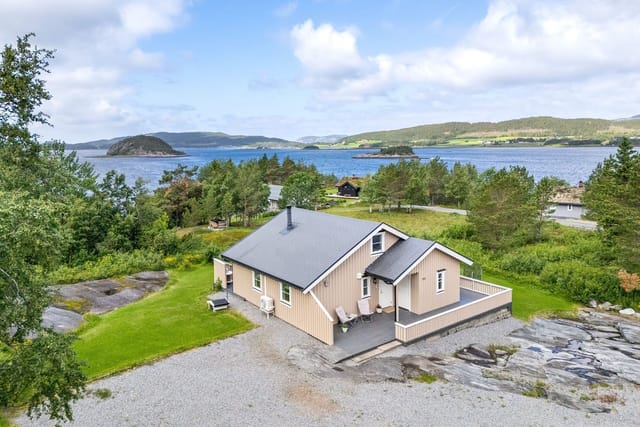
The first thing you notice on a July morning at Gluggevannsveien 157 is the quiet. Not the artificial quiet of noise-cancelling headphones, but the real kind — birdsong, the distant lap of water, the occasional creak of pine in the breeze. You step out onto the 48-square-meter terrace with your coffee, the garden stretching out in front of you across a full 1,000 square meters of private land, and you think: this is what a Norwegian summer is supposed to feel like. Lyngdal sits in Vest-Agder county, tucked into the southwestern corner of Norway where the landscape softens compared to the dramatic fjords further north. This is the Sørlandskysten — the so-called Norwegian Riviera — and the region earns that nickname honestly. Summer temperatures regularly hit the high twenties. The light lasts until almost midnight in June and July. The coastline along this stretch of southern Norway is dotted with white-painted fishing villages, sheltered coves, and the kind of beaches that genuinely surprise first-time visitors. Fevik and Mandal are both within easy striking distance, and Mandal's Sjøsanden beach is widely considered the finest sandy beach in the entire country — a long, dune-backed arc of white sand that draws swimmers from across Scandinavia every August. This hytte sits in an established holiday home area just outside the town center, close enough to Gluggevannet lake and the Lygna river to make water-based days the default rather than the exception. Fishing the Lygna is a serious local pursuit — it's one of the more productive salmon rivers in southern Norway, and you don't need to travel far to find a productive stretch. The lake is calmer, perfect for a morning paddle or an afternoon swimming with kids. Bring a c ... click here to read more

Aktiv Eiendomsmegling welcomes you to Gluggevannsveien 157!

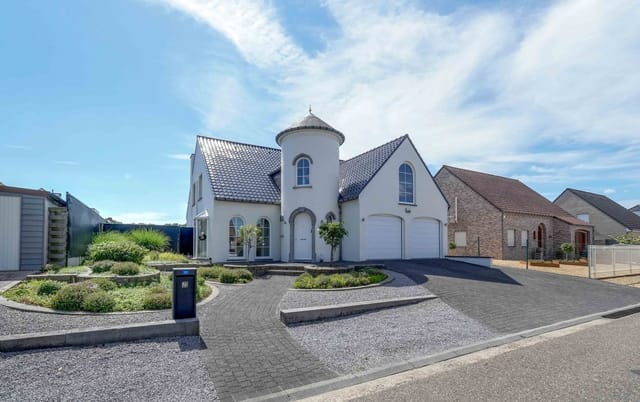
Picture a Sunday morning in late April. You're standing at the kitchen window, coffee in hand, watching light move across the southwest-facing garden while the heated pool shimmers in the background. The neighborhood is quiet — the kind of quiet that doesn't feel empty, just genuinely calm. That's Rankenlaan on a weekend morning, and it's one of the reasons people who find this part of Lanaken tend to stay. Lanaken sits in Belgian Limburg, right at the point where Belgium tips into the Netherlands, and the geography here is unlike anywhere else in the country. Within cycling distance of this villa, the Pietersheim estate opens up into meadows, moats, and a children's farm that makes weekend mornings with kids genuinely fun rather than logistically exhausting. The Nationaal Park Hoge Kempen — Belgium's only national park — is close enough that you can be on a heathland trail within twenty minutes, watching purple heather stretch toward the horizon in August or tracking frost patterns on pine bark in January. This is not a region that runs out of things to do outdoors. It just changes what those things look like with each season. The city of Maastricht is barely fifteen minutes by car across the Dutch border. That matters more than it might sound. Maastricht's Vrijthof square hosts some of the most lively Christmas markets in the Benelux region, the André Rieu concerts draw crowds from across Europe every July, and the restaurant scene along the Rechtstraat — think Burgundian Dutch cooking, heavy on slow-braised meats and local cheeses — is worth the short drive any evening. Genk and Maasmechelen are equally accessible via the E314, so everything from retail therapy at Maasmechelen Village to a concert at C-Mine in Genk ... click here to read more

Front view of Rankenlaan 21, Lanaken

Step outside on a Tuesday morning in early October and the meadow behind the garden is completely still. A light mist sits low over the grass. The only sound is a wood pigeon somewhere in the oaks at the edge of the field. This is what In de Putten 24 feels like before the rest of the world wakes up — and if you've been daydreaming about a Belgian second home where the pace genuinely slows down, this is the kind of moment that will sell it to you faster than any floor plan. Lommel doesn't get nearly the attention it deserves from international buyers. People hear "Belgium" and think Brussels or Bruges. But northern Limburg has a quietly devoted following among Dutch, German, and UK second-home owners who discovered it years ago and haven't told many people. The sandy heathlands, the pine forests, the wide cycling routes threading through dune landscapes — Lommel sits right in the middle of all of it, and In de Putten is one of those rare addresses where you feel truly embedded in the natural surroundings without sacrificing easy access to everyday life. The house itself was built in 1937, and you can feel the solidity of it. These older Flemish detached homes were built to last — thick walls, generous proportions, rooms with actual presence. Across 174 square metres of living space on two floors, there's room for four bedrooms and two full bathrooms, which makes it workable as a family retreat, a rental property, or a longer-term base if you're considering a slower European chapter. The ground floor is fully habitable, which matters more than people realise — it gives you options. Elderly parents visiting, guests who prefer not to climb stairs, or simply the convenience of keeping primary living entirely on one level. ... click here to read more

Photo 1 of In de Putten 24

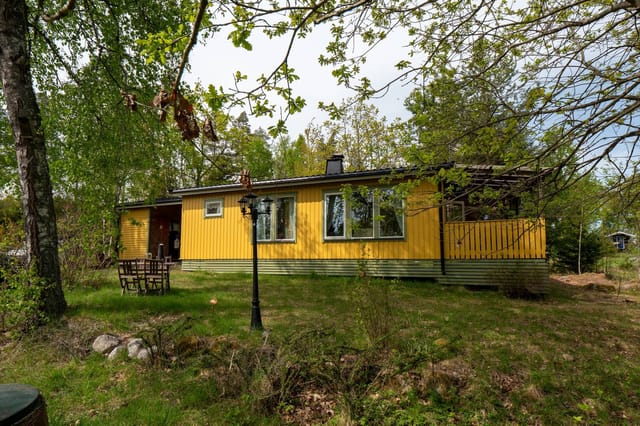
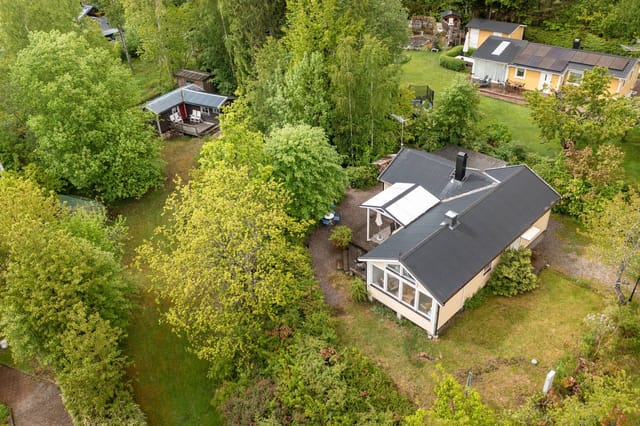
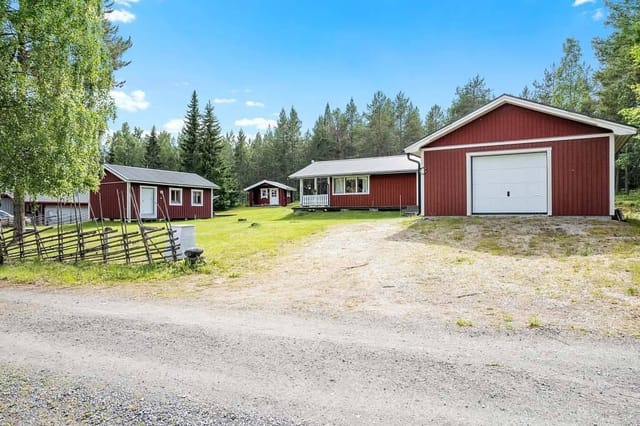
At five in the morning in July, the sun hasn't gone down since yesterday. It hangs low and amber over the Gulf of Bothnia, throwing copper light through the birch trees at the edge of the garden, and you're already awake — not because you have to be, but because Seskarö does something to your sleep cycle. You stop fighting time up here. You start living by light instead. That's the pull of Bladviken 5. A two-bedroom country home on one of northern Sweden's quieter islands, sitting on a 1,975 square metre plot just a hundred metres from the shoreline. The water is right there — you can smell it through the kitchen window in the morning, that cold, clean salt-and-pine combination that doesn't exist anywhere further south. The house itself is 63 square metres of honest, practical Scandinavian living. Wooden walls, natural light coming in at all angles, and a floor plan that doesn't waste a centimetre. It's not enormous, but it's thoughtfully arranged — the kind of layout where you always know where everyone is, where conversations drift naturally from the kitchen to the living room without anyone having to raise their voice. Two bedrooms handle a couple or a small family comfortably. The single bathroom is functional. The kitchen is set up for actual cooking, not just reheating things — and when you're coming back from a morning on the water with fresh-caught perch or Baltic herring, that matters. What extends the property's real usefulness is everything outside the main house. Multiple outbuildings sit across the generous plot, and they're the kind of practical structures that Swedish island life actually calls for. There's room for a proper sauna setup — this is Norrbotten, after all, and a summer evening without a sau ... click here to read more

Front view of the main house and garden

Step out onto the deck at seven in the morning, coffee in hand, and the only sounds are birdsong and the faint lap of water from Lake Fåsjön through the trees. That's the daily reality at Boviksvägen 5 — a winterized country home in Sweden's Bergslagen region that earns its keep in every season, not just the postcard ones. Nora Municipality sits about 190 kilometers west of Stockholm, deep in the forested heartland of Örebro County. People who discover this pocket of Sweden tend to stay loyal to it. The landscape is classic Swedish countryside — mixed pine and birch forest, mirror-flat lakes, red timber houses glimpsed along gravel roads — but Nora itself punches above its weight. The wooden town center is one of the best-preserved in the country, with cobbled lanes, 19th-century merchant houses, and the kind of ice cream parlor (Noras GB Glassbar, if you're asking) that generates genuine local debate about flavor rankings. It's about a 20-minute drive from the property. The house sits on Boviksvägen, a quiet road that hugs the eastern shore of Lake Fåsjön. At 68 square meters, the main building is honest about what it is: a well-planned single-story retreat where the hallway, living room, and kitchen flow into one another without fuss. Built in 1990 and kept in good condition since, it reads airy rather than small, largely because the windows are generous and positioned to pull in the surrounding green. Two bedrooms sit toward the rear — calm, properly sized rooms suited for sleeping deeply in a way that town apartments rarely allow. The bathroom is shared, which is standard for a house this size, and it works. Beyond the interiors, a glazed veranda extends the livable space into the colder shoulder months, letting yo ... click here to read more

Front view of the house and garden

Stand in the kitchen of this 1860 Fehn house on a still Tuesday morning, coffee in hand, and you'll hear almost nothing. Maybe the distant call of a lapwing over the meadow. Maybe the creak of the old wooden staircase settling into the day. The original water well in the kitchen floor — still there, still real — catches the light coming through the window, and you realize this house has been doing this every morning for over 160 years. It just hasn't had you in it yet. Fehnhaus architecture is specific to this corner of Lower Saxony, and it's unlike anything you'll find elsewhere in Germany. These long, low farmhouses were built along the peat canal networks of the Fehn colonies — practical, stoic, built to last. Most have been torn down or hollowed out. This one on 2. Norderwieke in Moormerland survived, and more than that, it was looked after. Carefully renovated over the years without stripping the soul out of it. The box beds in the two front rooms are original — actual box beds, with the carved frames and panelled doors intact, the kind you read about in Dutch and North German colonial history. You could sleep in one. Or you could leave them as they are and let them do what they do best: stop visitors in their tracks. Five bedrooms spread across 173 square metres of living space, plus a converted former stable that now serves as the main living area. The conversion was done with a light touch. French doors open directly onto the garden and the meadows beyond, and in summer the boundary between inside and outside dissolves completely. No new builds encroaching on those fields — they're agriculturally protected, so what you see today is what you'll see in twenty years. The kitchen deserves its own paragraph. Anchor ... click here to read more

Front view of 2. Norderwieke 37

Step outside on a July morning, coffee in hand, and the lake is completely still. The mountains on the far shore are mirrored so perfectly in Eimhjellevatnet that you'd be forgiven for thinking the world had doubled overnight. That's what Eimhjellevegen 55 gives you — not a view from a distance, but a front-row seat on the actual shoreline, with your own stretch of water to swim in, fish from, or just sit beside until the day makes more sense. Hyen is a small village tucked into the Sunnfjord region of western Norway, where the fjords push inland and the landscape gets quietly dramatic. This is the kind of place where people come to properly disconnect — no white noise, no traffic, no obligation to be anywhere. The chalet sits on a 1,372 square metre plot that dips directly to the lake's edge, and the property even includes a sliver of ownership extending into the water itself. It's a practical detail that carries real weight: your privacy on the shoreline is genuinely protected. The chalet was built in 1974 and spans 48 square metres of interior living space across a sensible, unfussy floor plan. Two bedrooms. One bathroom. A wood-burning stove in the main living area that earns its place every single autumn weekend when the birch trees turn gold and the evenings get sharp. Large windows frame the lake and the mountains beyond — you're not reaching for the view here, it comes to you. The kitchen is functional and bright, set up for real cooking whether that means a simple dinner of fresh-caught trout or feeding a full group after a day on the trails. The bathroom includes a shower and an incineration toilet, along with the water pump for the property — a sensible setup for a cabin of this type in this part of Norway. ... click here to read more

Welcome to Eimhjellevegen 55! Photo: Photoevent (Thor-Aage Bolseth Lillestøl)

Picture yourself on a Sunday morning in late September, mug of coffee in hand, standing at the edge of 6,000 square metres of your own woodland in the Landes. No road noise. No neighbours. Just the creak of old oak, the faint whistle of a bird you can't quite name, and a natural spring quietly doing its thing in the corner of the plot. That's what life at this 18th-century Landaise farmhouse actually feels like — and at €119,000, it's not a fantasy. It's available right now. Built in the architectural tradition of the Landes region, this single-storey stone farmhouse carries the kind of bones that renovation enthusiasts dream about. The 76-square-metre interior includes two bedrooms, a living room anchored by a period fireplace that's clearly seen a few hundred winters, a bathroom, and a kitchen space ready to be fitted to your own specification. Attached to the main house is a 37-square-metre barn — sound structure, full of potential — that could become a guest studio, a workshop, a covered outdoor dining space, or simply extra storage for bikes and canoes. The decisions are yours. That's rather the point. The property needs work. There's no dressing that up. Renovation quotes are available on request, and buyers with a clear-eyed view of what's involved will find this an unusually honest opportunity. What you're really purchasing is a historic Landes farmhouse at a fraction of what restored examples in this corridor fetch, a plot of wooded land with a genuine natural spring, and a location three minutes from Saint-Geours-d'Auribat — a village with a grocery store, a bakery, a preschool, and a bus stop. The fundamentals are already there. Poyanne sits in the southern Landes, in the vast Nouvelle-Aquitaine region, and ... click here to read more

Picture 1

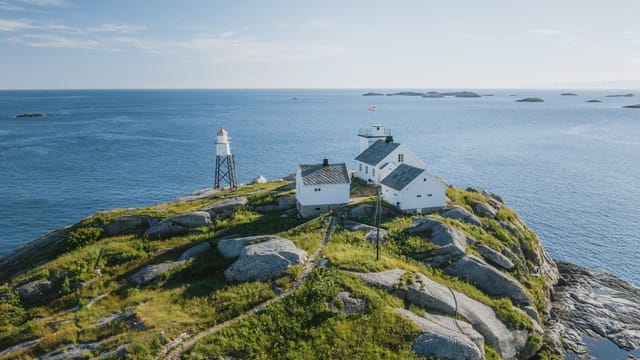
Stand at the kitchen window on a July evening and watch the sun hover above the Vestfjord at midnight—not setting, just drifting, painting the water in colours that have no proper names. That's the daily reality at Henningsvær Lighthouse, a working piece of Norwegian maritime history built in 1857, sitting at the absolute outermost tip of the Lofoten island group. This is not a renovated barn with a sea view. This is the edge of the world, and it's for sale. The property sits on 18,371 square metres of raw island terrain, with the Vestfjord on one side and the jagged silhouette of the Lofoten Wall on the other—those famous razor-edged peaks that rise directly from the sea and have pulled photographers, painters, and climbers here from every corner of the globe. When a winter storm rolls in from the Norwegian Sea, you feel it through the walls of this building. When it passes, the light that follows is the kind that makes you reach for a camera even if you've never been interested in photography. The main building spans 136 square metres of usable interior space, with a total built footprint of 210 square metres across the lighthouse complex. Seven bedrooms give the property a genuine flexibility that most historic buildings of this scale can't offer. Run it as a high-end private retreat. Host family gatherings across two weeks in August when the salmon are running and the hiking season is at its peak. Invite a small group of artists for a winter residency during the northern lights season—the aurora here is not the faint green smear you sometimes see from mainland Norway. On a clear February night above Henningsvær, it fills the entire sky in moving curtains of green and violet while the waves work quietly below you. ... click here to read more

Henningsvær Lighthouse exterior

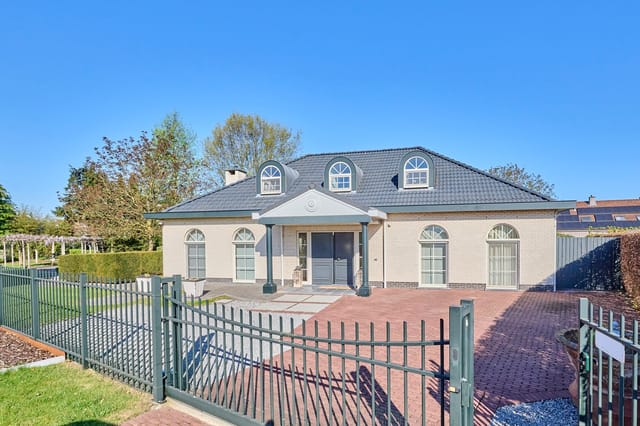
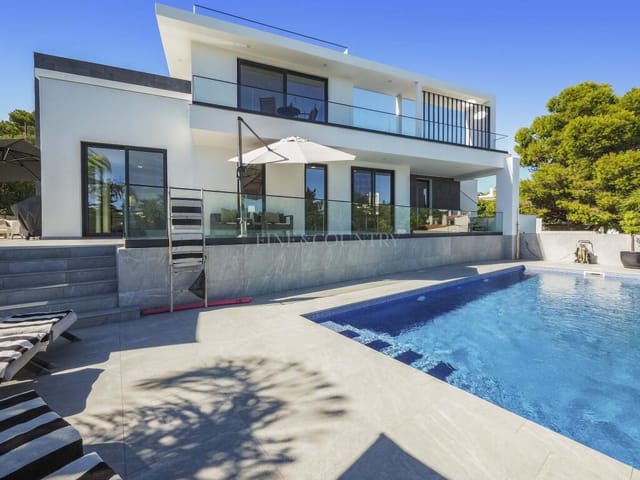
Step out onto the rooftop terrace just before seven in the evening and the whole Atlantic rolls out in front of you — gold and copper and restless, the kind of light that makes you put your phone away. That is the daily reality of this four-bedroom villa in Carvoeiro, one of the western Algarve's most distinctive coastal villages, and it never seems to get ordinary no matter how many times you watch it. Carvoeiro is not the Algarve you see on generic travel posters. It is a compact, genuinely pretty fishing village built around a small sandy cove, framed by honey-coloured limestone cliffs that glow in the afternoon heat. The main square is five minutes on foot from this villa's front door — close enough to walk down for a coffee at Café do Largo on a Tuesday morning, far enough that you never hear the noise. The restaurants lining Rua do Barranco serve freshly grilled dourada and cataplana de marisco that have kept regulars coming back for years. Every Friday morning the local market near Lagoa, the nearest town, fills with vendors selling blood oranges, smoked sausage, and hand-embroidered linen. These are not tourist performances — they are just how life runs here. The villa itself sits on just over 1,000 square metres of land, and the 227-square-metre build makes smart, confident use of contemporary Algarvian design — clean volumes, generous glazing, and materials that look good without demanding constant attention. The ground floor opens into a single, fluid living and kitchen space where a floor-to-ceiling picture window does the obvious thing and frames the ocean like a painting that changes every hour. An ethanol fireplace anchors the sitting area — useful on January evenings when temperatures drop to a perfectl ... click here to read more
Picture 1

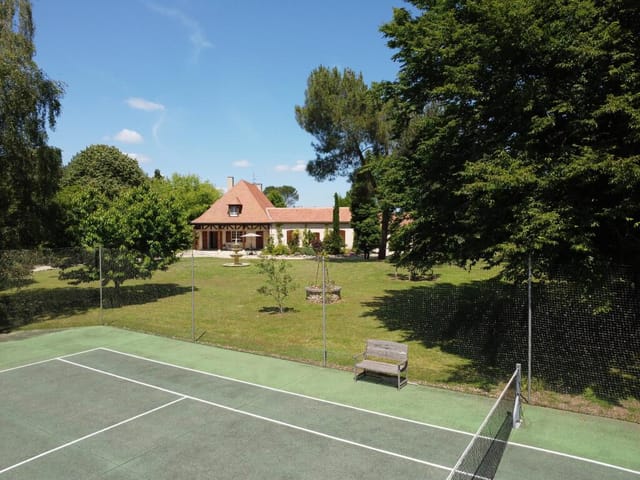
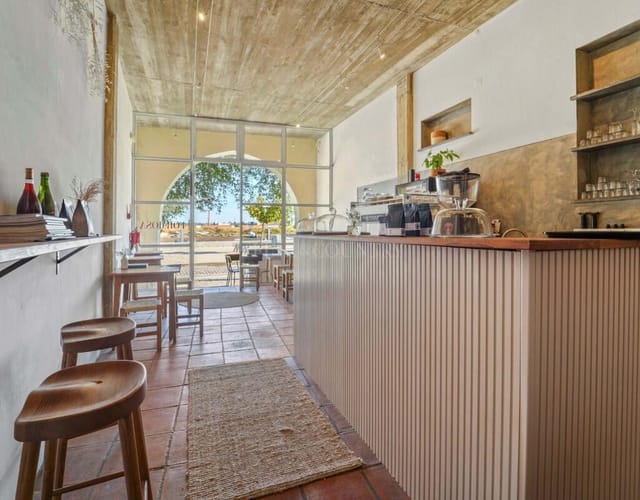
Step out onto your top-floor balcony on a Tuesday morning and you'll understand immediately why people who visit Tavira rarely leave without plotting their return. The Gilão River moves slowly below you, catching the early light in that particular gold way it does between February and November. A fishing boat putters past. Church bells from Santa Maria do Castelo drift over the rooftops. The smell of tosta mista and bica from the café downstairs — your café, as it happens — rises through the old stone walls of the building you now own. This three-storey waterfront property is one of those rare finds that rewrites the rules of what a second home or holiday residence can be. It sits directly on Tavira's riverside promenade, facing the Gilão, with the Roman bridge visible from the front windows and the ferry dock to Ilha de Tavira a four-minute walk away. It's a proper townhouse, not a conversion, not a renovation project — three floors of thoughtfully maintained space with a functioning commercial operation on the ground floor and a generous private duplex above. The ground floor runs as a boutique café right now, and it's easy to see why. Outdoor tables along the waterfront terrace fill up most mornings without much effort from an owner; this stretch of the Rua José Pires Padinha is the kind of address that does a lot of the work for you. The interior has a kitchenette, indoor seating, two separate WC facilities, and a storage room. It's compact and efficient. But it doesn't have to stay a café. The layout adapts well to a wine bar, a small retail space, a gallery — Tavira draws a particular crowd of architecture tourists and slow-travel visitors who actually spend money on things that aren't fast food. Whatever directi ... click here to read more
Picture 1

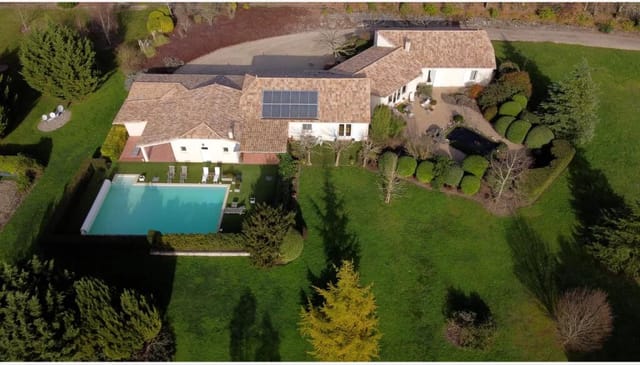
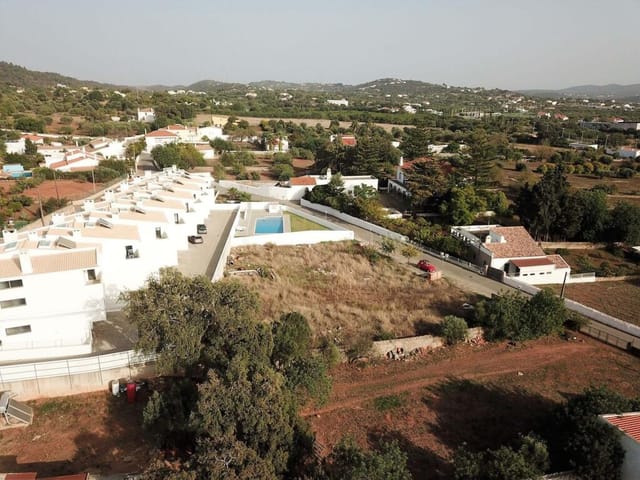
Stand on this 504-square-metre plot on a quiet morning in São Brás de Alportel and you'll hear absolutely nothing except maybe a pair of swallows and someone's espresso machine hissing two streets over. No beach crowds, no tourist coaches reversing into narrow lanes. Just the kind of calm that people drive an hour from the Algarve coast to find — and here, it's already yours. This is a rare opportunity: a building plot in good condition with a fully approved architectural project for a 457-square-metre detached villa, including a basement. That means the grinding, months-long wait for planning permission is already behind you. The design work is done. You can move straight into the build phase and watch your second home in the Algarve take shape exactly as envisioned — four bedrooms, three bathrooms, and enough space across that footprint to design a life that genuinely doesn't compromise. São Brás de Alportel sits in the foothills of the Serra do Caldeirão, about 20 kilometres north of Faro. The town doesn't appear much in the glossy Algarve brochures, which is precisely what its residents love about it. The Saturday morning market on the main square pulls in locals selling blood oranges, medronho brandy distilled from wild arbutus berries, homemade queijo fresco, and bunches of dried lavender. The café on Rua Dr. Barbosa de Melo serves pastéis de nata that have been made the same way for decades. These aren't tourist performances — they're just how Tuesday works here. Walk to your building plot from the town centre in minutes. The supermarket, pharmacy, post office, hardware store — all on foot. For a second home or holiday property in Portugal, that kind of walkability matters more than people expect. Nobody wants ... click here to read more
Picture 1

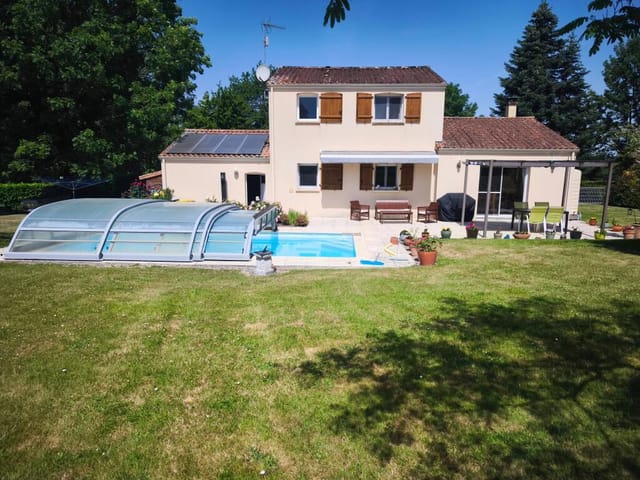
Step outside on a Tuesday morning in late June, coffee in hand, and the Baltic light is already doing something extraordinary — bouncing off Korsfjärden in long silver ribbons that reach right through the south-facing windows of the living room. The nearest beach is a two-minute walk. There are no traffic sounds. Just birdsong, the faint creak of a boat somewhere in the channel, and the smell of warm pine from the garden. This is what daily life at Sandenvägen 30 actually feels like. Sankt Anna is one of those places that Swedes have quietly kept to themselves for generations. Tucked into the Östergötland archipelago south of Söderköping, it comprises around 6,000 islands, islets, and skerries — and unlike the more crowded Stockholms skärgård to the north, it still has that unhurried, genuinely local feel. Sanden itself is a small village with real character: a tennis court, beach volleyball courts, a playground, and walking trails that wind through coastal woodland down to the water. The grocery store and a handful of restaurants are close enough to reach by bike, which is exactly how most people get around here in summer. The house sits on a 2,122-square-meter plot between two of the area's best swimming beaches. One faces west toward Lagnöströmmen — a sheltered stretch that stays reliably clear of algae throughout the season. The other faces south toward Korsfjärden, which means sun from mid-morning until the long Scandinavian evenings fade into a pink-orange dusk sometime after 10pm in July. That south-facing beach is the one you'll find yourself walking to most mornings. It becomes yours very quickly. Built in 1986 and architect-designed from the ground up, the house spans 173 square meters of living space with a ... click here to read more
Exterior view of the house and garden

On a still Tuesday morning in late June, the only sound you'll hear from the wisteria-draped terrace is the distant clang of a church bell from Lauzerte's hilltop and, if you're lucky, the unhurried creak of a tractor moving through a sunflower field far below. This is the pace of life in the Quercy Blanc — slow, deliberate, and quietly addictive. The stone farmhouse sitting just a short walk from one of France's officially designated Most Beautiful Villages doesn't shout for attention. It doesn't need to. Built around 1880 as a working duck farm — the kind of history you can actually feel in the thick limestone walls and worn original staircase — the property has been brought into the present with real care. The renovation is thorough without being sterile. Exposed stone walls meet a properly fitted kitchen with integrated appliances. Original ceiling beams frame the living room where a wood-burning stove inside a substantial fireplace becomes the social anchor on October evenings when the Tarn-et-Garonne hillsides shift from green to rust and amber. Tiled floors run underfoot with the kind of patina that only comes with a century of use. Three bedrooms, three bathrooms — including a master suite with its own dressing room and en-suite — give the house room to breathe without sprawling unnecessarily. A large attic sits above it all, unconverted and full of potential, the kind of space that could become a fourth bedroom, a studio, or a reading room depending on who moves in. At 230 square metres, the interior is generous. But in high summer, you'll spend most of your time outside. The pool terrace is serious. A high-quality swimming pool with an electric cover and a proper wooden deck isn't an afterthought here — it's ... click here to read more
Picture 1

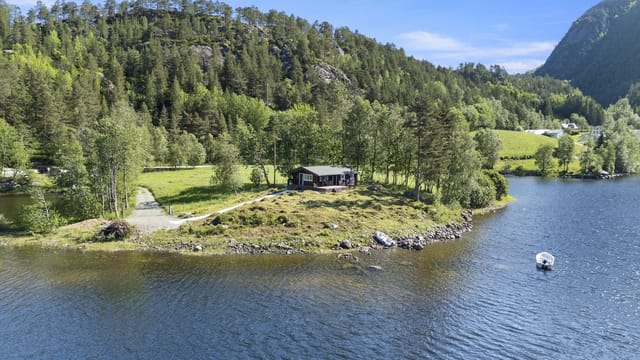
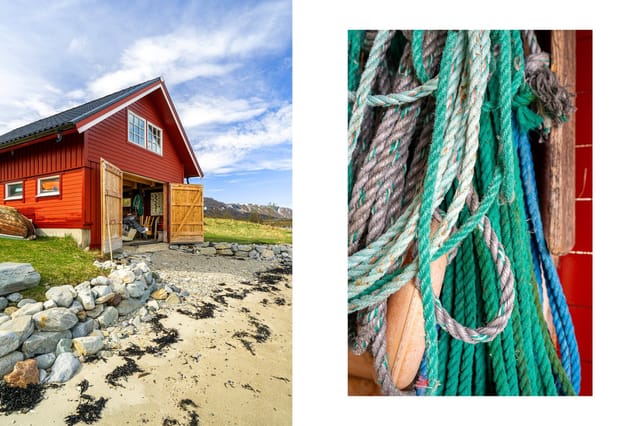
Step outside on a Tuesday morning in late January, and the northern lights are still doing their thing above the Lyngen Alps across the fjord. The coffee is hot. The stove clicked to life twenty minutes ago. Through the big windows of this single-bedroom chalet on Vannøya, the sea sits maybe sixty meters away—grey-green, absolutely still. No traffic. No neighbors visible. Just the low whistle of an Arctic wind and the occasional cry of an eider duck cutting across the inlet at Vannavalen. This is what €111,000 buys you in Northern Norway. The chalet itself sits on Nord-Fugløyveien in the township of Vannøya, a rugged island in Troms county that most international buyers have never heard of—which is precisely the point. Vannøya isn't Lofoten, which has become overrun with Instagram hikers. This island operates on its own rhythm. Fishermen still leave before dawn. The ferry crossing to the mainland at Brensholmen carries locals, not tour groups. That authenticity is increasingly rare, and increasingly valuable. The 41-square-meter cabin was renovated between 2017 and 2018, and the work shows. Light-toned walls, modern surface finishes, smooth-front kitchen cabinetry—the interior punches above its square footage because it's been thought through. The kitchen comes equipped with a refrigerator, stove, and inset sink, with enough table space to sit down to a proper dinner of fresh skrei cod you caught yourself that afternoon. The living room's large windows pull the landscape inside. On a clear February day, the light that bounces off the snow and the water is something you won't find further south. A wood-burning stove anchors the room; by evening, with the fire going and the darkness outside absolute, the space feels genu ... click here to read more
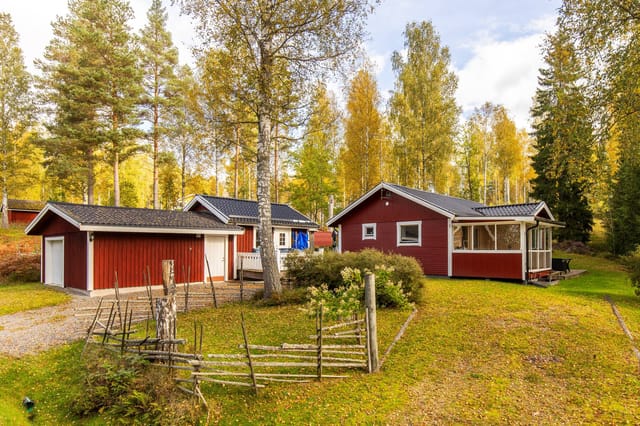
The property consists of a cozy and upgraded cabin as well as a large boathouse with a finished workspace on the upper floor.

On a still morning, you can stand on the upper balcony of this villa with a coffee and watch the mist lift off the fairways of Vale de Pinta's 2nd green below. The valley stretches out in shades of ochre and olive. Not a sound except for birdsong and, if the wind is right, the distant Atlantic. This is the kind of quiet that people spend years chasing. Set in Estômbar, in the heart of the Lagoa municipality, this five-bedroom villa sits at one of the most coveted addresses in the central Algarve — close enough to the coast to make a beach run before lunch, yet far enough inland to feel genuinely unhurried. Carvoeiro is about ten minutes by car. Ferragudo, with its postcard-ready harbor and the best grilled fish you'll eat in Portugal, is even closer. Portimão — where you'll find everything from a deep-water marina to the Museu de Portimão, one of the finest regional museums in southern Europe — sits less than fifteen minutes away. The villa itself covers 392 square meters across two levels, and the layout has been thought through properly. Ground floor living is designed around daily ease: three of the five bedrooms open directly onto the terrace and pool, so the line between inside and outside essentially disappears in summer. The kitchen is the kind you actually want to cook in — an open-plan space with a central island, granite worktops, a gas and electric hob, double fridge-freezers, a wine fridge, espresso machine, and even an ice maker for those long Algarvian afternoons. There's a separate laundry room tucked away, a TV room that works as a genuine retreat from the main social areas, a dedicated home office, and a wine cellar. That last detail matters more than it sounds: the Algarve's annual wine scene has grow ... click here to read more
Picture 1

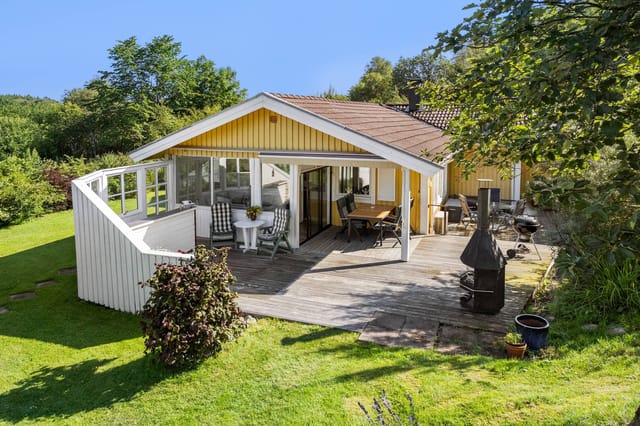
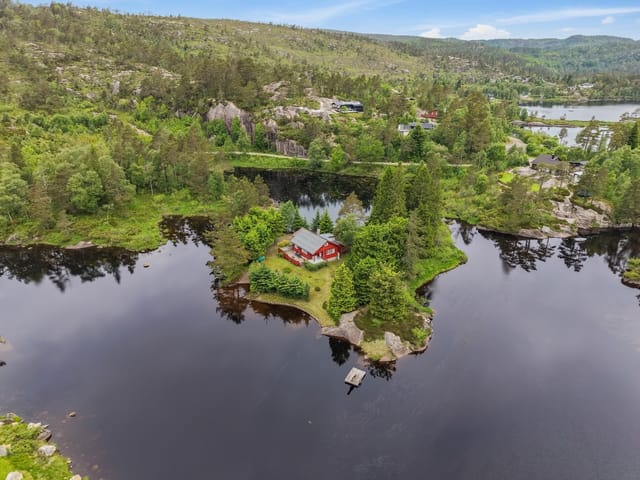
The alarm doesn't wake you here. What does is the sound of water lapping 150 meters from your bedroom window, and the particular quiet of a Swedish morning before the rest of the world catches up. That's life at Nällsta 12, a two-bedroom cottage sitting on a generous 1,425 square meter plot in Stallarholmen, one of those unhurried lakeside communities along Lake Mälaren that Swedes tend to keep to themselves. Lake Mälaren is not a small lake. It stretches roughly 120 kilometers west of Stockholm, and on a clear July afternoon from your wooden deck, the water holds a kind of flat silver light that makes you want to pour a second coffee and stay put. This is Sweden's third-largest lake, dotted with islands, historic manor houses, and the kind of fishing that calls for an early start and a thermos. Your boat berth comes with the property — direct access to all of it. You can motor out to a quiet inlet by nine in the morning and not see another soul. The cottage itself, built in 1970, sits in good condition and is ready to move in and use as-is. At 51 square meters, the main house is compact and honest about what it is: a proper Swedish sommarstuga, a summer cottage built for the season that Swedes genuinely live for. The living room opens through to a spacious timber deck — the kind of outdoor space that becomes the real living room from May through September. Large windows pull daylight deep into the interior, and the mature trees on the plot cast the kind of dappled afternoon shade that no architect can actually design. Two bedrooms handle a small family or a rotating cast of weekend guests comfortably. The kitchen is functional and practical, the shower room and separate WC (fitted with a Separett composting toilet, wh ... click here to read more
Front view of the summer cottage

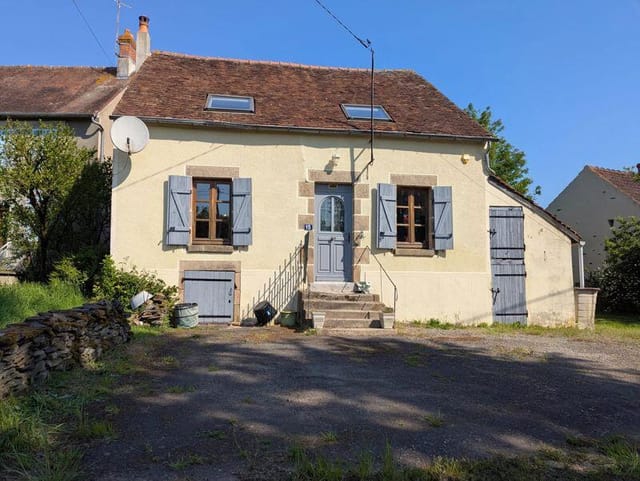
Saturday morning. The barn swallows are already busy above the terrace, and through the kitchen window you catch the faint smell of bread baking from the boulangerie down in the valley. You've got coffee on, the garden is drenched in that particular pale gold that only central France does in summer, and you're not in any kind of hurry. That's the daily rhythm this cottage in La Châtre-Langlin drops you into — and once you've felt it, it's very hard to give up. This is a solid, well-kept three-bedroom house that sits on just over half an acre of land in the gentle hill country of the Creuse-Indre border zone, a part of France that still operates on its own quiet frequency. The habitable space runs to 87 square metres across two floors — compact enough to be manageable as a second home, but genuinely liveable for a family. On the ground floor, a 22-square-metre kitchen and a 21-square-metre living room give you real space to move around in, not the cramped layouts that plague so many rural French renovations. There's also a shower room, a storage room, and a 14-square-metre cellar — ideal for wine, naturally. Head upstairs and the landing opens onto three bedrooms of 10, 11, and 10 square metres respectively, plus a bathroom. Nothing is pokey. The proportions make sense. The outside space is the real conversation-starter. 2,354 square metres of land wraps around the property, and to the rear sits a generously divided barn — two separate sections, full of potential. Whether you want to park cars and store garden equipment or eventually convert the space into a studio, games room, or guest accommodation, the footprint is already there. The sunny terrace directly behind the house is south-facing enough to earn its keep from ... click here to read more
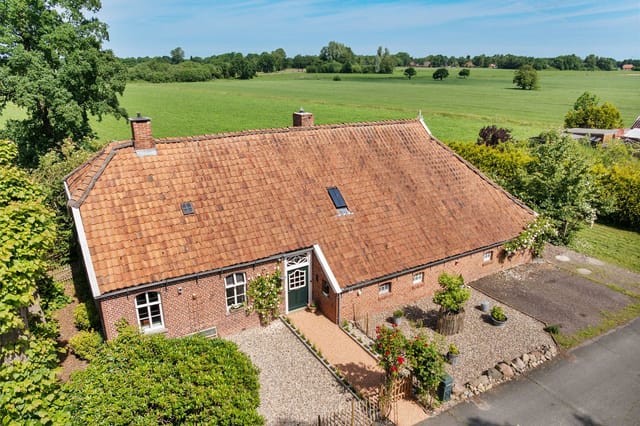
Photo 9

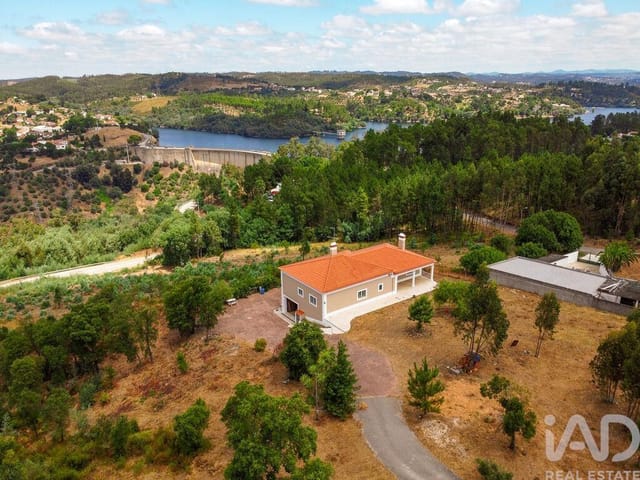
Step out onto the panoramic terrace on a Saturday morning, coffee in hand, and all you hear is the water. The Castelo de Bode reservoir stretches out below you — glassy, wide, catching the early light — and the only interruption is the occasional call of a heron crossing the Zêzere. This is what 481 square metres of well-built Portuguese countryside living actually feels like. Not a postcard. Not a rendering. The real thing. Martinchel doesn't get the tourist buses that roll through Sintra or Óbidos. That's precisely the point. This village in the municipality of Abrantes sits in a fold of central Portugal that most international buyers haven't discovered yet — which makes right now a genuinely interesting moment to be paying attention. The Zêzere River and the Castelo de Bode reservoir have long been favourites with Portuguese families who drive up from Lisbon on summer weekends for kayaking and river swimming, but the area remains quiet, unhurried, and authentically itself in a way that's increasingly hard to find anywhere in Western Europe at this price point. The house itself sits on 16,520 square metres of land with direct river frontage. That's not a typo — over sixteen thousand square metres, running down to the water, split between flat landscaped areas, wooded groves, and the natural slope characteristic of the Zêzere's banks. The plot alone sets this property apart from almost everything else you'll find within an hour and a half of Lisbon. There's room here to do essentially anything: a pool with unobstructed reservoir views would be straightforward to add, and the land absorbs it without blinking. The construction is practically new and shows it. Two floors, both accessed at ground level — a detail that so ... click here to read more
Picture 1

On a Sunday morning in late spring, you open the French doors off the ground-floor bedroom and the smell of cut grass and warm stone drifts in from the south-facing terrace. Somewhere down the lane, a rooster is doing his thing. The kitchen is already flooding with light—it faces south too—and you're standing there with a coffee, looking out at the enclosed garden, thinking this might be the most at ease you've felt in years. That's the rhythm this place puts you in. This authentic 19th-century Touraine farmhouse sits just outside the village of La Croix en Touraine in the commune of Bléré, right in the heart of the Indre-et-Loire department. It's the kind of address that means nothing until you visit and then means everything. The Loire Valley isn't a backdrop here—it's your actual life on weekends and summers. The house itself is honest and well-kept. Roughly 149 square metres spread across the main building, with a layout that's been thoughtfully configured for real living rather than a developer's floor-plan fantasy. Step through the entrance hall and you're immediately in the thick of it: a large fitted kitchen that flows straight out to the terrace, a cathedral-ceilinged living and dining room of around 40 square metres with original exposed beams, stone walls, parquet floors, and a wood-burning stove that pulls its weight every autumn weekend. The proportions feel generous without being cavernous. In winter, that stove throws enough heat to make the whole ground floor feel like you pulled the house around you like a blanket. The ground floor also includes a bedroom with its own French doors—convenient for guests or for those mornings when you want to slip outside before anyone else is awake—plus an office, a ba ... click here to read more
Picture 1

Step outside on a July morning and the fjord is so still it looks painted. The air carries salt and pine resin in equal measure. Your coffee goes cold because you keep stopping to watch a cormorant dry its wings on the rocks below the boathouse. This is Finnsetveien 131 — a well-kept 2008 cabin on the Trøndelag coast that gives you direct access to both a private boathouse and a registered marina berth, sitting on a 1,292-square-metre plot where the grass runs practically to the water's edge. Åfjord is the kind of Norwegian municipality that doesn't make international headlines, which is precisely the point. The Fosen peninsula juts into the Trondheim Fjord like a thumb, and Åfjord occupies its outer edge — exposed enough to feel genuinely coastal, sheltered enough that the water in the coves is swimmable from late June through August. The nearest city is Trondheim, roughly 90 minutes by car via the E39 and the Brekstad ferry, or a scenic coastal drive that takes longer but makes you feel like you've earned the weekend. The local shop at Åfjord centre is a ten-minute drive, and a bus stop is six minutes on foot — practical anchors when you're staying for weeks at a time rather than just popping by. The cabin itself clocks in at 63 square metres of actual living space, and the layout earns every square centimetre. The open-plan living room and kitchen runs to about 31 square metres, which sounds modest until you're standing in it with the large south-facing windows throwing afternoon light across the oak worktops of the IKEA kitchen — a setup that works hard and looks clean, with a full oven, induction cooktop, dishwasher, and refrigerator all included. The wood-burning stove in the corner does the work on shoulder-seas ... click here to read more
Aktiv Eiendomsmegling v/Thomas Lerstadgrind presents Finnsetveien 131

The smell hits you first — pine resin warming in the morning sun, a faint trace of lake water carried on the breeze from Mälaren. You're standing on the south-facing patio at Gäddvägen 35, coffee in hand, watching light fracture across the water through the birch trees, and it takes about four minutes to feel like you've been here your whole life. That's the kind of place Märsön is. Märsön is a small island just outside Enköping, roughly 75 kilometres west of Stockholm. Not famous, not overrun with summer tourists, not the subject of glossy weekend magazine spreads. That's exactly the point. The people who find their way here tend to come back year after year, eventually buying a little red house with a garden, a rowboat, and a long list of nothing urgent to do. This two-bedroom holiday home on Gäddvägen is the kind of property those people fight over when it finally comes to market. The plot itself covers 1,575 square metres — a genuinely generous footprint on an island where land this size doesn't come up often. There's a mature garden with room to grow tomatoes, set up a badminton net, or simply leave as the slightly wild green sanctuary it already is. The patio catches sun from mid-morning right through to evening, which in Swedish summer means you're outside until past nine o'clock, long after the light turns that particular shade of gold that makes everyone reach for their phone cameras. Inside, the 67-square-metre main house is single-storey and well laid out. Four rooms — living area, two bedrooms, and a flexible fourth space that works as a home office, a bunk room for kids, or a proper guest room depending on the week's visitors. The kitchen was renovated in 2017 and still feels fresh: clean cabinetry, funct ... click here to read more
Exterior view of Gäddvägen 35

Picture this: it's a Tuesday morning in late June, and you're sitting on the south-facing patio at Långedal 18 with a cup of coffee going cold because you keep getting distracted by the way the light moves across the granite outcrops in the distance. No agenda. The nearest sound is birdsong and, faintly, the buzz of a lawnmower two plots over. The Swedish west coast has this particular quality of stillness that people who've experienced it never stop talking about — and this property sits right inside it. Långedal 18 is a two-bedroom country home on a generous 1,981 square meter plot in Tanums kommun, roughly five and a half kilometers from the center of Fjällbacka. It's in good condition throughout and genuinely move-in ready, with a practical layout that makes sense for both short summer stays and longer stretches when you don't want to leave. The main house covers 86 square meters across three rooms and a kitchen — two proper bedrooms, an open living and dining space that pulls in light through wide windows, and a sleeping alcove off the living area that works brilliantly as overflow for guests, a reading corner, or a spot for kids who refuse to go to sleep before the midnight sun does. The kitchen flows naturally into the dining and living space, which is the right call for a property like this. Summer on the Bohuslän coast is social. People drift in and out, someone's always cooking, someone else is opening wine. You want a space that handles that without feeling cramped, and this one does. Outside is where Långedal 18 really earns its place. The plot is expansive by any standard — nearly 2,000 square meters of garden, with multiple patios positioned to catch the sun at different points through the day. Morning c ... click here to read more
Front view of the house and garden

Step outside on a Tuesday morning and the air already smells of lavender and warm stone. The garden — your garden — has rosemary bushes that brush your ankles as you walk to the terrace, and if the wind is right you can just make out the faint outline of the Pyrénées to the south. This is the Razès. Quiet, green, and stubbornly off the tourist radar. That's precisely why it works. Built in 2022, this three-bedroom bungalow in Mazerolles-du-Razès sits on a fully fenced plot in a rural pocket of the Aude département where the pace is measured by seasons rather than schedules. It's move-in ready — genuinely, not as a marketing convenience. There's no work to be done, no contractor to chase, no compromises to negotiate. The ten-year structural warranty still runs. Energy class A means the bills stay low even in the depths of January, and the thermodynamic water heater handles hot water without fuss. The 86 square metres of living space are arranged sensibly: an open-plan kitchen and living room lit by a south-facing bay window that pulls afternoon sun deep into the house, three bedrooms that sleep a family or host guests without anyone tripping over anyone else, and a bathroom with both a bathtub and walk-in shower — a detail that matters more than people admit when you're sharing the place with children or staying for a month rather than a weekend. There's a separate toilet, a pantry for proper storage, and a 16-square-metre garage for the car, the bikes, or whatever project you've been putting off. Outside, the tiled terrace is large enough for a proper table, a few chairs, and the kind of long lunches that stretch into early evening. The landscaping was done with a light hand and good sense: olive trees, almond, lavend ... click here to read more
Picture 1

Step outside on a January morning at Storkjeldkanken 112 and the silence hits you first. Not the uncomfortable kind — the kind that makes your lungs feel bigger. The snow sits undisturbed on the spruce branches, the cross-country tracks cut fresh through the trees maybe thirty meters from the front door, and the whole of Trysilfjellet is waiting. That's what owning a holiday home at 772 meters above sea level in Norway's most celebrated ski destination actually feels like. This three-bedroom chalet sits on a generous freehold plot of 1,416 square meters in Trysil, a mountain village in Innlandet county that most Norwegians consider the country's premier winter sports destination — and for good reason. The property at Storkjeldkanken 112 gives you direct access to the cross-country trail network right from the garden gate, with Trysilfjellet's 70-plus alpine slopes just a short drive away. In summer, those same trails become mountain bike routes. The 18-hole Trysil Golf Club course sits within easy reach, and the surrounding Trysilvassdraget river system offers genuinely good trout fishing from late May through September. Inside the main cabin, the bones are classic Norwegian hytte: exposed timber beams, solid wood walls painted in warm whites and naturals, and a fireplace insert in the open-plan living and kitchen area that makes the whole space glow on a cold evening. The layout is honest and practical. The kitchen runs along one wall with solid wood-front cabinetry, painted wooden countertops, and a window above the sink that frames a strip of mountain forest — you'll find yourself just standing there sometimes, coffee in hand, watching a magpie work through the lower branches. The dining area flows naturally from th ... click here to read more
Welcome to Storkjeldkanken 112!

On a quiet Sunday morning in La Roche-Guyon, you open the east-facing garden doors and the silhouette of the medieval keep fills the frame. Coffee in hand, the Seine winds silver in the middle distance, and the only sound is the crunch of gravel as a cyclist rolls past on the riverside path below. That view — that exact view — comes with this house. La Roche-Guyon is one of those places that Parisians whisper about and then keep to themselves. Classified among Les Plus Beaux Villages de France, this compact riverside village sits where the Seine makes a wide, dramatic loop through chalk cliffs at the northern edge of the Vexin Normand natural park. It's only 70 kilometres from central Paris — less than an hour on a clear drive up the A13 and D913 — yet it feels like a different century. The Tour de France has passed through its single main street. Monet came here to paint. The Rochefoucauld family built their cliff-face château directly into the limestone bluff above town, and on summer evenings the floodlit castle walls turn the colour of warm honey. This 135-square-metre house sits right in the village centre, on 457 square metres of land, and it comes with something you simply cannot manufacture: three genuine troglodyte caves carved into the chalk cliff at the rear of the property. One functions as a proper wine cellar, cool and naturally humidity-controlled year-round — the chalk walls maintain a near-constant temperature that any serious wine collector will appreciate immediately. A second has been set up as a private party space, large enough for a long table and a crowd of friends on a summer evening. The third doubles as a garage, big enough for a car and everything else a second home accumulates over the year ... click here to read more
Picture 1

Stand on the quay at six in the morning, coffee in hand, watching the mist lift off Fanafjorden while a small fishing boat putters past the mouth of the cove. That's the kind of morning Mildevegen 171 deals in. This is a proper Norwegian cabin — three bedrooms, a boathouse with its own concrete quay, a garden that runs to over 2,100 square metres, and the Arboretum at Milde practically at the back fence. Twenty minutes from Bergen's Bryggen wharf by car. A world away in every other sense. The property sits in Hjellestad, a quiet coastal pocket on the southern edge of Bergen municipality where the Fanafjord cuts deep into the land and the shoreline is a patchwork of smooth rocks, small beaches, and private quays. Locals here have always known something that the rest of Bergen is slowly catching on to: this stretch of water, with its sheltered inlets and easy access to the outer archipelago, is one of the best spots in Hordaland for a life lived partly on the sea. The cabin itself covers 102 square metres and is in good, solid condition — the kind of place where previous owners clearly took care of things. Walk through the entrance hall (there's an old wood stove in the corner that gives the space a certain honesty, even if it hasn't been lit in years) and the layout opens up naturally into the living areas. The main living room is generous, with large windows pulling in the garden light and a direct connection to the terrace. On a July afternoon with the doors thrown open and the smell of cut grass drifting in, you'll understand immediately why Norwegians have always built their hytter this way — inside and outside refusing to be separated. The kitchen is functional and well-fitted, with integrated appliances and prope ... click here to read more
Welcome to Mildevegen 171!

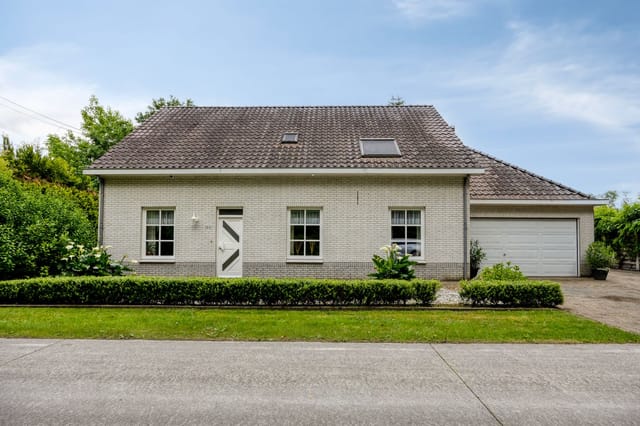
Saturday morning. You slide open the living room doors and the garden takes over — the smell of wet grass, the shimmer off the pool surface catching the early light, birdsong from the tree line at the far edge of the plot. No neighbour in sight. This is Cederlaan 7, and it sets a very particular kind of tone before you've even had your coffee. Neerpelt — now officially part of the merged municipality of Pelt — sits deep in the Limburg province of northeast Belgium, and it's the kind of place that rewards people who look past the obvious. No crowds, no tourist theatre. Instead you get real Flemish countryside: the dense pine forests of the Lommelse Sahara a short drive west, the recreational lakes at Domein Hengelhoef nearby, and the kind of clean air that people from Antwerp and Brussels specifically chase on weekends. Those same buyers have been eyeing this area for years. It's not a secret exactly — but it hasn't been overrun either. The house sits at the end of Cederlaan, a cul-de-sac where the only cars that pass belong to residents. Children cycle unsupervised here. The postman turns around at the bottom. It's genuinely quiet, in the way that money can't always buy. Step through the front door and you land in a living space built around parquet floors, warm-toned and solid underfoot, with a gas fireplace anchoring one wall. When winter rolls across Limburg and the garden turns to frost, that fireplace shifts from decorative to essential — it earns its place. Natural light comes in generously across the main floor, and the layout flows without feeling forced: no corridor maze, no awkward transitions. The lower level was renovated two years ago and it shows. The finishes feel considered rather than rushed. Four be ... click here to read more
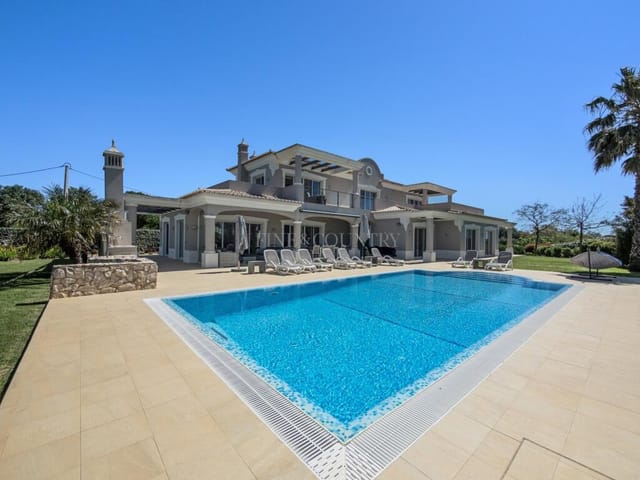
Front view of the villa and garden