Blog published in Relocation
Share
Is Spain Cheap to Live In? A Complete 2026 Cost Analysis
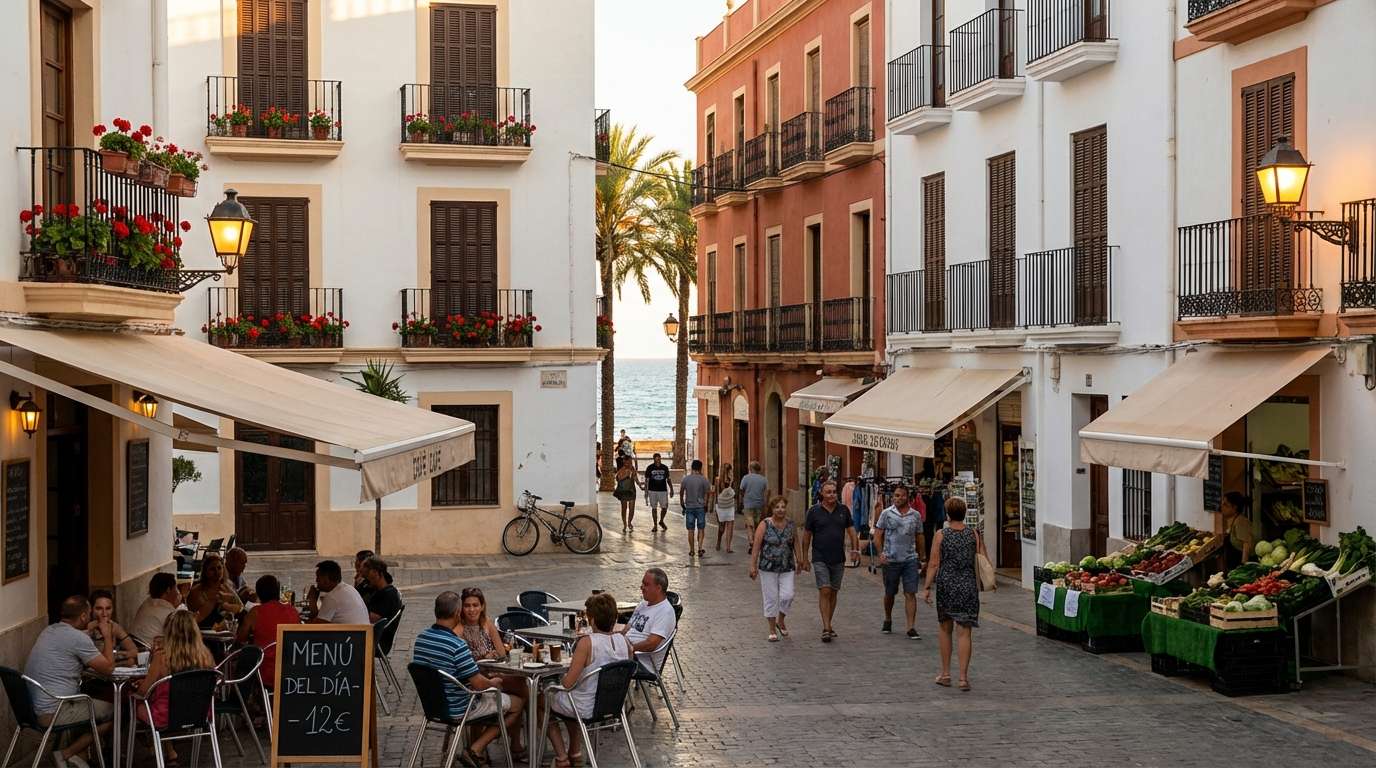
Spain has long captured the imagination of international home buyers and expats as an affordable European destination with excellent quality of life. This comprehensive guide breaks down every aspect of Spain's cost of living to help you make informed decisions about your move or property investment.
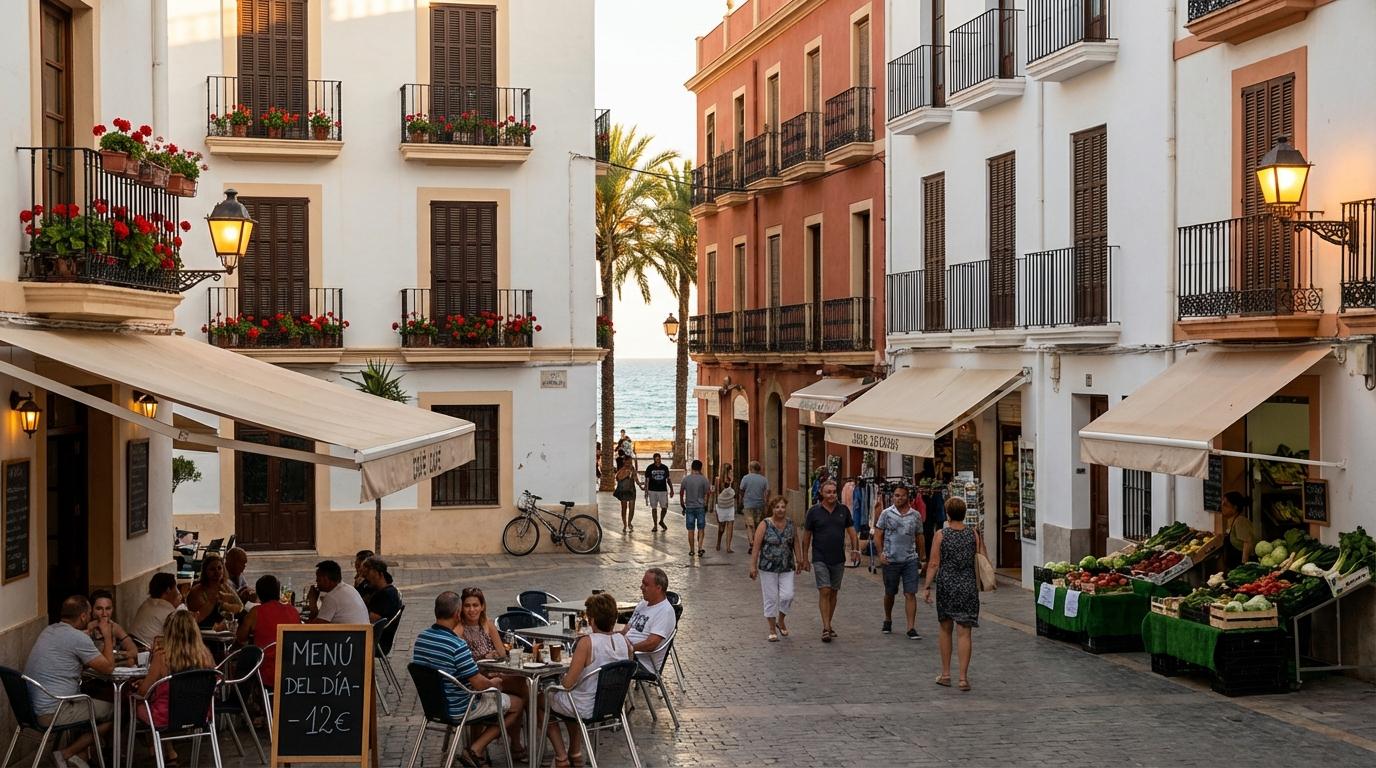
Spain has long captured the imagination of international home buyers and expats as an affordable European destination with excellent quality of life. But is Spain truly cheap to live in, or is this reputation outdated? As we move through 2026, understanding the real cost of living in Spain is crucial for anyone considering purchasing property or relocating to this sun-soaked Mediterranean country.
The short answer is yes—Spain remains notably more affordable than many Western European countries and North America. However, the complete picture is more nuanced, with significant variations depending on location, lifestyle choices, and individual circumstances. This comprehensive guide breaks down every aspect of Spain's cost of living to help you make informed decisions about your move or property investment.
Understanding Spain's Economic Context in 2026
Before diving into specific costs, it's important to understand Spain's current economic landscape. The country has shown resilience following economic challenges, with inflation projected at around 2% for 2026—a significant moderation from the 2.6% rate observed in 2025. This stabilization makes financial planning more predictable for international buyers and expats.
The average gross annual salary in Spain hovers around €28,000 to €31,600, which translates to approximately €1,700 to €1,800 net monthly income after taxes. While this may seem modest compared to salaries in countries like the United States or United Kingdom, it's essential to consider this figure in the context of Spain's lower cost of living. The national minimum wage stands at €1,381 per month (based on 12 payments annually), providing a baseline for understanding local purchasing power.
Spain consistently ranks favorably in global expat surveys, placing 9th out of 46 countries in 2025's Expat Insider survey. The country receives particularly high marks for ease of settling in and personal finances, making it an attractive destination for those seeking to purchase second homes or establish permanent residence abroad.
The Big Picture: Overall Monthly Budget Requirements
Let's start with the bottom line—what does it actually cost to live in Spain per month in 2026?
For a single person:
- Budget living (excluding rent): €700-€820
- Budget living (including rent): €1,200-€2,200 depending on city
- Comfortable living (including rent): €1,500-€2,000 in most cities outside Madrid and Barcelona
For a couple:
- Comfortable living (including rent): €2,000-€2,800
- Premium lifestyle in major cities: €3,000-€4,000
For a family of four:
- Typical monthly expenses: €2,600-€3,600
- Premium lifestyle: €4,000-€5,000+
These figures demonstrate that Spain offers 25-40% lower living costs compared to the United States, with rent being up to 50% cheaper in comparable cities. When compared to northern European countries like Germany, the Netherlands, or the United Kingdom, the savings are even more pronounced.
Housing Costs: Your Largest Expense
Housing represents the most significant component of living expenses in Spain, and it's also where you'll see the most dramatic regional variations.
Rental Market Overview
As of January 2026, the national average rent for a one-bedroom apartment ranges from €600 to €1,050 per month, depending on whether you're in a city center or suburban area. However, this broad range tells only part of the story.
Major Metropolitan Areas:
- Madrid (city center): €1,200-€1,400
- Barcelona (city center): €1,200-€1,700
- Valencia (city center): €900-€1,127
- Málaga (city center): €900-€1,139
- Seville: €700-€900
Affordable Cities and Regions:
- Murcia: Under €650 for a one-bedroom
- Lugo (Galicia): Often below €600
- Granada: €500-€800
- Salamanca: €400-€700
Studio apartments average around €550 nationally, offering an even more economical option for singles. A 45-55 square meter one-bedroom apartment typically costs around €720 (approximately $780 USD) based on 2026 data.
Property Purchase Prices
For those considering buying rather than renting through platforms like Homestra, property prices in Spain remain attractive compared to other Western European markets. Coastal areas and major cities command premium prices, while inland regions and smaller towns offer exceptional value. Property ownership also provides long-term cost stability and potential rental income if you're purchasing a second home.
Location Strategy for Cost Savings
The golden rule for affordable living in Spain is simple: avoid Madrid and Barcelona if budget is a primary concern. These two cities, while offering incredible cultural experiences and opportunities, can cost 50-80% more than secondary cities that still provide excellent quality of life.
Consider cities like Valencia, Seville, Granada, or Málaga, which offer:
- Significantly lower housing costs
- Vibrant cultural scenes
- Excellent weather
- Strong expat communities
- Good infrastructure and services
- Proximity to beaches (in the case of Valencia and Málaga)
Daily Living Expenses: Food and Groceries
Spain's food costs represent excellent value, particularly if you shop like a local and take advantage of fresh markets and budget-friendly supermarket chains.
Monthly Grocery Budgets
Single person:
- Budget-conscious: €200-€250
- Comfortable: €300-€400
Couple:
- Typical spending: €400-€600
Family of four:
- Standard budget: €500-€800
Typical Grocery Prices (2026)
Understanding individual item costs helps you plan your budget more accurately:
- Milk (1 liter): €1.05
- Bread (loaf): €1.20
- Eggs (dozen): €2.55-€2.75
- Chicken (1kg): €7.15
- Beef (1kg): €13.75
- Tomatoes (1kg): €2.00
- Potatoes (1kg): €1.20-€1.50
- Onions (1kg): €1.20
- Fresh fruit (1kg): €1.50-€2.50
- Rice (1kg): €0.60 for ordinary varieties
- Olive oil (1 liter): €3.00-€5.00
These prices demonstrate that basic staples remain very affordable, while quality protein and imported goods cost more. Shopping at budget-friendly chains like Mercadona, Lidl, Aldi, and Carrefour can reduce costs by 20-30% compared to premium supermarkets.
Dining Out
Spain's dining culture offers tremendous value compared to other Western European countries:
- Menu del día (lunch special): €10-€15 for a three-course meal
- Casual restaurant meal: €12-€15 per person
- Mid-range restaurant (three courses for two): €40-€60
- Beer at a bar: €2.50-€3.50
- Coffee: €1.20-€1.80
- Tapas: Often free with drinks, or €3-€6 per plate
Spain's café and tapas culture means you can enjoy social dining experiences without breaking the bank, a significant lifestyle advantage that doesn't show up in raw budget numbers.
Utilities and Home Expenses
Utility costs in Spain are moderate and have stabilized considerably in 2026 following the energy price spikes of previous years.
Monthly Utility Costs
For a single person or couple (85m² apartment):
- Electricity: €50-€70
- Water: €20-€30
- Gas: €20-€40
- Internet/Phone: €30-€50
- Total monthly utilities: €120-€190
For a family (larger home):
- Electricity: €100-€150
- Water: €30-€50
- Gas: €50-€80
- Internet/Phone: €40-€60
- Total monthly utilities: €220-€340
One real-world example from 2025 showed annual electricity costs of just €678 and gas bottles totaling €125 for an entire year, demonstrating that careful energy management can keep costs remarkably low.
Climate plays a significant role in utility expenses. Southern Spain's mild winters mean minimal heating costs compared to northern Europe, while air conditioning in summer can increase electricity bills. Many Spanish homes have excellent natural ventilation that reduces cooling needs.
Transportation: Getting Around Spain
Spain's public transportation infrastructure is excellent and affordable, making car ownership optional in many situations.
Public Transportation
- Metro/bus single ticket: €1.40-€1.50
- Monthly transportation pass: €20-€55 depending on city
- High-speed train (Madrid to Barcelona): €30-€120 depending on booking time and class
- Regional train travel: Generally under €20 for medium distances
Car Ownership and Driving
If you choose to own a car, expect these costs:
- Gasoline: €1.40-€1.60 per liter
- Car insurance: €400-€1,200 annually depending on coverage and driver profile
- Annual vehicle tax: €100-€200
- Parking: Varies widely; city center parking can be expensive (€2-€3 per hour)
- Tolls: Common on highways, varying by distance
For many expats and international home buyers using platforms like Homestra, the ideal solution is living in a city with good public transport and renting a car occasionally for travel. This provides maximum flexibility at minimum cost.
Healthcare: Quality Care at Reasonable Prices
Spain's healthcare system is one of Europe's best, offering both public and private options.
Public Healthcare
Residents in Spain with legal status have access to the public healthcare system, which is free at the point of service for most treatments. This represents significant savings compared to countries like the United States.
Private Healthcare
Many expats opt for private health insurance for faster access to specialists and English-speaking doctors:
- Individual private insurance: €50-€100 per month depending on age and coverage
- Family coverage: €150-€300 per month
- Specialist visit: €50-€100 (often covered by insurance)
- Prescription medications: Generally affordable, with many common drugs costing under €10
The availability of quality private healthcare at these prices represents another area where Spain offers exceptional value compared to North American costs.
Lifestyle and Entertainment
Spain's lifestyle expenses are where the country truly shines, offering rich cultural experiences at accessible prices.
Entertainment and Culture
- Gym membership: €25-€50 per month
- Cinema ticket: €8-€12
- Museum entry: €5-€15 (many offer free days)
- Concert or theater: €15-€50
- Beach access: Free!
Leisure Activities
Spain's climate and culture encourage outdoor activities and social gatherings, many of which cost little or nothing. The tradition of evening paseos (walks), beach days, and plaza gatherings provides free entertainment that enhances quality of life significantly.
Education and Childcare (For Families)
For international families considering Spain:
Public Education
Free for residents, with generally good quality in most areas. Language may be a consideration, as instruction is primarily in Spanish or regional languages like Catalan.
Private International Schools
- Annual tuition: €5,000-€15,000+ depending on school and location
- Registration fees: €1,000-€3,000
Childcare
- Private daycare: €300-€600 per month
- After-school activities: €30-€80 per activity per month
These costs are lower than equivalent services in the UK, US, or northern Europe, though they still represent a significant expense for families.
Regional Cost Variations: Where to Live for Best Value
Spain is not monolithic—your location choice dramatically impacts affordability.
Most Expensive Cities
- Barcelona: International appeal, tourism, and limited housing drive costs up
- Madrid: As the capital, salaries and costs are higher
- San Sebastián: Premium location in Basque Country
- Palma de Mallorca: Island living with high tourism premium
Best Value Cities for Quality of Life
- Valencia: Third-largest city with significantly lower costs than Madrid/Barcelona
- Seville: Cultural richness at moderate prices
- Granada: Affordable with stunning architecture and nearby skiing
- Málaga: Coastal living without extreme tourist premiums
- Alicante: Mediterranean climate with reasonable costs
- Murcia: One of Spain's most affordable cities
- Salamanca: Historic university town with low costs
Rural and Small Town Living
Moving outside major urban centers can reduce costs by 30-50% or more. Many international home buyers are discovering charming villages with:
- €300-€500 monthly rent for entire houses
- Fresh local produce at minimal cost
- Tight-knit communities
- Authentic Spanish lifestyle
However, rural living requires language skills, acceptance of limited services, and often necessitates car ownership.
Comparing Spain to Other Countries
To contextualize Spain's affordability, let's examine comparisons with key countries:
Spain vs. United States
- Overall living costs: 25-40% lower in Spain
- Rent: 40-50% lower in Spain
- Groceries: 15-25% lower in Spain
- Healthcare: Dramatically lower in Spain
- Dining out: 30-40% lower in Spain
Spain vs. United Kingdom
- Overall living costs: 15-30% lower in Spain
- Rent: 25-40% lower in Spain (comparing similar city sizes)
- Utilities: Similar or slightly lower in Spain
- Transportation: Public transport is cheaper in Spain
Spain vs. Other European Countries
- Versus France: Spain is approximately 15-20% cheaper overall
- Versus Germany: Spain is 10-20% cheaper, especially for housing and dining
- Versus Portugal: Very similar costs, with Portugal slightly cheaper in some regions
- Versus Italy: Comparable costs, with regional variations in both countries
Hidden Costs and Financial Considerations
When calculating your Spain budget, don't overlook these less obvious expenses:
Initial Setup Costs
- Visa and residency application fees: €100-€500 depending on visa type
- NIE (foreigner identification number): Small fee plus potential legal assistance costs
- Deposit for rental (typically 1-2 months' rent): €600-€2,800+
- Furniture and household items: Variable, but budget at least €2,000-€5,000 for basic setup
- Banking setup and potential currency conversion fees
Annual Costs
- Property ownership tax (IBI): €200-€1,000+ annually depending on property value
- Community fees (for apartments): €50-€200 monthly
- Annual income tax declarations: May require accountant (€100-€500)
Currency Exchange Considerations
For those earning in other currencies, exchange rate fluctuations can impact your effective cost of living by 5-10% or more. The euro's strength against your home currency directly affects your purchasing power in Spain.
Practical Money-Saving Strategies
Based on experiences of expats successfully living in Spain, these strategies maximize value:
Housing
- Consider roommates or co-living spaces to split costs
- Look beyond the obvious city centers
- Time your search for off-season rentals (avoid September when students return)
- Use local platforms like Idealista.com for better deals than international sites
Food and Dining
- Shop at local markets for fresh produce
- Buy seasonal fruits and vegetables
- Take advantage of menu del día lunch specials
- Shop at discount chains like Lidl and Aldi
- Buy store brands rather than international brands
Transportation
- Walk or bike whenever possible
- Use monthly transport passes if commuting regularly
- Book high-speed trains well in advance for best prices
- Consider car-sharing services instead of ownership
Entertainment
- Take advantage of free museum days
- Enjoy Spain's outdoor culture and free beaches
- Participate in local festivals and community events
- Look for resident discounts at cultural venues
Utilities
- Use energy-efficient appliances
- Take advantage of natural light and ventilation
- Consider time-of-use electricity rates
- Bundle internet, phone, and TV services
Is Spain Right for Your Budget?
After examining all these factors, we can definitively answer the original question: Yes, Spain is cheap to live in compared to most Western countries, but with important caveats.
Spain is an excellent value if you:
- Choose your location strategically (avoiding only Madrid and Barcelona)
- Adapt to local shopping and dining habits
- Don't require exceptionally high income replacement
- Value quality of life factors beyond pure economics
- Can live on €1,500-€2,000 monthly as a single person or €2,500-€3,500 as a couple
Spain may be challenging if you:
- Insist on living in prime Barcelona or Madrid locations
- Require international products and services
- Can't adjust to local salary levels if seeking employment
- Need very high income replacement from your home country
Making Your Move: Practical Next Steps
For international home buyers considering Spain, the country's affordability extends beyond monthly living expenses to the property market itself. Platforms like Homestra provide access to over 200,000 properties across Spain, allowing you to explore investment opportunities in regions that match your budget and lifestyle preferences.
Whether you're seeking a permanent residence, retirement home, or vacation property, understanding the true cost of living in Spain helps you make informed decisions. The combination of affordable daily expenses and reasonable property prices creates compelling opportunities for international buyers.
Financial Requirements for Residency
If you're planning to obtain residency in Spain, be aware that visa applications typically require proof of sufficient funds:
- Non-lucrative visa: Approximately €2,400 per month (€28,800 annually) for the main applicant, plus additional amounts for dependents
- Golden Visa (property investment): €500,000+ property investment
- Digital Nomad Visa: Proof of remote income meeting minimum thresholds
Conclusion: Spain's Value Proposition in 2026
Spain remains one of Europe's most affordable countries for international residents and property investors in 2026. With monthly living costs ranging from €1,200 to €3,000 depending on location and lifestyle, combined with exceptional quality of life, the country offers genuine value.
The key to maximizing Spain's affordability lies in strategic choices: selecting the right city or region, adapting to local lifestyles, and taking advantage of Spain's excellent public services and infrastructure. For those willing to live like locals rather than tourists, Spain delivers an unbeatable combination of Mediterranean climate, rich culture, excellent healthcare, and manageable costs.
Whether you're exploring property options on Homestra or planning your relocation, understanding these cost realities empowers you to make confident decisions about your Spanish adventure. The dream of European living is not only accessible—it's genuinely affordable in Spain.
Share