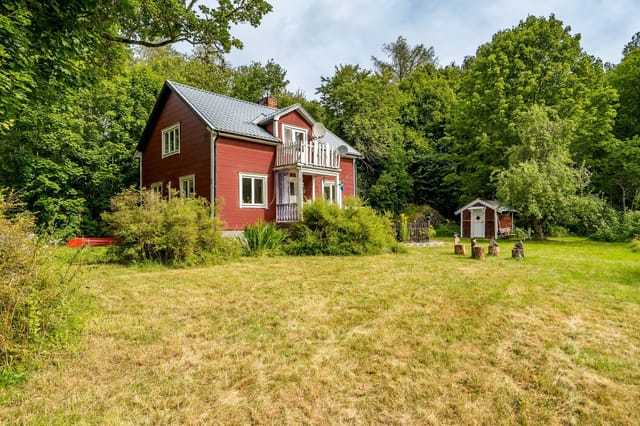
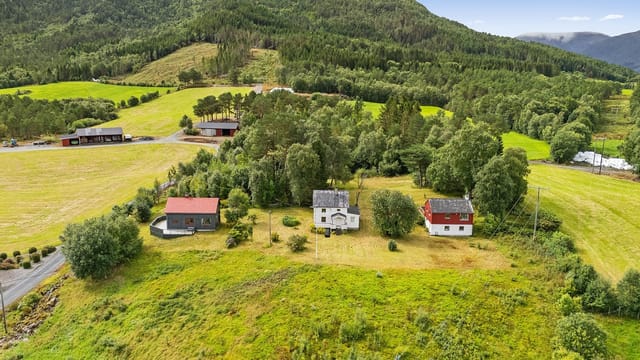
Country Homes For Sale In Europe

Country homes for sale in europe - homestra offers the largest amount of european real estate with over 200,000+ properties, find any type of property within your budget from villas to country homes. buy or rent your perfect home in europe.

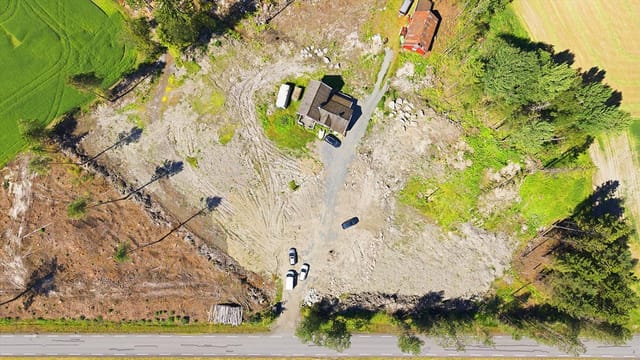
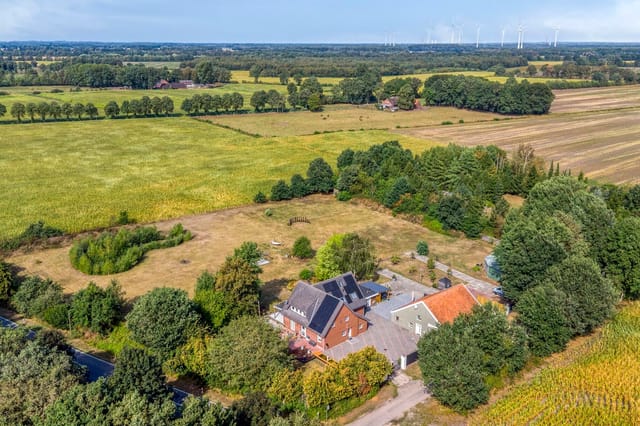
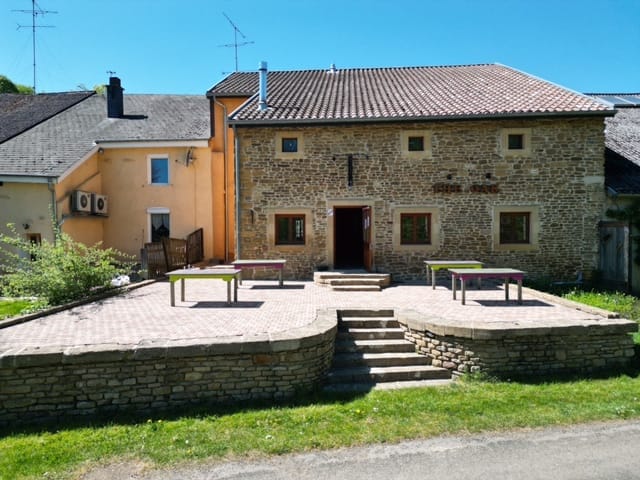
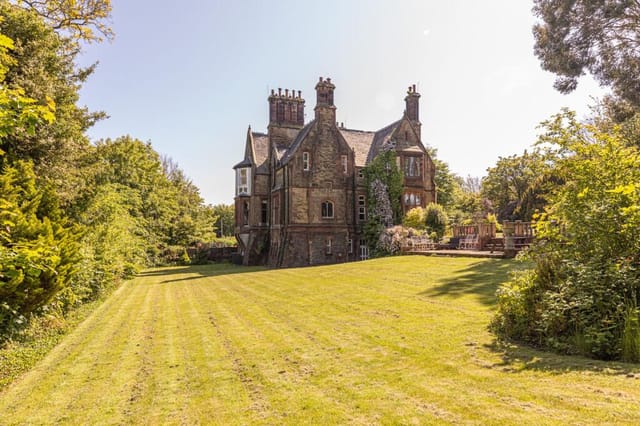
Stand at the kitchen window on a Saturday morning and you'll hear nothing except the low wind moving through the fields of Meer and, somewhere further off, the bells of Sint-Katharinakerk drifting in from Hoogstraten's market square. That's the soundtrack this house runs on. No traffic, no neighbors on top of you, just 2,562 square meters of fully enclosed garden rolling out behind a broad-fronted farmhouse that's been quietly anchoring this corner of the Kempen countryside for decades. This is a genuine Belgian long-façade farmhouse on Meerleseweg 47 in Meer — a small village that sits almost exactly on the line between Belgium and the Netherlands, five minutes south of the Dutch border crossing at Zundert. It's a location that repeatedly surprises people. You're forty minutes from Antwerp's old port, an hour from Brussels, and barely thirty minutes from Breda in the Dutch province of Noord-Brabant. Yet out here, it genuinely feels like the countryside has kept its deal with you. The house covers 295 square meters and is in good, move-in ready condition. After roughly forty years with the same family, it carries the kind of lived-in solidity that newer builds just don't replicate. The proportions are right. Ceilings feel like ceilings. The 54-square-meter living room — one of the largest on the ground floor of any residential property in this price band in the area — centers on a pellet stove fireplace that turns a rainy October evening into something you'd actually look forward to. The big windows face the garden, and in winter, when the Flemish countryside goes pale and flat, the light that comes through them has a quality painters used to chase. Walk through to the kitchen — a well-configured 17-square-meter corne ... click here to read more

Front view of Meerleseweg 47
New

Step outside on a July morning at Örviks byväg 18 and the air carries something particular — a mix of pine resin, cut grass, and the faint salt tang drifting in from the Baltic just 1.7 kilometres away. The southwest sun is already hitting the glazed conservatory. Coffee in hand, you watch a pair of cranes pick their way across the meadow. This is Roslagen in its quietest, most honest form. Not a postcard. The real thing. Herräng sits roughly 100 kilometres north of Stockholm along the Uppland coast, tucked into the northern reaches of the Roslagen archipelago — a region Swedes have been quietly keeping to themselves for generations. This particular property sits about 4 kilometres south of Herräng village proper, on a lane where the neighbours are mostly birch trees and the occasional tractor. The address, Örviks byväg 18, places you on the edge of the Örvikssjön lake, roughly 350 metres from the water's edge. On still evenings you can hear the lake. On windy ones, you can hear the sea. The main house is a 1.5-storey building measuring 130 square metres, in good condition and ready to move into without a renovation project hanging over your first summer. Ground floor has a proper layout for a family: a hallway that opens naturally into a generous living room, a kitchen that works, a bedroom, and a laundry room with WC. Upstairs, two more bedrooms and a bathroom share the space with a family room and, critically, a balcony with partial views over Örvikssjön. That balcony matters more than it sounds on paper — sitting up there as the light shifts over the water at 9pm in June, with the sky still pale gold, is one of those Swedish summer moments that makes people buy property in this country and never fully leave. The g ... click here to read more

Main house and yard
New

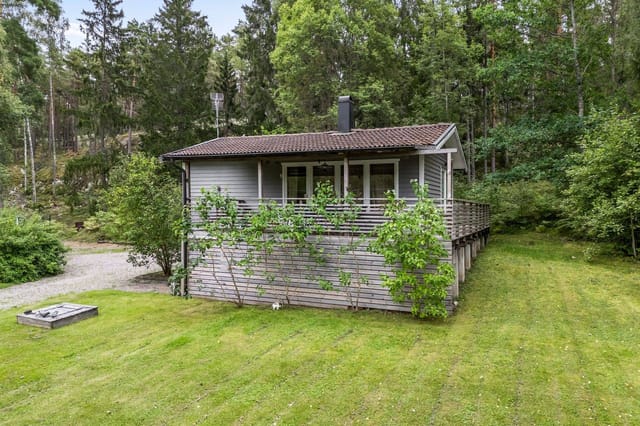
Saturday morning, the coffee is already made. You carry your mug out onto the wide wooden deck and the forest is right there — birch and pine, close enough to hear the wind move through it. A woodpecker hammers somewhere out of sight. The cul-de-sac at Torsborg is completely still. No passing traffic, no sirens. Just the slow, unhurried feel of a Swedish summer morning doing exactly what it's supposed to do. This 1958 country home on the elevated end plot of Torsborg sits on a generous 1,638 square meters of garden and woodland-edge land in the Torsborg area of Eskilstuna — a location that doesn't get talked about enough outside Sweden, which is partly why properties here still represent genuine value. At 89,500 EUR for a move-in-ready holiday home with a guest cottage, fiber internet, and 35 square meters of well-kept interior space, this is the kind of find that serious second-home buyers move on quickly. The house itself is compact and considered. One bedroom, one bathroom, a kitchen that works hard for its size, and a living room centered around a modern air-source heat pump that handles both the warmth of late-autumn visits and the cooling relief of a July heatwave. Large windows face the garden, and the light on a long Swedish summer evening is something you genuinely can't replicate — the sun barely sets, casting that particular Nordic gold across the wooden floors for hours. It doesn't feel small. It feels edited. Everything here has a purpose. What the footprint lacks in size, the land more than compensates for. The plot wraps around the house with room for a kitchen garden, a hammock between the pines, a fire pit on the far edge — whatever you want to make of it. The deck is wide and south-facing, and if you ... click here to read more
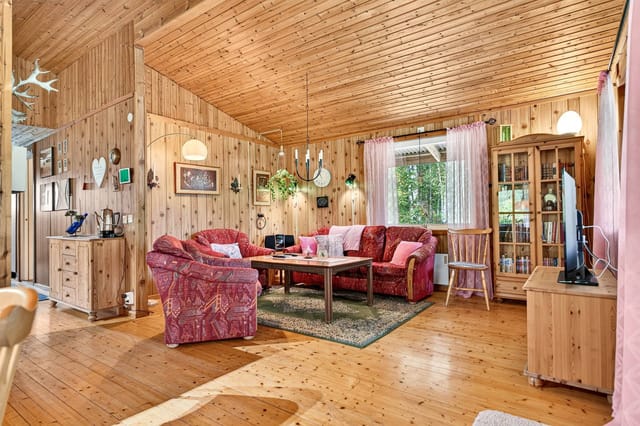
Front view of the holiday home
New

On a Sunday morning in Gemmenich, before the rest of the household stirs, you step out onto the southwest-facing stone terrace with a cup of coffee and watch the light crawl slowly across the rear meadows. No traffic. No neighbors in sight. Just rolling green hills, the distant silhouette of the Ardennes, and 26,776 square meters of land that is entirely yours. This is the everyday reality of life at Rue de Terstraeten 39—a substantial country estate in the Plombières municipality of the Belgian-Dutch-German border triangle, where the pace of life genuinely slows down and a property of this scale still makes financial sense. The estate sits in what locals half-jokingly call the Tuscany of Belgium. It's a fair comparison. The hills around Gemmenich are softer and greener than true Tuscany, but the spirit is similar—unhurried villages, agricultural landscapes, and a genuine sense of being removed from the urban grind without being stranded. Plombières itself is a commune of forested ridges and open valleys, home to some of the most quietly coveted countryside in the country. Properties here rarely come to market at this scale. When they do, they go fast. The main house—currently operating as a vacation rental sleeping up to 14 guests—is 490 square meters of practical, well-finished living space spread across three active floors plus a basement. Walk through the front door and the entrance hall immediately signals the property's character: an authentic original staircase, wide proportions, and a sense of solidity that newer builds simply can't fake. The ground floor revolves around a generous dining room with an open kitchen fitted with stone countertops, a Whirlpool four-burner stove, an induction hob, and a BEKO dishwas ... click here to read more

Front view of Rue de Terstraeten 39
New

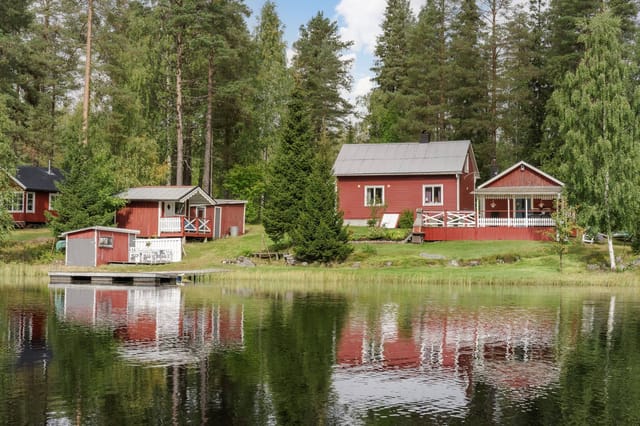
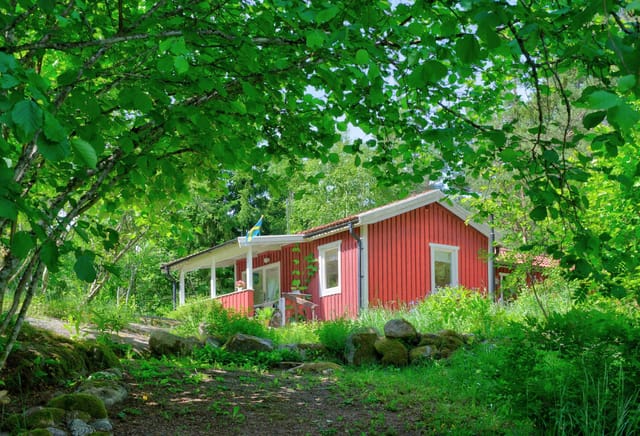
The wood-burning stove is already crackling when you pull on your boots and step outside into a Södermanland morning. Frost on the grass. Birch trees catching the low autumn light. Not a sound except a crow somewhere in the spruce forest behind the meadow. This is Marö Lillhult — a small red cottage on a generous stretch of land just outside Gnesta, and the kind of place that makes you wonder why you ever needed anything more complicated than this. Set on 1,930 square meters of open plot, the cottage itself is 60 square meters of honest Swedish country living. Classic falu red exterior, white trim, a small veranda facing the garden — the look is straightforward and entirely at home against the rolling landscape of central Södermanland. It's been well maintained, and while it carries the authentic character of a traditional Swedish sommarstuga, it's genuinely in good condition and ready to use from day one. Step inside and the wooden floors creak just enough to feel real. Paneled walls, low ceilings, afternoon light slanting through windows that frame views of your own meadow and the treeline beyond. The ground floor has a hallway, a kitchen with everything you need to cook a proper meal, and a living room where that wood stove does serious work on cold evenings. One bedroom sits on the ground floor; a second sleeping area with sloped ceilings waits upstairs — the kind of room where children insist on claiming the best spots, and adults sleep better than they have in months. A practical note worth being upfront about: the cottage runs on summer water and uses an outdoor privy rather than indoor plumbing. For many buyers, that's not a compromise — it's precisely the point. Sweden has a deep cultural relationship with th ... click here to read more

Front view of Marö Lillhult 1
New

The smell hits you first. Cut grass, sun-warmed pine, and somewhere behind the old apple tree, the faint salt of the Baltic coast drifting in over the garden wall. You're standing on the glass veranda at Söderängsvägen 2, coffee in hand, watching a pair of starlings argue in the birch tree. It's not even eight in the morning and you already know — this is exactly what you were looking for. Set on a generous 3,019-square-meter plot outside Östhammar in Sweden's Uppsala County, this classic red-painted country cottage is the kind of property that doesn't need to try hard. Forty square meters of honest, well-kept living space in the main house. A separate guest cottage. A proper woodshed. A garden that took years of patient hands to get this good. And the sea — close enough that cycling to the communal bathing area takes less time than finishing your morning newspaper. The main cottage has the proportions of a traditional Swedish sommarstuga but with enough in the right places. The living room holds both a dining table and a sofa corner without feeling cramped, anchored by a wood-burning stove that turns October evenings into something genuinely atmospheric. The kitchen is compact and functional — the kind of space where you make smörgås for everyone after a swim, not where you host a dinner party. The single bedroom is quiet and set back from the garden, and the natural light through the afternoon is the kind that makes naps feel earned. The glass-enclosed veranda is the real heart of this property. It faces south over the garden and acts as a room in its own right from April through October — warmer than outside but fully connected to it. You can watch the light change over the flower beds from a lounger, track thunder ... click here to read more

Front view of the red cottage
New

On a still September morning, the kitchen window at Vargmossevägen 44 frames a wall of birch trees already tipping gold. The coffee is on the stove. Somewhere out past the tree line, a woodpecker is working at something. This is what a Swedish country home actually feels like — not a postcard version of it, but the real, quiet, deeply restorative thing. Almunge sits roughly halfway between Uppsala and Arlanda Airport in the rolling, lake-dotted countryside of Uppsala municipality. It's one of those villages that locals guard without advertising too loudly. The pace here is genuinely different. People wave from tractors. The air smells of pine resin and damp earth after rain. And once you've spent a weekend in this part of Uppland, the idea of going back to city noise starts to feel faintly absurd. The house on Vargmossevägen was built in 1971 and has been maintained with evident care. At 48 square meters of living space plus an additional 16 square meters of auxiliary area, it's honest about what it is: a well-proportioned two-bedroom country home designed for people who want to actually be outside, not just look at the garden through floor-to-ceiling glass. The two bedrooms are comfortable and properly sized for couples, small families, or friends visiting from abroad. The living room is the kind of space where board games come back out and phones stay face-down on the table. Large windows run throughout the main living areas, and in the afternoon the western light comes through with that particular warmth that high-latitude summers produce — long, low, golden, lasting until nearly 10pm in June. The kitchen is functional and well laid out, with room to cook properly. Not a show kitchen, but a working one, which is ex ... click here to read more

Front view of the house and garden
New

Stand in the garden on a Tuesday morning in early June and the only sounds are the wind moving through the tall birches at the edge of the lot and, faintly, a tractor somewhere out past the rye fields. That's the rhythm of life at Löneboställsvägen 10 & 12 in Östra Herrestad — unhurried, grounded, and genuinely quiet in a way that most people don't find until they've driven well off the motorway. This is a proper Swedish country home, built in 1941 on a 2,150-square-meter plot in the soft, rolling farmland of Simrishamn municipality, in the southeastern corner of Skåne. Sixty-four square meters of living space, two bedrooms, one bathroom, and enough outdoor room to do basically whatever you want with it. The house has good bones — solid construction from an era when things were built to last — and the interior is practical and light-filled, with windows sized generously for the latitude, pulling in the long Nordic summer light until nine or ten at night. The kitchen faces the garden, which matters more than you might think. Morning coffee while the grass is still wet. Dinner prep with the back door open. There's a reason Swedes are obsessive about the connection between indoors and out, and this house gets it right. The living area is comfortable without being fussy, and the two bedrooms are the kind of sizes that actually sleep people well — not the architectural illusion of a bedroom that's really a glorified corridor. Outside is where this property earns its asking price. The lot is substantial — 2,150 square meters gives you mature trees for shade, open lawn for whatever you need it to be, and genuine room to breathe. There's realistic potential here to subdivide (subject to municipal approval), add outbuildings, ... click here to read more

Front view of the country home and garden
New

Step off the road between Fardhem and Linde on a still June morning and you'll hear it first — the absolute quiet. Not the silence of emptiness, but the full, living quiet of 3.4 hectares of mature garden, open fields, and old forest pressing in from every side. This is Gotland at its most unhurried, and this 1909 wooden farmhouse sits right in the middle of it. Built when Swedish craftsmen still fitted houses with hand-planed wooden floors and deep-set windows designed to hold the long Nordic light, this three-bedroom country home has spent over a century earning its character. The bones are solid. The atmosphere is unmistakable. At 94 square metres of living space, plus an additional 44 square metres of secondary area, the house is compact in the way that Swedish farmhouses always were — every room deliberate, nothing wasted. The original wooden floors creak in exactly the right places. Windows frame views of the farmyard and fields beyond like paintings that change with every season. The property needs work — that's stated plainly here because buyers who find this listing will appreciate honesty over gloss. Maintenance has been deferred over the years, and the kitchen in particular is ready for a proper overhaul. But that's precisely why this is such a rare find on the Gotland second home market. Properties with this much land, this many original features, and this kind of quiet address almost never come available at this price point. Buyers who've been priced out of the increasingly competitive Visby market have been quietly turning their attention south, and Hemse-area farmhouses like this one are exactly what they're looking for. The outbuildings deserve a paragraph of their own. Several former agricultural stru ... click here to read more
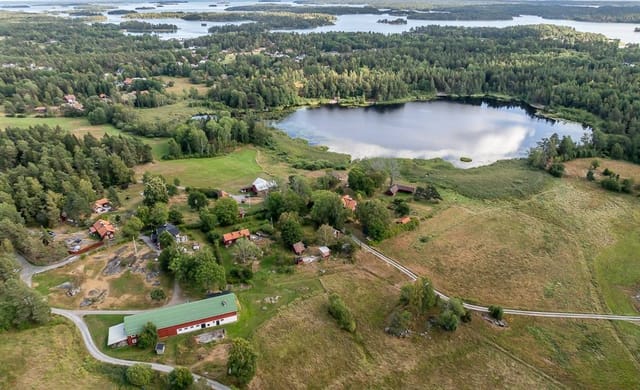
Front view of the farmhouse and garden
New

Step outside on a January morning and the world is completely white and completely silent. The ski tracks cut through the snow maybe three hundred meters from the front door. You clip into your skis on the porch, push off, and within minutes you're gliding through birch forest with no one else in sight. That's a Tuesday here at Hagströmsvallen 105. This two-bedroom country home sits on a generous 3,500-square-meter lot on the slopes above Bruksvallarna in Härjedalen, one of Sweden's most celebrated mountain regions. At 61 square meters, the house is compact and honest—every square meter works. The open-plan living and kitchen area anchors the interior, with a wood-burning fireplace that earns its place on a cold March evening when the temperature outside drops to minus fifteen and the snow is still falling. Both bedrooms are quiet. The bathroom has a washing machine, which matters more than people think when you're spending a full week. And then there's the sauna, with its own small relaxation room—not a luxury addition but a genuine necessity up here, the place you end up after a long day on the trails with aching legs and cold feet. Outside, the lot is substantial. Mountain birches frame the property. In summer, the neighboring field fills with grazing cattle, and if you leave the kitchen window open you hear the bells. There's an outbuilding for storage, a woodshed stocked for winter, and a störrös—a traditional small cabin with an open hearth—that speaks directly to the older rhythms of this mountain landscape. Fäbodvallen culture, where highland summer farms dotted these slopes for centuries, left its mark on the architecture and atmosphere of this whole valley, and you feel it here. The Nordic ski tracks groomed ... click here to read more
Exterior view of the mountain home
New

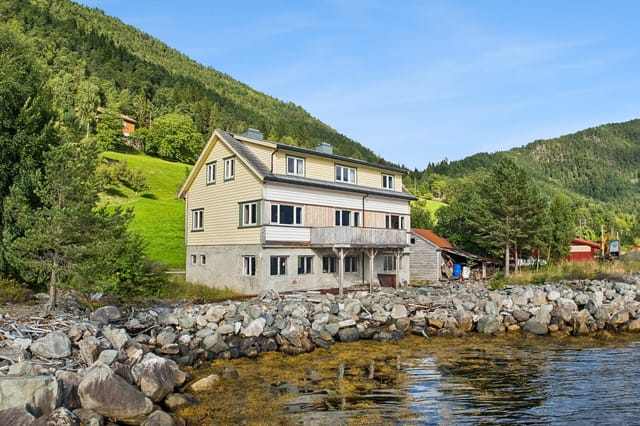
Step outside on a Saturday morning in late June and the air smells like cut grass and pine resin. The garden at Ryfylkeveien 736 is still dewy, the greenhouse door is propped open, and somewhere down the valley a church bell carries on the wind. This is what owning a holiday home in Rogaland actually feels like — not a postcard, not a brochure image, but a quiet, grounded kind of joy that you don't find in beach resorts or city-break apartments. Sandnes sits just south of Stavanger, Norway's fourth-largest city, yet Ryfylkeveien 736 occupies a world that feels genuinely removed from the urban pace. The address places you along the old Ryfylke road, a route that traces its way through some of inland Rogaland's most compelling countryside — rolling farmland, dark forest ridgelines, and the occasional flash of fjord water when the light hits right. The plot itself covers approximately 2,488 square meters, a rare expanse of private land that gives the property its most immediate selling point: room. Room to breathe, to garden, to let children run without ever reaching a fence. The house was built around 1938, and it carries that era's honest craftsmanship without pretending to be something it isn't. Eighty-odd years of Norwegian winters will do that to a building — either they break it or they make it solid. This one is solid. The main structure spans 70 square meters of internal usable space, arranged across a living room, kitchen, and two bedrooms. The total usable area, once you factor in the annex and outbuildings, reaches 105 square meters, which gives the property genuine flexibility for how you actually use it. The living room is the heart of the place. Large windows face the garden, so on clear days you're watchin ... click here to read more
DNB Eiendom presents Ryfylkeveien 736

Close your eyes for a second and picture this: it's a Tuesday morning in late June, the air smells of pine resin and cut grass, and you're standing in a garden the size of a small meadow with a cup of coffee, watching swallows cut low over the wildflower patch. Nobody is calling you anywhere. That's the daily reality at Skredsviks Hede 317, a red-painted Swedish torp built in 1787 that has somehow made it to the modern era with its soul completely intact. This is genuine West Sweden countryside — the kind of place people from Gothenburg have been quietly keeping to themselves for generations. Uddevalla sits at the edge of the Bohuslän coast, a region where the granite archipelago crumbles into the Skagerrak, and where the summer light at 10pm still paints everything gold. The property itself sits in Skredsvik, a rural parish about 20 minutes by car from Uddevalla's city center, and cycling distance from open water swimming spots that don't appear in any guidebook. The house is small by modern standards — 47 square meters of living space in the main building — but that's part of the point. Everything here is intentional. You're not managing a mansion; you're maintaining a piece of history. The original wooden structure from the late 18th century is still the bones of the building, and the owners have kept the character rigorously intact: exposed ceiling beams with the kind of patina that takes two centuries to develop, tongue-and-groove wall paneling, wide-plank wooden floors that creak in exactly the right places. Walk into the combined kitchen and hallway and you'll immediately understand the logic of how these old Swedish farmhouses worked. There's a wood-burning stove for warmth, a traditional baking oven (function ... click here to read more
Front view of the cottage and garden

Pull up to Skjærgårdsveien on a July evening and the light does something you won't forget. The Norwegian summer sun hangs low over the Smøla archipelago, painting the skerries in amber, and the only sounds are the creak of the boathouse door and the soft slap of water against the hull of your boat. This is Veiholmen — a tight-knit coastal community on one of Norway's most wind-carved, sea-soaked islands — and this three-bedroom country home sits right at the heart of it. Built in 1939, the house carries the kind of quiet confidence that only comes with age. Original Norwegian coastal architecture: solid, unhurried, built to face Atlantic weather without flinching. It's been kept in good condition over the decades, and that history is part of the appeal. Walk through the front and you're not buying a show home — you're buying something real. The bones are excellent. The 139 square metres of interior space across three floors feels generous and human-scaled, with rooms that invite you to actually use them rather than just admire them. The southeast-to-west wrapping veranda is where you'll spend most of your time between May and September. Morning coffee in the sun. Late dinners that stretch past 10 p.m. because the sky still hasn't fully darkened. Children running down into the 720-square-metre freehold garden while adults argue pleasantly about whether to take the boat out before or after lunch. The garden is flat, well-maintained, and fully fenced — practical in the way that real holiday-home living demands. Inside, the living room windows frame a view across the seascape that shifts with every tide and weather front. On clear days you can watch fishing vessels tracking their way through the outer skerries. When a we ... click here to read more
Presented by EiendomsMegler 1 v/Morten Høvik at Skjærgårdsveien 866

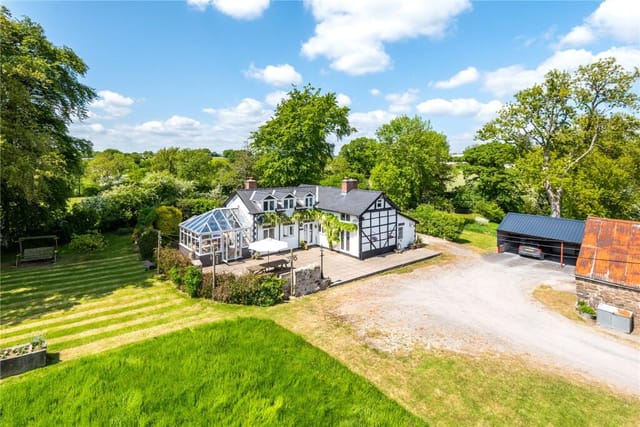
Picture this: it's a Tuesday morning in late June, and you're standing barefoot on the stone terrace of your French country estate, coffee in hand, watching the mist lift off the Périgord hills while four safari tent guests from Amsterdam cycle out toward the Abbaye de Cadouin, half a kilometer up the road. The gîte is booked solid through August. The pool glitters. The bread from the Tuesday market in Le Buisson is still warm on the kitchen counter. This is not a fantasy — it's a fairly typical morning at this 1.6-hectare property outside one of the Dordogne's most genuinely liveable villages. Le Buisson-de-Cadouin sits in the Périgord Noir, tucked between the Dordogne and Vézère rivers, and it's the kind of place where locals actually stay rather than move away. A proper train station connects it to Périgueux in under an hour and to Bordeaux in two. There's a pharmacy, a supermarket, butchers, a weekly market, and a handful of restaurants where the duck confit is made from birds raised within ten kilometers. The UNESCO-listed Abbaye de Cadouin — its cloister one of the most haunting examples of Romanesque and Flamboyant Gothic architecture in southwest France — is practically on the doorstep. Sarlat-la-Canéda, the showpiece medieval town of the region, is about 30 minutes east. The Lascaux cave replica at Montignac is 45 minutes north. You're not buying into a remote fantasy here; you're buying into a working corner of France that has excellent bones. The estate itself covers roughly 1.6 hectares, fully fenced and gated with an electric entrance, and the layout is intelligent in a way that matters for both private enjoyment and running any kind of hospitality operation. The main house — approximately 235 square meter ... click here to read more
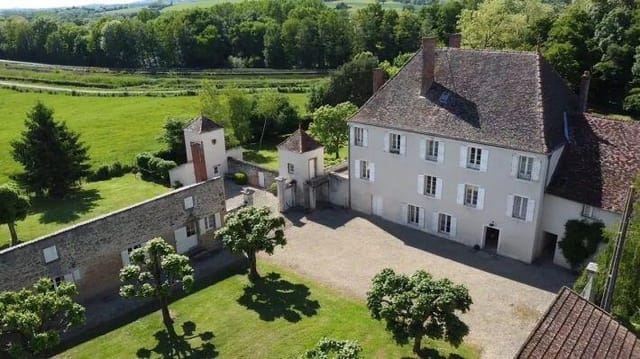
Main house and grounds

On a still July morning in Herräng, you crack the upstairs balcony door and the air comes in cool and pine-sharp, carrying the faint sound of someone rowing out past the rocks below. The apple trees in the garden are heavy. Coffee is already on. This is what owning a second home in Roslagen actually feels like — and Norra Kallbodavägen 82 is one of those rare finds that delivers it without compromise. Built in 1930 and thoroughly renovated to a standard that leaves nothing to the imagination, this two-bedroom country home sits on a private, elevated plot of 3,841 square meters in Bredsund, just outside Herräng village. The renovation was not cosmetic. Everything was addressed: roof, façade, electrical systems, plumbing, bathroom, kitchen, and interior surfaces. What remains is the original soul of a Swedish country house — its proportions, its timber character, its relationship to the land — now wrapped in a level of comfort you can move into without a single weekend of DIY. The kitchen was finished in a soft sage green and has real workspace, not just the illusion of it. There's room for a proper dining table, which matters when you're feeding guests after a long day on the water. The bathroom next door is fully tiled, fitted with a shower, and plumbed for a washing machine — practical details that international owners especially appreciate. Upstairs, the house opens into a central living area that connects the two bedrooms, both capable of fitting double beds, with a wood-burning stove anchoring the whole floor. On cold October weekends, when the birch trees outside turn and the archipelago empties out, that stove earns its place. The balcony off the upper level faces the sun through most of the day. In June, that m ... click here to read more
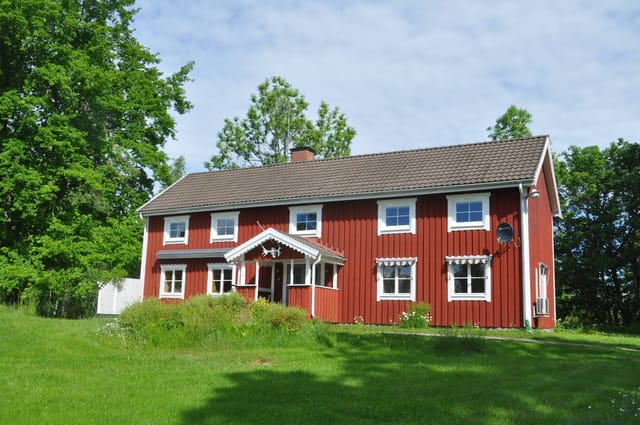
Exterior view of the house and garden

Step outside on a September morning and the air carries the smell of damp grass and pine from the two-hectare forest at the edge of your land. The fields ahead roll out in every direction, still and quiet except for the chickens moving around their coop and the distant call of cranes heading south. This is Inålsvägen 60—a proper Swedish country property, built in 2016 to high modern standards, sitting on 7.29 hectares of contiguous agricultural land just outside Norrtälje in Stockholm County. The house itself is a barn-style build finished in classic faluröd, that deep Swedish red that looks like it belongs in a painting when dusted with snow in January or lit by the low June sun at ten in the evening. Inside, the proportions surprise you. The kitchen ceiling climbs to 5.5 meters, the living room to 5.9—these aren't just numbers on a spec sheet, they change how the space feels entirely. You cook at the central island, power outlets and USB sockets built right into it, while conversation flows easily across the open room. A wood-burning stove anchors one end of the kitchen. A few steps down, the living area opens up further, with a custom fireplace insert that throws real warmth on cold Stockholm County evenings. Large glass doors push open onto a southwest-facing L-shaped terrace that gets sun from mid-morning until the last of the evening light. The layout makes sense for a vacation home or second residence that gets used hard. Three bedrooms, two full bathrooms both fitted with waterborne underfloor heating, a proper laundry room, and a large pantry. The main bedroom has a walk-in closet and direct terrace access—meaning summer mornings start with coffee outside before the rest of the household is awake. That's a sma ... click here to read more
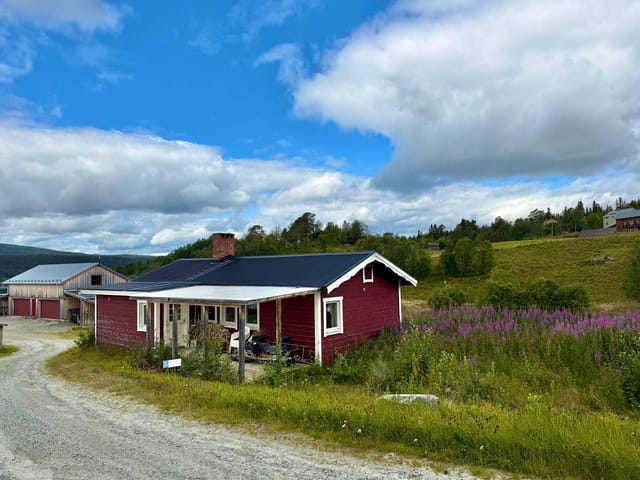
Front view of the country home and grounds

Six o'clock on a July evening. The sun is still high enough to throw long gold stripes across the southwest-facing terrace, your glass is cold, and the only sound drifting over the farmland is a distant tractor and the swallows cutting arcs above the garden. That's the rhythm of Utvedavägen 152 — and once you've felt it, city life stops making as much sense. Vätö is one of those places that Stockholmers have quietly kept to themselves for decades. The island sits within the greater Stockholm archipelago, connected to the mainland by the Vätö Bridge, close enough to the capital that a Friday afternoon drive gets you here before dinner, far enough that you genuinely leave the week behind. The community of Utveda, where this property sits, is the kind of place where the roads are narrow on purpose and the neighbors actually know each other. The house itself was built in 1973 and has been kept in good condition — solid, practical, honest Swedish construction that doesn't pretend to be anything it isn't. Seventy-six square meters spread across three bedrooms and a full living-dining-kitchen setup. The layout is sensible rather than showy: a proper hallway that keeps the mud outside, a kitchen fully kitted with dishwasher, oven, stove, fridge, and a dedicated dining area big enough for a family gathering, and a bathroom with shower and WC that handles the realities of summer living without complaint. This is not a renovation project. Move in, open the windows, start living. What makes the property is the land around it. The corner plot runs to 2,229 square meters — in Swedish archipelago terms, that's genuinely generous. The garden opens out toward surrounding farmland, giving you sightlines that feel much bigger than the b ... click here to read more
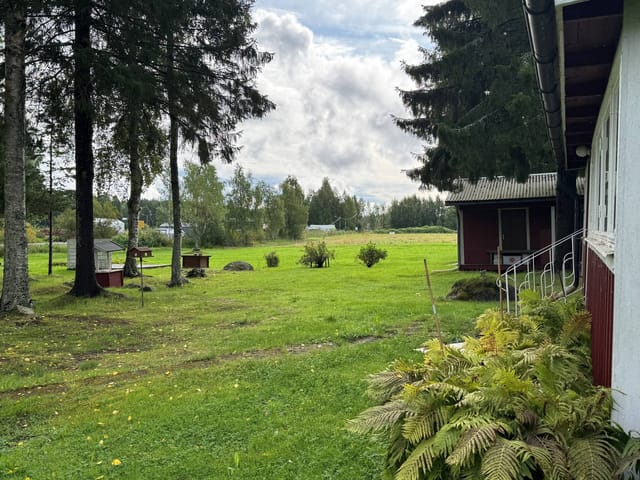
Exterior view of the holiday home

The first thing you notice on a June morning at Skogsta 15 is the light. It hits the south-facing slope around five in the morning, floods through the glazed veranda, and turns the whole kitchen amber before anyone else in Hudiksvall is awake. The wood-burning stove is still warm from the night before. The coffee is on. Outside, the chickens in the old barn have started their morning racket. That's the kind of life this place makes possible. Set on 2.2 hectares of gently sloping land just six kilometres from central Hudiksvall in Sweden's Gävleborg County, this three-bedroom country home from 1940 sits on elevated ground surrounded by birch forest, open grass, and a working barn that's earned its keep through the decades. It's priced at €192,000 — a rare entry point for this much land and this much sky in coastal central Sweden. The house itself is 125 square metres across two floors, and it reads exactly as it should: solid, cared-for, practical without being cold. Walk through the front door and you land in a generous hallway — the kind where muddy boots and winter coats have their place. The kitchen has a proper island, a wood-burning stove for damp autumn days, and a full set of modern appliances including a dishwasher, oven, and extractor fan. It's not a kitchen you renovate; it's a kitchen you cook in. The living room on the ground floor has its own wood-burner and enough floor space for a real dining table, not an afterthought. A shower room with toilet and washbasin sits conveniently off the entrance level, and laundry facilities mean you don't have to choose between the countryside lifestyle and basic convenience. Upstairs, two bedrooms — one currently doing duty as a walk-in wardrobe — sit alongside an unfin ... click here to read more
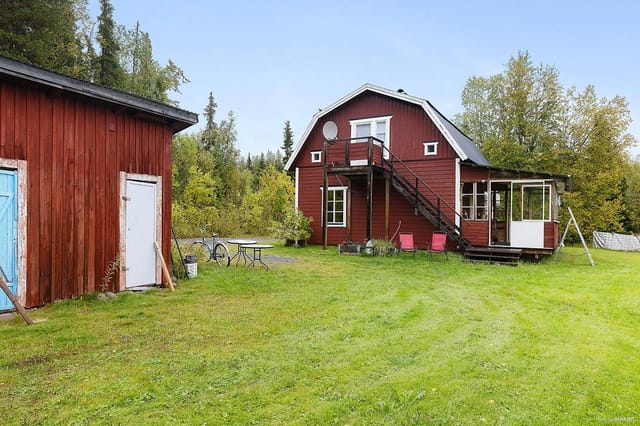
Front view of the country home and lot

Step outside on a July morning and the pine trees are already warm. The air smells like resin and salt — that particular mix you only get this close to the Swedish coast — and the path down to the water is a four-minute walk through the kind of quiet that cities cannot manufacture. This is Hammarskogsvägen 25 in Hammarskogen, a well-kept Swedish country home sitting on a generous 1,943 square metre plot in Norrtälje municipality, about 115 kilometres north of Stockholm. At 249,500 SEK, it is one of the more accessible entry points into the Swedish second home market. But the price is almost beside the point once you've spent a weekend here. The house itself was built in 1982, covers 70 square metres across two bedrooms and one bathroom, and carries its age well. The layout is honest and unpretentious — a living room with windows that pull in the afternoon light from the west, an open connection through to the kitchen that makes cooking feel like part of the social fabric of the home rather than a chore done in isolation. The kitchen has been updated with functional modern appliances and storage that actually works. Nothing about this space is overworked or fussy. It does what a Swedish summer house should do: it gets out of the way and lets the outdoors in. The master bedroom fits a double bed with room to spare. The second bedroom is versatile — it has served as a children's room, a reading room, a space for visiting friends — and there is something satisfying about a room that doesn't insist on being one thing. The bathroom is clean and practical, with a shower, toilet, and sink. Not glamorous. Perfectly sufficient. What really sets this property apart is the land. Nearly 2,000 square metres in Hammarskogen, dotted ... click here to read more
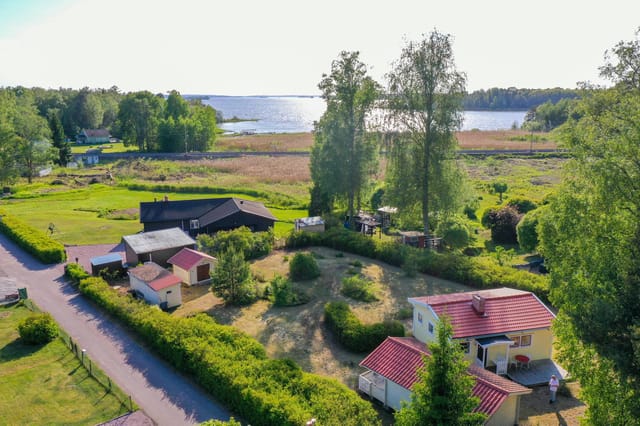
Exterior view of the house and garden

Close your eyes for a moment and picture this: it's a Saturday morning in July, the Swedish summer sun already warming the old wooden floorboards by 7am, and the only sound reaching you through the open kitchen window is birdsong and the faint rustle of birch leaves. That's not a fantasy. That's a typical morning at Högaholma 2279. This 1909 torp — the classic Swedish word for a small country cottage — sits on a quiet country lane just outside Markaryd in Kronoberg County, about 1.7 kilometres from the shores of Bröna Lake. It's the kind of place where the pace of life adjusts itself naturally, almost without you noticing. You arrive on a Friday afternoon still carrying the tension of city schedules, and by Sunday you genuinely can't remember what you were so stressed about. The main house covers 80 square metres, and it's used every centimetre wisely. Original wooden floors run throughout — the kind that creak slightly underfoot, warm with more than a century of family life. A wood-burning stove anchors the living room, and in October when Småland's forests turn every shade of copper and amber, you'll understand exactly why that stove is the heart of the house. The kitchen is a practical pleasure: custom-built painted cabinetry that feels rooted in the cottage's heritage without being fussy or impractical. Large windows pull the outside in, so the garden's changing moods become part of the interior atmosphere in every season. Then there's the guest house. A more recently built addition, it has two rooms, a WC, and a compact kitchenette — enough that visiting family or friends get genuine privacy rather than being squeezed onto a pull-out sofa. This is the detail that changes everything about how you can use the prope ... click here to read more
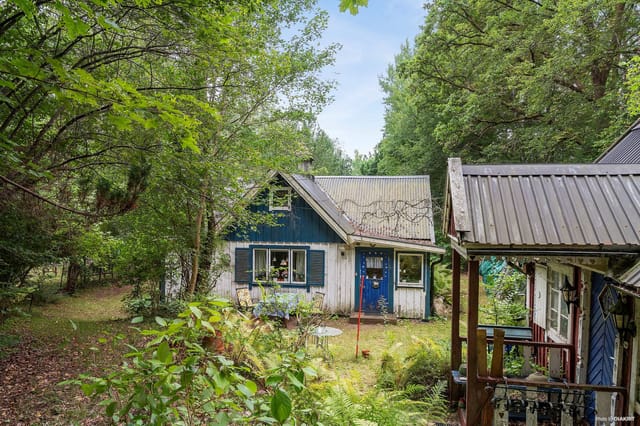
Front view of the summer cottage

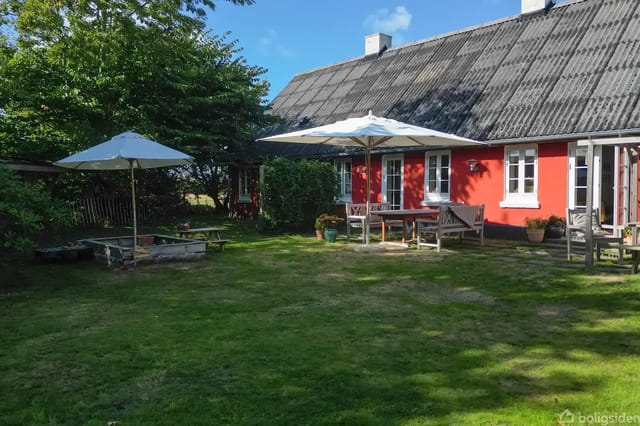
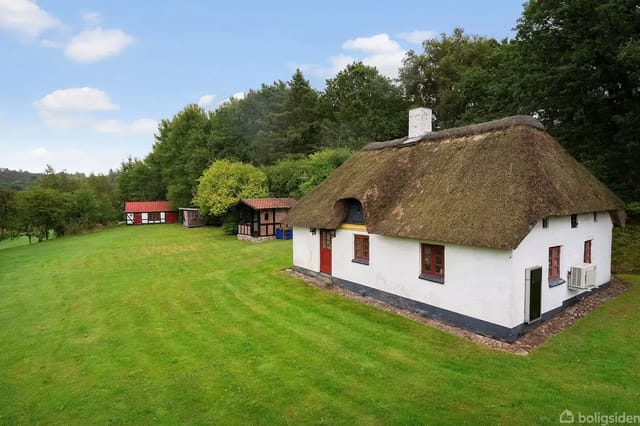
Early on a September morning in South Stevns, the mist sits low across the fields of Boestofte and the only sound is the soft thud of hooves on damp grass. That's what this place does to you. It slows everything down. Møllehøjvej 5 — known locally as Fedtehuset — is a red half-timbered farmstead built in 1880 that still carries the unhurried rhythm of the Danish countryside in every beam and brick, but with enough space, comfort, and practical infrastructure to make it genuinely liveable today. The main house spans 190 square metres across five rooms, and the first thing that hits you stepping inside is the warmth — not just from the central heating system, but from the materials themselves. Exposed timber framing, thick walls that keep the summer cool and the winter out, and a thatched roof that muffles the world in a way no modern building quite manages. Three bedrooms sit comfortably within the layout, along with a bright living room and a kitchen equipped with its own drainage system — a detail that matters far more once you've actually tried running a working rural property without one. The bathroom is fully fitted with shower and WC. Practical, honest, functional. Nothing here is for show. Then there's the annex. Renovated in 2018, it adds another 85 square metres in the same half-timbered style, now under a tile roof. Use it for visiting family from Copenhagen or abroad, as a home studio, a remote work setup, or just as a guest wing with genuine separation. That kind of flexibility is rare at this price point. The grounds are where this property really opens up. Nearly two hectares — 19,366 square metres to be exact — of land that wraps the buildings in lawn, mature trees, flower beds, and wide open grazing spa ... click here to read more
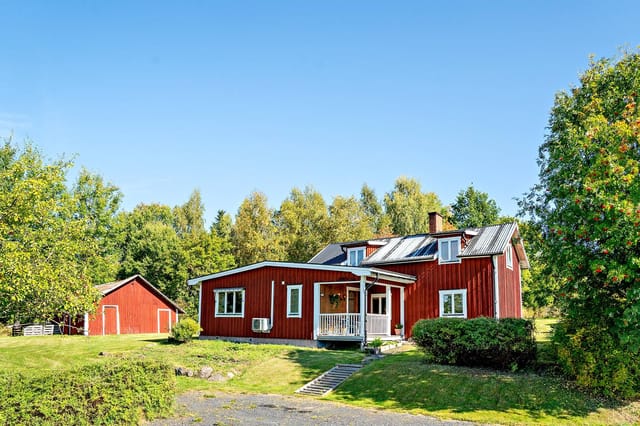
Two red half-timbered houses with thatched and tiled roofs stand in a garden with paved paths and lawn. Furniture and plants are seen in front of the buildings under a clear blue sky.

Stand on the wooden deck beside the pool at seven in the morning, coffee in hand, and the Pyrenees are right there — close enough that you can pick out the ridgeline detail, far enough away to feel like a painting. The air smells of pine resin and warm stone. No road noise. No neighbors. Just swallows cutting arcs above the meadow and the low hum of your own private world. That is the daily reality at La Forge del Mitg, a six-bedroom country estate spread across nearly 10 hectares of Catalan foothills just outside Saint-Laurent-de-Cerdans, a small working village in the Pyrénées-Orientales department — the very southern tip of France, where the culture tips Spanish and the light tips golden almost year-round. This is not a property that requires imagination to inhabit. Renovated progressively through to 2020, with four distinct buildings on site and a swimming pool that faces south toward the mountains, it is ready to be lived in from the moment you arrive. The main house runs to roughly 112 square metres across two floors. Downstairs, an open-plan kitchen and dining area opens into a living room with cathedral ceilings and a working fireplace insert — the kind of space where a wet November afternoon actually feels like an occasion rather than something to endure. A French balcony bedroom, bathroom, and laundry room round out the ground floor. Upstairs, two more bedrooms and a generous master with a built-in wardrobe. The proportions are honest and liveable, not inflated for a brochure. Attached to the main building is a 48-square-metre ground-floor apartment with its own entrance. Three rooms, open kitchen, two bedrooms, a walk-in Italian shower that is also wheelchair accessible. This space functions brilliantly for ... click here to read more
Main view of La Forge del Mitg 66260

Picture this: it's a Saturday morning in late June, and the light in Södermanland at 6am is already golden and warm. You step out through the old wooden door of a 1909 torp, coffee in hand, and the only sounds are birdsong and a light wind moving through the birch trees at the edge of your land. The barn across the gravel road still has bunting from last night's midsommar party. That's the kind of morning this property delivers—not occasionally, but every time you show up. Mellösa-Näs Björktorp is a rare find in the Swedish countryside south of Flen, a genuine piece of rural Södermanland with soul intact. The main house is a classic Swedish torp dating from 1909, and it's been looked after the right way. Not ripped apart and modernized into something soulless—kept. Original pine floors, vintage hand-printed wallpapers, a tiled kakelugn in the sitting room, and a wood-burning stove that makes winter evenings here genuinely cozy rather than performatively rustic. Five rooms across 65 square metres: tight, yes, but Swedes have been doing a lot with compact spaces for centuries, and this layout is thoughtful. What sets this property apart from every other Swedish cottage listing, though, is the barn. Fully renovated, insulated, with solid flooring and oil radiators that make it usable in October just as comfortably as in July. The interior has been fitted with a proper dance floor and guest sleeping quarters—finished to a real standard, not a rough-and-ready conversion. Swedes who grow up in the countryside understand what this space means: it's where the crayfish parties run late into the August night, where a cousin's wedding happens under paper lanterns, where the neighbours come on a Friday in December for glögg and pi ... click here to read more
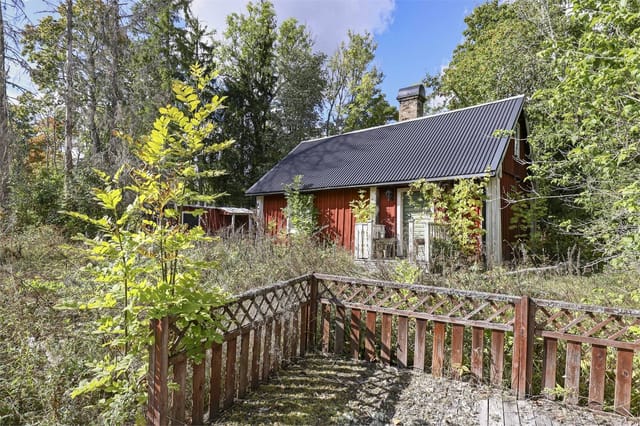
Front view of the cottage and garden

Early morning in Yxtaholm, the air smells like pine resin and cold lake water. You pull on a sweater, step off the wooden porch, and walk three minutes through a birch-lined path to Mellösasjön. Nobody else is there. The water is dark and clear. This is what you came for. Set on Kvarnmovägen in the well-loved recreational enclave of Yxtaholm, this 1970s Swedish sommarstuga sits on a generous 1,698 square metre plot in the heart of Södermanland — a region of glittering lakes, quiet forests, and red-painted farmhouses that feels like it exists slightly outside of time. At 109,500 SEK, this is a genuinely accessible entry point into the classic Swedish summer cottage lifestyle, the kind that Swedes have guarded jealously for generations. The cottage itself was built in 1975 and spans 48 square metres. That's not a limitation — it's a design philosophy. Swedish summer homes are meant to push you outside, and this one does exactly that. Inside, the layout is efficient and warm: a combined living room and kitchen that catches morning light through large windows overlooking the garden, one quiet bedroom tucked away from the main space, and a bathroom with shower. The kitchen has what you need to cook a proper meal — a crayfish dinner in August, a pot of soup on a rainy September afternoon — without the excess of a city apartment. A small guest cottage sits alongside the main house. Solid enough for a friend to sleep in, or useful as a tool store and overflow space for the kayak paddles and fishing rods that will inevitably accumulate. Practical Swedish pragmatism in a small wooden structure. The garden is the real story here. Nearly 1,700 square metres of it, mature trees throwing long shadows across mown grass in the late ... click here to read more
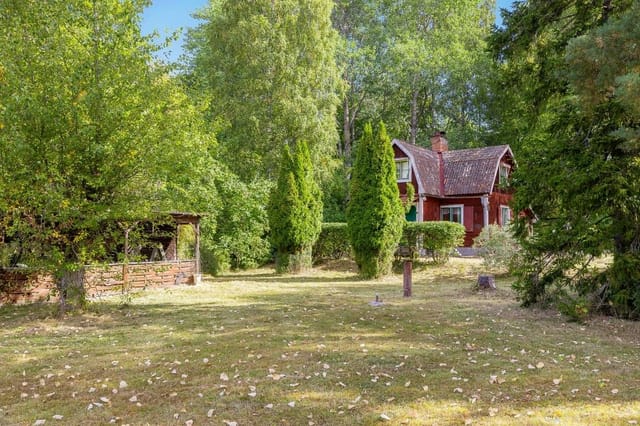
Front view of the holiday home

Step outside on a Tuesday morning in early July, coffee in hand, and the Baltic is right there — glinting through the pine trunks, less than fifty meters from your front door. The air smells of salt and warm resin. A boat is heading out from the marina. Yours is tied up in your own private berth, waiting. This is what a morning at Havsvägen 32 looks like. Furuvik sits on a slender tongue of land along the Gävle coast, about 12 kilometers south of Gävle city center — far enough that the summer crowds haven't taken over, close enough that you're never truly cut off. It's the kind of spot that Swedes pass down through families rather than advertise. A quiet residential road, a handful of houses, and then the sea. Havsvägen is exactly what the name says: the sea road. The property itself occupies a remarkable 3,786 square meters of coastal land. That's not a typo. On this stretch of the Swedish coast, a plot this size with direct water proximity doesn't surface often. The main holiday house dates from 1950, built in the solid, unpretentious style of Swedish sommarstugor from that era — roughly 79 square meters across five rooms, sitting back from the lane with mature trees wrapping around it on three sides. It's in good condition, functional, and completely livable right now. But the real story here is what the land makes possible. Several smaller guest cottages dot the lot, handy for the extended family visits that inevitably happen the moment you own a place like this. Cousins from Gothenburg, friends from abroad — Swedish summer hospitality runs deep, and having a spare cabin means you never have to choose between hosting and having your own space. The whole compound has a slightly rambling, unhurried quality that feel ... click here to read more
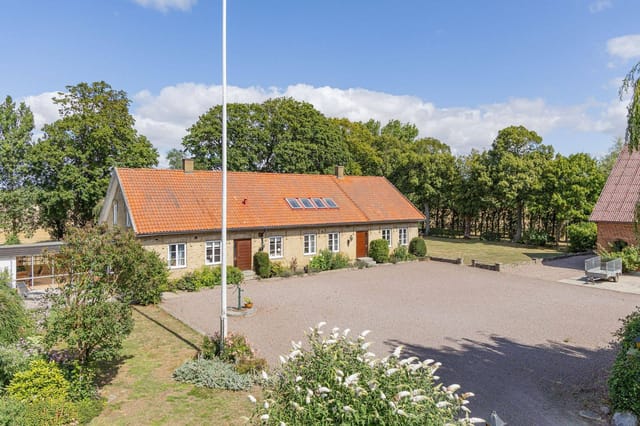
Exterior view of the house and lot

Step out onto the south-facing terrace at seven in the morning, coffee in hand, and the entire Härjedalen mountain range spreads out in front of you — ridge after ridge catching the first light, valley floor still in shadow. That's the view from Högåsvägen 43, every single day. Built in 2021 on one of Kilberget's most elevated plots, this 145-square-metre country home sits high enough that direct sun tracks across the terrace from breakfast until dusk, winter or summer. Vemdalen doesn't get talked about as much as Åre or Sälen, which is precisely the point. It's a real village — with a Coop, a school, restaurants, and year-round residents — sitting in the gap between two ski resorts. Vemdalsskalet is 15 minutes by car. Björnrike is just as close in the other direction. Most owners here pick one or the other resort on a given day depending on snow conditions and mood. In between ski days, the lit cross-country tracks that run right through the village are the kind of low-key local perk that doesn't make it onto resort maps but gets used constantly. Winter here runs long and reliable. Snow typically settles by November and holds through April. On groomed morning runs at Vemdalsskalet, the first lift often has only a handful of people — a far cry from the queues at Sälen on a February Saturday. Come back to this house, hang your kit in the garage (which has ski boot warmers and an EV charger installed), light the stone-clad fireplace that anchors the living room, and the afternoon takes care of itself. That fireplace is worth dwelling on. It's floor-to-ceiling, clad in rough stone, and it pulls the whole open-plan ground floor into focus. The ceiling climbs to the roof ridge — the kind of volume that would feel extravaga ... click here to read more
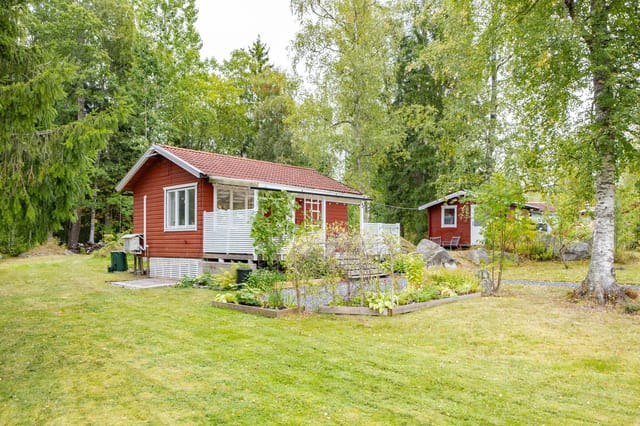
Exterior view of the house and terrace

Step outside on a still October morning and the Reichswald forest is right there — a wall of oak and beech beginning literally at the edge of the paddock. The horses are already awake. You can hear them shifting in the stables before you've put the kettle on. This is Grafwegen, a quiet village in Germany's Lower Rhine region where the pace of life is governed by seasons and saddle schedules, not commuter trains. This three-bedroom equestrian estate on Grafwegenerstrasse sits on roughly 22,250 square meters of fenced, fully operational horse property — and it's genuinely one of those places that takes a few minutes to properly absorb when you first arrive. The main farmhouse, built around 1950 and comprehensively renovated in 2004, has been divided into three independent living units totaling around 360 m² of interior space. Practical, yes. But more than that, it's versatile in a way that opens up a real range of life plans. The main house itself runs on underfloor heating beneath ceramic tiles — quietly comfortable in a way you notice most on a January evening when the temperature outside drops. Ground floor: a proper entrance hall with a cloakroom, a country kitchen fitted with built-in appliances, and a living room that catches the afternoon light well. A dedicated workspace sits off the main corridor, which matters if you're planning to work remotely or manage the property as a business. Upstairs, the master suite has a walk-in closet, a bathroom with a jacuzzi, walk-in shower, and double sinks, plus a sauna. That last detail isn't decorative — after a long morning in the saddle or an afternoon splitting firewood, it earns its keep. The first apartment occupies the ground floor of the secondary wing. Living room, o ... click here to read more
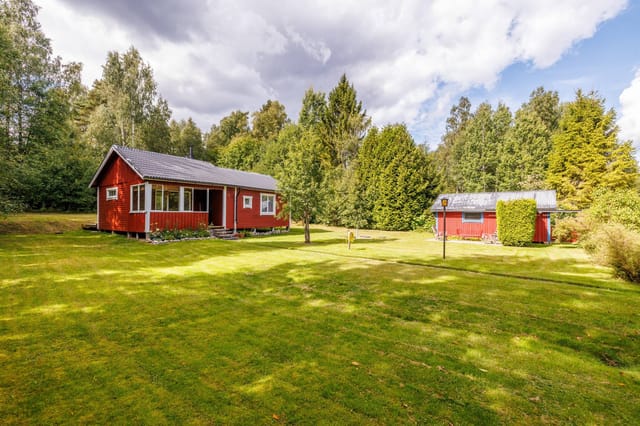
Front view of Grafwegenerstrasse 16

Picture this: it's a Tuesday morning in July, and you're sitting on a sun-warmed deck with a cup of coffee, watching a cormorant dry its wings on a rock twenty metres offshore. No road noise. No neighbours cutting their grass. Just the faint slap of water against the jetty below and the smell of pine warming up in the morning sun. That's what owning Risö 58 actually feels like. Getting here is part of the ritual. You drive down to Maltbacken — about fifteen minutes from Nyköping's centre — pull into your own reserved parking spot, hook up the car to the electric charger, and then step into the boat. A short crossing through the inner archipelago and you're tying up at your own dock. Every time. It never gets old. The property is made up of three separate structures arranged around a large south-facing deck that acts as the social hub of the whole place. The main cottage anchors everything — compact, efficient, with big windows on nearly every wall that track the light from morning to evening. A wood-burning stove sits in the living room and earns its keep from late August onwards, when the evenings start to cool and the archipelago takes on that particular golden-hour quality that photographers chase. The kitchen opens directly onto the deck, so whoever's cooking doesn't miss a thing — the conversation, the sunset, the kids jumping off the rocks below. Sleep eight to twelve people comfortably across the main cottage (which has a sleeping loft) and the two standalone guest cabins. The cabins are positioned with real thought — enough distance from the main building that guests get genuine privacy, and both are fitted with air-source heat pumps for heating and cooling. Light colours, simple finishes, and waking up to wat ... click here to read more
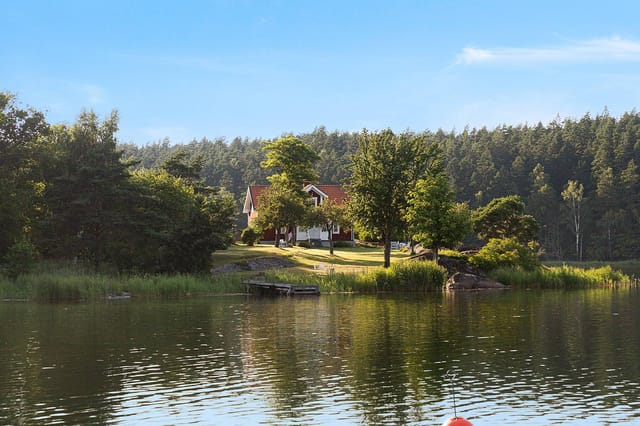
Main house and deck with sea view

Six o'clock on a July morning. You slide open the terrace door and the air hits you—cool, pine-scented, with that particular stillness that only comes from being a few steps from open water. Lake Mälaren stretches out in front of you, flat and silver, and somewhere down the path you can already hear the first swimmers of the day. That is the daily reality of waking up at Braxvägen 28 on Märsön island. This is a 55-square-metre holiday home on a 1,489-square-metre plot that punches well above its size. Built in 1972 and kept in genuinely good condition across the decades, it sits at an elevated position on the island's southern face—which means both the sun and the lake are almost always in your line of sight. The orientation is not an accident. Whoever chose this spot knew what they were doing. Inside, the living room is the centre of gravity. It's a proper gathering space, not a cramped afterthought, and it flows directly into a conservatory that acts as a kind of weather-proof buffer between indoors and the lake terrace beyond. On cooler evenings—and Swedish September evenings can be genuinely chilly—the wood-burning stove earns its place fast. The crackle of birch logs, a glass of something warm, the last of the light on the water. You'll understand quickly why Swedes take their fritidshus so seriously. The kitchen is compact but fully equipped: stove, fridge-freezer, and just enough room for a small table by the window where breakfast becomes a slow, deliberate event rather than a rushed ritual. Light walls and considered wallpaper keep the interiors feeling open despite the modest footprint. One bedroom, one bathroom with a shower and composting toilet—simple, functional, and exactly right for two people who came ... click here to read more
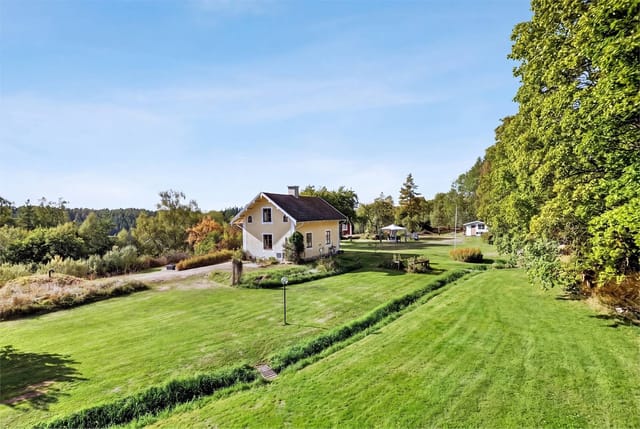
Main house and terrace with lake view

On a still July morning, you step out onto the west-facing terrace with a mug of coffee and hear almost nothing. A wood pigeon somewhere in the birches. The faint lap of water from Hällebosjön, ten minutes down the track. That's it. This is what brought you here, and it's exactly what you'll find every single time you return. Hällebo 907 sits in a quietly coveted pocket of Örebro County, outside the village of Pålsboda in Hallsbergs kommun. It's a genuine Swedish countryside retreat — 49 square metres of well-kept living space on a 1,100 square metre plot, updated steadily over recent years without losing any of its honest, unpretentious character. This is not a property tarted up for a quick sale. The roof was replaced in 2020. The facade and windows were repainted in 2024. The bathroom was fully renovated in 2024. The kitchen got quality IKEA fittings in 2022. Whoever owned this looked after it, and it shows. Walk inside and the layout makes immediate sense. The living room anchors itself around an open fireplace — not a decorative one, but the kind that genuinely heats the room on a grey October afternoon when the leaves outside have gone amber and the temperature drops before you expect it. The kitchen has enough workspace to properly cook, not just reheat things, and looks out toward the garden where, come August, the raspberry canes will be heavy enough to slow you down on the way to the woodpile. Two bedrooms handle family visits or a spare room for the one friend who always stays longer than planned. One bedroom was freshly painted in early 2025 and feels clean and light. The bathroom renovation in 2024 is worth mentioning twice. It's properly done — shower cabin, modern composting toilet (a Separett unit, com ... click here to read more
Front view of Hällebo 907 country home

The alarm doesn't go off here. You wake up because the light does — that pale, golden Swedish summer light that slips through the curtains sometime around five in the morning and makes it impossible to stay in bed. So you pull on a sweater, step outside into the dewy garden, and walk the two-minute path down to Lake Toften before anyone else is up. The water is still. The pines are reflected perfectly on the surface. You dive in anyway. That's the daily reality of owning Östra Toften 216, a classic red-painted cottage sitting on a 1,000 square meter leased plot in a close-knit community of about forty similar summer homes just outside Östervåla in Uppsala County. It's compact — 34 square meters of living space — but Swedish summer cottage culture has never been about square footage. It's about being outside. The cottage is where you sleep, eat breakfast, and come in from the rain. The rest of your life here unfolds on the lake, in the forest, and around a fire in the garden. Built in 1968, the cottage has that honest simplicity that makes older Scandinavian summer homes so appealing. The living room is bright, with windows that pull in the tree light and make the small space feel larger than it is. It connects directly to the bedroom — a straightforward layout that works exactly as it should for a one or two-person getaway. The kitchen is practical and compact, built for the kind of cooking that actually happens at a summer cottage: coffee before the swim, pasta after the hike, maybe a proper crayfish spread in August with candles on the garden table. There's a storage shed on the plot for bikes, fishing gear, kayak paddles, and all the other paraphernalia that accumulates when you spend your summers outdoors properly. ... click here to read more
Exterior view of the red summer cottage

Stand on the terrace on a still October morning and you can hear the Glomma moving below — that low, unhurried push of Scandinavia's longest river finding its way south. A pair of elk tracks cut through the frost on the lawn. Smoke curls from the fire pit from the night before. This is Rena, and this is the kind of morning that makes you stop checking your phone. Øgle-Vikenveien 960 sits east of the Glomma, elevated just enough at 247 metres above sea level to give you uninterrupted views across the river and toward the Hovda valley beyond. It's about a ten-minute drive into Rena centre — close enough to grab groceries at Coop or catch a bus at the stop six minutes down the road on foot, but far enough that you genuinely cannot hear a neighbour's television through the wall. The lot runs to 3,001 square metres of garden, grass, and gravel, giving the place a spread that most Norwegians living in town would quietly envy. The house itself has been properly overhauled since 2020 — not cosmetically touched up, but genuinely rebuilt where it counts. The kitchen went in during 2022 and it shows: clean cabinetry, integrated dishwasher, oven, microwave and cooktop, worktop space that actually lets two people cook at the same time. The bathroom was done the same year — fully tiled, underfloor heating throughout, the kind of finish that makes a cold November morning feel less punishing. Both rooms were done to a standard you'd expect from new construction, which means a new owner walks in and starts using the place rather than planning a renovation project. The 85-square-metre main floor layout is straightforward and honest: hallway, kitchen, bathroom, bedroom, dining room, and a living room that opens directly onto the south-f ... click here to read more
Welcome to Øgle-Vikenveien 960! Photo: Bernat Tubau

Step onto the terrace on a July morning and the Langesund Fjord is right there — not a postcard version of it, not a glimpse between rooftops, but the whole wide sweep of it, glittering from Brevik across to Stathelle, close enough that you can hear the water. This is the view you get from the living room too, through a gable wall of floor-to-ceiling glass. And from the master bedroom. It's not a selling point bolted onto the property — it's the entire point of the property. Built in 2014 in a clean functionalist style, this three-bedroom cabin on the western shore of Bjørkøya is one of the rare homes on the island that sits in the absolute front row. No other building stands between you and the fjord. The architecture earns that position honestly: large sliding doors open the living space directly to the terrace, the interiors are kept deliberately light and neutral so the eye moves straight through to the water, and the layout on both floors is oriented toward the view. It works. You feel it the moment you walk in. Inside, the open-plan kitchen, dining, and living area makes up the social heart of the cabin. The kitchen is compact but smartly fitted — stone countertops, metro tile splashback, sleek cabinetry that doesn't crowd the space. It's designed for actually cooking in, not for photographs. Weekend lunches of fresh-caught mackerel, the occasional dinner party that spills out onto the terrace — the layout handles it all without feeling cramped. The living room has a fireplace for the evenings when September starts to bite, and the glass-railing terrace stretches 67 square meters, big enough for a proper outdoor dining setup, sun loungers, and still room to spare. Upstairs, two guest bedrooms both face the water ... click here to read more
Long lines, calm surfaces, and blunt angles. When nature comes alive, the architecture provides elegant counterpoints.

Picture this: you cut the engine, the boat drifts the last few meters to the jetty, and the only sound left is water slapping softly against the granite. No neighbors. No traffic. Just the smell of sun-warmed pine resin and the faint call of a common tern somewhere out over Skrävlafjärden. The entire island is yours. Every rock, every handful of sand, every inch of shoreline — yours. This is what owning a private island in the Stockholm archipelago actually feels like. Not a fantasy. A real, registered, freehold property sitting on 1,825 square meters of your own land surrounded by the water of Värmdö's inner archipelago, roughly 35 kilometers east of Stockholm's city center. The island itself does a lot of the heavy lifting. Sandy beaches to the north and south — proper sand, not the pebbly disappointment you get elsewhere — give way to wide slabs of smooth granite that hold the afternoon sun long after five o'clock. Swedish summers are short and fiercely lived, and this island is set up for exactly that: the west-facing jetty deck is big enough for a proper outdoor dining table, a couple of sun loungers, and still leaves room to move. Sunsets here hit the water directly. Every evening in June and July, when the sky goes amber and the reflections stretch across the fjord, you'll understand why people pay any price for this view. Getting here is easier than it sounds. Evlinge on the mainland is the departure point — a short, uncomplicated boat trip even if you're new to navigating these waters. Multiple jetties wrap around the island, so docking is never a scramble regardless of wind direction. Day trippers and experienced sailors have both managed it first try. Stockholm's Slussen takes around 40 minutes by car to re ... click here to read more
Main cottage and jetty deck

Step outside on a February morning in Björnrike and the silence hits you first. Not the absence of sound, but a full, weighted quiet that only comes when a meter of fresh snow has settled overnight over spruce forest and open fell. The ski slopes of Vemdalen are warming up three kilometers away. You can smell the cold. This is what you came for. Sitting on Duvstigen 6, this 112-square-meter country home has been a proper Swedish mountain retreat since it went up in 1977. It's solid, well-kept, and honest about what it is — a place built for people who actually use mountains rather than just look at them. The 2,133-square-meter plot gives you room to breathe in every season, surrounded by birch and pine that turn the light gold in late summer and hold a blue shadow through the short winter afternoons. Come in from a morning on the slopes and the wood-burning stove in the living area will be the first thing on your mind. This house has both — a wood burner and an open fireplace — and if you've ever spent a Swedish January properly, you'll understand why that matters. The open-plan kitchen and living room keep everyone together without crowding anyone, the large windows pulling the mountain view right into the room. Afternoon light in early March, when the sun finally climbs high enough to pour through those windows and hit the timber floors, is something you will not forget quickly. Then there's the sauna. In Sweden this isn't a luxury add-on; it's infrastructure. After a long day on the cross-country trails through Härjedalen's Sonfjället National Park or a full afternoon of downhill at the Vemdalen ski system — which links Björnrike, Klövsjö, and Storhogna into one of the largest ski areas in Sweden — the private saun ... click here to read more
Exterior view of the holiday home

Step off the boat and onto your own dock. The Bothnian Bay stretches out ahead of you, flat and silver in the morning light, and the only sounds are the cry of a common tern and the soft knock of your hull against the jetty. This is Finskören — a small island in the Nyborg archipelago just outside Kalix in northern Sweden — and once you've spent a weekend here, it's genuinely hard to leave. What makes this offering so rare is the scale of it. You're not buying a cabin. You're acquiring two separate houses on a 2,778-square-metre plot with a private marina, multiple outbuildings, and your own freshwater well — all on an island that feels a world away from everything, yet sits within comfortable reach of the E4 motorway and Luleå Airport, roughly 90 kilometres south. The main house, built in 1998, covers 65 square metres and was designed with the view firmly in mind. The open kitchen and living area faces the sea, and the windows are large enough that you track weather systems moving across the bay without stepping outside. Three bedrooms make it workable for a family; the layout is sensible rather than fussy, which is exactly what you want in a place where you'll spend more time outdoors than in. On a clear July evening — and northern Sweden gets a lot of those, with daylight that barely quits between May and August — the light through those windows turns the pine floors the colour of honey. The first guest cottage is 60 square metres and positioned close to the marina. It has a living room, a bedroom, a shower, and a traditional Swedish bastu. That sauna matters more than it might sound. Spending a September afternoon out on the water, then sweating it out in the bastu before a cold plunge off the dock — that's the rh ... click here to read more
Main house and guest cottages with sea view

The sun drops low over the water at around nine in the evening in July, and from the west-facing terrace here at Bredstäk, that light turns the whole surface of the lake into hammered copper. You are holding a glass of something cold. The apple orchard behind you is humming with bees. This is what a Tuesday evening looks like at this 1909 country house on Lisö, and once you have stood on that terrace even once, the idea of not owning it becomes genuinely difficult to live with. Lisö sits within Nynäshamn Municipality, about 60 kilometres south of Stockholm — close enough to reach by car in under an hour, far enough that the city feels like a different planet. The island sits in the outer Stockholm archipelago, that extraordinary stretch of more than 30,000 islands and skerries that defines the Swedish coastline here. Most visitors to Sweden never get this far south into the archipelago. The ones who do tend to start looking at real estate. The house itself was built in 1909 and it carries that age well. Wooden floors that creak just slightly underfoot. Traditional single-pane windows framed in white that rattle softly in a November wind. A kitchen fireplace that has been warming people through Swedish winters for over a century. None of this has been ripped out and replaced with something generic — the character is intact, and that matters. At 80 square metres across two storeys, the layout is compact but genuinely livable. Downstairs you get the country kitchen — large enough for a proper farmhouse table, with that fireplace as its centrepiece — a living room with a cast-iron wood-burning stove, and a fully tiled bathroom with shower. Upstairs, two bedrooms sit under the eaves with views over the meadows and the water ... click here to read more

Lakefront view of the house

Picture this: it's seven in the morning, the Aude valley is still wrapped in low mist, and you're pulling the first espresso of the day behind a solid timber bar while the smell of warm bread drifts in from the kitchen. Outside the café terrace, the ridgeline of the Pyrenees sits sharp against a pale sky. The GR10 long-distance trail runs right past the door. By eight o'clock, your first guests — hiking boots already laced — will be asking what's for breakfast. This is daily life at Auberge les Myrtilles, and it's as real as it gets. Salau d'en Haut sits in the Vallée du Salat, deep in the Ariège département of the French Pyrenees, roughly 25 kilometres from the Spanish border at Port de Salau. It's not a town that made it onto every tourist map, which is precisely why people who find it keep coming back. The kind of guests who end up here are serious walkers, wildlife photographers chasing the last brown bears of Western Europe in the Parc Naturel Régional des Pyrénées Ariégeoises, or cyclists tackling the high cols that the Tour de France made famous. They want honest mountain food, a clean room, and a landlord who knows the terrain. That's the reputation this auberge has spent years building, and it transfers with the keys. The property is actually three buildings working as one operation. The main hotel holds eight en-suite guest rooms, each with its own bathroom — a practical detail that matters enormously in mountain hospitality where guests arrive muddy and need hot water immediately. The rooms are maintained properly: insulated roof, double glazing in wood-effect PVC frames, paintwork that still looks fresh. Nothing is held together with goodwill and optimism. The professional kitchen is fitted with modern appl ... click here to read more

Main view of Salau d'en Haut property

On a still Tuesday morning, you can stand at the kitchen window with a coffee and watch the mist lift off the vines across the valley. No traffic. No noise except a wood pigeon somewhere in the oaks. By ten o'clock, you're pulling a baguette out of the back seat after a drive to the boulangerie in Saint Jean de Blaignac, and the rest of the day is entirely yours. This is the rhythm of life at this 19th-century stone farmhouse in a quiet hamlet near Saint-Sulpice-de-Faleyrens in Gironde — and it's a rhythm that gets under your skin fast. The house itself is substantial. Five bedrooms across two floors, 275 square metres of habitable space, plus additional utility areas that bring the total footprint to 380m². The walls are thick local stone, the kind that keeps rooms cool in August without air conditioning and holds heat from the wood-burning fireplaces deep into winter evenings. It was built in the 1800s and it has that unhurried solidity you simply can't manufacture. The proportions are generous in a way that modern builds rarely achieve — a 36m² dining room that actually fits a proper dinner party, a 32m² sitting room with enough space to have two separate conversations, a kitchen at 24m² where three people can cook without crowding each other. Two of the bedrooms are on the ground floor, each with its own en-suite shower room, which makes this an unusually practical layout for multi-generational families or guests who prefer not to navigate stairs. Upstairs, three further bedrooms share a bathroom and shower room. A dressing room off the main upper bedroom adds a level of everyday comfort that you notice immediately when you're actually living there rather than just visiting. The mezzanine — a tucked-away 9m² space ... click here to read more

Photo 4

Picture yourself on a sun-drenched terrace, coffee in hand, watching morning mist lift from the surrounding forest as birdsong fills the air. The scent of pine drifts through the garden while children play safely on the sprawling lawn, their laughter echoing across 4,500 square meters of private, tree-lined grounds. This is the reality of owning a vacation home in Hässelmara, a coveted corner of the Stockholm archipelago where modern life slows to the rhythm of nature, yet the capital's energy remains just 50 minutes away. This 70-square-meter single-story country home from 1950 embodies the essence of Swedish summer living that international buyers seek when searching for authentic Scandinavian holiday properties. Set at the end of a quiet road in Värmdö, the property combines the independence of island living with practical mainland accessibility, creating the perfect second home for families who crave both adventure and convenience. The Stockholm archipelago, with its 30,000 islands, skerries, and islets, represents one of Europe's most distinctive coastal landscapes, and this property positions you at the gateway to exploring this maritime wonderland. The main residence welcomes you with an open floor plan designed for the communal living that defines Swedish holiday culture. The country kitchen serves as the social hub, where long summer dinners stretch into midnight under the never-setting sun of Nordic June. Large windows frame views of the mature garden, bringing the outdoors in and flooding rooms with natural light during the extended daylight hours of Swedish summers. The connected dining area accommodates gatherings of eight or more, perfect for hosting fellow travelers, local friends, or extended family who ... click here to read more

Front view of the house and garden