Houses For Sale In Sweden (page 2)

Houses for sale in sweden - homestra offers the largest amount of european real estate with over 200,000+ properties, find any type of property within your budget from villas to country homes. buy or rent your perfect home in europe. (page 2)

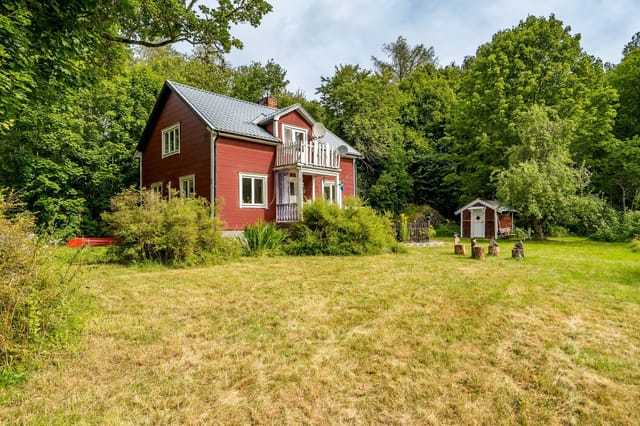
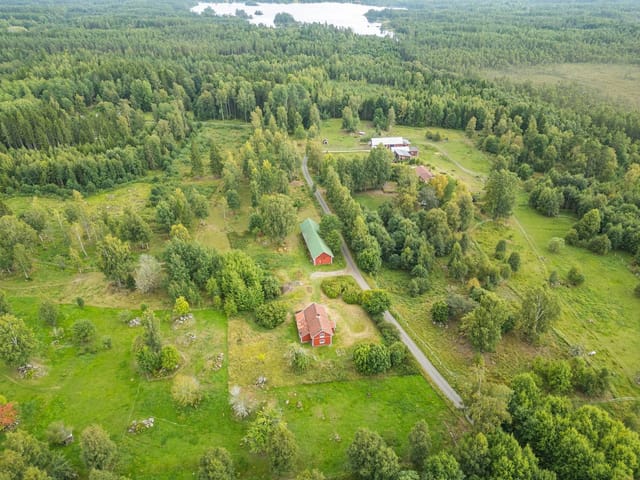
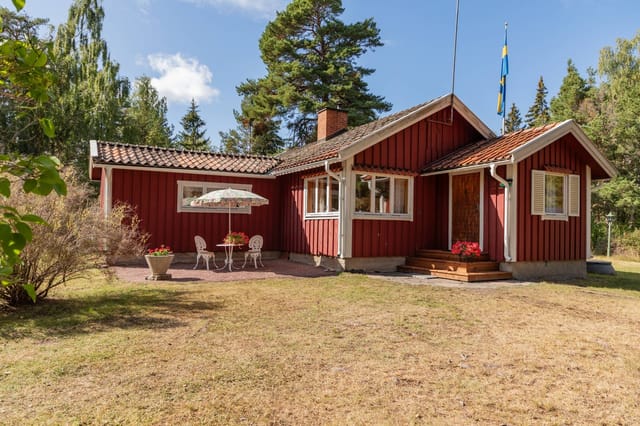
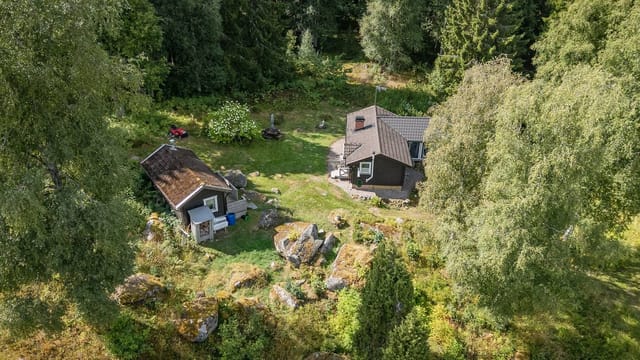
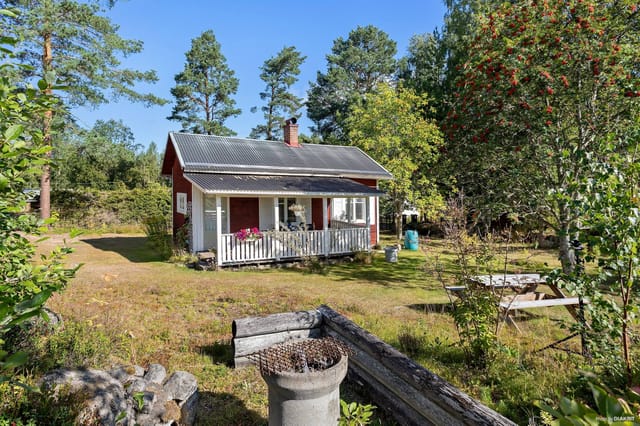
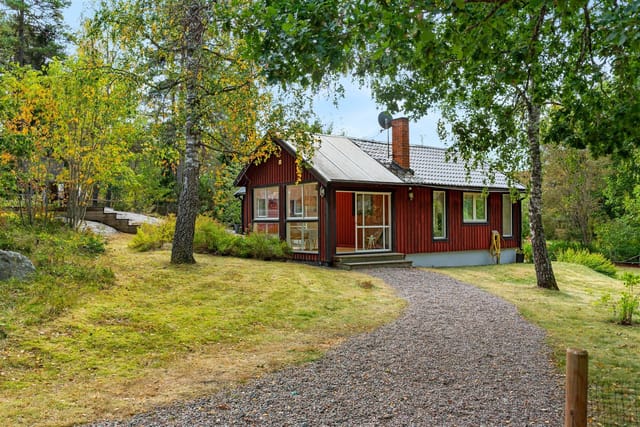
Close your eyes and picture a Sunday morning in early June: the window above the kitchen sink is propped open, and the only sounds reaching you are a woodpecker working through a birch trunk somewhere behind the meadow and the distant, unhurried bells of a village church carried on a westerly breeze. That's the daily reality at Rönö Uppsalatorp, a two-bedroom country home on Vikbolandet peninsula that has been quietly standing its ground since 1909. This is Östergötland at its most honest — no tourist traps, no manufactured charm, just a wide-open plot of 6,644 square metres where the grass grows thick in spring and the birch trees turn a hard, clean gold in October. The property sits in Norrköpings kommun, roughly 35 kilometres southeast of Norrköping city centre, on a peninsula that locals have been retreating to for generations without making too much noise about it. For good reason — they'd like to keep it that way. The main house covers 70 square metres across three rooms, and the proportions feel right. It's not oversized, not squeezed. The living room gets afternoon sun through large windows that look out over the garden, and in winter those same windows frame a landscape that turns monochrome and cinematic — frozen ground, bare trees, pale sky. The kitchen has enough working space that you can actually cook in it, which matters when you're making gravlax from scratch or simmering a pot of rotmos on a grey November afternoon. Original details from the early 1900s surface throughout: in the way the walls sit, in the feel of the older joinery, in small things that remind you this house has a history longer than any single owner. Two bedrooms handle sleeping arrangements without fuss. They're quiet rooms — genuine ... click here to read more

Exterior view of the main house and garden

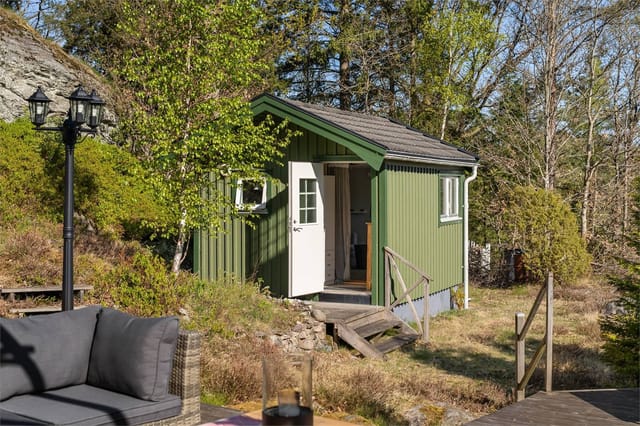
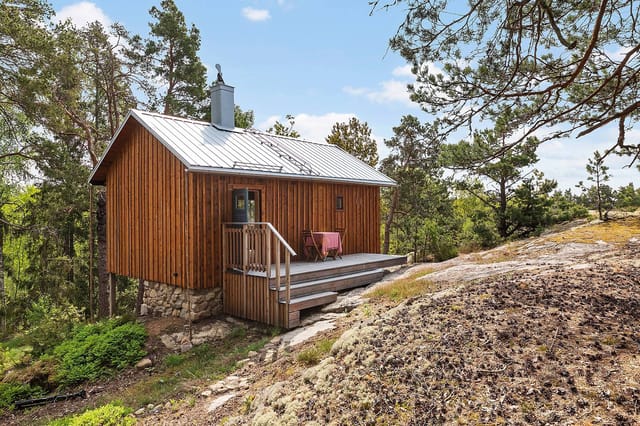
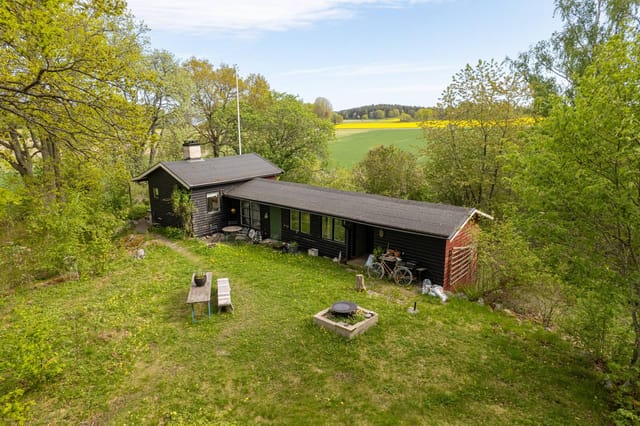
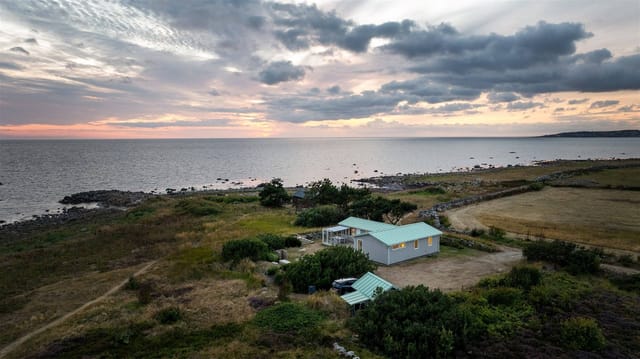
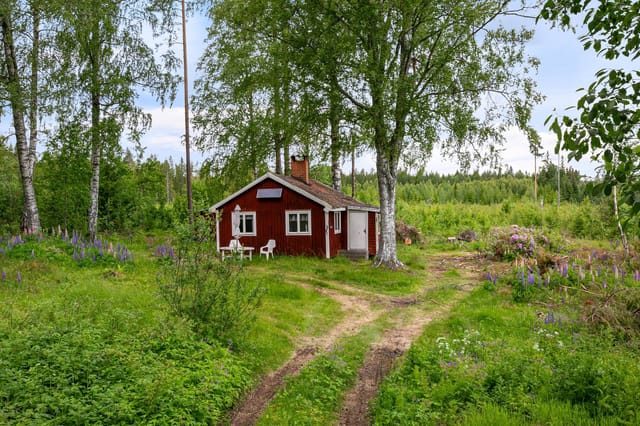
Step outside on a July morning and you can already smell the salt before you see the water. From the elevated plot at Norra Starrkärr 215, the Swedish west coast spreads out below you — granite outcrops, pine ridges, and somewhere beyond the tree line, the glittering edge of the Bohuslän archipelago. The ferry horn from the Orust crossing drifts up on the breeze. That crossing is three minutes away by car. The sea itself is 500 meters down the path. This is a small place in the best possible sense. Twenty square meters, built in 1940, the kind of compact Swedish summer cabin that generations of families have used as a launchpad for long days rather than a place to stay indoors. A single-room layout with space for sleeping, a kitchenette, and a sitting area where the large windows do most of the heavy lifting — framing a view that a much grander property would envy. It's move-in ready and genuinely functional as a vacation home right now, today, without a renovation project standing between you and your first summer on the west coast. But what gives this particular plot its edge isn't the cabin. It's the building permit already in place for an additional house of approximately 59 square meters. That's rare. Planning permissions along the Swedish west coast, especially within reach of the water, have become harder to secure as coastal protection regulations have tightened over the years. Someone has already done that work here. You're buying a 20-square-meter retreat with an 849-square-meter plot and a legal pathway to build something substantially larger — whether that means a proper year-round home, a second cabin for family or rental guests, or a studio workshop beside the original cottage. The infrastructure is alre ... click here to read more

Exterior view of the holiday home and garden

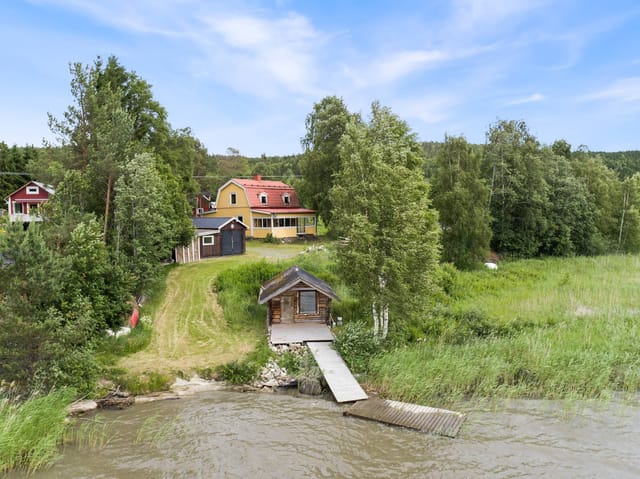
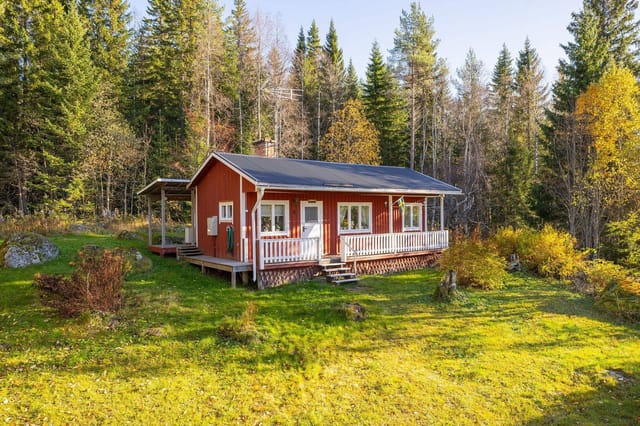
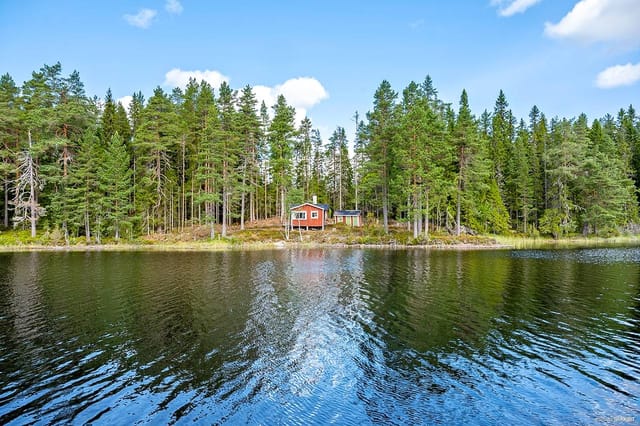
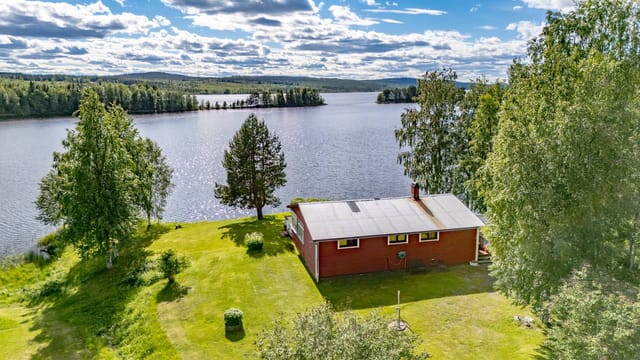
Step out onto the sunroom deck on a July morning and the lake is already doing its thing — flat, dark, and glittering at the edges where the pines catch the early light. A pike breaks the surface somewhere out past the dock. The coffee in your hand is still steaming. This is what owning Strinne 103 actually feels like, and once you've had one morning like that, the question isn't whether to buy it. It's why you waited so long. Situated along the water's edge outside Bjärtrå in Kramfors municipality, this 110-square-metre house sits on a 2,220-square-metre plot that runs straight down to the lake. It's a proper piece of Swedish countryside — not a manicured holiday resort, not a weekend cabin squeezed onto a postage stamp, but a full property with room to breathe, outbuildings to tinker with, and a shoreline that belongs entirely to you. The house itself was built in 1934 and carries that era's solidity. Thick walls. Real wood. A kitchen with a traditional vedspis — a wood-burning stove — that turns the room into the warmest place in the county the moment you light it on an October evening. Attached to the kitchen is a proper dining room, the kind where you can actually seat eight people without anyone eating with their elbows in the hallway. The living room opens through to a large sunroom, and this is where most of your waking hours will end up. Floor-to-ceiling glass on three sides, the lake right there, the changing light through the day making it feel like a different room every hour. The wood-burning fireplace in the living room keeps things honest when the temperature drops, and in Ångermanland, it will drop — winters here are real, snow-on-the-roof, -15°C real, and completely worth it. Upstairs there are two be ... click here to read more

Exterior view of Strinne 103 by the lake

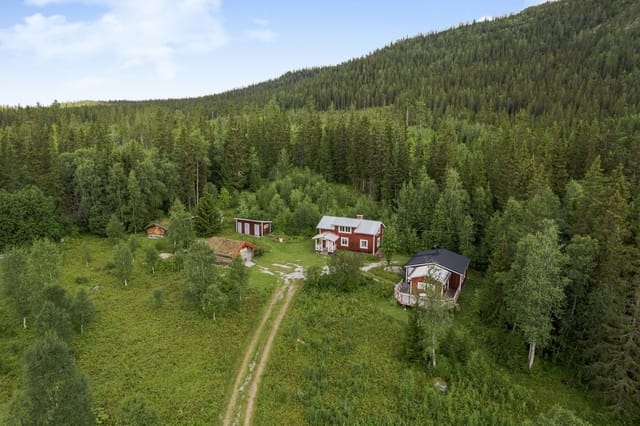
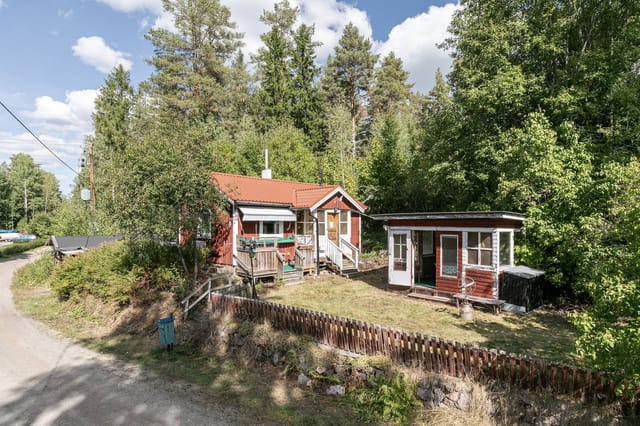
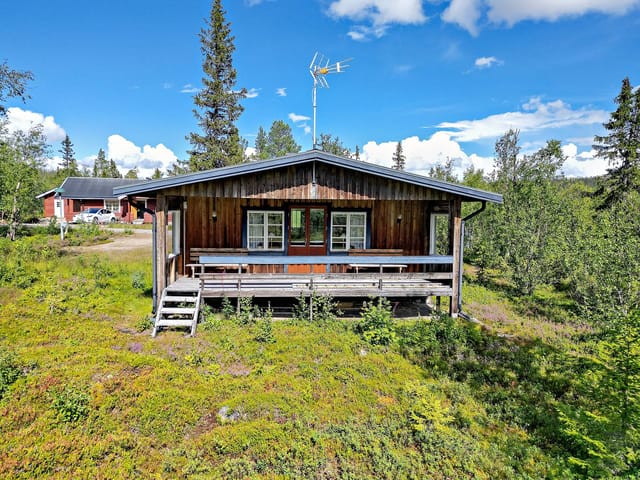
Step outside on a February morning and the world is absolutely silent. Fresh snow has buried Vintergatan overnight, the birches are white to their tips, and Funäsdalsberget sits right there in your eyeline, lit pink by a sun that's just cresting the ridge. The cross-country trail runs past the edge of the plot. You clip in and go. That's not a fantasy — that's a Tuesday here. Vintergatan 19 is a rare kind of find in Swedish mountain real estate: a genuine farmstead footprint — 9,750 square meters in total — sitting on the quiet outskirts of Funäsdalen village, with a main house, a fully fitted guest house, snowmobile storage, and a clutch of outbuildings that give you flexibility most holiday properties simply can't offer. The main house dates to 1890 and carries the weight of that age in the best possible way — thick walls, real timber, the kind of construction that makes a wood stove feel like the center of the universe on a January evening. At 55 square meters of living space plus an additional 61 square meters of auxiliary area, it's not big, but it's arranged for how mountain life actually works: a place to dry wet gear, store skis, brew something hot, and gather around a table with the people you actually want to spend time with. Three rooms adapt easily — sleeping quarters, a sitting area, a workspace if you need it. Simple. Functional. Honest. The guest house changes the equation entirely. Having a fully equipped, separate space for visitors means you're not giving up your own routine when friends arrive for a ski weekend. They get independence; you get your mornings back. For those considering rental income — and the holiday rental market in Funäsdalen is genuinely strong, particularly November through April ... click here to read more

Exterior view of the main house and lot

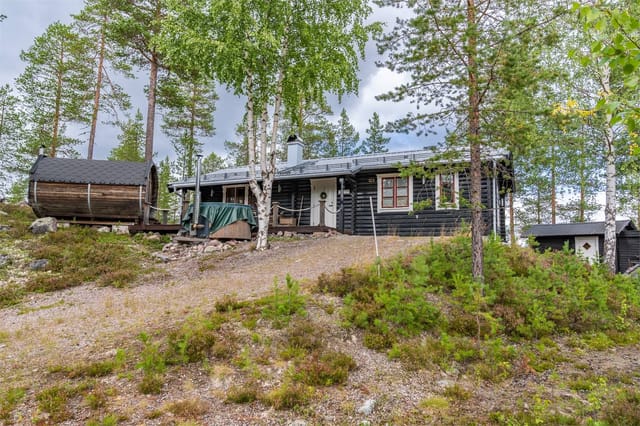
Step outside on a January morning in Kringelfjorden and the silence hits you first. Not the absence of sound exactly, but something richer — the muffled hush of fresh snow on spruce branches, the distant crack of ice on the lake, the faint smell of woodsmoke drifting from your own chimney. That's the daily reality of owning this two-bedroom country home on Byggningvägen in Särna, where the Swedish wilderness isn't a backdrop — it's the whole point. Situated on a generous 1,125 square metre plot in Älvdalens kommun, Dalarna County, this 59-square-metre home punches well above its size. Built in 1985 and kept in good condition throughout, it was given a proper kitchen refresh in 2023. New cabinetry, quality appliances, real counter space — the kind of update that makes you actually want to cook, not just heat things up. The open layout means whoever's at the stove stays in the conversation, which matters when you've got family spread across the living area after a long day out on the trails. The living room earns its keep. Large windows frame the tree line directly, so on grey November afternoons the forest comes right into the room with you. Come July, the same view is all green and gold light until nearly midnight — Dalarna sits far enough north that summer evenings go on and on. Two bedrooms handle a family comfortably; both are quiet, with the kind of dark that actually lets you sleep. One bathroom keeps things simple. That's the whole house, and it's enough. The design is about efficiency, not excess. What makes this property genuinely interesting is everything outside the main structure. The private sauna is the social heart of the place — a proper Swedish bastu, heated with wood, where the ritual of warming up, s ... click here to read more

Exterior view of the holiday home

Picture this: a Saturday morning in late June, the Swedish sun already high at seven o'clock, coffee steam rising from your mug as you step out onto the covered terrace at Myssinge 264. The birch trees are doing that thing they do in midsummer — trembling slightly in a breeze you can't quite feel yet. No traffic. No neighbors in earshot. Just the low drone of bumblebees working through whatever's flowering in the garden and the faint knock of a woodpecker somewhere in the tree line. This is what you bought it for. Set on an elevated plot of 2,359 square metres outside Alunda in Uppsala County, this one-bedroom country home is the kind of property that doesn't come up often. Compact without feeling small, practical without being clinical, and surrounded by the sort of quiet that you genuinely cannot manufacture. It's a holiday home and second residence in rural Sweden that earns its keep across every season, not just August. The main house runs to 53 square metres — a figure that sounds modest until you're inside and realize how intelligently the space flows. The kitchen and living room open into each other, which means cooking isn't a solitary activity here. Whoever's at the stove is part of the conversation. The fireplace anchors the room; on a grey October afternoon when the leaves outside have turned amber and the temperature's dropped, lighting it takes roughly three minutes and changes the entire atmosphere of the place. Swedes have a word for that specific coziness — you'll start using it unironically within your first winter visit. The bedroom is genuinely spacious for the size of the house, built around a double bed with storage that doesn't feel like an afterthought. The bathroom features a Separett compostin ... click here to read more

Front view of the holiday home

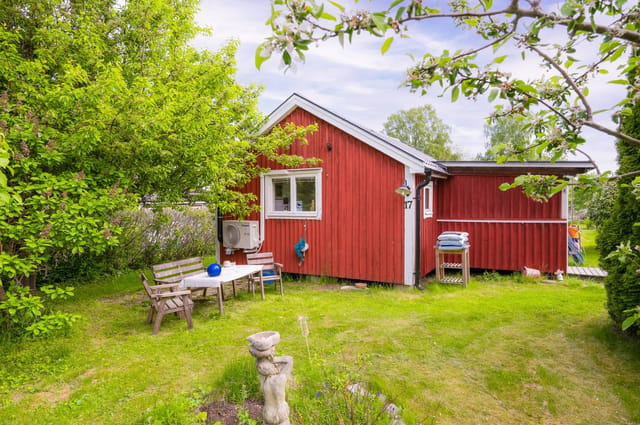
The south-facing veranda catches the evening light at around seven o'clock, and if you're sitting there with a coffee and a book, you might not move for two hours. That's the thing about Blomstervägen 17 — it has a very specific, very Swedish kind of pull that's hard to explain until you've experienced it yourself. Tucked into the Anderslund allotment area just three kilometers from Nyköping's city center, this winterized red cottage sits on a generous 410-square-meter plot that's already doing a lot of the heavy lifting. Blueberry bushes, currant canes, rhubarb crowns, apple trees, a pear tree — the previous owner clearly knew what they were doing, and the garden rewards you for it from late spring straight through to October. There's also an adjacent cultivation lot, which means even the most ambitious kitchen gardener isn't going to run out of room. The cottage itself is compact at 33 square meters, but efficiently so. There's no wasted space here. The main room works as both a living and sleeping area, bright and well-proportioned, with enough character that it doesn't feel like a compromise. The kitchen corner is properly fitted — oven, stove, microwave, fridge, freezer — so you're not roughing it. A combustion toilet handles the year-round practicality question, and the winterization means you can realistically use this place from March through November without shivering your way through every visit. That glazed veranda facing south is genuinely the heart of the property. On a warm June morning, you eat breakfast there. On a cool September afternoon, you sit there anyway because it's sheltered enough to stay comfortable. It blurs the boundary between the cottage and the garden in a way that makes both feel large ... click here to read more

Exterior view of the cottage and garden

Step off the dock at six in the morning, coffee in hand, and watch the mist lift off the water. That's a Tuesday in Vätö. The Stockholm archipelago has a way of recalibrating your sense of time, and this two-bedroom house on Gösens väg 7 sits right at the heart of it — quiet cul-de-sac, mature pines, 2,128 square meters of your own land, and a boat berth included. It's the kind of setup that makes you wonder why you ever waited. Vätö is one of those islands that Stockholmers talk about among themselves but rarely broadcast widely. Part of Norrtälje municipality, roughly 90 minutes north of the city by car via the E18 and Route 76, it sits in the northern reaches of the Upplandskusten archipelago — a region of granite outcrops, glassy inlets, and fishing villages where the pace of life is genuinely different. Not postcard-different. Actually different. The ferry from Simpnäs runs regularly, and that short crossing over the water has a way of drawing a clean line between your city life and your island life. The house itself was built in 1973 and has been kept in solid condition by its current owners. Sixty-three square meters of main living space, which sounds compact until you step inside and realize how efficiently it's been laid out. The living room pulls in natural light through large windows — on summer mornings the effect is almost theatrical, the sun cutting across the wooden floor before the day gets going. The kitchen is functional and properly equipped, arranged so that whoever's cooking doesn't end up isolated from the rest of the room. That matters when you've got friends coming up from the city for midsommar and everyone gravitates toward the kitchen anyway. Both bedrooms are well-proportioned and quiet, tu ... click here to read more

Exterior view of the house and veranda

Step outside on a Saturday morning in late August, coffee in hand, and count the apple trees from the balcony. Six of them. The meadow below has gone gold overnight, and somewhere just past the woodshed, a blackbird is making an unreasonable amount of noise. This is Slottsstigen 13 — a solid 1906 country home on a 3,170 square meter plot in Zinkgruvan, central Sweden, and it's the kind of place that makes you stop checking your phone. Zinkgruvan is a small, quiet village in Askersunds kommun, historically built around its silver and zinc mining industry — you can still visit the old mine. But what draws people here now is simpler: forests that go on for miles, lakes within cycling distance, and a pace of life that feels genuinely disconnected from everything. This is rural Sweden at its most unfiltered. No tourist crowds, no boutique hotel prices. Just pine trees, clean air, and neighbours who wave. The house itself sits on a leasehold plot and spreads across 105 square meters of living space across three floors, including a basement. The bones are good — built in an era when timber was thick and craftsmanship wasn't rushed. Walking through the front porch into the hallway, a wood-burning stove greets you. In October, when the birches outside have gone fully yellow and the temperature drops fast after sunset, that stove earns its place. The hallway is furnished and leads you naturally into the rest of the ground floor. The kitchen faces two directions, which matters more than it sounds — cross-light makes cooking feel less like a chore and more like an event. The wooden cabinet fronts give it a farmhouse quality without being precious about it. Practically speaking, it's fully equipped: dishwasher, integrated oven, fr ... click here to read more

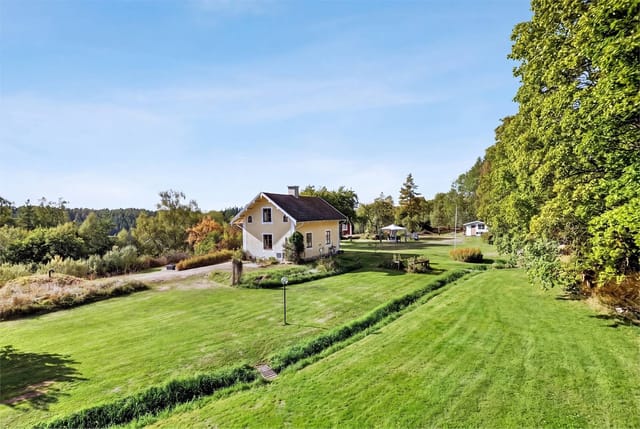
Front view of the house

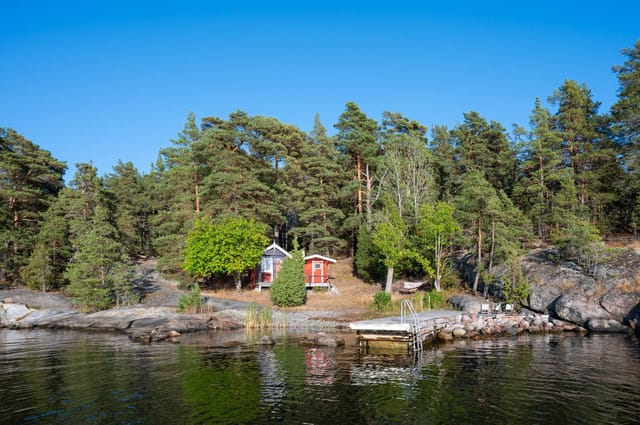
At around seven in the evening in late June, the sun is still two fists above the horizon, dropping slowly toward the water in shades of amber and coral. You're sitting on the decking above the jetty with a cold glass of something local, bare feet on warm timber, watching a small boat cut a white line across the inlet. The birch trees behind you hold the last of the warmth. There is no traffic. No city noise. Just the soft lap of water and the occasional call of a common tern from somewhere out in the bay. This is what an evening at Svartsö Träskö 11 actually feels like, and it's not something you forget quickly. The property sits on the island of Träskö in Mellanskärgården, the middle archipelago east of Stockholm, within Värmdö municipality. Träskö is a genuine island, not a peninsula, not a suburb with water views, but a real Swedish skärgård island with forest paths, granite outcrops, and a pace of life that makes the city feel genuinely far away. The plot faces west, which matters enormously here. West-facing waterfront in the Stockholm archipelago is the orientation everyone wants because it catches afternoon sun and those long Nordic summer evenings run right until midnight. The cottage itself was originally built in 1957 and has been adapted over time into a winterized, year-round boathouse. At 20 square metres it's compact and honest about that. A wood-fired sauna. An enclosed veranda. A kitchenette with its own entrance. A living area with a table, chairs, and a sleeping space. It's not trying to be a villa. It's a place to arrive at on a Friday afternoon, get the sauna going, jump off the jetty, and immediately decompress. It does that job extremely well. But the real story here is the land, the water front ... click here to read more

Seaside cottage and jetty

At 10pm on a Swedish summer evening, the sun is still up. Not setting—just hanging there, painting the Kvarken archipelago in shades of amber and copper while you sit in the glass room watching a cormorant land on the rocks below the jetty. That's not a fantasy. That's a Tuesday at Svartviken 44. This 92-square-metre country home on the coast of Täfteå, roughly 25 kilometres north of Umeå, sits at the kind of address that locals don't talk about too loudly. The Rovågern area has stayed quietly itself for decades—real fishing boats at real boathouses, the smell of salt and pine together, and a road that the municipality actually grits in winter. People live here year-round, which tells you something. It's not a summer-only postcode that goes silent in September. It breathes in every season. The house itself was built in 1959, which gives it bones. Not the flimsy bones of something thrown up in a hurry, but the solid, thick-walled kind that holds warmth when October arrives with attitude. Extensive work in 2023 brought the kitchen fully into the modern era—opened up to the living room, reconfigured for how people actually cook and socialise—without stripping out the soul of the place. The plastered open fireplace at the heart of the main living area is the kind of feature that becomes a gathering point within hours of arrival. Light it on a grey August evening when the wind picks up over the water and the whole room rearranges itself around it. Every main room faces the sea. That's not an accident of layout—it's the whole point of this property. The water is visible from the kitchen while you're making coffee. It's there from the living room sofa. And then there's the glass-enclosed room added in 2023, a full-width exte ... click here to read more

Exterior view of the holiday home and waterfront

The beech trees lining Stigsbergsvägen are the first thing you notice — two rows of columnar trunks standing at attention, framing a gravel drive lit by cast iron lanterns. You pull in slowly because it feels like the kind of arrival that deserves a moment. The house sits elevated at the end, and on either side, paddocks stretch out in the late afternoon light with that particular Swedish stillness that Stockholmers spend years chasing. This is Bålsta country living at its most grounded — a real equestrian estate, a proper family home, and a life that moves at a pace the city simply can't offer. Built in 2007 and consistently upgraded since, the 172-square-metre main house has the feel of something that was thought through properly from the start. The living room ceiling soars open to the roof ridge — not in a showy way, but in a way that makes the space feel genuinely airy even on grey Swedish winter days. A wood-burning stove sits centrally, and on a Friday evening in January when the temperature drops and you've just come in from the stables, that stove becomes the entire point of the room. The kitchen was renovated in 2014 and it shows: clean lines, quality appliances, the kind of workspace where someone who actually cooks wants to spend time. The conservatory is the newest addition, finished in 2024, and it earns its keep every single month of the year. In late April, when the surrounding fields are just greening up and the birches are budding, it catches morning light in a way that makes a slow breakfast feel like something worth planning for. Come autumn, it becomes the indoor-outdoor room that keeps the season from feeling like a loss. The property runs on geothermal energy via a heat pump installed in 2023, p ... click here to read more

Front view of the main house and driveway

Picture this: it's a Saturday morning in late June, and you're standing barefoot on the covered patio at Vreta 17, coffee in hand, watching the midsummer light filter through birch leaves so green they almost hurt to look at. The garden smells of damp earth and wild strawberries. Somewhere across the field, a cuckoo is at it again. You're fifty minutes from Stockholm, but you might as well be on another planet. That's the daily reality of owning this two-bedroom house in Hölö — a small, quietly compelling village in Södertälje municipality, south of the capital. This isn't a property that screams for attention. It earns it slowly, the way good places do. The house was built in 1972 and sits on a generous 2,730 square meters of land. Eighty-two square meters of living space doesn't sound massive on paper, but the layout is thoughtful enough that nothing feels squeezed. You walk in through what's currently used as a dining room — a flexible space that could just as naturally become an entry hall or a quiet work-from-wherever corner. The kitchen follows: wooden cabinet fronts, the smell of old pine, a stove and oven setup that handles everything from quick pasta to a slow Sunday baking session. The extractor fan hums. Bread rises on the counter. It works the way a kitchen should. The living room is the heart of this place, and the fireplace is the heart of the living room. Come October, when the birches outside turn amber and the nights close in fast, that fire becomes less of a feature and more of a necessity. Pull a chair close, crack a book, let the logs do their thing. A wooden staircase off the main room climbs up to a loft — not a grand space, but a genuinely useful one. An extra bed for a visiting friend, a readin ... click here to read more

Front view of the cottage and garden

Picture this: it's six in the morning, the mist is still sitting low over Lake Lingan, and you're walking barefoot across dewy grass with a cup of coffee in your hand. A hundred meters later you're at the water's edge, the only sound a distant woodpecker and the quiet lap of the lake against the small shore. That's not a weekend fantasy—that's a Tuesday in Östervik. This two-bedroom holiday house in Östervik, part of Ockelbo municipality in the Gävleborg region of central Sweden, sits on a 3,453-square-meter plot that backs almost directly onto Lake Lingan. At €87,000 it's the kind of second home that makes financial sense before you've even factored in the lifestyle. The house itself is 42 square meters—compact, honest, and completely fit for purpose. Wooden panelling runs along the interior walls, warm against grey Scandinavian winter light. The open fireplace in the living room is the room's gravitational centre; on October evenings when the forest outside turns amber and copper, you'll understand exactly why Swedish design has always prioritised the hearth. The two bedrooms are small but sleep a couple or a family with young children without issue. The kitchen has what you need: workspace, appliances, a window that looks out into the trees. Simple. Deliberate. Exactly right for a place where life is meant to slow down. What genuinely sets this property apart from most holiday homes at this price point is the outbuilding with a proper sauna and shower. The Swedish ritual of sauna, cold water, repeat isn't a spa gimmick here—it's baked into the geography. You heat the sauna, you walk to the lake, you swim, you walk back. In July the water is warm enough to stay in for twenty minutes. In November, thirty seconds is y ... click here to read more

Exterior view of the holiday home

Early July morning. You push open the wooden door of the south-facing terrace, coffee in hand, and the entire peninsula of Lake Örsjön spreads out below you — glassy water, pine-covered islands, not another soul in sight. The only sounds are a woodpecker working a birch tree somewhere up the ridge and the faint lap of water against your private pier. This is what drew people to Kalvshult Västergård 26 over eighty years ago, and it is what will hold you here long after the summer ends. Built in 1939 and set on a hilltop above the southeastern shore of Lake Örsjön in Hallaryd, Småland, this two-bedroom country home has spent most of its life as a summer residence — which shows in the best possible way. The pace here is deliberate. Nothing has been rushed. The open fireplace in the living room still draws a proper draft, the wood-burning kitchen stove still makes the room smell like pine resin on cold mornings, and the terrace still frames an uninterrupted view of more than twenty islands scattered across the lake below. You don't renovate a place like this into something it isn't. You maintain it, and it rewards you. The property sits on 7,020 square meters of mixed terrain — part wild garden, part forest floor. Spend twenty minutes walking the lot in late August and you'll come back with a basket of chanterelles without really trying. Blueberries grow in patches along the southern slope; lingonberries push through the moss further up toward the treeline. The Swedes call this right allemansrätten — freedom to roam — but when the foraging ground is your own land, it hits differently. Down at the waterline, the guesthouse sits almost at the edge of the lake. It's a practical bonus for visiting family or friends, but plent ... click here to read more

Exterior view of the main house and surrounding nature

Step outside on a July morning and the air smells of pine resin and cold water. Malmesjaure lake sits maybe thirty meters away, its surface completely still before the wind picks up, reflecting a sky so blue it almost looks artificial. No engine noise. No notifications. Just the occasional call of a black-throated diver cutting across the silence. This is what you're buying at Sandudden 5 — not just a cabin, but a specific quality of quiet that most people in Europe have completely forgotten exists. The cabin itself was built in 1996 and sits on a generous 2,500 square metre plot on the Sandudden peninsula reaching into Malmesjaure. Twenty square metres inside, which sounds small until you're actually there. The open-plan interior folds kitchen, dining, sleeping, and living into one room — the kind of layout that forces you to slow down, to be present in the same space as the people you came with. A wood-burning stove anchors the room. Light it on an October evening when the first frost has hardened the ground outside and the warmth it throws feels earned in a way that central heating simply can't replicate. No electricity. No running water. No sewage connection. That's not a caveat — it's the whole point. The cabin operates entirely off-grid, which in practice means candles and a head torch, water carried from the lake or a local source, and a privy outhouse that Scandinavians have been using perfectly successfully for centuries. For buyers who've owned conventional holiday properties before, this might sound like a step backward. It isn't. It's a different philosophy of rest entirely. The absence of infrastructure is what keeps this corner of Norrbotten County exactly as it is — untouched, uncrowded, and genuinely re ... click here to read more

Exterior view of the cabin and surrounding nature

Step outside on a Tuesday morning in late June and the only sounds are a woodpecker working through a birch trunk somewhere behind the garden, and the faint lap of Lake Bolmen against the reeds a short walk down the track. No traffic. No neighbors visible. Just 2,899 square meters of your own grass, trees, and sky on one of Småland's most sought-after island retreats — and a house that was actually built for year-round living. Bolmsö is a proper island, connected to the mainland by a single bridge over Lake Bolmen, and that bridge does something psychological the moment you cross it. The pace drops. The shoulders drop with it. The lake itself is Sweden's fifth largest, stretching across parts of both Kronoberg and Jönköping counties, and Bolmsö sits right in the middle of it — surrounded by some of the clearest freshwater you'll find anywhere in southern Sweden. The house dates to 2015, which matters more than it might sound. You're not buying someone else's 1970s renovation project with surprises inside the walls. The construction meets contemporary Swedish energy standards, heating costs stay manageable through the long winters, and nothing needs urgent attention when you arrive for your first weekend. Move in, light the fireplace, open the wine. That fireplace, positioned in the open living and dining area, earns its place on every trip from October through April. The floor plan flows openly from the kitchen — centered on a practical island that makes cooking for eight people actually pleasant — through the dining space and into the sitting area without any awkward corridors breaking the momentum. Three separate doors lead directly from these living spaces out to the garden, so on warm July evenings the line betwee ... click here to read more

Exterior view of the house and garden

Step outside on a July morning and the air smells of warm grass and lilac. The old barn casts a long shadow across the pasture, swallows dart in and out of the hayloft, and somewhere behind the wooded grove, a woodpecker is hard at work. This is Skrinningarud 3 — a 1909 country home sitting on 1.9 hectares of gathered land in the Töreboda countryside of Västra Götaland, Sweden. It's the kind of place that makes you wonder why you ever needed a city. The house itself has been through a serious renovation cycle between 2020 and 2026, so the bones are old and the surfaces are fresh. Walking through the front door, you get 110 square meters of living space that feels both rooted in its era and completely livable right now. The tiled stove in the living area is original and fully functional — come November, when the birch trees drop their last leaves and the ground hardens overnight, that stove earns its keep. Light comes easily through the windows; the elevated position of the house means you catch the morning sun early and hold it late into those famously long Swedish summer evenings. Two bedrooms, one bathroom, four rooms total. It's not a sprawling manor — it's the right size for a couple, a small family, or anyone who wants a second home in Sweden without the upkeep burden of something twice as large. The secondary area adds another 20 square meters, useful as a mudroom, a studio corner, or a practical transition space between outdoors and in, which matters when you've been out foraging chanterelles in wet grass. Water comes from a drilled well, and the waste system is a modern three-chamber septic setup — both practical details that matter enormously for a rural property, and both already sorted. For international bu ... click here to read more

Front view of Skrinningarud 3 country home

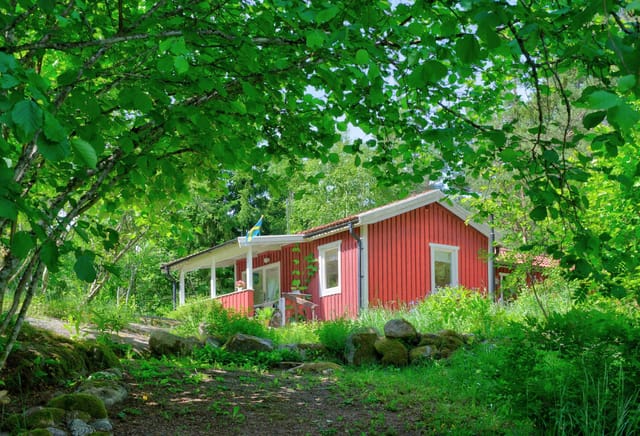
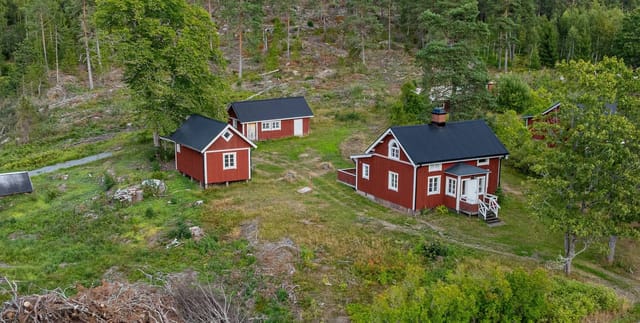
Step outside on a July morning and the air smells of pine resin and wet grass. The fields to the south catch the light first — that low, golden Värmland light that Swedes write poems about — and somewhere in the tree line a woodpecker is already at work. This is Ingrirud Hagalund, a small farmstead in Säffle municipality, and mornings here feel genuinely earned. At just over five hectares, the property is large enough to give you real breathing room without becoming a full-time project. Roughly four hectares are forested — a mix of spruce and pine that wraps around the northern and western sides of the plot, providing wind shelter in winter and shade in high summer. The remaining land is close to a hectare of open arable field, flat and south-facing, catching maximum sun from May through September. That field alone opens up a lot of possibilities: a kitchen garden, a wildflower meadow, a small orchard, or simply a long green view from the kitchen window. The cottage itself is 62 square metres, painted the deep Falun red that marks farmhouses across central Sweden. It's been renovated steadily and thoughtfully over the years — not gutted and flipped, but cared for by people who actually used it. The result is a home that functions well without feeling like a showroom. The layout is compact and efficient: a practical kitchen, a comfortable living room with a wood-burning stove that becomes the undisputed centre of the house from October onwards, one bedroom with quiet views over the property, and a modern bathroom. The windows face south and west, which means natural light fills the main rooms through most of the day. In a Swedish summer, when the sun barely sets, that matters more than any lighting fixture. There's als ... click here to read more

Front view of the red cottage and outbuildings

Step outside on a July morning and the air smells like pine resin and lake water. The birds are loud — genuinely loud — and the light comes through the trees at that low Scandinavian angle that makes everything look like it was painted rather than real. This is Hölö, a quiet corner of Södertälje Municipality that most Stockholmers drive past on their way somewhere else. Their loss. Built in 2022, this compact country home on Stavsnäsvägen 10 is one of those rare finds that doesn't try to be more than it is. Twenty-seven square metres of carefully considered space on a 2,431 square metre private plot — that contrast tells you everything. The building is modest. The land is generous. And that balance is exactly what makes it work as a vacation home, a second home, or a weekend escape from the city. The house itself sits elevated on the plot, which matters more than you'd think. You get sun. Real sun. From midday right through to the long Swedish evening, the orientation means the terrace — or wherever you choose to build one — catches warmth while the surrounding birch and spruce provide enough shelter to make it feel private. The neighbouring plots give you space rather than proximity. It rarely feels like anyone is nearby. Inside, the open fireplace pulls all the weight during shoulder season. April and October in this part of Sweden can go either way — a log fire at dusk with the windows fogged and a glass of something warming on the side is not a marketing cliché here, it's just Tuesday. The open-plan layout with large windows keeps things feeling bigger than the floor plan suggests, and the natural materials used throughout — untreated wood, simple finishes — age well and need almost no upkeep. The kitchen is fitte ... click here to read more

Exterior view of the holiday home

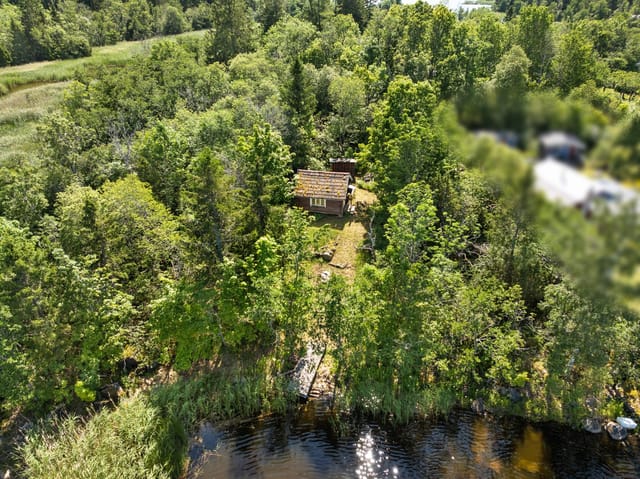
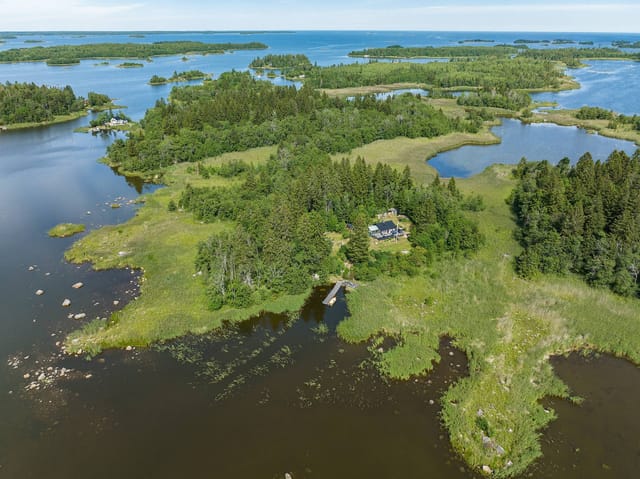
The boat cuts the engine and suddenly the only sound is water against the hull. You drift the last few meters to your own peninsula, step onto the rocks, and feel the particular silence that only comes when you're surrounded on three sides by sea. This is Strandholmen 308 — a 1,554-square-meter private plot in the Uppsala County archipelago, near the village of Skärplinge and the old ironworks settlement of Karlholmsbruk, accessible only by water from Karlholm's boat harbor. That small inconvenience is, for the right buyer, the whole point. The cabin itself is 14 square meters. Compact is an understatement, but that's not what you're buying here. You're buying the peninsula. The cabin sits at just the right angle to catch the late-afternoon light off the water, and on warm evenings — which in this part of Sweden run well past ten o'clock in summer — the glow through its windows has a kind of amber quality that's hard to describe and impossible to forget. It functions as shelter, as a place to sleep after a day on the water, as somewhere to light a camp stove and make coffee before the sun clears the treeline. Nothing more is needed. Nothing less would do. Electricity has already been connected to the island, which matters more than it might initially seem. That infrastructure — available with a connection fee of approximately 70,000–80,000 SEK — means the jump from rustic retreat to something more comfortable is a practical decision rather than a logistical mountain. A larger summer house, an expanded cabin with a proper kitchen and sleeping loft, a sauna perched at the water's edge: all of these sit within the realm of possibility, subject to local planning permissions through Tierps municipality. The plot's 1,554 squ ... click here to read more

Strandholmen 308 – Waterfront cabin and peninsula

Early morning in Furusund, the water is so still it mirrors the pine trees perfectly. You walk out of the front door on Monte Christos väg 17, coffee in hand, and the only sound is the distant chug of a wooden sailboat rounding the headland toward the open Baltic. The jetty is ten steps away. This is what you came for. Furusund sits at the outermost edge of the Norrtälje archipelago, roughly 80 kilometers north of Stockholm — close enough to the city that you can be there in under an hour and a half by car, yet far enough that mobile signal feels like a minor inconvenience rather than a lifeline. The village is small and unassuming: a harbor, a marina, a handful of locals who have been spending summers here for generations, and the Furusund Inn, which has been serving fresh herring and cold snaps since the 1800s. August here smells like sunscreen and smoked fish and salt air. In June, the midsommar poles go up near the harbor and the whole community gathers to dance, eat strawberries with cream, and argue about whose grandmother's dill sauce recipe is better. It is deeply, specifically Swedish in a way that no curated resort can replicate. The house itself was built in 1955 and carries that era's particular kind of confidence — solid timber construction, low roofline, windows placed to catch the afternoon light rather than impress from the street. Seventy square meters doesn't sound large on paper, but the layout wastes nothing. The open-plan living room and kitchen feel genuinely spacious once you're inside, with original wooden floors that have gone warm and honey-gold over the decades. The kitchen has been updated with modern appliances while keeping the proportions and feel of the original, so it doesn't look like ... click here to read more

Front view of the holiday home

Early on a Saturday morning at Pålsundet 13, the only sounds are water lapping against the shared jetty and the occasional creak of a rowing boat shifting in the current. Stockholm feels very far away. It's actually 45 minutes by car. That contrast — the immediacy of real Swedish island life against the backdrop of a capital city just down the E4 — is what makes this place unusual. Mörkö isn't a resort. It's a working island with grazing cattle, gravel roads flanked by wildflowers in June, and a cultural landscape that locals have been quietly protecting for generations. Buying a holiday home here means buying into something genuine, not a sanitised version of rural Scandinavia. The property sits on Pålsundet, the strait that separates Mörkö from the mainland to the west. From the large windows of the living and dining area, the water is always in frame — the light shifting from silver-grey in April to a warm copper at midsummer sunset. You won't get bored of the view. It changes by the hour. The main house covers 65 square metres across three bedrooms, a practical kitchen, and that light-filled living space. The layout is efficient in the way that Swedish country homes often are — nothing wasted, everything considered. Three bedrooms means the house works for a family, a couple with regular guests, or two friends splitting a purchase. The kitchen is equipped with stove, oven, and refrigerator, and there's generous storage throughout, which matters when you're planning stays of more than a long weekend. The 1,500 square metre plot gives the house room to breathe, with mature trees and natural vegetation that means you're not looking directly into a neighbour's kitchen. But it's the outbuildings that really make this ... click here to read more

Main house with water view

Step outside on a July morning at Tappäla 148 and you'll hear almost nothing. Maybe a wood pigeon somewhere in the birch canopy. Maybe the soft knock of a fishing boat out on Viksjön. That's the whole point of this place — and once you've stood on that sun-warm patio with a mug of coffee, the silence doing its work, you'll understand why properties like this in Härnösand Municipality disappear fast. This is a genuine Swedish countryside holiday home. Built in 1954, 35 square metres of living space plus 15 square metres of auxiliary area, sitting on a plot of 2,788 square metres that feels far more generous than any number can convey. Mature birch and pine give the garden real structure, with open grassy clearings between them where the afternoon light falls long and golden in midsummer. The main rooms are compact and honest — two spaces that have been doing their job for decades, filled with natural light from windows that frame the surrounding greenery like living artwork. The home is sold fully furnished, so your first visit as owner can, practically speaking, also be your first night's sleep there. There's an extension already started on the property, creating a genuine opportunity to add a bathroom and expand the footprint on your own schedule and terms. Right now the setup is classic Swedish sommarstuga: an outdoor toilet, a summer water supply drawn from a dug well on the plot. It's seasonal living done the traditional way, which for many buyers is exactly the appeal. A disclaimer clause is included in the sale — standard practice here, and worth discussing with your legal adviser before completing. The patio is south-facing enough to collect heat through most of the day, and it's big. Barbecue evenings stretch ... click here to read more

Front view of the holiday home and garden

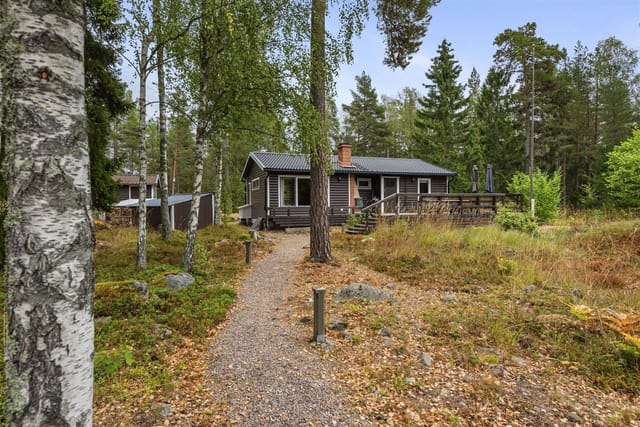
Step off the gravel path at Fallvägen 17 on a late June evening and the first thing you notice is the silence. Not the absence of sound — there are birches rustling, a woodpecker somewhere in the treeline, the faint creak of the old wooden porch — but the particular Swedish silence that people who've only ever lived in cities don't quite believe exists until they're standing in it. This is Fallet, a quiet pocket of Gävle municipality about thirty minutes from the city by car, and it has the kind of unhurried quality that you feel immediately in your shoulders. The house itself is a 1964 fritidshus — a classic Swedish countryside holiday home — timber-framed and compact at 38 square meters, the kind of scale that forces you to live simply and actually like it. The living room is paneled in wood, floors underfoot are wooden too, worn smooth in the way that only decades of use can manage. A wood-burning stove anchors the space. On a grey November afternoon, that stove running and a pot of something on the kitchenette, the interior feels genuinely warm rather than performatively cozy. One bedroom. One bathroom with a shower and a composting mulltoa — practical, low-maintenance, and very much in keeping with how Swedes have been using these places for generations. What makes this property more than just a starter cabin is the plot and what's on it. The 1,162 square meters of land is flat and open, bordered by trees that give privacy without closing things in. There's a garage with an attached carport, two additional outbuildings, one of which houses a proper Swedish bastu sauna and an outdoor dass, and another that holds a glassed-in uterum — a sunroom where you can sit with coffee and watch the garden while rain taps at th ... click here to read more

Exterior view of Fallvägen 17

Step off the gravel path and onto the porch at Öster Bännbäck 123 on a July morning, and the first thing you notice is the silence. Not the absence of sound — birdsong carries from the treeline, and somewhere just beyond the meadow the river moves — but the absence of noise. The kind of quiet that city dwellers spend years chasing and rarely find. Möklinta sits in the heart of Västmanland, a county that most international visitors fly straight over on their way to Stockholm. Their loss. This is the Sweden that Swedes actually escape to: dense birch and pine forests, mirror-still lakes, wildflower meadows that turn electric yellow in late spring. The village itself is small — a church, a few farms, a handful of roads — and that is precisely the point. The property at Öster Bännbäck 123 sits on 2,524 square metres of natural plot, the kind of land that doesn't demand much from you. No manicured hedges, no pressure to maintain a showpiece garden. Open grass rolls into mature trees at the edges, giving the whole place a sense of having grown here naturally, which in many ways it has. The main house dates to 1966 and covers 37 square metres of indoor living space — compact, yes, but thoughtfully arranged so that nothing feels squeezed. There's a living room and a bedroom, and the layout means you're never far from a window and the light that pours through it. That living room earns its keep. An air-to-air heat pump keeps things comfortable across every season, and an open fireplace fitted with an insert means that on a wet October evening, you can have a real fire burning within minutes. Both of these things matter in Västmanland, where summers are warm and bright but winters arrive properly, with snow settling thick acros ... click here to read more

Front view of the holiday home

Step outside the cabin door at Håmojokk and the first thing you notice is the silence — not the uncomfortable kind, but the deep, full silence of a boreal forest that hasn't been interrupted in centuries. Below you, the Kalix River moves through its banks with that particular rhythm of northern water: unhurried, dark, cold, and alive with salmon. This is Swedish Lapland at its most unfiltered, and this 35-square-metre cabin sits right in the middle of it. Located roughly 20 kilometres from Kiruna — Sweden's northernmost city and the unlikely home of the world-famous ICEHOTEL — the Håmojokk property occupies leasehold land in a setting that genuinely earns the word remote without making you feel stranded. You can drive in during summer, park, and within minutes have a fire going and a cast line in the river. That kind of ease, in a place this wild, is rarer than most people realise. The cabin itself is compact by design, not by accident. At 35 square metres, the combined sleeping and kitchen area works because everything in it has a purpose. The wood-burning stove anchors the space — it's the first thing you light in the morning, the last thing you check at night, and the reason the cabin smells the way it does: birch smoke and pine, with something faintly of coffee from the previous night. A Safire oil heater backs it up when temperatures outside fall well below freezing, which in Kiruna's sub-arctic climate means months at a time. Power comes from solar panels and a battery system, which keeps things running off-grid without the noise or fuss of constant generator use. A SolarVenti system handles ventilation, keeping the air inside fresh even when the cabin's been shut up for weeks. The sauna building is separate, an ... click here to read more

Main cabin exterior

Step off the wooden porch on a July morning, coffee in hand, and the air already smells like pine resin and warm grass. The lake is a three-minute walk down Kallbodavägen — you can hear the kids from the bathing area before you even see the water through the treeline. That's the daily rhythm at this winterized holiday home in Gåsvik, a quiet corner of Väddö island that most Stockholmers haven't found yet, and the ones who have are fiercely reluctant to share. Väddö sits in the outer reaches of the Roslagen archipelago, roughly 100 kilometers north of Stockholm. The drive up from the city via the E18 and Route 76 takes about 90 minutes — close enough for a Friday-evening escape, far enough that the pace of life genuinely changes the moment you cross the Edeboleden bridge onto the island. This isn't the showy part of the Swedish coast. No boutique hotels, no Instagram crowds. Just dense spruce forest, winding gravel roads, and a shoreline that shifts between sandy lake beaches and the skerry-dotted Baltic coast depending on which direction you point your bicycle. The house itself sits on Kallbodavägen 11, on a 2,130-square-meter lot that gives you room to breathe in a way that most Swedish summer cottages simply don't. Built in 1986 and kept in good condition throughout, the 50-square-meter main building is compact but genuinely functional — the kind of floor plan where nothing is wasted. Large windows in the living room pull in southern light through most of the day, and in winter, when the garden turns white and the birches drop their leaves, the same windows frame a view that looks like a still from an Ingmar Bergman film. The fireplace does real work here from October through April, and it does it well. Two bedrooms ... click here to read more

Exterior view of the house and garden

Early July in Ursviken. The midnight sun hasn't fully set, and the sky over the Skellefte River estuary turns a shade of amber you'll spend years trying to describe to people back home. From the wooden deck of this 1968 cottage on Södra Sillskatan, you watch a pair of oystercatchers work the shoreline below while the smell of birch wood smoke drifts over from somewhere down the lane. This is what summer in northern Sweden actually feels like — and this property puts you right in the middle of it. Sitting in the second row from the water on a generous 1,745-square-metre plot, the main cottage is compact but shrewdly laid out across 39 square metres. It's a honest-to-goodness Swedish sommarstuga — the kind that generations of families have been driving north to every June for decades. But this one comes with extras that lift it well above the typical stripped-back cabin. A glazed, insulated conservatory extends the living space outward toward the sea view, and on the cooler evenings that arrive even in August this far north, it earns its keep as the best seat in the house. Large windows in the main living room funnel in the long Nordic light from mid-morning well into what should technically be night. The kitchen is practical and properly equipped — nothing fussy, but enough workspace and storage to cook a proper crayfish feast in August or a moose stew come autumn. Beyond the sleeping quarters in the main house — two bedrooms, room enough for a couple or small family — there are two separate guest cottages on the plot. Real ones, with privacy and their own rhythm. Guests don't have to be underfoot. Kids can have their own space. Someone can use one as a summer studio or a quiet place to write. Add a workshop, multiple s ... click here to read more

Main house and garden view

The smell hits you first. Pine resin and damp grass, with something faintly smoky carried on the breeze from a neighbor's woodstove three fields over. You're standing on the covered terrace at Näsbyn 451 with a mug of coffee, watching the morning mist lift off the tree line, and there's genuinely nowhere you need to be. That feeling — unhurried, uncomplicated, deeply Scandinavian — is exactly what this little red cottage in Alfta delivers. This is a classic Swedish torp, the kind of countryside property that city-dwellers across Stockholm, Gothenburg, and beyond have coveted for generations. Painted in the deep Falun red that has defined rural Swedish architecture for centuries, with crisp white trim and a modest footprint that forces you to live simply and well, Näsbyn 451 sits on a generous 1,082 square-meter plot on the quiet edge of Alfta in Ovanåker Municipality. Mature trees frame the lawn. The garden has room to grow vegetables, keep a few flower beds, or just let the wild edges do what they want. At 34,530 SEK, it's one of the most accessible entry points into Swedish countryside property ownership you'll find. Thirty-five square meters inside the main cottage. It sounds small on paper. In practice, it's enough — and that's the whole point. Wide wooden floorboards, large windows that pull the outside in, a living room that works equally well for a rainy-day board game marathon or a quiet evening with a book. The kitchen is compact but functional, the kind of space where you make simple food and it somehow tastes better than anything you cook at home. The property has electricity, so you're not roughing it. There's no running water or sewage system, which means you're also not pretending that a weekend in the Sw ... click here to read more

Front view of the red cottage and garden

Stand on the hillside at Heden 42 on a clear October night and the sky does something you won't forget. No streetlights, no neighbors close enough to matter, just the Northern Lights rippling green and violet over the Västerdalälven valley below. This is Storstensgård — a 4.4-hectare estate outside the village of Nås in Dalarna's Vansbro municipality — and this is the kind of moment that explains why people buy a property like this and never look back. The estate takes its name from a natural stone monolith standing over five meters tall at the center of the grounds. That stone has been here longer than the farmhouse, longer than the historic entrance pillars, longer than the original photographs preserved inside the main house that show female soldiers billeted on the property in an earlier century. There's a tangible weight of story here, and the land holds it quietly. The main house dates to 1889. You enter through a glass veranda — the kind of addition that Scandinavian farmhouses have always used to trap winter light — and immediately the high ceilings and original roof lines tell you this was built by people who cared about proportion. The wooden floors have been lived on for over a century. The living room centers on a wood-burning stove, and in January, when Dalarna's temperatures drop hard and the surrounding fields go white and silent, that stove becomes the heart of the entire house. There's also an air-to-air heat pump for the days when you want warmth without the ritual of splitting logs. The kitchen is genuinely large — large enough for a dining table that seats eight without anyone feeling crowded — and it has both a wood stove and a pizza oven. Not ornamental. Actually used. Fully fitted with built-in ... click here to read more

Photo 1 of HEDEN 42

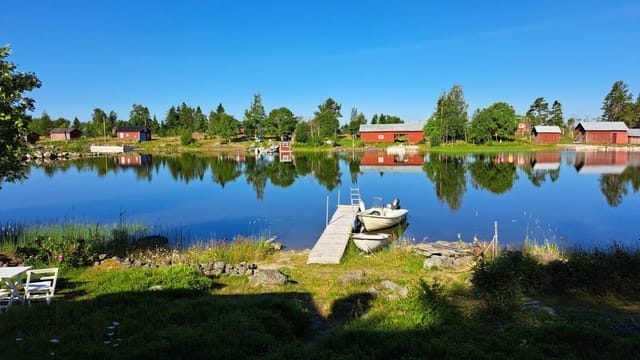
The alarm doesn't wake you here. It's the light. By five in the morning in July, the sun is already slanting hard across Kinnbäcksfjärden, throwing gold strips through the curtains of the cottage and landing on the worn wooden floor. You pull on a sweater, step out onto the wraparound terrace, and the bay is so flat it looks painted. Not a sound except a distant gull and the faint knock of your boat against the jetty below. This is Furuholmen — a small island in the northern Swedish archipelago that most people will never find, and the ones who do tend to never want to leave. The cottage sits at the water's edge on leased land, measuring 45 square metres of thoughtfully arranged interior space that opens wide to the outdoors. Inside, the living area is open-plan and filled with light from oversized windows that frame the bay like a painting that changes every hour. It's not a big place — one bedroom, no need for more — because life here happens outside. On the terraces. On the jetty. In the water. Around the murikka grill as the sun sinks lower and lower but stubbornly refuses to fully disappear. That grill, sitting right on the waterfront terrace, deserves a sentence of its own. Fire it up around eight in the evening with a handful of wood and whatever you pulled out of the water that afternoon. The smell of grilled perch or pike-perch over open flame, with the whole bay laid out in front of you turning orange and pink — that's not a moment you can manufacture anywhere else. Access to the island is part of the charm. You park at Kinnbäck's marina on the mainland, step into your included motorboat, and within a few minutes you're tying up at your own private jetty on Furuholmen. That boat ride — short as it is — draw ... click here to read more

Furuholmen - Main exterior view

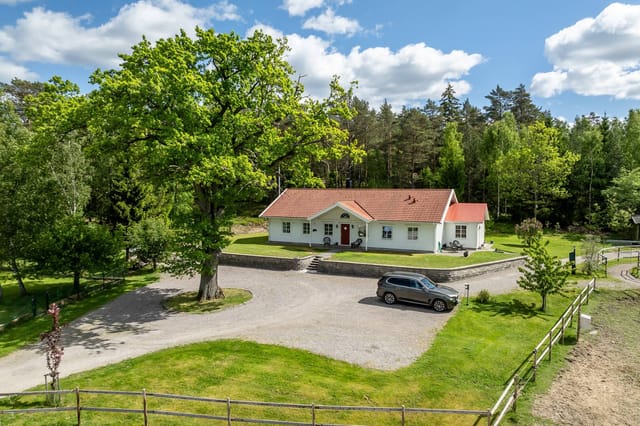
Early on a Saturday morning in Storvik, the only sounds you'll catch are birdsong, the creak of pine branches overhead, and the distant hum of a tractor somewhere past the treeline. By the time you've pulled on a sweater and stepped out onto the grass with a mug of coffee, the rest of the world genuinely feels very far away. That's the daily reality at Hyttmyravägen 47 — and it's why properties like this one in Gästrikland rarely stay available for long. Storvik sits in Sandvikens kommun, about 15 kilometers west of Sandviken itself and roughly 25 kilometers from Gävle — which means you're tucked into proper Swedish countryside without sacrificing access to real-world amenities. The drive into Sandviken takes under 20 minutes and gets you supermarkets, restaurants along Storgatan, the Göransson Arena for hockey nights, and the entire cultural offer of a mid-sized Swedish city. Gävle — one of Sweden's oldest cities and home to the famous Julbock at Christmas — is a half-hour east and connects directly to Stockholm Central by train in about an hour and twenty minutes. Arlanda Airport sits just over 170 kilometers south via the E16 and E4. It's genuinely accessible. Back on the plot, though, accessibility is almost beside the point. The 2,352 square meters of land here is what sets this property apart from the typical Swedish stuga. That's a serious piece of ground — open meadow bleeding into woodland edge, with real privacy built in by the surrounding fields. In summer, the meadow grass grows knee-high and fills with wildflowers; in autumn, the birch trees at the boundary turn a deep gold you'd struggle to capture on a phone camera. The plot is large enough to grow vegetables, keep a small orchard going, set up a proper ... click here to read more
Main house and garden view

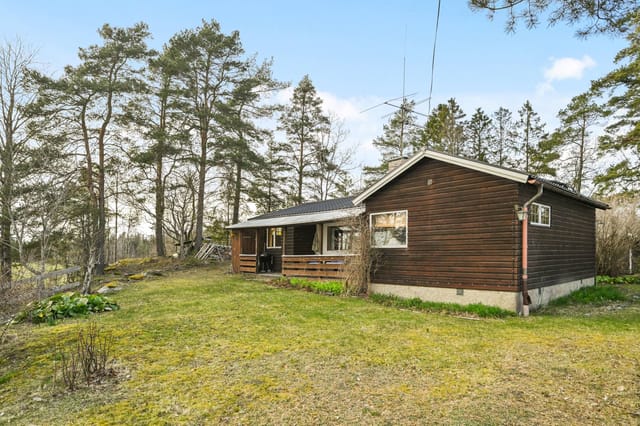
Step outside on a February morning and the world is completely silent except for the soft crunch of fresh snow under your boots. The pines along Fallmoranvägen are so heavy with overnight snowfall that their branches have bent nearly double, and the cross-country ski trail that runs just beyond your garden fence is already being groomed by the time you've made your first coffee. This is what owning a chalet at Ripfjället actually feels like—not a postcard version of Sweden, but the real, cold-aired, woodsmoke-scented thing. Sitting at Fallmoranvägen 44 in Vemdalsskalet, this three-bedroom timber chalet from 1984 occupies a generous 2,001-square-meter plot that gives you genuine breathing room in all four seasons. At 80 square meters inside, the layout is honest and practical—nothing wasted, nothing missing. The large windows in the living area pull in the grey-blue light of a Scandinavian winter afternoon, and in June they frame a hillside that has turned improbably green almost overnight. You notice how the light shifts here more than anywhere else. In midsummer it barely sets. In December it's short and golden and you don't mind at all because the fireplace keeps the whole room warm and amber. Ripfjället is one of the Härjedalen mountain range's better-kept secrets, though locals would say it's not all that secret anymore. Vemdalsskalet sits just a few kilometers from Vemdalen village, and together they form one of central Sweden's most active year-round mountain communities. The ski resort at Vemdalsskalet connects to the wider SkiStar Vemdalen system, which links with Björnrike and Klövsjö-Storhogna to create around 102 ski runs across the whole area—enough variety to keep a family happy for a full week without rep ... click here to read more
Exterior view of the holiday home

The first thing you notice on a July morning at Skälviksvägen 42 is the light. It comes off the Kattegat at a low, golden angle, slices through the large glass panels, and lands across the kitchen floor before you've even put the coffee on. That's the rhythm here. Sea, light, silence — and then the kettle. Villshärad is one of those small coastal communities along Sweden's Halland coast that people from Göteborg and Malmö have been quietly passing down through families for generations. It sits south of Halmstad on the E6, tucked between Kattegat shoreline and flat, open farmland — the kind of landscape where old granite stone walls run between plots and the wind shapes the coastal pines into permanent lean. Skälviksvägen is one of the roads that dead-ends at the water, which is exactly why it matters. This property at number 42 has direct path access to the beach. Not a five-minute drive, not a pleasant walk through town — a path. From the garden gate to salt water in under two minutes. The house itself covers 80 square metres on a single level, and whoever renovated it understood that the sea outside was already doing most of the decorating. The interior is clean and considered, with a neutral palette that lets the changing light do the work throughout the day. In the mornings the living spaces are bright and airy; by late afternoon, when the sun drops toward the water, everything turns amber. Three bedrooms sit quietly at the back, each one simple and restful in the way that only Swedish coastal homes manage — no clutter, good proportions, the kind of rooms where you actually sleep. The kitchen is modern and properly equipped, which matters more than people think when you're cooking for a family after a day on the b ... click here to read more
Exterior view of Skälviksvägen 42

The ten-minute boat ride from Snatra jetty is the first hint that your life is about to slow down considerably. You cut through the glassy water of Lövstabukten Bay, the smell of salt and pine hitting you before the island does, and then there it is — Slanten, sitting on its plot of open lawn with that big wooden deck catching the morning light. You tie up at the jetty, step onto the dock, and the mainland starts to feel very far away. That's the point. Skärplinge sits on the Uppland coast in Tierps kommun, roughly 40 kilometers north of Uppsala and about 90 minutes from Stockholm's Arlanda Airport. But Oxholmen itself — the small island where this property sits — operates on a different clock entirely. No through traffic, no neighbors cutting grass at seven in the morning, no delivery vans. What you get instead is the sound of water moving against the hull of your moored boat and, on still evenings, the occasional cry of a common tern wheeling overhead. The cottage itself covers 46 square meters, which sounds compact until you realize how smartly it's laid out. The kitchen is built for long meals rather than quick ones — there's a proper dining area where you can seat a crowd and still have room to move around. A wood-burning stove in the adjoining living room means that overcast September days, when the archipelago turns steely and atmospheric, are genuinely comfortable rather than something to endure. The bedroom is quiet in the way that only island bedrooms are quiet. No street noise, no sirens, just whatever the wind is doing. The glazed veranda is where you'll spend most of your waking hours. It faces the water, it catches the light from mid-morning onwards, and because it's enclosed, it extends the useful seaso ... click here to read more
Exterior view of the summer house and garden

The first thing you notice is the silence. Not the uncomfortable kind — the deep, full kind, broken only by the lap of water against the shore and the occasional knock of a woodpecker somewhere back in the pines. You step out of the car, the smell of spruce and lake water hits you all at once, and within about thirty seconds, your shoulders drop two inches. That's what this place does to you. This 33-square-meter lakeside cottage in the Simrishamn area of Sweden is about as honest a property as you'll find on the market right now. No electricity. No running water. No sewage system. And for the right buyer — someone who actually wants to unplug rather than just talk about it — those aren't drawbacks. They're the entire point. Inside, the cottage is built the way Swedish summer houses have been built for generations: wood-paneled walls and ceilings that glow amber in the afternoon light, large windows that put the lake and forest directly in your sightline whether you're eating breakfast or just sitting still. The kitchen is stripped back to what you actually need — gas stove, wood-burning stove, work surfaces, storage. Meals here tend to be simple: perch caught that morning, potatoes from a local farm, coffee brewed slowly while the morning mist burns off the water. The living room doubles as a social space and an extra sleeping area, with a built-in open fireplace that makes the cooler evenings in September feel genuinely cozy rather than something to endure. A separate room holds a bunk bed — practical for kids, or guests who've earned their keep by helping split firewood. The outbuilding, around 9 square meters, keeps the practical stuff organized: a season's worth of firewood, fishing rods, hiking boots, the kayak ... click here to read more
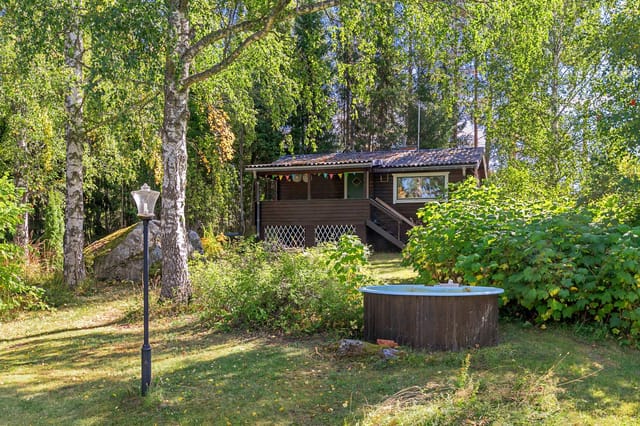
Exterior view of the cottage by the lake

Picture this: it's a Tuesday evening in late July, the kind where the sky over Norrtälje doesn't fully darken until well past ten. You've spent the afternoon swimming at Vattudalens beach, ten minutes on foot through the birch trees. Now you're sitting on the rocky outcrop at the back of the garden, a glass of something cold in hand, listening to absolutely nothing except wind through pine branches and the occasional splash from next door's dock. This is what Lännavägen 332 actually feels like to own. The house itself was built in 1966 and sits on a generous plot of 2,862 square meters — an uncommon amount of breathing room for this part of Norrtälje municipality. At 65 square meters of living space, the main house is compact but genuinely functional. Two bedrooms, a living room, a kitchen, and one bathroom. Nothing oversized, nothing wasted. The kind of layout that Swedes have been getting right for decades: enough room for family life, small enough that someone who uses the place seasonally isn't drowning in upkeep. What sets this property apart isn't the square footage — it's the compound feel. A separate guest house sits on the plot, entirely independent from the main building. That means you can have your parents or a couple of friends staying without anyone compromising anyone else's routine. The guest house doubles well as a home office, a painting studio, or a teenage bolthole, depending on what phase of life you're in when you buy it. Then there's the sauna. Wood-fired, with a shower, and positioned far enough from the main house to feel like its own ritual. In Sweden, the sauna isn't an amenity — it's a social institution. You fire it up before dinner, not after. Guests arrive, everyone takes turns, conversa ... click here to read more
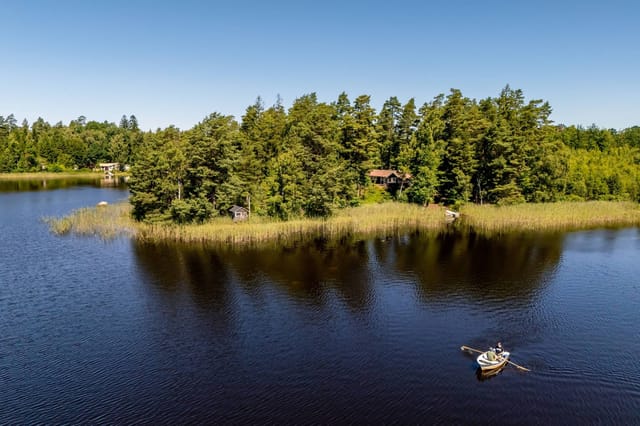
Main house and garden

Wake up on a Saturday morning in July to the sound of absolute nothing — no traffic, no notifications, no neighbors above you. Just the faint lap of Hedsjön's water through the pines, and the smell of woodsmoke still lingering from last night's fire. That's the opening scene of owning this compact, fully furnished country cottage at Hedsjöns fäbodar 308, tucked into the forests of Lingbo in Ockelbo municipality, central Sweden. Thirty square meters sounds small until you're actually here. Then it just feels right — a single bedroom, a main room anchored by a proper fireplace, and a front porch where a morning coffee becomes a half-hour ritual. Everything unnecessary has already been stripped away by decades of seasonal use, leaving only what actually matters: warmth, stillness, and a lake a few hundred meters down the track. Hedsjön itself is the kind of lake that doesn't show up in tourist brochures. It belongs to the people who live near it. In summer, the water temperature climbs high enough for long afternoon swims, and the lake is shallow enough near the banks that kids can wade out without worry. Bring a rod — pike and perch are common catches, and there's something genuinely satisfying about cooking what you caught on a wood stove. A rowboat on a quiet weekday morning, mist still sitting on the surface, is one of those experiences that's hard to explain to people who haven't tried it. The forest around the cottage is old-growth mixed woodland — spruce, birch, and pine — and it's working forest in the best sense. Come late August, the ground shifts to a carpet of chanterelles. Lingonberries arrive in September, cloudberries if you know where to look. This is the kind of foraging that Swedes take quietly seriousl ... click here to read more
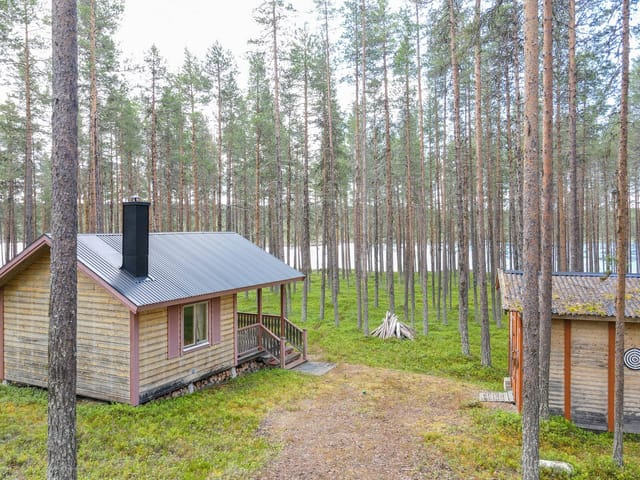
Exterior view of the holiday home

Step out onto the veranda at six in the morning, coffee in hand, and watch the mist peel back from the lake's surface like a slow exhale. The water is still. A pair of loons cut across the far shore. This is what you came north for. Pauträsk 308 sits right at the water's edge in Storuman municipality, Västerbotten — one of the least-visited and most rewarding corners of Swedish Lapland. The house faces south, which up here at 65 degrees north is no small thing. You get sun from the moment it clears the treeline until it drops behind the ridge well after nine in summer. The light lands on the lake and stays there, shifting from white to amber to something almost copper. You won't run out of things to look at. The house itself is 80 square meters — honest, well-kept, and without pretension. Two bedrooms, one bathroom, a kitchen and living room that open into each other the way a practical Swedish interior should. A wood-burning stove anchors the living space; light it on an October evening when the birch trees have gone gold and the temperature drops fast, and the room feels genuinely warm in a way that no radiator replicates. Large windows pull the lake inside — on grey days the water turns graphite and choppy, on clear days it goes deep blue. Either way, you're watching it. The glazed veranda is arguably where you'll spend most of your time from May through September. It pushes the outdoor season out by several weeks in both directions, letting you eat breakfast outside in April when there's still frost on the grass, or linger over dinner in late September without reaching for a jacket. It's not a feature you appreciate in the abstract — it's one you notice every single day. The plot runs to 1,946 square meters, with ... click here to read more
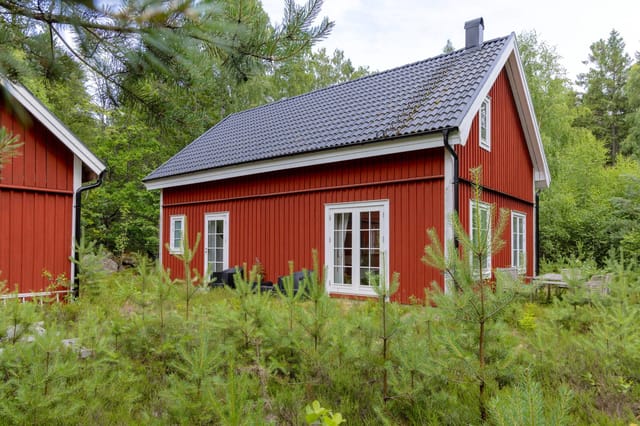
Lakefront view of the house