Houses For Sale In Europe (page 2)

Houses for sale in europe - homestra offers the largest amount of european real estate with over 200,000+ properties, find any type of property within your budget from villas to country homes. buy or rent your perfect home in europe. (page 2)

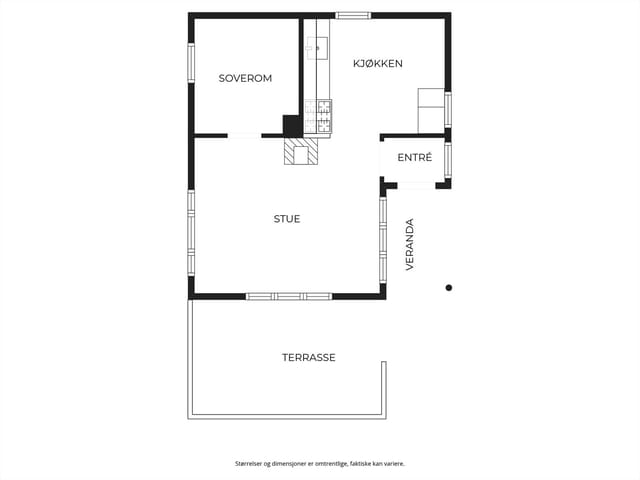
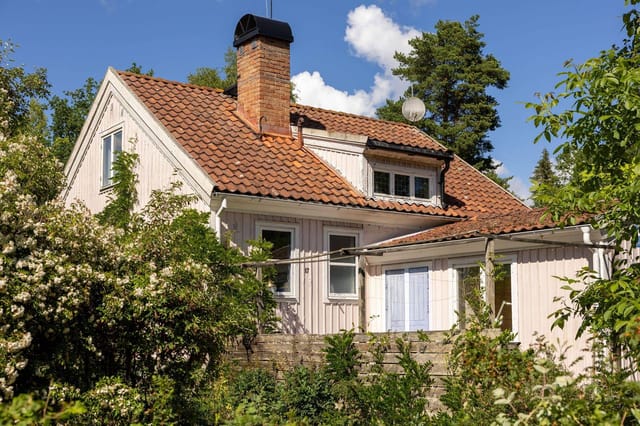
You wake up on a Saturday morning in July, coffee in hand, and step out onto the covered veranda. The air smells of cut grass and pine. Somewhere down the lane, a neighbour is dragging a kayak toward the water. The sea is 850 metres away. You could be there in ten minutes — or you could sit right here, do absolutely nothing, and count that as a perfect morning too. That's the particular pleasure of this two-bedroom holiday home at Björnösund södra 2G in Norrtälje. It's not trying to impress you. It just quietly delivers everything that makes a Swedish summer house worth having. The property sits on a generous 2,032-square-metre plot that feels like it belongs to another era — mature fruit trees, thick hedging that keeps the outside world outside, wide lawns that are made for barefoot afternoons and long Midsummer evenings. The main house comes in at 77 square metres, which sounds modest until you're actually in it and realise the open-plan kitchen and living room have been arranged in a way that makes the space work harder than its footprint suggests. There's a dining area, a proper sofa corner, and a fireplace that becomes the gravitational centre of the room the moment October rolls in and the archipelago wind picks up. A set of doors leads straight off the living room onto the veranda — covered, so you can eat outside even when the weather is being difficult, which in this part of Sweden it occasionally is. Two bedrooms in the main house, a full bathroom with shower, and then the real surprise: a large family room that can be split into one or two additional sleeping spaces depending on how many people you've invited for the weekend. And you will invite people. That's the thing about a place like this — the layout ... click here to read more
Exterior view of the house and garden

Step outside on a February morning and the world is white and silent except for the crunch of your boots and the distant hiss of skis on groomed snow. The cross-country trails are literally 100 metres from your front door. You can smell coffee still brewing in the kitchen. This is what owning a mountain chalet in Eggedal actually feels like — and once you've had a taste of it, a standard hotel weekend never quite cuts it again. Sitting at 861 metres above sea level in the Haglebu recreational area of Numedal, this three-bedroom timber chalet at Nedre Åsseterlia 14 is the kind of property that gets passed down through families. The 80-square-metre layout is honest and unfussy — wooden-panelled walls, exposed ceiling beams, a cast-iron fireplace that does serious work on cold evenings. Nothing is trying too hard. It just works. The living room catches the mountain light in the afternoon, and the large windows frame views that shift with every season — deep pine green in July, flame-orange birch in September, and that particular blue-white silence of a Norwegian winter. The open-plan kitchen connects directly to the living space with a bar-counter setup, which means whoever's making the reindeer stew or the Saturday waffles doesn't miss the conversation. Pine cabinetry, solid wood countertops, a dishwasher — practical without being clinical. Three proper bedrooms give the place real versatility. The master fits a double bed comfortably, and the two additional rooms are set up with bunk beds — genuinely useful when you've got kids or a group of friends along for a ski weekend. Above the entrance hall, a loft accessed by a fixed ladder provides extra sleeping capacity, bringing the total to around eight people. The bathroo ... click here to read more
Welcome to Nedre Åsseterlia 14!

Step outside on a frost-edged October morning, coffee in hand, and there they are—the Cromdale Hills stretching wide across the horizon, catching the first pale light of a Highland dawn. This is what greets you from the south-facing terrace at Cath Ann, a newly completed architect-designed house on Skye of Curr Road in Dulnain Bridge, just minutes from Grantown-on-Spey. Built in 2025 and finished to a standard that genuinely impresses rather than merely ticks boxes, this is not a holiday property cobbled together for the rental market. It was built to live in—properly. The house sits within roughly 0.3 acres of thoughtfully landscaped grounds, framed by pink granite retaining walls cut from the nearby Alvie quarry. That detail matters. The stone doesn't feel imported or decorative—it belongs here, rooted in the same geology that defines the whole upper Spey valley. The sweeping tarmac driveway opens to a generous gravelled turning area, and the elevated plot means that even from the car, you get that first hit of open sky and rolling moorland that makes the Cairngorms feel different from anywhere else in Britain. Inside, the 182 square metres are organised around a dramatic double-height sitting room—the kind of space that makes you pause the first time you walk in. A HWAM Danish wood-burning stove anchors the room, and floor-to-ceiling glazing pulls the landscape indoors so convincingly that on grey November afternoons, when the hills disappear into low cloud, the room still feels alive. Kahrs premium oak flooring runs underfoot, and the glazed balustrade of the first-floor landing hovers above, catching light from the Velux windows that punctuate the upper level. It's an architectural move that gives the whole interi ... click here to read more
Cathann Skye Of Curr

Step out of the boathouse on a July morning, coffee in hand, and the Mefjorden is already glittering. Two piers jut into calm water, a small wooden rowboat knocking gently against the dock. The sandflies haven't woken up yet. This is what you came for. Øyaveien 30 sits at the quiet end of a lane on Østerøya, one of Sandefjord's most established coastal retreats, and it delivers something increasingly rare along the Norwegian Vestfold coast: a full estate — main cabin, annex, boathouse — on a flat 2,009-square-meter plot that runs all the way down to its own sandy beach. South-facing, sun-drenched from mid-morning until the sky turns pink, the property looks out over a scattered panorama of islets and skerries that changes mood with every weather system rolling in from the fjord. The main cabin has the bones of a place that's been genuinely loved. Pine floors, painted wooden doors, traditional wooden interiors — nothing here is trying to be a Scandinavian showroom. The living room is divided into natural zones: a long dining table on one side, a deep sofa arrangement around a fireplace insert on the other. On a cool September evening with the fire lit and the windows fogged from dinner, it feels exactly right. The kitchen is properly functional — solid wood countertops, serious storage, freshly painted walls and ceiling in 2022 that give the space a lighter, more current feel without erasing its character. Access to a crawl-space hatch in the floor adds practical storage for the kind of gear that accumulates when you live a life on the water. Four bedrooms across the main cabin and annex handle a full family or a rotating cast of guests without anyone feeling squeezed. A ground-floor bedroom in the main cabin sits next ... click here to read more
Welcome to Øyaveien 30! Photo: Mille Gran

Step out onto the upper terrace on a Saturday morning and the Svelvikstrømmen is already alive. A kite surfer carves a long arc across the steel-blue water. A fishing boat putters south. The fjord smell — salt, pine, cold stone — drifts up through the open window above the kitchen sink, and you're standing there with coffee, wondering why you ever lived anywhere else. That's the thing about this chalet on Voldenveien 61B in Klokkarstua. It doesn't perform. It just delivers. The property sits right at the fjord's edge in the Verket district, a low-key stretch of Røyken municipality where the summer crowd knows what they've found and mostly keeps quiet about it. One bedroom, one bathroom, 74 square metres of well-considered interior space — and then roughly 90 square metres of terraces wrapped around the cabin at different levels, designed so you can chase the sun from morning to dusk without ever leaving your own plot. It's a compact footprint that lives much larger than the numbers suggest. The chalet is in good condition throughout. Walk in through the entrance hall and you immediately notice how much natural light the place holds — large windows face the fjord, and on clear days the view straight across the water to the opposite shore is the kind of thing that makes people stop mid-sentence. The open-plan living room and kitchen occupy the main floor, and the fireplace in the corner changes the whole character of the room once autumn rolls in. Birch logs crackling while rain crosses the fjord in grey curtains — that's October here, and it's genuinely worth experiencing. The kitchen is properly fitted: profiled cabinetry, stone side panels, a laminated countertop, ceramic cooktop, oven, full-size fridge, and a dishw ... click here to read more
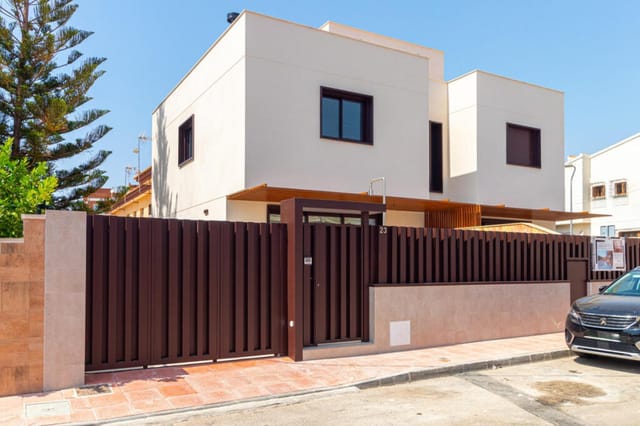
Welcome to Voldenveien 61B! Photo: Trond Flesaker. Taken in August 2025.

Early on a Saturday morning in late August, you step outside with a coffee and the air smells of pine resin and wet grass. The fruit trees at the far end of the garden are heavy with apples. Nobody else is awake yet. That's the kind of quiet that Sunnersbol 72 delivers — not the forced stillness of a spa weekend, but the genuine, unhurried pace of Swedish countryside life. Sitting in Uppsala kommun, roughly halfway between the university city of Uppsala and the small market town of Alunda, this 1976-built country home sits on a plot of nearly 3,000 square meters — almost three-quarters of an acre — that gives you room to breathe in a way that most European second homes simply can't match at this price point. At 149,500 SEK, this is one of the more accessible entry points into Swedish rural property ownership you'll find, and the combination of move-in condition, outbuildings with genuine conversion potential, and that sweeping plot makes it worth a very serious look. The house itself is compact and honest — 50 square meters of classic Swedish timber construction, painted in the kind of deep, earthy tones you see on farmhouses all across Uppland. Wooden floors run through the main rooms, the kitchen is functional and well-maintained, and large windows pull in light from multiple angles throughout the day. In a building this size, light matters enormously, and whoever designed this one got that right. The flexible internal layout — three to four rooms plus kitchen — means a couple can spread out comfortably, or a small family can make it work through the summer months with the bedrooms and living space reconfigured to suit. What makes this property genuinely interesting, though, is what sits outside the main house. Ther ... click here to read more
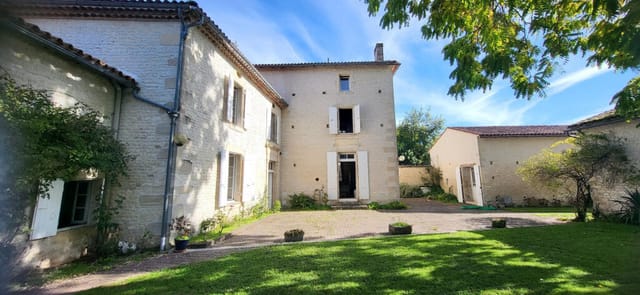
Exterior view of the holiday home and garden

Early July on Vätö, and the light never quite leaves the sky. By nine in the evening it's still pale gold through the birch trees, and from the south-facing deck at Svartträskvägen 19 you can hear absolutely nothing except the occasional woodpecker working through the pines. That specific silence — no traffic, no neighbors' televisions, no city hum — is what people drive two hours north from Stockholm to find. This is it. Vätö is one of those places that Stockholmers tend to keep quietly to themselves. Technically an island in the northern Stockholm archipelago within Norrtälje municipality, it's connected by road so you arrive without any ferry anxiety, yet the moment you cross onto the island the pace genuinely shifts. The air smells different — pine resin and lake water — and the roads narrow into single tracks flanked by wildflowers that locals pick for their midsommar wreaths every June. The Sörgården area where this property sits is among the quieter pockets of the island, which is saying something. The house itself was built in 1977 and sits on a 2,323 square metre plot that's been left largely natural — mature trees, mossy ground cover, that particular Swedish woodland character you can't manufacture. It's not manicured and it's better for it. The lot gives you genuine privacy, room for a kitchen garden if you want one, and space to add a sauna cabin down the line (many neighbours have done exactly that). At 55 square metres the house is compact but considered: an open kitchen and living area that work together rather than against each other, two bedrooms, one bathroom with shower and toilet, and a wood-burning stove that transforms the entire place on a cool September evening when the archipelago light turns a ... click here to read more
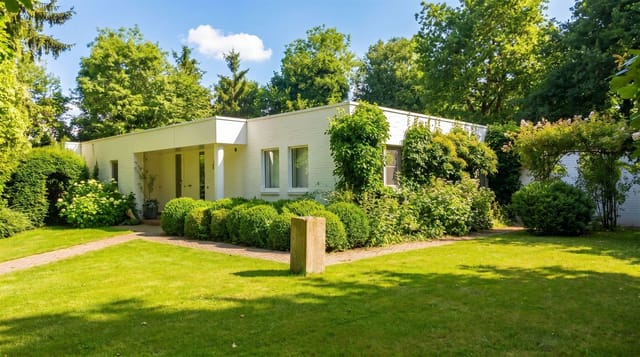
Exterior view of the holiday home

Step outside on a September morning and the River Tay is right there — maybe 75 meters from the front door — running fast and silver after overnight rain, with a heron standing absolutely still in the shallows. That's the kind of thing you wake up to at Riverbank House. Not occasionally. Every day. Built in 2009 and sitting on 1.4 acres in the Highland Perthshire village of Grandtully, this five-bedroom, four-bathroom detached home spans 385 square metres of thoughtfully designed space. It's in genuinely good condition — not the kind of "good condition" that means you'll be living around builders for six months. Move-in ready, with underfloor heating on the ground floor, oil-fired central heating throughout, and interiors that have been maintained with real care. The architecture makes a statement without shouting. Timber front doors lead into a double-height entrance hall where a split staircase rises on both sides to a galleried landing, and a large arched window throws light across the whole space on even the greyest Perthshire afternoon. Which, honestly, there will be some of. That's part of it. The drama of the light changing over the Tay — from pearl-white midwinter mornings to those long amber summer evenings when it barely gets dark until 10pm — is something that gets under your skin. The drawing room is where people tend to stop and just stand for a moment. An open fireplace on one wall, and on the other, a run of windows culminating in a semi-circular bay that frames the river and the garden like a painting you've chosen to live inside. Sliding internal doors connect it to the dining room, making the whole ground floor expandable for a big family Christmas or contractable for a quiet Tuesday evening. The kit ... click here to read more
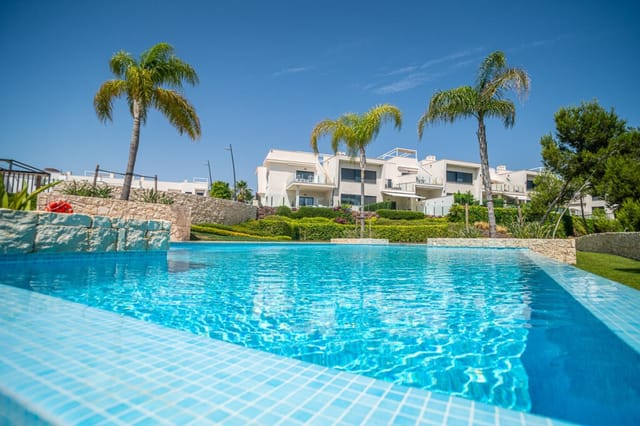
Front

Step off the veranda at Skirød 9 and you're three paces from the water. Not a view of it from across a road, not a glimpse between neighboring plots — the actual shoreline of Vansjø, one of Norway's largest and cleanest inland lakes, right there at your feet. On a calm July morning, the surface is glassy enough to reflect the treeline on the far bank, and the only sounds are a woodpecker working at a birch somewhere behind the cabin and the soft knock of your rowboat against the mooring post. That boat mooring is one of those details that changes how a property actually feels to live in. On a whim, you can paddle out at dusk. You can fish for pike and perch without loading a car. Guests arriving at the annex can grab kayaks and be on open water before breakfast is even ready back at the main cabin. The cabin itself was built in 1974 and has that honest, no-fuss Nordic character that newer builds spend a lot of money trying to fake. The living room and kitchen share an open space anchored by a slate-clad wood-burning stove — the kind that radiates enough heat to make October evenings genuinely cozy rather than just tolerable. Large windows frame the lake rather than just acknowledging its existence, and in the long light of a Norwegian summer evening, the interior glows in a way that's hard to describe without sounding like a postcard. A new corrugated steel roof was fitted in 2022, so the big-ticket maintenance is already done. The 55-square-meter veranda wraps around the front of the cabin, partly covered so rain doesn't cancel outdoor dinners. This is where life at Skirød 9 really happens — coffee at the uncovered end in the morning sun, a long lunch in the shade, and then back out again as the evening light shifts ... click here to read more
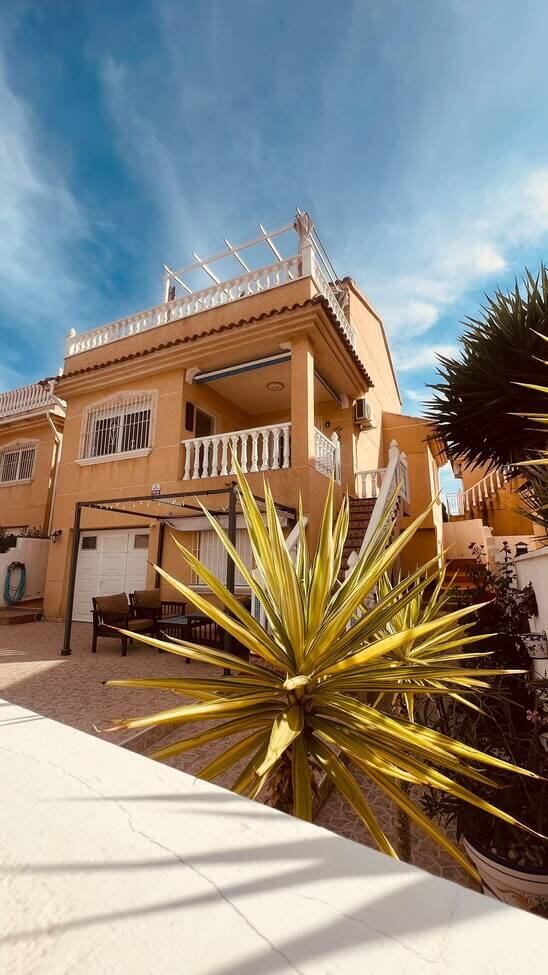
Welcome to Skirød 9 - A cabin gem in scenic surroundings close to idyllic Vansjø!

On a quiet Sunday morning in Rekem, you open the veranda doors and the garden comes alive — the shimmer of your private pond through the trees, the faint splash of the heated pool, a wood pigeon calling from somewhere in the old-growth hedge line. This is 6,802 square metres of Belgian countryside doing exactly what it's supposed to do: nothing hurried, nothing crowded, just space and light and the particular kind of quiet that money genuinely can buy. Vijversdreef 3 sits in Rekem, a protected village that Belgium's heritage authorities have actually recognised as one of the country's most architecturally intact historic settlements. The cobbled heart of the village is ten minutes on foot. The Dutch city of Maastricht — with its Vrijthof square, its Burgundian food culture, and its weekend markets spilling out along the Maas — is a fifteen-minute drive across the border. And the Hoge Kempen National Park, Belgium's only national park, starts almost at the garden's edge, with its heathland trails, cycling routes, and pine forests stretching out toward the German border. The villa itself is a 623 m² traditional build, solid and well-proportioned, with a character that holds up across seasons. Come January, when frost settles on the tennis court and the pond catches the low winter light, the house earns its keep differently than it does in July — and it earns it in July too, when the covered, heated pool means guests are in the water regardless of what the Belgian sky decides to do. The interiors reward attention. The entrance hall sets a confident tone immediately; the living spaces are generously scaled without tipping into cavernous, and the country-style kitchen — induction cooktop, steam oven, oven, microwave, dishwa ... click here to read more
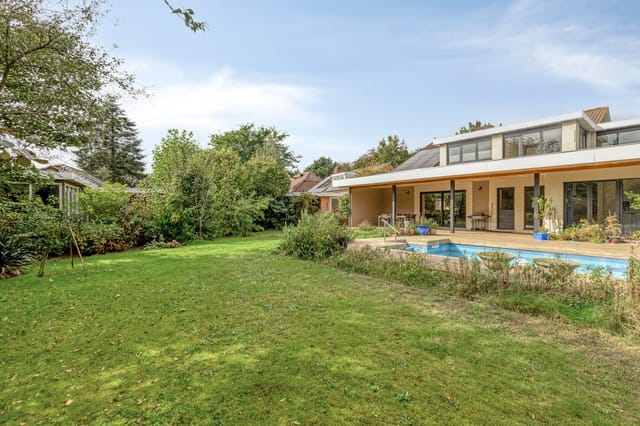
Front view of Vijversdreef 3, Lanaken

On a still July morning in Långvreten, the first thing you notice is the silence. Not the absence of sound, but the right kind of sound — wood pigeons in the birch canopy, a distant lawnmower two plots over, the soft creak of a garden chair. By eight o'clock, the sun has already been up for hours. That's the Swedish summer for you. Jädravägen 10 sits on a 2,828-square-metre plot in Bro, Upplands-Bro municipality, about 40 kilometres northwest of Stockholm. It's a 1969 timber cottage that one family has quietly looked after for over five decades. Three bedrooms, one bathroom, 48 square metres of living space inside — and then a vast, tree-lined garden that does most of the real living for you. This is the kind of Swedish vacation home that doesn't exist in brochures because families hold onto them for generations. When one finally comes available, you pay attention. The interior keeps its original bones intact. Low ceilings. Wood-panel walls in that particular warm ochre that 1960s Swedish cottages seem to own. A fireplace in the living room that becomes the social centre of the house the moment September arrives and the evenings cool fast. The kitchen is compact and functional — there's a rhythm to cooking here, the way you plan meals around what's at the local shop in Kungsängen rather than having everything delivered to your door. It changes how you eat, and usually for the better. Three bedrooms means room for kids, grandparents, or that one friend who always lingers into the following week. A note worth knowing upfront: the bathroom currently has a composting toilet and no running water connection to the mains. This is common in older Swedish fritidshus and entirely manageable as a warm-season property, which is p ... click here to read more
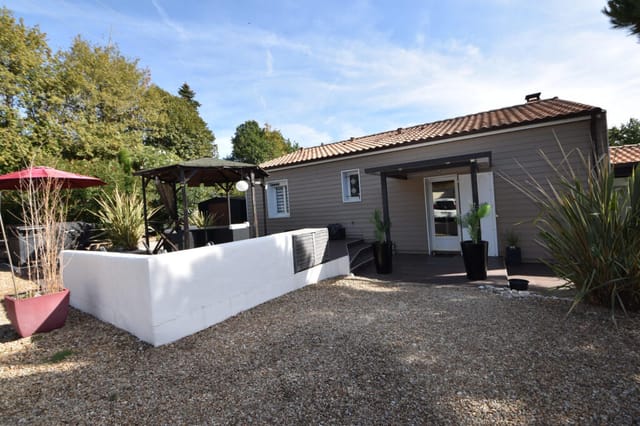
Front view of the holiday home

Saturday morning in 's-Gravenvoeren, and the only sounds are birdsong and the distant clatter of a church bell somewhere up on the hill. You open the kitchen window and the air that comes in carries cut grass and something floral from the garden hedge. This is what mornings feel like here — and this is the kind of morning you could own. Moelingerweg 13 is a three-bedroom detached bungalow sitting on a generous 1,027 square metre south-facing plot at the quieter end of one of Belgium's most underrated rural corners. The Voerstreek — that compact, Dutch-speaking pocket of Liège province tucked against the Dutch and German borders — has a character completely its own. Rolling farmland, hollow lanes lined with hawthorn, orchards that turn white in April and heavy with fruit by August. It's the kind of place that people stumble across on a cycling holiday and then spend the next five years trying to move to. The bungalow itself was built in 1973 and sits in good condition, well maintained and move-in ready without demanding an immediate renovation project. Single-level living is the whole point here — there are no stairs between you and the garden, no awkward floor plan dividing the house into isolated zones. The front door opens into a hallway with a guest WC, and from there you step into a living room that measures around 32 square metres. It's properly light in there, the kind of light that shifts through the day as the sun arcs across the south-facing garden. Large windows frame the outdoor space like a painting you actually get to walk into. The kitchen is practical and well-fitted with a ceramic hob, oven, extractor hood, and built-in refrigerator — everything in working order, nothing fussy, just a functional cookin ... click here to read more
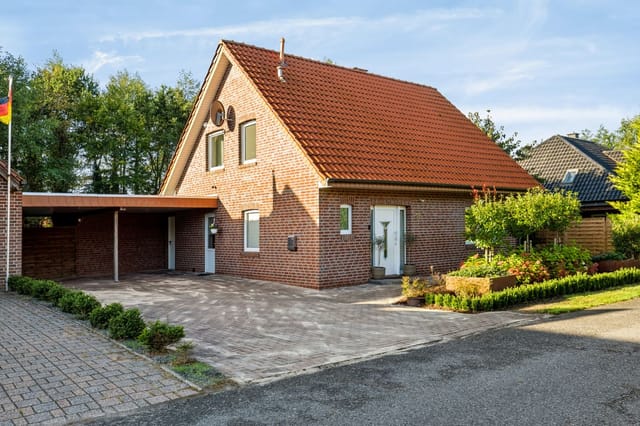
Front view of Moelingerweg 13

On a clear July morning, you open the double balcony doors and the smell hits you first—salt air mixed with pine, drifting up from the Hjeltefjorden. The water below is mirror-flat. Somewhere down at Træet, a kid cannon-balls off the diving board into the natural seawater pool. You put the kettle on. This is not a fantasy. This is a Tuesday. Træsbrekkene 29 is a well-kept two-bedroom chalet in Follese, sitting on a genuinely flat, genuinely sunny 2,499-square-metre plot with direct sightlines across the fjord toward the archipelago between Askøy and Sotra. Two separate annexes, a wood-fired hot tub, 98 square metres of patios, and a carport round out a property that doesn't need reinventing—it just needs someone who wants to use it. The main cabin dates from 1964, built in that era of Norwegian leisure architecture when cabins were designed for real life rather than magazine shoots. At 40 square metres of internal living space it's compact, yes, but the ceiling height in the living room stops it from ever feeling cramped. A fireplace with a new insert and steel pipe—installed in 2020—anchors the room. Light walls, room for a proper sofa group and a dining table that seats the whole family. The double balcony doors swing out onto the main patio, so the boundary between inside and outside basically dissolves on warm evenings. The kitchen does what a cabin kitchen should: it works. Integrated appliances, real storage, no wasted corners. Cooking here on a Saturday night while guests spill out onto the terrace with glasses of aquavit is the kind of simple pleasure that gets harder to find the more money you spend on property. The two bedrooms are sensibly fitted out—the master has a custom-built bed and shelves, the second ... click here to read more
Welcome to beautiful Træsbrekkene 29. A lovely leisure property right by the sea.

Early July, seven in the morning. You slide open the door to the south-facing terrace with a mug of coffee, and the only sound is wind moving through mature birch trees at the edge of your 844-square-meter garden. In ten minutes, you can be standing barefoot on the sandy beach at Årsta Havsbad's bathing area, watching kayakers cut across the water toward the outer archipelago. This is not a fantasy—it's a Tuesday. Sitting on Arkitektvägen in Haninge municipality, about 30 kilometers south of Stockholm's center, this 1952-built single-storey house with basement is exactly the kind of find that locals talk about quietly among themselves. Small, honest, and genuinely good—43 square meters of considered living space that makes you rethink how much room you actually need when the outdoors is this close. The layout keeps things simple, which is part of the appeal. An open-plan kitchen and living area forms the core of the home, anchored by a fireplace that earns its keep from September through April, when the Swedish coast takes on a different, sharper beauty. On October evenings, with the fire going and rain tapping the large windows, this room feels properly sheltered and warm—the kind of atmosphere you can't manufacture in a new-build. The two bedrooms are well-proportioned and quiet. The tiled bathroom is clean and functional, with a shower. Below the main floor, a basement handles laundry and storage, freeing up the living areas to feel uncluttered. Then there's the separate guest cottage—a friggebod of around 15 square meters sitting beside the main house. Guests get their own space. Or you reclaim it as a writing room, a studio, somewhere to work remotely during those long Swedish summer days when the light refuses t ... click here to read more
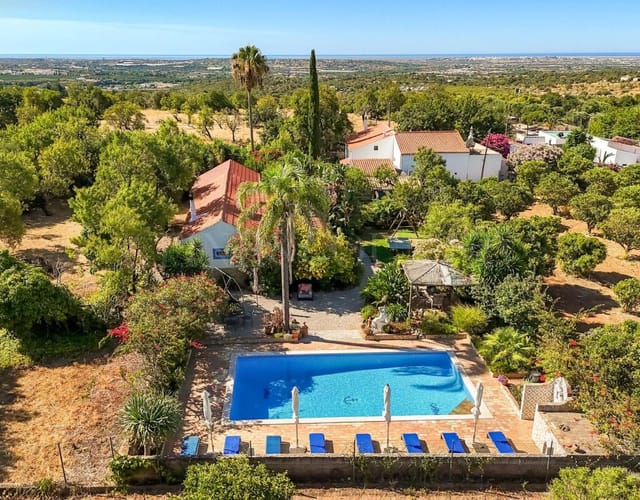
Exterior view of the house and garden

Picture this: it's six in the morning in early July, the Swedish sun is already up and flooding the birch trees outside your kitchen window with that particular pale gold light you only get this far north. You pull on a sweater, step out through the covered terrace, and walk 300 meters down to the stone beach at Edsviken for a swim before anyone else in the neighborhood has stirred. That's not a fantasy — that's Tuesday in Grovstanäs. This two-bedroom year-round house at Edsviksvägen 35 sits on a genuinely generous 2,004 square meters of Swedish bedrock and forest. The plot feels less like a garden and more like a piece of the archipelago landscape that happened to come with a house on it. Exposed granite outcrops push through the ground, tall pines creak when the wind picks up off the water, and a stretch of well-tended lawn closer to the house gives children room to run and adults somewhere to set up the grill on a long summer evening. The storage shed handles the practical overflow — kayak paddles, snow boots, fishing rods — so the house itself can stay uncluttered. Inside, the 67 square meters are arranged sensibly and without wasted space. The kitchen, dining area, and living room flow into each other in a single open space, which means that whoever's cooking isn't excluded from the conversation happening three meters away. The large windows in the living room do real work here: they pull in light from the surrounding trees and, depending on the season, frame snow-covered spruce or the vivid green of new birch leaves. The covered terrace off the living room extends that indoor-outdoor feeling and means you're not chased inside the moment a cloud passes over — in the Swedish archipelago, that resilience matters. Th ... click here to read more
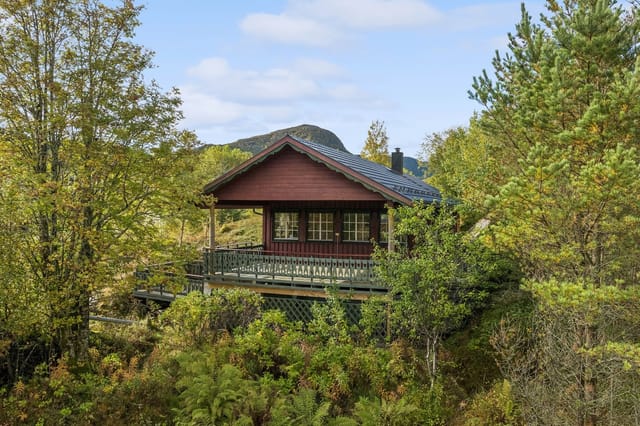
Exterior view of the house and garden

The first thing you notice on a summer morning at Karlsøyveien 145 is the smell — pine resin warming in the sun, salt air drifting up from the water just eighty-one meters away, coffee brewing on a solid wood countertop while light cuts through the trees and lands on the parquet floor. This is coastal Norway at its most honest. Not curated, not performed. Just the sea, the rocks, the forest, and a cabin that has had sixty-five years to figure out exactly what it wants to be. Skjeberg sits in the Østfold region of southeastern Norway, tucked between the cities of Sarpsborg and Fredrikstad, and it is the kind of place that locals quietly love and rarely talk about too loudly. The coastline here is classic Oslofjord — granite outcrops polished smooth by ten thousand winters, shallow bays that warm up faster than you'd expect by July, and a horizon broken only by the occasional sailboat heading south toward Kosterfjord. The property on Karlsøyveien sits right in the middle of all of it, on a 1,660-square-meter natural plot where the garden doesn't try too hard: cultivated lawn near the cabin, then pine trees, then bare rock, then water. The chalet itself was originally built in 1959 — the year Norway first broadcast national television — and there's something in the bones of it that reflects that era's straightforward confidence in timber and craftsmanship. The 2004 extension added breathing room without disturbing the original character, and the result is 71 square meters of thoughtfully arranged interior living space that feels larger than the numbers suggest. Partially open-plan between the living room and kitchen, the layout draws people together naturally. The wood-burning stove sits at the centre of the living room l ... click here to read more
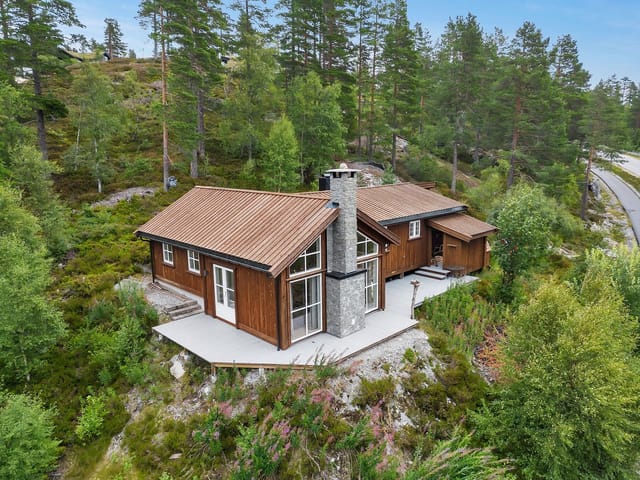
Welcome to Karlsøyveien 145! A charming holiday home resting on solid bedrock, with a great combination of natural plot and developed outdoor spaces.

The ferry from Näsbyviken takes about four minutes. Four minutes, and the mainland's noise is already somewhere else — behind you, irrelevant. You step onto Ringsö carrying nothing but a bag of groceries and whatever you couldn't leave at the office, and by the time you've walked the pine-lined path up to the red-painted house at Ringsöringen 175, the second thing has already dissolved too. That's the honest sell for this place. Not the square footage, not the buzzwords. It's that specific, almost unfair feeling of arriving somewhere that immediately makes your shoulders drop. Ringsö sits in Lake Mälaren, Sweden's third-largest lake and one of Scandinavia's most underrated waterways. The island belongs to Strängnäs municipality, and if you're approaching from Stockholm, you're looking at roughly an hour by car — take the E20 west and follow signs toward Strängnäs, then wind down through Stallarholmen to catch the water crossing. Strängnäs itself is worth knowing: a cathedral town with roots in the Viking age, a medieval old quarter, and the kind of weekly Saturday market on Rådhustorget where you can stock up on fresh-smoked fish, cloudberry jam, and sourdough before heading back to the island. The town is genuinely liveable, not just a tourist backdrop. The property sits on a 2,252 square metre plot — generous by any measure for an island setting. The main house comes in at 36 square metres on the ground floor, which sounds compact until you're inside and realise how well the space has been thought through. A proper kitchen, a living room with windows that pull in long Swedish afternoon light, one bedroom, a bathroom with shower and an eco-friendly Separett composting toilet. Above, a sleeping loft adds another 10 sq ... click here to read more
Exterior view of the holiday home

Saturday morning in Kranenburg, and the only sound you hear from the back garden is birdsong and the faint rustle of the Reichswald trees just beyond the fence line. The robotic mower is already doing its rounds. You're sitting in the jacuzzi with a coffee, the garden pond catching the early light, and Nijmegen—a proper Dutch university city with a great market and even better restaurants—is ten minutes away whenever you feel like it. This is what this house actually feels like to own. Not a fantasy, just a very well-considered life. Built in 2004 on a quiet residential street in Kranenburg, this four-bedroom detached home sits on the German side of the Dutch-German border in a way that gives it the best of both countries. The address is Anne-Frank-Straße 19, a tree-lined neighborhood where the houses have room to breathe and the Reichswald forest—one of the largest contiguous forests in northwest Europe—is literally five minutes on a bike. The house itself is 89 square metres of interior space used intelligently, with underfloor heating underfoot, double-glazed plastic frames keeping the northern winters out, and a Vaillant central heating system installed in 2018 that ticks over without complaint. Solar panels on the roof and solar collectors for hot water mean the energy bills are genuinely low. Not marketing-low. Measurably, practically low. Walk through the front door and the hallway splits the house with quiet logic. To the left: a utility room and a dedicated office—relevant if you're using this as a second home base or working remotely on extended stays. To the right: a guest WC. Straight ahead, the hallway opens into a living room anchored by a gas fireplace, the kind of feature that makes a German November no ... click here to read more
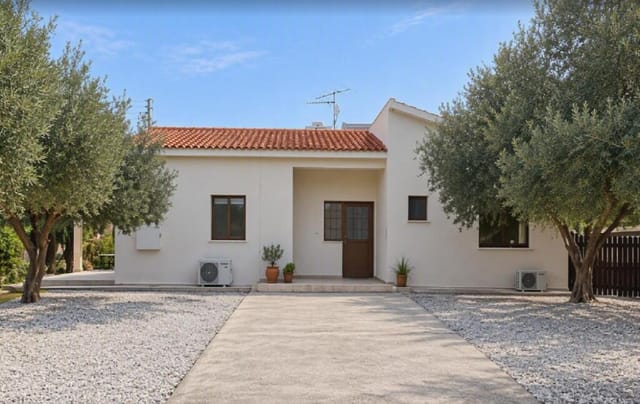
Front view of Anne-Frank-Straße 19

Picture this: it's six in the morning, the mist is still sitting low over Lake Immen, and you're walking barefoot across cool wooden floors to put the kettle on the range cooker. The kitchen smells faintly of yesterday's wood smoke. Outside the west-facing veranda, a blackbird is going absolutely wild in the currant bushes. This is what a Tuesday looks like here — and that's before the weekend even starts. Immen Sörgården 563 is a 1939-built Swedish country home on the edge of Karlskoga municipality, sitting on just under 2,000 square meters of established garden with direct trail access to Lake Immen's swimming spots. It's the kind of place that takes roughly four minutes to make you forget you ever owned a laptop. The house itself runs to about 70 square meters across three main rooms, a kitchen, and a small additional bedroom that was originally used as a storage nook — which tells you something useful about the bones of the place. Swedish farmhouses from the 1930s were built to last, and this one has been kept in good condition without losing what makes it worth keeping. The wooden floors throughout are the real thing, not a renovation gesture, and the kitchen's white-waxed boards give the whole room a clean, light quality even on grey autumn days. The wood-burning stove in the kitchen is fully functional and very much in use — not a decorative relic. When the temperature drops in October, it earns its place. There's also a range cooker for proper cooking, and the kitchen layout is generous enough for a table, which matters enormously if you've ever tried to host six people in a cramped holiday kitchen. The living spaces carry that particular Swedish quality of being simultaneously unfussy and deeply comfortable. ... click here to read more
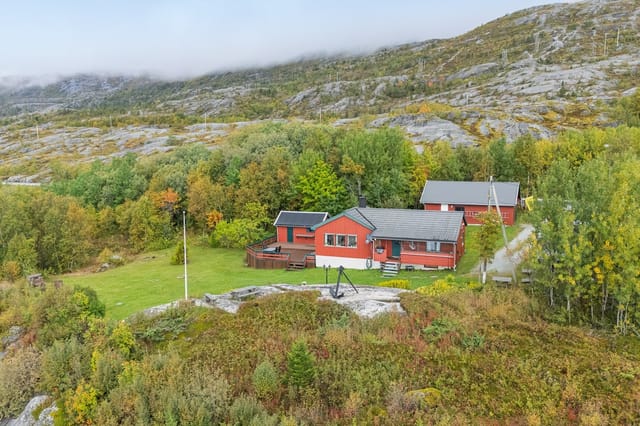
Front view of the cottage and garden

Stand on the smooth, sun-warmed rocks at the edge of Hummerviga 12 early on a July morning, coffee in hand, watching a wooden sailboat cut silently through the glassy water between the skerries. That's the daily reality here. Not a postcard fantasy — an actual morning you'll have, probably dozens of times a year. Søgne sits on Norway's Skagerrak coast, just south of Kristiansand, and this stretch of the Norwegian archipelago is genuinely different from the dramatic fjord scenery people associate with the country further north. Here it's low granite islands, open water, warm summers, and a culture built around being outside. The coastline around Hummerviga is dotted with boathouses, traditional red-painted cabins perched above the tideline, and channels wide enough to explore by kayak for an entire afternoon without retracing your route. People in the region have been spending summers here for generations. Properties with direct shoreline access don't come up often — and when they do, they rarely have 2,553 square meters of land and 77 meters of private waterfront behind them. The main cabin at Hummerviga 12 dates from around 1955. It's a renovation project, and there's no point dressing that up — but the bones are genuinely good. Two floors, five bedrooms, three separate living areas, a kitchen, and multiple verandas that frame the sea views in a way that any architect working today would try hard to replicate. The large windows weren't an accident; whoever built this place understood exactly what they were sitting on. The layout has that particular logic of old Norwegian cabins: spaces that flow into each other naturally, designed for big family gatherings, for card games that run past midnight, for lazy afternoons wi ... click here to read more
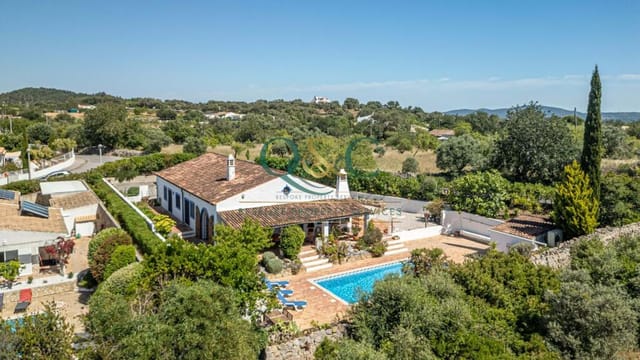
Welcome to Hummerviga 12 in Søgne! Main and guest cabin.

Step out onto the 80-square-metre terrace on a January morning and the world is white and perfectly silent, except for the low creak of frost-laden pine branches and the distant hiss of cross-country ski tracks being groomed just beyond the tree line. That's the kind of moment this chalet in Risdal delivers, not occasionally, but every single time you arrive. Sitting at Vervassheia hytte 3 in the peaceful Froland municipality of Aust-Agder, this four-bedroom year-round cabin is the real thing — a genuine Norwegian retreat built in the classic Buen-Aarak tradition, with solid bones, a warm interior, and enough outdoor space to actually live in rather than just admire from inside. At 100 square metres of interior space plus generous covered and open terracing, it punches well above its price point of NOK 158,000. The cabin was extensively upgraded in 2010, including a new roof and a well-considered rear extension that added meaningful living space without compromising the character of the original structure. The heat pump installed roughly two and a half years ago — a 7.2 kW unit still under manufacturer's warranty — keeps every room comfortable whether it's a sharp February night or a humid August afternoon. Backup warmth comes from a traditional fireplace and a wood-burning stove. On those evenings when you light both and settle in with a glass of something, the parquet floors and warm laminate surfaces absorb the light in a way that no forced-air system ever quite matches. Four proper bedrooms mean this is not a squeeze-in-the-sleeping-bags situation. Up to ten guests can sleep comfortably, making it genuinely viable for extended family visits, a group ski week, or simply having the cousins over every summer without ... click here to read more
Picture 1

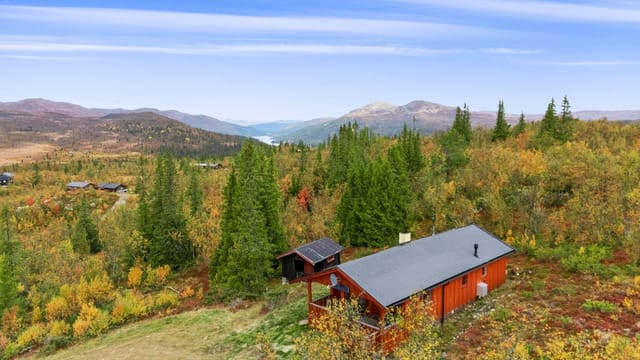
Step off the hiking trail from the E6, push open the old wooden door, and suddenly the whole valley below Virakfjellet opens up in front of you. It hits you before you even get inside: the silence, the cold clean air off the surrounding peaks, the faint sweetness of cloudberries in the marsh that surrounds the cabin on three sides. This is the kind of place people spend years looking for. Built around 1925, this small mountain cabin sits at 330 meters above sea level on Virakfjellet, roughly 20 kilometers south of Narvik in Nordland county. Twelve square meters of interior space — one main room and a bislag entrance — that's it. No pretension, no extras. Just solid old-growth timber walls, a wood stove that'll have the room warm inside twenty minutes, and a view through the single window that most hotel rooms in Norway would charge a fortune for. The roof and exterior cladding were replaced in the late 1970s, so the structure is sound. What it needs now is someone who appreciates what it is: a century-old refuge in one of the least-visited mountain plateaus in Nordland, sold complete with every piece of furniture and equipment inside it. The cabin sleeps three and has done so comfortably for generations. There are no designated bedrooms — this isn't that kind of property. You pull out the sleeping arrangements, light the stove, and the place does what it's always done. It works. Water comes from a spring fed by a geological fault line on the slope above; locals will tell you it hasn't run dry in living memory, and there's no reason to doubt them. The woodshed out back is stocked heavily enough that you won't need to think about firewood for several winters. All of this comes with the purchase price. The 900-square-met ... click here to read more
Outdoor area with stone slab sourced from the local area

Stand in the kitchen on a November morning and watch a red squirrel work its way along the drystone wall while the kettle comes to the boil. The Everhot range cooker has been on since six, the skylight above is streaked with the kind of pale Highland light that photographers chase for hours, and through the back door you can hear the faint run of the burn that traces the far edge of your three acres. This is Balquhidder — a place where mornings feel like they were made specifically for you, and where the word "retreat" actually means something. Set on the southern edge of Loch Lomond and The Trossachs National Park, this three-bedroom stone-built cottage on the Balquhidder road near Lochearnhead is one of those rare Scottish properties that manages to be genuinely off the beaten track without asking you to sacrifice anything meaningful. Good broadband. Solar panels with roughly a decade left on the Feed-in Tariff. A fully operational holiday-let bothy in the grounds already generating income. The bones are solid, the upgrades are smart, and the surrounding landscape is the kind that makes people move countries. The main house stretches across 122 square metres — just over 1,300 square feet — and the space is used well. Walk in through the front door and the lounge draws you immediately: a woodburning stove sits at the far end, the sort you light at dusk on an October Friday and don't let go out until Sunday afternoon. The windows face the garden and beyond it the open ground rises toward the hills. In summer, the light hangs in those windows until almost ten o'clock. In winter, the stove does the work and it does it properly. The kitchen-diner is the room people come back to. The Belfast sink, the Everhot, the skyligh ... click here to read more
Front view of the stone-built cottage and gardens

Pull back the mosquito netting on a July morning, and the first thing you notice is the lake. Still. Mirror-flat. A pair of mallards crossing the surface somewhere out there in the mist. The air smells of pine resin and damp earth, and the only sound is birdsong threading through the trees along Røgdenvegen. This is what 590,000 NOK gets you at the edge of Finnskogen — one of Scandinavia's most quietly celebrated wilderness areas — and honestly, it's hard to put a number on a morning like that. Røgdenvegen 645 sits in Hokkåsen, a small settlement in Innlandet county roughly 18 kilometres north of Kongsvinger. The cabin is compact — 32 square metres of interior — but that number is almost beside the point. The real living happens outside. The covered terrace wraps around 25 square metres of sheltered outdoor space, with solid walls on the west and north sides that block the wind even when autumn rolls in and the birch trees start turning gold. The current owners have spent entire summer nights out here, a daybed pulled close to the railing, waking up to fog drifting off the lake and the faint smell of woodsmoke from somewhere deeper in the forest. It is, quite simply, the best room in the house — and it doesn't have a roof in the conventional sense, just open framing fitted with mosquito netting across every window opening so the evenings stay comfortable without the usual Norwegian summer insect situation. Inside, the layout is open and unfussy. The living room and kitchen share a single flow of space, renovated in 2019 with laminate flooring and painted wall panels that keep things light without trying too hard. Large double-glazed windows installed in 2018 pull in natural light from multiple angles and frame whatever ... click here to read more
Welcome to Røgdenvegen 645 - A charming and simple cabin at the entrance to beautiful Finnskogen.

Early on a July morning at Furukollen 26, the only sounds are pine needles shifting in a light breeze and the faint lap of water from the Oslofjord, maybe three minutes down the coastal path. The coffee is on the wood stove. The south-facing plot is already catching sun. This is what a Norwegian summer cabin is supposed to feel like. Hvitsten is one of those places that Norwegians have kept quietly to themselves for generations. Tucked along the western shore of the Oslofjord in Østfold, it's a village of red and white clapboard houses, sailboats moored at small docks, and locals who've been returning to the same stretch of shoreline since childhood. Artists discovered it over a century ago — the painter Christian Krogh was drawn here, and that tradition of people seeking something genuine and unhurried in Hvitsten hasn't really changed. The village sits roughly 55 kilometres south of Oslo, about an hour's drive down the E6 and then east through Vestby, or accessible by bus from Son with a stop just four minutes' walk from this property. It's close enough to the capital to feel connected, far enough to feel completely removed. The cabin at Furukollen 26 sits on a privately owned plot of approximately 1,877 square metres — a generous spread by any measure, and extraordinary for a waterside community where land this size rarely comes to market. The terrain is natural and rugged in the best sense: granite outcroppings push up through the soil, pine trees crowd the perimeter, and the whole site slopes and rises in ways that create natural pockets of shade and sun throughout the day. A plot like this doesn't just give you space. It gives you privacy in a way that cleared, fenced garden lots never quite manage. The main cab ... click here to read more
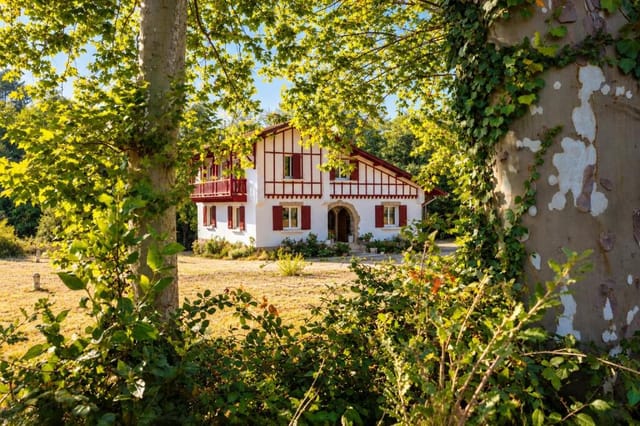
Front view of the cabin and annex

Step out the back door on a Saturday morning and you're looking straight into the green fringe of the Veldwezelt woodland, a mug of coffee warming your hands, the only sound a wood pigeon somewhere up in the oaks. That's the daily opening act at this detached house on Heserstraat — and it never really gets old. Veldwezelt sits quietly within the municipality of Lanaken in Belgian Limburg, and it's one of those places that people outside the region either overlook entirely or quietly keep to themselves. The village has the unhurried pace of deep rural Belgium, yet you can cycle to the Dutch border city of Maastricht in under half an hour along flat, well-marked bike paths that cut through farmland and river meadow. Bilzen is a short drive west. The Albert Canal glints silver on clear days from higher ground nearby. For a second home buyer who wants genuine countryside without surrendering easy access to culture, good food, and international transport, this corner of Belgian Limburg is quietly hard to beat. The house itself was built in the 1960s, and unlike a lot of properties from that era, it hasn't been gutted and stripped of what made it worth keeping. The proportions are generous, the rooms have real depth to them, and someone has clearly looked after the place with care across the decades. New windows went in during 2007, a modern gas central heating system was installed in 2021, and air conditioning was added in 2025 — so the bones are original but the systems are contemporary. The energy performance is solid for a house of this age and type. Inside, you walk into an entrance hall that opens to a living room measuring 36.4 square meters. That's a genuinely large space. An authentic wood-burning stove anchors one ... click here to read more
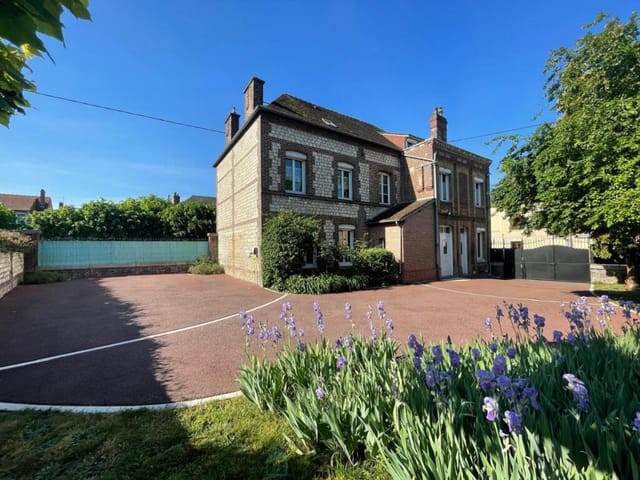
Front view of Heserstraat 31

Wake up to the sound of nothing. Not silence exactly — there's the soft lap of water against the shore fifty metres away, a woodpecker somewhere in the birches, and if it's early enough on a summer morning, the mist still sitting low over Mungasjön. That's the first thing you notice at this 1800s log cabin in Munga, a small community just outside Västerås where people still leave their doors unlocked and wave at strangers on the gravel road. This is a genuine country home vacation property in Sweden, not a weekend renovation project or a lifestyle concept. The main cabin, roughly 75 square metres, started life in Dalarna — the heartland of Swedish rural architecture — and was relocated to this woodland plot in 1965. The logs have had sixty years to settle into the land. They look like they grew here. Step inside and the floors are solid pine, wide-planked and warm underfoot even in autumn. The ceiling beams are exposed and chunky. The open fireplace isn't decorative; it's where everyone ends up after a long day of swimming or foraging in the forest behind the property. The kitchen has its own wood-burning stove, which means two independent heat sources before you've even thought about the covered terrace — which has its own fireplace too, facing the lake. Three fires for a 75-square-metre house. That tells you something about the priorities of whoever built this place. The modernisation has been done without apology or excess. Fibre-optic internet was installed because working remotely from a lakeside cabin in Sweden is, frankly, a legitimate life choice. The bathroom and shower were renovated tastefully, the laundry room updated between 2018 and 2019. These aren't things you'll need to budget for. The house is move-i ... click here to read more
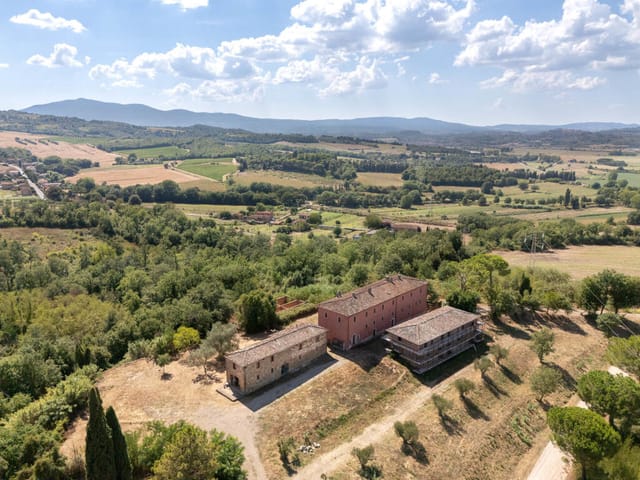
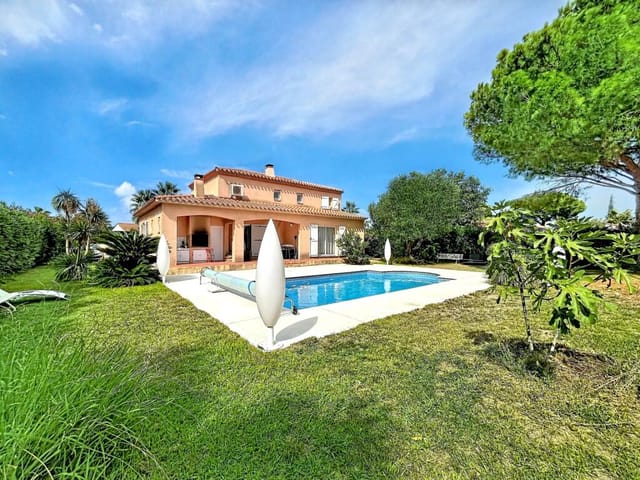
Main house and garden view

You wake up to the sound of water. Not distant water — the kind you have to imagine — but the real thing, lapping against the dock just below the terrace where you're about to drink your first coffee of the day. Fisterfjorden stretches out in front of you, wide and steel-grey in the early light, the kind of view that takes a moment to accept as real. This is Randøy. A small island in Hjelmeland municipality, deep in Rogaland county, southwest Norway — and this three-bedroom timber chalet is one of the most honest holiday properties you'll find anywhere on the Norwegian coast. The cabin itself was built in 1981, all timber construction with horizontal wood cladding, and it carries its age well. Forty-plus years of Norwegian winters have a way of sorting out weak buildings fast, and this one's still standing straight. Roof repairs were carried out as recently as 2026. A new exterior door went in between 2018 and 2020. The bathroom is a 2014 extension — fully tiled, with a shower cabin and panel heater. It's not a renovation project. It's a property you arrive at on a Friday afternoon and have completely settled into by Friday evening, because it comes fully furnished and genuinely move-in ready. Inside, everything sits on one level across 55 square metres. That sounds compact, but the layout earns every centimetre. The open-plan living room and kitchen is the heart of it — wood panelling on the walls, wood panelling on the ceiling, a wood-burning stove from 2016 burning quietly in the corner. It's warm in the way that timber interiors always are, the kind of warmth that has nothing to do with the thermostat. The large windows facing the fjord make the room feel twice its size; on a clear day you can watch the light move ... click here to read more

Welcome to this charming leisure property on Randøy! Photo: Eivind Dirdal

Saturday morning, 8am. The automatic gate swings open, gravel crunches underfoot, and the smell of damp grass drifts in from six thousand square metres of park garden still catching the early light. Inside, the pellet stove is ticking down from the night before, the kitchen island is set for breakfast, and somewhere upstairs a guest is running a bath in the Chanel suite. This is the daily reality of Hubesheide 1 — a 412 m² villa in Opitter, just outside Bree in Belgian Limburg, that operates as a fully functioning Bed & Breakfast and could just as easily become the most extraordinary private residence you've ever called your own. Built in 2005 and thoroughly renovated in 2024, the property is in genuinely excellent condition — not "estate agent good" where you mentally deduct 30% for what you'll actually find on viewing. The bones are solid, the finishes are current, and the energy performance label sits at B (EPC: 157 kWh/m²), which in Belgium's increasingly regulated property market is a meaningful advantage, not a footnote. Five bedrooms. Five bathrooms. Two indoor garages. Four outdoor parking spaces. An illuminated driveway with an automated entrance gate that gives arrivals — whether yours or your guests' — a genuine sense of occasion. The numbers are compelling, but the experience is what stays with you. The ground floor tells you immediately that someone thought carefully about how people actually move through a space. The entrance hall leads to a kitchen that takes its job seriously: island unit, induction hob, combi oven, ample cabinetry, the kind of setup where you can cook a proper Sunday lunch without the kitchen fighting back. The dining and lounge area opens off it with that pellet-and-wood stove anchor ... click here to read more

Front view of Hubesheide 1, Bree

Picture a Friday afternoon in late June. You've just turned off the E6 and onto the quiet country road toward Vikhammer, windows down, and the air already smells different — pine resin, cut grass, and something earthy and green that doesn't exist in apartment stairwells. Twenty minutes from Trondheim's Solsiden waterfront, and yet you feel properly away. That shift is exactly what these funkis-style cabins at På Landet Kolonihage are built around. Functionalism — the architectural movement Norwegians shortened to "funkis" — is having a serious moment in Scandinavian leisure property. Clean horizontal lines, flat roofs turned into usable terraces, large windows that pull the outside in. These 24 new-build cabins wear that aesthetic with conviction, not nostalgia. At 59 square metres across two floors, every square centimetre is accounted for. The open-plan kitchen and living area on the ground floor stretches to 21.3 square metres — enough for a proper dining table, a deep sofa, and still room to breathe. Oak-look countertops, integrated appliances, and a decent extractor fan: the kitchen is set up for actual cooking, not just reheating takeaway. The main bedroom runs to 10.2 square metres, with wardrobe storage built in so suitcases don't colonise the floor on arrival weekend. The second bedroom at 6.1 square metres works for children, for a guest who wants their own door to close, or for a desk and bookshelf if you've decided this is where you do your best thinking. The tiled bathroom sits on the ground floor; a separate WC upstairs keeps morning queues from forming. Small detail, real difference. Then there's the roof terrace. Eighteen square metres up top, and on a Norwegian summer evening — when the sky barely dar ... click here to read more

Welcome to Funkisfritid – a fantastic opportunity to own a top modern cabin in funkis style. Illustration.

Step outside on a Saturday morning, coffee in hand, and you're looking straight at the canal. A heron stands motionless on the far bank. The garden is yours — all 658 square metres of it — and the only sound is wind moving through the old willows. This is Schöninghsdorf-Twist, a quietly extraordinary corner of Lower Saxony where life moves at a pace most people only find on holiday. This three-bedroom detached house on Egon-Schöningh-Strasse is the kind of property that earns your trust the moment you walk through the door. Built originally in 1900 and thoroughly modernised around 2002, it carries the solidity of its era while delivering the practicalities you actually need: HR++ double glazing throughout, heavy-duty wall and roof insulation, a Buderus gas combi boiler, and plastic-framed windows that ask very little of you in terms of upkeep. At 201 square metres of living space, it doesn't just feel generous — it genuinely is. Finding a detached home of this size at this price point anywhere in Western Europe right now is harder than it sounds. The ground floor alone would satisfy most buyers. The living room stretches to 57 square metres, which is not a typo. Garden doors open from an extended section of the room directly onto the west-facing covered terrace — the kind of setup that makes late June evenings feel like they belong to you personally. A wood-burning stove anchors the room in winter, and on grey November afternoons when the mist sits low over the canal, it earns its keep. Off the living room sits a suite room at 11 square metres, useful as a study or a guest overflow, and a proper separate dining room at 15 square metres — enough for a table that seats eight without anyone bumping elbows. The kitchen is ... click here to read more

Front view of Egon-Schöningh-Strasse 15

The first thing you notice, stepping onto the terrace at Håøya 156, is the silence. Not the absence of sound — the sea is never truly quiet — but a particular quality of stillness you only get when the nearest neighbor is a boat ride away and the horizon is nothing but open water and scattered islands. It's the kind of quiet that slows your breathing within minutes. You pour a coffee, sit in the early morning sun, and watch a small wooden boat cut across the sound toward Langesund. This is what you came for. Håøya is a small island in the Langesund archipelago, tucked into the southwestern corner of Telemark county where the Norwegian coastline fractures into a thousand rocky skerries, inlets, and pine-covered outcrops. It's a place that serious Norwegian summer people have quietly kept to themselves for generations. The town of Helgeroa sits nearby on the mainland — a proper working coastal village with a harbor, a boat repair yard, and a bakery that opens early enough to catch the morning ferry crowd. From this property, you reach it by water. This five-bedroom chalet sits on close to 3,000 square meters at the upper end of the island, positioned so that almost every window frames a view of the water and the chain of islands stretching south toward the open Skagerrak. The plot drops gently toward the shore, where the property's private dock sits solid and spacious — well-built timber construction with room for a small motorboat alongside sun loungers and a crab line hung over the edge. On a still July afternoon, the water here is warm enough to swim in. Not Baltic cold. Actually warm. The 110 square meter cabin itself was built in stages, with a sympathetic extension added in 1990 that gave the living room its gener ... click here to read more

Exclusive and substantially upgraded leisure property in private surroundings.

Stand on the terrace at Seiskjærvegen 14 on a mid-July morning and the only sounds are water lapping against the boathouse hull, the distant cry of a tern, and the faint creak of a neighbor's rowing boat somewhere out on the Borgenfjorden. The fjord stretches wide and silver in front of you. Coffee in hand, you are not on a weekend trip. This is yours. Inderøy sits in the Trøndelag region of central Norway, roughly 100 kilometers northeast of Trondheim, and it is the kind of place that serious Norway enthusiasts know about but rarely manage to secure a foothold in. The Stornes peninsula, where this chalet sits on its own small promontory, is especially tight-knit—a scatter of traditional Norwegian coastal properties, low hedgerows, and direct water access. Properties here change hands infrequently and, when they do, tend to go to people who already know the area. This is a real chance to get in. The cabin itself was built in 1982 and has been kept in genuinely good condition over the decades—not just patched up, but properly maintained and incrementally improved. At 55 square meters of internal living space, it is compact but not cramped. The living room pulls the weight here. Large windows face the fjord, meaning the room is bright through most of the day, and in the long Nordic summer the afternoon light has a particular gold quality that turns the interior almost amber. A fireplace anchors one wall, and a modern heat pump handles the cooler shoulder months without fuss. You can run this place from late spring through early autumn comfortably, and with the heat pump doing its job, even October weekends become viable. The kitchen runs white profiled cabinet fronts with under-cabinet lighting—clean, practical, and eas ... click here to read more

Idyllic leisure property in Inderøy with a sheltered location right on the waterfront. The property offers a main cabin, boathouse, grill cabin, and its own shoreline.

Step outside on a July morning and the air carries salt, pine resin, and something faintly smoky from a neighbor's fire pit two plots over. The water at Rubbestadneset sits barely a hundred meters from your front terrace — flat, grey-green, and almost completely still at that hour. This is the kind of quiet that city people drive three hours to find. You won't have to drive far at all. Rubbestadneset is a small coastal community on Bømlo island, tucked into the western fjord landscape of Hordaland county between Bergen and Stavanger. Not a tourist trap. Not a postcard village selling itself to outsiders. Just a genuine Norwegian coastal settlement where families have kept holiday cabins for generations, where the neighbors actually wave, and where the sea is accessible not as a backdrop but as a daily fact of life. The E39 connects you to Bergen in roughly two and a half hours, and Stavanger is a similar drive southward — making this a legitimately usable second home for people based in either city, or for international buyers flying into Bergen Airport Flesland who want somewhere real rather than somewhere staged. The chalet at Bråtanesvegen 30 sits on its own freehold plot of 1,647 square meters. That number matters here because space at the water in western Norway is finite and rarely comes with car access all the way to the door. This one does. The driveway runs directly to the cabin, which means unloading the car after a long week in the city doesn't involve dragging bags down a gravel path in the rain. A small thing until you've done it twenty times. The main structure dates from 1978 but tells you nothing about what it was in 1978 — it's been extended in 1980, 2007, 2013, and 2017, and the result is a cabin tha ... click here to read more

Front view of the holiday home

Early on a July morning, before the rest of Sandefjord has had its first coffee, you can walk straight off the deck of this cabin and into the Oslofjord. No crowds, no queued-up beach towels, no paying for parking. Just 75 metres of your own shoreline, a private dock with wooden decking still cool under your feet, and a sea so glassy it mirrors the sky back at itself. This is what waterfront ownership on the Norwegian coast actually feels like — and this 1930s chalet at Hagaløkka 122 on the northeast shore of Østerøya puts it within reach. The property sits on a freehold plot of approximately 2,016 square metres, which is a genuinely rare thing on this stretch of coast. Plots here rarely change hands, and when one does, it tends to go fast. The shoreline includes a sandy beach — proper sand, not the rocky slabs you find a few hundred metres in either direction — plus a concrete-and-timber dock with steps leading down to the water. From midsummer through late August, the Oslofjord warms to temperatures that make daily swimming not just possible but genuinely irresistible. The main cabin dates to 1933, extended in 1960 to add a second bedroom, with the roof updated in 2008. It's honest, unpretentious architecture — a functional Norwegian coastal style that fits its surroundings the way a good pair of sea boots does. Inside, you get 67 square metres of well-organised space: a living room with large windows framing that uninterrupted sea view, an open fireplace that earns its keep through the long shoulder seasons of spring and autumn, two bedrooms both oriented toward the water, and a separate kitchen with custom-built fittings. The dining area opens off the living room through an arched opening with a built-in bench alon ... click here to read more

Welcome to Hagaløkka 122! Illustrative plot boundary. Photo: Karl Filip Kronstad

Stand on the southwest-facing balcony at seven in the morning, coffee in hand, and watch the Helgeland ferry cut a white line across the glassy water below. The air smells of salt and spruce. Nothing moves except the birds and the tide. This is Sørfjorden on a Tuesday, and it feels exactly like what you imagined Norway would feel like before you ever visited. The cabin at Sørfjordveien 58 sits roughly a hundred meters from the shoreline, elevated just enough — twenty-five meters above sea level — to give you that panoramic southwest sweep across the water without ever feeling exposed or wind-battered. It's a compact, practical property: 43 square meters of indoor living space, two bedrooms sleeping up to six, one bathroom, and a wraparound terrace of approximately 40 square meters that genuinely doubles your usable space from late May through September. Built in 2010 and given a solid renovation in 2017, it's in good condition and ready to use from day one. No project, no surprises. Just show up. The plot itself runs to 954 square meters, which out here in Rødøy municipality — one of the least densely populated stretches of the Norwegian coast — feels genuinely generous. There's room to breathe, room for the kids to roam, room to eventually build the boathouse the area is already regulated for. That detail matters more than it might first seem. A permitted boathouse and floating dock means direct sea access for a small boat or kayak, which transforms how you experience the fjord. Instead of watching the water, you're on it. Sørfjorden sits in the Helgeland region of Nordland, roughly 100 kilometers south of the Arctic Circle. That sounds remote, and in some ways it is — that's precisely the point. But remote here does ... click here to read more

Balcony

Step outside on an August morning and the water is already doing that thing it does in southern Norway — going completely still, like glass, with the pine-covered hillside mirrored so perfectly you could almost forget which way is up. The dock is twenty steps from the back door. The coffee is still hot. This is the daily rhythm at Strømmenveien 206, a five-bedroom country home on the shores of Songevannet, just outside Tvedestrand on Norway's Skagerrak coast. The property is, in a word, rare. Eighteen thousand six hundred square metres — roughly 18 acres — of land that runs directly to the water's edge, giving you a long private shoreline and a dock that belongs entirely to you. No shared access. No neighbours visible through the trees. Just open water, a boathouse, and the kind of quiet that city dwellers spend years chasing. The main house was built in 2021, which matters more than you'd expect. Norwegian waterfront properties of this scale and setting are almost always older, which means inheriting decades of maintenance work, leaky timber frames, and outdated insulation. This one was designed from the ground up for modern comfort in a Nordic coastal climate. The 142 square metres of interior living space — part of a total usable area of 325 square metres across all structures — is laid out sensibly for a large family or a group of friends. Five bedrooms. Two proper bathrooms. An open-plan kitchen and living area where the fireplace anchors the room on one side and the floor-to-ceiling windows on the other drag your eyes straight out to the lake. Those windows are worth dwelling on. The light in this part of Norway shifts dramatically with the seasons, and in summer it barely gets dark at all — there's this long go ... click here to read more

Picture 1

Step outside on a July morning in Fide and the air already carries warmth before nine o'clock. The limestone fields stretch out behind the garden, a pair of lapwings call from somewhere beyond the stone wall, and the smell of sun-warmed grass drifts through the open kitchen window. This is southern Gotland — unhurried, specific, and unlike anywhere else in Sweden. This two-bedroom stone house in Fide Österby is the kind of place that makes you stop checking your phone. Built in 2016 in the island's traditional plastered stone style, the house sits on a quiet plot in Fide parish, one of the southernmost corners of Gotland. The island is at its narrowest here, which means you're genuinely a short bike ride from both the east and west coasts simultaneously. That geographical quirk is one of the quiet pleasures of this location — you can catch a sunrise over the Baltic at Grynge algerna one morning and watch the sun drop into the sea from Hoburgen's dramatic cliffs the next evening, all without getting in a car. The building itself is compact and considered. Seventy-four square meters sounds modest until you step inside and notice the ceiling height, the way light moves through the large glass panels throughout the day, and how the open kitchen and living room feel genuinely social rather than squeezed. The fireplace with its insert draws the eye immediately — a five-meter chimney rising through the roof, solid and well-proportioned. On a grey November afternoon, that fire changes everything about the mood of the room. Underfloor heating runs throughout, fed by a ground-source heat pump, so the warmth is even and quiet and costs far less to run than you might expect. The doors and windows were made by local Gotland crafts ... click here to read more

Front view of the stone house and garden

Picture a Sunday morning in early October. The garden is still holding onto summer's last warmth, mist sitting low over the fields just beyond the fence, and you're drinking coffee in the winter garden while the glass walls frame a view of copper-toned trees. The house is quiet. The kids are still asleep upstairs. This is what 192 square metres of well-considered German residential life feels like — and it's available right now at Karinstraße 24 in Veldhausen. Veldhausen sits within the municipality of Neuenhaus in the Grafschaft Bentheim district, a part of Lower Saxony that doesn't get nearly as much attention as it deserves. Tucked in the far west of Germany, pressed right against the Dutch border, this is a region of flat, open countryside, old mill towns, and an unhurried pace of life that's genuinely hard to find this close to two countries' worth of amenities. The Dutch city of Enschede is under 45 minutes by car. Nordhorn, the district's commercial hub, is a short drive east and offers everything from shopping along the Hauptstraße to kayaking the Vechte river on a warm afternoon. Yet back in Veldhausen itself, the streets carry mostly local traffic. It's the kind of neighbourhood where children still ride bikes to school. The house itself was built in 1975 and comprehensively renovated in 2019 — not a cosmetic refresh, but a full, high-quality overhaul that brought everything up to modern standards. Triple-glazed windows throughout. Full insulation. A heat pump paired with a boiler for hot water. Solar panels on the roof. Electric heating with modern controls. The result is a house that looks after itself, running efficiently year-round without demanding constant attention from owners who may not always be on- ... click here to read more

Photo 1 of Karinstraße 24

Pull back the curtain on a mid-January morning at Olavika hytteområde and the fjord light does something extraordinary. Low and pale gold, it cuts sideways through the large living room windows and lands on the wood grain of the floor while the log burner ticks and hisses quietly in the corner. That's the specific kind of quiet you can't manufacture — no traffic, no crowds, just the occasional creak of the boathouse down the slope and the smell of cold salt air when you crack the door. This is Fosslandsosen, on the island of Otterøya in Namsos municipality, and if you've been circling the idea of owning a proper Norwegian coastal retreat, this three-bedroom chalet at the end of that search. Built in 2018, the chalet sits within the well-established Olavika cabin community at Finnanger — an area that locals in Trøndelag genuinely covet for its combination of open-sea access, south-facing light, and the kind of relaxed neighbourliness that makes summer weeks stretch out pleasantly. The plot itself is tidy and considered: wide concrete terraces, a proper lawn, and a partially covered outdoor section that means you're eating outside in the rain without a second thought. Scandinavian pragmatism, done well. Step inside and the ground floor opens immediately into an entrance hall with serious storage — hooks, benches, room for ski gear and wetsuits and all the accumulated kit that coastal life demands. Through the hall, the main living space runs open-plan between the kitchen and sitting room. Ceilings climb high enough that it never feels compressed, and the 2020 wood-burning stove becomes the gravitational centre of the room from September through to May. The kitchen is fully fitted: integrated fridge, freezer, oven, microw ... click here to read more

Olavika Hytteområde 3 presented for sale! (Photo: Martin Hågensen)