Houses For Sale In Europe (page 12)

Houses for sale in europe - homestra offers the largest amount of european real estate with over 200,000+ properties, find any type of property within your budget from villas to country homes. buy or rent your perfect home in europe. (page 12)

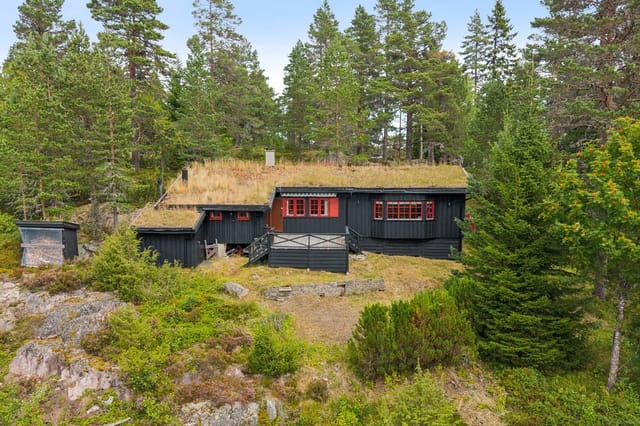
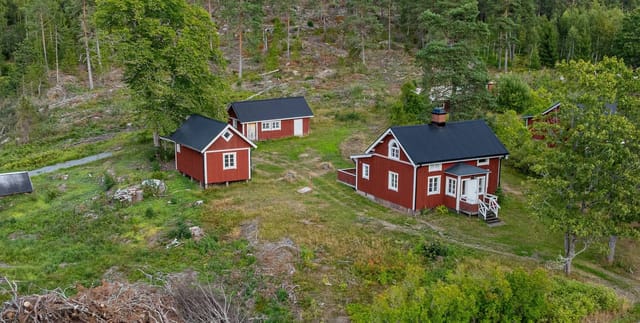
Step onto the 40-square-metre south-facing terrace at Sundmyr 21 on a July morning and you'll understand immediately why people keep coming back to this corner of Rogaland. The light here is extraordinary — long and golden, bouncing off the water below, warming the timber decking by eight in the morning. You've got a coffee in your hand, the hills are doing that thing where they shift from blue to green as the clouds move, and the only sound is a woodpecker somewhere in the birch trees behind the plot. That's the life this chalet sells. Everything else is just detail. Built in 2010, this 82-square-metre cabin at Sundmyr 21 in Hovsherad sits in the Sætra recreational area of Rogaland, a part of Norway that doesn't always make it onto the international radar — which is precisely its strength. This isn't the overcrowded fjord circuit. The landscape is wilder, quieter, more honest. Rolling terrain, clear fishing lakes, marked trails that wind through heather and past rocky outcrops with views you'll want to photograph badly and experience properly. The cabin is in good condition throughout, with nothing dramatic required of a new owner beyond turning the key and deciding which trail to take first. The layout is practical in the way that good Norwegian cabin design always is — nothing wasted, nothing missing. You walk in through an entrance hall that doubles as a proper mudroom, which matters enormously when you're coming in from a wet autumn hike or a snowy February ski. From there, the open-plan living room and kitchen takes up the heart of the property, with high ceilings and large windows pulling in the southern light. The fireplace against the wall isn't decorative. On a January evening, when the temperature outside dr ... click here to read more
Welcome to Sundmyr 21!

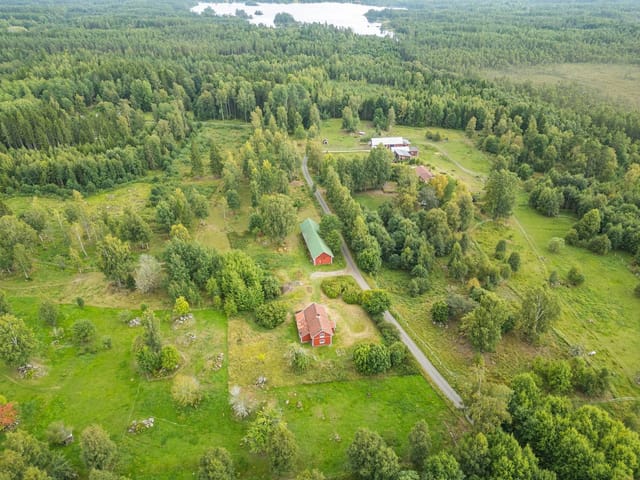
Early morning in Dalsland, the mist still sitting on Östebosjön, and you're already down at the private jetty with a coffee in hand. The rowboat knocks gently against the wood. A heron lifts off from the reeds across the water. This is what you came for — and at Ryr Stommen 6, it's yours every single day you choose to be here. Köpmannebro sits in the heart of Dalsland, a corner of western Sweden that serious nature lovers have known about for decades but that somehow stays off the radar of the crowds. The Dalsland Canal — one of Scandinavia's most celebrated inland waterways, stretching more than 250 kilometres through a chain of interconnected lakes — runs right through this landscape. Östebosjön is part of that system. From the garden at Ryr Stommen 6, you look directly out over it. The house itself was built in 1970 and sits on 1,480 square metres of land in the hamlet of Ryr, just outside the small town of Köpmannebro in Mellerud Municipality. Fifty-nine square metres of living space, two bedrooms, one shower room. Nothing excessive. But there's a layout logic here that works — the kind of thing you only appreciate once you've actually lived in a place. The living room anchors everything, with its wood-burning stove pushing out heat on grey November afternoons while the large windows frame the lake outside. You're never really indoors here, even when you are. The kitchen is practical and light, with a dedicated dining corner that doubles as the best seat in the house on weekday mornings when the sun hits the water at an angle and turns the whole lake silver. A staircase descends from the property directly to the lakeside and the private jetty. In summer, that staircase gets used a lot. Swedes take cold-water swimm ... click here to read more
Front view of the house and garden

Step outside on a Saturday morning in Meerle and the first thing you notice is the silence—not the heavy, empty kind, but the alive kind. Birds in the tree line behind the garden, a light wind moving through the mature oaks, and nothing else. No traffic noise, no urban hum. Just the particular quiet that only comes when a house sits at the edge of a forest on a generous plot of land, with no immediate neighbors rushing past. This is Lage Rooy, a small residential lane in one of Belgium's most underrated rural corners, and this three-bedroom bungalow has been making that morning possible for its owners for years. The plot alone—roughly 1,054 square metres—sets the tone for everything else. The rear garden is a proper park-like space: a stone terrace that catches afternoon sun, a wide lawn rolling toward mature trees and ornamental borders, a gazebo for evenings when the light goes golden, a pond that draws dragonflies in summer, and a wooden storage shed tucked neatly out of sight. The house wraps around this garden on two sides, so the sense of being inside a green envelope is constant. Multiple sets of doors open directly onto it from the living room, the dining room, and the master bedroom, which means the garden isn't just something you look at—it's somewhere you actually live. Inside, the footprint is 217 square metres across two floors, organized with real intelligence around the ground-floor master suite. That bedroom, roughly 15.5 square metres, opens via French doors onto the rear garden and connects directly to a dedicated walk-in closet of about 7.5 square metres with fitted wardrobes. The en-suite bathroom—around 9 square metres—has a walk-in shower with a glass partition, a full bathtub, a vanity unit, and ... click here to read more
Front view of Lage Rooy 23 E

Step outside on a February morning at Svartbekken 37 and the ski tracks are already lit up by a low winter sun, less than a hundred meters from your front door. You click into your bindings, push off, and within thirty seconds you're gliding through birch forest with nothing but the sound of your own skis on packed snow. That's not a weekend fantasy — that's a Tuesday here in Nerskogen. Sitting at 660 meters above sea level in the Rennebu municipality of Trøndelag, this three-bedroom chalet is the kind of Norwegian cabin property that rarely makes it onto the open market in this condition and at this price. Built in 2000 and well maintained ever since, the 61-square-meter home sits on a generous freehold plot of 1,025 square meters with open terrain on all sides. No feeling of being hemmed in. Just sky, mountain ridges, and that particular silence you only get at altitude. The 44-square-meter south-facing terrace is, honestly, the heart of this property. Norwegians have a word — friluftsliv — for the philosophy of living outdoors as a way of life, and this terrace is built for exactly that. It's wide enough for a proper dining table, a couple of sun loungers, and still space left over for the kids to move around. On a clear July afternoon, the sun hits it from mid-morning until well into the evening. Midsummer dinners out here, with the mountains turning gold and a cold Hansa on the table, are the kind of evenings that become family mythology. Inside, the layout is compact but genuinely functional — which is what you want in a mountain cabin. The open-plan living and kitchen area is the main gathering space, anchored by a wood-burning stove that transforms the room on cold evenings. Large windows pull the landscape in ... click here to read more
Front view of the cabin at Svartbekken 37

Step out onto the terrace at seven in the morning, coffee in hand, and the Eidangerfjord is right there — wide, silver, and catching the first light of the day. Not visible from a distance through a sliver between rooftops. Actually there. That view is what you'll think about every single morning you're not here. This three-bedroom chalet at Bergsbygdavegen 152C sits at Døvika, one of Porsgrunn municipality's most coveted fjordside pockets, on a hillside position that gives it full-day sun from the moment the sun clears the ridgeline to the last warm glow of a Norwegian summer evening. The elevated plot isn't just about the view — it means the outdoor spaces stay dry faster after rain, catch every degree of warmth, and feel genuinely private. Neighbors exist but don't intrude. That's a rarer thing than it sounds in this part of Telemark. The walk to the water takes under five minutes on a footpath that winds through the landscape. Bring towels. The swimming area at the bottom is the kind of spot locals guard jealously — calm, clean, sheltered from wind, with rocky ledges for jumping and shallow entry for kids. In July and August, when southern Norway warms up properly, this becomes the entire shape of a day: morning coffee on the terrace, a mid-morning swim, lunch back at the cabin, afternoon in a sun lounger, another swim before dinner. Repeat. It sounds simple because it is, and that's exactly the point. The chalet itself was first built around 1954, which gives it a certain solidity and character that newer recreational builds often lack. It's been substantially updated rather than cosmetically refreshed — and there's a meaningful difference. In 2012, water, sewage, and a fully fitted bathroom were installed. The e ... click here to read more
DNB Eiendom presents Bergsbygdavegen 152C

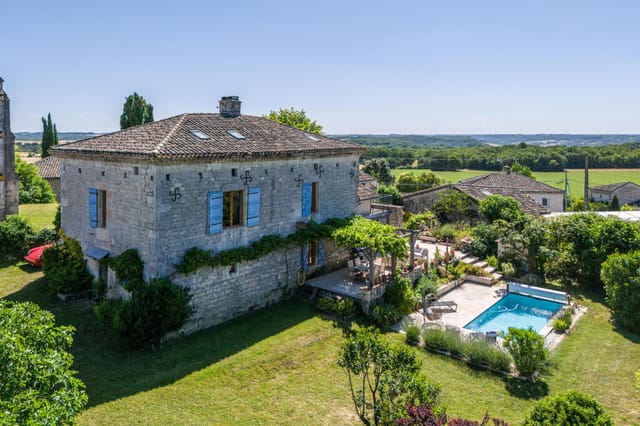
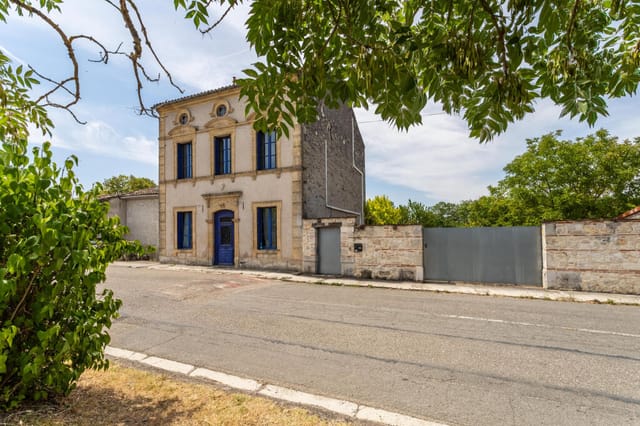
Sunday morning in Salles-Lavalette and the smell of fresh bread from the boulangerie two streets over drifts through the tall kitchen windows before you've even put the coffee on. That's not a fantasy — the bakery is genuinely that close, and yes, it's the kind of village where the baker knows your order by your second visit. This is Charente at its most unhurried, and this six-bedroom stone house sits right at the heart of it. At 293 square metres across a thoughtfully restored, characterful layout, the property is substantial without feeling cavernous. Step through the entrance hall and you're immediately in the 44-square-metre grand salon — a proper room with genuine presence, the sort of space where long dinners stretch past midnight without anyone feeling crowded. Original timber-framed doors and windows have been kept throughout, which matters enormously in a house like this. The bones are old and honest; the comfort is modern and discreet. That balance is hard to find and harder to get right, but whoever restored this property understood it. The ground floor also holds a rustic kitchen with real personality — this isn't a showroom kitchen, it's one you actually want to cook in — plus a second petit salon that flexes easily into a library or home office depending on your needs. A cloakroom completes the ground level. Upstairs, the six bedrooms and three bathrooms are arranged across a layout that makes genuine sense for families or groups, not just on paper but in daily use. Adjoining rooms on both the ground and first floors carry real development potential, subject to the usual permissions, which opens up everything from a self-contained annexe to an expanded B&B operation. Speaking of which — this house is ge ... click here to read more
Picture 1

Stand on the 80-square-metre terrace on a late June morning and you'll hear the Lot River before you see it — a low, unhurried sound threading through the stone village below, mixing with the clatter of a market being set up on the square. That's the rhythm here. Slow, deliberate, and completely irreplaceable. This five-bedroom 17th-century house on the right bank of St-Geniez-d'Olt — the oldest quarter, where the streets are barely wide enough for two people to pass comfortably — sits at a kind of sweet spot that's genuinely hard to find anywhere in southern France at this price point. The village itself is the kind of place travel writers keep "discovering" and then quietly keeping to themselves. Crossed by the Lot River and framed by the wooded hills of Aveyron, St-Geniez-d'Olt sits at the edge of the Aubrac plateau — one of the last genuinely unspoiled high plateaux in France. The surrounding landscape is why people who come here for a week end up buying property. Rolling grassland grazed by the famous Aubrac cattle, forests of beech and oak climbing the valley sides, and the Lot cutting a clean green line through it all. In July, the village hosts its annual fête with fireworks over the river. In autumn, the hills go amber and rust, and local restaurants put aligot — that volcanic, cheese-pulled potato dish unique to this corner of France — on every menu. In winter, the Aubrac plateau gets real snow, and the cross-country skiing trails around Laguiole are less than 40 minutes away. The house carries its age with dignity rather than fragility. Push open the street door and the shift is immediate: pebble-set floors underfoot, walls of raw stone, and the particular cool quiet of a building that has absorbed three cen ... click here to read more
Picture 1

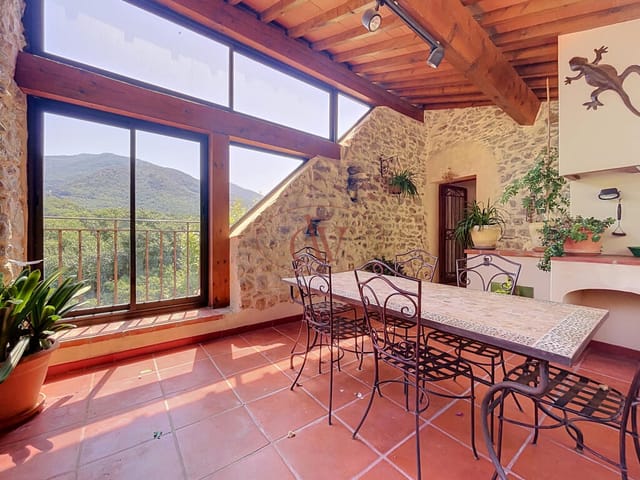
Step onto the south-facing terrace on a clear October morning and there it is—Najac Castle, perched on its narrow rocky spur, the Gorges de l'Aveyron rolling away beneath it in every direction. The mist hasn't fully lifted yet. The wood-burning stove inside is still warm from last night. This is the kind of morning people drive across France to find, and here it comes with your breakfast. Najac sits on the edge of the Aveyron valley like something a medieval cartographer drew on a good day. Frequently counted among the most striking villages in the whole of southern France—it made the official "Plus Beaux Villages de France" list and earns that distinction honestly—it draws visitors from across Europe every summer, yet somehow manages to stay genuinely local. The weekly market runs on Sundays along the main strip, where farmers from the surrounding causse sell raw-milk tomme, walnut oil pressed just up the road, and slabs of aligot mix you'll argue about all the way home. There's a butcher who still knows the name of every farm his beef comes from. That's Najac. This house sits on five hectares of land on the edge of that village, close enough to walk to the boulangerie for a croissant, far enough that you won't hear your neighbours through the wall. You don't have any immediate neighbours. The land wraps around you—nearly four hectares of it contiguous—and the countryside absorbs whatever noise the world is making. In July the evenings smell of dry grass and lavender drifting up from the lower meadows. In November it's woodsmoke and wet earth. Both are worth coming for. The house itself was rebuilt stone by stone from the original structure. That matters here. The builders didn't pretend to add old-world character wi ... click here to read more
Picture 1

Sunday morning in Bergerac starts with the smell of fresh bread drifting up from the boulangerie two blocks away. You open the kitchen door onto the 17-square-metre terrace, coffee in hand, and catch the faint sound of the market vendors setting up along the Place de la Madeleine. That's the rhythm of life this house puts you inside — not on the edge of it, not behind glass. Right in it. This solid 1930s house sits a short walk from the old town centre of Bergerac, one of the most quietly rewarding towns in the entire Dordogne valley. The architecture still carries the bones of the interwar period — the proportions feel generous, the walls thick enough to keep rooms cool well into July — and recent upgrades have brought the practicalities firmly into the present. A newly installed heat pump, air conditioning, full double glazing, and a fitted kitchen mean you arrive and you live, rather than renovate and wait. The ground floor layout is genuinely sociable. The living room flows naturally toward the open-plan kitchen and dining area, which spills directly out onto the terrace. Summer evenings here have a particular quality: the Dordogne region holds its warmth well into September, and al fresco dinners under the fading light are less a special occasion than a Tuesday habit. The ground floor also holds a bedroom and shower room — useful for guests who'd rather skip the stairs, or for turning the upper floor into a private retreat when the house is full. Upstairs, two spacious double bedrooms and a dressing room give the house a flexibility that shorter-term rentals rarely achieve. There's room for couples, families, or the kind of extended-family gathering that the French countryside seems specifically designed to encou ... click here to read more
Picture 1

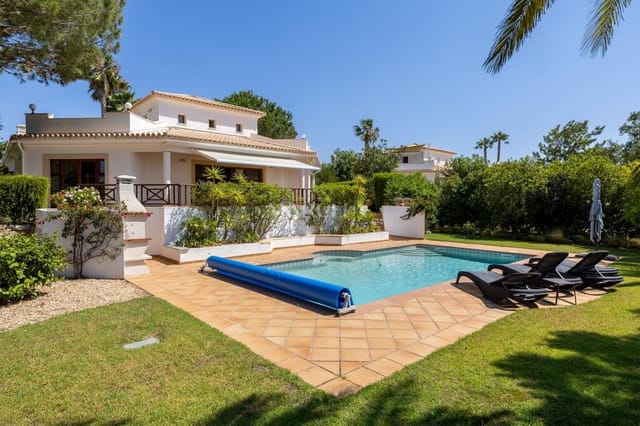
Sunday morning in Saint-Romain starts with birdsong and the faint smell of bread drifting over from Aubeterre-sur-Dronne, just a few minutes down the road. You slide open the glass doors onto the veranda, coffee in hand, and the pool catches the early light. The kids are still asleep. This is yours. That's the kind of morning this property delivers — not just once, but every time you pull up the drive. Tucked into a small hamlet in the Charente department of southwest France, this modern five-bedroom villa sits in one of the country's most quietly rewarding corners. Aubeterre-sur-Dronne is one of Les Plus Beaux Villages de France — that official designation handed to fewer than 160 communes in the entire country — and it earns it. The medieval church of Saint-Jean, carved directly into a cliff face, is the sort of thing that stops first-time visitors in their tracks. The weekly Saturday market along the main square fills with local cheeses, walnuts, honey from Périgord, and wine from the surrounding Charente vineyards. It's a ten-minute drive, and after a few visits you'll know half the stall holders by name. The house itself spans 234 square metres across three levels, and the layout is genuinely clever. The heart of the ground floor is a 57-square-metre open-plan living and dining area — properly open, the kind where a group of eight around the table doesn't feel cramped — with a sleek fitted kitchen that runs along one wall. No fussy cabinetry or dated tile splashbacks here. Clean lines, good light, and a design that invites cooking rather than just tolerating it. From this space, wide glazed sliding doors open onto a covered veranda that rivals the living room for sheer size, and from there the eye travels straigh ... click here to read more
Picture 1

Sunday morning in Saint-Romain and the only sound is the wind moving through a field of sunflowers. Not a neighbour in sight. Just the soft creak of the farmhouse shutters and, from the kitchen, the smell of coffee brewing in a room that somehow manages to feel both brand new and a hundred years old at the same time. This is the kind of quiet that city people spend years chasing. This four-bedroom, three-bathroom detached farmhouse sits on a full acre of private grounds along a no-through lane in Charente, one of those quietly beautiful corners of southwest France that hasn't yet been discovered by the Instagram crowds. Recently refurbished to a genuinely high standard, it hits a rare balance — the bones of a proper French country house, the comfort of a home that's been thoughtfully brought into the 21st century. You're not buying a renovation project. You're buying the result of one. Step inside and the entrance hall is wide and airy, the kind of space that sets the tone for everything that follows. The sitting room keeps its period features — there's real character here, the sort that can't be installed, only preserved. The kitchen and breakfast room is newly fitted with high-end appliances and opens naturally toward the gardens, so summer mornings flow from coffee to croissants to a chair outside without any real effort at all. A ground-floor bedroom, shower room, and utility room with the central heating boiler round out the practical side of things, meaning guests or family can stay downstairs entirely if needed. Upstairs, three double bedrooms share the first floor. The master has a dedicated dressing area and an en-suite in its final stages of completion — arriving essentially finished. A family bathroom serve ... click here to read more
Picture 1

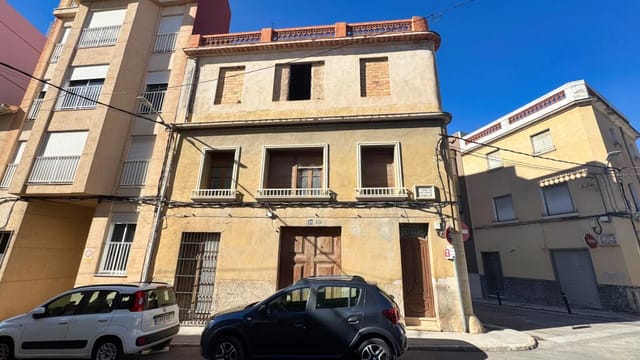
Stand on the attic terrace on a warm June evening and the view hits you all at once — terracotta rooftops tumbling toward the sea, the bell tower of the Dominican monastery catching the last of the light, swallows cutting arcs through air that smells faintly of rosemary and brine. This is Stari Grad, on the island of Hvar, and it has been looking more or less like this for over 2,400 years. That's not a marketing line. It's a geographic fact. Founded by ancient Greeks in 384 BC, Stari Grad is one of the oldest continuously inhabited towns in all of Europe, and this four-bedroom stone house sits right inside its historic core. The house itself spreads across four levels — ground floor, two upper floors, and an attic — covering 180 square metres in total. The bones are there: thick stone walls that keep rooms cool even in August when the mercury climbs past 35 degrees, original architectural proportions that no modern build can replicate, and that rooftop terrace with a view you'd pay good money just to look at for an hour. The property is being sold ready for full renovation, which means the next owner gets to make every decision — the kitchen layout, the bathroom finishes, the way the attic opens up to the sky. It's a blank stone canvas in a UNESCO World Heritage protected zone. Stari Grad sits on the north side of Hvar island, sheltered by a long bay that curves like a half-moon. It's quieter than Hvar Town — deliberately, stubbornly quieter. The people who end up here tend to prefer it that way. There are no nightclubs on the waterfront. What there is: a harbour lined with wooden fishing boats, a morning market where local women sell lavender bundles and homemade sheep's cheese, and a main square that fills up after ... click here to read more
Picture 1

On a still morning in Aveyron, you step out onto the upper terrace and the land just rolls away from you — four hectares of meadow catching the early light, no road noise, no neighbor's roof in sight, just the faint ring of cowbells somewhere in the valley below and the smell of cut grass warming up. That's the daily reality of this property outside Villeneuve, and it hits differently than any brochure photo can prepare you for. This is a genuine Quercy farmhouse that's been taken apart and put back together with real conviction. The bones are original — thick limestone walls quarried locally, timber beams that have been in place for well over a century — but the living spaces read as thoroughly modern. Not in a cold, minimalist way. In the way that good renovation always works: high ceilings kept tall, stone floors kept bare, and new elements like aluminum double-glazed frames and remote-controlled electric curtains added without apology. The old and the new don't fight each other here. They just coexist. The 250 square metres of living space is spread across three levels and ten rooms, which gives the house a generosity you feel immediately. The original billiard room, now used as the main dining room, has a ceiling high enough to fit a mezzanine above it — a genuinely rare feature that changes the atmosphere of an evening meal in a way that's hard to explain until you've sat under it with a bottle of Marcillac wine and candles going. The study overlooks the full extent of the property and opens directly onto the large terrace-roof above the ground-floor extension; on a clear day you can see the limestone causse in the middle distance and the wooded ridgelines beyond. It's the kind of room that makes you want to actu ... click here to read more
Picture 1

Step out onto the front terrace on a July morning and you'll hear it before you see it — the faint toll of the village bell drifting up the hillside, a pair of swallows cutting arcs above the limestone cliffs, and nothing else. That's the particular silence of Les Eyzies-de-Tayac-Sireuil. Not emptiness — richness. The kind that costs nothing and stays with you long after you've gone home. This compact stone cottage sits elevated against the hillside, looking out over a deeply green valley that hasn't changed much since the Cro-Magnon people found shelter in these same cliffs 15,000 years ago. It's been recently renovated — properly done, not cosmetically patched — and the result is a property that works hard despite its modest 41 square metres. Two levels. An open-plan kitchen and living room on the ground floor where the original stone walls keep things cool without air conditioning even in August heat. A shower room tucked neatly beside it. Climb the stairs and you arrive at a single bedroom that catches the morning light and looks out over the terraced hillside below. Three terraces. That detail matters more than it sounds. The front terrace is where you'll drink your coffee. The side terrace catches the afternoon shade and is where you'll eat dinner — confit de canard from the butcher on the main road through the village, a glass of Bergerac rouge, the kind of meal that takes two hours because that's the pace here. The raised terrace at the upper side has a different quality altogether — quieter, more private, the kind of spot where you bring a book and lose an afternoon. Add a renovated outbuilding that can serve as a studio, office, or extra storage, a stone cellar for keeping wine at the right temperature year-r ... click here to read more
0001

On a slow Sunday morning in Ceaux-en-Couhé, the bread oven in the stone shed still holds yesterday's warmth. Eight bedrooms, a pond catching the light through the oaks, and 4.8 hectares of parkland stretching out beyond the kitchen window — this is what a second home in rural Poitou actually feels like. Not a curated Instagram fantasy, but something real and rooted. This is a rare find in the Vienne department: a fully renovated maison de maître that has been operating as a group gîte, sleeping up to 24 guests across its eight bedrooms, all equipped with private shower rooms and WCs. It's move-in ready — or more accurately, move-in and open-for-business ready. The bones are solid, the renovation is done, and the layout is already designed for the kind of communal living that makes group holidays worth taking. Whether you're imagining family reunions across generations, a yoga and wellness retreat in the French countryside, or a creative residency program, the infrastructure is already in place. Step inside and the ground floor sets the tone immediately. There's a generous entrance hall that opens into a laundry room, a dedicated office, a proper kitchen, a dining room, and a sitting room — the kind of layout where a group of twelve can occupy the same house without tripping over each other. Three ground-floor bedrooms, each with their own shower room and WC, sit along a hallway with fitted storage. Upstairs, five more bedrooms follow the same logic: private bathrooms, cupboard space, and enough separation that guests actually sleep well. The boiler room sits in a separate annex, keeping mechanical noise well away from the living spaces. And then there's the bread oven shed — a detail that sounds minor until you've pull ... click here to read more
Picture 1

Sunday morning. You pull open the kitchen window and the smell of the Seine drifts in — that particular mix of cool river air and freshly cut grass from the garden — while your coffee brews. The kids are still asleep upstairs. The village isn't awake yet either. This is exactly what you came for. Set in Mousseaux-sur-Seine, a quiet hamlet tucked inside one of the Seine's great looping bends, this four-bedroom family home sits on a generous 1,500 square metre plot within the Vexin Regional Natural Park. Built in 2007 and maintained with obvious care, the house is move-in ready — no renovation headaches, no compromise on comfort. It's the kind of property where you arrive on a Friday evening, open the windows, and the weekend just starts. The ground floor is laid out for real life. A proper entrance hall — not a cramped corridor — opens into a double living room that handles both a formal dining arrangement and a comfortable lounge without feeling squeezed. The open-plan kitchen connects naturally to this space, so whoever's cooking doesn't get exiled from the conversation. There's a master bedroom with its own shower room on this level too, which works brilliantly whether you have elderly parents visiting or simply want the option of single-storey living as the years go on. A laundry room and integrated garage complete the ground floor — practical details that matter enormously when this is your secondary residence and you arrive with bikes, muddy boots, and river gear. Head upstairs and the partially converted attic space is one of the home's real surprises. Three proper bedrooms sit alongside a bathroom and a dressing room, but the standout is the large open-plan room at the heart of the floor — currently used as a T ... click here to read more
Picture 1

Stand at the front garden gate on a Tuesday morning and you'll hear the Blavet river before you see it. That low, constant murmur threading through the valley — that's the soundtrack to life in Saint-Nicolas-des-Eaux, one of the most quietly extraordinary villages in inland Brittany. The church bell chimes at eight. Someone at the bar-tabac two minutes' walk away is already pulling espresso. And your kitchen window in a house that has stood for over five centuries frames all of it. This is not a renovation fantasy or a project dressed up in estate-agent optimism. The property is in good condition — two stone houses, sold together, on a plot of around 1,093 square metres with gardens front and back and a workshop of 26 square metres. Move in, light the wood-burning stove, and work out what to do with the rest later. That's genuinely an option here. The older of the two houses is the one that stops people in their tracks. Thatched roof, stone walls thick enough to keep August heat out and January damp firmly in its place, a kitchen-dining-living room arranged around a fireplace that clearly earns its keep every winter. Upstairs, a mezzanine level — currently used as a bedroom — gives the space a kind of loft-like openness, and a large double bedroom sits alongside it. The bathroom with WC is on the ground floor, practical and sorted. The second house connects directly through a door, which makes the whole arrangement work brilliantly for families or visiting friends: two distinct spaces, one shared garden life. The ground-floor of the second house has a living room, bedroom, kitchen, bathroom with WC, and a useful storage room. Its first floor adds another mezzanine bedroom, a washbasin, and a further bedroom. Three bedr ... click here to read more
Picture 1

Stand at the end of the poplar-lined driveway on a still September morning and the wrought-iron gate ahead of you feels like a portal to a different century. The stone pillars are warm from the early sun. Somewhere behind the walled park, a woodpigeon calls from the cedar. This is Saint-Romain, tucked into the rolling green corridor between the Charente and Dordogne rivers, and this 1747 residence has been quietly holding its ground here for nearly three hundred years. Aubeterre-sur-Dronne is just minutes away — one of the most visited villages in France and for good reason. It clings to a white chalk cliff above the Dronne river, and on market days the square fills with the smell of rotisserie chicken, ripe melons from Périgord, and the sharp tang of local goat's cheese. The monolithic church of Saint-Jean, carved entirely from rock in the 12th century, draws visitors from across Europe, yet the village never loses its human scale. You can still buy a coffee for less than two euros and know your neighbor's name by your second visit. Back at the property itself, you're looking at 460 square metres of living space in the main house alone. Built in 1747, it reads like a history lesson told in stone and oak. The entrance hall opens into a large dining room flanked by a kitchen on one side and a study on the other. Beyond that, two reception rooms — a sitting room and a billiard room — each anchored by a fireplace that, come November, will make the whole ground floor feel like the warmest place on earth. There's a wine cellar that could, with the right permissions, become an additional bathroom. Up the staircase, a wide landing serves seven bedrooms. Above them, a vast attic with original beams sits waiting — 250 square me ... click here to read more
Picture 1

Sunday morning in Fourges starts quietly. A wood stove ticks as it warms up, the smell of coffee mixing with something faintly earthy drifting in from the garden — damp grass, river water, the particular cool greenness that only the Epte valley seems to produce. From the kitchen window, you can see the old mill wheel at the edge of the village, still and mossy in the early light. This is the pace of life that the Norman countryside does better than almost anywhere else in France, and this two-bedroom house on a thousand square metres of land puts you right at the centre of it. Fourges sits in the heart of the Vexin Normand, a natural regional park that most Parisians have never discovered — which is precisely the point. The village itself is famous locally for its 12th-century watermill on the Epte, a river that famously marked the medieval boundary between Normandy and the Île-de-France. Monet painted these fields. The light here has a quality that artists have been chasing for centuries, soft and diffuse in summer, dramatic and low in autumn, and frankly extraordinary on winter afternoons when the frost sits on the meadows and the river runs dark green. You will notice it every single day. The house is single-storey, a practical layout that makes it genuinely easy to manage as a second home or holiday property in France. The entrance opens into a living space anchored by a wood-burning stove — the real thing, not decorative — which handles the bulk of heating through the colder months without fuss. The kitchen is fitted and equipped, ready to use from day one, which matters when you're arriving on a Friday evening and want to eat well without a supermarket run. One generous bedroom and a bathroom complete the main fl ... click here to read more
Picture 1

Sunday morning in the Loire Valley sounds like this: a wood-burning stove crackling under cathedral ceilings, the faint ring of church bells drifting across the fields from Amboise, and the smell of butter and stone that only old French farmhouses seem to hold. This is the kind of place you stop looking once you've found it. Built in the 19th century and sitting on an enclosed 398 square metre plot near the village of La Croix en Touraine, this authentic Touraine farmhouse carries the bones of its era without the headaches. The stone walls are still there. The exposed beams are still there. But so is a heat pump, a fitted kitchen, a 2022-built workshop, and south-facing terrace access from virtually every ground-floor room. It's been lived in properly, looked after, and it shows. Step inside and the ground floor sets the tone immediately. The kitchen opens directly onto the sunny terrace — the kind of layout that turns a Tuesday lunch into something you actually look forward to. The living and dining room runs to roughly 40 square metres under a genuine cathedral ceiling, with parquet underfoot and that wood-burning stove as the clear centerpiece. On cold January evenings when frost sits on the vines outside, this room earns its keep. A bedroom with French doors, a home office, a full bathroom with both bathtub and walk-in shower, and a utility room round out the ground floor — more practical square footage than you'd expect at this price point. Upstairs, two more bedrooms and a second WC occupy the attic floor. Above the living room, a mezzanine adds around 20 square metres of bonus space — a reading loft, a kids' sleeping area, a home studio. The property's 149 square metres in total include that vaulted cellar tuck ... click here to read more
Picture 1

Sunday morning in Marsac moves slowly. The kind of slowly you forget is possible until you're standing on a stone terrace with a coffee, watching mist lift off the Charente countryside while rosebushes climb the garden wall and a blackbird argues with itself somewhere in the orchard. This is the pace this house was built for. Set in a small town a short drive from Montmoreau-Saint-Cybard, this three-bedroom house has been carefully restored to keep what mattered — the thick stone walls, the original proportions, the sense that a building this solid has earned its place in the landscape. It sits on terraced grounds that step naturally down the hillside, and that slope is one of the property's quiet masterstrokes. Because of it, every level of the house has a relationship with the garden. Every room has air around it. The espaliered grounds are something you don't often see outside of a curé's garden — the kind of formal, patient planting that takes decades to establish. Rosebushes trained flat against stone, neat and fragrant in June, turning the whole space into something that feels more like a private botanical corner than a typical back garden. It's the sort of detail that stops people mid-sentence when they first walk through the gate. On the garden level, the living space is open and practical. The kitchen flows into a generous living area — no awkward walls dividing the two, just light moving through and the kind of layout that actually works when you have a houseful of people at the table. There's a pantry off the kitchen, which any serious cook will immediately appreciate. A shower room and a cellar round out this floor, the latter offering the kind of storage that makes a second home genuinely livable rather t ... click here to read more
Picture 1

Stand at the tall windows of the first-floor salon on a Tuesday morning and you'll understand immediately why people have been coveting this address for centuries. The Charente River slides past below, catching the light in that particular way it does in late spring—silver and slow—while the bell tower of the Abbaye aux Dames marks the half-hour with a sound that drifts through the open glass and settles into the room like it belongs there. This is the Saint-Pierre quarter of Saintes, one of the most quietly distinguished addresses in southwest France, and this five-bedroom Hôtel Particulier has occupied its corner of it with serious, unhurried confidence for generations. The property spans 471 square metres across a generous footprint that reveals itself gradually—you push through the courtyard gate, cross the stone-flagged entrance, and only then begin to understand the scale of what you're dealing with. Rooms that are genuinely large, not estate-agent large. Ceiling heights that make you stand up straighter. The kind of proportions that were built when space wasn't a luxury but an expectation. The original features are extraordinary in their survival. Wood panelling—the real thing, full height, painted in the muted tones of old French interiors—lines the principal reception rooms. Ceiling roses of elaborate plasterwork crown each main space. The spiral staircase at the heart of the house is the sort of architectural gesture that stops people mid-sentence when they first see it; tight, precise, built from stone that has worn smooth in exactly the right places. Herringbone parquet runs through the upper floors; period encaustic tiles handle the ground level. None of this is reproduction. None of it has been ripped out ... click here to read more
Picture 1

Step out onto the front balcony on a clear October morning and the whole of the Charente-Maritime countryside unrolls in front of you — pale gold fields, distant church spires, the kind of quiet that city people spend years trying to find. That's Fontaine-Chalendray. A small village in the Poitou-Charentes region that most tourists drive straight past on their way to the Atlantic coast, which is precisely what makes it so good. This three-bedroom house sits on a fully enclosed plot and has been kept in genuinely good condition — not "good condition" as a euphemism for "needs imagination," but actually solid, move-in ready, and full of thoughtful details that someone clearly cared about. The 142m² of living space works hard, and a 150m² barn plus three separate garages mean you have more flexibility here than you'd typically find at this price point in France. Inside, the lounge anchors the ground floor with a Dutch wood-burning stove — a proper, cast-iron thing that radiates heat differently from a standard fireplace, warming the room evenly rather than scorching whoever's sitting nearest. On a January evening with the fire going, this room has real pull. Double doors at the rear open directly onto a glassed veranda, which then connects to a covered terrace outside. That sequence — lounge, veranda, terrace — creates a natural flow for entertaining across three seasons without anyone getting rained on. The kitchen and dining room is where this house gets interesting. Bamboo countertops that develop a warm honey tone over time, a breakfast bar for morning coffee and the newspaper, and a professional Italian range cooker with five gas burners plus an electric and solid-fuel oven combination. This isn't a show kitchen ins ... click here to read more
Picture 1

Pull up to Skjærgårdsveien on a July evening and the light does something you won't forget. The Norwegian summer sun hangs low over the Smøla archipelago, painting the skerries in amber, and the only sounds are the creak of the boathouse door and the soft slap of water against the hull of your boat. This is Veiholmen — a tight-knit coastal community on one of Norway's most wind-carved, sea-soaked islands — and this three-bedroom country home sits right at the heart of it. Built in 1939, the house carries the kind of quiet confidence that only comes with age. Original Norwegian coastal architecture: solid, unhurried, built to face Atlantic weather without flinching. It's been kept in good condition over the decades, and that history is part of the appeal. Walk through the front and you're not buying a show home — you're buying something real. The bones are excellent. The 139 square metres of interior space across three floors feels generous and human-scaled, with rooms that invite you to actually use them rather than just admire them. The southeast-to-west wrapping veranda is where you'll spend most of your time between May and September. Morning coffee in the sun. Late dinners that stretch past 10 p.m. because the sky still hasn't fully darkened. Children running down into the 720-square-metre freehold garden while adults argue pleasantly about whether to take the boat out before or after lunch. The garden is flat, well-maintained, and fully fenced — practical in the way that real holiday-home living demands. Inside, the living room windows frame a view across the seascape that shifts with every tide and weather front. On clear days you can watch fishing vessels tracking their way through the outer skerries. When a we ... click here to read more
Presented by EiendomsMegler 1 v/Morten Høvik at Skjærgårdsveien 866

Early morning in Grovstanäs, and the light does something extraordinary. It comes off the water — just 150 meters down the path — and hits the upper floor of the house at an angle that fills the L-shaped living room with the kind of gold you can't manufacture with interior design. By the time the coffee is ready, you're sitting in a bay window with a view of the garden, listening to nothing in particular. That's the rhythm this place sets from day one. Edsviksvägen 32 sits quietly at the end of a cul-de-sac on the Grovstanäs peninsula, one of the lesser-known gems tucked into the Stockholm archipelago north of the city. It's not a secret exactly — locals know it well — but it hasn't been overrun the way some coastal spots closer to Stockholm have. The community here has its own boat harbors, a boules court, a football field, and walking trails that cut through the pine and birch toward the rocky shoreline. It has the feel of a place people have protected on purpose. The main house covers 88 square meters across the entrance level, with an additional 45 square meters of finished basement below — 133 square meters total. The upper floor layout is open and well-proportioned: that generous living room, a proper kitchen with enough counter space to actually cook in, a dining area in the bay window that catches afternoon sun, a large bedroom, and a shower room. It's a floor plan that works for two people or easily absorbs a family for a summer. Nothing about it feels cramped or compromised. Downstairs, the basement opens up the possibilities considerably. There's a large family room down here that, with a partition, becomes two additional sleeping areas — useful if you're hosting more guests than the guest house can handle. ... click here to read more
Front view of the house and garden

Step outside on a February morning and the silence hits you first. Then the cold — clean, sharp, the kind that makes you feel genuinely alive. The cross-country trail begins just 250 metres from the front door of this four-bedroom chalet on Persbuåsen, and by the time you've clipped into your skis and pushed off into the tree line, the rest of the world has completely ceased to exist. That's the daily reality of owning a second home in Vegglifjell, and this particular cabin makes it very easy to stay a little longer than planned. Built in 2005 and kept in genuinely good shape, the chalet sits at around 813 metres above sea level in the highlands of Numedal, about 170 kilometres northwest of Oslo via the E134. It covers 99 square metres across two floors, with four bedrooms, two separate living rooms, and a bathroom with a private sauna — the kind of layout that works equally well for a family of five as it does for two couples sharing costs on a winter weekend. The ground floor sets the tone immediately. You come in through a practical entrance hallway with room for all the boots, jackets, and ski poles that mountain life demands, and from there the main living space opens up around a wood-burning stove. On a cold evening, that stove is the heart of everything — people gravitate toward it without thinking, dragging blankets from sofas, filling glasses of akevitt, recounting the day's run down Norefjell or the afternoon's skate-ski loop through the Vegglifjell terrain. The kitchen sits in open connection with the dining and living areas, fitted with solid wood cabinetry and a wooden countertop that feels more cabin-honest than showroom-slick. A glazed door off the kitchen leads directly onto the main veranda — 31 square ... click here to read more
Welcome to Persbuåsen 8! A beautiful cabin with excellent ski trails right outside the door.

Picture this: it's a Tuesday morning in late June, and you're standing barefoot on the stone terrace of your French country estate, coffee in hand, watching the mist lift off the Périgord hills while four safari tent guests from Amsterdam cycle out toward the Abbaye de Cadouin, half a kilometer up the road. The gîte is booked solid through August. The pool glitters. The bread from the Tuesday market in Le Buisson is still warm on the kitchen counter. This is not a fantasy — it's a fairly typical morning at this 1.6-hectare property outside one of the Dordogne's most genuinely liveable villages. Le Buisson-de-Cadouin sits in the Périgord Noir, tucked between the Dordogne and Vézère rivers, and it's the kind of place where locals actually stay rather than move away. A proper train station connects it to Périgueux in under an hour and to Bordeaux in two. There's a pharmacy, a supermarket, butchers, a weekly market, and a handful of restaurants where the duck confit is made from birds raised within ten kilometers. The UNESCO-listed Abbaye de Cadouin — its cloister one of the most haunting examples of Romanesque and Flamboyant Gothic architecture in southwest France — is practically on the doorstep. Sarlat-la-Canéda, the showpiece medieval town of the region, is about 30 minutes east. The Lascaux cave replica at Montignac is 45 minutes north. You're not buying into a remote fantasy here; you're buying into a working corner of France that has excellent bones. The estate itself covers roughly 1.6 hectares, fully fenced and gated with an electric entrance, and the layout is intelligent in a way that matters for both private enjoyment and running any kind of hospitality operation. The main house — approximately 235 square meter ... click here to read more

Main house and grounds

On a quiet Sunday morning in Gildehaus, the church bells from the old Sankt-Nikolai carry across the rooftops just far enough to drift through an open window. The underfloor heating has already taken the edge off the morning chill. The coffee is brewing. Outside, the garden is doing what German gardens do in late spring — going slightly wild in the best possible way, tulips competing with whatever the previous owner planted years ago along the stone shed wall. This is the pace of life at Pieper-Werning-Straße 9, and it is genuinely hard to leave. Bad Bentheim sits right at the Dutch-German border in Lower Saxony, and that cross-cultural identity shapes everything here — the architecture, the food, the weekend rhythms of the people who live in this corner of the Euregio. Gildehaus is technically a district of Bad Bentheim, but it has its own village character: wide residential streets lined with mature trees, neighbors who wave from across the road, and a total absence of the noise that most people spend years trying to escape. The property at number 9 on Pieper-Werning-Straße sits in this neighborhood with exactly the kind of quiet confidence that well-built houses tend to have. Built in 2004 and kept in genuinely good condition, this is a 287-square-meter detached home on a 877-square-meter plot. Four bedrooms. Three full bathrooms. A basement that actually functions as living space rather than a dumping ground. The layout is generous in a way that isn't immediately obvious from the street — you step through a solid timber front door into a hallway with ceilings high enough to stop you mid-step, and the whole house opens up from there. The ground floor centers on a kitchen-living space that German buyers sometimes ca ... click here to read more

Front view of Pieper-Werning-Straße 9

Step out onto the terrace on a clear July morning, coffee in hand, and the whole of Byglandsfjorden opens up in front of you — that deep, glacier-carved water catching the early light, a rowing boat cutting silently across the surface somewhere below. This is the daily reality at Hagenes 25. Not a view you admire once and forget. One that keeps changing, keeps pulling you back outside. Built in 2008 and sitting on a gently elevated plot at Hagenesodden in Bygland municipality, this two-bedroom cabin is the kind of place southern Norway does better than almost anywhere in Europe. It's solid, thoughtfully put together, and in genuinely good condition — no renovation projects lurking beneath the surface. Just a well-kept retreat ready to be lived in from the first weekend you own it. The setting is what stops you. At roughly 220 meters above sea level, the cabin looks out over Byglandsfjorden — one of Norway's great inland fjords, stretching nearly 40 kilometers through the Setesdal valley. Down at the waterline, a short walk from the front door, there's a private dock. You can moor a boat there, cast a line for pike or perch at dusk, or simply sit with your feet over the edge and let the silence do its work. In summer, the water is warm enough to swim. That detail surprises most visitors who arrive expecting Norwegian waters to be freezing — Byglandsfjorden's sheltered position means swimming from mid-June through August is genuinely pleasant. Inside, the layout is sensibly designed — everything on a single level, which matters more than you'd think once you've spent a full day hiking and don't fancy stairs. The open-plan living and kitchen area is bright, with high ceilings and large windows framing the fjord on one si ... click here to read more

Welcome to Hagenes 25! Photo: Vidar Godtfredsen.

Early on a Saturday morning in July, the mist sits low over Borrevannet. You pull on a sweater, step out onto the front veranda at Vikveien 160, and the only sounds are birdsong and the faint rustle of birch leaves somewhere behind the tree line. The lake is a seven-minute walk down the road. By the time you get there, the sun has burned through, and the water is already flashing silver. This is what mornings look like when you own this cabin. Built in 1936 and sitting on just over 4,500 square metres of freehold land in Nykirke, Horten municipality, this is a one-bedroom Norwegian leisure cabin with genuine character. Not the kind of character that's code for "falling apart" — the structure is solid and the property is in good condition — but the kind that comes from decades of proper Norwegian cabin life. High ceilings in the living room. A wood stove for when October turns serious. A loft sleeping area with a skylight that lets in more sky than you'd expect. A separate annex out back, built around 2005, with bunk beds that have probably seen three generations of cousins. At 48 square metres in the main cabin, this isn't a sprawling retreat. It's deliberately compact — the kind of space that forces you outside, which is the whole point. The covered front veranda faces the view across the natural landscape toward Borrevannet, and it's where you'll spend most of your time anyway. Morning coffee. Afternoon card games. Late dinners in the long Nordic summer light when the sun doesn't fully set until well past ten. The kitchen is generously proportioned for the footprint of the cabin, with real counter space and proper storage — not an afterthought. It opens directly into the living room, so whoever's cooking doesn't get ... click here to read more

Welcome to Vikveien 160. Photo: Kristian T. Bollæren

Stand at the back of the garden on a July evening and you'll understand immediately. The meadow stretches out behind the property with nothing between you and the open sky — no fences, no rooftops, no neighbor's barbecue smoke drifting your way. Just grass, light, and the kind of quiet that people drive hours to find on weekends. At Heerbaan 40 in Maaseik, that quiet is built into the foundations. Maaseik sits at the northeastern edge of Belgium, right where the Maas River forms the natural border with the Netherlands. It's one of those small cities that locals fiercely love but tourists haven't yet overrun — the kind of place where the Tuesday morning market on the Marktplein still draws actual residents rather than souvenir hunters. The twin Gothic towers of the Sint-Catharinakerk dominate the skyline in a way that never quite loses its effect, and the Carolus Borromeus museum houses the oldest surviving book in Belgium, the eighth-century Codex Eyckensis. History isn't something the city performs here. It just is. This four-bedroom semi-detached house is a new-build scheduled for completion in 2026, and at 198 square metres across three floors, it gives you real room to breathe — rare for this price bracket anywhere in Belgian Limburg. The architecture is clean and contemporary: a sleek rendered façade, large format windows that pull in the southern light, and a layout that makes the most of every square metre without feeling squeezed. From the living room and kitchen, the garden and the open meadow beyond frame the view like a painting that changes with every season. Spring here means cycling. The Maasland region has one of the densest networks of signed cycling routes in Europe, and from Heerbaan you can roll str ... click here to read more

Front view of Heerbaan 40, Maaseik

Picture this: it's a Tuesday morning in February, the kind where the air has that sharp, clean bite that wakes you up faster than coffee. You pull on your ski boots at the front door of your own cabin at Bekkekollhellinga 16, clip into your cross-country skis, and glide straight onto the groomed trail that runs less than 50 meters below the property. No shuttle. No parking lot. No queue. Just you, the pines, and about a thousand square meters of Norwegian mountain silence surrounding you. That's the daily reality at this 65-square-meter chalet sitting at roughly 600 meters above sea level in the Blefjell/Åslandseter area — a well-established mountain retreat zone in Numedal, Telemark, about two hours south of Oslo. Lampeland sits at the foot of this plateau, and from the cabin you're positioned centrally between Blestølen and Blestua, which puts you within easy reach of virtually everything this region offers while keeping the property itself tucked away and genuinely private. The south-facing exposure is one of the first things you notice. On clear days — and there are many, especially in spring and early autumn — the terrace catches sun from mid-morning until evening. The 25-square-meter outdoor deck is partially covered, so a light rain doesn't send you inside. There's a custom-built outdoor fireplace out here too, which extends the usable season considerably. Come September, when the birch trees turn gold and the nights cool fast, you can still sit outside long after dark with a fire going and a glass of something warm. That's the kind of detail that turns a holiday cabin into a proper second home. Inside, the layout is open and sensible. The living room, dining area, and kitchen flow together without feeling cram ... click here to read more

Welcome to Bekkekollhellinga 16! Photo by Arild Brun Kjeldaas

Early on a July morning, before the rest of Sjömansvägen stirs, you can walk the hundred meters to Lake Jämten in bare feet on warm tarmac, towel over your shoulder, and have the water entirely to yourself. That's the kind of morning this place is built for. No queues, no noise, just pines and still water and the occasional heron lifting off the far bank. Sjömansvägen 5 sits in the Loviselund fritidsområde — a well-established recreational community tucked into Södermanland's lake district, about 120 kilometers southwest of Stockholm and a comfortable six kilometers from the market town of Flen. The plot is big. Really big. At 2,595 square meters, it feels more like a small estate than a holiday lot, with mature forest pressing right up to the boundary on one side and a gentle sense of openness on the other. In a region where well-placed leisure properties are quietly becoming harder to find, that kind of land footprint matters. The main house was built in 1984 and spreads across 65 square meters on a single level. Single-storey living here isn't a compromise — it's a genuine quality-of-life feature. No stairs to navigate when you're carrying groceries from Flen's ICA Supermarket, no awkward levels when grandparents visit, no hunting for light switches in the dark after a late evening on the west terrace. The layout is direct: hallway with a generous walk-in closet that doubles as a sleeping alcove for a third guest, a proper bedroom, a light-filled living room, and a functional kitchen with the essentials already in place — fridge-freezer, stove, cooktop, water heater. The living room opens directly onto a covered terrace facing east, and there's something quietly addictive about drinking your first coffee out there ... click here to read more

Front view of the house and garden

Early morning, the bay of Jávea looks like hammered silver from the top terrace. The sun hasn't cleared the Montgó massif yet, coffee cup warm in both hands, and you can already trace the full arc of coastline from the old port all the way out to the limestone headland of Cap de Sant Antoni. Nobody else is awake. This is yours. That particular moment — quiet, private, genuinely extraordinary — is what sets this five-bedroom villa on Carrer del Roget apart from anything else at this price point on the Costa Blanca. It isn't just that the views are good. It's that almost every room in the house catches them, and the architecture keeps getting out of the way to let them in. The villa reads Ibiza — whitewashed render, clean geometric lines, deep-set terraces that create shade without blocking sightlines — but it sits on an elevated 1,090 square metre plot in Jávea's hillside residential belt, which means what you actually get is the quieter, more rooted version of that aesthetic. No seasonal circus. No party boats audible from the garden. Just the cicadas and the occasional church bell drifting up from town. Spread across three floors and roughly 250 square metres of interior space, the layout has been thought through for how people actually use a property like this — not for a brochure floor plan. The uppermost level is almost entirely given over to the master suite, which has its own private terrace cantilevered toward the sea view. Sleep with the doors open and you'll hear nothing but wind through the rosemary hedges on the slope below. Come down to the middle floor and the house opens up: a living room anchored by a wood-burning fireplace (more useful than you'd think — Jávea winters are mild but real), an open kitche ... click here to read more

Main view of the villa with sea panorama

On a Sunday morning in Rijkevorsel, the light comes in sideways through the kitchen's wide garden-facing windows. Coffee is already brewing — the built-in machine handles that — and outside, dew is still sitting on the grass of the fully fenced rear garden. No neighbors in the sightline. Just open Flemish countryside rolling out behind the terrace. This is the pace this villa runs at, and once you've spent a weekend here, it's hard to argue with it. Sint-Lenaartsesteenweg 80 sits on a 1,389 square meter plot in the heart of the Kempen region, one of Belgium's most underrated pockets of calm. The house itself is 267 square meters — a substantial four-bedroom villa that has been thoroughly renovated without losing the bones that gave it character in the first place. The wrought-iron interior door that separates the entrance hall from the main living area? That stayed. The oak parquet floors throughout the ground floor? Those stayed too. What changed is everything you don't see at first: the insulation, the systems, the kitchen, the bathrooms — all brought squarely into the present. The living room revolves around a gas fireplace that earns its keep from October through March, when the Kempen afternoons turn grey and the garden takes on that particular Belgian stillness. The room is generous enough for a proper sofa arrangement without feeling cavernous, and it flows directly into the kitchen — the real centerpiece of this house. The island is the kind you actually gather around. Appliances include a cooktop with an integrated extractor, a steam oven alongside a conventional oven, a built-in coffee machine, a warming drawer, a vacuum drawer, and a dishwasher. Everything is built in, everything is considered. Whoever desig ... click here to read more

Front view of Sint-Lenaartsesteenweg 80

Step outside the back gate on a Tuesday morning, and you're already in the forest. No traffic, no noise — just the crunch of leaves underfoot and the particular stillness that only old trees can produce. That's the daily reality at Roelerdreef 18, a solid, well-kept detached house on one of Lanaken's most quietly sought-after avenues, just a few kilometers from the Dutch border and the unmistakable energy of Maastricht. Lanaken sits in Belgian Limburg in a way that feels almost accidental — a calm, unhurried municipality that happens to border the Netherlands and find itself within easy striking distance of three countries. The house on Roelerdreef occupies 212 square meters across two floors, sits on an 800-square-meter plot, and backs directly onto woodland. For buyers looking at second homes in Belgium or a European base that doesn't sacrifice nature for convenience, this is a combination that's genuinely hard to find at this price point. The avenue itself sets the tone immediately. Stately trees line both sides of the road, their canopy meeting overhead in summer to form the kind of dappled light you usually only find in countryside much further from a city. Drive along Roelerdreef on a weekend afternoon and you'll understand why locals don't tend to leave. The street is quiet. Not the performed quietness of a gated development — the genuine article, helped along by the fact that a nearby school is being phased out, which will only deepen the sense of calm in the years ahead. Inside, the ground floor spans 123 square meters and opens with a marble-floored entrance hall — a small but considered touch that signals the overall quality of the finishes throughout. The living room is where daily life properly begins: oa ... click here to read more

Front view of Roelerdreef 18

Step outside on a Saturday morning and the bakeries on Hamont's Markt are already doing brisk business. The smell of fresh bread carries down Graanstraat before most people have poured their first coffee. That's the rhythm of life here — unhurried, grounded, and genuinely pleasant in a way that a lot of European towns have quietly lost. This detached single-level bungalow at Graanstraat 4 is a new-build in its final construction phase, which puts a buyer in an unusually strong position. The structural shell is complete, utilities are roughed in, and the messy groundwork is done. What remains is the interior — flooring, kitchen fittings, wall finishes — and that's entirely yours to decide. It's not a compromise; it's an invitation to build something exactly right rather than inherit someone else's choices. The footprint is 135 square meters of single-floor living on a 618-square-meter plot. No stairs. No split levels. Everything accessible, everything logical. Two bedrooms sit quietly at the back of the house with garden views. The open-plan living and dining area runs wide and faces outward through oversized windows that track light across the space from mid-morning through the afternoon. The kitchen zone is ready for installation — the space is already planned and proportioned properly, so there's no puzzling out awkward corners or inadequate ventilation. The bathroom is a serious one. Provisions are already in for a walk-in shower, a full bathtub, underfloor heating, and a washbasin. A separate guest WC keeps mornings civilized when the house has visitors. The utility room handles the practicalities, and the fully insulated attached garage does what garages should do — keeps the car dry and gives you genuine storage ... click here to read more

Front view of Graanstraat 4

Saturday morning. The automatic gate swings open, the gravel crunches underfoot, and from somewhere behind the stables you can already hear the low sound of the Maas valley countryside waking up — birds, wind through the pasture, total quiet beyond that. This is Langstraat 86, and it doesn't feel like a second home. It feels like the life you kept pushing off until later. Sitting on a generous 6,760 square metre plot in the village of Elen — part of Dilsen-Stokkem in the Belgian province of Limburg — this detached three-bedroom house with two stables and dual pastures is a rare find on the European second home market. Properties like this, where you get genuine rural scale, equestrian infrastructure, and a house that's already been modernised, simply don't come around often at this price point. At 555,000 euros for 115 square metres of living space plus all the land, it sits in a different category from the holiday villas you'll see advertised for twice as much further south. The house itself was built in 1958 and carries the bones of that era — solid concrete intermediate floors, thick walls, a structure built to last. But between 2005 and 2015, it got a proper overhaul: cavity wall insulation, new PVC double-glazed windows throughout, updated bathrooms, a redesigned kitchen with granite countertops and induction cooking, a new gas central heating boiler, and a freshly painted and coated exterior. The result is a home that holds its character while actually being comfortable to live in. No draughty windows. No outdated plumbing surprises. Step inside through the entrance hall — tiled floors, clean lines — and the living room opens up with light. Large windows face the garden and meadow, and in winter the wood-burning ... click here to read more

Front view of Langstraat 86, Dilsen-Stokkem

Step out the front door at seven in the morning and the only sound is birdsong. The dew is still sitting on the grass, the lake is just visible through the pines, and the coffee you left on the kitchen counter is already pulling you back inside. That's the rhythm of life at Dalvägen 8, and once you've felt it, a weekend trip to Sala will never feel like enough. This is a one-bedroom house on a 2,738-square-metre plot in the Ljömsebo area, roughly 15 kilometres outside Sala in central Sweden. It's priced at 104,500 EUR — the kind of number that makes people do a double-take, and rightly so. Properties like this, with a separate guest cottage, multiple outbuildings, and direct proximity to a lake with a proper swimming dock, don't surface often. The area has quietly shifted from a purely seasonal destination to a place where people actually live year-round, and that transition has made the local community feel grounded and real rather than the ghost-town-in-November type. The main house was built in 1974 and carries that particular solidity you find in Swedish timber construction from that era — a wooden facade, metal roof, walls that have been professionally re-insulated as recently as 2023 and 2024. Inside, the layout is compact but thought through: two rooms plus a kitchen, one bedroom, and a living area that opens directly onto a southwest-facing terrace. Southwest matters here. Swedish summers are long on light but short on calendar, so catching the afternoon and evening sun from late April through September is not a small thing. The terrace faces the right way to make that happen every single day. Heating is handled three ways: an air heat pump as the workhorse, electric radiators as backup, and a fireplace for th ... click here to read more

Front view of the house and garden

Picture this: it's seven in the morning, the light over Kåfjord is doing something extraordinary, that low Nordic gold that bounces off the water and fills the whole cabin before you've even made coffee. You open the terrace door from the main bedroom, and the sound that greets you is mostly silence — a gull somewhere, the soft knock of a hull against a dock below, the faint exhale of the sea. This is what mornings look like at Oddeheia 18. Sitting on a private 1,124-square-meter plot on the coast of Lindesnes, southern Norway's southernmost municipality, this three-bedroom chalet is the kind of property that makes you recalibrate what a holiday home should feel like. Built in 2006 and kept in genuinely good condition — not "estate agent good condition," but the kind where things actually work and nothing needs immediate attention — it sits above the water with unobstructed views across the archipelago toward the island of Hille. The orientation is southwest-facing, which in Norway is not a small thing. It means the terraces catch sun from mid-morning until the long summer evenings stretch past ten o'clock, and the surrounding topography buffers the coastal winds that would otherwise chase you indoors. The cabin measures 103 square metres of indoor living space, and it's used well. The open-plan kitchen and living area sits at the heart of the home, with windows framing the sea on multiple sides. Natural light moves through the space differently throughout the day — sharp and bright in the mornings, warm and horizontal by early evening. From the kitchen there's a direct step out to one of several terraces, which matters more than it sounds when you're carrying a plate of grilled fish and someone's already poured the wi ... click here to read more

Welcome to Oddeheia 18!