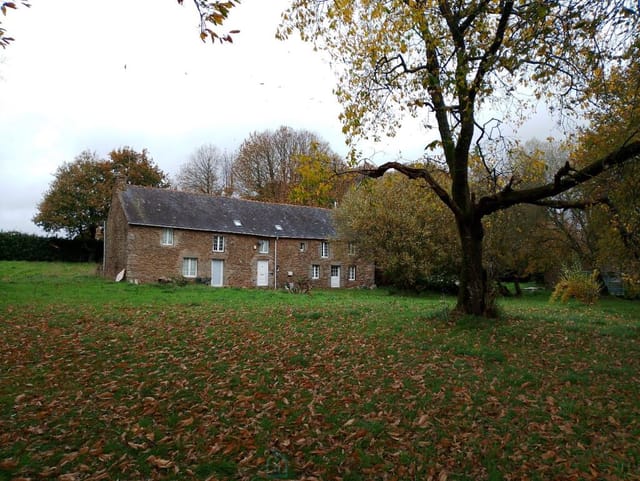
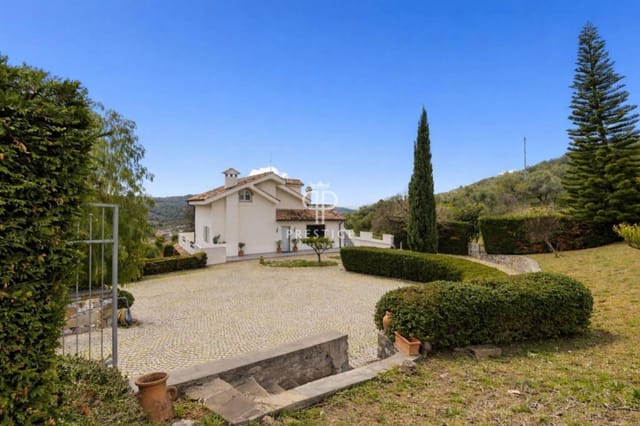
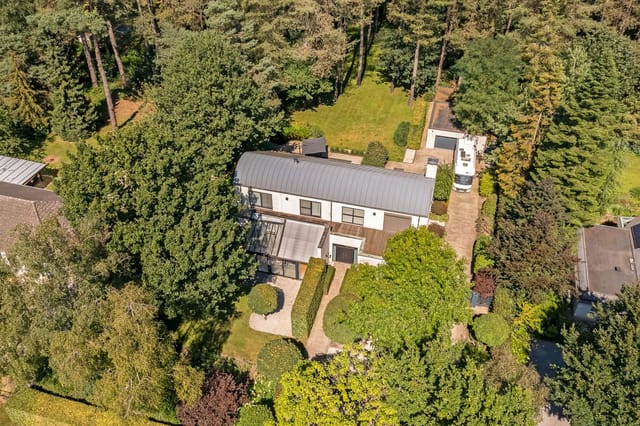
Houses For Sale In Europe (page 8)

Houses for sale in europe - homestra offers the largest amount of european real estate with over 200,000+ properties, find any type of property within your budget from villas to country homes. buy or rent your perfect home in europe. (page 8)

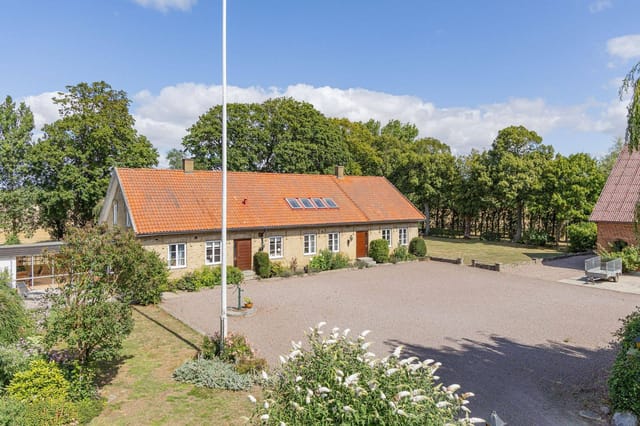
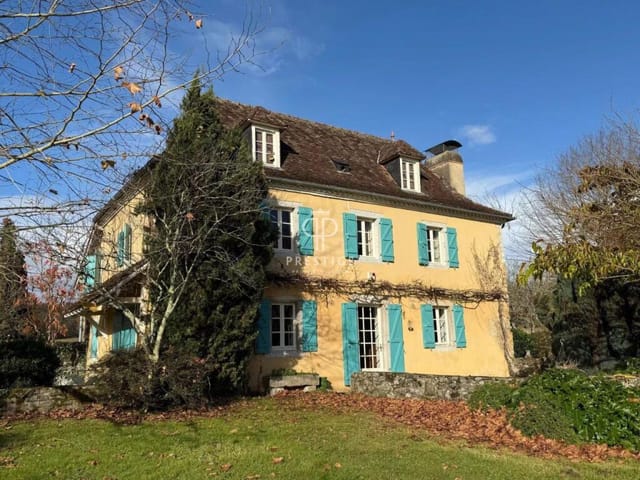
Stand at the kitchen window on a October morning and watch low mist roll through the Teviot Valley while the Aga ticks quietly behind you. The kettle's on. Outside, six acres of your own land stretch toward the Frostlie Burn, where brown trout hold position in the current. This is The Old Manse at Teviothead—and mornings here have a particular quality that's hard to explain until you've had one. The property sits about nine miles south of Hawick, deep in the Scottish Borders hill country, where the landscape feels genuinely untouched. This isn't a gentrified rural retreat dressed up for weekenders. It's a working countryside estate in miniature—a former manse with stone gate piers, a sweeping gravel drive, real flagstone floors, and the kind of quiet that you can actually hear. The surrounding hills belong to the Buccleuch Estate, one of Scotland's largest private landholdings, which means the views aren't going anywhere. Walking through the main entrance, you pass through a traditional vestibule into a reception hall that immediately signals the scale of the house. Ceilings are generous. Proportions feel right. The drawing room at the front catches morning light through large windows and works equally well for a fire-lit evening with guests or a Saturday afternoon with the papers. The sitting room next door is less formal—the kind of room where a family actually lives, with a terrace door that opens directly onto the garden. That connection between inside and outside matters enormously in a house like this. The dining room links these reception spaces naturally, and the whole ground floor flows in a way that makes it feel larger than 389 square meters might suggest on paper. At the center of daily life here is the ki ... click here to read more

Front exterior of The Old Manse

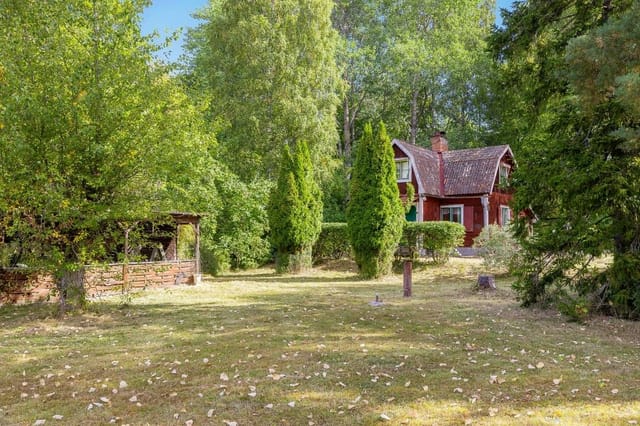
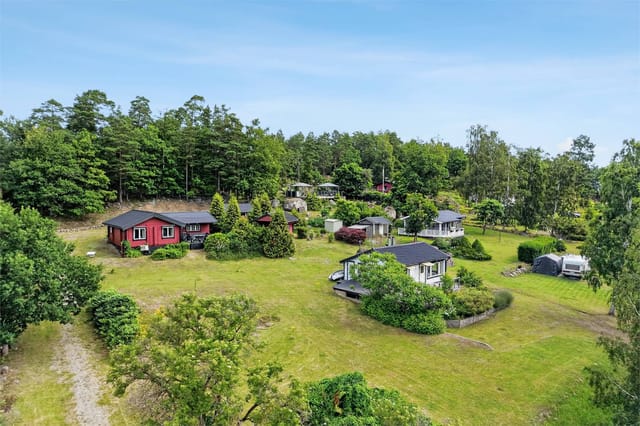
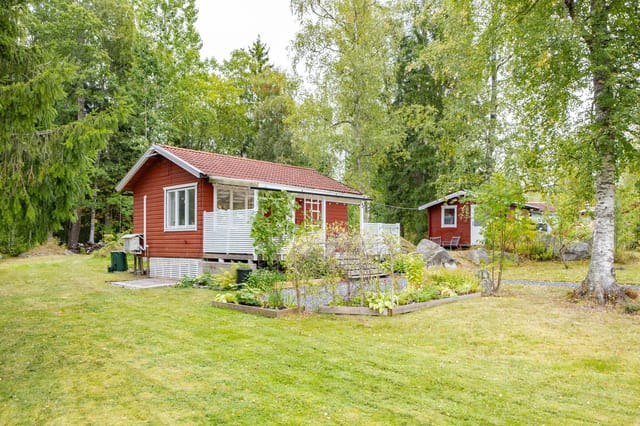
There's a particular kind of quiet you notice on your first morning at Ladängsstigen 4. Not silence exactly, but the soft, layered stillness of birch trees filtering the early light, the occasional splash from Lake Mälaren just down the road, and the smell of damp Swedish earth warming up in the sun. By the time you've made coffee and stepped out onto the wooden deck, you understand immediately why people who find this corner of Lybeck/Frösåker rarely want to leave. This is a proper year-round holiday home — 47 square meters of well-used, freshly finished living space sitting on a freehold plot of 2,096 square meters — in one of the most quietly sought-after pockets outside Västerås. The address is Ladängsstigen 4, and it sits in that rare sweet spot between genuine countryside and real accessibility. You're not roughing it. You're not trading convenience for scenery. You get both. Step inside and the vaulted ceiling does something unexpected to the space. For a 47-square-meter house, it feels generous, open, almost roomy. The open-plan layout puts the kitchen and living area in easy conversation with each other, which matters when you're cooking Swedish meatballs on a Friday evening while family settles in around the fireplace. That fireplace earns its keep from October through April — this is central Sweden, and the winters are real, crystalline, and honestly quite wonderful when you're watching snow settle across the garden from a warm interior. Large windows pull the outside in throughout every season, and in July, when the garden goes full green and the lake shimmers at the end of the road, you'll understand why Swedes have been making pilgrimages to places exactly like this for generations. The two bedrooms are ... click here to read more

Front view of the house and garden

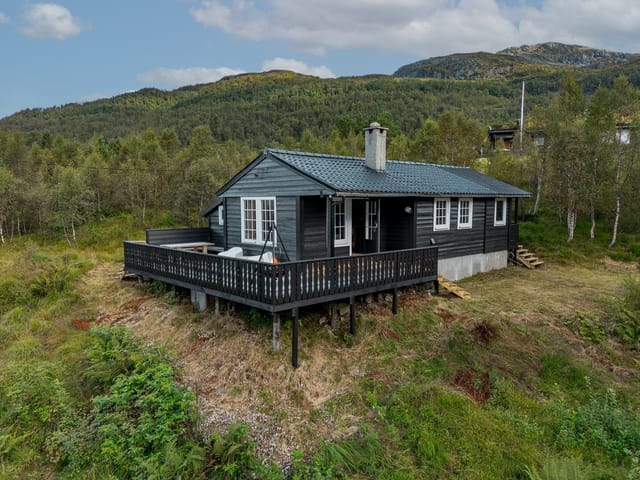
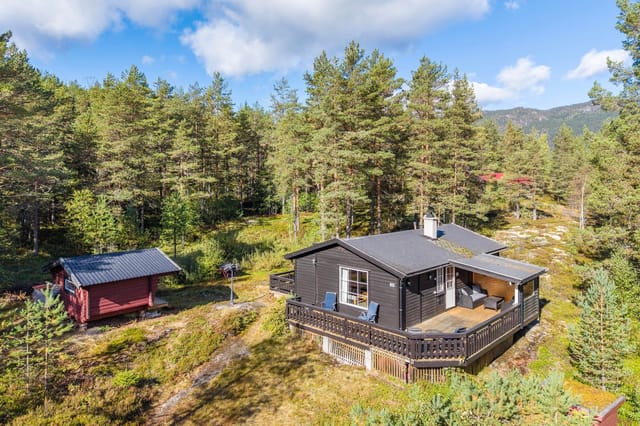
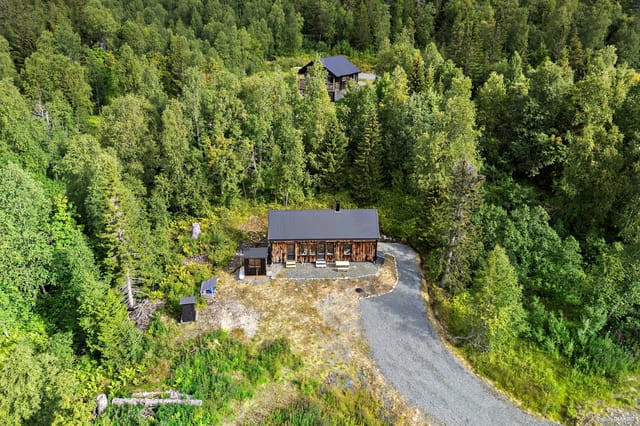
Stand on the 61-square-meter wraparound terrace at seven in the morning, coffee in hand, and the Trondheimsleia stretches out in front of you — silver-grey water catching the early light, the silhouette of Hitra island sitting low on the horizon, and not a sound except the occasional creak of a mooring rope from the boats below. This is Mistfjordveien 1280, and it does something quietly remarkable: it makes the rest of the world feel very far away. The chalet sits in Kjørsvikbugen, a small coastal community along the Hellandsjøen shoreline in Trøndelag, central Norway. A hundred meters separates the front gate from the sea. That's not a figure of speech — it's a genuine two-minute walk, and you'll make it often, whether you're heading out for an early kayak, hauling back a bucket of freshly caught saithe, or simply going down to watch the evening light turn the fjord copper. At 70 square meters of interior space on an 821-square-meter freehold plot, this is a chalet that uses every centimeter well. The living room is the kind of space that reorganizes your priorities. High ceilings push the room open, oversized windows pull the fjord view inside, and the 2013 wood-burning stove anchors everything with a warmth that central heating simply can't replicate. On a February evening when the temperature outside drops to minus eight, getting that fire going and watching the snow settle on the terrace is about as good as Norwegian winter gets. The kitchen, also renovated in 2013, is practical and unfussy — designed for people who actually cook rather than for architectural photographs. There's room to make a proper Sunday middag, the kind involving slow-cooked lamb ribs or a pot of fiskesuppe thick with local cod and root vege ... click here to read more

Front view of the property

Step outside on a Saturday morning and the air carries the faint scent of freshly cut grass from the farmlands that roll away behind the garden fence. No traffic noise. No neighbor's terrace cramping yours. Just open sky, birdsong, and the slow-moving stillness that most people spend their whole lives trying to find on vacation. This is the everyday reality at Schulstrasse 58 in Bunde — a 2021-built detached house on a 1,121-square-meter plot that gives you room to actually exhale. Built just a few years ago, the house sits at the edge of a quietly expanding residential area, which means you get the benefit of modern construction standards without the chaos of an unfinished development around you. The neighbors have settled in, the street is calm, and the plot still feels generously proportioned by any measure. Four bedrooms, two bathrooms, 152 square meters of living space, and a garden that wraps around the entire property — this is a serious amount of house for the price. Let's talk about the ground floor, because this is where daily life happens and where this home earns its keep. The living room catches afternoon light through French doors that open directly onto a covered sun terrace — covered being the operative word. German summers are glorious but unpredictable, and having a terrace you can actually use when a cloud rolls in changes everything about how you use outdoor space. The terrace looks out over the rear garden and beyond that, straight across open agricultural land. There are no other houses back there. It's a view that feels privately owned but costs nothing extra to maintain. The kitchen sits adjacent to the living room and is fitted with high-quality built-in appliances, generous counter space, and ... click here to read more

Front view of Schulstrasse 58

Saturday morning, just after nine. You slide open the French doors off the living room and the garden fills with birdsong and the faint smell of freshly cut grass drifting over from the neighbour's plot. The water feature catches the light. Coffee cup in hand, you pick a sun chair, and absolutely nothing demands your attention. This is Goch-Kessel on a weekend, and it gets under your skin fast. Built in 2002 and kept in genuinely good condition throughout, this detached house on Elisabeth-Becker-Strasse sits in one of the Lower Rhine region's quieter residential pockets — a village edge setting where the streets are wide, the trees are tall, and the pace drops the moment you turn off the main road. At 138 square metres of living space across two floors plus a fully insulated attic, the property has real substance. Three proper bedrooms, a well-equipped family bathroom with underfloor heating, a bright living room with generous dimensions, a practical kitchen, a utility room, a stone-built garage, a carport, two driveways. It's not trying to be something it's not. It's a house that works — and works well. The ground floor layout was thought through carefully. Walk in through the entrance hall and you immediately notice the cloakroom, the under-stair storage, and the guest toilet with urinal — the kind of detail that only matters until the moment you need it, at which point you're very glad it's there. The living room is the heart of it all: large windows on multiple sides, French doors leading directly into the garden, and enough floor space to seat a real gathering around a proper dining table without anyone feeling squeezed. In winter, with the underfloor heating running quietly beneath your feet, this room glows. In ... click here to read more

Front view of Elisabeth-Becker-Strasse 1

Stand on the loft terrace at seven in the morning, coffee in hand, watching the mist lift off Snåsavatnet in slow, deliberate curls. The lake is so still it looks painted. No traffic noise. No neighbors in your sightline. Just 120 square kilometers of Norway's sixth-largest lake doing what it has always done — holding the light, feeding the silence, drawing people back year after year. That's the daily opening scene at this two-bedroom chalet on Kvamsvegen, a few kilometers outside Steinkjer in the heart of Trøndelag. It's a property with genuine character — not the manufactured kind you find in new-build cabin parks, but the kind that accumulates slowly over decades. The original structure dates to 1955, when Norwegian cabin culture was still unselfconscious and practical. The 2000 loft extension changed the geometry of the place entirely, pushing the living space upward and outward toward the water, and that loft is now the emotional center of the whole property. The loft lounge measures roughly 20 square meters and opens directly onto a 12-square-meter terrace that faces Snåsavatnet. In summer, this terrace catches the long Nordic evening light well past ten o'clock. In autumn, the birch and rowan trees on the far shore go orange and copper, and the lake reflects all of it back at you. It's the kind of view that stops you mid-sentence. Downstairs, the cabin is honest and well-considered. The kitchen and dining area — around 17.5 square meters — is properly functional, with space for a full-size fridge and stove. This isn't a camping kitchen; it's a room designed for people who actually cook, who want to come back from a morning on the lake with fresh perch and fry them up properly. The living room, 13 square meters ... click here to read more

Welcome to Kvamsvegen 2159, presented by EiendomsMegler 1 v/ Magnus Aasland. Photo: ELW media (Espen Wåde)

On a quiet evening in July, the smell of woodsmoke drifts from the pizza oven by the west-facing terrace as the sun dips low over the fjord landscape—still bright at 9pm in that particular way only western Norway can manage. That's the moment you understand what this place is actually for. Not just a house. A rhythm. A reason to exhale. Radøyvegen 2525 sits in Kvalheim, a pocket of rural Hordaland that most Bergen residents think of as a best-kept secret. The nearest bus stop is 450 meters down the road, Kvalheimsvatnet lake is practically in the backyard, and the open sea is a four-minute walk away. Yet despite all that quiet, you're never truly cut off. Bergen—one of Scandinavia's most livable cities—is about an hour's drive south along the E39, and the regional center of Knarvik with its full-service shopping is thirty minutes by car. Bøvågen itself has a Bunnpris supermarket just minutes away, and the town of Manger handles most everyday errands in ten to twelve minutes. The house itself was built in 1978 and sits on a 1,067-square-meter plot. Ninety-four square meters of internal living space spread across two floors—compact enough to maintain easily, large enough to feel genuinely comfortable with family or friends in tow. The layout is honest and practical: a bright main living room of around 22 square meters with oversized windows pulling in light from multiple directions, a wood-burning stove in the corner that earns its keep from October through April, and direct access to the main terrace. That terrace is worth dwelling on. At roughly 41 square meters, it's not some token slab of concrete—it's an outdoor room. There's an electrically operated awning for the midday summer sun, space for a proper dining setup ... click here to read more

Front view of the property

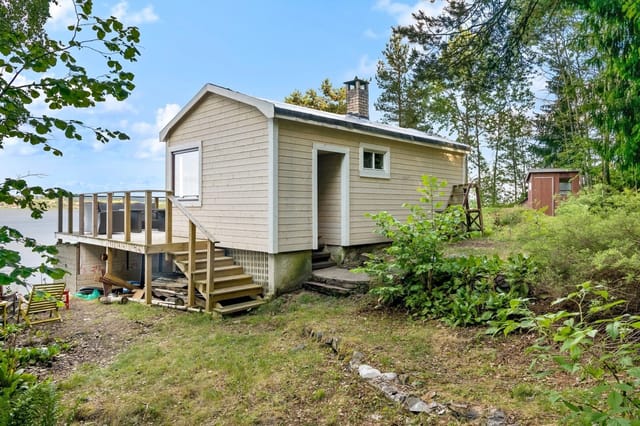
Step outside on a July morning and the air already carries salt from the Baltic. The rauks — those ancient limestone pillars rising from the water at Kyllaj — are catching the low sun about five hundred meters away, and the only sounds are wind through the birches and the distant clang of a mooring line at the small harbor. This is northern Gotland on a weekday, and it feels like the rest of the world doesn't exist. This 1929 whitewashed country home has belonged to one family for roughly sixty years. That kind of continuity is unusual, and you can feel it. The proportions are honest, the walls are thick, and nothing about the place feels rushed or flipped. It sits on 2,475 square meters of mature garden — big enough for a vegetable patch, a lawn worth lying on, and still room for the kids to disappear somewhere between the trees. At 69 square meters, the interior is compact but genuinely livable. The living room pulls in light from large windows that look straight onto the garden, and on a clear afternoon the brightness in that room is something else — white walls, wooden floors, and green outside every pane of glass. The kitchen keeps its rustic bones while running on modern appliances, with enough bench space to actually cook rather than just heat things up. Gotlandic lamb stew with local saffron, maybe, or fresh-caught pike-perch from one of the fishing spots along the northern coast. The bedroom is a proper quiet room — not a converted alcove — with the kind of stillness at night that urban buyers simply haven't experienced in years. What sets this property apart from most holiday homes in Sweden isn't the house itself. It's everything around it. The earth cellar keeps wine and root vegetables at a natural cool t ... click here to read more
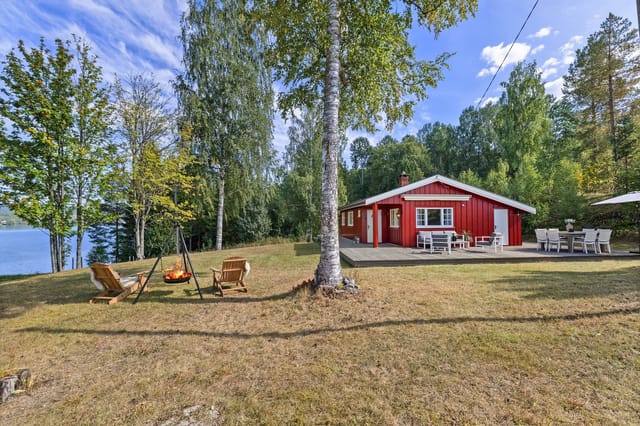
Front view of the house and garden

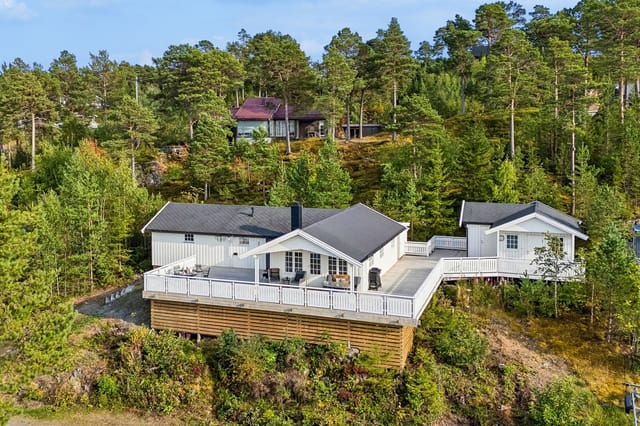
Stand at the drawing room window on a still October morning and the loch is so glassy you can't tell where the water ends and the reflection of Ben Cruachan begins. That's the view from Ardanaiseig House. Not a postcard version of Scotland — the real thing, unfiltered, on your doorstep every single day. Built in 1834 by William Burn — the architect behind some of Scotland's most significant country houses — Ardanaiseig was commissioned by Colonel James Campbell and designed in the Scottish Baronial style, all turrets, dressed stone, and deep-set windows that frame the landscape like paintings. It has been under single ownership since 1995, and the restoration work carried out over those decades has been both thorough and thoughtful. Nothing here screams renovation project. The house is in good condition and ready to inhabit, whether your intention is private occupation, continued use as a hospitality venue, or some combination of the two. Sixteen individually designed ensuite bedrooms spread across the principal house, each one distinct in character — different ceiling heights, different outlooks, different details in the plasterwork and joinery. The three grand reception rooms are the kind of spaces that change the way you move through a day: high ceilings that make even a crowded gathering feel airy, open fireplaces that earn their keep from October through April, and views across Loch Awe that you genuinely never stop noticing. The kitchen is currently fitted out as a commercial facility, which tells you something about the scale of entertaining this house was built for. It could stay exactly as it is, or it could be reimagined as a proper family kitchen — the bones are there for either. Then there's the land. One ... click here to read more
Aerial View

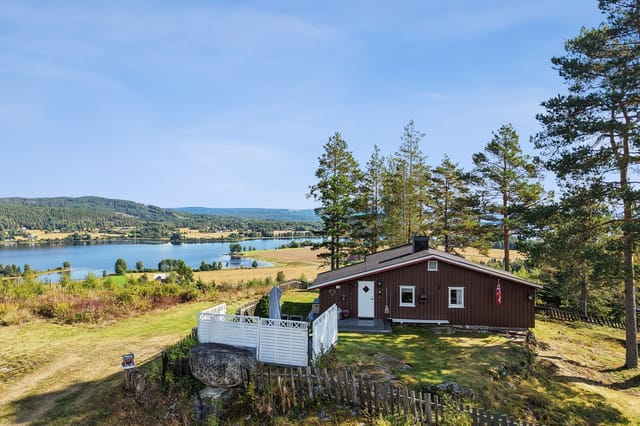
Early Saturday morning, the Korterødkilen inlet is flat and silver. You step out onto the terrace with a coffee, the Norwegian coastal air still cool from the night, and the only sound is birdsong and the distant creak of a small boat on its mooring. That's the texture of life at Korterødveien 89. Sponvika sits at the very southern tip of Norway, tucked along the western shore of the Iddefjord where the coastline starts to feel almost secret — the kind of place people who grew up here talk about with a certain possessiveness, not quite ready to share it with the wider world. The cabin areas along Korterødveien have been established for generations, and plots here don't change hands often. Getting access to this particular stretch of the Norwegian coast, with its established community, direct sea access, and sun-drenched aspect, is genuinely uncommon. The chalet itself is compact and considered. Sixty-five square metres in the main building, which means no wasted space and no rooms you'll never use. The living and dining area does the heavy lifting — big windows pulling in light and framing the view across Korterødkilen, enough floor space that six people around the dinner table won't feel like a squeeze. The kitchen was fully fitted in 2020 and it shows: clean lines, proper worktop space, storage that actually makes sense. Cooking here isn't a chore. On a summer evening, you'll have the terrace door propped open and the smell of grilled mackerel drifting back through the kitchen window while everyone's still outside. That terrace. Thirty-nine square metres of south-facing decking, large enough for a proper outdoor dining set, sun loungers, and still room for the kids to sprawl. For a chalet of this size, it's a genero ... click here to read more
Welcome to Korterødveien 89! Photo: FOTOetcetera AS

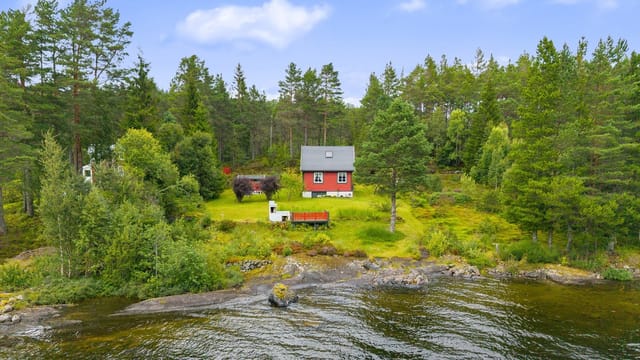
Stand at the kitchen window on a Tuesday morning in July, coffee in hand, and the only sounds reaching you are birdsong and the distant knock of a wooden hull against a dock. That's Matrosvägen 8. It sits at the very end of a quiet cul-de-sac, three kilometres south of Grisslehamn village, on a natural plot that feels far wilder and more private than 2,727 square metres should feel. This is a proper Swedish coastal property — year-round insulated, intelligently laid out, and set up for a lifestyle that moves between the pool, the sea, and the archipelago in easy, unhurried steps. The main house runs to 80 square metres, and it earns every one of them. The living room centres on a wood-burning stove that pulls the whole room together — on October evenings when the birch trees outside have gone amber and the temperature drops fast, this becomes the most important piece of furniture in the house. Large windows look out directly onto the garden, and in spring, when the wild cherries flower along the boundary, the view through that glass is genuinely something to stop and look at. The kitchen is generous enough to seat people around a table while something is cooking — a proper sociable kitchen, not a galley you have to take turns standing in. The bedroom is calm and well-proportioned, and the tiled bathroom with shower and WC is clean, modern, and functional. Nothing overcomplicated. The whole house is designed to be easy. What makes this property genuinely unusual for the area is the garden setup. In the middle of the plot sits a large insulated swimming pool with a retractable roof. In practice, this means you're swimming in May and still swimming in September, which in the Stockholm archipelago is not something to take ... click here to read more
Main house and garden view

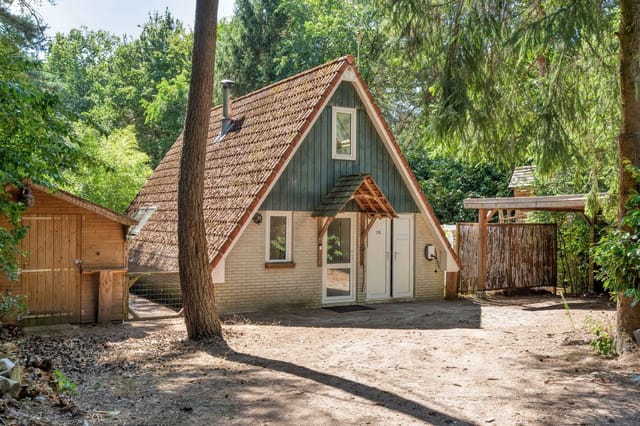
Step outside on a Saturday morning in late May, coffee in hand, and the only sound you'll hear is birdsong and the faint rustle of wheat fields beyond the garden hedge. The swimming pond catches the early light. The sauna in the log cabin is warming up. Your AGA cooker is ticking quietly in the kitchen behind you. This is what 312 square meters of well-built Belgian countryside living actually feels like at Maxburgdreef 11 — and it's hard to imagine going back to city noise after a single weekend here. Hoogstraten sits in the Kempen region of Antwerp province, a stretch of northern Belgium that doesn't shout about itself the way the coast or the Ardennes do. That's exactly the point. The town center, a short drive from the property, revolves around the Sint-Katharinakerk — one of the most striking Gothic churches in Flanders, with a tower you can spot from the surrounding farmland on a clear day. The weekly market on the Vrijheid brings out local vendors selling Kempense asparagus in spring, fresh strawberries from the famous Hoogstraten cooperative (the region produces a significant share of Belgium's strawberry crop), and wheels of aged cheese. It's a proper market town, not a tourist set piece. The house sits on a generous 1,362 square meters on the quiet Maxburgdreef, a lane flanked by open agricultural land. The rear garden faces south, which means long afternoon sun on the wooden terrace and the custom swimming pond — fed and heated by a heat pump, so it reaches a comfortable temperature well before June and holds it deep into September. Swim in the morning, dry off on the terrace, duck into the log cabin for a sauna session. That combination, in a garden this private, is genuinely rare at this price point in the ... click here to read more
Front view of Maxburgdreef 11 - B

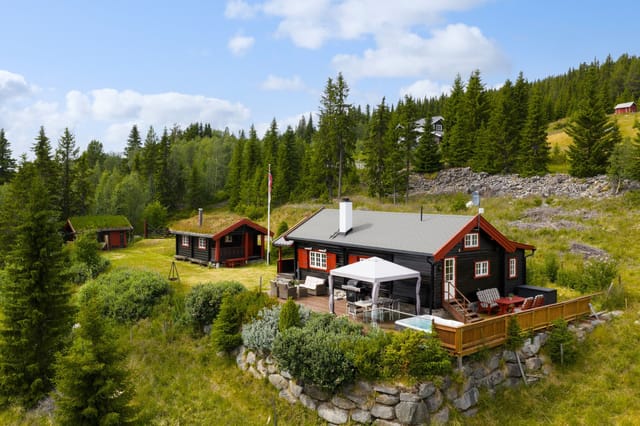
Picture this: it's half past eight on a February morning, and the thermometer reads minus twelve. You pull on your ski boots right there on the veranda, clip into your bindings, and glide onto the groomed cross-country track less than a hundred meters from your front door — coffee still warm in the thermos clipped to your pack. That's not a holiday brochure fantasy. That's a Tuesday at Saltsletta 16. Sitting at 847 meters above sea level in Gålå, one of Norway's most consistently snow-reliable mountain areas, this three-bedroom chalet is the kind of place that stops being a vacation property and starts becoming the main event. Built in 2002 and kept in good condition throughout, the 73-square-meter single-level layout works hard for its size. Nothing wasted, nothing fussy. Step inside and the first thing you notice is the ceiling — vaulted, which opens the living and kitchen space into something that feels much bigger than the floor plan suggests. Big windows pull in the light even on grey November days, and when the sun does appear over the ridge above Gålåvatnet, it floods the whole room. The fireplace anchors the living area, a wood-burning presence that earns its keep from October through April. After a long day on the trails, there's a specific pleasure in peeling off damp layers and sitting close to it while the pine smell fills the room. The kitchen runs along one wall with painted profiled cabinet fronts — classic Norwegian cabin style, practical and clean. There's real workspace here, enough to cook a proper meal for six. The dining area sits between the kitchen and the living room, which means whoever is cooking stays part of the conversation, a small detail that makes a big difference when you've got a full ... click here to read more
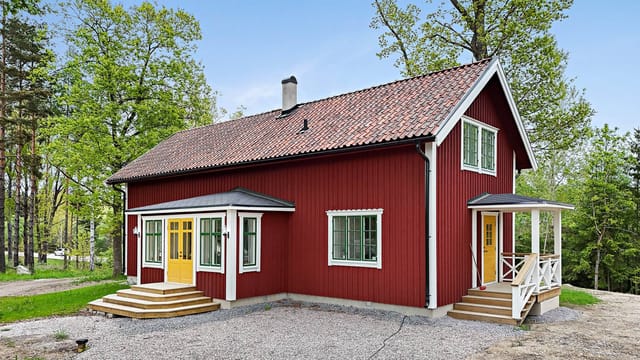
Welcome to Saltsletta 16!

Picture a Tuesday morning in late July. You've left the house on Gata 29 with a thermos of coffee, walked the five minutes down to Grönemad harbor, and you're untying your boat before most of the village has woken up. The Bohuslän archipelago stretches out in front of you — smooth granite skerries, dark green islands, the kind of light that northern Sweden does in summer that you simply cannot photograph well enough to explain to people who haven't seen it. That's the morning this property makes possible. Grebbestad sits on the western coast of Sweden, tucked into the Tanums municipality on the Bohuslän coast about 130 kilometers north of Gothenburg. It's one of those small Swedish coastal towns — population hovering around 1,500 — that somehow punches well above its weight in the summer. The harbor fills with sailboats from Norway and Denmark. The seafood shacks along the promenade sell some of the freshest oysters and langoustines you'll find anywhere in Scandinavia; the Grebbestad oyster in particular has a mild, mineral flavor that local restaurants have been building menus around for decades. During the Grebbestad Oyster Festival in October, the whole town turns into something between a food market and a street party, and it draws visitors from across Sweden and Norway every year. This is a house that has been sitting quietly on its 1,301-square-meter plot since 1964, and it still has the original bones of that era — the kitchen with its period detailing, the compact layout that was designed for real living rather than Instagram staging, the deep basement running the full length of the ground floor. It's been inspected by Fukt & Byggkonsult and the sale includes insurance against hidden defects, so you're not walk ... click here to read more
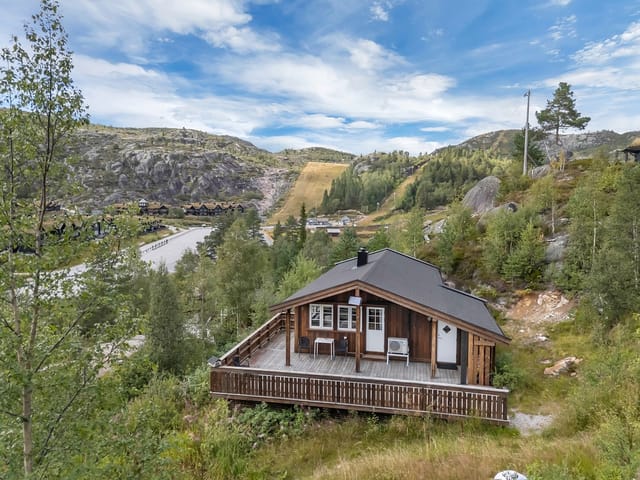
Front view of the house and garden

Step outside on a Saturday morning in late September. The garden faces south, so even as the season turns, the light falls long and warm across the terrace. The jacuzzi under the gazebo is already warm. Somewhere beyond the treeline, the Hoge Kempen National Park is waking up — Belgium's largest national park, just minutes down the road — and you've got nowhere to be but here. That's the daily reality of owning this detached villa on Dopheidestraat in Dilsen-Stokkem, a three-bedroom property sitting on 722 square metres in one of the most quietly compelling corners of the Belgian-Dutch borderlands. Dilsen-Stokkem doesn't make noise about itself. That's half the appeal. Tucked into the northeastern tip of Belgium's Limburg province, right where the Maas river curves toward the Netherlands, it's the kind of town that rewards people who actually look. The Thursday market in Stokkem brings local farmers selling Limburg asparagus in spring and sweet Elstar apples come October. The Kempisch Restaurant on the edge of town does a slow-cooked paling in 't groen — eel simmered in a sharp green herb sauce — that has nothing to do with the tourist circuit and everything to do with how people actually eat here. Cycling trails from the Fietsroute Kempen & Maasland pass practically at your doorstep, with routes that wind past mining heritage sites, open heathland, and the glittering surface of the Maasplassen lakes just to the northeast. Those lakes are worth knowing about. The Maasplassen — a chain of former gravel extraction pits turned recreation waters — stretch between Dilsen-Stokkem and the Dutch border. In summer, they fill with swimmers, windsurfers, and families with paddleboards. In winter, when the crowds are gone, they t ... click here to read more
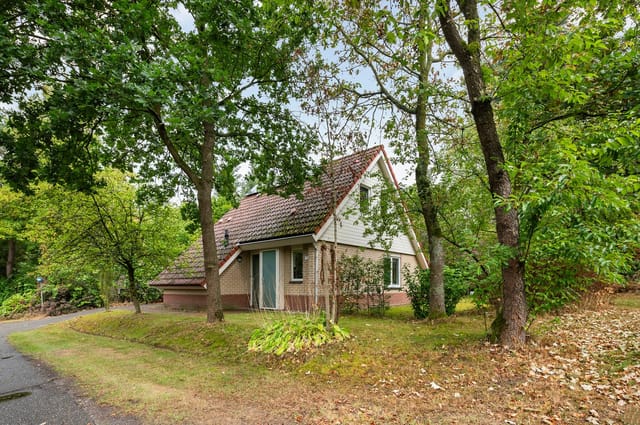
Front view of Dopheidestraat 8, Dilsen-Stokkem

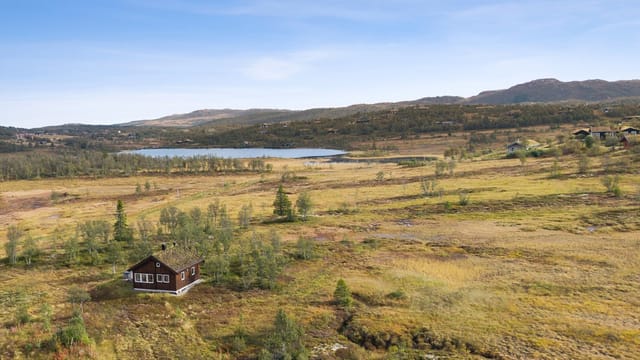
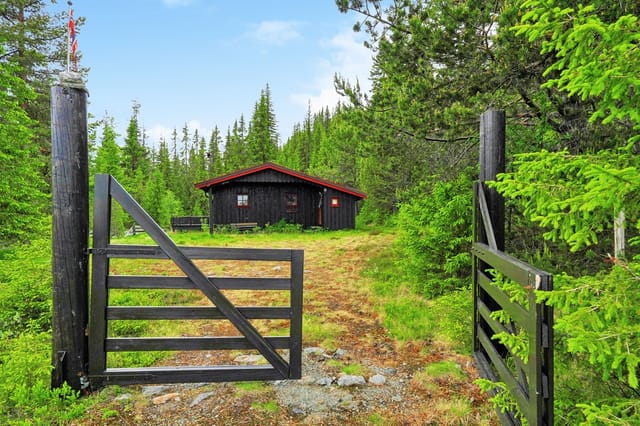
Early July in Ørnes, and the sun hasn't set in weeks. It's past ten at night but the light is still golden, pouring sideways across the Nordfjord, and you're sitting on the plot outside this cabin on Stia watching a fishing boat cut a slow white line through water so still it looks lacquered. That's the moment this property sells itself. Chr. Tidemanns vei 220 sits on a generous 1,922-square-meter freehold plot on the hillside between Reipå and the center of Ørnes, about five kilometers from the town's small cluster of shops and services. The cabin itself is 69 square meters of honest Norwegian construction from 1961 — three bedrooms, a living room with a wood-burning stove, a kitchen, and an entrance hall. It's not a renovation project in the dramatic sense. It's more like a blank canvas that already has good bones, a working stove, electricity, and running water. Someone needs to update it, bring it forward, make it theirs. That someone will end up with something worth considerably more than the asking price once they do. The location is the real argument here. A hundred meters from the sea. Not "near the coast" — a hundred meters, which means the smell of salt water drifts through the windows on warm afternoons, and getting a boat in the water after breakfast is a matter of minutes, not logistics. The property comes with a private boathouse — a naust, in the local tradition — sitting on its own separate plot right at the waterline. Nordland county is one of the great fishing regions of northern Norway, and the waters around Ørnes deliver cod, pollock, and the occasional sizeable sea trout. Locals know the spots; once you're here for a season or two, you will too. Ørnes itself is a small coastal town on the Melfjord ... click here to read more
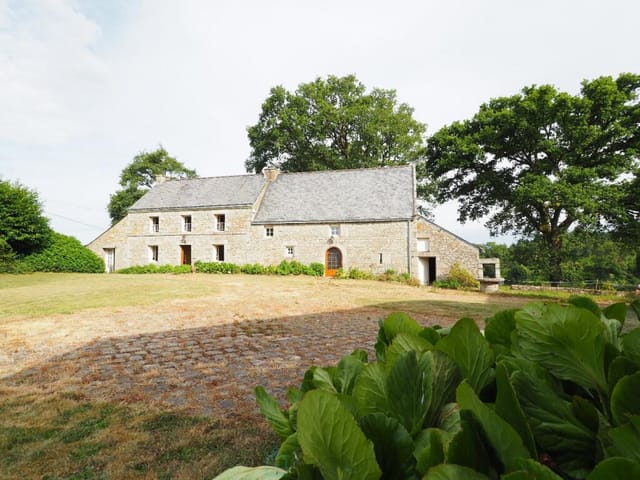
Picture 1

Early on a Saturday morning in Hoelbeek, the only sounds are birdsong, the soft shuffle of horses in their stables, and a tractor somewhere in the distance crossing a field of sugar beet. By nine o'clock you're drinking coffee on the veranda, looking out over nearly 4,000 square metres of your own land, and wondering why you ever thought a city apartment was enough. That's the daily reality at Hoelbeekstraat 78 — a substantial, dual-unit property on a sweeping rural plot in the heart of Belgian Limburg, priced at €649,000. This isn't a weekend escape that requires compromise. With a total living area of 432 square metres spread across two legally approved residential units — each carrying its own house number, its own entrance, its own garage — the property works for a striking range of buyers. Families who want to fold generations under one roof without losing independence. Buyers eyeing a live-in investment, occupying one side and renting the other. Remote workers who want a proper home office that doesn't involve converting a spare bedroom. Or simply people who want more space than Belgian cities can realistically offer at this price point. The two units are configured as a semi-detached house: number 78 on one side, number 80 on the other. They can run independently or be opened into a single sprawling family home — that flexibility is genuinely rare and, frankly, underappreciated in how much it future-proofs a purchase. Unit 78 sets a welcoming tone from the moment you step into its entrance hall. The ground floor flows through a generous living room into a modern kitchen, and then out into a bright veranda that becomes the unofficial heart of the house in spring and summer. There's also a bathroom with both a ba ... click here to read more
Front view of Hoelbeekstraat 78

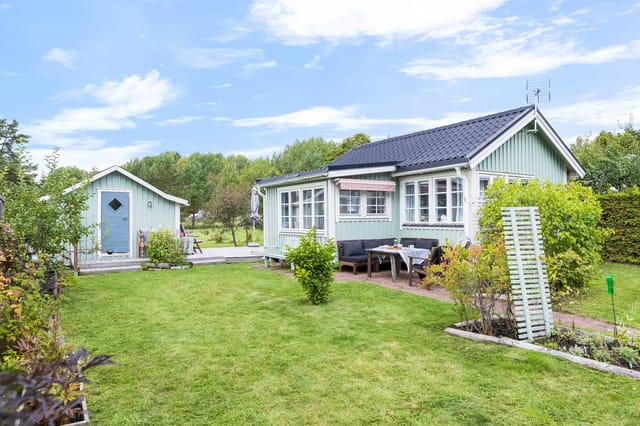
There's a particular kind of quiet that settles over Lundsbäck on a Saturday morning in June. The kind where you hear bees before you see them, where the smell of someone else's tomato plants drifts over the low hedge, and where your only real decision is whether to take your coffee in the conservatory or carry it out to the garden table while the dew is still burning off. That's the rhythm this 39-square-meter cottage runs on — and once you've tasted it, the city starts to feel very far away indeed. Tucked inside the Lundsbäck Koloniförening allotment community in Helsingborg's Vasatorp district, this one-bedroom summer house is a genuinely well-thought-out small space. At 39 sqm, every square meter is earning its keep. The glass-fronted conservatory greets you as you arrive and immediately does double duty — it's the first room you walk into and the last one you want to leave. On rainy Swedish afternoons (and there will be a few), it's where you'll eat dinner listening to drops on the glass. On sunny evenings, the doors fold back and it becomes an open-air dining room with a roof, which is exactly as useful as it sounds. Inside, the layout flows naturally from the conservatory into a furnished TV room, then into a well-proportioned bedroom that handles a double bed and actual storage without feeling cramped. The kitchen has more counter space than you'd expect and a proper spot for a dining table — so cooking here doesn't mean exiling yourself from conversation. A toilet sits neatly between the bedroom and kitchen. It's compact, yes, but the design has been done with enough intelligence that compact doesn't feel tight. The garden is genuinely the heart of this property. The plot is sunny from morning through evening ... click here to read more
Exterior view of the cottage and garden

The first thing you notice when you step onto the boathouse terrace is the silence. Not the absence of sound—more like a different kind of sound entirely. Lake Vättern stretches out in front of you, Sweden's second-largest lake, and on a still morning the water is so clear you can see several meters down to the pale sandy bottom. A pair of oystercatchers call from somewhere along the shoreline. The birch trees behind the house are just catching the early light. You haven't checked your phone yet. You probably won't for a while. This is a vacation home and second property opportunity that doesn't come around often. The house at Norra Bäckebo Sjungarns 1 sits on the western shore of Lake Vättern, outside the small municipality of Habo in Västra Götaland County, and the setting is about as private as private gets in Sweden. Your nearest neighbor is a few hundred meters away through the trees. The plot is 1,100 square meters of genuine lakefront, and the water is yours to use directly—swim from the dock, moor your boat in the boathouse, or just sit and watch the weather move across the lake in the afternoons. The house itself was built in 1874 and still carries the bones of that era. Thick walls. Low ceilings in the original rooms. A kitchen with the kind of character that newer builds never quite achieve no matter how hard they try. At 50 square meters the footprint is compact, two rooms and that distinctive kitchen, but the additional 20 square meters of auxiliary space gives you practical breathing room for storage or a workshop. This is not a property you buy because you need square footage. You buy it because you want a base for a different kind of life, and the boathouse terrace at dusk in July earns its keep a thous ... click here to read more
Lakefront view and main house

On a still morning, you step out onto the south-facing terrace with a coffee in hand and the entire surface of Hansemakerkilen is flat as glass, broken only by a cormorant cutting low across the water. The smell of pine and salt. Not a car in earshot. This is what sixty-odd square meters and 2,261 square meters of landscaped coastal plot can do for a person. And you're just over an hour from downtown Oslo. Grimsøya is one of those places that regulars are quietly glad hasn't been discovered by everyone. The island sits in the Hvaler-adjacent archipelago of Østfold, tucked into the Oslofjord's eastern reaches near Skjeberg — and its particular combination of sheltered inlets, open-sky meadows, and genuine quiet is hard to replicate anywhere closer to the capital. Grimsøyveien 343 sits right at the edge of that world. The chalet itself was built in 1964, which means it has bones. Real ones. Over the decades it's been steadily updated without losing the compact Nordic cabin logic that makes these properties work: every square meter earns its place, storage is thought through, and the orientation — south-facing terrace, large windows in the living area — means you're chasing light rather than hiding from it. The triple-glazed wooden windows with aluminum exterior cladding were replaced more recently, and the difference in both warmth retention and visual crispness is immediate. A wood-burning stove installed in 2013 sits as the room's focal point through autumn and into May, when the fjord evenings still carry a proper chill. The kitchen is open to the living space and fitted with profiled cabinetry, solid wood countertops, and all the appliances you'd actually need for a week's worth of cooking without a supermarket run. ... click here to read more
Welcome to Grimsøyveien 343! The photo shows the archipelago on Grimsøya and Hansemakerkilen winding under the bridge into a beautiful nature reserve.

Wake up on a Saturday morning in late June, and the light is already pouring through the cabin windows before seven. The fjord glitters in the distance from the living room sofa. Somewhere down the lane, a neighbor is walking a dog toward the shore path. You put the kettle on, step barefoot onto the 70-square-meter terrace, and think: yes, this is exactly what a Norwegian summer is supposed to feel like. Kullebunnveien 18 sits on a quiet cul-de-sac in Son — one of the most beloved coastal villages on the Oslofjord, about 50 kilometers south of the capital. The road dead-ends here, so the only cars that pass are the ones that belong. Kids ride bikes freely. The pace is deliberately slow. And yet you're a ten-minute walk from a sandy beach with a diving pier, a floating dock, and the kind of clear, calm water that makes July in Norway feel almost Mediterranean. The chalet itself is in good condition and carries the honest, unhurried character of classic Norwegian sommerhytter — painted white timber panels, painted wooden ceilings, large windows angled to catch every hour of the long summer sun. Three bedrooms in the main cabin sleep the family comfortably, and the detached annex adds a private fourteen-square-meter room with its own double doors opening directly onto the garden. Total sleeping capacity reaches ten adults, which means this is the kind of place where extended family weekends actually work, where cousins pile in without anyone feeling crowded. The living room is the gravitational center of the home. Sea views from both the dining table and the sofa — not framed by a tiny porthole window, but through proper wide glass that draws the fjord into the room. A wood-burning stove in the corner means late August e ... click here to read more
Welcome to Kullebunnveien 18 - Presented by Real Estate Agent Patrick Alexander Pinto at DNB Eiendom.

Step outside on a Saturday morning at Linkesstraat 8 and the first thing you notice is the silence. Not the uneasy kind—the rich, layered kind. Wind through the tops of old beeches. A woodpecker somewhere deep in the tree line. The smell of damp grass and pine drifting across a garden so large it takes a moment to find the edges. This is Gewaai, the quietest hamlet in Zutendaal, and this house sits at the very end of it, with forest on one side and open agricultural land rolling out behind. The plot alone is extraordinary. Just over 5,069 square metres, which is not a number that means much until you're standing in it. There's room for a proper kitchen garden, a trampoline, a fire pit, multiple seating areas, and still enough lawn left over that the kids disappear for an hour without anyone worrying. A 35-square-metre garden house handles the overflow of bikes, tools, kayaks, and everything else that accumulates when you actually use the outdoors. The double carport—nearly six metres wide—keeps both cars sheltered year-round. The house itself was completely renovated in 2005 and has been maintained with care since. Ground floor living is anchored by a generous 73-square-metre open-plan space that combines the living room and kitchen under ceilings reaching 2.70 metres. Natural slate floors run throughout this level, warmed from below by underfloor heating that means bare feet in January are entirely reasonable. A cast iron wood stove sits in the living room and, yes, the wood is included—so the first winter evening is sorted before you've even unpacked. Large windows face the garden on multiple sides, which means the light shifts beautifully through the day and every season brings a different view: frost-edged grass in ... click here to read more
Front view of Linkesstraat 8

Stand on the veranda at Øvre Burevei 46 on a clear July morning and the Oslofjord stretches out below you in every direction — the water catching the early light, a ferry cutting a white line toward Drøbak, and the kind of silence that makes you realise how loud city life actually is. This is what you came for. Set on an elevated plot in the Storsand area of Sætre, this three-bedroom chalet sits roughly 45 minutes south of Oslo by car. It's the kind of drive that feels intentional — you cross the Oslofjord bridge, drop down through the coastal forest roads, and by the time you arrive, the city genuinely feels far away. Not inconvenient. Just gone. The plot is substantial. At 2,805 square metres of leased land, it gives you room that most Norwegian cabins simply don't offer — space for kids to roam, space to grow a few vegetables, space to do nothing at all without bumping into anyone. The woodland presses in from behind, which means privacy on the uphill side and those uninterrupted fjord views opening out to the south. It's a rare orientation to find at this price point. The chalet itself was built in 1982 and sits at 60 square metres internally, with an additional 52 square metres of terrace. That terrace is genuinely the heart of the property. Covered in part to give you shelter when the August thunderstorms roll in off the water, open in the right places to catch the afternoon sun that tracks across the fjord from west to east. Put a long table out there and you've got the best outdoor dining room in the postcode. Norwegians understand this kind of living — the concept of friluftsliv, of spending time outdoors as a matter of daily necessity rather than special occasion, is built into how this property was designed ... click here to read more
Frem Eiendomsmegling v/Kristoffer Løvlie presents Øvre Burevei 46

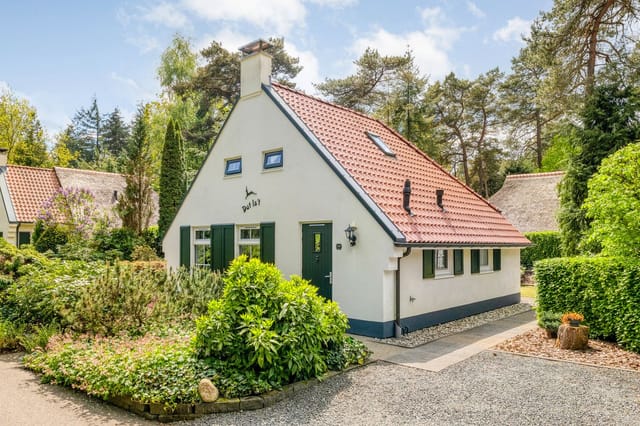
On a clear morning in Aramits, you wake to the sound of nothing except birdsong and, if the wind is right, the faint clang of sheep bells drifting down from the high pastures above the village. That's not a cliché — it's Tuesday. This is the Pyrenees-Atlantiques, one of the least spoiled corners of southwest France, and this former mountain sheepfold is the kind of place that reminds you why you started looking for a second home in Europe in the first place. What started life as a traditional bergerie — a working stone sheepfold used by Basque shepherds for centuries — was fully reconstructed between 2007 and 2010 into a three-bedroom, three-bathroom home of 160 square metres. The result is a property that has real bones: exposed ceiling beams, thick walls that keep summer heat at bay, and a large picture window in the sitting room that frames the Pyrenean ridgeline like a painting you never get tired of. Underfloor heating on the ground floor runs off an air source heat pump, the whole building is double-glazed and insulated throughout, and the DPE rating sits at C — solidly efficient for a property of this age and character. You're not buying a renovation project. You're buying a house that's already been done well. The 160m2 of habitable space is arranged across three levels. On the ground floor, an open-plan kitchen and dining area flows into the sitting room — proper, lived-in space with room for a long table when family arrives in August. Two of the three bedrooms are on this level, each with its own en-suite shower room, which makes the layout genuinely practical for hosting guests or renting short-term. The first floor landing doubles as a home office, a detail that matters more than it used to, and the third b ... click here to read more
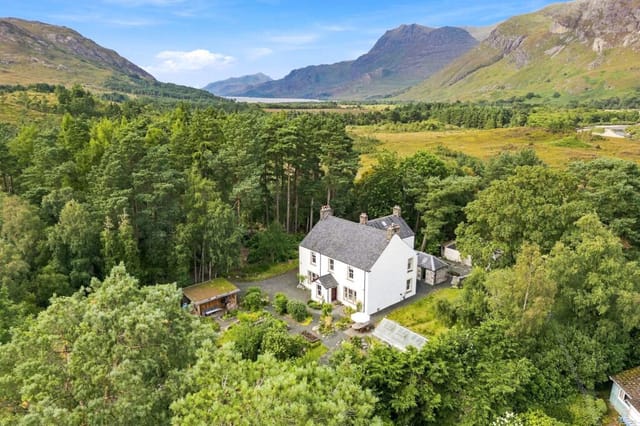
Photo 1

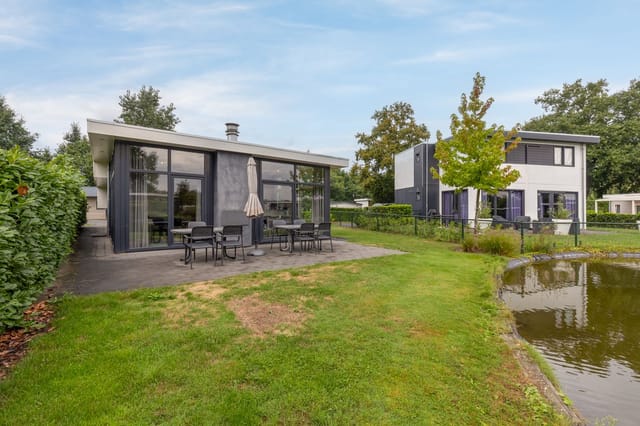
Picture this: it's a Friday evening in late June, and you've just pulled off the E18 onto the quiet lane that winds through the birch trees toward Mellansundet. The windows are down. The air smells of pine resin and lake water. By the time you step out of the car, the stress of the week genuinely feels like it happened to someone else. That's what owning a place like this does to you. Mellansundet 5 sits in one of those rare pockets of Swedish lakeside life that doesn't announce itself on any tourist map. This is a 40-square-metre, two-bedroom holiday cottage on the shores of Lake Mälaren—Scandinavia's third-largest lake—less than 50 metres from the water's edge, yet only a short drive from the centre of Västerås. It was built in 1967, and it carries that era's sensibility: compact, considered, nothing wasted. It's in good condition and genuinely move-in ready, the kind of place you can arrive at on a Thursday night with a bag of groceries and immediately feel at home. The interior is arranged so that every square metre pulls its weight. Two bedrooms, a shower room, a kitchen with enough counter space to actually cook in, and a living room with large windows that frame the surrounding greenery like a painting that changes with the seasons. In July those windows glow with green light filtered through mature deciduous trees. By late September, the same view turns amber and rust. When snow sits on the branches in February, you'll understand why Swedes invented the concept of mys—that particular indoor coziness that has no real English translation. The conservatory is the room that catches most people off guard. It's a glass-enclosed extension that acts as a buffer between indoors and out—warm enough to sit in with a coff ... click here to read more
Exterior view of the cottage

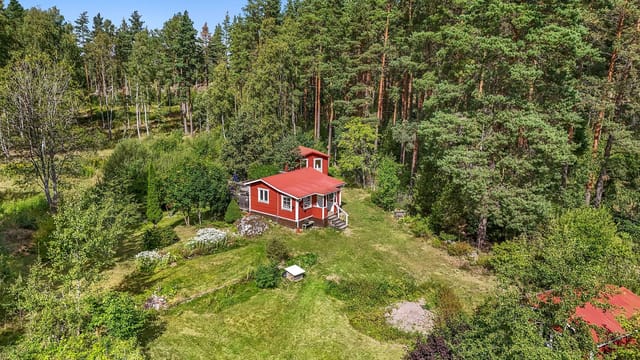
Picture this: it's a Saturday morning in February, the thermometer outside reads minus eight, and you're standing at the kitchen window in thick wool socks watching snow settle silently onto a 879-square-meter lot that is entirely yours. The wood-burning stove is already crackling. The smell of pine resin and birch smoke fills the cabin. In forty minutes, you could be on the slopes at Kvitfjell. You could also just stay here and do absolutely nothing, which is, honestly, the better plan. That's the daily reality of owning this 1930-built timber chalet at Fåvangvegen 281 in Fåvang, a small Norwegian village in Innlandet county that sits at roughly 280 meters above sea level — high enough for clean mountain air, low enough to keep the driveway manageable year-round. At 35 square metres, the main cabin is compact in the best possible sense: every corner has a purpose, the walls are solid hand-hewn timber, and there's not a single inch of wasted space. A separate annex of around 15 square metres adds flexibility for guests or storage without turning the place into something it was never meant to be. The cabin has been well looked after. The living room floor was replaced in 2012 — new joists, new insulation — and the exposed timber walls have been treated and restored. The kitchen cabinets are a newer set, practical and clean. Concrete was poured into the basement and drainage improved, so the storage hatch in the living room opens onto a genuinely dry, usable space rather than a damp hole. The lot was partially refenced in 2025. These aren't glamorous upgrades, but they're the kind that matter: the invisible work that keeps a cabin honest. The annex has a foot-pump shower, a bio-toilet, and its own entrance with an outdo ... click here to read more
Snippen.

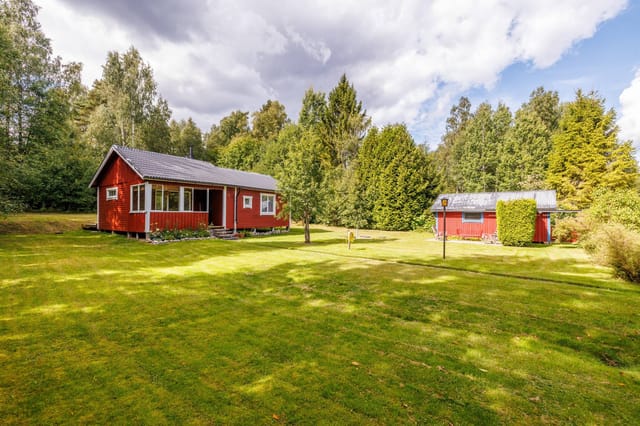
By eight o'clock on a July evening, the sun is still high enough to cast long gold shadows across the veranda at Kringlevannsveien 9. You've just grilled dinner outside. The kids are somewhere in the garden. There's no traffic, no noise—just the faint rustle of birch trees and the smell of warm pine. This is a summer evening in Ramnes, and once you've had one, you'll understand why Norwegians guard their cabin weekends like treasure. This two-bedroom chalet sits on a private 1,065 square metre plot in Ramnes, a quiet corner of Vestfold og Telemark that most international buyers haven't discovered yet—which is exactly what makes it worth paying attention to now. The property is priced at €194,690 and is genuinely move-in ready. No renovation projects waiting for you. No compromises. The cabin itself covers 90 square metres and has been upgraded steadily over recent years in a way that feels considered rather than rushed. The kitchen was renovated in soft, neutral tones and fitted with a new mixer tap and refrigerator. The bathroom got a proper overhaul—new shower cabin, updated fixtures, freshly painted floor tiles that make the space feel lighter and more contemporary than you'd expect at this price point. A heat pump was installed, which means you're comfortable in February as well as August. These are the kinds of improvements that matter when you're not going to be here full-time and you want everything to just work when you arrive on a Friday evening. The floor plan is practical without feeling cramped. The living room has genuine space—enough for a proper sofa arrangement and a dining table, not one or the other. A large terrace door opens straight onto the veranda, so the indoor and outdoor spaces flow into each ... click here to read more
Welcome to Kringlevannsveien 9, presented by Kaia Hostvedt Dahle. Photographer: Maciej Krzysztof.

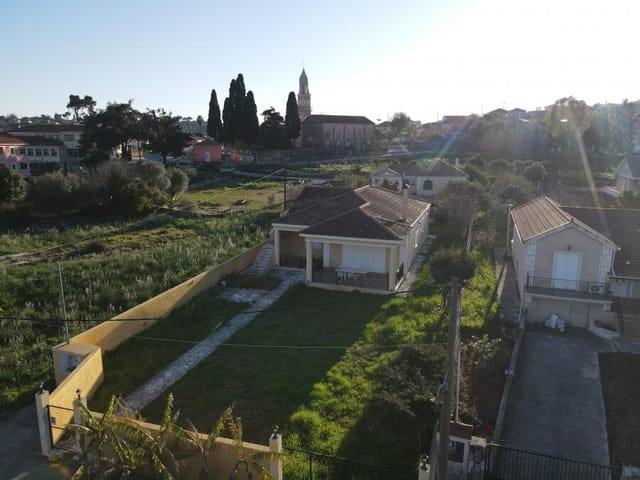
Stand in the back garden on a Saturday morning, coffee in hand, and you can hear the church bells from Sint-Pietersberg drifting across the Jeker valley. Five minutes later, you could be cycling into Maastricht along the river path, arriving at the Markt square in time for the weekend market. That's the daily reality of life at Statiestraat 54 in Kanne — a village so close to the Dutch border that you genuinely straddle two countries, two cultures, and two entirely different rhythms of life, all from one address. Kanne is one of those places that hasn't been discovered by the crowds yet, and locals prefer it that way. The village sits in the Belgian province of Limburg, tucked into the Jeker river valley just below the cliff face where the legendary Château Neercanne rises — the only working terraced wine château in the Benelux region, where you can book a table for Sunday lunch and eat house-smoked salmon with a glass of Moselle white while looking out over the vineyards. That's ten minutes on foot from this front door. The walking and cycling infrastructure here is serious — the Voerendaal to Tongeren cycling route passes right through, and the chalk cave trail beneath Sint-Pietersberg is something that still surprises first-time visitors, an entire underground world of galleries and war history carved into the limestone hill. The house itself was built in 1959 and carries that solidity that post-war Belgian construction is known for — thick walls, generous proportions, a sense that the building was made to last. It has been updated thoughtfully over the decades rather than gutted and neutralised. The bathroom was fully renovated in 2021 with contemporary fixtures and a proper walk-in shower. Fourteen solar panels on ... click here to read more
Front view of Statiestraat 54

Early Saturday morning in Ljungbyhed, the air carries something you can't quite name — pine resin, damp earth, maybe the faint sweetness of wildflowers along the stream that cuts through the back of the plot. The wood-burning stove is still warm from the night before. You pull on a jacket and step outside onto 1,400 square metres of your own ground, and for a moment, Sweden feels like the best decision you've ever made. This three-bedroom house at Prästmöllan 1032 sits in the quiet countryside of Klippans kommun in northern Skåne, one of Sweden's most quietly compelling regions. It's not a showpiece — it's better than that. It's a genuinely liveable, recently updated home with a big plot, mature surroundings, and one of Sweden's finest national parks less than ten minutes away by car. At 65,500 EUR, it's one of the more honestly priced second home opportunities in Scandinavia right now. The house itself covers 70 square metres of main living space plus an additional 10 square metres of secondary area — compact but well-organised, the kind of layout that encourages you to actually be outside rather than rattling around indoors. Five rooms means you have real flexibility: three bedrooms, a sitting room anchored by a wood-burning stove that's been inspected and approved, and space left over for however you like to work or unwind. The bathroom was fully renovated in 2022, with clean modern fittings that feel considered rather than just functional. The roof was replaced with new felt in 2024. An air-to-air heat pump, also installed in 2024, handles both heating in winter and cooling in summer. Municipal water and sewage connections were completed in 2022. These aren't cosmetic updates — they're the expensive, structural thi ... click here to read more
Front view of the house

On a quiet Sunday morning at Nakkerudgata 60, you crack the window above the kitchen sink and the only sound that comes through is birdsong and the faint lap of water from Tyrifjorden below. No traffic. No sirens. Just the kind of silence that city people spend years trying to find — and here it's a permanent fixture, built into the landscape like the pine trees that line the hillside. This is Tyristrand. Not a place you stumble across, but one you return to, deliberately, every chance you get. The cabin itself was originally built in 1926, and while it carries that quiet patina of age, don't mistake character for neglect. The wet room and bathroom were fully gutted and rebuilt in 2020 — new wastewater line, new plumbing, new electrical work, the whole lot. The kitchen followed, getting a modern fit-out with a dishwasher and a sensible, no-fuss layout that makes cooking a genuine pleasure rather than an exercise in frustration. The property is connected to municipal water and sewage, which matters enormously when you're thinking about year-round usability rather than just summer weekends. Fiber internet from NextGenTel is already installed too. So whether you're writing, working remotely, or just keeping up with the football scores, you're covered. At 38 square metres of internal living space plus a 10 m² annexe area, this is a compact property — but it's one that has been cleverly arranged to feel generous. The entrance hall doubles as storage space and can accommodate a full-sized refrigerator. The main living and dining area has room for a proper dining table, a reading corner, and still leaves space to breathe. A cosy alcove off the main room works equally well as an extra sleeping nook or a window-seat retreat on ... click here to read more
Welcome to Nakkerudgata 60!

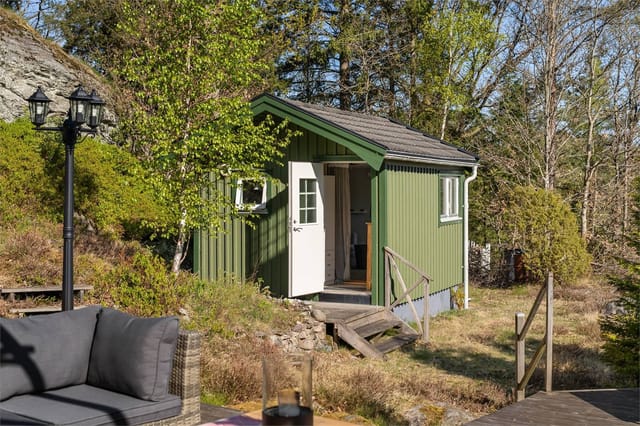
Early on a Saturday morning in July, you pour a coffee in the kitchen—light streaming through leaded glass panes, the faint smell of birch from last night's fire still hanging in the air—and push open the double glass doors onto a sun-drenched wooden deck. The trees are still. Somewhere down through the pines, Hanskrokaviken glints. You have nowhere to be. This is Högslingan 55 on Ingarö, and owning it feels a little like exhaling. Ingarö sits in the outer reaches of the Stockholm archipelago, part of Värmdö municipality, roughly 50 kilometers east of the city center. The island is not the wild, ferry-only kind of archipelago that takes half a day to reach—it's connected, reachable, and deeply livable. Bus 433 from Eknäsvägen delivers you to Slussen in about 50 minutes, which means a Friday evening escape from central Stockholm and a Sunday evening return is genuinely uncomplicated. For international buyers flying into Arlanda or Bromma, the drive out via the E18 and Route 222 takes around an hour, winding past boathouses, spruce forests, and roadside wild strawberry patches in summer. The house itself is compact in the best possible way. Thirty-three square meters sounds small on paper, but the renovation here was done with real intention. White-painted walls bounce light around the rooms, and the decision to paint the deep window niches in dark forest green was a bold one—it works completely. The leaded windows throughout give the cottage a kind of quiet personality. Exposed ceiling beams, light wooden floors, a kitchen designed in a practical U-shape with room to actually cook: this is a place where someone thought carefully about how people live in small spaces, then built accordingly. The wood-burning stove in th ... click here to read more
Exterior view of the house and garden

On a quiet Saturday morning in Locmalo, the smell of butter and buckwheat drifts up from the crêperie two streets over, and church bells ring out across the slate rooftops of Guémené-sur-Scorff. You've just had coffee in your small stone courtyard, the kind of private little outdoor space that Breton houses guard jealously, and the only decision facing you is whether to walk the 400 meters into the historic town center now or after a second cup. This is what owning a holiday home in Morbihan actually feels like. The house itself is old in the best possible way. The stone walls are thick and cool in summer, and when November rolls in off the Atlantic and the fireplace in the lounge starts earning its keep, the whole ground floor turns into exactly the kind of refuge you'd imagine when you first started dreaming about a second home in France. The open-plan kitchen, dining area, and sitting room share roughly 30 square meters of ground floor space — tight by some standards, but deeply livable, especially when you consider how much Breton life happens outdoors and in the streets rather than indoors. The spiral stone staircase is a detail you won't find in a modern apartment build; it winds upward with genuine architectural character, connecting the rooms in a way that feels genuinely old-world rather than staged. That courtyard deserves its own moment. About 30 square meters, private, enclosed, catching afternoon sun. At 70 square meters total, space inside is modest, so this little outdoor pocket becomes a genuine extension of the living area through spring, summer, and the long mild Breton autumn. A small table, two chairs, a carafe of Muscadet — that's the entire setup you need. Simple, but that's the point. Up the sta ... click here to read more
Picture 1

Step outside on a September morning at Rock Cottage and the air hits you differently than anywhere else. The smell of wet grass and pine from the hillside above Stronaba, the sound of absolutely nothing man-made—just wind moving through the croft's upper grazing and maybe a red kite making its case overhead. Two miles down the road is Spean Bridge. But right here, on this 18.1-acre slice of the Scottish Highlands, you could easily forget the rest of the world exists entirely. This is not a standard holiday cottage. What you're looking at is a working lifestyle property—a fully maintained detached cottage as the main residence, a separate income-generating chalet, nearly two full acres of landscaped garden, an agricultural workshop big enough to run a small operation, and seventeen-odd acres of registered croftland rolling into open Highland terrain. Properties like this don't come up often, and when they do, they don't sit around. Rock Cottage itself is spread across two floors and has been kept in genuinely good order throughout. Walk in from the gravel driveway and the ground floor immediately does what a Highland home should: it's warm, it's practical, and it draws you toward the windows. The triple-aspect sun room is the kind of space that earns its name across every season—morning light in summer fills it completely, and on a clear winter day you can watch snow settle on the Grampian foothills without leaving your chair. The lounge has a wood-burning stove. So does the dining room. The shaker-style kitchen with its island unit is the sort of layout that makes cooking for eight feel manageable rather than chaotic, and the Belfast sink in the separate utility room is a detail that anyone who's come in from mucking a ... click here to read more
Front view of Rock Cottage and garden

Stand at the south-facing balcony on a clear June morning and the Unstrut valley spreads out below you — fields catching early light, the faint sound of the river somewhere beyond the treeline, and the kind of quiet that urban Germans drive three hours to find on weekends. This is Kaliwerk 18A, a four-apartment complex sitting on a generous hilltop plot in Rossleben-Wiehe, a small town straddling the Thuringia-Saxony-Anhalt border that most people outside central Germany haven't discovered yet. Which, for a buyer thinking about second home potential or vacation rental income, is exactly the point. The numbers make you look twice. Eight bedrooms across four self-contained apartments, each around 69 square meters, on a 1,715-square-meter plot — all for €98,500. That's not a typo. Central Germany's property market moves at a different pace than Bavaria or the Rhine valley, and pockets like Rossleben-Wiehe still offer the kind of entry points that have almost completely vanished from western Europe's holiday home market. Each apartment follows a practical layout: entrance hall with cloakroom, a proper closed kitchen (not an open-plan afterthought), two or three bedrooms depending on the unit, and a bathroom with both tub and shower. The living rooms open onto south-facing balconies — that southern exposure matters here, because the region around the Unstrut valley is one of the sunniest in Germany, with a microclimate that supports local viticulture and keeps summer evenings warm well into September. The building itself dates to 1961, with a significant renovation in 1992 that brought in the oil-fired central heating system and updated the window frames, many of which have insulating glazing with HR++ glass. The structure ... click here to read more
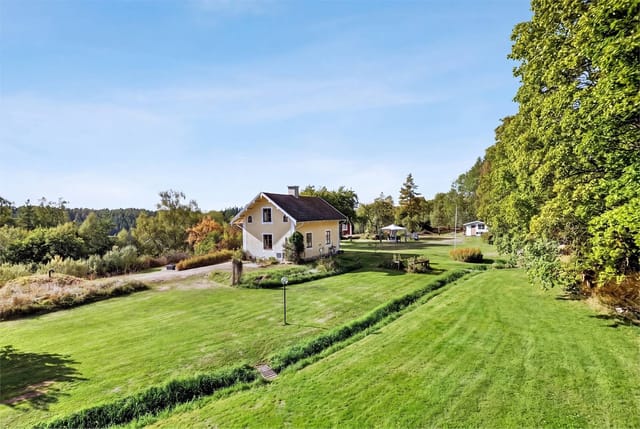
Photo 1 of Kaliwerk 18A

Stand in the galleried grand hall of Kinloch Castle on a still October morning, and you'll hear almost nothing — just the faint knock of a red deer against the treeline, and the distant slap of Loch Scresort against the pier stones. That silence is not emptiness. It's the sound of one of the most remote and historically charged addresses in the British Isles doing exactly what it was built to do: making the rest of the world feel very far away. Kinloch Castle sits on the eastern shore of the Isle of Rum, the largest of the Small Isles scattered across the Inner Hebrides off Scotland's west coast. Built between 1897 and 1900 for Sir George Bullough — a Lancashire industrialist with seemingly bottomless pockets and a taste for the theatrical — this Category A listed sandstone castle is not a ruin dressed up in heritage language. It is a fully intact Edwardian time capsule, with its original contents still in place: the 1900 Steinway grand piano still in the ballroom, the Japanese lacquer cabinets still catching the afternoon light in Lady Monica's drawing room, the mechanical orchestrion still housed inside the Jacobean staircase. That orchestrion, incidentally, is one of only three ever built by Imhoff and Mukle of Germany. The other two are in museums. This one comes with the castle. The scale of the place takes a moment to absorb. Twenty bedrooms, nine bathrooms, and a ground floor that reads like an architectural fever dream of Edwardian ambition: a galleried grand hall with mullioned bay windows big enough to fill with winter light, a mahogany-panelled dining room with crystal candelabras still on the table, a billiard and smoking room that smells faintly of old leather and woodsmoke, a ballroom with a sprung floor ... click here to read more
Kinloch Castle

Stand on the west-facing terrace at Flygansvær 119 on a late June evening and the sky stays gold until nearly midnight. The fjord is maybe three hundred meters away. A herring gull cuts across the pines. Somewhere further along the island, someone is pulling a rowboat up onto the rocks. This is Reksteren — and once you've spent a weekend here, it tends to rearrange your priorities. Reksteren sits in Tysnes municipality in Vestland county, a granite-spined island draped in heather and birch that most international visitors have never heard of. That's part of its appeal. It's not a tourist destination in any conventional sense. It's a place where Norwegian families have kept summer cabins for generations, where the same neighbors nod at each other across the water every July, and where the ferry crossing from Jektevik or Hodnanes takes less than fifteen minutes but feels like crossing into a slower, older world. The island is connected to the mainland by road via the Tysnes municipality road network, and Bergen — Norway's second city, with its historic Bryggen wharf, its fish market on Torget, and its direct international flights — sits roughly ninety minutes away by car and ferry. Oslo is within reach for a long weekend drive. The Flesland international airport means buyers arriving from London, Amsterdam, or Frankfurt can be pulling on boots and heading down to the shoreline within a few hours of landing. The chalet at Flygansvær 119 is a two-bedroom cabin in good condition, 56 square meters of indoor living space arranged across two floors, sitting on a privately owned plot of 2,032 square meters. That plot is the thing that stops you mid-sentence when you first see it. Over two thousand square meters of garden, terra ... click here to read more

Picture 1

On a clear morning, you can stand in the living room of The Gables and watch the mist lift off the Denbighshire hills — a slow, unhurried theatre that no screen saver has ever quite captured. The fields roll away in every direction, the lane outside stays quiet enough to hear a pheasant in the hedge, and the only traffic you'll encounter before 9am is someone walking a spaniel. This is rural North Wales at its most grounded, and this four-bedroom house on roughly one acre of flat, usable land puts you right in the middle of it. Built in 2004 and maintained in genuinely good condition throughout, The Gables sits along a quiet country lane in Llannefydd, a small village tucked into the hills between Denbigh and the Vale of Clwyd. The house delivers around 2,600 square feet — 239 square metres — across two well-organised floors, which means there's actual room to spread out. Not just a spare bedroom and a narrow hallway, but three reception rooms, a proper kitchen with a breakfast area, a utility room you'll use every single day, and four double bedrooms served by three bathrooms. For a holiday home or second home in North Wales, that kind of space is genuinely hard to come by at this price point. Pull into the long gravel driveway and you immediately understand the scale. The house sits well back from the lane. The grounds extend to about an acre of level grass — no steep banks to manage, no awkward corners — just usable land with open countryside beyond the boundary. Families who've spent years cramped into suburban gardens tend to go a bit quiet when they first see it. There's a rear patio accessible through French doors from the kitchen, perfect for a long lunch when the weather behaves, and the surrounding hedgerows ... click here to read more

Front view of the property

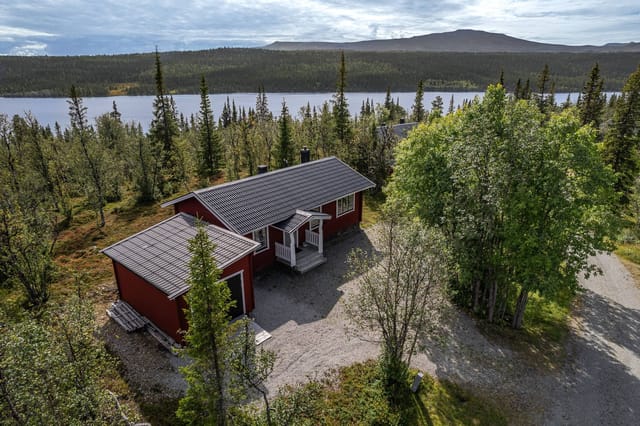
Step outside on a July morning and the first thing you notice is the silence. Not the uncomfortable kind — the deep, mountain kind, broken only by the creak of the veranda underfoot and the distant lap of Tyinvatnet against its shore. The lake sits right there, framed by the chalet's large windows like a painting that changes every hour with the light. This is Tyin, one of Norway's most coveted highland retreats, and this three-bedroom chalet on Tyinosvegen is your way in. The chalet covers 81 square metres on a single floor — a layout that sounds modest until you're actually inside and realise how thoughtfully it all works. No wasted corridors, no awkward rooms that never get used. The kitchen is the kind you actually cook in: generous counter space, real storage, and a wood-burning stove tucked into the corner that radiates heat on those shoulder-season evenings when the temperature drops faster than you'd expect. Sunday mornings here involve scrambled eggs from the local market in Øvre Årdal and coffee drunk slowly while the light shifts across the water. That's not a sales pitch — that's just what happens when you own a place like this. The living room opens directly onto the veranda, which wraps around two sides of the building. Part of it is covered, which matters enormously up here. Norwegian mountain weather has opinions, and having a sheltered outdoor space means you're outside in late September when the birch trees turn gold, and you're outside in April watching the snowpack recede from the ridgelines. The decorative fireplace inside means the transition back indoors is always warm and unhurried. Three bedrooms give you real flexibility. One is set up to fit a bunk arrangement — practically essential when th ... click here to read more

Welcome to Tyinosvegen 2268, presented by Garanti Indre Sogn v/ Malin Låksrud Øyre

Stand at the end of your own jetty at six in the morning. The water in Tanumskilen is so still it mirrors the granite cliffs on the far shore. A cormorant dries its wings on a rock nearby. Your coffee is getting cold back on the terrace. You don't care. This is what owning Klätta 1 A and B actually feels like—and there is genuinely nothing else like it on the Swedish west coast market right now. Set on its own private peninsula in the Bohuslän archipelago, just outside Tanumshede in Västra Götaland county, this is an 8.3-hectare coastal estate comprising two fully winterized residential houses, a private boat and swimming jetty, and direct frontage onto some of the most sought-after sailing water in Scandinavia. The shoreline sits roughly 100 meters from the front doors. Four bedrooms, two bathrooms, 167 square meters of indoor living space, and an additional 62 square meters of utility area across the two interconnected properties—together they form a compound that works equally well as a private family retreat or a genuinely viable coastal business base. The Bohuslän coast has been pulling people north from Gothenburg for generations, and for good reason. This is the Sweden of salt-bleached wooden boathouses, hand-painted red cottages perched on polished rock, and harbors where the morning catch gets weighed while the fog still sits low on the fjord. Grebbestad, about 8 kilometers east and reachable in ten minutes by car, is the kind of town where the oyster boats come in at the Grebbestad Fiskmarknad and you can eat those oysters an hour later at a table overlooking the quay. In July, the harbor fills with wooden sailing vessels for the annual gatherings that attract classic boat enthusiasts from across the Nordic c ... click here to read more

Main house and sea view

Stand at the upper floor windows of Aidengrove House on a clear morning and you can watch container ships ghost silently across the Firth of Clyde while the hills of Argyll turn gold in the early light. It's the kind of view that makes you put your coffee down just to stare. This is Kilcreggan — a quietly extraordinary village clinging to the tip of the Rosneath Peninsula — and this five-bedroom stone villa on Argyll Road is one of its most compelling addresses. The house itself is a proper Scottish stone villa, the kind built to last centuries and increasingly rare to find in genuine good condition. At 209 square metres across two floors, it has the bones of a grand Victorian family home and the practical upgrades of a property that has been genuinely cared for. The south-west facing orientation means the principal rooms drink in afternoon and evening light, with the gardens and the water beyond framed like a painting that changes every hour. Pull up the driveway — there's ample off-street parking, a small but meaningful luxury for any property in this part of the peninsula — and you're greeted by mature landscaping that took decades to establish. Beech hedges, established shrubs, and a mix of young and old planting give the enclosed front and rear gardens a sense of depth and seclusion that a new-build could never replicate. In late spring, the front lawn catches the last of the day's sun until almost nine in the evening. There are few better places to end a long summer day. Inside, the reception hall sets the tone immediately: high ceilings, original stonework detailing, and a flow between rooms that feels generous rather than formal. The principal lounge connects through to a sitting room, and the arrangement work ... click here to read more

Front view of Aidengrove House