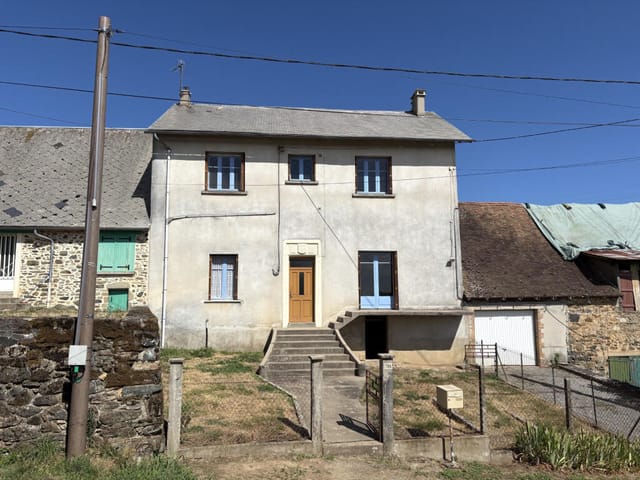
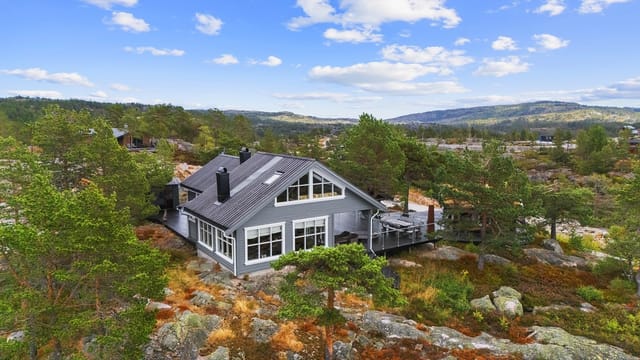
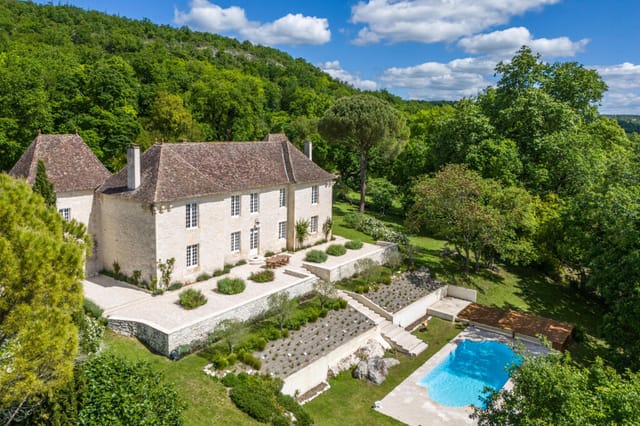
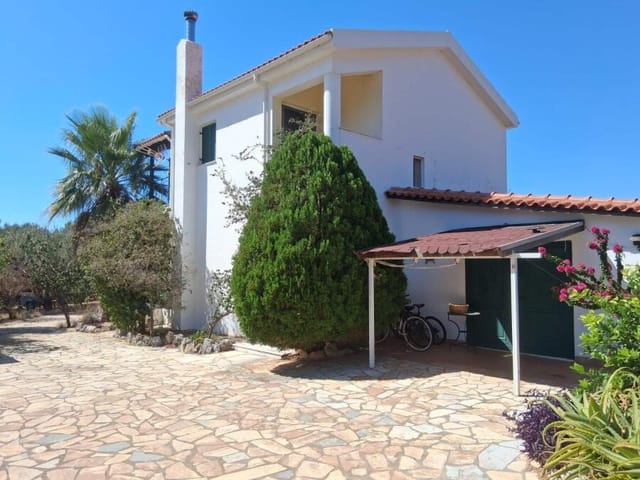
Houses For Sale In Europe (page 6)

Houses for sale in europe - homestra offers the largest amount of european real estate with over 200,000+ properties, find any type of property within your budget from villas to country homes. buy or rent your perfect home in europe. (page 6)

Step out onto the south-facing terrace on a July morning, coffee in hand, and the first thing you notice is the light. Norwegian summer light at this latitude has a quality that's hard to explain until you've experienced it—broad, golden, unhurried, pouring across 38 square meters of deck with nowhere to be. The pines hold still. The sea is 100 meters away, and you can just catch the salt in the air if the breeze is coming from the right direction. This is Vestre Myråsen 80, a cabin on the outer edges of Gressvik that's been a proper summer base since 1965, and it still does the job about as well as anything in the Østfold coastal belt. Gressvik sits on the Rolvsøy island in the Fredrikstad municipality, separated from central Fredrikstad by the Glomma river and connected to it by bridge in under ten minutes by car. That geography matters. You get genuine seclusion—the kind of quiet that's genuinely rare this close to a city—while remaining within arm's reach of one of Norway's most historically significant towns. Fredrikstad's Gamlebyen, the old town fortress district, is the best-preserved fortified town in Scandinavia. Its cobblestone lanes, 17th-century barracks converted into galleries and craft shops, and the seasonal market along the moat are the sort of thing you keep rediscovering every summer. The short ferry crossing from Gamlebyen to Isegran island takes about two minutes and runs all day. It never gets old. Back at the cabin, the plot itself is the first thing that strikes you. At 1,848 square meters, it's unusually generous for this stretch of the coastline, and the trees and natural hedging on the perimeter give it the feeling of a private compound rather than a standard holiday parcel. Children have roo ... click here to read more

Welcome to Vestre Myråsen 80!

Step out onto the 40-square-metre terrace at Hellgrenda 134 on a clear July morning and you'll understand immediately why people keep coming back to Frosta. The Trondheimsfjord stretches out below, the light is already sharp and warm by eight o'clock, and somewhere down the hillside a tractor is cutting grass on one of the peninsula's old farms. This is not a postcard version of Norway. It's the real thing — quiet, grounded, and genuinely restorative. Frosta is one of those places that locals have kept to themselves for decades. Jutting out into the Trondheimsfjord between Levanger and Stjørdal, the peninsula is one of the warmest and sunniest corners of Trøndelag. The microclimate here is no accident — sheltered from the harshest westerly winds and tilted towards the south, Frosta gets more growing days per year than almost anywhere else at this latitude, which is why the peninsula is famous across Norway for its asparagus, strawberries, and early potatoes. You can buy them from farm stalls along the roadside in June and July, still dirty from the earth. The chalet sits on a private plot of 616 square metres on the elevated slopes of Hellgrenda, a peaceful ribbon of rural road in the southern part of the peninsula. From this position, the cabin catches sun from morning to evening. The terrace faces the fjord and on clear days you can pick out the mountains above Stjørdal on the far shore. Evenings up here in midsummer are something else — the sky barely gets dark, the fjord goes silver, and the only sounds are birds and the occasional distant boat engine. Originally built in 1967, the cabin has been carefully updated without losing the compact, honest character that makes these old Norwegian hytter so appealing. The ... click here to read more
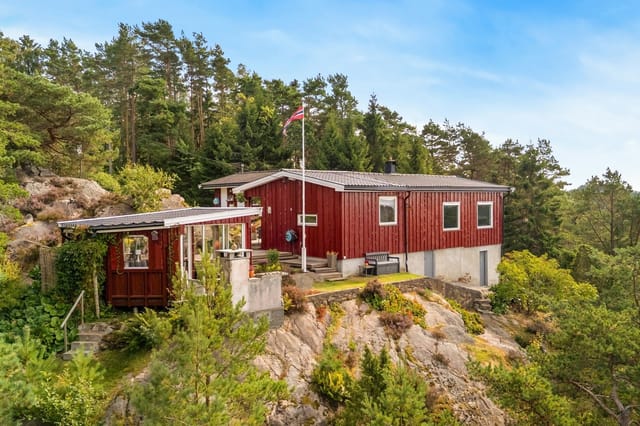
Front view of the property

Stand on the covered terrace at Gravbergsvegen 850 on a still September morning and you'll understand immediately why people have been coming to this corner of Innlandet for generations. The birches are turning gold, the surface of Holtsjøen is completely flat, and the only sound is the occasional knock of a woodpecker somewhere back in the forest. It's the kind of quiet that takes a minute to adjust to if you've been living in a city. This is a raw project — let's be straight about that. The cabin sits on its 1,030-square-metre natural plot in genuinely original condition, with no electricity, water, or sewage currently connected. For the right buyer, that's not a deterrent. It's the whole point. What you're acquiring here is a piece of Norwegian forest land with an existing footprint, a solid starting framework, and complete freedom to reimagine the space on your own terms. At 26,500 EUR, it's one of the most accessible entry points into Norwegian cabin ownership you'll find anywhere near a lakeside setting like this. The cabin itself covers 45 square metres and holds a proper layout: entrance hall, utility room, kitchen, living room, and one bedroom. Small, yes. But Norwegian hytte culture has never been about square footage — it's about the relationship between the building and what's outside it. The interior fireplace and traditional wood-burning stove are both functional and give the space something that newer builds spend a lot of money trying to recreate: genuine warmth, the crackle of birch logs, the amber light that only comes from real flame. The bedroom has a built-in bed and overhead storage, the kitchen has open shelving and the wood stove doubles for cooking, and large windows in the living room pull the ... click here to read more
Welcome to Gravbergsvegen 850! Photo: Elisabeth Gjerdingen

Stand on the 35-square-meter terrace at Østre Holmefjellet 20 on a clear July morning and you'll understand immediately why people have been coming to this stretch of the Oslofjord coast for generations. Krokstadfjorden spreads out below you, the water shifting between silver and deep blue depending on how the light hits it, and somewhere down the slope your boat is tied up at the private mooring, ready. That's the rhythm of life at this cabin — unhurried, uncomplicated, and deeply Norwegian in the best possible way. The cabin itself was built in 1967 and sits in genuinely good condition, the kind of honest upkeep that comes from a family that actually used the place rather than just owned it. At 49 square metres total, it's not trying to be anything other than what it is: a compact, well-considered retreat for two to four people who'd rather spend their time outside than rattling around inside. The open-plan kitchen and living area is the social engine of the cabin, with large windows that frame Krokstadfjorden like a painting that changes every hour. On overcast evenings, light the wood stove and the whole room shifts into something genuinely cosy — the kind of atmosphere you can't manufacture with interior design, only with a proper fireplace and the sound of wind moving through conifers outside. Both bedrooms are comfortable and practical. They sleep four easily, making this a solid choice for a couple with kids or two friends splitting the cost of a Norwegian summer — which, for what this property offers, represents exceptional value. The bathroom is straightforward and accessible, exactly what you want when you're coming in salt-damp from a morning swim. The plot is where this property really earns its asking pr ... click here to read more
Picture 1

The alarm doesn't go off at Sveltaroa 32. You wake up when you wake up — maybe to the sound of a woodpecker working through a birch somewhere behind the treeline, maybe to the faint slap of water against the dock below. The lake is still in the early morning. Coffee, the veranda, and absolutely nowhere to be. That's the rhythm this cabin sets from the moment you arrive. Sitting on a generous 2,004 square metre freehold plot above Lake Øymarksjøen in Marker municipality, this traditional Norwegian cabin from 1973 is the kind of place you buy with a project in mind and end up loving exactly as it is — at least for the first summer. The main structure covers 51 square metres of usable interior space, with a total built footprint of 68 square metres. Compact, yes. But Norwegian cabin life has never been about square footage. Step through the entrance hall — the classic vindfang that keeps mud boots and wet rain gear firmly outside the living space — and you move into an open plan kitchen and living room that does exactly what it needs to do. There's room for a proper sofa arrangement, a dining table large enough for a family dinner, and a wood-burning stove set into a brick chimney that becomes the heart of the whole place once October arrives. Light the stove on a grey autumn Friday and the cabin goes from cold to alive within the hour. The smell of woodsmoke drifting out through the trees is the unofficial signal that the weekend has started. The kitchen is straightforward and honest — solid wood worktop, profiled cabinet fronts, nothing flashy. It works. Two bedrooms handle sleeping arrangements for a couple or a small family, and the toilet room is fitted with an incineration toilet practical enough for a property in ... click here to read more
Welcome to Sveltaroa 32 - presented by Anita Heer, Aktiv Mysen og Rakkestad AS. Photo: FOTOetcetera AS

Step outside on a quiet Tuesday morning, coffee in hand, and there's nothing between you and the treeline. No neighbors visible, no traffic noise, just the soft creak of the forest at the edge of the garden and the occasional woodpecker going about its business somewhere in the canopy. That's what Heirbaan 309 feels like at 8am. It feels like you're already on holiday—except you haven't gone anywhere. Lanaken-Rekem sits in the Belgian province of Limburg, right where the country softens into something greener and quieter than most people expect. The Albert Canal runs nearby, cyclists thread through the Kempen woods on weekends, and the Dutch border is literally a ten-minute drive. Maastricht—one of the most walkable, food-obsessed small cities in the Benelux—is under twenty minutes by car. Hasselt, with its pedestrian shopping district and vibrant café scene, is about thirty. This location sounds rural when you look at a map. In practice, it's one of the most convenient spots in the region. The bungalow itself spans a generous 288 square metres across two fully usable levels, and the word "bungalow" undersells it. The ground floor lives like a spacious family home, and the basement—fully finished with heated rooms, daylight windows, and high ceilings—doubles the living space in a way that most properties in this price bracket simply can't match. The renovation was done properly, in 2018, with the kitchen following a year later. You can tell. The ceramic tiling flows consistently across the entire ground floor, giving the interior a visual coherence that shortcuts the usual interior decorating headache. The kitchen is country-style without being kitsch—granite countertops, Siemens induction hob, two ovens, a proper Ame ... click here to read more
Front view of Heirbaan 309

Step onto the terrace at Brattåkervegen 6 on a clear June evening. The fjord catches the last of the western light, the grill house smells of pine smoke and charcoal, and the silence is the kind you can only find in a corner of Norway that most people drive straight past. That's exactly what makes Mosvik worth stopping for. Situated on the inner shores of Trondheimsfjord in the municipality of Inderøy, this two-bedroom chalet sits at the kind of address that rewards the people who find it. The sea is 300 meters away — close enough to hear on a still night, close enough to walk to in bare feet on a warm morning in July. The plot itself is 822 square meters of freehold land, which in coastal Norway is not something to overlook. You own the ground beneath your feet outright. The cabin was built in 1977 and has been updated steadily since. It's not a renovation project. The electrical system has been fully renewed with new circuits and a fuse box. Water comes year-round from a drilled well installed in 2020, fed through an isothermal pipe with a heating cable you can control from inside — meaning February is as viable as August. A heat pump handles the heavy lifting on cold days, backed by a fireplace that makes the 22-square-metre living and dining room feel genuinely warm rather than just heated. Big windows frame the water view from the dining table. On grey November afternoons, that view does a lot of the work. The kitchen is compact — 5.5 square metres — but practically laid out with space for a full-size fridge and stove. Norwegian hytte culture has never been about grand kitchens. It's about the meal after a long hike, cooked quickly, eaten together. This kitchen understands that. From the living room, sliding out ... click here to read more
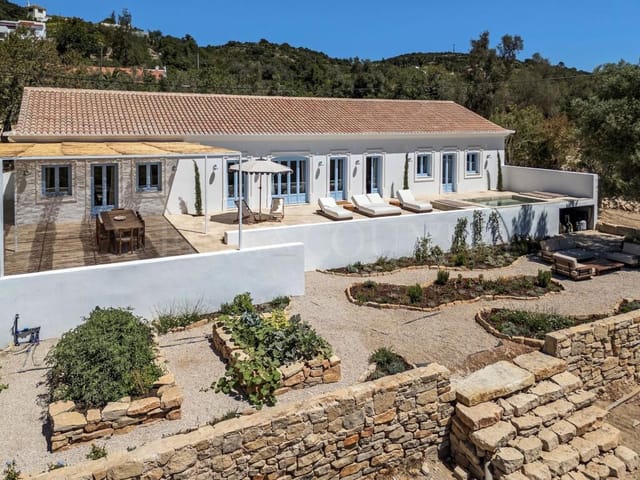
Welcome to Brattåkervegen 6, presented by EiendomsMegler 1 v/ John Sivert Brandt. Photo: ELW media (Espen Wåde). Summer photo from 2019.

The engine cuts out. The boat drifts the last few meters to the berth, and suddenly the only sounds are the cry of a gull overhead and the soft knock of hull against wood. You're fifty meters from the front door of your own house on Edesön, and the whole of Jungfrufjärden is laid out ahead of you in a sweep of silver-blue water. This is how life on this island begins — not with a commute or a queue, but with a ten-minute crossing from the mainland that feels, every single time, like crossing into somewhere else entirely. Edesön sits in the inner Stockholm Archipelago, accessible by boat from the car and boat parking at Skärkarlsedet on the Dalarö peninsula in Haninge municipality. That crossing is part of the property's identity. It's the reason the island feels genuinely private. No drive-by traffic, no strangers wandering past the garden. Just the island's own rhythm, the smell of pine resin warming in the afternoon sun, and the particular quiet that only comes when you're surrounded by water. The house itself — a classic Swedish röd stuga with white corner trim — sits elevated on a natural plot of 1,120 square meters where bedrock, soft grass, and mature Scots pines coexist as they've always done here. The 50-square-meter main house was built with one clear priority: the view. Floor-to-ceiling windows on three sides of the open-plan living and dining area make Jungfrufjärden a constant presence, a living painting that changes with the light, the season, and the weather. On a clear winter morning, with the masonry fireplace crackling behind you and frost glittering on the rocks outside, it's the kind of view that ruins ordinary living rooms forever. That fireplace anchors the entire interior. It's not decorative — i ... click here to read more
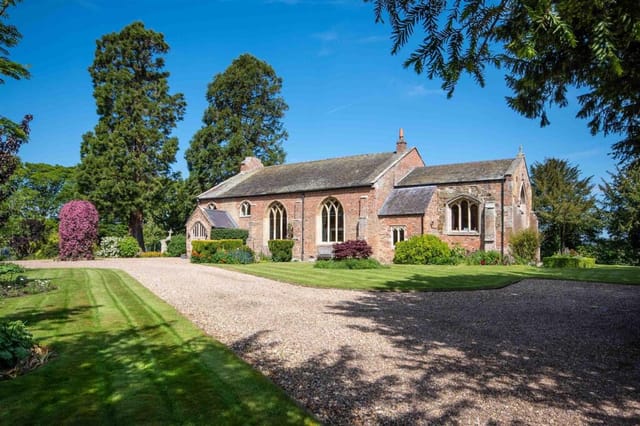
Main house and sea view

Step outside on a Sunday morning at Jaegerweg 19, coffee in hand, and the meadow at the back of the garden is still catching the last of the mist. A heron drifts low over the fields. No traffic. Just wind, birdsong, and somewhere across the Dutch border, church bells. This is the specific, unhurried pleasure of living on the Lower Rhine — and this two-bedroom detached house, sitting on a 637-square-metre plot at the edge of Emmerich am Rhein, delivers that feeling every single day. Emmerich am Rhein is a town that most people drive past on the A3 without stopping. That's their loss, and frankly your gain. It sits right on the Rhine, about four kilometres from the Netherlands, and it has the easy rhythm of a place that doesn't feel the need to show off. The Saturday market on the Geistmarkt sells local asparagus in spring, hearty Gouda wheels year-round, and fresh stroopwafels because the Dutch influence bleeds happily across the border. Emmerich's Rhine promenade is one of those genuinely underrated walks in western Germany — long, flat, lined with old linden trees, and ending at the Rhine bridge, which is actually the longest suspension bridge in Germany and a piece of proper industrial history. The town's St. Aldegundis church, with its medieval tower, keeps the skyline honest. It's not a resort. It's a real place, and that's exactly what makes it work as a second home or vacation property. The house itself was built in 1981 and sits comfortably in good condition — not a project, not a renovation gamble, but a solid single-level home with honest bones and room to personalise over time. At 116 square metres of living space, the layout is practical and generous for two people, or a couple with children in for the holid ... click here to read more
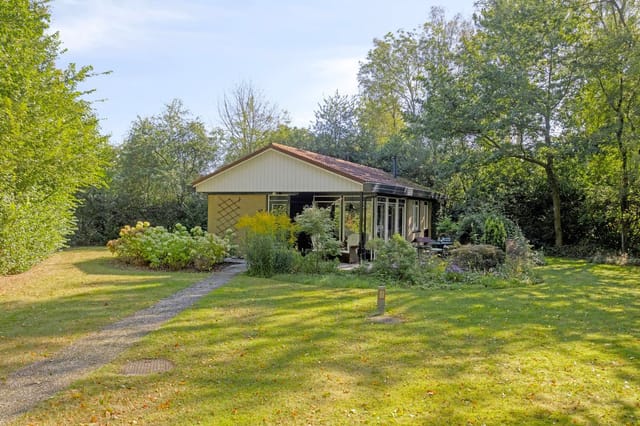
Photo 1 of Jaegerweg 19

Stand in the kitchen on a Saturday morning, coffee in hand, and you'll hear it — the faint bell of the Kanne church drifting over the rooftops while cyclists roll past the gate toward the Albert Canal towpath. The garden is already warm. The terrace catches the sun from early morning, and the deep, enclosed lawn stretches far enough behind you that the kids have disappeared into their own world. This is what daily life feels like at Oudeweg 26, and it takes about ten minutes here to understand why people come to this corner of Belgian Limburg and quietly decide they're not leaving. Kanne sits on the edge of something genuinely rare: a limestone plateau where the Netherlands, Belgium, and a shared sense of slow, outdoor living all converge. The village is small — perhaps 1,500 people — but it punches well above its weight. The Sint-Pietersberg hill rises just minutes to the east, and the Plateau of Caestert, a protected nature reserve laced with trails for hiking and mountain biking, starts practically at the end of the road. On autumn mornings, the mist sits low over the Meuse valley below and the light turns gold over the marlstone cliffs. It's the kind of scene that makes you cancel whatever you had planned. And then there's Maastricht. Barely five kilometres away, one of the Netherlands' most culturally alive cities is reachable by bicycle along the canal — a flat, easy ride that takes about twenty minutes past willows and weekend fishermen. Maastricht is home to the Vrijthof square, where café terraces spill out under the towers of Sint-Servaasbasiliek, and where the TEFAF art fair each spring draws collectors from across the globe. The Wyck neighbourhood has some of the best independent restaurants in the Benelux ... click here to read more
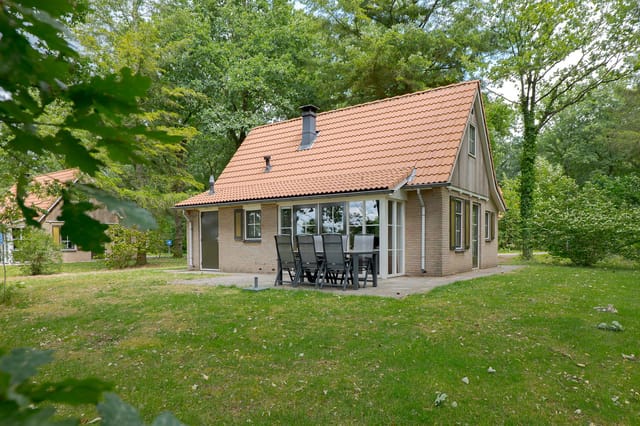
Front view of Oudeweg 26

Step outside on a Saturday morning in late May and the garden stretches out in front of you — eighty-three meters of it, dew still clinging to the lawns, the hedgerows full and dark green, a wood pigeon doing its thing somewhere near the back gate. You've got coffee. The conservatory door is open. This is what a slow European morning is supposed to feel like. Gangelt sits quietly in the far southwestern tip of North Rhine-Westphalia, just a few kilometers from the Dutch border, in a part of Germany that most international buyers haven't discovered yet. That's precisely the point. While better-known regions attract crowds and premium price tags, this corner of the Heinsberg district rewards the people who actually bother to look. Rolling countryside, clean air, cycling routes that thread through farmland into the Netherlands, and a pace of life that genuinely slows you down. The A46 and A44 motorways connect you to Düsseldorf in under an hour. Maastricht is thirty-five kilometers away — close enough for a proper Dutch rijsttafel dinner and back home before dark. Eindhoven Airport is roughly forty minutes by car, making this property realistic as a European second home rather than a logistical headache. The house on Luisenring 89 is a generous, solidly built detached home from 1956 that has been updated consistently over the decades — not flipped or cosmetically staged, but genuinely improved by owners who lived here. The 167 square meters of living space spreads across three floors, and the ground floor layout has an easy, unhurried quality to it. The L-shaped living room opens directly into the conservatory, which measures roughly seven by five meters. That room gets the afternoon light. In summer it's warm and golden ... click here to read more
Front view of Luisenring 89

Stand on the terrace at nine in the evening in July and the sun still hasn't gone down. The Trondheimsfjord catches the light and throws it back in shades you don't have names for—copper, pale gold, something between silver and white. The boathouse door creaks gently in a soft onshore breeze. That's the sound of this place. That's the rhythm of a summer here. Viggjavegen 261 sits right on the water's edge in Viggja, a quiet community along the inner fjord in Trøndelag, roughly 35 kilometres southwest of Trondheim. The drive in from the city takes just over half an hour on the E39—close enough for a Friday evening escape after work, far enough that the outside world genuinely falls away when you arrive. The cabin was built in 1964 and has been kept in good condition over the decades, a solid and unpretentious structure that does exactly what a Norwegian fritidseiendom should: it puts you outside as much as possible and gives you somewhere warm to come back to. The main cabin runs to 39 square metres of internal living space, with a total usable area of 73 square metres when you include the outbuildings and external structures. Inside, there's a bright living room with large windows that face the fjord—on a clear morning you can watch sea eagles working the shoreline from the sofa—a functional kitchen with decent workspace and storage, and two bedrooms that are compact but genuinely comfortable, with room for beds and enough storage to make a proper stay of it. A wood stove in the living room changes the atmosphere entirely come autumn. Light it after a day out on the water in September and the whole cabin smells of birch and woodsmoke, and you remember why you bought the place. The boathouse is one of the property's mo ... click here to read more
Cabin with 1.5 decares and fantastic location by the sea

Step outside on a June morning and the air already smells like wet pine and salt. The fjord is visible through the tree line — a silver strip of it — and the only sound is birdsong and the creak of the old wooden veranda underfoot. This is what you drove past when you told yourself, just once more, that you'd find something like this. Kvalvågdalen 41 sits in the quiet valley of Kvalvågdalen on the island of Frei, just west of Kristiansund on Norway's Atlantic coast. Built in 1931 and kept in good condition through decades of careful ownership, this two-bedroom chalet is the kind of place that earns its reputation through simplicity rather than show. Ninety-three years old and still standing straight, with a wood-burning stove throwing light across the living room walls and a 30-square-metre veranda that catches the afternoon sun like it was designed specifically for that purpose. The plot is the first thing that hits you: roughly 1,924 square metres of lawned and planted land, with mature growth giving the kind of privacy that new-build estates spend fortunes trying to fake. There's a detached storage shed for kayaks, cross-country skis, garden tools, whatever the season demands. Parking is right there on the property — no street hunting, no fuss. Inside, the layout across two floors covers 66 square metres total, with 57 square metres of usable interior space. That might sound compact until you're actually in it. The living room handles a full dining setup and a sofa group without feeling squeezed, largely because someone had the sense to put in large windows that draw the garden in visually. The wood-burning stove anchors one wall; a heat pump handles the shoulder seasons when you want warmth without the ritual of l ... click here to read more
Front view of the cabin at Kvalvågdalen 41

On a quiet morning in early June, you step outside your back door at Björnmossevägen 60 with a coffee in hand. The garden stretches out ahead of you — a full 2,560 square meters of it — and somewhere beyond the treeline, maybe 300 meters off, you can hear the faint splash of a swimmer at one of the nearby lakes. The air smells of pine resin and wet grass. Stockholm feels like a world away, even though it's only about 35 kilometers north. That's Brottby. That's what draws people here. Tucked into the Garns-Ekskogen forest landscape within Vallentuna municipality, this two-bedroom house sits on a generous private plot that gives you something increasingly rare around the Swedish capital: genuine space, genuine quiet, and genuine proximity to nature that isn't manicured or managed into blandness. Built in 2018, the house covers 82 square meters with a clean, light-filled interior that needs nothing done to it. Move in, hang your coat, and start living. The layout makes sense for the way people actually use a second home or holiday base. The main living area runs open between the lounge and dining space, with oversized windows pulling in the kind of northern light that makes everything look slightly better than it is. The kitchen is modern and properly equipped — not the hollow showroom kind, but the kind where you can actually cook a Sunday elk stew after a long autumn hike. Two bedrooms give you flexibility: one for sleeping, one for a bunk room for kids, or a proper home office if you're splitting time between Stockholm work and forest-life weekends. The bathroom is contemporary, finished well, and does exactly what it needs to. Outside is where this property earns its price tag. The 2,560-square-meter plot is the rea ... click here to read more
Exterior view of the house and garden

Six o'clock on a crisp Flemish morning. You walk out through the back door in your boots, coffee still warm in your hand, and the horses are already moving in the paddocks. The mist sits low over the meadows. This is not a weekend retreat you squeeze into. It's a full life — the kind most equestrian families spend years searching for and rarely find in one address. Diestersteenweg 25 sits on the edge of Maaseik, a town on the Maas river in Belgium's Limburg province that most international buyers haven't discovered yet — which is precisely what makes it interesting. Maaseik is the kind of place where the Friday market on the Markt square still matters, where you can get a proper carbonnade flamande at De Watermolen without a reservation, and where the cycle routes along the river stretch for kilometres without a traffic light in sight. It's quiet in the right way. Not isolated — just unhurried. The villa itself is a solid, detached property of 250 square metres. Four bedrooms, two bathrooms, and a layout that has been thoughtfully updated without losing the grounded, practical character that suits a working equestrian estate. New joinery was fitted in 2020, a condensing boiler installed in 2022, and the insulation throughout meets current standards. The EPC rating reflects that. You won't need to spend the first two years renovating — you can move straight in and focus on what actually matters. Step through the entrance hall and the ground floor opens up generously. The living room runs wide, anchored by a gas fireplace that does real work through Belgian winters — and Limburg winters can be grey and damp from November through February, so you'll want it. Off the living area, there's a separate office that functions e ... click here to read more
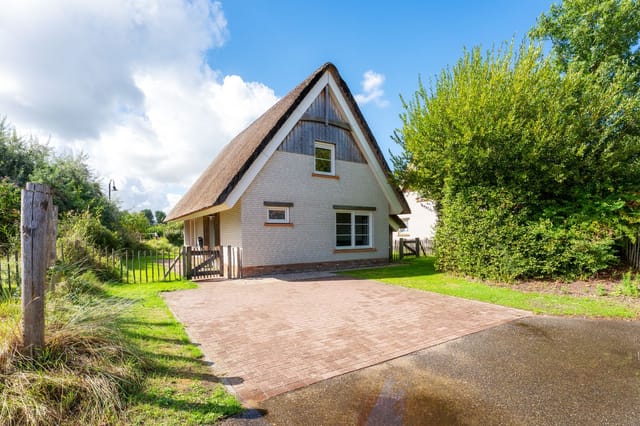
Front view of Diestersteenweg 25

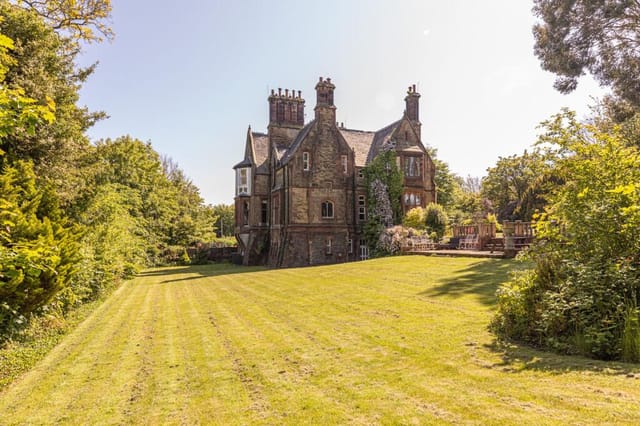
Stand at the kitchen window of The Camb on a clear October morning and the Culter Fell ridge sits right there, purple-brown and close enough to feel personal. Church bells carry from the town centre. The smell of woodsmoke drifts in from next door's chimney. It's the kind of quiet that city people specifically leave the city to find — and here, it comes standard. This is a mid-1800s B-listed detached house on Coulter Road, one of Biggar's most handsome residential streets, set behind a horseshoe driveway on roughly three-quarters of an acre of mature, terraced garden. Five bedrooms across three floors, three bathrooms, 217 square metres of living space, and a level of period detail that modern builds simply cannot replicate. It's in genuinely good condition — sympathetically updated over the years without erasing what makes it worth owning in the first place. The exterior gives you mullioned windows, wrought iron balustrades, and a Juliet balcony on the upper floor. These aren't decorative afterthoughts; they're structural commitments to a certain way of building that stopped being commercially viable a century ago. Step inside and the entrance hallway is wide and tall, with a sweeping staircase that sets an unhurried tone for the whole house. You're not rushing anywhere the moment you walk through that door. The bay-windowed lounge faces the hills. An Adam-style fireplace anchors the room — lit on winter afternoons, it turns the lounge into the kind of space where conversations last longer than intended. Bookshelves, a decent whisky, the hills going dark outside. The period ironwork and original detailing throughout have been kept rather than replaced, which takes genuine restraint during a renovation and makes a rea ... click here to read more
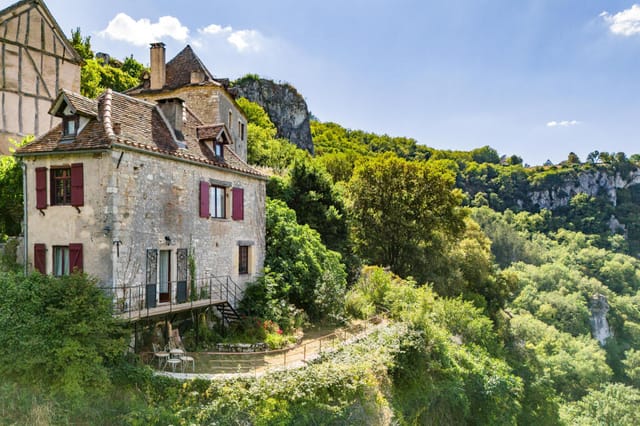
Front

You wake up Saturday morning and the only sound is wind moving through the birch trees outside. No traffic. No notifications. Just the faint creak of timber and the smell of woodsmoke still hanging in the air from the night before. That's what mornings at Åslettlie feel like — and once you've had a few of them, it's very hard to go back to anything else. Sitting at roughly 830 meters above sea level in Etnedal, a quiet valley community in the heart of Valdres, this three-bedroom chalet is the kind of place that resets you. Norway's mountain cabin culture — the concept of friluftsliv, or open-air living — runs deep here, and this property sits right at the center of it. The Valdres region stretches between the Filefjell and Jotunheimen mountain areas, and it's been drawing Norwegians to its rivers, ridgelines, and frozen trails for generations. Owning a foothold here, especially at this price point, is genuinely rare. The chalet covers 53 square meters of primary living space — compact, yes, but Scandinavian cabin design makes every centimeter count. Walk in and the entrance does its job: boots off, layers hung, the outside world already starting to feel far away. The main living area opens up around a wood-burning fireplace that earns its keep from October through April. On a February evening with the snow piling up outside and the fire going, the open-plan layout — kitchen corner, dining area, sitting space — feels not cramped but exactly right. Six people can sleep here comfortably across the three bedrooms, which is the magic number for a family trip or a weekend with friends where no one has to draw straws over a couch. The roof was replaced in 2015, so structural peace of mind is already built in. More interestin ... click here to read more
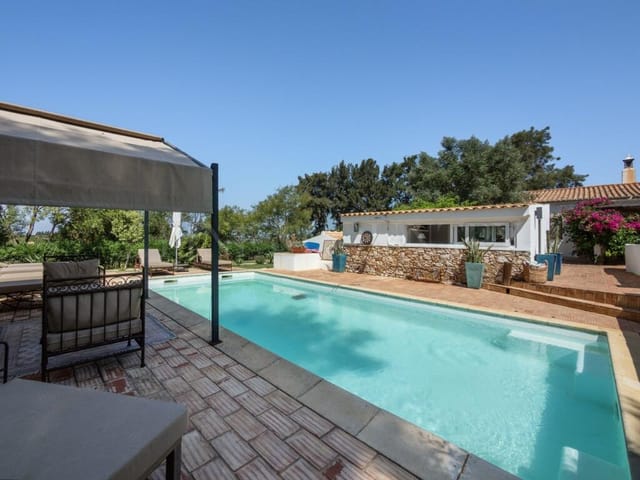
Picture 1

Sunday morning in Achel has a particular rhythm. The bells from the village church carry across the fields just after nine, and by the time the smell of fresh bread drifts over from the bakery on Kluizerdijk's end, you're already planning which corner of the 1,466-square-metre garden to set up breakfast. That's the daily pace this house invites — unhurried, grounded, and genuinely good. Set on a wide, peaceful plot on Kluizerdijk 16 in the Belgian municipality of Hamont-Achel, this four-bedroom detached house is the kind of property that doesn't announce itself loudly. It earns your attention slowly. The plot is broad and sunny, the garden rolls out generously front and back, and the surrounding streets are quiet in the way that only genuinely residential neighbourhoods manage to stay quiet — not staged, just real. Built in the 1970s and kept in consistently good condition, the house spans approximately 177 square metres of living space across two floors. Walk through the front door and the living room opens up wider than you'd expect — a proper sitting area at one end, a dining space at the other, connected by the kind of natural light that only comes from large windows positioned just right. The floor was replaced recently and gives the room a clean, contemporary feel without erasing the home's character. On a winter afternoon, with the 2025-installed gas boiler running quietly in the background, this room is exactly where you want to be. The kitchen is generous by any standard — not a galley you squeeze past, but a proper family kitchen with room for a breakfast table and enough bench space to actually cook. It leads through to a utility and laundry area, and a separate ground-floor toilet, which is one of those pr ... click here to read more
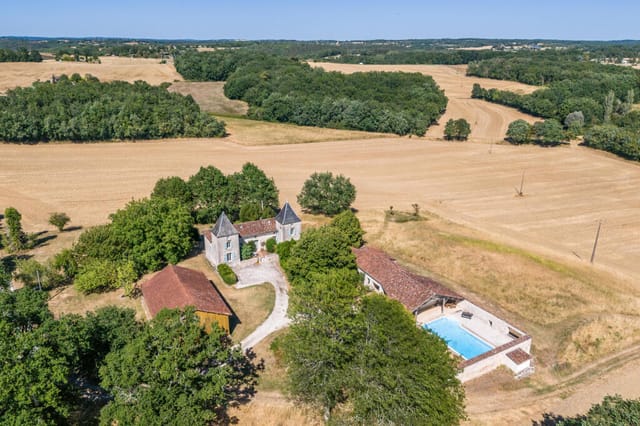
Front view of Kluizerdijk 16

Saturday morning in Maaseik has a particular kind of quiet. Not the empty kind — the earned kind. You open the kitchen's wide windows and the garden fills the room: damp grass, the soft sound of water moving through the koi pond, maybe a wood pigeon somewhere in the hawthorn hedge. By the time the coffee's done, you're already outside on the shaded terrace, and the rest of the day feels genuinely open in a way that city life rarely allows. That's the rhythm this house on Meidoornweg 24 makes possible. Built in 1977, it's been thoroughly reworked into something that performs well by every modern measure — energy label B, solar panels, heat pump boiler, gas condensing system, PVC double glazing throughout — while keeping the generous proportions that newer builds tend to sacrifice for efficiency. At 195 square metres of living space on a 1,129-square-metre fully enclosed plot, there's real room here. Room for five bedrooms, two bathrooms, a finished basement with integrated double garage, and a garden designed as seriously as the interiors. About that garden. It's the kind of outdoor space that changes how you use a house. Multiple zones, each with its own logic: a sun terrace for the late afternoons, a gazebo for when the Belgian sky decides it has other plans, a garden room that works year-round, and a koi pond that has a genuinely calming effect you'll stop apologising for finding meditative. The whole thing is enclosed, gated, and private — which matters when you're using this as a vacation home and arriving to find everything exactly as you left it. The ground floor living room catches the southern light through large windows and anchors around an electric fireplace set into a custom TV wall — understated, functio ... click here to read more
Front view of Meidoornweg 24, Maaseik

Pull up to Gunnarvattnet 5018 on a Friday evening in February, step out of the car, and the silence hits you first. Not the uncomfortable urban kind—proper, deep Nordic silence, broken only by the creak of snow-weighted pine branches and the distant buzz of a snowmobile fading somewhere toward the Norwegian border. The thermometer reads minus twelve. The cabin's heat pump has been running since you switched it on remotely from the motorway, and when you push open the door, it's warm and smells faintly of pine and the wool blankets folded on the bunk. This is why you bought the place. Valsjöbyn sits in Jämtland's far northwestern corner, in Krokoms kommun, about as far into the Swedish mountain wilderness as you can get while still reaching an ICA store within a reasonable drive. The village is small and unassuming—a cluster of red houses, a few hundred year-round residents, and a collective understanding that the real point of being here is what lies outside the front door. Gunnarvattnet, the lake that gives the address its name, is a short walk from the cabin. It's a proper fishing lake, too. Arctic char, brown trout, whitefish—the kind of stocks that take decades of clear, cold water to build. Come July, you can walk down before breakfast with a rod, and on a good morning you'll be back in time to fry something in the pan by eight. The cabin itself covers 52 square metres, which sounds compact until you're inside. The layout is honest and functional in the way that Swedish mountain cabins have always been: nothing wasted, nothing missing. The kitchen was recently renovated and is genuinely well-equipped—this isn't a weekend getaway where you're hunting for a working tin opener. You can cook a proper meal here. The li ... click here to read more
Exterior view of the holiday home

The smell hits you first. Pine resin warming in the morning sun, damp earth from the night's dew, and somewhere just beyond the treeline, the faint mineral coolness of the lake. You haven't even stepped off the veranda yet, and already the week ahead feels completely different from the one you just left behind. This is Vallsänge 6468 — a freshly built A-frame tucked into a 1,532-square-metre woodland plot in Kilafors, a quiet corner of Gävleborg County in central Sweden. The house went up in 2024. Everything inside is untouched, unscuffed, built for a first owner who wants to walk in and simply live, not renovate. Bergviken lake is a hundred metres away. That's not marketing shorthand for a distant glimmer on the horizon — it's genuinely a two-minute walk through the pines. On summer mornings you can be in the water before your coffee has cooled. The lake is calm and clean, the kind that turns gold-pink around nine in the evening when the Swedish summer light does that thing it does, low and endless, making everything look slightly unreal. The A-frame form isn't just a style choice. The steep-pitched roof handles heavy snow loads without a second thought, and the tall triangular windows that define the front facade pull light deep into the living space throughout the year — not just in July, when Sweden barely gets dark, but also in February, when every photon counts. The open-plan kitchen and living area feel larger than 40 square metres should allow. Good spatial planning does that. There's an additional 7 square metres of secondary space — useful for gear, a sleeping nook, or the kind of overflow storage that a holiday home always eventually needs. Outside, the stone fireplace is the centrepiece of the plot's soci ... click here to read more
Exterior view of the A-frame house

Stand on that west-facing balcony on a clear evening and you'll understand immediately. The fjord catches the last of the light somewhere beyond the treeline, the air smells faintly of pine and salt, and Bergen's city hum is far enough away to be completely irrelevant. This is Godvik. Fifteen minutes from one of Scandinavia's most visited cities, and it feels like a different world entirely. Janahaugen 3 is a two-bedroom chalet sitting on a 2,700 square metre freehold plot in the Drotningsvik area of Godvik — and that plot is the headline. Zoned for detached small house development, this is the kind of land holding that simply doesn't come up often this close to Bergen. You can settle in and enjoy what's already here, or you can think bigger. Both are entirely valid. The infrastructure groundwork is already done: a newly established road into the property, plus water and sewage connections already in place. That's not a small thing. It strips away months of preliminary work and significant cost if you ever decide to build. The cabin itself dates to 1955, but don't let that mislead you. The important things have been updated. A full kitchen renovation in 2022 brought in modern integrated appliances — oven, cooktop, dishwasher, a ventilator tucked into the upper cabinetry — all laid out in an open-plan arrangement with the living room. The space is brighter than you'd expect for a building of this age, partly because of generous window placement that pulls in light from the west and gives you those sea glimpses even from inside. On grey Norwegian mornings, which you will get plenty of, that light matters. The fireplace in the living room is not decorative. Come October, when the temperature drops and the birch trees out ... click here to read more
Front view of the property

Wake up to the reflection of Ben Cruachan sitting dead still on the surface of Loch Awe. That's the view from the kitchen at Taigh Geal on a clear October morning — the kind of view that makes you put the coffee down and just stand there for a minute. This is Ardbrecknish, a small, quietly confident hamlet on the southern shore of one of Scotland's longest freshwater lochs, and this house was built to make the most of every bit of it. Taigh Geal — Gaelic for "white house" — was designed and constructed by Fjordhus, the Scottish-Scandinavian timber-frame company whose builds have earned a reputation for doing something genuinely rare: marrying Nordic precision engineering with Highland living. The result is a 150-square-metre home that feels considered in every corner. Triple glazing keeps the Atlantic draughts firmly outside. An air source heat pump and high-spec insulation mean the energy bills are a fraction of what you'd expect from a house this size in this climate. Underfloor heating runs through the entire ground floor — so your feet are warm the moment you pad out of the master bedroom in the morning, even in January. The layout is clever. You come in through a generous boot room that actually handles the chaos of Highland outdoor life: muddy walking boots, waders, waterproof layers, fishing rods. Scotland doesn't apologise for its weather, and neither does this house. Beyond the boot room, the double-height entrance hallway opens up and the sense of scale hits you properly. This isn't a cottage. It's a full family home with architectural ambition. The ground floor opens into a kitchen, dining, and living space that spans the width of the building. The windows here aren't decorative — they're structural to the ... click here to read more
Front view of Taigh Geal with loch and mountain backdrop

Step onto the terrace on a Saturday morning in July and you'll hear it before you see it — the faint splash and laughter carrying over from the Fasalt pool area, just a short walk through the trees. The coffee in your hand is still steaming. The forest at the edge of the garden is absolutely still. This is what a Swedish summer actually feels like, and Ljungeldsvägen 18 puts you right in the middle of it. This three-bedroom cottage sits on a 790-square-metre natural plot in Fasalt, a quiet pocket of northwestern Skåne that most international buyers haven't yet discovered. At 65 square metres, the house is compact by design — every room has a purpose, nothing feels wasted, and the layout draws you naturally from inside to outside rather than keeping you anchored to a sofa. That's rare, and it matters when you're here to actually live, not just stay. The interior was fully renovated over roughly eight years, finishing in recent times, and the work was done with a clear eye for what made the original 1970s bones worth preserving. The kitchen is the first thing that catches you — classic checkered floor tiles in black and white, cabinetry that nods to the era without tipping into kitsch, and enough counter space to actually cook a proper meal after a day on the trails. Swedes take their outdoor kitchens and harvest tables seriously, and this kitchen has the spirit of both. The wood-burning stove in the open-plan living and dining area is the kind of fixture that changes how you use a space. On a grey October evening when the birches outside have gone amber and the temperature drops sharply, you'll light it and not think twice about spending the whole night indoors. The large windows facing the terrace pull double duty: th ... click here to read more
Front view of the cottage

On a quiet July morning at Gnejsvägen 9, you step out onto the enclosed balcony with a mug of coffee and the garden is already alive — bees working the raspberry canes, light cutting through the birch canopy, a woodpecker hammering somewhere behind the guest house. This is the version of Sweden that Swedes themselves keep to themselves. Mariefred is one of those small towns that gets everything right without trying too hard. Cobblestone streets, a waterfront that hasn't been over-developed, and the unmistakable silhouette of Gripsholm Castle rising above Lake Mälaren — one of the oldest Renaissance fortresses in Scandinavia and the unlikely backdrop to your afternoon walk. The town sits about 65 kilometres west of Stockholm, just over an hour by car, or you can take the steamboat Mariefred from Klara Mälarstrand in the capital — a genuinely beautiful two-and-a-half-hour crossing across the lake that makes every arrival feel like an event rather than a commute. The property itself carries the name 'Skogsgläntan' — Forest Glade — which tells you exactly what the current owners experienced here over the years. The plot is flat, deeply private, and ringed with mature trees that do the work of any fence. From the street you'd barely know the house was there. Inside, the layout makes immediate sense: three generous bedrooms, a living room with enough space to actually live in rather than just admire, a period-style kitchen that still has its original character intact, and a renovated bathroom that handles the modern comforts without erasing the soul of the place. The carport is new. The heating system has been updated. These are the upgrades that matter — not cosmetic, but structural and practical, the kind that mean you mov ... click here to read more
Exterior view of the house and garden

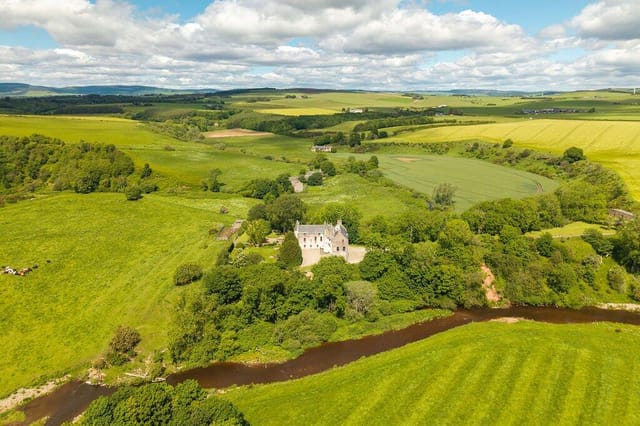
Stand at the south-facing bay window on a clear October morning and the view does something to you. The Cheviot Hills roll across the horizon, Hume Castle sits grey and ancient on its hill, and the paddocks below catch the low autumn light in a way that makes the whole scene feel painted rather than real. This is Goshielaw — a substantial modern country house on the outskirts of Kelso, set within approximately 11 acres of grounds that include woodland, paddocks, a productive kitchen garden, and one of the most complete equestrian setups you'll find in the Scottish Borders at this price point. The house itself is imposing without being cold. You come up a sweeping driveway through a pillared entrance and the sense of arrival is immediate — not performed grandeur, but the kind of quiet confidence that a well-proportioned house earns honestly. Step inside and you're in a proper reception hall, cloakroom off to the side, oak flooring underfoot in the dining hall ahead, a bay window framing that view towards Hume Castle. On Sunday evenings in summer, when the light lingers until nearly ten o'clock this far north, eating in that room with the garden stretching out behind the glass is a genuinely different experience from anything a city apartment can offer. The formal drawing room runs south, oak and stone throughout, with a woodburning stove set into a feature fireplace and cornicing that adds a hint of period character to what is otherwise a thoroughly contemporary interior. A garden room opens off it through double doors — glass on three sides, the kind of space you end up spending more time in than you planned, watching the seasons change across the grounds. The kitchen is big and practical: central island, breakfasting ... click here to read more
Front view of Goshielaw country house

Pull open the kitchen window on a July morning and you'll hear it before you see it — the soft knock of a wooden hull against the dock, the cry of a gull somewhere over Herdlefjorden, the water so close you could almost reach it from the terrace. That's the daily reality at Hanevikvegen 154 in Ask, a 1935-built chalet on the western edge of Norway's most accessible fjord coast, sitting a hundred meters from the shoreline with its own double boathouse, private dock, and boat ramp. Thirty minutes from Bergen by car. A world away from everything else. This isn't a polished new-build with a staged interior and a developer's price tag. It's a cabin with genuine bones — maintained with care across the decades, updated where it matters, and left honest where it doesn't need to change. The main structure is 49 square metres of warm, functional living space. Add the annex upgraded in 2020 and a utility outbuilding with WC, and the total usable footprint reaches 120 square metres. Seven people can sleep here comfortably. Families know what that means: cousins piling in for Midsummer, friends arriving off the overnight train from Oslo, the kind of summers that kids talk about for the rest of their lives. The plot itself is 1,599 square metres — a serious parcel of Norwegian coastal land. Multiple terraces face different compass points, which matters at this latitude where the sun tracks low and long through the summer sky. You can follow the light from breakfast to midnight without moving more than twenty metres. A stone-paved outdoor area handles the al fresco dining; a private grass patch that locals call a football field takes care of the rest. On evenings when the fjord goes glassy and the mountains on the far shore catch the ... click here to read more
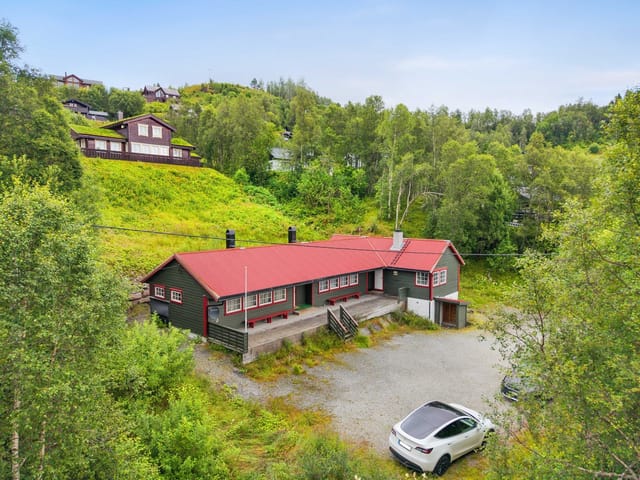
Aktiv Eiendomsmegling v/Aleksander Lenning presents Hanevikvegen 154

Saturday morning at Sagåsen 59 starts with the smell of coffee and pine. You slide open the terrace door, step out onto the sun-warmed timber decking, and Lake Mjermen stretches out below you—glassy, still, catching the early light. The only sound is a woodpecker somewhere deep in the birch forest behind the cabin. This is what you drove an hour and fifteen minutes from Oslo for. And it never gets old. This three-bedroom chalet sits on a 1,439-square-metre plot in Hemnes, Østfold, with a south-facing aspect that means the sun tracks across the wraparound terrace from mid-morning well into the long Nordic evening. At 73 square metres, that terrace isn't a token gesture—it's an outdoor room. Part of it is covered, so a summer rain shower doesn't cancel the barbecue. The rest is open to the sky, and in July that sky stays light until nearly midnight. The main cabin was built in 2014 to a warm, traditional Norwegian standard—horizontal timber cladding, solid wood floors lacquered to a honey tone, and a woodburning stove that becomes the undisputed heart of the room come October. Large windows on three sides mean the living space never feels closed in, even on grey November days when the lake goes silver and the forest goes rust-coloured. The kitchen flows directly from the living area, fitted with integrated appliances—dishwasher, fridge, oven, ceramic hob—and enough counter space to actually cook properly, not just reheat things. Up the kitchen staircase is the loft space. Timber walls, a sloping white ceiling, a large skylight that frames the stars on clear nights. Children claim it immediately and with complete authority. It works beautifully as sleeping quarters or a reading retreat when the adults want the main floor ... click here to read more

Aktiv Bjørkelangen v/Kenneth Sverre presents Sagåsen 59

Wake up to nothing but birdsong. No traffic hum, no neighbor's lawnmower, no phone buzzing on the nightstand — because there's no signal to carry one. At Uvahult 303 in Alsterbro, Småland, mornings arrive the way they must have for centuries: through pine-filtered light, the smell of cool forest air, and the particular quiet that only truly secluded woodland can produce. This is what you came for. This single-bedroom Swedish torp — the word for the small, self-sufficient farmsteads that dot southern Sweden's countryside — sits on 1,370 square meters of private land deep in the forests of Nybro kommun. Forty square meters of living space. Two rooms. Wooden floors and tongue-and-groove walls that have absorbed generations of long summers and crackling-fire winters. It is completely off-grid: no mains electricity, no running water, no sewage connection. That's not a compromise. For the right buyer, it's the entire point. The layout is honest and practical. The living area centers on a wood-burning stove — the social and thermal heart of the cottage — around which evenings genuinely slow down. Board games, paperbacks, the low conversation of people who've had nowhere pressing to be all day. The kitchen corner handles the essentials without ceremony. The bedroom fits a double bed and storage without feeling cramped, and the second room flexes as a reading space, a guest sleeping area, or an art studio depending on the season and who's visiting. Large windows on both sides pull the forest inside, framing whatever wildlife wanders close enough to notice. Store Hindsjön is a short walk through the trees. The lake is cold, clear, and largely unfished by anyone other than locals who know it's there. Come July and August, Swedis ... click here to read more

Front view of Uvahult 303 cottage

Step outside on a January evening, lid off the spa, steam rising against the dark Swedish sky, and you'll immediately understand why properties like this one at Glindran Solliden are so hard to let go of. The cold bites your cheeks while the water holds you warm, and somewhere beyond the treeline, nothing moves. Complete quiet. This is the Swedish countryside at its most honest. Built in 1952 and sitting on a 4,121-square-metre plot just outside Björkvik in Katrineholms kommun, the house has the kind of solidity you don't often find in newer builds. Thick walls, thoughtful updates, and a layout shaped by generations of practical Scandinavian living. At 122 square metres of main living space plus an additional 15 square metres of secondary area, it doesn't feel oversized or unwieldy — it feels exactly right for a family of four, or for a couple who want room to breathe. Walk in through the front door and the first thing that hits you is light. Large windows pull in the southern exposure across the main living areas, and on a clear winter afternoon the low Nordic sun throws long amber rectangles across the timber floor. The fireplace in the living room is open — a proper one, not a decorative insert — and on colder evenings it becomes the gravitational centre of the whole house. The kitchen adjoins the living space without any awkward formality. Oak cabinetry, generous worktop space, and enough storage that someone who genuinely cooks here could do so without compromise. The proportions feel generous but never cavernous. The fully glazed conservatory running off the main ground floor is genuinely one of the property's best features, and not in an abstract sense. In Sweden, shoulder-season living is everything. Mid-May w ... click here to read more

Exterior view of Glindran Solliden

Saturday morning in Sustrum. The garden is quiet except for birdsong and the soft hiss of the gas boiler kicking off, the house already warm. You slide open the kitchen doors and step onto the covered terrace with a coffee, looking out across 1,816 square meters of your own fully fenced green space. No neighbours pressing in. Just the smell of damp grass and the distant sound of a tractor somewhere beyond the tree line. This is the pace of life that draws people to Emsland — and once you've felt it, it's hard to let go. Bogenstrasse 6 sits on one of Sustrum's quieter residential streets, directly opposite a park-like green area that keeps the view open and unhurried regardless of the season. The house itself went up in 1969, solid brick construction in the way German builders did it then — built to last, not built to sell. A rear extension added more space a few years later, and a 2017 gas boiler upgrade means the heating is reliable and efficient. Fibre optic internet is already connected, which matters more than people think when you're working remotely from a second home or managing a rental period from abroad. Six bedrooms across two floors — that's the number that tends to stop people mid-scroll. On the ground floor, there's a bedroom and a flexible study or children's room alongside the main living spaces, making genuine single-level living a practical option. Upstairs, four more well-proportioned rooms, each between 14 and 15.5 square meters, line the landing. They work equally well for guests, grown children, or a dedicated home office. The insulated attic, reached by a retractable staircase, adds yet another layer of storage or, with the right permissions, a future development project. The living room's natur ... click here to read more

Front view of Bogenstrasse 6

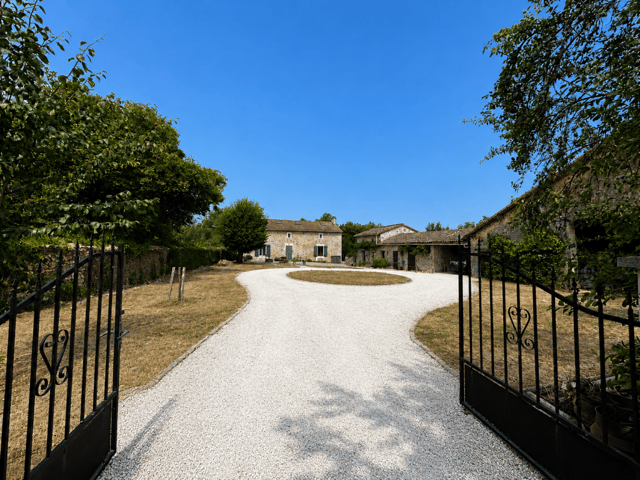
Stand at the twin-leaf gates on a September morning, frost still on the gravel, and listen. The River Ruel runs somewhere below the treeline. Wood pigeons shift in the semi-ancient oak canopy overhead. Somewhere across the courtyard, a log burner has already been lit, and the faint smell of woodsmoke drifts across the stone walls. This is Glendaruel — one of the quietest, most genuinely unspoiled glens in the whole of Argyll — and Home Farm Cottages sits at its heart like it always belonged there. Because, in a sense, it did. This was a working dairy farm until 1984, when the land finally stopped producing milk and started producing something harder to quantify: a sense of place. The original family didn't sell up and walk away. They stayed. They converted. They spent years meticulously transforming the old stone byres, cart sheds, stables, and coach house into nine self-catering cottages, each one earning four or five stars from Visit Scotland and the Scottish Tourist Board. The care shows. Oak floors. Marble worktops. Falcon range cookers. Original cart shed arches turned into floor-to-ceiling windows that frame the glen like paintings. This isn't a developer's flip — it's a restoration carried out by people who actually loved the place. What you're buying is nine distinct, fully furnished cottages ranging across a range of layouts and characters. Glendaruel Lodge has a high vaulted ceiling sitting room and an open-plan kitchen with enough worktop space to feed a wedding party. Highland Cottage keeps things more intimate, with an open fire and the kind of low-ceilinged sitting room that makes you want to stay put. The Coach House is the show-stopper for architecture enthusiasts: exposed natural stone wall, marble-top ... click here to read more

Picture No. 06

Step outside on a Tuesday morning in July, coffee in hand, and hear absolutely nothing except a wood pigeon somewhere in the birch trees overhead and the distant lap of Lake Vänern carrying across the meadow. That's 550 meters of open Swedish countryside between you and the largest lake in the Nordic countries. That's what Ulleredsbro 56 actually feels like. This is a three-building property on Kållandsö — the wooded island in Lidköping municipality that most international buyers have never heard of, which is precisely the point. It sits in Västra Götaland, a region that Swedes themselves treat as a serious destination, and it offers something increasingly rare: a genuine country retreat with multiple usable structures, a garden that's mature enough to actually give shade, and a waterside lifestyle that doesn't come with a waterside price tag. Listed at 54,900 EUR for a leasehold arrangement (standard and well-regulated in this part of Sweden), this is one of those properties where the numbers make you look twice. The three buildings are what make this place work. The centerpiece is a brand-new Attefall house — a Swedish planning category for compact structures built without a full permit — completed in 2023. Eighteen square meters, yes, but designed with the kind of floor logic that makes every centimeter count. There's a sleeping area, and a bathroom with both a combustion toilet and a proper shower. The materials are fresh, the finish is clean, and the whole thing is built for year-round use. On a cold November weekend, it holds warmth the way a well-insulated modern build should. Then there's the original blacksmith's cottage. Thirty square meters of preserved character — low ceilings, thick walls, a fireplace in ... click here to read more

Exterior view of the main house and garden

Early on a September morning, the mist sits low over the fields at Ustorp. You open the kitchen window and the smell that comes in is grass and lake water and something faintly woodsy — pine resin, maybe, or the leaves already turning on the birches at the far edge of the meadow. There's no traffic noise. Just the distant call of cranes gathering for their southward journey, and the creak of the old wooden frame as the house warms up. This is what daily life looks like at Ustorp 11, a country property on 2.4 hectares of southern Swedish land, sitting roughly a kilometer from the western shore of Lake Solgen in Eksjö Municipality. The plot is the first thing that stops you. 24,000 square meters of it — open arable fields, mature trees, lawns wide enough to get genuinely lost in. The house sits on elevated ground, which means you're looking out over the surrounding farmland rather than into it. On clear days the view extends toward the lake. In winter, when the deciduous trees drop their leaves, you can see even further. The elevation also means the rooms get good light most of the day, which matters in Småland, where winters are real and dark and you learn to chase the sun across the house. The main residence is in good condition, cared for in the understated way that Swedish country homeowners tend to look after things — quietly, consistently, without fuss. Classic rural Swedish architecture means thick walls, practical proportions, and windows that frame the outside like paintings you never get tired of. Inside, the atmosphere is warm and genuinely liveable. This isn't a renovation project held together by optimism. You could arrive on a Friday evening and simply be here. What sets this place apart from a typical Swe ... click here to read more

Main house and outbuildings, Ustorp 11

Step outside on a Tuesday morning in late June and the Oslofjord is already catching the light. The water is maybe a hundred meters away — you can hear it before you see it, a low, rhythmic push against the shoreline — and the air smells of pine resin and salt. This is Volloddveien 4, a two-bedroom chalet at Høvikvollen in Båtstø, and it is the kind of place that makes you rethink how often you actually need to be in the city. Høvikvollen sits in a quietly coveted pocket of Asker municipality, tucked between the hamlets of Båtstø and Ramton. This stretch of the western Oslofjord coast doesn't tend to make it onto tourist itineraries, which is precisely why the people who own here protect it so fiercely. The coastal path — Oslofjordstien — runs right through the area, connecting cove to cove and giving walkers and cyclists direct access to some of Akershus county's most dramatic shoreline. In summer, the swimming spots along this corridor are packed with local families by 10am. In winter, those same paths go quiet and you can walk for an hour without seeing another soul. The chalet itself dates to 1958, but don't let that fool you into expecting drafty winters and a creaking water pump. Since 2010, the property has been methodically brought up to the standard of a comfortable year-round home. It is connected to public water and sewage — still a distinguishing feature in this part of Asker, where many older cabins run on private systems that demand constant attention. The infrastructure is sorted. You show up, you light the wood-burning stove set into the original fireplace, and you stay as long as you want. Sixty-six square meters of living space sounds modest until you're standing in it. The layout is compact and genu ... click here to read more

Welcome to Volloddveien 4! Photo: Digit Media AS

On a quiet Sunday morning at Westerende 3, the smell of fresh coffee drifts through the open kitchen while pale northern light floods through the French doors and spills across the terrace. The garden is already warm by nine. That southwest orientation means the sun follows you all day—from the terrace breakfast to the late evening glass of wine under the wooden bar house. This is what daily life actually looks like in this corner of Lower Saxony, and it's harder to leave than you'd expect. Bunde sits right at the edge of Germany, just a short drive from the Dutch border, in the Rheiderland region of East Frisia. It's not a place that ends up in travel magazines, but that's rather the point. The Dollart Bay is nearby, a tidal inlet shared between Germany and the Netherlands that draws cyclists, birdwatchers, and anyone who just wants to stand somewhere genuinely quiet and watch the sky. The Leda and Ems rivers are within easy reach for kayaking or fishing. In summer, the flat green landscape around Bunde fills with cycling routes that stretch for dozens of kilometres without a hill in sight—proper touring country. The house itself was built in 2005 and sits on a 707 m² plot. Two decades on, it's in good condition and designed to stay that way. The A+ energy label isn't a marketing detail—it reflects roof, wall, and floor insulation, double glazing, solar panels installed back in 2012, and a heat pump being added in 2025. Underfloor heating covers most of the ground floor. Energy bills here run noticeably lower than in comparable homes, which matters whether you're using this as a primary residence, a second home base near the Netherlands, or a long-term rental investment. Walk through the front door and the first thin ... click here to read more

Front view of Westerende 3

On a clear morning at Ardreoch, you stand at the bay window of the main lounge with a mug of tea and watch mist lift slowly off Loch Awe — Scotland's longest freshwater loch stretching into the distance like something from another century. The only sounds are birdsong and, occasionally, the creak of the greenhouse door in a light westerly. This is not a fantasy. This is Tuesday. Ardreoch is a fully restored Victorian detached house on the edge of Kilchrenan, a small village tucked into the hills of Argyll and Bute, roughly seven miles south of Taynuilt along quiet single-track roads lined with dry stone walls and tall oaks. The house sits elevated on its plot — about one acre in total — and that elevation matters. Every principal room catches the views across the surrounding countryside toward Loch Awe, and the light through those original bay windows changes completely between morning and late afternoon, from pale gold to something almost amber. The Victorian bones of this property are exceptional. Original ornate ceiling roses, deep plaster cornicing, and generous room proportions that modern builds simply don't replicate. The current owner spent years restoring rather than renovating — a crucial distinction — keeping the period character intact while quietly upgrading what mattered: a Stovax multi-fuel stove in the main lounge, a freestanding bath on the half landing, a fully fitted kitchen with induction hob and double oven. The result is a house that feels genuinely warm in the way that old houses can, without any of the cold drafts or crumbling plasterwork that usually comes with that charm. Ground floor living at Ardreoch is unusually versatile for a house this age. Arrive through the glazed porch and sun room ... click here to read more

Front view of Ardreoch and gardens

Pull up to Alterveien 12 on a late August evening and the first thing you notice is the quiet. Not the polished silence of a soundproofed room, but the real kind — wind moving through grass, the distant knock of a wooden hull against a dock, a single bird calling from the ridge above. This is Austbø on the Helgeland coast of northern Norway, and once you've stood on that 58-square-metre terrace watching the mountains go amber in the midnight sun, the idea of selling becomes genuinely hard to imagine. This three-bedroom wooden chalet at Alterveien 12 sits on a flat, open plot of 5,659 square metres — a genuinely rare footprint for coastal Norway — with generous distance from neighbouring properties on all sides. Built in 1941 and updated in the early 2000s, the cabin carries the unhurried character of a building that was designed for actual living rather than show. The classic vertical timber cladding is exactly what a Norwegian holiday home is supposed to look like, and the interior follows suit: light wood panelling, a proper wood-burning stove, and windows positioned to pull in as much of that north-latitude daylight as physics will allow. The ground floor is where daily life happens. The living and dining area is open and sociable, sized comfortably for a sofa group and a table that can seat the whole extended family. On a clear morning the windows frame the open cultural landscape and the mountains beyond like a painting that changes every hour. When the temperature drops — and in Helgeland it does drop, properly, from October onward — the older wood-burning stove earns its place at the centre of the room. The heat it throws is the kind that settles into the walls and stays. Slide open the door to the terrace and s ... click here to read more

Welcome to Alterveien 12!

Stand at the upstairs window on a still morning and you can watch the fishing boats slip out of Tarbert Harbour while a thin mist sits on Loch Fyne. The water catches the light differently every hour. By the time coffee is ready, the harbour is alive. This is the kind of thing you notice when Caolside is yours. Set on Barmore Road on the elevated edge of Tarbert village, this four-bedroom, four-bathroom detached house is one of those rare properties where the architecture, the land, and the setting all pull in the same direction. At 169 square metres of internal space, it has the bones of a serious family home — high ceilings with original cornicing, solid parquet flooring, internal window shutters, traditional panel doors — and the practical upgrades you'd want if you actually plan to use it year-round rather than just imagine doing so. Good condition throughout, well maintained, and tastefully evolved by owners who clearly loved living here. Walk through the gated entrance off the private track and the stone-chipped driveway spreads wide. There's space to park several cars and, notably, to store a boat. That detail matters more than it might sound, because the water here isn't decorative backdrop — it's infrastructure for a whole way of spending time. Loch Fyne is right there. The ferry terminal at the harbour is minutes away on foot. If you sail, kayak, or simply want to be the household that can produce a RIB for a weekend run up the loch, the logistics are already solved. Inside, the ground floor has a generosity of layout that's become rare in modern builds. The main family lounge has triple-aspect windows and opens directly to the garden. The kitchen — cream shaker units, timber wall cupboards, solid oak workto ... click here to read more

Front view of Caolside and sweeping driveway

Step outside on a January morning and the only sound is the creak of snow settling in the pines. The groomed cross-country trail that runs just 100 meters from the front door hasn't been touched yet. You're the first one out. That's the kind of quiet that people drive hours from Oslo to find — and from Nedre Huldrakollveien 43, you wake up inside it every day. This four-bedroom chalet sits in the Bøseter area of Noresund, a short drive from the Norefjell alpine resort and about two hours from Oslo's Gardermoen airport. It's the kind of location that makes the calendar irrelevant. Winter pulls you onto the slopes and trails. Summer sends you up into the high terrain above the treeline on a mountain bike, or down to the shores of Krøderen lake for a swim in water cold enough to make you feel genuinely alive. The property isn't just a base between activities — it's a place you actually want to come back to. Built in 2013 and spread across 104 square meters on a freehold plot of 1,242 square meters, the chalet has been kept in good condition, with the interior wooden paneling on walls and ceilings recently restained to keep that warm Nordic mountain feel without the mustiness that older cabins can carry. Step through the entrance hall — underfloor heating underfoot from the moment you strip off your boots — and the ground floor opens into a bright living room with east-facing windows that catch the morning light and frame a sweep of forested ridge in every season. The fireplace is not decorative. After a full day on the Norefjell pistes, which top out at around 1,124 meters, you'll use it. The kitchen and dining area runs off the living space in an open configuration, with enough counter room and storage to handle a prope ... click here to read more

Welcome to Nedre Huldrakollveien 43 presented by Bendik Blumenthal at Nordvik Hyttemegling! Photo: Diakrit