Houses For Sale In France (page 2)

Houses for sale in france - homestra offers the largest amount of european real estate with over 200,000+ properties, find any type of property within your budget from villas to country homes. buy or rent your perfect home in europe. (page 2)

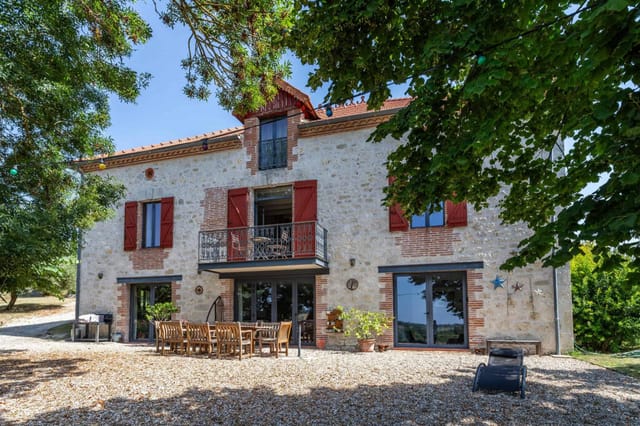
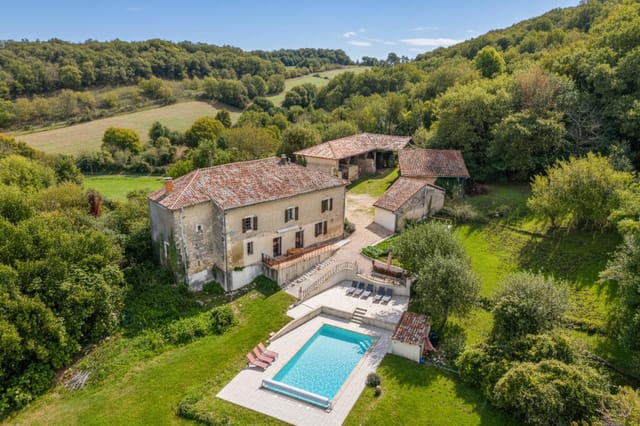
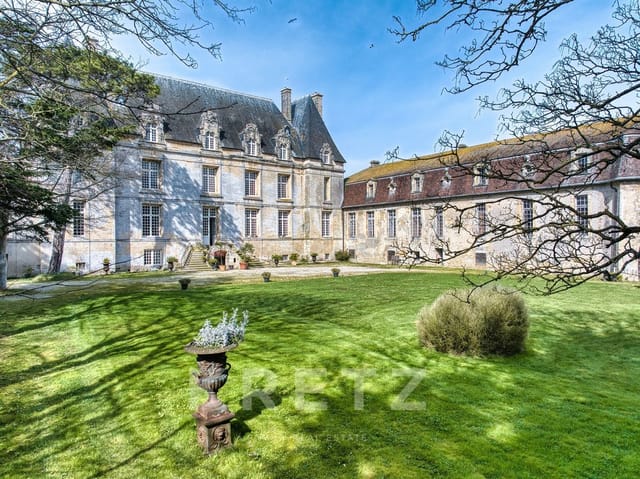
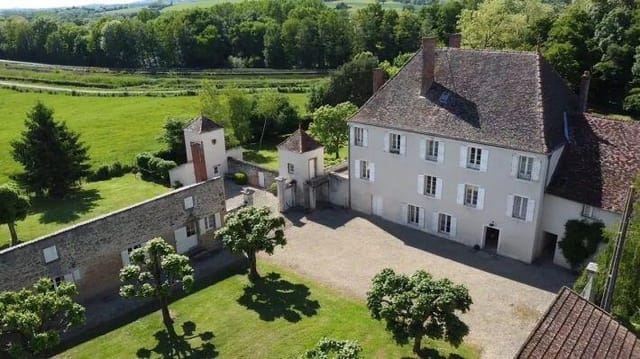
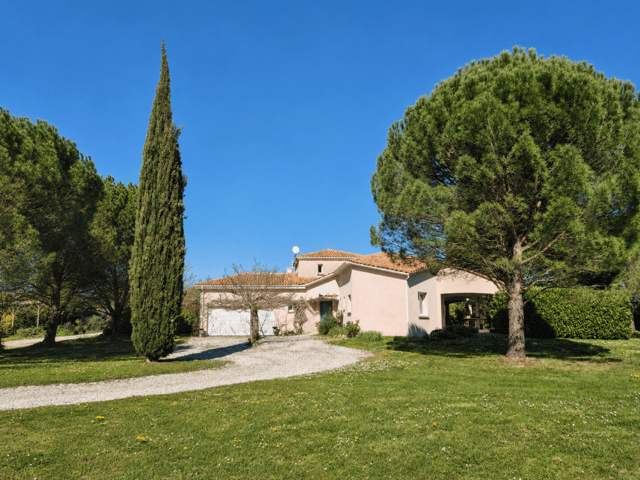
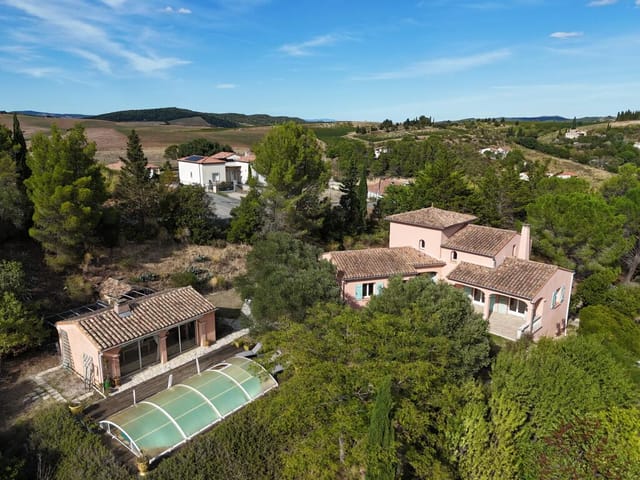
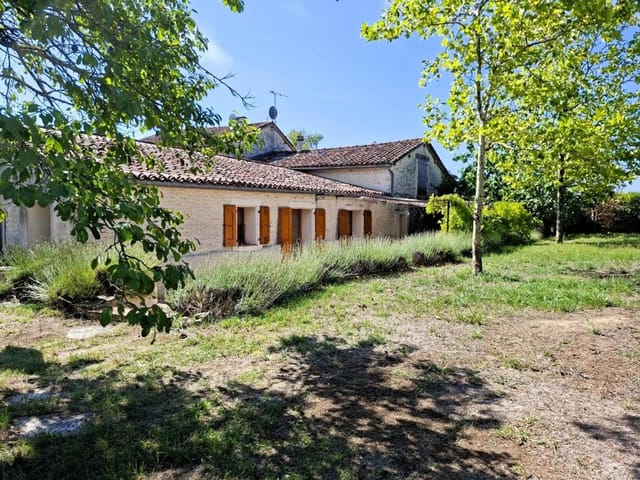
Pull up the private drive on a June morning and the first thing you notice is the silence. Not the absence of sound exactly, but the particular kind of quiet that only comes with 2.2 hectares of your own woodland and gardens wrapped around a grand stone house in the Vienne countryside. Then the birds start up. Then, faintly, the church bell in La Trimouille village counts out nine o'clock. And you realize this is going to be a completely different kind of morning. This is a rare piece of rural France — a three-floor principal residence of 293 square metres plus a fully independent gatekeeper's cottage, tucked down its own private lane just a short walk from the centre of La Trimouille in the Poitou-Charentes region. At €315,650, you're looking at a property that would comfortably command double this price in Dordogne or Provence. The Vienne département still operates on its own timetable, which is one of the many reasons people who discover it tend to stay. The main house has a generous, unhurried quality. Wide wooden floors run throughout all three levels — the kind that creak pleasantly and catch afternoon light differently depending on the season. On the ground floor, the living room opens through double doors onto a south-facing terrace overlooking rolling countryside. You'll eat breakfast out there far later into autumn than you'd expect; this part of France averages close to 2,000 hours of sunshine per year. The ground floor also holds a dining room, a well-proportioned kitchen, two offices (useful for remote working or, frankly, finally writing that novel), a bedroom, a shower room, and a separate toilet. Head upstairs and four more bedrooms spread out across the first floor, served by a full bathroom. Above tha ... click here to read more
Picture 1

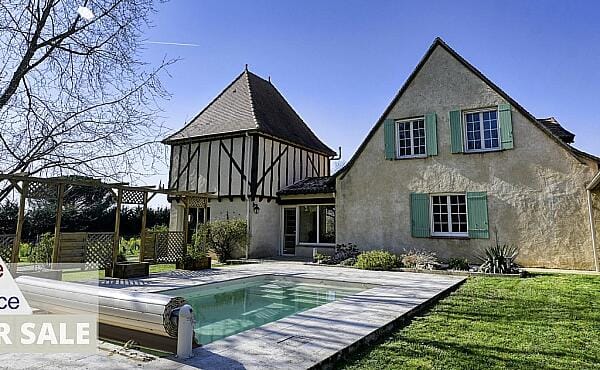
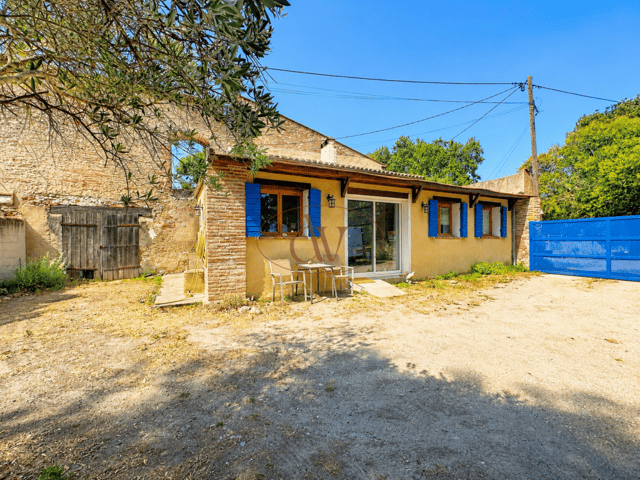
Picture a Tuesday morning in late June: you're at the twice-weekly market in Montguyon, five minutes down the road, picking up a wedge of goat's cheese from the local fromagère and a bunch of sunflowers that cost less than a coffee back home. You drive back through a hamlet so quiet the loudest thing you'll hear is a woodpigeon in the oak at the back of the garden. That's Saint-Martin-d'Ary. And that's what owning this place actually feels like. Set between Montguyon and Neuvicq in the southern stretch of Charente-Maritime, this three-bedroom detached house sits on a generous 3,000 square metres of mature land in a small, unhurried hamlet. It's the kind of spot that takes a minute to find on the map but stays with you long after you leave. At 102m², the house is compact enough to manage easily as a second home, yet laid out with enough rooms that a family or a group of friends won't be tripping over each other. Inside, the ground floor flows from an entrance hall into a comfortable lounge and separate dining room — the sort of arrangement that still works for a long Sunday lunch the way open-plan never quite does. The kitchen has a fireplace, which tells you something important: this room was built to be the heart of the house, not just a functional corner. On cold December evenings when you're down here for a long winter weekend, a fire in the kitchen while something slow-cooks on the hob is exactly the right kind of warmth. There's also a utility room for the practical side of country living — muddy boots, firewood, market bags. At the back, a summer room and veranda opens the house out toward the garden, catching afternoon light and giving you somewhere to eat outside without the full commitment of a terrace meal in ... click here to read more
Picture 1

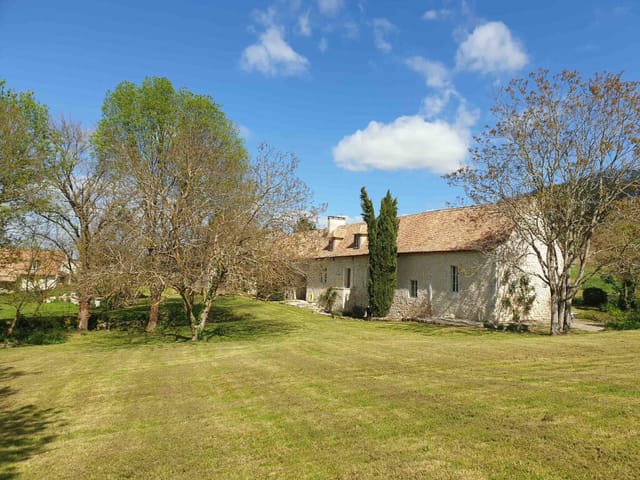
On a still morning in the Ariège, the Hers River catches the early light just beyond the stone terrace, and the only sounds are birdsong and the faint rush of water over the weir. That's your garden. Those 300 metres of private riverbank are yours. And that 250-year-old bastide rising behind you — warm limestone, deep-set windows, a history you can feel in every thick wall — that's yours too. This is a rare kind of property, the sort that stops you mid-scroll and doesn't let go. Situated near the medieval village of Camon, one of France's officially designated Plus Beaux Villages, this estate sits in nearly 11.5 acres of mature parkland and working grounds in the heart of Midi-Pyrénées. Mirepoix itself — with its extraordinary 13th-century arcaded market square, its Wednesday and Saturday markets piled with Ariège cheeses, Gascon duck confits, and seasonal vegetables — is just minutes away. This isn't a place that imitates the French countryside. It simply is the French countryside. At 868 square metres of living space spread across three distinct buildings, the property operates almost as a self-contained hamlet. The main bastide house holds five bedrooms and three bathrooms, fully restored without stripping out the soul of the thing. Original stone floors, thick timber beams, fireplaces wide enough to stand in — all intact, all brought up to modern standard. The reception rooms get afternoon light in long, generous slabs. The kitchen has been equipped to actually cook in, which matters when you're an hour from Toulouse and not rushing anywhere. Directly connected to the main house, the renovated annexe is where the scale of this estate really hits you. Stone flooring runs throughout the ground floor reception areas, ... click here to read more
Picture 1

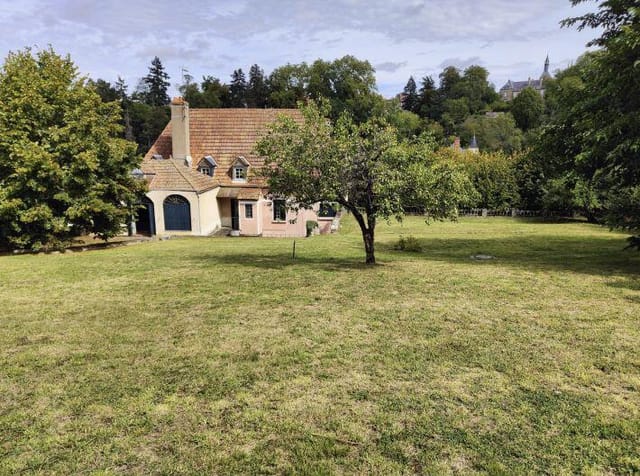
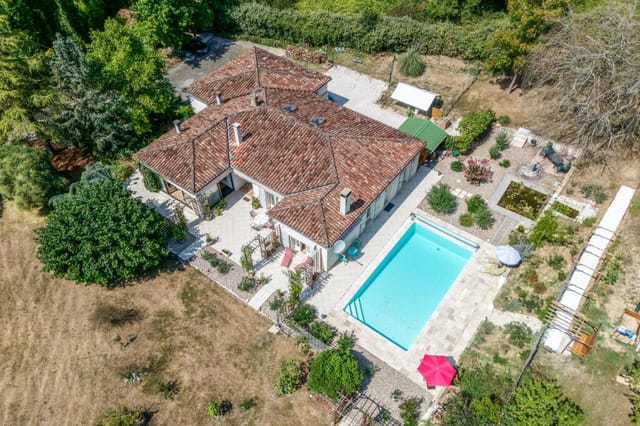
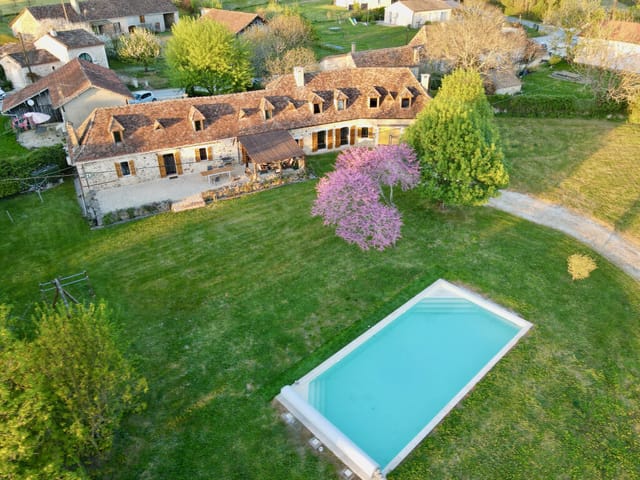
Sunday morning in Pleuville moves at its own pace. The shutters creak open, the coffee's on, and through the kitchen window you catch that wide roll of Charente countryside—fields fading into tree lines, not another rooftop in sight. This is what 193 square metres of genuine Maison de Maître feels like when it's yours. Set right in the heart of the village, this four-bedroom house carries all the bones that make old French architecture so satisfying: generous proportions, solid stone, rooms that breathe. But it's been updated where it counts. The kitchen was fitted last year—clean, functional, properly equipped for the long lunches that Charente life demands. A new 7 x 5 metre inground swimming pool was also installed last year, sitting just outside where the garden opens up and the views stretch away over the surrounding countryside. On a hot July afternoon, that pool earns its place fast. Inside, the layout flows well. A wide hallway sets the tone as you enter—the kind of entrance that makes guests pause. To the right, the new kitchen leads into a utility room, and there's a shower room with WC on the same side, which makes practical sense for a house that sees wet dogs, muddy boots, or kids coming in from the pool. To the left, the dining room and living room run together in an open plan arrangement, giving you a generous shared space that works for family dinners, lazy evenings, and everything in between. Upstairs, four well-sized bedrooms line up comfortably—room for the whole family, or the friends who always seem to arrive for August—alongside a bathroom with WC. Outside is where this property really delivers. The garden wraps around the house on multiple sides, so you're never short of options: a spot in full ... click here to read more
Picture 1

Step outside on a Tuesday morning and the only sounds competing for your attention are the stream at the edge of the hamlet and a woodpecker working its way up an oak somewhere in the tree line beyond the balcony. No traffic. No neighbor's television bleeding through a shared wall. Just the Périgord Limousin Regional Natural Park doing what it does — quietly making the rest of the world feel very far away. Abjat-sur-Bandiat sits in the northern reaches of the Dordogne, right where the department bumps against Haute-Vienne. It's the kind of village that doesn't try to impress you. There's no tourist office handing out maps, no souvenir shop selling fridge magnets. What there is: a genuine rural France that moves at its own pace, stone lanes that wind past ancient farmsteads, and a landscape of rolling woodland and meadow that turns copper and amber every October like someone slowly turning up a dimmer switch. This former barn — fully converted and completed not so long ago — sits at the tail end of a hamlet, with countryside pressing in on three sides. The conversion was done with real care for proportion. Ground floor living spaces feel open without feeling cavernous: a proper entrance hall with enough room to actually use it, a sitting room where exposed timber beams overhead anchor the space without making it heavy, and a kitchen that opens onto a dining area rather than being squeezed into a corner. The underfloor heating throughout the ground floor is the kind of detail you only truly appreciate on a raw February morning when the mist is sitting on the fields and you're padding around in socks on warm stone. The original character of the barn hasn't been scrubbed away. An oeil de boeuf window — that small circula ... click here to read more
Picture 1

On a clear morning in the Périgord Noir, you open the shutters and the Vézère valley just sits there below you — mist still clinging to the tree line, the stone walls of the house still cool under your fingertips. There's a smell of woodsmoke somewhere down the hillside. This is Le Bugue on a Tuesday in October, and it's enough to make you wonder why you ever left. This five-bedroom stone house sits elevated above the valley floor, its 3,400 square metres of grounds giving it a quiet authority over the surrounding landscape. From the terrace beside the swimming pool, you look out over one of the most quietly celebrated river valleys in France — the Vézère, which threads its way through prehistoric caves, market towns, and walnut orchards before joining the Dordogne near Limeuil, a village so absurdly picturesque it barely seems real. And yet here you are, looking at it. The house itself is solidly Périgordine in character. The exposed stonework isn't decorative — it's structural, original, the same golden limestone that built the churches and manor houses of this region over several centuries. The stone spiral staircase connecting the two floors is the kind of thing you'd find photographed in a heritage architecture journal. The fireplace in the 39-square-metre living room anchors everything: in January, when the Dordogne countryside pulls on a coat of frost, you'll be grateful for it. Electric underfloor heating runs throughout, so comfort is never a negotiation between atmosphere and practicality. The layout works well for a family or a group of friends. Two bedrooms sit on the ground floor — useful for anyone who prefers not to deal with stairs, or for hosting guests who value a little separation. Upstairs, three m ... click here to read more
Picture 1

Sunday morning in Chancelade sounds like this: a distant church bell from the 12th-century abbey down the road, the creak of old oak floorboards under your feet, and the smell of coffee drifting through a kitchen that has fed generations of the same family. Step outside and the light hits the raised stone terraces in that particular golden way the Dordogne does so well — not filtered or softened, just honest and warm. This is what you're actually buying. Set just five minutes from the centre of Périgueux on a plot of just under an acre, this six-bedroom stone property represents something increasingly rare in the Dordogne: genuine substance. The main residence runs across three levels and holds onto its original bones with real conviction — wide-plank floors worn smooth over decades, a sequence of open fireplaces, and a covered terrace finished in pizé du Périgord, that traditional rammed-earth technique you almost never see intact anymore. It's a material that ties the house directly to the region's building history in a way no renovation could replicate. The layout divides naturally into two distinct living zones, which opens up serious flexibility for how you use the place. The main house offers four bedrooms spread across its three levels, with the kind of generous room proportions that older French country homes do so well — proper ceiling heights, deep window reveals, spaces that feel considered rather than carved up. Then, separate from the main residence, the guest accommodation provides two en suite double bedrooms with their own living area, all overlooking the grounds. It functions entirely independently, which matters enormously whether you're hosting friends for a fortnight in August or considering the pro ... click here to read more
Picture 1

On a quiet Tuesday morning in Lorigné, the only sounds you'll catch from the south-facing terrace are birdsong, the faint clatter of a tractor somewhere beyond the stone walls, and the soft hiss of water in the covered pool below. No traffic. No neighbors peering over the fence. Just 1,377 square meters of enclosed garden, a house that's been here long enough to have earned its thick walls and terracotta floors, and the particular French countryside silence that people drive hundreds of kilometers to find. This four-bedroom stone house sits in a small hamlet between Chef-Boutonne and Sauzé-Vaussais in the Deux-Sèvres département — the quieter, less-hyped cousin of the Charente to the south. It's the kind of place that doesn't show up on the tourist trail, which is precisely why people who've discovered it keep coming back. Roughly 150 square meters of living space spread across two levels, a walled garden that feels genuinely private, a heated 8x4 meter covered pool, and a brand-new air-to-water heat pump installed in 2026. Move-in ready isn't a stretch here — this is a house that's been looked after. Step through the front door and the ground floor sets the tone immediately. The kitchen and dining room spans 37 square meters, with original terracotta tiles underfoot and a pellet stove insert in the fireplace that takes the edge off cool autumn evenings. This is the room where the house lives — where long Sunday lunches with a local Pineau des Charentes stretch into afternoon, where garlic and thyme from the garden end up in whatever's on the stove. The proportions feel right. Not cavernous, not cramped. The living room next door is a different proposition entirely: 45 square meters, its own wood-burning stove in a se ... click here to read more
Picture 1

Step outside on a Tuesday morning and the only sound is the cuckoo somewhere deep in the oak woods behind the meadow. No traffic. No neighbours visible. Just the smell of damp grass, a light mist burning off the valley below, and the knowledge that you have six hectares of Périgord countryside entirely to yourself. That is the daily reality of this place — a 318-square-metre stone estate at the end of a quiet cul-de-sac on the edge of a tiny hamlet near Saint-Aubin-de-Lanquais, and it is the kind of property that makes people stop scrolling. The main house is authentically Périgord — golden limestone walls, exposed oak beams on the upper floor, and a sense of solidity that only three centuries of craftsmanship can produce. The ground floor flows generously: a 45-square-metre open living and dining room fills with southern light through most of the day, connecting directly to a 13-square-metre kitchen that opens onto the same space, making it genuinely social. There is also a private ground-floor bedroom with its own dressing room and ensuite shower — ideal for guests who prefer not to climb stairs, or for the owners themselves. A dedicated 30-square-metre office sits apart from the living areas, which matters if you work remotely or plan to manage the gîte business from the property. Upstairs, two further bedrooms — 23 and 15 square metres respectively — have the kind of exposed ceiling beams that interior designers try to recreate and never quite nail. Now, the part that sets this property apart from the typical Dordogne holiday home: it comes with two fully functional gîtes. The smaller one sleeps four across 62 square metres, with its own living room, two bedrooms, and a secluded garden that gives guests genuine pri ... click here to read more
Picture 1

On a still Tuesday morning in Thénac, the only sounds are birdsong, the occasional bell from the nearby Plum Village monastery drifting across the fields, and the soft creak of walnut branches in the breeze. You're standing on the terrace with a coffee, looking out over an unbroken panorama of Périgord countryside. No cars. No noise. Just space, light, and a 423-square-metre longère that's been quietly absorbing centuries of Dordogne life since the 1600s. This is not a typical French farmhouse renovation story. What you get here is rare: a genuinely large, genuinely versatile property that was substantially refurbished in 2021, sitting on around 5,400 square metres of landscaped grounds with a natural spring-fed pond, mature orchard trees — apple, walnut, cherry, plum, pear — and a private swimming pool tucked behind a thick hedgerow so that no one can see in. The pool terrace feels like your own private world, shielded from everything. Step inside through the main entrance hall, which is wide enough to function as a proper reception room, with doors opening to both the front and rear of the house. It sets the tone immediately. Stone walls. Thick, solid materials. A sense of permanence you don't find in new builds. The kitchen pulls you in further — organic and unhurried in its design, with wooden units, natural stone flooring, and walls that have absorbed three hundred years of cooking smells and family meals. This is the kind of kitchen where you actually want to spend time, not just pass through. The main lounge takes the drama up a level. A cathedral ceiling rising two full storeys gives the room a scale that feels theatrical without being cold, and a mezzanine level above adds an intimate counterpoint to all that ... click here to read more
Picture 1

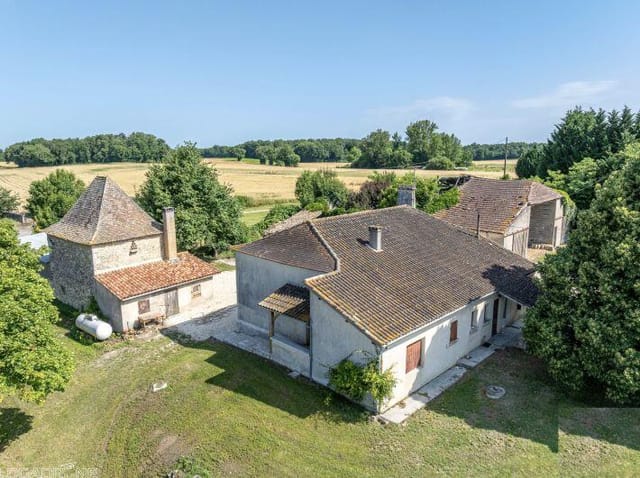
On Sunday mornings, the bells from the village church carry clean and clear through the upstairs windows — and from the second floor of this 215-square-metre manor house, you can actually see the steeple they ring from. That's not a detail you find in every property. It's the kind of thing that makes you stop mid-coffee and remember why you came to Normandy in the first place. Saint-Aubin-lès-Elbeuf sits on the south bank of the Seine, a few kilometres from Elbeuf and just 20 minutes by train from Rouen's cathedral city centre. It's a proper Norman town — bakeries that still close on Mondays, a weekly market where the cheese vendor knows regulars by name, and streets lined with the kind of stone-and-brick architecture that takes a century or two to earn its look. This manor house sits on one of those streets, on a one-way road that keeps through-traffic away, behind a large gate that shuts the outside world out entirely. The plot runs to 1,150 square metres, fully enclosed by walls — not a hedge, not a fence, actual walls — and the south-facing orientation means the terrace catches the sun from mid-morning until the light goes golden in the early evening. There's a carport, two outbuildings (one fitted with a rainwater tank for garden irrigation, which in Normandy is less of a luxury than you'd think), and mature trees that give the garden a settled, unhurried feeling. The terrace already has a sun lounger and outdoor table set up. On a warm July afternoon, with a glass of Calvados or a cold Leffe from the fridge, this corner of the garden could easily become your most-used room in the house. Inside, the ground floor is well-configured for daily life. The fitted kitchen connects to a dining room — a layout that actual ... click here to read more
Picture 1

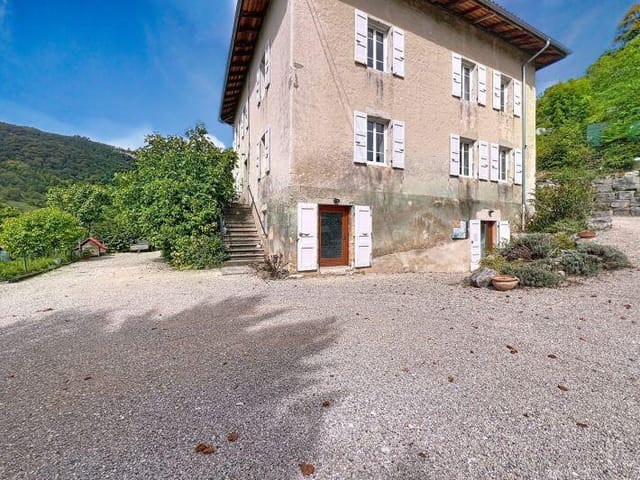
On a quiet morning in Chamberet, the smell of bread from the boulangerie on the main square drifts up through an open window before you've even thought about getting dressed. That's the kind of life this stone house makes possible. It sits close enough to the village centre that you walk everywhere — the weekly market, the café terrasse where the locals nurse their café allongé for an hour — yet the rear garden is private enough that you'd never know a soul was nearby. Built across three levels, the house is solidly constructed in the local stone that defines the Corrèze vernacular: thick walls that stay cool in July and hold the warmth from the marble fireplace through October and November. That fireplace, set in the open-plan kitchen and dining room on the ground floor, is the social heart of the place. The solid oak kitchen units run along one wall, fully equipped with a gas hob, oven, integrated dishwasher and fridge-freezer, and a breakfast bar where a pot of coffee and the morning papers make a perfectly reasonable excuse to sit for an hour. Garden views from the living area mean you're watching the seasons turn without having to step outside — though the wooden deck, right off the basement level and accessible straight from the garden, makes it very hard to stay in. Upstairs, the three bedrooms each carry an original fireplace — non-working now, but the kind of architectural detail that gives a room its personality. These aren't decorative afterthoughts; they're the reason the first floor feels like a proper French country house rather than a renovation project with aspirations. A shower room serves the upper floor, and two dressing rooms along the landing offer the kind of storage that older French houses rarel ... click here to read more
Picture 1

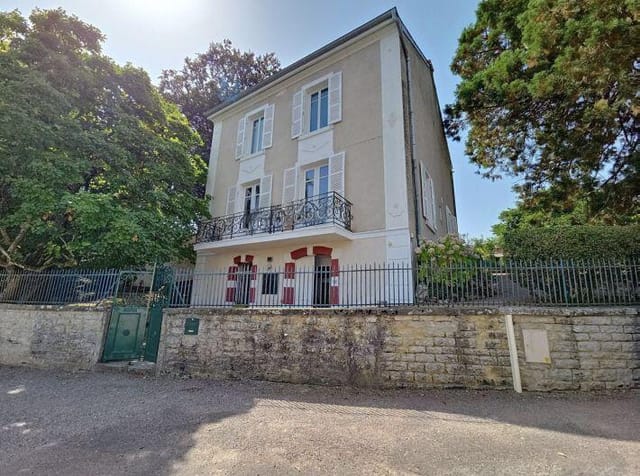
On a still morning in early October, you walk out of the kitchen door onto the south-facing terrace with a bowl of coffee, and you realize you can hear absolutely nothing. No traffic. No sirens. Just the faint rustle of chestnut trees down the slope and, somewhere far off, a woodpigeon. Below you, the grounds roll away toward a private forest where cepes and chanterelles push through the leaf litter after autumn rain. The fruit trees — hazelnut, plum, cherry, pear, apple, grape, even an olive — are heavy at this time of year. This is what €259,950 looks like in the Haute-Vienne. This three-hundred-year-old stone cottage and its attached barn in Domps have been painstakingly transformed over two decades into a warm, practical, deeply liveable home. It's 176 square metres of honest rural architecture — exposed stone walls, original timber beams, thick window reveals — brought properly up to date. New roof. Re-done plumbing and electrics to current French norms. Double glazing throughout. Fibre internet. The bones are ancient; everything that matters is sound. Step inside and the kitchen sets the tone immediately. At 41 square metres, it's a serious room — big enough for a long farmhouse table and still have space to breathe. The centrepiece is an original fireplace now housing a pellet burner that quietly heats the majority of the house. This is the room where the house lives. Coffee in the morning light. Wine before dinner. Guests drifting in from the terrace. Adjoining it, a generous living room with a separate dining area pushes another 41 square metres and opens via French doors onto the front of the property. Its Godin wood-burning stove runs almost for free, given what's standing in your forest. A separate office o ... click here to read more
Picture 1

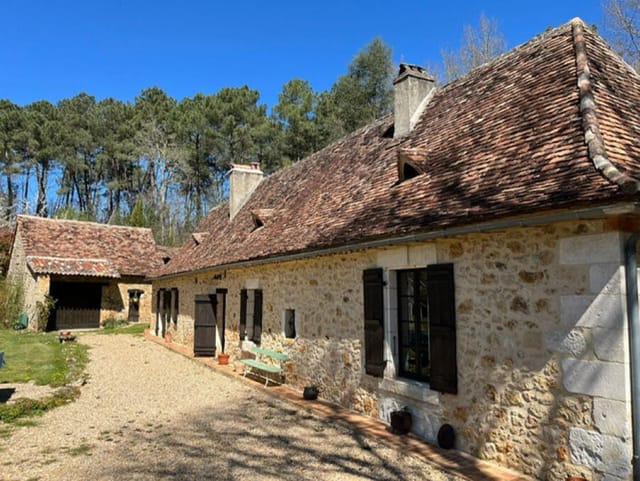
On a still Sunday morning in Saint-Grégoire-d'Ardennes, the only sound you'll hear is birdsong cutting through the cool air and the faint creak of a shutter as light rolls across the garden. That's not poetry — that's what the mornings actually feel like here, in this former farmhouse on the edge of the Haute-Saintonge, where the rhythm of life runs about three speeds slower than anywhere you've lived before. This is a 230 m² stone house with five bedrooms, sitting on more than 4,700 m² of fenced, wooded grounds between the market towns of Pons and Jonzac. It's priced at €422,000. And while those numbers are useful, they don't begin to explain what makes this place worth serious attention. Step inside and the floor plan immediately makes sense. The ground floor is laid out for living — not for showing off. A wide living room flows into a dining room with a working fireplace, the kind that you'll actually use from October through to March when Charente evenings cool fast and the region's oak forests start smelling like autumn in a way no candle has ever managed to replicate. The kitchen has its own dining area, so morning coffee happens here, not in some separate formal room nobody uses. A utility room keeps the practical mess out of sight, and also on the ground floor: a bedroom, a shower room, and a full bathroom — meaning this house works completely on a single level if that's ever needed. Upstairs, three more bedrooms with original hardwood floors that have the satisfying solidity only old timber gets with age. A quiet study that faces the garden. Two large attic spaces that are currently unconverted — and this is where the real opportunity sits for international buyers. The bones are already there to add guest roo ... click here to read more
Picture 1

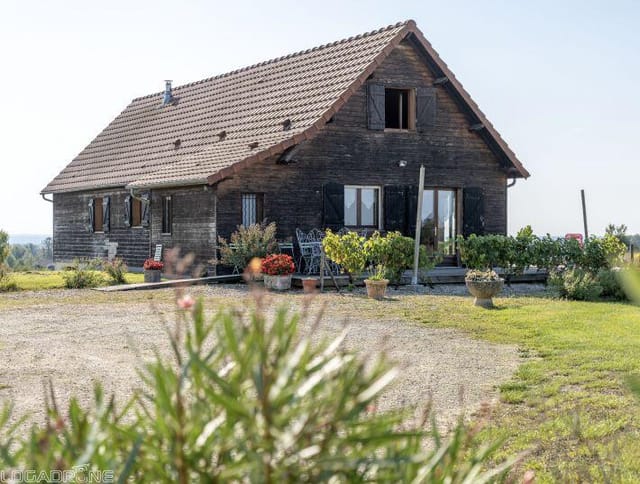
Step outside on a crisp October morning, coffee in hand, and the only sound you hear is birdsong. No traffic. No neighbors peering over a fence. Just open agricultural land stretching toward the foothills of the Pyrenees, the kind of quiet that feels almost physically restorative after months of city noise. This is what 17,796 square meters of Gascon countryside does to you—and it happens every single day you're here. This four-bedroom single-storey house in the Gers department of southwest France sits back roughly 30 meters from the D14, which connects Maubourguet to Plaisance-du-Gers. That distance, combined with exceptionally solid insulation added just six years ago, means road noise is essentially a non-issue. The house is rated A on both energy consumption and greenhouse gas emissions—a January 2026 EPC confirmed it. For a rural property of 164 square meters, that's genuinely rare, and it translates directly into heating bills that won't ruin your winter. The layout is all on one floor, which matters more than people realize until they've lived in it. No stairs to negotiate with luggage, no carrying firewood up from a lower level, no thinking twice about ageing parents or young children running between rooms. Everything flows—living room to kitchen to terrace, bedrooms down the hall, garage off the side. Daily life here has a natural, unhurried rhythm built right into the architecture. The living room runs to 32 square meters and centers on a fireplace fitted with an insert, which throws serious heat on January evenings when the temperature in the Gers drops below zero. The separate kitchen—also 32 square meters, notably generous—opens directly onto the rear terrace, making the transition between cooking and eat ... click here to read more
Picture 1

On a clear morning in Aramits, you wake to the sound of nothing except birdsong and, if the wind is right, the faint clang of sheep bells drifting down from the high pastures above the village. That's not a cliché — it's Tuesday. This is the Pyrenees-Atlantiques, one of the least spoiled corners of southwest France, and this former mountain sheepfold is the kind of place that reminds you why you started looking for a second home in Europe in the first place. What started life as a traditional bergerie — a working stone sheepfold used by Basque shepherds for centuries — was fully reconstructed between 2007 and 2010 into a three-bedroom, three-bathroom home of 160 square metres. The result is a property that has real bones: exposed ceiling beams, thick walls that keep summer heat at bay, and a large picture window in the sitting room that frames the Pyrenean ridgeline like a painting you never get tired of. Underfloor heating on the ground floor runs off an air source heat pump, the whole building is double-glazed and insulated throughout, and the DPE rating sits at C — solidly efficient for a property of this age and character. You're not buying a renovation project. You're buying a house that's already been done well. The 160m2 of habitable space is arranged across three levels. On the ground floor, an open-plan kitchen and dining area flows into the sitting room — proper, lived-in space with room for a long table when family arrives in August. Two of the three bedrooms are on this level, each with its own en-suite shower room, which makes the layout genuinely practical for hosting guests or renting short-term. The first floor landing doubles as a home office, a detail that matters more than it used to, and the third b ... click here to read more
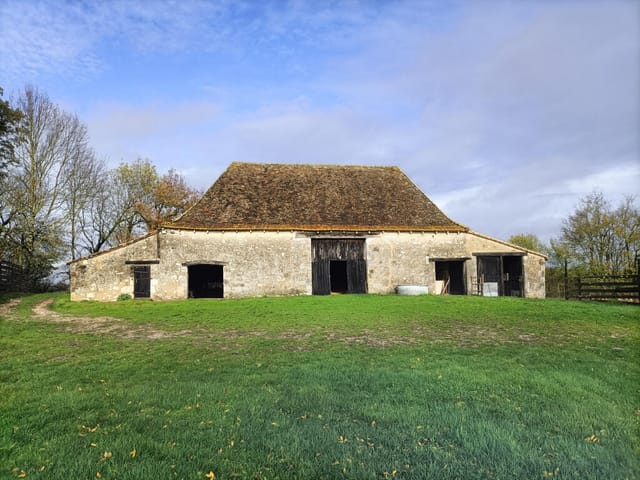
Photo 1

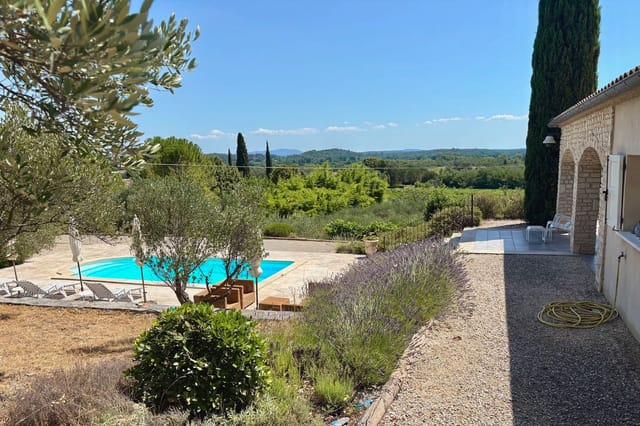
On a quiet Saturday morning in Locmalo, the smell of butter and buckwheat drifts up from the crêperie two streets over, and church bells ring out across the slate rooftops of Guémené-sur-Scorff. You've just had coffee in your small stone courtyard, the kind of private little outdoor space that Breton houses guard jealously, and the only decision facing you is whether to walk the 400 meters into the historic town center now or after a second cup. This is what owning a holiday home in Morbihan actually feels like. The house itself is old in the best possible way. The stone walls are thick and cool in summer, and when November rolls in off the Atlantic and the fireplace in the lounge starts earning its keep, the whole ground floor turns into exactly the kind of refuge you'd imagine when you first started dreaming about a second home in France. The open-plan kitchen, dining area, and sitting room share roughly 30 square meters of ground floor space — tight by some standards, but deeply livable, especially when you consider how much Breton life happens outdoors and in the streets rather than indoors. The spiral stone staircase is a detail you won't find in a modern apartment build; it winds upward with genuine architectural character, connecting the rooms in a way that feels genuinely old-world rather than staged. That courtyard deserves its own moment. About 30 square meters, private, enclosed, catching afternoon sun. At 70 square meters total, space inside is modest, so this little outdoor pocket becomes a genuine extension of the living area through spring, summer, and the long mild Breton autumn. A small table, two chairs, a carafe of Muscadet — that's the entire setup you need. Simple, but that's the point. Up the sta ... click here to read more
Picture 1

Picture this: a Saturday morning in late June, the air already warm by nine o'clock, the Pyrenees doing that thing they do where the peaks turn pink before the valley below even wakes up. You're sitting on your own terrace with a coffee, somewhere between Toulouse and the mountains, and you genuinely don't have a plan for the day. That's Daumazan-sur-Arize. That's Villa 133. This fully renovated, detached three-bedroom villa sits inside the established Château Cazalères holiday park on the edge of this quietly compelling village in the Ariège — a département that most of France still hasn't fully discovered, which is precisely the point. At 100 square metres on a 400 m² private plot, the property was stripped back and rebuilt to a high spec, and it shows. This isn't a cosmetic refresh. The bathrooms have underfloor heating and walk-in showers, the kitchen is fitted with modern appliances and enough workspace that someone who actually cooks will be happy, and the whole downstairs flows out to the garden through wide glass doors. Two additional separate WCs mean six guests can share the space without the morning shuffle. The living room catches the southern light from mid-morning onwards. In winter — and the Ariège gets real winters, which is part of its character — that warmth through the glass is something you'll appreciate. In summer, the garden terrace takes over. It's south-facing, properly private, and sized for a long lunch that drifts into aperitifs. There's a dedicated barbecue space, and the surrounding park greenery keeps it sheltered without hemming it in. Château Cazalères has been running long enough to have ironed out the things that matter. The pool complex is large — multiple pools, including a dedicate ... click here to read more
Front view of Villa 133 at Chateau Cazalères

Picture this: it's a Tuesday morning in July, the kind that only happens in the Béarn. You've pushed open the tall shutters of the first-floor landing, and the garden below is already alive — bees working the lavender, the pool catching the early light, the Pyrenean foothills just visible through a soft summer haze on the horizon. Downstairs, someone has put a baguette on the kitchen table. The nearest boulangerie is five minutes away, and by now you know exactly which one to use. This is what owning a château actually feels like, and this particular one — a three-storey, 468m² stone manor built in 1898, set on 4.16 hectares of its own grounds in a tiny hilltop hamlet near Salies-de-Béarn — makes that morning feel entirely possible. The château sits at the end of a winding country lane, approached by a private drive that curves around to a small parking area in front of the house. Stone steps rise to the front door and open into an entrance hall that stops first-time visitors mid-sentence. The double staircase that dominates the hall — symmetrical, unhurried, built for making an impression — sets the tone for everything that follows. A matching pair of stone exterior steps at the rear mirror the interior staircase and lead straight down to the grounds, the 12m x 4m pool, and the tennis court beyond. The ground floor arranges itself logically around that central hall: a sitting room of 30m², a dining room of equal size with an open fireplace that earns its keep through autumn and into the Pyrenean winter, a library-study-office of 23m², and a kitchen. The spaces are generous without being cavernous, which matters more than people expect when a property like this becomes a real family base rather than a weekend curiosity ... click here to read more
Picture 1

Step outside the kitchen door on a September morning and the view hits you before the coffee does. Rolling causse plateau, oak woodland dissolving into mist, and not a single rooftop visible in any direction. This is Sénaillac-Lauzès — a quiet corner of the Lot department that most people drive through on the way somewhere else, which is precisely why it's worth stopping. The villa at 630 Route de la Tuilerie sits on 10 full hectares of mixed land — meadow, mature woodland, and manicured garden — at the end of a private lane about 35 kilometres north of Cahors. Four bedrooms, two bathrooms, a separate furnished guest house, a 10 x 5.5 metre pool, a barn, outbuildings, and panoramic views that on a clear day seem to reach the next département. At €379,500, it's the kind of property that makes buyers from Paris, London, or Amsterdam do a double take and then immediately book a viewing. The main house runs to 210 square metres across two floors. Ground level is where daily life happens. The living room has underfloor heating fed by a heat pump installed in 2023 and a wood-burning stove added the same year — so the room is genuinely warm, not just theoretically warm. There's a real difference between a house with a stove for atmosphere and a house with a stove that actually works. This is the latter. The kitchen clocks in at 30 square metres, which means two people can cook at the same time without negotiating territory. It's fully fitted: five-burner gas hob, oven, microwave, dishwasher, built-in fridge, water softener, and air conditioning for the height of summer. The terrace opens directly off the kitchen — eat outside from April through October without a second thought. Three bedrooms sit on the ground floor, measuri ... click here to read more
Front view of the house and grounds

On a clear morning in Laurens, you open the bedroom shutters—electric, silent—and the air that comes in smells like sun-warmed garrigue and something faintly floral from the vines on the hillside. The village below is just waking up. A motorbike passes the café. That's about as busy as it gets. This is life in the Hérault heartland, and if you've been looking for a second home that delivers genuine southern French countryside without the tourist-trap prices of Provence, this four-bedroom villa might be the answer you didn't know you were this close to finding. Built in 2010 on the edge of Laurens—a compact stone village in the Faugères wine appellation—the property sits on a generous plot with uninterrupted views across the vines and rolling hills that define this stretch of Languedoc-Roussillon. It's not ancient, and that matters. The bones are solid, the design is contemporary bastide: clean lines, generous proportions, Mediterranean palette, none of the maintenance headaches that come with centuries-old stone. In good condition throughout, it's the kind of place you can unlock on a Friday evening in July and be swimming before dark. Inside, the ground floor is organized around a large lounge and dining room with an open fireplace—the kind you'll actually use from October through April, when the Hérault evenings cool fast and the smell of woodsmoke drifts through the valley. The fitted kitchen comes equipped with the full complement: oven, induction hob, extractor, integrated dishwasher, even a built-in fryer for when you've come back from the Béziers market with a bag of local potatoes and some merguez. French doors open directly onto a wide terrace. Marble and travertine finishes throughout give the interiors a pol ... click here to read more
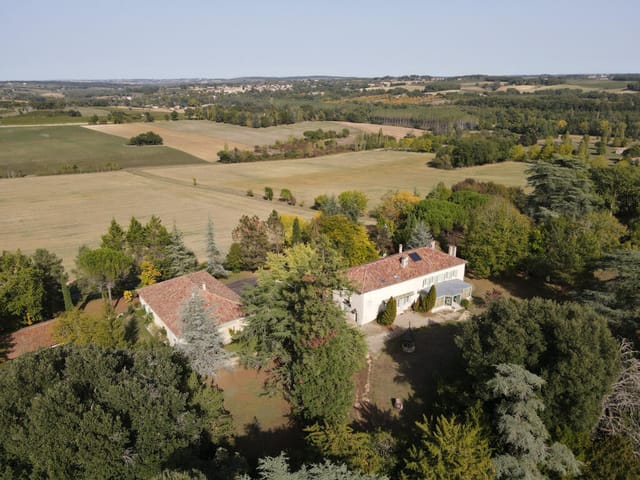
Photo 1

Stand in the east-facing garden on a clear morning and you'll understand why Monet kept coming back to this stretch of the Seine valley. The medieval keep of La Roche-Guyon rises above the treeline, close enough that you can watch the light shift across its old stones from your own lawn. That view — that specific, unhurried view — is part of what you're buying here. The rest is a 135-square-metre stone house in Vétheuil, a village small enough that the baker knows your order by your third visit. This is not a weekend retreat you'll spend fixing. The house is in good condition, well maintained, and ready to move into or rent out from day one. The bones are serious: thick stone walls that keep rooms cool through July and August without air conditioning, original woodwork that no renovation has managed to sand away, and a gas condensing boiler installed to handle proper French winters. The character is already here. You won't need to manufacture it. On the ground floor, the layout does something increasingly rare in houses of this age — it actually works. A generous double living space runs the width of the house, with the dining room opening onto a west-facing terrace through full-height doors, and the sitting room on the east side giving onto the garden and that castle silhouette beyond. There's a fireplace in the sitting room, the kind you actually light in October, not the kind that's been sealed over and turned into a shelf. The kitchen is fully equipped and positioned so that whoever's cooking isn't exiled from the conversation happening ten feet away. Upstairs, three proper bedrooms — not two bedrooms and a room the listing optimistically calls a bedroom. There's also a study with its own terrace, a second smaller ... click here to read more
Picture 1

Step outside on a Saturday morning and the Seine is right there — glinting through the tree line, unhurried, wide, reflecting the kind of sky that makes you put your phone away. This is the Yvelines you don't see on postcards: quieter than the Loire, less trafficked than the Dordogne, and just over an hour from Paris by car or train. Bonnières-sur-Seine sits in one of the river's great looping bends, and once you've spent a weekend here, the city starts to feel like the place you go to work rather than the place you live. The house itself was built in 2007, which means it comes without the charming headaches of older French rural properties — no crumbling lime plaster, no antiquated wiring, no surprises behind the walls. What you get instead is solid modern construction on a 1,500-square-metre plot, 136 square metres of living space, and a layout that actually makes sense for how families use a home. Ground floor first. The entrance hall opens into a double living room — proper sized, not the cramped salon you find in so many French holiday homes — with an open-plan kitchen that connects the cooking and the conversation. There's a master bedroom on this level with its own shower room, which is genuinely useful if you've got older relatives or guests who'd rather not tackle a staircase. A laundry room and direct garage access round out the practical side of things. Head upstairs and the first floor opens into something more unexpected. The partial attic conversion gives the space real character — sloping ceilings in the right places, three additional bedrooms, a full bathroom, a dressing room, and a generous open area that previous owners have used as a TV lounge and a large home office. If you need a fifth bedroom, it ... click here to read more
Picture 1

Stand on the west-facing terrace at dusk and watch the Lot River catch the last light of a summer evening. The water goes gold, then copper. Swallows cut low over the surface. Somewhere across the valley, a church bell counts out eight o'clock from a village you can't quite see. This is Anglars-Juillac, a quiet corner of the Lot department that most visitors to France never find — which is precisely why those who do find it tend to stay. Set along Chemin du Saulou, this four-bedroom villa sits on roughly 7,000 square metres of grounds that run directly down to the riverbank. That's not marketing language for a strip of grass near water — the property genuinely touches the Lot, giving you private access for morning swims, a canoe launch, or simply sitting on the bank with a glass of Cahors Malbec as the light fades. The saltwater pool, measuring around 12 by 4 metres and fitted with night lighting, makes that choice a genuine dilemma on warm evenings. The garden itself deserves its own mention. Walnut trees, cherry, plum, apple, pear — it's the kind of productive, shaded landscape that takes decades to establish and can't be replicated by any developer. A large pond sits within the grounds, drawing herons and kingfishers with reliable regularity. The mature canopy keeps the terraces cool through July and August when the temperatures in the Lot Valley push reliably into the high twenties and low thirties. The villa spans approximately 200 square metres across three levels, built in the pre-1906 era of solid stone and thick walls that keep interiors naturally cool in summer and hold warmth in winter. The ground floor opens into a flexible space that currently works as a studio or office — big, light-filled, and independe ... click here to read more
Front view of the villa and garden

Picture this: a Sunday morning in rural Deux-Sèvres, the kitchen smelling of fresh bread from the park's delivery service, a coffee in hand, French doors open wide onto a south-facing garden already warm by nine. The only sound is birdsong and, faintly, the satisfying thwack of a golf club from the 27-hole course that runs along the park's edge. This is the quiet rhythm of life at Domaine Le Bois Senis — and this two-bedroom bungalow puts you right at the center of it. Les Forges sits in the gentle countryside of Deux-Sèvres, a department that most international travelers drive through on their way to somewhere more obvious. Their loss. This pocket of Poitou-Charentes has the kind of rolling agricultural calm that's almost impossible to find in over-touristed parts of France — sunflower fields in July, morning mist over the bocage hedgerows in autumn, local markets where the vendor knows your name by your third visit. The village center is literally a five-minute walk from the park's gate, where you'll find a well-stocked local shop and the kind of unpretentious English pub that becomes a social anchor for the international community that's made Domaine Le Bois Senis its second home. The bungalow itself sits at 80 square meters, compact but genuinely well-thought-out. High ceilings with exposed wooden beams keep the living room from ever feeling small — there's a generosity to the proportions that photographs struggle to convey. The open fireplace isn't decorative; come November, when the countryside turns amber and the pool closes for the season, you'll actually use it. Air conditioning handles the other end of the spectrum during July and August when Deux-Sèvres bakes pleasantly under long Aquitaine-adjacent summers. ... click here to read more
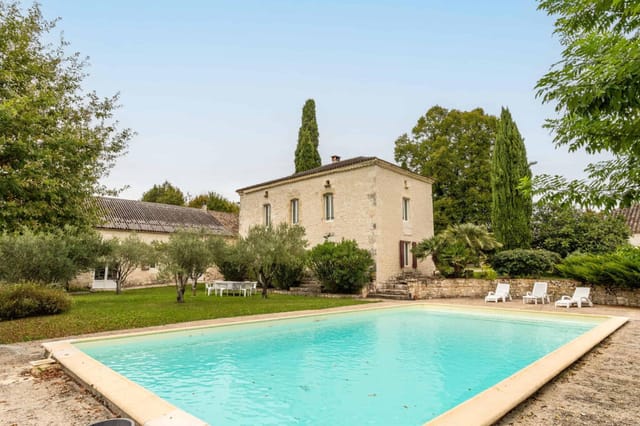
Photo 1 of Le Bois Senis 70

On a still morning in Saint-Cyr-la-Campagne, you'd wake to the sound of water. Not distant or muffled — the river runs right along the edge of the property, close enough that you hear it through an open window while the coffee brews. There's no road noise, no neighbors peering over the fence, no reason whatsoever to be anywhere else. This is rural Normandy at its most honest: green, quiet, and completely unhurried. The house itself was built in the 1980s, solid and unpretentious, sitting on a fully enclosed and wooded 1,000-square-metre plot that feels twice as large thanks to the riverbank it borders. Since 2021, the owners have been steadily bringing it up to speed — new electrics throughout, a fitted kitchen, a redesigned bathroom with a proper walk-in shower and bathtub, and freshly renovated upstairs bedrooms completed in 2025. The bones were always good. Now the finishing is catching up. Come through the front door and the ground floor opens into a living room that immediately earns its keep. Terracotta floor tiles run underfoot — the warm, slightly uneven kind that makes a room feel lived-in rather than showroom-perfect — and a wood-burning stove anchors one wall. On a grey October afternoon, when the Normandy rain comes in sideways and the leaves on the riverbank go copper and gold, this room becomes the entire reason you bought a house in France. The kitchen adjoins it directly, recently fitted and fully equipped, functional without being clinical. A hallway off the living area leads to a ground-floor bedroom with its own dressing room — a practical touch that works well as a guest room or for anyone who'd rather avoid stairs entirely. The new bathroom sits nearby, tidy and complete. Upstairs, the landing is ... click here to read more
Picture 1
Stand at the kitchen window on a still October morning and the Seine is right there — silver-grey and unhurried, sliding past your private riverbank without a sound. No road between you and the water. Just your garden, the soft thud of a fallen apple from the old tree, and a heron working the shallows. This is Chantemesle, a hamlet so quiet that even locals in nearby Vétheuil will raise an eyebrow when you mention you live there. And that is precisely the point. Set on the Haute-Île between Vétheuil and La Roche-Guyon, this four-bedroom house with an independent studio and private Seine frontage sits in one of the most quietly remarkable stretches of the Vexin Normand — a region that somehow manages to be both genuinely rural and less than 70 kilometres from central Paris. Monet painted the cliffs at Vétheuil obsessively between 1878 and 1881, and once you see the light here in late afternoon, bouncing off the river and catching the limestone bluffs, you stop wondering why. The house itself reads like a proper family home that has been lived in and loved. Ground floor: a sitting room anchored by a working fireplace — the kind you actually use from November through March — a separate dining room, a fitted kitchen, and a WC. On the first floor, three bedrooms and a master suite with its own dressing room and bathroom, plus a second shower room. Four bedrooms and a bathroom configuration that works equally well for a couple wanting room to spread out as it does for a multi-generational family pulling in from Paris for the long weekend. 158 square metres in total. Not oversized. Just right. The independent studio is the feature that makes this property genuinely interesting for buyers thinking beyond personal use. Fully s ... click here to read more
Picture 1

Sunday morning in Marvejols, and the market on Place du Soubeyran is already alive with the smell of aged Laguiole cheese and fresh-pulled lavender honey. You walk back along the old ramparts, coffee in hand, and push open the wooden gate to a property that somehow manages to feel both grand and genuinely lived-in. The pool catches the early sun. The petanque court is waiting. Six bedrooms, 274 square metres of renovated living space, and 459 square metres of outbuildings sit on a fully fenced, tree-lined plot of 4,150 square metres. This is what that phrase "rare find" is supposed to mean. The house itself has been completely renovated — and done with real care, not a quick cosmetic flip. The main living area faces south, which in this part of the Massif Central means serious sunlight from October through May, not just the obvious summer months. Light floods across the stone floors and into a kitchen that opens directly onto the garden. Cooking here in August, with the doors flung open and the sound of cicadas carrying in from the trees, is a different relationship with a kitchen entirely. Six bedrooms give you options that most holiday properties simply can't offer. A family reunion. A rotating group of friends across a long summer. Or, more practically, a conversion into chambres d'hôtes or a gîte — the Lozère tourism office actively promotes rural accommodation in this corridor, and demand from hikers, cyclists, and nature travellers has grown consistently over the past decade. Those outbuildings are worth pausing on. A barn. A summer kitchen. Three garages. A workshop. A storage room. That's 459 square metres of space that most buyers in this price range would kill for. The summer kitchen alone transforms the pro ... click here to read more

Picture 1

Sunday morning in Châteauneuf-du-Faou starts with the smell of buttered crêpes drifting from the boulangerie on Rue de la Mairie, and if you crack open the upstairs window, you'll catch the faint echo of church bells bouncing off the stone facades across the square. That's the kind of detail you can't manufacture. It's either there or it isn't — and here, it absolutely is. This is a rare find in the heart of one of Finistère's most quietly compelling villages: two adjoining stone houses, sold together as a single property, sitting right in the village core with everything you need within a short walk. At 80 square metres combined and priced at €123,500, this is the kind of opportunity that makes serious buyers move fast. Five bedrooms spread across two interconnected dwellings, a landscaped enclosed garden, a garage, and a timber-framed attic just waiting to be converted. The bones are solid — natural slate roof, mains drainage, stone walls that have quietly absorbed two centuries of Breton weather. Let's talk about the layout, because it's genuinely interesting. The first house opens at ground level into an entrance hall that flows into a living and dining room anchored by a working fireplace — the kind you actually use from October through April, not just for Instagram. A kitchen with a shower area sits alongside, and a connecting living room links the two houses together. Head upstairs and you get two good-sized bedrooms. The second house has its own front entrance, kitchen, shower room, WC, and a ground-floor bedroom, with two more bedrooms up top. An attic caps the whole structure, unconverted but full of potential — a home office, a games room for the kids, a reading loft. The layout gives you options that most s ... click here to read more

Picture 1

Step through the heavy front door of this brick-and-flint maître house on a crisp October morning and you hear it immediately — the kind of silence that costs money in most of France. No traffic, just a wood pigeon somewhere in the garden and the faint metallic ring of the Goderville church bell carrying across the Pays de Caux plateau. This is what 172,000 euros buys you in northern Normandy right now: a real house with bones, history, and a plot of land big enough to breathe. Bretteville-du-Grand-Caux sits right on the edge of the Seine-Maritime plateau, a few minutes from the market town of Goderville where the Tuesday morning market draws farmers and locals who've been shopping the same stalls for generations. Pick up a thick wedge of Neufchâtel heart-shaped cheese, a bottle of Calvados from a producer who doesn't export, and a baguette still warm from the boulangerie on Rue du Général de Gaulle. This is everyday life here, not a tourist performance. The house itself is the kind you used to find everywhere in Pays de Caux and now increasingly don't. Brick and silex — that distinctive local flint — laid in the traditional Norman pattern, with generous ceiling heights that make the reception rooms feel genuinely grand rather than merely large. The ground floor opens into spacious living areas that get proper afternoon light through tall windows facing the garden. There's a scale to these rooms that's hard to fake: wide floorboards, high cornices, proportions that belong to an era when builders weren't counting square centimetres. Upstairs, four bedrooms spread comfortably across the first floor. Two face the rear garden and catch the morning sun. The remaining rooms have that characteristic Normandy quietness that c ... click here to read more

Picture 1

Stand on the upstairs balcony on a clear morning and the Seine Valley rolls out in front of you like something you'd stop to photograph on a road trip—except this is just Tuesday, and you own it. That 49m² master suite behind you, the smell of coffee drifting up from the kitchen below, the garden still dewy and quiet at that hour. This is the kind of house that doesn't announce itself loudly. It earns you over, slowly, room by room. Boissise-le-Roi sits in the Seine-et-Marne département, tucked into a green loop of the river about 40 kilometres south of Paris. It's not a name you'll find on tourist maps, and that's exactly the point. This is a residential village where people actually live—where the boulangerie on Rue de la Fontaine knows its regulars, where the school run and the Sunday walk along the Seine riverbank are the defining rhythms of the week. For a second home buyer, that's rare. You get the proximity to Paris without the noise, the price inflation, or the sense that you're always surrounded by other visitors. The house itself sits on a landscaped plot of 2,600 square metres—generous by any standard, genuinely rare this close to the capital. The garden has been thought about: terracing that runs to roughly 63 square metres of outdoor living space, a covered parking area for two vehicles, a garden shed, and a well with rainwater recovery that keeps the green looking like this in August without sending the water bill through the roof. On warm evenings, this terrace is where dinner happens. There's no competition from traffic noise, no neighbours pressed close on either side. Just the garden, the view down toward the valley, and the kind of stillness that city dwellers come a long way to find. Inside, the gr ... click here to read more

Picture 1

On Sunday mornings in Fourges, the only thing you hear is the river. The Epte moves quietly past the old mill at the edge of the village, and if the kitchen window is open, you catch the faint smell of damp grass and whatever someone nearby is baking. This is a village that hasn't tried to reinvent itself. It's just still here — stone walls, a mill that's been grinding for centuries, a pace of life that feels almost unreasonably good. This two-bedroom house sits in that village, in good condition, single-storey, with a generous 1,000 square metre garden running down to the voie verte — a dedicated greenway trail that cuts through the Vexin-sur-Epte countryside. Step straight out of the back gate and you're on a route that takes you through meadows and orchards, past apple trees whose fruit ends up in the local calvados, all the way toward Gisors or down toward the Seine valley. You don't need a car to feel like you're deep in rural Normandy. The landscape just arrives at your doorstep. Inside, the layout is all on one level — no stairs, no fuss. The entrance leads into a living space with a wood-burning stove that makes the room feel entirely different in November than it does in July. In winter it crackles, the walls hold the heat, and the whole house takes on that particular quality of a place that's actually lived in rather than merely visited. The fitted kitchen is practical and fully equipped. There's a large master bedroom, a proper bathroom, a separate WC, and a second smaller room that works equally well as a guest bedroom or a home office for those who work remotely and want to do it somewhere with better views than their city apartment. Under the eaves, a third sleeping space with storage gives you genuine fl ... click here to read more

Picture 1

Stand in the courtyard at seven in the morning, coffee in hand, and listen. A wood pigeon calls from the old walnut tree. Water trickles from the decorative pond. Somewhere beyond the stone walls, the Loire Valley is waking up. This is the kind of quiet that city people spend years chasing — and here, it's yours before breakfast. At 1585 Route de Pierrefitte, this former abbey farm sits on a fully fenced 5,435 m² plot in Vézelin-sur-Loire, a small commune perched in the rolling hills above Saint-Étienne, roughly equidistant between Lyon and the volcanic highlands of Auvergne. The estate has spent the last twenty-five years operating as a sabbatical and retreat center — a place where executives, academics, and creatives came to think clearly and leave restored. That history has shaped every room. The proportions are generous, the finishes are honest, and the whole place carries the unhurried confidence of a building that has seen several lifetimes and survived them all. The main building runs to approximately 450 m² across two floors. Ground level holds a sitting room anchored by a working insert fireplace — the kind you actually use in October, not just admire — plus a formal dining room with an original alcove that seats a long table comfortably. There's a separate office or secondary lounge, a ground-floor bedroom with its own en-suite bathroom, and a professional restaurant kitchen fitted with commercial-grade equipment. Spend a Sunday afternoon in that kitchen producing a pot-au-feu with vegetables from Roanne market and you'll understand exactly why the retreat guests never wanted to leave. Upstairs, approximately ten guest rooms spread across the floor alongside a shared lounge that has doubled as a conference ro ... click here to read more

Front view of the estate

Sunday morning in Salles-Lavalette and the smell of fresh bread from the boulangerie two streets over drifts through the tall kitchen windows before you've even put the coffee on. That's not a fantasy — the bakery is genuinely that close, and yes, it's the kind of village where the baker knows your order by your second visit. This is Charente at its most unhurried, and this six-bedroom stone house sits right at the heart of it. At 293 square metres across a thoughtfully restored, characterful layout, the property is substantial without feeling cavernous. Step through the entrance hall and you're immediately in the 44-square-metre grand salon — a proper room with genuine presence, the sort of space where long dinners stretch past midnight without anyone feeling crowded. Original timber-framed doors and windows have been kept throughout, which matters enormously in a house like this. The bones are old and honest; the comfort is modern and discreet. That balance is hard to find and harder to get right, but whoever restored this property understood it. The ground floor also holds a rustic kitchen with real personality — this isn't a showroom kitchen, it's one you actually want to cook in — plus a second petit salon that flexes easily into a library or home office depending on your needs. A cloakroom completes the ground level. Upstairs, the six bedrooms and three bathrooms are arranged across a layout that makes genuine sense for families or groups, not just on paper but in daily use. Adjoining rooms on both the ground and first floors carry real development potential, subject to the usual permissions, which opens up everything from a self-contained annexe to an expanded B&B operation. Speaking of which — this house is ge ... click here to read more

Picture 1

Stand on the 80-square-metre terrace on a late June morning and you'll hear the Lot River before you see it — a low, unhurried sound threading through the stone village below, mixing with the clatter of a market being set up on the square. That's the rhythm here. Slow, deliberate, and completely irreplaceable. This five-bedroom 17th-century house on the right bank of St-Geniez-d'Olt — the oldest quarter, where the streets are barely wide enough for two people to pass comfortably — sits at a kind of sweet spot that's genuinely hard to find anywhere in southern France at this price point. The village itself is the kind of place travel writers keep "discovering" and then quietly keeping to themselves. Crossed by the Lot River and framed by the wooded hills of Aveyron, St-Geniez-d'Olt sits at the edge of the Aubrac plateau — one of the last genuinely unspoiled high plateaux in France. The surrounding landscape is why people who come here for a week end up buying property. Rolling grassland grazed by the famous Aubrac cattle, forests of beech and oak climbing the valley sides, and the Lot cutting a clean green line through it all. In July, the village hosts its annual fête with fireworks over the river. In autumn, the hills go amber and rust, and local restaurants put aligot — that volcanic, cheese-pulled potato dish unique to this corner of France — on every menu. In winter, the Aubrac plateau gets real snow, and the cross-country skiing trails around Laguiole are less than 40 minutes away. The house carries its age with dignity rather than fragility. Push open the street door and the shift is immediate: pebble-set floors underfoot, walls of raw stone, and the particular cool quiet of a building that has absorbed three cen ... click here to read more

Picture 1

Step onto the south-facing terrace on a clear October morning and there it is—Najac Castle, perched on its narrow rocky spur, the Gorges de l'Aveyron rolling away beneath it in every direction. The mist hasn't fully lifted yet. The wood-burning stove inside is still warm from last night. This is the kind of morning people drive across France to find, and here it comes with your breakfast. Najac sits on the edge of the Aveyron valley like something a medieval cartographer drew on a good day. Frequently counted among the most striking villages in the whole of southern France—it made the official "Plus Beaux Villages de France" list and earns that distinction honestly—it draws visitors from across Europe every summer, yet somehow manages to stay genuinely local. The weekly market runs on Sundays along the main strip, where farmers from the surrounding causse sell raw-milk tomme, walnut oil pressed just up the road, and slabs of aligot mix you'll argue about all the way home. There's a butcher who still knows the name of every farm his beef comes from. That's Najac. This house sits on five hectares of land on the edge of that village, close enough to walk to the boulangerie for a croissant, far enough that you won't hear your neighbours through the wall. You don't have any immediate neighbours. The land wraps around you—nearly four hectares of it contiguous—and the countryside absorbs whatever noise the world is making. In July the evenings smell of dry grass and lavender drifting up from the lower meadows. In November it's woodsmoke and wet earth. Both are worth coming for. The house itself was rebuilt stone by stone from the original structure. That matters here. The builders didn't pretend to add old-world character wi ... click here to read more

Picture 1

Sunday morning in Bergerac starts with the smell of fresh bread drifting up from the boulangerie two blocks away. You open the kitchen door onto the 17-square-metre terrace, coffee in hand, and catch the faint sound of the market vendors setting up along the Place de la Madeleine. That's the rhythm of life this house puts you inside — not on the edge of it, not behind glass. Right in it. This solid 1930s house sits a short walk from the old town centre of Bergerac, one of the most quietly rewarding towns in the entire Dordogne valley. The architecture still carries the bones of the interwar period — the proportions feel generous, the walls thick enough to keep rooms cool well into July — and recent upgrades have brought the practicalities firmly into the present. A newly installed heat pump, air conditioning, full double glazing, and a fitted kitchen mean you arrive and you live, rather than renovate and wait. The ground floor layout is genuinely sociable. The living room flows naturally toward the open-plan kitchen and dining area, which spills directly out onto the terrace. Summer evenings here have a particular quality: the Dordogne region holds its warmth well into September, and al fresco dinners under the fading light are less a special occasion than a Tuesday habit. The ground floor also holds a bedroom and shower room — useful for guests who'd rather skip the stairs, or for turning the upper floor into a private retreat when the house is full. Upstairs, two spacious double bedrooms and a dressing room give the house a flexibility that shorter-term rentals rarely achieve. There's room for couples, families, or the kind of extended-family gathering that the French countryside seems specifically designed to encou ... click here to read more

Picture 1

Sunday morning in Saint-Romain starts with birdsong and the faint smell of bread drifting over from Aubeterre-sur-Dronne, just a few minutes down the road. You slide open the glass doors onto the veranda, coffee in hand, and the pool catches the early light. The kids are still asleep. This is yours. That's the kind of morning this property delivers — not just once, but every time you pull up the drive. Tucked into a small hamlet in the Charente department of southwest France, this modern five-bedroom villa sits in one of the country's most quietly rewarding corners. Aubeterre-sur-Dronne is one of Les Plus Beaux Villages de France — that official designation handed to fewer than 160 communes in the entire country — and it earns it. The medieval church of Saint-Jean, carved directly into a cliff face, is the sort of thing that stops first-time visitors in their tracks. The weekly Saturday market along the main square fills with local cheeses, walnuts, honey from Périgord, and wine from the surrounding Charente vineyards. It's a ten-minute drive, and after a few visits you'll know half the stall holders by name. The house itself spans 234 square metres across three levels, and the layout is genuinely clever. The heart of the ground floor is a 57-square-metre open-plan living and dining area — properly open, the kind where a group of eight around the table doesn't feel cramped — with a sleek fitted kitchen that runs along one wall. No fussy cabinetry or dated tile splashbacks here. Clean lines, good light, and a design that invites cooking rather than just tolerating it. From this space, wide glazed sliding doors open onto a covered veranda that rivals the living room for sheer size, and from there the eye travels straigh ... click here to read more

Picture 1

Sunday morning in Saint-Romain and the only sound is the wind moving through a field of sunflowers. Not a neighbour in sight. Just the soft creak of the farmhouse shutters and, from the kitchen, the smell of coffee brewing in a room that somehow manages to feel both brand new and a hundred years old at the same time. This is the kind of quiet that city people spend years chasing. This four-bedroom, three-bathroom detached farmhouse sits on a full acre of private grounds along a no-through lane in Charente, one of those quietly beautiful corners of southwest France that hasn't yet been discovered by the Instagram crowds. Recently refurbished to a genuinely high standard, it hits a rare balance — the bones of a proper French country house, the comfort of a home that's been thoughtfully brought into the 21st century. You're not buying a renovation project. You're buying the result of one. Step inside and the entrance hall is wide and airy, the kind of space that sets the tone for everything that follows. The sitting room keeps its period features — there's real character here, the sort that can't be installed, only preserved. The kitchen and breakfast room is newly fitted with high-end appliances and opens naturally toward the gardens, so summer mornings flow from coffee to croissants to a chair outside without any real effort at all. A ground-floor bedroom, shower room, and utility room with the central heating boiler round out the practical side of things, meaning guests or family can stay downstairs entirely if needed. Upstairs, three double bedrooms share the first floor. The master has a dedicated dressing area and an en-suite in its final stages of completion — arriving essentially finished. A family bathroom serve ... click here to read more

Picture 1

On a still morning in Aveyron, you step out onto the upper terrace and the land just rolls away from you — four hectares of meadow catching the early light, no road noise, no neighbor's roof in sight, just the faint ring of cowbells somewhere in the valley below and the smell of cut grass warming up. That's the daily reality of this property outside Villeneuve, and it hits differently than any brochure photo can prepare you for. This is a genuine Quercy farmhouse that's been taken apart and put back together with real conviction. The bones are original — thick limestone walls quarried locally, timber beams that have been in place for well over a century — but the living spaces read as thoroughly modern. Not in a cold, minimalist way. In the way that good renovation always works: high ceilings kept tall, stone floors kept bare, and new elements like aluminum double-glazed frames and remote-controlled electric curtains added without apology. The old and the new don't fight each other here. They just coexist. The 250 square metres of living space is spread across three levels and ten rooms, which gives the house a generosity you feel immediately. The original billiard room, now used as the main dining room, has a ceiling high enough to fit a mezzanine above it — a genuinely rare feature that changes the atmosphere of an evening meal in a way that's hard to explain until you've sat under it with a bottle of Marcillac wine and candles going. The study overlooks the full extent of the property and opens directly onto the large terrace-roof above the ground-floor extension; on a clear day you can see the limestone causse in the middle distance and the wooded ridgelines beyond. It's the kind of room that makes you want to actu ... click here to read more

Picture 1