Houses For Sale In Europe (page 4)

Houses for sale in europe - homestra offers the largest amount of european real estate with over 200,000+ properties, find any type of property within your budget from villas to country homes. buy or rent your perfect home in europe. (page 4)

Step out onto the rooftop terrace just before seven in the evening and the whole Atlantic rolls out in front of you — gold and copper and restless, the kind of light that makes you put your phone away. That is the daily reality of this four-bedroom villa in Carvoeiro, one of the western Algarve's most distinctive coastal villages, and it never seems to get ordinary no matter how many times you watch it. Carvoeiro is not the Algarve you see on generic travel posters. It is a compact, genuinely pretty fishing village built around a small sandy cove, framed by honey-coloured limestone cliffs that glow in the afternoon heat. The main square is five minutes on foot from this villa's front door — close enough to walk down for a coffee at Café do Largo on a Tuesday morning, far enough that you never hear the noise. The restaurants lining Rua do Barranco serve freshly grilled dourada and cataplana de marisco that have kept regulars coming back for years. Every Friday morning the local market near Lagoa, the nearest town, fills with vendors selling blood oranges, smoked sausage, and hand-embroidered linen. These are not tourist performances — they are just how life runs here. The villa itself sits on just over 1,000 square metres of land, and the 227-square-metre build makes smart, confident use of contemporary Algarvian design — clean volumes, generous glazing, and materials that look good without demanding constant attention. The ground floor opens into a single, fluid living and kitchen space where a floor-to-ceiling picture window does the obvious thing and frames the ocean like a painting that changes every hour. An ethanol fireplace anchors the sitting area — useful on January evenings when temperatures drop to a perfectl ... click here to read more

Picture 1

Step out onto your top-floor balcony on a Tuesday morning and you'll understand immediately why people who visit Tavira rarely leave without plotting their return. The Gilão River moves slowly below you, catching the early light in that particular gold way it does between February and November. A fishing boat putters past. Church bells from Santa Maria do Castelo drift over the rooftops. The smell of tosta mista and bica from the café downstairs — your café, as it happens — rises through the old stone walls of the building you now own. This three-storey waterfront property is one of those rare finds that rewrites the rules of what a second home or holiday residence can be. It sits directly on Tavira's riverside promenade, facing the Gilão, with the Roman bridge visible from the front windows and the ferry dock to Ilha de Tavira a four-minute walk away. It's a proper townhouse, not a conversion, not a renovation project — three floors of thoughtfully maintained space with a functioning commercial operation on the ground floor and a generous private duplex above. The ground floor runs as a boutique café right now, and it's easy to see why. Outdoor tables along the waterfront terrace fill up most mornings without much effort from an owner; this stretch of the Rua José Pires Padinha is the kind of address that does a lot of the work for you. The interior has a kitchenette, indoor seating, two separate WC facilities, and a storage room. It's compact and efficient. But it doesn't have to stay a café. The layout adapts well to a wine bar, a small retail space, a gallery — Tavira draws a particular crowd of architecture tourists and slow-travel visitors who actually spend money on things that aren't fast food. Whatever directi ... click here to read more

Picture 1

Stand on this 504-square-metre plot on a quiet morning in São Brás de Alportel and you'll hear absolutely nothing except maybe a pair of swallows and someone's espresso machine hissing two streets over. No beach crowds, no tourist coaches reversing into narrow lanes. Just the kind of calm that people drive an hour from the Algarve coast to find — and here, it's already yours. This is a rare opportunity: a building plot in good condition with a fully approved architectural project for a 457-square-metre detached villa, including a basement. That means the grinding, months-long wait for planning permission is already behind you. The design work is done. You can move straight into the build phase and watch your second home in the Algarve take shape exactly as envisioned — four bedrooms, three bathrooms, and enough space across that footprint to design a life that genuinely doesn't compromise. São Brás de Alportel sits in the foothills of the Serra do Caldeirão, about 20 kilometres north of Faro. The town doesn't appear much in the glossy Algarve brochures, which is precisely what its residents love about it. The Saturday morning market on the main square pulls in locals selling blood oranges, medronho brandy distilled from wild arbutus berries, homemade queijo fresco, and bunches of dried lavender. The café on Rua Dr. Barbosa de Melo serves pastéis de nata that have been made the same way for decades. These aren't tourist performances — they're just how Tuesday works here. Walk to your building plot from the town centre in minutes. The supermarket, pharmacy, post office, hardware store — all on foot. For a second home or holiday property in Portugal, that kind of walkability matters more than people expect. Nobody wants ... click here to read more

Picture 1

Step outside on a Tuesday morning in late June, coffee in hand, and the Baltic light is already doing something extraordinary — bouncing off Korsfjärden in long silver ribbons that reach right through the south-facing windows of the living room. The nearest beach is a two-minute walk. There are no traffic sounds. Just birdsong, the faint creak of a boat somewhere in the channel, and the smell of warm pine from the garden. This is what daily life at Sandenvägen 30 actually feels like. Sankt Anna is one of those places that Swedes have quietly kept to themselves for generations. Tucked into the Östergötland archipelago south of Söderköping, it comprises around 6,000 islands, islets, and skerries — and unlike the more crowded Stockholms skärgård to the north, it still has that unhurried, genuinely local feel. Sanden itself is a small village with real character: a tennis court, beach volleyball courts, a playground, and walking trails that wind through coastal woodland down to the water. The grocery store and a handful of restaurants are close enough to reach by bike, which is exactly how most people get around here in summer. The house sits on a 2,122-square-meter plot between two of the area's best swimming beaches. One faces west toward Lagnöströmmen — a sheltered stretch that stays reliably clear of algae throughout the season. The other faces south toward Korsfjärden, which means sun from mid-morning until the long Scandinavian evenings fade into a pink-orange dusk sometime after 10pm in July. That south-facing beach is the one you'll find yourself walking to most mornings. It becomes yours very quickly. Built in 1986 and architect-designed from the ground up, the house spans 173 square meters of living space with a ... click here to read more

Exterior view of the house and garden

On a still Tuesday morning in late June, the only sound you'll hear from the wisteria-draped terrace is the distant clang of a church bell from Lauzerte's hilltop and, if you're lucky, the unhurried creak of a tractor moving through a sunflower field far below. This is the pace of life in the Quercy Blanc — slow, deliberate, and quietly addictive. The stone farmhouse sitting just a short walk from one of France's officially designated Most Beautiful Villages doesn't shout for attention. It doesn't need to. Built around 1880 as a working duck farm — the kind of history you can actually feel in the thick limestone walls and worn original staircase — the property has been brought into the present with real care. The renovation is thorough without being sterile. Exposed stone walls meet a properly fitted kitchen with integrated appliances. Original ceiling beams frame the living room where a wood-burning stove inside a substantial fireplace becomes the social anchor on October evenings when the Tarn-et-Garonne hillsides shift from green to rust and amber. Tiled floors run underfoot with the kind of patina that only comes with a century of use. Three bedrooms, three bathrooms — including a master suite with its own dressing room and en-suite — give the house room to breathe without sprawling unnecessarily. A large attic sits above it all, unconverted and full of potential, the kind of space that could become a fourth bedroom, a studio, or a reading room depending on who moves in. At 230 square metres, the interior is generous. But in high summer, you'll spend most of your time outside. The pool terrace is serious. A high-quality swimming pool with an electric cover and a proper wooden deck isn't an afterthought here — it's ... click here to read more

Picture 1

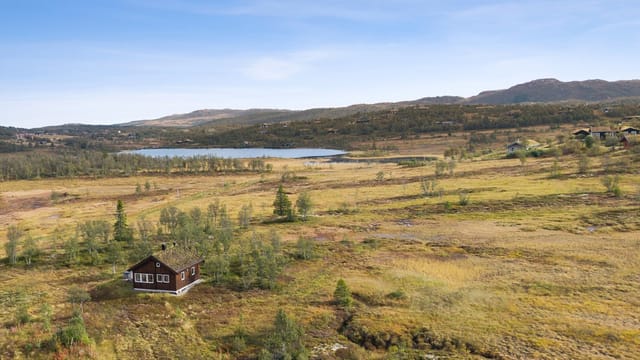
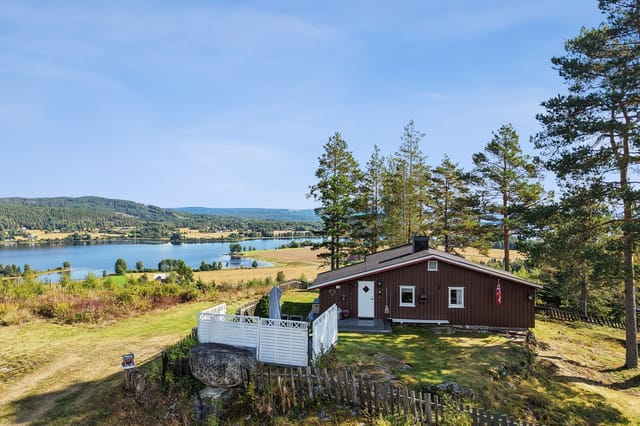
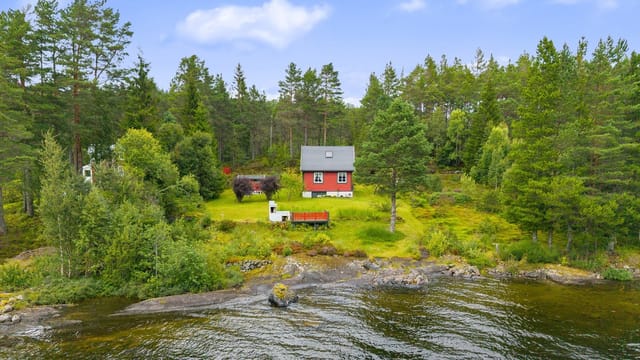
Step outside on a Tuesday morning in late January, and the northern lights are still doing their thing above the Lyngen Alps across the fjord. The coffee is hot. The stove clicked to life twenty minutes ago. Through the big windows of this single-bedroom chalet on Vannøya, the sea sits maybe sixty meters away—grey-green, absolutely still. No traffic. No neighbors visible. Just the low whistle of an Arctic wind and the occasional cry of an eider duck cutting across the inlet at Vannavalen. This is what €111,000 buys you in Northern Norway. The chalet itself sits on Nord-Fugløyveien in the township of Vannøya, a rugged island in Troms county that most international buyers have never heard of—which is precisely the point. Vannøya isn't Lofoten, which has become overrun with Instagram hikers. This island operates on its own rhythm. Fishermen still leave before dawn. The ferry crossing to the mainland at Brensholmen carries locals, not tour groups. That authenticity is increasingly rare, and increasingly valuable. The 41-square-meter cabin was renovated between 2017 and 2018, and the work shows. Light-toned walls, modern surface finishes, smooth-front kitchen cabinetry—the interior punches above its square footage because it's been thought through. The kitchen comes equipped with a refrigerator, stove, and inset sink, with enough table space to sit down to a proper dinner of fresh skrei cod you caught yourself that afternoon. The living room's large windows pull the landscape inside. On a clear February day, the light that bounces off the snow and the water is something you won't find further south. A wood-burning stove anchors the room; by evening, with the fire going and the darkness outside absolute, the space feels genu ... click here to read more

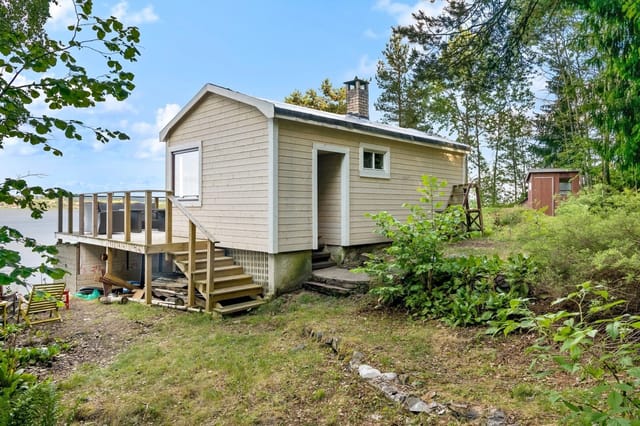
The property consists of a cozy and upgraded cabin as well as a large boathouse with a finished workspace on the upper floor.

On a still morning, you can stand on the upper balcony of this villa with a coffee and watch the mist lift off the fairways of Vale de Pinta's 2nd green below. The valley stretches out in shades of ochre and olive. Not a sound except for birdsong and, if the wind is right, the distant Atlantic. This is the kind of quiet that people spend years chasing. Set in Estômbar, in the heart of the Lagoa municipality, this five-bedroom villa sits at one of the most coveted addresses in the central Algarve — close enough to the coast to make a beach run before lunch, yet far enough inland to feel genuinely unhurried. Carvoeiro is about ten minutes by car. Ferragudo, with its postcard-ready harbor and the best grilled fish you'll eat in Portugal, is even closer. Portimão — where you'll find everything from a deep-water marina to the Museu de Portimão, one of the finest regional museums in southern Europe — sits less than fifteen minutes away. The villa itself covers 392 square meters across two levels, and the layout has been thought through properly. Ground floor living is designed around daily ease: three of the five bedrooms open directly onto the terrace and pool, so the line between inside and outside essentially disappears in summer. The kitchen is the kind you actually want to cook in — an open-plan space with a central island, granite worktops, a gas and electric hob, double fridge-freezers, a wine fridge, espresso machine, and even an ice maker for those long Algarvian afternoons. There's a separate laundry room tucked away, a TV room that works as a genuine retreat from the main social areas, a dedicated home office, and a wine cellar. That last detail matters more than it sounds: the Algarve's annual wine scene has grow ... click here to read more

Picture 1

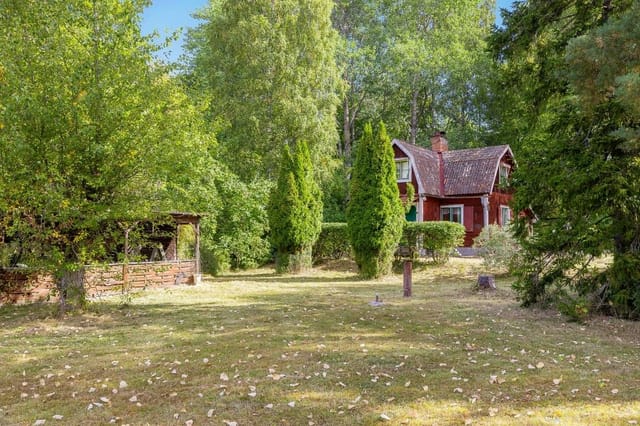
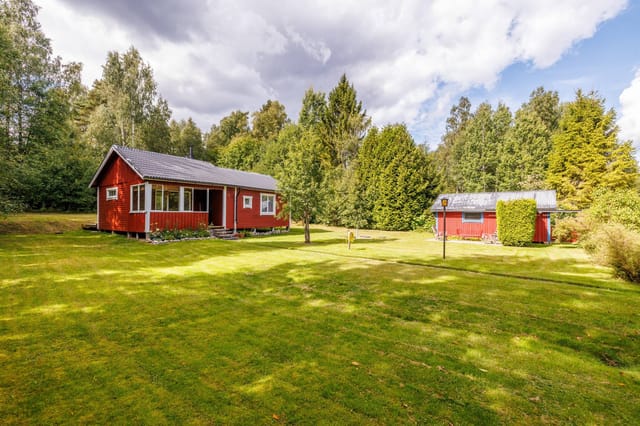
The alarm doesn't wake you here. What does is the sound of water lapping 150 meters from your bedroom window, and the particular quiet of a Swedish morning before the rest of the world catches up. That's life at Nällsta 12, a two-bedroom cottage sitting on a generous 1,425 square meter plot in Stallarholmen, one of those unhurried lakeside communities along Lake Mälaren that Swedes tend to keep to themselves. Lake Mälaren is not a small lake. It stretches roughly 120 kilometers west of Stockholm, and on a clear July afternoon from your wooden deck, the water holds a kind of flat silver light that makes you want to pour a second coffee and stay put. This is Sweden's third-largest lake, dotted with islands, historic manor houses, and the kind of fishing that calls for an early start and a thermos. Your boat berth comes with the property — direct access to all of it. You can motor out to a quiet inlet by nine in the morning and not see another soul. The cottage itself, built in 1970, sits in good condition and is ready to move in and use as-is. At 51 square meters, the main house is compact and honest about what it is: a proper Swedish sommarstuga, a summer cottage built for the season that Swedes genuinely live for. The living room opens through to a spacious timber deck — the kind of outdoor space that becomes the real living room from May through September. Large windows pull daylight deep into the interior, and the mature trees on the plot cast the kind of dappled afternoon shade that no architect can actually design. Two bedrooms handle a small family or a rotating cast of weekend guests comfortably. The kitchen is functional and practical, the shower room and separate WC (fitted with a Separett composting toilet, wh ... click here to read more

Front view of the summer cottage

Saturday morning. The barn swallows are already busy above the terrace, and through the kitchen window you catch the faint smell of bread baking from the boulangerie down in the valley. You've got coffee on, the garden is drenched in that particular pale gold that only central France does in summer, and you're not in any kind of hurry. That's the daily rhythm this cottage in La Châtre-Langlin drops you into — and once you've felt it, it's very hard to give up. This is a solid, well-kept three-bedroom house that sits on just over half an acre of land in the gentle hill country of the Creuse-Indre border zone, a part of France that still operates on its own quiet frequency. The habitable space runs to 87 square metres across two floors — compact enough to be manageable as a second home, but genuinely liveable for a family. On the ground floor, a 22-square-metre kitchen and a 21-square-metre living room give you real space to move around in, not the cramped layouts that plague so many rural French renovations. There's also a shower room, a storage room, and a 14-square-metre cellar — ideal for wine, naturally. Head upstairs and the landing opens onto three bedrooms of 10, 11, and 10 square metres respectively, plus a bathroom. Nothing is pokey. The proportions make sense. The outside space is the real conversation-starter. 2,354 square metres of land wraps around the property, and to the rear sits a generously divided barn — two separate sections, full of potential. Whether you want to park cars and store garden equipment or eventually convert the space into a studio, games room, or guest accommodation, the footprint is already there. The sunny terrace directly behind the house is south-facing enough to earn its keep from ... click here to read more

Photo 9

Step out onto the panoramic terrace on a Saturday morning, coffee in hand, and all you hear is the water. The Castelo de Bode reservoir stretches out below you — glassy, wide, catching the early light — and the only interruption is the occasional call of a heron crossing the Zêzere. This is what 481 square metres of well-built Portuguese countryside living actually feels like. Not a postcard. Not a rendering. The real thing. Martinchel doesn't get the tourist buses that roll through Sintra or Óbidos. That's precisely the point. This village in the municipality of Abrantes sits in a fold of central Portugal that most international buyers haven't discovered yet — which makes right now a genuinely interesting moment to be paying attention. The Zêzere River and the Castelo de Bode reservoir have long been favourites with Portuguese families who drive up from Lisbon on summer weekends for kayaking and river swimming, but the area remains quiet, unhurried, and authentically itself in a way that's increasingly hard to find anywhere in Western Europe at this price point. The house itself sits on 16,520 square metres of land with direct river frontage. That's not a typo — over sixteen thousand square metres, running down to the water, split between flat landscaped areas, wooded groves, and the natural slope characteristic of the Zêzere's banks. The plot alone sets this property apart from almost everything else you'll find within an hour and a half of Lisbon. There's room here to do essentially anything: a pool with unobstructed reservoir views would be straightforward to add, and the land absorbs it without blinking. The construction is practically new and shows it. Two floors, both accessed at ground level — a detail that so ... click here to read more

Picture 1

On a Sunday morning in late spring, you open the French doors off the ground-floor bedroom and the smell of cut grass and warm stone drifts in from the south-facing terrace. Somewhere down the lane, a rooster is doing his thing. The kitchen is already flooding with light—it faces south too—and you're standing there with a coffee, looking out at the enclosed garden, thinking this might be the most at ease you've felt in years. That's the rhythm this place puts you in. This authentic 19th-century Touraine farmhouse sits just outside the village of La Croix en Touraine in the commune of Bléré, right in the heart of the Indre-et-Loire department. It's the kind of address that means nothing until you visit and then means everything. The Loire Valley isn't a backdrop here—it's your actual life on weekends and summers. The house itself is honest and well-kept. Roughly 149 square metres spread across the main building, with a layout that's been thoughtfully configured for real living rather than a developer's floor-plan fantasy. Step through the entrance hall and you're immediately in the thick of it: a large fitted kitchen that flows straight out to the terrace, a cathedral-ceilinged living and dining room of around 40 square metres with original exposed beams, stone walls, parquet floors, and a wood-burning stove that pulls its weight every autumn weekend. The proportions feel generous without being cavernous. In winter, that stove throws enough heat to make the whole ground floor feel like you pulled the house around you like a blanket. The ground floor also includes a bedroom with its own French doors—convenient for guests or for those mornings when you want to slip outside before anyone else is awake—plus an office, a ba ... click here to read more

Picture 1

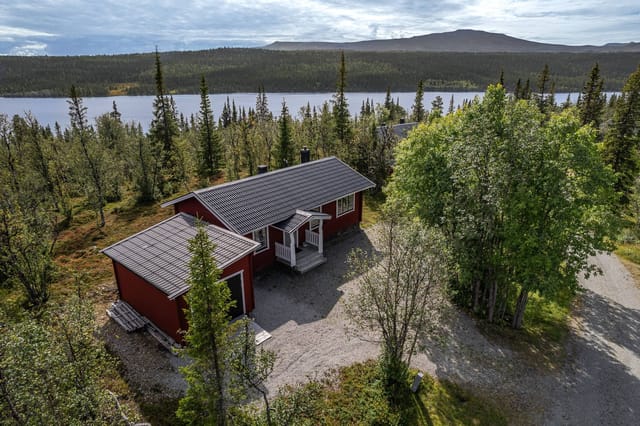
Step outside on a July morning and the fjord is so still it looks painted. The air carries salt and pine resin in equal measure. Your coffee goes cold because you keep stopping to watch a cormorant dry its wings on the rocks below the boathouse. This is Finnsetveien 131 — a well-kept 2008 cabin on the Trøndelag coast that gives you direct access to both a private boathouse and a registered marina berth, sitting on a 1,292-square-metre plot where the grass runs practically to the water's edge. Åfjord is the kind of Norwegian municipality that doesn't make international headlines, which is precisely the point. The Fosen peninsula juts into the Trondheim Fjord like a thumb, and Åfjord occupies its outer edge — exposed enough to feel genuinely coastal, sheltered enough that the water in the coves is swimmable from late June through August. The nearest city is Trondheim, roughly 90 minutes by car via the E39 and the Brekstad ferry, or a scenic coastal drive that takes longer but makes you feel like you've earned the weekend. The local shop at Åfjord centre is a ten-minute drive, and a bus stop is six minutes on foot — practical anchors when you're staying for weeks at a time rather than just popping by. The cabin itself clocks in at 63 square metres of actual living space, and the layout earns every square centimetre. The open-plan living room and kitchen runs to about 31 square metres, which sounds modest until you're standing in it with the large south-facing windows throwing afternoon light across the oak worktops of the IKEA kitchen — a setup that works hard and looks clean, with a full oven, induction cooktop, dishwasher, and refrigerator all included. The wood-burning stove in the corner does the work on shoulder-seas ... click here to read more

Aktiv Eiendomsmegling v/Thomas Lerstadgrind presents Finnsetveien 131

The smell hits you first — pine resin warming in the morning sun, a faint trace of lake water carried on the breeze from Mälaren. You're standing on the south-facing patio at Gäddvägen 35, coffee in hand, watching light fracture across the water through the birch trees, and it takes about four minutes to feel like you've been here your whole life. That's the kind of place Märsön is. Märsön is a small island just outside Enköping, roughly 75 kilometres west of Stockholm. Not famous, not overrun with summer tourists, not the subject of glossy weekend magazine spreads. That's exactly the point. The people who find their way here tend to come back year after year, eventually buying a little red house with a garden, a rowboat, and a long list of nothing urgent to do. This two-bedroom holiday home on Gäddvägen is the kind of property those people fight over when it finally comes to market. The plot itself covers 1,575 square metres — a genuinely generous footprint on an island where land this size doesn't come up often. There's a mature garden with room to grow tomatoes, set up a badminton net, or simply leave as the slightly wild green sanctuary it already is. The patio catches sun from mid-morning right through to evening, which in Swedish summer means you're outside until past nine o'clock, long after the light turns that particular shade of gold that makes everyone reach for their phone cameras. Inside, the 67-square-metre main house is single-storey and well laid out. Four rooms — living area, two bedrooms, and a flexible fourth space that works as a home office, a bunk room for kids, or a proper guest room depending on the week's visitors. The kitchen was renovated in 2017 and still feels fresh: clean cabinetry, funct ... click here to read more
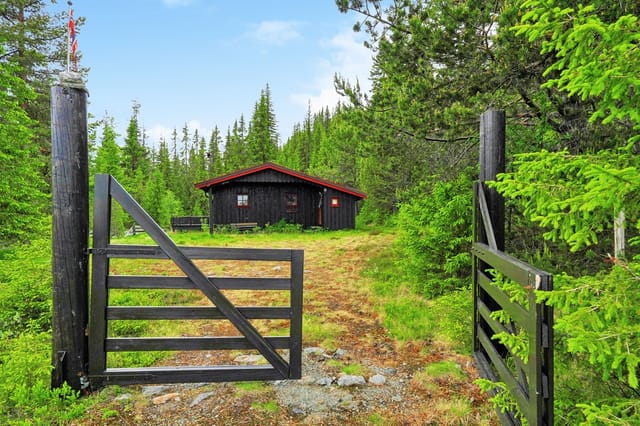
Exterior view of Gäddvägen 35

Picture this: it's a Tuesday morning in late June, and you're sitting on the south-facing patio at Långedal 18 with a cup of coffee going cold because you keep getting distracted by the way the light moves across the granite outcrops in the distance. No agenda. The nearest sound is birdsong and, faintly, the buzz of a lawnmower two plots over. The Swedish west coast has this particular quality of stillness that people who've experienced it never stop talking about — and this property sits right inside it. Långedal 18 is a two-bedroom country home on a generous 1,981 square meter plot in Tanums kommun, roughly five and a half kilometers from the center of Fjällbacka. It's in good condition throughout and genuinely move-in ready, with a practical layout that makes sense for both short summer stays and longer stretches when you don't want to leave. The main house covers 86 square meters across three rooms and a kitchen — two proper bedrooms, an open living and dining space that pulls in light through wide windows, and a sleeping alcove off the living area that works brilliantly as overflow for guests, a reading corner, or a spot for kids who refuse to go to sleep before the midnight sun does. The kitchen flows naturally into the dining and living space, which is the right call for a property like this. Summer on the Bohuslän coast is social. People drift in and out, someone's always cooking, someone else is opening wine. You want a space that handles that without feeling cramped, and this one does. Outside is where Långedal 18 really earns its place. The plot is expansive by any standard — nearly 2,000 square meters of garden, with multiple patios positioned to catch the sun at different points through the day. Morning c ... click here to read more
Front view of the house and garden

Step outside on a Tuesday morning and the air already smells of lavender and warm stone. The garden — your garden — has rosemary bushes that brush your ankles as you walk to the terrace, and if the wind is right you can just make out the faint outline of the Pyrénées to the south. This is the Razès. Quiet, green, and stubbornly off the tourist radar. That's precisely why it works. Built in 2022, this three-bedroom bungalow in Mazerolles-du-Razès sits on a fully fenced plot in a rural pocket of the Aude département where the pace is measured by seasons rather than schedules. It's move-in ready — genuinely, not as a marketing convenience. There's no work to be done, no contractor to chase, no compromises to negotiate. The ten-year structural warranty still runs. Energy class A means the bills stay low even in the depths of January, and the thermodynamic water heater handles hot water without fuss. The 86 square metres of living space are arranged sensibly: an open-plan kitchen and living room lit by a south-facing bay window that pulls afternoon sun deep into the house, three bedrooms that sleep a family or host guests without anyone tripping over anyone else, and a bathroom with both a bathtub and walk-in shower — a detail that matters more than people admit when you're sharing the place with children or staying for a month rather than a weekend. There's a separate toilet, a pantry for proper storage, and a 16-square-metre garage for the car, the bikes, or whatever project you've been putting off. Outside, the tiled terrace is large enough for a proper table, a few chairs, and the kind of long lunches that stretch into early evening. The landscaping was done with a light hand and good sense: olive trees, almond, lavend ... click here to read more
Picture 1

Step outside on a January morning at Storkjeldkanken 112 and the silence hits you first. Not the uncomfortable kind — the kind that makes your lungs feel bigger. The snow sits undisturbed on the spruce branches, the cross-country tracks cut fresh through the trees maybe thirty meters from the front door, and the whole of Trysilfjellet is waiting. That's what owning a holiday home at 772 meters above sea level in Norway's most celebrated ski destination actually feels like. This three-bedroom chalet sits on a generous freehold plot of 1,416 square meters in Trysil, a mountain village in Innlandet county that most Norwegians consider the country's premier winter sports destination — and for good reason. The property at Storkjeldkanken 112 gives you direct access to the cross-country trail network right from the garden gate, with Trysilfjellet's 70-plus alpine slopes just a short drive away. In summer, those same trails become mountain bike routes. The 18-hole Trysil Golf Club course sits within easy reach, and the surrounding Trysilvassdraget river system offers genuinely good trout fishing from late May through September. Inside the main cabin, the bones are classic Norwegian hytte: exposed timber beams, solid wood walls painted in warm whites and naturals, and a fireplace insert in the open-plan living and kitchen area that makes the whole space glow on a cold evening. The layout is honest and practical. The kitchen runs along one wall with solid wood-front cabinetry, painted wooden countertops, and a window above the sink that frames a strip of mountain forest — you'll find yourself just standing there sometimes, coffee in hand, watching a magpie work through the lower branches. The dining area flows naturally from th ... click here to read more
Welcome to Storkjeldkanken 112!

On a quiet Sunday morning in La Roche-Guyon, you open the east-facing garden doors and the silhouette of the medieval keep fills the frame. Coffee in hand, the Seine winds silver in the middle distance, and the only sound is the crunch of gravel as a cyclist rolls past on the riverside path below. That view — that exact view — comes with this house. La Roche-Guyon is one of those places that Parisians whisper about and then keep to themselves. Classified among Les Plus Beaux Villages de France, this compact riverside village sits where the Seine makes a wide, dramatic loop through chalk cliffs at the northern edge of the Vexin Normand natural park. It's only 70 kilometres from central Paris — less than an hour on a clear drive up the A13 and D913 — yet it feels like a different century. The Tour de France has passed through its single main street. Monet came here to paint. The Rochefoucauld family built their cliff-face château directly into the limestone bluff above town, and on summer evenings the floodlit castle walls turn the colour of warm honey. This 135-square-metre house sits right in the village centre, on 457 square metres of land, and it comes with something you simply cannot manufacture: three genuine troglodyte caves carved into the chalk cliff at the rear of the property. One functions as a proper wine cellar, cool and naturally humidity-controlled year-round — the chalk walls maintain a near-constant temperature that any serious wine collector will appreciate immediately. A second has been set up as a private party space, large enough for a long table and a crowd of friends on a summer evening. The third doubles as a garage, big enough for a car and everything else a second home accumulates over the year ... click here to read more
Picture 1

Stand on the quay at six in the morning, coffee in hand, watching the mist lift off Fanafjorden while a small fishing boat putters past the mouth of the cove. That's the kind of morning Mildevegen 171 deals in. This is a proper Norwegian cabin — three bedrooms, a boathouse with its own concrete quay, a garden that runs to over 2,100 square metres, and the Arboretum at Milde practically at the back fence. Twenty minutes from Bergen's Bryggen wharf by car. A world away in every other sense. The property sits in Hjellestad, a quiet coastal pocket on the southern edge of Bergen municipality where the Fanafjord cuts deep into the land and the shoreline is a patchwork of smooth rocks, small beaches, and private quays. Locals here have always known something that the rest of Bergen is slowly catching on to: this stretch of water, with its sheltered inlets and easy access to the outer archipelago, is one of the best spots in Hordaland for a life lived partly on the sea. The cabin itself covers 102 square metres and is in good, solid condition — the kind of place where previous owners clearly took care of things. Walk through the entrance hall (there's an old wood stove in the corner that gives the space a certain honesty, even if it hasn't been lit in years) and the layout opens up naturally into the living areas. The main living room is generous, with large windows pulling in the garden light and a direct connection to the terrace. On a July afternoon with the doors thrown open and the smell of cut grass drifting in, you'll understand immediately why Norwegians have always built their hytter this way — inside and outside refusing to be separated. The kitchen is functional and well-fitted, with integrated appliances and prope ... click here to read more
Welcome to Mildevegen 171!

Saturday morning. You slide open the living room doors and the garden takes over — the smell of wet grass, the shimmer off the pool surface catching the early light, birdsong from the tree line at the far edge of the plot. No neighbour in sight. This is Cederlaan 7, and it sets a very particular kind of tone before you've even had your coffee. Neerpelt — now officially part of the merged municipality of Pelt — sits deep in the Limburg province of northeast Belgium, and it's the kind of place that rewards people who look past the obvious. No crowds, no tourist theatre. Instead you get real Flemish countryside: the dense pine forests of the Lommelse Sahara a short drive west, the recreational lakes at Domein Hengelhoef nearby, and the kind of clean air that people from Antwerp and Brussels specifically chase on weekends. Those same buyers have been eyeing this area for years. It's not a secret exactly — but it hasn't been overrun either. The house sits at the end of Cederlaan, a cul-de-sac where the only cars that pass belong to residents. Children cycle unsupervised here. The postman turns around at the bottom. It's genuinely quiet, in the way that money can't always buy. Step through the front door and you land in a living space built around parquet floors, warm-toned and solid underfoot, with a gas fireplace anchoring one wall. When winter rolls across Limburg and the garden turns to frost, that fireplace shifts from decorative to essential — it earns its place. Natural light comes in generously across the main floor, and the layout flows without feeling forced: no corridor maze, no awkward transitions. The lower level was renovated two years ago and it shows. The finishes feel considered rather than rushed. Four be ... click here to read more
Front view of the villa and garden

Step outside on a July morning at Sydengveien 110 and the first thing you notice is the silence—not the dead kind, but the alive kind. Wind through the birch trees. A distant gull. The faint smell of low tide drifting up from Sørengkilen, just a five-minute walk down the path. This is Vesterøy life, and once you've had a taste of it, a regular apartment in the city starts to feel like a compromise. Hvaler is a stretch of islands at the mouth of the Oslofjord, about 120 kilometers south of Oslo and a world away from it in every meaningful sense. Vesterøy is one of the largest islands in the archipelago, connected to the mainland by road through the Hvaler tunnel, making it reachable year-round without ferries or timetables. Families from Oslo, Fredrikstad, and Gothenburg have been coming here for generations, drawn by the smooth granite skerries, the clear shallow waters, and the particular quality of light that bounces off the fjord on a long Scandinavian evening. This two-bedroom chalet on Sydengveien sits on a generous freehold plot of roughly 1,302 square meters, which is a genuinely rare thing on Hvaler. The garden is a mix of mown lawn, mature trees, and the bare Norwegian bedrock that pushes up through the ground in that characteristically dramatic way—all of it private, all of it yours. Kids can run the full length of it without getting close to a fence. Adults can find a quiet corner that no neighbor can see into. Both things matter. The chalet itself was built in 1964 and has been updated in careful, practical increments rather than gutted and renovated beyond recognition. The bones are solid. A Decra roof went on in 2016. Large sliding doors replaced the old terrace opening in 2015. The two bedrooms got new ... click here to read more
Welcome to Sydengveien 110, presented by EiendomsMegler1 v/Bjørnar Brynildsen. Photo: Fotoetcetera AS.

Pull up on a Tuesday morning and the only sound is a wood pigeon somewhere in the old oak at the far end of the garden. The Charente valley rolls away below the infinity pool in shades of green and gold, and the stone walls of the house are still cool from the night. This is what you came for. Not the TGV timetable, not the Bordeaux wine list — just this specific silence, in this specific corner of southwest France, that you simply cannot manufacture anywhere else. Dignac sits in the gentle hills of the Charente, a département that most international buyers overlook on their way to the Dordogne or the Basque Coast. That's their loss and your opportunity. The village itself is small and unassuming — a boulangerie that opens at seven, a butcher who knows his suppliers by name, a bar-tabac where the dominoes come out after lunch. Real life, in other words. And yet Angoulême is barely twenty minutes down the road, with a TGV station that puts you on the platform at Paris Montparnasse in under two hours, or in Bordeaux Saint-Jean in forty minutes. The combination of deep rural quiet and genuine transport connectivity is rarer than it sounds. The house is a proper Charentais stone property — the kind built to last centuries, which it has. Thick limestone walls keep the interior cool in July without air conditioning. The renovation has been done with the sort of restraint that takes real confidence: natural stone floors left exactly as they are, oak beams cleaned up but not sandblasted into submission, original oak doors rehung on new hardware. The current owners didn't strip the soul out of it chasing a minimalist aesthetic. Instead, every room feels like it earned its character. The living room fireplace is the honest centr ... click here to read more
Picture 1

Stand on the veranda at Barkestadveien 25 on a July evening and you'll understand immediately why people have been anchoring their lives to this patch of Vesterålen coastline for generations. The sea glitters out toward the islands, a white-tailed eagle drifts on the updraft above the ridge, and the light—that famous Arctic summer light—hangs in the sky well past midnight. This is not a postcard version of Norway. It's the real thing. The property sits in Barkestad, a small community within Øksnes Vestbygd on the island of Langøya, and it carries genuine history. The site once functioned as a local trading post and postal hub—the kind of place where fishing boats would call in and neighbors would gather. That past is still alive in the bones of the estate: a substantial main house of 214 square meters and a historic barn of 117 square meters of external usable space, all on a freehold lot of just under 3,000 square meters. Properties with this kind of footprint, in good condition, with this view, do not come up often here. Inside, the house works across several levels. Five bedrooms make it genuinely practical for a large family or for the kind of rotating-door hospitality that Norwegian summer seems to inspire naturally—cousins arriving one week, old friends the next. Three bedrooms sit on the main floor, two more in the basement, which has its own entrance and could function as a self-contained space for guests or an older teenager who values independence. The living room is where the house really earns its keep: large windows pull the outside in, framing the island-dotted seascape like a painting that changes hour by hour, and an open fireplace makes the room equally compelling when October clouds roll in and the wi ... click here to read more
Welcome to Barkestadveien 25 – Leisure property with an attractive location in Barkestad, Øksnes Vestbygd.

The wood stove is still warm from the night before. You pull open the glass terrace door and step into the sheltered courtyard — frost on the planks, coffee in hand, the white peaks above Torvtjønn catching the first light of a January morning. That's what owning a cabin at Kullenvegen 6 actually feels like. Not a postcard. A life. Rauland doesn't advertise itself loudly. It doesn't need to. Tucked deep in Telemark county, roughly three hours by car from Oslo via the RV37, it has quietly remained one of Norway's most authentic mountain communities — a place where the locals ski to the shop in winter and swim in glacier-fed lakes in July without making a fuss about either. This cabin sits right inside that world. The property is built in an atrium style, which sounds architectural but translates to something genuinely practical: the main cabin and the outbuilding wrap around a sheltered inner courtyard that catches the afternoon sun while keeping the wind out. In a region where weather can shift quickly, this matters more than any amount of south-facing decking. You'll use this space. A fire pit here on a clear October evening, the sky going amber over the Hardangervidda plateau, kids running in from the treeline — this is the corner of the property that guests will never want to leave. The interior is 86 square metres, which sounds compact until you're inside. The entrance hall is tiled and fitted with a large sliding-door wardrobe — crucial when you're juggling ski gear, hiking boots, and wet layers for four people — and it opens into a living room that earns its central role. Large windows face the terrace and the view beyond, and the room is anchored by a central fireplace that you'll light every single evening bet ... click here to read more
DNB Eiendom v/ Jeanette Arnesen-Eriksrød presents Kullenvegen 6!

Stand in the kitchen of this 270-square-metre stone water mill on a Tuesday morning in late September and you'll hear the channel running beneath the house before you see it. The sound is constant — not loud, just present — like the building itself is quietly breathing. Light comes through the south-facing windows in long pale strips. The stone walls hold the cool of the night well into afternoon. This is Nonards, deep in the Corrèze, and once you've spent a week here, most other places feel faintly over-stimulated. The Corrèze doesn't get the same traffic as Dordogne or the Lot. That's precisely the point. The département sits in the northern reaches of the Nouvelle-Aquitaine, spilling into the high plateau country of the Massif Central, and the landscape here has a particular quality — wide river valleys, dense oak and chestnut forests, medieval villages perched above the Dordogne gorges that barely appear on the tourist maps. Nonards itself is a commune of a few hundred people, surrounded by working farmland and nature reserves. The nearest town of any size is Beaulieu-sur-Dordogne, about twelve minutes by car — a genuine market town with a Saturday morning market that runs along the riverfront and draws producers from across the region. You can be back at the mill with fresh walnuts, a wheel of Cantal, and a bunch of dried lavender before 10am. The mill sits on approximately one hectare of land, enclosed and private, with no neighbouring properties overlooking the plot. A stone-lined water channel — the original mill race — runs directly beneath the building and emerges through the garden in a wide, slow-moving stream shaded by mature trees. In summer, children wade in it. In autumn, it runs amber with tannins from ... click here to read more
Picture 1

Sunday morning in Châteauneuf-du-Faou sounds like this: the church bell on Place de l'Église counts nine slow strokes, a boulanger two streets over pulls fresh kouign-amann from the oven, and the smell drifts right through your open kitchen window. This is not a fantasy. This is an ordinary Sunday at this five-bedroom village property on the banks of the Aulne river, tucked into one of inland Brittany's most quietly remarkable villages. What's on offer here is genuinely unusual — two fully adjoining houses that share a wall and connect internally, sitting side by side in the very centre of the village with everything you'd need within a short walk. Together they deliver five bedrooms, two kitchens, two entrance halls, and flexible living spaces that very few properties at this price point can match. At €123,500, you're not buying a compromise. You're buying optionality. The first house sets the tone. Step through the entrance hall and you're in a living and dining room with a fireplace — the kind of room that earns its keep in October when Finistère mists roll in off the Montagnes Noires. From here, the layout flows into a kitchen with a shower area, and a connected sitting room that links directly through to the second house. Upstairs, two bedrooms sit under the slate roof, quiet and cool even in July. The second house mirrors this logic in its own way: a ground floor with its own entrance, kitchen, shower room, toilet, and a bedroom, then two more bedrooms above. There's also an attic space — unconverted, which means it's yours to shape. A home office, a studio, a guest suite with dormer windows looking out over the village rooftops. The bones are right there. Outside, a landscaped enclosed garden gives you somewher ... click here to read more
Picture 1

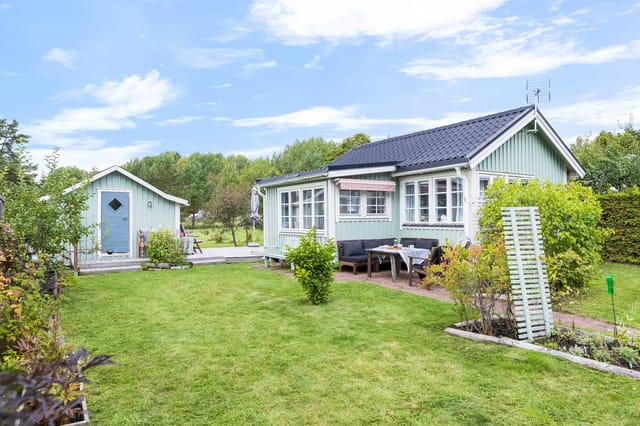
Stand on the south-facing terrace at Rabbevegen 14 on a February morning and the silence hits you first. Not the absence of sound—the presence of it. Wind brushing over the Jotunheimen foothills. A crow somewhere up near the treeline. The soft crunch of a neighbour's skis disappearing around the bend. Then you look up and there's Bitihorn, the mountain that defines this corner of Valdres, sitting right there at the end of your garden like it's been waiting for you. This is Beitostølen at its most real. Not the postcard version—the actual version, where 970 metres of altitude gives the air a quality you notice in your lungs before your brain catches up. The chalet at Rabbevegen 14 sits in the Stakkstølie area, at the quiet end of a cul-de-sac that sees almost no through traffic, on a 1,559 square metre plot that feels genuinely private by Norwegian mountain standards. It's a two-bedroom cabin of 61 square metres—thoughtfully proportioned, not cramped—and it's in good condition, move-in ready, with cross-country ski trails accessible directly from the property and the Beitostølen Alpine Center just a short ride away. Winter here is the main event, but only if you haven't seen it in autumn. From late September through October, the birch forest that rings the upper village turns a colour somewhere between amber and copper that photographers drive hours to capture. The hiking trails that in winter become groomed ski tracks are, in those weeks, yours almost entirely. The route up to Bitihorn from the Beitostølen plateau is around 12 kilometres return and delivers views on a clear day that stretch to Juvass and Galdhøpiggen in the far north. Come back to the chalet, light the cast iron fireplace in the living room, and the ev ... click here to read more
Real estate agent Ida Follinglo presents Rabbevegen 14 with a beautiful location in Stakkstølie. Photo: EFKT v/ Tor Solberg

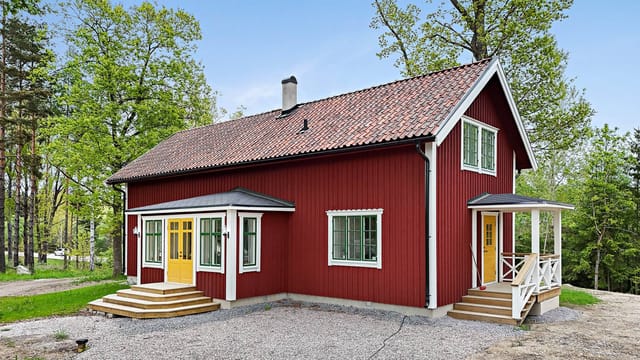
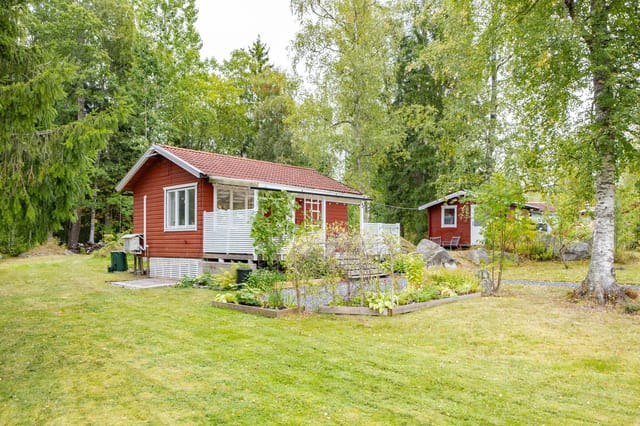
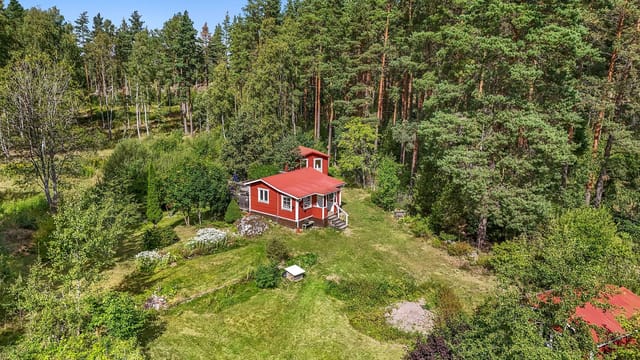
Step outside on a July morning and the air smells like pine resin and wet grass. The only sounds are a woodpecker working through a birch somewhere in the tree line, and the faint creak of the terrace boards under your feet as you carry your coffee out to watch the mist burn off the fields. This is Skånstorp Höjden 123. It's not a postcard version of Swedish countryside life — it's the real thing. Set on a private road in Hällestad, within Finspångs kommun in the heart of Östergötland, this two-bedroom country cottage sits on a 787 square meter plot where the garden ends and the forest begins almost without you noticing. The transition is that gradual. Mature plantings, raised vegetable beds, flower borders in full bloom through summer — the current owners have spent years shaping a garden that feels intentional without feeling formal. There's a greenhouse for starting seedlings in April when the ground is still cold, and an outdoor shower tucked to one side for rinsing off after a swim. The swim, by the way, is at Stigstorpsgölen — a quiet lake just 1.4 kilometers down the track. No beach bars, no paddleboard rental kiosks. Just clear water, dragonflies, and the occasional family of ducks. In August, the surrounding forest floor fills with chanterelles. Locals who know where to look come back with bags full. Lingonberries follow in September, and the forest takes on that particular amber-and-rust quality that makes Östergötland feel almost theatrical in autumn. At 70 square meters, the cottage doesn't try to be more than it is. Three adaptable rooms, a kitchen and dining area that flow into the main living space, and large windows that bring the outside in rather than shutting it out. The wood-burning stove is the he ... click here to read more
Exterior view of the cottage and garden

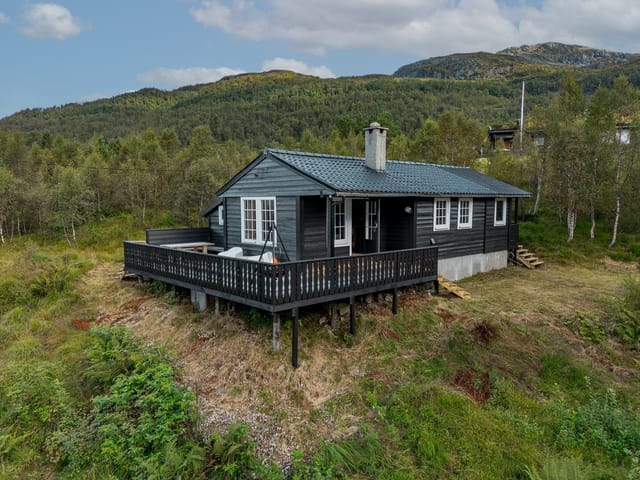
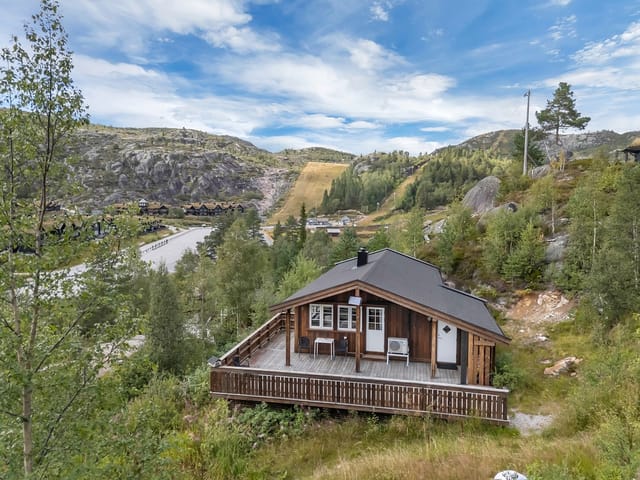
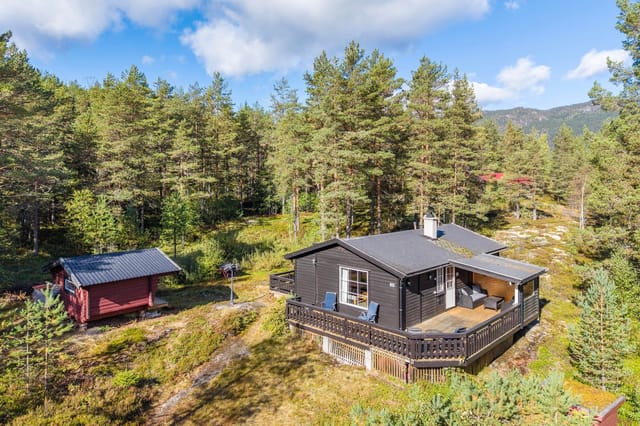
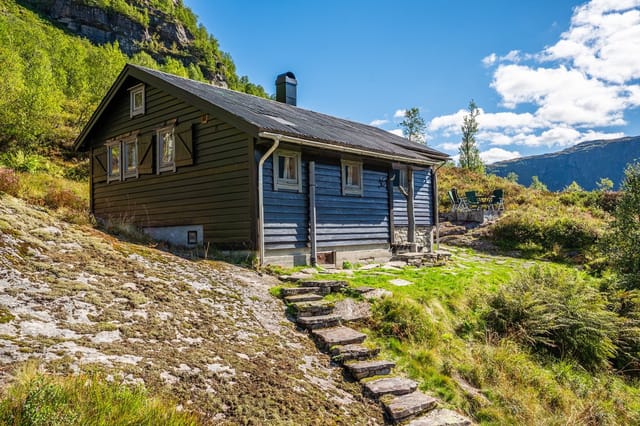
The first morning you spend here, you'll wake up to absolute silence. Not the muffled quiet of a city apartment with the windows shut — actual silence, broken only by wind moving through the birch trees outside and maybe, if the season is right, the distant call of a ptarmigan somewhere up the hillside. That's Dalsida. That's what you're buying into. Sitting on a 1,036-square-metre natural plot along Hådilivegen in Lesja, this two-bedroom off-grid chalet is the kind of place that recalibrates you. Built in 2009 and held in good condition, it's compact at 56 square metres — but the design is clever, and more importantly, you don't spend much time inside when you're here. The mountains are too close for that. Step through the front door and the hallway opens directly into a combined living room and kitchen that feels bigger than its footprint suggests. High ceilings do a lot of the heavy lifting, and the large windows pull in light from the surrounding landscape through most of the day. The wood-burning stove anchors the space — this is genuinely the heart of the cabin, the thing you'll be thinking about in October when you're back in your regular life, already planning the next visit. The kitchen runs along one wall with pine cabinetry, profiled fronts, and a solid wood worktop that's functional and honest about what this place is. There's no pretence here. It's a mountain cabin, and it knows it. The two bedrooms sleep four comfortably — one room with two single beds, the other with bunks — making it a natural fit for families with young kids, or a small group of friends who share a love of being outdoors. The toilet room covers the essentials. No running water from the mains, but the solar panel system with battery st ... click here to read more
Welcome to Hådilivegen 125 at Dalsida, presented by Real Estate Agent/Partner Harald Osdal. Photo: Jarle Osen

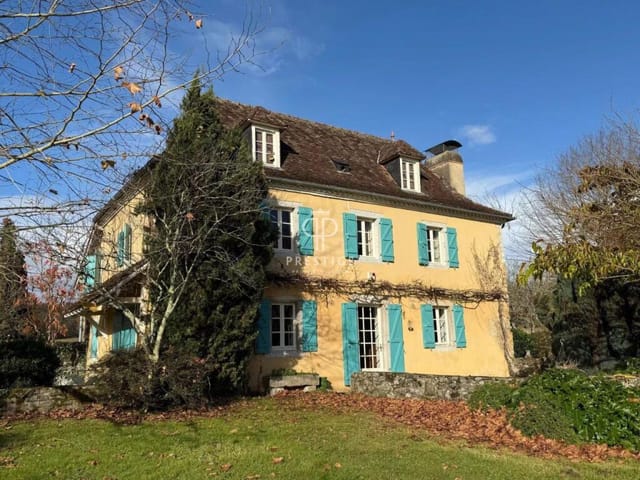
Sunday morning in Issigeac: the weekly market on Place du Château is already buzzing by nine, the smell of roasting chicken drifting from the rôtisserie stall, the sound of French chatter rising above the medieval ramparts. You're a ten-minute drive away, standing at your kitchen window with a coffee, looking out across a valley that hasn't changed much in three centuries. That's the kind of morning this property delivers, week after week, season after season. This is a barn conversion done right — and that distinction matters. Too many conversions in the Périgord sacrifice either the soul or the practicality, stripping out the stone to insert plasterboard, or preserving the beams while ignoring the cold. Here, the balance actually works. Exposed stone walls and heavy oak beams anchor every room in something authentic, while underfloor heating on the ground floor, solar panels for hot water, double glazing throughout, and a rare energy rating of B mean your running costs won't eat you alive. For a property of this age and character, that B rating is genuinely exceptional — most stone farmhouses in the Dordogne struggle to break a D. The layout is generous at 250 square metres, and it doesn't waste space on corridors or awkward half-rooms. The kitchen and dining room is the kind you actually want to cook in — properly fitted, with room for a long table and still space to move around it. A wood-burning stove anchors one end. The adjoining living room has its own stove too, and on a January evening when mist sits in the valley and the fire is going, this room becomes the whole reason you bought in France. Beyond that, a utility room with pantry storage and a guest cloakroom handle the unglamorous logistics cleanly. Upsta ... click here to read more
Picture 1

Sunday morning in Aubeterre-sur-Dronne sounds like this: the church bell at Saint-Jacques tolling the hour, a boulangerie bag rustling on the kitchen counter, and the faint splash of someone already in the pool before nine. This is the rhythm of a village that made it onto France's coveted Les Plus Beaux Villages de France list — and this gîte complex sits right inside it, close enough to walk to the bar-restaurant without moving the car once. Three separate houses. One large garden. A heated pool. One address that almost never comes up for sale in a village this well-known. The complex breaks down neatly. The main house carries four bedrooms and anchors the property with the kind of proportions you simply don't find anymore at this price point in the Charente. A second house adds three more bedrooms, giving families — or groups of friends who like their own front door — room to breathe without feeling miles apart. Then there's the one-bedroom cottage, the quiet outlier, ideal for a couple who want the pool and the garden but not the crowd. Each unit has its own private garden patch, so privacy isn't theoretical here; it's designed in. Total living space across all three sits at 372 square metres, which is substantial by any measure. The garden itself stretches to 2,600 square metres — enough to lose children in for an afternoon, enough to set up a long outdoor table for twelve and still have grass left over. The 10m x 5m pool is heated, which matters in the shoulder seasons when the Charente autumn is golden and warm but the air drops at dusk. There's also a barn on the plot, the kind of structure that immediately starts conversations about wine storage, workshop space, or the fourth rental unit someone always ends u ... click here to read more
Picture 1

Picture this: it's a Tuesday morning in July, and the only sound you can hear from the kitchen window is a woodpigeon calling somewhere beyond the garden's old stone wall. The coffee is on, the air smells faintly of cut grass and warm limestone, and by ten o'clock you could be sitting under the covered barn with a glass of Pineau des Charentes, watching swallows loop over your one-acre plot. This is life in Juignac — unhurried, deeply rural, and more alive than you'd expect from a village this quiet. Juignac sits in the soft green heart of the Charente, one of those parts of southwest France that most visitors drive through on the way to somewhere else. That's precisely the point. About five kilometres from the market town of Montmoreau-Saint-Cybard, you're close enough to pick up fresh bread from the boulangerie on the Grand-Rue and have a long lunch at one of the restaurants along the main square, but far enough from any tourist circuit that life moves at a pace you set yourself. The Charente itself — the river, not just the département — winds through this landscape, and the whole region has this quality of gentle abundance: sunflowers in August, walnuts in October, fog rolling low over the fields in November before the winter sun burns it off by midday. This house has had a serious second life. Since 2020, it's gone through a thorough, considered renovation — not a cosmetic refresh, but a genuine transformation. The approach was smart: instead of stripping out every trace of its rural Charentais character, the renovation leaned into it. Exposed stone sits alongside a fully equipped contemporary kitchen. The result is a home that feels like it has always belonged here, but functions with the efficiency of something ... click here to read more
Picture 1

Saturday morning, and the only sounds reaching the terrace are birdsong, the distant clang of the Saint-Saud-Lacoussière church bell, and the faint creak of oak branches in the breeze. Your coffee goes cold because you keep forgetting to drink it. That's what this corner of the Dordogne does to you. This three-bedroom house sits on just over an acre of land outside one of the Périgord Vert's quieter, more genuine villages — not a tourist honeypot, but a real French community with a weekly market, a pharmacy, a couple of decent cafés, and the kind of neighbours who still wave from across the lane. The property spans 125 square metres of living space, is in good condition, and has the bones — plus a 60-square-metre open barn and an attached garage — to become something genuinely personal with a modest refresh. Walk through the front door and you're straight into the heart of the house: a 45-square-metre living room with terracotta tiles underfoot, a proper fireplace fitted with a wood burner, and double doors that push open onto the terrace and garden beyond. It's the kind of room that earns its keep in every season. In July, those doors stay open from breakfast to midnight. In January, the wood burner makes the room impossible to leave. The fitted kitchen connects naturally to this central space, and the whole ground floor flows well — two double bedrooms with warm wooden floors, a family bathroom, and a WC all sit within easy reach. Upstairs, a mezzanine study area opens off the landing — exactly the right perch for working remotely with a view over the garden, or for teenagers who need their own corner of the world. The third bedroom completes the upper floor, giving the house genuine flexibility for families, couple ... click here to read more
Photo 1

Stand on the terrace on a July morning and the air already carries the warmth of the day ahead—cut grass, wild thyme, and the faint sweetness from the sunflowers that blanket the fields around Saint-Martin-de-Gurson. The only sound is birdsong and the distant clang of a tractor somewhere beyond the tree line. This is the Dordogne that people read about in novels and then spend decades trying to find. This five-bedroom house sits on 2.3 hectares of French countryside in the Périgord, one of the most quietly coveted corners of southwest France. At 188 square metres, there is real room here—space to have the whole family over in August, space for teenagers to disappear into their own corners, space to breathe after years of city life. The condition is good and the house is ready to live in, which matters more than people realise when they're buying in a foreign country. No lengthy renovation drama, no months of waiting. You could be spending your first summer evening on the terrace within weeks of completion. Inside, the living room is the kind of space that earns its keep in every season. In the height of summer the French doors pull light in from all angles. Come November, the wood-burning stove becomes the centre of gravity—a proper cast-iron one that heats the room fast and makes the whole house smell like a mountain chalet. The open kitchen flows directly off the living area, with a proper pantry (cellier) that any serious cook will appreciate immediately. Storing olive oil from the Dordogne market, wine from a Bergerac cave, charcuterie from the Saturday market at Montpon-Ménéstrol—there's space for all of it. Five bedrooms gives you options that most French country houses simply don't. Guest rooms, a home office, ... click here to read more
Picture 1

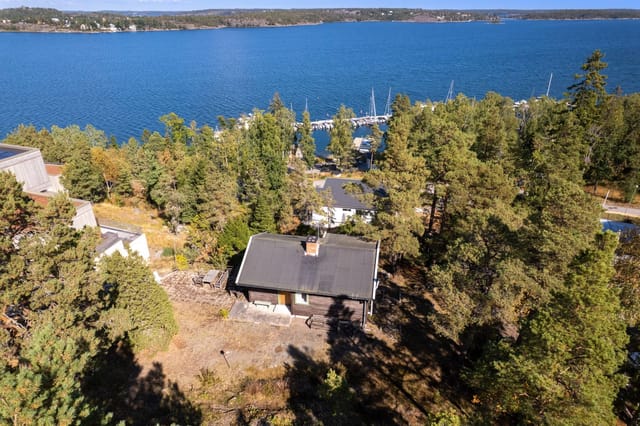
Step outside on a January morning and the valley is completely silent. Not the polite quiet of a countryside weekend—actual silence, broken only by the creak of snow settling on the roof and the distant whistle of wind curling around Resfjellet's ridgeline. The thermometer reads minus twelve and you don't care, because the wood stove in the living room has been going since six, the coffee is ready, and through the south-facing windows the mountain is turning pale gold. That's the daily reality at Svartbekkveien 117. This is a four-bedroom mountain chalet in Jerpstad, deep in Resdalen valley in Trøndelag, priced at 141,000 EUR. It sits on 1,119 square metres of freehold land at an elevation that puts Trollhetta, Resfjellet, and Raufjellet practically on your doorstep. The main cabin measures 99 square metres internally, and the property comes with a separate annex and an outdoor storage shed—meaning you can sleep sixteen people across the whole estate comfortably. For families who gather in numbers, or owners who want rental flexibility, that matters enormously. Built between 2006 and 2009 and kept in genuinely good condition, the chalet doesn't need work before you move in. The layout is sensible and well-thought-out: a proper hallway leads into a toilet room, a sitting room, and then an open-plan kitchen and living area where most of life happens. Four bedrooms branch off from there. The bathroom has a shower. Simple, functional, Norwegian practical—nothing fussy, nothing wasted. The unfinished basement below adds 30 square metres of external storage space that could become a proper ski room, workshop, or utility area over time. What elevates this property beyond the standard mountain cabin is the 52-square-metre ter ... click here to read more
Drone photo

Picture this: it's a Tuesday morning in July, and the only sounds reaching you through the kitchen window are birdsong and the faint hum of a tractor somewhere beyond the treeline. You're standing in a 30-square-metre farmhouse kitchen that smells of strong coffee and old stone, and you have absolutely nowhere you need to be. That's the rhythm of life Saint-Just delivers, day after unhurried day. This authentic 110m² stone country house sits in a quiet hamlet in the northern Dordogne, deep in the Périgord Vert — the greenest, least-touristed corner of a département that the French have long kept to themselves. Priced at €199,500, it represents one of those increasingly rare opportunities to buy a genuinely liveable piece of rural France without the eye-watering price tags that have crept into more famous villages along the Vézère Valley. The house itself reads like a proper working farmhouse that someone has quietly looked after over the generations. Stone walls that stay cool without air conditioning even in August. Ground floor ceilings high enough to never feel oppressive. The kitchen is enormous by any standard — 30 square metres is closer to what you'd find in a Parisian apartment than a rural retreat, and it makes the room the natural heart of the house. Long lunches that drift into early evenings. Friends crowded around a table laden with Périgord walnuts, foie gras from the weekly Ribérac market, a Saint-Émilion opened an hour too early because nobody wanted to wait. That kitchen earns its square footage. The ground-floor bedroom with its own shower room is a practical touch that many older French country houses simply don't have — it means guests, elderly relatives, or owners who'd rather skip the stairs can ... click here to read more
Picture 1

Stand in the kitchen doorway on a September morning and the air already smells like pine resin warming in the sun. The woods on your 6000 square metres start just beyond the old stone wall, and apart from a woodpigeon somewhere up in the canopy, nothing breaks the silence. This is Poyanne — a scattering of farmhouses and lanes in the Landes département where the Atlantic forest rolls on so far it starts to feel like its own country. And sitting at the edge of it all, waiting for someone with vision and a willingness to roll up their sleeves, is a proper 18th-century Landaise farmhouse going for €119,000. Let's be honest about what this is. It's a renovation project — the kind that demands decisions, budgets, and patience. But it's also the kind of opportunity that comes along rarely in this part of France, where agricultural heritage properties on wooded plots of this size don't stay on the market long. The single-story layout covers 76 sqm: two bedrooms, a living room anchored by a period fireplace that's the real architectural heart of the house, a bathroom, and a kitchen space ready to be fitted out exactly how you want it. The bones are there. What you're buying is the framework for something genuinely personal — not a developer's idea of a holiday home, but yours. Attached to the main house is a 37 sqm barn. That's not an afterthought. Converted thoughtfully, it could become a guest suite, a studio, a home office, or simply generous storage for bikes and surf gear. Renovation quotes are available on request, so you won't be working blind from day one. The land itself deserves its own mention. Six thousand square metres of wooded terrain with no overlooking neighbours in any direction, and — this is the detail tha ... click here to read more
Picture 1

Step off the D roads of the Orne on a Tuesday morning and you'll hear it before you see it—the low rumble of market stalls being set up in Argentan's Place du Marché, vendors calling out prices for unpasteurized Camembert, strings of dried saucisson swinging in the autumn breeze. This is the Normandy that doesn't end up on postcards, and that's precisely why it's worth paying attention to. This 192 m² farmhouse on 5.5 hectares of land sits at the edge of a countryside that moves at its own unhurried pace, a place where a Saturday morning can disappear into a long walk across open meadow and a lunch that stretches into late afternoon. The property itself—main house plus a collection of outbuildings spread across the grounds—is honest in what it offers. The principal dwelling runs to approximately 92 m² and holds five rooms: two bedrooms, a living area, an office, and enough space to start sketching out what your version of a Norman farmhouse looks like. The bones are good. The walls are thick limestone, the kind that keeps rooms cool in July and holds a woodfire's warmth well into a February evening. Renovation work is needed, and that's actually the interesting part. You're not inheriting someone else's taste. You're starting with a structure that has real character—exposed timber, original proportions—and you get to decide what comes next. The outbuildings are where the possibilities multiply. Depending on your vision and local planning permissions, the range of what's workable here is wide. Convert the largest barn into a gîte and you've created a secondary income stream that practically runs itself through the summer high season, when Normandy draws history travelers tracing the D-Day sites at Utah, Omaha, and Sword ... click here to read more
Picture 1

Step off the gravel path and onto the covered porch of Rumma Ekenberg on a late July evening, and the first thing you notice is the silence. Not an uncomfortable silence — the kind that has texture. Wind moving through birch trees. A wood pigeon somewhere to the east. The faint smell of pine resin warming in the last of the day's sun. If you've been chasing that particular kind of quiet for years, you've just found it. This 19th-century Swedish torp sits in the village of Rumma, tucked into the rural heart of Östergötland — a county that Swedes themselves talk about with a certain reverence. Three bedrooms, one bathroom, 96 square metres of winterized living space, and just over 1,000 square metres of land that backs toward open fields and forest. At €87,000, it's the kind of property that makes you do the math twice. The house is old in the best possible way. Original wide-plank wooden floors run through the living room, their grain darkened and worn smooth by well over a century of use. Three windows on three different walls mean the room catches the light at almost every hour — gold in the morning from the east, bright and even through the afternoon, and that long, horizontal Scandinavian evening light that doesn't quit until past ten in summer. The open fireplace anchors the space. Come October, when the first frosts push in across the fields, you'll be very glad it's there. The kitchen was renovated in 2006, and whoever did the work had good taste. Masur birch cabinetry — a figured, almost burl-like birch that's genuinely striking up close — gives the room a quiet distinctiveness that off-the-shelf Ikea kitchens simply can't replicate. Black-and-white stone-effect flooring, decent appliances including a dishwashe ... click here to read more
Exterior view of the country cottage

Sunday morning in Verteillac starts slowly. The boulangerie on the main square opens early, the smell of baking bread drifting down the stone street before most shutters have rolled up. From the back garden of this four-bedroom village house, you can hear the church bell count out the hour while a wood pigeon settles somewhere in the old walnut tree next door. That's not a postcard image — that's Tuesday, that's October, that's what this kind of life actually feels like. Verteillac sits in the northern Dordogne, tucked between Périgueux and Angoulême in a stretch of Aquitaine that most visitors never find. That's precisely the point. This is deep rural France — sunflower fields in July, truffle markets in winter, walnut orchards turning gold in October. The Dronne Valley is a short drive east. The medieval bastide town of Brantôme, sometimes called the Venice of the Périgord for its abbey and canals, is around 30 minutes away, and on a warm evening its riverside restaurants fill with locals eating duck confit and magret de canard at unhurried pace. Bergerac Airport is roughly an hour south, with Limoges another option to the northeast. Bordeaux, with all its TGV connections and international flights, sits about 90 minutes away by car. The house itself sits right in the village, with stone walls, a traditional roofline, and the kind of layout that's been thoughtfully adapted for modern living without losing its character. The ground floor flows between an open-plan kitchen and dining room — fitted with a wood-burning stove that earns its keep from November through March — into a generous sitting room, which also has a stove and opens directly onto the private walled garden. On a cool spring afternoon, you leave the door ... click here to read more
Picture 1

The boat takes five minutes. Five minutes, and the mainland—with its traffic and noise and ordinary Tuesday mornings—simply disappears. You cut across the water toward Husøya, the engine humming beneath you, and what comes into view is a 160-year-old Trønderlån farmhouse standing against the Norwegian sky, four private islands fanning out around it like a personal archipelago. This is not a metaphor. It is the actual daily reality of owning this estate in Husøyvær, just outside Skutvik on the Hamarøy peninsula in Nordland county. The main house was built around 1860 and carries that era's particular confidence—thick walls, tall windows facing the sea, a floor plan that wastes no space but somehow feels generous. Upstairs, five bedrooms spread out along a wide landing. Ground level holds two living rooms, a kitchen, a bathroom, and an entrance vestibule that has absorbed a century and a half of wet boots and returning fishermen. Below that, a lower vestibule and two storage rooms. In total, 154 square meters of interior living space, with a total usable footprint across all structures reaching 360 square meters. The bones are solid. The condition is good. What you bring is your vision for how it evolves. But the house is almost beside the point—or rather, it's the anchor for something far larger. The total lot size across this entire estate comes to over 6.6 million square meters. Say that number slowly. It encompasses Husøya itself plus four additional islands, each privately owned, each entirely yours. Sandy beaches that see no footprints but your own. Meadows going yellow in late August. Coastal forest where the only sound is wind moving through birch and the occasional complaint of an oystercatcher. To find this kin ... click here to read more

Picture 1