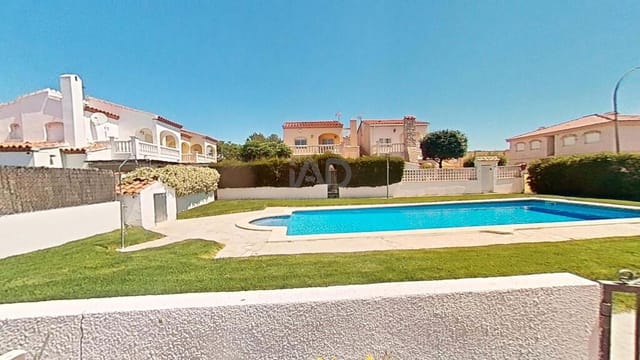
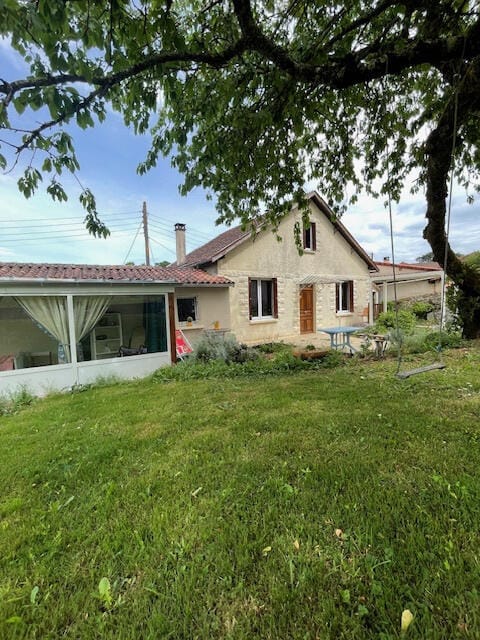
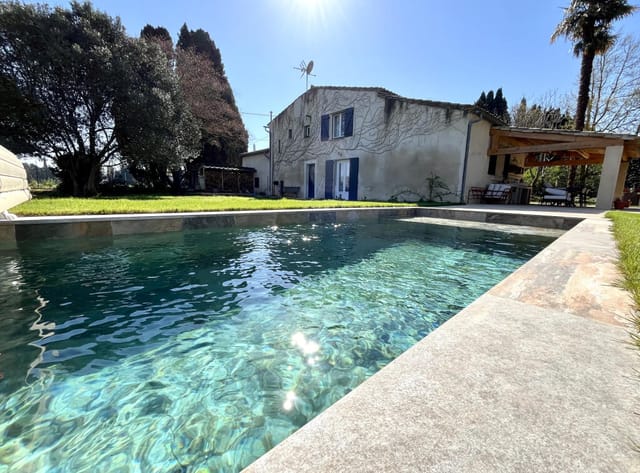
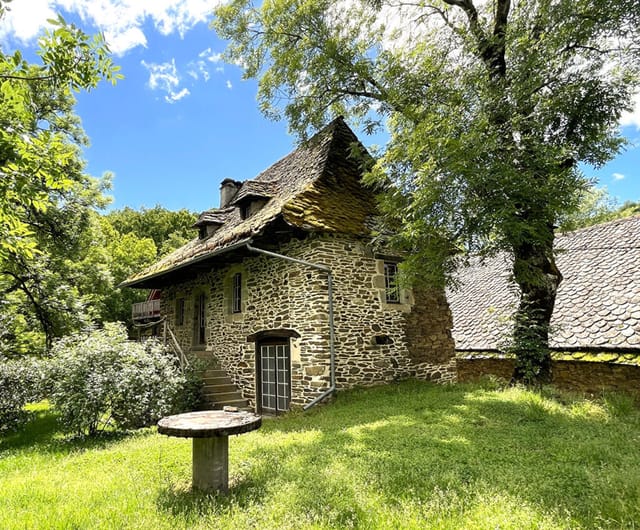
Houses For Sale In Europe (page 13)

Houses for sale in europe - homestra offers the largest amount of european real estate with over 200,000+ properties, find any type of property within your budget from villas to country homes. buy or rent your perfect home in europe. (page 13)

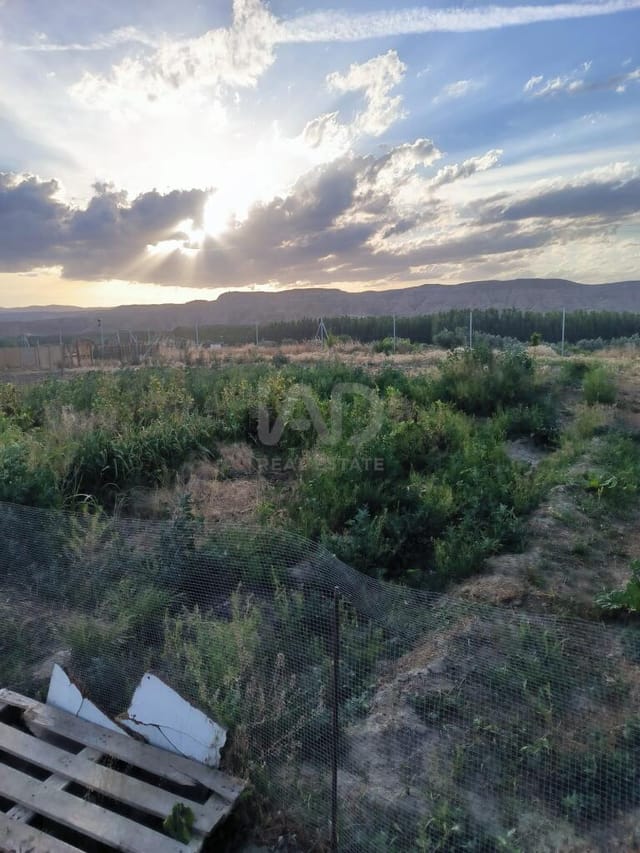
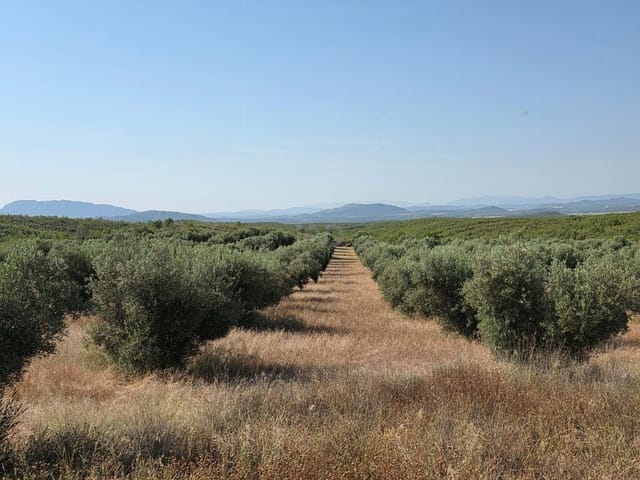
Stand at the edge of your olive grove just after dawn, when the light hits the Segura river basin at that low, honeyed angle and the air still carries the cool of the night. Somewhere behind you, across 254 hectares of your own land, a barn owl is finishing its shift. This is Moratalla — one of the least-discovered corners of inland Murcia — and this estate is the kind of property that makes serious buyers stop scrolling and book a flight. Let's be honest about what this is. At just under €4 per square meter for over 254 hectares of working Murcian countryside, you are not buying a weekend cottage. You are buying a territory. The estate sits in the municipality of Moratalla, minutes from Calasparra — the town famous across Spain for its Denominación de Origen rice, the only rice in the country to carry that protected designation. The paddies here aren't decorative. The 2.57 hectares of rice fields included in the sale are part of a genuine agricultural tradition that stretches back centuries along the Río Segura and Río Mundo valleys. The land itself is a working patchwork of productive use. Roughly 25.69 acres carry mature olive groves — the kind that take decades to establish and even longer to replace. Another 10.57 acres are planted with almond trees, which bloom in late January and early February in a display that draws photographers from across the region to the Ricote Valley. The bulk of the estate — nearly 216 acres — is open pastureland, the sort of rolling terrain that supports cattle, sheep, or goats with minimal intervention, and which also happens to be outstanding habitat for red-legged partridge, wild boar, and deer. Hunting estates of this scale and quality in the Sierra del Segura foothills are genuine ... click here to read more

Picture 1

Sunday morning in Morla de la Valdería moves slowly. The smell of wood smoke drifts down the lane, a neighbour's dog trots past the gate, and from the rear garden you can hear nothing — genuinely nothing — except the wind threading through the oak and chestnut hills of the Eria river valley. That specific kind of quiet is increasingly rare in Europe, and this 180-square-metre village house sits right at the heart of it. Morla de la Valdería is a hamlet tucked within the municipality of Castrocontrigo, a small but proud corner of the León province in Castile and León. This is old Spain — not the curated, tourist-facing version, but the real thing. Dry-stone walls, vegetable plots behind every house, the annual Fiesta de San Roque in August when the whole village eats, drinks, and dances in the street until well past midnight. The landscape itself carries weight: the Teleno mountain rises to 2,188 metres on the horizon, the Eria river cuts through valleys thick with pine and birch, and the Lago de Truchas — a reservoir popular with local trout fishermen — sits less than 20 minutes by car. The house itself is a single-storey structure, which matters more than people initially realise. No stairs means every room is accessible from the moment you walk through the front door, and the north-south orientation means the light shifts around the interior throughout the day in a way that feels almost intentional. Morning sun floods the kitchen. By afternoon it has moved around to warm the rear garden. The 281-square-metre plot gives the property a generous footprint for a village home at this price point — €80,000 for 180 square metres in good, renovated condition is the kind of number that makes buyers do a double-take. The reno ... click here to read more

Picture 1

You wake to the low hum of summer insects and the faint creak of shutters stirring in the breeze. Through the panoramic study window, the Tarn countryside unrolls in long, unhurried waves — vine rows, pale limestone ridges, and sky. The coffee hasn't brewed yet, but you're already standing there, mug in hand, wondering how you ever lived without this view. That's the daily reality of owning this five-bedroom country house between Gaillac and Cordes-sur-Ciel, one of southern France's most quietly compelling addresses. Set along a peaceful country lane — the kind where you slow down not because you have to, but because you want to — the property sits surrounded by working vineyards at an elevation that catches every breeze and amplifies the silence in the best possible way. This is serious wine country. Gaillac is one of France's oldest appellations, predating Bordeaux by several centuries, and the growers here are fiercely proud of it. On Saturday mornings, the Place de la Libération market fills with bottles of Duras and Braucol alongside wheels of Roquefort, purple figs, and jars of duck confit that smell like Sunday lunch before you've even opened them. Living here means all of that becomes routine — and routine has never felt so good. The house itself has been thoughtfully renovated, respecting the bones of an old Tarn farmhouse while making daily life genuinely comfortable. Stone walls that have absorbed two centuries of southern sun keep the interior cool through July and August without any help from air conditioning. The living room is generous and unhurried — a room designed for long afternoons and late evenings — while the kitchen is the kind of space where guests instinctively gather, leaning against the count ... click here to read more

Picture 1

Picture this: it's a Tuesday morning in July, and the only sound reaching you through the open kitchen window is birdsong and the faint rustle of wind through the oak trees bordering your garden. No road noise. No neighbors. Just 140 square meters of 1800s Quercy stone, your swimming pool catching the early light, and absolutely nowhere you need to be. That's the daily reality at this four-bedroom farmhouse on the elevated plateau above Montaigu-de-Quercy — and once you've spent a morning here, the idea of going back to city life gets harder to justify. The house itself has been through a careful restoration that didn't sand away its soul. The original stone staircase is still there, worn smooth by two centuries of footsteps. Exposed oak beams cross the ceilings the way they were intended to — not as a design affectation, but because they're structural, honest, and genuinely beautiful in the way that only old things can be. The stone walls, thick enough to keep the interior cool through August without air conditioning, bear the marks of the craftsmen who laid them. This is a building with a geological patience to it. On the first floor, two generous double bedrooms look out across open countryside toward the rolling Tarn-et-Garonne patchwork of sunflower fields and walnut orchards — the view changes colour almost month by month. Downstairs, the country kitchen with its traditional terracotta-tiled floor is the kind of room that makes you want to cook slowly. A built-in wood-burning stove anchors the living room — and from November through March, when the Quercy plateau gets cold and clear and the stars over the garden are ridiculous, that stove becomes the centre of everything. The practical side has been handled pro ... click here to read more

Picture 1

Sunday morning in Villecomtal sounds like this: a church bell somewhere above the rooftops, the clatter of a shutter being thrown open two doors down, and the faint smell of bread drifting up from the boulangerie on the square. You're standing on your lower terrace, coffee in hand, and the village is just waking up around you. This is the kind of morning that made you start looking for a place in France in the first place. This house has been here since the 14th century — and it looks it, in the best possible way. The stone walls are thick enough to keep rooms cool through the fiercest August heat. The slate roof, regularly maintained, does what good roofs are supposed to do: nothing dramatic, just quietly keeps everything below it safe and dry. A 19th-century extension added breathing room without disrupting the logic of the original structure, and a recent renovation has brought the whole 150 sqm into genuine comfort without filing away the edges that give the place its character. Walk through the front door and the main living area — roughly 43 sqm — opens up in a way that makes you exhale. The kitchen, dining area, and sitting room flow into each other naturally, and the fireplace with its wood-burning stove anchors everything. On a cold January evening in the Aveyron, that stove isn't a decorative detail. It's the reason you'd rather be here than anywhere else. Three bedrooms occupy the garden level, which sits below the main living floor and opens onto the lower terrace — the more sheltered of the two outdoor spaces, screened from the lane, genuinely private. The master suite runs to around 31 sqm with its own bathroom and WC. The two further rooms, at 19 sqm and 13 sqm respectively, work well as guest rooms, ki ... click here to read more

Picture 1

Stand at the edge of the private lake on a July morning and the only sounds are a wood pigeon somewhere in the oak canopy and the soft lap of water against the bank. No road noise. No neighbors. Just 14 hectares of meadow, woodland, and sky — and a stone estate that has been quietly watching over all of it for generations. This is Genouillé, a commune in the Vienne department of Poitou-Charentes, and this property is the kind of find that makes serious buyers stop scrolling and pick up the phone. The estate is anchored by a substantial main house — proper stone walls, exposed timber beams that have darkened beautifully over the decades, and reception rooms large enough that a gathering of twenty people still feels unhurried. Four bedrooms, each with its own private shower room, mean that a multigenerational family or a group of close friends can arrive for two weeks in August and never queue for a bathroom. The private in-ground pool sits within the grounds of the main house, giving the primary residence its own self-contained world. Completely separate and fully independent, the gîte adds another four to five bedrooms and a second pool. This is where the property starts to reveal its financial logic. Poitou-Charentes draws steady summer traffic — cyclists riding the Vélodyssée, families heading to the Marais Poitevin, history enthusiasts making their way between Romanesque churches — and good-quality rural gîtes in the Vienne book up fast from June through September. The infrastructure here is already in place. You're not building from scratch; you're stepping into a ready-made hospitality setup with genuine income potential. The third structure on the property is a cottage: sitting room, dining space, one bedroom, b ... click here to read more

Picture 1

Step through the heavy oak door on a Saturday morning in October and the smell hits you first — old stone warmed by a wood-burning stove, with just a trace of whatever someone baked in that antique bread oven a century before you arrived. That's the thing about a proper French longère. It carries its history lightly, without making a fuss about it. Valdelaume sits in the heart of Deux-Sèvres, a département that most international buyers haven't discovered yet — which is precisely the point. This isn't the tourist-worn Dordogne or the sun-scorched Côte d'Azur. It's rural Poitou-Charentes at its most honest: rolling bocage countryside, sunflower fields that stretch to the horizon in July, and village life that still runs on its own unhurried clock. Your nearest town, Melle, is just a short drive away, and it punches well above its size — a Romanesque church that's part of the UNESCO-listed pilgrimage route to Santiago de Compostela, a weekly market on the square that's been running longer than anyone can remember, and a handful of decent restaurants where the duck confit is the real thing. The property itself sits at the end of a quiet cul-de-sac, which in practice means you hear almost nothing from the road. What you do hear: wood pigeons, the occasional tractor working a field somewhere in the distance, and in the evenings, absolute silence. The fully enclosed plot runs to over 1,700 m², giving you genuine privacy on all sides — no neighbours looking over a fence, no holiday park noise, no compromise. At 165 square metres of living space, the house has real substance. The ground floor flows from an entrance hall into a fully fitted kitchen — the kind of kitchen that actually functions, with proper appliances already i ... click here to read more

Picture 1

Sunday morning in Saint-Groux moves at its own pace. The kitchen window is open, the smell of damp grass rising from the park, and somewhere beyond the barn a woodpigeon is calling. You pour a coffee, lean against the stone sill, and realize — genuinely realize — that this is what you came to France for. Saint-Groux sits in the Charente, one of those quietly magnificent corners of southwest France that hasn't been discovered by the tour buses and hasn't tried to be. The village is small, the roads narrow, the countryside rolling and thick with oak. But it's not remote — Mansle-les-Fontaines is five minutes by car, the N10 puts Angoulême within easy reach, and Poitiers is just over an hour north. This is the Poitou-Charentes region, famous for Cognac, Pineau, limestone villages, sunflowers in July, and some of the most affordable rural property left in France. The house itself is a proper characterful residence — 287 square metres of living space built when rooms were made to last, with thick walls that keep things cool in August and hold the warmth in February. Step through the entrance hall and you move into a layout that actually makes sense for family life or hosting: a dining room large enough for a long table and twelve people, a functional kitchen with a pantry behind it, a bright living room, and a separate office that has already served a hundred different purposes over the decades and will happily serve a hundred more. A hallway connects to a WC and shower room on the ground floor, keeping things practical for arrivals from the garden or the barn. Upstairs, a broad landing opens onto six spacious bedrooms — yes, six, though the listing counts five — and a dressing room, plus a former WC that could easily be c ... click here to read more

Picture 1

On a Sunday morning in the Charente, you wake up to nothing. No traffic, no sirens — just the faint ticking of cooling stone walls as the sun climbs over the cypress trees lining the garden, and the smell of coffee drifting up from a kitchen that was clearly built for living rather than showing off. This is Paizay-Naudouin-Embourie. Small, unhurried, and quietly extraordinary. This four-bedroom stone farmhouse sits in a village that most people drive past on their way to somewhere louder. That's exactly the point. Set within the rolling Charente countryside of Poitou-Charentes, the property spans 201 square metres of thoughtfully renovated living space arranged around a generous gravel courtyard, with a heated pool, a private tennis court, and the kind of silence you actually have to travel to find. At €375,000, it's the sort of property that makes buyers wonder why they waited so long. Pull up through the wrought-iron electric gate and the first thing you notice is the scale of it. The main house commands the courtyard with the quiet confidence of a building that has stood through several centuries — original stonework, weathered and golden, contrasting with the crisp glazed facade that was added during renovation. Step inside and the 78-square-metre open-plan living space genuinely stops you in your tracks. Soaring ceilings, exposed timber beams, stone walls that stay cool even in August, and a wood-burning stove at the heart of it all. The room flows from lounge to dining area to kitchen without feeling like a floor plan exercise — it feels like someone actually thought about how a family moves through a space. A mezzanine overlooks it all from above, useful as a reading perch, a home office, or a sixth sleeping spo ... click here to read more

Picture 1

Some mornings you wake up to the distant sound of boots on gravel. Pilgrims passing through Bach on the Way of St. James, heading southwest toward Cahors before the long push to Spain. You pour a coffee, step out onto the south-facing terrace, and the Lot countryside does what it always does — sits there quietly, certain of itself, needing nothing from you. That's the rhythm of this place. Unhurried. Real. This is not one house. It's a small private hamlet: three independent dwellings sitting on nearly 9,000 square meters of flat, wooded land just 500 meters from the village center of Bach. At 210 square meters of combined living space, seven bedrooms, and six bathrooms spread across the buildings, the property works equally well as a multi-generational family retreat, a gîte operation, a bed-and-breakfast, or a combination of all three. Very few properties along the Lot offer this kind of structural flexibility at this price point. The heart of everything is the main house. Walk into the living room and you feel the scale immediately — generous ceiling height, thick stone walls that keep things cool through July and August, a fully equipped kitchen designed for actual cooking rather than show. Three bedrooms upstairs each have their own private shower room and toilet, which matters enormously if you're hosting guests who don't know each other well, or family members who do know each other too well. The covered south-facing terrace on the ground floor catches the afternoon light and becomes, without any effort, where everyone ends up after dinner. Then there's the dovecote. Not a decorative one — a real, working piece of Quercy architectural history, built from the pale limestone that defines this corner of France. Th ... click here to read more

Picture 1

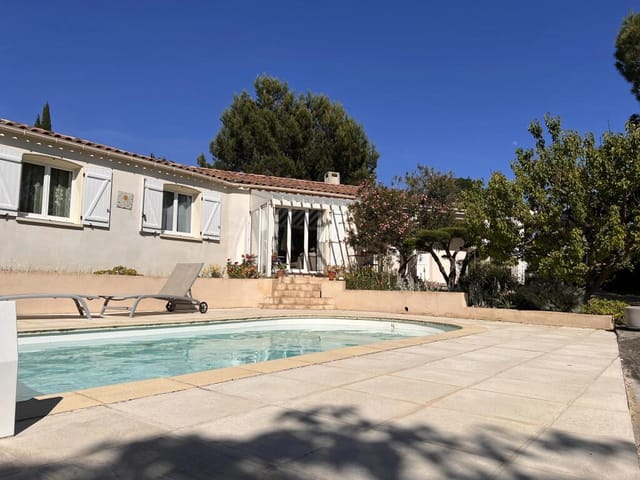
Step outside on a Tuesday morning in late June and the air already carries the faint sweetness of lavender baking in the sun. The pool is still, the awning is half-drawn over the terrace, and somewhere down the lane a neighbour is heading out with a baguette tucked under their arm. This is the daily texture of life in a quiet village on the edge of Carcassonne — unhurried, real, and surprisingly easy to make your own. This single-storey house sits at the end of a no-through road, which means the only traffic you'll hear is the occasional bicycle. The plot runs to 1,092 square metres, and the previous owners have clearly put years of thought into it. The Mediterranean garden is planted with drought-resistant species — rosemary, agapanthus, ornamental grasses — that look full and lush without demanding constant attention. Perfect for an international buyer who wants the garden to look after itself between visits. Three double bedrooms give the house real flexibility. There's also a study that functions easily as a fourth sleeping space — useful if you have visiting family or if you ever want to test the short-term rental market on platforms popular with travellers making the heritage circuit between Toulouse and the coast. The single shower room features an Italian walk-in shower, and there's a separate WC, which makes morning routines considerably more civilised when the house is at capacity. The open-plan kitchen and living area is the social engine of the home. On cooler evenings in October, when Carcassonne's famous Festival de la Cité has long finished but the Aude valley is still warm enough for a glass of Corbières on the terrace, this space pulls everything together. Air conditioning keeps July and August manage ... click here to read more

Picture 1

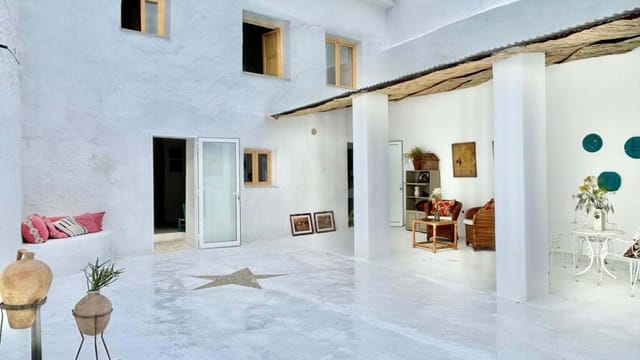
Step outside on a Tuesday morning and the only sounds are a distant cockerel, the scrape of a neighbour's chair on cobblestones, and the faint bell of the village church marking eight o'clock. That's Serrato. A white village of maybe three hundred souls tucked into the folds of the Serranía de Ronda, where the mountains ripple southward toward Málaga and the air carries wild thyme from the hillsides above. This four-bedroom, three-bathroom townhouse sits right in the fabric of that village — and once you see the private courtyard with the swimming pool catching the afternoon sun, you'll understand why properties like this rarely come to market. The house has been recently renovated, thoughtfully so. Not the kind of renovation that strips a place of its personality, but one that keeps the thick stone walls, the high ceilings, and the original tiled floors while quietly adding the things that make a second home actually comfortable: updated bathrooms, a proper kitchen, reliable plumbing. Spread across two generous floors and covering 180 square metres, there's room here for extended family, a group of friends, or simply the kind of slow, spacious living that most people only get on holiday. On the ground floor, the entrance hall opens into a sitting room that invites you to do nothing for a while. A separate dining room means meals feel like events, not afterthoughts. The bedroom on this level has its own en-suite bathroom — good for guests who value independence, or for elderly parents who'd rather not climb stairs. The kitchen deserves its own paragraph. Large, light-filled, with a breakfast area and a wood-burning fireplace that makes January mornings genuinely cosy, it opens directly onto the outdoor patio. That tran ... click here to read more

Picture 1

Saturday morning in Civray starts with a sound you won't hear in Paris or London — the unhurried clatter of market stalls being set up along the town square, vendors arranging towers of local goat's cheese, bunches of sunflowers, and baskets of walnuts from the Charente countryside. From this house, you can walk there in under ten minutes. That's not a selling point dressed up as a lifestyle — it's just Tuesday. Or Saturday. Or any day you choose. Civray sits in the southern tip of the Vienne department, in a region that most international buyers haven't discovered yet — which is precisely why it still feels real. The Charente River curves lazily around the edge of town, and the surrounding landscape is the kind of unhurried, rolling farmland that makes you slow down involuntarily. If you've been looking at overpriced Dordogne villages or the increasingly crowded Lot, the Vienne is quietly offering something comparable for a fraction of the cost. This house is a proper maison bourgeoise — the kind of solid, high-ceilinged French townhouse that was built to last centuries and very much has. At 103 square metres, it's not enormous, but every room breathes. The ground floor draws you in through a living room lined with decorative wood panelling that catches the afternoon light in a way that feels almost theatrical — warm, amber, like the inside of a French film you can't quite name. That room flows into a lounge with an ornamental fireplace, and beyond it, a fitted modern kitchen that somehow manages to feel at home alongside all the period character. French doors off the kitchen open directly onto the terrace, so summer dinners happen naturally outside — a carafe of Haut-Poitou rosé, the garden going gold in the evening ... click here to read more

Picture 1

Picture this: a Saturday morning in early June, the air carrying the faint sweetness of flowering linden trees, a rooster somewhere in the distance, and nothing but the sound of your own footsteps on old stone as you walk across the courtyard to figure out what this barn could one day become. That's the kind of quiet that Clussais-la-Pommeraie deals in. It's not dramatic. It's not performant. It's just deeply, genuinely peaceful — the kind that people from Paris or London or Amsterdam spend years trying to find and then overpay for somewhere more famous. This is Poitou-Charentes, one of France's most underrated rural regions, sitting right in the soft belly of the country between the Loire Valley to the north and the Cognac country to the south. The Deux-Sèvres department doesn't have the international name recognition of Provence or the Dordogne, and that's precisely why a stone property complex on roughly 2,400 square metres of land with a courtyard, a garden, a 240-square-metre barn, and multiple outbuildings is available for €70,000. Let's talk about what that number actually means. For the price of a decent second-hand car in London or a semester of private school fees in Switzerland, you're acquiring a genuine piece of rural France — original stone construction, exposed beams, a fireplace still intact, an attic that adds another 46 square metres of potential living space above the 90-square-metre ground floor. The property needs full renovation, and that's the point. It's a blank canvas, not a compromised one. Someone hasn't already ripped out the character and replaced it with laminate flooring and recessed lighting. The bones are there, waiting. The barn alone changes the arithmetic of what's possible here. At ... click here to read more

Picture 1

On a quiet Sunday morning in Brie, the kind of quiet that cities charge a premium for, you open the French doors off the first-floor living room and step onto the terrace with a coffee. The Charente countryside rolls out in front of you — pale gold fields in summer, mist-softened green in autumn — and the only sound is a distant tractor and whatever bird has claimed the courtyard wall. That's the morning this house gives you, reliably, every time you show up. Brie is a small commune in the Charente department, deep in the Poitou-Charentes region of southwestern France. It sits in that comfortable middle ground that serious buyers of French property know to look for: rural enough to feel genuinely removed from the pace of modern life, but close enough to real infrastructure that you're never stranded. The commercial hub at Champniers is just a few kilometres away — hypermarket, hardware, the practical errands done in twenty minutes. Angoulême, one of the most underrated cities in France, is eighteen minutes by car to the main station, which puts you on a direct TGV to Paris Montparnasse in under two hours. Bordeaux is roughly ninety minutes south. This is not a remote retreat you'll eventually resent; it's a genuinely usable second home in France. Angoulême deserves more than a passing mention. The city runs on two great obsessions: comics and cognac. The Festival International de la Bande Dessinée, held every January, transforms the old town into an open-air gallery and draws visitors from across Europe. Year-round, the medieval ramparts above the Charente river offer some of the best walking in the region, and the covered market on Place des Halles — open Tuesday through Sunday — sells Charentais melons so ripe in Jul ... click here to read more

Picture 1

Step out onto the south-facing terrace on a Tuesday morning in October, coffee in hand, and the Mediterranean is right there — a silver-blue ribbon stretching to the horizon beyond the fairways of Aloha Golf. The air smells of jasmine and cut grass. Church bells drift up from the valley. This is not a weekend fantasy. This is what Tuesday looks like when you own in La Colina. La Colina is one of those addresses in Nueva Andalucía that gets quietly passed between people who actually know Marbella. Not the loudest corner of the Golden Mile, not the marina circus — this is the calmer, greener, more residential side of things, tucked between two of the Costa del Sol's most storied golf courses: Aloha Golf and Las Brisas Golf, both reachable on foot in minutes. The community sits within the so-called Golf Valley, a stretch of lush landscaped terrain that somehow manages to feel rural while being eight minutes by car from Puerto Banús and fifteen from central Marbella. The townhouse itself is spread across split levels, and that layout is one of its best features — it gives the place a sense of movement, of discovery, that flat-plan properties simply can't replicate. You enter through a traditional Andalusian courtyard. There's something almost theatrical about it: terracotta underfoot, climbing plants catching the afternoon light, the sound of the fountain if there's one running nearby. It sets the tone immediately. Through the courtyard and into the hallway, the kitchen comes first — a fully fitted Danish Invita kitchen, which is a genuinely premium spec. This isn't a builder's afterthought. The cabinetry is precise, the appliances are high-end, and the layout is efficient without feeling clinical. It's the kind of kitche ... click here to read more

Picture 1

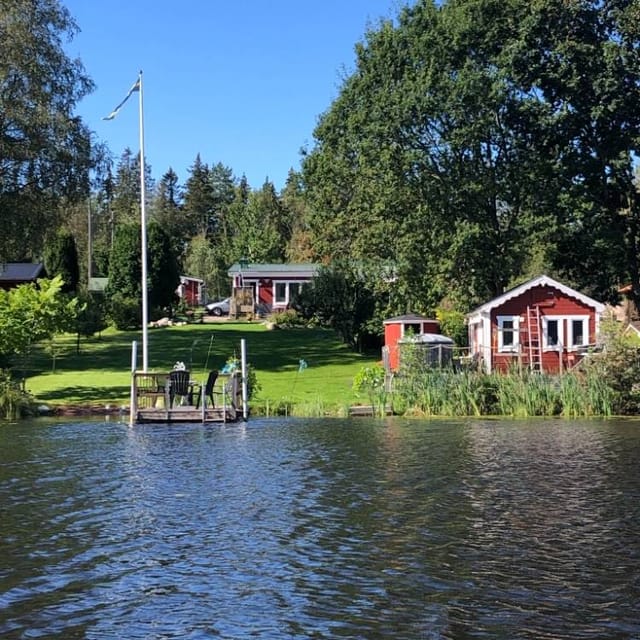
Picture this: it's a Tuesday morning in July, the kind that only happens in the Swedish archipelago. You've got the kitchen window cracked open, coffee brewing, and across the water you can see a handful of wooden sailboats drifting past the islands. Nobody is honking. Nobody is rushing. The light out here—that long, gold, Baltic summer light—hits the water at an angle that makes you feel like you're living inside a painting. That's Trappviksstigen 10 on a normal morning. Set on the Jogersö peninsula just outside central Oxelösund in Södermanland, this two-bedroom holiday home sits on a generous 2,084-square-metre plot with the kind of sea outlook that makes you rethink everything you thought you needed from a property. At 108 square metres inside, it's not enormous—but it's all the right size. Compact enough to feel genuinely cosy, spacious enough to host family for two weeks without anyone stepping on each other's nerves. The house has been steadily improved since 2005, and it shows. Not in a showy, over-renovated way, but in the way a well-loved home shows its care—tile floors with underfloor heating in the bathroom, a kitchen with bright cabinetry and just enough room for a proper breakfast table by the window, a wood-burning stove in the living area that earns its keep from September through April. The open-plan living and dining space gets real water views through large windows. On grey November afternoons, you'll light the stove, pour something warm, and feel genuinely glad you own this instead of a city flat. The two bedrooms are tucked away from the main living areas—a thoughtful layout detail that matters enormously when you've got kids crashing early and adults wanting to linger over dinner. The bathroom i ... click here to read more

Exterior view of the house and garden

Stand at the back of this house on a quiet Tuesday morning in October and watch the Orne River catch the light through the tree line. The mist lifts slowly off the water. A heron lands on the far bank without a sound. That's the pace of life here, and once you've felt it, a weekend in the city starts to feel like a poor trade. Noron-l'Abbaye sits within the Suisse Normande — a stretch of Normandy that surprises people. They come expecting flat wheat fields and leave talking about the gorges, the river bends, and the ridgeline walks above Clécy. The nickname "Swiss Normande" wasn't given ironically. The Orne carves through ancient rock here, creating cliffs and forests that feel genuinely wild, just a couple of hours from Paris on the A13. This four-bedroom character house occupies a 2,425 square metre plot directly on the banks of the Orne. The setting alone would justify a detour. But what you're actually getting is a property with serious bones — a living room anchored by an original stone fireplace, a fully fitted and equipped kitchen, a dedicated office space, two bathrooms, and a 105-square-metre attic that's ready for conversion. That attic is worth thinking about carefully. Opened up properly, it could become the kind of master suite or open studio that you'd never find in a new-build, all with exposed timber and river views. The plot comes with a secondary house in need of renovation, plus a collection of outbuildings: cellar, garage, workshop, and carport. For buyers who've been burned by properties with no storage or no room to grow, this is the kind of compound that rewards forward planning. Convert the secondary house as a rental unit or a guest cottage for family visits, and suddenly you've got a self-sup ... click here to read more

Picture 1

Saturday morning in La Bazouge-du-Désert sounds like this: a wood fire ticking quietly in the kitchen insert, the smell of coffee cutting through cool Breton air, and birdsong coming in through a window that looks out over 462 square metres of your own garden. No neighbours at your elbow. Just countryside, quiet, and the kind of unhurried morning that most people only manage once a year on holiday — except here, it would be yours whenever you wanted it. This compact stone country house sits in the northern Ille-et-Vilaine, the oldest corner of Brittany, in a rural commune that most visitors driving toward Saint-Malo never bother to slow down for. That's exactly the point. At €54,800, it's one of those rare entry points into genuine French rural property ownership — the kind of deal that doesn't appear often in a department where coastal prices have been climbing steadily and even inland villages are attracting more attention from buyers priced out of Normandy. The ground floor is functional and liveable right now. A kitchen with a wood-burning insert fireplace anchors the space — this is the room you'll be in most, and in October when the temperature drops and the trees turn, it earns its place. The living room flows from there, with one bedroom and a shower room/WC completing the footprint at around 60 square metres of living space. It's honest, not fussy. Good condition means you can move straight in, run it as a bolt-hole, rent it out short-term, or use it as a base while you plan what comes next. What comes next, potentially, is the attic. The first floor is an unconverted space of approximately 65 square metres — structurally there but requiring modifications to bring it into full use. That's a significant canvas ... click here to read more

Picture 1

On a still morning in the Cantal countryside, the only sound is a wood pigeon calling from the oak at the edge of the field. No traffic. No sirens. Just the creak of old timber, the faint smell of woodsmoke still lingering from the stone fireplace the night before, and light coming in slow and gold through windows that frame a landscape unchanged for centuries. This is Bessé — and life here moves at a pace most people have forgotten is still possible. This six-bedroom stone house sits in a quiet hamlet in the Cantal department of Auvergne, one of the least-visited, most quietly rewarding corners of rural France. It's the kind of property that stops you mid-conversation the moment you step through the door. The exposed stone walls have a solidity to them that feels almost geological, and the heavy oak beams overhead give the interior that particular warmth you can't fake with renovation. The proportions are generous — genuinely generous, not estate-agent generous — with a ground-floor living room stretching to around 80 square metres, anchored by a period fireplace fitted with a wood-burning stove. On a January evening with snow on the hills and a Truyère stew on the stove, this room becomes the entire world. The layout works well for a large family or a rotating cast of guests. Three bedrooms on the ground floor, three more upstairs, a shower room, a bathroom, and sensible separation between sleeping and living spaces. The house is in good condition — you're not buying a project that swallows summers and savings. You're buying something that's already liveable, already warm, already itself. Outside, the grounds include a well — useful and evocative in equal measure — plus a collection of outbuildings that opens up ser ... click here to read more

Picture 1

Sunday morning in Melle, and the smell of something baking drifts up from the boulangerie on Rue de Niort before you've even opened the shutters. You pad downstairs in socks, fire up the log burner in the kitchen, and the whole ground floor starts to warm up. That's the rhythm of life in this corner of Poitou-Charentes — unhurried, deeply French, and nothing like the tourist-saturated south. Melle is one of those towns that rewards people who actually look. Sitting in the Deux-Sèvres department, it punches well above its weight: three Romanesque churches dating to the 11th and 12th centuries, a working silver mine that once supplied coins to the Frankish kings (the Mines d'Argent des Rois Francs is genuinely fascinating, not just "historically significant"), a weekly market on Saturday mornings where local producers sell Charentais melon, goat's cheese rolled in ash, and the area's distinctive Pineau des Charentes. It's about 70 kilometres south of Poitiers and 80 kilometres east of La Rochelle — close enough to the Atlantic coast for a spontaneous beach day on the Île de Ré, far enough to feel worlds away from the summer crowds. This four-bedroom, four-bathroom house sits right in the commune and has been finished to a level you don't often find at this price point. At 201 square metres, it gives everyone room to breathe — which matters enormously when you're sharing a holiday home with extended family or hosting friends from abroad. The centrepiece of daily life here is the large eat-in kitchen, anchored by a log burner that turns it into the kind of room where conversations last hours. On grey November afternoons or cold January evenings, when the courtyard stones glisten with rain, this is where you'll want to be. ... click here to read more

Picture 1

On a still Tuesday morning in the commune of Pers, just outside Sauzé-Vaussais, the air smells of cut grass and warm stone. A rooster somewhere across the fields. The kitchen window frames a stretch of open Deux-Sèvres countryside that hasn't changed much in a century. This is what 288 square metres of authentic French rural life feels like — and it's waiting for someone with vision. This is a serious property. Not a weekend renovation fantasy, but a genuine multi-building complex in good condition, sitting on approximately 6,763 m² of garden and land, with 13 rooms across three separate structures. Two independent houses and a studio. Seven bedrooms total. A family could move in tomorrow, or an investor could start generating gîte income within a season. Few properties in this price range in Poitou-Charentes offer this kind of immediate flexibility. The main house grounds you from the moment you step inside. The living room has the kind of proportions that make you want to leave the furniture where it is and just sit for a while. The eat-in kitchen is genuinely spacious — not the architectural lie of most listings — with room enough for a long Sunday lunch with extended family. Three bedrooms on this side of the property, two bathrooms, a separate WC, and a utility room that takes the practicality of country living seriously. Cross the garden and you're in a fully independent second house. Four more bedrooms, its own living room, kitchen, dining room, and two bathrooms with WC. The layout is exactly what you'd want if you're running a gîte operation, hosting friends from London or Amsterdam who want their own front door, or eventually housing adult children who need space but want to stay close. The separation is rea ... click here to read more

Picture 1

Step off the dock at Vansjö 13 on a July morning—water so still it mirrors the pine trees, a coffee going cold on the table behind you, a pike rippling the surface twenty meters out. That's what owning this place actually feels like. Not a postcard version of Swedish summer. The real thing. Sitting directly on the shores of Vansjön in Avesta kommun, this two-bedroom winterized home occupies a 1,585 square meter lot with its own private beach, wooden jetty, lakeside guest cottage, traditional sauna, and wood-fired hot tub. Properties with this kind of water access in Dalarna simply don't come up often. When they do, they go fast. The house itself was originally built in the 1950s—that solid, unfussy postwar Swedish construction that was built to last—and received a substantial renovation and extension in 2017. The result is 84 square meters of well-considered living space that manages to feel both genuinely cozy and entirely functional. The kitchen added during the renovation is the kind you actually want to cook in: full-sized appliances, proper counter space, room to move around when you've got guests. The original kitchen space was converted into a wet room handling laundry and utility storage, which frees up the rest of the house for living rather than logistics. The living room anchors the home with a traditional Swedish fireplace—a kakelugn-style setup that radiates a deep, even heat that no electric radiator ever quite replicates. On a February afternoon when the temperature outside is sitting at minus fifteen and the lake is frozen solid, this room becomes the entire world. Two bedrooms handle family configurations or the classic Swedish summer scenario: parents in one room, kids in the other, grandparents inst ... click here to read more

Front view of Vansjö 13, lakeside house

Sunday morning in La Faye sounds like this: the distant chime of the church bell in Ruffec carrying across the fields, a coffee going cold on the kitchen windowsill because you got distracted watching a pair of hoopoes pick through the garden. That's the pace of life here, and once you've had a taste of it, it's very hard to go back. This five-bedroom stone house sits just outside the small village of La Faye in the Charente department of Poitou-Charentes — rural southwest France at its most quietly compelling. Five minutes by car puts you in Ruffec, a proper market town with a covered market, a decent boulangerie on the Rue du Marché, and a weekly Wednesday market where local producers bring in their chevre, walnuts, sunflowers, and duck confit in jars. It's not a tourist circuit. Real people live here, shop here, grow things here. That's exactly the point. The house itself is built in the classic Charentais style — solid stone walls that keep rooms cool through July and August without air conditioning, high ceilings that make every space feel unhurried. At 231 square metres across two floors, this isn't a weekend bolt-hole; it's a proper family base for extended stays. The ground floor was designed with genuine practicality in mind: a fitted kitchen with a utility room directly off it, a formal dining room that seats everyone comfortably, and a living room with enough light in the afternoons to make you forget you intended to do anything productive. There's also a master suite on the ground floor with its own private bathroom — a detail that matters enormously when you have teenagers upstairs and grandparents visiting. Head upstairs and you'll find four more bedrooms and a dedicated office. That office isn't an afte ... click here to read more

Picture 1

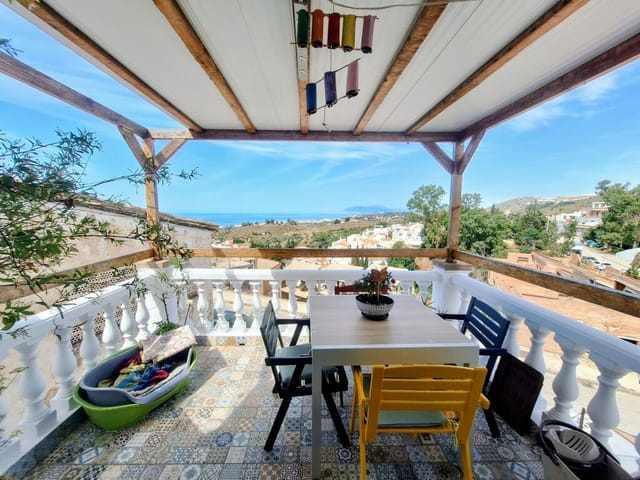
Step out onto the top-floor balcony on a Wednesday morning, coffee in hand, and you'll understand immediately why people buy property in this corner of Andalusia and never look back. The Mediterranean stretches out in front of you, flat and silver in the early light, with the coastline curving south toward Torre del Mar and the whitewashed silhouette of Benajarafe just visible below. Church bells roll up from the pueblo. The smell of orange blossom drifts in from the hillside. It's 9am, and the day hasn't even started yet. This three-storey townhouse in Chilches Pueblo sits on a quiet street in one of those genuinely unspoiled Andalusian villages that most tourists speed past on the A-7 without stopping. Their loss, your gain. Fully renovated across 80 square metres of usable space — spread intelligently over three floors — it's the kind of property that actually lives better than it looks on paper. The layout means you naturally move upward through the day, from the ground-floor garage and patio in the morning, through the bright living spaces in the afternoon, to that balcony for the evening sunset. Southwest orientation keeps natural light flooding through the house for the better part of the day. The kitchen on the first floor is properly equipped and genuinely independent — not an open-plan afterthought, but a real cooking space with access to a terrace that opens up over the rooftops toward the sea. That terrace changes everything. Breakfast there in October, when the air still carries summer warmth but the crowds have thinned right out, is the kind of simple thing that becomes the whole reason you bought the place. The first-floor also holds a large bedroom with wardrobe and a full bathroom with bathtub, giving ... click here to read more

Picture 1

Stand on the terrace of the main farmhouse on a July morning and the view stops you cold. Rolling green Vienne countryside stretches out below, the market town of Availles-Limouzine visible in the middle distance, church spire catching the early light. Somewhere below, forty guests are still sleeping off last night's dinner. This is not a fantasy — this is Tuesday. This is a working estate, and a seriously impressive one. Spread across approximately 4 hectares in the heart of Poitou-Charentes, this 26-bedroom property complex has been operating as a profitable seasonal gîte and events business for years, with a loyal base of returning guests and consistent summer bookings. The numbers are real. The potential beyond them is substantial. Let's talk about what's actually here. At the core of the estate sits a seven-bedroom farmhouse — original stone construction, the kind of thick walls that keep things cool in August — connected to a two-bedroom annexe farmhouse that works equally well as owner accommodation or staff quarters. Then come six fully self-contained gîtes, each equipped with its own kitchen, living space, and everything guests need for a proper stay. Collectively they sleep up to 40 people. There are 8 lounges, 8 kitchen-dining areas, and 21 bathrooms spread across the complex. The heated in-ground swimming pool anchors the communal grounds, the kind of feature that drives repeat bookings year after year without you having to do very much at all. The green credentials matter too, especially for long-term running costs. The estate holds an Energy Rating of C — unusual and genuinely valuable for a property this size — and the approximately 9 kW of solar panel installation cuts operating expenses meaningfully a ... click here to read more

Picture 1

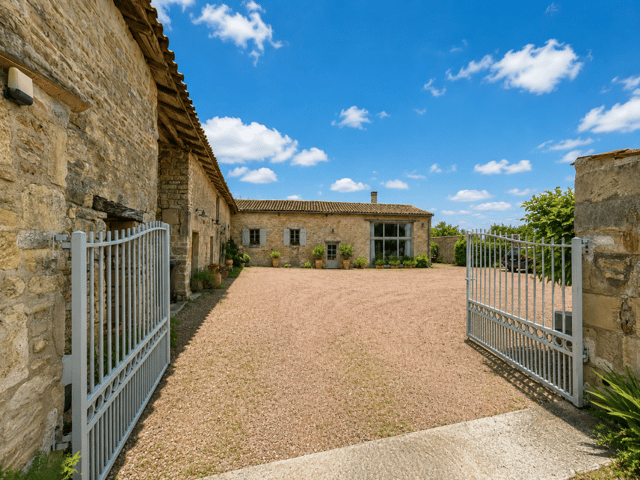
On a quiet morning in Villemain, the only sound you'll hear is birdsong cutting through cool air and the distant creak of a wooden shutter swinging open somewhere down the lane. That's the pace of life here — and once you've felt it, the city you came from starts to feel very far away indeed. This four-bedroom stone farmhouse sits on the edge of the village of Villemain, a small commune in the Deux-Sèvres department of Poitou-Charentes, in a part of France that most international buyers haven't discovered yet. That's both an honest observation and, frankly, a significant advantage. Property prices here remain well below those of the Dordogne or the Lot, yet the quality of the landscape, the food, and the way of life is every bit as rewarding. The house itself is in good condition — no project property requiring months of contractors, just a well-built, characterful home that's ready to live in from the first weekend you arrive. Pull through the iron gates onto the broad gravelled driveway and the house announces itself properly. The full stone frontage stretches the width of the plot, and there's room to park four or five cars comfortably — useful when family comes down from Paris or friends fly in from London through Poitiers-Biard airport, barely an hour's drive north. Step through the front door and the entrance hall does something that very few rooms manage: it makes you want to slow down. Original terracotta tiles underfoot, a fireplace for the cooler months, and a wooden staircase that curves upward with the kind of confidence that only comes from being built to last. This is not a house that was thrown up quickly. The lounge runs wide across the front of the building, wooden floors worn smooth with age, a stone ... click here to read more

Picture 1

The wood-burning stove in the kitchen is already lit when you picture yourself here on a grey November morning, a pot of something slow-cooking on the range, the smell of oak smoke drifting through the ground floor, and nothing outside the window but your own seven thousand square metres of French countryside. That's the pull of this place. It doesn't try to impress you. It just quietly gets on with being exactly what rural France is supposed to feel like. Set in the village of Messé in the Deux-Sèvres département of Poitou-Charentes, this three-bedroom house sits on a generous plot that extends well beyond 7,000 m² — land that includes a large barn ripe for conversion, several outbuildings, a workshop, and a wood store. For buyers hunting a proper second home in France with room to grow, this is a rare find under the €200,000 mark. The property is in good condition and liveable right now, but the real story here is what it could become over time. Walk through the front door and the entrance hall opens into a kitchen that makes you want to cook. Not open a packet — actually cook. It's fitted, it's generous in size, and it has both a range-style cooker and a wood-burning cooking stove that doubles as the heart of the home on cold evenings. The living and dining area flows from here with its own wood-burning stove, creating the kind of ground-floor warmth that central heating alone never quite manages. A shower room with WC completes the downstairs layout, practical and neatly arranged. Upstairs, a landing connects three comfortable bedrooms and a family bathroom with WC. The heating system is cleverly thought through: the stoves handle the ground floor, while an air-to-air heat pump covers the upper level — a mixed sys ... click here to read more

Picture 1

Stand on this land on a clear morning in late spring and you can see the Ebro Delta shimmering in the distance, a silver-blue haze against the Ports de Beseit mountain range. The air smells of wild rosemary and warm earth. There are no neighbors in earshot. Just 14,380 square meters of your own Catalonian countryside, completely flat, already served by a private well, and accessible directly off a paved road. Not every parcel of rural land in Tarragona ticks all these boxes. This one does. Roquetes sits in the comarca of Baix Ebre, a genuinely under-the-radar corner of southern Catalonia that most international buyers haven't discovered yet — which is precisely why prices here still make sense. The town itself is small and unassuming, but it punches above its weight. It's home to the Observatori de l'Ebre, one of Europe's oldest geophysical research institutes, and it sits along the Ebro River just six kilometers from Tortosa, a city whose medieval old quarter, cathedral and Arab-era castle walls reward an afternoon of unhurried wandering. The weekly market in Tortosa on Saturdays draws locals from across the region for fresh produce, cured meats, and the kind of aged olive oils you won't find in a supermarket. The land itself deserves attention. Completely flat terrain is not something you take for granted in this part of Spain, where the landscape tends toward dramatic slopes and terraced hillsides. Here, the ground is level and workable from edge to edge. That makes it unusually versatile. A private well with an abundant water supply is already in place — a critical asset in a Mediterranean climate where water access can determine what a rural project is even viable. The possibility of connecting to a septic tank, c ... click here to read more
Picture 1

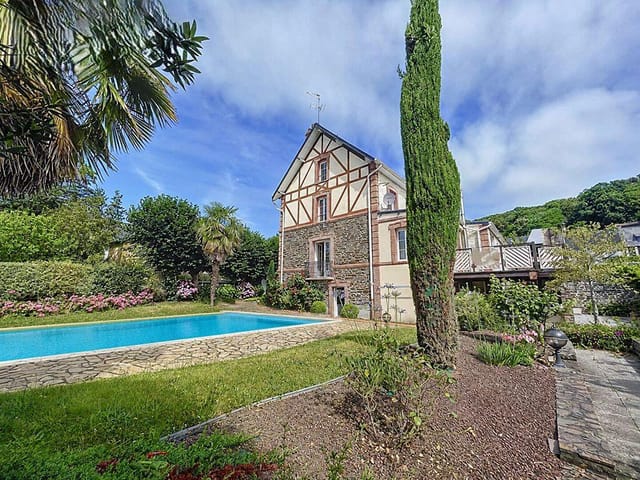
Imagine waking up on a Saturday morning to the faint toll of church bells drifting across the rooftops of Brux, pulling on a linen shirt, and walking two minutes to the local boulangerie for a still-warm baguette before the rest of the village stirs. That's the pace of life here. Quiet, unhurried, and real. This four-bedroom renovated stone house in the Vienne department of Poitou-Charentes isn't just a property — it's a doorway into one of rural France's most genuinely liveable corners, at a price that makes it one of the smartest second home opportunities in the country right now. The house itself pulls you in from the street. The traditional stone façade gives nothing away — you have to step through the front door to understand what's been done here. Whoever renovated this place clearly loved it. Exposed stone walls run through the open-plan living and dining room, where timber beams cross the ceiling overhead and wide wooden floorboards run underfoot. A wood-burning stove anchors the room, and on a cool October evening with the fire lit and a bottle of local Charentais Pineau opened, you'll understand exactly why people fall for French country houses and never quite recover. The kitchen is the kind that makes you actually want to cook. A central island, generous worktop space, well-thought-out storage, and a direct door out to the courtyard — so you can hand plates through to guests without navigating a corridor. The materials are authentic: stone, wood, solid fittings. Nothing feels like a shortcut. On the ground floor, there's a bedroom with its own modern shower room. For families with older parents or guests who can't manage stairs, this is genuinely useful. Upstairs, three further bedrooms hold onto the build ... click here to read more
Picture 1

Stand here on a clear January morning and you can see the Sierra Nevada's snow-capped ridgeline from across the valley. The air smells of rosemary and damp earth. Sixty young olive trees — barely two years old, their silver-green leaves catching the low winter sun — stretch out in neat rows across 4,769 square metres of Andalusian countryside. This is Cortes de Baza territory, a part of Granada province that most international buyers haven't discovered yet. That, honestly, is the point. This agricultural plot sits between two working rural villages in the Granada interior, visible from the A-92N motorway but tucked far enough away that you hear nothing but wind and birdsong. The access road is fully asphalted all the way to the water house — no rutted tracks, no seasonal mud problems. You drive straight in, park, get to work. It sounds like a small thing. Anyone who has dealt with rural land in Spain knows it isn't. The water situation here is sorted, which matters enormously. The property has a fully legal potable water supply — documented, registered, above board. In rural Andalusia, where water rights can be murky and disputes long-running, having clean legal title to your supply is genuinely rare at this price point. There's also a legalised 15 m² utility building already on the land, so you have covered storage from day one. The olive trees are young, yes. Two years in. But that's actually an advantage if you're thinking long-term — you're not inheriting someone else's neglected orchard. These trees have been planted recently, they're healthy, and in a few years they'll be producing. Alongside the olives, there are various established fruit trees on the plot. Figs, almonds, the odd pomegranate — the kind of mixed ... click here to read more
Picture 1

Step outside on a September morning and the air already carries that particular Swedish sharpness — pine resin, damp grass, the faint mineral smell of river water drifting up from Andersboviken bay. From the wooden deck off the kitchen at Nystrand 102, you can watch mist lift off the Dalälven in slow ribbons while your coffee goes from steaming to warm. This is not a postcard. This is a Tuesday. Built in the 1700s and carefully updated without losing its bones, this two-bedroom year-round holiday home sits on a quiet stretch of Hällnäset in Tärnsjö, Heby kommun — roughly two hours north of Stockholm, close enough for a Friday afternoon getaway but far enough that you actually exhale when you arrive. At 54 square metres, the house is compact and deliberate. Nothing wasted. Every room earns its space. Inside, large windows in the living room pull in the landscape like a painting you never get tired of. The light changes with the seasons — the flat silver of February, the almost violent green of June, the amber that sweeps through in October and makes even an ordinary afternoon feel cinematic. The kitchen is genuinely usable: room for a full dining table, proper counter space, and the kind of layout where multiple people can cook without getting in each other's way. The bathroom has a modern shower cabin and an incineration toilet — a practical, odour-free solution that is completely standard in Swedish countryside properties and requires no septic system maintenance. Water comes from a drilled well. Fibre internet is already connected. You can run a video call, stream a film, or work a full remote day without compromise. The plot covers about 2,855 square metres. That is a meaningful amount of land — space for a proper ... click here to read more
Exterior view of the house and garden

On a quiet Sunday morning in the hamlet of Saint-Romain, you'd hear almost nothing. A wood pigeon somewhere in the oaks. Maybe the distant clang of church bells drifting over from Charroux, that perfectly preserved medieval village ten minutes down the road where market traders set up their stalls beside the ruins of a Benedictine abbey. That stillness is the point. This is rural Vienne at its most unhurried — and this renovated farmhouse sits right in the middle of it. The property is a former working farmhouse that's been brought back to life without losing its bones. Stone walls, generous room proportions, the kind of building that took decades to settle and now feels entirely solid underfoot. At 148 square metres across two floors, it has real breathing room. The ground floor arranges itself practically: a living kitchen that opens directly onto a covered pergola — your default setting for every meal between May and October — a separate lounge for cooler evenings, and a bedroom with its own shower room and toilet. That ground-floor bedroom is a detail worth pausing on. It makes the house genuinely work for mixed-generation groups, guests with mobility considerations, or owners who want the option to use the upstairs rooms purely as a private retreat. Head up the stairs and the character shifts. The first floor has the slightly improvised warmth you only get in converted agricultural buildings — skylights cut into the roof, dormer windows framing sections of the surrounding countryside, ceiling lines that aren't quite parallel. There's a large double bedroom, another bedroom with its own en-suite bathroom and toilet, an additional room that could easily become a study or a fourth sleeping space, and a separate WC. T ... click here to read more
Picture 1

Picture a Sunday morning in late June: you've left the terrace doors open overnight, and the first thing you notice when you wake up is the faint smell of pine drifting in from the Prades hills, mixing with the coffee you left brewing downstairs. That's the kind of morning this house in Casalot delivers—quietly, reliably, season after season. Mont-roig del Camp sits in a pocket of Catalonia that most tourists speed past on the AP-7 on their way to Barcelona or Valencia. That's their loss. Tucked between the golden arc of the Costa Daurada and the rugged Serra de Llaberia mountains, this is a town that moves at its own pace, unbothered by the frenetic coastal circus just minutes away. Joan Miró spent long stretches of his early life here—the landscape clearly worked on him. You can see why. This semi-detached two-storey house in the Casalot Montroig residential area is solid, well-proportioned, and genuinely move-in ready. No projects waiting for you on arrival. The ground floor opens from an entrance hall into a kitchen and dining area that flows naturally into the living room—the kind of open layout that actually functions when you've got a full house of family or friends. A guest toilet with a shower on this floor means no early-morning traffic jams on the stairs. The master bedroom is also on the ground level, useful whether you want to give grandparents the easiest access or simply prefer to keep your own space separate from the chaos above. Upstairs, two double bedrooms share a full bathroom. The rooms are a decent size—this is 112 square metres across two floors, which means everyone gets their own territory. Kids can claim the upper floor entirely; adults take the ground. It works. Outside is where the propert ... click here to read more
Picture 1

Sunday morning in Civray. The market on the Place du Champ de Foire is already humming—local farmers setting up stalls of Charentais melons, rounds of chèvre, and bottles of Pineau des Charentes—and from the veranda of this town house, the soft green sweep of the valley rolls out in front of you with not a single rooftop to interrupt it. That unobstructed view across the Charente river valley is the first thing people notice. It tends to be the thing they remember longest. Civray sits in the Vienne department, right at the southern edge of the old Poitou-Charentes region, a part of France that doesn't make it onto postcards as often as it should. That's quietly a selling point. Property prices remain grounded compared to the Dordogne or the Loire Valley, the countryside is genuinely unspoiled, and the rhythms of daily French life here feel real rather than performed for tourists. The boulangerie on Rue du Marché opens at 7am and runs out of croissants by 9. The café on the square fills up after noon with regulars who have been having lunch there for thirty years. It's that kind of town. The house itself sits in a calm residential pocket just a short walk from all of those shops and cafés—close enough to grab a baguette without getting in the car, far enough that the street outside is quiet. It's been renovated to a solid standard and is genuinely move-in ready, something that matters more than it sounds when you're buying from abroad. No surprise works to commission before you can turn the key. The heat pump, double glazing, and full renovation are already done, and the energy bills reflect it—this is a low-consumption home with a GHG rating of B, which is genuinely rare in French residential stock of this age. The li ... click here to read more
Picture 1

Saturday morning in Carcassonne starts with the smell of woodsmoke and fresh bread. You push open the south-facing kitchen window, coffee in hand, and the Aude River valley stretches out beyond the garden fence—quiet, golden, unhurried. This is not a weekend fantasy. It's just a regular Saturday when you own this four-bedroom house on the edge of one of France's most storied medieval cities. The house sits in a calm residential pocket close to the banks of the Aude, the kind of neighborhood where neighbors know each other's names and the streets empty out by nine in the evening. Surrounded by 1,353 square meters of enclosed garden, it manages something genuinely rare in this part of Languedoc: countryside air and city convenience at once. The weekly markets on the Place Carnot are a ten-minute drive. The UNESCO-listed Cité de Carcassonne, with its 52 towers and double ring of ramparts, is close enough that you can watch its illuminated silhouette appear from your terrace on a clear summer night. At 157 square meters of living space, the house has been thoughtfully renovated without stripping away its personality. The ground floor flows from an entrance hall—with proper built-in storage, which anyone who's holidayed in undersized French houses will immediately appreciate—through a laundry room and into a south-facing open-plan kitchen and living area. Natural light pours through from mid-morning well into the afternoon. The dining room sits adjacent, separate enough for proper sit-down dinners, connected enough that nobody misses the conversation. Upstairs, four bedrooms offer genuine flexibility: a master suite with its own en-suite shower room, three further bedrooms served by a shared bathroom, and a separate WC. Two ... click here to read more
Picture 1

The first thing you notice on a summer morning here is the silence. Not the absence of sound, but a different kind of sound altogether — wind moving through oak and chestnut, the distant call of a buzzard riding thermals above the Goul valley, the faint creak of old timber in the barn warming up in the sun. From the terrace beside the heated pool, the Aubrac plateau stretches out across the horizon like something from a geological fever dream. Volcanic, ancient, unhurried. This is Cantal — one of the least-populated departments in France — and this particular farm, just ten minutes outside the village of Montsalvy, might be one of the most quietly compelling properties to come onto the market in the region. Six bedrooms across three buildings. A 7m x 3.5m pool warmed by rooftop solar panels. Over eight hectares of woodland, old pasture, a spring, and a hiking path that cuts through your own land. Two fully fitted gîtes already generating — or ready to generate — rental income. This is a functioning small estate, not a project. The renovation work has been done. You're stepping into something operational. The main house centres on a ground-floor open-plan kitchen and dining-living space with a wood burner that earns its keep from October through to April. The layout is practical and honest — no unnecessary flourishes, just solid stone and sensible proportions. Upstairs, two bedrooms. On the lower level, a third bedroom and a bathroom with separate WC. It's the kind of house where you lose track of time reading beside the fire with a glass of Marcillac, the local red wine made from the Fer Servadou grape that almost nobody outside the Aveyron and Cantal border has ever tasted. Worth seeking out. The main gîte is the sho ... click here to read more
Picture 1

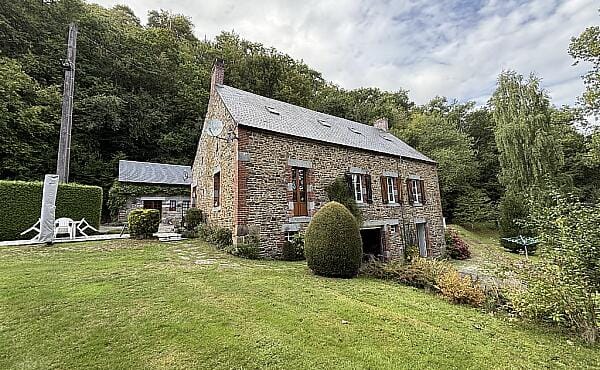
Walk out the front gate on a July morning and within ten minutes your feet are on the sand at Saint-Jean-le-Thomas, the Atlantic stretching west toward the Channel Islands, Mont Saint-Michel rising from the tidal flats less than twenty kilometres to the south. That's not a marketing line—that's the literal Tuesday morning reality of living in this five-bedroom house on the Normandy coast of the Manche. Built in the early 1900s and sitting on a generous plot of just under a quarter of an acre, the property carries the solidity you'd expect from that era—thick walls, high ceilings, a real sense of permanence—while the interior has been kept in good condition and is ready to use from day one. At 220 square metres of habitable space across three floors plus a full garden-level basement, there is room here for a large family, a rotating cast of guests, or a combination of both. Five double bedrooms. Two bathrooms. A heated swimming pool. A large garage. A mezzanine with its own shower off the sitting room, which opens up all kinds of possibilities for sleeping arrangements without anyone feeling like they've drawn the short straw. The ground floor sets the tone. The sitting room runs to just over thirty square metres, big enough to hold a crowd on a rainy October afternoon without anyone feeling hemmed in. The mezzanine above adds a quieter perch—somewhere to read while the noise of dinner prep drifts up from the kitchen. That kitchen opens onto an elevated terrace with a built-in BBQ, and from there, external steps descend to the garden below. On a warm evening, that terrace becomes the centre of everything: the smell of something grilling, a glass of Normandy cider on the railing, the light going golden over the garden as ... click here to read more
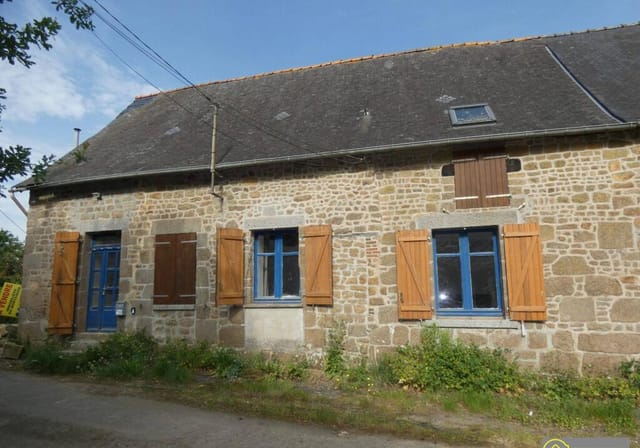
Photo 2

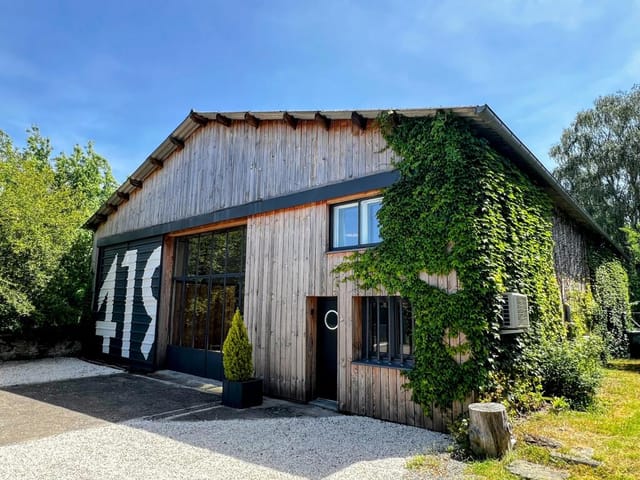
Picture waking up on a Saturday morning to absolute quiet — no traffic, no sirens, just the soft chorus of birds drifting through the timber-framed terrace doors and the smell of coffee rising from a kitchen that somehow manages to feel both industrial and utterly at home. That's a regular weekend at this former dairy in Firbeix, a small, unhurried village in the northern Dordogne where the pace of life is set by the seasons, not the clock. This is not a typical holiday home in France. Not even close. Over 300 square metres of converted space — once used to house cattle and process milk — has been rethought entirely, from the concrete floors to the soaring ceilings, into one of the most genuinely distinctive live-work properties in Aquitaine. The transformation took patience and a clear creative vision, and the result is something between a Manhattan loft, a Provençal farmhouse, and an artist's compound. Except it's in the Dordogne. And it has a pond. Walk through the electric gates into the private courtyard and you immediately understand that something different is happening here. The building's exterior — honest, solid, with that particular kind of French agricultural permanence — hints at the scale inside without quite preparing you for it. The ground floor alone covers around 130 square metres of open workshop and studio space, flooded with natural light through large glazed openings. Right now it functions as an artist's workspace and gallery. But it could just as easily become a furniture-making atelier, a ceramics studio, an architect's office, a design showroom, or — for those who simply want space — a garage, games room, and workshop rolled into one. The ground floor also holds two double bedrooms, an office, ... click here to read more
Picture 1

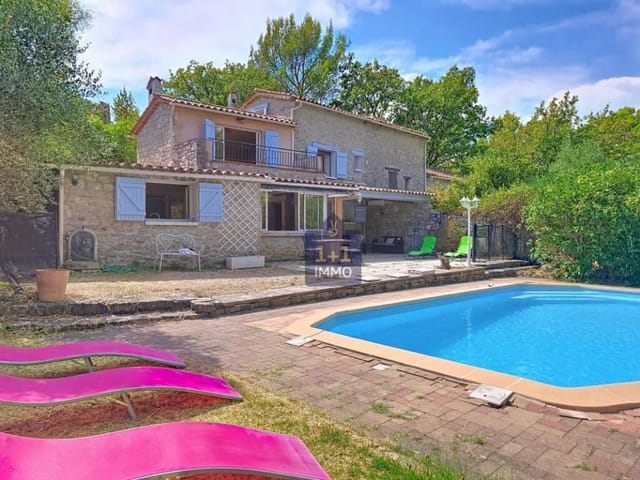
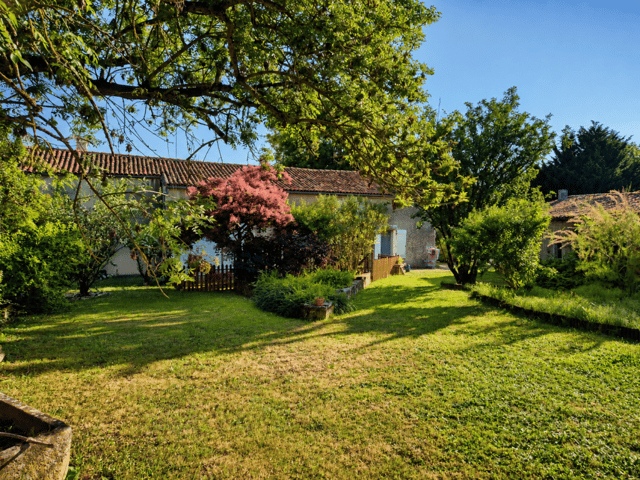
On a Sunday morning in Fayence, the church bell at the top of the old village counts nine slow strokes, and they drift down through the lavender-scented air all the way to your terrace. Coffee in hand, you're looking out over a ripple of forested Provençal hills, the surface of the pool catching the early light. This is not a fantasy. This is a Tuesday in October, or a Thursday in June — this is just what life looks like when you own a converted stone sheepfold in one of the most quietly compelling corners of southern France. Fayence sits in the Var, roughly halfway between the bustle of Cannes and the rocky grandeur of the Gorges du Verdon. It's a perched village — the kind the Var does so well — with cobbled lanes climbing to a 15th-century church, a rotating cast of artisan markets, and restaurants that take their bouillabaisse and daube provençale seriously. The Tuesday and Saturday markets on the Place de la République pull producers from across the region: olives pressed in Draguignan, goat cheese from the farms above Callian, honey from hives in the Maures hills. You're not driving to a supermarket here. You're walking five minutes to fill a basket. That proximity to the village center is one of this property's quiet advantages. It reads as countryside — the greenery around it is dense and genuinely peaceful — but the boulangerie and the pharmacy and the small épicerie are on your doorstep. International buyers often underestimate how much this matters day-to-day when a property is used across long stretches of the year rather than just a single summer fortnight. The sheepfold itself is the real draw. Stone construction of this age and character is increasingly hard to find in good condition in the Var at this ... click here to read more
Picture 1