Blog published in Buying Property Abroad
Share
Where Are the $1 Homes in Italy?
Italy's €1 home initiative has captured the imagination of property seekers worldwide, offering seemingly impossible opportunities to own a slice of Italian life for the price of a coffee. Discover where these properties are located and what you need to know before making the leap.
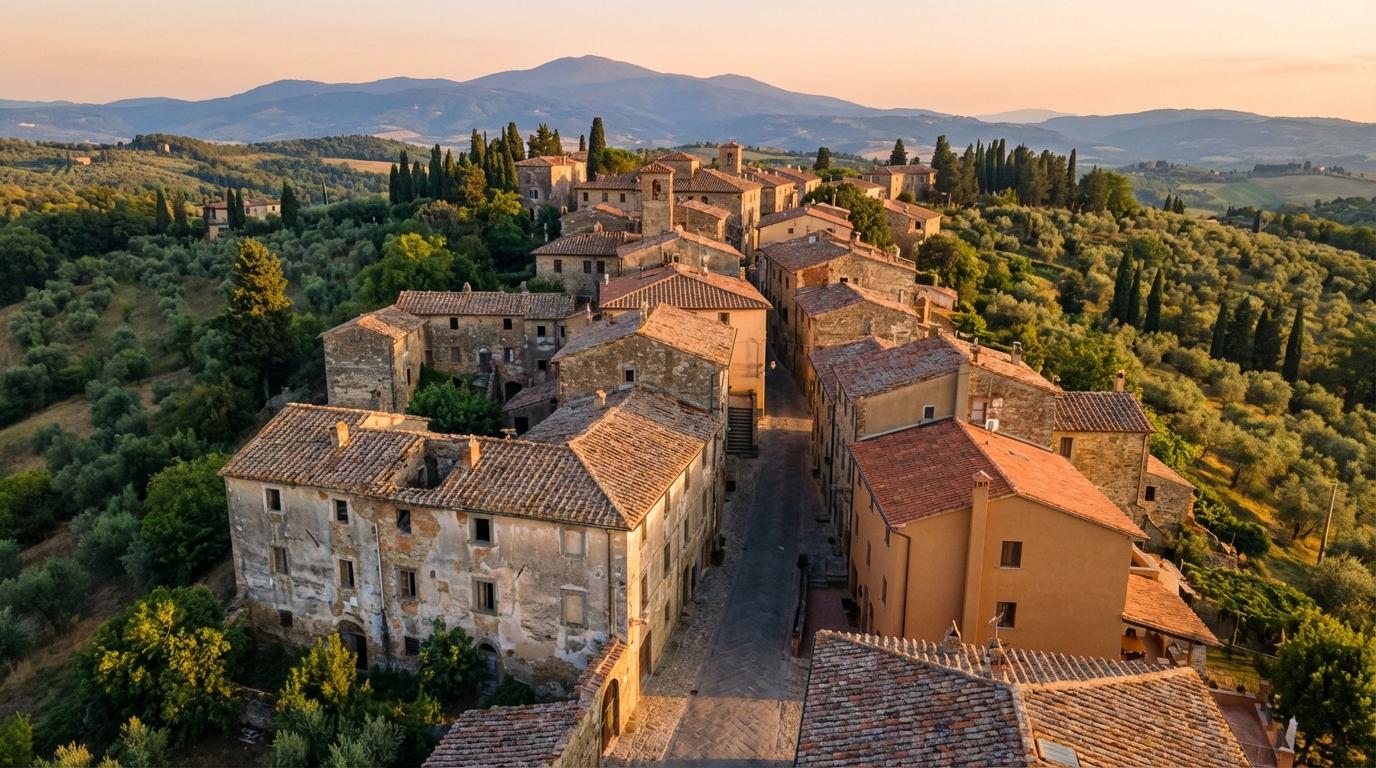
Italy's €1 home initiative has captured the imagination of property seekers worldwide, offering seemingly impossible opportunities to own a slice of Italian life for the price of a coffee. This ambitious program, designed to combat rural depopulation and breathe new life into abandoned villages, continues to expand across the Italian peninsula. But where exactly are these properties located, and what do you need to know before making the leap?
Understanding the €1 Home Program
The €1 house scheme emerged as a creative solution to Italy's demographic challenges. Dozens of small towns, particularly in rural and mountainous regions, face population decline as younger residents move to cities for work. Left behind are historic villages filled with abandoned homes, empty streets, and dwindling local economies. By selling properties for just one euro, municipalities hope to attract new residents willing to renovate these buildings and invest in local communities.
The catch? Buyers must commit to renovating the property within a specified timeframe—typically three years—and invest substantially in restoration. Renovation costs usually start around €20,000 but can climb significantly higher depending on the property's condition. Most municipalities also require a refundable deposit ranging from €2,000 to €10,000 as security to ensure buyers complete the agreed-upon renovations.
Where to Find €1 Homes in Italy
Sicily: The Epicenter of the Movement
Sicily remains the most active region for €1 home schemes, with more participating towns than any other Italian region. The island's combination of Mediterranean climate, rich history, and authentic culture makes it particularly attractive to international buyers.
Mussomeli in central Sicily has become one of the best-known success stories, having sold dozens of homes to foreign buyers from across Europe and North America. The town offers both €1 properties requiring extensive renovation and "premium" turnkey options starting around $12,000 for those wanting to move in immediately.
Sambuca di Sicilia gained international fame when its first €1 auction in 2019 received over 100,000 inquiries. The picturesque town in the province of Agrigento continues to offer properties, though competition has intensified significantly.
Gangi, perched in the Madonie mountains, was named one of Italy's most beautiful villages and pioneered the €1 initiative in Sicily. Other Sicilian towns participating include Troina (which offers renovation incentives up to €15,000), Cammarata, Caltagirone, Augusta, Calatafimi Segesta, and Salemi.
Sardinia: Mountain Villages Seeking Revival
Sardinia's rugged interior has embraced the program enthusiastically. Ollolai, a mountain village in the province of Nuoro, specifically targeted American buyers in 2024, capitalizing on post-election emigration interest. The town's strategic marketing campaign highlighted its tranquil lifestyle and authentic Sardinian culture.
Nulvi in the Sassari province represents another opportunity in Sardinia's Logudoro region, offering rural inland properties away from the tourist-heavy coastline. These locations appeal to buyers seeking a slower pace of life and deep immersion in traditional island culture.
Abruzzo: Central Italy's Hidden Gem
The Abruzzo region, located between Rome and the Adriatic coast, offers several participating towns. Penne, situated about 35 minutes from the coast, has sold six €1 homes since launching its program in 2022 and announced plans to expand significantly in 2025. The historic town combines accessibility with authentic medieval charm.
Pratola Peligna has successfully attracted retirees from Northern Europe, while Lecce nei Marsi participates in the initiative as part of broader regional revitalization efforts. Abruzzo's appeal lies in its balanced position—close enough to major cities for convenience, yet remote enough to offer genuine rural tranquility.
Other Notable Regions
Tuscany features several participating municipalities, though properties tend to be snapped up quickly given the region's international popularity. Towns like Fabbriche di Vergemoli offer opportunities in the Garfagnana area.
Piedmont in northwestern Italy includes villages such as Borgomezzavalle and Carrega Ligure, appealing to those seeking Alpine settings.
Puglia (Apulia) offers programs in Biccari and other towns, combining southern Italian warmth with Adriatic proximity.
What You Need to Know Before Buying
Renovation Requirements
All €1 properties come with mandatory renovation obligations. Buyers typically must submit a detailed restoration plan within 2-12 months of purchase and complete all work within three years. The municipality reviews plans to ensure they meet local building codes and historical preservation standards.
Renovation costs vary dramatically based on the property's condition, size, and scope of required work. While some homes need only cosmetic updates, others require structural repairs, new plumbing, electrical systems, and roof replacement. Budget conservatively—renovation expenses frequently exceed initial estimates.
Legal and Administrative Considerations
Foreign buyers face the same process as Italian citizens, but navigating Italian bureaucracy requires patience and often professional assistance. Buying property abroad involves understanding local regulations, tax obligations, and residency requirements.
Working with an English-speaking Italian lawyer (geometra) is essential. They'll handle the property transfer, verify there are no outstanding debts or liens, and ensure compliance with renovation requirements. Legal fees and transfer taxes add several thousand euros to the purchase cost.
Competition and Reality Check
Popular towns like Sambuca and Mussomeli receive hundreds of applications for each available property. Many municipalities use auction systems where competitive bidding often drives prices well above the symbolic €1. Some homes sell for several thousand euros after bidding wars.
The reality is that Italy's one euro homes require significant financial investment beyond the purchase price. Between renovation costs, legal fees, property taxes, and ongoing maintenance, buyers should expect total investments ranging from €25,000 to €80,000 or more.
Finding Your Italian Property
The €1 home program continues to expand, with new municipalities joining regularly while others exhaust their inventories. Staying informed about active programs requires monitoring municipal websites, specialized platforms tracking available properties, and connecting with local real estate agents.
For those seeking Italian properties with less complexity, platforms like Homestra offer a wide selection of affordable homes across Italy and Europe, including ready-to-occupy options that don't require extensive renovation commitments.
The €1 home phenomenon represents more than just a real estate bargain—it's an opportunity to become part of Italy's rural revitalization, immerse yourself in authentic local culture, and preserve architectural heritage. However, success requires realistic expectations, adequate financial resources, and commitment to both the property and the community you're joining.
Whether you're drawn to Sicily's sun-drenched villages, Sardinia's mountain retreats, or Abruzzo's historic towns, understanding the locations, requirements, and realities of these programs ensures you make an informed decision about your Italian property adventure.
Share