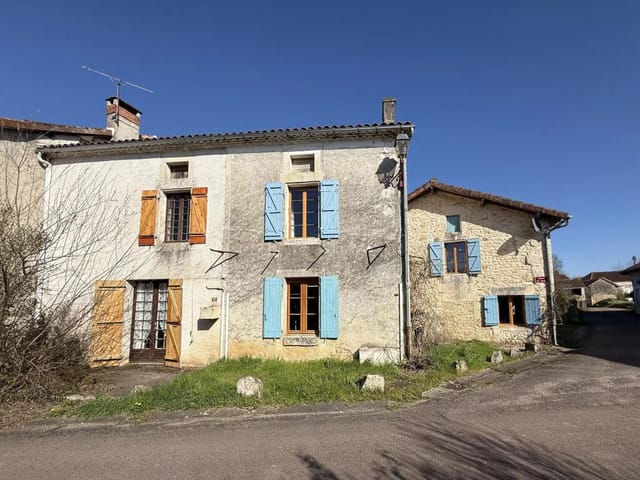
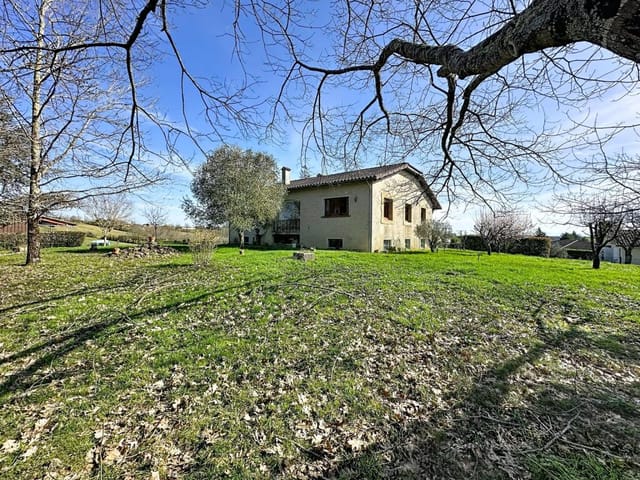
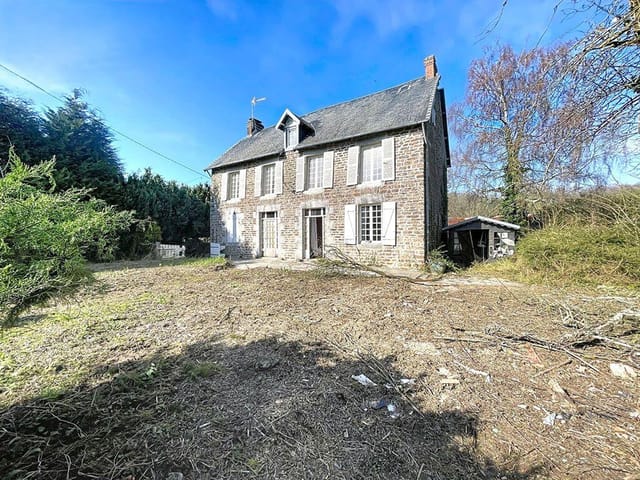
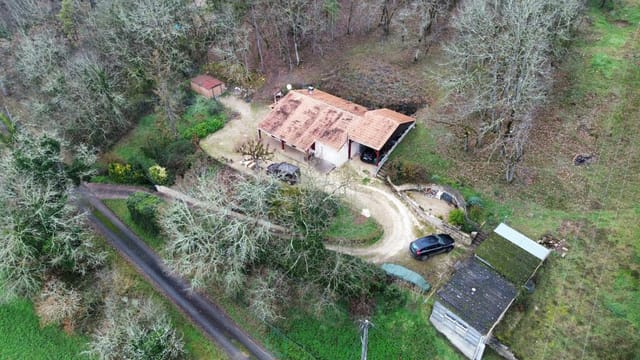
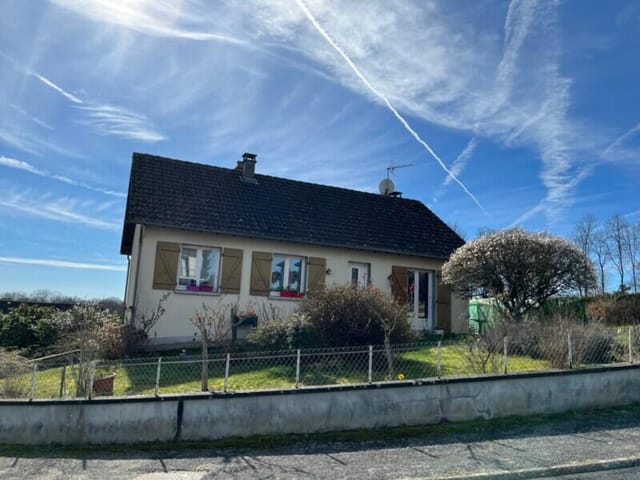
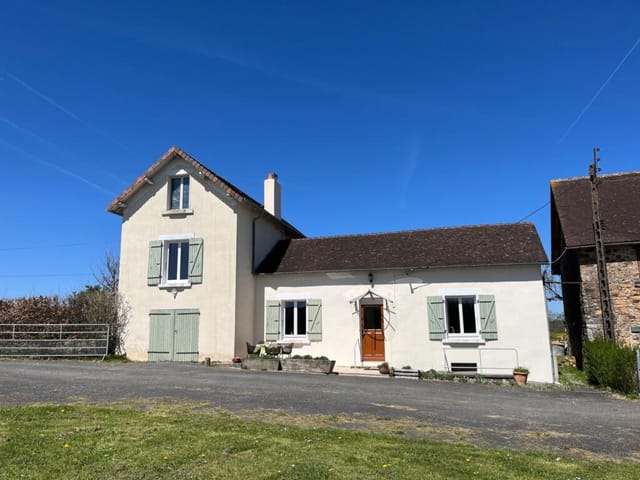
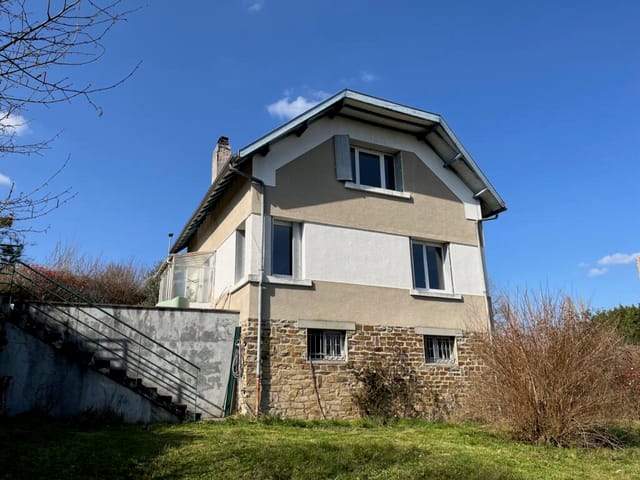
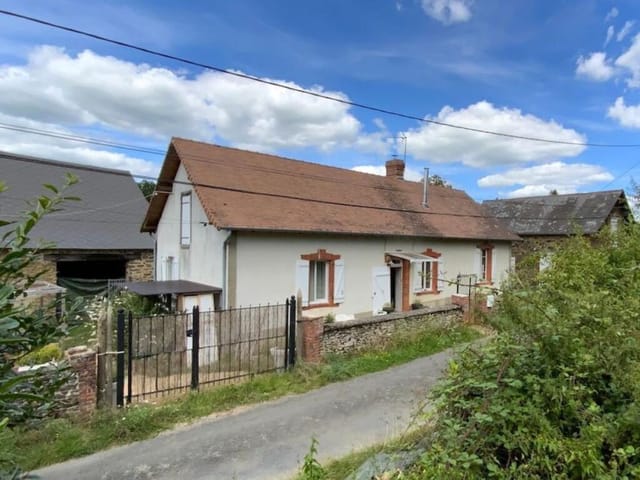
Stand at the edge of the wooded plot on a quiet Tuesday morning and the only sounds are the Auvézère river running somewhere below the village rooftops and a woodpecker working through the oak trees at the far end of your four thousand square metres of land. Ségur-le-Château does not announce itself loudly. It doesn't need to. This compact, deeply old village in the Corrèze département has been quietly ranked among France's most beautiful for good reason — and this three-building stone ensemble sits right inside that living medieval world, priced at just €132,500.
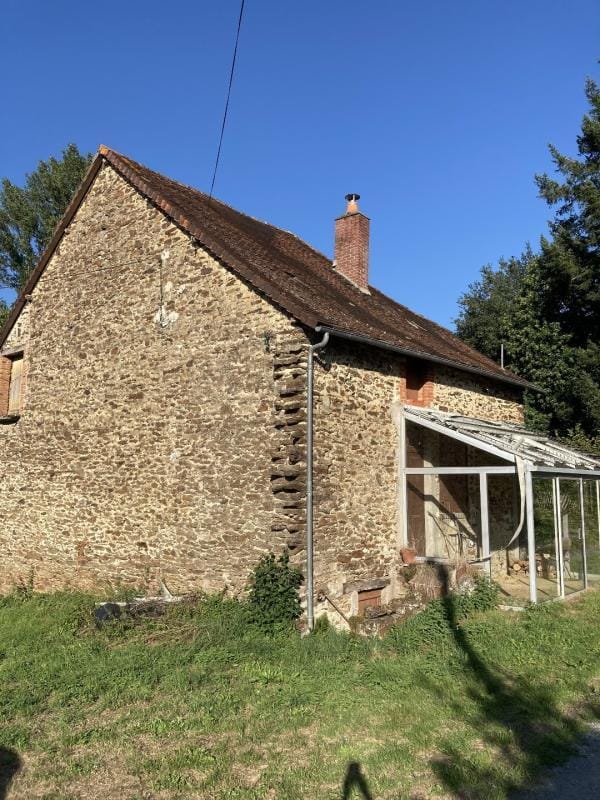
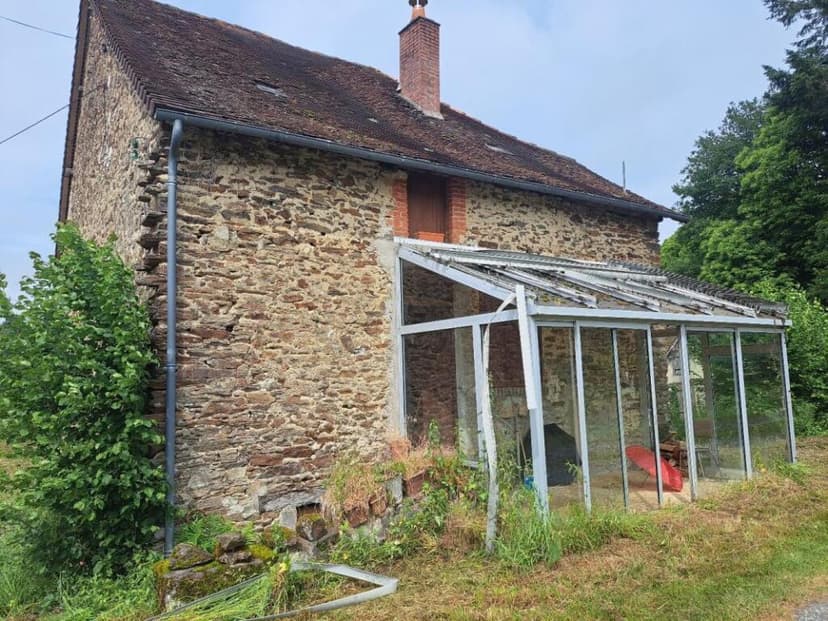
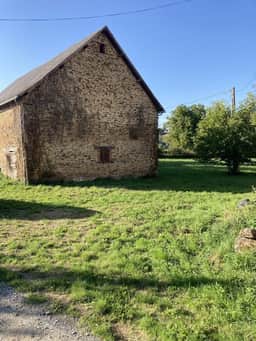
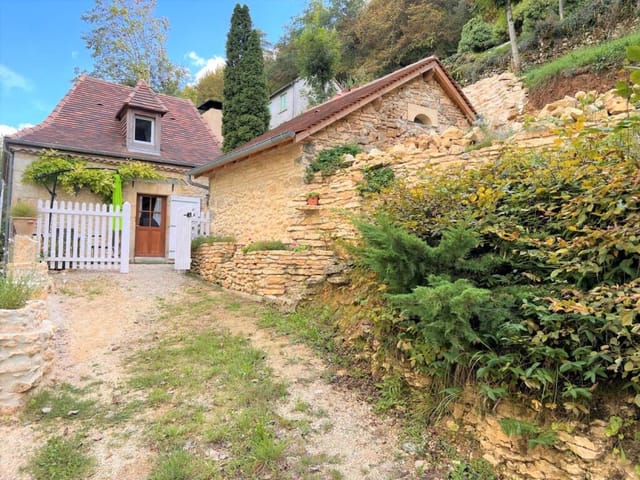
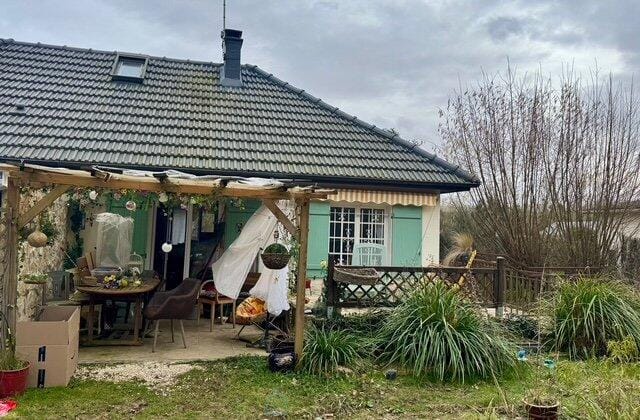
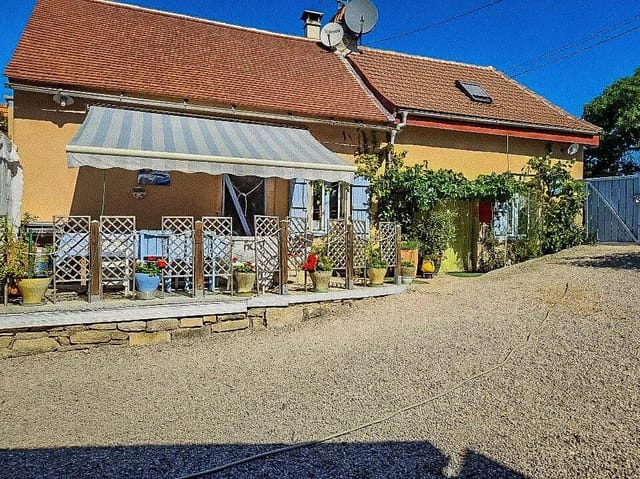
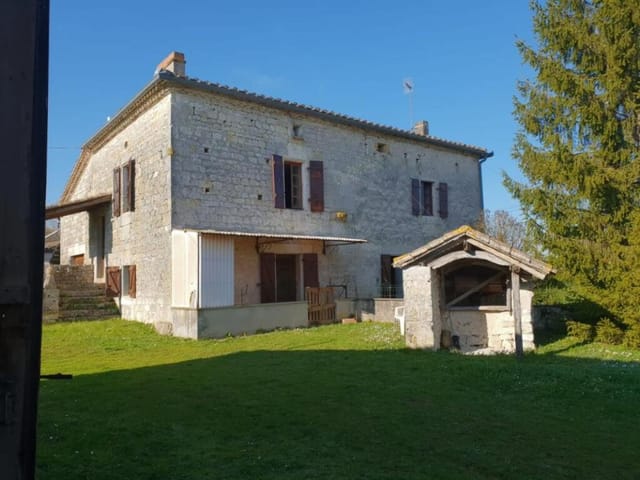
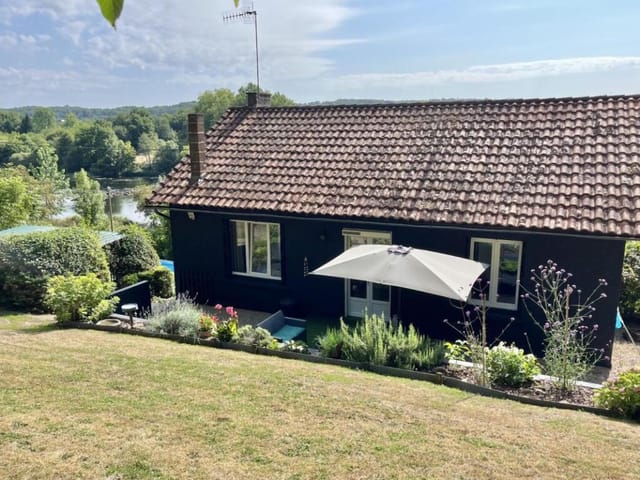
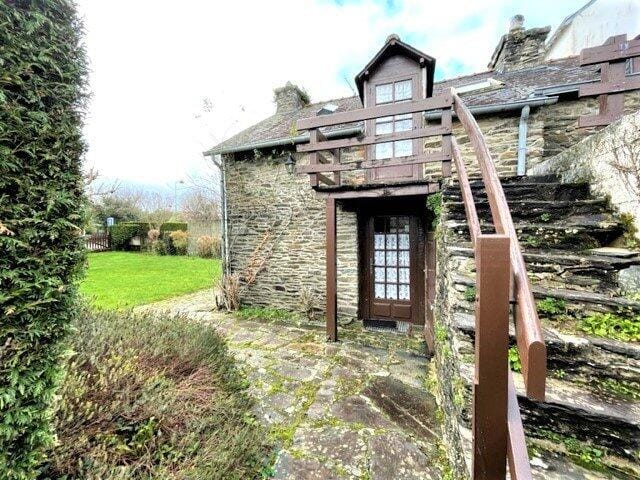
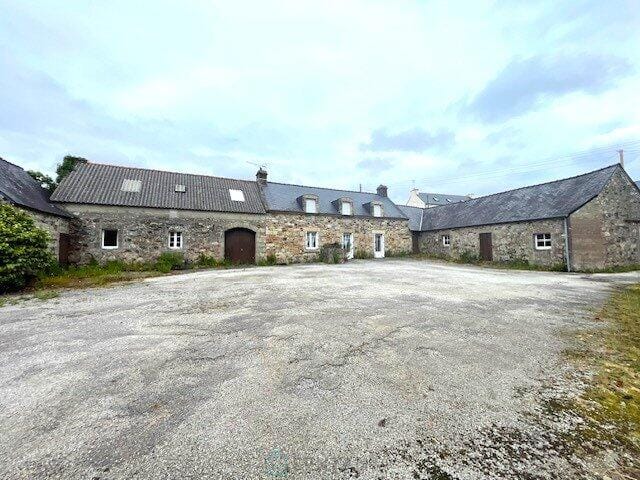
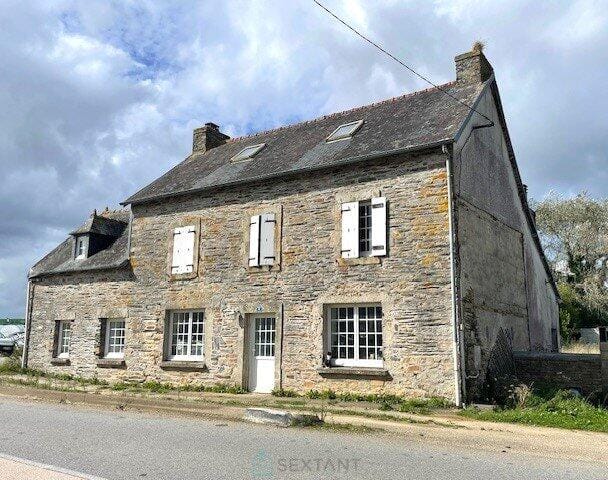
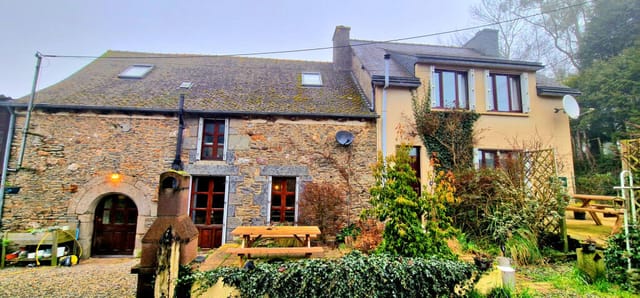
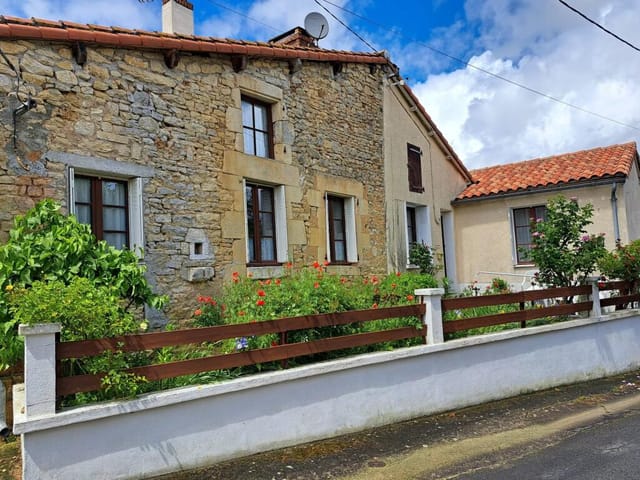
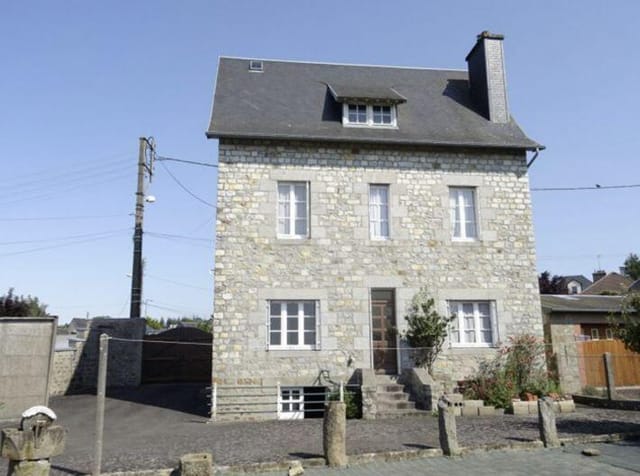
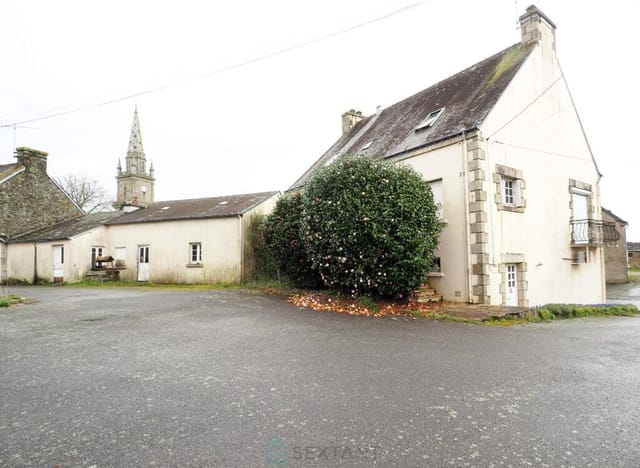
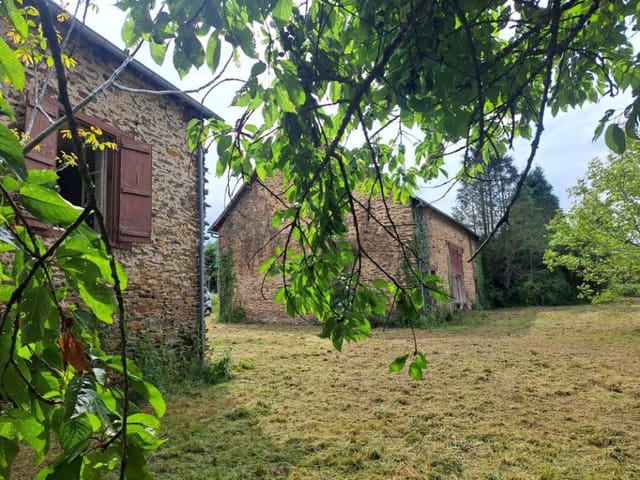
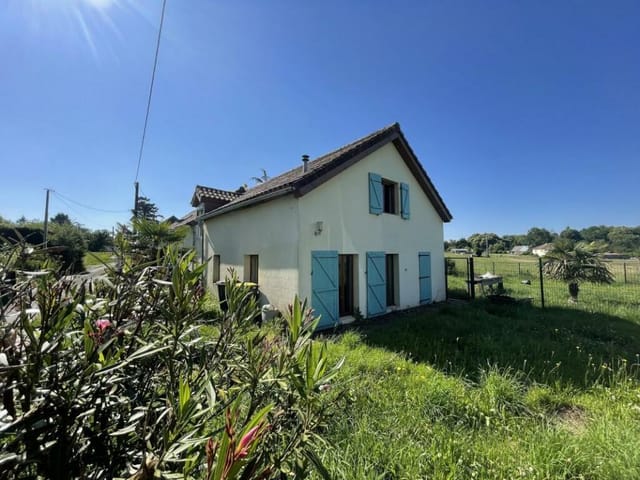
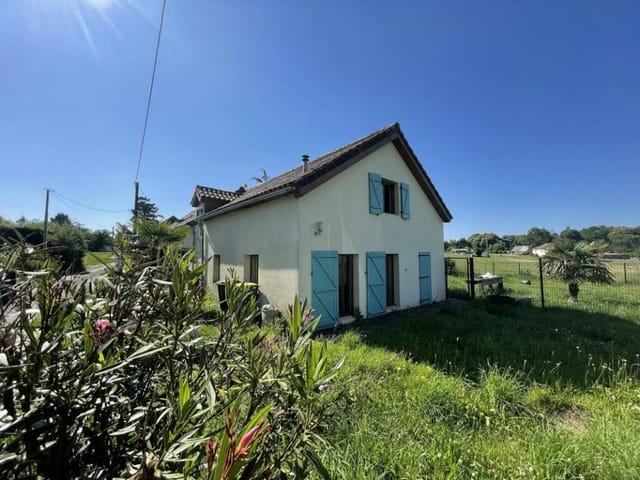
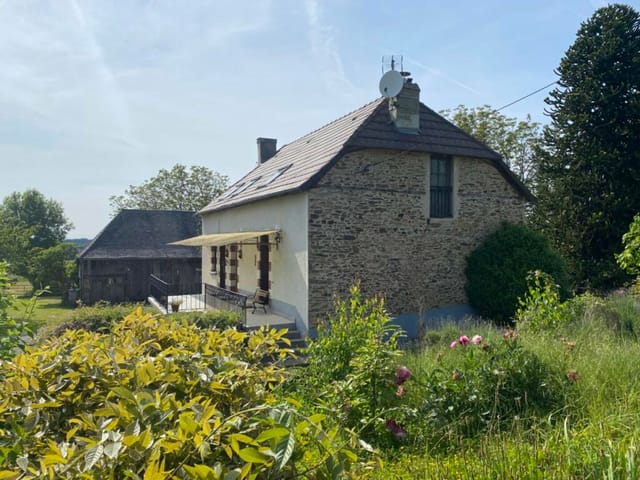
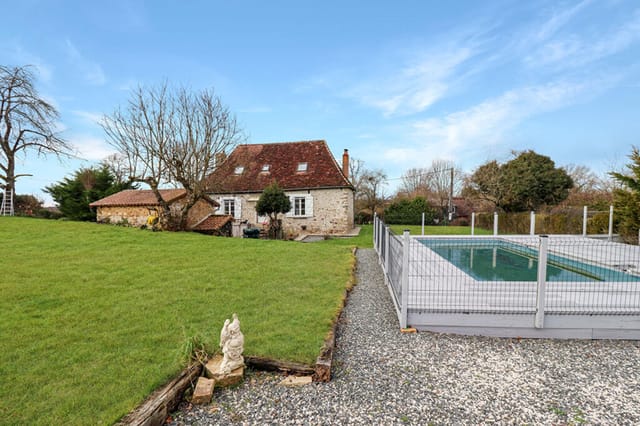
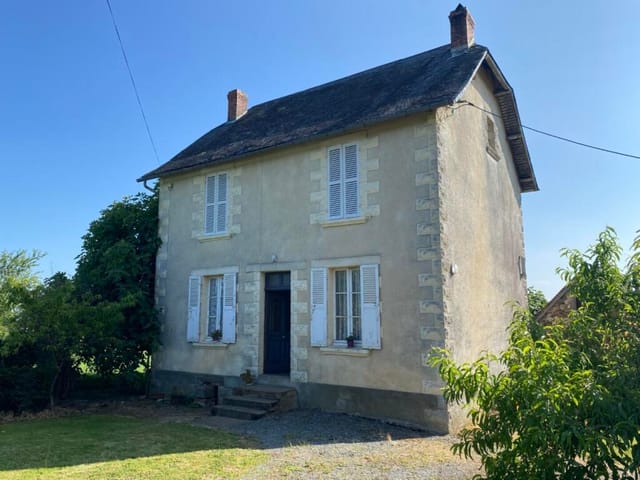
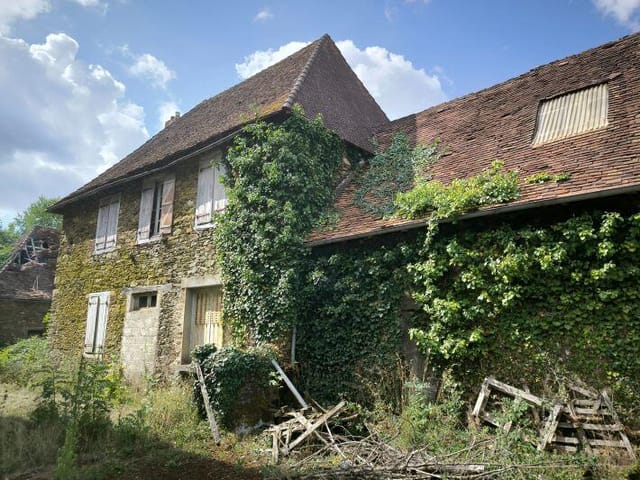
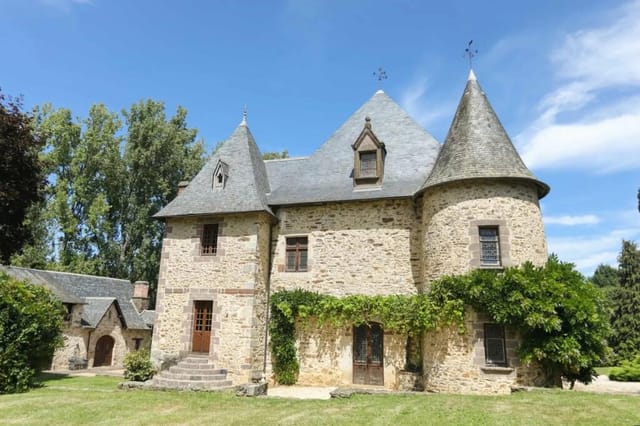
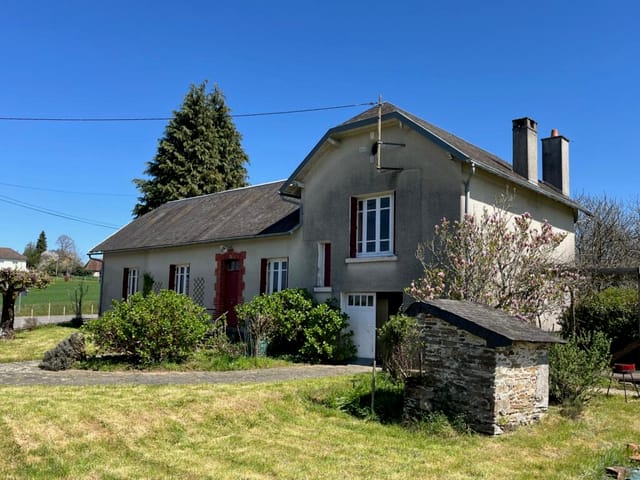
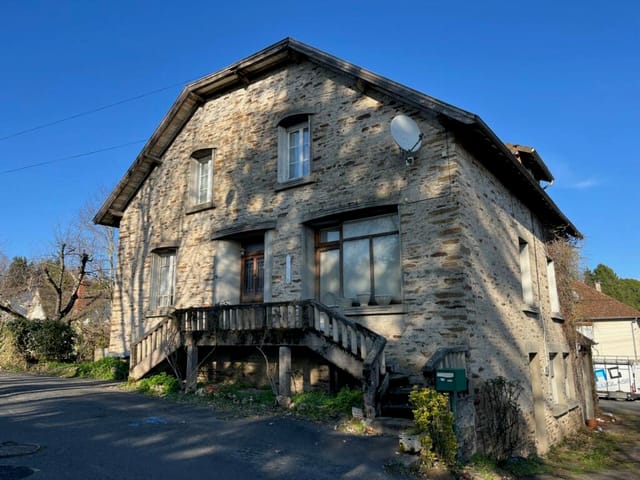
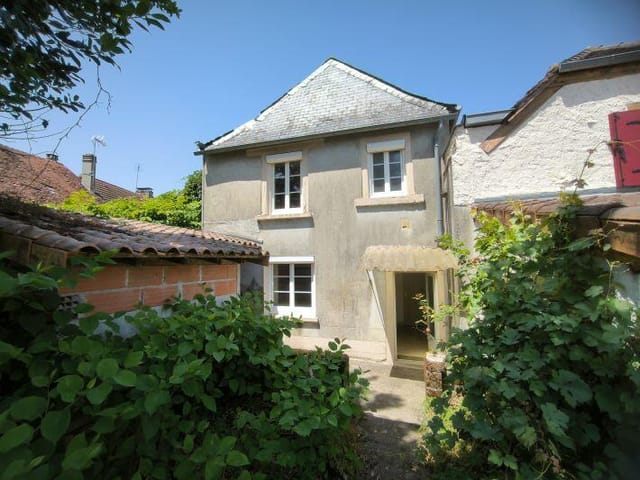
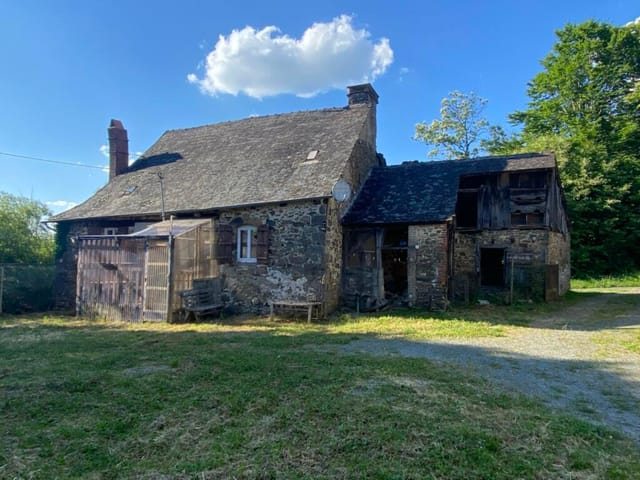
The property is a genuinely rare find. Three separate stone structures on a wooded 4,590 m² plot: a traditional one-bedroom house, a barn of roughly 100 m², and a partially renovated bread oven. Each one built from the same warm, grey-gold Corrèze limestone that gives the whole village its unhurried, rooted quality. The main house is move-in ready in the sense that matters most — the bones are solid, the inglenook fireplace is the real thing, and the veranda entrance already sets a tone of rural gentleness before you've stepped inside. The attic, accessed by a wooden staircase from the living room, is the kind of raw space that experienced renovation buyers immediately recognise: open, structurally sound, and waiting to become a second bedroom, a studio, or a reading room that gets the morning light.
Yes, there is work to plan. Electricity, heating, plumbing, insulation, and a septic tank installation are all on the list. That transparency matters. This is a project property for someone who wants to put their own mark on something genuinely historic, not a flipped renovation dressed up to hide its history. The purchase price reflects exactly that. For buyers who've watched Périgord and Dordogne prices climb year after year, the Corrèze still offers the same stone architecture, the same walnut-lined lanes, and a fraction of the tourist pressure — at prices that haven't caught up yet with the quality of life on offer.
The barn alone changes the conversation about what this property could become. At 100 m², it dwarfs the main house and opens up possibilities that range from a second dwelling (subject to local planning, naturally) to a proper gîte, an artist's studio, a garage for classic cars, or simply the kind of generous storage that every country property eventually needs. Combine that with the bread oven — a piece of working rural history that's already partially restored — and you have a compound with real character rather than a single cottage on a postage-stamp garden.
Ségur-le-Château itself is the context that makes everything else make sense. The village has barely changed since the 15th century when it was a seat of viscounts and a hub of Limousin aristocratic life. The château ruins and the medieval towers aren't dressed up for tourists; they're just there, woven into the daily fabric of the place. In July, the village holds its medieval market — artisans, food stalls, period costumes, the whole atmosphere — drawing visitors from across the region while keeping the feel of a genuine local celebration rather than a theme park event. Outside that weekend, the village is yours.
Six kilometres down the road, Pompadour is a town that rewards curiosity. The national stud farm, the Haras National de Pompadour, stages horse racing on a track that sits directly beneath the château once gifted by Louis XV to Madame de Pompadour herself. Race days in summer draw a particular crowd — unhurried, picnic-and-rosé energy, deeply French — and the twice-weekly market in town stocks local producers selling cèpes from the Corrèze forests, walnut oil pressed in the valley, and aged Cantal from farms you could drive to in twenty minutes.
The wider region rewards anyone who spends time in it properly. The Vézère valley, the cave paintings at Lascaux — the originals are sealed now, but Lascaux IV near Montignac is an extraordinary reproduction — and the bastide towns of the Dordogne are all within easy reach. Brive-la-Gaillarde, 45 kilometres south, is the regional hub with a TGV station connecting to Paris in under three hours. Limoges airport handles flights from the UK and other European cities, making this genuinely accessible as a second home even for owners who can only travel for long weekends.
The Corrèze seasons have a particular rhythm worth understanding. Spring comes slowly, the forests going from bare grey to an almost shocking green through April and May. Summer is warm rather than brutal — highs in the mid-to-upper twenties rather than the scorching temperatures further south — which makes walking and cycling through the bocage comfortable well into September. The GR4 long-distance trail passes through this part of the Massif Central, and local loops through the Monts d'Ambazac and along the Vézère gorges offer days of walking that never feel crowded. Autumn is arguably the finest season: cèpe season in the forests, vendange energy in the markets, the oak and chestnut canopy turning amber and rust over exactly the kind of stone walls that frame this property.
For international buyers considering a vacation home in France, the Corrèze occupies an interesting legal and financial position. French notaire fees and purchase taxes apply as standard, and the septic tank installation will require compliance with local regulations — your notaire will walk you through the specifics. The property would benefit from being held under a standard French ownership structure for non-EU buyers, and the renovation work, once complete, would make it fully eligible for the gîte rural classification if rental income is part of the plan. Well-managed Corrèze gîtes with outdoor space and character features regularly achieve strong occupancy in July and August.
Key features at a glance:
Three stone buildings on a single wooded plot of 4,590 m²
Traditional one-bedroom stone house with inglenook fireplace and veranda entrance
Convertible attic accessed by internal wooden staircase
Barn of approximately 100 m² with significant conversion potential
Partially restored historic bread oven
Two bathrooms
Bathroom with WC included in main house
Plot of approximately 4,000 m² of land
Located in Ségur-le-Château, classified among France's most beautiful villages
6 km from Pompadour national stud farm and town market
45 km from Brive-la-Gaillarde with TGV Paris connection
Accessible from Limoges airport with European flight connections
Renovation works required: electricity, heating, plumbing, insulation, septic tank
Priced at €132,500 — strong value for stone compound of this size in the region
This is the kind of property that comes up perhaps once every few years in a village like this — three structures, serious land, a setting that has remained almost unchanged for five centuries, and a price point that still allows for a thorough renovation budget. If you've been watching the Corrèze market or have had your eye on the medieval villages of the Limousin, this is exactly the one to move on quickly.
Get in touch with the team at Homestra today to arrange a viewing or to request the full technical details and notaire information. Properties at this intersection of location, potential, and price do not sit on the market for long.