Houses For Sale In Europe (page 4)

Houses for sale in europe - homestra offers the largest amount of european real estate with over 200,000+ properties, find any type of property within your budget from villas to country homes. buy or rent your perfect home in europe. (page 4)

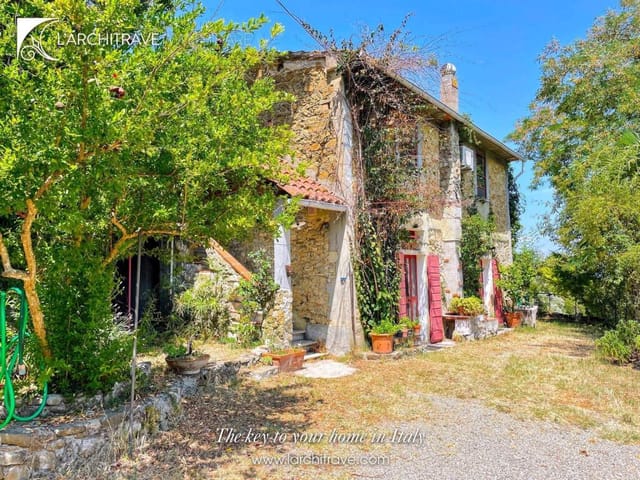
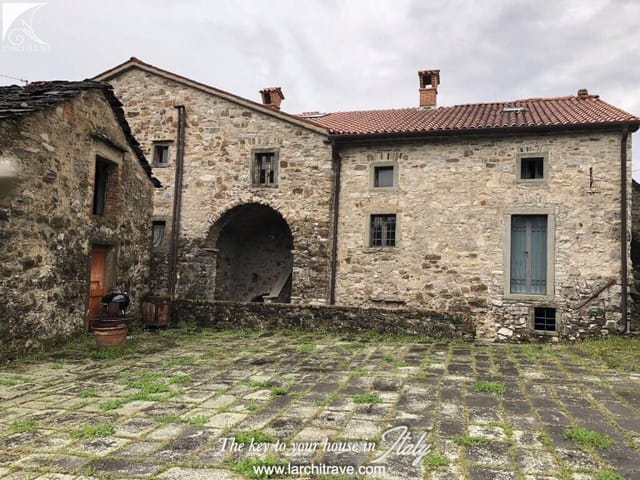
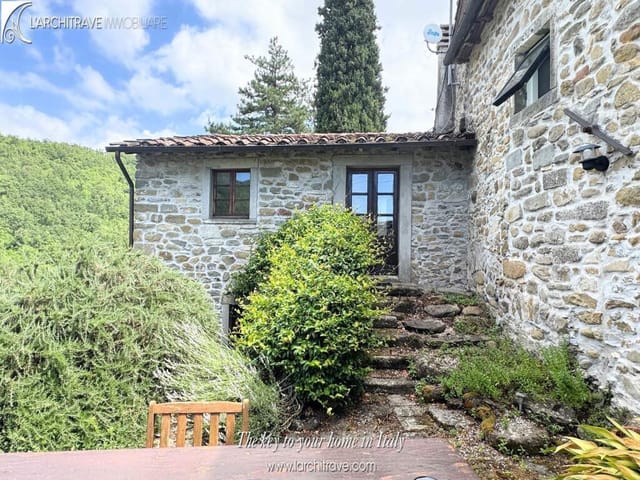
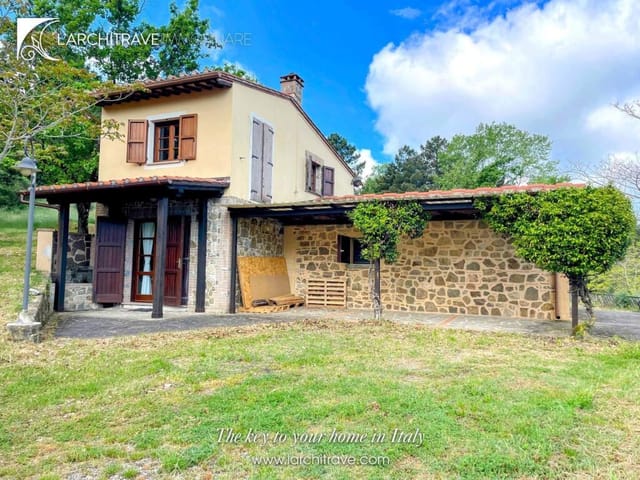
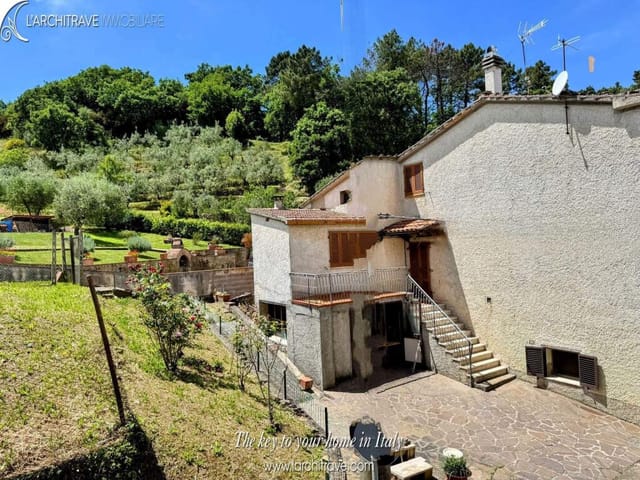
Picture this: it's a Sunday morning in late October, and the smell of woodsmoke is already drifting up from the valley below. You're sitting on the terrace outside the kitchen, coffee in hand, watching the first light catch the silver undersides of your olive leaves. The hills roll away in every direction — golden, green, impossibly quiet. This is not a postcard. This is your garden. This 200-square-metre country villa outside Chianni sits on roughly five acres (20,000 sqm) of mixed land — working olive groves, open meadows, patches of woodland — and it's the kind of property that becomes a reference point for the rest of your life. Not because of grand architectural gestures, but because of what it actually feels like to be there. The house arrives in good, liveable condition, which matters more than people give it credit for. You won't be gutting a ruin or project-managing a rebuild from another country. You can arrive, unlock the door, and start living — then improve things at your own pace. The pellet boiler provides central heating and hot water throughout, and all windows are double-glazed, which means the place stays genuinely warm through the Tuscan winter, not just decoratively Tuscan. What makes the layout especially interesting is that the accommodation currently runs as two independent units. The main section is entered via an external staircase that leads up to a first-floor terrace — a landing wide enough to actually eat at, which becomes your default dinner table from April through October. Inside, a generous open-plan kitchen with pantry flows into a sitting room anchored by a freestanding fireplace positioned in the centre of the room. It draws the eye immediately. Two bedrooms occupy this level, one ... click here to read more

Picture 1

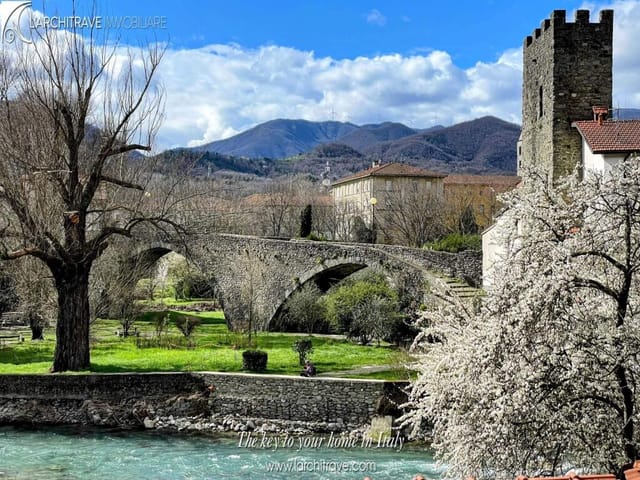
On a Wednesday morning in Pontremoli, the street market spills across the cobblestones below your dining room windows. The smell of fresh focaccia and roasted chestnuts drifts up through the shutters. You pour a coffee at your kitchen counter and watch the vendors arrange their stalls along the riverbank, unhurried, the way life moves in this corner of Lunigiana. This is the daily rhythm of owning a 220sqm second-floor apartment in a genuine 18th-century Palazzo, right in the historic heart of one of northern Tuscany's most quietly compelling towns. Pontremoli sits at the meeting point of the Magra and Verde rivers, built outward from its medieval castle in a way that feels almost deliberate in its beauty. The twin Roman arched bridges frame either end of the town like natural gateways. Walk through them and you're moving through cobbled lanes where stone archways link house to house, where elegant Palazzi with internal courtyards face the water, where the castello up on the hill keeps watch over everything below. It's a town that doesn't need to try very hard to impress you. It just does. The apartment itself occupies the entire second floor of a well-maintained Palazzo on a quiet street, seconds from the Piazza della Repubblica. You enter from the cobblestones into a grand hall with columns opening onto an internal courtyard — the kind of entrance that makes guests stop and take a breath. A broad stone staircase, worn smooth over centuries, sweeps you upward into 220 square metres of bright, high-ceilinged living space. The vaulted living room anchors the apartment with a handsome Capodimonte wood-burning stove that becomes the social centre of the space from October onward, when the Apennine air sharpens and the hil ... click here to read more

Picture 1

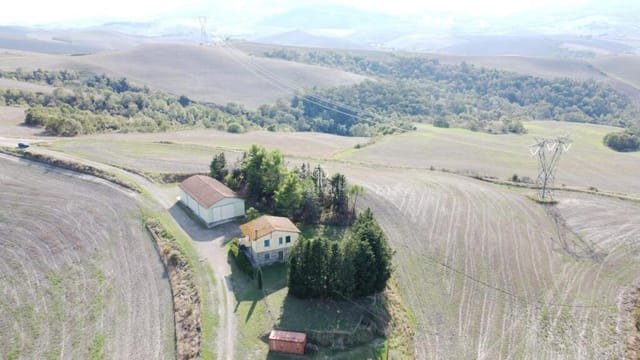
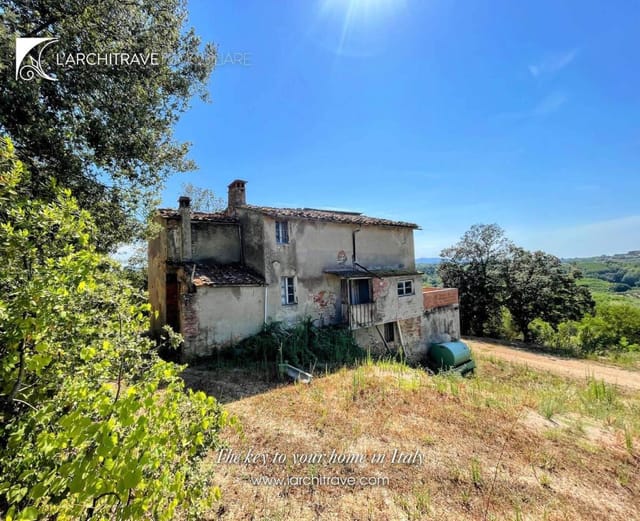
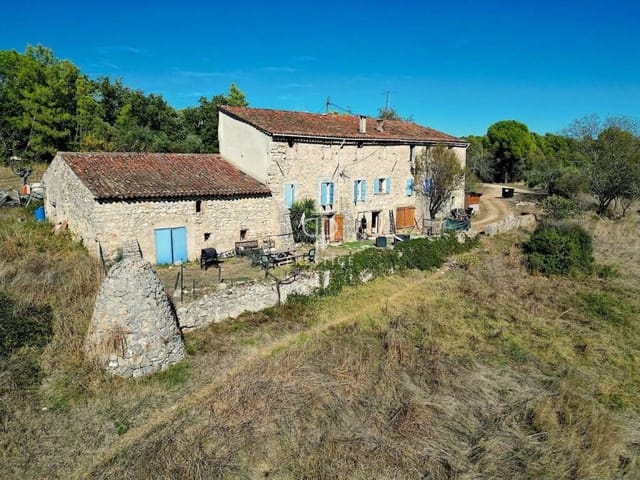
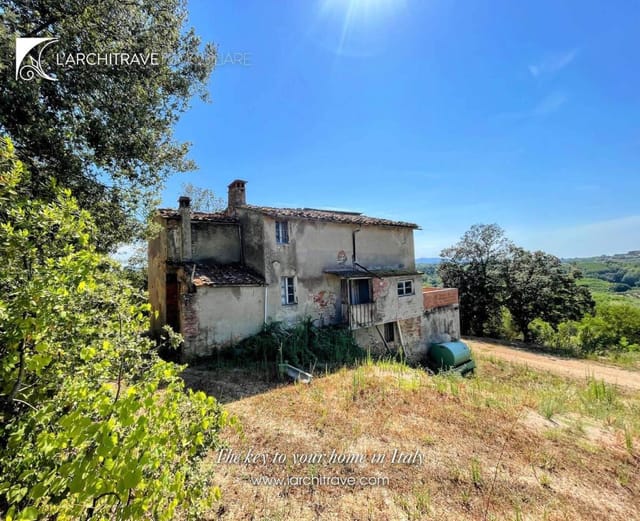
Stand at the first-floor kitchen window on a clear October morning and you'll understand why people fall hard for this corner of Tuscany. The hills roll away in every direction—amber and ochre and a deep bruised green after autumn rain—and the only sounds are the wind moving through the cypress trees and, faintly, the bells from the old chiesa down in Lajatico. This is the kind of view that Tuscany charges serious money for. Here, it comes with a stone farmhouse, a substantial outbuilding, and over an acre of land at a price that leaves real room to build something your own. The property sits in a dominant elevated position above the Valle di Cecina, reached via a 2-kilometre unpaved track that's in good shape and passable year-round. That access road is actually part of the appeal. It keeps things quiet. No passing cars, no holiday traffic, no neighbours close enough to matter. You arrive, the gate closes behind you, and the city—whether that's Pisa, Florence, or wherever you flew in from—feels very far away. The farmhouse itself is a traditional two-storey stone structure of 160 square metres. Ground level holds storage rooms, cellars, and the old stables—solid bones that could become a wine cellar, a garage, or a proper utility wing. An external stone staircase leads up to the main living floor: a kitchen-living room, three bedrooms, and a bathroom. The layout is honest, proportioned, and well-suited to the kind of open-plan reconfiguration that transforms a working farmhouse into a comfortable second home. The additional 200-square-metre outbuilding sitting separately on the plot is the real wildcard. Convert it into a guest villa, a rental cottage, a studio—the planning opportunity is genuine, and Lajatico's posit ... click here to read more

Picture 1

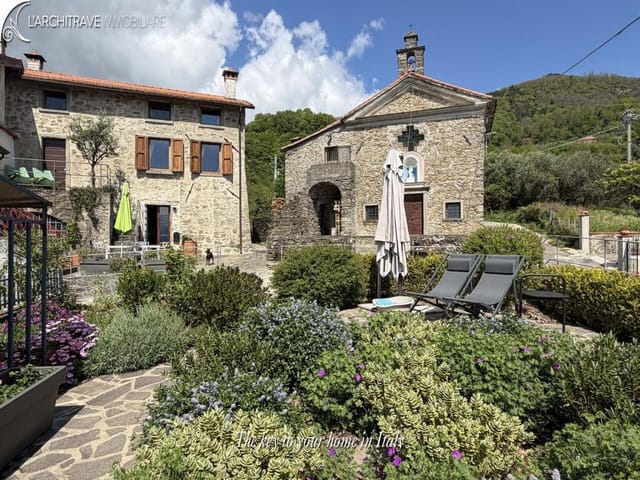
On a clear morning, you can stand on the terrace with a coffee and watch the light shift across the Gulf of La Spezia—the water catching silver between the headlands, Portovenere in the far distance, the hills dropping in ridges toward the coast. Church bells from the village below drift up before nine. The wood-fired pizza oven in the kitchen is still warm from the night before. This is the kind of Tuesday you've been daydreaming about for years. Calice al Cornoviglio sits in the Ligurian hills at the precise point where the region folds into Tuscany, and that borderland quality defines everything about it. The air smells of pine resin and wild rosemary. The village itself is unhurried—there's a bar where the same men have been drinking espresso at the same hour for decades, a small shop that stocks far more than you'd expect, and a public pool with a view that would cost a fortune at any resort. A restaurant one kilometer down the lane does a ribollita that makes you reconsider every bowl of soup you've ever eaten. The community is tight-knit in the way that only small hilltop villages manage to be, and newcomers who put in the effort are genuinely welcomed. The house itself is spread across three floors of beautifully renovated stone, 174 square meters in total, and it carries the weight of its past lightly. Ground floor: a vaulted cantina—the real thing, not decorative—plus a storeroom, bathroom, and an open-plan kitchen and dining space anchored by exposed stonework walls and a wood-fired pizza oven built into the stone. It's the kind of kitchen that makes cooking feel like an event. Up to the first floor and the split-level living room opens outward—fireplace on one side, terrace on the other, panoramic views in ... click here to read more

Picture 1

On a Wednesday morning in Pontremoli, the market on the cobbled piazza starts filling up around eight. Vendors lay out local testaroli pasta, sharp Pecorino from the hills, and bottles of Colli di Luni wine while church bells from the Cathedral drift over the rooftops. From this stone farmhouse less than a kilometre away, you can walk there in ten minutes through olive groves that have been producing fruit for generations. That kind of proximity to a living, breathing medieval town is rare. Most rural Tuscan properties demand a twenty-minute drive just to buy bread. Here, Pontremoli is practically in your front garden, yet the moment you step back through the iron gate into the flagstone courtyard, the town's activity fades entirely. What you hear instead is wind moving through the chestnut trees, and on still evenings, the faint sound of the Magra river somewhere below the ridge. The property itself is a compound in the truest sense — not a single building but an entire small hamlet that's been thoughtfully restored without stripping away what made it worth saving. Four independent apartments sit within the main farmhouse, each with two bedrooms, a kitchen, a bathroom, and a reception room. Stone vaulted ceilings dominate the ground floor common areas, the kind of architecture that took centuries to achieve and cannot be replicated at any price. Marble bathrooms and modern fitted kitchens bring the day-to-day comfort up to contemporary standards while the bones of the place remain emphatically sixteenth-century. The old chestnut drying room — with its original stone floor and heavy wood beams still intact — is the kind of detail that stops visitors mid-sentence. There is also a large stone barn across two levels and ... click here to read more

Picture 1

Sunday morning in Lunigiana sounds different from everywhere else in Tuscany. Church bells carry from the valley below, the air smells of woodsmoke and wild herbs, and from the upper terrace of this stone house you can watch the green hills roll southward without a single rooftop to interrupt the view. It's the kind of quiet that city people forget exists — and then spend years trying to find again. This three-bedroom house sits on the edge of a small hamlet about six kilometres from Fivizzano, the medieval walled town that locals half-jokingly call the Florence of Lunigiana. The nickname isn't vanity. Fivizzano's cobbled central piazza, ringed by Renaissance palazzos and caffè terraces, has a genuine civic dignity — and on summer evenings, when the town hosts open-air concerts and torchlit medieval parades, you understand why people who arrive for a week end up buying property here. The house itself is a proper working structure, not a decorator's project. The original stone building was rebuilt at the turn of this century, and about a decade ago a neighbouring barn was converted into a light-drenched annexe that now functions as a semi-independent guest suite. Together they cover 88 square metres of interior space — compact, considered, and genuinely comfortable year-round thanks to central heating, reliable Wi-Fi, and solid 4G coverage, which matters more than most property descriptions admit. Walk through the main door and you're in an open-plan kitchen and living room where a traditional enclosed fireplace anchors one wall. Come October, when the olive harvest starts and evenings cool quickly, that fire earns its place. A stone staircase rises to two bedrooms and a family bathroom; one of the bedrooms opens direc ... click here to read more

Picture 1

Sunday morning in the Valdera hills smells like woodsmoke and rosemary. You push open the kitchen door, coffee in hand, and the whole of Tuscany rolls out in front of you — a long slow exhale of olive groves, vineyards, and medieval tower tops catching the early light. No neighbour in sight. Just the faint toll of a bell from Rivalto drifting up the hillside, and the crunch of gravel under your feet as you walk to the pergola table for breakfast. This is the quiet that people spend years trying to find. This two-bedroom renovated farmhouse sits above the Valdera hills near the village of Chianni, on a private plot of just over 10,000 square metres — about two and a half acres of fruit trees, old stone walls, and open sky. At 150 square metres of interior living space, it's compact enough to feel intimate, generous enough to host family comfortably. The renovation has been done with a sure hand: modern infrastructure underneath, authentically Tuscan on the surface. Terracotta floors, exposed stone, wooden beams — nothing that jars with the landscape outside the window. On the ground floor, a glass-enclosed living and dining room opens the whole hill view into the house without losing warmth in winter. The kitchen runs alongside it, practical and well-equipped. There's a tavern — a sitting room that converts easily to a TV room or reading corner — plus a bedroom and bathroom. What was once a woodshed now houses a jacuzzi. The cellar holds an aluminium wine barrel and a pizza oven, which tells you something about how the previous owners spent their evenings and gives you a very good template to follow. Upstairs, two further bedrooms, quiet and cool in summer, take in the wide panorama from above. A 40-square-metre garage ... click here to read more

Picture 1

Picture this: it's a Sunday morning in July, and you're standing on the balcony of Casa Erica with a coffee, watching the Tuscan hills roll away in every direction like a green and gold sea. Church bells carry up from the piazza below. The scent of woodsmoke drifts from somewhere nearby. You didn't fly into some tourist trap — you're in Chianni, a proper working Tuscan village where the locals actually live, and somehow you own a piece of it. This is a three-bedroom semi-detached house in the kind of condition that tells you someone cared for it — services connected and working, solid bones throughout — but with enough room to put your own stamp on things. At 160 square metres, spread across three levels, it has real substance. Not a squeezed holiday flat, not an overwrought renovation project. A house. The layout rewards exploration. You arrive via an external staircase onto a balcony that already sets the tone, then step into a kitchen anchored by an open fireplace — the kind of feature that makes February in Tuscany feel romantic rather than cold. The living room sits alongside it, and there's a proper bathroom with shower, a useful under-stairs store room, and a ground-floor room that works equally well as a single bedroom or a quiet study for anyone who still answers emails on holiday. Upstairs, two more bedrooms sit connected by a door, and there's planning scope to carve out a second bathroom up here — potentially a full master suite if you want to take the property somewhere more ambitious. A small attic already handles the overflow storage question before you've even asked it. But the real talking points are below. In the courtyard — which doubles as private parking — a few stone steps climb to a private gard ... click here to read more

Picture 1

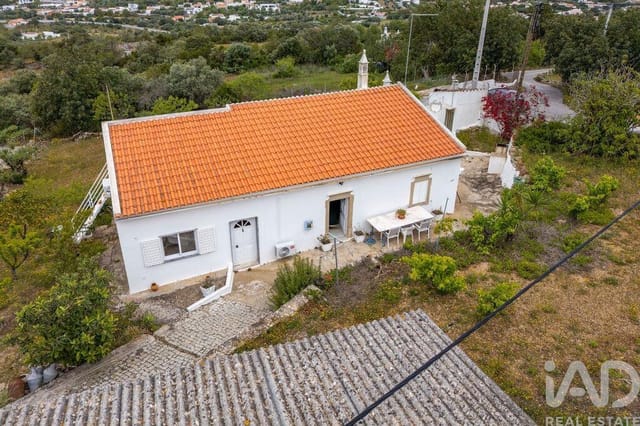
Picture a Saturday morning in late October. The air coming through the kitchen window smells of wood smoke and damp cork oak, and somewhere down the cobbled lane a rooster is making his opinions known. You've got a coffee on, the fireplace from 1888 is doing exactly what fireplaces from 1888 are supposed to do, and the hills of Santa Bárbara de Nexe roll out beyond the terrace like something a painter would invent. This is not a weekend fantasy. This is what owning this house actually feels like. Santa Bárbara de Nexe sits on a ridge in the inland Algarve, just 15 minutes north of Faro and about 10 minutes from Loulé — close enough to everything, far enough from the coastal circus of July and August. The village is the kind of place where the café owner knows your order by your second visit and the weekly market in Loulé (every Saturday, go early for the honey and smoked sausages) becomes a genuine ritual rather than a tourist activity. You're inland enough to feel authentic Portugal, but a 30-minute drive puts you on the sands of Meia Praia, Quarteira, or the wilder dunes at Cacela Velha near the Spanish border. The house itself dates from 1888, and unlike a lot of historic Algarvian properties that have been sanded and plastered into blandness, this one kept its soul. Original stone walls, a proper living room fireplace with a wood burner sitting inside it, the kind of thick-walled construction that stays cool in August without much help and holds heat through December evenings when the rest of the coast is surprised by the cold. The ground floor flows from the entrance into the living room, then through to a dining room and a fully equipped kitchen. Step out from the kitchen and you're in a courtyard where a bougain ... click here to read more

Picture 1

Stand in the courtyard on a September morning and you'll understand immediately why people never quite recover from their first visit to Lunigiana. The bread oven is cold now, but you can smell the ghost of woodsmoke in the stone. Swallows cut arcs above the vine pergola. Down the slope, your vineyard — yes, yours — catches the early light, and somewhere in the olive grove behind the meadow a woodpigeon is making its case for the day. This is what €160,000 buys you in one of Tuscany's last genuinely undiscovered corners. The farmhouse itself is honest old stone, two storeys, the kind of construction that's been shrugging off Apennine winters for a couple of centuries without complaint. On the ground floor you have a kitchen and dining room with enough space to cook seriously, a living room, and a store room that opens toward the courtyard. Three bedrooms and a bathroom sit upstairs. The whole thing runs to 200 square metres of internal space, plus an adjoining barn on two levels that connects — or could connect, once you've had your way with it — to the main house. Below everything, carved into the hillside as nature intended, are the cantina: vaulted stone rooms that have been making wine cold for generations, exactly the right place to rack the bottles from your own vines. The property needs modernization. That's not a caveat buried in the small print — it's actually the point. Someone who wants a turn-key renovation project with a concrete budget and a clear vision will find that this house gives them something increasingly rare: genuine scope to create a home on their own terms, in a place where the bones are already exceptional and the land does much of the talking. The spring water supply is abundant and the prop ... click here to read more

Picture 1

Picture this: it's a Tuesday morning in late September, the kind of morning that makes you want to cancel everything. You're standing on your upstairs terrace with a coffee, watching the mist slowly pull back from the Apennine ridgeline, and the only sound is a woodpecker somewhere in the fig tree below. That's the daily reality of owning this three-bedroom villa in the Lunigiana hills of northern Tuscany — a place most Italians know about and most foreigners haven't found yet. That's not an accident. Lunigiana sits in the crease between Tuscany, Liguria, and Emilia-Romagna, technically within Tuscany's administrative borders but with a character entirely its own. Fewer tour buses. More castles per square kilometre than almost anywhere in Italy. Hiking trails that cut through chestnut forests older than the republic. And properties like this one — solid, well-maintained villas on quiet lanes with proper gardens and proper views — that would cost twice as much if they sat twenty kilometres further south in the Chianti. The villa itself is 208 square metres across three levels, and it's been kept in genuinely good condition. This isn't a project. The finish is high-end throughout: marble bathrooms, solid wood and marble kitchen, beamed ceilings in the main living room. The first floor is where daily life happens — a wide entrance hall opens into a living room with a fireplace that earns its keep in November, french doors spilling out onto a covered patio where you can eat dinner outside well into October without needing a jumper. The kitchen is fully fitted and connects to the same covered patio, so cooking and outdoor living flow into each other the way they should in a Tuscan country house. Two bedrooms on this level ... click here to read more

Picture 1

On a Sunday morning in Comano, you wake to the sound of church bells drifting up from the piazza 150 metres away. The air through the bedroom window carries woodsmoke and cut grass, and somewhere below, the family-run bar is already grinding its first espresso. This is not a fantasy. This is an ordinary morning at this restored hillside house in the Taverone valley — a corner of Lunigiana, Tuscany, that most tourists haven't found yet and locals are quietly glad about. The house sits on the edge of a small, tight-knit village community, the kind where people actually know each other, where the restaurant at the heart of the village has been run by the same family for decades, and where showing up as a forestiero doesn't mean you stay one for long. At 80 square metres across two floors, the layout is practical and well thought out. You enter through a hallway that opens into a kitchen and a light-filled living room on the ground floor, alongside a full bathroom. Head upstairs and two attic double bedrooms share a second bathroom — a setup that works equally well for a couple wanting a proper bolthole or a small family with kids who'll spend most of their time outside anyway. The outdoor space is where this property earns its keep. A courtyard with a barbecue setup becomes the natural centre of evening life in summer. Beyond it, roughly 1,000 square metres of land — about a quarter of an acre — includes a chestnut wood that comes into its own in October, when the nuts drop and the forests around the Taverone valley take on that particular amber glow that photographers come from across Europe to chase. Views from the land stretch across the valley toward the Apennines, the kind of views that make you stand still for a mom ... click here to read more

Picture 1

On a clear morning, you push open the shutters of the upstairs bedroom and the Apuan Alps are just there — close enough that you can trace the ridgelines with your finger, white-tipped in winter, darkly forested through July and August. The smell drifting up from the kitchen is coffee, and somewhere below the terrace an olive grove is already warm in the early sun. This is your Tuesday. Imagine your Saturday. Sitting at the end of a quiet lane outside Aulla in the Lunigiana corner of Tuscany, this two-bedroom, four-bathroom stone villa sits on four hectares of land — olives, fruit trees, vines — and feels genuinely removed from the world while remaining surprisingly easy to reach. It's the kind of property that gets into your head the first time you visit and doesn't leave. The house itself has the bones that matter. Thick stone walls keep rooms cool well into the afternoon heat of August. A wisteria-covered portico frames the entrance, and inside, the living room pivots around an impressive stone fireplace that earns its keep from November through March. The kitchen-dining room has marble surfaces and a marble sink — not an affectation, just the way kitchens were built here, and still the best material for rolling pasta dough. There's a utility space tucked out of sight with a washing machine, a ground-floor WC, and a separate ground-floor room — flooded with light on three sides — that opens directly onto the garden and has its own ensuite shower. Upstairs, two double bedrooms each have their own ensuite facilities: one with a bath, one with a shower, both with air conditioning for the peak summer weeks. The first bedroom steps out onto a large terrace where those mountain views hit you full in the face. Every room i ... click here to read more

Picture 1

Stand on the upper terrace just after sunrise and watch the mist lift off the Serra de Monchique, the valley below turning from grey-green to gold as the light catches the olive groves. Church bells drift up from the town square five minutes down the cobbled hill. The smell of medronho — the local arbutus berry spirit that Monchique has been distilling for centuries — still hangs faintly in the cool morning air from last night's bar. This is your Saturday morning. And it's not a fantasy. This fully renovated two-bedroom house sits on a 1,080 square metre terraced plot right at the edge of Monchique's historic centre, delivering unobstructed valley panoramas that most people only see on postcards. At 599,000 euros, it's a rare intersection of contemporary architecture, serious eco credentials, and a location that places you equally between mountain wilderness and some of the Algarve's most celebrated coastline. The main residence was designed around one core idea: let the landscape in. The living room ceiling climbs to six metres, and large glass walls mean the valley view is essentially a living painting that changes by the hour. On grey winter afternoons, clouds roll through the valley below you — you're actually above them. By midsummer, the light turns amber by seven in the evening and the temperature on the covered terrace is exactly where you want it. The kitchen doesn't make you choose between beauty and function: custom American walnut cabinetry, full Bosch appliances, and enough counter space to actually cook — which matters here, because Monchique's market produces the kind of medronho-cured sausages, Serra cheese, and wild mushrooms that make cooking feel worth the effort. Large sliding doors open from the l ... click here to read more

Picture 1

Stand at the top floor of this three-storey farmhouse on a clear October morning and you'll see why people have been building on these hills since the Etruscans figured out the view was worth it. The Valdera valley rolls out below in every direction — vineyards going amber, cypress rows casting long shadows, and the faint outline of Volterra's medieval towers on the western ridge. This is what 360-degree actually means, not the estate-agent shorthand version. The farmhouse sits about 5 kilometres from Casciana Terme Lari, a small spa town that most Tuscany visitors drive straight past on the way to Pisa or Florence, which is precisely what keeps it real. The weekly Thursday market on the central piazza draws local farmers selling pecorino, dried porcini, and Valdera olive oil pressed from trees that have been on the same hillsides for centuries. The Bar Centrale opens early. The locals are not performing for tourists. That's the thing about this corner of central Tuscany — it hasn't been discovered yet, not in the way that San Gimignano or Montepulciano have, and the property prices reflect exactly that. At 450 square metres across three floors, with roughly a hectare of land wrapping around it, this is a serious restoration project. No connected services, no EPC required — it comes to you as a shell with good bones, waiting for someone with a vision and a decent architect. The structure is solid stone, the kind that was built to outlast everyone involved in building it. What you're buying here is a blank canvas on some of the most quietly coveted land in Pisa province, at a price that reflects the work ahead rather than the finished article. For buyers who've watched completed Tuscan farmhouses sell at twice this figu ... click here to read more

Picture 1

The alarm doesn't go off here. You wake up because the light does — that particular low-angle Algarve gold that slips through the shutters around seven and lands on the whitewashed wall opposite your bed. By the time you've padded downstairs and figured out the espresso machine, the day has already decided it's going to be good. This 208-square-metre detached villa in Fuzeta sits in a quiet residential pocket of Moncarapacho, one of the eastern Algarve's genuinely under-the-radar corners. Priced at €599,000 and in good condition throughout, it's ready to walk into — no gut renovation, no months of waiting, no project headaches. Three bedrooms, two bathrooms, a proper office that could become a fourth sleeping space, and a private pool out back. That's the skeleton. The story is what surrounds it. Fuzeta itself is the kind of place that long-time Portugal hands mention in hushed, slightly possessive tones. It's a working fishing village — actual fishing boats still motor out at dawn, and the Wednesday market on the waterfront sells cured fish and hand-thrown ceramics alongside the usual produce. The town sits right on the edge of Ria Formosa Natural Park, a 60-kilometre lagoon system of tidal channels, barrier islands, and flamingo-dotted mudflats that's genuinely one of the most biodiverse coastal environments in southern Europe. From Fuzeta's little ferry dock, a ten-minute flat-bottomed boat ride drops you on Ilha de Fuzeta, a long Atlantic beach with no roads, no hotels, and about nine months of swimmable water. You bring your own lunch. The villa's outdoor setup was clearly designed by someone who understood this climate. Portugal's eastern Algarve logs around 3,100 hours of sunshine per year — more than the centr ... click here to read more

Picture 1

Stand on the sun terrace on a clear January morning and you can see all the way to the Atlantic. Not a glimpse—a full blue stripe of sea sitting low on the horizon, framed by rolling hills stitched with carob and olive trees. This is São Brás de Alportel, the Algarve's quiet, unhurried interior, and from this elevated plot four kilometres south of the town centre, that view is yours every single day. The villa sits on 1,401 square metres of gently sloping land, far enough from the coast road to feel genuinely private but close enough to the beach that you won't need to plan around it. Twenty minutes to Meia Praia or Garrão. Fifteen to the Thursday market in Loulé where farmers sell figs still warm from the tree. Five minutes to the padaria on Rua Dr. João Dias where they pull trays of fresh broa from the oven before 8am. This is not a holiday-brochure version of the Algarve. It's the real one. At 252 square metres across two floors, the house is generously sized—a fact that becomes obvious the moment you step into the ground-floor living and dining room. It's big enough to host a long family lunch without anyone feeling crowded, anchored by a wood burner that earns its keep on crisp February evenings when the serra cools sharply and the valley below fills with a thin morning mist. The kitchen runs off to one side, fully equipped with a pantry that solves the eternal problem of too many tins of Portuguese tinned fish and not enough cupboard space. A third bedroom on this floor does current service as a home office—practical if you plan to split time between here and elsewhere, or ideal as a guest suite for the friends who will, inevitably, want to visit once word gets out. The patio doors off the living area are the ce ... click here to read more

Picture 1

You wake up to silence. Real silence — no traffic, no neighbours too close, just the dry warmth of an Algarve morning pushing through the shutters and the faint smell of wild rosemary rising off the hillside below. This is what São Brás de Alportel feels like before the rest of the world gets going, and from this four-bedroom country house on its outskirts, you get that feeling every single day. São Brás de Alportel sits in the Barrocal, the limestone inland strip between the Algarve coast and the Serra do Caldeirão mountains — and it's one of the least discovered corners of southern Portugal. That's not a flaw. It's the whole point. The town itself is compact and deeply local: a main square where old men argue over espressos at Café Garrett in the morning, a weekly market on Saturdays where you'll find the season's best blood oranges and medronho brandy from the hills, and the Museu do Traje — a folk costume museum tucked into a former cork baron's mansion — that quietly explains how this region made its money for two centuries. The streets smell like charcoal smoke in winter and jasmine in summer, and almost nobody speaks at you in English unless you start it. The house sits roughly ten minutes outside town on a generous 1,016 square metre plot, with unobstructed views across the rooftops of São Brás and out to the layered ridges of the Caldeirão range beyond. On clear days — and there are a lot of those, given the Algarve logs around 300 days of sunshine annually — the view runs so far east it almost reaches Spain. The plot itself gives you room: space for a swimming pool at the back, a proper kitchen garden if you want one, and a garage that could double as a workshop or storage for bikes and gear. At 140 square m ... click here to read more

Picture 1

Step out onto the first-floor balcony just after sunrise and the Ionian Sea catches the light in a way that makes you forget what day it is. That's what mornings look like at this two-bedroom villa in Minies, a quietly residential pocket of Leivathos on the southwest side of Cephalonia — one of Greece's most underrated islands, and one that locals would rather keep that way. The house sits on 720 square metres of private land with a western orientation, which means evenings here are something else entirely. Sunsets over the open horizon turn the pool water into hammered copper. The garden smells of jasmine and warm stone. If you've been searching for a vacation home in Greece that genuinely feels like it belongs somewhere rather than built for a catalogue, this is worth your full attention. At 102 square metres across two floors, the layout is clever without being fussy. Downstairs — 52 square metres — the living room is generous, centred around a fireplace that earns its keep in the mild Cephalonian winters and makes the space feel lived-in rather than staged. The kitchen is fully equipped and opens directly to the dining area; the whole ground floor flows straight out to the garden and the pool deck, which is exactly how it should work in this climate. There's a guest WC on this level too, so the upstairs bedrooms stay private when you have friends over for an afternoon swim and a late lunch at the outdoor dining table under the pergola. Up the internal staircase, both bedrooms have their own en-suite bathrooms — a detail that matters enormously when you're renting the property out or hosting family across different age groups. Both rooms open onto balconies with those views: wide, unobstructed, facing open sky and ... click here to read more

Picture 1

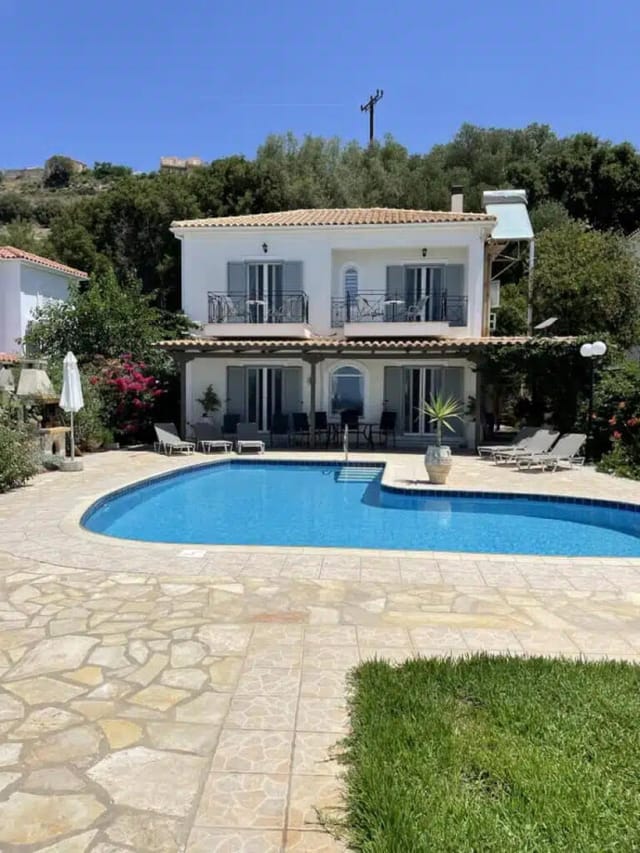
Early morning on the Livathos hillside, before the August heat sets in, the air smells of wild thyme and jasmine baking together in a way that simply doesn't exist anywhere else in Greece. You step out through the patio doors of the ground-floor bedroom, coffee in hand, and the Ionian Sea is right there — shimmering and impossibly blue between the cypress trees, stretching all the way to the shadow of Zakynthos on the horizon. This is the kind of moment that makes people buy property in Cephalonia and never quite get over it. This three-bedroom villa in Svoronata sits on a peaceful hillside on the edge of the village of Sarlata in the Livathos region, one of the most sought-after pockets of the island's southern coast. At 120 square metres across two floors, the house is genuinely practical — big enough for a family or group of friends, compact enough to lock up and leave without anxiety. It was built in 1998 and is in good, move-in ready condition, fully furnished and equipped so you could conceivably fly in on a Friday evening and be having a poolside dinner by Saturday night. The private swimming pool is the heart of outdoor life here. Surrounded by bougainvillea in shades of magenta and purple, and bordered by a broad sun deck with proper lounging space, it's where most of your Cephalonian days will actually happen. The traditional brick barbecue beside it has clearly earned its keep over the years. A shaded front terrace catches the sea breeze through the hottest part of the afternoon — genuinely useful between about two and five in July, when the sun is serious. Inside, the ground floor opens into a living and kitchen space that's designed for real use rather than photography. The wood-burning fireplace becomes ... click here to read more

Picture 1

On a warm Tuesday morning in Jonzac, you open the terrace doors off the sitting room and the air smells faintly of mineral water and cut grass. Below you, the garden runs downhill in long, generous sweeps — through a canopy of trees, past a woodland patch that filters the light into something almost theatrical — until it reaches the quiet banks of the River Seugne. A heron stands perfectly still at the water's edge. You can hear the church bells from the old town center, just five minutes away on foot. That's the daily reality of owning this five-bedroom geothermically heated house in the heart of one of Charente-Maritime's most quietly compelling spa towns. The property sits less than 500 meters from Jonzac's center, which puts you close to everything without sacrificing the sense of space that defines life here. The upper floor holds three well-proportioned bedrooms, a bathroom with a separate WC, and a triple-aspect living and dining room that catches light from three directions. That room connects directly to the south-facing terrace — the kind of terrace you end up living on from April through October, drinking Pineau des Charentes in the early evenings while the swallows dart over the garden. The kitchen is bright and practical, also opening onto the terrace, so cooking here in summer means constant movement between inside and out. What makes this house genuinely unusual is the lower floor. Two independent guest accommodations sit completely self-contained on that level, each with private access. For a family wanting multi-generational space — grandparents, adult children, close friends who visit for weeks at a time — this layout is hard to find at this price point in France. For a buyer thinking about income gen ... click here to read more

Picture 1

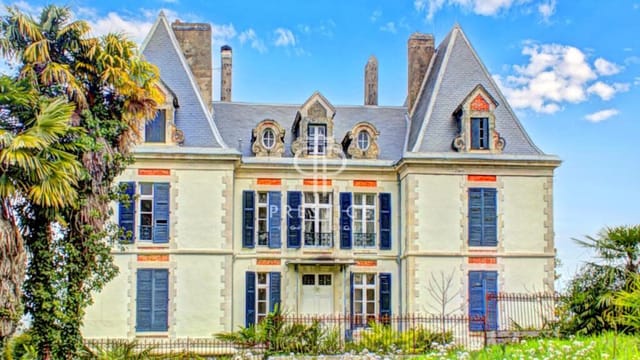
Picture this: it's a Tuesday morning in July, the kind that only happens in the Béarn. You've pushed open the tall shutters of the first-floor landing, and the garden below is already alive — bees working the lavender, the pool catching the early light, the Pyrenean foothills just visible through a soft summer haze on the horizon. Downstairs, someone has put a baguette on the kitchen table. The nearest boulangerie is five minutes away, and by now you know exactly which one to use. This is what owning a château actually feels like, and this particular one — a three-storey, 468m² stone manor built in 1898, set on 4.16 hectares of its own grounds in a tiny hilltop hamlet near Salies-de-Béarn — makes that morning feel entirely possible. The château sits at the end of a winding country lane, approached by a private drive that curves around to a small parking area in front of the house. Stone steps rise to the front door and open into an entrance hall that stops first-time visitors mid-sentence. The double staircase that dominates the hall — symmetrical, unhurried, built for making an impression — sets the tone for everything that follows. A matching pair of stone exterior steps at the rear mirror the interior staircase and lead straight down to the grounds, the 12m x 4m pool, and the tennis court beyond. The ground floor arranges itself logically around that central hall: a sitting room of 30m², a dining room of equal size with an open fireplace that earns its keep through autumn and into the Pyrenean winter, a library-study-office of 23m², and a kitchen. The spaces are generous without being cavernous, which matters more than people expect when a property like this becomes a real family base rather than a weekend curiosity ... click here to read more

Picture 1

On a clear morning in Laurens, you open the bedroom shutters—electric, silent—and the air that comes in smells like sun-warmed garrigue and something faintly floral from the vines on the hillside. The village below is just waking up. A motorbike passes the café. That's about as busy as it gets. This is life in the Hérault heartland, and if you've been looking for a second home that delivers genuine southern French countryside without the tourist-trap prices of Provence, this four-bedroom villa might be the answer you didn't know you were this close to finding. Built in 2010 on the edge of Laurens—a compact stone village in the Faugères wine appellation—the property sits on a generous plot with uninterrupted views across the vines and rolling hills that define this stretch of Languedoc-Roussillon. It's not ancient, and that matters. The bones are solid, the design is contemporary bastide: clean lines, generous proportions, Mediterranean palette, none of the maintenance headaches that come with centuries-old stone. In good condition throughout, it's the kind of place you can unlock on a Friday evening in July and be swimming before dark. Inside, the ground floor is organized around a large lounge and dining room with an open fireplace—the kind you'll actually use from October through April, when the Hérault evenings cool fast and the smell of woodsmoke drifts through the valley. The fitted kitchen comes equipped with the full complement: oven, induction hob, extractor, integrated dishwasher, even a built-in fryer for when you've come back from the Béziers market with a bag of local potatoes and some merguez. French doors open directly onto a wide terrace. Marble and travertine finishes throughout give the interiors a pol ... click here to read more

Photo 1

On a still morning in Aveyron, you step out onto the upper terrace and the land just rolls away from you — four hectares of meadow catching the early light, no road noise, no neighbor's roof in sight, just the faint ring of cowbells somewhere in the valley below and the smell of cut grass warming up. That's the daily reality of this property outside Villeneuve, and it hits differently than any brochure photo can prepare you for. This is a genuine Quercy farmhouse that's been taken apart and put back together with real conviction. The bones are original — thick limestone walls quarried locally, timber beams that have been in place for well over a century — but the living spaces read as thoroughly modern. Not in a cold, minimalist way. In the way that good renovation always works: high ceilings kept tall, stone floors kept bare, and new elements like aluminum double-glazed frames and remote-controlled electric curtains added without apology. The old and the new don't fight each other here. They just coexist. The 250 square metres of living space is spread across three levels and ten rooms, which gives the house a generosity you feel immediately. The original billiard room, now used as the main dining room, has a ceiling high enough to fit a mezzanine above it — a genuinely rare feature that changes the atmosphere of an evening meal in a way that's hard to explain until you've sat under it with a bottle of Marcillac wine and candles going. The study overlooks the full extent of the property and opens directly onto the large terrace-roof above the ground-floor extension; on a clear day you can see the limestone causse in the middle distance and the wooded ridgelines beyond. It's the kind of room that makes you want to actu ... click here to read more

Picture 1

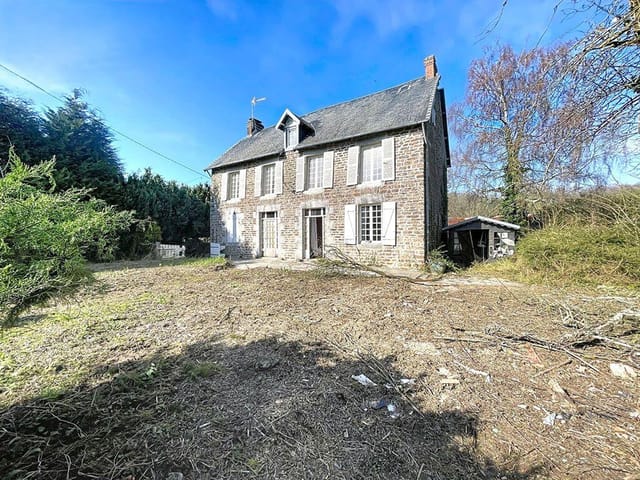
Stand at the kitchen window on a October morning and you'll hear it — the wind cutting across open bocage fields, leaves skittering along the stone path to the barn, and somewhere in the distance the faint toll of the church bell from the village of Hudimesnil. This is Normandy at its most honest. No tourist gloss, no weekend crowds. Just raw countryside, salt-threaded air, and the kind of quiet that most people have to drive three hours from Paris to find — except from here, Paris is less than four hours by road and the Normandy coast is a ten-minute drive. The property sits in the commune of Le Loreur, tucked into the Manche department — an area that most international buyers haven't yet discovered, which is precisely why the prices still make sense. At 107,000 euros for nearly two acres of land, a three-bedroom country house, a semi-attached barn, and a convertible loft of 50 square metres, you're buying raw potential at a price point that frankly doesn't exist anymore in the better-known corners of France. Let's be straightforward about what this is. The house needs a full renovation — the energy rating is G, there's single glazing throughout, and the heating relies on electric radiators and two open fireplaces. This isn't a lock-up-and-enjoy situation. It's a project. But for the right buyer, that's the whole point. The bones are good: thick stone walls, proper room proportions, an entrance hall, a generous kitchen and dining room with an open fireplace, a rear kitchen, and a sitting room that measures over 29 square metres — a room that, once restored, will be the kind of space you spend entire winter evenings in, fire going, local Calvados on the table, not wanting to be anywhere else. Upstairs, two double bedr ... click here to read more

Photo 1

Step outside on a Sunday morning and the air already smells like lavender and warm stone. Twenty-five olive trees line your view. The pool, south-facing and still, catches the first light above the Hérault hills. This is the kind of place where you forget what day it is — and mean it. Set in a small hamlet just five minutes outside Hérépian and ten from the thermal spa town of Lamalou-les-Bains, this four-bedroom villa sits on 5,500 square metres of landscaped grounds in the heart of the Parc Naturel Régional du Haut-Languedoc. Built in the early 2000s to a high specification and kept in genuinely good condition, the property brings together a 200 m² main house and a fully independent 40 m² guest cottage — each with their own character, their own rhythm. Walk through the entrance and the main living space hits you immediately. The cathedral ceiling climbs over five metres, flooding the room with the kind of open-air feeling you don't usually find inside four walls. French windows run the length of the ground floor, framing the pool and olive grove like a living canvas. In summer, you leave them open all day. The lounge, dining area, and fully equipped kitchen flow into one another — a central island, an American-style fridge-freezer, induction hob, coffee machine — all the kit you'd want when cooking a proper dinner after a day at Lac du Salagou, which is less than forty minutes away. There's also a pantry and laundry room off the kitchen, a practical detail that makes all the difference when this becomes your actual home, not just a holiday. The master suite occupies its own wing on the ground floor — 35 m² in total, with an 18 m² bedroom, a walk-in dressing room, and a fully tiled en-suite bathroom complete with a d ... click here to read more
Picture 1

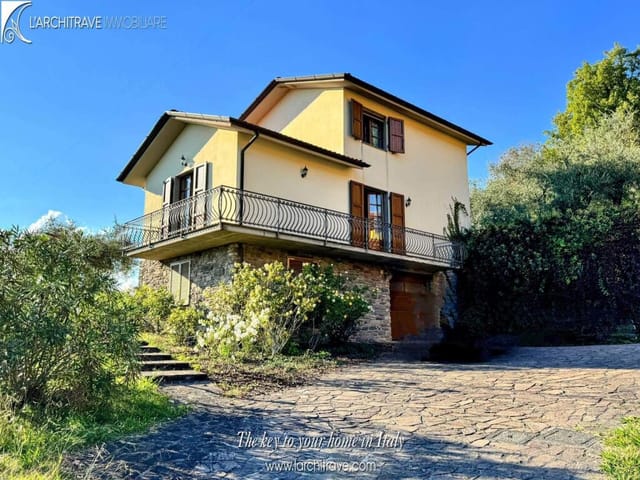
On a still Tuesday morning in late September, you open the tall wooden shutters of the main bedroom and catch the smell of damp stone and cut grass drifting up from the courtyard below. The vineyards start just beyond the garden wall. A church bell counts eight strikes somewhere in the direction of Rauzan. The coffee is already on, and you have nowhere to be. This is the rhythm of life at this remarkable 17th-century Girondine farmhouse in the heart of Entre-Deux-Mers — and once you've experienced it, a week's holiday simply won't feel like enough. The property sits in a peaceful hamlet less than five minutes from the village of Rauzan, where Saturday morning means the street market on the main square, two boulangeries competing for the title of best pain au levain, and an espresso at the café before the day properly starts. It's not a tourist village — it's a real working French community where you'll recognise faces within weeks of arriving. That's a rarer find than you'd think in Gironde. The farmhouse itself dates to the 1600s and carries all the architectural honesty of that era: stone walls thick enough to keep August heat at bay, original exposed beams, and proportions that modern builds simply can't replicate. But it's been lived in and cared for over the decades rather than left to crumble romantically. The result is a home that's genuinely comfortable and move-in ready, without the clinical overhaul that strips character out of old houses. The main house spreads across a very generous footprint. Downstairs, a 42m² sitting room opens through to a formal dining room of 53m² — big enough for the kind of long lunches this part of France was basically invented for. The kitchen at 26m² is well-equipped and practic ... click here to read more
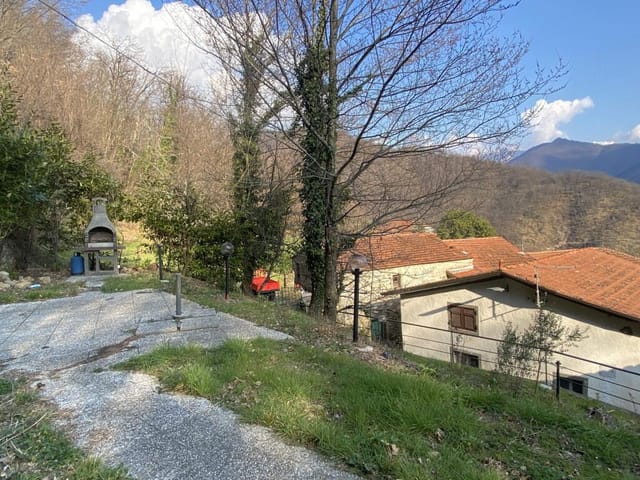
Photo 1

Picture yourself waking to sunlight filtering through ancient pine branches, the scent of wild herbs drifting through open windows, and the distant sound of Aegean waves breaking on hidden coves. This is morning at your private 11,000-square-meter pine forest sanctuary on Skopelos, the greenest island in Greece's Sporades archipelago, where your days unfold at the rhythm of Mediterranean island life. This 85-square-meter stone residence sits nestled within a protected forest estate that feels like your own private nature reserve. Built in 1986 and thoughtfully renovated in 2015, the house has been transformed into a move-in ready vacation retreat that balances authentic Greek island architecture with contemporary comfort. The property includes an additional 50-square-meter stone outbuilding, offering extraordinary potential for guest accommodation, artist studio, or expanded living space. Together with the main house, these traditional structures create a compound that epitomizes the sought-after Skopelos aesthetic featured in the Mamma Mia films that made this island famous worldwide. The main residence offers two bedrooms designed for restful nights cooled by pine-scented breezes, complemented by a well-appointed bathroom and fully equipped kitchen ready for preparing meals with ingredients from Skopelos town's morning markets. Current furnishings convey the relaxed sophistication that defines successful vacation home design, providing the foundation for you to add personal touches that make this retreat distinctly yours. Outside, stone-paved verandas extend your living space into the forest canopy, creating multiple zones for outdoor dining, morning coffee rituals, and sunset aperitifs. The wooden swimming pool bec ... click here to read more
Picture 1

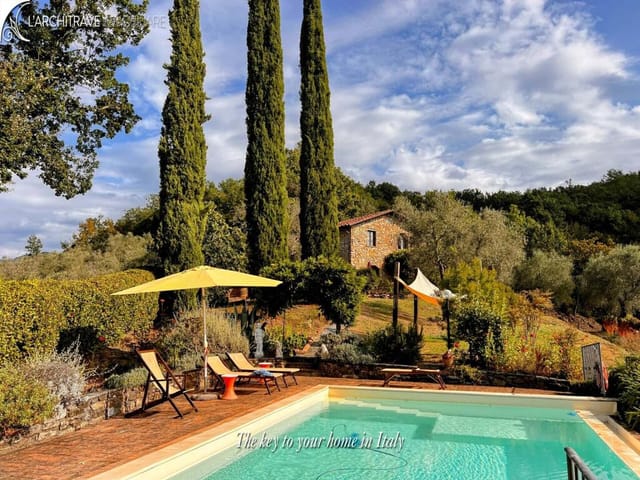
Picture yourself sipping morning coffee on a sun-drenched terrace overlooking 2,130 square metres of Mediterranean garden, the scent of lavender drifting on warm Provençal breezes while the French Riviera sparkles just 20 minutes down the hillside. This is the daily reality awaiting at this 186-square-metre villa in La Gaude, where authentic southern French living meets practical vacation home ownership in one of Europe's most coveted holiday destinations. Within a five-minute drive of village amenities yet cocooned in tranquil countryside, this five-bedroom residence offers the perfect balance international buyers seek when investing in a second home on the Côte d'Azur. La Gaude occupies a privileged position in the Alpes-Maritimes department, perched on hillsides between Nice and the medieval village of Saint-Paul-de-Vence. This location delivers the quintessential Provençal experience while maintaining exceptional connectivity to Mediterranean beaches, Nice Côte d'Azur Airport just 25 minutes away, and the cultural richness of the French Riviera. The property sits in peaceful countryside setting where olive groves and cypress trees define the landscape, yet village shops, bakeries serving warm croissants, and traditional Provençal markets remain within five minutes. This accessibility makes the villa ideal for vacation home owners who value both seclusion and convenience, whether visiting for summer holidays or extended winter escapes. The villa's 186 square metres spread across seven thoughtfully designed rooms, accommodating family gatherings and guest visits with ease. The ground floor welcomes you through an 11-square-metre entrance hall leading to a generous 32-square-metre living room where a traditional firepla ... click here to read more
Picture 1

Picture yourself standing on the sun-drenched terrace of your 1970s architect-designed villa, morning espresso in hand, gazing across olive groves toward the Ligurian Sea shimmering just fifteen minutes away. Behind you, three acres of private Mediterranean garden cascade down the hillside, while above, the medieval towers of your neighboring village catch the golden light. This is the reality awaiting you in Vezzano Ligure, your gateway to one of Italy's most celebrated coastal regions. This substantial five-bedroom villa represents a rare opportunity to own a thoughtfully designed property within easy reach of the UNESCO-protected Cinque Terre, the Gulf of Poets, and the artistic treasures of Tuscany. Built by a renowned local architect in the 1970s, the villa embodies the era's vision of harmonious living—abundant natural light flooding through expansive glass windows, generous open-plan spaces that blur the boundaries between indoor and outdoor life, and strategic positioning to capture sweeping valley and sea views. The property unfolds across two levels, offering 370 square meters of flexible living space perfectly suited to extended family gatherings or hosting guests. The architectural philosophy reveals itself the moment you enter through the private gates. The ground floor features an expansive taverna—that quintessentially Italian entertaining space—complete with a traditional stone fireplace and authentic wood-fired pizza oven. Imagine summer evenings here, preparing Neapolitan-style pizza for family and friends, the aroma of burning olive wood mixing with fresh basil and mozzarella. This level also houses a practical double bedroom with adjacent bathroom, ideal for guests or au pair accommodation, alongside ... click here to read more
Picture 1

Picture yourself standing on a hillside in the heart of Tuscany's Valdera region, where the morning mist slowly lifts to reveal a 360-degree panorama of rolling countryside, medieval villages perched on distant hills, and rows of dark cypress trees cutting across golden fields. This is the view that greets you from your own 450-square-meter farmhouse on three levels, set on 2.5 acres of Tuscan land just five kilometers from the historic spa town of Casciana Terme. Here, halfway between the ancient Etruscan settlement of Volterra and the iconic Leaning Tower of Pisa, you'll discover a vacation home opportunity that places you at the geographic and cultural heart of one of Italy's most celebrated regions. This is your chance to create a bespoke retreat in Tuscany, shaped entirely to your vision, in a location that offers both peaceful countryside living and extraordinary access to art, cuisine, and Mediterranean coastline. The farmhouse requires complete restoration, presenting a rare blank canvas for international buyers who want to craft their ideal Tuscan vacation home from the ground up. Spread across three levels, the 450-square-meter structure offers generous space to design multiple bedroom suites, entertainment areas, and those essential elements of Italian country living: a proper kitchen for long Sunday lunches, terraces for evening aperitivos, and perhaps a reading room where afternoon light filters through restored shutters. The absence of existing systems means you'll install modern heating, plumbing, and electrical infrastructure to contemporary standards while preserving the authentic stone walls and architectural character that make Tuscan farmhouses so desirable. The restoration journey, while requiring in ... click here to read more
Picture 1

Picture yourself sipping morning coffee on a sun-drenched terrace, surrounded by fragrant lavender and rosemary, gazing across rolling vineyards toward distant Mediterranean horizons. This is the daily reality awaiting at this authentic stone farmhouse in Autignac, where centuries-old Languedoc charm meets the rhythm of southern French village life. Just ten minutes from the vibrant city of Béziers and twenty-five minutes from golden beaches, this property offers the perfect balance between tranquil countryside retreat and convenient access to everything that makes this corner of France so irresistible to vacation home owners. Originally a working barn that served local vintners, this 165-square-meter stone house underwent thoughtful renovation while preserving its rustic character and traditional architecture. The thick stone walls keep interiors naturally cool during summer months, while the south-facing orientation floods rooms with natural light throughout the year. Set on the peaceful edge of Autignac, a working village where locals still gather at the weekly market and neighborhood boulangerie, the property enjoys complete privacy on nearly 1,000 square meters of landscaped grounds. Unobstructed views sweep across neighboring vineyards to distant hills, creating a sense of space and connection to the landscape that defines this renowned wine-producing region. Autignac sits at the heart of the Languedoc-Roussillon wine country, surrounded by prestigious appellations including Faugères and Saint-Chinian. This is authentic France, where village life continues as it has for generations, yet modern amenities and international connections remain easily accessible. The village itself provides essential services includin ... click here to read more
Picture 1

Picture yourself stepping onto your private terrace in the early morning, coffee in hand, as mist rises from the Lunigiana valleys below and the Apuan Alps catch the first golden light. This is the daily ritual that awaits at this three-bedroom villa in the foothills above Equi Terme, where Tuscany's quieter side reveals itself through thermal springs, medieval villages, and landscapes that shift from olive groves to ski slopes within an hour's drive. This is a vacation home that connects you to an authentic Italian rhythm, far from tourist crowds yet surprisingly accessible to both Mediterranean beaches and mountain adventures. Nestled in a small hamlet just minutes from Monzone, this 150-square-meter detached villa represents the increasingly rare opportunity to own a completely private retreat with substantial land at a remarkably accessible price point. The property occupies 2,300 square meters of gently sloping terrain, offering ample space for the swimming pool that many owners in this microclimate dream of adding. The house itself was thoughtfully restored in 2001, striking that ideal balance for vacation home buyers: move-in ready with modern systems and finishes, yet retaining the architectural character that makes Tuscan properties so appealing. The ground floor opens into generous living spaces where natural light pours through well-proportioned windows. The kitchen and living room flow naturally into one another, creating the kind of open gathering space that vacation homes demand, where cooking becomes a social activity and meals extend for hours. The standout feature at this level is the newly renovated bathroom, a surprisingly spacious room fitted with both bathtub and separate shower, finished to contempo ... click here to read more
Picture 1

Imagine waking to the soft morning light filtering through olive branches, the scent of citrus blossoms drifting through open windows, and the distant shimmer of the Patraic Gulf just 800 meters away. This is the daily rhythm that awaits at this 191 sqm villa in Lakkopetra, where northwestern Achaea's coastal beauty meets the tranquility of authentic Greek village life. Here, on over 4,000 square meters of landscaped grounds filled with palm, eucalyptus, and fruit-bearing trees, you'll discover a vacation home that invites you to slow down, reconnect with nature, and create lasting memories with those who matter most. The Peloponnese peninsula has long been Greece's best-kept secret among discerning European property buyers. While tourists flock to the islands, those seeking genuine Greek character and exceptional value turn to this historic region where mythology was born and traditions remain intact. Lakkopetra village offers the perfect balance: peaceful residential charm with immediate access to some of Greece's finest sandy beaches, yet close enough to Patras for urban conveniences and international ferry connections to Italy. This villa capitalizes on that positioning, providing a private sanctuary where you can spend mornings picking fresh oranges and lemons from your own trees, afternoons on sun-warmed beaches, and evenings watching the sunset paint the gulf in shades of amber and rose. The property's layout across two independent floors creates exceptional flexibility for vacation home ownership. The ground level features two bedrooms, an open kitchen flowing into a dining area, a welcoming living room anchored by a traditional fireplace, and a full bathroom with shower. Upstairs, three additional bedrooms, a ... click here to read more
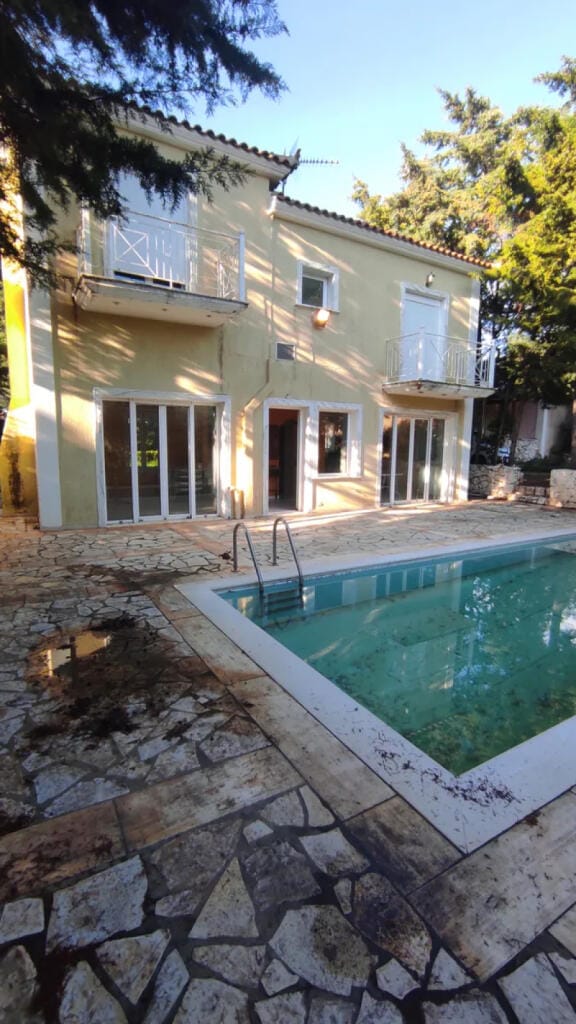
Image 1

Picture yourself on a sun-drenched terrace in South Vendée, watching the sunset paint the western sky in shades of amber and rose as it reflects off your private pond. The covered pool dome glistens in the evening light, while the aroma of fresh seafood sizzles on the outdoor barbecue. This is the rhythm of life at this 180-square-meter villa in Saint-Michel-en-l'Herm, where the Atlantic coast meets rural French tranquility just 15 minutes from golden beaches. This four-bedroom property occupies a privileged position in the heart of Vendée, a region that has become one of France's most sought-after vacation destinations for international buyers. Saint-Michel-en-l'Herm offers the rare combination of coastal proximity and village authenticity, positioned perfectly between the marshlands and the sea. The location provides year-round appeal: summer brings beach days at La Tranche-sur-Mer, while spring and autumn reveal the region's cycling routes, oyster farms, and medieval heritage sites. Winter finds you in the covered pool, watching storms roll across the Atlantic from the comfort of your heated sanctuary. The villa's design centers on fluid indoor-outdoor living, a feature that transforms the Vendée experience across all seasons. Floor-to-ceiling bay windows connect the open-plan living area to the landscaped garden, creating a seamless flow between the high-end kitchen and the outdoor entertaining spaces. This architectural choice captures the region's exceptional light quality, something local artists have celebrated for generations. The main living space features a contemporary kitchen with premium appliances, ideal for preparing regional specialties like mogettes beans, préfou garlic bread, and fresh Atlantic fish ... click here to read more
Picture 1

Picture yourself wandering through your own Provençal farmhouse at golden hour, where centuries-old stone walls glow warm in the Mediterranean sun, and the scent of wild herbs drifts across 2.5 acres of countryside. This is Saint-Paul-en-Forêt, where authentic rural France meets the sophistication of the French Riviera, and where this substantial 199-square-meter property offers not just a vacation home, but a genuine income-generating opportunity in one of Provence's most sought-after regions. The moment you pass through the gates onto this generous plot, you enter a world where time moves differently. This traditional farmhouse complex tells the story of generations of Provençal life, with its collection of stone buildings scattered across the land like scenes from a pastoral painting. The property currently comprises two spacious 70-square-meter apartments that generate year-round rental income, an additional 80-square-meter apartment awaiting your personal vision, an authentic 80-square-meter sheepfold ready for transformation, a substantial barn, and a 120-square-meter garage offering endless possibilities. Each structure speaks to the agricultural heritage of this region while presenting a canvas for contemporary comfort. Living here means waking to mornings where mist settles in the valleys between the hills of Pays de Fayence, and evenings spent on your terrace watching the sky turn shades of rose and lavender that inspired countless artists. The property's two water wells connect you to the land's natural rhythms, while the potential to add a swimming pool means you can create your own private oasis for those long, hot Provençal summers when temperatures hover around 28-30°C and the Mediterranean lifestyle reach ... click here to read more
Picture 1

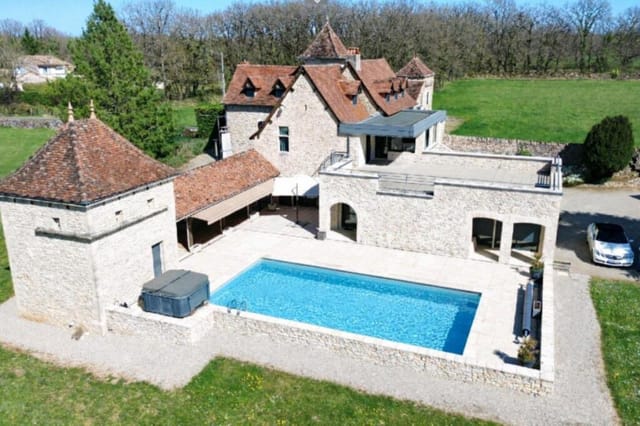
Picture yourself awakening to the gentle murmur of river water flowing past your bedroom window, sunlight filtering through centuries-old stone walls as the scent of fresh bread wafts from your working stone oven. This is daily life at this meticulously restored 17th century water mill, where three hectares of private parkland along a pristine river create your personal sanctuary in one of France's most captivating medieval regions. Your morning coffee on the expansive terrace reveals sweeping views across orchards and pastures, while the clifftop village of Cordes-sur-Ciel rises majestically in the distance, its Gothic spires catching the early light. This 286-square-meter estate represents more than a vacation home in Midi-Pyrénées—it's a gateway to the authentic rhythm of southwestern French living, where history whispers through every stone and modern comfort meets timeless character. The main residence, lovingly transformed from its industrial heritage into a 220-square-meter family haven, immediately captivates with its harmonious blend of original architectural features and contemporary amenities. The grand reception hall opens onto a light-filled 40-square-meter living and dining space where a traditional fireplace fitted with an efficient polyflam stove becomes the heart of winter gatherings. Exposed beams overhead and centuries-old stone underfoot create an ambiance that no new construction could replicate. The expansive fitted kitchen accommodates everything from intimate family meals to hosting elaborate dinner parties featuring local Tarn produce. On the ground floor, flexibility reigns with a versatile space serving as television lounge or additional bedroom, complemented by a shower room and practical sto ... click here to read more
Picture 1

Picture yourself standing at the stone threshold of your Normandy farmhouse as morning mist lifts across seven acres of emerald paddocks, the distant sound of horses whinnying greeting the sunrise, while wood smoke curls from chimneys into crisp country air. This is the rhythm of life at this exceptional equestrian property in Landelles-et-Coupigny, where centuries-old stone walls meet contemporary comfort and the equestrian dream becomes daily reality across the rolling Calvados countryside. This 143-square-meter stone farmhouse represents a rare opportunity for horse enthusiasts seeking a vacation home in Normandy that combines professional equestrian facilities with authentic French country living. The property sits in a peaceful rural setting where ancient orchards meet purpose-built paddocks, and where weekend escapes transform into immersive experiences in one of France's most celebrated equestrian regions. Here, your second home in France becomes a sanctuary for both family and horses, a place where generations gather and riding passions flourish. The farmhouse interior unfolds across two thoughtfully renovated levels, blending traditional Norman architecture with modern functionality. Ground floor living centers around a generous 32-square-meter open-plan kitchen and dining area anchored by a Falcon range and efficient wood stove, where family meals become celebrations of local produce from nearby Normandy markets. The adjacent 47-square-meter sitting room features an authentic Normandy fireplace and additional wood stove, creating a cozy gathering space throughout autumn and winter months when rain patters against stone walls and fires crackle invitingly. Upstairs, four bedrooms provide flexible accommodation ... click here to read more
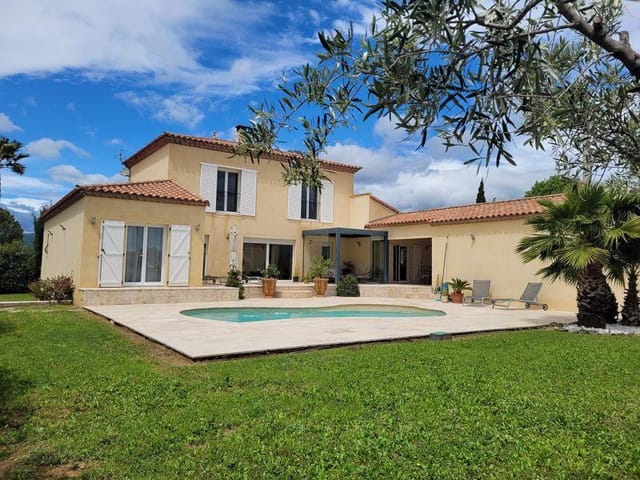
Photo 1

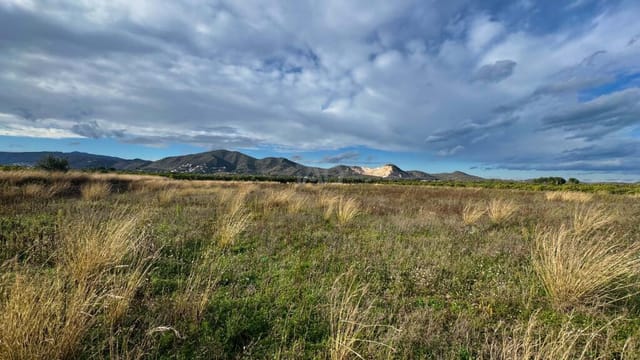
Imagine waking to the gentle rustle of Mediterranean vegetation, the morning sun warming terracotta-hued earth that stretches across nearly five acres of Spanish countryside. This is your canvas—a rare 19,969m² plot in Pego where ancient orange groves once flourished, now waiting for your vision of a vacation retreat to take root just two minutes from a working Spanish town that still closes for siesta. Nestled in the Valencia province between mountain ranges and the Mediterranean coastline, this expansive plot offers something increasingly scarce in coastal Spain: space, building rights, and authentic connection to the rhythm of traditional Spanish life. The land sits in Pego's rustic zone with approved building capacity for a substantial 399m² single-family residence—enough for a four or five-bedroom villa with generous terraces, pool area, and guest accommodation. Unlike many coastal properties where neighbors are an arm's length away, here your closest companion might be the occasional rabbit traversing the open land or the distant bells from Pego's historic church marking the hour. The property's positioning delivers a rare combination for vacation home seekers: rural tranquility without isolation. Pego town center lies two minutes down well-maintained roads, close enough to walk for fresh bread and morning coffee at local cafés where Spanish remains the dominant language and tourists are visitors rather than residents. Yet this accessibility doesn't compromise the profound quiet that defines the location—evenings here are soundtracked by cicadas and the occasional bark of a farm dog, not traffic or crowds. Pego represents an authentic slice of the Costa Blanca that mass tourism bypassed. The town of 11,000 resid ... click here to read more
Picture 1

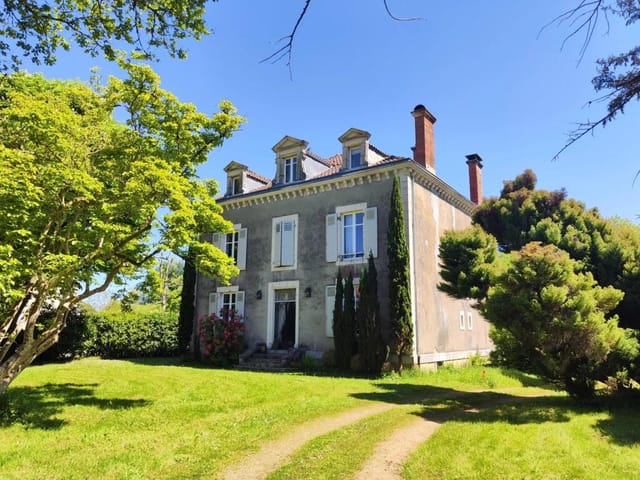
Imagine Saturday mornings at the Pouillon market, where vendors greet you by name as you select fresh cèpes mushrooms and local Chalosse beef for tonight's dinner. Your 1900s Maison de Maitre stands just minutes away, its marble entrance hall cool even on warm summer afternoons, welcoming family and friends who've arrived via the nearby TGV station after just four hours from Paris. This is life in the Landes, where historic grandeur meets the practical rhythms of southwest France. Located on the ancient Roman route between Bordeaux and Pamplona, this 376-square-meter residence offers the rare combination of historical character, generous proportions, and strategic positioning between Atlantic beaches and Pyrenean peaks. The ground floor reveals the home's Belle Époque roots immediately. Marble floors stretch across a 30-square-meter entrance hall, setting an elegant tone that continues through the music room and 32-square-meter living room. The kitchen, complemented by an 8-square-meter pantry and separate utility room, provides the workspace needed for serious cooking and entertaining. A ground-floor office offers flexible space for remote work, while the additional 20-square-meter living room creates options for multi-generational living or hosting extended stays. Four bedrooms occupy the first floor, each designed with guest comfort in mind. Two feature en-suite shower rooms, a third boasts a full bathroom, and the fourth includes a water point for added convenience. This floor configuration allows you to host three couples or families simultaneously while maintaining everyone's privacy and comfort. The thoughtful layout reflects the home's original purpose as a residence for receiving guests and conducting the social ... click here to read more
Picture 1