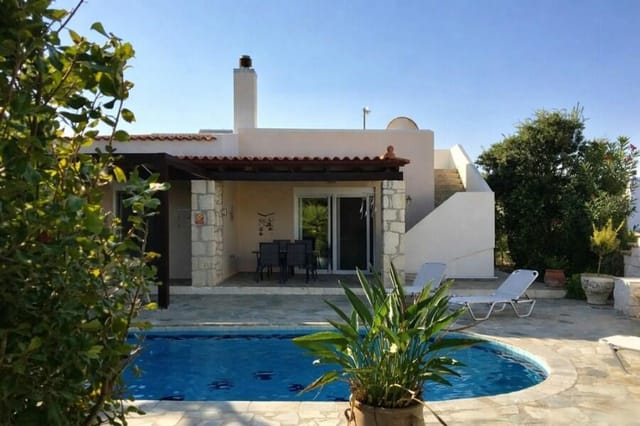
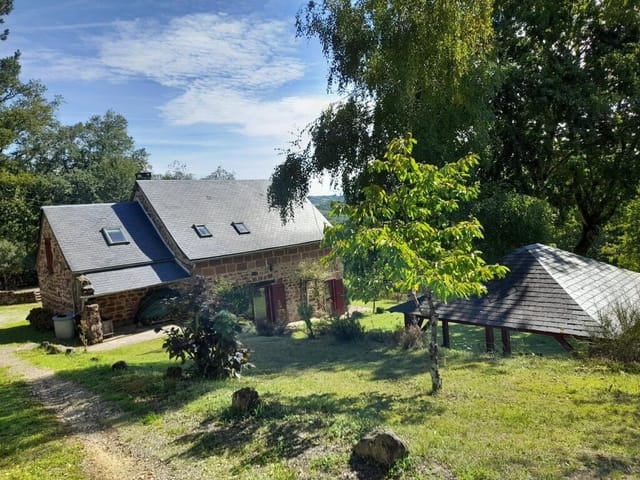
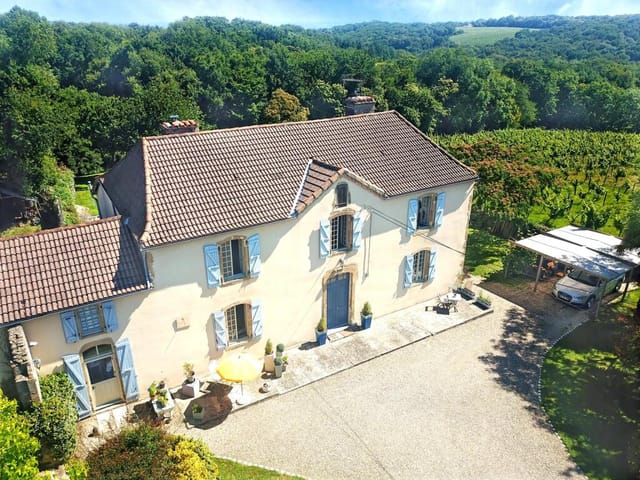
Houses For Sale In Europe With A Garden (page 2)

Houses for sale in europe - homestra offers the largest amount of european real estate with over 200,000+ properties, find any type of property within your budget from villas to country homes. buy or rent your perfect home in europe. (page 2)

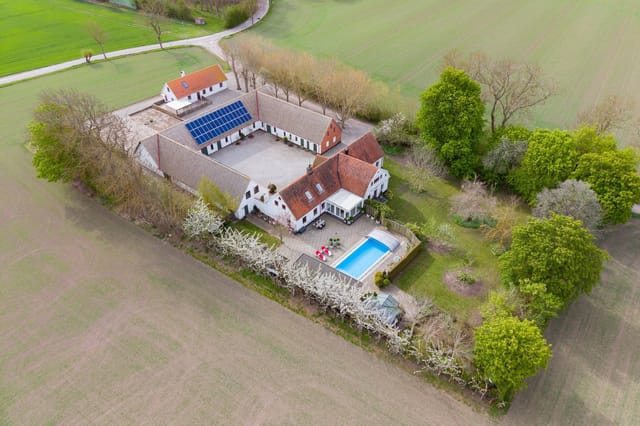
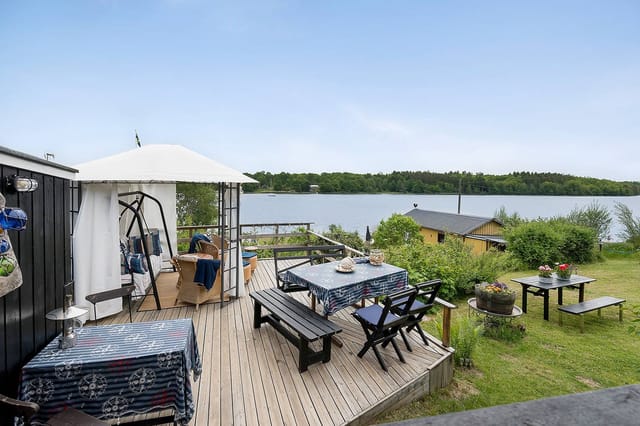
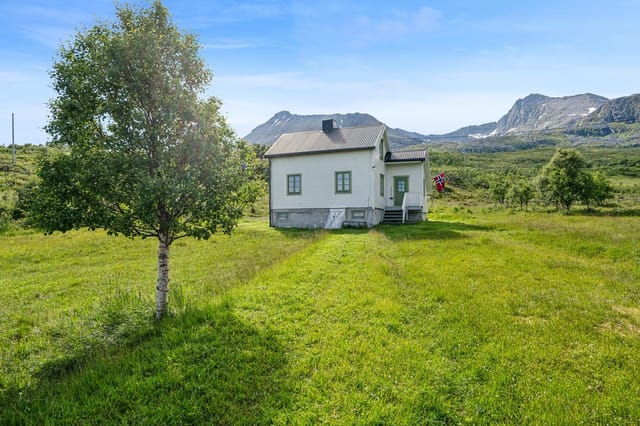
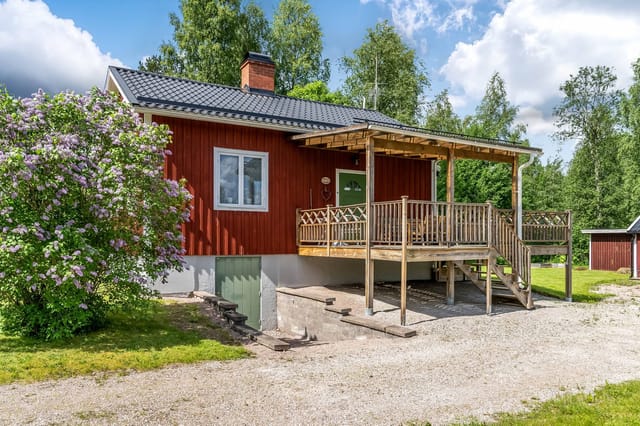
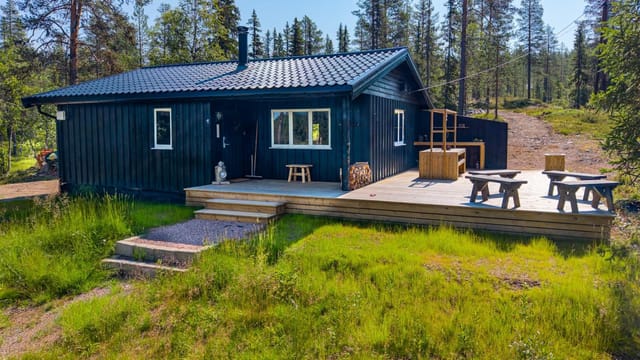
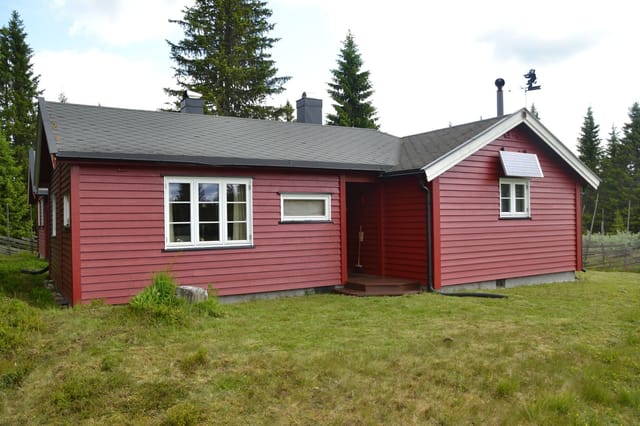
Stand on that west-facing balcony on a clear evening and you'll understand immediately. The fjord catches the last of the light somewhere beyond the treeline, the air smells faintly of pine and salt, and Bergen's city hum is far enough away to be completely irrelevant. This is Godvik. Fifteen minutes from one of Scandinavia's most visited cities, and it feels like a different world entirely. Janahaugen 3 is a two-bedroom chalet sitting on a 2,700 square metre freehold plot in the Drotningsvik area of Godvik — and that plot is the headline. Zoned for detached small house development, this is the kind of land holding that simply doesn't come up often this close to Bergen. You can settle in and enjoy what's already here, or you can think bigger. Both are entirely valid. The infrastructure groundwork is already done: a newly established road into the property, plus water and sewage connections already in place. That's not a small thing. It strips away months of preliminary work and significant cost if you ever decide to build. The cabin itself dates to 1955, but don't let that mislead you. The important things have been updated. A full kitchen renovation in 2022 brought in modern integrated appliances — oven, cooktop, dishwasher, a ventilator tucked into the upper cabinetry — all laid out in an open-plan arrangement with the living room. The space is brighter than you'd expect for a building of this age, partly because of generous window placement that pulls in light from the west and gives you those sea glimpses even from inside. On grey Norwegian mornings, which you will get plenty of, that light matters. The fireplace in the living room is not decorative. Come October, when the temperature drops and the birch trees out ... click here to read more

Front view of the property

Wake up to the reflection of Ben Cruachan sitting dead still on the surface of Loch Awe. That's the view from the kitchen at Taigh Geal on a clear October morning — the kind of view that makes you put the coffee down and just stand there for a minute. This is Ardbrecknish, a small, quietly confident hamlet on the southern shore of one of Scotland's longest freshwater lochs, and this house was built to make the most of every bit of it. Taigh Geal — Gaelic for "white house" — was designed and constructed by Fjordhus, the Scottish-Scandinavian timber-frame company whose builds have earned a reputation for doing something genuinely rare: marrying Nordic precision engineering with Highland living. The result is a 150-square-metre home that feels considered in every corner. Triple glazing keeps the Atlantic draughts firmly outside. An air source heat pump and high-spec insulation mean the energy bills are a fraction of what you'd expect from a house this size in this climate. Underfloor heating runs through the entire ground floor — so your feet are warm the moment you pad out of the master bedroom in the morning, even in January. The layout is clever. You come in through a generous boot room that actually handles the chaos of Highland outdoor life: muddy walking boots, waders, waterproof layers, fishing rods. Scotland doesn't apologise for its weather, and neither does this house. Beyond the boot room, the double-height entrance hallway opens up and the sense of scale hits you properly. This isn't a cottage. It's a full family home with architectural ambition. The ground floor opens into a kitchen, dining, and living space that spans the width of the building. The windows here aren't decorative — they're structural to the ... click here to read more

Front view of Taigh Geal with loch and mountain backdrop

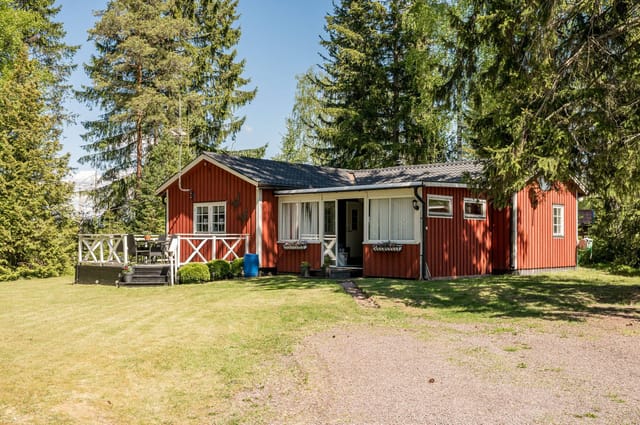
Step onto the terrace on a Saturday morning in July and you'll hear it before you see it — the faint splash and laughter carrying over from the Fasalt pool area, just a short walk through the trees. The coffee in your hand is still steaming. The forest at the edge of the garden is absolutely still. This is what a Swedish summer actually feels like, and Ljungeldsvägen 18 puts you right in the middle of it. This three-bedroom cottage sits on a 790-square-metre natural plot in Fasalt, a quiet pocket of northwestern Skåne that most international buyers haven't yet discovered. At 65 square metres, the house is compact by design — every room has a purpose, nothing feels wasted, and the layout draws you naturally from inside to outside rather than keeping you anchored to a sofa. That's rare, and it matters when you're here to actually live, not just stay. The interior was fully renovated over roughly eight years, finishing in recent times, and the work was done with a clear eye for what made the original 1970s bones worth preserving. The kitchen is the first thing that catches you — classic checkered floor tiles in black and white, cabinetry that nods to the era without tipping into kitsch, and enough counter space to actually cook a proper meal after a day on the trails. Swedes take their outdoor kitchens and harvest tables seriously, and this kitchen has the spirit of both. The wood-burning stove in the open-plan living and dining area is the kind of fixture that changes how you use a space. On a grey October evening when the birches outside have gone amber and the temperature drops sharply, you'll light it and not think twice about spending the whole night indoors. The large windows facing the terrace pull double duty: th ... click here to read more

Front view of the cottage

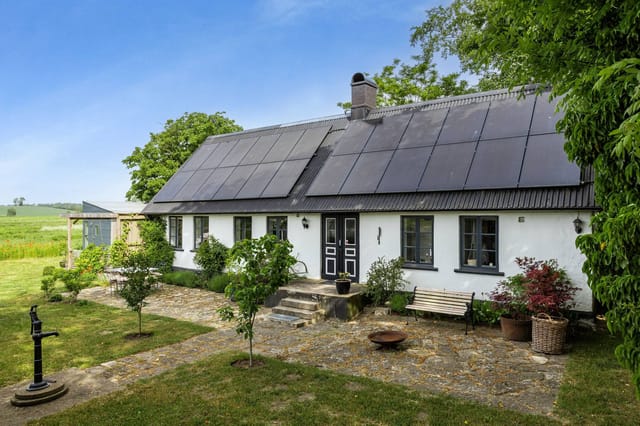
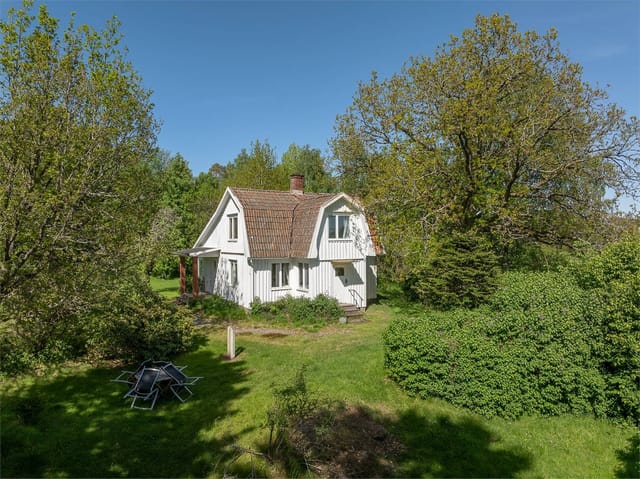
On a quiet July morning at Gnejsvägen 9, you step out onto the enclosed balcony with a mug of coffee and the garden is already alive — bees working the raspberry canes, light cutting through the birch canopy, a woodpecker hammering somewhere behind the guest house. This is the version of Sweden that Swedes themselves keep to themselves. Mariefred is one of those small towns that gets everything right without trying too hard. Cobblestone streets, a waterfront that hasn't been over-developed, and the unmistakable silhouette of Gripsholm Castle rising above Lake Mälaren — one of the oldest Renaissance fortresses in Scandinavia and the unlikely backdrop to your afternoon walk. The town sits about 65 kilometres west of Stockholm, just over an hour by car, or you can take the steamboat Mariefred from Klara Mälarstrand in the capital — a genuinely beautiful two-and-a-half-hour crossing across the lake that makes every arrival feel like an event rather than a commute. The property itself carries the name 'Skogsgläntan' — Forest Glade — which tells you exactly what the current owners experienced here over the years. The plot is flat, deeply private, and ringed with mature trees that do the work of any fence. From the street you'd barely know the house was there. Inside, the layout makes immediate sense: three generous bedrooms, a living room with enough space to actually live in rather than just admire, a period-style kitchen that still has its original character intact, and a renovated bathroom that handles the modern comforts without erasing the soul of the place. The carport is new. The heating system has been updated. These are the upgrades that matter — not cosmetic, but structural and practical, the kind that mean you mov ... click here to read more

Exterior view of the house and garden

Stand at the south-facing bay window on a clear October morning and the view does something to you. The Cheviot Hills roll across the horizon, Hume Castle sits grey and ancient on its hill, and the paddocks below catch the low autumn light in a way that makes the whole scene feel painted rather than real. This is Goshielaw — a substantial modern country house on the outskirts of Kelso, set within approximately 11 acres of grounds that include woodland, paddocks, a productive kitchen garden, and one of the most complete equestrian setups you'll find in the Scottish Borders at this price point. The house itself is imposing without being cold. You come up a sweeping driveway through a pillared entrance and the sense of arrival is immediate — not performed grandeur, but the kind of quiet confidence that a well-proportioned house earns honestly. Step inside and you're in a proper reception hall, cloakroom off to the side, oak flooring underfoot in the dining hall ahead, a bay window framing that view towards Hume Castle. On Sunday evenings in summer, when the light lingers until nearly ten o'clock this far north, eating in that room with the garden stretching out behind the glass is a genuinely different experience from anything a city apartment can offer. The formal drawing room runs south, oak and stone throughout, with a woodburning stove set into a feature fireplace and cornicing that adds a hint of period character to what is otherwise a thoroughly contemporary interior. A garden room opens off it through double doors — glass on three sides, the kind of space you end up spending more time in than you planned, watching the seasons change across the grounds. The kitchen is big and practical: central island, breakfasting ... click here to read more

Front view of Goshielaw country house

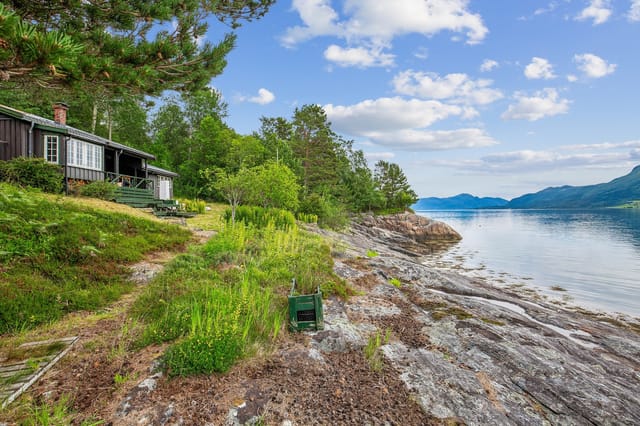
Pull open the kitchen window on a July morning and you'll hear it before you see it — the soft knock of a wooden hull against the dock, the cry of a gull somewhere over Herdlefjorden, the water so close you could almost reach it from the terrace. That's the daily reality at Hanevikvegen 154 in Ask, a 1935-built chalet on the western edge of Norway's most accessible fjord coast, sitting a hundred meters from the shoreline with its own double boathouse, private dock, and boat ramp. Thirty minutes from Bergen by car. A world away from everything else. This isn't a polished new-build with a staged interior and a developer's price tag. It's a cabin with genuine bones — maintained with care across the decades, updated where it matters, and left honest where it doesn't need to change. The main structure is 49 square metres of warm, functional living space. Add the annex upgraded in 2020 and a utility outbuilding with WC, and the total usable footprint reaches 120 square metres. Seven people can sleep here comfortably. Families know what that means: cousins piling in for Midsummer, friends arriving off the overnight train from Oslo, the kind of summers that kids talk about for the rest of their lives. The plot itself is 1,599 square metres — a serious parcel of Norwegian coastal land. Multiple terraces face different compass points, which matters at this latitude where the sun tracks low and long through the summer sky. You can follow the light from breakfast to midnight without moving more than twenty metres. A stone-paved outdoor area handles the al fresco dining; a private grass patch that locals call a football field takes care of the rest. On evenings when the fjord goes glassy and the mountains on the far shore catch the ... click here to read more

Aktiv Eiendomsmegling v/Aleksander Lenning presents Hanevikvegen 154

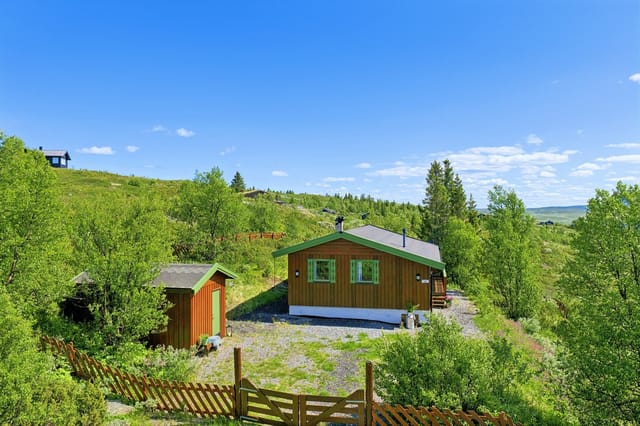
Saturday morning at Sagåsen 59 starts with the smell of coffee and pine. You slide open the terrace door, step out onto the sun-warmed timber decking, and Lake Mjermen stretches out below you—glassy, still, catching the early light. The only sound is a woodpecker somewhere deep in the birch forest behind the cabin. This is what you drove an hour and fifteen minutes from Oslo for. And it never gets old. This three-bedroom chalet sits on a 1,439-square-metre plot in Hemnes, Østfold, with a south-facing aspect that means the sun tracks across the wraparound terrace from mid-morning well into the long Nordic evening. At 73 square metres, that terrace isn't a token gesture—it's an outdoor room. Part of it is covered, so a summer rain shower doesn't cancel the barbecue. The rest is open to the sky, and in July that sky stays light until nearly midnight. The main cabin was built in 2014 to a warm, traditional Norwegian standard—horizontal timber cladding, solid wood floors lacquered to a honey tone, and a woodburning stove that becomes the undisputed heart of the room come October. Large windows on three sides mean the living space never feels closed in, even on grey November days when the lake goes silver and the forest goes rust-coloured. The kitchen flows directly from the living area, fitted with integrated appliances—dishwasher, fridge, oven, ceramic hob—and enough counter space to actually cook properly, not just reheat things. Up the kitchen staircase is the loft space. Timber walls, a sloping white ceiling, a large skylight that frames the stars on clear nights. Children claim it immediately and with complete authority. It works beautifully as sleeping quarters or a reading retreat when the adults want the main floor ... click here to read more

Aktiv Bjørkelangen v/Kenneth Sverre presents Sagåsen 59

Wake up to nothing but birdsong. No traffic hum, no neighbor's lawnmower, no phone buzzing on the nightstand — because there's no signal to carry one. At Uvahult 303 in Alsterbro, Småland, mornings arrive the way they must have for centuries: through pine-filtered light, the smell of cool forest air, and the particular quiet that only truly secluded woodland can produce. This is what you came for. This single-bedroom Swedish torp — the word for the small, self-sufficient farmsteads that dot southern Sweden's countryside — sits on 1,370 square meters of private land deep in the forests of Nybro kommun. Forty square meters of living space. Two rooms. Wooden floors and tongue-and-groove walls that have absorbed generations of long summers and crackling-fire winters. It is completely off-grid: no mains electricity, no running water, no sewage connection. That's not a compromise. For the right buyer, it's the entire point. The layout is honest and practical. The living area centers on a wood-burning stove — the social and thermal heart of the cottage — around which evenings genuinely slow down. Board games, paperbacks, the low conversation of people who've had nowhere pressing to be all day. The kitchen corner handles the essentials without ceremony. The bedroom fits a double bed and storage without feeling cramped, and the second room flexes as a reading space, a guest sleeping area, or an art studio depending on the season and who's visiting. Large windows on both sides pull the forest inside, framing whatever wildlife wanders close enough to notice. Store Hindsjön is a short walk through the trees. The lake is cold, clear, and largely unfished by anyone other than locals who know it's there. Come July and August, Swedis ... click here to read more

Front view of Uvahult 303 cottage

Step outside on a January evening, lid off the spa, steam rising against the dark Swedish sky, and you'll immediately understand why properties like this one at Glindran Solliden are so hard to let go of. The cold bites your cheeks while the water holds you warm, and somewhere beyond the treeline, nothing moves. Complete quiet. This is the Swedish countryside at its most honest. Built in 1952 and sitting on a 4,121-square-metre plot just outside Björkvik in Katrineholms kommun, the house has the kind of solidity you don't often find in newer builds. Thick walls, thoughtful updates, and a layout shaped by generations of practical Scandinavian living. At 122 square metres of main living space plus an additional 15 square metres of secondary area, it doesn't feel oversized or unwieldy — it feels exactly right for a family of four, or for a couple who want room to breathe. Walk in through the front door and the first thing that hits you is light. Large windows pull in the southern exposure across the main living areas, and on a clear winter afternoon the low Nordic sun throws long amber rectangles across the timber floor. The fireplace in the living room is open — a proper one, not a decorative insert — and on colder evenings it becomes the gravitational centre of the whole house. The kitchen adjoins the living space without any awkward formality. Oak cabinetry, generous worktop space, and enough storage that someone who genuinely cooks here could do so without compromise. The proportions feel generous but never cavernous. The fully glazed conservatory running off the main ground floor is genuinely one of the property's best features, and not in an abstract sense. In Sweden, shoulder-season living is everything. Mid-May w ... click here to read more

Exterior view of Glindran Solliden

Saturday morning in Sustrum. The garden is quiet except for birdsong and the soft hiss of the gas boiler kicking off, the house already warm. You slide open the kitchen doors and step onto the covered terrace with a coffee, looking out across 1,816 square meters of your own fully fenced green space. No neighbours pressing in. Just the smell of damp grass and the distant sound of a tractor somewhere beyond the tree line. This is the pace of life that draws people to Emsland — and once you've felt it, it's hard to let go. Bogenstrasse 6 sits on one of Sustrum's quieter residential streets, directly opposite a park-like green area that keeps the view open and unhurried regardless of the season. The house itself went up in 1969, solid brick construction in the way German builders did it then — built to last, not built to sell. A rear extension added more space a few years later, and a 2017 gas boiler upgrade means the heating is reliable and efficient. Fibre optic internet is already connected, which matters more than people think when you're working remotely from a second home or managing a rental period from abroad. Six bedrooms across two floors — that's the number that tends to stop people mid-scroll. On the ground floor, there's a bedroom and a flexible study or children's room alongside the main living spaces, making genuine single-level living a practical option. Upstairs, four more well-proportioned rooms, each between 14 and 15.5 square meters, line the landing. They work equally well for guests, grown children, or a dedicated home office. The insulated attic, reached by a retractable staircase, adds yet another layer of storage or, with the right permissions, a future development project. The living room's natur ... click here to read more

Front view of Bogenstrasse 6

Stand at the twin-leaf gates on a September morning, frost still on the gravel, and listen. The River Ruel runs somewhere below the treeline. Wood pigeons shift in the semi-ancient oak canopy overhead. Somewhere across the courtyard, a log burner has already been lit, and the faint smell of woodsmoke drifts across the stone walls. This is Glendaruel — one of the quietest, most genuinely unspoiled glens in the whole of Argyll — and Home Farm Cottages sits at its heart like it always belonged there. Because, in a sense, it did. This was a working dairy farm until 1984, when the land finally stopped producing milk and started producing something harder to quantify: a sense of place. The original family didn't sell up and walk away. They stayed. They converted. They spent years meticulously transforming the old stone byres, cart sheds, stables, and coach house into nine self-catering cottages, each one earning four or five stars from Visit Scotland and the Scottish Tourist Board. The care shows. Oak floors. Marble worktops. Falcon range cookers. Original cart shed arches turned into floor-to-ceiling windows that frame the glen like paintings. This isn't a developer's flip — it's a restoration carried out by people who actually loved the place. What you're buying is nine distinct, fully furnished cottages ranging across a range of layouts and characters. Glendaruel Lodge has a high vaulted ceiling sitting room and an open-plan kitchen with enough worktop space to feed a wedding party. Highland Cottage keeps things more intimate, with an open fire and the kind of low-ceilinged sitting room that makes you want to stay put. The Coach House is the show-stopper for architecture enthusiasts: exposed natural stone wall, marble-top ... click here to read more

Picture No. 06

Step outside on a Tuesday morning in late June and the Oslofjord is already catching the light. The water is maybe a hundred meters away — you can hear it before you see it, a low, rhythmic push against the shoreline — and the air smells of pine resin and salt. This is Volloddveien 4, a two-bedroom chalet at Høvikvollen in Båtstø, and it is the kind of place that makes you rethink how often you actually need to be in the city. Høvikvollen sits in a quietly coveted pocket of Asker municipality, tucked between the hamlets of Båtstø and Ramton. This stretch of the western Oslofjord coast doesn't tend to make it onto tourist itineraries, which is precisely why the people who own here protect it so fiercely. The coastal path — Oslofjordstien — runs right through the area, connecting cove to cove and giving walkers and cyclists direct access to some of Akershus county's most dramatic shoreline. In summer, the swimming spots along this corridor are packed with local families by 10am. In winter, those same paths go quiet and you can walk for an hour without seeing another soul. The chalet itself dates to 1958, but don't let that fool you into expecting drafty winters and a creaking water pump. Since 2010, the property has been methodically brought up to the standard of a comfortable year-round home. It is connected to public water and sewage — still a distinguishing feature in this part of Asker, where many older cabins run on private systems that demand constant attention. The infrastructure is sorted. You show up, you light the wood-burning stove set into the original fireplace, and you stay as long as you want. Sixty-six square meters of living space sounds modest until you're standing in it. The layout is compact and genu ... click here to read more

Welcome to Volloddveien 4! Photo: Digit Media AS

On a quiet Sunday morning at Westerende 3, the smell of fresh coffee drifts through the open kitchen while pale northern light floods through the French doors and spills across the terrace. The garden is already warm by nine. That southwest orientation means the sun follows you all day—from the terrace breakfast to the late evening glass of wine under the wooden bar house. This is what daily life actually looks like in this corner of Lower Saxony, and it's harder to leave than you'd expect. Bunde sits right at the edge of Germany, just a short drive from the Dutch border, in the Rheiderland region of East Frisia. It's not a place that ends up in travel magazines, but that's rather the point. The Dollart Bay is nearby, a tidal inlet shared between Germany and the Netherlands that draws cyclists, birdwatchers, and anyone who just wants to stand somewhere genuinely quiet and watch the sky. The Leda and Ems rivers are within easy reach for kayaking or fishing. In summer, the flat green landscape around Bunde fills with cycling routes that stretch for dozens of kilometres without a hill in sight—proper touring country. The house itself was built in 2005 and sits on a 707 m² plot. Two decades on, it's in good condition and designed to stay that way. The A+ energy label isn't a marketing detail—it reflects roof, wall, and floor insulation, double glazing, solar panels installed back in 2012, and a heat pump being added in 2025. Underfloor heating covers most of the ground floor. Energy bills here run noticeably lower than in comparable homes, which matters whether you're using this as a primary residence, a second home base near the Netherlands, or a long-term rental investment. Walk through the front door and the first thin ... click here to read more

Front view of Westerende 3

Pull up to Alterveien 12 on a late August evening and the first thing you notice is the quiet. Not the polished silence of a soundproofed room, but the real kind — wind moving through grass, the distant knock of a wooden hull against a dock, a single bird calling from the ridge above. This is Austbø on the Helgeland coast of northern Norway, and once you've stood on that 58-square-metre terrace watching the mountains go amber in the midnight sun, the idea of selling becomes genuinely hard to imagine. This three-bedroom wooden chalet at Alterveien 12 sits on a flat, open plot of 5,659 square metres — a genuinely rare footprint for coastal Norway — with generous distance from neighbouring properties on all sides. Built in 1941 and updated in the early 2000s, the cabin carries the unhurried character of a building that was designed for actual living rather than show. The classic vertical timber cladding is exactly what a Norwegian holiday home is supposed to look like, and the interior follows suit: light wood panelling, a proper wood-burning stove, and windows positioned to pull in as much of that north-latitude daylight as physics will allow. The ground floor is where daily life happens. The living and dining area is open and sociable, sized comfortably for a sofa group and a table that can seat the whole extended family. On a clear morning the windows frame the open cultural landscape and the mountains beyond like a painting that changes every hour. When the temperature drops — and in Helgeland it does drop, properly, from October onward — the older wood-burning stove earns its place at the centre of the room. The heat it throws is the kind that settles into the walls and stays. Slide open the door to the terrace and s ... click here to read more

Welcome to Alterveien 12!

Step outside on a January morning and the only sound is the creak of snow settling in the pines. The groomed cross-country trail that runs just 100 meters from the front door hasn't been touched yet. You're the first one out. That's the kind of quiet that people drive hours from Oslo to find — and from Nedre Huldrakollveien 43, you wake up inside it every day. This four-bedroom chalet sits in the Bøseter area of Noresund, a short drive from the Norefjell alpine resort and about two hours from Oslo's Gardermoen airport. It's the kind of location that makes the calendar irrelevant. Winter pulls you onto the slopes and trails. Summer sends you up into the high terrain above the treeline on a mountain bike, or down to the shores of Krøderen lake for a swim in water cold enough to make you feel genuinely alive. The property isn't just a base between activities — it's a place you actually want to come back to. Built in 2013 and spread across 104 square meters on a freehold plot of 1,242 square meters, the chalet has been kept in good condition, with the interior wooden paneling on walls and ceilings recently restained to keep that warm Nordic mountain feel without the mustiness that older cabins can carry. Step through the entrance hall — underfloor heating underfoot from the moment you strip off your boots — and the ground floor opens into a bright living room with east-facing windows that catch the morning light and frame a sweep of forested ridge in every season. The fireplace is not decorative. After a full day on the Norefjell pistes, which top out at around 1,124 meters, you'll use it. The kitchen and dining area runs off the living space in an open configuration, with enough counter room and storage to handle a prope ... click here to read more

Welcome to Nedre Huldrakollveien 43 presented by Bendik Blumenthal at Nordvik Hyttemegling! Photo: Diakrit

Stand on the balcony at Skolvägen 13 on a clear July morning and you can watch the fishing boats slide out past the harbor entrance toward Väderöarna, the scatter of islands that turns the Bohuslän horizon into something you'd think was painted. The salt air comes in off the Kosterfjord and the church bell on the hill marks eight o'clock. Coffee is already brewing in the kitchen one floor below. This is what owning a piece of the Swedish west coast actually feels like — and this house, sitting barely 350 meters from the water in the very center of Grebbestad, delivers that feeling every single day you're here. The house itself has a story worth knowing. Built in 1891 and physically relocated from Bullaren — a feat of craftsmanship in its own right — it sits on a solid granite foundation that speaks to how seriously the Swedes took their building stock in that era. The renovation that followed was so meticulous, so respectful of every original detail, that the Prince's Fund awarded it recognition for exemplary restoration work. That's not a marketing badge; it's a genuine acknowledgment from Sweden's foremost heritage institution that whoever took on this project cared deeply about getting it right. Wide original floorboards, the weight of old pine doors, the proportions of rooms that feel generous without being cavernous — these are the things you notice when you walk in. The ground floor opens into a kitchen and dining area that has real warmth to it. Not the curated warmth of a showroom, but the kind that comes from a well-considered layout and the right amount of natural light. A veranda runs off this space — the spot where, in practice, most mornings and most evenings end up happening. Comfortable chairs, the sound ... click here to read more
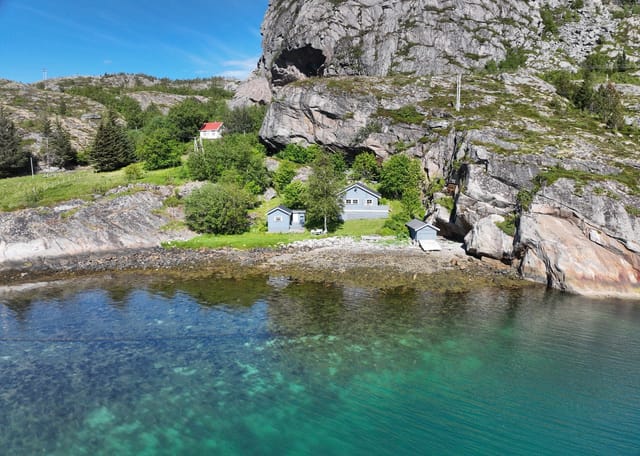
Front view of the house

The smell hits you first — cut grass warming in the late afternoon sun, woodsmoke drifting from somewhere across the fields, and the faint sweetness of the apple trees that line the far edge of the yard. Then you notice how quiet it actually is. Not the uncomfortable quiet of isolation, but the deep, settled quiet of a place that has been at peace with itself for over a hundred years. That's Fågelsta Stormbacken. A 1910 red-painted farmstead on the outer edge of Julita, Katrineholms kommun, sitting on 1.3 hectares of Swedish countryside with the kind of bones that modern houses simply can't replicate. The main house runs to 160 square metres across seven rooms, and it carries its age well. Wide wooden floors creak in exactly the right places. Original period doors still swing on their hinges. Three traditional tiled stoves — kakelugnar — stand in the sitting rooms and do what they've always done: turn a cold November evening into something you don't want to leave. The ceilings are high enough that the rooms never feel crowded even when the family descends in full. Large windows face the courtyard and the open fields beyond, pulling in light from morning through to the long Swedish summer evenings when dusk doesn't fall until nearly eleven o'clock. The kitchen is the heart of the place, as it should be. Country-style cabinetry, a serious amount of worktop space, and updated appliances sit alongside the original character of the room without any sense of awkward compromise. The dining area flows directly off it, which matters enormously when you're hosting — plates passing between rooms, conversation spilling between spaces. This is a kitchen designed for proper cooking, not just reheating. Think slow-braised elk from t ... click here to read more
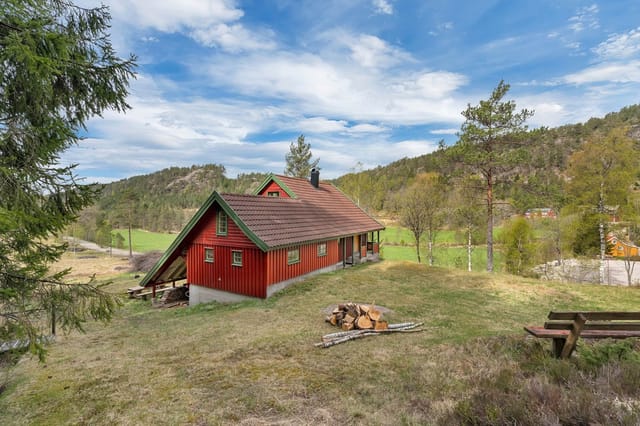
Front view of Fågelsta Stormbacken country home

Step out of the double garage doors on a Saturday morning in June and the garden is already warm. The pool is catching light from the south-west, the automated sprinklers have just finished their cycle on the lawn, and from the open kitchen window drifts the smell of coffee brewing on the Miele. This is Elzendreef 36 — a thatched villa of nearly 500 square metres on a 2,643 m² plot in Essen-Heikant, the quiet green flank of a Belgian border town that most international buyers haven't discovered yet. At €1,400,000, it won't stay undiscovered for long. Essen itself sits right at the Dutch-Belgian border in the Antwerp province, a position that gives it an oddly privileged geography. You're 45 minutes from Antwerp's city centre by car, roughly an hour from Brussels, and crossing into the Netherlands at Roosendaal takes about fifteen minutes. For a buyer who wants a serious second home with genuine countryside around it — but doesn't want to be stranded — this location is close to ideal. Rotterdam's airport is under an hour away; Antwerp Airport even less. The A1 motorway corridor keeps everything connected without the traffic chaos of living closer to either city. The village itself is genuinely pleasant without being precious about it. There's a local bakery on Stationsstraat that sells Vlaamse boterkoeken on weekend mornings, a handful of brown-café bars where locals drink Duvel on tap, and a weekly market that stocks regional cheeses and seasonal produce from the Kempen interior. Children will find riding schools and cycling paths before they find any reason to complain. The broader Kempen region — flat, forested, crossed by slow cycling routes and bordered by heathland nature reserves — is one of the most underrated l ... click here to read more
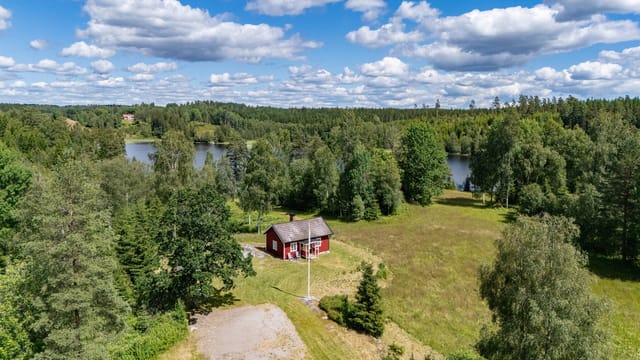
Front view of Elzendreef 36

Step out the front door on a February morning and the world is white, still, and completely yours. The groomed ski tracks at Tempelseter begin almost at the edge of the plot, the air is sharp enough to sting your cheeks, and smoke is already curling from the chimney of your neighbor's cabin three hundred meters away. This is winter in Eggedal — and it is exactly as good as it sounds. Sleggebergveien 56 sits on an 865-square-meter plot in the Tempelseter cabin community, a well-established mountain neighborhood in the Numedal valley of Buskerud county, roughly two and a half hours by car from Oslo via the E134. The address is quiet. No through-traffic, no noise beyond the occasional crow or the creak of snow-laden pines. Yet within a short drive you have a 24-hour grocery store, a Vinmonopolet, and a proper hotel at Eggedal Borgerstue with a spa and an après-ski bar that gets lively on Saturday afternoons. It's a combination you rarely find — genuine wilderness access paired with actual convenience. The chalet itself was built in 1975 and has been kept in good shape by owners who clearly used it hard and maintained it well. Eighty-four square meters of interior space sounds modest until you're inside, and you realize the layout makes almost no wasted moves. The hallway opens directly into the main living area, where oversized windows pull in the mountain ridgeline from multiple angles. On overcast days the light still floods in. On clear days you'll lose track of whatever you were doing because the view across the surrounding peaks demands attention. The wood-burning stove installed recently is the social heart of the cabin. Everything gravitates toward it on cold evenings — the board games come out, the red wine gets ... click here to read more
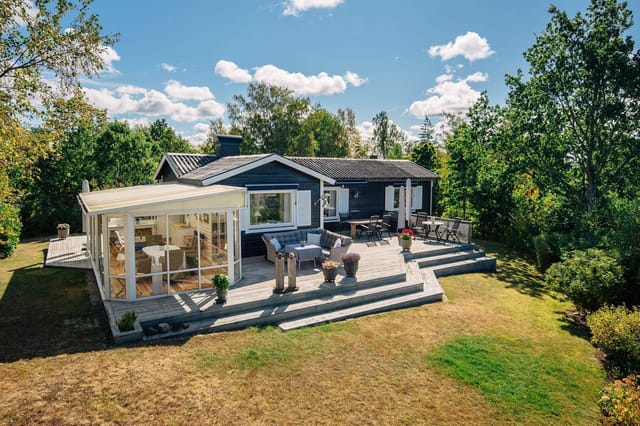
Picture 1

Saturday morning in Pelt. The garden is yours in every direction — apple-green grass stretching out beyond the kitchen window, birdsong drifting in before you've even put the coffee on, and absolutely nothing urgent to do. That's the rhythm Kaulillerweg 53 hands you the moment you arrive. It doesn't announce itself loudly. It just settles around you, and you start to understand why people who find this corner of Belgian Limburg tend to stay. Pelt sits at the heart of the Lommelse Sahara and Bosland nature region — over 20,000 hectares of pine forest, heathland, and cycling trails that locals treat as their backyard. The Sahara itself, a rare inland dune landscape just minutes from here, is the kind of place people drive hours to visit. From this address, you walk to it. The RAVeL cycling route network passes close by, and on dry weekends the trails fill with families on cargo bikes, trail runners, and day-trippers from Hasselt and Eindhoven. But step back through your garden gate and the noise disappears entirely. The bungalow sits on a 1,255 square metre plot — genuinely large by Belgian standards — and the plot wraps around the house so that the garden feels like an outdoor room rather than a patch of grass tagged onto the back. Multiple access points from inside the house mean you move between indoors and outdoors without thinking about it. Morning coffee on the terrace. Lunch under open sky. Dinner back inside with the fireplace going by the time the temperature drops. The rhythm is easy and unhurried. Inside, the 149 square metres of living space sits all on one floor — no stairs, no compromises for grandparents or small children, just a clean open layout that works for however your household is configured that p ... click here to read more
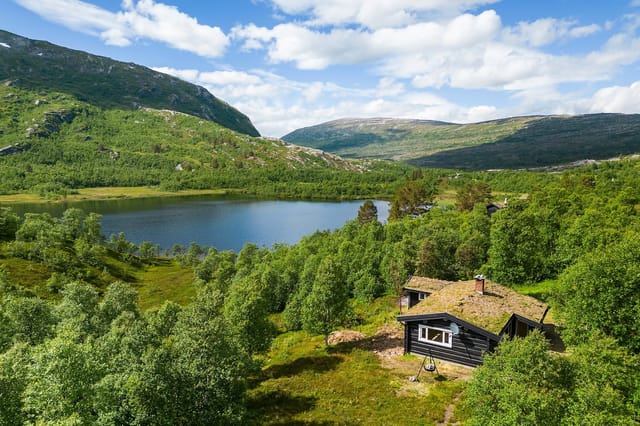
Front view of Kaulillerweg 53

Step out onto the dock at seven in the morning, coffee in hand, and watch the light come sideways across the fjord. The water is so still you can hear the cormorants landing fifty meters out. That's the kind of morning Tittelsnesvegen 608 delivers — not occasionally, but routinely, reliably, as part of the deal. This two-bedroom cabin sits on a private 2,882-square-meter plot on the western coast of Norway in Sveio, a quiet coastal community roughly half an hour south of Haugesund. The location is genuinely hard to replicate: south-facing, sheltered from the prevailing westerly winds, with an uninterrupted panorama across the open fjord. The sun tracks across the front of the house from mid-morning to evening, and in the Norwegian summer — when daylight stretches until nearly midnight — that south orientation becomes something you'll be grateful for every single day. The property sits above its own shoreline, connected to the private dock by a wooden staircase that cuts down through the rocks. That dock changes everything. Forget the shared jetties and the waiting lists and the boat club memberships. Your boat lives here. Your kayak lives here. On a warm June afternoon, you can be in the water inside two minutes of deciding to swim, or casting a line for cod and mackerel within five. The fjords around Sveio are productive fishing grounds — locals pull in crab and lobster from these waters too, and a good evening session here can mean tomorrow's dinner is already sorted. The cabin itself was built in 1987 and spreads across 104 square metres over two floors plus a basement. It's in good condition throughout, with practical layouts that suit the way people actually use a coastal holiday home. The ground floor, at 70 squ ... click here to read more
Welcome to Tittelsnesvegen 680!

Stand at the kitchen window on a September morning, steam rising from your coffee cup, and watch the mist lift slowly off the Värmland fields. Fifty meters away, through a line of birch trees, is Mårbacka — the estate where Selma Lagerlöf wrote the stories that earned her the Nobel Prize in 1909. That's not a marketing line. That's just Tuesday here. Mårbacka 34, known locally as Mårbacka Där Ner, sits on roughly 18,000 square meters of Värmland countryside just outside Sunne in west-central Sweden. The main house dates in spirit to the 18th century — its proportions, its symmetry, the way the windows frame the meadows beyond — but it was fully rebuilt in 1998 after a fire, using materials and methods that honored the original architecture rather than replacing it. The result is a house that feels genuinely old without demanding constant maintenance. Solid wood floors, about four centimeters thick and running the full length of each room, have the kind of depth and warmth you simply don't find in new construction. Every room has its own fireplace or stove — some are classic Swedish kakelugnar (tiled stoves), some are open hearths, others are vedspis wood-burning stoves — and every single one has its own individual flue in the chimney. That detail alone tells you something about how this house was rebuilt: with patience, with intention, without shortcuts. The ground floor sets a particular mood. The kitchen is genuinely the center of gravity — a large cooking island, a wood stove, an induction hob, an electric AGA cooker, multiple ovens, and a wine climate cabinet. This is a kitchen designed for people who actually cook, not for photographs. After a day out on Lake Fryken — the long, narrow lake that stretches through t ... click here to read more
Front view of Mårbacka 34

The first thing you notice on a clear July morning is the light. It arrives early up here on Lensmannsfjellet — bouncing off the water below, flooding the cabin's wide windows, turning the approach to Hankø into something silver and alive. You pour your coffee, step out onto the 97-square-metre terrace, and the view just sits there, patient and vast. That's the rhythm this place puts you in, and it happens within about ten minutes of arriving. Gressvik is not a name that appears on many international travel itineraries. That's precisely the point. Tucked along the west bank of the Glomma river's outlet on Norway's southern coast, this quiet community sits in the outer reaches of the Fredrikstad municipality — far enough from the noise, close enough to everything that matters. The plot at Lensmannsfjellet 20 sits elevated on a private 3,594-square-metre parcel, giving the four-bedroom chalet a natural sense of separation from the world below. No neighbours crowding your morning. No competing noise. Just the occasional creak of birch trees and the faint sound of boats tracking out toward open water. Walk down toward the shoreline — it's genuinely just a short walk — and you hit some of the best swimming on the Østfold coast. The Glomma's western outlet produces clean, calm water conditions that locals have been coming back to for generations. Families spread towels across the smooth coastal rock in August while kids jump from the edges. Earlier in the season, when the summer crowds are thinner, you'll often have entire stretches of it to yourself. The water temperature peaks mid-July and stays swimmable well into August, which gives this part of coastal Norway a surprisingly generous warm season. Just beyond the propert ... click here to read more
Picture 1

Picture a Saturday morning in late June. The forest outside is doing that thing it does in Swedish summers — the birch leaves catching the light like scattered coins, the air carrying a faint smell of pine resin and damp earth. You step out of your little chalet at Gäddesta with a cup of coffee, walk the few steps to your raised garden beds, and check on the tomatoes. Somewhere down the path, a neighbor is whistling. This is what 15,300 SEK buys you: not a room, not a timeshare — an actual place of your own, rooted in one of Central Sweden's most quietly rewarding corners. Gäddesta Nr 118 sits within the Karlslunds stugförening, a community of 122 cottage plots spread across the Karlslund Ridge about five kilometers from Örebro's city center. The chalet itself was built in 2018, so there's none of the rot-in-the-eaves anxiety that comes with older Swedish summer cottages. It's compact — 20 square meters, open-plan, with a sleeping loft overhead that's cozy rather than cramped. Think of a well-fitted boat cabin on land. The kitchen runs on propane gas, heating comes from a gas heater that takes the edge off a cool August evening, and the whole interior was recently repainted. It's move-in ready in the truest sense of the phrase. The plot is where things get genuinely interesting. Four hundred and fifty square meters is a serious amount of ground for a property at this price point. Previous owners have made good use of it: there's an outbuilding for tools and garden equipment, raised cultivation beds already in place, and enough open space left over to set up a proper outdoor dining area under the trees. Swedes have a word — friluftsliv — for the philosophy of spending meaningful time in nature, and this garden is a work ... click here to read more
Exterior view of Gäddesta No. 118 cottage

You wake up to silence. Real silence — just the faint creak of timber settling in the cold and, if the wind is right, the distant sound of snow compacting under a skier's pole somewhere beyond the treeline. The coffee is on, the sauna is warming up, and outside the large living room windows, the morning light is doing something extraordinary to the snow-covered landscape around Gamatun. This is Rosstjønnvegen 138. And mornings like this are exactly what it was built for. Treungen sits in the heart of Telemark, one of Norway's most quietly celebrated regions for outdoor life. It's not the flashiest destination in Scandinavia — and that's precisely the point. The Gautefall area draws the kind of people who'd rather spend a weekend on a groomed cross-country trail than in a resort queue. The kind who know that the best version of Norway isn't on a postcard, it's out here — in the forests, on the lakes, on the bike paths that wind through spruce and birch for over 100 km without repeating themselves. The chalet sits high in the Gamatun area, which has earned its reputation among Norwegian families and outdoor enthusiasts over decades. From the moment you arrive, the elevation pays off in two ways: sun and views. The plot catches light well into the evening — genuinely rare in a region where hillside shadows can rob lower-lying properties of afternoon sun entirely. In winter, that matters enormously. In summer, it means the 25-square-metre terrace becomes something close to sacred. Chairs out, coffee or a cold Hansa, the kind of afternoon that stretches on longer than it has any right to. At 98 square metres, this isn't a cramped weekend box. The layout is genuinely clever. Downstairs, three bedrooms, a bathroom with elect ... click here to read more
Welcome to Rosstjønnvegen 138!

Step outside on a July morning and the lake is already glittering through the birch trees, maybe fifty paces from your front door. By the time the coffee is ready, you can hear the water. That's the daily reality at Stensbovägen 21 — a compact, well-kept house on a generous 2,363 square metre plot in Stensbo, one of those quietly kept corners of Dalarna that locals don't rush to advertise. Built in 1991, the house is 61 square metres of sensible, unfussy living space — two bedrooms, one bathroom, four rooms total — with an extra 10 square metres of secondary space that can absorb whatever life throws at it. A boot room for muddy trails, a workbench for tinkering, a quiet reading corner. The layout is tight without feeling cramped, the kind of floor plan that actually works for two people or a small family rather than looking good on paper and frustrating you in practice. Large windows pull the garden inside, and in the long Nordic summer evenings, the light in here goes golden somewhere around nine o'clock and stays that way for a while. The plot is the real story. At 2,363 square metres, this is serious outdoor space by any standard — not a manicured suburban garden but a proper, usable piece of ground that rewards investment. Raised vegetable beds, a fire pit area, apple trees, room for a greenhouse. Or none of those things — just space and silence and the smell of grass after rain. Two outbuildings come with the property: a traditional Swedish härbre (a historic log storage building that is frankly one of the most atmospheric structures you'll find on a residential plot anywhere) and a guest cottage that gives visiting family or friends their own front door and their own privacy. That last detail matters more than p ... click here to read more
Front view of the house and garden

Step outside on a Saturday morning in July and the lake is right there — twenty seconds down the path, glittering through the birch trees, still enough to mirror the sky. That's not a selling point. That's just Tuesday at Kvarsätters sjöväg 26. This two-bedroom country home sits on a generous corner lot in the Kvarsätter community of Hallsberg Municipality, Örebro County, with Lake Tisaren less than fifty meters from the front gate. It's a proper Swedish fritidshus — built in 1979, solid and well-maintained, 100 square meters of comfortable interior space — but what makes it work as both a vacation home and a potential year-round residence is how effortlessly it fits the life you'd actually want to live here. The house itself is warm and unpretentious. The living room anchors everything: a working fireplace for the deep-winter months when the lake freezes over and the forest goes completely quiet, paired with a modern air-source heat pump that makes climate control genuinely practical in every season. Autumn evenings in particular are something here. The surrounding forest turns amber and rust in September, and with the heat pump humming quietly and a fire going, the inside of this house becomes exactly the kind of place you don't want to leave. The kitchen is full-sized and functional — real counter space, real storage, designed for people who actually cook rather than just heat things up. It flows naturally into the dining area, which matters when you've got family visiting or friends up from Stockholm for a long weekend. The bathroom is large and modern, refreshingly so for a house of this era and type. Out back, a substantial south-facing wooden deck catches sun from mid-morning through early evening. In midsumme ... click here to read more
Exterior view of the house and garden

Step outside the boathouse door at six in the morning, coffee in hand, and the fjord is mirror-flat. The mountains behind Flatevågen are still half in shadow. A small boat idles out past the floating dock, heading nowhere in particular. This is what owning a place at Misfjordvegen 366 actually feels like — not a postcard moment, but a routine one. That's rarer than it sounds. This three-bedroom waterfront chalet sits right on the edge of Flatevågen, a sheltered inlet that opens quietly into the Romsdalsfjord on Norway's northwest coast. The main cabin was built in 2017, the annex the same year, and the boathouse followed in 2020 — so everything here is genuinely modern, properly insulated, and built with Norwegian winter in mind. No creaky floors, no drafty windows, no list of deferred repairs waiting for you. The energy label is C, which for a recreational property in this price range is solid. The cabin itself spans 116 square metres and is designed around the view. Large-format windows run across the main living space, and the open-plan layout connects kitchen, dining, and lounge without fuss. The wood-burning stove anchors the room — on a grey October afternoon with the fjord going choppy outside, it earns its place. The kitchen is well-fitted with an island, integrated appliances, and enough counter space to actually cook in rather than just heat things up. Both bedrooms are calm and practical, the main one generous enough for a proper double setup. The bathroom has underfloor heating, clean tiling, and a washer-dryer combo tucked in — the kind of detail that matters when you've been out on the water all day. The annex is the feature that separates this property from most Norwegian leisure cabins. It mirrors the ... click here to read more
Welcome to Misfjordvegen 366! Photo: EFKT

Step outside on a July evening in Skibotn and the sky doesn't go dark. Not even close. The sun just tilts low over the Lyngen Alps, casting a copper glow across the water and the fells, while smoke drifts lazily from the grill house and the smell of birchwood and wild mountain air fills everything around you. That's the reality of owning this 87-square-metre chalet on Rässiruto 35—a genuinely well-built cabin on a nearly 1,000-square-metre plot, sitting within one of the most active and sociable leisure communities in Troms og Finnmark. Skibotn sits at the inner tip of the Lyngenfjord, where three fjords collide and three countries—Norway, Finland, Sweden—all come within an hour's drive of each other. It's not a place most international buyers stumble across by accident. The ones who find it tend to stay found. The village is small, quiet in the best possible way, but the access it gives you to the natural world of Arctic Norway is almost unfair. In winter, the Lyngen Alps above the fjord are a serious destination for ski touring and off-piste skiing—real steep-and-deep terrain that draws people from across Europe every March and April when the snow is still thick and the days are getting longer. In summer, the hiking trails along the Lyngsalpan range take you above the treeline in under two hours, and the Stor­fjord area below produces the Lyngenfjord strawberry, which locals will tell you—correctly—is unlike anything grown further south. The chalet itself was built in 2005 and has been kept in good order. It's a practical, solid Norwegian cabin design with two bedrooms, one bathroom, and a loft lounge that opens up the feel of the interior considerably. The main living area connects through to the kitchen without fus ... click here to read more
Welcome to Rässiruto 35! Photo: EFKT

The first thing you notice on a February morning at Vallavägen 10 is the silence. Not the dead kind, but the thick, insulated quiet that only comes when snow has settled deep into the spruce forest outside your window. Then comes the smell of coffee on the stove and the faint creak of pine floorboards underfoot — the kind of sensory ritual that turns a ski holiday into something you start planning your entire calendar around. This two-bedroom mountain chalet at Hundfjället in Sälen is the kind of place that gets under your skin. At 44 square meters, it's compact in the best possible way: everything has a purpose, nothing is wasted, and the layout has a logic that only becomes obvious once you've spent a week inside it. You come back from a long day on the pistes and the covered terrace greets you before you even reach the door — a decent-sized outdoor area that works just as well for a cold beer at dusk in January as it does for morning coffee in June when the meadows around Hundfjället turn green and yellow. Built in 1976 and maintained to a genuinely solid standard, the cabin carries the unpretentious confidence of Swedish mountain architecture. The main living space — the storstuga, as it's known locally — anchors the whole interior. A masonry fireplace with an insert sits at the heart of it, and on the evenings when you light it after a full day of skiing the Tandådalen connection runs, you understand exactly why people buy these places and never sell them. The wooden floors, the warm timber ceiling, the open connection between the dining and lounge areas — it all adds up to something that feels earned rather than designed. The kitchen is practical in the right ways: stove and oven, a combined fridge-freezer, a di ... click here to read more
Exterior view of the mountain cabin

Stand at the kitchen window on a October morning and watch low mist roll through the Teviot Valley while the Aga ticks quietly behind you. The kettle's on. Outside, six acres of your own land stretch toward the Frostlie Burn, where brown trout hold position in the current. This is The Old Manse at Teviothead—and mornings here have a particular quality that's hard to explain until you've had one. The property sits about nine miles south of Hawick, deep in the Scottish Borders hill country, where the landscape feels genuinely untouched. This isn't a gentrified rural retreat dressed up for weekenders. It's a working countryside estate in miniature—a former manse with stone gate piers, a sweeping gravel drive, real flagstone floors, and the kind of quiet that you can actually hear. The surrounding hills belong to the Buccleuch Estate, one of Scotland's largest private landholdings, which means the views aren't going anywhere. Walking through the main entrance, you pass through a traditional vestibule into a reception hall that immediately signals the scale of the house. Ceilings are generous. Proportions feel right. The drawing room at the front catches morning light through large windows and works equally well for a fire-lit evening with guests or a Saturday afternoon with the papers. The sitting room next door is less formal—the kind of room where a family actually lives, with a terrace door that opens directly onto the garden. That connection between inside and outside matters enormously in a house like this. The dining room links these reception spaces naturally, and the whole ground floor flows in a way that makes it feel larger than 389 square meters might suggest on paper. At the center of daily life here is the ki ... click here to read more
Front exterior of The Old Manse

There's a particular kind of quiet you notice on your first morning at Ladängsstigen 4. Not silence exactly, but the soft, layered stillness of birch trees filtering the early light, the occasional splash from Lake Mälaren just down the road, and the smell of damp Swedish earth warming up in the sun. By the time you've made coffee and stepped out onto the wooden deck, you understand immediately why people who find this corner of Lybeck/Frösåker rarely want to leave. This is a proper year-round holiday home — 47 square meters of well-used, freshly finished living space sitting on a freehold plot of 2,096 square meters — in one of the most quietly sought-after pockets outside Västerås. The address is Ladängsstigen 4, and it sits in that rare sweet spot between genuine countryside and real accessibility. You're not roughing it. You're not trading convenience for scenery. You get both. Step inside and the vaulted ceiling does something unexpected to the space. For a 47-square-meter house, it feels generous, open, almost roomy. The open-plan layout puts the kitchen and living area in easy conversation with each other, which matters when you're cooking Swedish meatballs on a Friday evening while family settles in around the fireplace. That fireplace earns its keep from October through April — this is central Sweden, and the winters are real, crystalline, and honestly quite wonderful when you're watching snow settle across the garden from a warm interior. Large windows pull the outside in throughout every season, and in July, when the garden goes full green and the lake shimmers at the end of the road, you'll understand why Swedes have been making pilgrimages to places exactly like this for generations. The two bedrooms are ... click here to read more
Front view of the house and garden

Stand on the 61-square-meter wraparound terrace at seven in the morning, coffee in hand, and the Trondheimsleia stretches out in front of you — silver-grey water catching the early light, the silhouette of Hitra island sitting low on the horizon, and not a sound except the occasional creak of a mooring rope from the boats below. This is Mistfjordveien 1280, and it does something quietly remarkable: it makes the rest of the world feel very far away. The chalet sits in Kjørsvikbugen, a small coastal community along the Hellandsjøen shoreline in Trøndelag, central Norway. A hundred meters separates the front gate from the sea. That's not a figure of speech — it's a genuine two-minute walk, and you'll make it often, whether you're heading out for an early kayak, hauling back a bucket of freshly caught saithe, or simply going down to watch the evening light turn the fjord copper. At 70 square meters of interior space on an 821-square-meter freehold plot, this is a chalet that uses every centimeter well. The living room is the kind of space that reorganizes your priorities. High ceilings push the room open, oversized windows pull the fjord view inside, and the 2013 wood-burning stove anchors everything with a warmth that central heating simply can't replicate. On a February evening when the temperature outside drops to minus eight, getting that fire going and watching the snow settle on the terrace is about as good as Norwegian winter gets. The kitchen, also renovated in 2013, is practical and unfussy — designed for people who actually cook rather than for architectural photographs. There's room to make a proper Sunday middag, the kind involving slow-cooked lamb ribs or a pot of fiskesuppe thick with local cod and root vege ... click here to read more
Front view of the property

Step outside on a Saturday morning and the air carries the faint scent of freshly cut grass from the farmlands that roll away behind the garden fence. No traffic noise. No neighbor's terrace cramping yours. Just open sky, birdsong, and the slow-moving stillness that most people spend their whole lives trying to find on vacation. This is the everyday reality at Schulstrasse 58 in Bunde — a 2021-built detached house on a 1,121-square-meter plot that gives you room to actually exhale. Built just a few years ago, the house sits at the edge of a quietly expanding residential area, which means you get the benefit of modern construction standards without the chaos of an unfinished development around you. The neighbors have settled in, the street is calm, and the plot still feels generously proportioned by any measure. Four bedrooms, two bathrooms, 152 square meters of living space, and a garden that wraps around the entire property — this is a serious amount of house for the price. Let's talk about the ground floor, because this is where daily life happens and where this home earns its keep. The living room catches afternoon light through French doors that open directly onto a covered sun terrace — covered being the operative word. German summers are glorious but unpredictable, and having a terrace you can actually use when a cloud rolls in changes everything about how you use outdoor space. The terrace looks out over the rear garden and beyond that, straight across open agricultural land. There are no other houses back there. It's a view that feels privately owned but costs nothing extra to maintain. The kitchen sits adjacent to the living room and is fitted with high-quality built-in appliances, generous counter space, and ... click here to read more
Front view of Schulstrasse 58

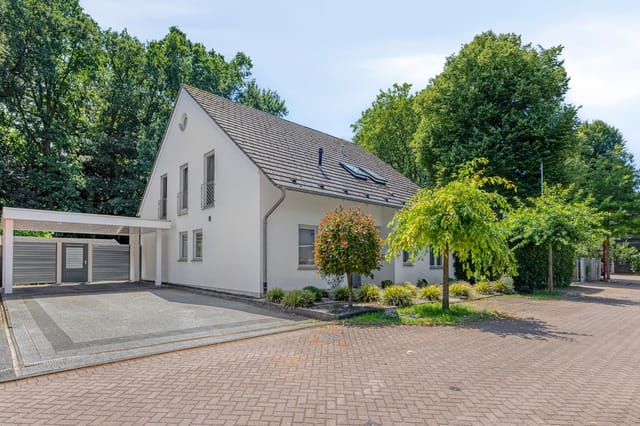
Saturday morning, just after nine. You slide open the French doors off the living room and the garden fills with birdsong and the faint smell of freshly cut grass drifting over from the neighbour's plot. The water feature catches the light. Coffee cup in hand, you pick a sun chair, and absolutely nothing demands your attention. This is Goch-Kessel on a weekend, and it gets under your skin fast. Built in 2002 and kept in genuinely good condition throughout, this detached house on Elisabeth-Becker-Strasse sits in one of the Lower Rhine region's quieter residential pockets — a village edge setting where the streets are wide, the trees are tall, and the pace drops the moment you turn off the main road. At 138 square metres of living space across two floors plus a fully insulated attic, the property has real substance. Three proper bedrooms, a well-equipped family bathroom with underfloor heating, a bright living room with generous dimensions, a practical kitchen, a utility room, a stone-built garage, a carport, two driveways. It's not trying to be something it's not. It's a house that works — and works well. The ground floor layout was thought through carefully. Walk in through the entrance hall and you immediately notice the cloakroom, the under-stair storage, and the guest toilet with urinal — the kind of detail that only matters until the moment you need it, at which point you're very glad it's there. The living room is the heart of it all: large windows on multiple sides, French doors leading directly into the garden, and enough floor space to seat a real gathering around a proper dining table without anyone feeling squeezed. In winter, with the underfloor heating running quietly beneath your feet, this room glows. In ... click here to read more
Front view of Elisabeth-Becker-Strasse 1

Stand on the loft terrace at seven in the morning, coffee in hand, watching the mist lift off Snåsavatnet in slow, deliberate curls. The lake is so still it looks painted. No traffic noise. No neighbors in your sightline. Just 120 square kilometers of Norway's sixth-largest lake doing what it has always done — holding the light, feeding the silence, drawing people back year after year. That's the daily opening scene at this two-bedroom chalet on Kvamsvegen, a few kilometers outside Steinkjer in the heart of Trøndelag. It's a property with genuine character — not the manufactured kind you find in new-build cabin parks, but the kind that accumulates slowly over decades. The original structure dates to 1955, when Norwegian cabin culture was still unselfconscious and practical. The 2000 loft extension changed the geometry of the place entirely, pushing the living space upward and outward toward the water, and that loft is now the emotional center of the whole property. The loft lounge measures roughly 20 square meters and opens directly onto a 12-square-meter terrace that faces Snåsavatnet. In summer, this terrace catches the long Nordic evening light well past ten o'clock. In autumn, the birch and rowan trees on the far shore go orange and copper, and the lake reflects all of it back at you. It's the kind of view that stops you mid-sentence. Downstairs, the cabin is honest and well-considered. The kitchen and dining area — around 17.5 square meters — is properly functional, with space for a full-size fridge and stove. This isn't a camping kitchen; it's a room designed for people who actually cook, who want to come back from a morning on the lake with fresh perch and fry them up properly. The living room, 13 square meters ... click here to read more
Welcome to Kvamsvegen 2159, presented by EiendomsMegler 1 v/ Magnus Aasland. Photo: ELW media (Espen Wåde)

On a quiet evening in July, the smell of woodsmoke drifts from the pizza oven by the west-facing terrace as the sun dips low over the fjord landscape—still bright at 9pm in that particular way only western Norway can manage. That's the moment you understand what this place is actually for. Not just a house. A rhythm. A reason to exhale. Radøyvegen 2525 sits in Kvalheim, a pocket of rural Hordaland that most Bergen residents think of as a best-kept secret. The nearest bus stop is 450 meters down the road, Kvalheimsvatnet lake is practically in the backyard, and the open sea is a four-minute walk away. Yet despite all that quiet, you're never truly cut off. Bergen—one of Scandinavia's most livable cities—is about an hour's drive south along the E39, and the regional center of Knarvik with its full-service shopping is thirty minutes by car. Bøvågen itself has a Bunnpris supermarket just minutes away, and the town of Manger handles most everyday errands in ten to twelve minutes. The house itself was built in 1978 and sits on a 1,067-square-meter plot. Ninety-four square meters of internal living space spread across two floors—compact enough to maintain easily, large enough to feel genuinely comfortable with family or friends in tow. The layout is honest and practical: a bright main living room of around 22 square meters with oversized windows pulling in light from multiple directions, a wood-burning stove in the corner that earns its keep from October through April, and direct access to the main terrace. That terrace is worth dwelling on. At roughly 41 square meters, it's not some token slab of concrete—it's an outdoor room. There's an electrically operated awning for the midday summer sun, space for a proper dining setup ... click here to read more
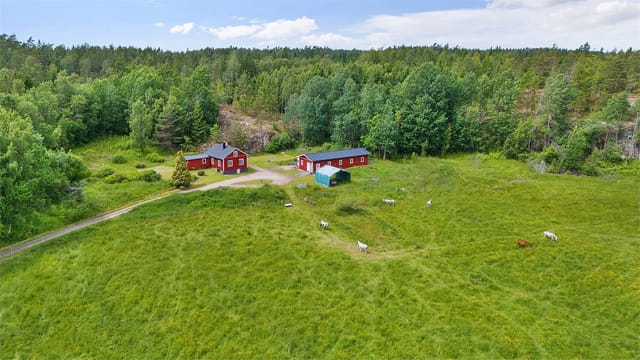
Front view of the property

Step outside on a July morning and the air already carries salt from the Baltic. The rauks — those ancient limestone pillars rising from the water at Kyllaj — are catching the low sun about five hundred meters away, and the only sounds are wind through the birches and the distant clang of a mooring line at the small harbor. This is northern Gotland on a weekday, and it feels like the rest of the world doesn't exist. This 1929 whitewashed country home has belonged to one family for roughly sixty years. That kind of continuity is unusual, and you can feel it. The proportions are honest, the walls are thick, and nothing about the place feels rushed or flipped. It sits on 2,475 square meters of mature garden — big enough for a vegetable patch, a lawn worth lying on, and still room for the kids to disappear somewhere between the trees. At 69 square meters, the interior is compact but genuinely livable. The living room pulls in light from large windows that look straight onto the garden, and on a clear afternoon the brightness in that room is something else — white walls, wooden floors, and green outside every pane of glass. The kitchen keeps its rustic bones while running on modern appliances, with enough bench space to actually cook rather than just heat things up. Gotlandic lamb stew with local saffron, maybe, or fresh-caught pike-perch from one of the fishing spots along the northern coast. The bedroom is a proper quiet room — not a converted alcove — with the kind of stillness at night that urban buyers simply haven't experienced in years. What sets this property apart from most holiday homes in Sweden isn't the house itself. It's everything around it. The earth cellar keeps wine and root vegetables at a natural cool t ... click here to read more
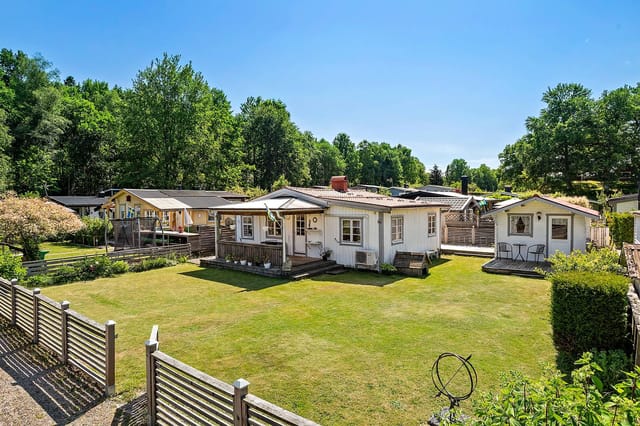
Front view of the house and garden

Stand at the drawing room window on a still October morning and the loch is so glassy you can't tell where the water ends and the reflection of Ben Cruachan begins. That's the view from Ardanaiseig House. Not a postcard version of Scotland — the real thing, unfiltered, on your doorstep every single day. Built in 1834 by William Burn — the architect behind some of Scotland's most significant country houses — Ardanaiseig was commissioned by Colonel James Campbell and designed in the Scottish Baronial style, all turrets, dressed stone, and deep-set windows that frame the landscape like paintings. It has been under single ownership since 1995, and the restoration work carried out over those decades has been both thorough and thoughtful. Nothing here screams renovation project. The house is in good condition and ready to inhabit, whether your intention is private occupation, continued use as a hospitality venue, or some combination of the two. Sixteen individually designed ensuite bedrooms spread across the principal house, each one distinct in character — different ceiling heights, different outlooks, different details in the plasterwork and joinery. The three grand reception rooms are the kind of spaces that change the way you move through a day: high ceilings that make even a crowded gathering feel airy, open fireplaces that earn their keep from October through April, and views across Loch Awe that you genuinely never stop noticing. The kitchen is currently fitted out as a commercial facility, which tells you something about the scale of entertaining this house was built for. It could stay exactly as it is, or it could be reimagined as a proper family kitchen — the bones are there for either. Then there's the land. One ... click here to read more
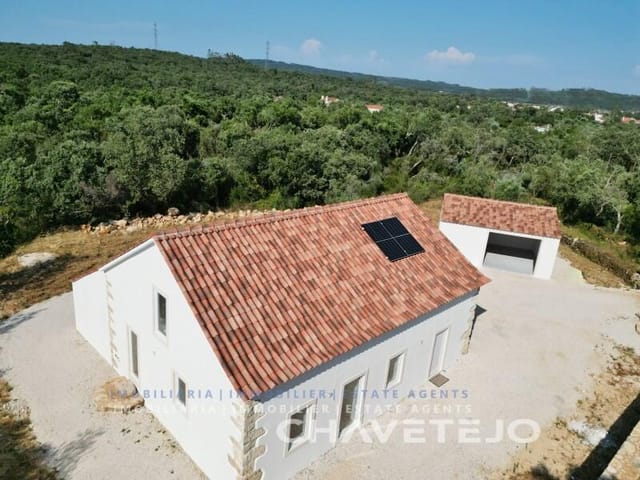
Aerial View

Early Saturday morning, the Korterødkilen inlet is flat and silver. You step out onto the terrace with a coffee, the Norwegian coastal air still cool from the night, and the only sound is birdsong and the distant creak of a small boat on its mooring. That's the texture of life at Korterødveien 89. Sponvika sits at the very southern tip of Norway, tucked along the western shore of the Iddefjord where the coastline starts to feel almost secret — the kind of place people who grew up here talk about with a certain possessiveness, not quite ready to share it with the wider world. The cabin areas along Korterødveien have been established for generations, and plots here don't change hands often. Getting access to this particular stretch of the Norwegian coast, with its established community, direct sea access, and sun-drenched aspect, is genuinely uncommon. The chalet itself is compact and considered. Sixty-five square metres in the main building, which means no wasted space and no rooms you'll never use. The living and dining area does the heavy lifting — big windows pulling in light and framing the view across Korterødkilen, enough floor space that six people around the dinner table won't feel like a squeeze. The kitchen was fully fitted in 2020 and it shows: clean lines, proper worktop space, storage that actually makes sense. Cooking here isn't a chore. On a summer evening, you'll have the terrace door propped open and the smell of grilled mackerel drifting back through the kitchen window while everyone's still outside. That terrace. Thirty-nine square metres of south-facing decking, large enough for a proper outdoor dining set, sun loungers, and still room for the kids to sprawl. For a chalet of this size, it's a genero ... click here to read more
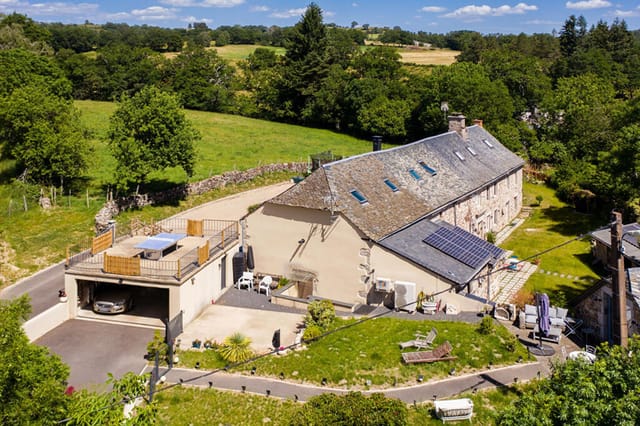
Welcome to Korterødveien 89! Photo: FOTOetcetera AS