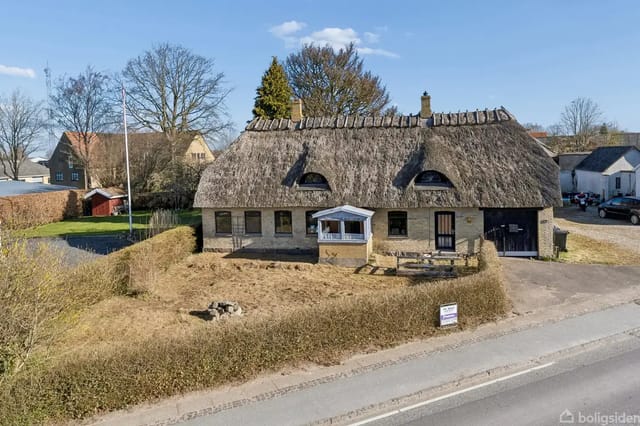
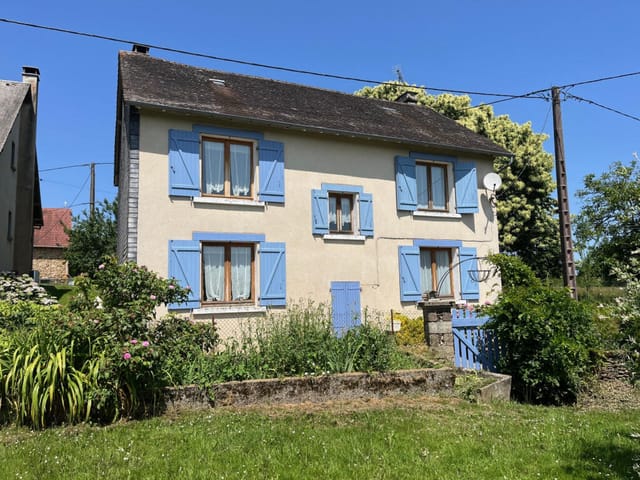
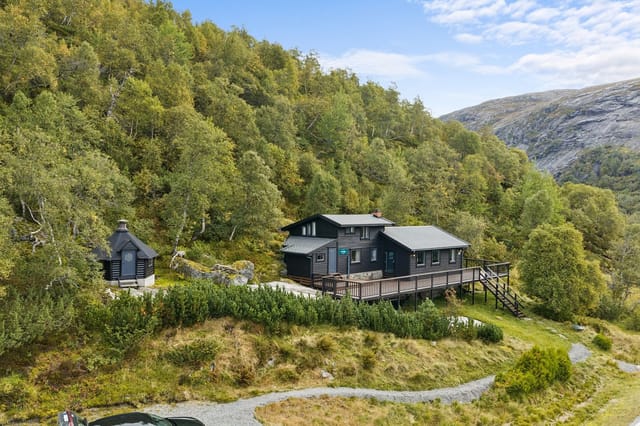
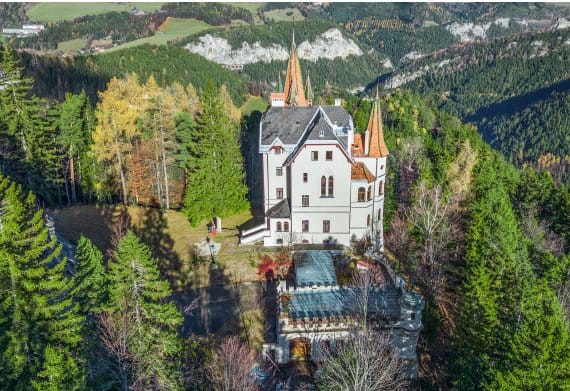
Houses For Sale In Europe (page 2)

Houses for sale in europe - homestra offers the largest amount of european real estate with over 200,000+ properties, find any type of property within your budget from villas to country homes. buy or rent your perfect home in europe. (page 2)

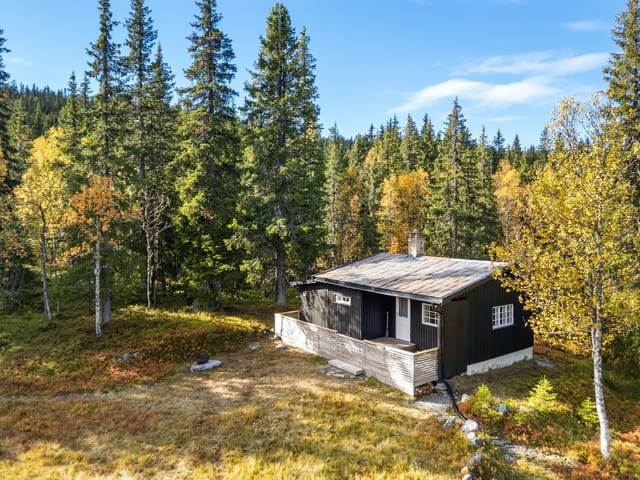
Step out onto the 80-square-metre terrace on a January morning and the world is white and perfectly silent, except for the low creak of frost-laden pine branches and the distant hiss of cross-country ski tracks being groomed just beyond the tree line. That's the kind of moment this chalet in Risdal delivers, not occasionally, but every single time you arrive. Sitting at Vervassheia hytte 3 in the peaceful Froland municipality of Aust-Agder, this four-bedroom year-round cabin is the real thing — a genuine Norwegian retreat built in the classic Buen-Aarak tradition, with solid bones, a warm interior, and enough outdoor space to actually live in rather than just admire from inside. At 100 square metres of interior space plus generous covered and open terracing, it punches well above its price point of NOK 158,000. The cabin was extensively upgraded in 2010, including a new roof and a well-considered rear extension that added meaningful living space without compromising the character of the original structure. The heat pump installed roughly two and a half years ago — a 7.2 kW unit still under manufacturer's warranty — keeps every room comfortable whether it's a sharp February night or a humid August afternoon. Backup warmth comes from a traditional fireplace and a wood-burning stove. On those evenings when you light both and settle in with a glass of something, the parquet floors and warm laminate surfaces absorb the light in a way that no forced-air system ever quite matches. Four proper bedrooms mean this is not a squeeze-in-the-sleeping-bags situation. Up to ten guests can sleep comfortably, making it genuinely viable for extended family visits, a group ski week, or simply having the cousins over every summer without ... click here to read more

Picture 1

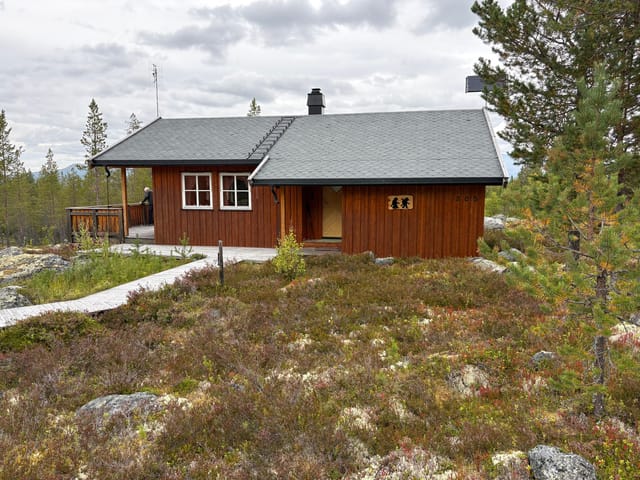
Step off the hiking trail from the E6, push open the old wooden door, and suddenly the whole valley below Virakfjellet opens up in front of you. It hits you before you even get inside: the silence, the cold clean air off the surrounding peaks, the faint sweetness of cloudberries in the marsh that surrounds the cabin on three sides. This is the kind of place people spend years looking for. Built around 1925, this small mountain cabin sits at 330 meters above sea level on Virakfjellet, roughly 20 kilometers south of Narvik in Nordland county. Twelve square meters of interior space — one main room and a bislag entrance — that's it. No pretension, no extras. Just solid old-growth timber walls, a wood stove that'll have the room warm inside twenty minutes, and a view through the single window that most hotel rooms in Norway would charge a fortune for. The roof and exterior cladding were replaced in the late 1970s, so the structure is sound. What it needs now is someone who appreciates what it is: a century-old refuge in one of the least-visited mountain plateaus in Nordland, sold complete with every piece of furniture and equipment inside it. The cabin sleeps three and has done so comfortably for generations. There are no designated bedrooms — this isn't that kind of property. You pull out the sleeping arrangements, light the stove, and the place does what it's always done. It works. Water comes from a spring fed by a geological fault line on the slope above; locals will tell you it hasn't run dry in living memory, and there's no reason to doubt them. The woodshed out back is stocked heavily enough that you won't need to think about firewood for several winters. All of this comes with the purchase price. The 900-square-met ... click here to read more

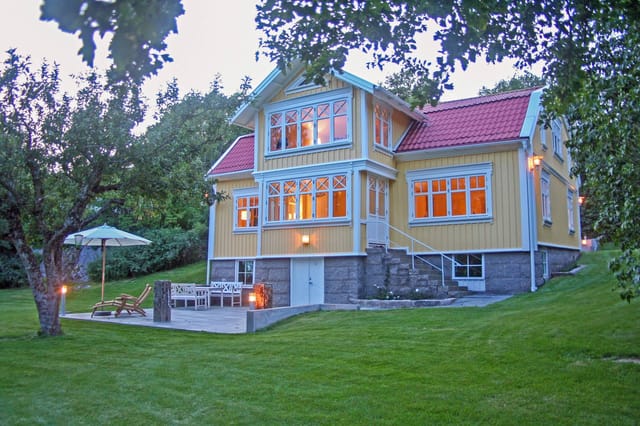
Outdoor area with stone slab sourced from the local area

Stand in the kitchen on a November morning and watch a red squirrel work its way along the drystone wall while the kettle comes to the boil. The Everhot range cooker has been on since six, the skylight above is streaked with the kind of pale Highland light that photographers chase for hours, and through the back door you can hear the faint run of the burn that traces the far edge of your three acres. This is Balquhidder — a place where mornings feel like they were made specifically for you, and where the word "retreat" actually means something. Set on the southern edge of Loch Lomond and The Trossachs National Park, this three-bedroom stone-built cottage on the Balquhidder road near Lochearnhead is one of those rare Scottish properties that manages to be genuinely off the beaten track without asking you to sacrifice anything meaningful. Good broadband. Solar panels with roughly a decade left on the Feed-in Tariff. A fully operational holiday-let bothy in the grounds already generating income. The bones are solid, the upgrades are smart, and the surrounding landscape is the kind that makes people move countries. The main house stretches across 122 square metres — just over 1,300 square feet — and the space is used well. Walk in through the front door and the lounge draws you immediately: a woodburning stove sits at the far end, the sort you light at dusk on an October Friday and don't let go out until Sunday afternoon. The windows face the garden and beyond it the open ground rises toward the hills. In summer, the light hangs in those windows until almost ten o'clock. In winter, the stove does the work and it does it properly. The kitchen-diner is the room people come back to. The Belfast sink, the Everhot, the skyligh ... click here to read more

Front view of the stone-built cottage and gardens

Pull back the mosquito netting on a July morning, and the first thing you notice is the lake. Still. Mirror-flat. A pair of mallards crossing the surface somewhere out there in the mist. The air smells of pine resin and damp earth, and the only sound is birdsong threading through the trees along Røgdenvegen. This is what 590,000 NOK gets you at the edge of Finnskogen — one of Scandinavia's most quietly celebrated wilderness areas — and honestly, it's hard to put a number on a morning like that. Røgdenvegen 645 sits in Hokkåsen, a small settlement in Innlandet county roughly 18 kilometres north of Kongsvinger. The cabin is compact — 32 square metres of interior — but that number is almost beside the point. The real living happens outside. The covered terrace wraps around 25 square metres of sheltered outdoor space, with solid walls on the west and north sides that block the wind even when autumn rolls in and the birch trees start turning gold. The current owners have spent entire summer nights out here, a daybed pulled close to the railing, waking up to fog drifting off the lake and the faint smell of woodsmoke from somewhere deeper in the forest. It is, quite simply, the best room in the house — and it doesn't have a roof in the conventional sense, just open framing fitted with mosquito netting across every window opening so the evenings stay comfortable without the usual Norwegian summer insect situation. Inside, the layout is open and unfussy. The living room and kitchen share a single flow of space, renovated in 2019 with laminate flooring and painted wall panels that keep things light without trying too hard. Large double-glazed windows installed in 2018 pull in natural light from multiple angles and frame whatever ... click here to read more

Welcome to Røgdenvegen 645 - A charming and simple cabin at the entrance to beautiful Finnskogen.

Early on a July morning at Furukollen 26, the only sounds are pine needles shifting in a light breeze and the faint lap of water from the Oslofjord, maybe three minutes down the coastal path. The coffee is on the wood stove. The south-facing plot is already catching sun. This is what a Norwegian summer cabin is supposed to feel like. Hvitsten is one of those places that Norwegians have kept quietly to themselves for generations. Tucked along the western shore of the Oslofjord in Østfold, it's a village of red and white clapboard houses, sailboats moored at small docks, and locals who've been returning to the same stretch of shoreline since childhood. Artists discovered it over a century ago — the painter Christian Krogh was drawn here, and that tradition of people seeking something genuine and unhurried in Hvitsten hasn't really changed. The village sits roughly 55 kilometres south of Oslo, about an hour's drive down the E6 and then east through Vestby, or accessible by bus from Son with a stop just four minutes' walk from this property. It's close enough to the capital to feel connected, far enough to feel completely removed. The cabin at Furukollen 26 sits on a privately owned plot of approximately 1,877 square metres — a generous spread by any measure, and extraordinary for a waterside community where land this size rarely comes to market. The terrain is natural and rugged in the best sense: granite outcroppings push up through the soil, pine trees crowd the perimeter, and the whole site slopes and rises in ways that create natural pockets of shade and sun throughout the day. A plot like this doesn't just give you space. It gives you privacy in a way that cleared, fenced garden lots never quite manage. The main cab ... click here to read more

Front view of the cabin and annex

Step out the back door on a Saturday morning and you're looking straight into the green fringe of the Veldwezelt woodland, a mug of coffee warming your hands, the only sound a wood pigeon somewhere up in the oaks. That's the daily opening act at this detached house on Heserstraat — and it never really gets old. Veldwezelt sits quietly within the municipality of Lanaken in Belgian Limburg, and it's one of those places that people outside the region either overlook entirely or quietly keep to themselves. The village has the unhurried pace of deep rural Belgium, yet you can cycle to the Dutch border city of Maastricht in under half an hour along flat, well-marked bike paths that cut through farmland and river meadow. Bilzen is a short drive west. The Albert Canal glints silver on clear days from higher ground nearby. For a second home buyer who wants genuine countryside without surrendering easy access to culture, good food, and international transport, this corner of Belgian Limburg is quietly hard to beat. The house itself was built in the 1960s, and unlike a lot of properties from that era, it hasn't been gutted and stripped of what made it worth keeping. The proportions are generous, the rooms have real depth to them, and someone has clearly looked after the place with care across the decades. New windows went in during 2007, a modern gas central heating system was installed in 2021, and air conditioning was added in 2025 — so the bones are original but the systems are contemporary. The energy performance is solid for a house of this age and type. Inside, you walk into an entrance hall that opens to a living room measuring 36.4 square meters. That's a genuinely large space. An authentic wood-burning stove anchors one ... click here to read more

Front view of Heserstraat 31

Wake up to the sound of nothing. Not silence exactly — there's the soft lap of water against the shore fifty metres away, a woodpecker somewhere in the birches, and if it's early enough on a summer morning, the mist still sitting low over Mungasjön. That's the first thing you notice at this 1800s log cabin in Munga, a small community just outside Västerås where people still leave their doors unlocked and wave at strangers on the gravel road. This is a genuine country home vacation property in Sweden, not a weekend renovation project or a lifestyle concept. The main cabin, roughly 75 square metres, started life in Dalarna — the heartland of Swedish rural architecture — and was relocated to this woodland plot in 1965. The logs have had sixty years to settle into the land. They look like they grew here. Step inside and the floors are solid pine, wide-planked and warm underfoot even in autumn. The ceiling beams are exposed and chunky. The open fireplace isn't decorative; it's where everyone ends up after a long day of swimming or foraging in the forest behind the property. The kitchen has its own wood-burning stove, which means two independent heat sources before you've even thought about the covered terrace — which has its own fireplace too, facing the lake. Three fires for a 75-square-metre house. That tells you something about the priorities of whoever built this place. The modernisation has been done without apology or excess. Fibre-optic internet was installed because working remotely from a lakeside cabin in Sweden is, frankly, a legitimate life choice. The bathroom and shower were renovated tastefully, the laundry room updated between 2018 and 2019. These aren't things you'll need to budget for. The house is move-i ... click here to read more

Main house and garden view

Saturday morning, 8am. The automatic gate swings open, gravel crunches underfoot, and the smell of damp grass drifts in from six thousand square metres of park garden still catching the early light. Inside, the pellet stove is ticking down from the night before, the kitchen island is set for breakfast, and somewhere upstairs a guest is running a bath in the Chanel suite. This is the daily reality of Hubesheide 1 — a 412 m² villa in Opitter, just outside Bree in Belgian Limburg, that operates as a fully functioning Bed & Breakfast and could just as easily become the most extraordinary private residence you've ever called your own. Built in 2005 and thoroughly renovated in 2024, the property is in genuinely excellent condition — not "estate agent good" where you mentally deduct 30% for what you'll actually find on viewing. The bones are solid, the finishes are current, and the energy performance label sits at B (EPC: 157 kWh/m²), which in Belgium's increasingly regulated property market is a meaningful advantage, not a footnote. Five bedrooms. Five bathrooms. Two indoor garages. Four outdoor parking spaces. An illuminated driveway with an automated entrance gate that gives arrivals — whether yours or your guests' — a genuine sense of occasion. The numbers are compelling, but the experience is what stays with you. The ground floor tells you immediately that someone thought carefully about how people actually move through a space. The entrance hall leads to a kitchen that takes its job seriously: island unit, induction hob, combi oven, ample cabinetry, the kind of setup where you can cook a proper Sunday lunch without the kitchen fighting back. The dining and lounge area opens off it with that pellet-and-wood stove anchor ... click here to read more

Front view of Hubesheide 1, Bree

Picture a Friday afternoon in late June. You've just turned off the E6 and onto the quiet country road toward Vikhammer, windows down, and the air already smells different — pine resin, cut grass, and something earthy and green that doesn't exist in apartment stairwells. Twenty minutes from Trondheim's Solsiden waterfront, and yet you feel properly away. That shift is exactly what these funkis-style cabins at På Landet Kolonihage are built around. Functionalism — the architectural movement Norwegians shortened to "funkis" — is having a serious moment in Scandinavian leisure property. Clean horizontal lines, flat roofs turned into usable terraces, large windows that pull the outside in. These 24 new-build cabins wear that aesthetic with conviction, not nostalgia. At 59 square metres across two floors, every square centimetre is accounted for. The open-plan kitchen and living area on the ground floor stretches to 21.3 square metres — enough for a proper dining table, a deep sofa, and still room to breathe. Oak-look countertops, integrated appliances, and a decent extractor fan: the kitchen is set up for actual cooking, not just reheating takeaway. The main bedroom runs to 10.2 square metres, with wardrobe storage built in so suitcases don't colonise the floor on arrival weekend. The second bedroom at 6.1 square metres works for children, for a guest who wants their own door to close, or for a desk and bookshelf if you've decided this is where you do your best thinking. The tiled bathroom sits on the ground floor; a separate WC upstairs keeps morning queues from forming. Small detail, real difference. Then there's the roof terrace. Eighteen square metres up top, and on a Norwegian summer evening — when the sky barely dar ... click here to read more

Welcome to Funkisfritid – a fantastic opportunity to own a top modern cabin in funkis style. Illustration.

Step outside on a Saturday morning, coffee in hand, and you're looking straight at the canal. A heron stands motionless on the far bank. The garden is yours — all 658 square metres of it — and the only sound is wind moving through the old willows. This is Schöninghsdorf-Twist, a quietly extraordinary corner of Lower Saxony where life moves at a pace most people only find on holiday. This three-bedroom detached house on Egon-Schöningh-Strasse is the kind of property that earns your trust the moment you walk through the door. Built originally in 1900 and thoroughly modernised around 2002, it carries the solidity of its era while delivering the practicalities you actually need: HR++ double glazing throughout, heavy-duty wall and roof insulation, a Buderus gas combi boiler, and plastic-framed windows that ask very little of you in terms of upkeep. At 201 square metres of living space, it doesn't just feel generous — it genuinely is. Finding a detached home of this size at this price point anywhere in Western Europe right now is harder than it sounds. The ground floor alone would satisfy most buyers. The living room stretches to 57 square metres, which is not a typo. Garden doors open from an extended section of the room directly onto the west-facing covered terrace — the kind of setup that makes late June evenings feel like they belong to you personally. A wood-burning stove anchors the room in winter, and on grey November afternoons when the mist sits low over the canal, it earns its keep. Off the living room sits a suite room at 11 square metres, useful as a study or a guest overflow, and a proper separate dining room at 15 square metres — enough for a table that seats eight without anyone bumping elbows. The kitchen is ... click here to read more

Front view of Egon-Schöningh-Strasse 15

The first thing you notice, stepping onto the terrace at Håøya 156, is the silence. Not the absence of sound — the sea is never truly quiet — but a particular quality of stillness you only get when the nearest neighbor is a boat ride away and the horizon is nothing but open water and scattered islands. It's the kind of quiet that slows your breathing within minutes. You pour a coffee, sit in the early morning sun, and watch a small wooden boat cut across the sound toward Langesund. This is what you came for. Håøya is a small island in the Langesund archipelago, tucked into the southwestern corner of Telemark county where the Norwegian coastline fractures into a thousand rocky skerries, inlets, and pine-covered outcrops. It's a place that serious Norwegian summer people have quietly kept to themselves for generations. The town of Helgeroa sits nearby on the mainland — a proper working coastal village with a harbor, a boat repair yard, and a bakery that opens early enough to catch the morning ferry crowd. From this property, you reach it by water. This five-bedroom chalet sits on close to 3,000 square meters at the upper end of the island, positioned so that almost every window frames a view of the water and the chain of islands stretching south toward the open Skagerrak. The plot drops gently toward the shore, where the property's private dock sits solid and spacious — well-built timber construction with room for a small motorboat alongside sun loungers and a crab line hung over the edge. On a still July afternoon, the water here is warm enough to swim in. Not Baltic cold. Actually warm. The 110 square meter cabin itself was built in stages, with a sympathetic extension added in 1990 that gave the living room its gener ... click here to read more

Exclusive and substantially upgraded leisure property in private surroundings.

Stand on the terrace at Seiskjærvegen 14 on a mid-July morning and the only sounds are water lapping against the boathouse hull, the distant cry of a tern, and the faint creak of a neighbor's rowing boat somewhere out on the Borgenfjorden. The fjord stretches wide and silver in front of you. Coffee in hand, you are not on a weekend trip. This is yours. Inderøy sits in the Trøndelag region of central Norway, roughly 100 kilometers northeast of Trondheim, and it is the kind of place that serious Norway enthusiasts know about but rarely manage to secure a foothold in. The Stornes peninsula, where this chalet sits on its own small promontory, is especially tight-knit—a scatter of traditional Norwegian coastal properties, low hedgerows, and direct water access. Properties here change hands infrequently and, when they do, tend to go to people who already know the area. This is a real chance to get in. The cabin itself was built in 1982 and has been kept in genuinely good condition over the decades—not just patched up, but properly maintained and incrementally improved. At 55 square meters of internal living space, it is compact but not cramped. The living room pulls the weight here. Large windows face the fjord, meaning the room is bright through most of the day, and in the long Nordic summer the afternoon light has a particular gold quality that turns the interior almost amber. A fireplace anchors one wall, and a modern heat pump handles the cooler shoulder months without fuss. You can run this place from late spring through early autumn comfortably, and with the heat pump doing its job, even October weekends become viable. The kitchen runs white profiled cabinet fronts with under-cabinet lighting—clean, practical, and eas ... click here to read more

Idyllic leisure property in Inderøy with a sheltered location right on the waterfront. The property offers a main cabin, boathouse, grill cabin, and its own shoreline.

Step outside on a July morning and the air carries salt, pine resin, and something faintly smoky from a neighbor's fire pit two plots over. The water at Rubbestadneset sits barely a hundred meters from your front terrace — flat, grey-green, and almost completely still at that hour. This is the kind of quiet that city people drive three hours to find. You won't have to drive far at all. Rubbestadneset is a small coastal community on Bømlo island, tucked into the western fjord landscape of Hordaland county between Bergen and Stavanger. Not a tourist trap. Not a postcard village selling itself to outsiders. Just a genuine Norwegian coastal settlement where families have kept holiday cabins for generations, where the neighbors actually wave, and where the sea is accessible not as a backdrop but as a daily fact of life. The E39 connects you to Bergen in roughly two and a half hours, and Stavanger is a similar drive southward — making this a legitimately usable second home for people based in either city, or for international buyers flying into Bergen Airport Flesland who want somewhere real rather than somewhere staged. The chalet at Bråtanesvegen 30 sits on its own freehold plot of 1,647 square meters. That number matters here because space at the water in western Norway is finite and rarely comes with car access all the way to the door. This one does. The driveway runs directly to the cabin, which means unloading the car after a long week in the city doesn't involve dragging bags down a gravel path in the rain. A small thing until you've done it twenty times. The main structure dates from 1978 but tells you nothing about what it was in 1978 — it's been extended in 1980, 2007, 2013, and 2017, and the result is a cabin tha ... click here to read more

Front view of the holiday home

Early on a July morning, before the rest of Sandefjord has had its first coffee, you can walk straight off the deck of this cabin and into the Oslofjord. No crowds, no queued-up beach towels, no paying for parking. Just 75 metres of your own shoreline, a private dock with wooden decking still cool under your feet, and a sea so glassy it mirrors the sky back at itself. This is what waterfront ownership on the Norwegian coast actually feels like — and this 1930s chalet at Hagaløkka 122 on the northeast shore of Østerøya puts it within reach. The property sits on a freehold plot of approximately 2,016 square metres, which is a genuinely rare thing on this stretch of coast. Plots here rarely change hands, and when one does, it tends to go fast. The shoreline includes a sandy beach — proper sand, not the rocky slabs you find a few hundred metres in either direction — plus a concrete-and-timber dock with steps leading down to the water. From midsummer through late August, the Oslofjord warms to temperatures that make daily swimming not just possible but genuinely irresistible. The main cabin dates to 1933, extended in 1960 to add a second bedroom, with the roof updated in 2008. It's honest, unpretentious architecture — a functional Norwegian coastal style that fits its surroundings the way a good pair of sea boots does. Inside, you get 67 square metres of well-organised space: a living room with large windows framing that uninterrupted sea view, an open fireplace that earns its keep through the long shoulder seasons of spring and autumn, two bedrooms both oriented toward the water, and a separate kitchen with custom-built fittings. The dining area opens off the living room through an arched opening with a built-in bench alon ... click here to read more

Welcome to Hagaløkka 122! Illustrative plot boundary. Photo: Karl Filip Kronstad

Stand on the southwest-facing balcony at seven in the morning, coffee in hand, and watch the Helgeland ferry cut a white line across the glassy water below. The air smells of salt and spruce. Nothing moves except the birds and the tide. This is Sørfjorden on a Tuesday, and it feels exactly like what you imagined Norway would feel like before you ever visited. The cabin at Sørfjordveien 58 sits roughly a hundred meters from the shoreline, elevated just enough — twenty-five meters above sea level — to give you that panoramic southwest sweep across the water without ever feeling exposed or wind-battered. It's a compact, practical property: 43 square meters of indoor living space, two bedrooms sleeping up to six, one bathroom, and a wraparound terrace of approximately 40 square meters that genuinely doubles your usable space from late May through September. Built in 2010 and given a solid renovation in 2017, it's in good condition and ready to use from day one. No project, no surprises. Just show up. The plot itself runs to 954 square meters, which out here in Rødøy municipality — one of the least densely populated stretches of the Norwegian coast — feels genuinely generous. There's room to breathe, room for the kids to roam, room to eventually build the boathouse the area is already regulated for. That detail matters more than it might first seem. A permitted boathouse and floating dock means direct sea access for a small boat or kayak, which transforms how you experience the fjord. Instead of watching the water, you're on it. Sørfjorden sits in the Helgeland region of Nordland, roughly 100 kilometers south of the Arctic Circle. That sounds remote, and in some ways it is — that's precisely the point. But remote here does ... click here to read more

Balcony

Step outside on an August morning and the water is already doing that thing it does in southern Norway — going completely still, like glass, with the pine-covered hillside mirrored so perfectly you could almost forget which way is up. The dock is twenty steps from the back door. The coffee is still hot. This is the daily rhythm at Strømmenveien 206, a five-bedroom country home on the shores of Songevannet, just outside Tvedestrand on Norway's Skagerrak coast. The property is, in a word, rare. Eighteen thousand six hundred square metres — roughly 18 acres — of land that runs directly to the water's edge, giving you a long private shoreline and a dock that belongs entirely to you. No shared access. No neighbours visible through the trees. Just open water, a boathouse, and the kind of quiet that city dwellers spend years chasing. The main house was built in 2021, which matters more than you'd expect. Norwegian waterfront properties of this scale and setting are almost always older, which means inheriting decades of maintenance work, leaky timber frames, and outdated insulation. This one was designed from the ground up for modern comfort in a Nordic coastal climate. The 142 square metres of interior living space — part of a total usable area of 325 square metres across all structures — is laid out sensibly for a large family or a group of friends. Five bedrooms. Two proper bathrooms. An open-plan kitchen and living area where the fireplace anchors the room on one side and the floor-to-ceiling windows on the other drag your eyes straight out to the lake. Those windows are worth dwelling on. The light in this part of Norway shifts dramatically with the seasons, and in summer it barely gets dark at all — there's this long go ... click here to read more

Picture 1

Step outside on a July morning in Fide and the air already carries warmth before nine o'clock. The limestone fields stretch out behind the garden, a pair of lapwings call from somewhere beyond the stone wall, and the smell of sun-warmed grass drifts through the open kitchen window. This is southern Gotland — unhurried, specific, and unlike anywhere else in Sweden. This two-bedroom stone house in Fide Österby is the kind of place that makes you stop checking your phone. Built in 2016 in the island's traditional plastered stone style, the house sits on a quiet plot in Fide parish, one of the southernmost corners of Gotland. The island is at its narrowest here, which means you're genuinely a short bike ride from both the east and west coasts simultaneously. That geographical quirk is one of the quiet pleasures of this location — you can catch a sunrise over the Baltic at Grynge algerna one morning and watch the sun drop into the sea from Hoburgen's dramatic cliffs the next evening, all without getting in a car. The building itself is compact and considered. Seventy-four square meters sounds modest until you step inside and notice the ceiling height, the way light moves through the large glass panels throughout the day, and how the open kitchen and living room feel genuinely social rather than squeezed. The fireplace with its insert draws the eye immediately — a five-meter chimney rising through the roof, solid and well-proportioned. On a grey November afternoon, that fire changes everything about the mood of the room. Underfloor heating runs throughout, fed by a ground-source heat pump, so the warmth is even and quiet and costs far less to run than you might expect. The doors and windows were made by local Gotland crafts ... click here to read more

Front view of the stone house and garden

Picture a Sunday morning in early October. The garden is still holding onto summer's last warmth, mist sitting low over the fields just beyond the fence, and you're drinking coffee in the winter garden while the glass walls frame a view of copper-toned trees. The house is quiet. The kids are still asleep upstairs. This is what 192 square metres of well-considered German residential life feels like — and it's available right now at Karinstraße 24 in Veldhausen. Veldhausen sits within the municipality of Neuenhaus in the Grafschaft Bentheim district, a part of Lower Saxony that doesn't get nearly as much attention as it deserves. Tucked in the far west of Germany, pressed right against the Dutch border, this is a region of flat, open countryside, old mill towns, and an unhurried pace of life that's genuinely hard to find this close to two countries' worth of amenities. The Dutch city of Enschede is under 45 minutes by car. Nordhorn, the district's commercial hub, is a short drive east and offers everything from shopping along the Hauptstraße to kayaking the Vechte river on a warm afternoon. Yet back in Veldhausen itself, the streets carry mostly local traffic. It's the kind of neighbourhood where children still ride bikes to school. The house itself was built in 1975 and comprehensively renovated in 2019 — not a cosmetic refresh, but a full, high-quality overhaul that brought everything up to modern standards. Triple-glazed windows throughout. Full insulation. A heat pump paired with a boiler for hot water. Solar panels on the roof. Electric heating with modern controls. The result is a house that looks after itself, running efficiently year-round without demanding constant attention from owners who may not always be on- ... click here to read more

Photo 1 of Karinstraße 24

Step outside on a September morning and the air smells like pine resin and cold water. The birches have just turned gold, and from the southwest-facing windows of this solid little house in Matsdal, the light hits the tree line at an angle that makes everything look almost unreally vivid. This is Västerbotten, deep in Swedish Lapland, and once you've had a few days here, the idea of leaving feels genuinely inconvenient. The property sits at Matsdal 115, a quiet village address just outside Dikanäs in the Vilhelmina municipality. It's a 60-square-meter country home in genuinely good condition — two bedrooms, one bathroom, a wood-burning stove, and a fireplace that you'll use from October through April. The rooms are generous for the footprint. Scandinavian country homes from this era were built to be practical, not theatrical, and that's exactly what you get: well-proportioned spaces, natural light from multiple aspects, and an interior that's warm without trying too hard. The kitchen works. The living area is big enough for a proper family gathering. Nothing here needs to be torn out and started over. What really sets this place apart, though, is everything surrounding the house itself. The lot runs to 2.2 hectares — 22,000 square meters of mixed forest and open ground that's entirely yours. No shared access, no overlooking neighbors. The treeline wraps around the property in a way that creates natural enclosure without making it feel closed off. You're in the village, but the village gives you space. The wood-fired sauna is 15 square meters and positioned right beside a mountain brook. That detail matters more than it might sound. After a day on the snowmobile trails — which connect directly to the extensive Dikanäs ... click here to read more

Exterior view of Matsdal 115

Step outside on a July morning and the air smells of warm pine resin and cut grass. The apple trees are heavy. A woodpecker is working somewhere deeper in the trees, and the only traffic you'll hear all day is the distant hum of a tractor on the municipal road half a kilometer away. This is Eriksbacken 5 — a genuine Swedish stuga on a 2,752-square-meter plot in Finnerödja, Laxå, and it feels exactly like what the word "escape" is supposed to mean. The cottage itself sits comfortably at 75 square meters — not sprawling, but well-proportioned. Two bedrooms, a tiled bathroom with underfloor heating, a kitchen that handles everything from a quick fika to a full midsommar spread, and a living room generous enough that a family of four won't be climbing over each other on rainy afternoons. The bathroom was renovated in 2012 and includes both a washing machine and tumble dryer, which matters more than you'd think when you're planning to stay for three weeks in August rather than a weekend. The whole place has been adapted for accessibility too, with ramps and wider clearances — a thoughtful detail that opens the property up to grandparents, guests with mobility needs, or just anyone who's tired of holiday homes that weren't designed with real people in mind. The large south-facing wooden deck is the property's social center from May through September. On a clear summer's day, sunlight sits on this side of the house for roughly ten hours. That's not marketing language — that's the reward for the orientation of this plot. You'll develop opinions about which chair gets the best afternoon light. Beyond the main cottage, there's a separate guest cottage and a 20-square-meter storage building. The guest cottage changes how you thi ... click here to read more

Front view of Eriksbacken 5

Early July on Gränsö, and the morning light hits the water at an angle that makes the whole inlet look like it's been lit from below. You're standing on the front terrace with a coffee, the smell of pine resin drifting in from the trees behind the house, a pair of eider ducks cutting low across the channel. The only sound is wind. This is what you bought it for. Gränsö 44 is a complete Swedish archipelago holding — main house, guest cottage, outbuilding, boathouse, and a private jetty with servitude rights — sitting on just over 1,000 square metres of natural island land near Arkösund on the Vikbolandet peninsula. The main house went up in 2008, which means it was built with proper insulation and modern systems rather than cobbled together over generations like many island properties. Eighty-one square metres doesn't sound like much on paper, but the open-plan kitchen and living room layout makes the space feel generous, and the large windows along the front pull the outside in so consistently that the terrace feels like a fifth room. That terrace is south-facing and wide enough to actually do something on. Not a narrow ledge — a real outdoor living space, long enough for a table that seats eight, with partial water views through the trees. The glass door from the living room means summer evenings blur naturally between inside and out, the wood-burning stove providing the threshold between seasons when September rolls in and the air sharpens. Three bedrooms sleep the family comfortably, the guest cottage tacks on another four or five sleeping places for when friends inevitably want to come, and the small outbuilding handles storage and a composting separett toilet that keeps the main bathroom free during a full house. ... click here to read more

Front view of the main house and terrace

The first thing you notice on a summer morning at Näreby 160 is the silence. Not the hollow silence of nowhere, but the full, layered quiet of the Swedish west coast countryside — a wood pigeon somewhere in the birches, wind brushing through the grass, and somewhere over the ridge, faintly, the smell of salt water drifting in from the Gullmarsfjord. This 1881 cottage on the island of Skaftö sits on over two hectares of open land, exposed granite bedrock, and stone-walled meadows that feel unchanged for generations. If what you're after is a genuine Bohuslän retreat — not a sanitized holiday apartment, but a place with actual history under its feet — this is one of the rare ones left. Built in 1881 and still wearing much of its original character, the cottage at Näreby 160 is the kind of property that photographs poorly and rewards in person. The entrance porch opens directly into a kitchen that has been the heart of the ground floor for well over a century. Three separate rooms on the ground level give you breathing room, and one of them holds a tiled kakelugn stove — the tall, elegant Swedish kind — that the chimney sweep has recently certified still in working order. On a grey October evening, that stove changes everything about how the cottage feels. Upstairs, two bedrooms and a bathroom provide the essentials. The layout is compact and honest: 66 square meters of living space, no more, no less. It's not the size that makes this property worth serious attention. It's the 20,363 square meters surrounding it. Step outside and the scale of what's here becomes clear. Grassy areas practical enough for a game of kubb or a hammock between the birches. Traditional dry-stone walls that thread across the property like somethi ... click here to read more

Exterior view of the country cottage and garden

Step out onto the wraparound deck on a July morning and count the sailboats threading between the islands. The water catches the early light in that particular Baltic way — sharp, almost silver — and the only sound is birdsong and the distant put-put of an outboard motor heading out toward Nämdöfjärden. This is Hässelmara, Värmdö, and it gets under your skin fast. Åkerblomsvägen 14 sits on a 4,140-square-metre plot that feels genuinely private. Mature pines and birch trees ring the boundary, which means you're not staring into a neighbor's living room — you're looking at forest. For buyers used to European plots measured in the hundreds of square metres, this kind of space reads almost absurdly generous. Children can tear around the garden all afternoon. You can grow tomatoes and courgettes in raised beds on the south-facing side. There's room to do nothing at all, which is sometimes the entire point of a second home. The house itself was built in 1992 but tells very little of that story today. The kitchen was fully renovated in 2023 — proper high-spec work, new appliances, clean cabinetry with serious storage — and it opens through to a living area where large windows pull in light from multiple angles. On grey November days, that light matters. On long midsummer evenings when the sun barely drops below the horizon, the whole room glows in a way that makes you want to open every window and cook something slow on the stove. The flooring throughout is fresh, the tones are neutral without being boring, and everything is genuinely move-in ready. No punch list waiting for you. The bathroom was redone in 2022 with underfloor heating, a walk-in shower, and tiling that doesn't apologise for itself. Small detail, but underflo ... click here to read more

Exterior view of Åkerblomsvägen 14

At six in the morning, before the rest of southern Norway has stirred, you can step off the terrace at Øytangveien 338 and walk fifty meters to the edge of the Skagerrak. The water is glassy, the sky is already light—this is July in the Aust-Agder archipelago—and your boat is tied at the private jetty below, rocking gently. That moment is yours every single morning if you own this place. Set at the outermost tip of Tverrdalsøya, this three-bedroom timber chalet is the kind of coastal property that rarely surfaces in the Norwegian market. Not because it's large or lavish—65 square meters of honest, well-kept cabin living—but because it has the combination that serious buyers know is almost impossible to find together: a south-facing sunny plot, a private jetty, a registered boat space in the shared marina established in 2018, and genuine seclusion. Properties with all four of those things on the Arendal coastline don't sit on the market long. The cabin dates from 1972 and has been maintained with real care. You can see it in the details: the fireplace in the living room that still draws cleanly on autumn evenings, the large windows that frame the rocky outcrops and open sea beyond, the terrace that wraps around much of the building and catches sun from late morning until the long Scandinavian dusk. The interior living area of 51 square meters is tight by city standards, but that's never the point at a place like this. You're outside most of the time. The kitchen is functional and open to the living space, which means whoever is cooking a pan of fresh-caught mackerel doesn't miss the conversation happening on the terrace two steps away. Three bedrooms means you can bring the whole family or fill the place with friends w ... click here to read more

Seaside cabin with fantastic views

Pull up to Moldershoevenstraat 82 on a quiet Tuesday morning and you might almost miss it. The façade is deliberately low-key — filtered windows, a restrained entrance, nothing shouting for attention. Then you step inside, and the whole equation flips. Light pours through precisely placed openings, custom oak joinery lines the walls, and the meadows stretch out behind the house like a painting someone forgot to frame. This is what happens when a talented architect gets free rein on a 1960s Belgian gem and decides not to gut its soul in the process. Architect Thijs Prinsen of Lens° Ass. Architecten led the full transformation between 2020 and 2021, and the work shows the kind of restraint that's actually harder to pull off than spectacle. The original bones of the house — its footprint, its proportions, its quiet relationship with the land — stayed intact. Everything else was reconsidered. The result sits somewhere between a considered family home and a boutique residence: warm enough to feel lived-in, refined enough that every material choice makes you stop and look twice. Downstairs, the layout divides cleanly into two worlds. The practical zone — cloakroom, toilet, technical room — sits discreetly to one side, completely out of sight from anyone settling into the living room. And that living room earns its keep. A large pivot door means it can open into the rest of the ground floor or close off entirely, which matters more than you'd think when you're working from home on a call and your partner is hosting friends in the kitchen. The fireplace anchors the space. Custom cabinetry runs the full length of one wall. It doesn't feel staged; it feels used. The kitchen deserves its own moment. An olive-green accent wall se ... click here to read more

Front view of Moldershoevenstraat 82

Early on a Saturday morning in July, the surface of Lake Mjøsa is so still it looks painted. You step out onto the west-facing terrace at Støavegen 20 with a cup of coffee, the air carrying that particular mix of pine and fresh water that only Norway gets right, and somewhere behind you the smell of last night's wood fire still lingers in the cabin. The nearest sound is birdsong. That's it. That's the whole soundtrack. This is Minnesund — a small lakeside community in Innlandet county, about an hour north of Oslo, sitting on the banks of Norway's largest lake. It's not a tourist honeypot, and that's precisely its appeal. The people who have holiday homes here come back year after year because they've found something increasingly rare: real quiet, real nature, and a place that genuinely feels like it belongs to them. The chalet at Støavegen 20 has been kept in good condition and carries the honest character of a classic Norwegian fritidshytte — red-painted horizontal wood cladding, a gabled roof with concrete tile and asphalt shingles, and an interior where wooden floors and panelled walls do the decorating. Everything sits on a single level, which makes it easy to live in and easy to maintain. At 57 square metres inside, it's sized for comfort rather than complexity. Two bedrooms — one with a bunk configuration for kids or extra guests, one with a double bed — share a bathroom renovated in 1995 with tiled floors, tiled walls, and a walk-in shower. A separate outdoor toilet adds practical flexibility when the terrace is full of people. The living room anchors the cabin around a fireplace that earns its keep across all four seasons. October evenings by Mjøsa can turn sharp, and there's something right about lighting the ... click here to read more

Welcome to Støavegen 20! Photo: Ann-Hélen Nannestad

Step out onto the first-floor balcony just after sunrise and the Ionian Sea catches the light in a way that makes you forget what day it is. That's what mornings look like at this two-bedroom villa in Minies, a quietly residential pocket of Leivathos on the southwest side of Cephalonia — one of Greece's most underrated islands, and one that locals would rather keep that way. The house sits on 720 square metres of private land with a western orientation, which means evenings here are something else entirely. Sunsets over the open horizon turn the pool water into hammered copper. The garden smells of jasmine and warm stone. If you've been searching for a vacation home in Greece that genuinely feels like it belongs somewhere rather than built for a catalogue, this is worth your full attention. At 102 square metres across two floors, the layout is clever without being fussy. Downstairs — 52 square metres — the living room is generous, centred around a fireplace that earns its keep in the mild Cephalonian winters and makes the space feel lived-in rather than staged. The kitchen is fully equipped and opens directly to the dining area; the whole ground floor flows straight out to the garden and the pool deck, which is exactly how it should work in this climate. There's a guest WC on this level too, so the upstairs bedrooms stay private when you have friends over for an afternoon swim and a late lunch at the outdoor dining table under the pergola. Up the internal staircase, both bedrooms have their own en-suite bathrooms — a detail that matters enormously when you're renting the property out or hosting family across different age groups. Both rooms open onto balconies with those views: wide, unobstructed, facing open sky and ... click here to read more

Picture 1

Early morning on the Livathos hillside, before the August heat sets in, the air smells of wild thyme and jasmine baking together in a way that simply doesn't exist anywhere else in Greece. You step out through the patio doors of the ground-floor bedroom, coffee in hand, and the Ionian Sea is right there — shimmering and impossibly blue between the cypress trees, stretching all the way to the shadow of Zakynthos on the horizon. This is the kind of moment that makes people buy property in Cephalonia and never quite get over it. This three-bedroom villa in Svoronata sits on a peaceful hillside on the edge of the village of Sarlata in the Livathos region, one of the most sought-after pockets of the island's southern coast. At 120 square metres across two floors, the house is genuinely practical — big enough for a family or group of friends, compact enough to lock up and leave without anxiety. It was built in 1998 and is in good, move-in ready condition, fully furnished and equipped so you could conceivably fly in on a Friday evening and be having a poolside dinner by Saturday night. The private swimming pool is the heart of outdoor life here. Surrounded by bougainvillea in shades of magenta and purple, and bordered by a broad sun deck with proper lounging space, it's where most of your Cephalonian days will actually happen. The traditional brick barbecue beside it has clearly earned its keep over the years. A shaded front terrace catches the sea breeze through the hottest part of the afternoon — genuinely useful between about two and five in July, when the sun is serious. Inside, the ground floor opens into a living and kitchen space that's designed for real use rather than photography. The wood-burning fireplace becomes ... click here to read more

Picture 1

Sunday morning in Guingamp, and the bells of the Basilique Notre-Dame-de-Bon-Secours roll across the rooftops just as the light finds its way through the tall original windows, casting long rectangles of gold across a century-old parquet floor. That's the moment you understand what this house is. Not just five bedrooms and a walled garden — a living piece of Breton history, waiting for someone with vision and appetite to bring it fully back to life. This architect-designed Belle Époque mansion sits in the heart of Guingamp, a town that punches well above its weight in character. The house was built when architects designed for eternity — high ceilings that make you stand a little straighter, plaster moldings of the kind you simply cannot replicate today, and original parquet floors that creak pleasingly underfoot, the sound of a house that has held generations of stories. The proportions throughout the ground floor are generous without feeling cold. A majestic entrance hall sets the tone immediately. From there, the kitchen, a welcoming dining room, a refined sitting room, and a summer room that opens directly onto the garden follow in sequence, each space distinct but connected by that same through-light that runs the length of the house. A guest WC completes the ground floor with quiet practicality. Upstairs, five proper bedrooms — including a suite — share two bathrooms, and a converted attic has been given over to a library. Spend a rainy Breton afternoon up there with a novel and a glass of Muscadet and you'll understand the appeal immediately. Outside, the walled and wooded garden is an almost absurd bonus for a town-centre address. Enclosed, private, green — it's the kind of outdoor space that city buyers specif ... click here to read more

Picture 1

Stand on the roof terrace of this Quillan villa on a clear October morning and the Pyrenean ridgeline fills the horizon — the kind of view that stops you mid-coffee. Below, the garden is still dewy, the pool catching the first light off the mountains, and somewhere down in the valley the old town is already stirring. This is the rhythm that waits for you here, and it's the kind of thing that makes people stop looking the moment they see it. Quillan sits in the Aude valley at the point where the Languedoc plains start crumpling into serious mountain country. It's not a tourist trap. The Saturday market on the Place de la République is genuinely local — farmers selling their own cheese, wild mushrooms in autumn, cherries in June. The boulangerie on Rue du Barry gets their sourdough out around seven, and the Café du Commerce across from the church has been pulling the same espresso for longer than anyone can remember. This is a town that just gets on with things, which makes it an unexpectedly grounded place to own a holiday home in southern France. The villa itself spans 227 square metres across twelve rooms, built in the solid, sensible style that this part of Aude has always favoured — thick walls that keep things cool when July temperatures climb toward the mid-thirties, double-glazed windows that seal out both the wind and the world when you want quiet. That thermal insulation isn't a minor detail. In a house you'll use across seasons — ski weekends in January, long lunches in August — it matters more than almost anything else. The living room fireplace handles the other end of that equation beautifully: light it on a November evening and the room changes entirely, becomes the kind of space where people stay talking ... click here to read more
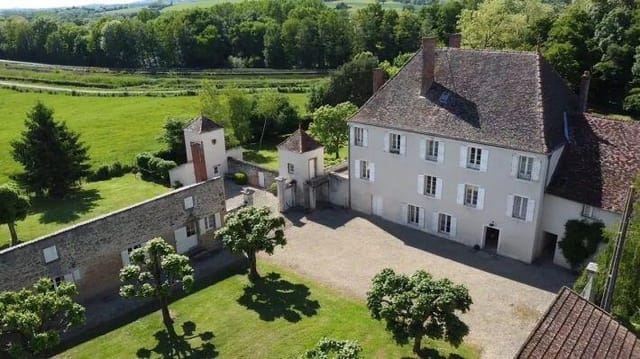
Picture 1

On a still morning in this quiet Limousin hamlet, the only sounds are birdsong and the occasional creak of the old barn doors swinging open in the breeze. You pour your first coffee and carry it through the glazed door into the garden, past the fruit trees coming into blossom, and sit beside the ancient stone bread oven your architect friend keeps saying you should convert. That's the rhythm of life in Dournazac — slow, deliberate, and quietly extraordinary. This renovated three-bedroom stone house sits in one of the most underrated corners of southwest France, a region where property prices still reflect genuine value and the countryside hasn't been polished into a tourist postcard. The Haute-Vienne département rewards those who seek it out: rolling wooded hills, medieval châteaux, winding rivers, and a food culture that puts Sunday markets at the absolute center of social life. The Saturday market in Châlus — just three kilometres down the road — is where you'll find the region's famous clementines in winter, truffles if you know which stall to hover around, and a very decent andouillette that the locals will insist you try. Nearby Nexon holds one of the finest horse fairs in France each spring. Oradour-sur-Glane, a preserved WWII memorial village, is a sobering and important half-day trip that draws visitors from across Europe. The house itself carries the architectural honesty that Limousin stone buildings do so well. No decorative veneer, no awkward additions — just solid granite walls, exposed ceiling beams, and a staircase hand-built in oak that feels almost too good to rush up. The craftsmanship throughout the renovation was taken seriously. You notice it in the custom kitchen, which stops visitors in their tra ... click here to read more
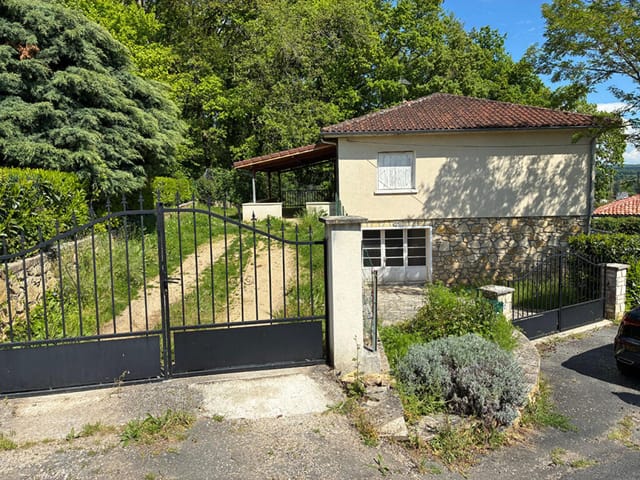
Picture 1

On a quiet morning in the Gironde, before the tourist coaches arrive in the village and the church bells of Saint-Émilion's monolithic abbey start marking the hour, you can stand at the kitchen door of this 1860s chateau and look out across a landscape that has been producing some of the world's most celebrated wine for over a thousand years. The vineyards run almost to your garden wall. The air smells faintly of warm earth and cut grass. This is not a postcard. This is Tuesday. Built in 1860 and extended in the decades that followed, this nine-bedroom chateau and manor house sits in more than an acre of grounds just a short drive from the celebrated village of Saint-Émilion, in the heart of one of France's most revered wine-growing appellations. At 280 square metres of interior space across the main residence and a separate guest house, there is real breathing room here — room for a large family, room for friends who stay too long and don't apologise for it, room to think about what you actually want this place to become. The building's history shows itself in the right ways. Walk through the entrance hall and the proportions feel considered, unhurried — the way older houses do when they were built for people who planned to stay. A classic reception salon sits off the hall, the kind of room that works for a winter dinner party with candles on the table just as well as it does for lazy Sunday lunches spilling out into the garden. A separate dining room, a study, and a family kitchen that opens directly onto the grounds complete the ground floor picture. Wooden double-glazed windows throughout manage the neat trick of preserving the original character while keeping things genuinely comfortable across all four seasons. ... click here to read more
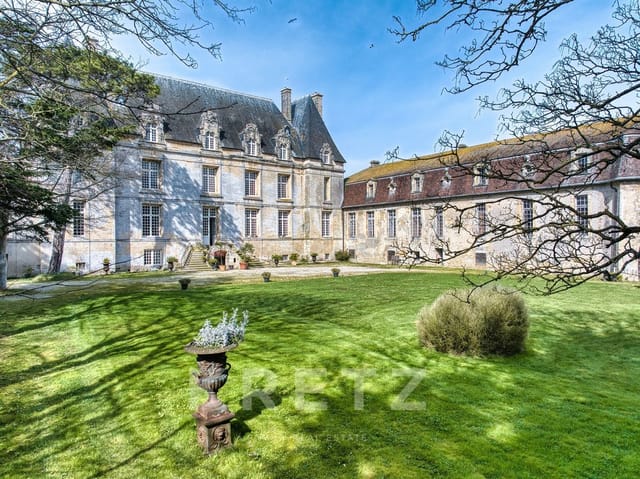
Picture 1

Stand on the south-facing terrace on a July morning and you'll understand immediately why people come to Sarlat-la-Canéda and never quite manage to leave. The medieval rooftops fan out below you, the limestone towers catching the early light while the smell of bread from the boulangerie on the Rue de la République drifts up through the garden's mature oak and walnut trees. Five minutes on foot and you're in the middle of one of France's most intact medieval town centres. But here, behind the solid stone walls and wooden shutters of this 260-square-metre residence, you have your own sanctuary above it all. This is a proper Périgord Noir stone house — the kind with walls thick enough to keep the interior cool through August's heat without much help, built with the kind of care that simply isn't replicated today. The wrought-iron staircase rising from the marble-floored entrance hall is the first clue that this house was built to last and to impress. The ground floor's solid oak front door opens onto an entrance hall of 16 square metres, and the sense of scale only grows from there. One of the most practical — and genuinely rare — features here is the self-contained ground-floor apartment with its own garden entrance. It has a combined living, dining and kitchen space, a bedroom, and a bathroom, all accessed independently from the main house. The implications for international buyers are significant: rent the apartment year-round through a local agency while you use the main house during summer, or house a family member, a caretaker, or seasonal guests without any awkward sharing of space. Properties in Sarlat with this kind of built-in flexibility at this price point are not easy to find. Upstairs, the first floor is wh ... click here to read more
Picture 1

On a warm Tuesday morning in Jonzac, you open the terrace doors off the sitting room and the air smells faintly of mineral water and cut grass. Below you, the garden runs downhill in long, generous sweeps — through a canopy of trees, past a woodland patch that filters the light into something almost theatrical — until it reaches the quiet banks of the River Seugne. A heron stands perfectly still at the water's edge. You can hear the church bells from the old town center, just five minutes away on foot. That's the daily reality of owning this five-bedroom geothermically heated house in the heart of one of Charente-Maritime's most quietly compelling spa towns. The property sits less than 500 meters from Jonzac's center, which puts you close to everything without sacrificing the sense of space that defines life here. The upper floor holds three well-proportioned bedrooms, a bathroom with a separate WC, and a triple-aspect living and dining room that catches light from three directions. That room connects directly to the south-facing terrace — the kind of terrace you end up living on from April through October, drinking Pineau des Charentes in the early evenings while the swallows dart over the garden. The kitchen is bright and practical, also opening onto the terrace, so cooking here in summer means constant movement between inside and out. What makes this house genuinely unusual is the lower floor. Two independent guest accommodations sit completely self-contained on that level, each with private access. For a family wanting multi-generational space — grandparents, adult children, close friends who visit for weeks at a time — this layout is hard to find at this price point in France. For a buyer thinking about income gen ... click here to read more
Picture 1

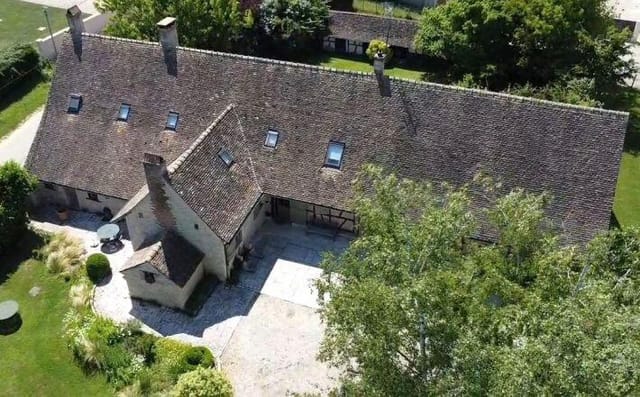
Sunday morning in Savigné, and the kitchen window is open. The smell of coffee mixes with cut grass drifting in from the meadow out back. Nobody's in a hurry. That's kind of the whole point. This former farmhouse in the Vienne département of Poitou-Charentes has been fully renovated and is move-in ready — no months of waiting on contractors, no difficult decisions about plumbing layouts. Someone has already done the hard work. What you walk into is 130 square metres of comfortable, liveable space that still carries the bones and character of a proper French country property: thick stone walls, outbuildings with real agricultural history, a bread oven that looks like it belongs on a postcard, a barn with a stable, and a former henhouse that has quietly been waiting for someone with imagination to figure out what it wants to be next. The ground floor is practical without being cramped. The kitchen is fully equipped and opens directly into the dining and living area, which means the cook never gets exiled to a separate room while everyone else talks. There's a bedroom on this level too, with its own dressing room — useful if you have guests who'd rather not tackle stairs, or if you want to turn the upper floor into a private retreat entirely your own. A shower room, WC, and a boiler room round out the ground floor. Upstairs, a landing connects three further bedrooms and a second shower room with WC. Four bedrooms in total is a generous count for a French country house in this price range — enough for a family and a couple of friends, or enough to make short-term rental a genuine option during the weeks you're not here. Then there's the land. The enclosed garden is the kind of space where afternoon becomes evening withou ... click here to read more
Picture 1

Picture this: it's a Saturday morning in late June, and you're already swimming laps in a 9-by-4.5-metre heated pool before the rest of the hamlet has stirred. The Dordogne air is cool but warming fast, the swallows are cutting arcs over the meadow, and through the covered summer kitchen you can smell coffee brewing. This isn't a fantasy borrowed from a magazine. It's Tuesday, actually—because when you own a place like this, every day feels like a day you chose. The house sits in the tiny hamlet of Creyssensac-et-Pissot, tucked into the rolling green hills of the Périgord Vert, a corner of France that still operates largely on its own timetable. Built in 2012 on a generous 3,725 m² plot, the single-storey villa carries none of the renovation burden that comes with older Dordogne stone farmhouses—no crumbling walls, no damp to chase, no ten-year project looming over your holidays. It earned a B energy rating thanks to full double glazing and underfloor heating throughout, which means winter visits are genuinely comfortable, and your energy bills won't make you wince. Inside, the open-plan living space does what good architecture should: it gets out of your way. The lounge, dining area, and fitted kitchen flow together naturally, lit by wide windows that pull the countryside views directly into the room. The log burner in the corner is less of a necessity—the underfloor heating handles that—and more of an occasion. Light it on a wet November evening with a bottle of Bergerac rouge and a board game on the table, and you'll understand why people keep coming back to the Dordogne season after season. Three well-proportioned bedrooms branch off a central corridor, alongside a family bathroom with both bath and shower, plus a ... click here to read more
Picture 1

On a Sunday morning in Saint-Séverin, the only thing that stirs you is the smell of bread drifting up from the boulangerie two streets over and the faint clinking of bottles as the weekly market sets up on the square. You pad out through the conservatory doors in bare feet, coffee in hand, and stand at the edge of 7,000 square metres of your own French countryside. That's not a fantasy — that's Tuesday here, too. This is a proper Charente stone house. Not a ruin dressed up for photos. Not a weekend project. Solidly renovated, genuinely liveable, and built the way they built things in this part of southwest France — thick walls that stay cool through August, exposed beams that have held up for generations, and a fireplace in the sitting room that earns its keep from October through March. The stone has colour in certain light, going from pale grey to warm amber depending on the hour. You'll notice that. You'll stop noticing other things you used to care about. The main house runs to three bedrooms and flows the way a French farmhouse should — not rigidly, not in a straight line, but through rooms that connect to each other and back out to the garden at multiple points. The ground floor living and dining space anchors everything, anchored itself by that stone fireplace with its inset wood burner. From there you move into the kitchen, which is properly fitted rather than decorative, or into the conservatory, which catches afternoon light and works equally well as a reading room or an extra dining space when the table inside fills up. The main sitting room has its own wood burner too — this house takes winter seriously — and connects through to a study or music room depending on what you need it to be. The master suite oc ... click here to read more
Picture 1

Step out onto the front terrace with a coffee in hand on a Tuesday morning in September, and the Vézère Valley spreads out below you in that particular golden light the Dordogne does better than almost anywhere else in France. The walnut trees are starting to drop. Someone two streets down is baking. The cliffs behind you still hold the night's cool air. This is what 115,000 euros buys you here — not just a stone cottage, but a specific, irreplaceable foothold in one of the most historically layered corners of rural France. Les Eyzies-de-Tayac-Sireuil sits at the confluence of the Vézère and Beune rivers, and it carries that geographical confidence like a village that knows exactly what it is. This is the self-styled capital of prehistory, and the claim is not idle boasting — the Cro-Magnon rock shelter is literally at the edge of town, and the Musée National de Préhistoire, rebuilt into the limestone cliff face above the main street, draws serious visitors from across Europe year-round. Walk to the Font-de-Gaume cave with its original polychrome bison paintings (one of the last sites in the world where you can still stand in front of authentic Paleolithic art), and you'll understand why UNESCO gave this entire valley World Heritage status. Living here, even part-time, means all of that is just a twenty-minute stroll. The cottage itself is perched on the hillside with the kind of elevated position that means you catch the morning light early and the evening breeze reliably. Stone walls that have stood for well over a century have been carefully renovated — not stripped and sanitised, but worked with. The character is intact: the rough-cut limestone exterior, the proportions that belong entirely to this part of the Péri ... click here to read more

0001

Pull up the private drive on a June morning and the first thing you notice is the silence. Not the absence of sound exactly, but the particular kind of quiet that only comes with 2.2 hectares of your own woodland and gardens wrapped around a grand stone house in the Vienne countryside. Then the birds start up. Then, faintly, the church bell in La Trimouille village counts out nine o'clock. And you realize this is going to be a completely different kind of morning. This is a rare piece of rural France — a three-floor principal residence of 293 square metres plus a fully independent gatekeeper's cottage, tucked down its own private lane just a short walk from the centre of La Trimouille in the Poitou-Charentes region. At €315,650, you're looking at a property that would comfortably command double this price in Dordogne or Provence. The Vienne département still operates on its own timetable, which is one of the many reasons people who discover it tend to stay. The main house has a generous, unhurried quality. Wide wooden floors run throughout all three levels — the kind that creak pleasantly and catch afternoon light differently depending on the season. On the ground floor, the living room opens through double doors onto a south-facing terrace overlooking rolling countryside. You'll eat breakfast out there far later into autumn than you'd expect; this part of France averages close to 2,000 hours of sunshine per year. The ground floor also holds a dining room, a well-proportioned kitchen, two offices (useful for remote working or, frankly, finally writing that novel), a bedroom, a shower room, and a separate toilet. Head upstairs and four more bedrooms spread out across the first floor, served by a full bathroom. Above tha ... click here to read more
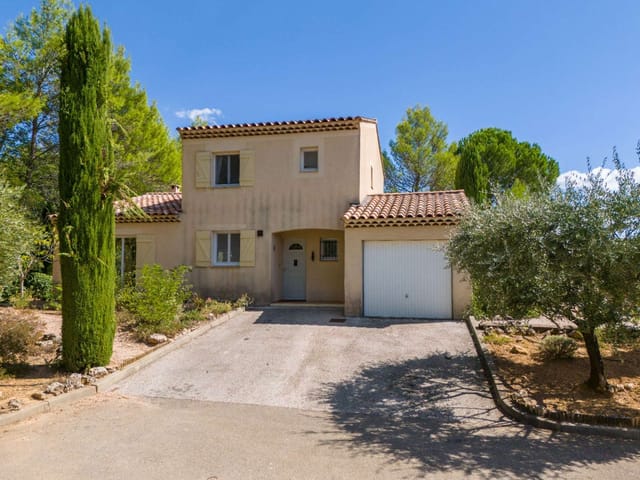
Picture 1

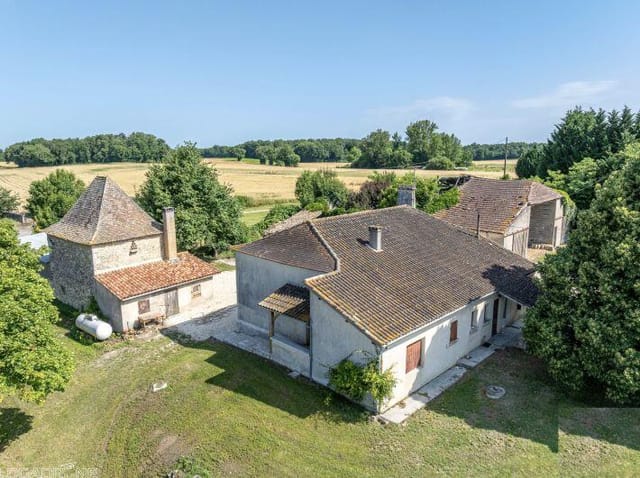
Picture a Tuesday morning in late June: you're at the twice-weekly market in Montguyon, five minutes down the road, picking up a wedge of goat's cheese from the local fromagère and a bunch of sunflowers that cost less than a coffee back home. You drive back through a hamlet so quiet the loudest thing you'll hear is a woodpigeon in the oak at the back of the garden. That's Saint-Martin-d'Ary. And that's what owning this place actually feels like. Set between Montguyon and Neuvicq in the southern stretch of Charente-Maritime, this three-bedroom detached house sits on a generous 3,000 square metres of mature land in a small, unhurried hamlet. It's the kind of spot that takes a minute to find on the map but stays with you long after you leave. At 102m², the house is compact enough to manage easily as a second home, yet laid out with enough rooms that a family or a group of friends won't be tripping over each other. Inside, the ground floor flows from an entrance hall into a comfortable lounge and separate dining room — the sort of arrangement that still works for a long Sunday lunch the way open-plan never quite does. The kitchen has a fireplace, which tells you something important: this room was built to be the heart of the house, not just a functional corner. On cold December evenings when you're down here for a long winter weekend, a fire in the kitchen while something slow-cooks on the hob is exactly the right kind of warmth. There's also a utility room for the practical side of country living — muddy boots, firewood, market bags. At the back, a summer room and veranda opens the house out toward the garden, catching afternoon light and giving you somewhere to eat outside without the full commitment of a terrace meal in ... click here to read more
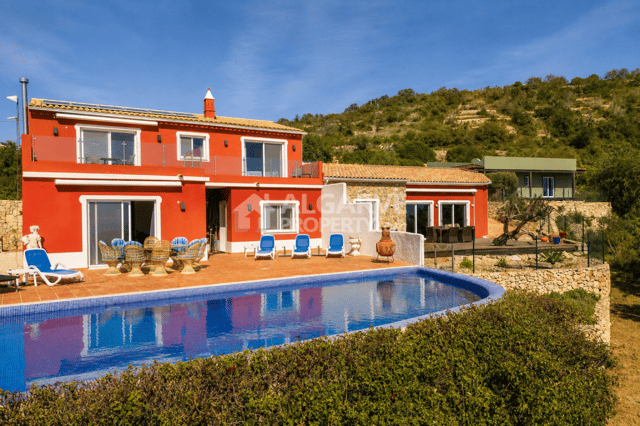
Picture 1