Houses For Sale In Europe With 2+ Bedrooms (page 3)

Houses for sale in europe - homestra offers the largest amount of european real estate with over 200,000+ properties, find any type of property within your budget from villas to country homes. buy or rent your perfect home in europe. (page 3)

Stand at the kitchen window on a October morning and watch low mist roll through the Teviot Valley while the Aga ticks quietly behind you. The kettle's on. Outside, six acres of your own land stretch toward the Frostlie Burn, where brown trout hold position in the current. This is The Old Manse at Teviothead—and mornings here have a particular quality that's hard to explain until you've had one. The property sits about nine miles south of Hawick, deep in the Scottish Borders hill country, where the landscape feels genuinely untouched. This isn't a gentrified rural retreat dressed up for weekenders. It's a working countryside estate in miniature—a former manse with stone gate piers, a sweeping gravel drive, real flagstone floors, and the kind of quiet that you can actually hear. The surrounding hills belong to the Buccleuch Estate, one of Scotland's largest private landholdings, which means the views aren't going anywhere. Walking through the main entrance, you pass through a traditional vestibule into a reception hall that immediately signals the scale of the house. Ceilings are generous. Proportions feel right. The drawing room at the front catches morning light through large windows and works equally well for a fire-lit evening with guests or a Saturday afternoon with the papers. The sitting room next door is less formal—the kind of room where a family actually lives, with a terrace door that opens directly onto the garden. That connection between inside and outside matters enormously in a house like this. The dining room links these reception spaces naturally, and the whole ground floor flows in a way that makes it feel larger than 389 square meters might suggest on paper. At the center of daily life here is the ki ... click here to read more

Front exterior of The Old Manse

Step outside on a Saturday morning and the air carries the faint scent of freshly cut grass from the farmlands that roll away behind the garden fence. No traffic noise. No neighbor's terrace cramping yours. Just open sky, birdsong, and the slow-moving stillness that most people spend their whole lives trying to find on vacation. This is the everyday reality at Schulstrasse 58 in Bunde — a 2021-built detached house on a 1,121-square-meter plot that gives you room to actually exhale. Built just a few years ago, the house sits at the edge of a quietly expanding residential area, which means you get the benefit of modern construction standards without the chaos of an unfinished development around you. The neighbors have settled in, the street is calm, and the plot still feels generously proportioned by any measure. Four bedrooms, two bathrooms, 152 square meters of living space, and a garden that wraps around the entire property — this is a serious amount of house for the price. Let's talk about the ground floor, because this is where daily life happens and where this home earns its keep. The living room catches afternoon light through French doors that open directly onto a covered sun terrace — covered being the operative word. German summers are glorious but unpredictable, and having a terrace you can actually use when a cloud rolls in changes everything about how you use outdoor space. The terrace looks out over the rear garden and beyond that, straight across open agricultural land. There are no other houses back there. It's a view that feels privately owned but costs nothing extra to maintain. The kitchen sits adjacent to the living room and is fitted with high-quality built-in appliances, generous counter space, and ... click here to read more

Front view of Schulstrasse 58

Stand at the drawing room window on a still October morning and the loch is so glassy you can't tell where the water ends and the reflection of Ben Cruachan begins. That's the view from Ardanaiseig House. Not a postcard version of Scotland — the real thing, unfiltered, on your doorstep every single day. Built in 1834 by William Burn — the architect behind some of Scotland's most significant country houses — Ardanaiseig was commissioned by Colonel James Campbell and designed in the Scottish Baronial style, all turrets, dressed stone, and deep-set windows that frame the landscape like paintings. It has been under single ownership since 1995, and the restoration work carried out over those decades has been both thorough and thoughtful. Nothing here screams renovation project. The house is in good condition and ready to inhabit, whether your intention is private occupation, continued use as a hospitality venue, or some combination of the two. Sixteen individually designed ensuite bedrooms spread across the principal house, each one distinct in character — different ceiling heights, different outlooks, different details in the plasterwork and joinery. The three grand reception rooms are the kind of spaces that change the way you move through a day: high ceilings that make even a crowded gathering feel airy, open fireplaces that earn their keep from October through April, and views across Loch Awe that you genuinely never stop noticing. The kitchen is currently fitted out as a commercial facility, which tells you something about the scale of entertaining this house was built for. It could stay exactly as it is, or it could be reimagined as a proper family kitchen — the bones are there for either. Then there's the land. One ... click here to read more

Aerial View

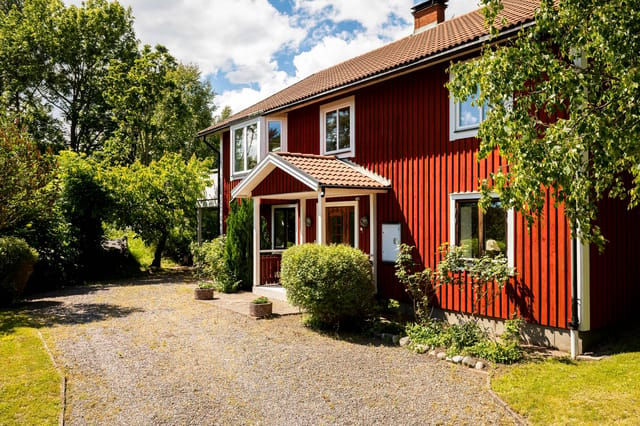
Step outside on a Saturday morning in late May, coffee in hand, and the only sound you'll hear is birdsong and the faint rustle of wheat fields beyond the garden hedge. The swimming pond catches the early light. The sauna in the log cabin is warming up. Your AGA cooker is ticking quietly in the kitchen behind you. This is what 312 square meters of well-built Belgian countryside living actually feels like at Maxburgdreef 11 — and it's hard to imagine going back to city noise after a single weekend here. Hoogstraten sits in the Kempen region of Antwerp province, a stretch of northern Belgium that doesn't shout about itself the way the coast or the Ardennes do. That's exactly the point. The town center, a short drive from the property, revolves around the Sint-Katharinakerk — one of the most striking Gothic churches in Flanders, with a tower you can spot from the surrounding farmland on a clear day. The weekly market on the Vrijheid brings out local vendors selling Kempense asparagus in spring, fresh strawberries from the famous Hoogstraten cooperative (the region produces a significant share of Belgium's strawberry crop), and wheels of aged cheese. It's a proper market town, not a tourist set piece. The house sits on a generous 1,362 square meters on the quiet Maxburgdreef, a lane flanked by open agricultural land. The rear garden faces south, which means long afternoon sun on the wooden terrace and the custom swimming pond — fed and heated by a heat pump, so it reaches a comfortable temperature well before June and holds it deep into September. Swim in the morning, dry off on the terrace, duck into the log cabin for a sauna session. That combination, in a garden this private, is genuinely rare at this price point in the ... click here to read more

Front view of Maxburgdreef 11 - B

Early on a Saturday morning in Hoelbeek, the only sounds are birdsong, the soft shuffle of horses in their stables, and a tractor somewhere in the distance crossing a field of sugar beet. By nine o'clock you're drinking coffee on the veranda, looking out over nearly 4,000 square metres of your own land, and wondering why you ever thought a city apartment was enough. That's the daily reality at Hoelbeekstraat 78 — a substantial, dual-unit property on a sweeping rural plot in the heart of Belgian Limburg, priced at €649,000. This isn't a weekend escape that requires compromise. With a total living area of 432 square metres spread across two legally approved residential units — each carrying its own house number, its own entrance, its own garage — the property works for a striking range of buyers. Families who want to fold generations under one roof without losing independence. Buyers eyeing a live-in investment, occupying one side and renting the other. Remote workers who want a proper home office that doesn't involve converting a spare bedroom. Or simply people who want more space than Belgian cities can realistically offer at this price point. The two units are configured as a semi-detached house: number 78 on one side, number 80 on the other. They can run independently or be opened into a single sprawling family home — that flexibility is genuinely rare and, frankly, underappreciated in how much it future-proofs a purchase. Unit 78 sets a welcoming tone from the moment you step into its entrance hall. The ground floor flows through a generous living room into a modern kitchen, and then out into a bright veranda that becomes the unofficial heart of the house in spring and summer. There's also a bathroom with both a ba ... click here to read more

Front view of Hoelbeekstraat 78

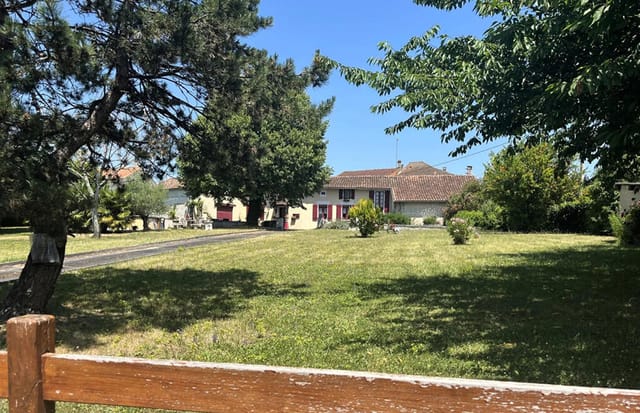
On a clear morning in Aramits, you wake to the sound of nothing except birdsong and, if the wind is right, the faint clang of sheep bells drifting down from the high pastures above the village. That's not a cliché — it's Tuesday. This is the Pyrenees-Atlantiques, one of the least spoiled corners of southwest France, and this former mountain sheepfold is the kind of place that reminds you why you started looking for a second home in Europe in the first place. What started life as a traditional bergerie — a working stone sheepfold used by Basque shepherds for centuries — was fully reconstructed between 2007 and 2010 into a three-bedroom, three-bathroom home of 160 square metres. The result is a property that has real bones: exposed ceiling beams, thick walls that keep summer heat at bay, and a large picture window in the sitting room that frames the Pyrenean ridgeline like a painting you never get tired of. Underfloor heating on the ground floor runs off an air source heat pump, the whole building is double-glazed and insulated throughout, and the DPE rating sits at C — solidly efficient for a property of this age and character. You're not buying a renovation project. You're buying a house that's already been done well. The 160m2 of habitable space is arranged across three levels. On the ground floor, an open-plan kitchen and dining area flows into the sitting room — proper, lived-in space with room for a long table when family arrives in August. Two of the three bedrooms are on this level, each with its own en-suite shower room, which makes the layout genuinely practical for hosting guests or renting short-term. The first floor landing doubles as a home office, a detail that matters more than it used to, and the third b ... click here to read more

Photo 1

Step outside on a September morning at Rock Cottage and the air hits you differently than anywhere else. The smell of wet grass and pine from the hillside above Stronaba, the sound of absolutely nothing man-made—just wind moving through the croft's upper grazing and maybe a red kite making its case overhead. Two miles down the road is Spean Bridge. But right here, on this 18.1-acre slice of the Scottish Highlands, you could easily forget the rest of the world exists entirely. This is not a standard holiday cottage. What you're looking at is a working lifestyle property—a fully maintained detached cottage as the main residence, a separate income-generating chalet, nearly two full acres of landscaped garden, an agricultural workshop big enough to run a small operation, and seventeen-odd acres of registered croftland rolling into open Highland terrain. Properties like this don't come up often, and when they do, they don't sit around. Rock Cottage itself is spread across two floors and has been kept in genuinely good order throughout. Walk in from the gravel driveway and the ground floor immediately does what a Highland home should: it's warm, it's practical, and it draws you toward the windows. The triple-aspect sun room is the kind of space that earns its name across every season—morning light in summer fills it completely, and on a clear winter day you can watch snow settle on the Grampian foothills without leaving your chair. The lounge has a wood-burning stove. So does the dining room. The shaker-style kitchen with its island unit is the sort of layout that makes cooking for eight feel manageable rather than chaotic, and the Belfast sink in the separate utility room is a detail that anyone who's come in from mucking a ... click here to read more

Front view of Rock Cottage and garden

Stand at the south-facing balcony on a clear June morning and the Unstrut valley spreads out below you — fields catching early light, the faint sound of the river somewhere beyond the treeline, and the kind of quiet that urban Germans drive three hours to find on weekends. This is Kaliwerk 18A, a four-apartment complex sitting on a generous hilltop plot in Rossleben-Wiehe, a small town straddling the Thuringia-Saxony-Anhalt border that most people outside central Germany haven't discovered yet. Which, for a buyer thinking about second home potential or vacation rental income, is exactly the point. The numbers make you look twice. Eight bedrooms across four self-contained apartments, each around 69 square meters, on a 1,715-square-meter plot — all for €98,500. That's not a typo. Central Germany's property market moves at a different pace than Bavaria or the Rhine valley, and pockets like Rossleben-Wiehe still offer the kind of entry points that have almost completely vanished from western Europe's holiday home market. Each apartment follows a practical layout: entrance hall with cloakroom, a proper closed kitchen (not an open-plan afterthought), two or three bedrooms depending on the unit, and a bathroom with both tub and shower. The living rooms open onto south-facing balconies — that southern exposure matters here, because the region around the Unstrut valley is one of the sunniest in Germany, with a microclimate that supports local viticulture and keeps summer evenings warm well into September. The building itself dates to 1961, with a significant renovation in 1992 that brought in the oil-fired central heating system and updated the window frames, many of which have insulating glazing with HR++ glass. The structure ... click here to read more

Photo 1 of Kaliwerk 18A

Stand in the galleried grand hall of Kinloch Castle on a still October morning, and you'll hear almost nothing — just the faint knock of a red deer against the treeline, and the distant slap of Loch Scresort against the pier stones. That silence is not emptiness. It's the sound of one of the most remote and historically charged addresses in the British Isles doing exactly what it was built to do: making the rest of the world feel very far away. Kinloch Castle sits on the eastern shore of the Isle of Rum, the largest of the Small Isles scattered across the Inner Hebrides off Scotland's west coast. Built between 1897 and 1900 for Sir George Bullough — a Lancashire industrialist with seemingly bottomless pockets and a taste for the theatrical — this Category A listed sandstone castle is not a ruin dressed up in heritage language. It is a fully intact Edwardian time capsule, with its original contents still in place: the 1900 Steinway grand piano still in the ballroom, the Japanese lacquer cabinets still catching the afternoon light in Lady Monica's drawing room, the mechanical orchestrion still housed inside the Jacobean staircase. That orchestrion, incidentally, is one of only three ever built by Imhoff and Mukle of Germany. The other two are in museums. This one comes with the castle. The scale of the place takes a moment to absorb. Twenty bedrooms, nine bathrooms, and a ground floor that reads like an architectural fever dream of Edwardian ambition: a galleried grand hall with mullioned bay windows big enough to fill with winter light, a mahogany-panelled dining room with crystal candelabras still on the table, a billiard and smoking room that smells faintly of old leather and woodsmoke, a ballroom with a sprung floor ... click here to read more

Kinloch Castle

On a clear morning, you can stand in the living room of The Gables and watch the mist lift off the Denbighshire hills — a slow, unhurried theatre that no screen saver has ever quite captured. The fields roll away in every direction, the lane outside stays quiet enough to hear a pheasant in the hedge, and the only traffic you'll encounter before 9am is someone walking a spaniel. This is rural North Wales at its most grounded, and this four-bedroom house on roughly one acre of flat, usable land puts you right in the middle of it. Built in 2004 and maintained in genuinely good condition throughout, The Gables sits along a quiet country lane in Llannefydd, a small village tucked into the hills between Denbigh and the Vale of Clwyd. The house delivers around 2,600 square feet — 239 square metres — across two well-organised floors, which means there's actual room to spread out. Not just a spare bedroom and a narrow hallway, but three reception rooms, a proper kitchen with a breakfast area, a utility room you'll use every single day, and four double bedrooms served by three bathrooms. For a holiday home or second home in North Wales, that kind of space is genuinely hard to come by at this price point. Pull into the long gravel driveway and you immediately understand the scale. The house sits well back from the lane. The grounds extend to about an acre of level grass — no steep banks to manage, no awkward corners — just usable land with open countryside beyond the boundary. Families who've spent years cramped into suburban gardens tend to go a bit quiet when they first see it. There's a rear patio accessible through French doors from the kitchen, perfect for a long lunch when the weather behaves, and the surrounding hedgerows ... click here to read more

Front view of the property

Stand at the end of your own jetty at six in the morning. The water in Tanumskilen is so still it mirrors the granite cliffs on the far shore. A cormorant dries its wings on a rock nearby. Your coffee is getting cold back on the terrace. You don't care. This is what owning Klätta 1 A and B actually feels like—and there is genuinely nothing else like it on the Swedish west coast market right now. Set on its own private peninsula in the Bohuslän archipelago, just outside Tanumshede in Västra Götaland county, this is an 8.3-hectare coastal estate comprising two fully winterized residential houses, a private boat and swimming jetty, and direct frontage onto some of the most sought-after sailing water in Scandinavia. The shoreline sits roughly 100 meters from the front doors. Four bedrooms, two bathrooms, 167 square meters of indoor living space, and an additional 62 square meters of utility area across the two interconnected properties—together they form a compound that works equally well as a private family retreat or a genuinely viable coastal business base. The Bohuslän coast has been pulling people north from Gothenburg for generations, and for good reason. This is the Sweden of salt-bleached wooden boathouses, hand-painted red cottages perched on polished rock, and harbors where the morning catch gets weighed while the fog still sits low on the fjord. Grebbestad, about 8 kilometers east and reachable in ten minutes by car, is the kind of town where the oyster boats come in at the Grebbestad Fiskmarknad and you can eat those oysters an hour later at a table overlooking the quay. In July, the harbor fills with wooden sailing vessels for the annual gatherings that attract classic boat enthusiasts from across the Nordic c ... click here to read more

Main house and sea view

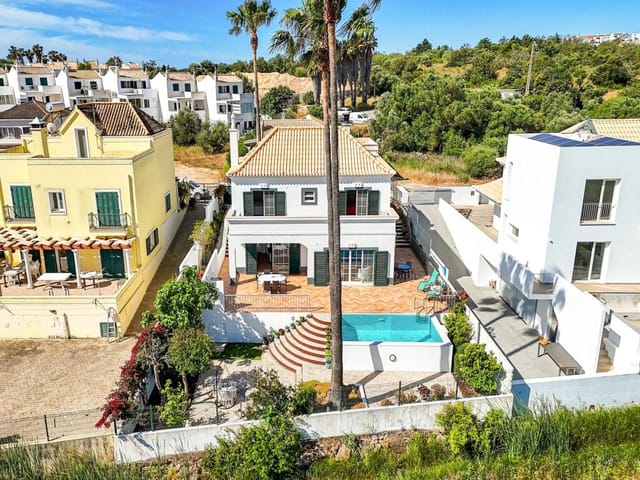
Stand at the upper floor windows of Aidengrove House on a clear morning and you can watch container ships ghost silently across the Firth of Clyde while the hills of Argyll turn gold in the early light. It's the kind of view that makes you put your coffee down just to stare. This is Kilcreggan — a quietly extraordinary village clinging to the tip of the Rosneath Peninsula — and this five-bedroom stone villa on Argyll Road is one of its most compelling addresses. The house itself is a proper Scottish stone villa, the kind built to last centuries and increasingly rare to find in genuine good condition. At 209 square metres across two floors, it has the bones of a grand Victorian family home and the practical upgrades of a property that has been genuinely cared for. The south-west facing orientation means the principal rooms drink in afternoon and evening light, with the gardens and the water beyond framed like a painting that changes every hour. Pull up the driveway — there's ample off-street parking, a small but meaningful luxury for any property in this part of the peninsula — and you're greeted by mature landscaping that took decades to establish. Beech hedges, established shrubs, and a mix of young and old planting give the enclosed front and rear gardens a sense of depth and seclusion that a new-build could never replicate. In late spring, the front lawn catches the last of the day's sun until almost nine in the evening. There are few better places to end a long summer day. Inside, the reception hall sets the tone immediately: high ceilings, original stonework detailing, and a flow between rooms that feels generous rather than formal. The principal lounge connects through to a sitting room, and the arrangement work ... click here to read more

Front view of Aidengrove House

Step outside on a Saturday morning in Hechtel and the air already tells you something is different. It carries pine resin from the Bosland forest, a vast 5,500-hectare wilderness of trails, heathland, and cycling paths that begins practically at the end of the street. This isn't a suburb pretending to be countryside. It's the real thing — and Verloren Eind 25 sits right in the thick of it. The house itself was built in 1992, but don't let that date fool you. A thorough renovation carried out between 2020 and 2021 stripped it back and rebuilt it properly, with materials chosen for longevity rather than appearance. A second bathroom followed in 2026. The result is 243 square metres of genuinely move-in-ready living space on a 961-square-metre plot — the kind of footprint that lets a garden actually breathe. Walk through the front door and the hallway opens wide, light coming in from multiple angles. The ground floor is fully accessible and liveable, which matters more than most buyers initially realise — it means flexibility for a multi-generational family, a guest who needs single-level access, or simply the freedom to age gracefully in a home you love. The open living and dining area is anchored by large windows that frame the garden rather than just overlook it. On a grey February afternoon, that garden still manages to look alive. In July, when Belgian summers surprise everyone with their warmth, the terrace becomes the most-used room in the house. The kitchen is fitted for people who actually cook. Solid appliances, proper storage, counter space that doesn't run out the moment you start prepping a Sunday roast. It connects naturally to the dining area so conversations don't get interrupted by walls. Four bedrooms ... click here to read more

Photo 1 of Verloren Eind 25

The first morning you wake up at Nedersta 6, you'll hear it before you see it — hooves shuffling in the straw, the low whinny of a horse greeting the pale Swedish dawn through the frosted stable window. Step outside and the air carries that particular mix of pine, damp earth, and hay that no city has ever managed to replicate. This is life on 1.5 hectares of Swedish countryside, and once you've had a taste of it, a regular apartment somewhere will feel like a compromise. Set on a generous freehold plot of 15,054 square meters just outside Västerås, this three-bedroom country home dates to 1900 and has been kept in genuinely good condition — not a cosmetic flip, but the kind of careful upkeep that means the bones are solid and the systems are current. The Kenrex septic system was replaced in 2013. Fiber internet runs to the house. The insulated, heated water pipes in the stables won't freeze when January in Mälardalen decides to turn serious. Somebody here thought practically, and it shows. Inside the main residence, the kitchen anchors daily life the way a good kitchen should. A traditional wood-burning stove sits at its heart — functional, not decorative — and on a grey October afternoon, with soup on the hob and the terrace door cracked open to the smell of wet leaves, it's the kind of room that earns the word "home" properly. The ground floor flows from kitchen to living and dining areas in an open layout that works well for a family coming in from a morning's riding, muddy boots deposited in the practical mudroom near the guest WC. A fireplace in the living room handles the deep cold of February with ease. Direct access from the ground floor leads out to a covered terrace, which matters here — Swedish summers are g ... click here to read more

Front view of the main house and stables

Picture this: a Saturday morning in late June, the air already warm by nine o'clock, the Pyrenees doing that thing they do where the peaks turn pink before the valley below even wakes up. You're sitting on your own terrace with a coffee, somewhere between Toulouse and the mountains, and you genuinely don't have a plan for the day. That's Daumazan-sur-Arize. That's Villa 133. This fully renovated, detached three-bedroom villa sits inside the established Château Cazalères holiday park on the edge of this quietly compelling village in the Ariège — a département that most of France still hasn't fully discovered, which is precisely the point. At 100 square metres on a 400 m² private plot, the property was stripped back and rebuilt to a high spec, and it shows. This isn't a cosmetic refresh. The bathrooms have underfloor heating and walk-in showers, the kitchen is fitted with modern appliances and enough workspace that someone who actually cooks will be happy, and the whole downstairs flows out to the garden through wide glass doors. Two additional separate WCs mean six guests can share the space without the morning shuffle. The living room catches the southern light from mid-morning onwards. In winter — and the Ariège gets real winters, which is part of its character — that warmth through the glass is something you'll appreciate. In summer, the garden terrace takes over. It's south-facing, properly private, and sized for a long lunch that drifts into aperitifs. There's a dedicated barbecue space, and the surrounding park greenery keeps it sheltered without hemming it in. Château Cazalères has been running long enough to have ironed out the things that matter. The pool complex is large — multiple pools, including a dedicate ... click here to read more

Front view of Villa 133 at Chateau Cazalères

Stand at the front of this house on a clear October morning and the view does something to you. Across the Sound of Mull, the Morvern Peninsula sits grey-blue and enormous, the kind of landscape that makes you feel both very small and very lucky. A buzzard circles above the hillside behind. The kettle is already on. Kinelvadon View is a four-bedroom contemporary detached house set on roughly half an acre of elevated ground between Craignure and Tobermory, on one of Scotland's most visited and genuinely wild islands. At 177 square metres, it's substantial — big enough for the whole extended family, roomy enough that teenagers and grandparents can each find their own corner without anyone feeling crowded. The house is in good condition and ready to walk into. No renovation project. No waiting. Just Mull, immediately. The open-plan ground floor is the social engine of the place. Kitchen, lounge, and dining area all flow into one another without walls chopping up the space, and the triple-aspect windows in the lounge pull light in from three directions. On a bright June afternoon, the room practically glows. The kitchen is built around dark cabinetry against white worktops — a combination that sounds simple but reads as genuinely sharp in person. Integrated hob, extractor, dishwasher, microwave, and oven are all in place, so arriving after a long ferry journey and cooking a proper dinner is actually manageable on day one. A ground-floor room off the hallway currently works as a home office with open views to the front — easy to reconfigure as a fourth bedroom for guests. Next to it, a contemporary shower room with strong tilework finishes the ground floor neatly. A side vestibule offers a second entrance, which anyone who ... click here to read more

Front view of Kinelvadon View

Picture this: it's a Tuesday morning in July, the kind that only happens in the Béarn. You've pushed open the tall shutters of the first-floor landing, and the garden below is already alive — bees working the lavender, the pool catching the early light, the Pyrenean foothills just visible through a soft summer haze on the horizon. Downstairs, someone has put a baguette on the kitchen table. The nearest boulangerie is five minutes away, and by now you know exactly which one to use. This is what owning a château actually feels like, and this particular one — a three-storey, 468m² stone manor built in 1898, set on 4.16 hectares of its own grounds in a tiny hilltop hamlet near Salies-de-Béarn — makes that morning feel entirely possible. The château sits at the end of a winding country lane, approached by a private drive that curves around to a small parking area in front of the house. Stone steps rise to the front door and open into an entrance hall that stops first-time visitors mid-sentence. The double staircase that dominates the hall — symmetrical, unhurried, built for making an impression — sets the tone for everything that follows. A matching pair of stone exterior steps at the rear mirror the interior staircase and lead straight down to the grounds, the 12m x 4m pool, and the tennis court beyond. The ground floor arranges itself logically around that central hall: a sitting room of 30m², a dining room of equal size with an open fireplace that earns its keep through autumn and into the Pyrenean winter, a library-study-office of 23m², and a kitchen. The spaces are generous without being cavernous, which matters more than people expect when a property like this becomes a real family base rather than a weekend curiosity ... click here to read more

Picture 1

Step outside on a Tuesday morning in early October, and the air carries that particular Swedish countryside smell — pine resin, damp grass, and horse. The paddocks at Fjuckby Solvallen 146 are already alive by seven o'clock, and from the kitchen window of the 1929 farmhouse you can watch the whole scene unfold without putting down your coffee. This is the kind of property that has a pulse. Set on just over 3.3 hectares of long, well-arranged land on the quiet outskirts of Storvreta — about 15 kilometers north of Uppsala — this is a working equestrian estate with serious bones, genuine rental income streams, and enough residential flexibility to make it work for almost any buyer's vision. Four bedrooms in the main house, two bathrooms, two additional apartments, a convertible cottage, and a nine-box stable complex. That's the bare-bones version. The reality is considerably richer. The main residence was originally built in 1929, extended in 1980, and sits at a comfortable 157 square meters. It wears its age well. The living room centers around a soapstone stove — the kind that holds heat for hours long after the fire has died down — and large windows pull in the low northern light that makes Swedish interiors feel cinematic in winter. The kitchen has solid wood cabinetry and modern appliances, and it functions the way a country kitchen should: generous counter space, room for multiple people, the sense that you could feed ten without breaking a sweat. Bedrooms are properly sized. Not the optimistic "double" measurements you sometimes see in older rural properties, but genuinely roomy spaces. The two bathrooms are well-appointed and practical, which matters when you're running a property with tenants, boarders, or exten ... click here to read more

Main house and stables

On a clear morning in Glenhinnisdal, the Trotternish Ridge turns a deep violet before the sun crests it. You're standing at the breakfast room window with a coffee, watching the light spill down onto open croft land, and your guests haven't stirred yet. This is what ownership here actually feels like — not a business you manage from a distance, but a life you step into. Trotternish Bed and Breakfast sits on a working croft in northern Skye, eleven miles above Portree on the peninsula that most visitors only see from a tour bus window. That distance from the beaten path is precisely what makes this place work. Guests who find Glenhinnisdal are the ones who came looking for the real island — the wide silence of it, the geology that looks like another planet, the kind of Highland hospitality that doesn't come from a script. The building itself is architect-designed and substantial — 219 square metres across two storeys, built in 2007 and thoughtfully remodelled twice since. The exterior is durable roughcast render under a traditional slate roof; honest materials that suit the landscape. Inside, the standard of finish is consistently high: new carpets and beds fitted in 2023, emergency lighting installed, UPVC soffits and fascia replaced across 2023 and 2024, and an EV charging station added in 2024. The heating runs on an oil-fired wet system backed up by electric ceramic panel heaters for the shoulder months. Nothing here feels provisional. This is a property that has been properly looked after. Five letting rooms occupy the house, each with a name that reflects the island — Stag, Otter, Highland Cow, Puffin, Sheep. Every room has a modern en-suite with heated towel rails, fitted wardrobes, a silent fridge, a Nespresso ... click here to read more

Front view of Trotternish Bed and Breakfast

Step outside the kitchen door on a September morning and the view hits you before the coffee does. Rolling causse plateau, oak woodland dissolving into mist, and not a single rooftop visible in any direction. This is Sénaillac-Lauzès — a quiet corner of the Lot department that most people drive through on the way somewhere else, which is precisely why it's worth stopping. The villa at 630 Route de la Tuilerie sits on 10 full hectares of mixed land — meadow, mature woodland, and manicured garden — at the end of a private lane about 35 kilometres north of Cahors. Four bedrooms, two bathrooms, a separate furnished guest house, a 10 x 5.5 metre pool, a barn, outbuildings, and panoramic views that on a clear day seem to reach the next département. At €379,500, it's the kind of property that makes buyers from Paris, London, or Amsterdam do a double take and then immediately book a viewing. The main house runs to 210 square metres across two floors. Ground level is where daily life happens. The living room has underfloor heating fed by a heat pump installed in 2023 and a wood-burning stove added the same year — so the room is genuinely warm, not just theoretically warm. There's a real difference between a house with a stove for atmosphere and a house with a stove that actually works. This is the latter. The kitchen clocks in at 30 square metres, which means two people can cook at the same time without negotiating territory. It's fully fitted: five-burner gas hob, oven, microwave, dishwasher, built-in fridge, water softener, and air conditioning for the height of summer. The terrace opens directly off the kitchen — eat outside from April through October without a second thought. Three bedrooms sit on the ground floor, measuri ... click here to read more

Front view of the house and grounds

Step out onto the terrace on a July morning and the air already smells of sun-warmed rock and salt. The Norwegian coast does this thing in summer where the light arrives absurdly early and the water between the skerries turns a shade of pale blue you don't quite believe until you're standing in front of it. This chalet, built in 2020 and sitting just 200 metres from the shoreline at Søndeled, puts you right in the middle of all of it. Built to a high standard and finished with real care, the home spans 83 square metres across two levels, with five bedrooms and two full bathrooms. That might sound compact on paper, but the layout is smart. The open-plan kitchen and living area on the ground floor is the social engine of the house — stone countertops, integrated induction hob, refrigerator drawers, dishwasher — and the large windows pull in so much light that you rarely feel enclosed. On grey autumn days, which do come, the room glows. On clear summer evenings, you watch the last of the sun move across the treeline from the sofa without getting up. The five bedrooms are split between the ground floor and a mezzanine level. Up top, there's also a loft lounge — the kind of space that kids immediately claim as their own but that adults quietly appreciate too. A reading chair, a low lamp, the sound of everyone below: it works. Both bathrooms are properly done, with underfloor heating in the tiled floors, wall-mounted fittings, and one with a full bathtub. A second bathroom has washing machine provisions, which matters more than you'd think when you're coming back from a week of hiking and kayaking with muddy gear and wet swimwear. Outside, a 30-square-metre terrace wraps around the property with enough room for a proper out ... click here to read more

Welcome to SSS-veien 1633!

Step inside on a quiet Tuesday morning in Vliermaalroot and the first thing you notice is the light. Southwest-facing windows pull the sun deep into the living room from mid-morning until the last gold slips behind the Haspengouw farmland in the evening. Old Beerse brick on the facade, blue stone detailing at the threshold, solid oak underfoot — this is a house built the way Flemish craftsmen used to build them, except the boiler room holds a heat pump and 8 kWp of solar panels are quietly generating more electricity than a family of five will ever use. This is what makes this 310-square-meter pastorijwoning in Kortessem so compelling as a Belgian second home or vacation property: it carries the visual weight and presence of a classic Flemish manor house while running on near-zero energy, with an E-peil score under 20. That kind of combination is genuinely rare in this price bracket. The house sits on Bornstraat 17a in the hamlet of Vliermaalroot, which is technically part of the wider Kortessem municipality — but locals will tell you it feels like a village unto itself. Slow. Green. The kind of place where the school is 500 meters away on foot and the pharmacy is the same distance in the other direction. There are no traffic lights. There is, however, a cycling route that loops out through the fruit orchards of Haspengouw — one of Belgium's most productive agricultural regions, famous for its apple and pear blossoms in April, when the whole landscape turns white and the roadside farm stalls start selling freshly pressed juice. Six bedrooms across three floors gives the property a flexibility that's hard to find in new-build stock. The ground floor sets the tone: a wide entrance hall opens to a versatile room that wor ... click here to read more

Photo 1 of Bornstraat 17a

On a clear morning in Laurens, you open the bedroom shutters—electric, silent—and the air that comes in smells like sun-warmed garrigue and something faintly floral from the vines on the hillside. The village below is just waking up. A motorbike passes the café. That's about as busy as it gets. This is life in the Hérault heartland, and if you've been looking for a second home that delivers genuine southern French countryside without the tourist-trap prices of Provence, this four-bedroom villa might be the answer you didn't know you were this close to finding. Built in 2010 on the edge of Laurens—a compact stone village in the Faugères wine appellation—the property sits on a generous plot with uninterrupted views across the vines and rolling hills that define this stretch of Languedoc-Roussillon. It's not ancient, and that matters. The bones are solid, the design is contemporary bastide: clean lines, generous proportions, Mediterranean palette, none of the maintenance headaches that come with centuries-old stone. In good condition throughout, it's the kind of place you can unlock on a Friday evening in July and be swimming before dark. Inside, the ground floor is organized around a large lounge and dining room with an open fireplace—the kind you'll actually use from October through April, when the Hérault evenings cool fast and the smell of woodsmoke drifts through the valley. The fitted kitchen comes equipped with the full complement: oven, induction hob, extractor, integrated dishwasher, even a built-in fryer for when you've come back from the Béziers market with a bag of local potatoes and some merguez. French doors open directly onto a wide terrace. Marble and travertine finishes throughout give the interiors a pol ... click here to read more
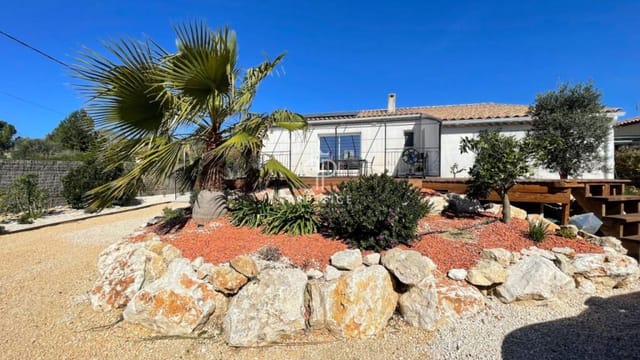
Photo 1

On a warm June evening in Hamont-Achel, you slide open the doors from the extension into the garden, the pool deck already rolled back, kids splashing in the heated water while the poolhouse gas stove keeps the evening chill at bay. The smell of pine drifts in from the Bosstraat treeline. The solar panels have been quietly charging everything all day — the car, the heat pump, the house — and your energy bill is, for the third month in a row, essentially nothing. This is not a fantasy. This is Tuesday at Bosstraat 62. Belgium's Limburg province doesn't get the international press that the Ardennes or Brussels do, but locals know exactly what they have. Hamont-Achel sits right at the northern tip of Belgian Limburg, pressed against the Dutch border near Valkenswaard and a short drive from Eindhoven. The landscape here is flat, forested heathland — the Kempen region — criss-crossed by hundreds of kilometres of dedicated cycling paths that weave through nature reserves like the Averbode Abbey woods and the Hoge Kempen National Park. On weekends, the Bosstraat neighbourhood is quiet enough to hear woodpeckers. On weekday mornings, you're on the E314 motorway within fifteen minutes, which puts Hasselt in forty and Brussels in ninety. The town itself punches well above its size. The Achel Trappist Brewery, one of the last authentic Trappist producers in the world, is just a few kilometres down the road — you can pick up their distinctive amber ales directly at the source. The Saturday market on the Marktplein fills up with local cheese, fresh-cut flowers, and Limburg vlaai (the regional custard tart that every Belgian will insist is better here than anywhere else). There are solid neighbourhood restaurants doing Belgian class ... click here to read more
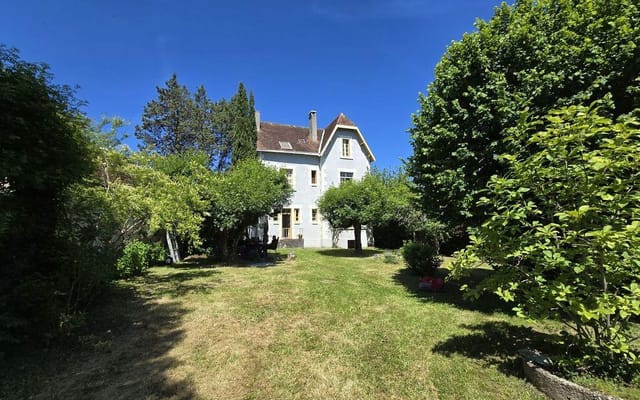
Front view of Bosstraat 62

Stand at the flagged terrace on a clear September evening and watch the sun drop behind the Outer Hebrides, painting Loch Dunvegan in shades of copper and amber. There's a particular quality to the light here on the Waternish Peninsula that photographers chase and painters try — and fail — to replicate. From Sunset View, you don't have to chase anything. It comes to you, every single evening, framed by full-length glass across an entire west-facing elevation. This is Lochbay. A handful of houses, a working croft or two, the distant lowing of Highland cattle. The Waternish Peninsula stretches north into the Minch like a quiet finger of land that the rest of the world mostly forgot about — and locals are quietly glad about that. Sunset View sits in an elevated position above the bay, and from the moment you pull off the single-track road onto the private tarmac driveway, you understand this is something genuinely different. The house has been taken back to its bones and rebuilt from the inside out by its current owners — not flipped, but thoughtfully reimagined over years. The exterior keeps its traditional Scottish character: white rendered walls, pitched rooflines, the kind of profile that belongs here. Inside is another story entirely. The ground floor opens into a lounge and dining space that measures over ten metres by seven. That's not a typo. The room is vast, flooded with natural light through walls of glazing that put Loch Dunvegan front and centre at every moment of the day. A living flame fire anchors the space, giving it warmth and focus on the kind of October afternoon when the rain moves across the loch in silver curtains. Luxury vinyl tile flooring runs throughout — practical for muddy boots after a hill ... click here to read more
Front exterior with panoramic views

Stand at the kitchen window on a Saturday morning and watch the light roll in across the south-facing garden while the coffee brews. The village of Elten is still quiet — a dog walker passes on De Dweel, the air carries a faint green smell from the Eltenberg forest just up the hill. This is the kind of calm that people spend years searching for, and it exists here just a few minutes' drive from the Dutch border. Built in 2006 and set on a peaceful residential street in this small German-Dutch border village, this 140-square-metre semi-bungalow is the kind of property that reveals itself slowly. From the outside, it reads as a tidy, well-kept family home. Step inside, and you start doing the mental arithmetic — ground-floor bedrooms, a fully finished basement with its own bar setup, a double garage, a deep south-facing garden — and you realise there's considerably more going on here than the facade suggests. The ground floor does what the best house plans do: it gets out of your way. The living room faces the garden through generous windows, pulling daylight deep into the space throughout the afternoon and evening. An open fireplace anchors the room — not decorative, genuinely useful on grey Rhine-valley winters when the temperature drops and you want a reason to stay in. The semi-open kitchen connects directly to the living area, fitted with a cooking island and built-in appliances that have been used and maintained, not just photographed. Two bedrooms sit off the ground floor alongside a full bathroom with bathtub, separate shower, and vanity — which means this house functions as a genuine single-storey home if that's how you want to live it. Upstairs, the arrangement shifts gear. A third bedroom sits here along with ... click here to read more
Photo 1 of De Dweel 23

Picture this: it's February, the thermometer reads minus eight, and you're standing on a wide timber terrace wrapped in a wool blanket, coffee in hand, watching the first skiers carve lines down the Brokke alpine runs directly in front of you. The morning light hits the snow at that low Norwegian angle—everything turns gold for about twenty minutes. Then someone inside fires up the kitchen, and the smell of fresh cardamom buns drifts through the open door. That's what owning this chalet in Løefjellslii actually feels like. Built in 2022, this four-bedroom mountain cabin sits on the sun-facing side of Brokke in the Setesdal valley, roughly two hours inland from Kristiansand. It's end-of-row, which matters more than you'd think—no shared wall on one side, a wider plot, and a sense of open space that most cabins in the area simply don't have. The address is Løefjellslii 66, and if you've spent any time researching Norwegian mountain property, you'll know this pocket of Rysstad has developed a strong reputation among buyers who want proximity to Brokke Skisenter without paying the premium of addresses closer to the valley floor. The cabin covers 68 square metres across two floors, and the layout is genuinely well thought out. Downstairs, the living room and kitchen share an open space anchored by south-facing windows that pull in light from mid-morning until late afternoon—a rare thing in mountain terrain where shadow can dominate. The kitchen is finished in matte black with integrated appliances: oven, ceramic stovetop, dishwasher. Countertop space is generous for a cabin of this size, and the island configuration means whoever's cooking is still part of the conversation happening on the sofa. There's a wood-burning firep ... click here to read more
Picture 1

Step off the Hvaler ferry at Nedgården on a July morning and the first thing you notice is the quiet. Not countryside quiet — real quiet. No engine noise, no traffic hum, just the low creak of wooden docks, the call of a gull somewhere overhead, and the smell of pine resin warming in the sun. That's Søndre Sandøy. Norway's most forested island, and the moment you turn up the path toward Stuvikveien 63, you'll understand why families have been returning to this archipelago summer after summer for generations. The chalet sits on a flat, generous plot of just under 2,000 square metres, hemmed in on the forest side and open toward the garden. It's a proper Norwegian cabin compound — two buildings joined by a covered walkway — and what that means in practice is that five families or three generations can share a holiday here without anyone feeling crowded. The main cabin handles the communal life: open-plan kitchen and living room, a wood-burning stove that you'll absolutely light on cool August evenings, a dining area big enough to seat everyone at once, and that particular quality of light you only get when large windows face a wall of spruce and birch. The pine floors and panelled walls aren't a design affectation — this is just how Norwegian cabins are built, and after a few days you stop noticing the style and start noticing how good it feels to be inside. Two bedrooms sit in the main building, both with the same warm pine finish, both catching morning light through the trees. The bathroom here is tiled, has underfloor heating — useful in shoulder season — a shower corner with folding glass walls, and a washing machine hookup, which matters more than people realise when you're staying for two or three weeks at a stretc ... click here to read more
Welcome to Stuvikveien 63!

Step out onto the master bedroom balcony on a Saturday morning in October, coffee in hand, and watch the mist lift slowly off the meadows that run all the way to the treeline. That view — unbroken, unhurried, nothing but green — is the quiet headline of this property. Everything else is detail. Set on Leeuweriklaan in the prestigious villa district of Aarleheide in Poppel, this 300 m² four-bedroom villa sits on a generous 1,800 m² plot in one of Belgian Kempen's most coveted corners. Ravels municipality has long attracted those who want real countryside without sacrificing proximity to cities — Brussels is under two hours, Antwerp just 60 kilometres south, and the Dutch city of Tilburg is a 20-minute drive across the border. For international buyers looking for a second home in Belgium that genuinely delivers on the "escape" promise, this part of north Antwerp province delivers in ways that the more advertised coastal towns simply can't. The neighbourhood itself sets the tone the moment you turn into the street. Wide plots, mature trees, long driveways. No terrace houses, no apartment blocks. An electric entrance gate opens onto a broad driveway flanked by clipped hedging, and the scale of the property becomes clear immediately. A double garage with newly fitted electric doors and a double carport sit to one side, with a detached shed handling overflow storage — bikes, kayaks, garden tools, whatever life accumulates. Inside, the entrance hall is proper rather than perfunctory: a cloakroom, a guest toilet, and an adjacent flexible room that the current owners use as a home office but could just as easily become a playroom, treatment room, or study depending on who moves in next. The villa has that adaptability built in ... click here to read more
Front view of Leeuweriklaan 10

Stand at the west-facing windows of Crubasdale Lodge on a clear evening and you'll understand immediately why people come to Kintyre and never quite manage to leave. The Atlantic catches the last of the light in ribbons of amber and rose. Gigha sits low on the horizon. Beyond it, the silhouettes of Islay and Jura. Further south still, on those rare crystalline days, the faint outline of Northern Ireland. This is not a view you get tired of. Not in twenty years. Not ever. Crubasdale Lodge sits on the A83 at the northern edge of Muasdale village, set back from the road behind four and a half acres of mature woodland, formal gardens, and a Victorian walled kitchen garden. The property's title runs all the way to the high water mark — meaning the shoreline itself belongs to this estate. That's not something you come across often anywhere on the Scottish coast, let alone with a house this size on this stretch of the Kintyre Peninsula. The building dates to the Georgian and Victorian eras, originally raised as a hunting lodge, and the bones of it show that heritage without apology. Two storeys of solid stone under a slate roof. A principal staircase that commands the entrance hall the way a good staircase should — with authority. A drawing room fireplace in marble, now fitted with a wood-burning stove, that makes the long Atlantic winters feel genuinely cosy rather than something to be endured. Eight bedrooms across the two floors, four bathrooms, and rooms generous enough that you're never bumping into one another even when the house is full. Oil-fired central heating runs throughout, on a boiler replaced eight years ago and still running efficiently. 190 square metres of internal space sounds like a number until you're st ... click here to read more
Front view of Crubasdale Lodge

Step outside on a Saturday morning in late September, coffee in hand, and the only sound you'll hear is wind moving through the tall beech hedges that ring the garden. The terraces are still catching dew. Pelt is already awake — cyclists heading toward the Lommelse Sahara, dog walkers cutting through the heathland — but back here on Mereldreef, time moves at your pace. That's the real selling point of this property. Not just the six bedrooms or the 418 square metres of living space, but the particular quality of quiet you find in the Grote Heide villa district, where roads are wide, plots are generous, and neighbours respect the distance between them. The villa itself was built in 1980 using materials that were built to last — and it shows. The bones are solid, the spaces are genuinely large, and everything you'd expect in a well-maintained home of this calibre is present: double-glazed windows, air conditioning, a fireplace in the living room that earns its place from October through March, and an EPC energy rating of B, which matters practically when you're heating 418m² of Belgian villa through a proper winter. The current owners have expanded and renovated carefully over the years, and the result feels coherent rather than patchwork. There are no awkward additions, no compromises that make you scratch your head. It functions. Walk through the entrance hall — properly grand, with the kind of ceiling height that makes you straighten up instinctively — and the ground floor opens up around you. There's a spacious living room, a formal dining area, a kitchen that works for actual cooking rather than just looking good in photographs, a dedicated home office, a utility room, a laundry room, and two separate toilets. That ... click here to read more
Photo 1 of Mereldreef 10

On a still Sunday morning, the smell of fresh stroopwafels drifts from the bakery two blocks down Lindendreef, and through the double garden doors of this villa's dining room, you can hear the faint chime of the Sint-Katharinakerk bell tower marking the hour. That's the rhythm of life here — unhurried, rooted, and genuinely good. Lindendreef 78 sits on one of Hoogstraten's most coveted residential streets, and it's not hard to see why. The tree-lined avenue has a sense of permanence to it, the kind of address where neighbors wave, kids ride bikes after school, and summer evenings stretch out on stone terraces until the light finally gives up around ten. The property itself was thoroughly renovated in 2021 — not a cosmetic refresh, but a considered, top-to-bottom overhaul with serious attention paid to how a family actually uses a home day to day. Step through the front door and the entrance hall sets the tone immediately: generous proportions, warm oak parquet underfoot, and a staircase that draws your eye upward. The ground floor has been laid out so that everything flows. The TV room at the front gives way to a central sitting room anchored by a gas fireplace — the kind you actually light in November and sit beside with a glass of Belgian abbey ale rather than just a decorative feature. From there, the space opens fully into the dining area and a kitchen that connects through to the orangery. Big windows on the garden side flood the whole rear of the house with afternoon light, and when the weather cooperates — which in the Kempen region it does more than people expect from Belgium — you swing both sets of double garden doors wide and the terrace becomes a seamless extension of the living space. That terrace is some ... click here to read more
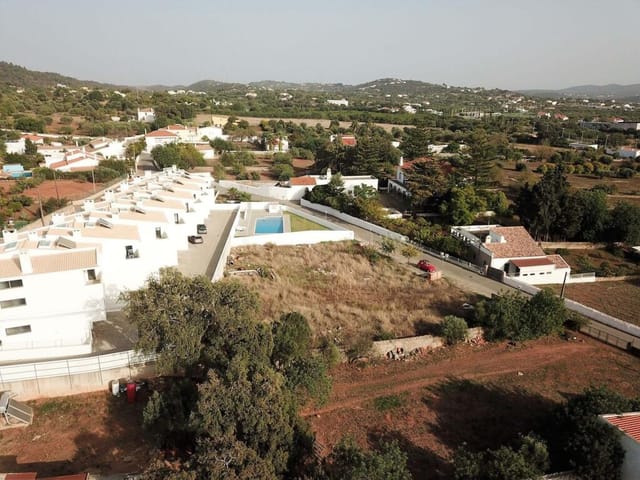
Photo 1 of Lindendreef 78

Step outside on a Saturday morning in late spring and the garden at Wacholderweg 15 smells of cut grass and juniper — Wacholderweg means "juniper path", and the street lives up to its name. The air in this corner of Lower Saxony's Emsland region is genuinely quiet. Not "relatively quiet for Germany" quiet. Quiet in the way that makes you notice birdsong. That's the first thing you'll register about this house, and it stays with you. Set on a generous 1,181-square-metre plot in the small village of Niederlangen, this four-bedroom detached home was built in 2000 and has been looked after with the kind of care that shows up in the details — the crisp edges of the epoxy gravel ground floor, the stainless steel staircase railing that still has its sheen, the custom wardrobes upstairs that fit so precisely you'd think they grew out of the walls. At 195 square metres of living space, the house is large enough to feel genuinely spacious without tipping into the territory where you spend Sunday afternoons just cleaning rooms you never used. It's calibrated for real life. The ground floor is where this house really earns its keep. The open-plan living and dining area runs wide and deep, and on grey November afternoons the pellet stove in the corner earns its place immediately — the soft crackle and amber glow are a long way from the cold abstraction of an underfloor thermostat. Large windows face the garden, and in summer the light tracks across the room from mid-morning well into the evening. The kitchen is fitted with high-end built-in appliances and laid out with actual cooking in mind: there's a utility room just off it for the washing machine, the dog leads, the muddy boots. These things matter more than any brochure will a ... click here to read more
Front view of Wacholderweg 15

Step outside on a Saturday morning in Wilsum and the first thing you notice is the silence. Not the uncomfortable kind — the kind that comes with open farmland stretching to the horizon, a light easterly wind carrying the smell of cut grass, and absolutely no traffic. That's your view from every rear-facing window at Molkereistraße 3. It's the kind of quiet that city people actively plan holidays around, and here, it's just Tuesday. This is a substantial 1968 detached country house sitting on just over 8,100 square metres of land along the Germany-Netherlands border in Lower Saxony — a region that quietly delivers some of northwest Europe's most underrated rural living. Seven bedrooms, two bathrooms, 254 square metres of interior space split across two fully independent living levels, an 80-square-metre workshop with three-phase power, a carport, meadows, mature trees, and a plot large enough to lose yourself in. At €395,000, the maths of what you're getting per square metre — of land alone — will make you do a double-take. Wilsum itself sits in the Grafschaft Bentheim district, roughly 10 minutes by car from the Dutch town of Coevorden and about 40 minutes southwest of Lingen. It's the kind of village where the local Schützenfest still draws the whole community out in June, where kids cycle to school on lanes with no pavements because no one's going fast enough to need them, and where the butcher in nearby Uelsen still knows your order by your third visit. The Dutch border proximity isn't just a curiosity on a map — it genuinely doubles your options for shopping, dining, and day trips. Albert Heijn in Coevorden, the Saturday market in Hardenberg, or a longer drive to Groningen for a city fix: all on the table without ... click here to read more
Front view of Molkereistraße 3

Stand at the kitchen window on a Saturday morning and you'll hear nothing except the low wind moving through the fields of Meer and, somewhere further off, the bells of Sint-Katharinakerk drifting in from Hoogstraten's market square. That's the soundtrack this house runs on. No traffic, no neighbors on top of you, just 2,562 square meters of fully enclosed garden rolling out behind a broad-fronted farmhouse that's been quietly anchoring this corner of the Kempen countryside for decades. This is a genuine Belgian long-façade farmhouse on Meerleseweg 47 in Meer — a small village that sits almost exactly on the line between Belgium and the Netherlands, five minutes south of the Dutch border crossing at Zundert. It's a location that repeatedly surprises people. You're forty minutes from Antwerp's old port, an hour from Brussels, and barely thirty minutes from Breda in the Dutch province of Noord-Brabant. Yet out here, it genuinely feels like the countryside has kept its deal with you. The house covers 295 square meters and is in good, move-in ready condition. After roughly forty years with the same family, it carries the kind of lived-in solidity that newer builds just don't replicate. The proportions are right. Ceilings feel like ceilings. The 54-square-meter living room — one of the largest on the ground floor of any residential property in this price band in the area — centers on a pellet stove fireplace that turns a rainy October evening into something you'd actually look forward to. The big windows face the garden, and in winter, when the Flemish countryside goes pale and flat, the light that comes through them has a quality painters used to chase. Walk through to the kitchen — a well-configured 17-square-meter corne ... click here to read more
Front view of Meerleseweg 47

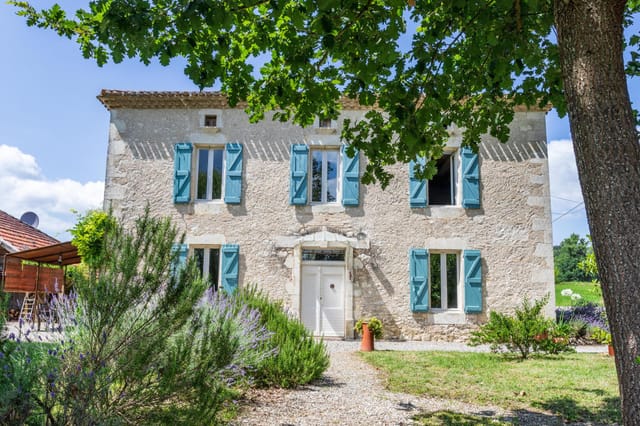
Step outside on a Saturday morning and the Seine is right there — glinting through the tree line, unhurried, wide, reflecting the kind of sky that makes you put your phone away. This is the Yvelines you don't see on postcards: quieter than the Loire, less trafficked than the Dordogne, and just over an hour from Paris by car or train. Bonnières-sur-Seine sits in one of the river's great looping bends, and once you've spent a weekend here, the city starts to feel like the place you go to work rather than the place you live. The house itself was built in 2007, which means it comes without the charming headaches of older French rural properties — no crumbling lime plaster, no antiquated wiring, no surprises behind the walls. What you get instead is solid modern construction on a 1,500-square-metre plot, 136 square metres of living space, and a layout that actually makes sense for how families use a home. Ground floor first. The entrance hall opens into a double living room — proper sized, not the cramped salon you find in so many French holiday homes — with an open-plan kitchen that connects the cooking and the conversation. There's a master bedroom on this level with its own shower room, which is genuinely useful if you've got older relatives or guests who'd rather not tackle a staircase. A laundry room and direct garage access round out the practical side of things. Head upstairs and the first floor opens into something more unexpected. The partial attic conversion gives the space real character — sloping ceilings in the right places, three additional bedrooms, a full bathroom, a dressing room, and a generous open area that previous owners have used as a TV lounge and a large home office. If you need a fifth bedroom, it ... click here to read more
Picture 1

Stand on the west-facing terrace at dusk and watch the Lot River catch the last light of a summer evening. The water goes gold, then copper. Swallows cut low over the surface. Somewhere across the valley, a church bell counts out eight o'clock from a village you can't quite see. This is Anglars-Juillac, a quiet corner of the Lot department that most visitors to France never find — which is precisely why those who do find it tend to stay. Set along Chemin du Saulou, this four-bedroom villa sits on roughly 7,000 square metres of grounds that run directly down to the riverbank. That's not marketing language for a strip of grass near water — the property genuinely touches the Lot, giving you private access for morning swims, a canoe launch, or simply sitting on the bank with a glass of Cahors Malbec as the light fades. The saltwater pool, measuring around 12 by 4 metres and fitted with night lighting, makes that choice a genuine dilemma on warm evenings. The garden itself deserves its own mention. Walnut trees, cherry, plum, apple, pear — it's the kind of productive, shaded landscape that takes decades to establish and can't be replicated by any developer. A large pond sits within the grounds, drawing herons and kingfishers with reliable regularity. The mature canopy keeps the terraces cool through July and August when the temperatures in the Lot Valley push reliably into the high twenties and low thirties. The villa spans approximately 200 square metres across three levels, built in the pre-1906 era of solid stone and thick walls that keep interiors naturally cool in summer and hold warmth in winter. The ground floor opens into a flexible space that currently works as a studio or office — big, light-filled, and independe ... click here to read more
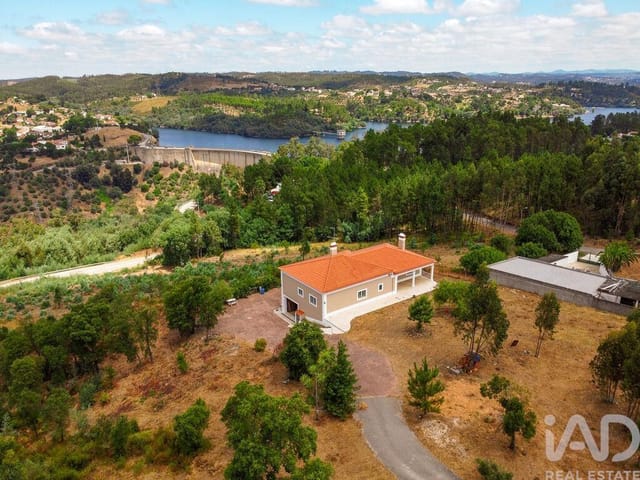
Front view of the villa and garden

Picture this: a Sunday morning in rural Deux-Sèvres, the kitchen smelling of fresh bread from the park's delivery service, a coffee in hand, French doors open wide onto a south-facing garden already warm by nine. The only sound is birdsong and, faintly, the satisfying thwack of a golf club from the 27-hole course that runs along the park's edge. This is the quiet rhythm of life at Domaine Le Bois Senis — and this two-bedroom bungalow puts you right at the center of it. Les Forges sits in the gentle countryside of Deux-Sèvres, a department that most international travelers drive through on their way to somewhere more obvious. Their loss. This pocket of Poitou-Charentes has the kind of rolling agricultural calm that's almost impossible to find in over-touristed parts of France — sunflower fields in July, morning mist over the bocage hedgerows in autumn, local markets where the vendor knows your name by your third visit. The village center is literally a five-minute walk from the park's gate, where you'll find a well-stocked local shop and the kind of unpretentious English pub that becomes a social anchor for the international community that's made Domaine Le Bois Senis its second home. The bungalow itself sits at 80 square meters, compact but genuinely well-thought-out. High ceilings with exposed wooden beams keep the living room from ever feeling small — there's a generosity to the proportions that photographs struggle to convey. The open fireplace isn't decorative; come November, when the countryside turns amber and the pool closes for the season, you'll actually use it. Air conditioning handles the other end of the spectrum during July and August when Deux-Sèvres bakes pleasantly under long Aquitaine-adjacent summers. ... click here to read more
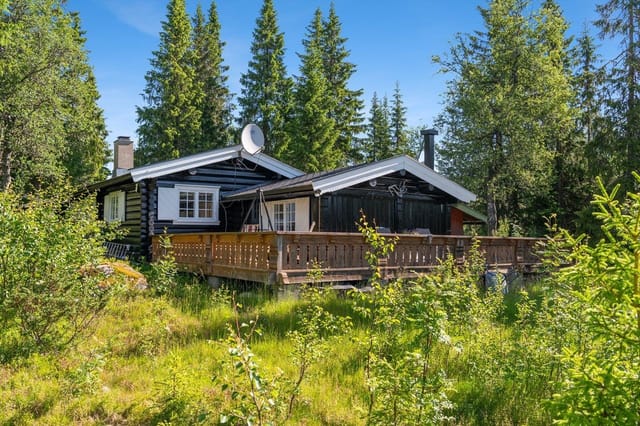
Photo 1 of Le Bois Senis 70

Saturday morning, and the only sound is birdsong threading through the open bedroom window. No traffic hum, no city noise — just the low rustle of a southwest breeze moving through the garden hedgerow and the distant clang of a church bell from the old Sint-Petrus church in Ravels village. You came here for exactly this. And somehow, it's even quieter than you imagined. De Buskens 13 sits in one of the most sought-after residential pockets of Ravels-Eel, a corner of the Belgian Campine region that manages to feel genuinely off the beaten track while staying remarkably well-connected. The Dutch border is barely five minutes by car. Antwerp is about an hour. Eindhoven — with its international airport — sits comfortably within reach for European weekenders flying in. Yet when you're standing in this garden on a Tuesday afternoon, the rest of the world feels optional. Built in 2010, the villa covers 347 square metres across three well-considered floors, and the thing that strikes you on a first walk-through is how thoughtfully it all flows. Nothing feels squeezed or tacked on. The entrance hall sets a composed, unhurried tone — there's a guest toilet immediately off it, a detail that sounds minor until the tenth dinner party when you're grateful for it. The main living space opens generously off the hall, anchored by a wood-burning fireplace that becomes the undisputed centrepiece from October through March. Pull the chairs close, light it, and the room transforms completely. In summer, the same room breathes outward toward the dining area and into the garden beyond, the southwest orientation meaning light pours through well into the evening. The kitchen is fully fitted with modern built-in appliances and includes a break ... click here to read more
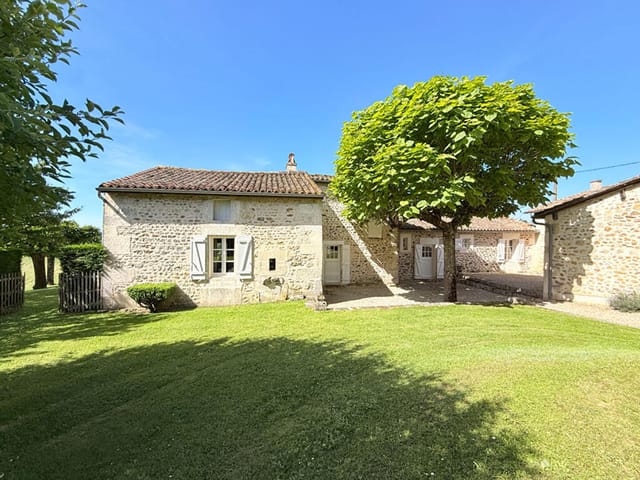
Front view of De Buskens 13

Step outside on a July morning at Örviks byväg 18 and the air carries something particular — a mix of pine resin, cut grass, and the faint salt tang drifting in from the Baltic just 1.7 kilometres away. The southwest sun is already hitting the glazed conservatory. Coffee in hand, you watch a pair of cranes pick their way across the meadow. This is Roslagen in its quietest, most honest form. Not a postcard. The real thing. Herräng sits roughly 100 kilometres north of Stockholm along the Uppland coast, tucked into the northern reaches of the Roslagen archipelago — a region Swedes have been quietly keeping to themselves for generations. This particular property sits about 4 kilometres south of Herräng village proper, on a lane where the neighbours are mostly birch trees and the occasional tractor. The address, Örviks byväg 18, places you on the edge of the Örvikssjön lake, roughly 350 metres from the water's edge. On still evenings you can hear the lake. On windy ones, you can hear the sea. The main house is a 1.5-storey building measuring 130 square metres, in good condition and ready to move into without a renovation project hanging over your first summer. Ground floor has a proper layout for a family: a hallway that opens naturally into a generous living room, a kitchen that works, a bedroom, and a laundry room with WC. Upstairs, two more bedrooms and a bathroom share the space with a family room and, critically, a balcony with partial views over Örvikssjön. That balcony matters more than it sounds on paper — sitting up there as the light shifts over the water at 9pm in June, with the sky still pale gold, is one of those Swedish summer moments that makes people buy property in this country and never fully leave. The g ... click here to read more
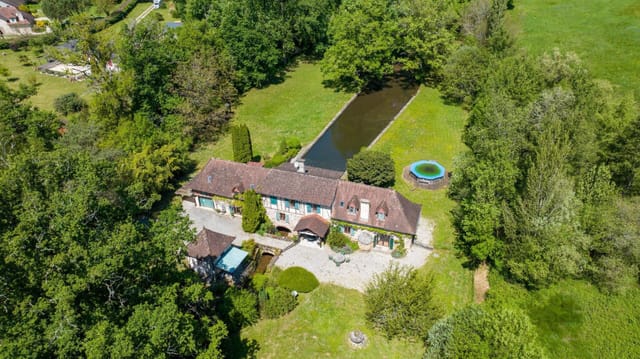
Main house and yard