Houses For Sale In Europe (page 9)

Houses for sale in europe - homestra offers the largest amount of european real estate with over 200,000+ properties, find any type of property within your budget from villas to country homes. buy or rent your perfect home in europe. (page 9)

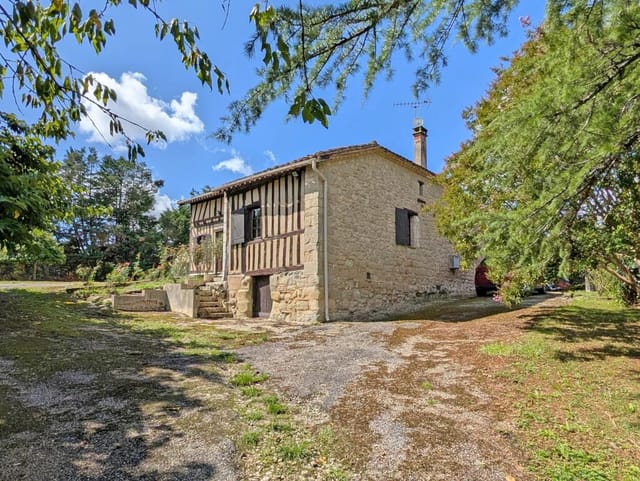
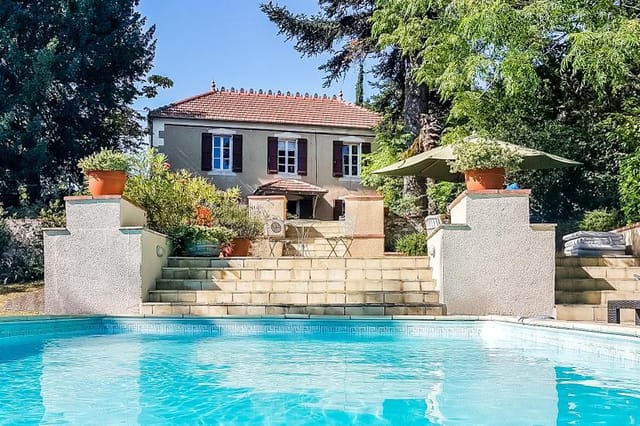
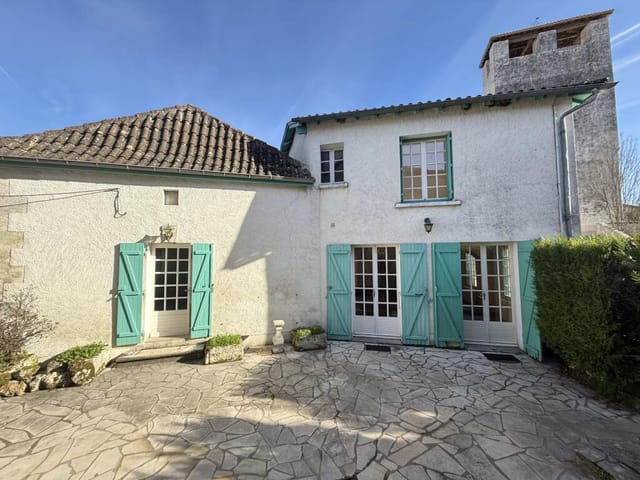
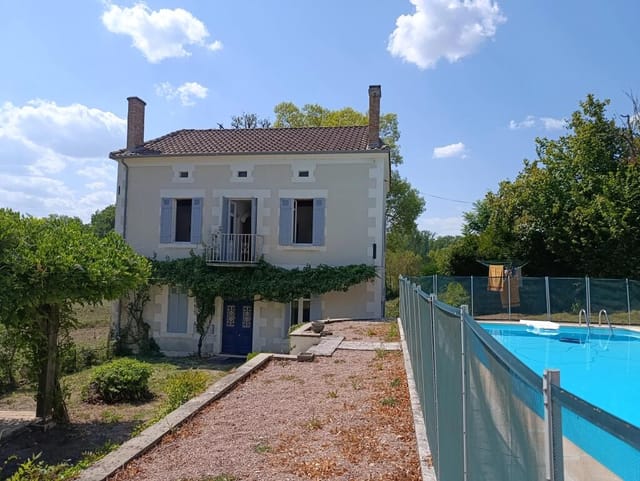
You wake up to no particular sound except a wood pigeon in the pear tree and the faint clang of a bell from the village down the lane. The kitchen smells of last night's fig jam still cooling on the counter. Through the window, the farmland rolls out golden in every direction, and by the time your coffee's done, you've already decided you're not going anywhere today. That is exactly the pace of life this three-bedroom stone house in Dolmayrac delivers — and once you've had a taste of it, ordinary weekends will never quite measure up again. Dolmayrac sits in the Lot-et-Garonne département, one of those quietly extraordinary corners of southwest France that doesn't appear on postcards but absolutely should. The Lot Valley cuts through the landscape a short drive away, and the market town of Villeneuve-sur-Lot — with its Saturday farmers' market spilling across Place Lafayette — is close enough to be genuinely useful without intruding on the rural quiet. This is Aquitaine without the tourist crowds, without the inflated prices of the Dordogne, and without any sense that you're following a well-worn expat trail. It feels discovered rather than packaged. The house itself is built in the stone that defines this region — thick walls that keep the interior cool through July and August without air conditioning, and which hold the warmth of a log fire well into November. Inside, exposed beams run the length of the generous living and dining room, where two wood-burning stoves sit at either end like old friends. The stonework throughout is honest and unhurried, the kind you simply couldn't replicate today without serious money and serious patience. Three bedrooms and two bathrooms across the main house give you room to host prope ... click here to read more

Picture 1

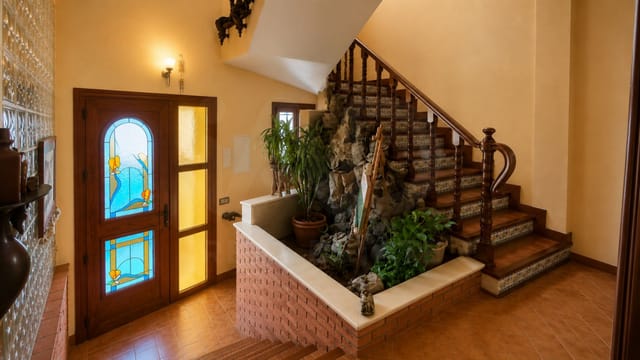
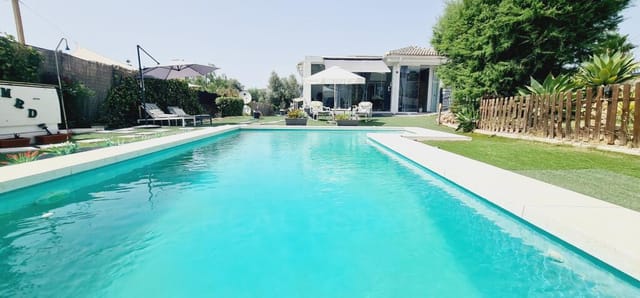
Stand on the upper terrace of this house on a clear morning and you'll understand why painters have been coming to Arcos de la Frontera for centuries. The old town rises sharply to your left, white walls catching the early light above the Guadalete River gorge, and somewhere below in the narrow streets a bakery is already doing business — the smell of pan de pueblo drifting up before the church bells have even begun their first round. This is what daily life looks like from a 280 m² home that was built to be lived in seriously, not just admired from the outside. Arcos is one of the great white hill towns of Cádiz province, and unlike some of its more tourist-trampled cousins in the Pueblos Blancos route, it retains a genuine local rhythm. The Tuesday market on Calle Corredera, the Semana Santa processions that wind through streets barely wide enough for the floats, the April Feria with its flamenco, horses, and fino sherry poured straight from the barrel — these are not manufactured experiences. They happen every year whether visitors show up or not. Owning a home here means you slot into that rhythm rather than watching it from the outside. The house itself was constructed in 2006 and sits in good condition, spread across two full floors plus a basement that has been properly fitted out as a leisure space — not a dumped storage area but a real room with a breakfast bar and plumbing already roughed in for a kitchen. Three cars fit in the garage below it. That kind of practical generosity is hard to find at this price point in southern Spain. Walk through the reinforced front door and the first thing you notice is the decorative fountain in the entrance. It sounds like a small indulgence, but on a July afternoon when C ... click here to read more

Picture 1

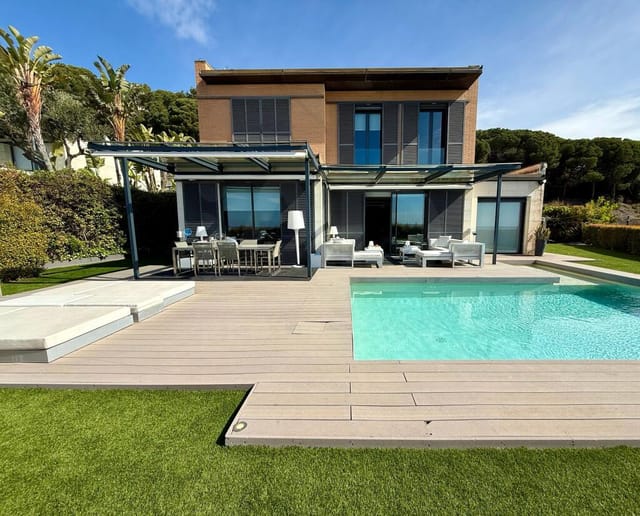
On a clear morning, you walk out onto the terrace with a coffee and the Mediterranean is just sitting there — flat, blue, and enormous — stretching all the way to the horizon. No buildings in the way. No noise except birdsong and the faint hiss of the C-32 three kilometers off. This is the kind of view people drive two hours to look at from a clifftop restaurant. Here, it's just Tuesday. Sant Vicenç de Montalt sits at the quieter, more residential northern end of the Maresme coast, tucked between the hills of the Serra de Marina and the sea. It's not flashy like Sitges. It doesn't try to be. The town has a genuinely unhurried rhythm — morning walks along the Rambla, Saturday markets where locals buy tomàquets de penjar and artisan cheese, long lunches on terraces that don't wrap up before four. Spend a week here and you start to understand why so many Barcelona families have been coming back every summer for generations. This five-bedroom house sits in one of the town's most sought-after residential pockets, on a generous 800-square-metre plot elevated enough to capture open sea views from both the main living areas and the terrace. Built in 2004 and recently renovated, the 190 square metres of interior space is well-proportioned and move-in ready — no project, no contractor headaches, no months of waiting. The sellers have already done that work. Inside, the layout makes sense for the way families actually use a holiday home. The five bedrooms mean you can host comfortably — kids in one wing, guests in another, and still have a room that quietly becomes a study or a second sitting room when it's just the two of you off-season. Three bathrooms means morning routines don't turn into negotiations. The fully equipped kit ... click here to read more

Picture 1

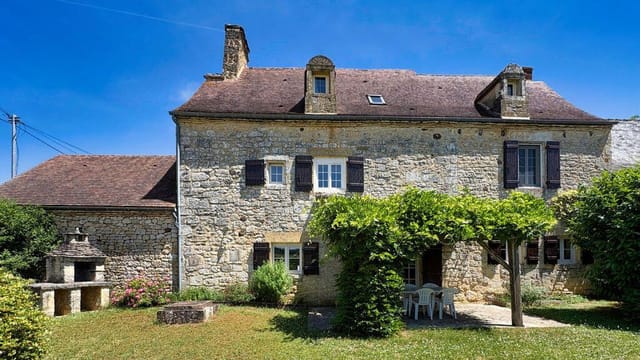
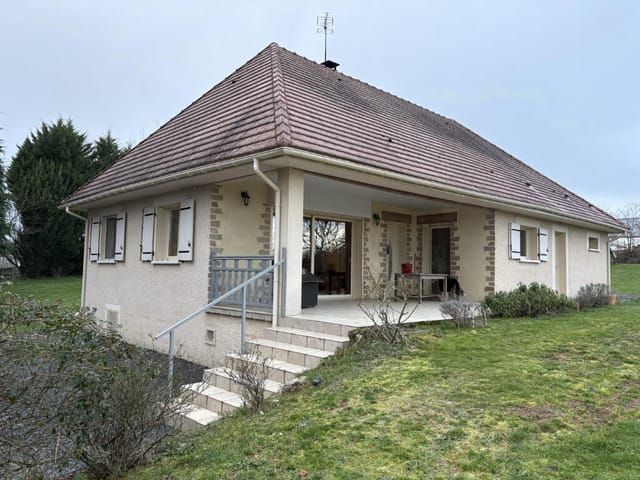
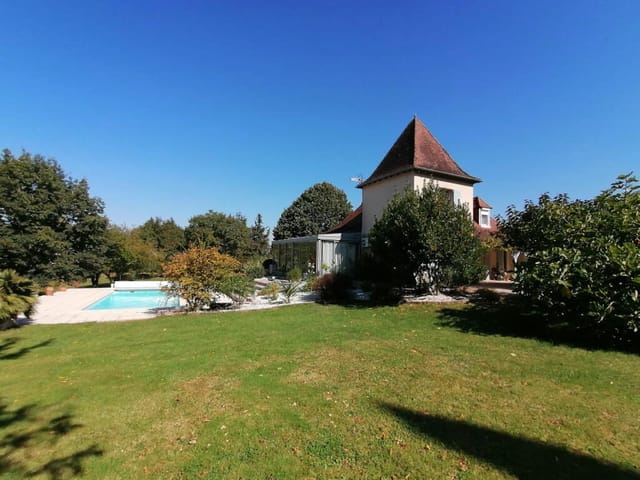
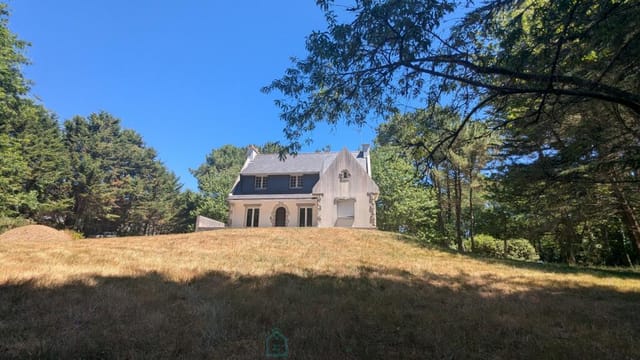
On a quiet Sunday morning in the Périgord Noir, you open the kitchen door onto the terrace and the air smells of woodsmoke and damp stone. A church bell somewhere down the lane counts out nine strikes. That's life in this hamlet just outside Salignac-Eyvigues — unhurried, rooted, and quietly extraordinary. This three-bedroom stone house sits in a small hamlet in the Dordogne département of Nouvelle-Aquitaine, one of the most coveted second-home destinations in all of France. It's a proper working property, not a renovation project or a holiday shell. At 137 square metres spread across three floors, it has the kind of bones that took generations to build and the kind of condition that means you can arrive with a suitcase rather than a skip. The ground floor sets the tone immediately. The main living room stretches to nearly 34 square metres, with exposed stone walls that stay cool in July heat, original beams overhead, and terracotta tiles underfoot that have absorbed a century of footsteps. The fitted kitchen-dining room at just over 20 square metres opens through French doors onto the terrace — which is where summer evenings actually happen, with a glass of Bergerac rouge and the sound of swallows cutting overhead. There's also a ground-floor shower room with WC, practical for anyone coming in from the garden. Upstairs, the first floor reveals the house's most generous room: a 34-square-metre sitting room with a working wood burner tucked into a stone fireplace. On winter evenings — and Dordogne winters are mild but damp — this room is the whole world. Exposed beams run the length of the ceiling, and the stone walls are the same here as on every floor, giving the house a remarkable thermal consistency. The main bedro ... click here to read more

Photo 1

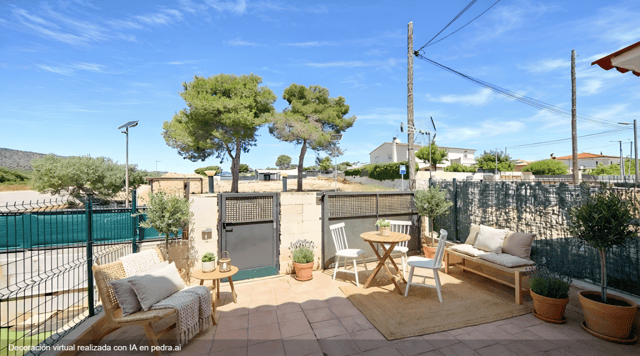
Step out onto the terrace on a Saturday morning, coffee in hand, and you're looking at a wall of Catalan mountains rolling into the distance. No traffic noise. No neighbors crowding your sightline. Just the dry rustle of wild rosemary in the breeze and, if you time it right, the faint toll of the Sant Miquel church bells drifting up from the valley below. This is El Montmell — and this single-storey house in the La Atalaya urbanisation gives you a front-row seat. At 53 square metres of living space set on a generous plot of roughly 1,015 square metres, the property is compact where it needs to be and wide open where it counts. Two bedrooms sit comfortably inside — one for sleeping, one for guests or a work-from-home setup that actually works, because the silence here is the kind that sharpens focus. The living and dining room is the heart of the home, anchored by a wood-burning fireplace that earns its keep from October through March, when the Tarragona hinterland gets properly cool at night and the idea of pulling a blanket on a stone-tiled floor feels like a reward. In summer, the doors swing open to the terrace, and that living space doubles without any effort. The kitchen is separate and fully functional — not a galley squeezed into a corner, but a proper room with space to actually cook. And in Catalonia, you will want to cook. A trip to the Mercat Central in Tarragona city on a Friday morning — thirty-five minutes by car — will have you returning with pa amb tomàquet fixings, fresh botifarra, and whatever the fishing boats brought in from the Costa Daurada the night before. The bathroom is fitted with a shower tray, practical and well-maintained. The entire home unfolds on one level, which matters more than peopl ... click here to read more

Picture 1

Step into the kitchen of the converted barn on a Saturday morning in October, French doors flung open, the smell of woodsmoke drifting in from the garden, and you'll understand immediately why someone spent years restoring this 1778 farmstead with such patience. The Limousin countryside rolls out in every direction. Nothing but birdsong, the faint trickle of a natural spring feeding an old stone washing basin, and the knowledge that Paris is three hours north and you'd rather stay exactly here. This is a property with real bones and a real story. Built in 1778 and sitting on just over 10,000 square metres of mature gardens, terraces, and lawns in a quiet rural hamlet near Coussac-Bonneval in Haute-Vienne, the estate comprises three separate living spaces — a 173 m² converted barn serving as the main residence, a 124 m² original farmhouse restored as a two-bedroom gîte, and a 29 m² studio apartment currently generating income on short-term rental platforms. That's 325 square metres of habitable space across the full property, plus a workshop, the old pigsty (ripe for conversion), an above-ground pool, and a working well. For a second home that pays for itself, or for two families who want to share a slice of rural France without actually sharing a kitchen, this configuration is genuinely rare. The barn conversion is where the architectural confidence shows most clearly. Downstairs, a 30 m² kitchen anchors the space — big enough to actually cook in, with French doors that open onto two separate terraces so you can chase the shade or the sun depending on the season. A 54 m² living room with fireplace. A laundry room, a WC, and a ground-floor bedroom with en-suite shower, useful when knees or houseguests become a considera ... click here to read more

Picture 1

Sunday mornings in Payzac sound like this: a wood pigeon calling from the oak trees at the back of the garden, the faint creak of a neighbor's gate, and the smell of pine resin warming in the sun. By 9am you've already walked the village, picked up a baguette from the nearest boulangerie in Saint-Paul-la-Roche, and you're back at the kitchen table with coffee going cold because you got distracted staring out at the 861 square meters of garden that is now, improbably, yours. That's the pace of life this house delivers. Solid, unpretentious, and genuinely liveable, this 1980s village house in the Dordogne sits in the heart of Payzac — a small commune in the northern Périgord Vert, where the countryside rolls in deep greens and the population still knows its neighbors by name. At 106 square meters of living space, plus a full basement and a 64 square meter attic ready for conversion, there is far more room to grow here than the price of €148,000 might suggest. The layout works the way a family home should. You come in through a proper entrance hall — not a door that dumps you straight into a living room — and from there the house opens logically. The fitted kitchen is functional and ready to use from day one. The living room has a fireplace insert, which matters more than people realize until their first Dordogne November, when the mist sits low over the Auvézère valley and you want nothing more than a real fire and a bottle of Bergerac rouge. Three bedrooms, a shower room, and a toilet complete the ground floor. Below it all, the basement holds a garage and an office — practical spaces that international buyers often find invaluable for storage, a workspace, or housing a car year-round. The attic is the quiet opportunit ... click here to read more

Picture 1

Stand on the upper terrace on a Saturday morning and you can already smell the pine resin warming in the sun. The hills of the Garraf Natural Park roll out ahead of you, all limestone ridges and dark green forest, and somewhere below, just five minutes down the road, Sitges is waking up for the weekend. That particular combination — raw nature on one side, one of Catalonia's most vivid coastal towns on the other — is what makes Mas Alba genuinely hard to leave. This is a completed new build in the truest sense: not an off-plan promise but a finished, move-in-ready home with every system tested, every material chosen with intent. Three hundred square metres of living space sit on a 750-square-metre plot, and from the moment you walk through the custom solid-wood entrance door, the architecture earns your attention. Natural wood and raw concrete don't always get along, but here they do — warm grain against cool grey, neither element showing off. The ceilings are high enough that even with five people in the kitchen you don't feel crowded. The kitchen is genuinely the centre of this house. Open-plan, fully equipped, flooded with light from floor-to-ceiling glazing — it's where morning coffee happens and where dinner guests eventually end up, regardless of where the evening started. The island becomes a gathering point almost automatically. From where you stand at the counter you can watch the sun track across the garden, see the saltwater pool catching light in the afternoon, and keep an eye on whatever is happening on the terrace. Two living rooms give the house a flexibility that single-storey layouts rarely manage. One on each floor. The upper lounge can be closed off entirely and converted into the fifth bedroom — us ... click here to read more

Picture 1

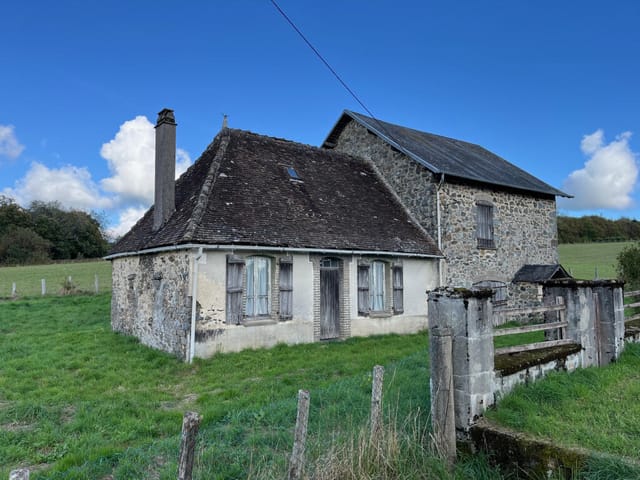
Stand in the courtyard on a Tuesday morning and listen. A cockerel somewhere down the lane, the faint clatter of a tractor crossing a distant field, and absolutely nothing else. That's Saint-Germain-les-Belles — a village in the green, rolling middle of the Haute-Vienne that most people drive past on the A20 without realizing what they're missing. This traditional stone farmhouse, complete with a two-storey barn and a clutch of outbuildings on roughly 1,300 square metres of land, is exactly the kind of find that people spend years searching for and rarely locate at this price point. Let's be honest about what's here. The farmhouse itself is small — two ground-floor rooms, a kitchen with an open fireplace that you can already imagine lit on a January evening, and a bedroom. Above, an attic that's structurally ready to be opened up into additional sleeping space. It's not a finished holiday home. It's better than that. It's a blank page in stone and old oak timber, and the potential locked inside this plot is genuinely unusual for under 60,000 euros anywhere in France. The barn is the real headline. Two full storeys, each around 50 square metres, built from the same honey-coloured local stone as the farmhouse. Converted, and the combined living space on this property tips past 150 square metres — a four or five-bedroom maison de caractère that would sit comfortably in any estate agent's window at three or four times the acquisition and renovation cost combined. That's not wishful thinking; it's what's happening all along the Corrèze and Haute-Vienne corridors as buyers from the UK, the Netherlands, and Germany quietly and methodically renovate these properties and either keep them as generous family holiday bases or let ... click here to read more

Picture 1

Sunday mornings here have a particular rhythm. You wake up to birdsong — actual birdsong, not the muffled city kind — push open the shutters, and the 1.13-hectare garden sprawls out in the early light, dew still sitting on the fruit trees, the pool catching the first gold of the day. By ten o'clock you're at the Valence d'Agen market, picking up a wedge of Ossau-Iraty and a bottle of Côtes du Marmandais, and by noon you're back under the covered terrace with a long lunch that somehow stretches into a slow, unhurried afternoon. That's the daily tempo this property sets. Situated in peaceful countryside just five minutes from the prosperous market town of Valence d'Agen, this 19th-century stone house — 160 square metres of it, plus a separate guest cottage — is the kind of place that feels lived-in and genuinely loved. Not a renovation project dressed up as a lifestyle choice. It's in good, move-in condition, furnished with care, and ready to be someone's second home in southwest France from essentially the first weekend. The stone exterior has that unmistakable Gascon solidity: thick walls that keep the interior cool through July and August when temperatures climb into the mid-thirties, and cosy through winter when the oil-fired central heating takes the edge off. Step inside through the entrance hall and the original 19th-century staircase stops you immediately. It's not a decorative feature — it's a structural statement, the kind of craftsmanship that simply doesn't exist in new builds. Exposed beams run across the living room ceiling, the open fireplace sits at the room's heart, and fitted cupboards line the walls in a way that suggests this house was always meant to be used hard and enjoyed properly. The kitchen is ... click here to read more

Picture 1

On a still Tuesday morning in Vignols, the loudest thing you'll hear is a wood pigeon calling from the oak tree at the back of the garden. No traffic. No sirens. Just 3,800 square metres of fully fenced green, a stone-quiet lane, and the kind of rural France that most people assume no longer exists. This is where you find it. Set roughly halfway between Pompadour and Objat in the rolling hills of Corrèze, this solid detached house was built in 2009 — meaning it has the bones of traditional French countryside architecture with the practical advantages of modern construction: proper insulation, up-to-date electrics, and no decade-long renovation list waiting for you on arrival. At 117 square metres, it's not trying to be more than it is. It's a house that works. A proper home, calm and well-proportioned, that a family can walk into and immediately start using. Step inside and the living room anchors everything. The fireplace becomes the heart of the house from October through April — and in Corrèze, those evenings come early and cool quickly, which makes it genuinely useful rather than decorative. The fitted kitchen is generous by French rural standards, with enough room to cook a real Sunday meal: a confit de canard slow-braised from market-bought legs, a tarte aux noix made from the walnuts that grow everywhere in this part of France. Three bedrooms give the layout real flexibility — a master, a room for kids or guests, and the third that quietly becomes whatever you need it to be: a study, a studio, a reading room with the window cracked open to the garden air. The pantry is one of those features that sounds minor until you own it. In a rural vacation home, it's transformative — somewhere to store the cases of Cahors ... click here to read more

Picture 1

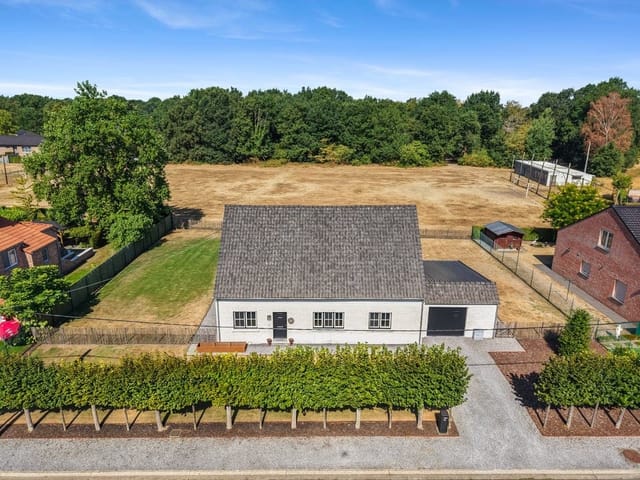
Step off Schabertstraat on a Saturday morning and you'll hear it before you see it — the low hum of a lawnmower two gardens over, the clatter of a coffee cup on a terrace table, the particular quiet of a Belgian village that hasn't yet fully woken up. This is Diepenbeek at its most honest. And this house, a solid 1949 detached property sitting on 1,250 square meters of plot, fits right into that rhythm. At 260 square meters of living space spread across two floors, the scale of this place takes a moment to sink in. Seven bedrooms. A dedicated office. A living room big enough that you can have four kids doing their own thing and still feel like you have room to breathe. It's the kind of house that Belgian families spent decades building their lives in — and it shows in the bones. The double PVC glazing keeps winters comfortable without the drafts, the condensing gas boiler runs efficiently, and an energy label C means this isn't a money pit. It's a house in good condition that's ready to be lived in. The ground floor sets the tone well. The living room clocks in at just over 32 square meters — properly generous — and the layout flows naturally through to the kitchen and dining area without feeling chopped up. The kitchen at 14.65 square meters has the built-in storage that makes daily life actually functional, not just photogenic. Mornings here involve real cooking: think stovetop espresso, bread from the Delhaize on Hasseltsesteenweg, maybe something from the Saturday market in nearby Hasselt where the fromage blanc stalls open before 8am. The dining area at 12.5 square meters connects the two spaces in a way that makes Sunday lunches feel effortless. The three ground-floor bedrooms range from comfortable to genuinely ... click here to read more

Front view of Schabertstraat 12

Saturday morning in Santa Oliva sounds like birdsong and distant church bells, not car horns. You step out onto your terrace with a coffee while the rest of Catalonia is still waking up, and for a moment you wonder why it took you this long to find a place like this. That's the quiet magic of this three-bedroom terraced house in Les Pedreres, a compact residential pocket of Santa Oliva sitting in the low hills of the Baix Penedès comarca, roughly halfway between Barcelona and Tarragona. At €210,000, it's one of the more honest propositions in the Costa Daurada hinterland — a real house, on two floors, with outdoor space, good bones, and a location that overdelivers on lifestyle without the coastal price premium. The house was built in 2007, so the structure is solid and modern. At 81 square metres of usable living space, it's efficient rather than cramped — every room has a clear purpose. The ground floor opens into a bright living and dining area that flows directly outside, which means summer evenings practically live on that terrace. Three bedrooms spread across the upper floor give the house a natural rhythm: private space upstairs, shared life downstairs. The full bathroom plus a guest toilet on the ground floor is exactly the configuration that makes hosting family or friends feel easy rather than stressful. There's air conditioning in the living room for the July and August heat, and an alarm system already installed — a practical detail that matters when a property doubles as a part-time retreat. The terrace deserves more than a passing mention. It's the genuine heartbeat of the home. Shaded in the morning, open to the evening light, it's where you'd set up a long table for Friday dinners in September, or plan ... click here to read more

Picture 1

Stand at the upstairs mezzanine window on a still Tuesday morning and you'll understand immediately why people come to Corrèze and never quite manage to leave. The rooftops of Saint-Sornin-Lavolps spread out below, and beyond them, the sweeping grass of the local racecourse catches the early light. No traffic noise. Just birdsong, possibly a distant tractor, and the kind of quiet that city dwellers pay a fortune to find. This four-bedroom house sits on an elevated cul-de-sac — genuinely the kind of position where neighbours are close enough to wave to but far enough that you'd never hear them. The elevated plot gives you those racecourse views without any effort, framed from the living room, the garden, and that mezzanine perch upstairs that could be a reading room, a studio, or the best-connected home office you've ever had the pleasure of working from. The ground floor is practical in the best French sense: nothing wasted, everything considered. A proper entrance hall greets you — not a corridor you squeeze past, but a hall that sets the tone. The fitted kitchen leads naturally into daily life here: morning coffee before the market run, long lunches that drift into afternoon, the kind of cooking that happens when you're not in a hurry. The living room anchors the social heart of the house with a fireplace insert — and if you've never spent a Corrèze winter evening with a fire going while rain taps the windows and something slow-cooked on the stove, that's an experience you've been missing. Four bedrooms sit across the ground floor, one of which has its own shower room en suite — a small detail that makes a significant difference when you have guests. A separate shower room and two toilets handle the morning rush for ... click here to read more

Picture 1

Stand on the south terrace on a clear October morning and the view goes on forever. Flat green meadows stretching to the horizon, a sky so wide it almost feels theatrical, and not another rooftop in sight. The only sounds are the wind moving through the old apple trees and, somewhere in the distance, a church bell from Rodenkirchen marking the hour. This is what 14,254 square metres of North German countryside actually feels like when it belongs to you. The house itself dates to 1922, when it was built as a working farmhouse in the village of Norderschwei, part of the Stadland municipality in the Wesermarsch district. It was thoroughly renovated in 2015 and today presents 180 square metres of genuinely liveable space — not the kind of "renovation potential" that's code for "bring a hard hat," but a home that's genuinely move-in ready and finished with care. The bones are solid, the rooms are generous, and the light that pours through the large ground-floor windows on a winter afternoon is the kind that makes you forget you were ever cold. The ground floor flows the way a well-used house should. There's a proper entrance hall, a guest toilet, and a utility room that handles the practical business of country life without cluttering the main living areas. The heart of it is the open-plan living and dining room with its integrated kitchen — a space big enough for a long Sunday lunch with the extended family, yet easy to inhabit on a quiet Tuesday evening when it's just you and a glass of Riesling. Underfloor heating runs throughout, which in the Wesermarsch winters — damp, grey, and quietly atmospheric — is not a luxury but a genuine daily pleasure. The fireplace adds something the underfloor heating can't: the smell of bu ... click here to read more

Front view of Norderschweier Straße 13

On a quiet morning in Berg, you open the back door of this renovated farmhouse and the garden stretches out ahead of you — 1,457 square meters of it, flanked by meadows, with the distant sound of horses moving through a nearby paddock. The air is cool and carries the faint smell of wet grass. This is what owning property in rural Bavaria actually feels like, and it's nothing like any city you've left behind. This is a rare investor opportunity in the truest sense. The property is being offered as a sale-and-leaseback arrangement, which means the current owner continues to live in the home as a tenant after the sale, paying rent to the new owner. For buyers who aren't looking for a primary residence but want a long-term, income-generating asset in the German property market, this structure is genuinely compelling. No vacancy gaps, no property management headaches from day one — just a stable tenancy already in place. Let's talk about what you're actually buying. The farmhouse itself has been renovated and spans 196 square meters across four bedrooms and a bathroom. It sits on a front plot with a dedicated driveway and entrance area, while a separate rear parcel contains the garden and two garden outbuildings. That division of the land gives the property a sense of depth and layering that you rarely find at this price point — there's a working, lived-in front, and then a private green retreat behind it. The land value alone tells a significant part of the story. At the current official land value (Bodenrichtwert) of 310 euros per square meter, the plot is independently valued at approximately 450,000 euros. At an asking price of 579,000 euros, you're acquiring the building, the renovation work, the rental income stream, ... click here to read more

Einfahrtsbereich

Step off the wooden porch on a July morning, coffee in hand, and the air already smells like pine resin and warm grass. The lake is a three-minute walk down Kallbodavägen — you can hear the kids from the bathing area before you even see the water through the treeline. That's the daily rhythm at this winterized holiday home in Gåsvik, a quiet corner of Väddö island that most Stockholmers haven't found yet, and the ones who have are fiercely reluctant to share. Väddö sits in the outer reaches of the Roslagen archipelago, roughly 100 kilometers north of Stockholm. The drive up from the city via the E18 and Route 76 takes about 90 minutes — close enough for a Friday-evening escape, far enough that the pace of life genuinely changes the moment you cross the Edeboleden bridge onto the island. This isn't the showy part of the Swedish coast. No boutique hotels, no Instagram crowds. Just dense spruce forest, winding gravel roads, and a shoreline that shifts between sandy lake beaches and the skerry-dotted Baltic coast depending on which direction you point your bicycle. The house itself sits on Kallbodavägen 11, on a 2,130-square-meter lot that gives you room to breathe in a way that most Swedish summer cottages simply don't. Built in 1986 and kept in good condition throughout, the 50-square-meter main building is compact but genuinely functional — the kind of floor plan where nothing is wasted. Large windows in the living room pull in southern light through most of the day, and in winter, when the garden turns white and the birches drop their leaves, the same windows frame a view that looks like a still from an Ingmar Bergman film. The fireplace does real work here from October through April, and it does it well. Two bedrooms ... click here to read more

Exterior view of the house and garden

Wake up to the sound of Adriatic waves. Not as a metaphor — literally. From the bedrooms of this single-story house in Mudri Dolac, the sea is fifty meters away, close enough that you catch the salt air through an open window before you've even had your first coffee. That's the daily reality this property delivers, tucked into a quiet dead-end lane on Hvar Island where the only traffic is the occasional neighbour walking their dog toward the shore. Mudri Dolac sits on the southern coast of Hvar, away from the summer crowds that pack Hvar Town's Pjaca square in July. It's a small coastal settlement — the kind of place where locals still fish off the rocks in the morning and the water is clear enough to see the bottom at three metres depth. The nearest beach is a short barefoot walk from the front gate. For buyers who've spent years dreaming about a second home in Croatia, this corner of Split-Dalmatia is the real thing, not a polished resort product. The house itself was built in the early 1970s, and it shows its character without apology. Over the decades it's been steadily renovated and maintained — this isn't a project that needs a year of work before you can enjoy it. It's in good condition right now, currently operating as a successful tourist rental, which means it's already guest-ready and generating income. Two completely separate residential units sit under one roof, and that configuration is genuinely useful whether you're thinking about this as a family holiday home, a pure investment, or some combination of both. The larger unit is a three-bedroom apartment with its own private terrace, a defined yard space, and a dedicated secure parking spot. In high season on Hvar, parking is worth its weight in gold — t ... click here to read more

Picture 1

Sunday morning in the Dordogne has a particular quality to it. The bells from the village church drift through the upstairs windows, the courtyard is already warm by nine, and the boulangerie in Montagrier is just a five-minute drive away. That's the rhythm you're buying into with this five-bedroom village house in Tocane-Saint-Apré — and at €141,700, it's one of those rare finds that still exist in deepest Périgord Blanc. This isn't a polished renovation project with an inflated price tag. It's an honest, substantial village house in good habitable condition, with real bones and real character — stone walls, high ceilings, a generous living and dining room that feels like it was made for long lunches — and a private courtyard just off the kitchen where you'll find yourself drinking coffee long after everyone else has gone back inside. The kitchen opens directly onto this sheltered outdoor space, which makes summer evenings here genuinely easy. No hauling dishes across the garden. Just step out, sit down, let the evening stretch. Five double bedrooms across the upper floors means this house handles a full family or a rotating cast of guests without anyone feeling squeezed. Three bathrooms keeps the morning routine civilised. The large attic adds headroom for storage or, with the right vision and the necessary permissions, something more interesting still. Two cellars for wine — this is the Dordogne, after all — and a utility room with an oil-fired boiler complete the practical picture. Then there's the annexe. Attached directly to the main house, a separate 55m² structure that currently works well as workshop or storage space. With renovation — again, subject to the usual permissions — it becomes a self-contained gîte ... click here to read more

Picture 1

Stand on the terrace on a Tuesday morning in late June and you'll understand exactly why people keep coming back to this corner of the Dordogne. The medieval bastide of Domme rises above the river valley to the northwest, its golden limestone walls catching the first proper heat of the day. Swallows cut arcs over the gardens below. Somewhere between the lavender and the old walnut tree, a pool pump hums quietly to life. This is not a fantasy. This is what owning this three-property gîte complex in La Roque-Gageac actually looks like on a weekday. The property sits on roughly three-quarters of an acre, a well-planted, private plot that took two decades to reach the kind of maturity most garden designers can only sketch on paper. Three independent houses, each around 50 square metres, each with its own pool, its own entrance, its own self-contained rhythm. Combined, they offer six bedrooms and three bathrooms across approximately 150 square metres of living space. The layout was conceived from the start with rental income in mind, and it has delivered exactly that for the current owners across nearly twenty years of operation. Each house follows a sensible, practical floor plan: an open living and kitchen space of around 24 square metres, a shower room, a WC, and sleeping arranged partly in mansard-style upper rooms that children tend to adore. Reverse-cycle air source heat pumps handle both heating and cooling, which matters more than people expect — Périgord summers can push past 35°C, and October evenings carry a definite chill. These are not draughty stone barns waiting for a renovation budget. They are ready to work, move-in ready, and have been maintained by owners who clearly understood the guest experience. From ... click here to read more

Picture 1

Step out the back door on a Saturday morning and what you get is this: birdsong, the faint shimmer of a small pond through the trees, and a garden so generously sized it takes a proper walk to reach the far end. That's life at 't Lo 10 in Hamont-Achel — a Belgian border village that flies under the radar precisely because the people who know it prefer to keep it that way. This is a solid, full-character detached house sitting on roughly 3,250 square metres of private grounds in one of the quietest corners of the Campine region. Built in 1939, renovated in 2008, it carries that particular quality that only older, well-kept homes have — thick walls, genuine proportions, rooms that feel like rooms rather than corridors dressed up with furniture. With around 218 square metres of internal living space and a further attic that could, with the right permits and a bit of ambition, become additional bedrooms or a generous studio, this house gives you something to grow into rather than out of. The plot is the real talking point. 3,250 square metres in a central Belgian location at this price point is genuinely rare — the kind of land holding that developers circle and families guard carefully across generations. The garden wraps around the house on all sides, with a sun terrace positioned to catch the long Flemish summer afternoons, a small pond that draws dragonflies in July and frost-edged stillness in December, and mature greenery that provides a visual buffer from the rest of the world. A large garden house sits on the plot, useful as a workshop, hobby studio, or straightforward overflow storage. Two additional garages currently handle the same, though both could easily be repurposed. Getting in and out of the property is s ... click here to read more

Photo 1 of 't Lo 10

Saturday morning in Maasmechelen and the terrace outside Nijverheidslaan 43 is already filling up — coffee steam rising, the low hum of conversation, the smell of something good coming from the kitchen. From the upstairs living room, you look down through the window at a scene you own, quite literally. That's the kind of investment this property is. Not a spreadsheet exercise. A life built into bricks. This is a rare find in the Belgian property market: a fully functioning commercial ground floor paired with a genuinely spacious four-bedroom residence above it, all sitting on 816 square metres of land in one of Limburg's most trafficked tourist corridors. The address — Nijverheidslaan 43 — is not a quiet backstreet. It's 1.5 kilometres from Maasmechelen Village, the designer outlet that draws over three million visitors a year from Belgium, the Netherlands, and Germany. The M2 shopping centre is essentially next door. Foot traffic here is not something you have to hope for. It's structural. The ground floor has been operating as a restaurant and café space, and the infrastructure is fully set up for exactly that. A professional kitchen of around 30 square metres, a dining room with capacity for approximately 56 guests, and a sun-facing terrace that seats around 72 more. The permits are in place. The heating system for the commercial space runs independently from the residential one above. Camera surveillance and an alarm system are already installed. The current tenant has expressed interest in staying on after the sale — meaning a buyer can step in on day one and immediately collect rental income without lifting a finger. Up the internal staircase and the character of the building shifts entirely. The residential flo ... click here to read more

Front view of Nijverheidslaan 43

On a still Tuesday morning in July, the only sound you'll hear from the covered terrace is birdsong and, if the wind's right, the faint ring of the bells from Saint-Sacerdos cathedral drifting up from Sarlat's medieval core just a kilometer down the road. The pool is already warm by nine — it's heated, and the roller shutter traps every degree overnight — and the coffee is strong. This is what owning a second home in the Dordogne actually feels like. Not a fantasy. A Tuesday. The property sits in a genuinely peaceful setting on the edge of one of the most visited and best-preserved medieval towns in France, yet it manages to feel entirely private. A third of an acre of enclosed garden wraps around the house, giving you that rare combination: you can walk to a boulangerie and still eat breakfast without seeing another soul. The 1,500 m² of grounds include good open views across the countryside — not just a strip of sky between rooftops, but actual Périgord Noir landscape rolling away beyond the hedgerows. Built in 1980 and maintained in good condition, the main house delivers 171 m² of living space across two floors, with a separate self-contained apartment on the garden level adding a further 43 m². Six bedrooms and three bathrooms total. That's the kind of footprint that makes large family gatherings work — really work, where nobody is sleeping on a sofa or sharing a bathroom with four other people. The apartment in particular changes the dynamic entirely. Grandparents get their own entrance. Adult children get independence. Friends on a long summer visit don't have to navigate the rhythms of your household. Step into the ground-floor sitting room and the beams immediately tell you where you are. Exposed, original, t ... click here to read more

Photo 1

The morning light in the Landes hits differently. It comes in low and golden through the pine trees, and by the time you're drinking your first coffee on a 2,500 square metre flat plot with no neighbours in sight, you start to understand why people who discover this corner of southwest France rarely leave. This four-bedroom house in Saint-Geours-de-Maremne is one of those rare finds that gives you something increasingly hard to come by in the region: genuine space, serious potential, and a price that actually makes sense. Saint-Geours-de-Maremne sits in the heart of the Landes, that vast, pine-forested département that stretches between Bordeaux and the Basque Country. The village itself is quiet, unpretentious, and exactly the kind of place where locals still nod at strangers on the street. But don't mistake quiet for remote. Dax, with its thermal baths, covered market, and weekly Saturday feria buzz, is less than fifteen minutes away. Bayonne — home to the famous Fêtes de Bayonne in August, arguably the wildest five-day festival in all of France — is under forty minutes by car. And the Atlantic coast? The surf breaks at Hossegor and Capbreton are a twenty-minute drive, where in September the Quiksilver Pro brings world-class competition to waves that churn year-round. The property itself is 200 square metres of living space, made up of an original older house of around 100 square metres combined with a substantial 100 square metre extension already built across two levels. The extension is structurally complete — the shell is there, the bones are good — but the interior fit-out is yours to define. That's not a flaw; that's the opportunity. Anyone who's tried to buy a finished, move-in-ready house in the Landes at thi ... click here to read more

Picture 1

Step out of the front door on a Tuesday morning and within sixty seconds you're on the sand. No car, no shuttle, no planning — just the smell of salt air and the sound of the Mediterranean lapping at the Costa del Sol. That's the daily reality of owning this renovated two-bedroom townhouse in Sitio de Calahonda, one of the most quietly coveted pockets of Mijas Costa, sitting less than 100 meters from the shoreline and the scenic Mijas Coastal Path. Calahonda is the kind of place people discover by accident and then spend years trying to get back to. Tucked between the glitz of Marbella to the west and the laid-back surf culture of La Cala de Mijas to the east, it has its own low-key rhythm. The promenade fills with joggers and dog walkers at dawn. By mid-morning, the beach bars are pulling espressos and cutting into tortilla. Come sunset, the terrace tables at places like Restaurante El Oceano fill up fast with people who've learned that the best view of the Costa del Sol doesn't require a reservation at somewhere famous — it just requires showing up. This townhouse, spread across two floors plus a private solarium terrace, was fully renovated roughly two years ago. The work was done thoughtfully. Mediterranean-inspired finishes, yes, but also practical upgrades that international owners actually care about: thermal and acoustic insulation on all new windows, air conditioning throughout, and solar panels that meaningfully cut running costs. The east-west orientation means the ground floor living room catches the morning light while the solarium terrace glows in the evening — which, if you've ever watched the Costa del Sol sky go orange and pink over the water from a rooftop, you'll understand why that matters. Downsta ... click here to read more

Picture 1

Stand at the end of the private driveway on a still Tuesday morning and what hits you first isn't the view — it's the quiet. Not the dead quiet of an empty house, but the alive kind: birdsong over the orchard, the soft sound of water from a natural spring somewhere in the meadow, a breeze moving through the old oak at the edge of the woodland. This is Cazals country, deep in the Périgord Noir, and this eight-bedroom farmhouse estate is the kind of property that makes people stop scrolling. Nearly 4.7 hectares of meadow, orchard, and woodland wrap around a collection of eight stone buildings that have been part of this valley for generations. The roofs have been recently overhauled — no small investment on a compound this size — and the main house has been fully renovated without losing the bones that make it worth preserving. Wide-plank floors. Fireplaces that actually get used. A reading room on the upper floor with large corner bay windows that frame the surrounding parkland like a painting you never get tired of looking at. On grey November afternoons, that room becomes the entire reason you bought the place. The main house runs to approximately 260 square metres across three levels. The garden floor opens with a proper entrance hall — the kind that sets a tone before anyone's seen a single room — leading through to a living room with fireplace, a separate kitchen, and a dining room with its own fireplace. Two bedrooms and a study sit at this level too, along with a bathroom. Upstairs, three guest suites each have their own shower room and WC, so visiting families aren't negotiating bathroom schedules at 8am. A fourth bedroom and that extraordinary reading room complete the first floor. Above it all, the attic spans ... click here to read more

Picture 1

On a quiet Sunday morning in Tocane-Saint-Apre, you wake to birdsong and the faint smell of woodsmoke drifting from a neighbouring farmhouse. You pad downstairs, throw open the kitchen window, and the garden just sits there — unhurried, green, completely yours. That's the rhythm this house has kept for three decades, and it's one you can step straight into. This four-bedroom house in the heart of the Dordogne has been the summer anchor for the same family since the early 1990s. That kind of loyalty tells you something. The property sits in Tocane-Saint-Apre, a genuinely lived-in village rather than a tourist set piece, about 20 minutes northeast of Périgueux along the D939. Local life here revolves around the weekly market in Brantôme — the so-called Venice of the Périgord — just 14 kilometres up the road, where you'll find duck rillettes, walnut oil pressed from trees grown a field away, and strawberries from the farms around Vergt that are, frankly, absurd in their sweetness. The house itself is symmetrical in plan, which gives it an unusually calm, balanced feel the moment you step inside. The entrance hall acts as a natural spine: to one side, a dual-aspect living and dining room with a wood-burning stove that throws out serious heat on autumn evenings; to the other, the kitchen and a shower room with WC, plus a separate guest WC — practical for a family who's actually using the place, not just looking at it. Upstairs, four proper double bedrooms, all generously proportioned in that unhurried way older French houses tend to be. Above that, a full attic accessible by stairs. Storage now, potentially a fifth bedroom or studio space later, subject to the usual planning considerations. Outside is where summer really h ... click here to read more

Picture 1

The first thing you notice on a July morning at Skälviksvägen 42 is the light. It comes off the Kattegat at a low, golden angle, slices through the large glass panels, and lands across the kitchen floor before you've even put the coffee on. That's the rhythm here. Sea, light, silence — and then the kettle. Villshärad is one of those small coastal communities along Sweden's Halland coast that people from Göteborg and Malmö have been quietly passing down through families for generations. It sits south of Halmstad on the E6, tucked between Kattegat shoreline and flat, open farmland — the kind of landscape where old granite stone walls run between plots and the wind shapes the coastal pines into permanent lean. Skälviksvägen is one of the roads that dead-ends at the water, which is exactly why it matters. This property at number 42 has direct path access to the beach. Not a five-minute drive, not a pleasant walk through town — a path. From the garden gate to salt water in under two minutes. The house itself covers 80 square metres on a single level, and whoever renovated it understood that the sea outside was already doing most of the decorating. The interior is clean and considered, with a neutral palette that lets the changing light do the work throughout the day. In the mornings the living spaces are bright and airy; by late afternoon, when the sun drops toward the water, everything turns amber. Three bedrooms sit quietly at the back, each one simple and restful in the way that only Swedish coastal homes manage — no clutter, good proportions, the kind of rooms where you actually sleep. The kitchen is modern and properly equipped, which matters more than people think when you're cooking for a family after a day on the b ... click here to read more

Exterior view of Skälviksvägen 42

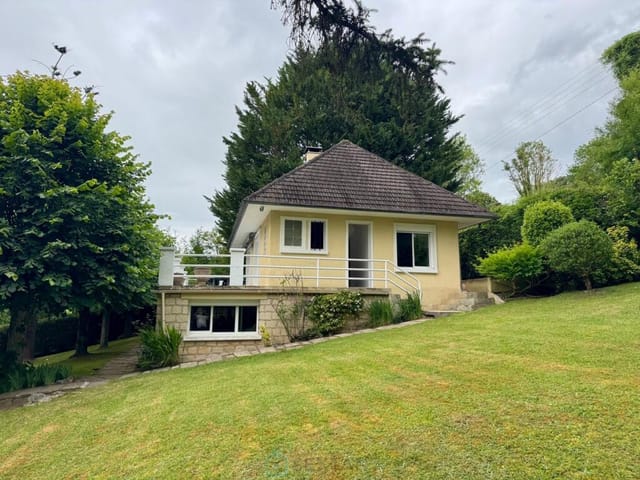
Step off the gravel drive on a September morning and you can hear absolutely nothing except the wind moving through the oaks and the occasional plop of a frog jumping into one of the ponds. No traffic. No neighbors. Just 2.27 hectares of Mayenne countryside wrapping around a stone house that has been standing since 1685. That quiet — real, total quiet — is rarer than people admit, and here it comes standard. This is a four-bedroom, 240 square metre residence in Livet, a rural commune in the Pays-de-la-Loire that most French people from Paris have never heard of, let alone British or Dutch buyers scrolling through listings on a Sunday afternoon. That obscurity is precisely the point. Prices in Mayenne remain well below what you'd pay for comparable stone properties in Brittany or Normandy, and the landscape — rolling farmland, dense forest corridors, hidden valleys — is every bit as compelling. The house itself was built during the reign of Louis XIV, and while the walls are three centuries old and counting, the property is in good condition and ready to move into or rent out immediately. Wood-burning stoves, stone floors, exposed beams overhead: the bones of this place are the kind architects try to recreate and rarely quite manage. The ground floor kitchen runs to nearly 27 square metres and is anchored by a wood-burning stove that connects directly to the heating system — so on a cold February evening, one fire heats the whole downstairs, the smell of woodsmoke threading through the dining room and into the two reception rooms beyond. The dining room itself is almost 20 square metres, big enough for the kind of extended family dinners that French country houses seem to demand. Two separate living rooms give you optio ... click here to read more

Picture 1

Step out onto the terrace on a Saturday morning and the first thing you notice is the silence — not the dead kind, but the alive kind. Birds in the walnut trees, a faint breeze off the Dordogne valley, and the faint scent of woodsmoke from a neighbouring farm. That's Saint-Avit. And once you've stood here with a coffee in hand, watching the mist lift off the rolling Lot-et-Garonne hills, it's very hard to imagine being anywhere else. This three-bedroom stone house sits in one of the quieter, greener corners of Aquitaine — a region most people think they know from Bordeaux wine routes and the Périgord truffle markets, but which holds far more than that in its folds. Lot-et-Garonne is sometimes called the "garden of France," and it earns the name. Orchards line the roadsides in spring. The weekly markets in Villeneuve-sur-Lot and Monflanquin spill over with strawberries from the Garronne plain, foie gras from local farms, and cheeses you won't find behind supermarket glass. Life here runs at a pace that feels deliberate rather than slow. The house itself has the bones of something built to last centuries — because it was. Terracotta floor tiles throughout the ground floor, thick exposed stone walls, and chestnut ceiling beams that have absorbed decades of firelight from the wood burner in the main living and kitchen space. That open-plan room clocks in at nearly 28 square metres, big enough for a long Sunday lunch with family but intimate enough to feel genuinely cosy on a January evening when the burner is doing its job. The dining room opens directly onto the terrace through double doors — the kind of detail that becomes central to daily life from May through October, when you'll eat outside more often than not. The g ... click here to read more

Picture 1

Sunday morning in Estepona moves at its own pace. The fish market on Calle Ramos wraps up early, the smell of fresh-caught dorada still hanging in the air as locals carry their paper-wrapped parcels home through whitewashed alleyways lined with terracotta pots and bougainvillea so red it almost looks painted. Picture walking back from that market to your own front door — four bedrooms, a private garden, a terrace built for the kind of long lunches that stretch into the evening. That's the life this townhouse on the Costa del Sol actually offers. Estepona gets overlooked. Marbella takes the headlines, Puerto Banús gets the glamour pieces, but longtime Spain watchers know that Estepona has quietly become one of the most liveable towns on the entire southern coast. The old quarter is genuinely old — narrow streets, flower-filled balconies, a 15th-century castle ruin at the edge of the Plaza de las Flores. The beach promenade, Paseo Marítimo, stretches for kilometres without ever feeling like a tourist trap. You get the Mediterranean at your feet and a real Andalusian town at your back. This four-bedroom townhouse sits in that sweet spot. At 150 square metres of living space across a well-considered layout, it's big enough for a family, flexible enough to suit a couple who want guest rooms or a home office, and positioned well for both the beach and the town centre. The property is in good condition and ready to move into, though it also holds real scope for a personal renovation — the kind that lets you choose your own tiles, open up a wall, refit the kitchen to how you actually cook rather than inheriting someone else's choices. That potential is part of the appeal, not a caveat. The living and dining room is the heart ... click here to read more

Picture 1

Step off the train from Barcelona, walk three minutes, and you're unlocking the front door of your own four-floor corner house in Abrera. That commute — that specific, effortless commute — is what makes this property different from anything else at this price point in the Barcelona metropolitan area. No car needed. No highway traffic. Just a short ride on the FGC line and you're home. Abrera sits in the Baix Llobregat comarca, a quietly confident town that most Barcelona weekenders haven't discovered yet. That's actually a good thing. Property values here reflect real local demand, not speculative tourist inflation. The town has its own rhythm — the weekly market on Plaça de la Vila, the smell of pan amb tomàquet drifting from the cafés on Carrer Major on Saturday mornings, kids cycling to school along the Llobregat river path. It's Catalonia without the performance of it. And this house sits right at the centre of all of it. The property itself covers 429 m² built across four floors, with 213 m² of usable space on a 300 m² corner plot. Corner plots matter. They mean natural light comes from two directions, that the ground floor feels more like a standalone building than a flat, and that the whole structure has a presence on the street that mid-terrace homes simply don't. On a clear morning, sunlight pours across the terraces on the upper floors and you can see the green hills of the Serra de l'Obac in the distance, the same hills where hikers from across Catalonia come to walk the GR5 trail on weekends. Now, about those four floors — because this is where the property gets genuinely interesting. The lowest level, Floor -1, is 100 interior square metres set up as a garage and workshop space with two exterior rooms cu ... click here to read more

Picture 1

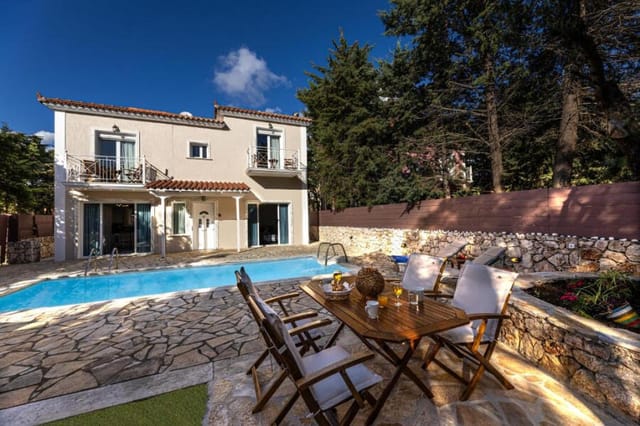
Picture this: you wake up on the first floor of your own white-walled villa, push open the balcony door, and the Ionian Sea fills the entire horizon. Not a sliver of it. The whole thing. The salt air drifts in before you've even made coffee, and somewhere below, the pool catches the morning light in that particular way it only does in the Greek islands — sharp and gold and impossibly blue. This is what mornings look like at this two-bedroom villa in Svoronata, a quiet residential pocket on the southwest coast of Cephalonia, just seven kilometres from the island's capital, Argostoli. The villa itself was built in 2004 and has been kept in genuinely good condition — no renovation projects, no compromises. At 102 square metres across two floors, it's compact enough to feel like a proper escape, but spacious enough to host family or friends without anyone feeling crowded. The ground floor opens into a living room anchored by a real fireplace — relevant more than you'd think, since Cephalonia's winters are mild but not tropical, and there's something deeply satisfying about a fire going in November when everywhere else in Europe is grey. The kitchen is fully equipped, connects to the dining area, and flows naturally toward the garden through the back. That garden is the real conversation. The 560-square-metre plot is fully enclosed and paved, with mature landscaping that gives it privacy without feeling boxed in. The pool sits at the centre of it all, surrounded by a dedicated BBQ area and outdoor lounge — the kind of setup that means long Sunday lunches stretch into evening swims without anyone having to go anywhere. In July and August, when Cephalonia is hot and bright from 7am to 9pm, this outdoor space becomes the actu ... click here to read more

Picture 1

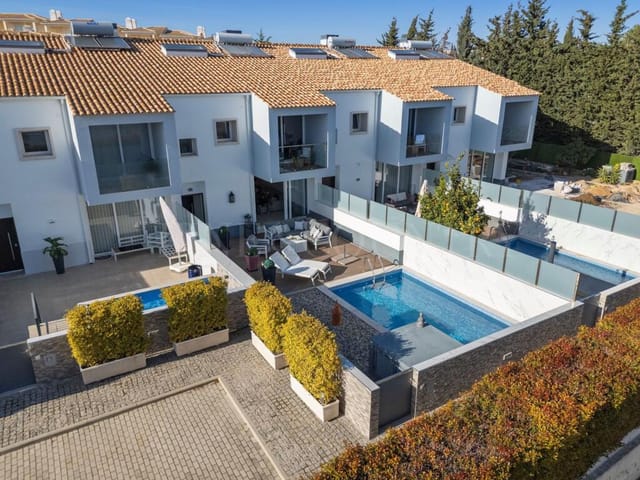
Step outside on a Tuesday morning in late September, when the summer crowds have thinned and the air still carries that warm, resinous scent of sun-baked pine. The pool is yours. The terrace is quiet. From the upper-floor balcony, the light falls at an angle that makes the whitewashed walls of Branqueira glow almost amber. This is the version of the Algarve that repeat visitors spend years trying to find — and this four-bedroom townhouse sits right at the heart of it. Branqueira is one of those residential pockets of Albufeira that doesn't make it onto the tourist maps, which is precisely the point. It's a genuine neighbourhood — Portuguese families, long-term expats, a corner café where the espresso costs a euro and the owner knows your name by your third visit. The beach at Praia dos Aveiros is roughly a ten-minute drive, Praia da Galé a little further but worth every minute for its dramatic sandstone formations and calmer waters. The old town of Albufeira, with its cobbled Rua Candido dos Reis, the fish restaurants along the strip and the lively Largo Engenheiro Duarte Pacheco square, is close enough to visit on a whim but far enough that you won't hear it from your bed. The townhouse itself sits within a private condominium — gated, well-maintained, genuinely quiet. At 319 square metres, it's a substantial home, and the layout has been thought through in a way that makes the space work hard without ever feeling crowded. The ground floor opens into a living and dining area with panoramic windows that run almost the full width of the room. Open them and the boundary between inside and outside essentially disappears — the terrace, the pool, the afternoon sun all become part of the room. The kitchen is fully fitted wit ... click here to read more

Picture 1

Picture this: it's a Tuesday morning in November, and you're eating an orange you picked twenty minutes ago from a tree in your own garden. The sun is already warm enough to sit outside. Málaga is thirty minutes away, the airport a little less. Back home, it's grey and cold. Here, the pool catches the light and the lemons on the tree are so heavy the branches dip toward the lawn. This is what owning a vacation home in Alhaurín de la Torre actually looks like — not a postcard, just a Tuesday. Set in the residential quarter of Pinos de Alhaurín, this four-bedroom detached house sits on a generous 1,186-square-metre plot in the lower, flat section of the urbanisation — the part locals quietly prefer, because the streets are walkable, the gradient is forgiving, and the supermarket, pharmacy and school are all within a ten-minute stroll. The house was built roughly a decade ago with solid construction standards and has been consistently and carefully maintained. It shows. Nothing here needs emergency attention; this is a home you can walk into, switch on the air conditioning, and immediately start living. The main floor runs across approximately 119 square metres and is laid out with real logic: a wide living and dining room, a separate kitchen that doesn't feel like an afterthought, two bedrooms, and two full bathrooms. There's a glazed porch off the back — the kind of space that becomes your favourite room by February, when the weather oscillates between warm sun and the occasional Atlantic shower — plus a front terrace for morning coffee and a rear terrace for evening meals. South-facing orientation means light floods in for most of the day, and the orientation also means the pool area catches afternoon sun well into aut ... click here to read more

Picture 1

On a Sunday morning in early October, you step out through the veranda doors into cool Dordogne air and the countryside rolls out in front of you — gold, amber, russet — all the way to the tree line. Not another rooftop in sight. No road noise. Just the faint cluck of distant farmland and the particular stillness that this corner of southwest France does better than almost anywhere in Europe. That's the daily reality of owning this five-bedroom Perigourdine house on its 1.2-hectare private plot just outside Bergerac. This is a proper French country house — the kind that has real architectural bones. The thick stone walls, the pitched roof with dormer windows punching through the upper floor, the way the building sits low and confident in its landscape like it's been there for centuries. It has. But inside, a thoughtful renovation carried out in 2017 means you get all of that character without any of the headaches. The plumbing works. The kitchen is genuinely modern. You're not buying a renovation project — you're buying a house that's already done. The ground floor is more generous than most. A 78-square-metre open-plan living space anchors the home — kitchen flowing into a dining area flowing into a sitting room, with a glazed veranda tacked on the end that catches the afternoon light. In the cooler months, that veranda becomes the best room in the house: warm, bright, watching the mist lift off the fields while you drink your second coffee. There are two bedrooms on this level as well, along with a shower room and WC, making the ground floor entirely self-sufficient if you want to host guests or eventually manage your mobility differently. A laundry room keeps the mess out of the main living spaces. Upstairs, three ... click here to read more

Picture 1

On a clear morning in Vienne-en-Arthies, you open the French doors off the living room and the Vexin countryside rolls out in front of you — soft hills, open sky, not a rooftop in sight. Coffee in hand, the only sound is birdsong and the distant rhythm of a tractor somewhere beyond the tree line. This is rural Île-de-France at its most honest, and it's just 70 kilometres from Paris. Vienne-en-Arthies sits in the Parc Naturel Régional du Vexin Français, a protected landscape of limestone plateaus, wheat fields, and stone villages that feels like it belongs to another century. Five minutes down the road is Vétheuil, the riverside village that captivated Claude Monet before he ever reached Giverny — and you can see exactly why when you walk the Seine bank at dusk. The light here does something extraordinary in the late afternoon, the kind of golden slant that makes even a grain silo look like a painting. The house itself sits on around 1,500 square metres of land, and at 104 square metres of living space it strikes that rare balance — enough room for family and friends without becoming a maintenance burden. The ground floor revolves around a 29-square-metre living and dining area with an open-plan kitchen at one end and a fireplace with an insert at the other. In January, when the Vexin frosts bite, that insert earns its keep. Come July, the glazed doors fold back and the terrace becomes the de facto dining room, the garden stretching away toward open countryside. Upstairs, two generous bedrooms sit under partially mansard rooflines — the sloped ceilings give them a tucked-in quality that guests tend to love. The garden level adds real versatility: a third room currently configured as an additional bedroom, with an adjo ... click here to read more

Picture 1

Sunday morning in Bouquetot moves slowly. The smell of fresh bread drifts up from the boulangerie in Bourg-Achard five minutes down the road, church bells carry across flat green fields, and beyond the tall hedgerows that frame this property's 4,580 square metre plot, there's almost nothing to hear but birdsong and the occasional tractor on a distant lane. This is rural Normandy at its most genuine — not the postcard version, the real one. Built in 1960 and kept in consistently good condition by owners who clearly cared about the details, this 103 square metre house sits on a fully enclosed, tree-lined lot that feels more like a private park than a garden. Step outside on a June evening and the light stays golden until nearly ten. The flat lawn is wide enough for a game of pétanque, a badminton net, or simply a table long enough to seat the extended family for a Norman spread — think camembert straight from the market at Pont-Audemer, a terrine from the charcuterie in Bourg-Achard's Wednesday market, and a bottle of local Calvados to close things out. The entrance through the veranda-style extension sets the tone: this is a house that has been lived in and loved. The 26 square metre living room faces southwest, which matters enormously in Normandy — afternoon sun floods the room, and you earn every one of those winter hours around the fireplace insert. The tiled floors are easy to maintain, practical in the way that a proper country house should be. The fitted kitchen is ready to go from day one, no renovation project standing between you and your first summer here. Three bedrooms give the property genuine flexibility. Use it as a family holiday home and everyone gets their own space. Rent it out during peak summer we ... click here to read more

Picture 1

Step out onto the terrace on a Saturday morning in Riantec and you'll hear it before you see it — the low hum of fishing boats heading out across the Rade de Lorient, the calls of gulls cutting through salt-sharp air, and somewhere down the street, the mechanical clatter of a boulangerie shutter rolling up. This is not a postcard version of Brittany. It's the real thing. A working coastal town where the rhythm of the tides still shapes daily life, and where a five-bedroom house with this much space and this much potential doesn't stay on the market long. Built in the 1970s in a style typical of solid Breton residential construction, this 147-square-metre house sits in Riantec with a full basement, an attached garage, a proper garden, and a terrace that asks you to sit down and stay a while. The bones are good. The layout is generous. And the renovation opportunity here is exactly what buyers who know this part of Morbihan have been waiting for. The garden level does something rare — it allows genuinely comfortable single-floor living if you want it. An entrance hall opens into a bright living and dining room, there's a functional kitchen, two bedrooms, a family bathroom, and a separate WC. Come summer, with the terrace doors thrown open and the garden spilling light through the windows, this floor alone becomes a complete holiday retreat. Upstairs, a landing leads to three more bedrooms, two of which come with dressing areas — a detail that matters enormously when you're hosting family for an extended August stay. The second bathroom has both a bath and a separate shower, which anyone who's coordinated a full house of guests will appreciate immediately. The full basement is the kind of space that gets people thinking. ... click here to read more

Picture 1

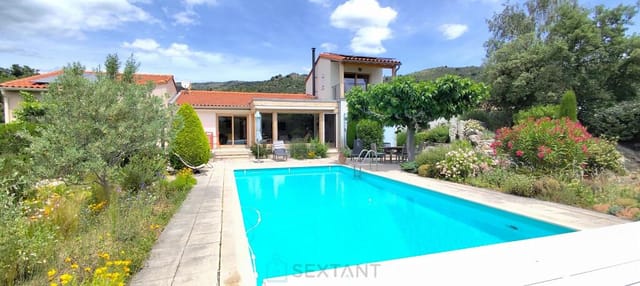
Wake up to the smell of wild thyme drifting through an open window, the Canigou massif turning pink in the early light, and absolute silence apart from birdsong. That's a Tuesday morning at this architect-renovated villa in Tarerach, a quiet hilltop village a few kilometers from Prades in the Pyrénées-Orientales. It's the kind of morning that makes you wonder why you waited so long. This isn't a polished-up weekend retreat that looks good in photos and disappoints on arrival. The 210 m² house has real substance — thick stone walls, a Finnish log burner in the living room, an air-to-water heat pump with full central heating, and an energy rating of A, which in a region where summer temperatures regularly top 35°C and winter nights in the mountains get properly cold, actually matters. Someone thought hard about this renovation. The result is a home that works just as well in February as it does in August. The layout is unusually clever for a property this size. Beyond the main residence — four bedrooms, two bathrooms, generous open living spaces — there's a self-contained one-bedroom guest cottage that sits separately on the 1,837 m² landscaped plot. And then there's an independent guest room set up as a bed and breakfast unit, complete with its own entrance. That configuration gives you real options. Host family over summer, generate rental income from the cottage and B&B room when you're back in London or Amsterdam, or eventually run the whole thing as a small hospitality business. The region's year-round tourist draw makes that last option more realistic than it sounds. About that tourist draw: Prades itself is a proper Catalan market town, not a tourist simulacrum. The Saturday market on the Place de la République h ... click here to read more
Picture 1