Blog published in Relocation
Share
Can You Live Off $1,000 a Month in Spain?
Spain has long captivated international buyers and expats with its Mediterranean charm, rich cultural heritage, and promise of an affordable European lifestyle. This comprehensive guide explores the true cost of living in Spain in 2026, examining whether a $1,000 monthly budget is feasible and how to make it work.
Spain has long captivated international buyers and expats with its Mediterranean charm, rich cultural heritage, and promise of an affordable European lifestyle. Among those considering a move to Spain, one question consistently emerges: can you realistically live on $1,000 a month? The answer is nuanced and depends heavily on location, lifestyle choices, and personal circumstances. This comprehensive guide explores the true cost of living in Spain in 2026, examining whether a $1,000 monthly budget is feasible and how to make it work.
Understanding the Cost of Living in Spain in 2026
Spain's economy continues to show robust growth in 2026, with GDP expected to expand by 2.3% according to economic forecasts. However, inflation remains a factor, with January 2026 seeing an inflation rate of 2.4%. Despite these economic pressures, Spain maintains its position as one of Western Europe's most affordable countries, ranking third among the cheapest nations in the region.
For context, the average monthly cost of living in Spain for a single person ranges from €1,150 to €1,800 (approximately $1,220 to $1,910), depending on location and lifestyle. Families of four typically require €2,600 to €3,600 per month. These figures include rent, utilities, groceries, and transportation—suggesting that a $1,000 budget ($1,000 USD equals approximately €840-€850 EUR at current exchange rates) presents significant challenges but isn't entirely impossible.
The Regional Cost Divide
Spain's cost of living varies dramatically by region. Major metropolitan areas like Madrid and Barcelona command significantly higher prices, particularly for housing. A one-bedroom apartment in Barcelona's city center averages €950-€1,200 monthly, immediately consuming most of a $1,000 budget. Conversely, smaller cities and inland regions offer considerably more affordable options.
Breaking Down Monthly Expenses on a $1,000 Budget
To understand whether living on $1,000 monthly is viable, we need to examine each expense category in detail.
Housing Costs: The Biggest Budget Challenge
Rent represents the largest expense for most residents in Spain. On a $1,000 budget (approximately €840-€850), securing independent housing in major cities is nearly impossible. However, several strategies can make housing affordable:
Shared Accommodation: Renting a room in a shared apartment (piso compartido) is the most budget-friendly option, with costs ranging from €300-€500 monthly in smaller cities and €400-€600 in larger urban areas outside city centers.
Budget-Friendly Cities: Cities like Lugo, Zamora, Cáceres, Jaén, Granada, and Murcia offer one-bedroom apartments starting at €400-€600 monthly. These inland and less touristy regions provide quality living at substantially lower costs than coastal areas.
Location Within Cities: Choosing neighborhoods outside city centers can reduce rent by €200-€300 monthly while maintaining access to public transportation and amenities.
Utilities and Internet: Essential Monthly Costs
Utilities in Spain typically cost €115-€200 monthly for an 85-square-meter apartment, covering electricity, water, gas, and heating. These costs fluctuate seasonally, with higher bills during summer and winter due to air conditioning and heating needs.
Internet and mobile phone packages add another €50-€80 monthly. Budget providers like Yoigo, Lowi, and Pepephone offer competitive rates, and many shared apartments include internet in the rent.
Groceries and Food: Shopping Smart in Spain
Spain's fresh food markets and competitive supermarket chains make grocery shopping relatively affordable. A single person can maintain a nutritious diet for €200-€300 monthly by shopping strategically:
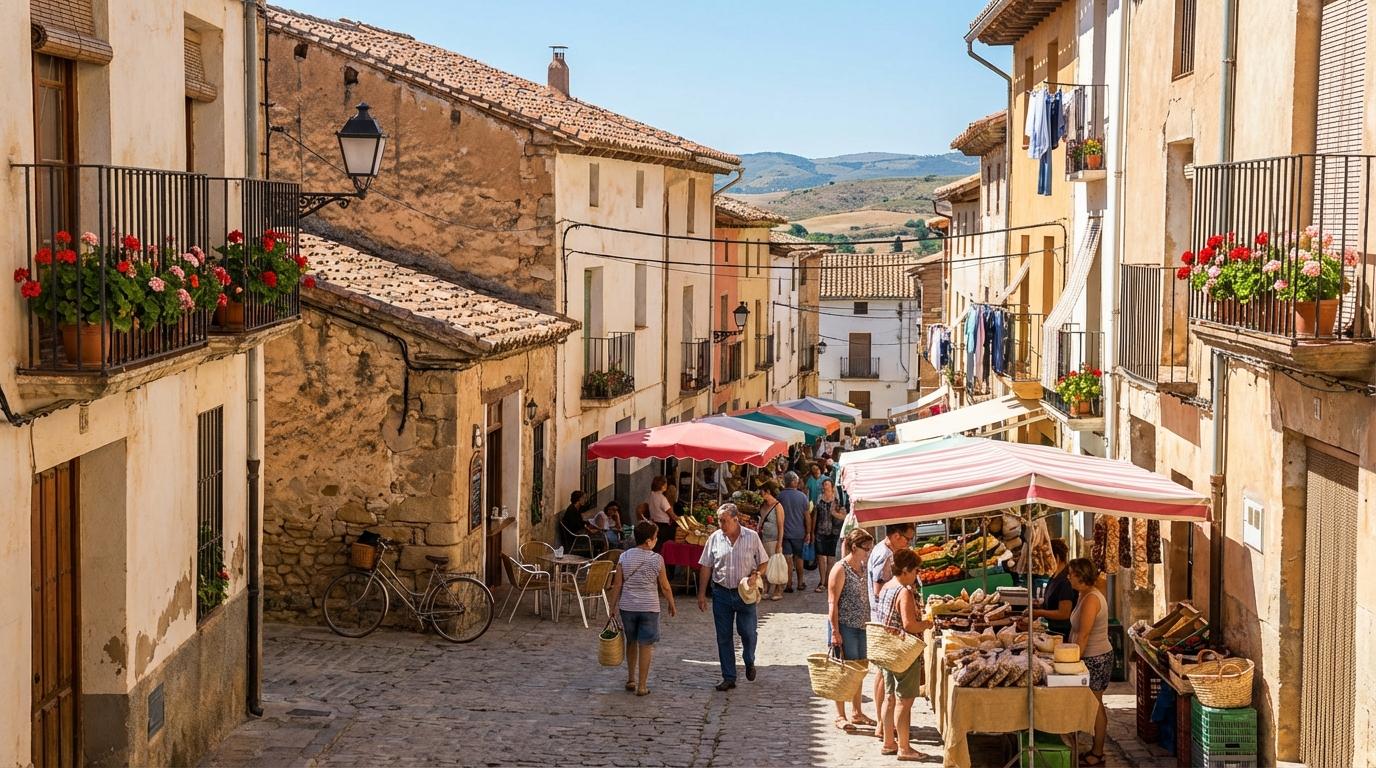
Local Markets: Spain's mercados centrales offer fresh produce, meat, and fish at lower prices than supermarkets. Shopping here can reduce food costs by 20-30%.
Budget Supermarkets: Chains like Mercadona, Lidl, Dia, and Aldi provide excellent value. Essential items include bread (€1-€2), milk (€1-€2 per liter), eggs (€2-€3 for a dozen), and seasonal fruits and vegetables.
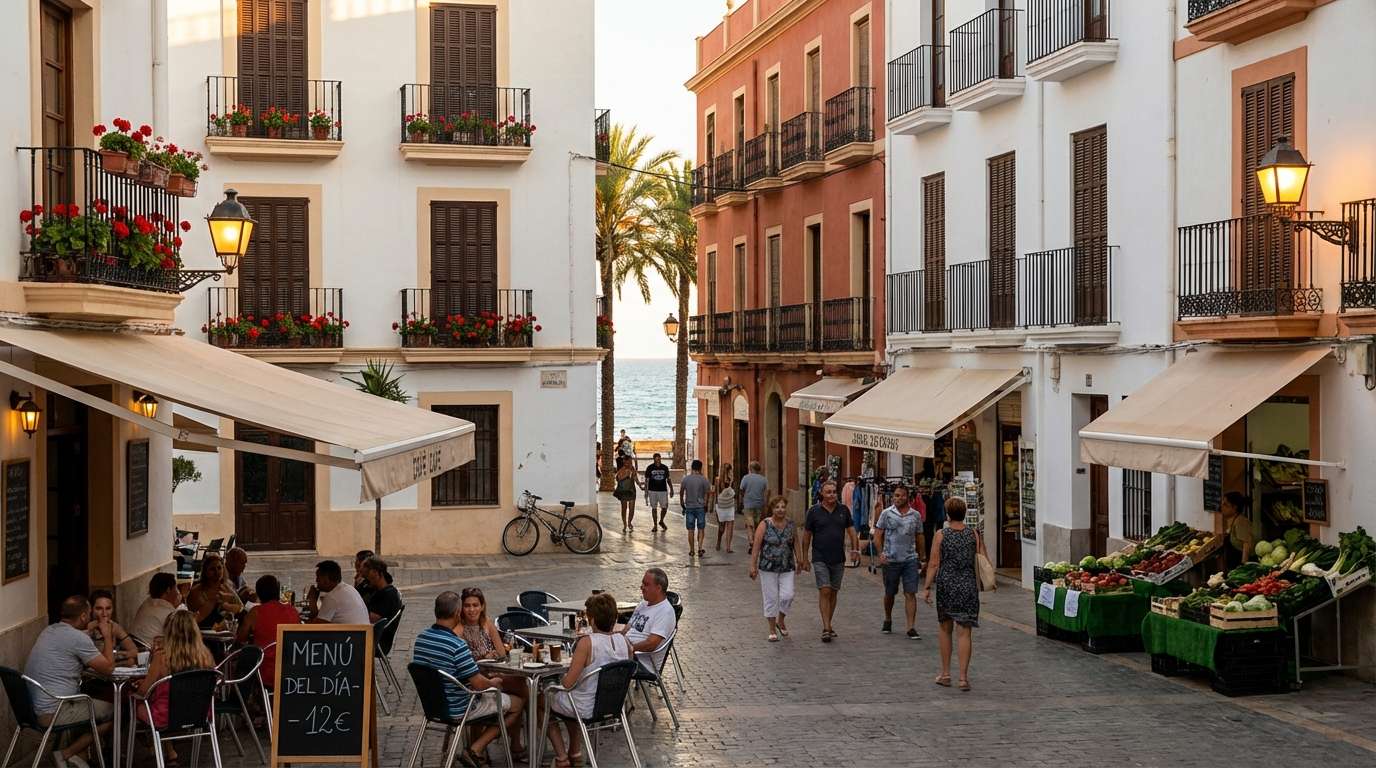
Cooking at Home: On a $1,000 budget, dining out must be minimal. A basic menu del día (lunch menu) costs €10-€15, while a simple coffee and pastry runs €3-€5. Cooking at home is essential for budget adherence.
Transportation: Getting Around on a Budget
Public transportation in Spain is efficient and affordable. Monthly transit passes range from €20-€50 in most cities, with Madrid at €54.60 and Barcelona at €40-€70 depending on zones. Many smaller cities offer even cheaper options.
Owning a car on a $1,000 budget is impractical. Beyond monthly payments (€400+), car ownership includes insurance (€500-€1,000 annually), fuel (€1.50-€1.70 per liter), maintenance, and parking. Most people living on tight budgets rely exclusively on public transit, bicycles, or walking.
Healthcare Costs: Public vs. Private
Spain offers excellent public healthcare through its social security system. Legal residents with work permits access this system through payroll contributions. However, those on non-lucrative visas or other non-work permits must obtain private health insurance, costing €50-€150 monthly depending on age and coverage level.
Prescription medications in Spain are heavily subsidized, with many common drugs costing €3-€10. Over-the-counter medications are also affordable, making healthcare manageable even on a tight budget.
Lifestyle and Entertainment: Living Within Limits
A $1,000 monthly budget leaves minimal room for entertainment and discretionary spending. After covering rent, utilities, food, transportation, and healthcare, approximately €50-€100 remains for leisure activities.
Fortunately, Spain offers numerous free or low-cost entertainment options: public beaches, parks, hiking trails, free museum days, local festivals, and outdoor markets. A gym membership costs €20-€40 monthly, and a movie ticket runs €8-€10.
The Cheapest Places to Live in Spain
Location dramatically impacts budget feasibility. These cities offer the best value for budget-conscious residents:
Lugo, Galicia
Consistently ranked as Spain's most affordable city, Lugo offers living costs approximately 12% below the national average. One-bedroom apartments rent for €400-€500, and the city provides excellent quality of life with historic architecture, green spaces, and a relaxed pace.
Cáceres and Badajoz, Extremadura
The Extremadura region offers some of Spain's lowest living costs. These cities feature rents starting at €350-€450 for one-bedroom apartments, affordable groceries, and minimal tourist inflation. The trade-off is distance from major urban centers and beaches.
Jaén, Andalusia
This southern Spanish city combines affordability with Andalusian culture and Mediterranean climate. Rent averages €400-€550 monthly, and the surrounding olive groves and natural parks offer abundant recreational opportunities.
Murcia
Murcia balances affordability with modern amenities and growth potential. The city offers rents from €450-€600, a thriving university population, and proximity to beaches. The climate is sunny year-round, reducing heating costs.
Granada
Famous for the Alhambra, Granada attracts students and expats seeking culture on a budget. Shared accommodation starts at €250-€400, and the city's compact size makes car ownership unnecessary. The Sierra Nevada mountains provide free hiking and, in winter, affordable skiing.
Sample Monthly Budget: Living on $1,000 in Spain
Here's a realistic breakdown for a single person living frugally in an affordable Spanish city:
Rent (shared room): €400
Utilities (shared): €50
Internet & mobile: €25
Groceries: €250
Transportation: €40
Health insurance: €60
Miscellaneous/Emergency: €25
Total: €850 (approximately $1,000)
This budget requires discipline and sacrifices. There's minimal buffer for emergencies, travel, or unexpected expenses. Most people living on this budget supplement income through remote work, English tutoring, or savings.
Visa Considerations and Income Requirements
While living on $1,000 monthly may be theoretically possible, visa requirements often mandate higher income levels. For non-EU citizens seeking residence in Spain through the Non-Lucrative Visa (NLV), 2026 requirements include:
Main applicant: €28,800 annually (€2,400 monthly)
Each dependent: Additional €7,200 annually (€600 monthly)
These requirements are based on 400% of Spain's IPREM (Public Multiple Effects Income Indicator). Applicants must demonstrate this income through bank statements, investments, pensions, or other passive income sources. The $1,000 budget only works for those already in Spain on other visas, EU citizens, or individuals with special circumstances.
Strategies for Making $1,000 Work in Spain
If you're committed to living on a tight budget, these strategies maximize your purchasing power:
Choose Your Location Wisely
Prioritize inland cities over coastal tourist destinations. Avoid Barcelona, Madrid, San Sebastian, and popular Costa del Sol towns. Instead, consider Galicia, Extremadura, Castilla-La Mancha, and inland Andalusian cities.
Embrace Shared Living
Renting a room in a shared apartment significantly reduces costs. Many shared flats include utilities and internet, simplifying budgeting. Websites like Idealista, Fotocasa, and Badi help find compatible roommates.
Master Spanish Shopping Culture
Learn to shop like locals: visit markets early for best selection, buy seasonal produce, choose store brands, and stock up during supermarket promotions. Many Spaniards shop daily for fresh items rather than weekly, reducing waste.
Minimize Fixed Costs
Avoid financial commitments like gym memberships, streaming services, or storage rentals. Utilize free alternatives: outdoor exercise, public libraries for books and internet, and community centers for activities.
Build an Emergency Fund
Before moving to Europe on a $1,000 budget, accumulate savings covering 3-6 months of expenses. Unexpected costs—medical emergencies, visa renewals, travel home—can derail tight budgets without a financial cushion.
Consider Supplemental Income
Many expats on tight budgets earn additional income through English tutoring (€15-€25 hourly), remote freelance work, or seasonal employment. While the Non-Lucrative Visa prohibits working in Spain, digital nomad visas and other permits allow income generation.
Real-Life Experiences: Can You Actually Do It?
Personal accounts from expats living on tight budgets in Spain reveal that while challenging, it's achievable with the right mindset and location. Students, early retirees, and digital nomads successfully maintain €1,000-€1,200 monthly budgets by:
- Living in university towns with active flatshare markets
- Cooking exclusively at home and meal planning
- Using public transportation exclusively
- Participating in free cultural activities and community events
- Shopping at discount supermarkets and weekly markets
- Limiting alcohol consumption and dining out
- Finding affordable accommodation outside tourist zones
However, most describe this lifestyle as "surviving" rather than "thriving." The consensus suggests €1,500-€2,000 monthly provides more comfort, flexibility, and quality of life.
The Comfort vs. Survival Balance
Living on $1,000 monthly in Spain is possible but requires significant compromises. This budget covers basic needs—housing, food, utilities, transportation—but leaves little for:
- Travel within Spain or Europe
- Regular dining out or socializing
- Hobbies requiring equipment or fees
- Building savings
- Unexpected expenses
- Quality healthcare beyond basic coverage
For those seeking a comfortable retirement, establishing a European base while traveling, or enjoying Spain's renowned culinary and cultural scene, a higher budget is advisable. The $1,000 budget works best for:
- Students living minimally while studying
- Young expats prioritizing experience over comfort
- Digital nomads earning in stronger currencies
- Trial periods before committing to long-term residence
- Ultra-frugal individuals comfortable with minimal lifestyle
Housing Market Trends and Future Outlook
Spain's housing market shows continued growth in 2026, with no signs of cooling. Rental prices have risen 8-12% year-over-year in major cities, creating additional pressure on budget-conscious residents. This trend suggests that a $1,000 budget may become increasingly difficult to maintain in the coming years.
However, government initiatives addressing housing affordability, particularly rental price controls in certain regions and new construction projects in smaller cities, may create more opportunities for budget living. For those exploring property ownership abroad rather than renting, platforms like Homestra provide access to over 200,000 properties across Europe, helping international buyers find affordable second homes in emerging Spanish markets where prices remain attractive.
The Verdict: Is $1,000 a Month Enough?
Can you live off $1,000 a month in Spain? Yes, technically—but with significant caveats:
Location is critical: Only in the most affordable Spanish cities and towns is this budget realistic.
Lifestyle is limited: Expect a basic, frugal existence focused on essentials, with minimal discretionary spending.
Shared housing is essential: Independent apartments are generally unaffordable at this budget level.
No financial buffer: Unexpected expenses can quickly derail this tight budget.
Visa requirements may prohibit it: Official residence permits often require demonstrating higher income levels.
For most people, €1,500-€2,000 monthly ($1,600-$2,100) provides a more comfortable and sustainable lifestyle in Spain, allowing for:
- Independent housing in affordable cities
- Occasional dining out and socializing
- Travel and leisure activities
- Emergency savings
- Better quality accommodation and neighborhoods
- More food choices and less stress
Conclusion: Making Your Spain Dream Reality
Living in Spain on $1,000 a month is an extreme budget challenge that's achievable only with careful planning, strategic location choice, and willingness to embrace a minimalist lifestyle. For those seriously considering this path, spend time researching specific cities, connecting with expat communities online, and potentially visiting before buying property abroad.
Remember that Spain's true appeal lies not just in affordability but in quality of life—the Mediterranean climate, rich cultural heritage, excellent food, friendly communities, and relaxed pace. Stretching every euro to survive may prevent you from fully experiencing what makes Spain special.
Whether you're exploring retirement options, considering a second home purchase, or planning an extended stay, understanding realistic budgets ensures your Spanish adventure enhances rather than stresses your life. For those ready to explore property ownership in Spain's most affordable markets, resources like Homestra connect international buyers with opportunities across Europe's diverse real estate landscape, helping you find the perfect location that matches both your dreams and your budget.
Share