Blog published in Buying property abroad
Share
Can I Buy a Historic Home in Sweden's Countryside?
For many international buyers, the dream of owning a historic home in Sweden's countryside isn't just about real estate—it's about connecting with a slower pace of life, embracing Scandinavian heritage, and finding a peaceful retreat in one of Europe's most beautiful settings.
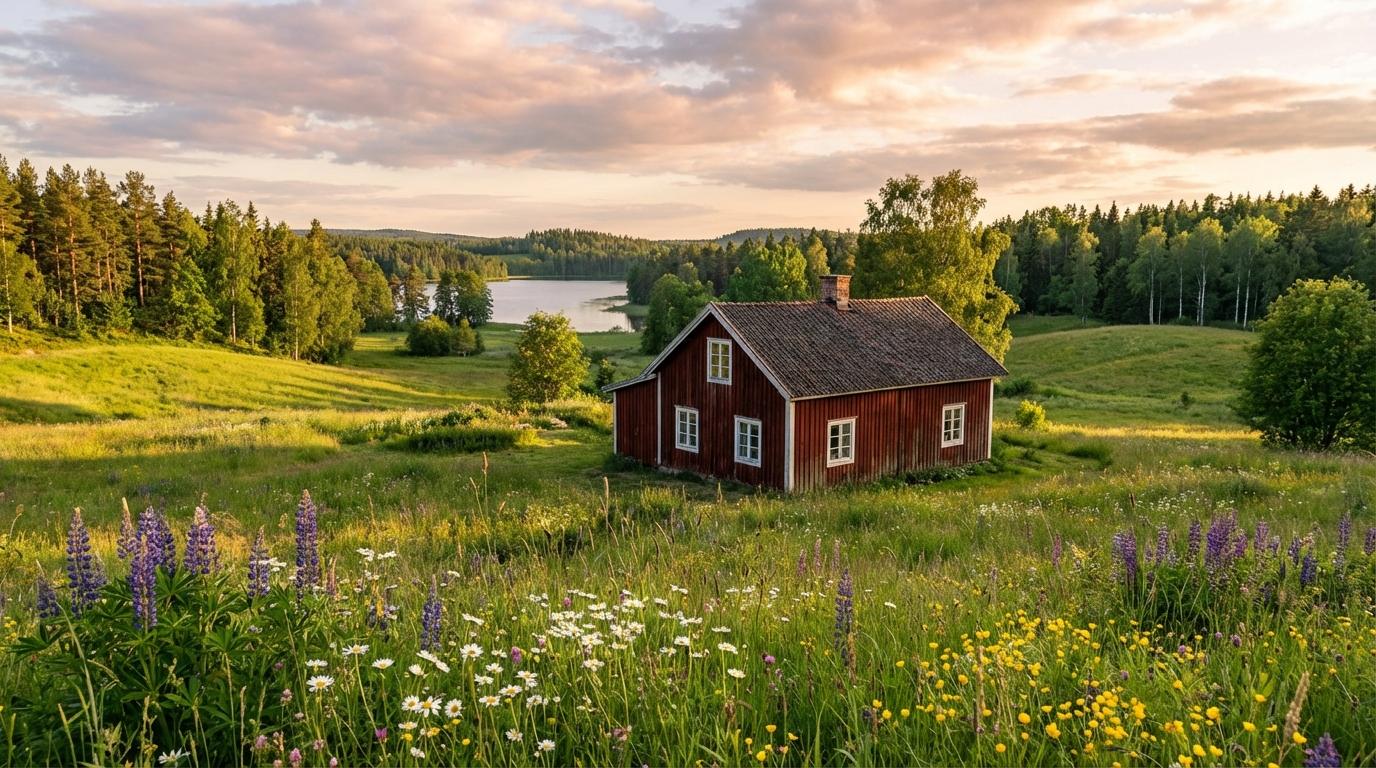
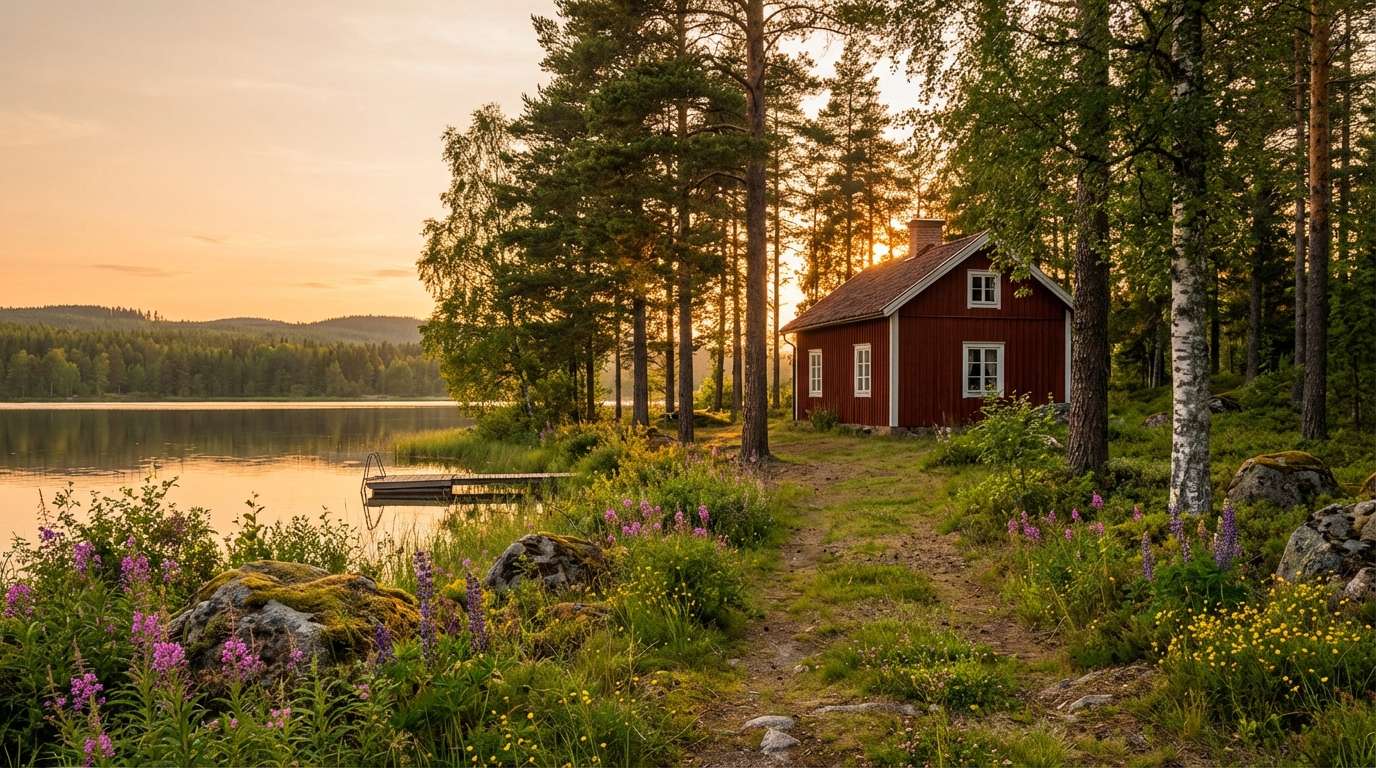
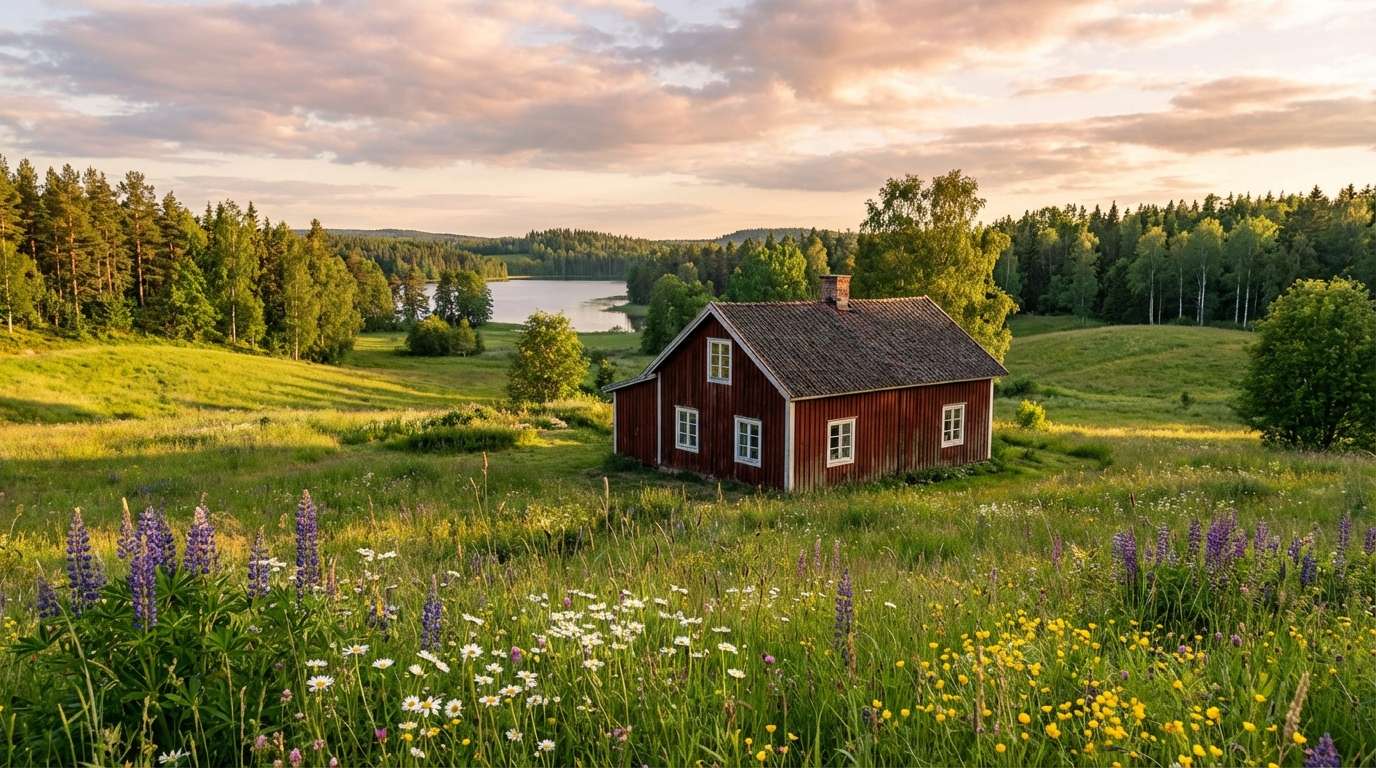
Picture this: waking up in a charming red cottage nestled among rolling hills, with centuries-old wooden beams above your head and a serene lake just beyond your garden. For many international buyers, the dream of owning a historic home in Sweden's countryside isn't just about real estate—it's about connecting with a slower pace of life, embracing Scandinavian heritage, and finding a peaceful retreat in one of Europe's most beautiful settings.
If you've been wondering whether you can actually make this dream a reality, I have good news: yes, you absolutely can buy a historic home in Sweden's countryside, and the process might be more straightforward than you think. As someone who's explored the ins and outs of European property ownership, I'm here to walk you through everything you need to know about purchasing these enchanting properties.
The Good News: Sweden Welcomes Foreign Buyers
Let me start with what might be the most important question on your mind: can foreigners actually buy property in Sweden? The answer is a resounding yes. Sweden has one of the most welcoming property ownership policies in Europe, with no restrictions on foreign ownership of residential real estate. Whether you're from the EU, the United States, or anywhere else in the world, you have the same rights as Swedish citizens when it comes to purchasing a home.
This open-door policy extends to historic properties in the countryside, including those charming stuga (cottages), traditional farmhouses, and even centuries-old manors. Unlike some European countries that require special permits or impose limitations on foreign buyers, Sweden makes the process remarkably accessible. You don't need to be a resident, you don't need a work permit, and you don't even need to physically live in the country to own property there.
However, there's an important caveat to keep in mind: while residential properties are freely available to foreign buyers, purchasing agricultural or forestry land may require approval from the County Administrative Board (Länsstyrelsen), particularly in sparsely populated areas. This regulation exists to ensure that agricultural land remains in active use. But don't worry—for most historic countryside homes that come with a reasonable amount of land, this won't be an issue.
Understanding Historic Property Regulations
When it comes to historic homes, Sweden takes cultural preservation seriously, and understanding the regulations around these properties is crucial before you make an offer. The Swedish Historic Environment Act governs the protection of culturally significant buildings, and some properties fall under special categories that affect what you can and cannot do with them.
Listed Buildings and Cultural Heritage Protection
Some historic properties in Sweden are designated as byggnadsminnen (listed buildings)—properties of particularly high cultural and historical value. As of recent counts, over 2,000 individual properties across Sweden hold this official protection status. If you're considering a listed building, you need to know that any alterations, renovations, or even simple changes to the exterior typically require approval from the County Administrative Board.
This doesn't mean you can't renovate—it just means you'll need to work within preservation guidelines that ensure the building's historic character remains intact. Original materials, traditional construction methods, and period-appropriate colors may all be required for any restoration work. While this might sound restrictive, many buyers find that these requirements actually enhance the property's charm and value over time.
Not all old homes are officially listed, though. Many historic countryside properties have no formal protection status, which gives you more flexibility in how you maintain and modify them. Even so, it's always wise to check the property's status with the local municipality before you buy. Some areas have local heritage designations that might impose certain restrictions without the property being formally listed at the national level.
Ancient Remains and Archaeological Considerations
One unique aspect of buying countryside property in Sweden is the country's strict protection of ancient remains (fornminne). Sweden has an incredibly rich archaeological heritage, and it's illegal to disturb, move, or alter ancient monuments without special permission. This includes everything from Viking burial mounds to Stone Age settlements.
If your dream property includes land with ancient remains—which is not uncommon in rural areas—these features must be protected and left undisturbed. You can't build near them, dig around them, or plant trees that might damage them. For most buyers, this is actually a fascinating bonus rather than a drawback, adding a layer of historical significance to their land.
The Swedish Property Buying Process: What to Expect
Now that we've covered the regulations, let's talk about the actual process of buying a historic countryside home in Sweden. If you've bought property in other countries, you'll find Sweden's system refreshingly straightforward, though it does have some unique characteristics.
Step 1: Securing Financing
Before you start seriously house hunting, you'll want to secure financing. This is where things can get a bit tricky for foreign buyers. Swedish banks typically prefer to lend to residents with a Swedish personal identification number (personnummer), stable Swedish income, and an established credit history in the country.
If you're not a Swedish resident, you'll likely need one of these options:
- Cash purchase: The simplest route if you have the funds available
- Financing from your home country: Some international banks offer loans for overseas property purchases
- A Swedish coordination number: Known as a samordningsnummer, this can help you open a Swedish bank account and potentially access financing, though approval isn't guaranteed
One important cultural note: in Sweden, buyers typically obtain a lånelöfte (loan promise) from their bank before making serious offers. This demonstrates to sellers that you're a credible buyer with financing already arranged.
Step 2: Property Search and Viewings
Finding your perfect historic countryside home is where the adventure really begins. The primary platform for property listings in Sweden is Hemnet.se, where you'll find everything from tiny red cottages to grand manor houses. For international buyers, platforms like Homestra offer curated listings of countryside properties across Sweden, making it easier to search from abroad.
Historic homes in Sweden's countryside span a wide price range. You might find charming cottages starting around 500,000 SEK ($45,000-$50,000), while larger farmhouses or manor properties can range from 2-10 million SEK ($180,000-$900,000) or more, depending on location, size, and condition.
Property viewings (visningar) are typically held on Sundays and are quite informal compared to some other countries. Multiple potential buyers often view the property at the same time, and you're free to explore, ask questions, and even bring along an inspector if you wish.
Step 3: The Bidding Process
Here's where Swedish property buying gets interesting: the bidding system is fast-paced and competitive, especially for desirable properties. Unlike sealed bids common in some countries, Swedish property bids are often open, meaning you might know what other buyers are offering.
Critically important: until you sign the contract, bids are generally non-binding. This means you can withdraw if you get cold feet, but it also means the seller isn't obligated to accept your bid even if it's the highest. Sellers can choose any buyer they prefer, sometimes based on factors like your financing readiness or planned use of the property.
Step 4: Property Inspection
In Sweden, the buyer bears responsibility for inspecting the property and identifying any defects before purchase. This is fundamentally different from some countries where the seller must disclose all known issues. If you buy a historic home and later discover problems—even serious ones like structural issues or faulty electrical systems—you generally can't hold the seller responsible unless they deliberately concealed the defects.
For historic countryside properties, I cannot stress enough how important it is to hire a professional inspector (besiktningsman). Companies like Anticimex specialize in property inspections and can identify issues that might not be obvious to the untrained eye. Expect to pay around 5,000-10,000 SEK for a thorough inspection, but consider it money well spent, especially for older properties that may have hidden maintenance needs.
Step 5: Contract and Closing
Once your bid is accepted, things move quickly in Sweden. You'll sign a binding purchase contract (köpekontrakt) that details the price, terms, and closing date. At this point, you'll typically pay a deposit of 10-15% of the purchase price.
The remaining balance is usually due within a few weeks, at which point the keys are handed over and ownership officially transfers. However, you're not quite done yet—you must apply to register the property in your name with the Swedish Land Survey Authority (Lantmäteriet) within three months to obtain legal title (lagfart).
Costs Beyond the Purchase Price
When budgeting for your historic Swedish countryside home, remember that the purchase price is just the beginning. Here are the additional costs you'll need to factor in:
Immediate Purchase Costs
- Stamp duty (stämpling): 1.5% of the purchase price for individuals (4.25% for companies)
- Registration fee: A flat 825 SEK to register your ownership with Lantmäteriet
- Mortgage deed fee (pantbrev): If you're taking out a mortgage, you'll pay 2% of the loan amount for the mortgage deed registration (though this only applies to new deeds, not existing ones transferred with the property)
Ongoing Ownership Costs
- Property tax: Generally 0.75% of the assessed tax value per year for houses
- Utilities: In countryside properties, you'll likely have a private well for water and a septic system, both of which require periodic maintenance
- Heating: Historic properties can be expensive to heat, especially in northern Sweden's cold winters
- Insurance: Essential for protecting your investment, especially for older buildings
- Maintenance: Historic properties typically require more ongoing maintenance than modern homes
One aspect that often surprises international buyers: many rural Swedish properties come with substantial land, sometimes several hectares. While this is part of the appeal, it also means ongoing land maintenance costs and responsibilities.
The Charm and Reality of Historic Swedish Countryside Homes
Before you fall completely in love with the romantic idea of owning a historic Swedish cottage, let's talk about the practical realities—both the wonderful aspects and the challenges you might face.
What Makes These Properties Special
Swedish countryside homes, especially the iconic red cottages painted with traditional Falu rödfärg (Falun red paint), have an undeniable charm that modern construction simply can't replicate. These properties often feature:
- Authentic craftsmanship: Hand-hewn wooden beams, traditional timber construction, and details that showcase centuries-old building techniques
- Connection to history: Many properties date back to the 18th or 19th centuries and come with fascinating stories
- Natural settings: Positioned among forests, lakes, or rolling farmland, offering unparalleled peace and connection to nature
- Community heritage: Even small villages often have rich cultural traditions and welcoming communities
The Swedish concept of allemansrätten (everyman's right) means that while you own the property, the public has the right to roam across most land in Sweden for recreation, as long as they don't disturb the immediate area around your home. This centuries-old tradition is deeply embedded in Swedish culture and adds to the country's accessible natural beauty.
Practical Challenges to Consider
I'd be doing you a disservice if I didn't mention some of the challenges that come with owning a historic countryside property in Sweden:
Maintenance demands: Old buildings require regular upkeep. Traditional timber construction needs periodic painting or treatment, roofs may need attention, and foundations might settle over time.
Modern amenities: Many countryside properties have basic or outdated electrical systems, limited insulation, and no central heating. Upgrading these systems while respecting historic character can be expensive.
Distance from services: The tranquility of countryside living means you'll be farther from shops, medical facilities, and other services. This is part of the appeal for many, but it requires adjustment.
Winter accessibility: Snow removal and maintaining access during long Swedish winters can be challenging, especially if the property is at the end of a rural road.
Language barriers: While many Swedes speak excellent English, dealing with local contractors, municipal offices, and property matters often requires some Swedish language skills or the help of a translator.
Finding Your Perfect Property with Homestra
Searching for historic countryside properties in Sweden from abroad can feel overwhelming, especially when you're navigating foreign websites, unfamiliar regulations, and distance barriers. This is where a platform specifically designed for international buyers becomes invaluable.
Homestra specializes in helping international buyers find their dream properties across Europe, with an extensive selection of Swedish countryside homes. With access to over 200,000 properties across European countries, Homestra makes it remarkably simple to search for specific property types—whether you're looking for a traditional red cottage, a spacious farmhouse, or a historic manor.
What makes Homestra particularly useful for historic property searches is the platform's detailed filtering options and comprehensive property descriptions that help you understand not just the property itself, but the surrounding area, local culture, and lifestyle. For someone unfamiliar with Swedish geography, this context is incredibly valuable in making informed decisions.
The platform also caters specifically to expats and international buyers, understanding the unique challenges you face when buying property abroad. From helping you understand local market conditions to connecting you with the resources you need for a successful purchase, Homestra streamlines what could otherwise be a complicated cross-border transaction.
Regional Considerations: Where to Look
Sweden's countryside varies dramatically from north to south, and where you choose to buy will significantly impact your experience, property prices, and lifestyle.
Southern Sweden (Skåne, Halland, Småland)
The southernmost regions offer milder winters, rolling farmland, and closer proximity to major cities like Malmö and Gothenburg. Historic properties here often include traditional farmhouses on agricultural land. Prices tend to be higher than in more northern regions, but accessibility and climate make this area popular with international buyers.
Central Sweden (Dalarna, Uppland, Västmanland)
This is the heartland of traditional Swedish culture, home to the iconic red cottages that define the Swedish countryside aesthetic. The region around Lake Siljan in Dalarna is particularly famous for well-preserved historic villages. Properties here offer a good balance between accessibility and affordability, with Uppsala and Stockholm within reasonable reach.
Northern Sweden (Norrland)
The vast northern regions offer spectacular natural beauty, extensive wilderness, and remarkably affordable property prices. However, winters are long and harsh, with limited daylight for several months. Historic properties in these areas often come with significant land and incredible solitude—perfect if you're seeking a true escape, but challenging if you need regular access to services.
Coastal vs. Inland
Coastal properties, particularly along the west coast and around the Stockholm archipelago, command premium prices and may face more restrictions. Inland rural properties are generally more affordable and offer more privacy, though you'll sacrifice easy access to water.
Restoration and Renovation Considerations
If you're purchasing a historic property that needs work—and many do—understanding the restoration process is essential. Swedish building regulations and heritage protection laws create a framework you'll need to navigate carefully.
For non-listed properties, you generally have more freedom in renovations, though you'll still need building permits (bygglov) for substantial changes. Listed buildings require special permissions that ensure renovations preserve historic character. This often means:
- Using traditional materials like wood and lime-based paints
- Maintaining original window styles and proportions
- Preserving architectural details like moldings and floors
- Following historically appropriate color schemes
The good news is that Sweden has a strong tradition of skilled craftspeople who specialize in historic restoration. You'll find hantverkare (craftspeople) who understand traditional building techniques and can help you maintain your property's authenticity while improving functionality.
Interestingly, some property owners can access government grants or subsidies for restoration work on culturally significant buildings. While these programs are primarily aimed at listed buildings, they can help offset the sometimes substantial costs of proper restoration.
The Lifestyle: What to Expect
Beyond the practicalities of buying and maintaining a historic countryside property, it's worth considering the lifestyle you're buying into. Owning a countryside home in Sweden isn't just about the building—it's about embracing a particular way of life that many international buyers find deeply rewarding.
The Swedish concept of lagom—meaning "just the right amount"—permeates countryside living. Life moves at a slower pace, communities are tight-knit, and there's a deep appreciation for nature and seasonal rhythms. You'll likely find yourself picking wild berries in summer, skating on frozen lakes in winter, and gathering mushrooms in the forest during autumn.
Many international buyers use their Swedish countryside properties as second homes, escaping there during summers or holidays. The long summer days with near-midnight sun create magical conditions for outdoor activities, gardening, and simply enjoying the tranquil environment. Winter, while dark and cold, offers its own stark beauty and cozy hygge-like atmosphere perfect for crackling fires and quiet reflection.
Building relationships with local communities can enrich your experience immensely. While some rural areas have seen population decline, many communities actively welcome new residents who invest in local properties and participate in village life. Learning even basic Swedish will go a long way in building these connections.
Making Your Dream a Reality
Buying a historic home in Sweden's countryside is more than achievable for international buyers—it's an opportunity to own a piece of European heritage, create lasting memories, and potentially build wealth through property ownership in a stable market.
Yes, there are considerations specific to historic properties: understanding preservation regulations, budgeting for higher maintenance costs, and accepting the trade-offs that come with older construction. But for many buyers, these aren't drawbacks—they're part of what makes these properties special. The craftsmanship, character, and connection to history that you get in a centuries-old Swedish cottage simply can't be replicated in modern construction.
The key to success is approaching the purchase with both enthusiasm and realistic expectations. Do your due diligence, hire professionals to inspect the property thoroughly, understand the regulations that apply to your specific property, and plan for ongoing maintenance costs. Connect with other international property owners in Sweden, learn from their experiences, and don't hesitate to ask for help navigating the system.
Whether you're looking for a traditional red cottage near Uppsala, a spacious farmhouse with sprawling land, or a meticulously preserved manor house, the Swedish countryside offers remarkable opportunities for international buyers. With the right preparation, professional guidance, and genuine appreciation for what these historic properties offer, you can turn the dream of owning a piece of Swedish heritage into a very real and rewarding reality.
The charming red cottages, rolling forests, and centuries-old farmhouses of Sweden's countryside are waiting. Your historic Swedish home could be closer than you think.
Share