Blog published in Buying Property Abroad
Share
The Complete Guide to Buying a Vacation Home in Rural Sweden
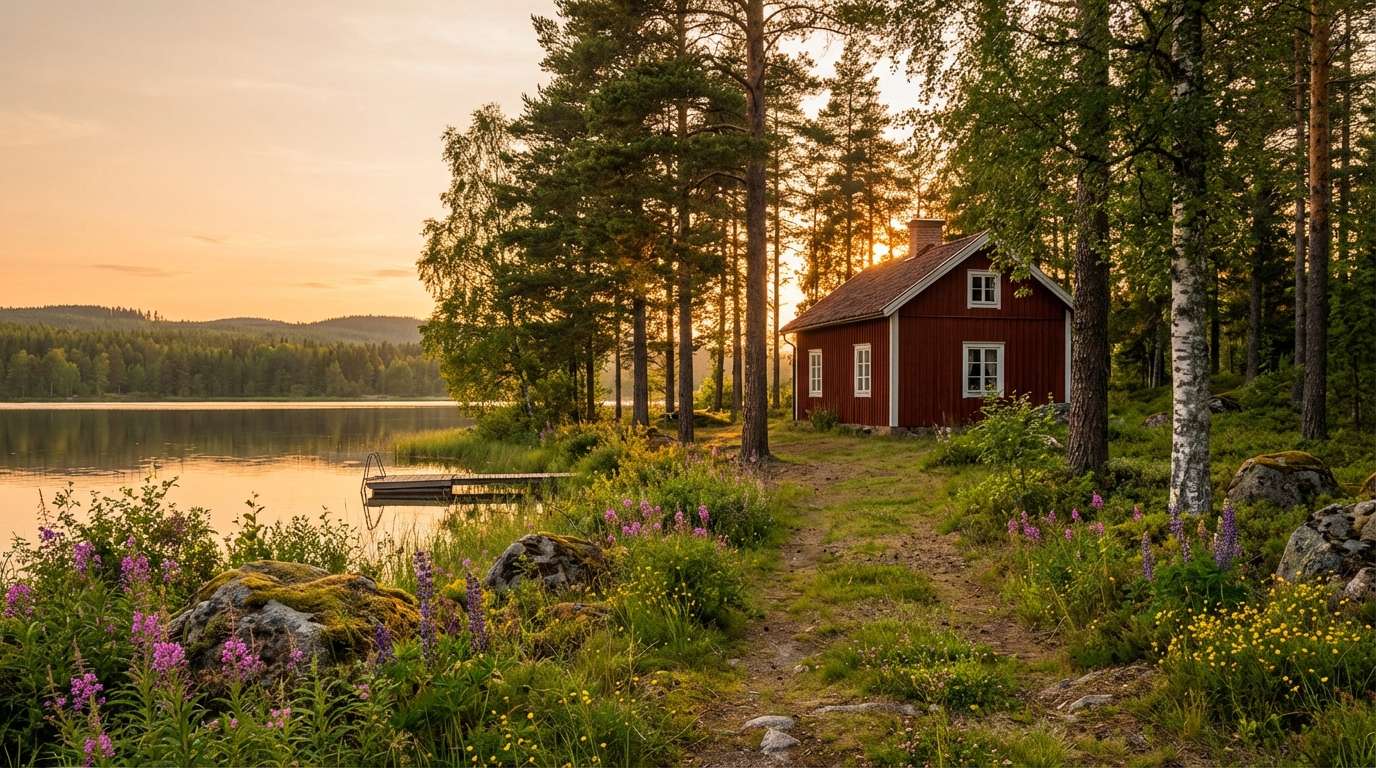
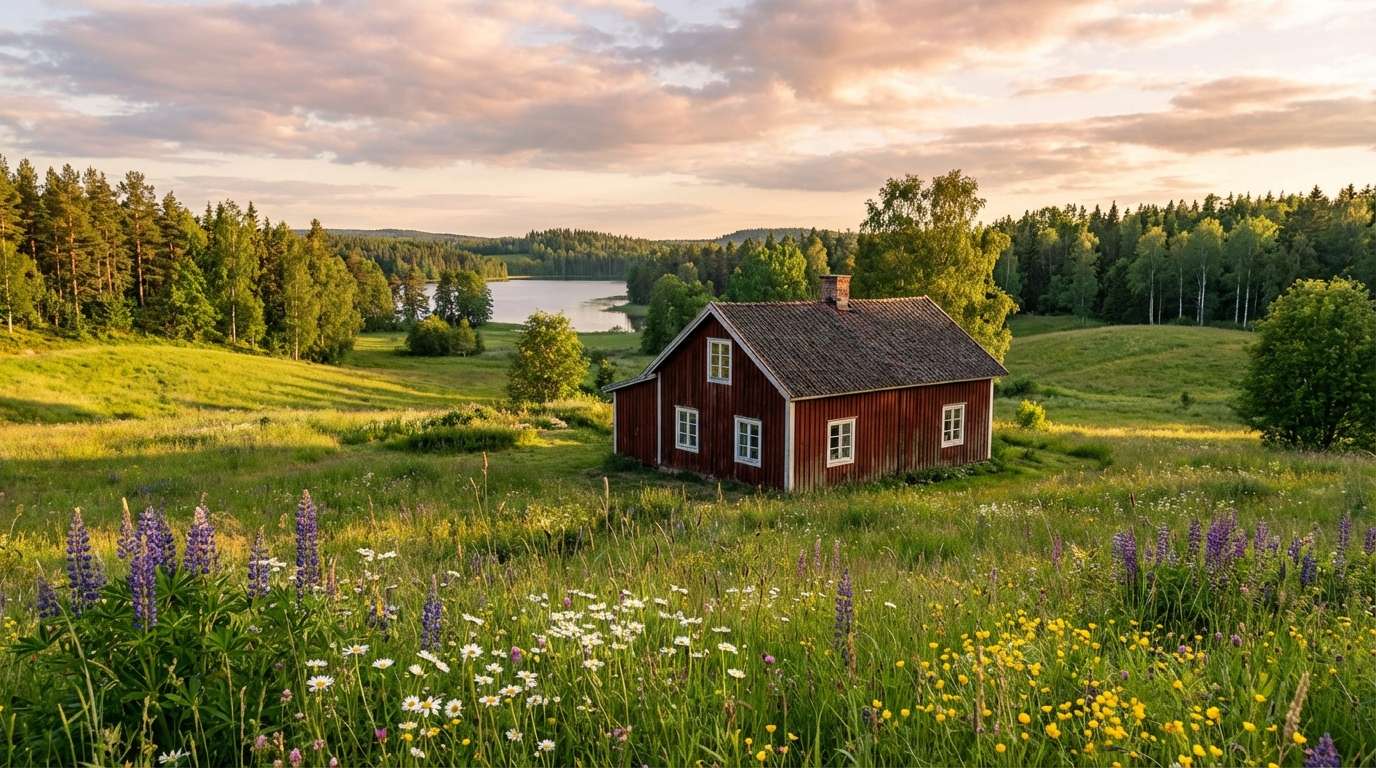
Sweden's picturesque countryside has captivated international buyers seeking refuge in pristine forests, tranquil lakeshores, and charming red-painted cottages. This comprehensive guide walks you through every step of buying a vacation home in rural Sweden.
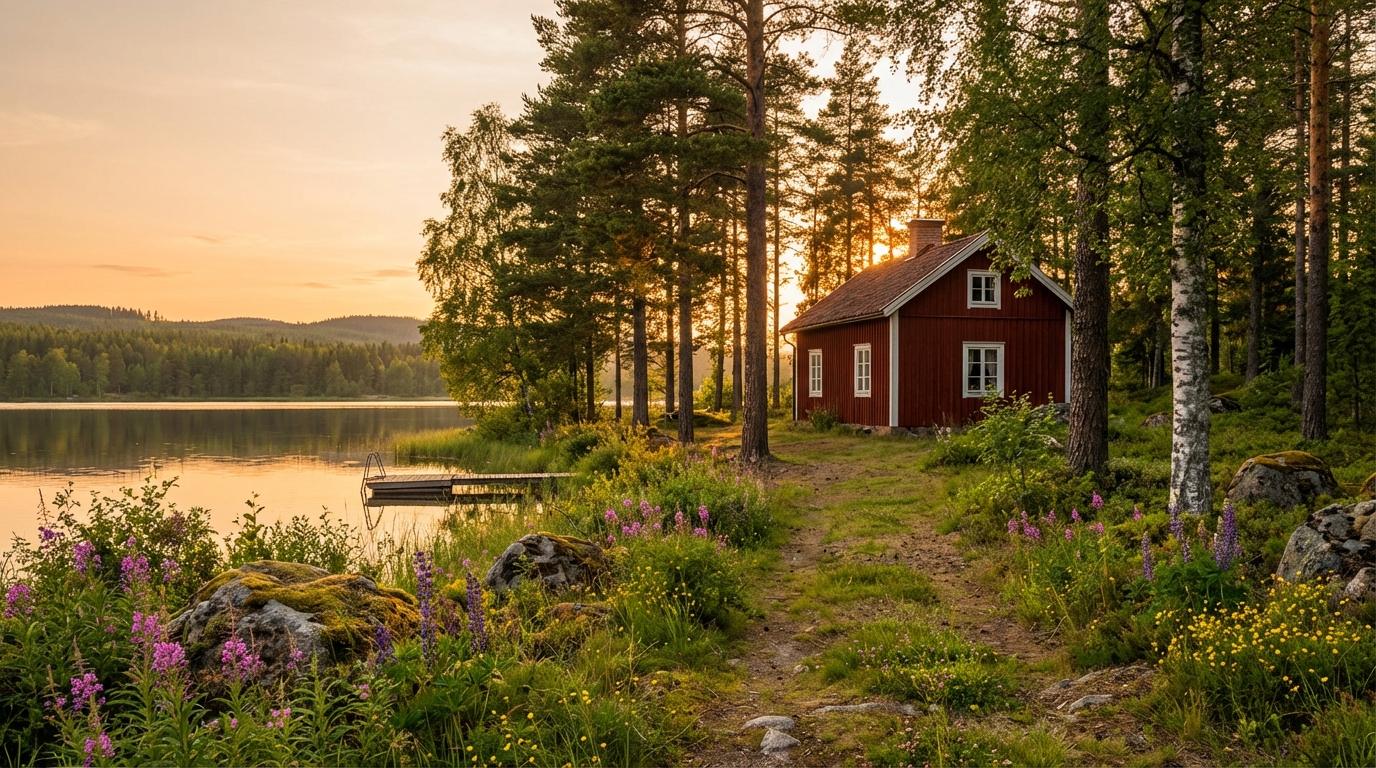
Sweden's picturesque countryside has captivated international buyers seeking refuge in pristine forests, tranquil lakeshores, and charming red-painted cottages. Whether you're drawn to the midnight sun of the north or the archipelago life of the south, purchasing a rural vacation home in Sweden—known locally as a fritidshus—offers a unique opportunity to embrace the Swedish way of life.
As an international buyer, you'll find that Sweden's property market is refreshingly accessible. Unlike many European countries, Sweden imposes no restrictions on foreign ownership, making it one of the most welcoming markets for expats and non-residents looking to invest in a second home. However, the process requires careful navigation, from understanding legal requirements to managing the practicalities of property inspections, financing, and long-term maintenance.
This comprehensive guide walks you through every step of buying a vacation home in rural Sweden, providing practical insights into the legal framework, costs, financing options, and essential considerations for maintaining your Swedish retreat.
Understanding Foreign Ownership Rights in Sweden
One of Sweden's most appealing features for international property buyers is the absence of restrictions on foreign ownership. Both EU and non-EU citizens can freely purchase residential property, land, and vacation homes without special permits or residency requirements.
Legal Framework for Foreign Buyers
The Swedish legal system treats foreign buyers the same as Swedish citizens when it comes to property transactions. You don't need a Swedish personal identity number (personnummer) to complete a purchase, though obtaining a coordination number (samordningsnummer) from the Swedish Tax Agency (Skatteverket) will significantly streamline the process for property registration, utility setup, and banking.
Types of Properties Available
Foreign buyers can legally purchase virtually any type of residential property in Sweden, including:
- Detached houses (villor)
- Townhouses (radhus)
- Vacation homes (fritidshus)
- Rural cottages and agricultural properties
- Land for development
It's worth noting that vacation homes classified as fritidshus may have different municipal services and tax implications compared to primary residences, but ownership itself carries no restrictions for foreigners.
Important Distinction: Ownership vs. Residency
While purchasing property in Sweden is straightforward for foreigners, it's crucial to understand that property ownership does not grant residency rights or visa privileges. Non-EU citizens remain subject to the Schengen visa rules, allowing stays of up to 90 days within any 180-day period. Buying a house does not provide a pathway to Swedish citizenship or permanent residency—these require separate applications through Sweden's immigration system.
The Step-by-Step Process of Buying Property in Rural Sweden
The Swedish property buying process is notably streamlined compared to many other European countries, with real estate agents (mäklare) handling much of the administrative work. Here's what to expect at each stage.
Step 1: Finding Your Dream Property
The property search typically begins online through Sweden's primary real estate platforms:
- Hemnet – Sweden's largest property portal
- Blocket – Popular classifieds site
- Svensk Fastighetsförmedling – Major real estate agency
For international buyers seeking rural properties specifically, platforms like Homestra offer curated listings across Europe, including extensive coverage of Swedish vacation homes and rural properties. The platform's user-friendly search functionality allows you to filter by property type, price range, and location, making it easier to explore Sweden's diverse regions from anywhere in the world.
Rural properties in Sweden vary dramatically by region. Northern Sweden (Norrland) offers vast wilderness and lower prices, while southern regions like Skåne and the Stockholm archipelago command premium prices due to accessibility and milder climates.
Step 2: Viewing Properties and Making an Offer
Property viewings in Sweden can be conducted individually or during scheduled open houses. For international buyers, many agencies now offer virtual tours, though a physical inspection is highly recommended before making any commitment.
The Bidding Process:
Swedish property transactions typically involve a bidding process, which can be competitive, especially for desirable rural properties. Here's how it works:
- Initial bid – Submitted via phone or email to the listing agent
- Non-binding nature – Bids are not legally binding until a written contract is signed
- Counter-offers – The seller may accept, reject, or counter your offer
- Transparent bidding – Other bidders may be informed of competing offers
When making an offer, it's beneficial to demonstrate you can move quickly and have financing already arranged. Cash purchases are particularly attractive to sellers and eliminate financing contingencies.
Step 3: Property Inspection (Besiktning)
One of the most critical—and often underestimated—aspects of buying a rural vacation home in Sweden is the property inspection. Swedish law imposes a strict "duty to investigate" (undersökningsplikt) on buyers, meaning you cannot easily claim compensation for defects that could have been discovered through a thorough inspection.
Critical inspection points for rural properties:
- Structural integrity – Foundation, walls, roof condition
- Water systems – Well functionality (if applicable), plumbing, drainage
- Electrical systems – Wiring safety, especially in older cottages
- Insulation and winterization – Essential if you plan winter use
- Heating systems – Wood stoves, heat pumps, electrical heating
- Septic systems – Private sewage treatment (enskilt avlopp)
- Moisture and mold – Common issues in older wooden structures
While sellers often provide a pre-inspection report, hiring an independent inspector is strongly recommended. Inspection costs typically range from 5,000 to 15,000 SEK, depending on property size and complexity.
Step 4: Signing the Purchase Agreement (Köpekontrakt)
Once your offer is accepted and you're satisfied with the inspection results, both parties sign a written purchase agreement (köpekontrakt). This legally binding document includes:
- Purchase price
- Property description and boundaries
- Possession date (tillträdesdag)
- Terms and conditions
- Any included fixtures or exclusions
The real estate agent typically prepares the contract, and in Sweden, lawyers are not usually involved in straightforward transactions. However, international buyers may wish to consult a Swedish property lawyer, especially for complex rural properties with land rights or agricultural considerations.
Step 5: Deposit and Financial Arrangements
Swedish convention requires a deposit of approximately 10% of the purchase price, payable immediately upon signing the contract (often within 10 days). This deposit is typically held by the real estate agent in an escrow account until the final transaction.
The remaining 90% is due on the possession date, when ownership officially transfers.
Step 6: Registration and Title Transfer (Lagfart)
After the purchase is completed, the final step is registering the property with the Swedish Land Registry (Lantmäteriet). This process, known as lagfart, officially transfers the title to your name and involves:
- Stamp duty – 1.5% of the purchase price (or assessed value, whichever is higher)
- Registration fee – Fixed fee of 825 SEK
- Processing time – Typically 4-8 weeks
Once registered, you receive official documentation of ownership, providing full legal protection and rights to the property.
Financing Your Swedish Vacation Home
Securing financing for a rural Swedish property presents unique challenges for international buyers, though it's certainly possible with proper preparation.
Mortgage Options for Foreign Buyers
Swedish banks do offer mortgages to foreign buyers, but eligibility requirements are significantly stricter for non-residents. Key requirements typically include:
- Swedish income or employment
- Swedish bank account – Often requiring a personnummer or samordningsnummer
- Substantial down payment – Minimum 15% required by law (85% maximum loan-to-value ratio)
- Credit history – Vetted through Swedish credit agencies like UC
Major Swedish banks that work with foreign buyers include Nordea, Handelsbanken, SEB, and Swedbank. However, mortgage rates for foreigners typically run 0.1% to 0.9% higher than rates for Swedish residents, ranging from 2.9% to 4.0% in early 2026.
Challenges with Foreign Banks
Using a foreign bank for mortgage financing on Swedish property is generally not recommended. Foreign lenders rarely offer mortgages for Swedish real estate due to jurisdictional complications and currency risks. Additionally, Swedish mortgage registration requirements make domestic lending much more straightforward.
Cash Purchases
For many international buyers, especially those purchasing affordable rural properties, paying cash eliminates financing complications entirely. Rural vacation homes in Sweden can range from as low as 500,000 SEK (approximately €45,000) in remote northern areas to several million SEK for properties near popular destinations or waterfront locations.
Cash purchases also:
- Strengthen your negotiating position
- Eliminate financing contingencies
- Simplify the transaction timeline
- Reduce overall costs (no mortgage fees or interest)
Costs and Taxes Associated with Buying
Beyond the purchase price, budget for several additional costs and ongoing expenses.
One-Time Purchase Costs
Stamp Duty (Lagfart): 1.5% of the purchase price or assessed tax value (whichever is higher). This is the most significant one-time cost.
Registration Fee: 825 SEK for title registration with Lantmäteriet.
Property Inspection: 5,000-15,000 SEK for a professional inspection.
Legal Fees (Optional): If you choose to hire a lawyer, expect 10,000-25,000 SEK for standard transactions.
Estate Agent Fees: Typically paid by the seller, though this cost is often factored into the selling price.
Mortgage Registration Fee (Pantbrev): If financing, 2% of the mortgage amount plus a 375 SEK administrative fee.
Annual Ongoing Costs
Property Charge (Fastighetsavgift): An annual fee of 0.75% of the property's assessed tax value, capped at 10,425 SEK for 2026 (for residential buildings). Newly built homes receive a 15-year exemption.
Property Insurance: Comprehensive home insurance typically costs 3,000-8,000 SEK annually, depending on property size, location, and coverage.
Utilities: Variable depending on property and usage:
- Electricity: 1,200-6,000 SEK monthly (winter heating can be substantial)
- Water: Municipal connection fees if available, or well maintenance costs
- Waste collection: Often charged quarterly by municipalities
- Internet/phone: 250-600 SEK monthly
Maintenance and Repairs: Budget 1-2% of property value annually for maintenance, especially for older wooden structures common in rural Sweden. Labor costs for skilled workers average around 1,500 SEK per hour.
Heating Costs: One of the largest ongoing expenses, particularly for winter use. Electric heating in a 200 square meter home can reach 6,000 SEK monthly during harsh winters, though heat pumps significantly reduce costs.
Practical Considerations for Rural Swedish Properties
Rural vacation homes come with unique challenges that differ significantly from urban or suburban properties.
Water Supply and Sewage
Many rural properties rely on private wells (borrad brunn) for water supply. It's essential to:
- Test water quality before purchase
- Verify the well's depth, capacity, and legal permits
- Understand maintenance requirements and potential costs
Similarly, private septic systems (enskilt avlopp) require regular maintenance and must comply with environmental regulations. Expect inspections every 1-2 years and potential replacement costs of 100,000-200,000 SEK for outdated systems.
Heating Systems
Swedish rural properties typically use one or more of the following heating methods:
- Heat pumps (värmepump) – Air-to-air or geothermal systems offering efficient heating
- Wood-burning stoves – Traditional and cost-effective, requiring regular wood supply
- Electric heating – Common but expensive, especially in winter
- District heating – Rare in rural areas
For properties intended for year-round or winter use, ensure the home is properly winterized (vinterbonat) with adequate insulation, double or triple-glazed windows, and reliable heating systems.
Winterization and Maintenance
If you won't be using your vacation home year-round, proper winterization is critical to prevent costly damage:
For heated properties:
- Maintain "maintenance heating" at approximately 10°C to prevent pipe freezing
- Ensure proper ventilation to prevent mold growth
- Consider remote monitoring systems to track temperature and detect issues
For unheated properties:
- Drain all water systems completely
- Add antifreeze to toilets and drain traps
- Shut off main water supply
- Disconnect outdoor hoses and drain external faucets
- Clear gutters and check roof for snow load capacity
Road Access and Infrastructure
Rural properties may face accessibility challenges, especially in winter. Verify:
- Year-round road access and snow clearing responsibilities
- Distance to essential services (grocery stores, healthcare, schools)
- Mobile phone coverage and internet availability
- Property boundaries and easement rights
Some remote properties may have seasonal-only access or shared private roads requiring maintenance agreements with neighbors.
Regional Considerations Across Sweden
Sweden's vast geography means the buying experience and property characteristics vary significantly by region.
Northern Sweden (Norrland)
Characteristics:
- Lowest property prices (often 500,000-1,500,000 SEK for vacation homes)
- Vast wilderness, forests, and proximity to mountains
- Extreme winter conditions (temperatures below -30°C)
- Midnight sun in summer, polar nights in winter
Considerations:
- High heating costs and essential winterization
- Limited services and infrastructure in remote areas
- Strong appeal for nature enthusiasts and winter sports lovers
Central Sweden (Stockholm Region and Surrounding Areas)
Characteristics:
- Moderate prices (1,500,000-4,000,000 SEK and higher)
- Proximity to Stockholm for weekend retreats
- Stockholm archipelago access
- Better infrastructure and services
Considerations:
- Higher competition for desirable properties
- More regulations in protected areas
- Better resale potential due to proximity to capital
Southern Sweden (Skåne, Småland, Gotland)
Characteristics:
- Varied pricing (1,000,000-5,000,000 SEK)
- Milder climate with shorter winters
- Coastal properties and agricultural landscapes
- Strong cultural heritage and charming villages
Considerations:
- Gotland island properties offer unique charm but ferry dependency
- Agricultural properties may have land-use restrictions
- Popular with international buyers, particularly Danes and Germans
Legal Documentation and Paperwork for Foreign Buyers
While the process is straightforward, ensuring you have the proper documentation will prevent delays and complications.
Essential Documents
For the Purchase:
- Valid passport
- Proof of funding (bank statements or mortgage approval)
- Coordination number (samordningsnummer) – Apply through Skatteverket
- Swedish bank account details
For Registration:
- Signed purchase agreement
- Proof of payment for stamp duty
- Property description and cadastral information
Obtaining a Coordination Number (Samordningsnummer)
While not strictly required for the purchase, a samordningsnummer is invaluable for:
- Opening a Swedish bank account
- Registering utilities in your name
- Paying taxes
- Handling official correspondence
Apply through the Swedish Tax Agency (Skatteverket) by providing proof of the property transaction. Processing typically takes 4-8 weeks.
Tax Implications for Foreign Owners
Understanding Swedish tax obligations is essential for proper financial planning.
Property-Related Taxes
Annual Property Charge: As mentioned, 0.75% of assessed value, capped at 10,425 SEK for 2026.
Capital Gains Tax: If you sell the property, capital gains are taxed at 22% on the profit for non-residents. However, deductions for improvements and purchase costs apply.
Wealth Tax: Sweden abolished its wealth tax in 2007, so there's no annual tax on property ownership beyond the property charge.
Rental Income Taxation
If you rent out your fritidshus, rental income over 40,000 SEK annually is subject to Swedish income tax. Non-residents face a special tax regime (SINK) with a rate of 22.5% (proposed for 2026, reduced from 25%).
Income below 40,000 SEK annually is tax-free, making occasional short-term rental feasible without significant tax burden.
Tax Treaties
Many countries have tax treaties with Sweden to prevent double taxation. Consult a tax professional familiar with both Swedish and your home country's tax laws to understand your obligations and optimize your tax situation.
Working with Real Estate Professionals
Navigating the Swedish property market is significantly easier with knowledgeable professionals.
Real Estate Agents (Mäklare)
Swedish real estate agents are highly regulated and must be licensed. Unlike some countries, the agent typically represents the seller, not the buyer, and their fees (usually 2-5% of the sale price) are paid by the seller.
However, agents facilitate the entire process and are legally bound to provide accurate information about the property. For international buyers, working with an agent who speaks English fluently is essential.
Legal Advisors
While not mandatory for straightforward transactions, international buyers may benefit from consulting a Swedish property lawyer, particularly for:
- Complex rural properties with land rights or agricultural restrictions
- Properties with easements or shared access
- Verifying boundary disputes or title issues
- Understanding Swedish inheritance laws if purchasing jointly
Property Inspectors
Independent property inspectors (besiktningsman) are crucial for rural properties. Ensure your inspector:
- Is licensed and insured
- Has experience with rural and older properties
- Provides a comprehensive written report
- Inspects during appropriate weather conditions (winter inspections reveal heating and insulation issues)
Common Pitfalls to Avoid
Learning from others' mistakes can save significant time, money, and stress.
Underestimating Ongoing Costs
Many buyers focus solely on purchase price without properly budgeting for maintenance, heating, and repairs. Rural wooden structures require regular maintenance, and Sweden's harsh climate accelerates wear and tear.
Skipping the Independent Inspection
Relying solely on the seller's inspection report is risky. Independent inspections often reveal issues that would otherwise go unnoticed, potentially saving tens of thousands of SEK in unexpected repairs.
Ignoring Winterization Requirements
Properties not properly winterized face pipe bursts, mold growth, and structural damage. If you won't maintain heating year-round, proper seasonal preparation is non-negotiable.
Overlooking Access and Services
What seems like peaceful isolation in summer can become problematic isolation in winter. Verify year-round road access, snow clearing arrangements, and proximity to essential services before committing.
Assuming Residency Rights
Remember: property ownership does not grant residency or visa rights. Non-EU citizens remain subject to 90-day Schengen limits. Plan your usage accordingly and explore separate residency pathways if you intend extended stays.
Financing Without Local Banking Relationships
Attempting to secure a mortgage without a Swedish bank account or coordination number creates unnecessary complications. Establish banking relationships early in the process or plan for cash purchase.
Making the Most of Your Swedish Vacation Home
Once you've successfully purchased your rural retreat, several strategies will enhance your enjoyment and protect your investment.
Community Integration
Swedish rural communities are often tight-knit. Making an effort to integrate—learning basic Swedish, participating in local events, and maintaining good relationships with neighbors—enhances your experience and provides practical benefits like assistance with property monitoring and maintenance referrals.
Property Management Services
If you won't be visiting frequently, consider hiring a local property management company to:
- Monitor the property between visits
- Coordinate maintenance and repairs
- Handle emergency situations
- Prepare the property for your arrival
Short-Term Rental Potential
Renting your property when not in use can offset costs, though be aware of the 40,000 SEK tax threshold. Platforms like Airbnb and Swedish-specific rental sites make this increasingly accessible, though local regulations may apply.
Seasonal Optimization
Embrace the Swedish seasonal rhythm. Summer offers endless daylight and outdoor activities, while winter provides opportunities for skiing, ice fishing, and experiencing the magical Swedish winter landscape—provided your property is properly equipped.
Finding Your Perfect Swedish Vacation Home
For international buyers seeking a comprehensive, user-friendly platform to explore vacation homes across Sweden and Europe, Homestra offers an extensive database of over 200,000 properties, including rural Swedish cottages, lakeside retreats, and forest hideaways. The platform's detailed property descriptions highlight local culture, lifestyle considerations, and property features, helping you make informed decisions from anywhere in the world.
With advanced search functionality allowing you to filter by property type, price range, and specific Swedish regions, Homestra simplifies the often overwhelming task of finding the perfect vacation home that matches your vision of Swedish countryside living.
Conclusion: Your Swedish Dream Within Reach
Buying a vacation home in rural Sweden offers international buyers a unique opportunity to embrace one of Europe's most beautiful and accessible property markets. With no restrictions on foreign ownership, a straightforward purchasing process, and diverse options ranging from affordable northern wilderness cabins to charming southern coastal cottages, Sweden welcomes buyers from around the world.
Success requires careful preparation: understanding the legal framework, securing appropriate financing or planning cash purchase, conducting thorough property inspections, and budgeting for ongoing costs including winterization and maintenance. The strict buyer's duty to investigate properties means due diligence is not optional—it's essential.
By working with reputable professionals, understanding regional differences, and planning for the practicalities of rural property ownership, you can successfully navigate the process and secure your own Swedish retreat. Whether you're seeking summer escapes under the midnight sun, winter adventures in pristine snow, or simply a peaceful connection to nature, rural Sweden offers vacation home opportunities that combine natural beauty, cultural richness, and sound investment potential.
The Swedish countryside awaits—with proper planning and realistic expectations, your dream of owning a fritidshus can become a rewarding reality that provides joy and refuge for years to come.
Share